Jillybean Feminized Seeds
By Ivan K., DSS Genetics · Updated April 2026

Jillybean Feminized Seeds
SKU: DSS-JILLY-FEM-5PK
Pack Size
Quantity
Disclaimer: For informational purposes only — not medical advice. Consult a healthcare professional before use.
About This Strain
Jillybean Feminized Seeds — Complete Strain Profile
Jillybean Feminized Seeds – Strain Overview
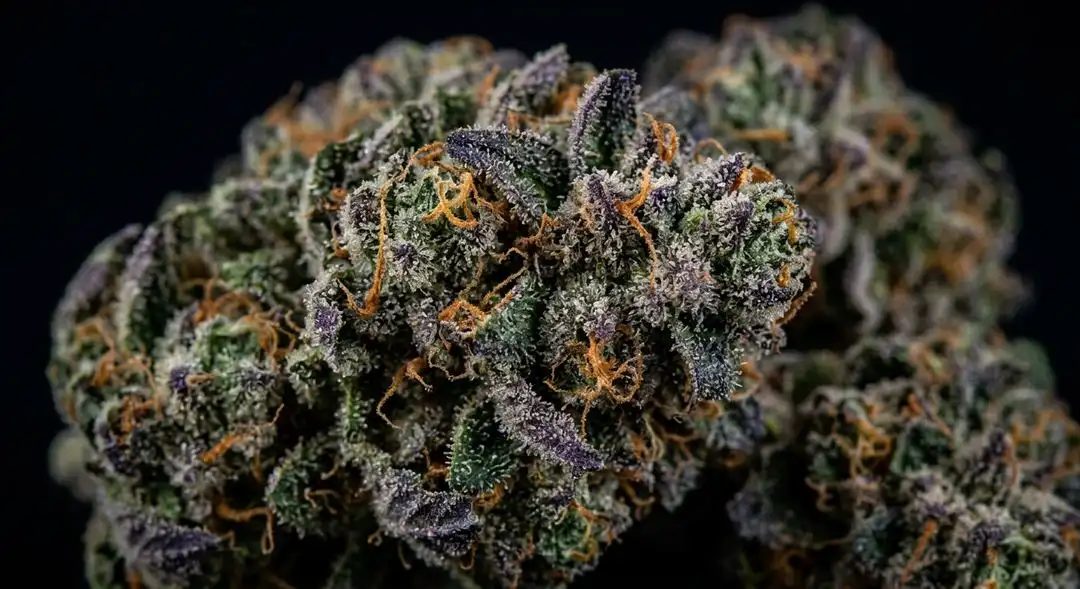
Jillybean is a sativa-leaning hybrid (60% sativa / 40% indica) born from the creative union of Orange Velvet and Space Queen — two legendary Pacific Northwest cultivars with roots in the cult Oregon breeding community. The result is a strain that carries the bright, candy-sweet genetics of its parents and delivers them in a form that is genuinely hard to put down. With 15–18% THC and a notable 1–1.6% CBD, Jillybean sits in a sweet spot between recreational delight and functional relief, making it a standout among best sativa strains for daytime cultivation.
What separates Jillybean from the sea of sativa-leaning hybrids is its remarkable terpene architecture — a candy shop of limonene, myrcene, and caryophyllene that produces an aroma genuinely reminiscent of orange marmalade and ripe berries. This isn't marketing language. Growers who have cultivated Jillybean consistently describe the mid-canopy smell during late flower as one of the most distinctive and rewarding experiences in the grow room. The moderate THC ceiling also makes this strain accessible to a wider range of users without sacrificing the quality of the experience.
Effects and Medical Benefits
The Jillybean high doesn't arrive all at once — it unfolds in distinct layers. Within the first five to ten minutes, a wave of cerebral brightness lifts mood and sharpens focus without the edge or anxiety that higher-THC sativas can produce. This is the Orange Velvet influence at work, delivering clean mental energy that feels purposeful rather than scattered.
As that initial rush settles — typically around the twenty-minute mark — the indica backbone from Space Queen begins to soften the body. There's no heaviness here, no couch-lock. Instead, users describe a pleasant physical ease that keeps the creative momentum going rather than cutting it short. This is a strain you can genuinely work with: write with, paint with, cook with, or simply enjoy on a long walk.
Users consistently report these effects:
- Euphoric uplift — a clear-headed happiness that arrives fast and stays clean throughout the experience
- Creative momentum — ideas flow freely without the scattered overwhelm common to high-THC sativas
- Gentle body relaxation — tension releases from the shoulders and jaw without sedation
- Sustained energy — the kind of motivation that makes it easy to stay engaged rather than drifting off
On the medical side, Jillybean is consistently sought for:
- Stress — the mood elevation is fast, functional, and doesn't overshoot into anxiety
- Depression — the euphoric quality has genuine warmth, not just stimulation
- Fatigue — energizing without the jitteriness associated with high-caffeine alternatives
The 1–1.6% CBD present in Jillybean contributes more than many people expect. At that level, CBD works synergistically with the sativa terpene profile to moderate the peak intensity of the THC experience — a textbook example of the entourage effect in action. It's part of why users who are sensitive to THC often report Jillybean as more approachable than its percentage might suggest.
Aroma, Flavor and Terpene Profile
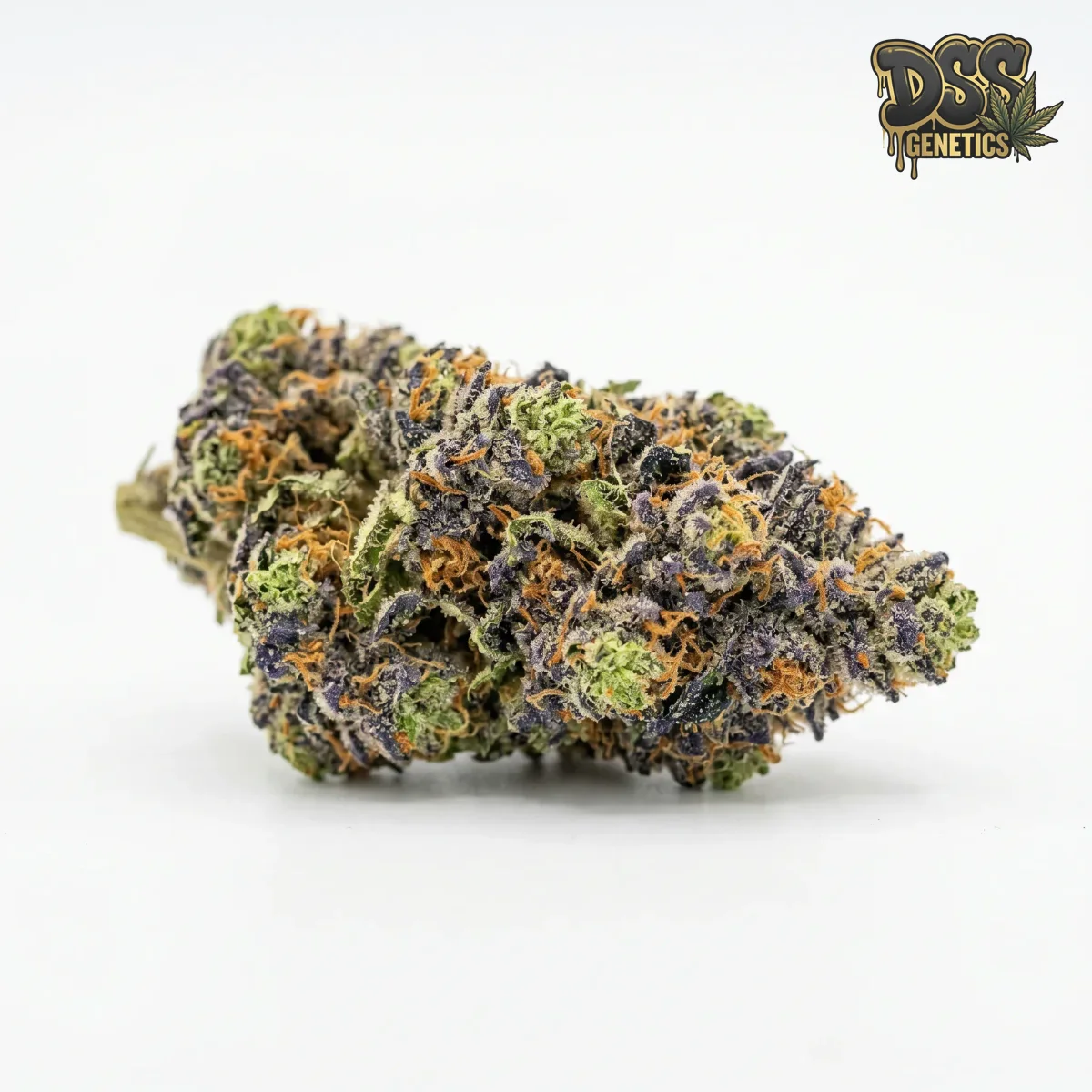
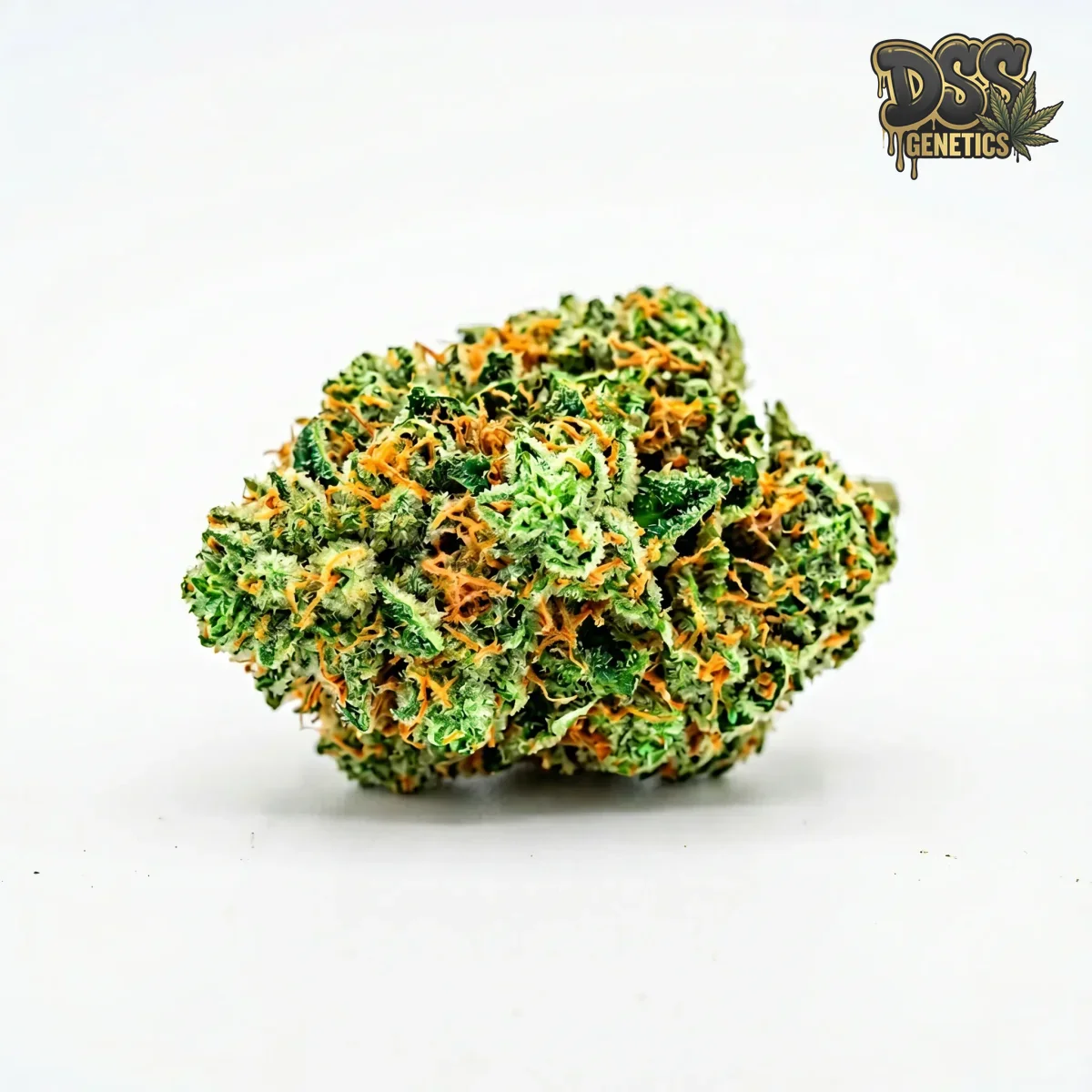
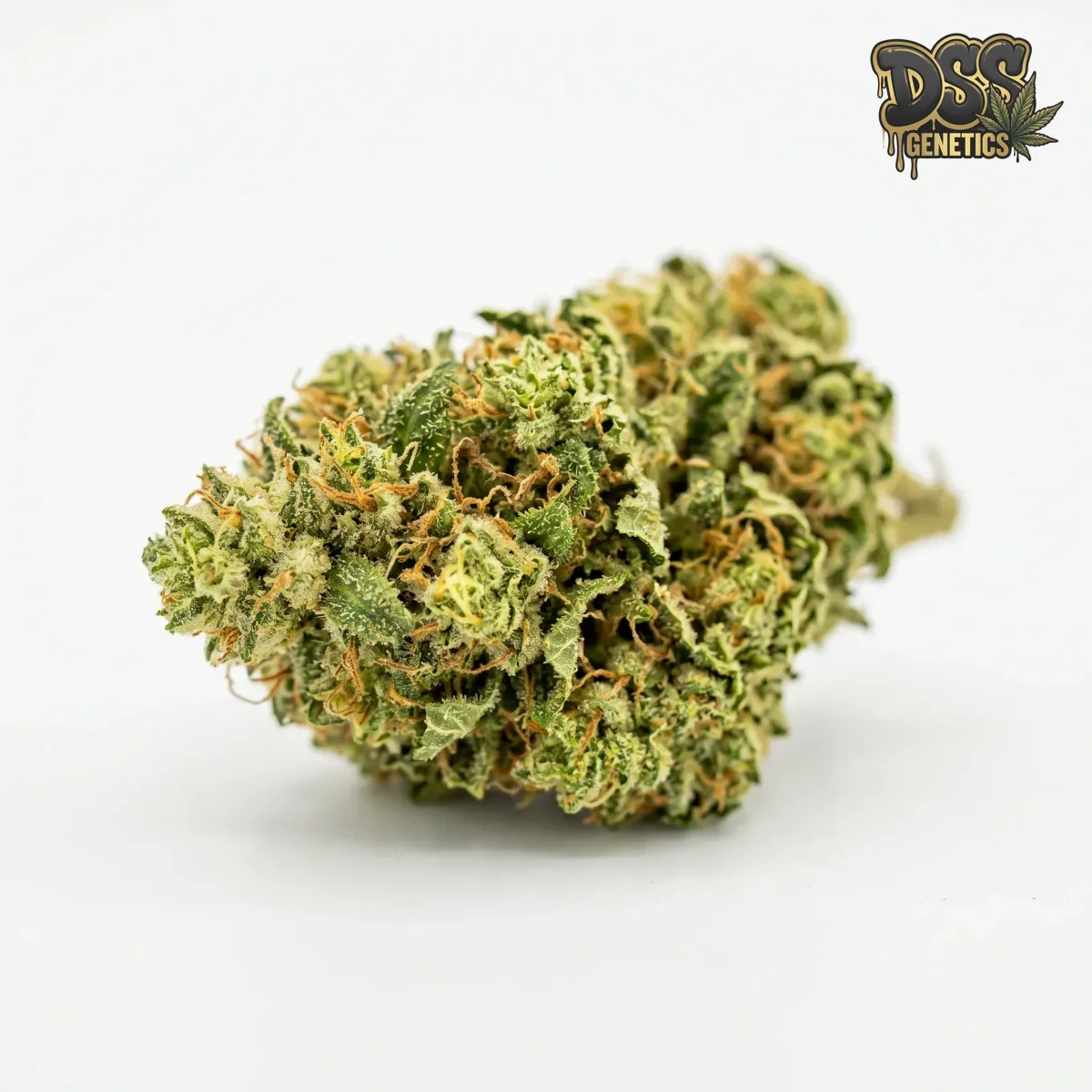
Breaking open a properly cured Jillybean bud is a sensory event. The first hit is unmistakably orange — not artificial orange like a candy wrapper, but something closer to a halved mandarin sitting in warm sunlight. Then the berry undertone emerges, grape and lemon weaving together in a way that genuinely earns the comparison to a fruit punch. Underneath it all is a subtle earthy sweetness that grounds the whole profile and keeps it from reading as synthetic.
On the inhale, the citrus leads: bright, clean, slightly tart. The exhale is where the berry and grape notes open up, with a soft, candy-like sweetness that coats the palate. It's one of the more complex flavor evolutions in the sativa world, and it lingers pleasantly rather than dissipating immediately.
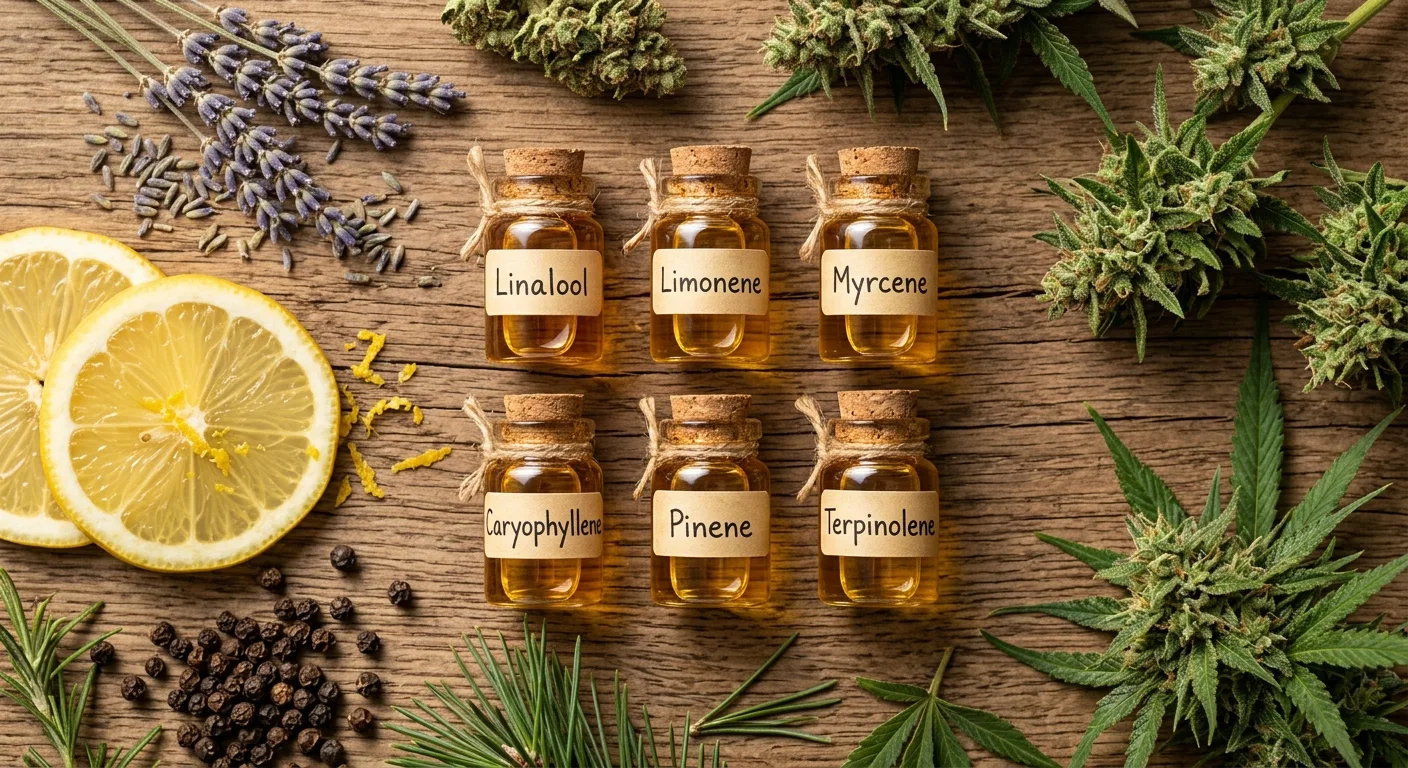
Limonene is the dominant force in Jillybean's aromatic identity. This terpene — abundant in citrus peel — is responsible for the bright orange-lemon brightness that hits first on the nose and again on the exhale. Beyond aroma, limonene carries real therapeutic relevance: research suggests it may support elevated mood, reduce anxiety, and even carry mild antifungal properties. It's a primary reason why this strain feels so naturally uplifting rather than simply stimulating.
Myrcene plays a quieter but equally important role. As the most prevalent terpene in cannabis broadly, myrcene brings the earthy, slightly musky foundation that stops Jillybean's sweetness from becoming one-dimensional. It also acts as a bridge between the sativa and indica sides of the genetic equation, contributing to the physical ease that settles in mid-session. Some research suggests myrcene may enhance cannabinoid uptake across the blood-brain barrier, which could partly explain why Jillybean's moderate THC level feels more complete than the numbers alone would predict.
Caryophyllene is the terpene that gives Jillybean its subtle spicy backbone — the slight warmth you notice at the back of the throat on a long exhale. What makes caryophyllene uniquely valuable in a medical context is its ability to bind directly to CB2 receptors in the endocannabinoid system, acting more like a cannabinoid than a typical terpene. This contributes anti-inflammatory potential that complements the CBD fraction nicely.
Pinene adds the final dimension — a faint, clean freshness that cuts through the sweetness and sharpens the overall sensory experience. Pinene has been studied for its potential to support alertness and short-term memory retention, which aligns neatly with Jillybean's reputation as a strain that keeps you sharp rather than foggy.
Growing Jillybean Seeds
Jillybean is rated moderate difficulty, which in practice means it rewards attention without punishing minor mistakes. It doesn't demand the obsessive environmental control that some elite sativas require, but it does have preferences — and understanding them separates average harvests from exceptional ones.
The plant structure trends medium in height, with an open, branchy architecture inherited from the Space Queen side. This canopy shape is genuinely useful: it allows light to penetrate naturally without aggressive defoliation, and it makes training straightforward. In our experience over dozens of grows, Jillybean responds exceptionally well to low-stress training applied during the vegetative stage, bending and tying side branches outward to create a wide, even canopy that fills the flowering space efficiently.
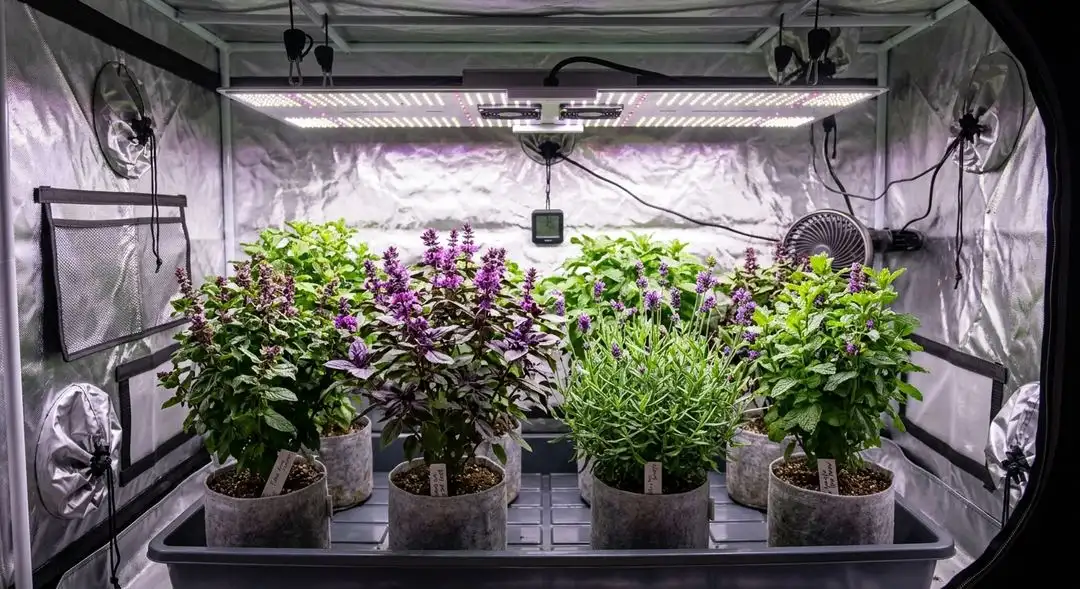
Temperature management matters here. Jillybean performs best in the 70–80°F (21–27°C) range during lights-on, with a drop of 5–10°F at night during late flower. That temperature differential is worth pursuing — it's one of the triggers that intensifies the purple and orange coloration in the calyxes, which is part of what makes a fully mature Jillybean plant so visually striking. Humidity should sit at 50–60% relative humidity during veg, dropping to 40–50% RH as flowers develop, and pulling down to 38–42% RH in the final two weeks to protect dense buds and maximize resin production.
Key growing tips for Jillybean:
- Training: Apply LST or light topping at 3–4 weeks of veg to flatten the canopy and push bud sites outward — Jillybean's branchy structure makes it ideal for this approach
- Nutrients: Moderate feeder overall — follow a standard nitrogen-forward veg schedule but transition to phosphorus and potassium emphasis at the first signs of flower to fuel bud development without burning the leaf tips
- Indoor growing: Thrives in 3-gallon or 5-gallon containers indoors; a 600W HPS or equivalent LED covering a 4×4 space suits this strain's medium footprint well — see our full indoor growing guide for environment setup
- Outdoor growing: Performs excellently in temperate climates with long, warm autumns; plants finish in late September to mid-October in the Northern Hemisphere — consult our outdoor growing guide for timing by climate zone
- Hydro compatibility: Jillybean responds very well in hydroponic systems — the accelerated uptake amplifies the terpene expression noticeably, with the citrus and berry notes becoming markedly more intense compared to soil grows
Yield and Flowering Time
Jillybean flowers in 56–63 days — right at the 8-week mark for most phenotypes, occasionally stretching to 9 weeks in cooler or lower-light conditions. Indoor yields land between 1 and 1.1 oz/ft², which is a solid return for a sativa-leaning strain of this aromatic quality. Outdoor plants are genuinely productive, producing 10–12 oz per plant when given a full season in a warm, sunny environment. For growers after efficiency alongside flavor, this strain fits the profile of a high-yield sativa that doesn't ask you to trade one for the other.
Monitoring trichome development closely during the final 10 days pays dividends with Jillybean specifically. The transition from cloudy to amber happens over a narrow window, and harvesting on the earlier side — at 70–80% cloudy with minimal amber — preserves the energetic, uplifting character that defines the strain. Waiting for heavy amber expression shifts the effect profile toward the sedative end, which isn't what most Jillybean growers are after.
To maximize your harvest:
- Trichome watch: Begin checking under magnification at day 50 — aim for 75% milky white trichomes with no more than 10–15% amber to lock in the uplifting, euphoric effect profile this strain is known for
- Late-flower humidity: Pull RH down to 38–42% in the final 10–14 days to stress resin production and guard against bud rot in the denser colas
- Flush timing: Flush 7–10 days before harvest when growing in soil to clear residual nutrients and allow the full sweetness of the terpene profile to shine through in the final smoke
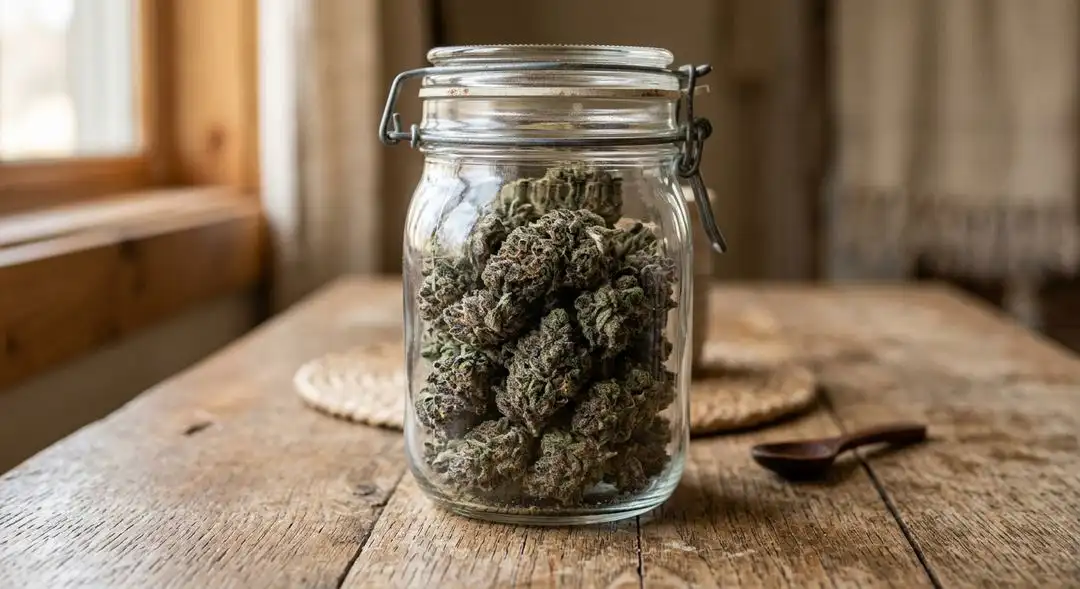
- Drying and curing: Dry slowly at 60–65°F and 55–60% RH for 10–14 days, then cure in sealed glass jars for a minimum of 3 weeks — Jillybean's fruit terpenes develop noticeably over an extended cure, with the orange and berry notes becoming richer and more defined over time
Why Buy Jillybean Seeds from DSS Genetics?
Every Jillybean feminized seed ships with a full germination guarantee — if a seed fails to sprout under proper germination conditions, we replace it, no questions asked. Orders are dispatched in discreet, plain packaging on every purchase, and qualifying orders over $100 include complimentary premium seeds selected to complement your grow.
- Germination guaranteed — we stand behind every seed we sell with a direct replacement policy
- Discreet shipping — plain, unmarked packaging on every order
- Spend $100+ — receive free premium seeds hand-selected to pair with your order
- Seed viability protected — stored under optimal temperature and humidity conditions from our facility to your hands
Frequently Asked Questions
What makes Jillybean different from other citrus-flavored sativas?
Most citrus sativas rely almost entirely on limonene for their fruit character, which can read as one-dimensional. Jillybean's genetic combination of Orange Velvet and Space Queen produces a layered terpene profile where limonene, myrcene, and caryophyllene interact to create an orange-berry-grape complexity that is genuinely difficult to find elsewhere. The 1–1.6% CBD content also smooths the THC experience in a way that most pure sativas don't offer. For a broader selection, browse our best sativa strains.
Is Jillybean suitable for daytime use?
Yes — this is one of Jillybean's defining strengths. The 60% sativa dominance, moderate THC range of 15–18%, and energizing terpene profile make it genuinely functional during the day. Users managing fatigue or depression find it particularly useful precisely because it lifts mood and energy without the sedation that many indica-leaning strains produce. It's a strain you can use before a creative session, a social event, or a productive afternoon without feeling impaired.
How difficult is Jillybean to grow for intermediate growers?
Jillybean sits comfortably at the moderate difficulty level, which makes it a strong candidate for growers who have completed one or two successful harvests and are ready to develop their technique. The branchy structure responds well to training methods like LST or light topping, and the 56–63 day flowering window gives you a clear, predictable timeline to work with. The main area requiring attention is humidity management in the final two weeks of flower — keeping RH below 42% protects the dense colas from mold while pushing trichome development
Medical Disclaimer: This information is for educational purposes only and should not be considered medical advice. Always consult a healthcare professional before using cannabis for medical purposes. Individual results may vary.
Frequently Asked Questions
Jillybean — Common Questions Answered
What is Jillybean?
Jillybean is a balanced hybrid cannabis strain (60% Sativa / 40% Indica) bred from Orange Velvet x Space Queen. It produces THC levels of 15–18% and CBD levels of 1–1.6%. Known for its relaxing, happy, euphoric effects and sweet, earthy, citrus flavor profile.
Is Jillybean easy to grow?
Jillybean is moderately challenging to grow. Beginners can succeed with some research, but it benefits from basic knowledge of pH management and nutrient schedules. Growing difficulty: Moderate. It thrives in temperate climates and reaches a medium plant size.
How long does Jillybean take to flower?
Jillybean has a flowering time of 56–63 days. Switch to a 12/12 light cycle to initiate flowering. Expected yields are 1 to 1.1 oz/ft² indoors and 10 to 12 oz/plant outdoors.
What are the effects of Jillybean?
Jillybean delivers relaxing, happy, euphoric, uplifting, creative, energetic effects. Many growers report it helps with stress, depression, fatigue. With THC levels of 15–18%, it offers a mild, manageable experience suitable for all tolerance levels.
What does Jillybean smell and taste like?
Jillybean's dominant terpenes are Myrcene, Limonene, Caryophyllene, Pinene, which give it a sweet, earthy, citrus, lemon, berry, grape flavor and aroma profile. Myrcene contributes earthy, herbal notes and is associated with relaxing effects.Limonene adds citrusy brightness and may elevate mood.Caryophyllene provides spicy, peppery notes and may help with inflammation.
Can I grow Jillybean indoors and outdoors?
Yes, Jillybean performs well both indoors and outdoors. Indoor yields average 1 to 1.1 oz/ft², while outdoor grows can produce 10 to 12 oz/plant. It prefers temperate conditions. Its medium height is manageable in most indoor setups.
What does "feminized" mean for Jillybean seeds?
Feminized Jillybean seeds are bred to produce only female plants, which are the ones that develop smokable buds. This eliminates the need to identify and remove male plants, saving time and maximizing your grow space. Over 99% of feminized seeds will produce female plants.
Grower Reviews
Real grow experiences from our community
Similar Strains
Get 10% Off Your First Order
Join our newsletter for exclusive deals, growing tips, and new strain drops.