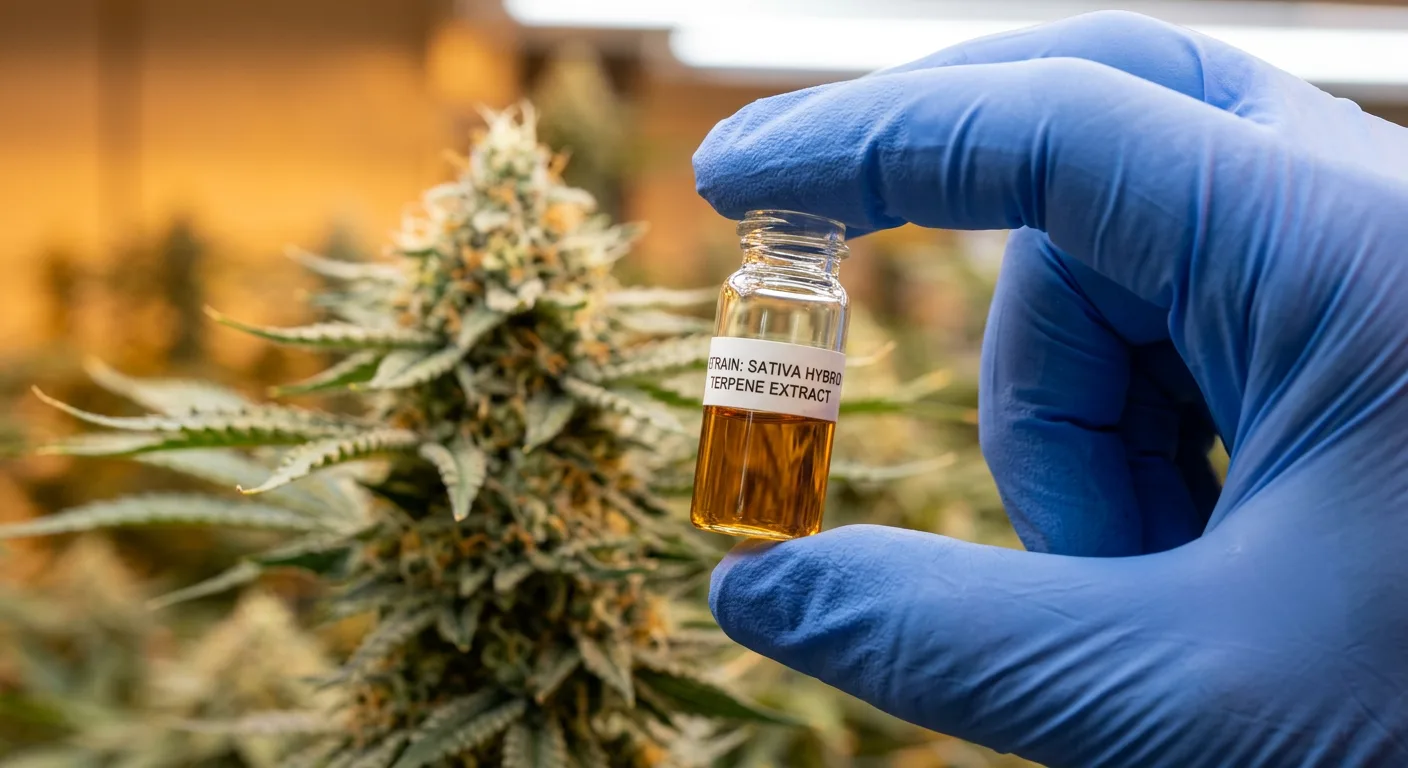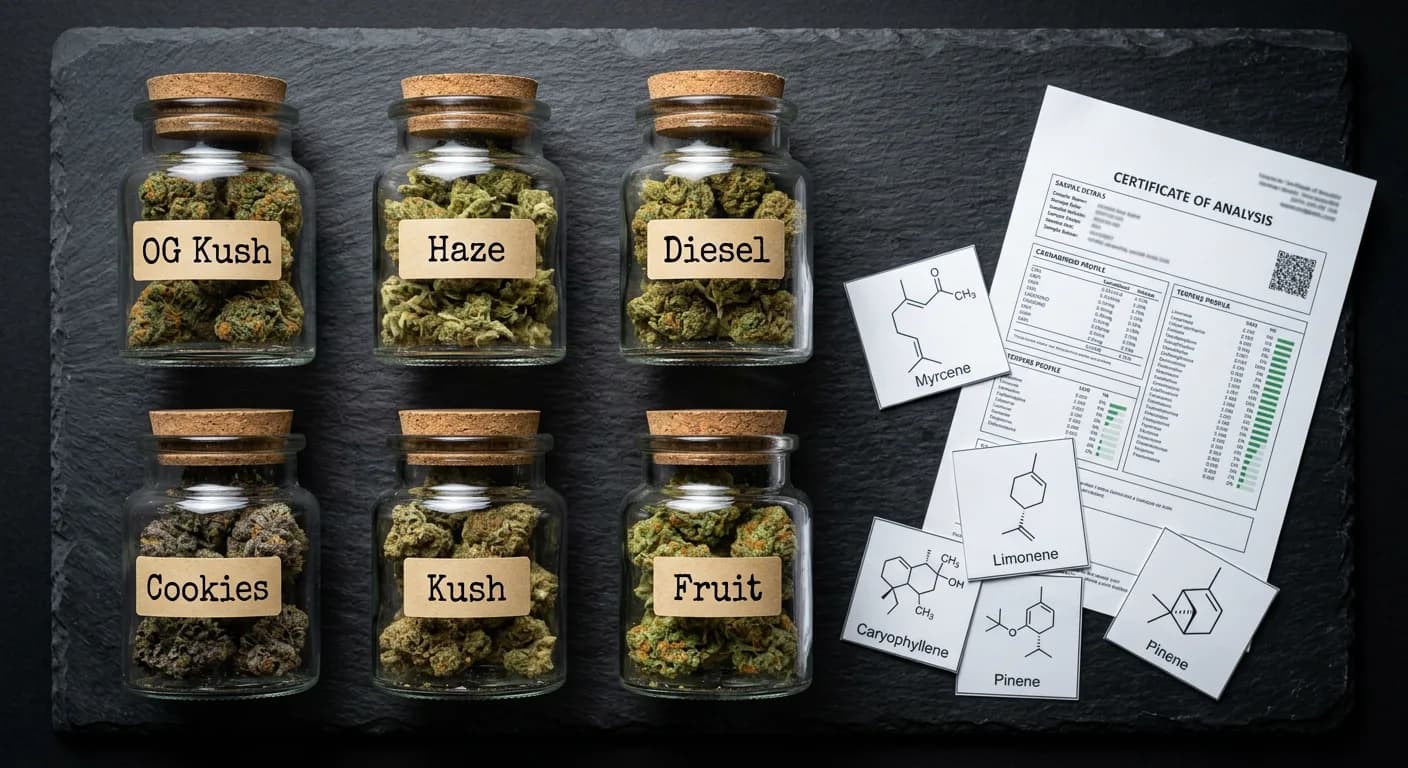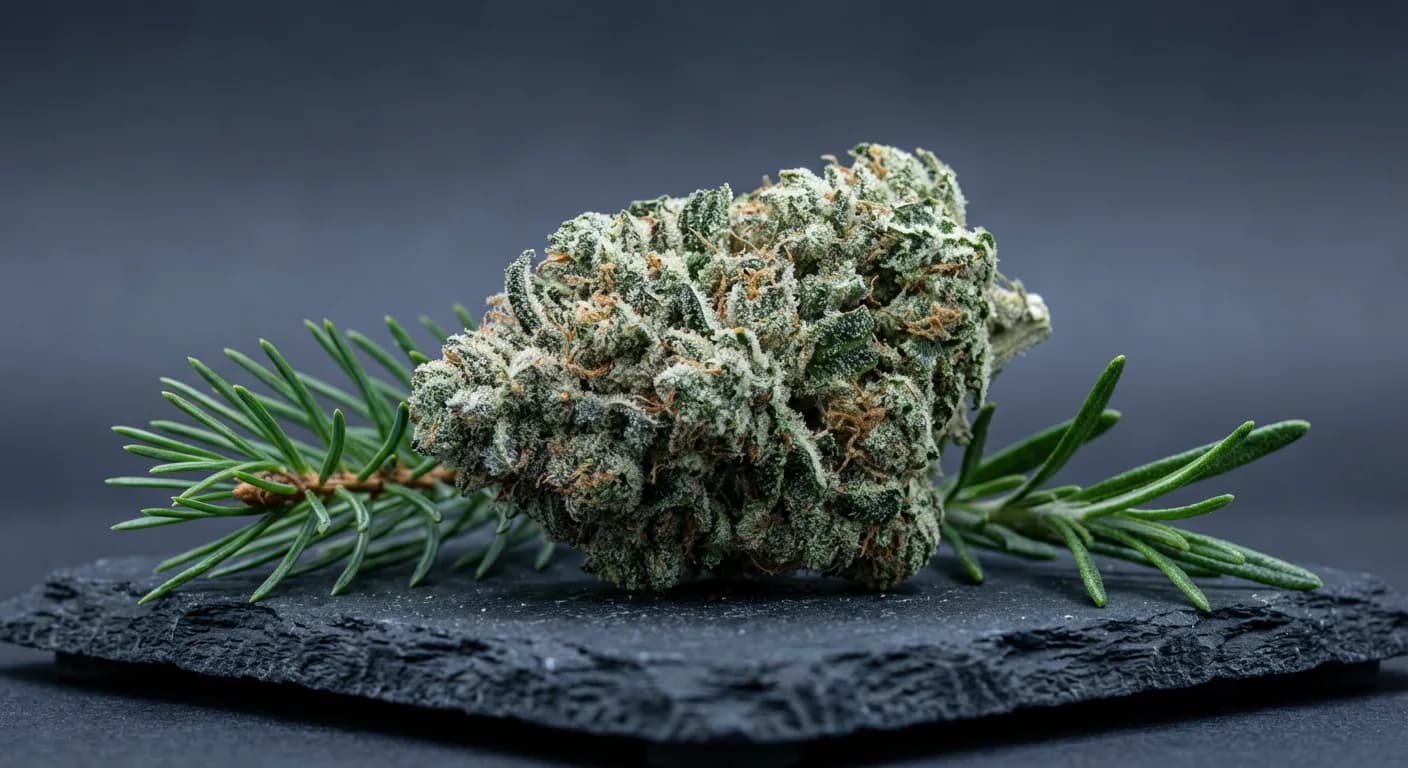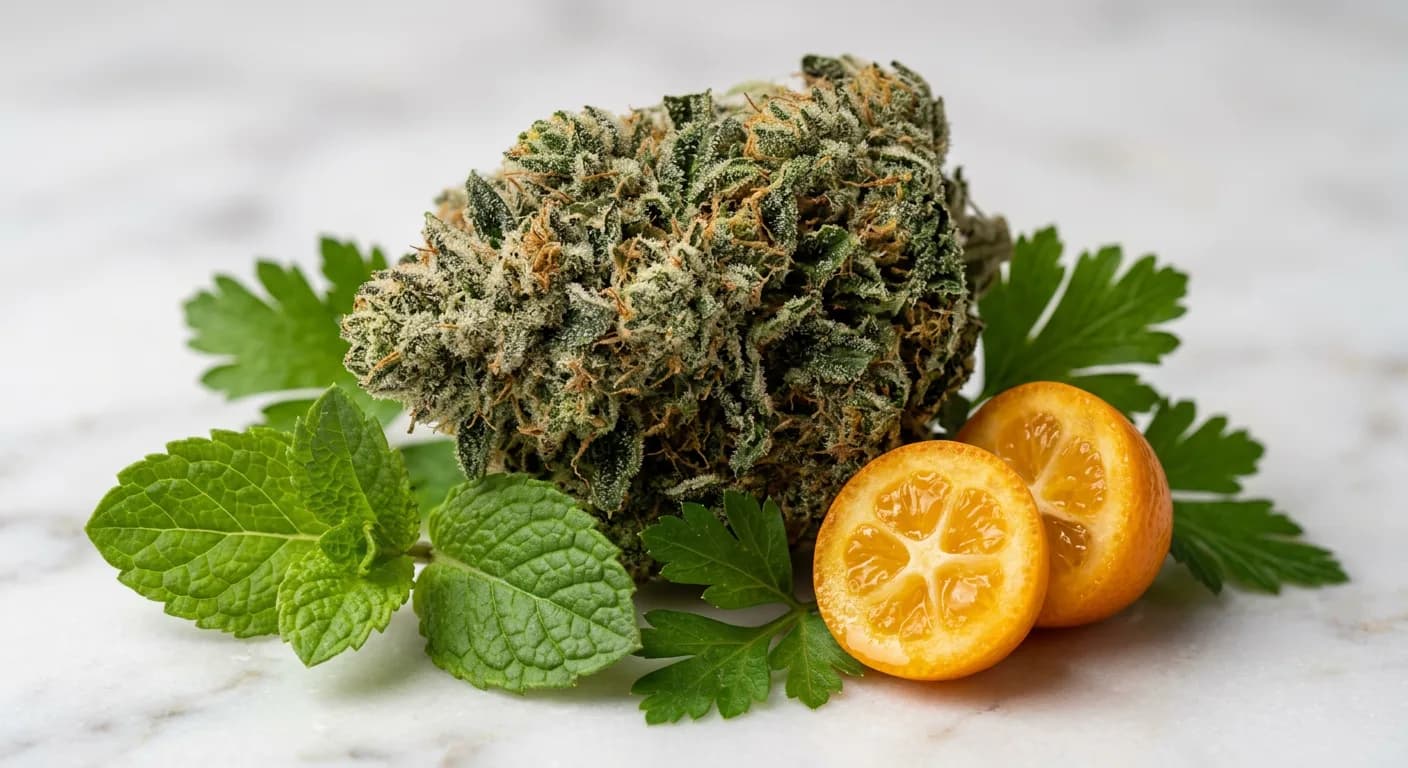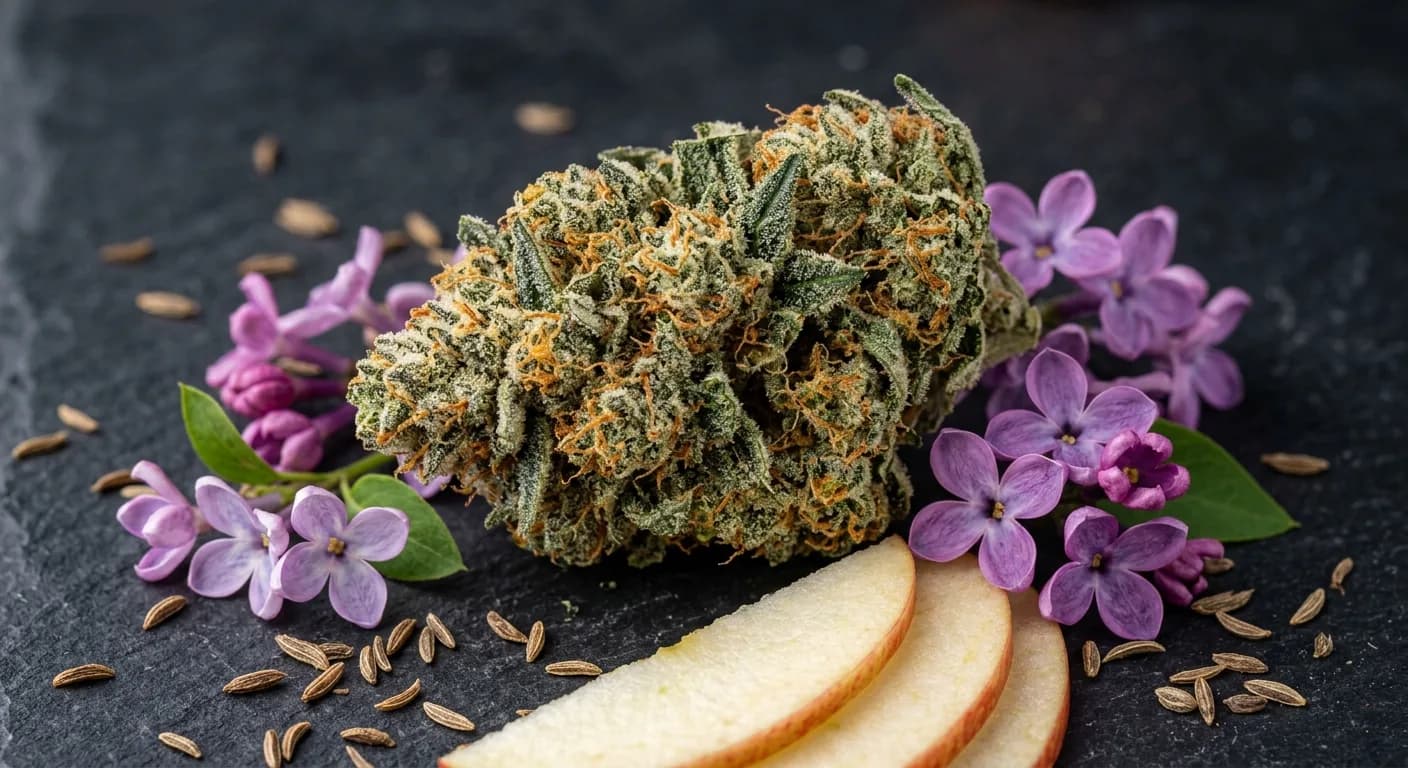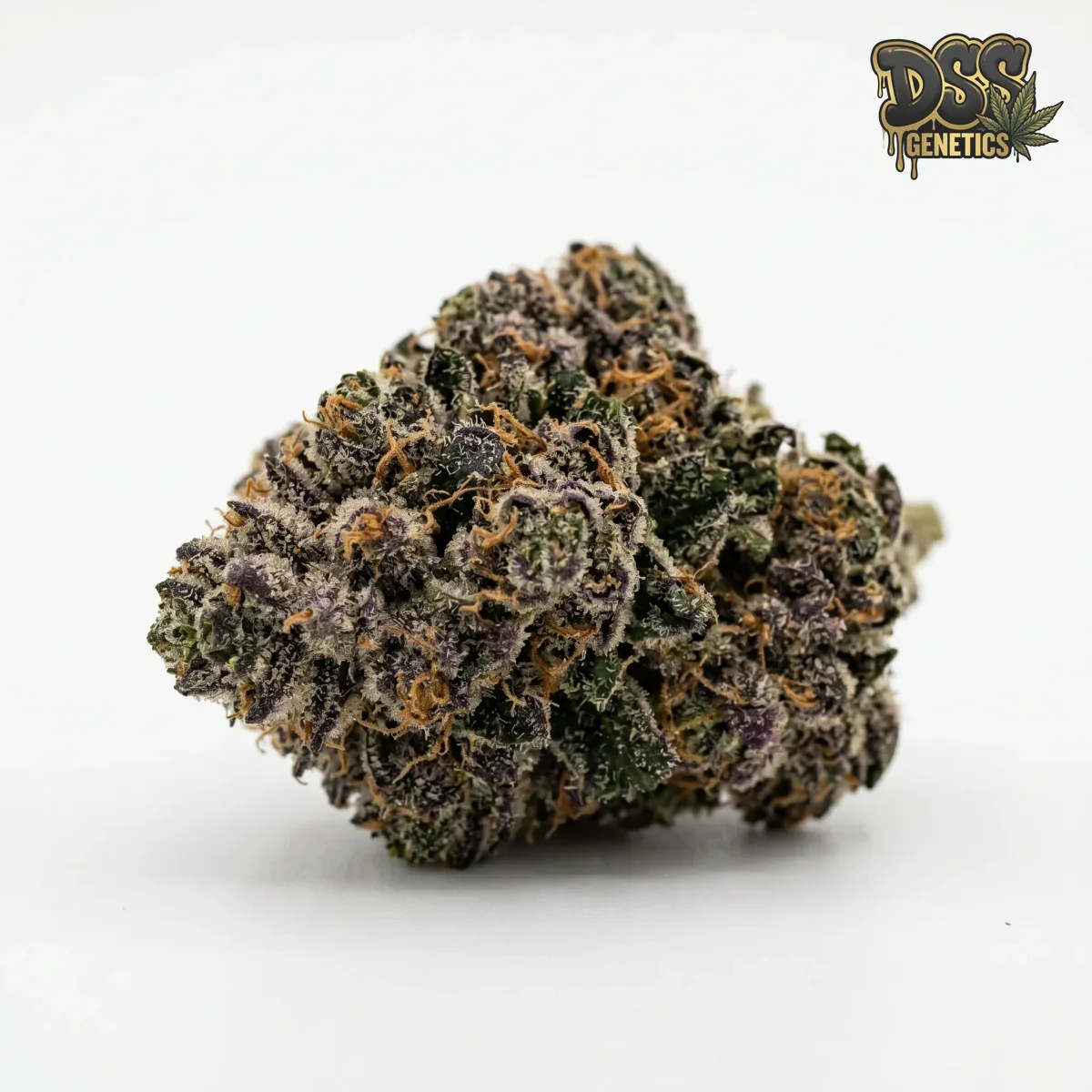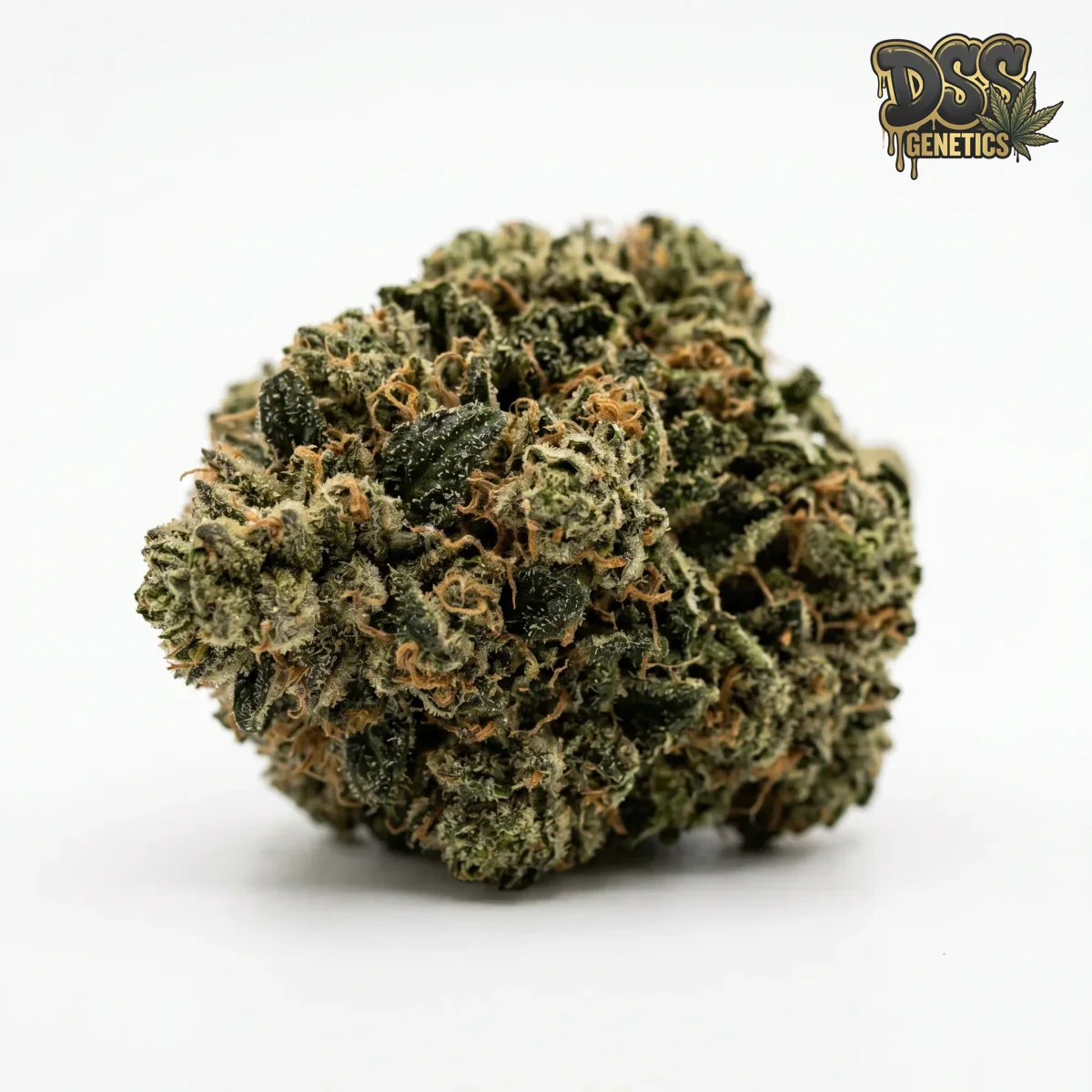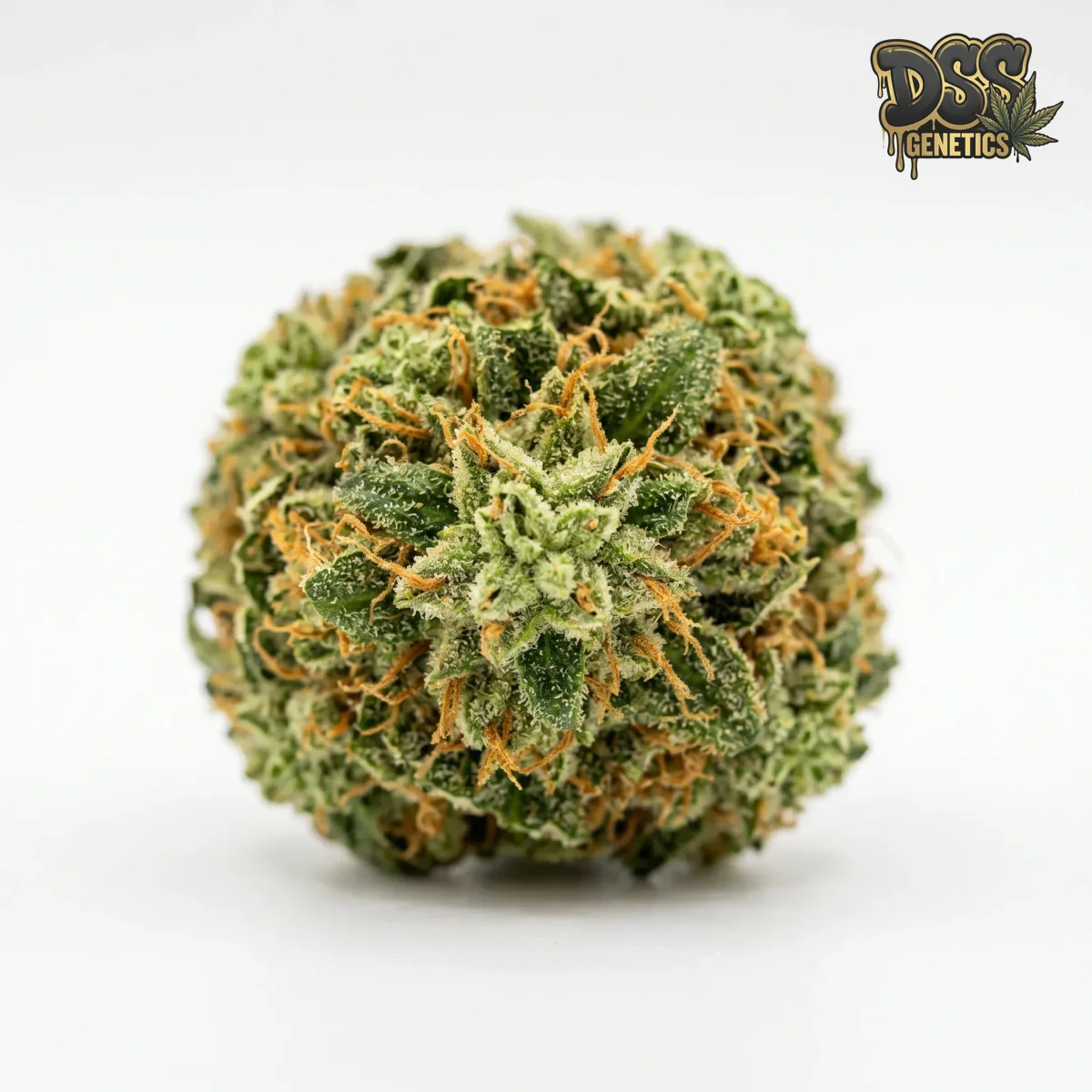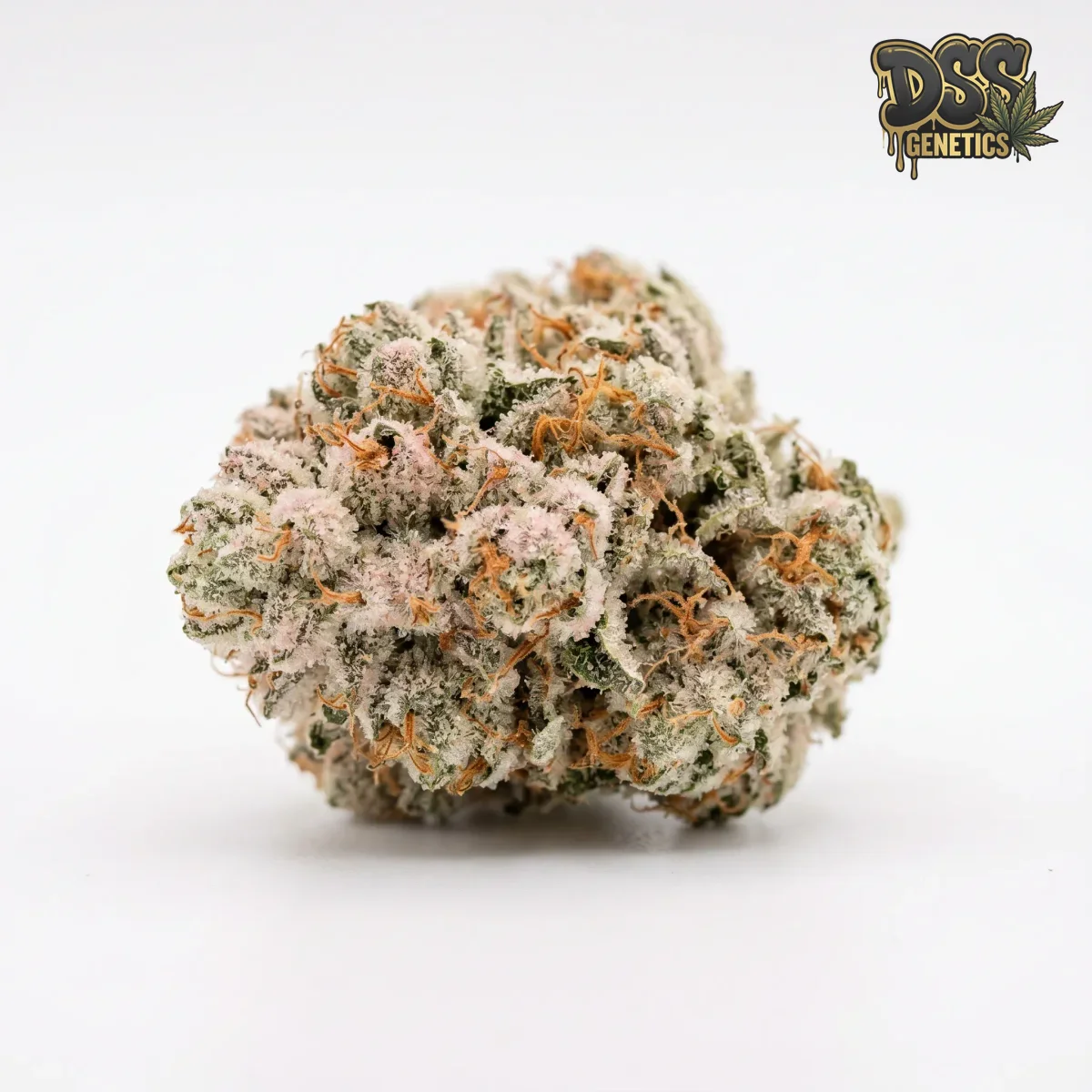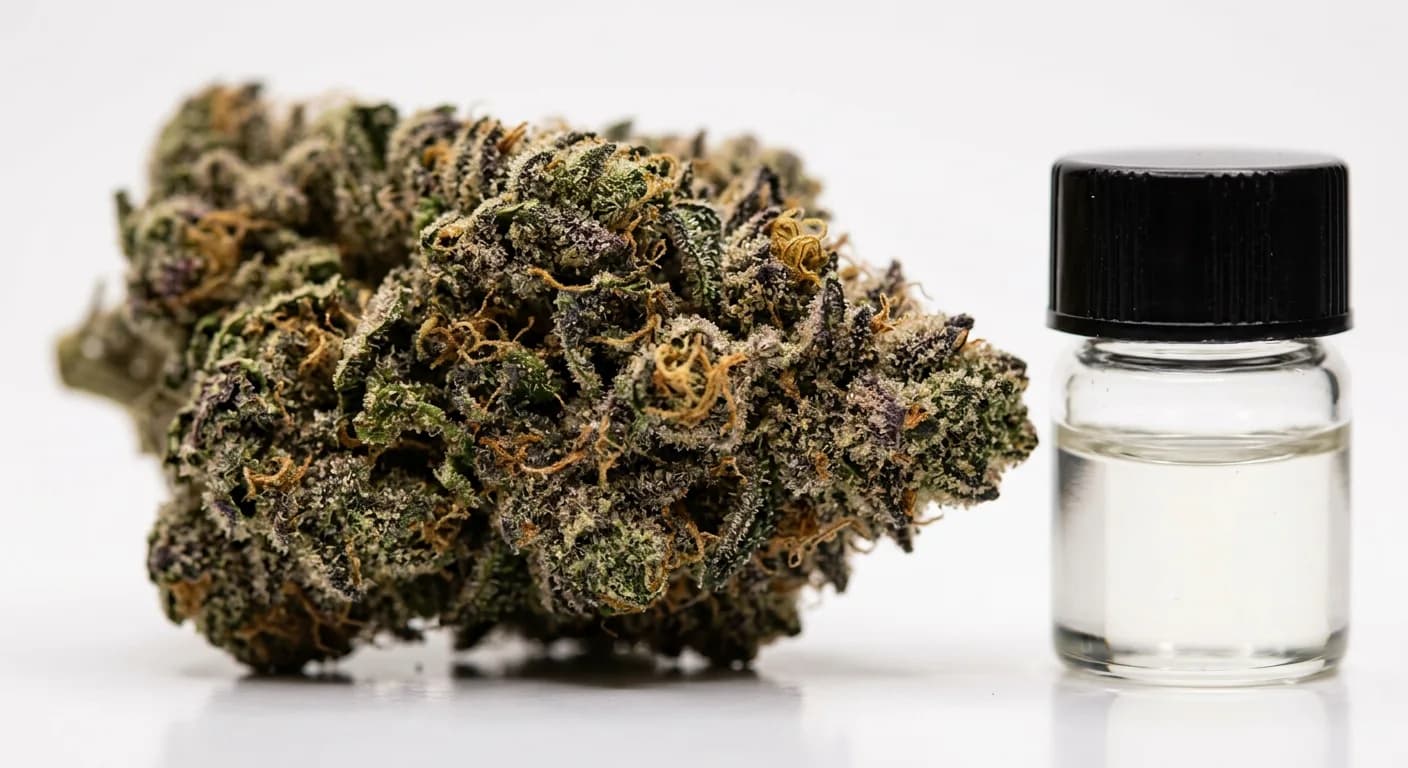
Here's a number that reframes everything: beta-caryophyllene is the only terpene known to directly activate a cannabinoid receptor, specifically the CB2 receptor embedded in your immune tissue. That single biological fact separates caryophyllene from every other fragrant compound in cannabis. Most terpenes modify the high. Caryophyllene participates in it, targeting the very receptor pathway most linked to inflammation control.
But knowing the science doesn't answer the practical question sitting in front of most growers and medical users: which specific strains actually deliver enough caryophyllene to matter? That's exactly what this guide answers. If you want the full CB2 mechanism explained in depth, start with our sesquiterpene science guide. This article picks up where that one leaves off and focuses entirely on caryophyllene strains for inflammation selection, genetics, and cultivation.
The Mechanism in 60 Seconds (Then We Move On)
Beta-caryophyllene (BCP) is a bicyclic sesquiterpene found in cannabis, black pepper, cloves, and copaiba resin. Unlike myrcene or limonene, which act on neurotransmitter systems indirectly, BCP binds directly to CB2 receptors, the endocannabinoid system's peripheral arm, concentrated in immune cells, the spleen, and the gut lining. By activating CB2, caryophyllene suppresses pro-inflammatory cytokine cascades (TNF-α, IL-1β, IL-6) and reduces NF-κB signaling, which is central to chronic inflammation.[1]
Critically, CB2 activation does not produce psychoactivity. CB1 receptors drive the high; CB2 receptors drive immune modulation. This makes caryophyllene particularly useful for people seeking anti-inflammatory cannabis options without sedation or cognitive impairment.
Caryophyllene is the only dietary terpene classified as a CB2 agonist. It acts on the immune system's endocannabinoid arm, not the brain's, making it the rare anti-inflammatory compound in cannabis that works without requiring intoxication.
What 'High Caryophyllene' Actually Means in Lab Data
When a dispensary menu or seed description calls a strain 'caryophyllene-rich,' that phrase covers a wide range, and most of the spectrum isn't particularly impressive. Understanding the actual numbers matters before you commit to a seed purchase or a grow.
The Typical Caryophyllene Distribution
Across thousands of tested commercial cannabis samples, beta-caryophyllene typically appears in these ranges:
- Trace level (0.01–0.19%): Present but not physiologically meaningful. Many high-limonene and myrcene-dominant strains fall here.
- Moderate level (0.20–0.59%): Common across most Kush and hybrid genetics. Contributes to the entourage effect but rarely makes caryophyllene the lead terpene.
- High level (0.60–0.99%): Caryophyllene becomes dominant or co-dominant. CB2 activation becomes more consistent. This is the therapeutic sweet spot most medical users target.
- Exceptional level (1.0–1.2%+): Rare, found in specific phenotypes of GG4, Wedding Cake, and Chemdog. These numbers require optimal genetics and cultivation conditions to achieve.
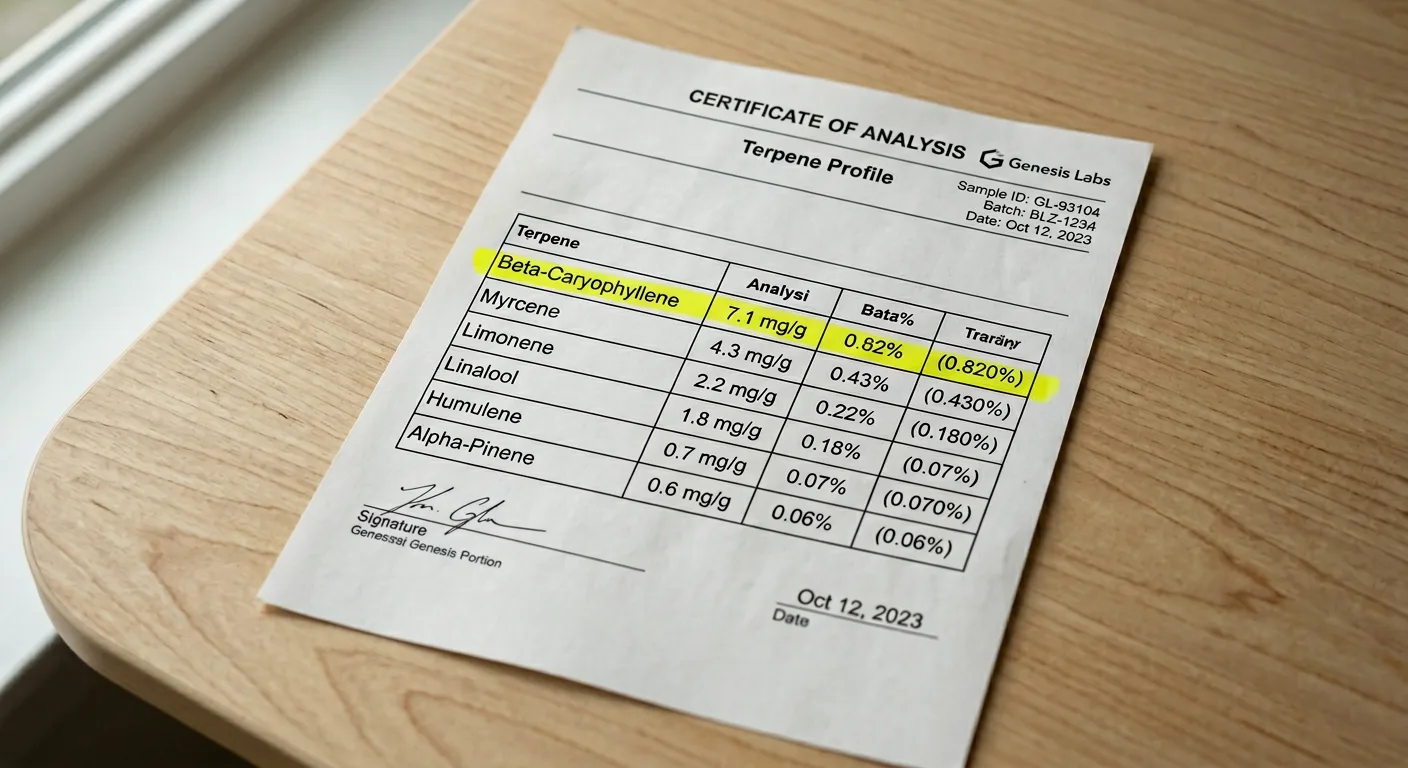
Lab data context: Terpene percentages in COA reports are expressed as a percentage of total flower weight. A result of 0.8% caryophyllene means 8 milligrams per gram of dried flower. At a typical 0.5g session dose, that's 4mg of caryophyllene, a meaningful dose given that rodent studies demonstrating anti-inflammatory effects often used comparable per-kilogram equivalents. Learn how to read these numbers yourself in our COA terpene report guide.
Why Most Strains Aren't Truly Dominant
Myrcene is the most abundant terpene in the majority of commercial cannabis cultivars, which means even strains with solid caryophyllene numbers often rank it second or third on the COA. True caryophyllene dominance: where BCP is the top-ranked terpene, is genuinely uncommon. It tends to appear in specific OG, Chemdog, and Cookies-family genetics where the underlying terpene biosynthesis pathways have been selected over years of breeding toward spicy, fuel-forward, earthy aromatic profiles.
Avoid relying on strain names alone. Terpene content varies significantly by phenotype, grower environment, and harvest timing. Always request a COA for the specific batch if medical effects are your priority. Our guide on reading cannabis lab reports shows you exactly what to look for.
Compare caryophyllene to the broader cannabis terpene chart and you'll see that it occupies a unique structural category, a sesquiterpene with 15 carbons versus the 10-carbon monoterpenes like pinene and limonene. That heavier molecular weight is why it's more stable under heat and during post-harvest processing, which has real implications for how you grow and cure your harvest.
The Six Strains Worth Growing for Caryophyllene Output
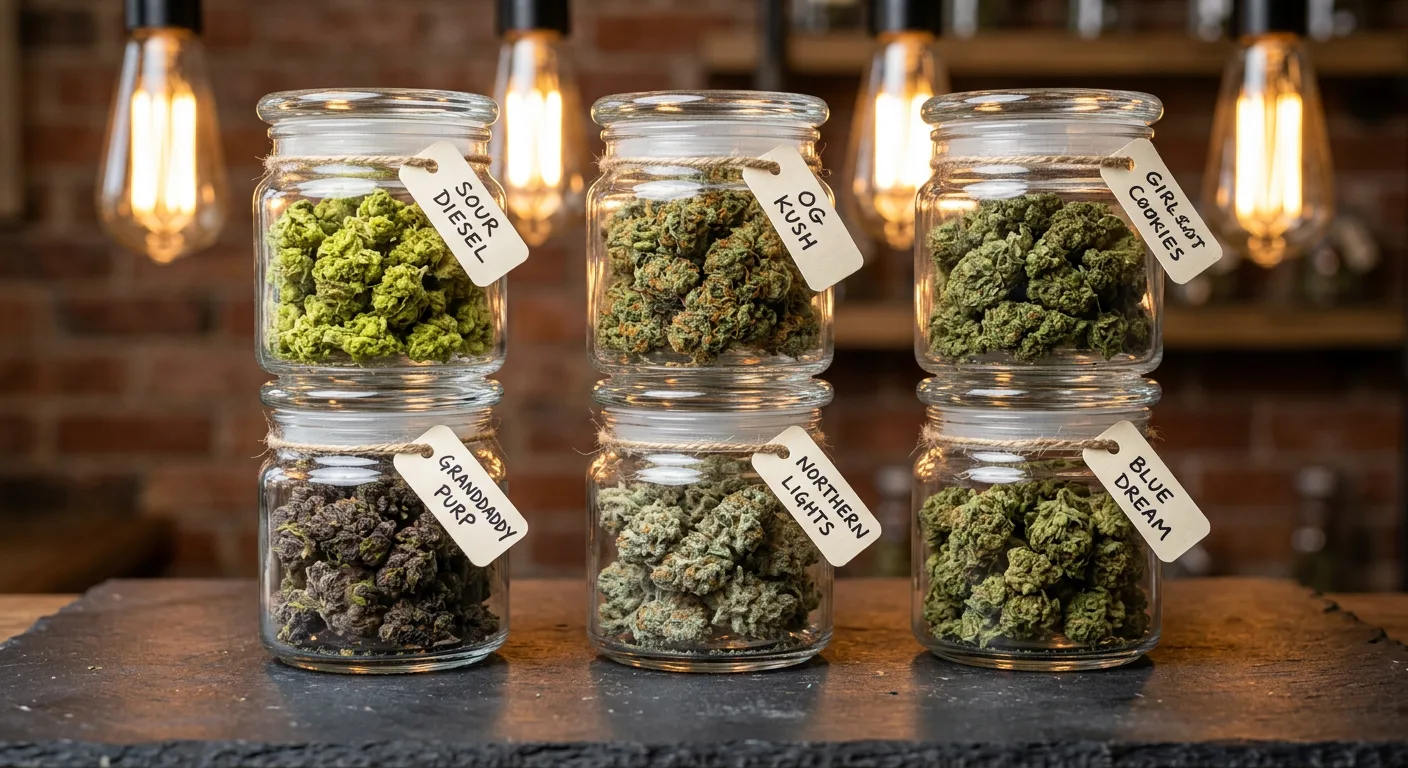
The following six cultivars represent the highest-confidence choices for growers and buyers targeting caryophyllene-driven anti-inflammatory effects. Each has a documented track record in third-party lab testing, not just anecdotal reputation.
| Strain | Typical BCP % | BCP Rank | Effect Character | Difficulty | Grow Notes |
|---|---|---|---|---|---|
| Girl Scout Cookies (GSC) | 0.55–0.90% | 1st–2nd | Euphoric, relaxing, body-heavy | Intermediate | Compact structure, 9–10 week flower, susceptible to humidity issues |
| Wedding Cake | 0.65–1.10% | 1st | Deeply relaxing, mood lift, pain-blocking | Intermediate | Dense nugs, mold-watch needed late flower, heavy feeder |
| Original Glue (GG4) | 0.60–1.05% | 1st–2nd | Heavy sedation, full-body, couch-lock potential | Beginner–Intermediate | High resin, vigorous growth, excellent mold resistance |
| Chemdog (Chemdawg) | 0.70–1.20% | 1st | Cerebral-forward, fuel aroma, body relaxation | Intermediate–Advanced | Tall structure, wide node spacing, strong feeder, long veg needed |
| Bubba Kush | 0.50–0.85% | 1st–2nd | Sedating, muscle-relaxing, pain relief | Beginner | Short, stocky, cold-tolerant, 8–9 weeks flower |
| Sour Diesel | 0.45–0.80% | 2nd–3rd | Energizing, uplifting, less sedating | Intermediate | Long flower time (10–11 weeks), tall plants, needs training |
Girl Scout Cookies (GSC)
GSC built its reputation on a distinctive earthy-sweet aroma underpinned by one of the most caryophyllene-consistent profiles in commercial cannabis. Lab panels repeatedly show BCP as the first or second terpene, often alongside myrcene and limonene. Its effect profile, euphoric mental clarity transitioning into deep physical relaxation, mirrors what you'd expect from strong CB2 engagement combined with THC's CB1 activity.
GSC plants stay compact (under 100cm indoors), making them suitable for tent grows. The 9–10 week flower window is worth the wait: trichome density is exceptional, and caryophyllene content peaks when amber trichomes first begin appearing. Watch humidity carefully in week 7–8, dense bud structure can invite botrytis in humid environments.
Wedding Cake
Descended from GSC crossed with Cherry Pie, Wedding Cake arguably surpasses its parent in raw caryophyllene output. Multiple dispensary COAs have documented BCP as the clear dominant terpene, regularly testing above 0.9% in well-grown phenotypes. The effect is notably physical, a progressively deepening body effect that many chronic pain and arthritis patients describe as the most effective they've encountered among Cookies-family strains.
Wedding Cake is a heavy feeder that responds well to calcium and magnesium supplementation. The bud structure is extremely dense, which means airflow management during late flower is non-negotiable. Growers using ScrOG methods report significantly improved canopy penetration and terpene uniformity across all bud sites.
Grower tip: Wedding Cake phenotypes vary considerably from seed. If you're selecting for maximum caryophyllene, smell your seedlings at around week 3 of veg. Phenotypes with the most pronounced spicy-pepper and fuel notes at that early stage tend to produce the highest BCP readings at harvest.
Original Glue (GG4)
GG4 is the workhorse of the caryophyllene category, vigorous, forgiving, and consistently high-testing. Across multiple state-licensed lab databases, GG4 samples average 0.75–0.85% caryophyllene, with exceptional grows breaching 1.0%. The strain's extreme resin production (hence the name) appears genetically linked to its elevated sesquiterpene output, the same biochemical pathways producing trichome density are also upregulating BCP biosynthesis.
For beginner growers who want a reliable caryophyllene-rich harvest without advanced cultivation knowledge, GG4 is the most forgiving option on this list. It tolerates minor nutrient errors, has strong mold resistance, and delivers heavy yields. Read our full GG4 strain encyclopedia for phenotype selection advice and detailed grow data.
Chemdog (Chemdawg)
Chemdog is arguably the most caryophyllene-dominant strain in commercial cannabis when a skilled grower hits optimal conditions. Its distinctive diesel-pepper-rubber aroma is almost entirely BCP-driven. Lab results consistently place caryophyllene as the #1 terpene at concentrations up to 1.2%, making it a landmark strain for anyone prioritizing raw caryophyllene output above all else.
The trade-off is cultivation complexity. Chemdog plants grow tall, branch widely, and demand significant canopy management. They require a longer vegetative period to build sufficient structure, and nutrient sensitivity is higher than most Kush varieties. This is not a beginner's first grow, but for an intermediate-to-advanced cultivator who knows their environment, the caryophyllene yield is unmatched.
Bubba Kush
Bubba Kush occupies a different niche than its Cookies and Chemdog cousins. It's physically shorter, easier to grow, and delivers a heavier, more sedating effect profile driven by a BCP-myrcene combination. For patients dealing with nighttime pain, muscle spasms, or arthritis flares that disrupt sleep, Bubba Kush's sedating caryophyllene expression is often preferable to Wedding Cake's more energized body effect.
The 8–9 week flower time is shorter than most strains on this list, and Bubba Kush handles colder temperatures remarkably well, making it a strong candidate for outdoor or greenhouse grows in cooler climates. See our arthritis strain guide for more context on sedating versus non-sedating caryophyllene options.
Sour Diesel
Sour Diesel is the outlier on this list, a high-energy, daytime-appropriate strain where caryophyllene ranks second or third rather than first. But its BCP content (regularly 0.5–0.8%) is still meaningful, and critically, it delivers anti-inflammatory benefits without the sedation that puts many daytime users off the strains above. For patients with inflammatory conditions who need to stay functional (working, active, socially engaged), Sour Diesel's uplifting effect profile makes it a unique value proposition in the caryophyllene category.
Our Sour Diesel Feminized Seeds (THC: 24%) carry the core genetic profile associated with reliable caryophyllene output. Plants grow tall and benefit strongly from topping, review our topping guide before your first grow.
Genetics Patterns: Why OG and Cookies Lineages Dominate
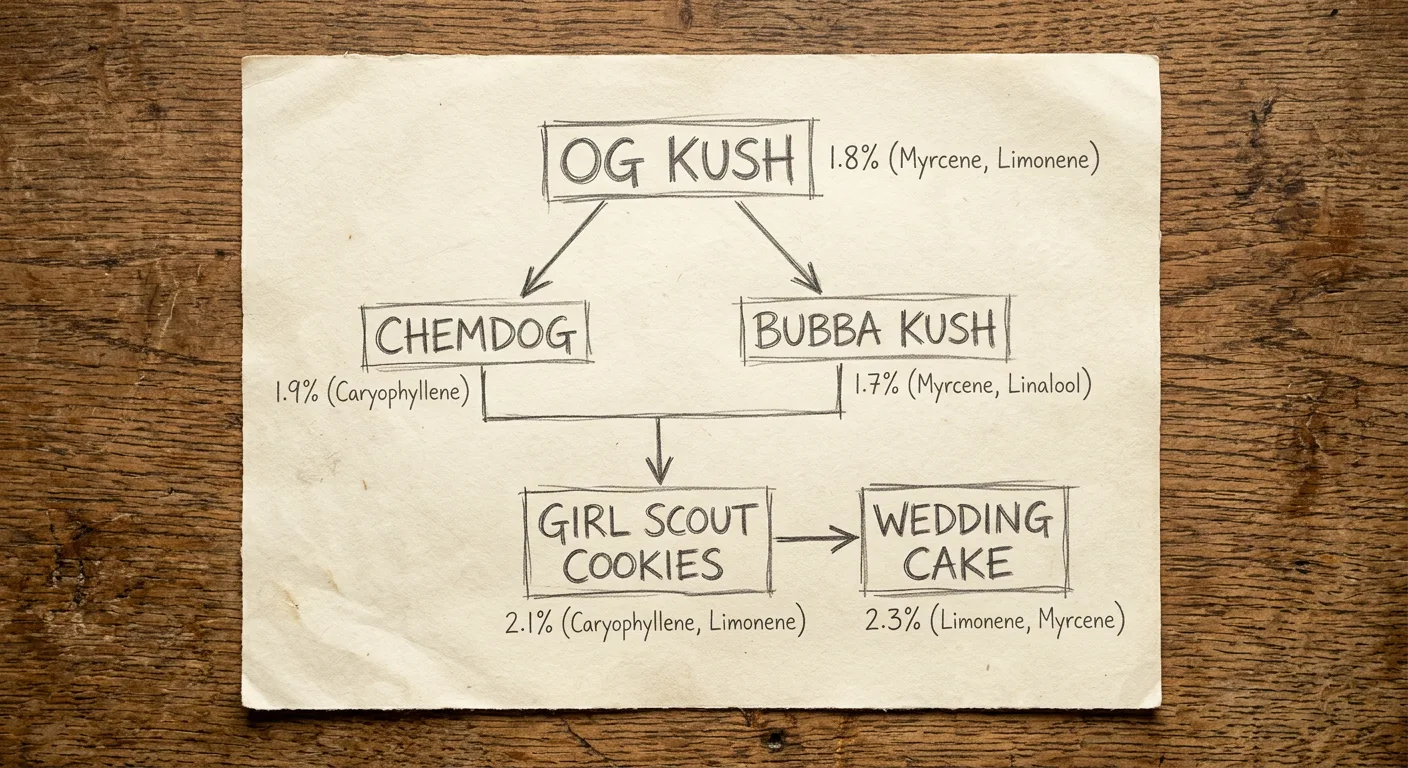
It's not a coincidence that the strains consistently testing highest for caryophyllene cluster within two genetic families: the OG/Chemdog lineage and the Cookies lineage. Understanding why helps you predict which strains outside this list might also deliver high BCP, and which probably won't.
The Chemdog Foundation
Modern cannabis genetics traces most of the high-caryophyllene OG family back to Chemdog: a strain that emerged in the early 1990s and has since become the progenitor of OG Kush, Sour Diesel, Bubba Kush, and dozens of derivative crosses. The terpene biosynthesis profile that makes Chemdog smell like diesel and pepper is largely controlled by a cluster of terpene synthase genes that favor sesquiterpene (15-carbon) production over monoterpene (10-carbon) production. When Chemdog was crossed with Hindu Kush landraces to produce OG Kush, that sesquiterpene-heavy profile was preserved and reinforced.
OG Kush inherits its caryophyllene tendency from Chemdog's sesquiterpene-favoring terpene synthase genes. Any strain with OG Kush in its lineage, from Skywalker OG to Quantum Kush, carries at least a partial version of this terpene inheritance. It won't guarantee high BCP, but it makes it significantly more likely than a Haze-dominant or Skunk-dominant cross.
The Cookies Amplification
Girl Scout Cookies emerged from a cross between OG Kush and a Durban Poison F1 hybrid. When OG Kush's caryophyllene tendency met Durban's complex terpene profile, the result was a strain where BCP was amplified into true dominance. Wedding Cake took this further by crossing GSC with Cherry Pie, another strain with OG heritage, essentially doubling down on the caryophyllene-favoring genetics.
This explains why the Cookies family has become the dominant category in contemporary high-caryophyllene cultivation. Strains like Phantom Cookies, White Cookies, and Cookies Kush carry this inheritance. Our Phantom Cookies Feminized Seeds, White Cookies Feminized Seeds (THC: 22%), and Cookies Kush Feminized Seeds (THC: 18%) all sit within this lineage and are worth evaluating for caryophyllene output alongside better-documented strains.
What About Kush-Only Lines?
Pure Kush varieties, Afghan Kush, Purple Kush, OG Kush: tend to produce solid but not exceptional caryophyllene levels. Their sesquiterpene expression is present but often outcompeted by myrcene. Our OG Kush Feminized Seeds (THC: 26%) and Purple Kush Feminized Seeds (THC: 27%) deliver the classic Kush BCP base, earthy, spicy, reliable, but growers shouldn't expect Chemdog-level dominance from these without exceptional phenotype selection.
The Skywalker OG Autoflower line in our catalog is worth noting here: OG Kush genetics crossed into autoflowering lines retain their sesquiterpene character. Our Skywalker OG Autoflower Seeds (THC: 23%) represent an accessible entry point for growers who want OG-family caryophyllene without managing photoperiod timing.
Growing for Maximum Caryophyllene Expression
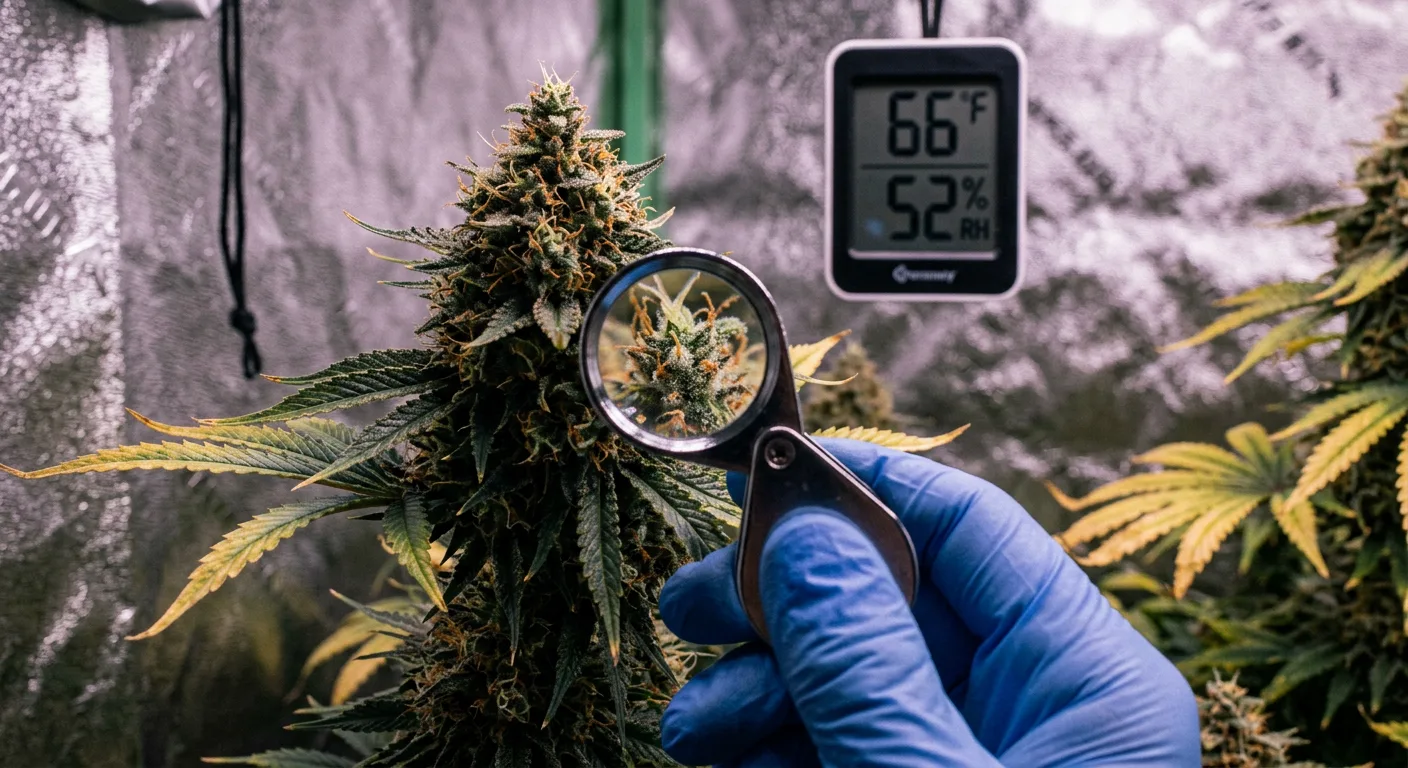
Selecting the right genetics is step one. But terpene content is not fixed by genetics alone: it's an interaction between genetic potential and environmental expression. The following cultivation practices consistently push sesquiterpene production toward its upper limits.
Temperature Differentials in Late Flower
Caryophyllene biosynthesis accelerates under mild stress, particularly cool nighttime temperatures. Dropping your grow space to 65–68°F (18–20°C) at night during weeks 6–8 of flowering signals the plant to ramp up secondary metabolite production, including sesquiterpenes. This practice, sometimes called a 'cold finish', is standard among terpene-focused craft cultivators.
Introduce Nighttime Temperature Drop
Beginning in week 6 of flower, lower nighttime temps to 65–68°F. Maintain daytime temps at 75–78°F. The 10°F differential mimics autumn conditions and activates stress-response terpene pathways. Monitor your VPD carefully, use our VPD calculator to avoid humidity problems at lower temperatures.
Dial In Lighting Spectrum
Full-spectrum LEDs with strong red (620–660nm) and far-red output support resin gland development in late flower. Avoid UV supplementation during the final 2 weeks unless you have precise control, UV stress can degrade terpenes as readily as it produces them.
Time Your Harvest Precisely
Caryophyllene is a sesquiterpene: it has 15 carbons and a larger molecular weight than limonene or myrcene. This makes it significantly more heat-stable and less volatile at room temperature. But it still peaks at a specific trichome maturity window: harvest when 70–80% of trichomes are cloudy-white with 10–20% amber just beginning to appear. Harvesting too early, a common mistake explored in our early harvest guide, reduces overall terpene accumulation including caryophyllene.
Slow Dry, Proper Cure
Because caryophyllene is more stable than monoterpenes, a slow 10–14 day dry at 60–65°F and 55–60% humidity preserves far more of it than fast drying. A proper cure in sealed containers for 4–8 weeks locks in the complex spicy-pepper aroma that indicates BCP richness. See our small harvest curing guide for the full protocol.
The Monoterpene vs. Sesquiterpene Stability Advantage
One reason caryophyllene-focused cultivation is particularly rewarding is the post-harvest stability advantage. Limonene and myrcene (monoterpenes) have boiling points of 176°F and 334°F respectively and begin volatilizing meaningfully at room temperature. Beta-caryophyllene has a boiling point of 481°F and loses far less during drying, curing, and even storage.
- Slow dry at 60–65°F preserves 85–92% of original BCP content
- Fast dry at 80°F+ can reduce BCP by 15–25%
- Proper cure in glass jars with humidity packs maintains BCP stability for 6–12 months
- Myrcene losses during the same slow-dry process typically reach 30–40%
- Limonene is even more volatile, losing up to 50% with improper handling
Storage tip: Use 58–62% RH humidity packs in your cure jars. They maintain the moisture window that keeps terpenes, especially the more stable sesquiterpenes, locked into the flower matrix rather than evaporating into headspace. Our comparison of Boveda vs Integra Boost packs breaks down the options.
Nutrient Approach for Terpene Expression
Terpene production is metabolically expensive: it draws on the same carbon skeletons the plant uses for structural growth. A nutrient strategy that supports heavy vegetative growth but transitions smoothly into a bloom-focused profile (lower nitrogen, higher phosphorus and potassium from week 4 of flower) gives the plant the biochemical resources it needs to maximize sesquiterpene output without competing with structural demands.
Use our nutrient calculator to dial in your feeding schedule for your chosen genetics. Over-feeding nitrogen late in flower actively suppresses terpene expression, a common mistake that produces big yields with flat terpene profiles.
Who Benefits Most from High-Caryophyllene Strains
Not every cannabis user prioritizes caryophyllene. If you're growing for recreational use, yield, or THC percentage, other factors dominate your decision matrix. But for specific medical populations, high-BCP genetics represent a meaningfully different and often better-targeted choice than standard high-THC or CBD-only options.
Chronic Pain and Arthritis
For patients managing chronic pain or inflammatory conditions like rheumatoid arthritis or osteoarthritis, the CB2-agonist mechanism offers something that THC alone doesn't: direct immunomodulation at the site of inflammation. CB2 activation reduces the release of pro-inflammatory molecules from macrophages and neutrophils, the cells directly responsible for the joint inflammation and swelling that define arthritis pain.
Wedding Cake and GG4 are the leading recommendations for arthritis patients who need significant pain control and don't mind moderate-to-heavy sedation. Sour Diesel suits patients who need daytime functionality alongside anti-inflammatory support. Visit our dedicated inflammation strain guide for a broader comparison that includes CBD-forward options.
IBD and Gut Inflammation
CB2 receptors are highly expressed in gut-associated lymphoid tissue, the immune infrastructure of the intestinal wall. This makes caryophyllene theoretically valuable for patients managing inflammatory bowel conditions. Pre-clinical research has demonstrated BCP reducing colonic inflammation in animal models of IBD,[2] and the terpene's ability to be absorbed through the gut mucosa (rather than just via inhalation) makes oral administration via edibles or capsules a viable delivery route.
For gut-focused use, lower-THC, higher-BCP options are preferable to avoid the appetite-altering effects that sometimes accompany high-THC cannabis in sensitive patients. Consult our edible dosage calculator if you're preparing caryophyllene-rich cannabis for oral administration.
Inflammation Without Heavy Sedation
One of the most common complaints about cannabis for medical use is excessive sedation. The strains most associated with anti-inflammatory effects, Bubba Kush, GG4, Wedding Cake, are also among the most sedating, largely due to their myrcene content running alongside caryophyllene. For users who need CB2 activation without couch-lock, two strategies help:
- Choose Sour Diesel for its caryophyllene content combined with energizing limonene/terpinolene dominance
- Choose lower-dose consumption of high-BCP strains, caryophyllene's effect is dose-independent in terms of CB2 binding, so a smaller amount of a Wedding Cake COA-verified batch may achieve anti-inflammatory effects with less THC-driven sedation
- Choose CBD-rich cultivars with documented caryophyllene content for daytime use: some growers combine a high-BCP indica at night with a high-BCP CBD strain during the day
Caryophyllene's CB2 activity does not require high THC to function. A 0.8% BCP strain consumed at a low dose delivers meaningful CB2 engagement regardless of whether THC is 15% or 27%. This is why strain selection for caryophyllene content matters independently of THC potency chasing.
Users Who May Not Need the Heaviest BCP Strains
Not everyone with inflammation needs Wedding Cake or Chemdog. If your primary concerns are stress or anxiety with only mild inflammatory component, strains like Northern Lights x Big Bud or OG Kush, which carry moderate caryophyllene alongside their other profiles, may deliver sufficient CB2 support without the intensity of a full BCP-dominant phenotype. Our Northern Lights x Big Bud Feminized Seeds (THC: 20%) represent this category: OG-adjacent terpene profiles, easier grow, gentler effect.
How to Choose and Source High-Caryophyllene Seeds
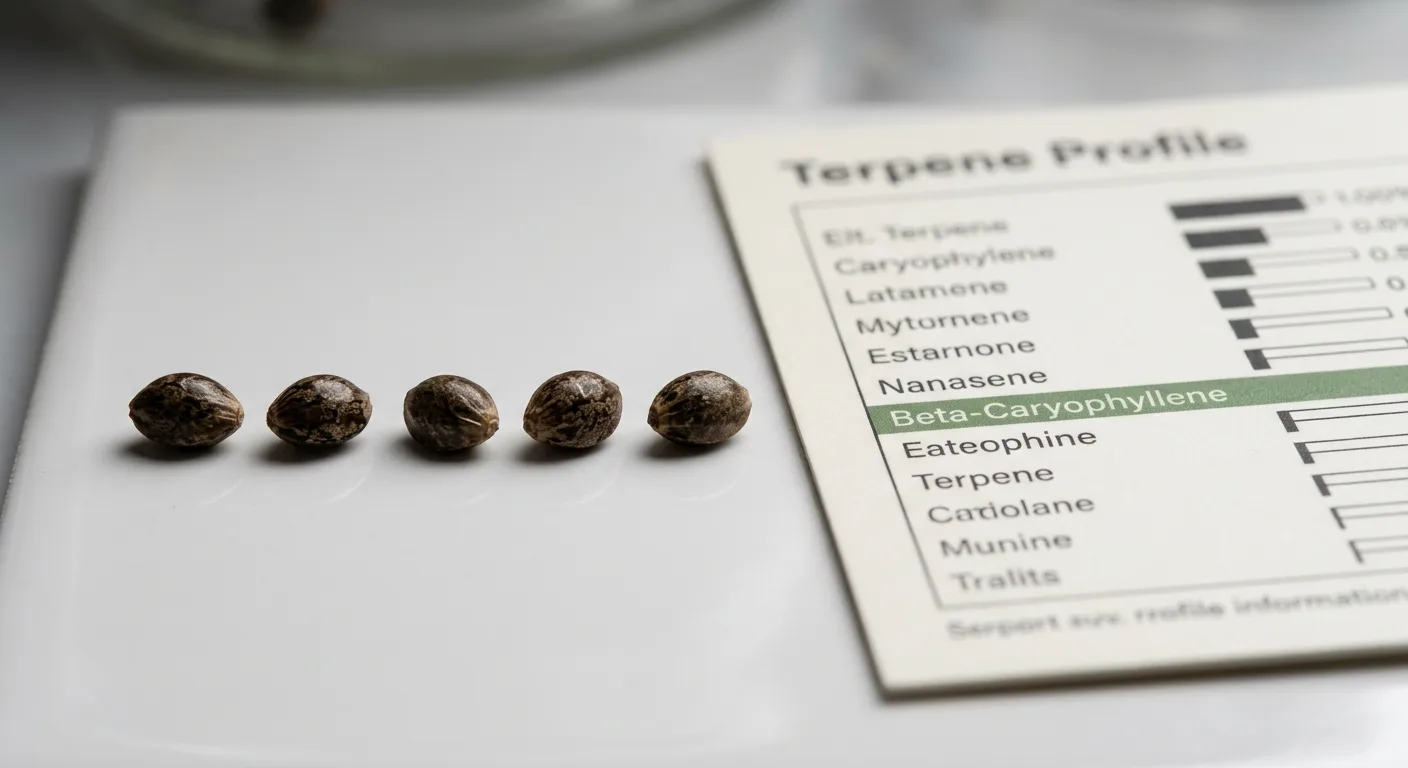
Knowing which strain families carry caryophyllene is useful. Knowing how to evaluate a specific seed purchase for caryophyllene potential is more useful still.
What to Look for in Strain Descriptions
Legitimate seed descriptions from genetics teams that track terpene data will reference specific terpene profiles rather than just flavor descriptors. Look for language that specifies:
- Beta-caryophyllene listed as a primary or dominant terpene
- Aroma descriptors that correspond to BCP: 'spicy,' 'peppery,' 'diesel,' 'earthy-fuel,' 'woody-clove'
- Lineage that includes OG Kush, Chemdog, GSC, or Wedding Cake parentage
- Lab-tested THC data that suggests a mature genetics program with access to real COA data
- Feminized genetics with a germination guarantee, consistency across seeds means phenotype predictability
Our germination guarantee applies across all feminized and autoflowering seeds in our catalog, giving you confidence that the genetic potential you're selecting for will actually express itself in viable plants.
Strains in Our Catalog Worth Evaluating for Caryophyllene
Beyond the Sour Diesel, OG Kush, and Cookies lines already discussed, several additional cultivars in our range sit within caryophyllene-relevant genetic territory:
- Quantum Kush Feminized (THC: 30%), extreme potency with OG-adjacent terpene base; high BCP probability in the sesquiterpene-dominant phenotypes
- Banana Kush Autoflower (THC: 18%), Kush-derived caryophyllene base with autoflowering convenience; solid choice for new growers targeting BCP without complex photoperiod management
- Alien Rock Candy Feminized (THC: 22%), indica-dominant with candy-sweet and earthy-fuel terpene reports suggesting caryophyllene co-dominance
- Blue Magoo Feminized (THC: 22%), indica-forward with reported spicy-earthy notes consistent with moderate BCP expression
- Holy Grail Kush Autoflower (THC: 20%), Kush-hybrid autoflower with classic OG-lineage terpene inheritance
Planning your grow: Use our grow planner to schedule your caryophyllene-focused grow from seed to harvest. Timing your cold finish correctly, dropping nighttime temps in weeks 6–8, requires knowing your exact flower week, and the planner makes that calendar effortless.
Autoflower vs. Feminized for Caryophyllene Expression
Autoflowering genetics introduce Ruderalis genetics into the lineage, which historically has diluted terpene expression in early autoflower generations. Modern autoflowering lines have closed this gap significantly, but for growers whose primary objective is maximum caryophyllene output, feminized photoperiod genetics still represent the higher ceiling. Autoflowers shine when convenience, speed, or outdoor stealth matters more than peak terpene concentration.
| Factor | Feminized Photoperiod | Autoflower |
|---|---|---|
| Max caryophyllene potential | Higher ceiling | Slightly lower ceiling |
| Cold-finish technique feasibility | Excellent, full control | Possible but shorter window |
| Time to harvest | 16–22 weeks total | 9–12 weeks total |
| Beginner suitability | Moderate | High |
| Phenotype consistency | Very high (feminized) | High (modern lines) |
Caryophyllene and the Entourage Effect: What Changes When BCP Is Dominant
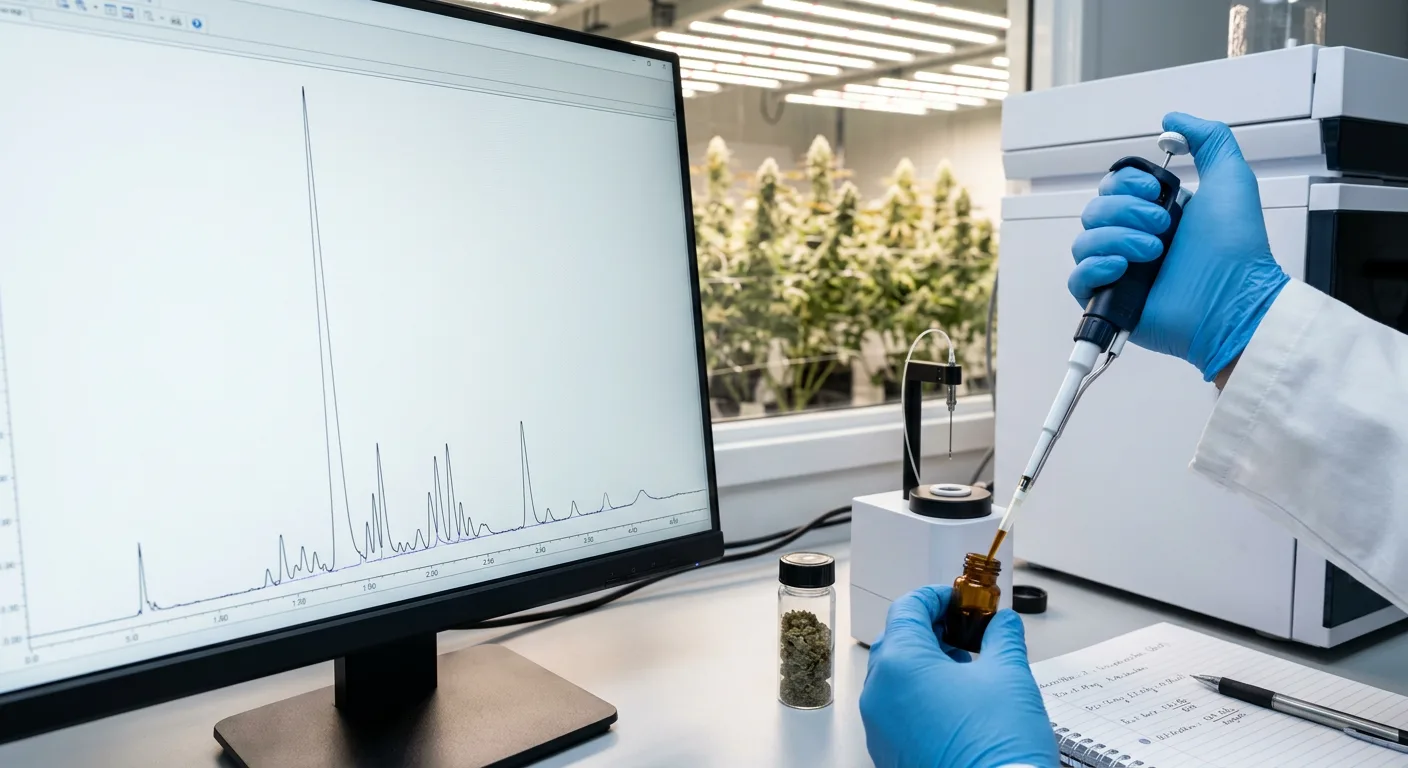
Caryophyllene doesn't operate in isolation. Its CB2 activity interacts with the broader terpene and cannabinoid environment in ways that modify the overall effect character, and this changes meaningfully depending on what else is prominent in the terpene profile.
BCP + Myrcene (Most Common Combination)
The majority of high-caryophyllene strains, GG4, Bubba Kush, Wedding Cake, also run high myrcene. Myrcene has documented muscle-relaxant and sedative properties and enhances blood-brain barrier permeability, potentially increasing THC's central effects. The result of BCP + myrcene dominance is deep physical relaxation with strong analgesic character, the classic heavy indica effect that makes these strains so valued for nighttime pain management.
BCP + Limonene (Cookies Profile)
GSC and its closest relatives often pair caryophyllene with significant limonene, a monoterpene with mood-elevating, anxiolytic properties. This combination produces the distinctive Cookies effect: physical relaxation from BCP's CB2 activity without the full couch-lock of a myrcene-dominant profile. The limonene component keeps mood elevated and cognitive function more intact, making these strains more versatile for daytime or social use while still delivering anti-inflammatory support.
BCP + Terpinolene/Ocimene (Sour Diesel Profile)
Sour Diesel's energizing character comes from terpinolene and ocimene running alongside its caryophyllene. These uplifting monoterpenes counteract the sedating tendency that BCP-myrcene combinations produce, creating a uniquely functional anti-inflammatory option. This is the profile to seek if you're treating muscle inflammation or joint pain but need to remain active during the day.
Research context: A 2020 study published in Pharmaceuticals demonstrated that BCP administered alongside CBD produced synergistic anti-inflammatory outcomes greater than either compound alone in a colitis model. This suggests that caryophyllene-dominant strains with CBD content, or combining BCP-rich cannabis with CBD supplementation, may produce meaningfully enhanced outcomes versus THC-only or BCP-only approaches. The entourage effect, in this case, has direct mechanistic support.
Putting It All Together: Your Caryophyllene Strain Decision Framework
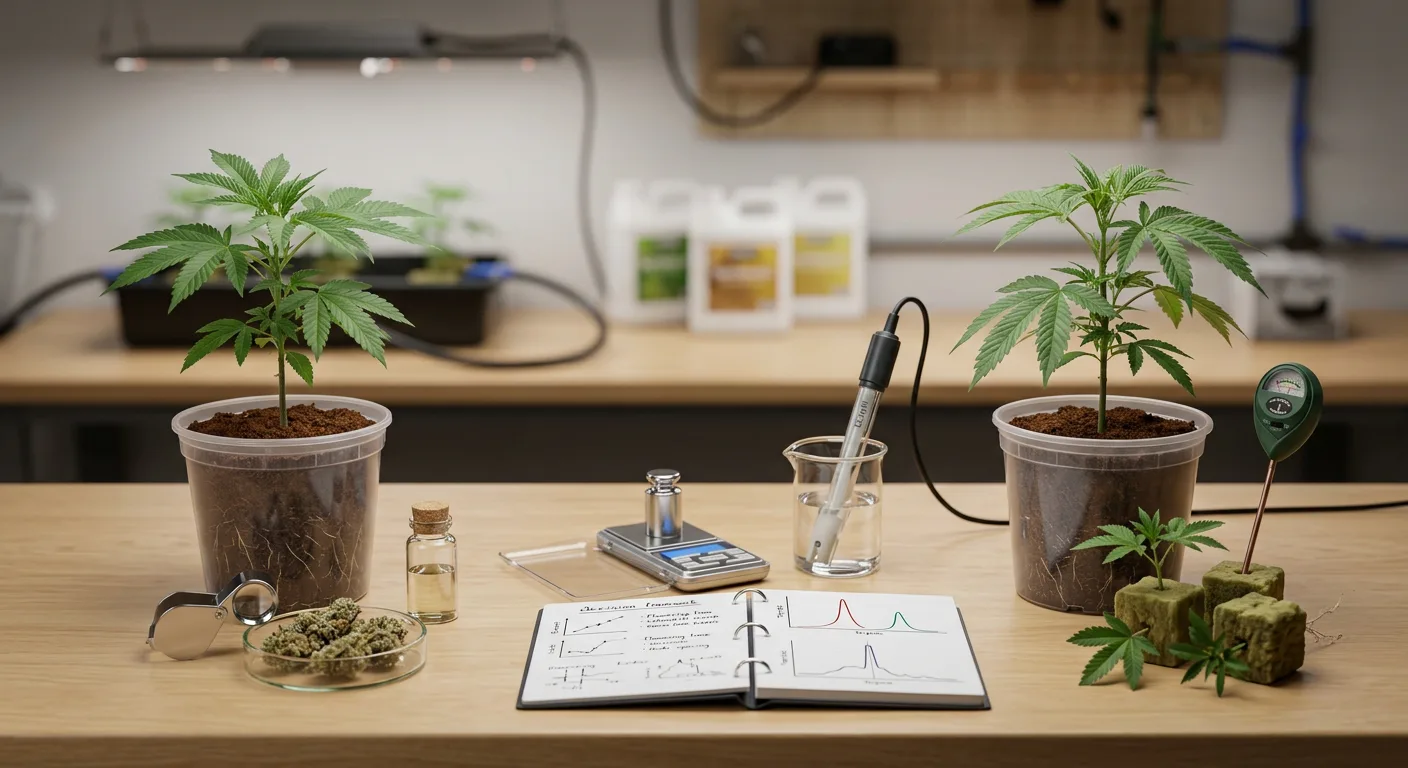
By this point you have the mechanism, the lab context, the strain-by-strain data, the genetics map, and the cultivation practices. Here's how to synthesize that into an actual purchasing decision.
- Maximum BCP output, nighttime use: Wedding Cake or Chemdog (feminized photoperiod, intermediate-advanced grow)
- Reliable BCP output, beginner-friendly: GG4 or Bubba Kush (forgiving cultivation, consistent caryophyllene)
- Daytime anti-inflammatory, functional use: Sour Diesel, our Sour Diesel Feminized Seeds carry the genetic basis for this profile
- OG-family caryophyllene with high THC: OG Kush Feminized or Quantum Kush Feminized
- Cookies-lineage BCP with convenience: Phantom Cookies, White Cookies, or Cookies Kush
- Autoflower option for speed: Skywalker OG Autoflower or Banana Kush Autoflower
- Gut/IBD-focused, oral administration: Lower-THC options with solid BCP; consider Cookies Kush (THC: 18%) processed into edibles using our edible dosage calculator
Yield planning note: High-caryophyllene strains often sacrifice some raw yield for terpene density. GG4 is the exception: it delivers both. Before committing to a grow, use our yield estimator to forecast your harvest weight and ensure your caryophyllene-optimized grow meets your quantity needs as well as your quality targets.
Reference our full cannabis terpene chart to cross-reference caryophyllene rankings against myrcene, limonene, and pinene in your chosen genetics. And if you're comparing the anti-inflammatory terpene picture more broadly: pinene also has meaningful anti-inflammatory data, see our complete pinene guide for comparison.
For growers setting up their environment to maximize caryophyllene expression, environmental control is the highest-leverage variable. Use our light calculator to verify your DLI targets and our VPD calculator to maintain the humidity-temperature balance that supports late-flower terpene accumulation without botrytis risk. The genetics set the ceiling; your environment determines how close you get to it.
Frequently Asked Questions
Which cannabis strains have the highest caryophyllene content?
Chemdog, Wedding Cake, and Original Glue (GG4) consistently test highest for beta-caryophyllene, with well-grown phenotypes reaching 0.9–1.2%. Girl Scout Cookies and Bubba Kush are close behind at 0.6–0.9% in quality grows. Sour Diesel delivers moderate but reliable BCP at 0.5–0.8% with the benefit of an energizing rather than sedating effect profile.
What percentage of caryophyllene makes a strain 'dominant'?
A strain is generally considered caryophyllene-dominant when lab tests show BCP at 0.6% or above and it ranks as the first or second most abundant terpene in the panel. Most commercial cannabis sits below this threshold, with caryophyllene ranking second or third behind myrcene. True dominance: where BCP is unambiguously the top terpene, is most reliably found in Chemdog and Wedding Cake genetics.
Does caryophyllene actually reduce inflammation?
Multiple peer-reviewed studies confirm that beta-caryophyllene acts as a selective CB2 receptor agonist, activating the endocannabinoid system's immune-regulatory arm.[1] This activation suppresses pro-inflammatory cytokines (TNF-α, IL-1β) and NF-κB signaling. Human clinical data is still limited, but the mechanism is well-established in vitro and in animal models. CB2 activation does not produce psychoactivity, making caryophyllene unique among cannabis compounds for anti-inflammatory applications.
Can cultivation practices increase caryophyllene levels?
Yes, several practices support higher sesquiterpene output. Dropping nighttime temperatures to 65–68°F during weeks 6–8 of flower is the most impactful single variable. Full-spectrum lighting, a smooth transition to low-nitrogen bloom nutrients from week 4, and harvesting at precise trichome maturity (70–80% cloudy, 10–20% amber) all contribute. Post-harvest, a slow 10–14 day dry and a 4–8 week cure preserve significantly more caryophyllene than fast-dry methods, because BCP is more heat-stable than myrcene or limonene.
Is caryophyllene better for inflammation when combined with CBD?
Research suggests a synergistic relationship. A 2020 study found that caryophyllene combined with CBD produced greater anti-inflammatory effects than either compound alone in gut inflammation models. CB2 is activated by caryophyllene directly; CBD modulates endocannabinoid tone more broadly. Combining a high-BCP cannabis strain with CBD supplementation, or selecting a strain with moderate CBD content, may enhance anti-inflammatory outcomes beyond what either delivers individually.
Sources & References
This article was researched using 2 peer-reviewed studies.
- Gertsch J et al. Beta-caryophyllene is a dietary cannabinoid. Proc Natl Acad Sci U S A. 2008 — pubmed.ncbi.nlm.nih.gov/18574142 [Research]
- Bento AF et al. Beta-caryophyllene inhibits dextran sulfate sodium-induced colitis in mice through CB2 receptor activation and PPAR-gamma pathway. Am J Pathol. 2011 — pubmed.ncbi.nlm.nih.gov/21356367 [Research]