California Skunk Feminized Seeds
By Ivan K., DSS Genetics · Updated April 2026

California Skunk Feminized Seeds
SKU: DSS-CASK-FEM-5PK
Pack Size
Quantity
Disclaimer: For informational purposes only — not medical advice. Consult a healthcare professional before use.
About This Strain
California Skunk Feminized Seeds — Complete Strain Profile
California Skunk Feminized Seeds – Strain Overview
California Skunk is a classic indica-dominant hybrid (60% indica / 40% sativa) born from two of the most legendary landrace strains ever discovered — Colombian Gold and Acapulco Gold. These two golden giants of the 1960s and 70s cannabis world were prized by connoisseurs long before modern breeding existed, and their offspring carries that heritage with quiet confidence. The result is a strain that sits comfortably in the 10–15% THC range, making it one of the most accessible and genuinely enjoyable cultivars available to a wide range of consumers.
What makes California Skunk stand apart isn't raw potency — it's balance. The sativa spark from those two golden parents keeps the mind alive and creative, while the indica backbone grounds the experience so it never tips into anxiety or overwhelm. For growers who want a reliable, fragrant, and rewarding plant that fits neatly into an easy-to-grow collection, California Skunk delivers on every front. This is old-school cannabis done right.
Effects and Medical Benefits
The California Skunk experience opens gently — a warm wave of happiness that settles behind the eyes first, then spreads across the chest like a slow exhale. Within the first fifteen minutes, most users notice a creative looseness, a feeling that ideas are flowing more freely and conversation comes easier. This isn't the locked-in cerebral intensity of a high-THC sativa; it's something softer and more social, the kind of high that makes an afternoon feel like a gift.
As the session continues, the indica side of the genetics gradually introduces a mild physical relaxation that smooths out tension without pulling you toward the couch. At moderate doses, the balance between mental uplift and body ease holds steady for one to two hours. It's a high that works beautifully for creative projects, social settings, or simply unwinding without shutting down entirely.
Users consistently report these effects:
- Happiness and euphoria — a genuine mood lift that feels natural, not forced or jittery
- Uplifting mental energy — motivation and optimism without racing thoughts
- Creative flow — ideas connect more easily; great for artists, writers, and musicians
- Gentle body relaxation — tension releases steadily without sedation at normal doses
On the therapeutic side, California Skunk's approachable THC range and mood-forward effects make it a go-to for users managing everyday conditions:
- Stress — the happy, uplifting onset melts mental tension quickly and effectively
- Anxiety — the moderate THC ceiling means less risk of triggering paranoia than stronger strains
- Inflammation — caryophyllene and myrcene contribute meaningful anti-inflammatory support
- Headaches — users report fast-acting relief, likely driven by the terpene-THC synergy in this profile
The modest CBD content (0.1–1%) may seem minor, but in combination with four therapeutically active terpenes, it contributes to a well-rounded entourage effect that makes California Skunk feel more complete than its THC numbers alone would suggest. The whole is genuinely greater than the sum of its parts here.
Aroma, Flavor and Terpene Profile
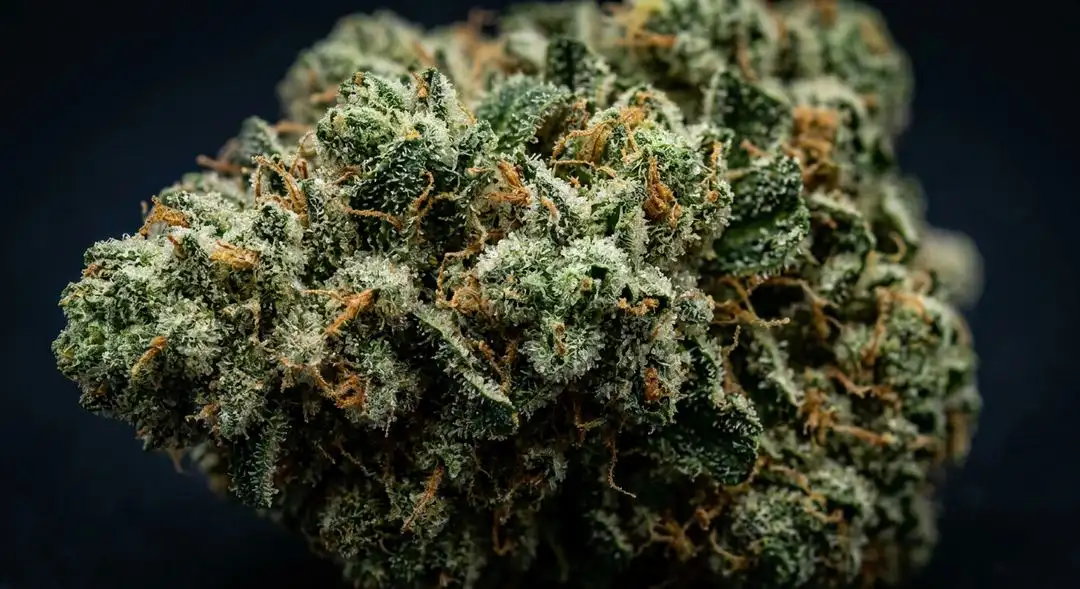
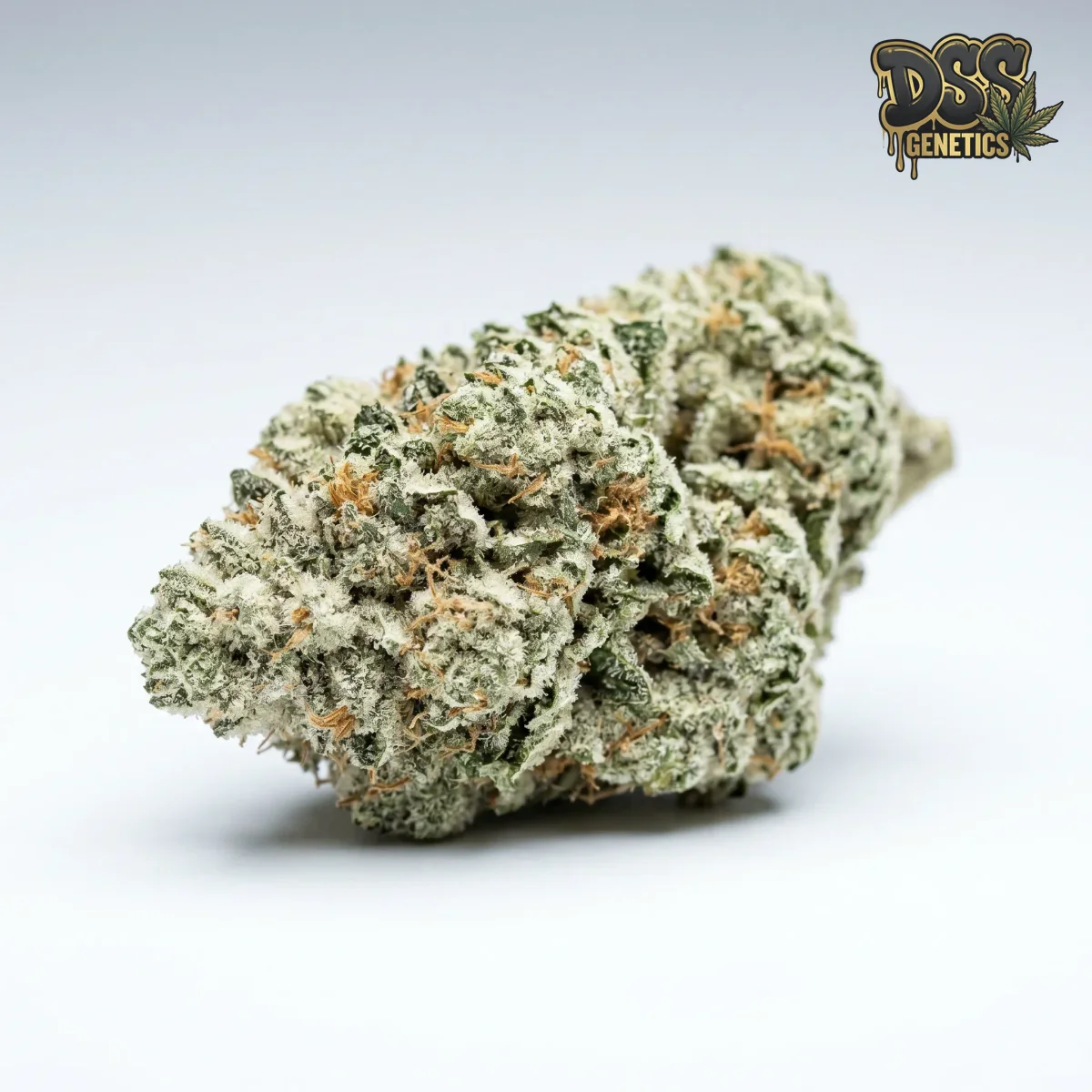
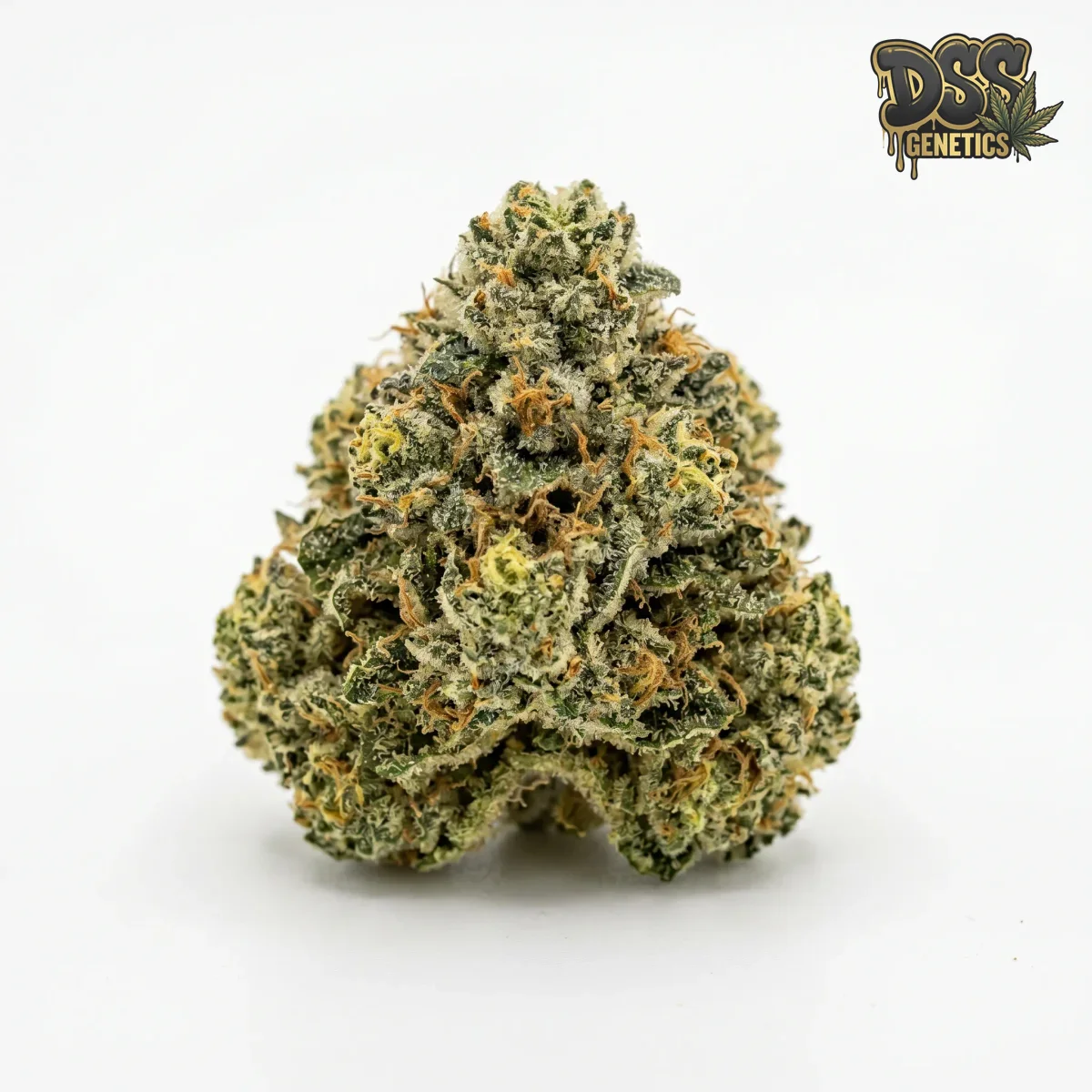
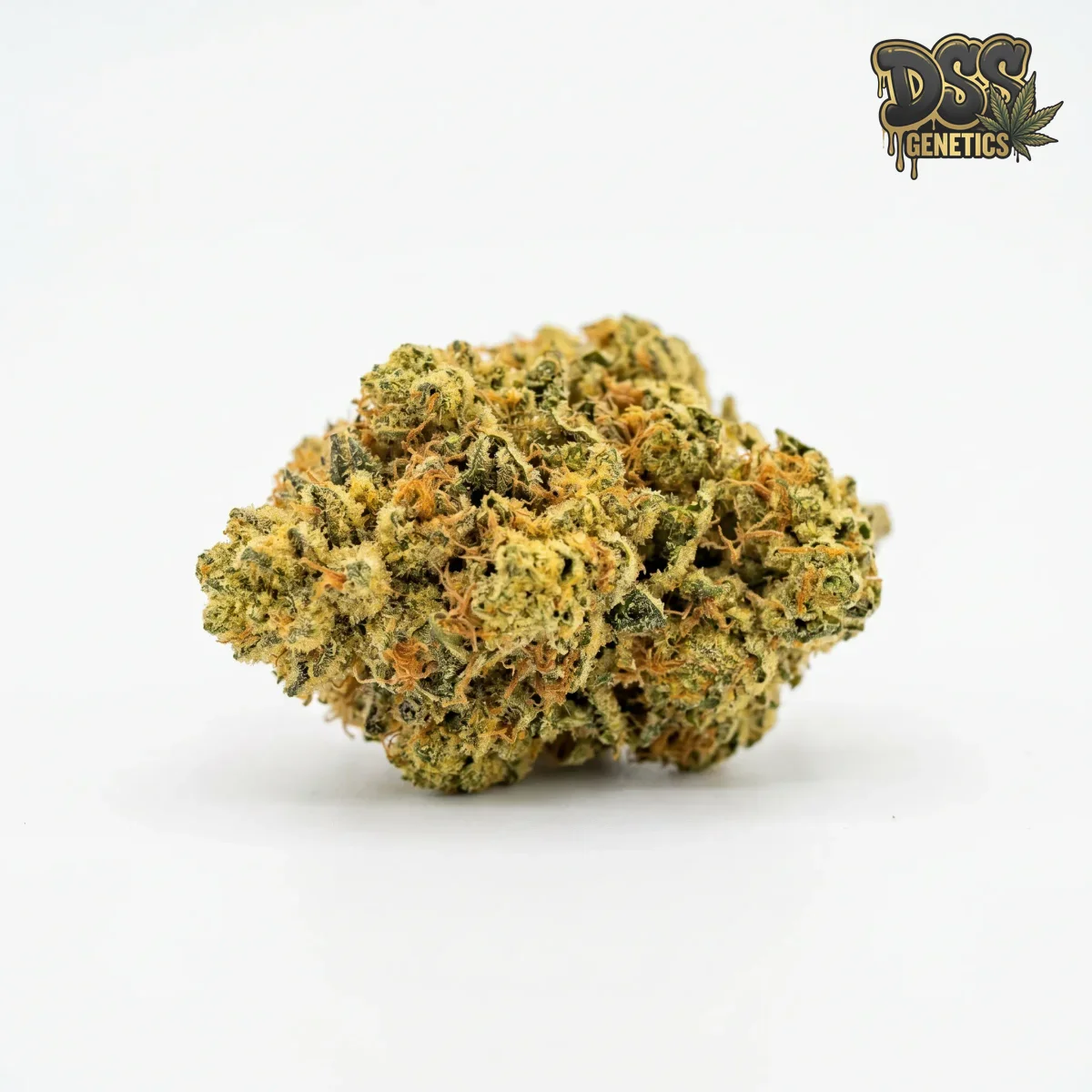
Crack open a jar of properly cured California Skunk and the room changes immediately. The first wave is distinctly skunky — bold, damp, and unmistakably cannabis — but underneath that there's something warmer and more complex. Spiced earth, a hint of tropical fruit, and a thread of sharp pine that keeps the whole profile from feeling heavy. It's a classic aroma in the truest sense, rooted in the landrace genetics that defined what cannabis smelled like before the modern era of ultra-candy hybrids.
On the inhale, the earthy spice leads. On the exhale, a subtle fruitiness emerges — not sweet enough to be cloying, just ripe enough to be pleasant. The pungency lingers on the palate well after the session ends, a quality that old-school cannabis lovers actively seek out and newer smokers often find surprisingly addictive once they've experienced it.
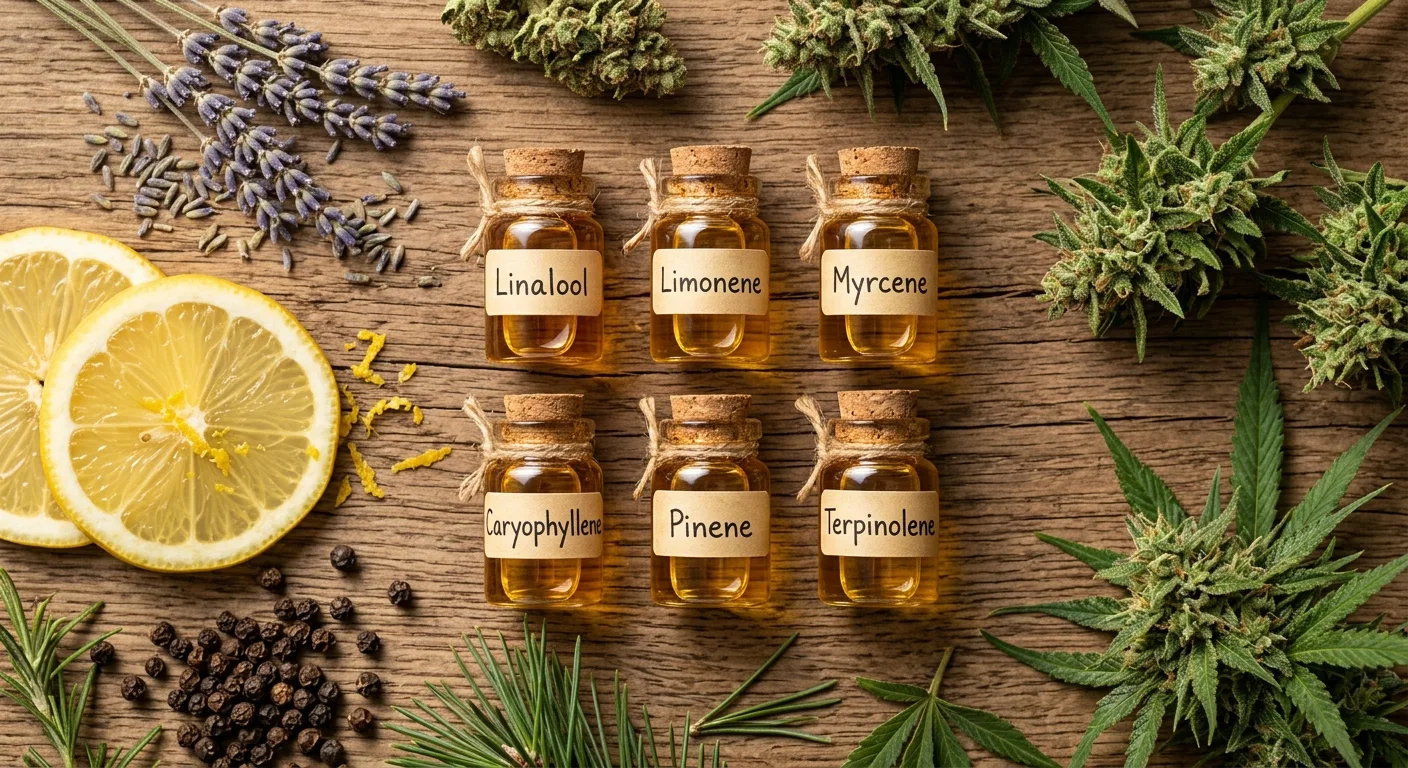
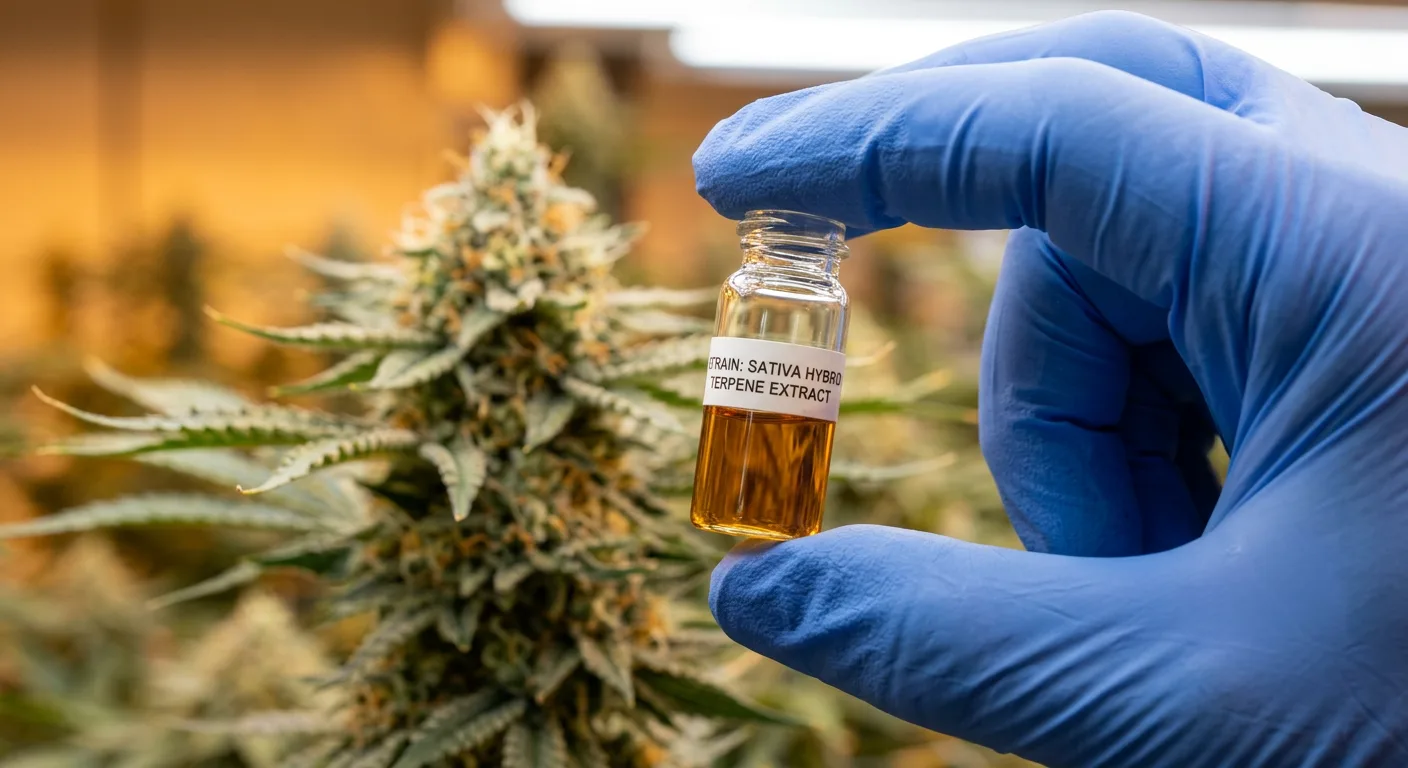
Myrcene is the most abundant terpene in California Skunk, and it's responsible for the deeply earthy, slightly musky baseline that anchors the entire aroma profile. Beyond scent, myrcene plays a functional role — research suggests it may enhance cannabinoid permeability across the blood-brain barrier, which could explain why strains rich in this terpene often feel more potent than their THC percentages predict. It also contributes to the gentle body relaxation that defines the latter half of the California Skunk experience.
Limonene adds a bright citrus counterpoint to myrcene's earthiness, and it's the terpene most directly responsible for California Skunk's mood-lifting character. Limonene has been studied for its anxiolytic properties, making it a meaningful contributor to why this strain works so well for stress and anxiety. Its presence in the profile keeps the aroma from turning too dank or one-dimensional.
Caryophyllene brings the spice — a warm, peppery quality that you notice most on the exhale. What makes caryophyllene uniquely valuable in a therapeutic context is its ability to bind directly to CB2 receptors in the endocannabinoid system, functioning more like a cannabinoid than a typical terpene. This interaction is likely what drives California Skunk's effectiveness against inflammation and headaches.
Pinene completes the picture with a sharp, clean forest-air quality that cuts through the skunk and earth like a breath of mountain air. Pinene has been shown to support alertness and may help offset some of the short-term memory fogginess associated with THC — which aligns well with California Skunk's reputation for keeping users mentally functional even mid-session.
Growing California Skunk Seeds
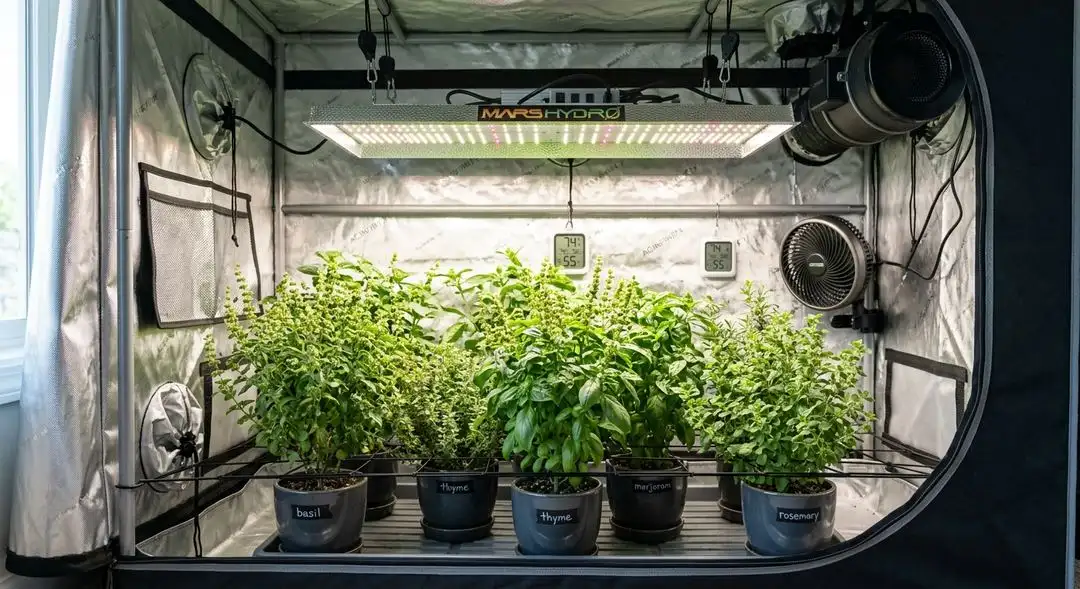
California Skunk is one of those strains that rewards new growers with a forgiving structure and punishes neglect less harshly than most — but it responds beautifully when you put in the effort. The plant stays medium in stature, which means it fits comfortably in a standard grow tent without requiring aggressive height management. Because the genetics trace back to two equatorial landraces, this strain has a natural resilience that modern hybrids often lack.
Indoors, keep daytime temperatures between 68–80°F and drop nighttime temps 5–8°F cooler during the final two weeks of flower to encourage terpene production and resin development. Humidity management matters most in late flower — aim for 45–50% relative humidity during weeks 7–9 to protect the dense buds from any mold risk and help trichomes reach peak maturity. The aroma intensifies dramatically in the final two weeks, so carbon filtration is non-negotiable in any indoor environment where discretion matters.
Outdoors, California Skunk thrives in warm, Mediterranean-style climates with consistent sun. Plants grown under full outdoor conditions stretch more than their indoor counterparts and develop larger primary colas with outstanding aromatic depth. Given the Colombian Gold and Acapulco Gold heritage, this strain is genetically wired for warm-season outdoor cultivation and will perform best in climates where temperatures stay above 65°F through harvest.
Key growing tips for California Skunk:
- Training: Low-stress training (LST) during veg opens up bud sites and improves light penetration significantly — see our training techniques guide for step-by-step methods suited to medium-sized plants like this one
- Nutrients: California Skunk is a moderate feeder; ramp phosphorus and potassium from week 4 of flower onward and taper nitrogen aggressively — follow our nutrient guide to avoid the tip burn that can occur if nitrogen is maintained too late into flower
- Indoor environment: Maintain strong air circulation throughout the canopy to prevent hot spots around dense bud clusters — our indoor growing guide covers ventilation setup in detail
- Outdoor timing: In the Northern Hemisphere, transplant outdoors after the last frost and aim for harvest in late September to early October — the outdoor growing guide covers regional timing considerations thoroughly
- Vegetative stage: A 4–6 week veg period indoors builds the frame needed to support heavy outdoor-style yields — visit our vegetative stage guide to dial in the optimal transition timing for your setup
Yield and Flowering Time
California Skunk finishes flowering in 63–70 days — call it nine to ten weeks of flower, which sits on the slightly longer end for an easy strain but pays back the patience with resinous, aromatic buds worth the wait. Indoor yields come in at 1.2–1.5 oz/ft², which is solid production for a strain of this difficulty level. Outdoor plants, given the room to express their landrace heritage, produce 13–18 oz/plant under optimal conditions — numbers that rival many strains listed in our high-yield collection.
What we've found over multiple grows is that the difference between 13 oz and 18 oz outdoors almost always comes down to canopy management and harvest timing. Plants that are trained well in veg and harvested at the precise trichome window consistently land at the upper end of that yield range. Cutting early — even by a week — noticeably reduces both yield and the depth of the terpene profile.
To maximize your harvest:
- Trichome check: Harvest when 70–80% of trichomes are milky white with 10–20% turning amber — at this window you capture the full creative and uplifting effect profile before sedation dominates
- Late-flower humidity: Drop relative humidity to 40–45% in the final ten days to protect dense buds, intensify resin production, and reduce any mold risk heading into harvest
- Flush timing: Begin flushing with plain pH-balanced water 10–14 days before harvest to clear residual nutrients and let the terpene profile fully express — the skunk and spice notes become noticeably more pronounced after a proper flush
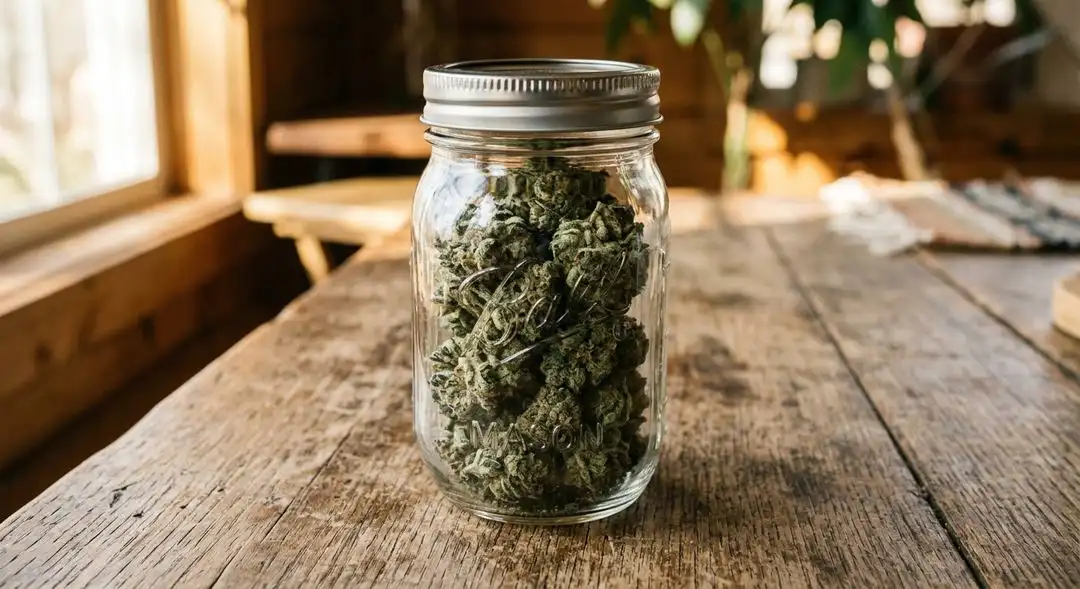
- Drying and curing: Hang dry for 7–10 days at 60–65°F and 55–60% relative humidity, then cure in sealed glass jars for a minimum of three weeks — a proper drying and curing process is what transforms California Skunk's already impressive aroma into something genuinely exceptional
Why Buy California Skunk Seeds from DSS Genetics?
Every California Skunk feminized seed ships with our full germination guarantee — if a seed doesn't sprout under normal germination conditions, we replace it, no questions asked. Follow our germination guide for the best possible start, and reach out to our team at any point if you run into trouble. Orders ship discreetly in completely discreet, plain packaging that gives no indication of the contents.
- Germination guaranteed — every seed is backed by our replacement promise, because we stand behind what we sell
- Discreet shipping — plain, unmarked packaging on every order
- Spend $100 or more — receive complimentary premium seeds added to your order automatically
- Optimal seed storage — seeds are stored under controlled temperature and humidity conditions from our facility to your door, preserving viability and germination rates
Frequently Asked Questions
Is California Skunk a good strain for beginner growers?
Yes — California Skunk is rated easy difficulty and is one of the more forgiving strains available for first-time growers. The medium plant size is manageable in most indoor setups, and the strain's landrace-derived resilience means it tolerates minor environmental fluctuations better than many modern hybrids. Browse our full easy-to-grow collection if you're building a beginner-friendly garden and want to compare options side by side.
What does the California Skunk high feel like?
California Skunk produces a happy, uplifting, and creatively stimulating effect that gradually transitions into gentle physical relaxation. At 10–15% THC, it's well within a range that both newer and experienced consumers can enjoy without the overwhelming intensity of higher-THC strains. Users looking for similar mood-forward effects might also explore our best sativa collection for strains that lean even further into the cerebral side of the experience.
What are the dominant terpenes in California Skunk?
California Skunk's terpene profile is built around four key compounds: Myrcene (earthy, musky, relaxing), Limonene (citrus, mood-lifting, anxiolytic), Caryophyllene (spicy, peppery, anti-inflammatory), and Pinene (fresh pine, alertness-supporting). Together, these terpenes contribute to the strain's skunky-earthy-fruity aroma and reinforce its effectiveness for stress, anxiety, and inflammation through the entourage effect.
How long does California Skunk take
Medical Disclaimer: This information is for educational purposes only and should not be considered medical advice. Always consult a healthcare professional before using cannabis for medical purposes. Individual results may vary.
Frequently Asked Questions
California Skunk — Common Questions Answered
What is California Skunk?
California Skunk is a balanced hybrid cannabis strain (60% Indica / 40% Sativa) bred from Colombian Gold x Acapulco Gold. It produces THC levels of 10–15% and CBD levels of 0.1–1%. Known for its happy, uplifting, creative effects and earthy, skunky, spicy flavor profile.
Is California Skunk easy to grow?
Yes, California Skunk is an excellent choice for beginners. It has a forgiving growth pattern and doesn't require advanced techniques to produce good yields. Growing difficulty: Easy. It thrives in temperate climates and reaches a medium plant size.
How long does California Skunk take to flower?
California Skunk has a flowering time of 63–70 days. Switch to a 12/12 light cycle to initiate flowering. Expected yields are 1.2 to 1.5 oz/ft² indoors and 13 to 18 oz/plant outdoors.
What are the effects of California Skunk?
California Skunk delivers happy, uplifting, creative effects. Many growers report it helps with stress, anxiety, inflammation, headaches. With THC levels of 10–15%, it offers a mild, manageable experience suitable for all tolerance levels.
What does California Skunk smell and taste like?
California Skunk's dominant terpenes are Myrcene, Limonene, Caryophyllene, Pinene, which give it a earthy, skunky, spicy, fruity, pungent flavor and aroma profile. Myrcene contributes earthy, herbal notes and is associated with relaxing effects.Limonene adds citrusy brightness and may elevate mood.Caryophyllene provides spicy, peppery notes and may help with inflammation.
Can I grow California Skunk indoors and outdoors?
Yes, California Skunk performs well both indoors and outdoors. Indoor yields average 1.2 to 1.5 oz/ft², while outdoor grows can produce 13 to 18 oz/plant. It prefers temperate conditions. Its medium height is manageable in most indoor setups.
What does "feminized" mean for California Skunk seeds?
Feminized California Skunk seeds are bred to produce only female plants, which are the ones that develop smokable buds. This eliminates the need to identify and remove male plants, saving time and maximizing your grow space. Over 99% of feminized seeds will produce female plants.
Grower Reviews
Real grow experiences from our community
Similar Strains
Get 10% Off Your First Order
Join our newsletter for exclusive deals, growing tips, and new strain drops.