The Five Variables That Determine Your Seed Order Size
Figuring out how many cannabis seeds to order is the first real decision every grower faces—and most people guess wrong. They order too few and run short after a failed germination, or they buy a 25-pack when their state only allows four plants. The answer is never a single number. It depends on five measurable variables.
Your ideal seed order size is determined by: (1) your grow space dimensions, (2) your legal plant count limit, (3) whether you choose feminized, regular, or autoflower seeds, (4) realistic germination rates, and (5) your grow goals—single harvest, perpetual garden, or pheno hunting.
Let's break down each variable so you can calculate your exact order before you spend a dollar.
Variable 1: Grow Space Size
Your tent or room footprint sets a hard cap on plant count. A 2×2-foot tent fits 1–2 plants comfortably. A 4×4 tent handles 4–6. A 4×8 or 5×5 can support 8–12 depending on training style. Use our free grow planner tool to visualize your layout before ordering.
Variable 2: Legal Plant Limits
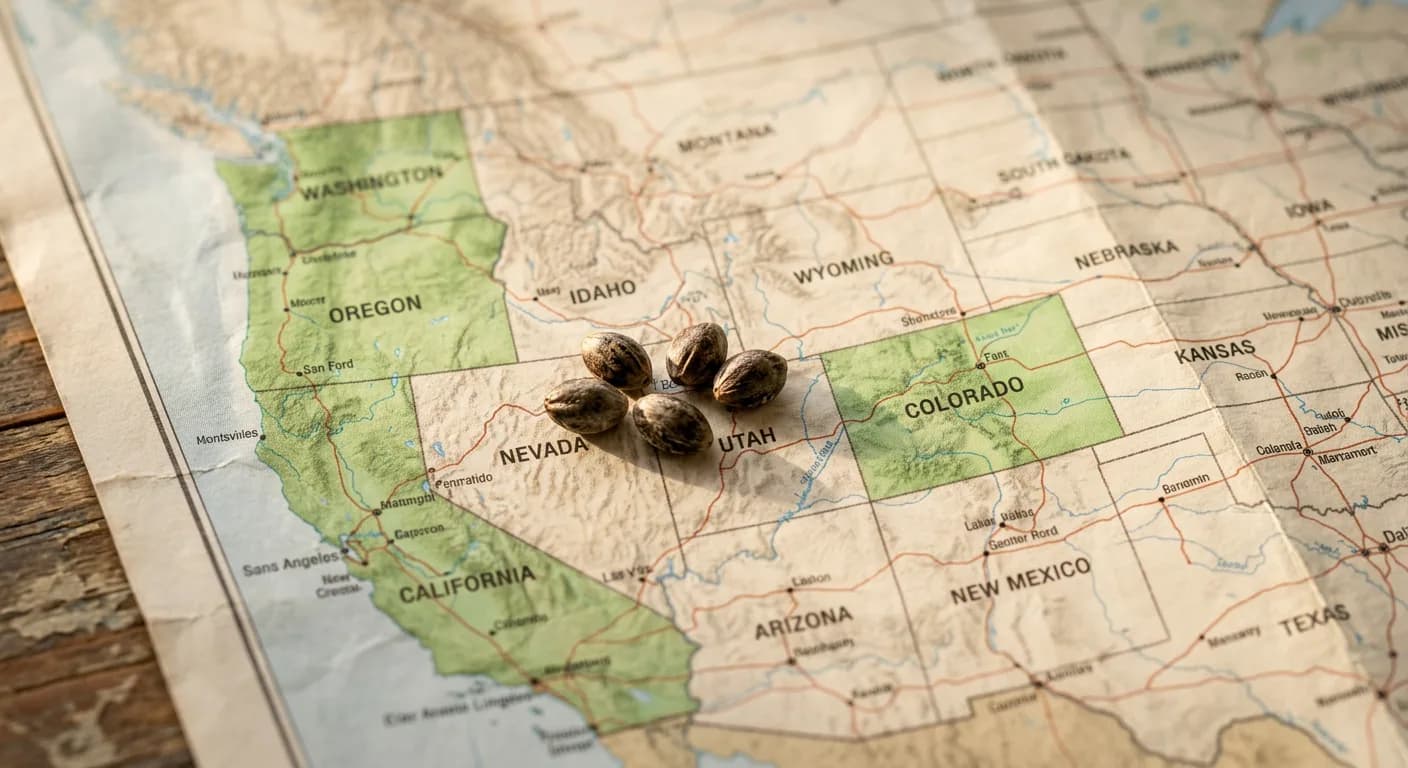
State laws often cap mature plants at 4–6 per household. This directly reduces how many seeds you need to sprout simultaneously. Check your state's current rules on our legalization map.
Variable 3: Seed Type
Feminized seeds produce nearly 100% female plants. Regular seeds yield roughly 50% males you'll cull. Autoflowers finish faster but can't be cloned. Your seed type choice is the single biggest multiplier in your order calculation—we'll cover it in detail next.
Variable 4: Germination Rate Reality
No seed bank guarantees 100% germination. Reputable sources average 80–90%, which means 1–2 seeds per 10-pack may not sprout. Our germination guarantee provides peace of mind, but building a buffer into your order is still smart practice.
Variable 5: Your Grow Goal
A single-harvest beginner needs far fewer seeds than a perpetual grower running overlapping cycles or a pheno hunter searching for a keeper. Define your goal before you shop.
Key Takeaway: Your seed order isn't based on want—it's based on math. Multiply your target plant count by the appropriate buffer for your seed type and germination risk, and you'll land on the right number every time.
Feminized vs Regular Seeds: How Seed Type Doubles (or Halves) Your Order
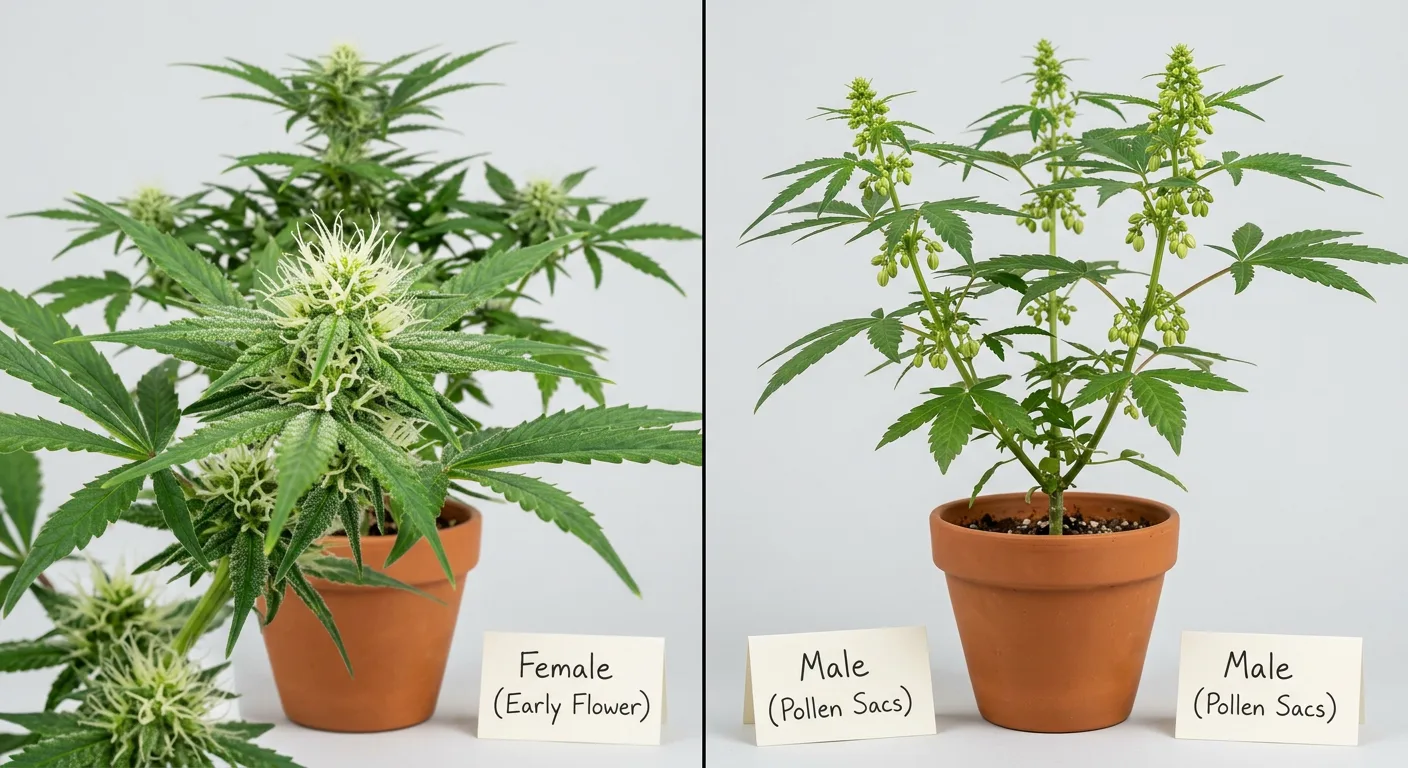
The type of cannabis seed you choose—feminized, regular, or autoflower—is the single largest factor in calculating how many seeds to order. Feminized seeds nearly eliminate males. Regular seeds require ordering roughly double your target plant count since about half will produce pollen sacs you'll remove.
If you're still deciding between types, our deep-dive on autoflower vs feminized seeds covers the full comparison. For the purpose of ordering math, here's what matters:
| Seed Type | Female Rate | Seeds Needed for 4 Female Plants | Best For |
|---|---|---|---|
| Feminized (photoperiod) | ~99% | 5–6 | Beginners, controlled indoor grows |
| Regular (photoperiod) | ~50% | 10–12 | Breeders, pheno hunters |
| Autoflower (feminized) | ~99% | 6–8 | Fast harvests, small spaces |
Notice autoflowers need a slightly larger buffer than photoperiod feminized seeds. That's because you can't clone an autoflower—if a plant turns out stunted or weak, your only option is to pop another seed.
Pro Tip: First-time growers should start with feminized seeds. You'll order fewer, spend less, and skip the stress of identifying and removing male plants during early flower. Strains like White Widow Feminized or Northern Lights x Big Bud Feminized are forgiving enough for beginners and don't require a massive seed order to succeed.
For a deeper look at the feminized vs regular decision and how it affects your growing plan, read our beginner's guide to feminized vs regular seeds.
The Seed Order Calculator: A Step-by-Step Decision Tree
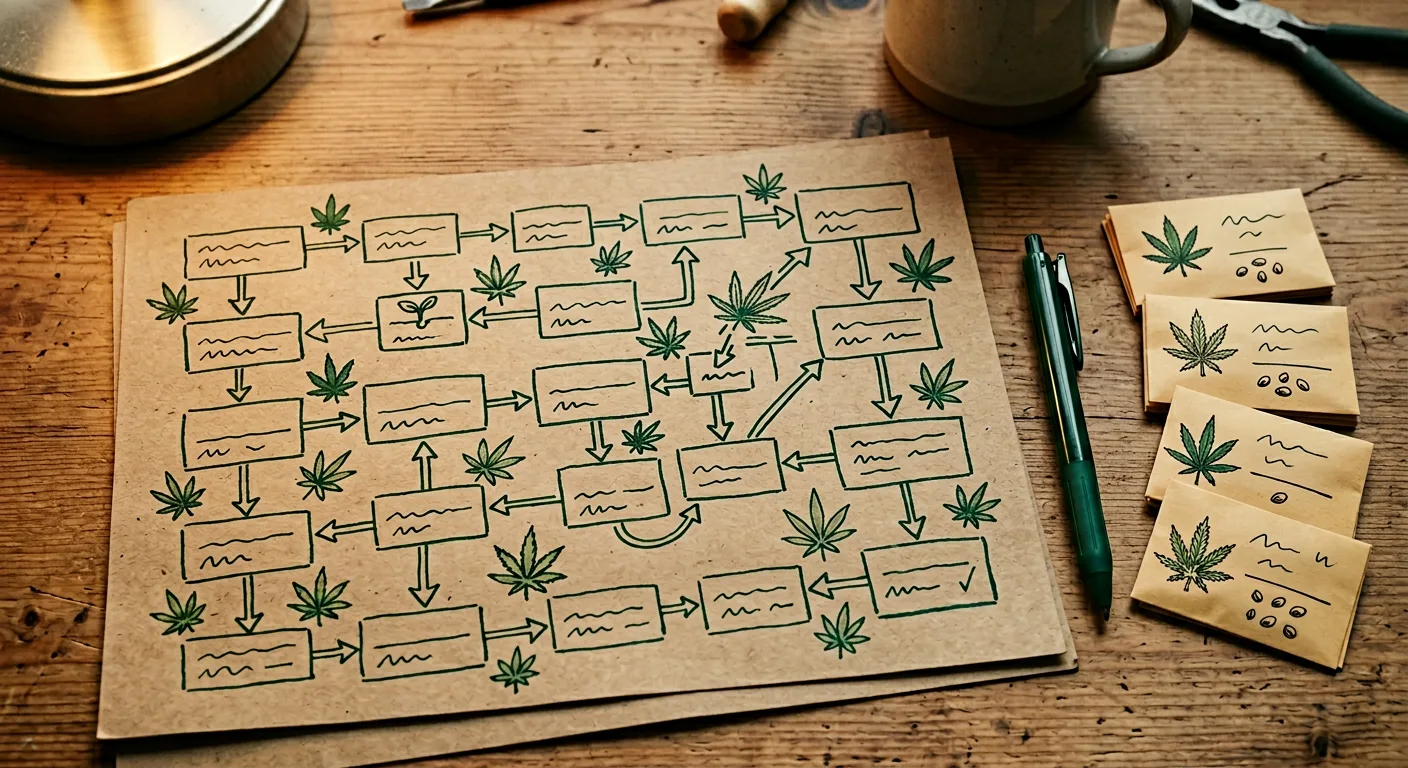
Use this decision-tree calculator to determine your ideal cannabis seed order quantity. Start at Step 1 and follow the math to your final number. No spreadsheet required—just answer four questions.
How Many Female Plants Do You Want to Harvest?
Check your legal limit and grow space. Most home growers target 2–6 plants. Write this number down as your Target Plant Count (TPC).
Apply the Seed Type Multiplier
Feminized seeds: multiply TPC × 1.0. Regular seeds: multiply TPC × 2.0 (half will be male). This gives you your Adjusted Seed Count (ASC).
Add Your Germination Buffer
Multiply ASC × 1.25 (a 25% buffer). Round up to the nearest whole seed. This accounts for duds, slow germinators, and weak seedlings. This gives your Order Quantity (OQ).
Match to Available Pack Sizes
Round your OQ up to the nearest pack size available (3, 5, or 10). Leftover seeds store well for 2–5 years—see our long-term seed storage guide.
Three Real-World Examples
Example A — Beginner, 4 feminized plants in a 4×4 tent:
- TPC = 4 plants
- ASC = 4 × 1.0 = 4 seeds
- OQ = 4 × 1.25 = 5 seeds → order a 5-pack
Example B — Grower using regular seeds, wants 4 females:
- TPC = 4 plants
- ASC = 4 × 2.0 = 8 seeds
- OQ = 8 × 1.25 = 10 seeds → order a 10-pack
Example C — Autoflower grower, 3 plants in a 3×3 tent:
- TPC = 3 plants
- ASC = 3 × 1.0 = 3 seeds
- OQ = 3 × 1.30 = 3.9 → round to 4 seeds → order a 5-pack (extra seed for next run)
Expert Note: We use a slightly higher 30% buffer for autoflowers in the calculator because stunted autoflower seedlings rarely recover—there's no vegetative extension to compensate. With photoperiod plants, you can veg longer to let a slow starter catch up. Plan accordingly and use our yield estimator to forecast output based on your final plant count.
Buffer Seeds: Why You Should Always Order 20–30% Extra
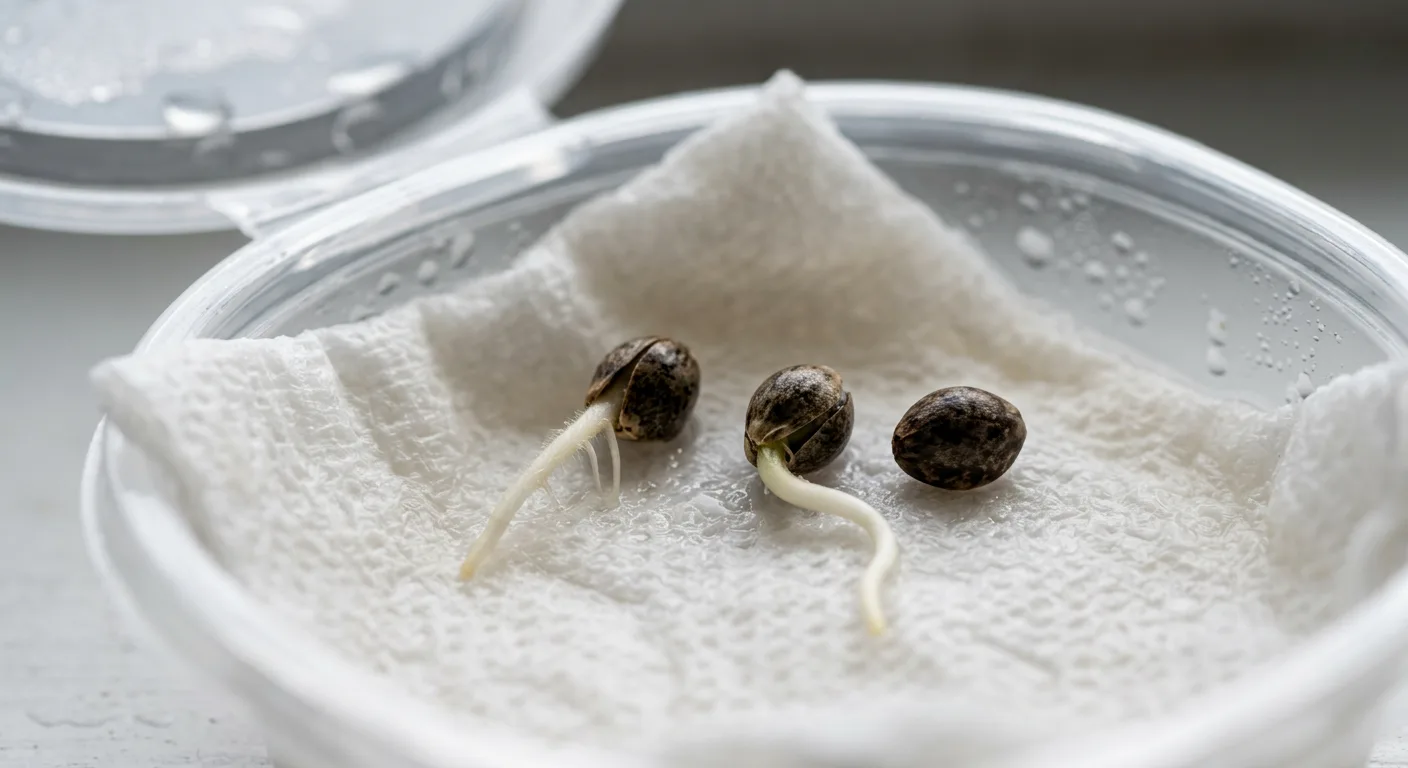
The "buffer seed" concept means ordering 20–30% more cannabis seeds than your target plant count to account for germination failure, weak seedlings, hermaphrodites, and unexpected loss. Even premium genetics from top breeders carry a 10–20% risk of non-viable seeds.
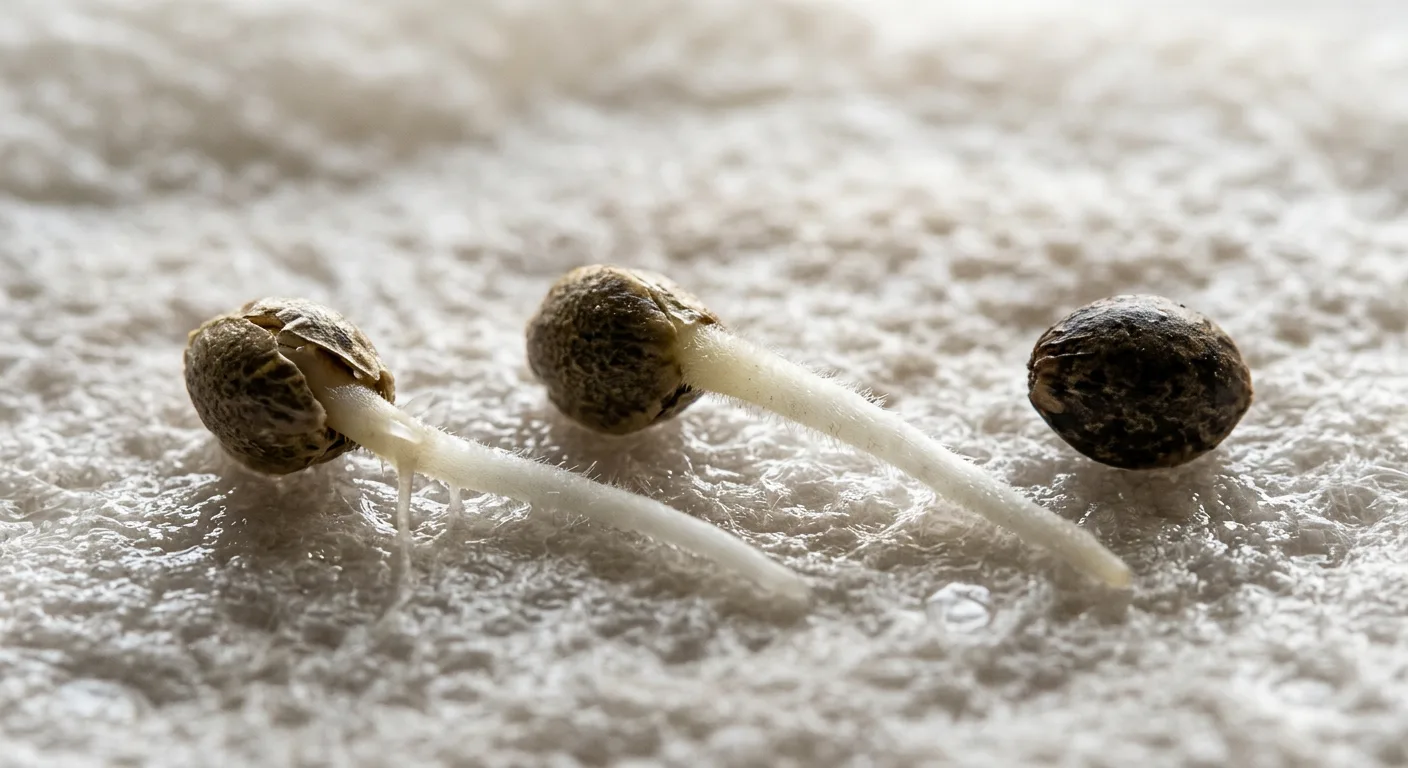
Here's why buffer seeds matter at each stage of a grow:
- Germination failure: 10–20% of seeds may not crack, even with perfect technique
- Damping off: Seedlings can die from fungal issues in the first 7–10 days
- Hermaphrodites: Stress-induced hermies appear mid-flower and must be removed
- Genetic duds: Rare but real—some seedlings grow extremely slowly or show abnormalities
- Accidental damage: Snapped stems during transplant or training happen to everyone
Warning: Ordering the exact number of seeds you plan to grow is the most common beginner mistake. If you want 4 plants and order exactly 4 seeds, one failed germination drops your harvest by 25%. Always build in a safety margin.
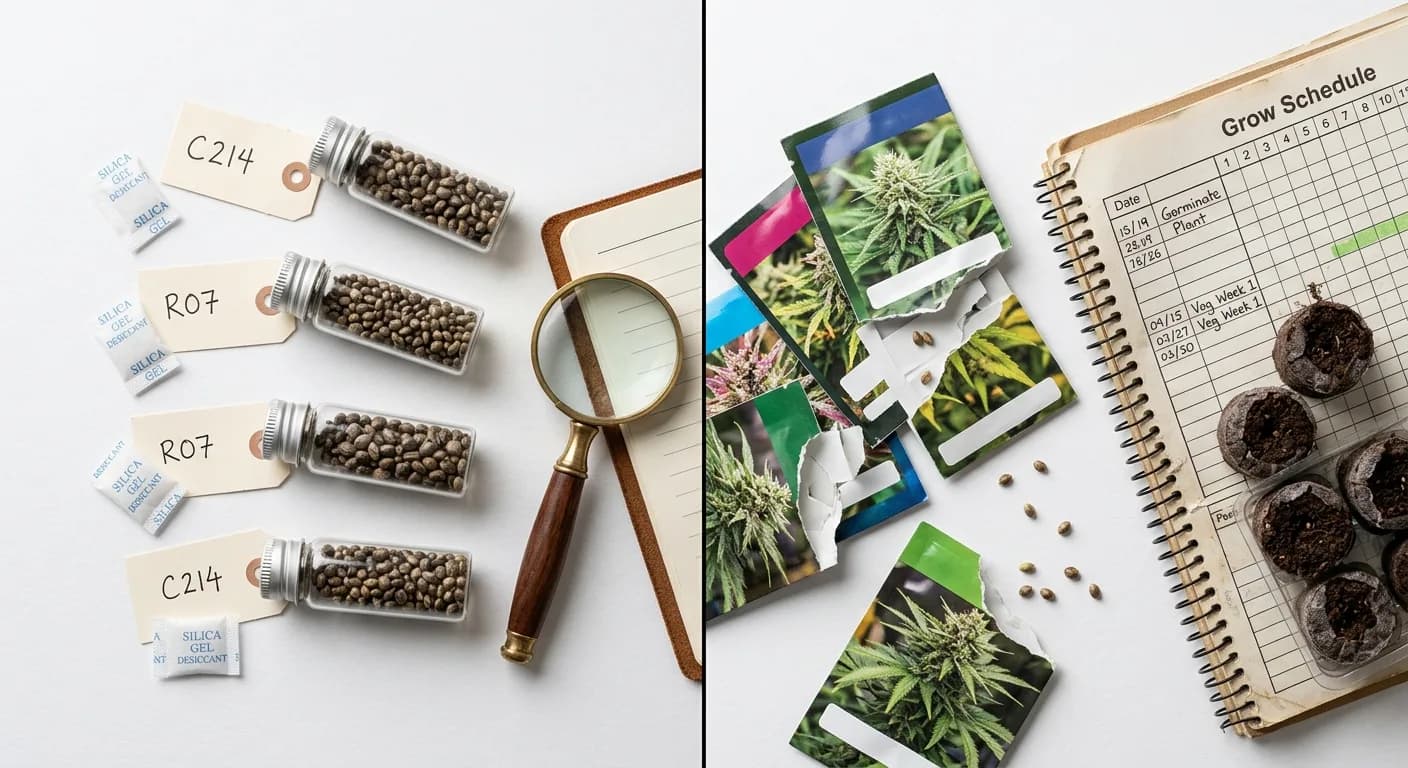
Leftover buffer seeds aren't wasted. Stored properly in a cool, dark, dry place, cannabis seeds remain viable for 3–5 years. Keep them for your next cycle or gift them to a fellow grower.
Autoflower-Specific Ordering: You Cannot Clone, So Plan Ahead
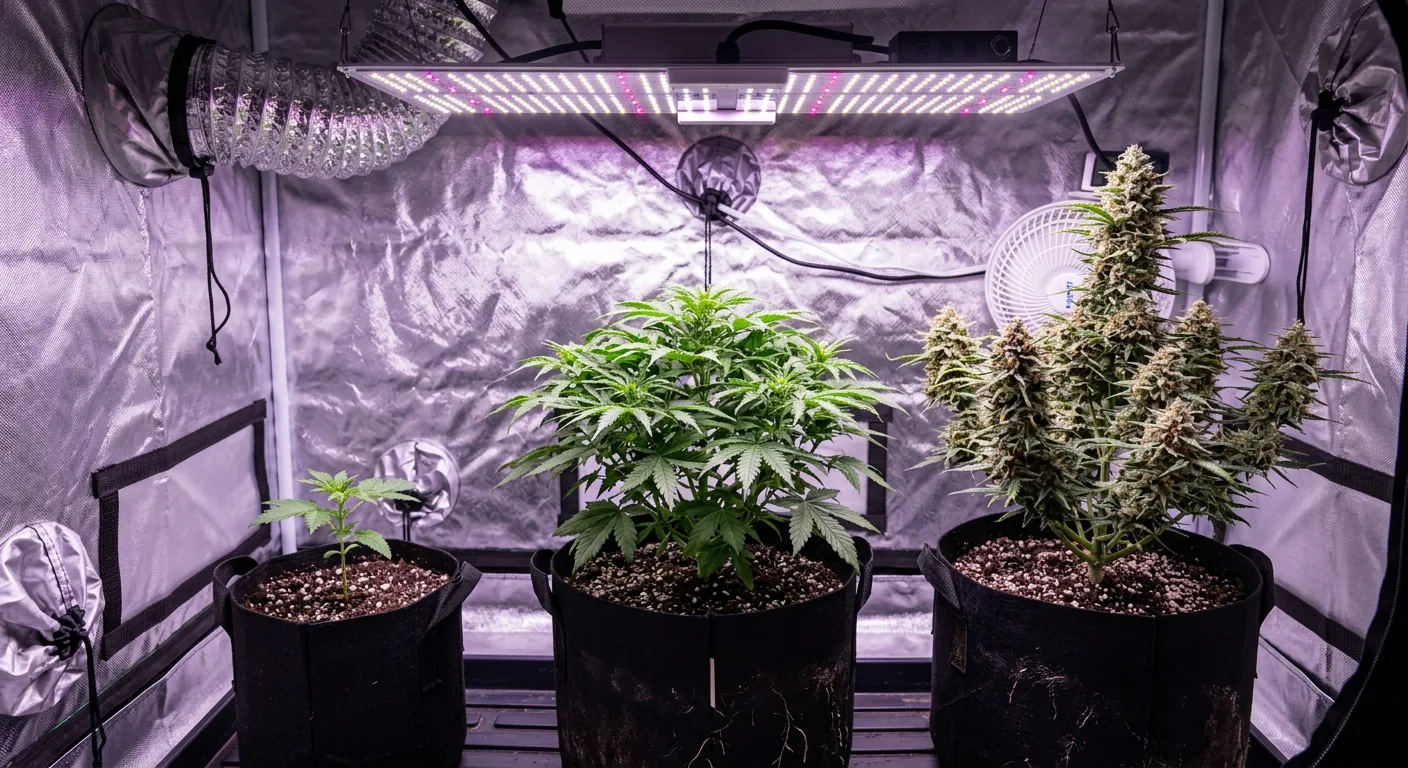
Autoflower cannabis seeds require a larger per-harvest seed order than photoperiod feminized seeds because autoflowers cannot be cloned. Each plant is a one-and-done cycle from seed to harvest, meaning you need fresh seeds for every single grow run.
With photoperiod strains, you can take cuttings during veg and maintain a mother plant indefinitely—one seed can theoretically produce unlimited clones. Autoflowers don't allow this. Their internal clock starts ticking from germination, and clones inherit the mother's age, leaving almost no time to root and grow.
What This Means for Your Seed Budget
If you plan to run 4 harvests per year with 4 autoflower plants each cycle, you need seeds for 16 plants annually—plus buffer. Here's the math:
- 16 plants × 1.25 buffer = 20 seeds per year minimum
- That's two 10-packs or four 5-packs annually
- Compare to photoperiod: 5–6 seeds total if you clone from a keeper mother
Popular autoflower options like Amnesia Haze Autoflower or Skywalker OG Autoflower are excellent choices for growers who want speed without sacrificing quality. Just budget for more seeds per year than you would with photoperiod genetics.
Pro Tip: If you grow autoflowers perpetually (staggering plants every 3–4 weeks), buy 10-packs of your favorite strain. The per-seed cost drops significantly, and you'll always have inventory for the next drop. Check the grow cost calculator to see how seed expenses fit into your total budget.
When 3-Packs, 5-Packs, and 10-Packs Make Sense
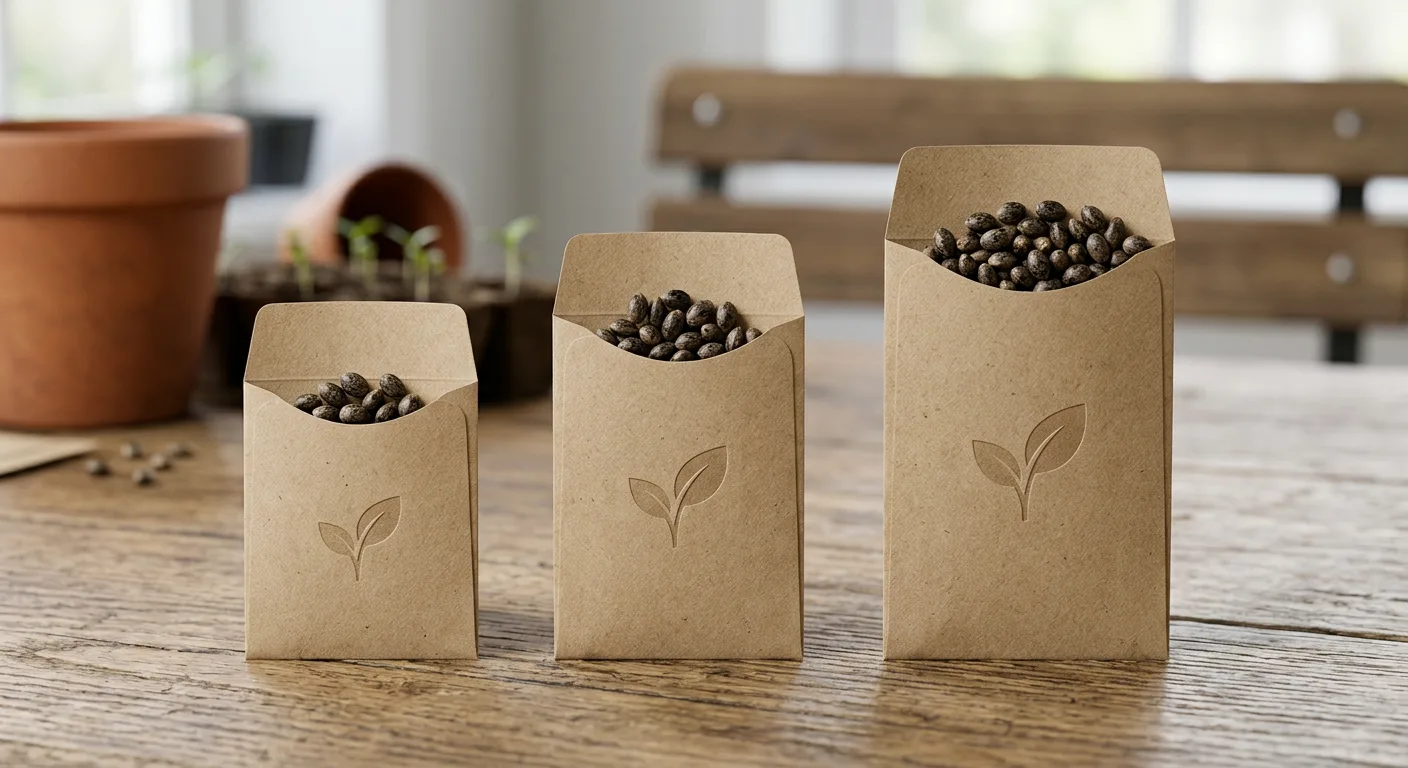
The right cannabis seed pack size depends on your grower profile. A 3-pack is ideal for testing a new strain on a budget. A 5-pack suits most single-cycle home growers. A 10-pack delivers the best per-seed value for perpetual growers, pheno hunters, and autoflower enthusiasts.
3-Seed Packs: The Tester
- Best for: Trying an unfamiliar strain, small 2×2 tents, gift purchases
- Grow math: Supports 2 plants + 1 buffer seed
- When to avoid: If growing regular seeds (3 seeds may yield only 1 female)
A 3-pack of Purple Power Feminized (10% THC) is a smart low-risk entry point for brand-new growers who want a mild, forgiving first grow.
5-Seed Packs: The Sweet Spot
- Best for: Standard home grow of 3–4 plants, most state legal limits
- Grow math: Supports 4 plants + 1 buffer, or 3 plants + 2 buffers
- Most popular with: First-time and intermediate growers running feminized photoperiod strains
Classic strains like Blue Dream, Gelato, and OG Kush Feminized (26% THC) are commonly ordered in 5-packs for a standard 4×4 tent cycle.
10-Seed Packs: The Committed Grower
- Best for: Perpetual harvests, autoflower rotations, pheno hunting, growing regular seeds
- Grow math: Supports 2–3 full grow cycles, or one large pheno hunt
- Cost advantage: Typically 20–35% lower per-seed price vs buying two 5-packs
Key Takeaway: Match your pack size to your commitment level. Beginners testing the waters: grab a 3-pack. Running a standard home grow: 5-pack. Planning multiple harvests or searching for a phenotype keeper: 10-pack saves money and headaches.
Legal Plant Count Limits: The Constraint Most Buyers Forget
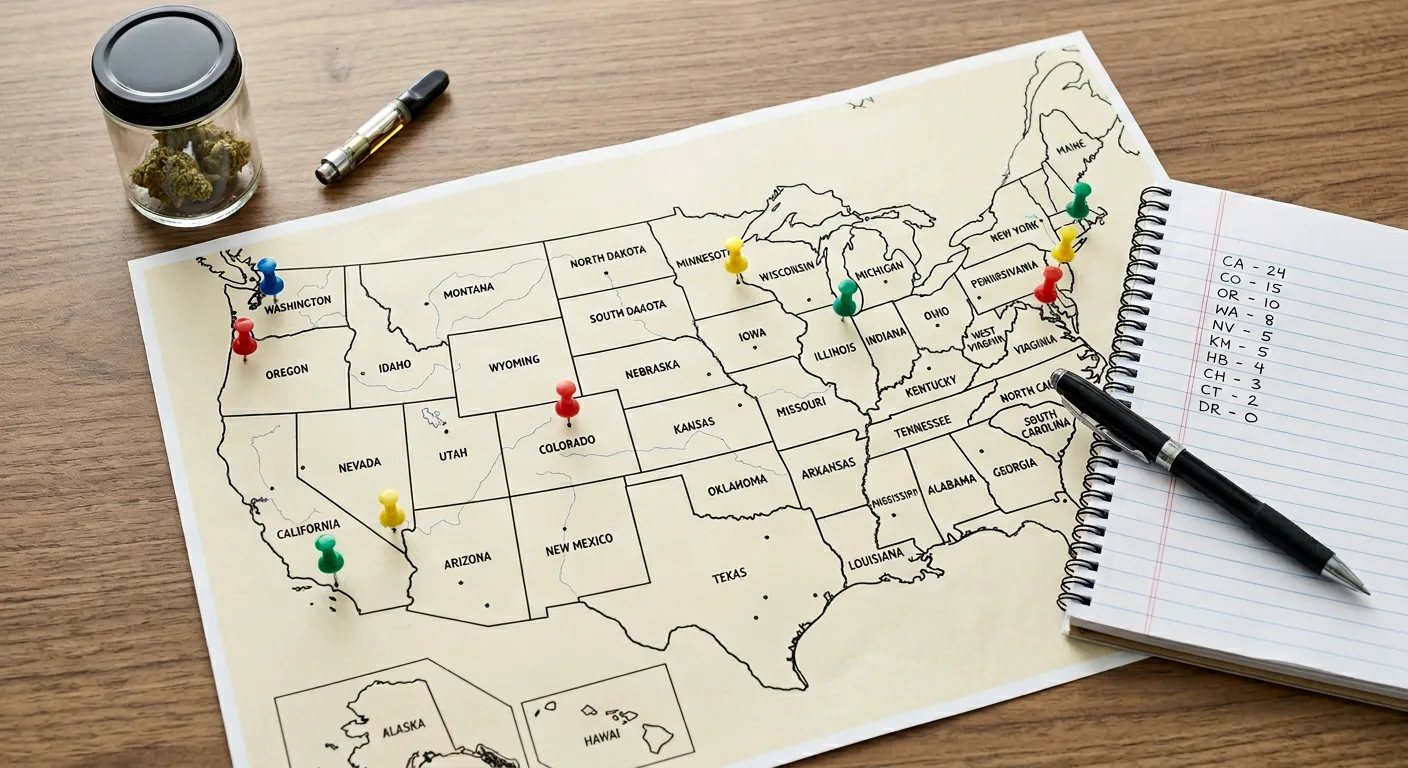
State plant count limits are the legal ceiling that determines the maximum number of cannabis plants you can grow at once—and therefore the maximum number of seeds you need to germinate per cycle. Most legal states allow 4–6 mature plants per household, though some permit up to 12.
Important distinction: plant limits restrict growing plants, not stored seeds. In almost every legal state, you can purchase and store more seeds than your plant limit allows. Seeds are considered genetic material or collectibles, not controlled plants.
Here are some common state limits (always verify current laws):
| State | Mature Plant Limit | Immature/Seedling Limit | Notes |
|---|---|---|---|
| Colorado | 6 | 6 | 12 total per household |
| California | 6 | Included in 6 | Per adult, local rules vary |
| Michigan | 12 | Included in 12 | Per household |
| Oregon | 4 | 4 | 8 total per household |
| Montana | 2 | 2 | Medical: up to 4 mature |
For the most up-to-date breakdown of your state's laws—including whether home cultivation is even permitted—explore our 2026 cannabis seed legality guide and interactive legalization map.
Caution: Some municipalities add local restrictions on top of state law. Always check county and city ordinances. Having extra seeds stored is generally fine—having extra plants growing can carry penalties.
How Plant Limits Affect Your Seed Order
If your state allows 4 mature plants, you don't need 20 feminized seeds for a single grow cycle. A 5-pack covers you perfectly. However, you should keep extra seeds in storage for future cycles. Buying a 10-pack to split across two grows is both legal and cost-effective in virtually every legal state.
Quick-Reference Table: Seeds to Order by Grow Setup
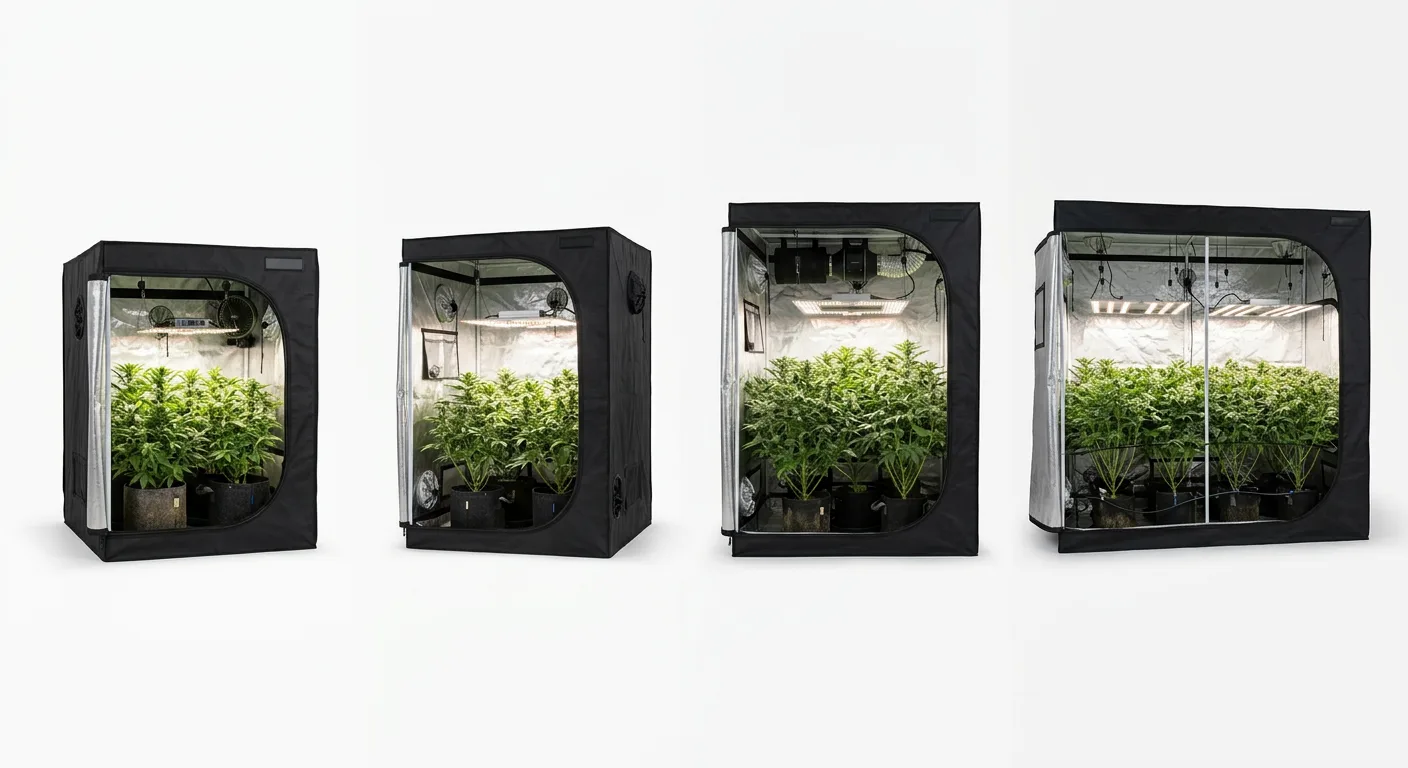
This quick-reference table tells you exactly how many cannabis seeds to order based on your tent size, seed type, and grow goal. Find your setup below, then match the recommended seed quantity and pack size.
| Grow Setup | Target Plants | Seed Type | Seeds to Order | Recommended Pack |
|---|---|---|---|---|
| 2×2 tent, single harvest | 1–2 | Feminized | 3 | 3-pack |
| 3×3 tent, single harvest | 2–4 | Feminized | 5 | 5-pack |
| 4×4 tent, single harvest | 4–6 | Feminized | 5–8 | 5-pack or 10-pack |
| 4×4 tent, single harvest | 4–6 | Autoflower | 6–8 | 10-pack |
| 4×4 tent, single harvest | 4 | Regular | 10–12 | 10-pack + |
| 4×8 tent, single harvest | 8–12 | Feminized | 10–15 | 10-pack × 1–2 |
| Any size, perpetual auto | 4/cycle × 4 cycles/yr | Autoflower | 20+/year | 10-pack × 2+ |
| Any size, pheno hunt | 10–20 per strain | Regular or Fem | 10–25 | 10-pack × 1–2 |
Pro Tip: If you're setting up a complete indoor grow tent for the first time, use the table above alongside our light calculator to confirm your tent can support the plant count you're planning. Undersized lighting will limit your yield more than seed count.
Pheno Hunting: How Many Seeds You Actually Need to Find a Keeper
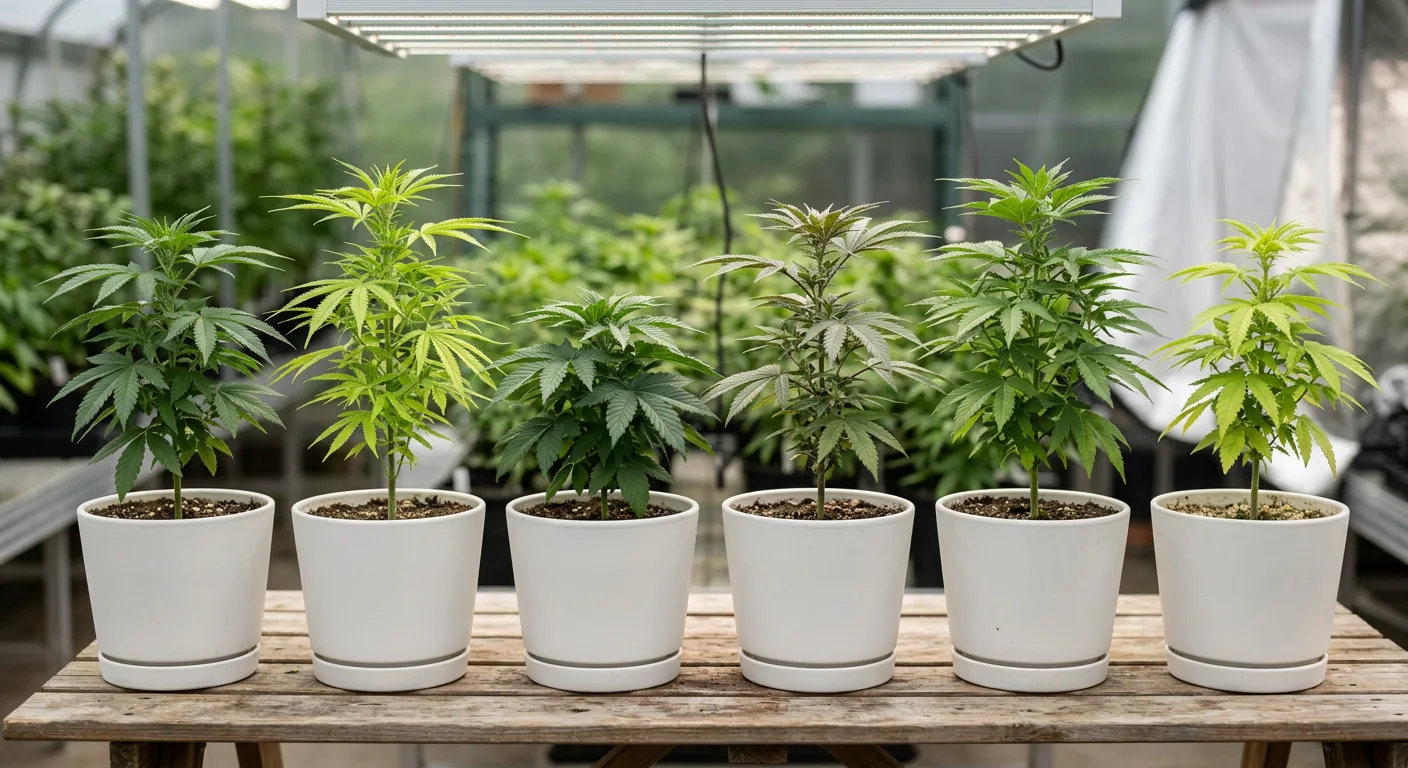
Pheno hunting requires 10–20+ seeds of a single strain to identify one exceptional phenotype worth keeping as a mother plant or clone source. The more genetic variation in a strain's lineage (F2 crosses, polyhybrids), the more seeds you need to explore the full spectrum of expressions.
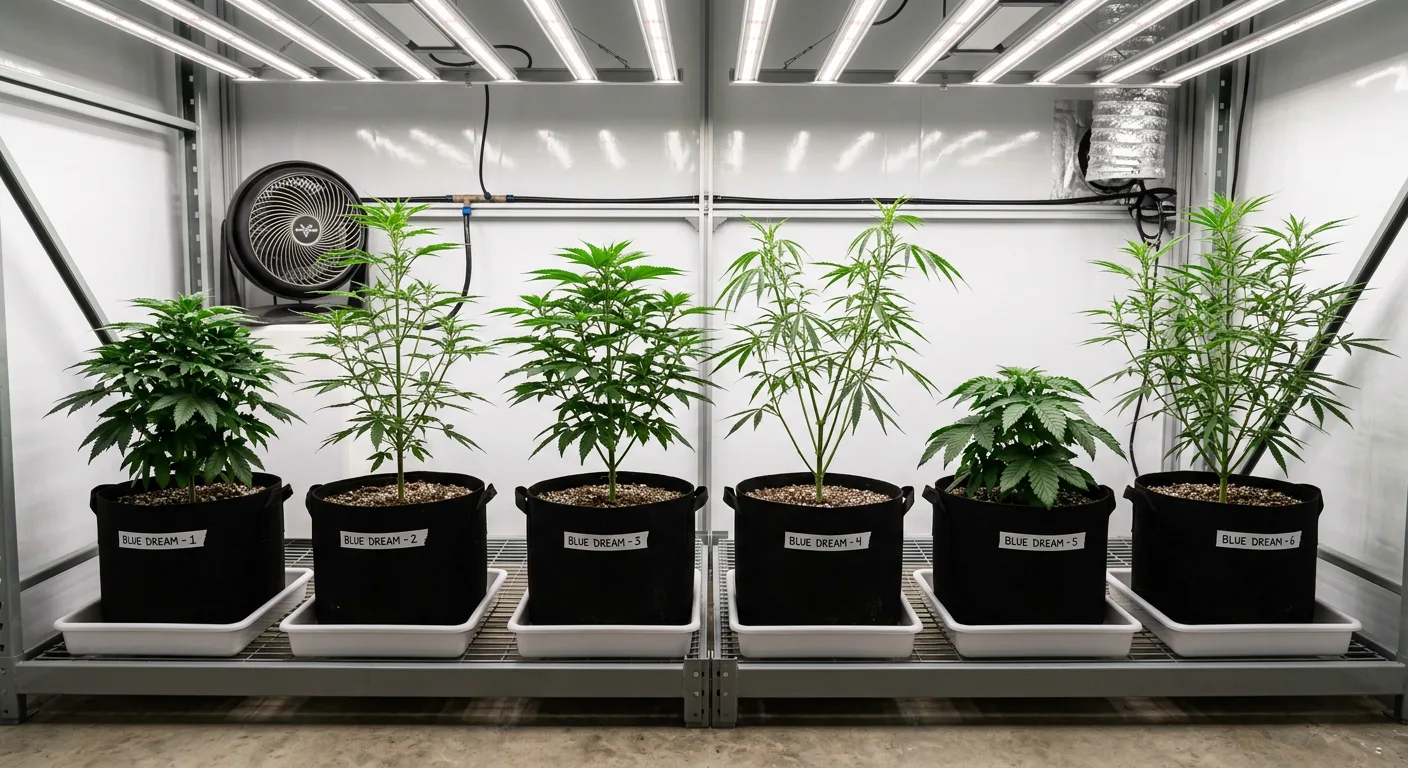
What Is Pheno Hunting?
Every cannabis seed—even from the same parent cross—carries a slightly different combination of genetic traits. Pheno hunting is the process of growing multiple seeds of one strain, then selecting the single plant (the "keeper") with your preferred combination of flavor, potency, yield, and growth structure.
How Many Seeds Do You Need?
- Stable strains (IBL, S1): 10 seeds often reveals enough variation to pick a standout
- Polyhybrid or F2 crosses: 15–20 seeds minimum to see the full phenotype range
- Rare trait hunting (unusual colors, specific terpene profiles): 20–30 seeds recommended
Popular hunting targets include GSC (Girl Scout Cookies), Runtz, Wedding Cake, and Zkittlez—all polyhybrids known for wide phenotype variation. For a more stable hunt with less seed waste, try IBL-leaning genetics like Super Skunk Feminized or Sour Diesel Feminized, which tend to produce more uniform offspring.
Pheno Hunting Seed Order Math
If you're running regular seeds for breeding purposes, remember to double your count for males:
- Want to evaluate 10 female phenotypes? Order 20 regular seeds minimum
- Using feminized seeds? 12–15 seeds gives you 10+ viable females after germination buffer
Key Takeaway: Pheno hunting is where 10-packs earn their value. Budget for at least two 10-packs of a single strain if you're serious about finding a keeper. The per-seed savings alone can offset the larger upfront cost.
Putting It All Together: Your Pre-Order Checklist
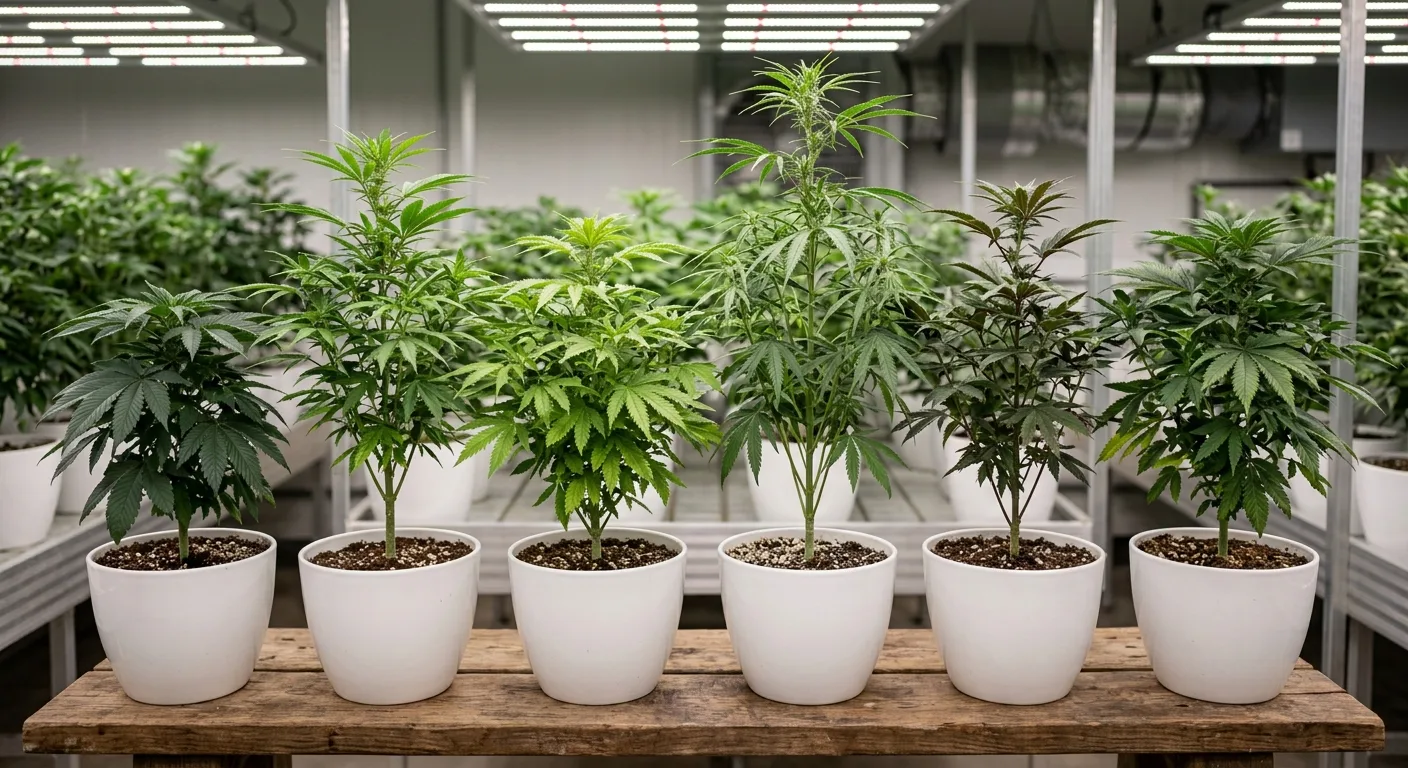
Before adding seeds to your cart, run through this checklist to confirm you're ordering the right quantity for your situation. Every seed you buy should serve a purpose—growing, buffering, or storing for the next run.
- Confirmed your state's legal plant limit
- Measured your grow space and determined max plant count
- Decided between feminized, regular, or autoflower seeds
- Calculated your buffer (25% for fem/photo, 30% for auto, 100% for regular)
- Matched your total seed count to the best pack size
- Planned storage for unused seeds (cool, dark, sealed container)
- Checked germination guarantee coverage from your seed source
If you're still choosing a strain, our first-timer's guide to buying cannabis seeds online walks through strain selection, payment, and shipping. For strain-specific grow planning, the grow planner helps you map out timing and space.
Expert Insight: Veteran growers often keep a "seed vault" of 3–5 strains in long-term storage, rotating through different genetics each cycle. Buying one 10-pack now and storing half means you have seeds ready for your next grow without reordering. Properly stored seeds remain viable for years—learn exactly how in our seed storage guide.
Cannabis cultivation rewards preparation. Whether you're ordering your first 5-pack of a beginner-friendly strain like Silver Pearl Feminized or loading up on 10-packs of Quantum Kush Feminized (30% THC) for a dedicated pheno hunt, the math is the same. Count your plants, multiply by your seed type factor, add your buffer, round up to the nearest pack—and grow with confidence.
Frequently Asked Questions About Cannabis Seed Order Quantities
How many cannabis seeds should a beginner order for their first grow?
Beginners should order 4–6 feminized seeds for a first grow targeting 2–4 plants. This provides a 25–30% buffer for germination failures, weak seedlings, or transplant accidents. If using regular (non-feminized) seeds, double the order to 8–12 since roughly half will be male. A 5-pack of feminized seeds is the most common and cost-effective starting point for new growers.
How many autoflower seeds do I need for a 4×4 tent?
A 4×4 grow tent comfortably fits 4–6 autoflower plants. Order 6–8 autoflower seeds to account for the 10–20% chance of germination failure plus the inability to clone autoflowers as replacements. For perpetual autoflower grows running 4 cycles per year, budget 20+ seeds annually—making 10-packs the most economical choice.
What is the minimum seed order to account for germination failure?
Always order at least 20–30% more seeds than your target plant count. Quality seed banks average 80–90% germination rates, so ordering 5 seeds when you want 4 plants provides a safe margin. For autoflowers, increase the buffer to 30% because stunted autoflower seedlings can't recover through extended vegetative growth like photoperiod plants can.
How many seeds should I buy for pheno hunting?
Pheno hunting typically requires 10–20 seeds of a single strain to identify one standout keeper. For genetically stable strains, 10 seeds may suffice. For highly variable polyhybrid crosses, plan on 15–25 seeds. If running regular seeds, double your count since half will be male. Budget for at least one or two 10-packs of the same strain.
Can I store leftover cannabis seeds for future grows?
Yes. Cannabis seeds stored in a cool (40–45°F), dark, and dry environment remain viable for 3–5 years or longer. Use an airtight container with a silica gel packet in a refrigerator for best results. This makes ordering larger pack sizes practical—unused seeds become your inventory for the next growing season without any quality loss.