Aurora Indica Feminized Seeds
By Ivan K., DSS Genetics · Updated April 2026

Aurora Indica Feminized Seeds
SKU: DSS-AUIN-FEM-5PK
Pack Size
Quantity
Disclaimer: For informational purposes only — not medical advice. Consult a healthcare professional before use.
About This Strain
Aurora Indica Feminized Seeds — Complete Strain Profile
Aurora Indica Feminized Seeds – Strain Overview
Aurora Indica is a near-pure indica powerhouse bred from two of the most legendary landrace-derived genetics in cannabis history — Afghan and Northern Lights. That cross is no accident: Afghan brings the dense, resinous structure and sedative depth that hash-makers have chased for centuries, while Northern Lights contributes the clean, even-keeled euphoria that made it a fixture in Amsterdam coffee shops throughout the 1980s and 90s. The result is a 90% indica that carries the best traits of both parents without the harshness or unpredictability you sometimes get from pure landrace stock.
With THC testing between 14–19% and a CBD content that stays just below 0.1%, Aurora Indica sits in that sweet spot where the high is genuinely potent but not overwhelming — a strain that delivers real therapeutic weight without requiring years of tolerance to enjoy. If you're building a well-rounded personal garden, this belongs in your rotation alongside other best indica strains that prioritize depth of effect over raw percentage points.
Effects and Medical Benefits
The Aurora Indica experience doesn't hit like a freight train — it rolls in like a tide. Within the first ten minutes, there's a lift behind the eyes, a gentle brightening of mood that pulls you into a happy, slightly euphoric headspace. That energy and uplift are real and noticeable, but they're on a short leash. By the 20–30 minute mark, the Afghan genetics begin to assert themselves and a wave of full-body relaxation spreads down from the shoulders, loosening muscles and quieting mental chatter without completely switching off the lights.
For most consumers at moderate doses, the finish is deeply sleepy — not a sudden crash, but a gradual drift toward rest that makes this strain an ideal choice for evening use. At lower doses, the euphoric and uplifting phases can last longer before the sedation takes over, giving you a window of pleasant sociability before the couch calls.
Users consistently report these effects:
- Happy and euphoric onset — a mood lift that arrives quickly and feels genuine, not artificial
- Gentle uplifting energy — a brief window of light motivation before the indica body settles in
- Full-body relaxation — deep muscular unwinding driven by Afghan-lineage depth
- Progressive sleepiness — a natural drift toward rest that makes this ideal for night-time use
On the medical side, Aurora Indica has earned a dedicated following among patients managing:
- Chronic pain — the indica body effect is heavy enough to provide real physical relief
- Muscle spasms — the full-body relaxation actively reduces involuntary tension throughout the body
- Depression — the early euphoric phase provides genuine mood elevation
- Insomnia — the sleepy finish makes this one of the more reliable options for sleep-onset difficulty
Even with CBD levels under 0.1%, the terpene blend in Aurora Indica plays a meaningful supporting role in its therapeutic character. Humulene's established anti-inflammatory properties and pinene's potential bronchodilator effects combine with the cannabinoid profile through what researchers describe as the entourage effect — a synergy where the whole consistently outperforms its individual chemical parts.
Aroma, Flavor and Terpene Profile
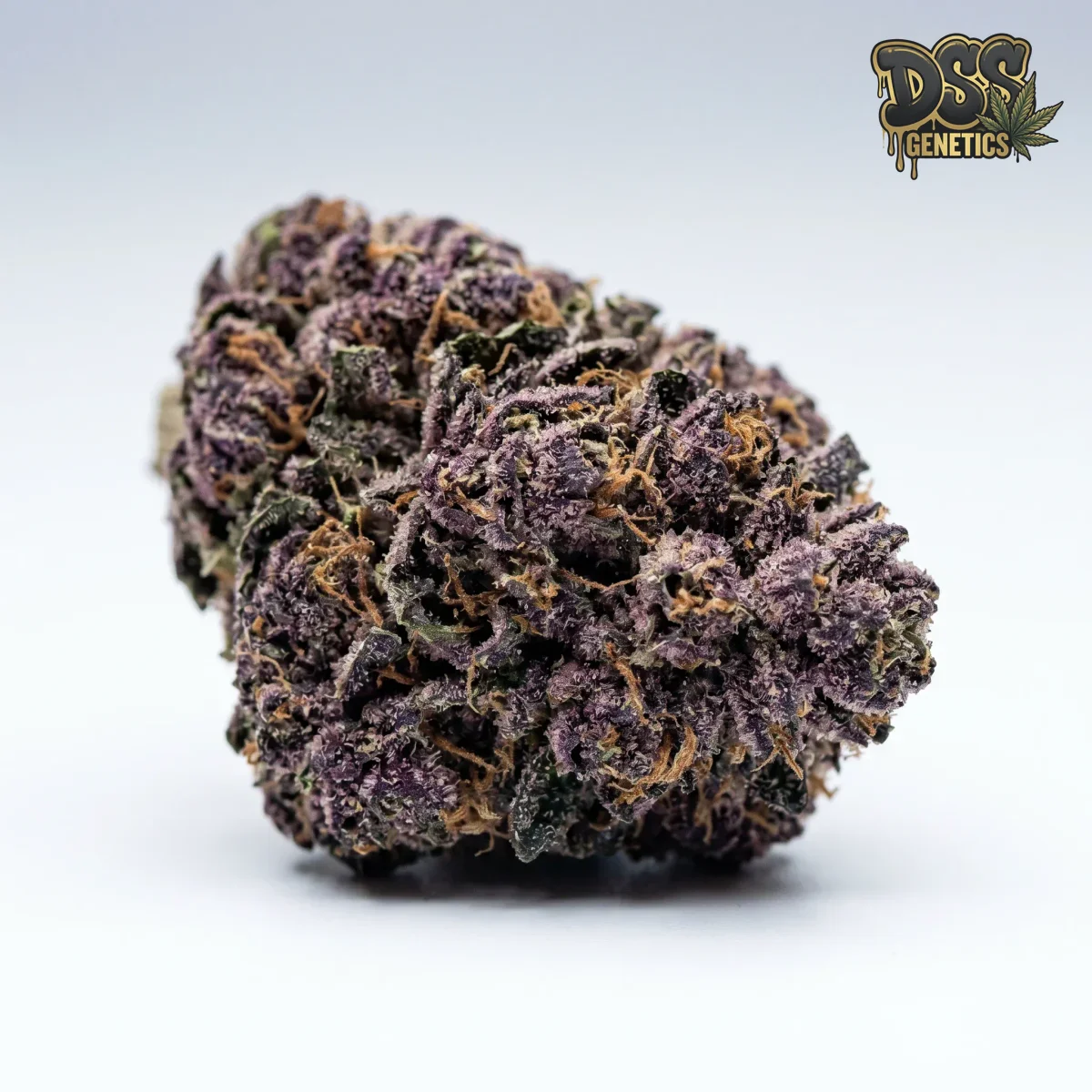
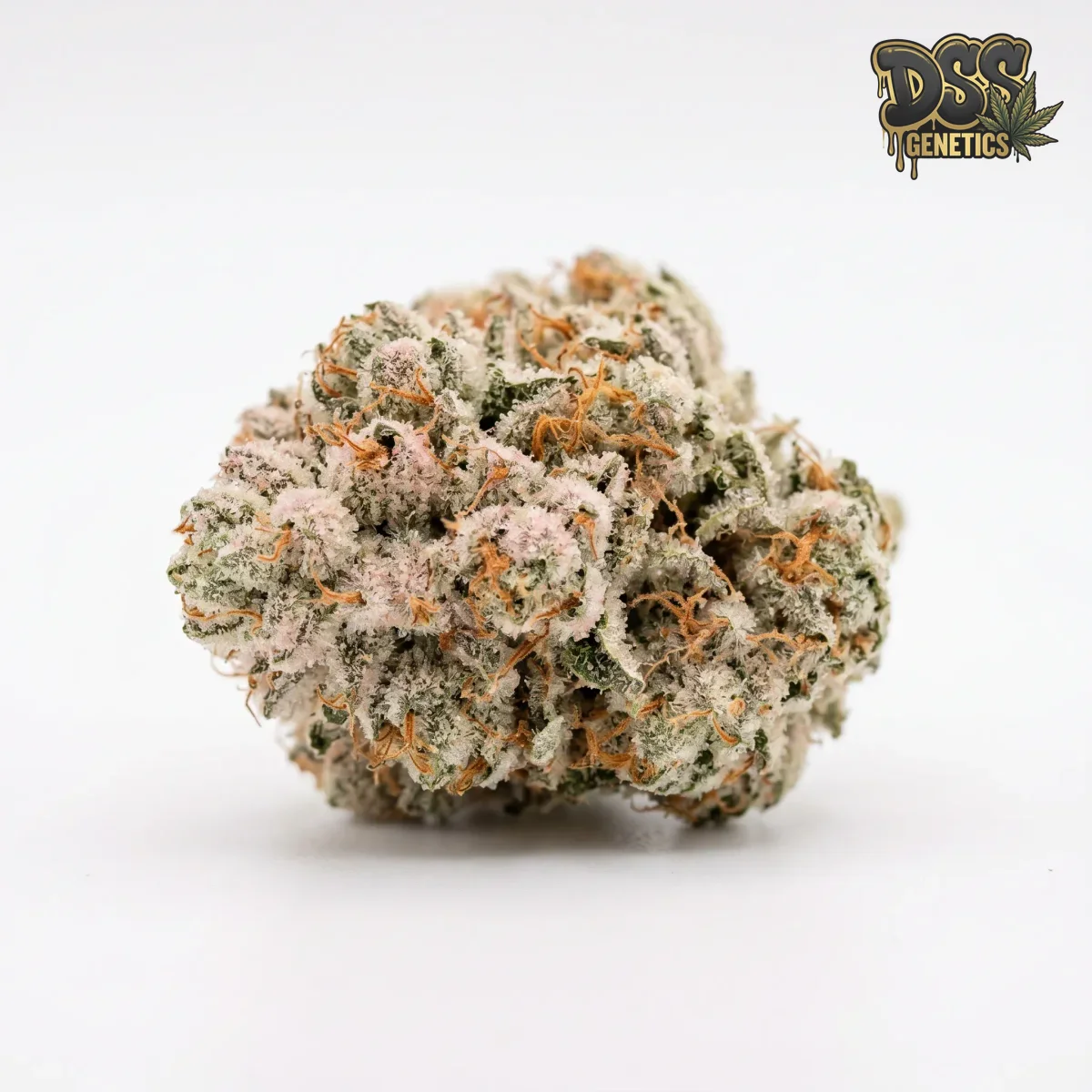
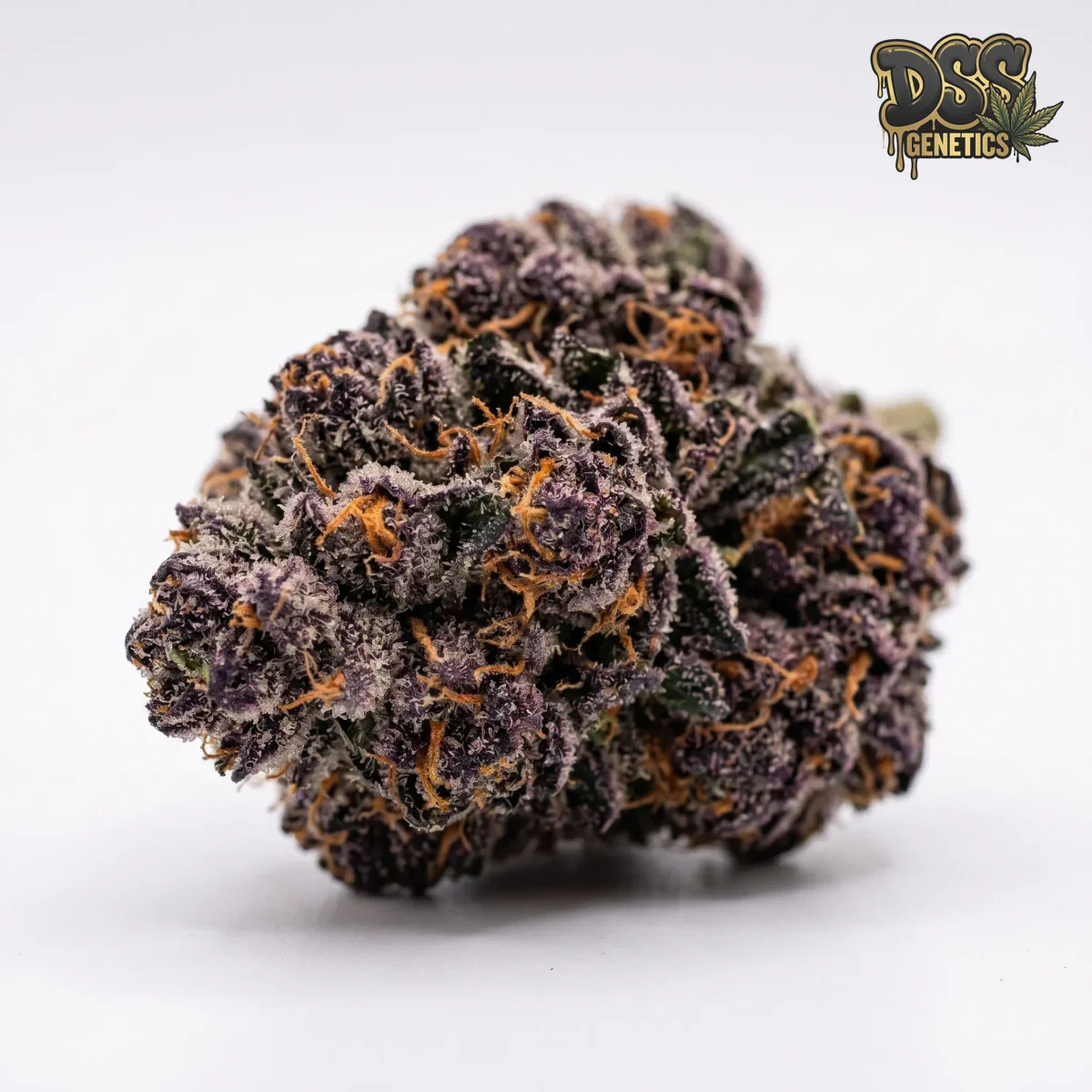
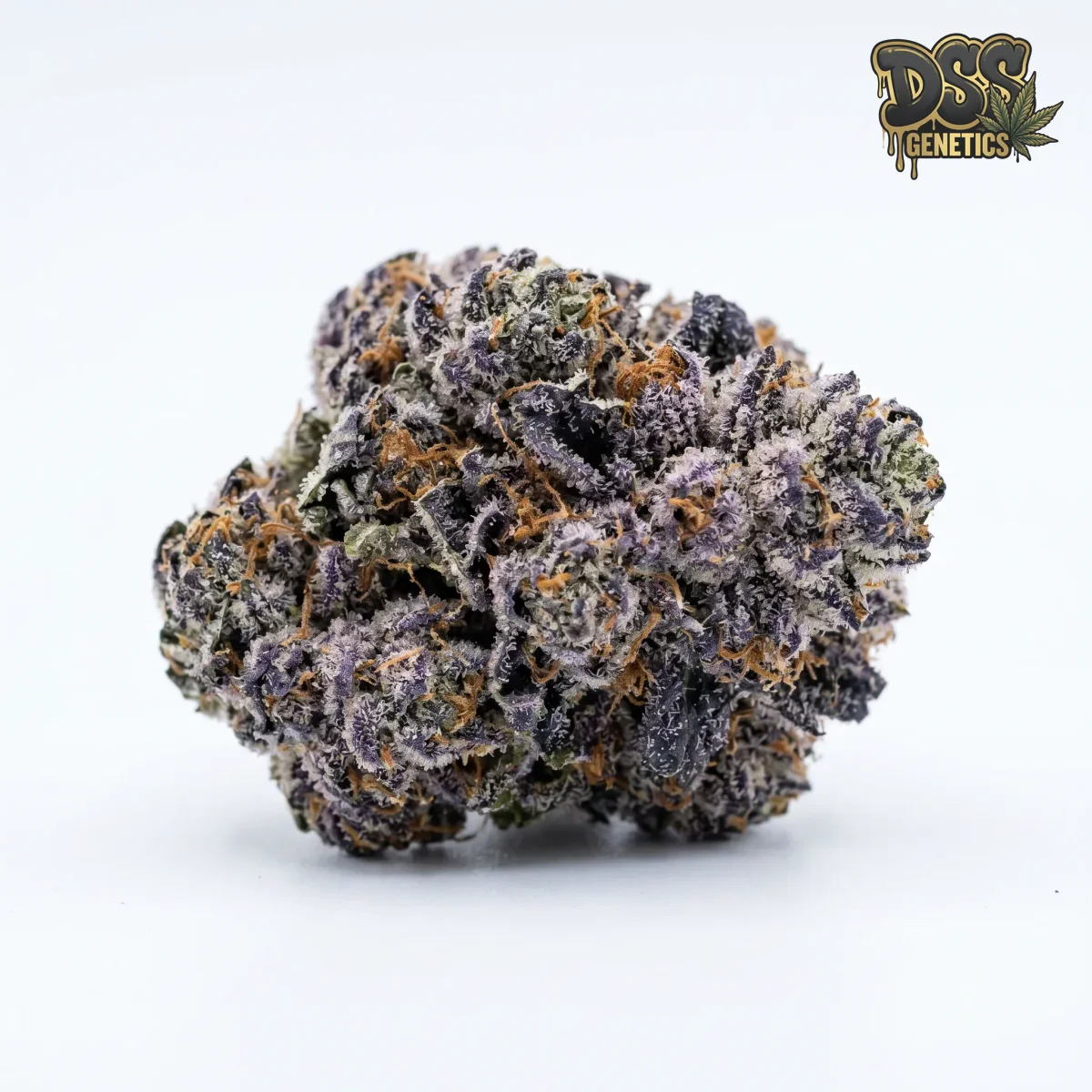
Break open a cured Aurora Indica bud and the first thing that hits you is an earthy, damp-soil richness — the unmistakable scent signature of Afghan ancestry. That base is thick and grounding, almost hash-like in its density. Then the skunky sharpness comes through, cutting across the earthiness like a match struck in a wooden room. It's bold, it's classic, and it tells you exactly what lineage you're working with before you've even lit anything.
The flavor profile opens wider than the nose suggests. On the inhale there's that earthy, slightly skunky body, but a fruity sweetness emerges mid-palate that leans toward ripe mango — tropical, sun-warmed, unexpected given the indica heaviness of everything else. A floral note and a faint cheese richness thread through the exhale, adding complexity that keeps the flavor from feeling one-dimensional. This isn't a strain you'll struggle to describe — it's layered enough to reward attention.
Pinene is the first terpene worth understanding in Aurora Indica's profile. Best known for its sharp, fresh pine-needle aroma, pinene also carries something interesting for medical users: research suggests it may partially counteract short-term memory impairment associated with THC and may act as a bronchodilator, supporting easier breathing. In this strain, pinene is responsible for a subtle brightness that keeps the earthy-skunky base from feeling too heavy on the nose.
Humulene brings a dry, woody, slightly spicy character that you might recognize from hops — which is no coincidence, since hops and cannabis share this terpene. Beyond aroma, humulene has attracted serious scientific attention for its potential anti-inflammatory and appetite-suppressing properties, which partially explains why Aurora Indica tends to be less of a munchie-inducing strain compared to other heavy indicas. It also contributes to the subtle earthiness that anchors the whole flavor profile.
Then there's Phellandrene — a terpene you won't find in every strain description, but one that earns its place here. It carries a fresh, slightly minty, herbaceous quality with citrus edges, and in traditional medicine it has been associated with antifungal and energy-supporting properties. In Aurora Indica, phellandrene is the subtle lift that prevents the aroma from becoming too dark or stale — it's the freshness that balances the skunk and earth, and it contributes to that unexpected tropical-fruit note that catches first-time users off guard.
Growing Aurora Indica Seeds
Aurora Indica is one of those strains that genuinely earns its easy difficulty rating — not because it requires no attention, but because it responds predictably to standard care and forgives minor mistakes without punishing you for them. The Afghan and Northern Lights genetics both bring exceptional environmental hardiness, and that robustness passes directly to Aurora Indica. We've run this strain through dozens of grows across different setups, and it has consistently been one of the least problematic plants in any garden.
The medium plant size is one of its most practical features. Indoors, Aurora Indica stays compact and manageable without aggressive height control, making it well-suited for standard tent setups and smaller grow spaces. Outdoors, it doesn't sprawl or become unwieldy — it builds a sturdy, symmetrical structure that holds up well to wind and light weather variation. The dense bud sites that develop along each branch are a direct inheritance from its Afghan parent.
Temperature-wise, Aurora Indica performs best in the 68–80°F range during the vegetative phase, with a slight drop to 65–75°F during flowering to encourage resin production and deepen the purple-tinged coloration that sometimes emerges from the Northern Lights side of the genetics. Humidity should sit between 50–60% during veg and drop down to 40–50% once flowering begins in earnest, tightening further to 40–45% in the final two weeks to protect those dense buds from moisture-related issues.
What we've found over dozens of grows with Aurora Indica is that the strain responds especially well to a stable environment. It's not as finicky as some higher-THC cultivars, but consistency in your feeding schedule and environmental controls will push yields toward the top of the range. It doesn't require complex feeding programs — a solid base nutrient with appropriate phosphorus and potassium support during the flowering transition is sufficient.
Key growing tips for Aurora Indica:
- Training: Low-stress training works exceptionally well — use LST during the vegetative stage to open the canopy and push multiple bud sites into the light
- Nutrients: Follow a balanced nutrient schedule, transitioning to higher P and K around week 3 of flower while backing off nitrogen gradually
- Indoor environment: Maintain 68–80°F veg temps and drop to 65–75°F during indoor flowering to enhance resin density and color expression
- Outdoor placement: Choose a spot with full sun exposure and good airflow — Aurora Indica's dense bud structure benefits from air circulation in outdoor garden settings
- Vegetative timing: A 4–5 week vegetative period indoors gives the plant enough time to establish the lateral branching that supports heavy flower development
Yield and Flowering Time
Aurora Indica flowers in 63–77 days — a range that gives you flexibility depending on your environment and the specific pheno you've selected from the pack. Indoor growers can expect 1.3–1.6 oz/ft², which is a solid return for a strain this easy to manage. Outdoor plants are the real story, though: given a long enough season and good sun exposure, individual plants can produce 14–21 oz, making this a genuinely high-value addition to any high-yield outdoor garden.
The yield spread reflects how responsive this strain is to grower input. Plants managed with basic care will hit the lower end comfortably. Plants that receive proper training, dialed-in humidity management, and a well-timed nutrient transition during flower will push toward the upper range without much drama. For new growers, it's one of the most confidence-building strains in the easy-to-grow collection precisely because it delivers respectable results even when everything isn't perfect.
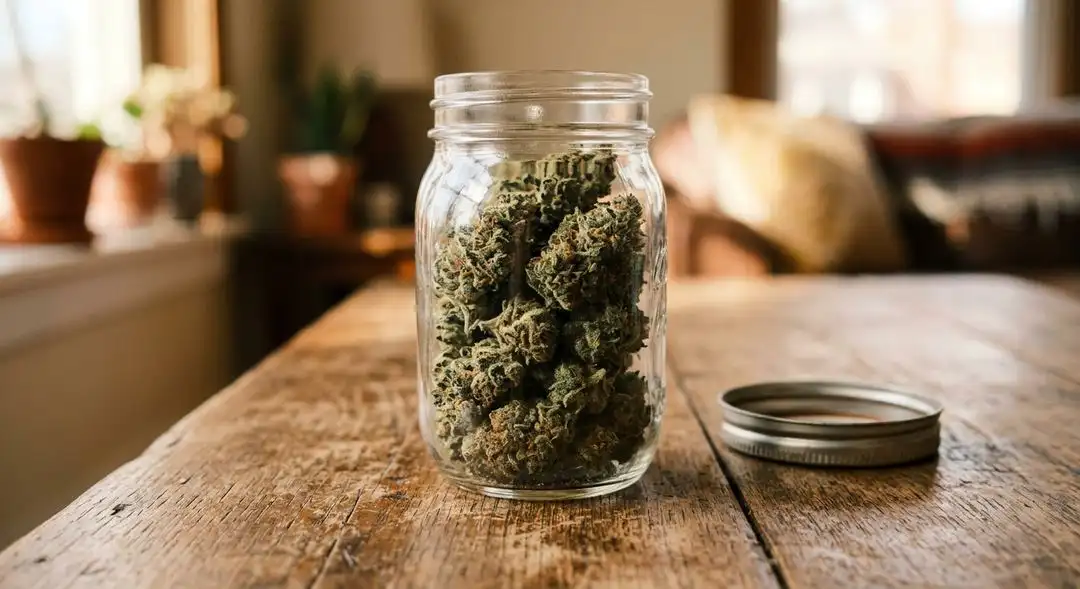
To maximize your harvest:
- Trichome monitoring: Look for 60–70% milky trichomes with 20–30% amber for peak sedative effect — Aurora Indica's medical users often prefer a slightly later harvest than recreational consumers
- Late-flower humidity: Drop relative humidity to 40–45% in the final two weeks to protect dense buds and encourage resin concentration
- Nutrient wind-down: Begin flushing or tapering nutrients 10–14 days before your target harvest date to allow the plant to consume stored reserves and improve final flavor
- Drying and curing: Dry slowly over 7–10 days at 60–65°F with 55–60% RH — rushing this process with Aurora Indica will flatten the terpene profile and reduce the complexity that makes this strain worth growing
Why Buy Aurora Indica Seeds from DSS Genetics?
Every pack of Aurora Indica feminized seeds ships with our full germination guarantee — if a seed doesn't sprout under proper conditions, we replace it, no friction, no fine print. Orders go out in discreet, unmarked packaging, and customers who spend $100 or more receive complimentary premium seeds with their order.
- Germination guaranteed — every seed backed by a no-hassle replacement policy
- Discreet shipping — plain, unmarked packaging on every order
- Spend $100+ — receive free premium seeds automatically included
- Seed integrity assured — proper cold-chain storage from our facility to your door preserves viability and genetic expression
Frequently Asked Questions
Is Aurora Indica a good strain for beginner growers?
Yes — Aurora Indica is one of the most genuinely beginner-friendly strains we carry. Its Afghan and Northern Lights genetics make it naturally hardy and forgiving of minor environmental fluctuations that would stress more sensitive cultivars. The medium plant size stays manageable without aggressive intervention, and the 63–77 day flowering window gives new growers a reasonable runway to observe and respond to the plant's needs. Follow our germination guide to get started correctly, and you'll find this strain rewards even modest attention with consistent, respectable yields.
What THC level does Aurora Indica reach?
Aurora Indica tests at 14–19% THC depending on growing conditions, genetics expression, and harvest timing. It's not positioned as a highest-THC strain, but that range is more than sufficient for meaningful recreational and medical effects — particularly given how efficiently this strain's terpene profile amplifies the cannabinoid experience through the entourage effect. Growers chasing the top of the THC range should focus on late-harvest timing, dialed-in lighting during flower, and proper temperature drops in the final weeks.
How does Aurora Indica compare to other indica strains for insomnia?
Aurora Indica is among the more reliable options for insomnia relief in our catalog, specifically because of how its effects progress. The early euphoric and relaxing phases ease the mental restlessness that often prevents sleep onset, and the later sleepiness arrives naturally rather than abruptly. The humulene and pinene terpene combination also supports a calming physical response that complements the cannabinoid effect. For users who need stronger sedation, pairing a slightly later harvest — with more amber trichomes — will shift the effect profile noticeably further toward deep sleep.
How long does Aurora Indica take to flower and what yields can I expect?
Aurora Indica finishes flowering in 63–77 days depending on the phenotype and environment. Indoor growers working in optimized setups with proper training can hit 1.3–1.6 oz/ft², while outdoor plants given full-season sun and good soil can produce 14–21 oz per plant. Review our flowering stage guide for detailed week-by-week advice on pushing toward maximum yield, and check the drying and curing guide after harvest to preserve the earthy, fruity terpene complexity that makes Aurora Indica worth the wait.
Medical Disclaimer: This information is for educational purposes only and should not be considered medical advice. Always consult a healthcare professional before using cannabis for medical purposes. Individual results may vary.
Frequently Asked Questions
Aurora Indica — Common Questions Answered
What is Aurora Indica?
Aurora Indica is a indica-dominant cannabis strain (90% Indica / 10% Sativa) bred from Afghan x Northern Lights. It produces THC levels of 14–19% and CBD levels of 0.01–0.1%. Known for its relaxing, happy, euphoric effects and earthy, skunky, fruity flavor profile.
Is Aurora Indica easy to grow?
Yes, Aurora Indica is an excellent choice for beginners. It has a forgiving growth pattern and doesn't require advanced techniques to produce good yields. Growing difficulty: Easy. It thrives in temperate climates and reaches a medium plant size.
How long does Aurora Indica take to flower?
Aurora Indica has a flowering time of 63–77 days. Switch to a 12/12 light cycle to initiate flowering. Expected yields are 1.3 to 1.6 oz/ft² indoors and 14 to 21 oz/plant outdoors.
What are the effects of Aurora Indica?
Aurora Indica delivers relaxing, happy, euphoric, uplifting, energetic, sleepy effects. Many growers report it helps with muscle spasms, depression, insomnia, pain. With THC levels of 14–19%, it offers a mild, manageable experience suitable for all tolerance levels.
What does Aurora Indica smell and taste like?
Aurora Indica's dominant terpenes are Pinene, Humulene, Phellandrene, which give it a earthy, skunky, fruity, cheese, floral, mango flavor and aroma profile.
Can I grow Aurora Indica indoors and outdoors?
Yes, Aurora Indica performs well both indoors and outdoors. Indoor yields average 1.3 to 1.6 oz/ft², while outdoor grows can produce 14 to 21 oz/plant. It prefers temperate conditions. Its medium height is manageable in most indoor setups.
What does "feminized" mean for Aurora Indica seeds?
Feminized Aurora Indica seeds are bred to produce only female plants, which are the ones that develop smokable buds. This eliminates the need to identify and remove male plants, saving time and maximizing your grow space. Over 99% of feminized seeds will produce female plants.
Grower Reviews
Real grow experiences from our community
Get 10% Off Your First Order
Join our newsletter for exclusive deals, growing tips, and new strain drops.