Blue Cream Cheese Autoflower Seeds
By Ivan K., DSS Genetics · Updated April 2026

Blue Cream Cheese Autoflower Seeds
SKU: DSS-BLCCH-AUTO-5PK
Pack Size
Quantity
Disclaimer: For informational purposes only — not medical advice. Consult a healthcare professional before use.
About This Strain
Blue Cream Cheese Autoflower Seeds — Complete Strain Profile
Blue Cream Cheese Autoflower Seeds – Strain Overview
Blue Cream Cheese Autoflower is a dessert-forward indica-dominant hybrid (75% indica / 25% sativa) born from crossing the legendary Blueberry with the award-winning Cream Caramel Auto. Blueberry brings decades of West Coast breeding heritage — DJ Short's iconic fruity genetics — while Cream Caramel contributes the autoflowering backbone, sweet caramel depth, and a compact, productive structure that thrives under almost any light schedule. The result is a strain that smells like a blueberry cheesecake left out on a warm afternoon, with effects that melt tension without pinning you to the couch.
With THC levels ranging from 15–19% and CBD between 0.1–2%, Blue Cream Cheese sits in a comfortable middle ground — potent enough for experienced users, forgiving enough for first-time growers exploring the best autoflower strains available. What sets it apart from other autoflowering indicas is the unusual complexity of its terpene stack: humulene-heavy, caryophyllene-forward, and bright with limonene — a combination that makes the high feel layered rather than flat.
Effects and Medical Benefits
The opening of a Blue Cream Cheese session is softer than you might expect from a 75% indica. The first 10–15 minutes deliver a mood lift that feels almost sativa-like — a gentle brightening behind the eyes, a loosening of the jaw. Conversations flow easier. Background tension drains away without a dramatic announcement.
Then the indica genetics take over. Somewhere around the 20-minute mark, a warm physical weight settles across the shoulders and spreads downward. It never becomes incapacitating at moderate doses, but it's unmistakably present — a full-body calm that makes the sofa feel like a deliberate choice rather than a forced one.
Users consistently report these four effects:
- Relaxation and calm — deep muscular ease that starts in the neck and shoulders and works south
- Happy uplift — a mood-brightening quality that lingers through the body phase
- Gentle energy — enough to stay social or engaged with light creative tasks at lower doses
- Sedating finish — at higher doses or later in the evening, expect a slow, comfortable drift toward sleep
On the therapeutic side, this strain is a consistent choice for:
- Stress — the humulene and myrcene combination seems particularly effective at quieting mental noise
- Anxiety — the slow, graduated onset reduces the risk of the anxious spike some users experience with faster-hitting strains
- Insomnia — higher-dose evening use reliably eases the transition into sleep without a harsh next-morning fog
The 0.1–2% CBD range adds a variable therapeutic dimension. At the higher end of that range, CBD works alongside the dominant terpenes to potentially amplify the strain's anti-anxiety and muscle-relaxing properties — a textbook example of the entourage effect in action, where the whole genuinely outperforms the sum of its parts.
Aroma, Flavor and Terpene Profile
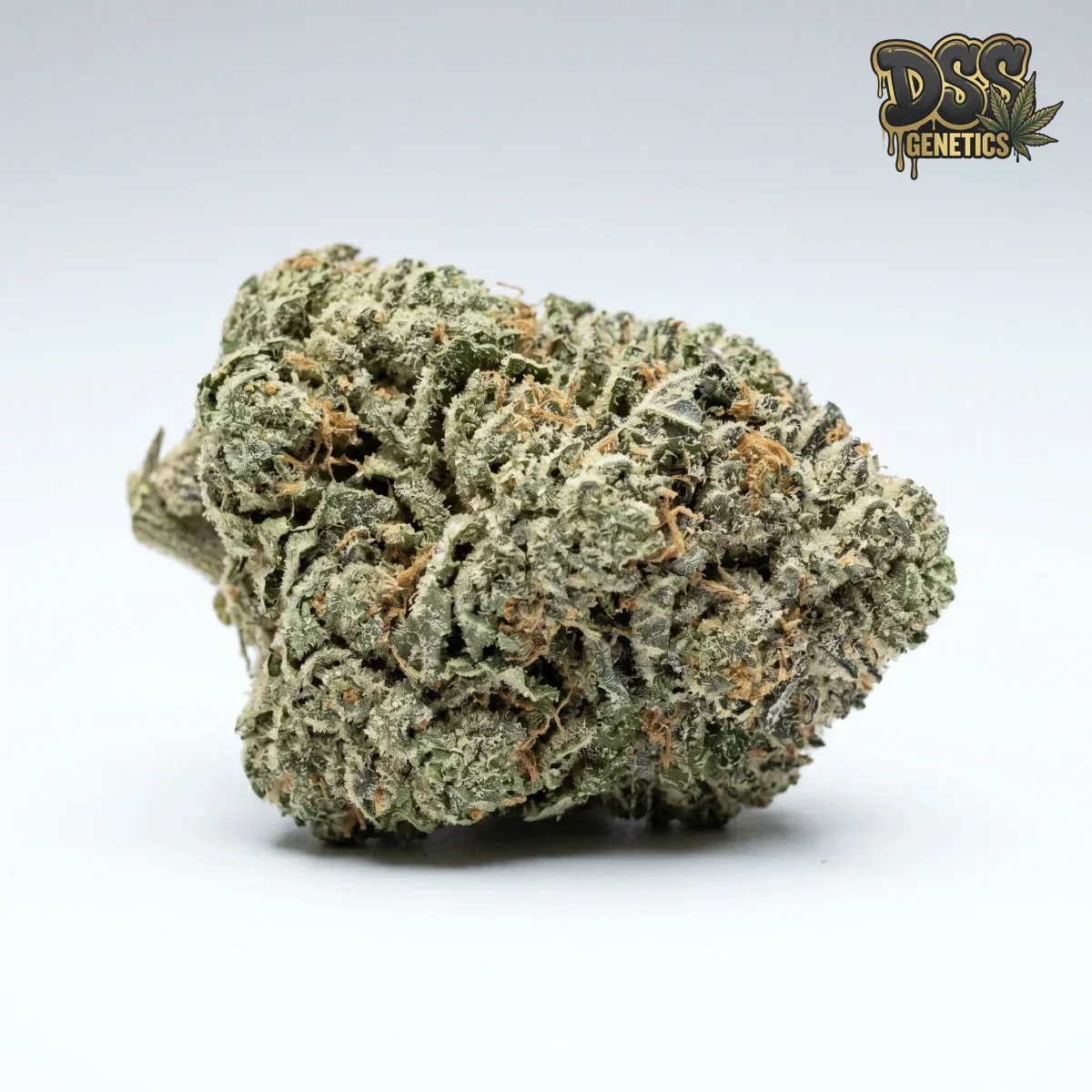
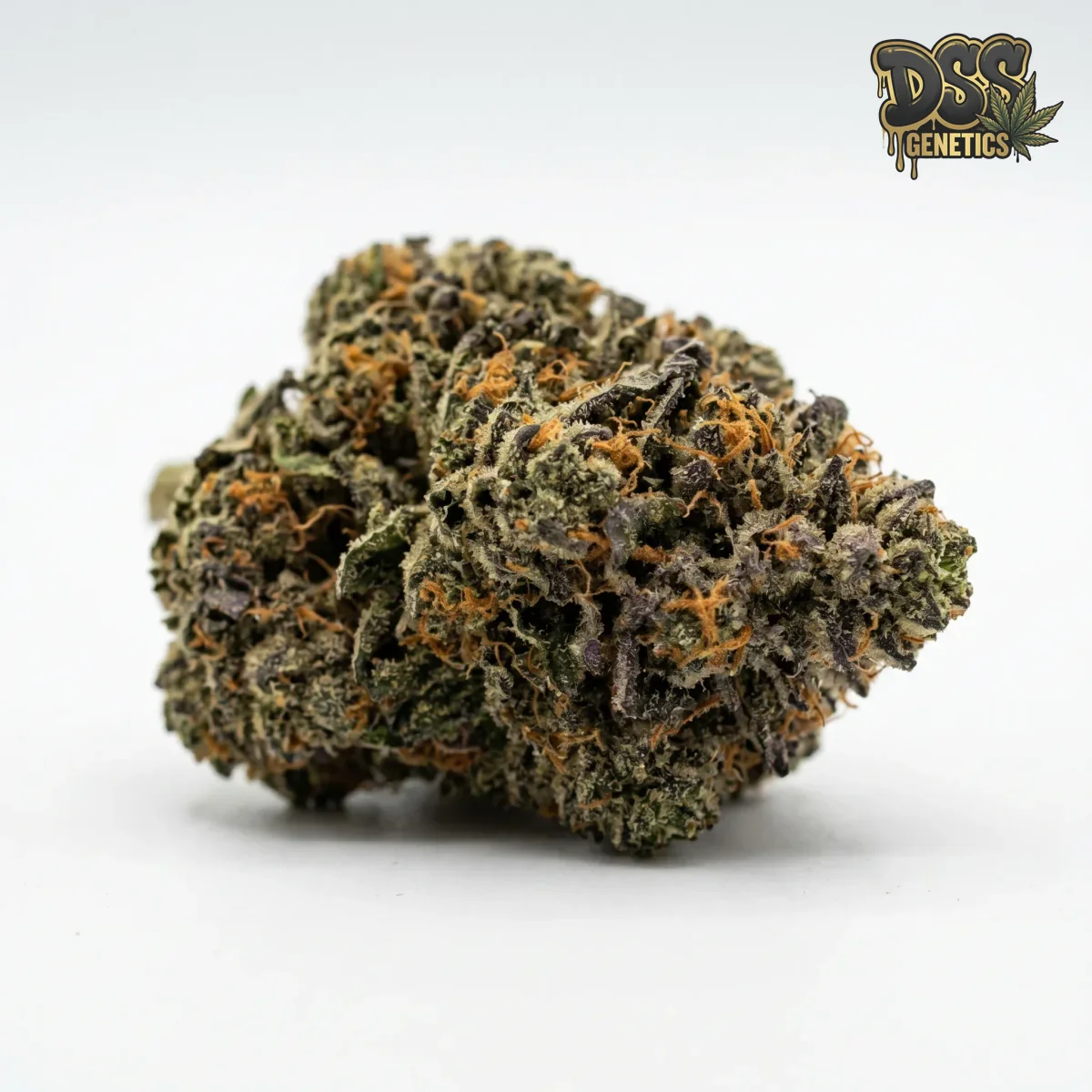
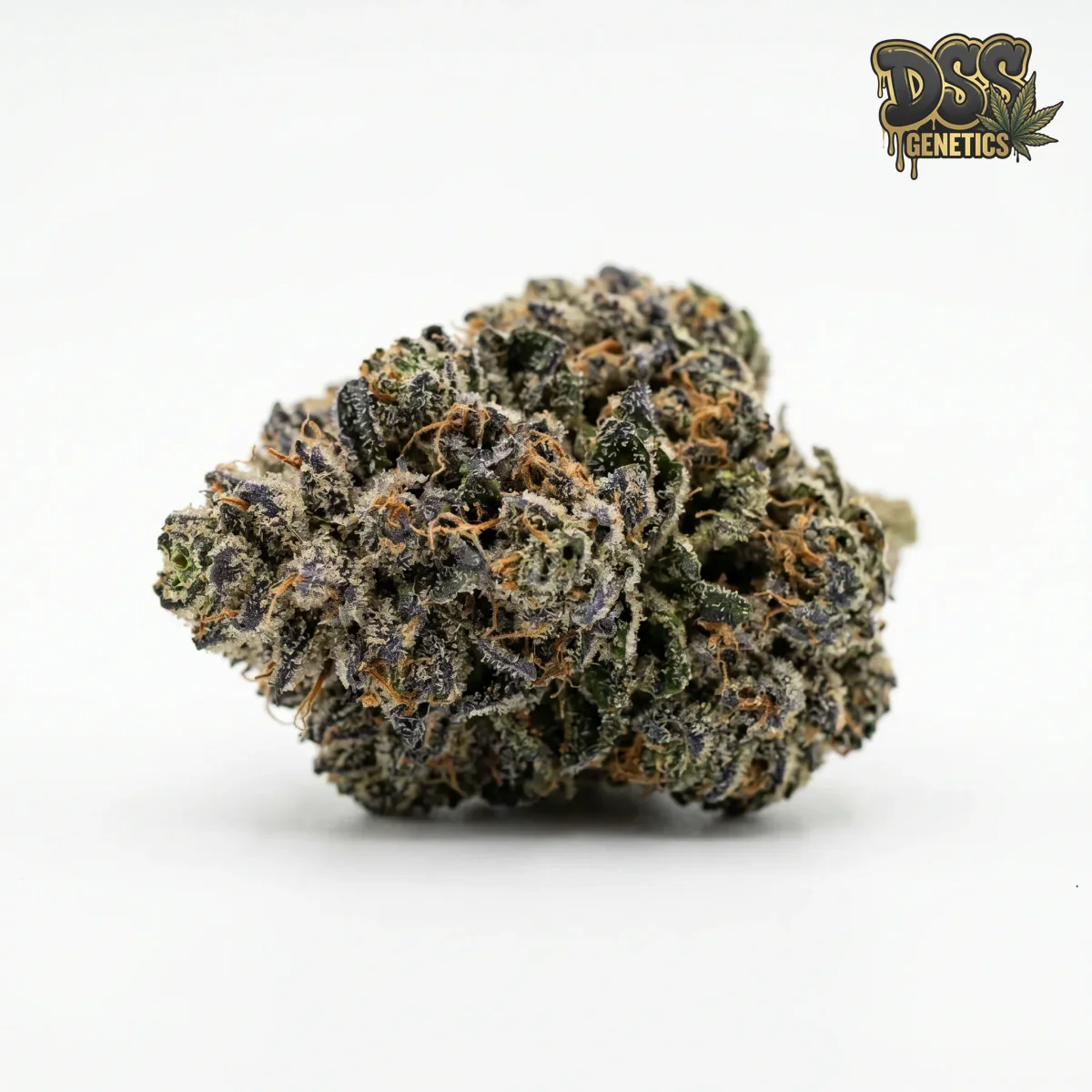
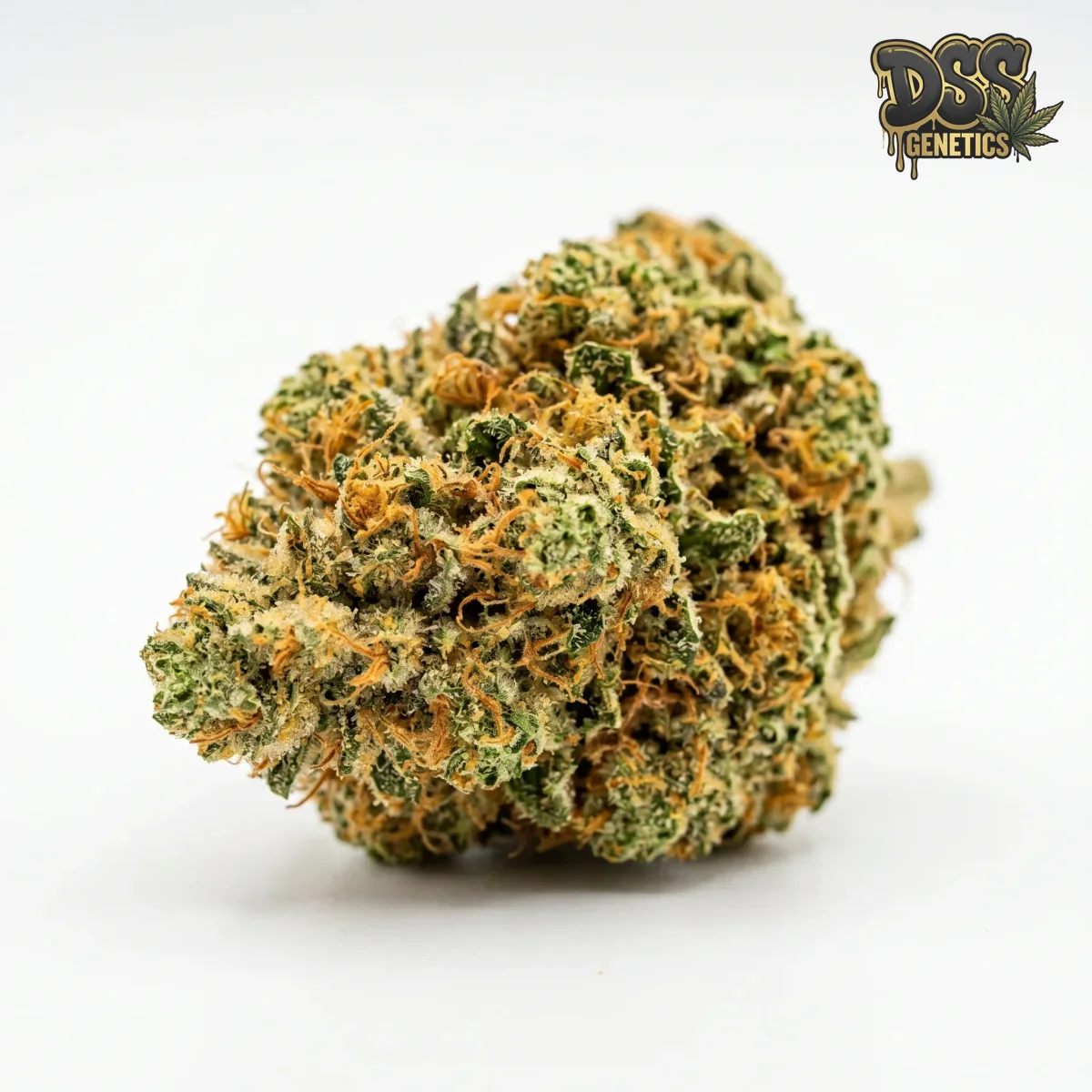
Breaking a dried bud of Blue Cream Cheese is a genuinely surprising experience. The first wave is unambiguously sweet — ripe blueberries and cream — but underneath that fruit, there's a savory, funky undercurrent that catches you off guard. It's the cheese note, subtle but persistent, the same way aged brie sits below the sweetness of a fruit plate. The two don't fight each other. They amplify each other.
On the inhale, the blueberry note dominates — bright, jammy, almost candy-like. The exhale is where the complexity reveals itself: cream and a faint cheesy earthiness linger on the back palate, followed by a clean citrus finish that cuts through the richness. It's one of the more interesting flavor progressions in the autoflowering category.
Four terpenes build this profile, and their hierarchy is worth understanding:
Humulene sits at the top at 0.80% — an unusual dominant terpene that most growers don't expect to find leading a sweet-smelling strain. Humulene carries earthy, woody, and slightly spicy aromas that provide the savory backbone beneath the fruit. Beyond aroma, humulene has been studied for anti-inflammatory properties and may contribute to the strain's appetite-neutral quality — unlike many indicas, Blue Cream Cheese doesn't reliably trigger intense hunger.
Caryophyllene follows at 0.61%, adding peppery warmth and a subtle spice that sharpens the overall profile. Caryophyllene is the only terpene known to directly bind to CB2 receptors in the endocannabinoid system, which means it contributes pharmacologically — not just aromatically — to the strain's stress-relieving and calming effects. It's a key reason this strain works as well as it does for anxiety relief.
Limonene at 0.54% injects brightness into what could otherwise be a heavy, musky profile. This is the terpene responsible for that clean citrus finish on the exhale — a burst of lemon zest that lifts the sweetness and keeps the flavor from feeling cloying. Limonene also carries mood-elevating properties that align directly with the happy, uplifting effects users report in the first phase of the high.
Myrcene rounds out the profile at 0.42%, contributing the earthy, slightly musky base note that ties blueberry and cheese together into a coherent whole. Myrcene is the most studied terpene in cannabis for sedative properties, and its presence here — even at under half a percent — meaningfully supports the strain's calming, sleep-adjacent finish at higher doses.
Growing Blue Cream Cheese Seeds
Blue Cream Cheese Autoflower is rated easy — and in our experience, that rating is accurate without being misleading. This strain is genuinely forgiving of minor pH swings, inconsistent feeding schedules, and suboptimal light distances. It doesn't panic the way some finicky photoperiods do when conditions drift. That said, 'easy' doesn't mean 'neglect it' — growers who dial in their environment will see noticeably better resin development and yield.
The plant finishes at a medium height, which makes it versatile for both confined indoor spaces and open outdoor gardens. Indoor growers can typically expect 50–65 cm finished height under standard conditions, making it manageable in 4×4 tents without aggressive height control. Outdoors, plants push slightly taller when given unrestricted root space, but they never become unwieldy.
Temperature is the most important environmental variable for terpene expression in this strain. Keep daytime temps between 72–82°F (22–28°C) during the vegetative phase and pull them down to 68–75°F (20–24°C) during late flowering. That 5–10°F temperature drop in the final two weeks does two things simultaneously: it encourages the blueberry purple coloration that makes these buds visually striking, and it slows terpene volatilization so more aromatic compounds survive to harvest.
Humidity management matters more than most growers give it credit for with this strain. During the seedling and early vegetative phase, 60–70% relative humidity keeps the young plant transpiring efficiently. As the plant enters flower, step humidity down gradually — 50–60% through mid-flower, then 40–50% in the final two weeks to protect the dense buds from botrytis. Because autoflowers move fast and have no recovery time, a late-flower mold problem is a harvest-killer with no second chance.
Feeding Blue Cream Cheese is straightforward with one important nuance: this strain responds well to a modest phosphorus boost starting at day 21 of flower rather than the more common week 4 start point. Because autoflowering genetics compress the timeline, the buds are already building structure by week 3. Bringing phosphorus up early — alongside a gradual nitrogen reduction — supports resin gland development throughout the entire flowering window rather than just the back half.
What we've found over dozens of grows with indica-dominant autoflowers like this one: keeping the root zone at 68–72°F (20–22°C) consistently outperforms any single nutrient additive for improving final yield and terpene concentration. Cold roots slow uptake; warm roots accelerate it. A simple seedling heat mat under the pot during cooler months pays dividends out of proportion to its cost.
Key growing tips for Blue Cream Cheese Autoflower:
- Low-stress training early: Begin gentle LST training at day 14–18 to open the canopy before the autoflower locks into its flowering schedule — wait longer and the window closes
- Nutrient timing: Follow a feed schedule that front-loads phosphorus at day 21 of flower and steps nitrogen down to near-zero by day 42
- Indoor light schedule: 20/4 from seed to harvest maximizes growth rate; our indoor growing guide covers light spectrum adjustments for the flower phase
- Outdoor planting: In the northern hemisphere, plant from late April through July — autoflowers don't need a light trigger, but warm soil temperatures above 60°F (15°C) give roots the best start; see our outdoor growing guide for regional timing
- Humidity in late flower: Drop relative humidity to 40–45% in the final 10 days — this stresses the resin glands productively and reduces any mold risk in the dense buds
Yield and Flowering Time
Blue Cream Cheese Autoflower reaches harvest in 56–70 days from seed — a window that accounts for environmental variation rather than inconsistency in the genetics. Stable indoor environments with dialed-in feeding tend to finish closer to day 56–63. Outdoor grows or less-controlled indoor setups typically land in the 63–70 day range, which is still fast by any standard and is one reason it's a staple in the fast-flowering category.
Indoor yields land between 1.3–1.8 oz/ft² (395–550 g/m²) under adequate lighting — 600W HPS or equivalent LED coverage is where this strain performs best. Outdoor plants in warm, sunny climates produce 2–4 oz per plant (55–115g), with the higher end achievable when plants are given 5-gallon containers or in-ground planting with rich, well-draining soil. For growers seeking consistent volume across multiple fast cycles per year, this strain belongs in any serious high-yield autoflower rotation.
To maximize your harvest:
- Trichome timing: Harvest when 60–70% of trichomes are milky white with 20–30% amber — the amber percentage directly determines the sedation level of the final product; less amber means a more energetic effect, more amber deepens the sedative quality
- Late-flower flush: Run plain pH-adjusted water (6.0–6.5 for soil) for the final 7–10 days to clear residual nutrients and improve the cleanliness of the flavor on the exhale
- Humidity at harvest: Pull the plant when environmental RH is below 50% if possible — harvesting into high humidity increases the risk of mold developing during the initial dry-down
- Drying and curing: Hang-dry whole branches for 7–10 days at 60–65°F (15–18°C) and 55–60% RH, then jar-cure for a minimum of 3 weeks with daily burping; the cheese and blueberry notes sharpen dramatically after 4–6 weeks of proper drying and curing
Why Buy Blue Cream Cheese Seeds from DSS Genetics?
Every Blue Cream Cheese Autoflower seed ships with a full germination guarantee — if your seeds don't sprout following our germination protocol, we replace them, no questions asked. Orders ship discreetly in plain, discreet packaging with zero cannabis branding on the exterior.
- Germination guaranteed — every seed backed by our replacement promise; follow our germination guide for best results
- Discreet shipping — plain, unmarked packaging on every order
- Spend $100+ — receive free premium seeds automatically added to your order
- Cold-chain storage standards — seeds are stored at controlled temperature and humidity from packaging through delivery to protect viability and germination rates
Frequently Asked Questions
Is Blue Cream Cheese Autoflower a good strain for first-time growers?
Yes — it's one of the more beginner-friendly autoflowers available. The easy difficulty rating reflects genuine resilience to common beginner mistakes: minor pH fluctuations, slightly inconsistent feeding, and imperfect light distances don't derail the grow the way they might with a more demanding strain. If you're completely new to cannabis cultivation, pair this strain with our germination guide and the fundamentals from our indoor growing guide, and you'll have a strong foundation. It's also a natural fit alongside other strains in the easy-to-grow collection.
How long does Blue Cream Cheese Autoflower take from seed to harvest?
Expect 56–70 days from germination to harvest — no vegetative period manipulation needed since autoflowers flower on age, not light schedule. Indoor grows in stable environments typically finish in the 56–63 day range. Want to understand what's happening during each phase? Our flowering stage guide breaks down bud development week by week so you know exactly what to look for as the plant progresses toward peak ripeness.
What does Blue Cream Cheese taste and smell like?
The aroma combines sweet blueberry jam and cream with a subtle, savory cheese undercurrent — it's richer and more complex than a typical fruity autoflower. The flavor on the inhale is bright and berry-forward; the exhale reveals the cream and cheese notes alongside a clean citrus finish from the limonene. The four dominant terpenes are Humulene (0.80%), Caryophyllene (0.61%), Limonene (0.54%), and Myrcene (0.42%). Proper curing significantly sharpens the cheese and blueberry character — allow at least 3–4 weeks in jars after the initial dry for the full flavor profile to develop.
Medical Disclaimer: This information is for educational purposes only and should not be considered medical advice. Always consult a healthcare professional before using cannabis for medical purposes. Individual results may vary.
Frequently Asked Questions
Blue Cream Cheese — Common Questions Answered
What is Blue Cream Cheese?
Blue Cream Cheese is a indica-dominant cannabis strain (75% Indica / 25% Sativa) bred from Blueberry x Cream Caramel Auto. It produces THC levels of 15–19% and CBD levels of 0.1–2%. Known for its relaxing, happy, uplifting effects and sweet, berry, blueberry flavor profile.
Is Blue Cream Cheese easy to grow?
Yes, Blue Cream Cheese is an excellent choice for beginners. It has a forgiving growth pattern and doesn't require advanced techniques to produce good yields. Growing difficulty: Easy. It thrives in temperate climates and reaches a medium plant size.
How long does Blue Cream Cheese take to flower?
Blue Cream Cheese has a flowering time of 56–70 days. Switch to a 12/12 light cycle to initiate flowering. Expected yields are 1.3 to 1.8 oz/ft² indoors and 2 to 4 oz/plant outdoors.
What are the effects of Blue Cream Cheese?
Blue Cream Cheese delivers relaxing, happy, uplifting, energetic, sedating, calming effects. Many growers report it helps with stress, anxiety, insomnia. With THC levels of 15–19%, it offers a mild, manageable experience suitable for all tolerance levels.
What does Blue Cream Cheese smell and taste like?
Blue Cream Cheese's dominant terpenes are Myrcene (0.42%), Caryophyllene (0.61%), Limonene (0.54%), Humulene (0.80%), which give it a sweet, berry, blueberry, fruity, cheese, cream flavor and aroma profile.
Can I grow Blue Cream Cheese indoors and outdoors?
Yes, Blue Cream Cheese performs well both indoors and outdoors. Indoor yields average 1.3 to 1.8 oz/ft², while outdoor grows can produce 2 to 4 oz/plant. It prefers temperate conditions. Its medium height is manageable in most indoor setups.
Grower Reviews
Real grow experiences from our community
Get 10% Off Your First Order
Join our newsletter for exclusive deals, growing tips, and new strain drops.