Candyland Feminized Seeds
By Ivan K., DSS Genetics · Updated April 2026

Candyland Feminized Seeds
SKU: DSS-CANDY-FEM-5PK
Pack Size
Quantity
Disclaimer: For informational purposes only — not medical advice. Consult a healthcare professional before use.
About This Strain
Candyland Feminized Seeds — Complete Strain Profile
Candyland Feminized Seeds – Strain Overview
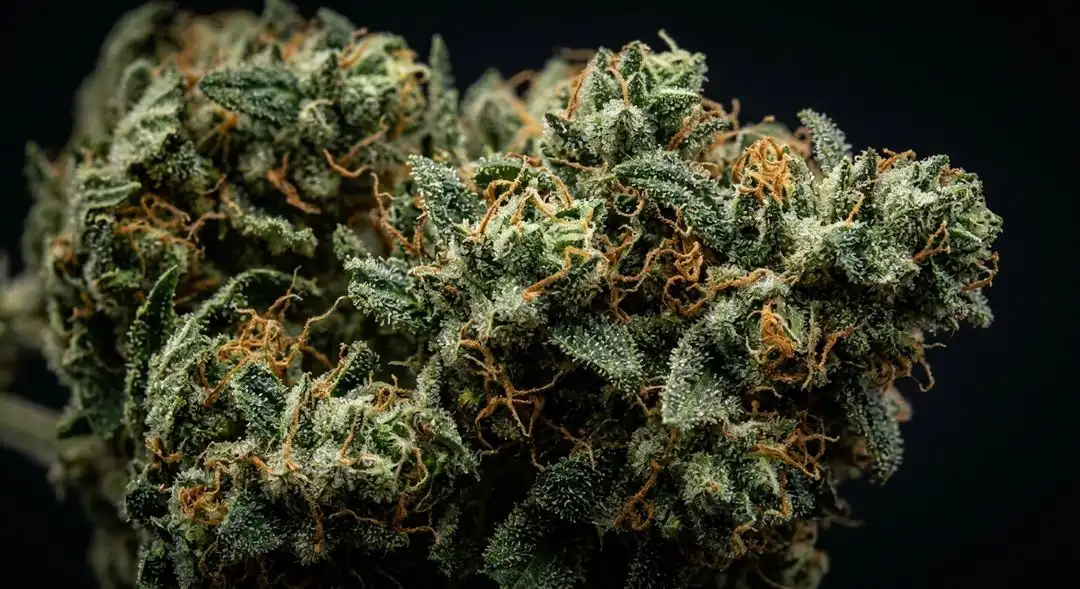
Candyland is a sativa-dominant hybrid (75% sativa / 25% indica) born from the legendary cross of Granddaddy Purple × Bay Platinum Cookies — two California heavyweights whose combined genetics produce something greater than either parent alone. With THC testing consistently between 18–24% and a terpene profile that genuinely surprises first-time growers, Candyland earns its place among the best sativa-dominant strains in any serious catalog.
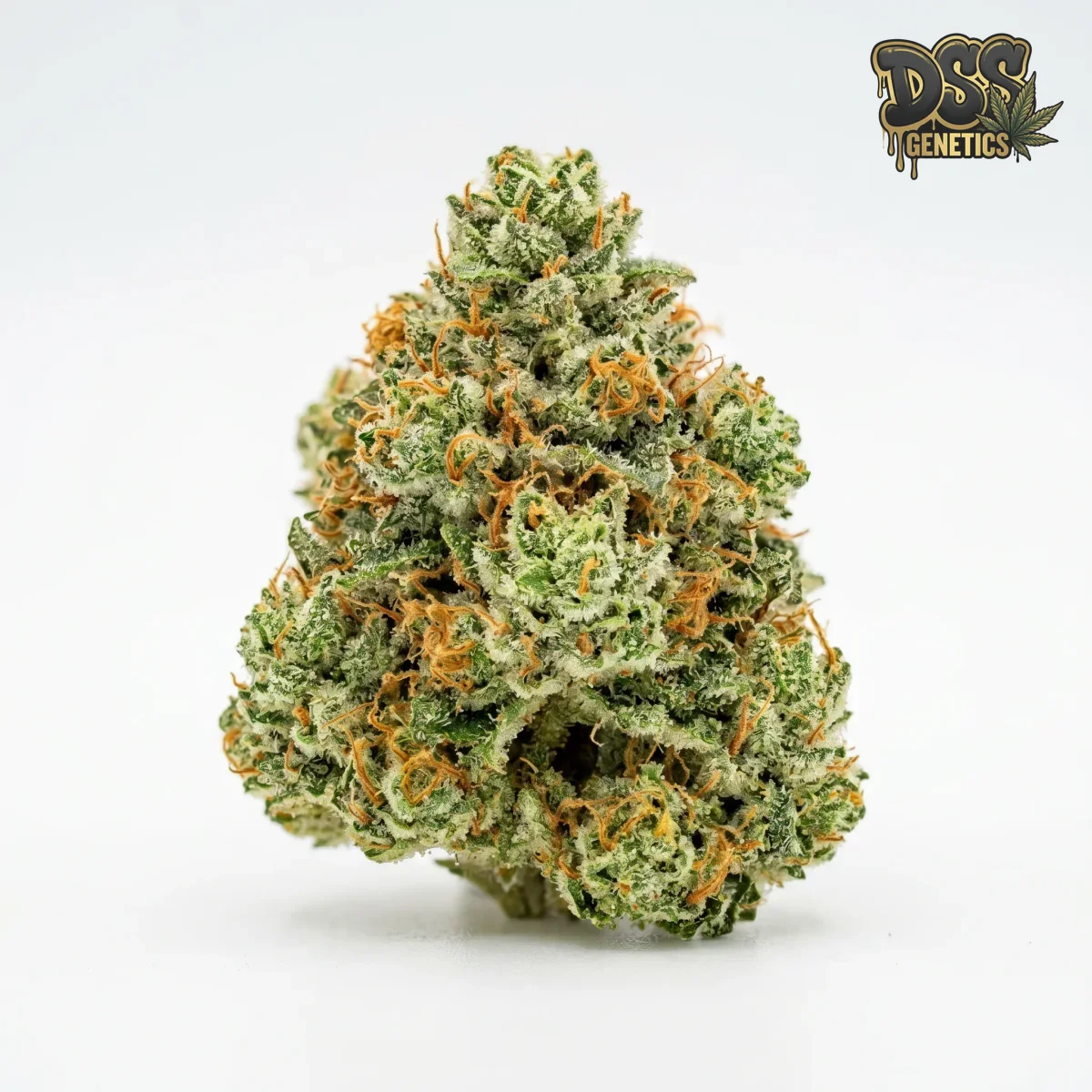
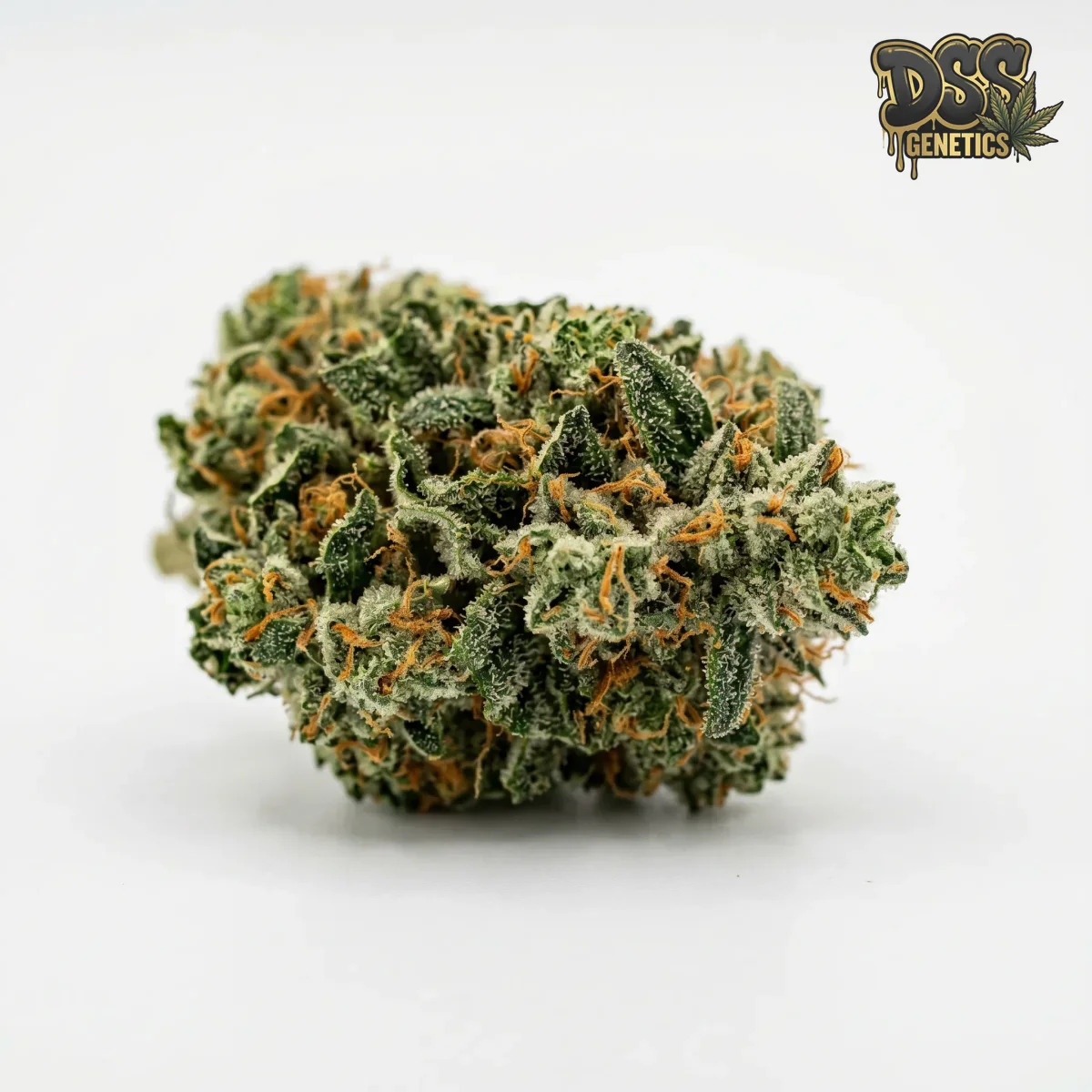
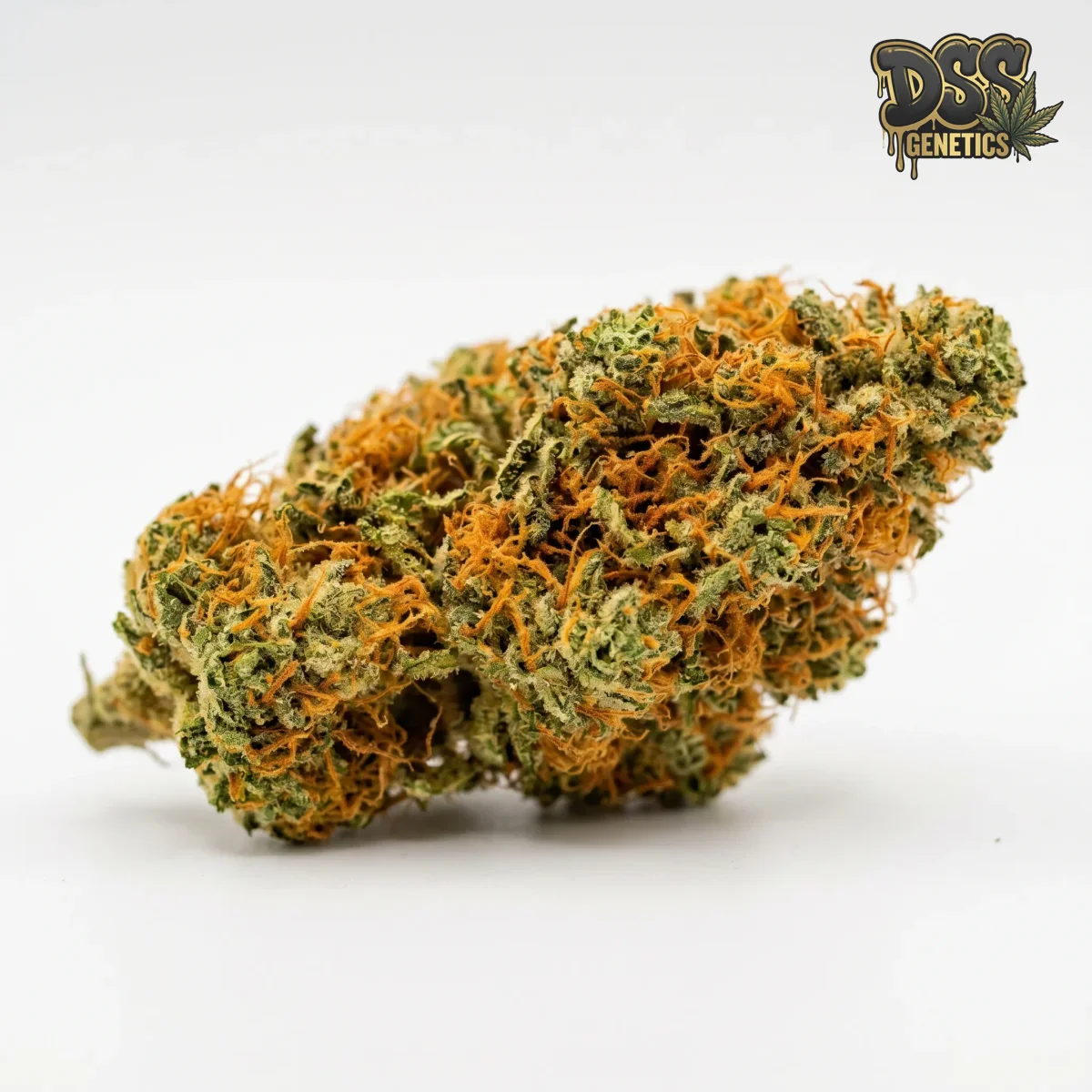
What sets Candyland apart from the crowded field of sativa hybrids is the balance it strikes between stimulating cerebral energy and just enough indica body warmth to keep things grounded. The 0.7–1% CBD content is low but meaningful — it softens the edge of the upper THC range and contributes to a smoother overall experience. This is a strain that rewards patience in the grow room and generosity at harvest, delivering dense, trichome-dusted buds that smell nothing like their name would suggest — and everything better.
Effects and Medical Benefits
The Candyland high opens fast — within minutes of the first exhale, a warm cerebral buzz climbs behind the eyes and spreads across the forehead. This isn't the anxious, racing sativa energy that pushes some users toward discomfort. Instead, the Granddaddy Purple lineage keeps things smooth, threading a ribbon of indica calm through the sativa uplift so the experience feels elevated rather than frantic.
By the fifteen-minute mark, mood has shifted noticeably upward. Creative thinking sharpens, conversation flows easier, and there's a tangible sense of optimism that makes Candyland a strong daytime choice for anyone who needs to stay functional while still feeling genuinely good. The energetic quality peaks around 45–60 minutes in, then gradually gives way to a relaxed, contented landing — no crash, no sedation, just a soft comedown.
Users consistently report these effects:
- Euphoria and happiness — a clean, mood-brightening lift that arrives quickly and holds steadily for 2–3 hours
- Creative energy — sharpened lateral thinking without the scattered, unfocused quality of pure sativas
- Uplifting motivation — the kind of get-something-done drive that makes afternoon sessions productive
- Warm physical relaxation — the indica 25% contributes a body comfort that never tips into couch-lock at moderate doses
On the therapeutic side, Candyland is frequently chosen by patients managing:
- Chronic stress — the euphoric lift provides meaningful, consistent mental relief without heavy sedation
- Depression — the uplifting sativa dominance helps interrupt negative thought cycles during daytime hours
- PTSD — grounding body warmth combined with mood elevation offers a combination that many PTSD patients find difficult to source in a single strain
- Mental fatigue — the energetic and creative effects restore cognitive engagement when the mind feels flat
The 0.7–1% CBD pairs with Caryophyllene's documented CB2-receptor activity to create a mild anti-inflammatory and anxiolytic layer beneath the psychoactive experience — a real-world example of the entourage effect at work. It's a small number on the lab sheet, but growers and patients who pay attention to full-spectrum chemistry will recognize its contribution immediately.
Aroma, Flavor and Terpene Profile
The name Candyland sets expectations that the plant itself immediately overturns. There's nothing cotton-candy soft about this aroma. Break open a cured bud and what hits first is a sharp diesel spark — almost petroleum-like in its clarity — underneath which earthy sweetness slowly rises. It smells like someone spilled citrus zest into a jar of dark soil and added a crack of black pepper for good measure.
On the inhale, sweetness arrives first and sits pleasantly on the palate. The diesel and skunk notes are present but refined, never harsh, never overpowering. The exhale carries spice — dry, almost herbal — with a citrus trailing note that lingers in the back of the throat for several minutes. It's a complex, layered flavor that rewards slow, deliberate smoking or vaporizing at 185–195°C where the full terpene range expresses without combustion flattening the subtler notes.
Three terpenes shape this profile, and they work in ways that go well beyond raw scent.
Caryophyllene dominates at 0.47% — and its presence explains a great deal about why Candyland hits the way it does. This terpene carries warm, spicy, and peppery aromas and is the only known terpene that directly binds to CB2 receptors in the endocannabinoid system. That binding activity contributes anti-inflammatory effects that are genuinely distinct from THC's mechanism, adding a functional therapeutic layer that's increasingly valued by both recreational and medical consumers. The spicy diesel edge in Candyland's exhale? That's Caryophyllene talking.
Humulene sits at 0.38% and brings a dry, woody, and faintly hoppy character that cuts through the sweetness and prevents the aroma from trending too one-dimensional. Humulene is shared with hops — same plant family, same sharp aromatic signature. Beyond scent, it carries well-documented appetite-suppressing properties, making Candyland an atypical choice for cannabis consumers who prefer an energetic, clear-headed session without the munchies driving them off course. It reinforces the earthy, skunky depth in the mid-palate.
Camphene rounds the profile at 0.01% — a trace amount, but one that contributes a cool, piney, and slightly medicinal undertone that adds lift to the overall aroma. Though present in small quantity, Camphene has been studied for antioxidant and antifungal properties, and even at low concentrations it sharpens and brightens a terpene blend that would otherwise sit heavier. It's the aromatic equivalent of a pinch of salt — you'd notice its absence before you'd consciously identify its presence.
Growing Candyland Seeds
Candyland is rated moderate difficulty, and that rating is honest. This is not a strain that punishes you for small mistakes, but it rewards growers who understand the sativa growth pattern and plan for it rather than reacting to it. The Bay Platinum Cookies parentage brings structure and resin production; the Granddaddy Purple side softens the stretch and adds color potential in cooler late-flower temperatures.
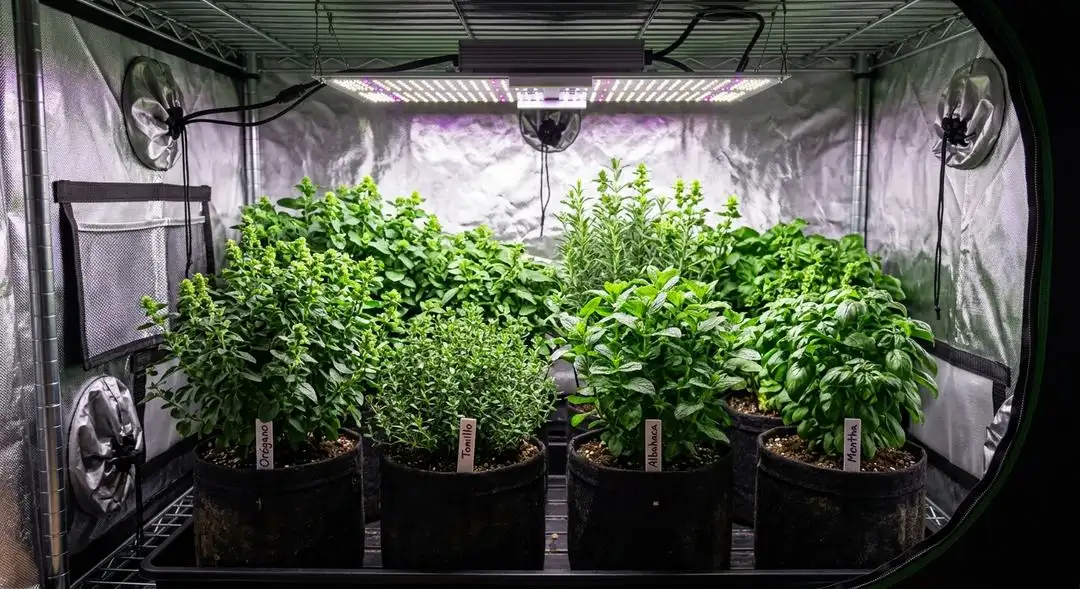
Indoors, Candyland performs best in a controlled environment with daytime temperatures between 70–80°F (21–27°C) and nighttime drops no lower than 64°F (18°C) during the last two weeks of flower — those cooler nights encourage the purple phenotypic expression from the GDP genetics. Keep relative humidity at 50–60% through vegetative growth and drop it to 40–45% from week four of flower onward. Dense bud sites combined with sativa foliage can trap moisture if airflow is passive, so active circulation is non-negotiable.
Outdoor cultivation is where Candyland truly expands. In temperate Northern Hemisphere climates, plants finish naturally in mid-October. The sativa structure means vigorous upward growth — expect plants to reach 150–180 cm outdoors with enough feeding room. What we've found over multiple outdoor runs is that this strain responds exceptionally well to slight stress during vegetative growth, particularly early topping, which redirects apical dominance into a multi-cola structure that dramatically improves outdoor yield without sacrificing finish time.
The vegetative stage is where foundation work pays off. Candyland's sativa-leaning structure means it can stretch aggressively in the first two weeks of flower — budget for that stretch before switching your light schedule. Indoor growers who flip too late will find themselves managing a canopy that outpaces their available headroom.
Key growing tips for Candyland:
- Training: Top once in veg at the 4th–5th node and apply LST or SCROG to tame the sativa stretch and distribute light evenly across multiple colas — this single step has the largest impact on indoor yield
- Nutrients: Candyland responds well to moderate nitrogen in veg, but transition early — begin introducing higher phosphorus and potassium by week two of flower. Reference our nutrient schedule guide to avoid the nitrogen toxicity that commonly trips up growers at the veg-to-flower transition
- Indoor environment: Review our indoor growing guide for VPD management — Candyland's dense, resinous buds in late flower benefit significantly from maintaining vapor pressure deficit in the 0.8–1.2 kPa range to maximize terpene production
- Outdoor timing: In cooler outdoor climates, consult our outdoor growing guide for light dep strategies — finishing Candyland by mid-October ensures trichome maturity before the first cold fronts arrive
- Hydroponics: Candyland performs exceptionally well in hydroponic systems where precise nutrient delivery accelerates the already-efficient flowering timeline — expect yields at the upper end of the range with DWC or recirculating drain-to-waste setups
Yield and Flowering Time
Candyland flowers in 56–63 days (8–9 weeks), which is efficient for a strain carrying this much sativa genetics. Indoor yields land between 1.3–2.1 oz/ft² — the range is real, and where you fall within it depends almost entirely on canopy management and late-flower nutrition. Growers who apply training and dial in their phosphorus/potassium ratio in weeks four through eight consistently hit the upper end of that range.
Outdoor plants are where Candyland's genetics truly flex. With adequate root space, full sun exposure, and a complete growing season, expect 28–35 oz/plant — numbers that place it firmly in the high-yield strain tier. Those outdoor figures require the plant to fully express its sativa vigor, which means unrestricted root zone space, consistent watering, and a full organic feeding program from transplant through mid-flowering. Plants grown in containers outdoors will yield less; ground grows with amended beds are where the 35 oz ceiling becomes genuinely achievable.
To maximize your harvest:
- Trichome timing: Harvest when 70–80% of trichomes are milky white with 10–15% amber — Candyland's euphoric, energetic effect profile peaks at this window; waiting for more amber shifts the experience toward sedation and loses the signature uplifting quality
- Late-flower humidity: Drop relative humidity to 38–42% in the final 10–14 days to stress the resin glands and maximize terpene density — this is one of the most impactful late-stage interventions you can make
- Nutrient flush: Run a clean water flush for the final 7–10 days to clear residual salts from the bud sites, which directly improves the smoothness and clarity of the flavor on cure
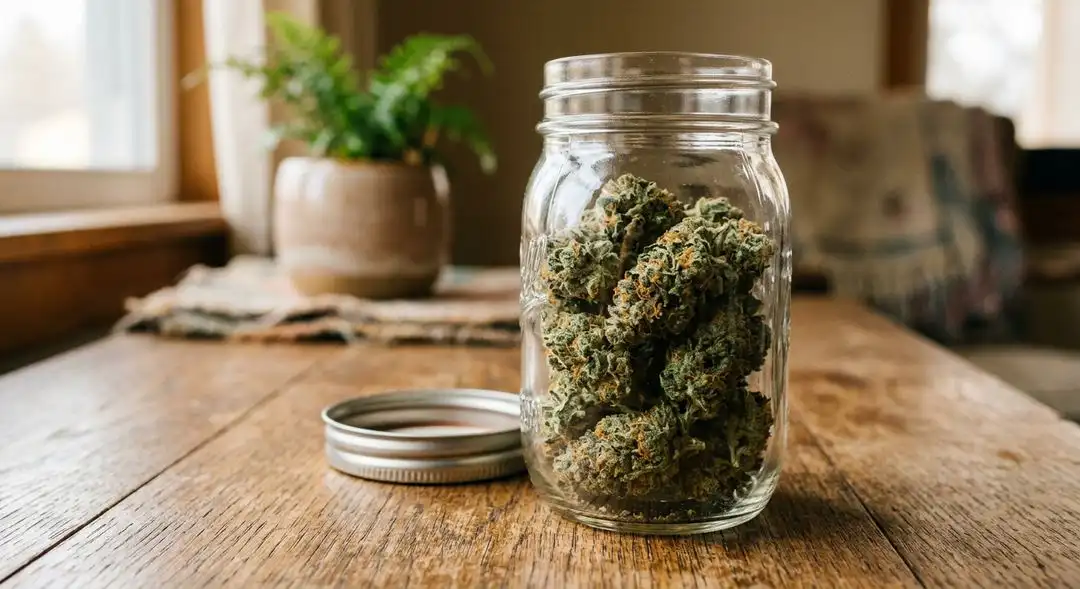
- Drying and curing: Slow-dry at 60–65°F / 55–60% RH for 10–14 days before jarring, then follow a structured drying and curing protocol with daily burping for the first two weeks — Candyland's Caryophyllene and Humulene expression deepens significantly with a proper 4–6 week cure
Why Buy Candyland Seeds from DSS Genetics?
Every Candyland feminized seed that leaves our facility is backed by our full germination guarantee — if a seed fails to sprout under proper conditions, we replace it without question. Orders ship in discreet, unmarked packaging with no cannabis-related branding on the exterior, and standard free shipping is included on all orders.
- Germination guaranteed — every seed is backed by our replacement promise; follow our germination guide for best results
- Discreet shipping — plain, unmarked packaging on every order
- Spend $100 or more — receive complimentary premium seeds added to your order automatically
- Cold-chain storage standards — seeds are stored at controlled temperature and humidity from our facility to your door, ensuring maximum viability and germination rates
Frequently Asked Questions
Is Candyland a good choice for daytime use?
Yes — Candyland's 75% sativa dominance, energetic effects, and creative mental clarity make it one of the better strains for daytime use in our catalog. It's particularly well-suited for managing depression or stress during working hours without producing the heavy sedation of indica-dominant strains. At moderate doses, most users remain fully functional throughout the experience.
How difficult is Candyland to grow for a first-time grower?
Candyland is rated moderate difficulty, which means it's achievable for a focused beginner but not the most forgiving first strain. The sativa stretch in early flower requires anticipating headroom, and late-flower humidity management is important given the dense bud structure. If this is your first grow, consider building confidence with an easy-to-grow strain first. If you're committed to Candyland, read through our indoor growing guide thoroughly before germinating.
What does Candyland smell and taste like?
Despite the name, Candyland's aroma leans toward diesel, earth, and skunk with citrus brightness and a spicy pepper finish — complex and pungent rather than sweet. The flavor on the exhale carries spice and citrus with sweet and earthy mid-notes. The three dominant terpenes are Caryophyllene (0.
Medical Disclaimer: This information is for educational purposes only and should not be considered medical advice. Always consult a healthcare professional before using cannabis for medical purposes. Individual results may vary.
Frequently Asked Questions
Candyland — Common Questions Answered
What is Candyland?
Candyland is a sativa-dominant cannabis strain (75% Sativa / 25% Indica) bred from Granddaddy Purple x Bay Platinum Cookies. It produces THC levels of 18–24% and CBD levels of 0.7–1%. Known for its relaxing, happy, euphoric effects and sweet, earthy, citrus flavor profile.
Is Candyland easy to grow?
Candyland is moderately challenging to grow. Beginners can succeed with some research, but it benefits from basic knowledge of pH management and nutrient schedules. Growing difficulty: Moderate. It thrives in temperate climates and reaches a medium plant size.
How long does Candyland take to flower?
Candyland has a flowering time of 56–63 days. Switch to a 12/12 light cycle to initiate flowering. Expected yields are 1.3 to 2.1 oz/ft² indoors and 28 to 35 oz/plant outdoors.
What are the effects of Candyland?
Candyland delivers relaxing, happy, euphoric, uplifting, creative, energetic effects. Many growers report it helps with stress, depression, ptsd. With THC levels of 18–24%, it provides a moderate to strong experience suitable for most users.
What does Candyland smell and taste like?
Candyland's dominant terpenes are Caryophyllene (0.47%), Humulene (0.38%), Camphene (0.01%), which give it a sweet, earthy, citrus, diesel, skunky, spicy flavor and aroma profile.
Can I grow Candyland indoors and outdoors?
Yes, Candyland performs well both indoors and outdoors. Indoor yields average 1.3 to 2.1 oz/ft², while outdoor grows can produce 28 to 35 oz/plant. It prefers temperate conditions. Its medium height is manageable in most indoor setups.
What does "feminized" mean for Candyland seeds?
Feminized Candyland seeds are bred to produce only female plants, which are the ones that develop smokable buds. This eliminates the need to identify and remove male plants, saving time and maximizing your grow space. Over 99% of feminized seeds will produce female plants.
Grower Reviews
Real grow experiences from our community
Get 10% Off Your First Order
Join our newsletter for exclusive deals, growing tips, and new strain drops.