Haze Feminized Seeds
By Ivan K., DSS Genetics · Updated April 2026

Haze Feminized Seeds
SKU: DSS-HAZE-FEM-5PK
Pack Size
Quantity
About This Strain
Haze Feminized Seeds — Complete Strain Profile
Haze Feminized Seeds – Strain Overview
Haze is the strain that started it all — a legendary 80% sativa created by crossing four of the world's most celebrated landrace genetics: South American Sativa, Thai Sativa, Mexican Sativa, and South Indian Sativa. The result is a plant that delivers 17–23% THC with a cerebral intensity that has shaped cannabis culture for decades, earning its place as the genetic foundation behind hundreds of modern hybrids. If you're looking for the purest expression of what a sativa can offer, browse our best sativa strains — Haze stands at the top.
What makes Haze remarkable isn't just its potency — it's the quality of the experience. The high is clean, expansive, and intensely creative, without the heavy sedation that blunts so many modern hybrids. Growing Haze is a serious undertaking, rated difficult due to its long flowering window and demanding environmental requirements, but experienced cultivators who commit to this strain are rewarded with yields of up to 18 oz per plant outdoors and buds that carry a complexity of flavor and effect that simply cannot be replicated.
Effects and Medical Benefits
The Haze high doesn't arrive all at once — it builds. Within minutes of the first exhale, a warm pressure settles behind the eyes and a quiet euphoria begins to spread outward from the center of the chest. By the time it reaches full intensity, you're locked into a state of energized mental clarity that feels less like being high and more like being switched on. Conversations flow easily, creative problems solve themselves, and the world sharpens rather than blurs.
This is a daytime strain without qualification. The 20% indica genetics prevent it from becoming anxious or racey in moderate doses, lending a subtle physical ease that grounds the cerebral lift without pulling it downward into sedation. At higher doses, expect the euphoria to intensify significantly before settling into a long, comfortable relaxation.
Users consistently report these core effects:
- Euphoria and happiness — a bright, mood-elevating lift that arrives early and holds for hours
- Creative and mental energy — heightened focus and free-associative thinking ideal for artistic work
- Uplifting and motivating — rare among high-THC strains, Haze actively encourages productivity
- Gentle physical relaxation — the indica backbone prevents tension without inducing couch-lock
Haze has a strong following among medical users, particularly those who need functional relief without sedation. It is frequently chosen for:
- Depression — the sustained euphoria and mood lift are among the most consistent reported benefits
- Fatigue — the energizing sativa profile makes it a go-to for daytime exhaustion and motivational slumps
- Stress — the mental expansion creates distance from anxious thought loops without cognitive impairment
- Anxiety — best suited to low-to-moderate doses where the energizing qualities outpace any stimulation risk
Although Haze carries just 0.1–0.5% CBD, the interaction between its diverse terpene profile and broad-spectrum sativa cannabinoids creates a nuanced therapeutic response through the entourage effect — the synergy between terpenes, minor cannabinoids, and THC that modulates and deepens the overall experience beyond what THC alone could produce.
Aroma, Flavor and Terpene Profile
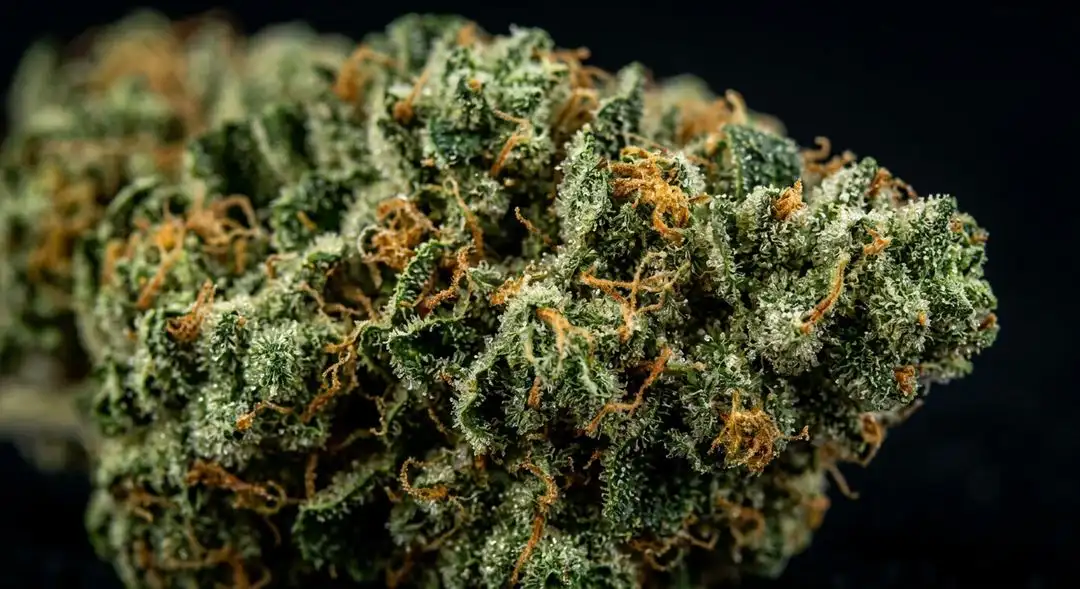
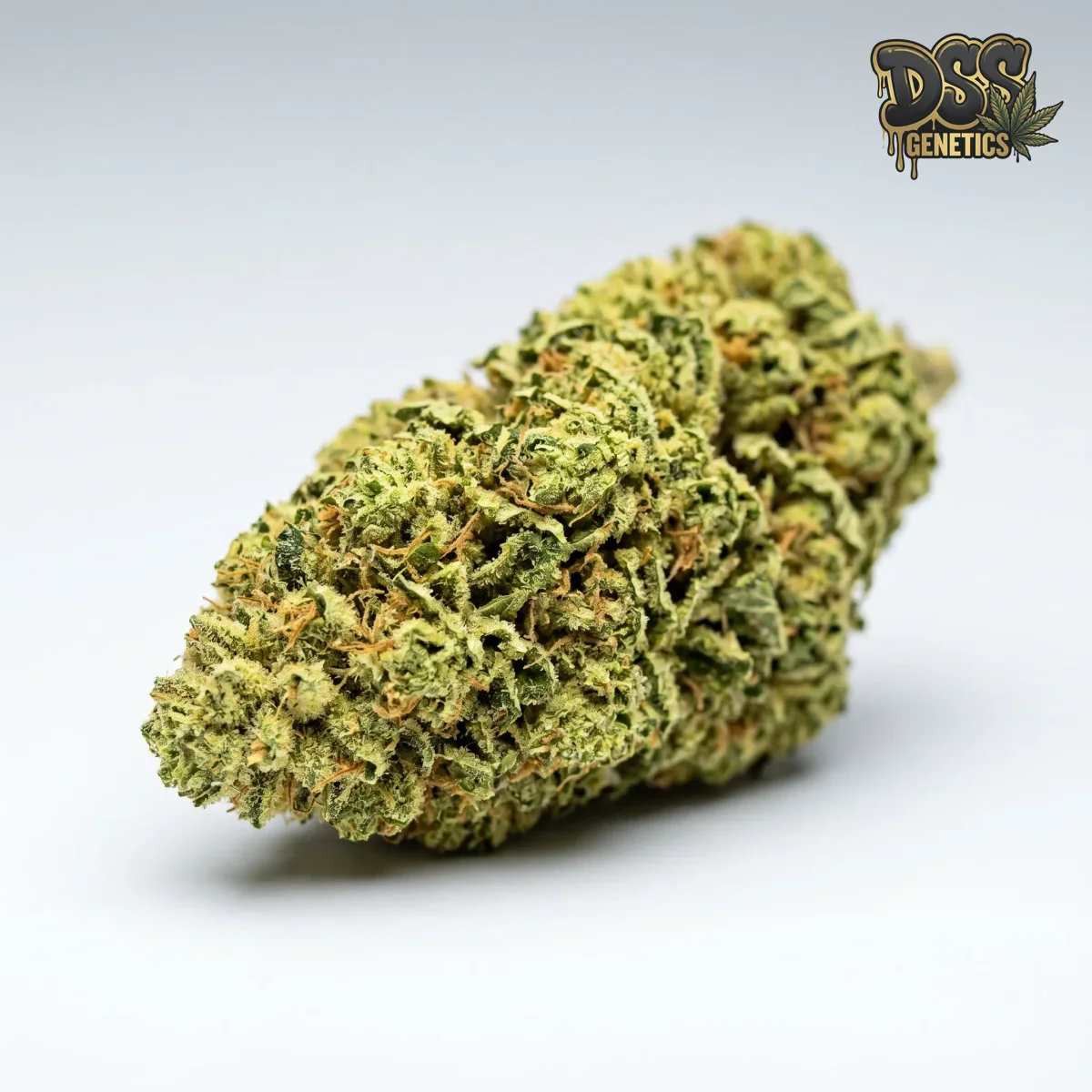
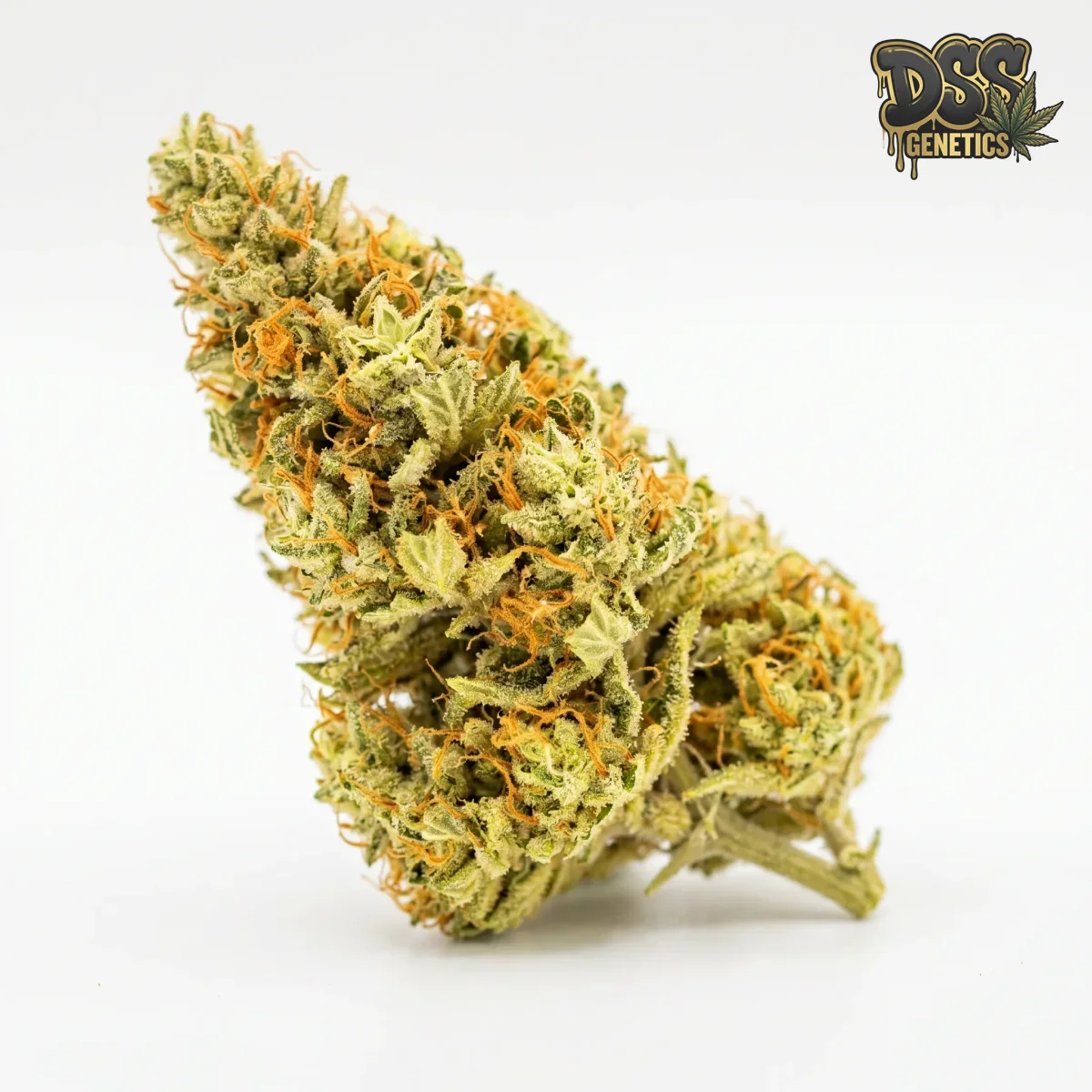
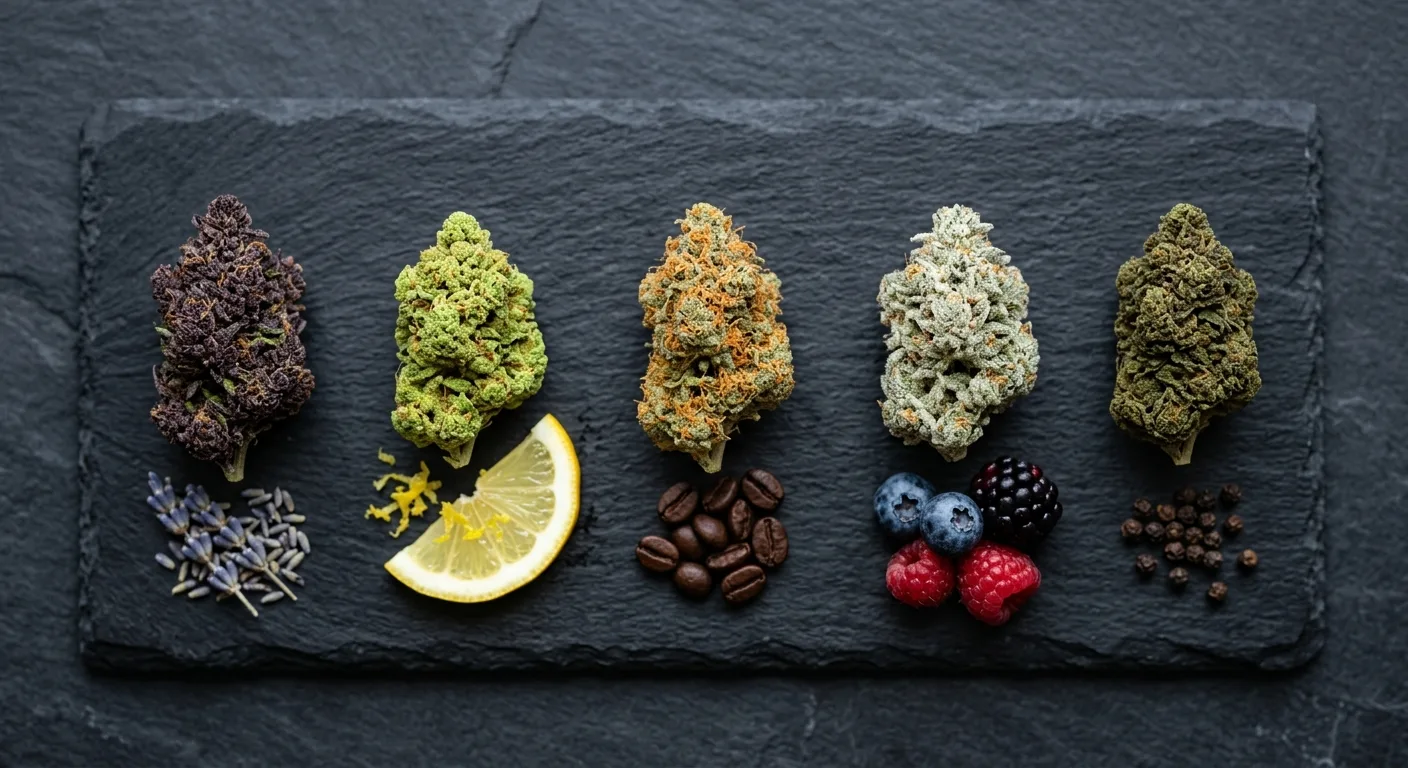
Crack a fresh Haze bud and the first thing that hits you is a sharp burst of citrus — specifically lemon — that's almost electric in its brightness. Underneath that zest sits a warm, earthy base that smells like damp forest soil after rain, and threading through both is a diesel sharpness that catches the back of the throat in the best possible way. It's a complex bouquet that carries the genetic memory of four different continents simultaneously.
On the inhale, the sweetness comes forward. There's a berry note — subtle, reminiscent of dried citrus peel more than fresh fruit — that rounds off the citrus edge and makes the smoke genuinely pleasant even at higher temperatures. The exhale brings the earthiness and diesel to the front, with a lingering spice that sits on the palate for minutes afterward. It's a flavor profile that rewards slow, deliberate consumption.
The terpene architecture behind this profile begins with Terpinolene, the defining terpene of classic Haze genetics. Terpinolene carries floral, herbal, and fresh citrus aromas that give Haze its signature brightness — it's the terpene most responsible for that snappy, electric quality that distinguishes landrace sativas from their hybrid descendants. Research suggests Terpinolene may contribute antioxidant properties and mild sedation at higher concentrations.
Ocimene adds a sweet, herbaceous, and slightly woody layer that deepens the aromatic complexity without overwhelming it. Often found in tropical landrace strains, Ocimene contributes the berry and tropical fruit undertones that make Haze's flavor profile so multidimensional. It also carries potential antifungal and antiviral properties that may contribute to the plant's legendary resilience.
Myrcene brings the earthy, musky foundation that anchors the entire aroma profile. Even in a sativa-dominant strain, Myrcene plays a key structural role — it's the bridge between the bright top notes and the denser, diesel lower register. What we've found over dozens of grows is that the Myrcene expression in Haze intensifies noticeably in the final two weeks of flowering, which is one of the reasons late harvesting significantly improves the nose on these buds.
Limonene reinforces the citrus-lemon character and adds a cheerful, uplifting quality that complements Haze's energizing effects at the cannabinoid level. Limonene has been studied for its potential anxiolytic and antidepressant properties — an alignment with Haze's medical applications that is unlikely to be coincidental.
Growing Haze Seeds
Haze is honest about what it demands: space, time, experience, and an environment you can genuinely control. This is not a strain for first-time growers or those working with limited budgets or small tents. But for cultivators who are ready to commit, Haze pays back every hour of attention with a harvest that is qualitatively different from what most modern strains can produce.
The 63–70 day flowering window — on top of a vegetative period that benefits from being longer than average to build the structural framework the plant needs — means Haze is a significant investment of time. Indoors, maintaining temperatures between 70–80°F (21–27°C) during the day and dropping no lower than 65°F (18°C) at night helps the plant express its full terpene potential without stressing into hermaphroditism. Relative humidity should sit at 55–65% during vegetative growth, then drop progressively to 40–45% in late flower to protect the developing buds from mold and boost resin production.
Outdoors, Haze thrives in warm, Mediterranean-style climates with long summers. In our experience, outdoor plants that receive full sun for 8+ hours per day and are allowed to reach their natural size will produce the most aromatic, potent buds — the genetics genuinely benefit from not being constrained. The medium plant size indoors becomes considerably larger outdoors when given the room to express itself, so plan accordingly.
Nutrient timing matters more with Haze than with most strains. During the vegetative stage, nitrogen demands are high and the plant responds well to aggressive feeding. Transitioning into flowering, phosphorus and potassium should be increased progressively from week 2 onward, with nitrogen tapering sharply after week 3 of flower. In our experience, overfeeding nitrogen into mid-flower is the single most common mistake growers make with Haze — it delays maturation and muddies the flavor profile significantly.
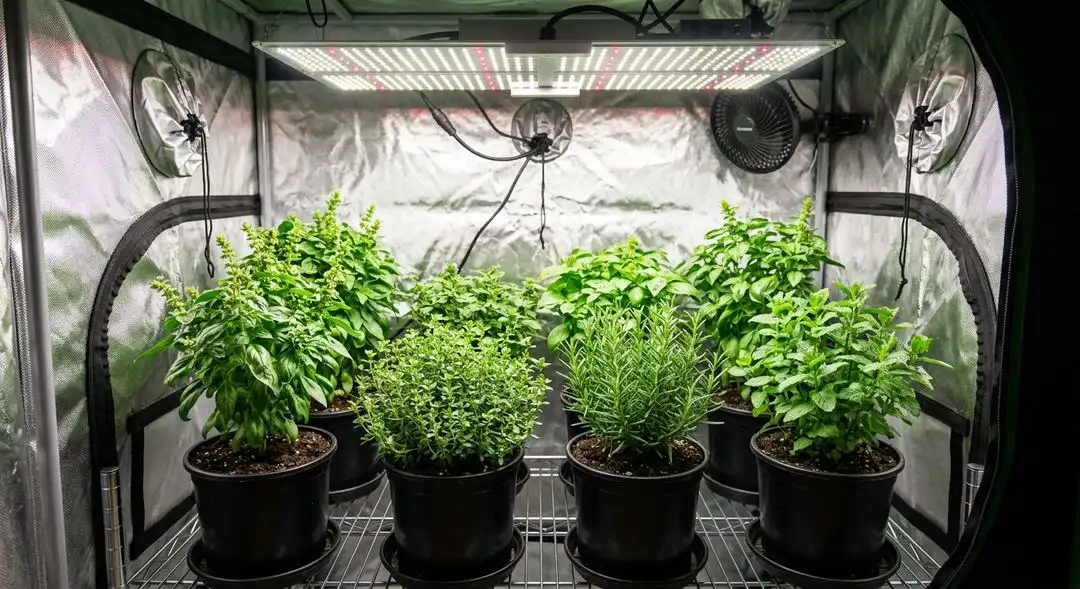
Specific growing tips that make a real difference with this strain:
- Train aggressively early: Haze's natural sativa stretch means LST and topping during early veg can prevent unmanageable height indoors — start training at week 3 of vegetative growth before the internodal spacing locks in
- Extend vegetative time: Allowing 6–8 weeks of vegetative growth before flipping builds the structural canopy that supports Haze's heavy, elongated flower sites — review our vegetative stage guide for timing benchmarks
- Dial in your nutrient schedule: Follow a precise nutrient program that front-loads nitrogen in veg and pivots hard to P/K from week 2 of flowering — Haze is sensitive to imbalances that would barely affect a robust hybrid
- Consider hydroponics for indoors: What we've found is that hydroponic systems accelerate development and help compensate for the long flowering time while intensifying terpene expression — particularly the limonene and terpinolene notes
- Protect outdoor plants in autumn: Because Haze flowers late, outdoor growers in marginal climates should follow our outdoor growing guide closely and plan for late-season weather protection to avoid losing the final weeks of maturation
Yield and Flowering Time
Haze flowers in 63–70 days — a window that sits at the longer end of sativa genetics and requires genuine patience. Indoors, well-trained plants deliver 1 to 1.3 oz/ft², which is respectable for a strain of this complexity and THC ceiling. Outdoors in a full-season Mediterranean climate, individual plants regularly produce 15 to 18 oz, making Haze a genuinely impressive outdoor performer when conditions align. For growers focused on maximizing outdoor production, pair Haze with our other top producers in the high-yield collection.
The patience required for the 63–70 day flowering period is repaid in the quality of the final product. Rushing Haze — harvesting at 60 days because the trichomes look mostly ready — consistently produces a flatter, less complex result than waiting for full maturation. The final 7–10 days of flowering are when the terpene profile comes together and the THC ceiling is reached, so trichome observation during this window is non-negotiable.
To maximize your harvest:
- Trichome timing: Target 70–80% milky-white trichomes with 10–20% amber for peak THC with full terpene expression — harvesting earlier produces a more racey, less rounded experience
- Late-flower humidity: Drop to 40–45% RH in the final two weeks to trigger additional resin production and protect the elongated bud structure from late-stage botrytis
- Pre-harvest flush: Flush with plain pH-balanced water for the final 7–10 days to clear nutrient salts and allow the strain's natural flavor profile to express cleanly — particularly important for the citrus and diesel notes
- Dry and cure carefully: A slow drying and curing process of 10–14 days at 60°F/60% RH followed by a minimum 4-week cure in sealed glass preserves the volatile terpinolene and ocimene notes that give Haze its signature brightness
Why Buy Haze Seeds from DSS Genetics?
Every Haze feminized seed ships with our full germination guarantee — if it doesn't sprout under proper conditions, we replace it without question. Orders are fulfilled in discreet, plain packaging with no cannabis-related markings, and shipping is available on all orders. We store all seeds under climate-controlled conditions to ensure the viability you need from the moment they reach your hands. Start with our germination guide to give every seed the best possible start.
- Germination guaranteed — every seed backed by our replacement promise, no exceptions
- Discreet shipping — plain, unmarked packaging on every order
- Spend $100+ — qualify for free premium seeds added to your order
- Climate-controlled storage — seeds maintained at optimal temperature and humidity from our warehouse to your door
Frequently Asked Questions
Is Haze suitable for beginner growers?
Haze is rated difficult and is genuinely best suited to experienced cultivators. The long 63–70 day flowering period, sensitivity to nutrient imbalances, and need for precise environmental control make it a poor choice for a first grow. We recommend building experience with an easy-to-grow strain first, then graduating to Haze once you've mastered humidity management, training, and nutrient timing. The investment in skill pays off — Haze is a strain worth growing properly.
How long does Haze take to flower and what yields can I expect?
Haze flowers in 63–70 days from the start of the 12/12 light cycle. Indoor yields reach 1 to 1.3 oz/ft² under optimized conditions, while outdoor plants in warm climates with a full growing season produce 15 to 18 oz per plant. Review our flowering stage guide for a week-by-week breakdown of what to expect during Haze's extended bloom period, and cross-reference with our indoor growing guide to set up your environment for maximum output.
What does Haze smell and taste like?
Haze opens with a sharp, electric lemon-citrus aroma driven by Limonene and Terpinolene, with a warm earthy-diesel base from Myrcene and sweet herbal berry undertones from Ocimene. On the palate, the sweet and citrus notes dominate the inhale while the earthy diesel and spice come forward on a long, lingering exhale. Proper drying and curing are essential to preserving the volatile top notes — rushing this stage flattens the profile significantly.
What are the best medical uses for Haze?
Frequently Asked Questions
Haze — Common Questions Answered
What is Haze?
Haze is a sativa-dominant cannabis strain (80% Sativa / 20% Indica) bred from South American Sativa x Thai Sativa x Mexican Sativa x South Indian Sativa. It produces THC levels of 17–23% and CBD levels of 0.1–0.5%. Known for its relaxing, happy, euphoric effects and sweet, earthy, citrus flavor profile.
Is Haze easy to grow?
Haze is considered an advanced-level strain that requires experience with training techniques, environmental control, and nutrient management for best results. Growing difficulty: Difficult. It thrives in temperate climates and reaches a medium plant size.
How long does Haze take to flower?
Haze has a flowering time of 63–70 days. Switch to a 12/12 light cycle to initiate flowering. Expected yields are 1 to 1.3 oz/ft² indoors and 15 to 18 oz/plant outdoors.
What are the effects of Haze?
Haze delivers relaxing, happy, euphoric, uplifting, creative, energetic effects. With THC levels of 17–23%, it provides a moderate to strong experience suitable for most users.
Can I grow Haze indoors and outdoors?
Yes, Haze performs well both indoors and outdoors. Indoor yields average 1 to 1.3 oz/ft², while outdoor grows can produce 15 to 18 oz/plant. It prefers temperate conditions. Its medium height is manageable in most indoor setups.
What does "feminized" mean for Haze seeds?
Feminized Haze seeds are bred to produce only female plants, which are the ones that develop smokable buds. This eliminates the need to identify and remove male plants, saving time and maximizing your grow space. Over 99% of feminized seeds will produce female plants.
Grower Reviews
Real grow experiences from our community
Similar Strains


Get 10% Off Your First Order
Join our newsletter for exclusive deals, growing tips, and new strain drops.