Swiss Cheese Autoflower Seeds
By Ivan K., DSS Genetics · Updated April 2026

Swiss Cheese Autoflower Seeds
SKU: DSS-SWCH-AUTO-5PK
Pack Size
Quantity
Disclaimer: For informational purposes only — not medical advice. Consult a healthcare professional before use.
About This Strain
Swiss Cheese Autoflower Seeds — Complete Strain Profile
Swiss Cheese Autoflower Seeds – Strain Overview
Swiss Cheese Autoflower is the result of crossing the Swiss Miss hybrid with the legendary Skunk #1, two strains with decades of underground credibility. The combination produces a 65% indica / 35% sativa plant that finishes in under 60 days from seed — no light schedule changes required. At 13–17% THC, this strain sits in a sweet spot that experienced growers call the 'functional potency range': strong enough to deliver genuine relief, smooth enough to stay in control.
What makes Swiss Cheese stand out from the crowded autoflower market is its reliability. The ruderalis genetics handle environmental swings without complaint, and the Skunk #1 lineage ensures the flavor is unapologetically loud — a dank, funky cheese-meets-skunk aroma that fills a room the moment you crack the jar. If you're building out your best autoflower garden, this strain earns a spot every rotation.
Effects and Medical Benefits
The Swiss Cheese Autoflower high opens with a wave of mental clarity and quiet euphoria — the kind that lifts a heavy mood without sending you into orbit. Within 15–20 minutes, the indica backbone settles into the shoulders and lower back, easing tension into a steady, pleasant calm. Most users land somewhere between focused relaxation and gentle sociability, making this a versatile strain for late afternoons or unwinding after work.
Users consistently report these four core effects:
- Happy — a clean, mood-brightening onset that arrives fast and stays even
- Relaxing — progressive body calm that deepens over 30–45 minutes without forcing couch-lock
- Uplifting — the sativa 35% keeps the experience from turning heavy or foggy
- Euphoric — a warm, full-body contentment that rounds out the session
On the medical side, Swiss Cheese Autoflower is frequently chosen for:
- Stress — the balanced profile interrupts anxious thought loops without sedating you completely
- Pain — the indica dominance provides genuine physical relief, particularly for muscle tension and minor inflammation
- Anxiety — moderate THC levels keep the experience manageable, reducing the risk of THC-induced anxiety that plagues higher-potency strains
The CBD content — up to 1% in some phenotypes — adds a subtle layer of therapeutic value. While it won't dramatically shift the high, that CBD presence works alongside the strain's terpene profile to modulate the experience through the entourage effect, potentially smoothing the edges of the psychoactive experience and extending the physical relief.
Aroma, Flavor and Terpene Profile
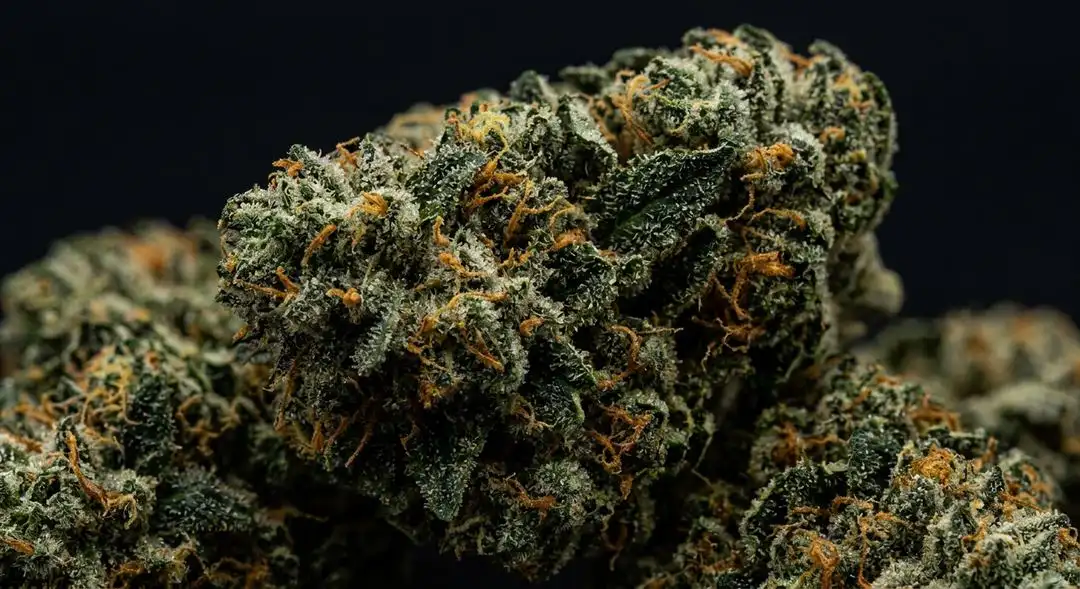
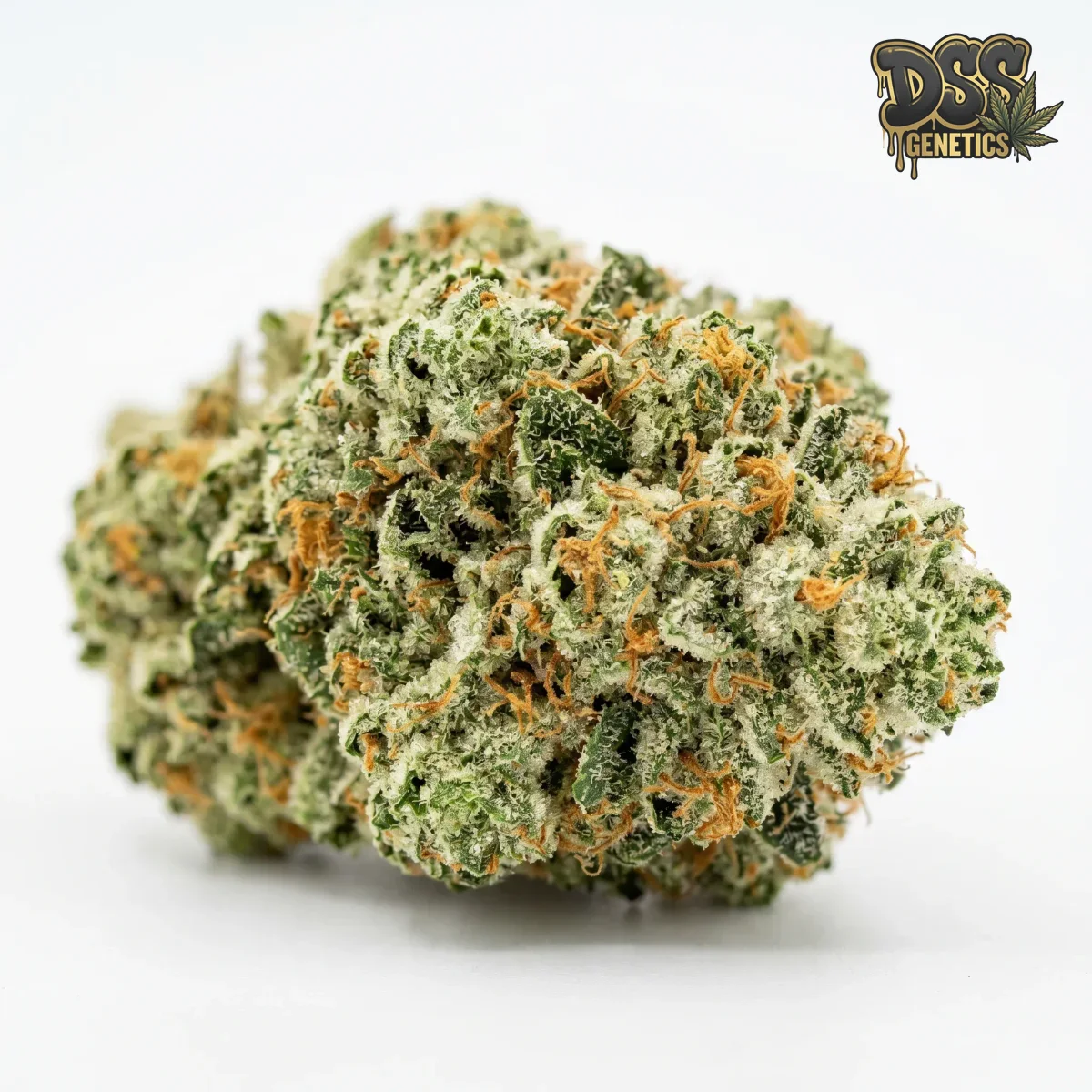
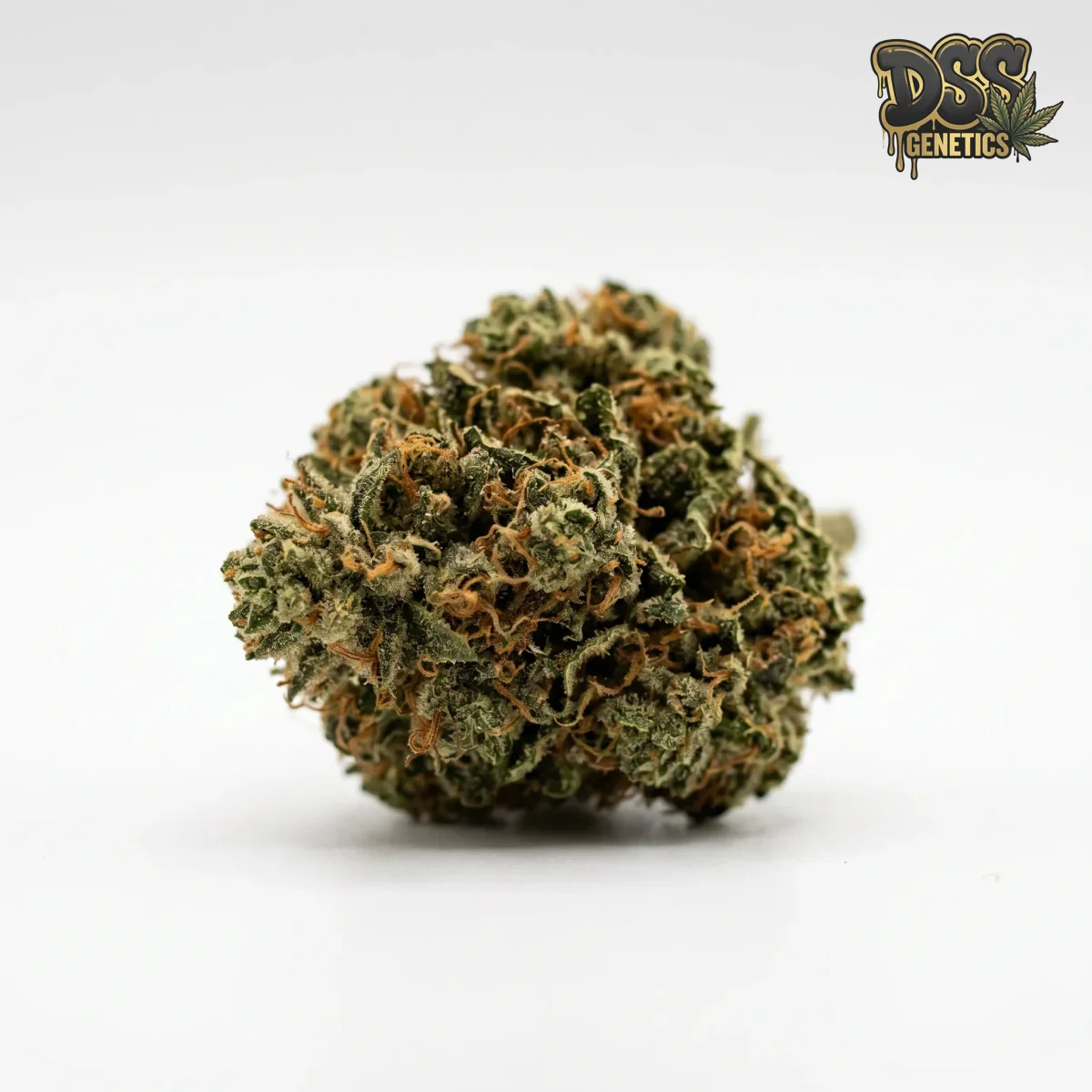
Crack a bud and the smell hits you before you've finished opening the jar — sharp, funky, and unmistakably skunky with a ripe cheese note underneath that clings to your fingers. On the inhale, the flavor is denser than you expect: earthy skunk up front, with a creamy, almost savory cheese quality mid-palate. The exhale lingers, leaving a peppery-sweet finish that stays on the tongue for minutes. This is not a subtle strain. It announces itself.
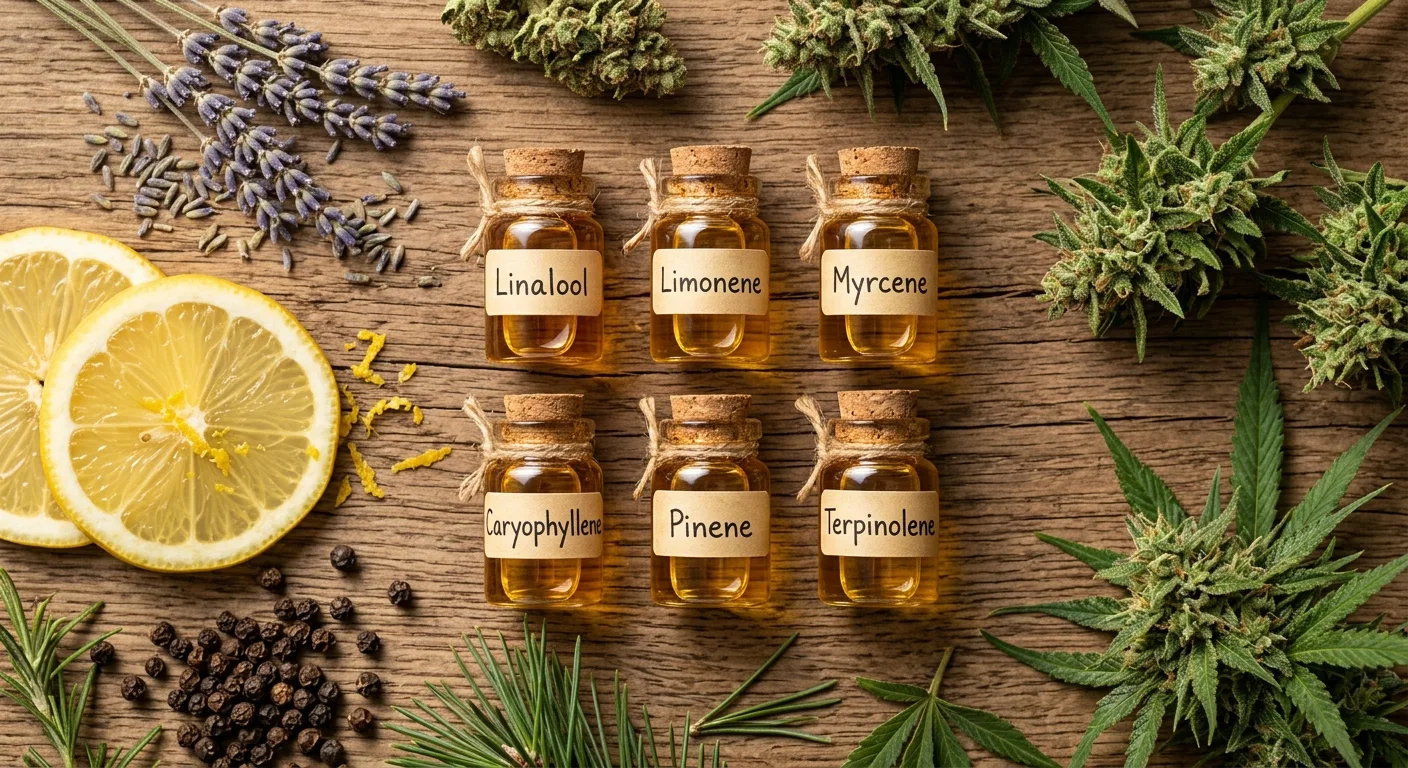
Four terpenes shape this aggressive, character-filled profile:
Myrcene is the dominant force here, and it shows. This terpene is responsible for the heavy, musky earthiness that gives Swiss Cheese its basement-funk depth. Beyond aroma, Myrcene is thought to act as a cannabinoid potentiator — research suggests it may increase the permeability of the blood-brain barrier, which could explain why strains rich in Myrcene often feel more physically immersive than their THC percentage alone would predict. It also contributes directly to the strain's relaxing body effect.
Limonene cuts through the funk with a bright citrus edge that keeps the flavor from turning one-dimensional. You notice it most on the first inhale — a flash of lemon zest that lifts the otherwise heavy aroma. Limonene is well-documented for its mood-elevating properties, which aligns with the uplifting, happiness-forward onset that Swiss Cheese delivers. It also carries potential anxiolytic properties, which complements the strain's use for anxiety relief.
Caryophyllene adds the peppery bite you feel on the exhale. It's the only terpene known to bind directly to CB2 receptors in the endocannabinoid system, giving it genuine pharmacological activity beyond aromatics. This binding activity contributes anti-inflammatory and analgesic effects that support the strain's effectiveness for pain and stress relief — not as a side effect, but as a direct biochemical interaction.
Pinene provides a clean, resinous pine note in the background — subtle but grounding. Pinene is of particular interest because studies suggest it may counteract some of THC's short-term memory effects, and it shows bronchodilatory properties that may ease inhalation for sensitive users. Its presence here helps balance what could otherwise be an overwhelmingly heavy terpene stack.
Growing Swiss Cheese Seeds
Swiss Cheese Autoflower is genuinely beginner-friendly — and that's not marketing language. The ruderalis genetics contribute a structural resilience that tolerates minor temperature swings, inconsistent watering, and imperfect ventilation better than most photoperiod strains. What we've found over dozens of grows is that this strain rewards competent basic care far more than it punishes small mistakes.
The plant reaches a medium height — typically 60–90cm indoors — which makes it manageable in standard grow tents without aggressive training. It produces a central main cola with well-developed lateral branches, and the structure fills in nicely under moderate light. Keep temperatures between 70–82°F during the vegetative phase and pull them down slightly to 65–78°F during late flower to coax out maximum resin production. Humidity should sit at 50–60% through vegetative growth and drop to 40–50% during the flowering stretch to protect the dense buds from moisture-related issues.
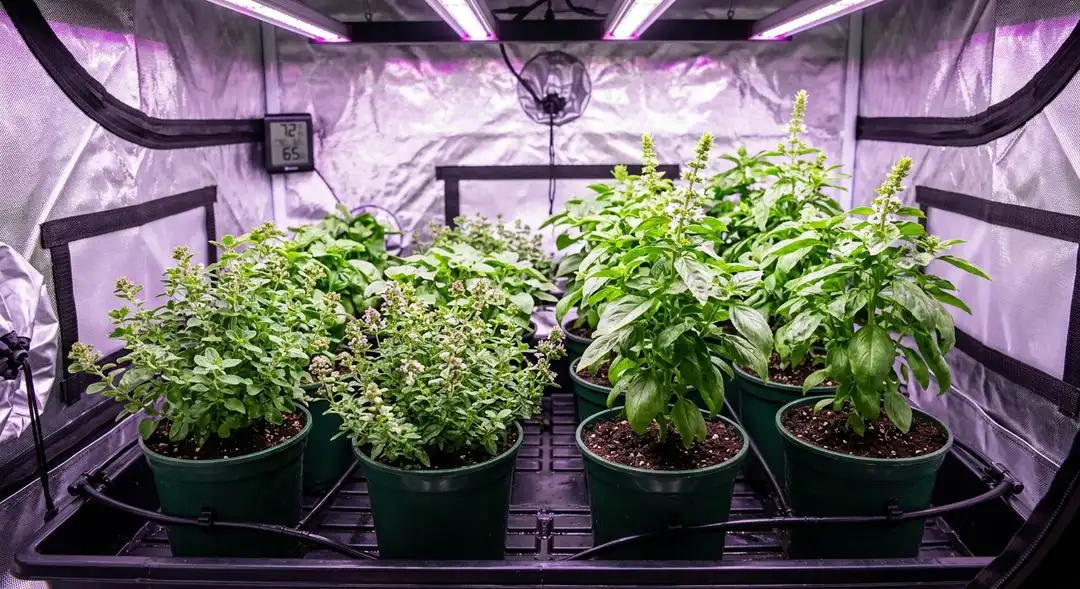
Five targeted tips for getting the best out of this strain:
- Keep training gentle: Because autoflowers run on a fixed internal clock, high-stress techniques like topping or heavy defoliation can eat into your harvest window. Stick with low-stress training (LST) — bending and tying branches outward in weeks 2–3 opens the canopy without slowing development.
- Feed lightly but consistently: Swiss Cheese is not a heavy feeder. Start nutrients at half the manufacturer's recommended dose and scale up only if you see deficiency signs. During the transition to flower, gradually increase phosphorus and potassium while tapering nitrogen — our nutrient guide covers exact timing and ratios.
- Optimize your indoor setup early: Because this strain finishes in under 60 days, the indoor growing environment needs to be dialed in from day one. There's no time to troubleshoot ventilation problems mid-cycle without impacting yield.
- Outdoors, time your planting strategically: Swiss Cheese Autoflower finishes fast enough that you can run two full outdoor cycles in a single season in most temperate climates. Read our outdoor growing guide for planting windows by region — getting seeds in the ground at the right time is the single biggest yield lever for outdoor autos.
- Watch the vegetative-to-flower transition: Around weeks 3–4, you'll see the first pistils appear and growth will accelerate. This is the time to make your final training adjustments and ramp up airflow. Our vegetative stage guide covers exactly what to watch for before the flip happens automatically.
Yield and Flowering Time
Swiss Cheese Autoflower flowers in 54–58 days from seed — one of the faster windows in the fast-flowering category, and consistently reliable across different environments. Indoor growers running optimized setups with quality LED lighting can expect 1.3–1.6 oz/ft², a solid return for an autoflowering variety. Outdoor plants are the real story: given full sun, a long growing season, and room to stretch, Swiss Cheese can produce 17–20 oz per plant — numbers that put it firmly in high-yield territory for an auto.
In our experience, the difference between 1.3 and 1.6 oz/ft² indoors comes down almost entirely to light quality and canopy management in the first three weeks. Plants that get consistent, even light coverage across all bud sites from early on consistently outperform those grown in cramped conditions with shaded lower branches.

To maximize your harvest:
- Trichome timing: Harvest when 70–80% of trichomes are milky white with 10–20% amber — for Swiss Cheese, this typically lands between days 54–58. Amber-heavy trichomes shift the effect toward heavier sedation; milky-dominant harvests keep the uplifting character intact.
- Late-flower humidity management: Drop relative humidity to 40–45% in the final 10–14 days. The dense bud structure holds moisture, and high late-flower humidity is the primary cause of botrytis in this strain.
- Flush timing: If growing in soil, begin flushing 7–10 days before harvest. This clears residual nutrients and lets the plant's natural terpene expression come through fully in the final product.
- Drying and curing: Hang-dry whole branches at 60–65°F with 55–60% humidity for 7–10 days, then cure in sealed jars for a minimum of 3 weeks. Rushing this stage is the most common reason Swiss Cheese loses its signature funky cheese aroma — the terpenes need time to stabilize.
Why Buy Swiss Cheese Seeds from DSS Genetics?
Every Swiss Cheese Autoflower seed ships with our germination guarantee — if it doesn't sprout under correct conditions, we replace it without argument. Orders are packed in discreet, unmarked packaging, so there's no guesswork about what arrives at your door or how it looks when it gets there.
- Germination guaranteed — every seed backed by our replacement policy, no fine print
- Discreet shipping — plain, unmarked packaging on every order
- Spend $100+ — receive free premium seeds added to your order automatically
- Proper seed storage — temperature and humidity-controlled handling from our facility to your mailbox, protecting viability from day one
Frequently Asked Questions
Is Swiss Cheese Autoflower a good strain for first-time growers?
Yes — Swiss Cheese Autoflower is one of the more forgiving strains in our catalog. Its ruderalis genetics buffer against common beginner mistakes like minor temperature swings or inconsistent watering. It's listed in our easy-to-grow collection for exactly this reason. Start seeds following our germination guide and you'll be well set up from day one.
How long does Swiss Cheese Autoflower take from seed to harvest?
Swiss Cheese Autoflower flowers in 54–58 days, making it one of the quicker options in the fast-flowering category. Because it's an autoflower, there's no photoperiod trigger required — the plant transitions on its own internal schedule. Review our flowering stage guide to understand what to look for as the plant approaches harvest readiness.
What does Swiss Cheese Autoflower smell and taste like?
The aroma is loud, funky, and unmistakable — skunky and pungent with a distinctly creamy cheese undertone that intensifies as buds cure. The flavor follows the nose closely: earthy skunk on the front palate, savory cheese in the middle, and a peppery finish from the Caryophyllene terpene. Myrcene drives the musky depth, Limonene adds a citrus lift, and Pinene provides a resinous pine note in the background. This is not a strain for growers who want subtle — the smell will fill a room.
How does Swiss Cheese Autoflower compare to other indica-dominant autos?
Swiss Cheese sits at a moderate 13–17% THC — lower than some highest-THC strains but intentionally so. That potency range makes it accessible for daytime use and for consumers managing stress or anxiety who find ultra-high-THC strains overwhelming. The 65% indica lean delivers real physical relaxation without forcing sedation, which separates it from heavier indica varieties that push toward couch-lock. The autoflowering genetics add a practical edge: no light schedule management, faster turnaround, and a resilience that photoperiod indicas simply don't match.
Medical Disclaimer: This information is for educational purposes only and should not be considered medical advice. Always consult a healthcare professional before using cannabis for medical purposes. Individual results may vary.
Frequently Asked Questions
Swiss Cheese — Common Questions Answered
What is Swiss Cheese?
Swiss Cheese is a balanced hybrid cannabis strain (65% Indica / 35% Sativa) bred from Swiss Miss x Skunk #1. It produces THC levels of 13–17% and CBD levels of 0.1–1%. Known for its happy, relaxing, uplifting effects and skunky, cheese flavor profile.
Is Swiss Cheese easy to grow?
Yes, Swiss Cheese is an excellent choice for beginners. It has a forgiving growth pattern and doesn't require advanced techniques to produce good yields. Growing difficulty: Easy. It thrives in temperate climates and reaches a medium plant size.
How long does Swiss Cheese take to flower?
Swiss Cheese has a flowering time of 54–58 days. Switch to a 12/12 light cycle to initiate flowering. Expected yields are 1.3 to 1.6 oz/ft² indoors and 17 to 20 oz/plant outdoors.
What are the effects of Swiss Cheese?
Swiss Cheese delivers happy, relaxing, uplifting, euphoric effects. Many growers report it helps with stress, pain, anxiety. With THC levels of 13–17%, it offers a mild, manageable experience suitable for all tolerance levels.
What does Swiss Cheese smell and taste like?
Swiss Cheese's dominant terpenes are Myrcene, Limonene, Caryophyllene, Pinene, which give it a skunky, cheese flavor and aroma profile. Myrcene contributes earthy, herbal notes and is associated with relaxing effects.Limonene adds citrusy brightness and may elevate mood.Caryophyllene provides spicy, peppery notes and may help with inflammation.
Can I grow Swiss Cheese indoors and outdoors?
Yes, Swiss Cheese performs well both indoors and outdoors. Indoor yields average 1.3 to 1.6 oz/ft², while outdoor grows can produce 17 to 20 oz/plant. It prefers temperate conditions. Its medium height is manageable in most indoor setups.
Grower Reviews
Real grow experiences from our community
Similar Strains
Get 10% Off Your First Order
Join our newsletter for exclusive deals, growing tips, and new strain drops.