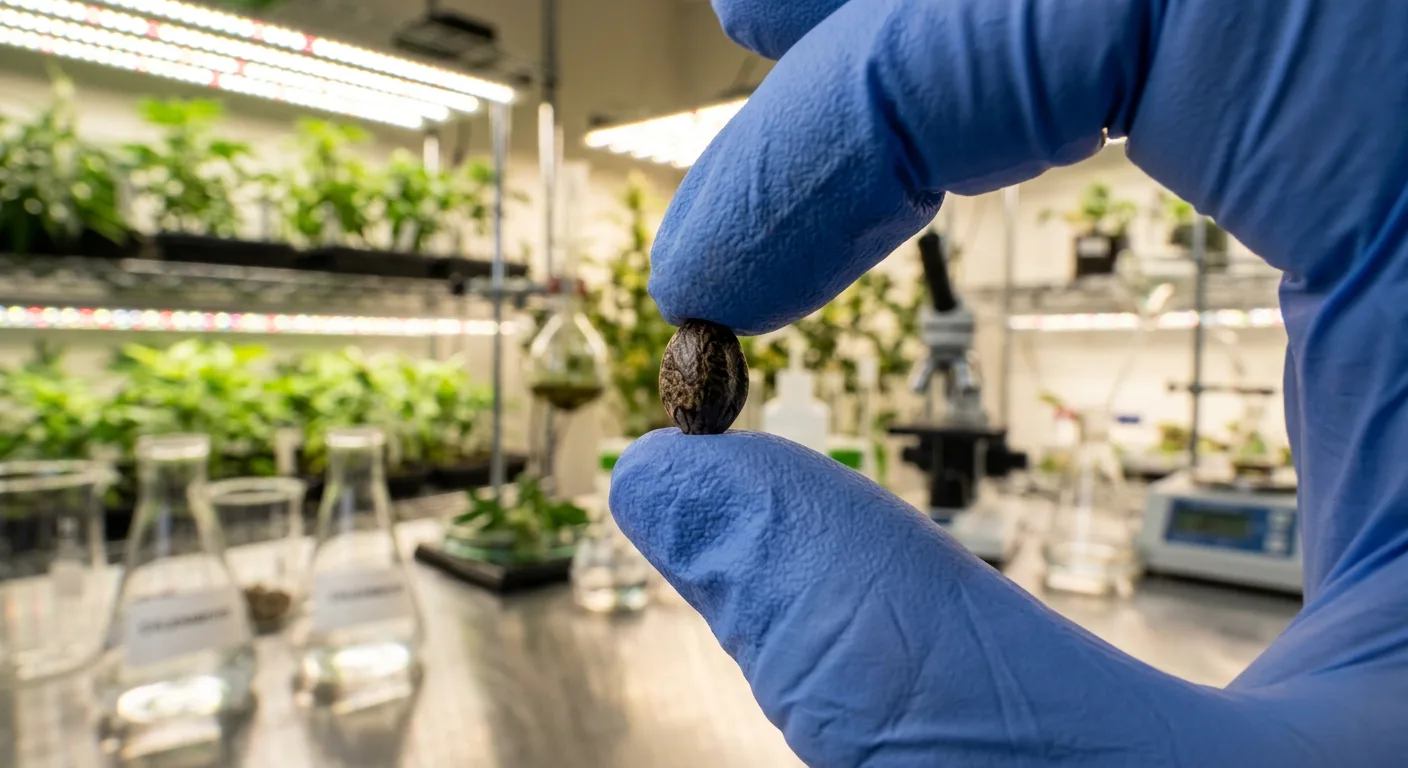
You've bought feminized seeds. The packet says 100% female. But somewhere in the back of your mind — especially if you've been reading forums — a question lingers: how do they actually know?
Understanding how feminized cannabis seeds are made isn't just academic curiosity. It directly predicts how your seeds will perform, what your risk of hermaphrodite plants actually is, and whether a seed bank's quality claims mean anything at all. This guide breaks down the real science behind feminization — the methods, the verification protocols, and the honest answer to why some feminized seeds still go hermie.
How Feminized Cannabis Seeds Are Made: The Two Core Methods
Feminized cannabis seeds are produced by forcing a female plant to generate male pollen, then using that pollen to fertilize another female plant. Because both contributors are genetically female, the resulting seeds carry only female (XX) sex chromosomes — meaning every plant they produce should be female.
There are two primary methods breeders use to induce this male pollen from a female plant, and they are not equivalent in quality or reliability.
Method 1: Colloidal Silver — The Industry Standard
Colloidal silver (CS) is a suspension of microscopic silver particles in distilled water. When sprayed directly onto female cannabis plants during early flowering — typically in the first 1 to 2 weeks after the light cycle switches to 12/12 — it inhibits ethylene production at the treated sites.
Ethylene is a plant hormone that suppresses male flower development in cannabis. By blocking ethylene signaling, colloidal silver causes female plants to produce staminate (male) flowers and viable pollen at the treated sites. The rest of the plant remains female and continues producing pistillate (female) flowers normally.
The plant science behind it: Cannabis sex determination is primarily hormonal, not just chromosomal. Silver ions interfere with ethylene receptor binding, effectively removing the chemical signal that keeps female plants from producing anthers. This is a targeted hormonal intervention — not a genetic mutation. The plant's underlying XX chromosome structure is unchanged.
The pollen collected from CS-treated plants is then used to pollinate a separate, untreated female plant. The resulting seeds are feminized because the pollen donor's chromosomes are XX, eliminating any chance of a Y-chromosome contribution.
Silver Thiosulfate (STS): The Professional Variation
Many commercial breeders use silver thiosulfate (STS) rather than colloidal silver. STS is a more stable and potent ethylene inhibitor that produces higher pollen yields with more consistent results. Peer-reviewed research published in Frontiers in Plant Science (2024) identified a single 3 mM STS application during the vegetative stage as optimal for high-THC cannabis cultivars — producing reliable sex reversal without damaging plant health.
STS is considered the professional-grade evolution of the colloidal silver method. The underlying mechanism is identical; the delivery is more precise.
Method 2: Rodelization — The Stress-Based Alternative
Rodelization is an older technique that relies on a female cannabis plant's survival instinct. When a female plant reaches the end of its flowering cycle without being pollinated, it sometimes produces a small number of male pollen sacs as a last-ditch reproductive attempt. Breeders using rodelization extend the flowering period past peak ripeness to encourage this response, then collect the sparse pollen and use it to fertilize another plant.
Rodelization pollen is not the same as CS-induced pollen. A plant that hermaphrodites under stress does so because of genetic tendencies toward hermaphroditism — that trait is then passed downstream to offspring. Selecting stressed plants as pollen donors is, effectively, selecting for stress sensitivity.
Rodelization requires no chemicals and is accessible to anyone growing at home. However, the method has a fundamental reliability problem that the next section addresses in detail.
Colloidal Silver vs. Rodelization: Why the Method Matters for Reliability
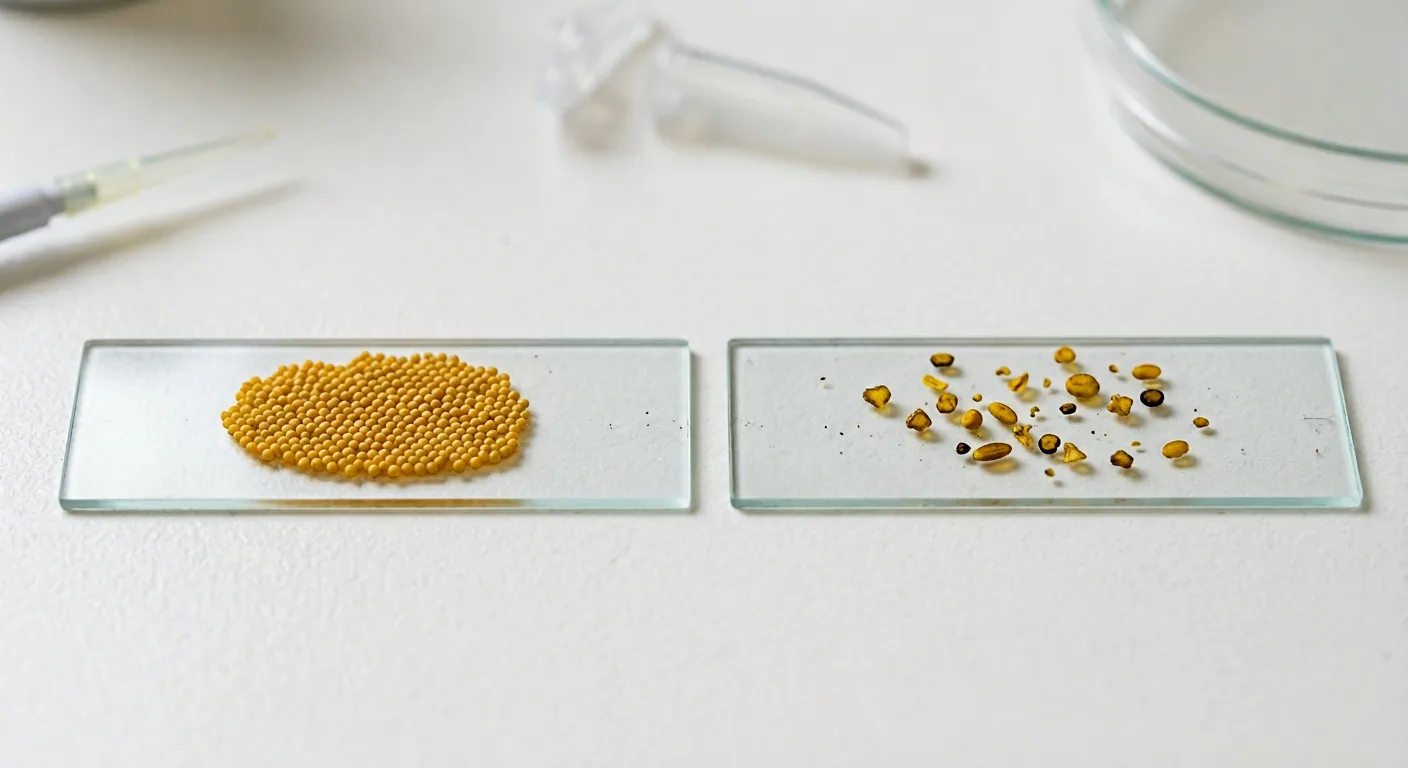
The colloidal silver method is significantly more reliable than rodelization because it induces sex reversal in a genetically stable female plant through an external chemical intervention — not through the plant's own stress-response genetics. CS-produced feminized seeds carry far lower hermaphrodite expression risk than rodelization-produced seeds.
This is the argument breeders make, and the science largely supports it — though with important nuance.
The Hermaphrodite Trait Inheritance Problem with Rodelization
When a cannabis plant hermaphrodites under stress, it is expressing a latent genetic tendency. Not all plants respond to stress by producing male flowers — only those with a genetic predisposition to do so. By selecting a hermaphrodite plant as your pollen donor, you are actively choosing genetics that carry hermaphrodite tendencies.
Those tendencies then appear in offspring at elevated rates. Research on cannabis sex determination consistently shows that hermaphroditism in cannabis has a strong heritable component. Offspring of hermaphrodite parents show significantly higher rates of stress-induced hermaphroditism than offspring of plants with clean female-only expression histories.
The core problem with rodelization isn't that it produces seeds with male chromosomes — those seeds are still technically feminized (XX). The problem is that rodelization selects for hermaphrodite-prone genetics and passes that instability to every seed in the batch.
What CS-Method Breeders Do Differently
A breeder using colloidal silver or STS starts by selecting a mother plant with a proven history of stable female expression — one that has been grown through multiple cycles under varying conditions without ever showing male flowers. That plant is then chemically induced to produce pollen.
The critical distinction: the mother plant has not hermaphrodited. It has been made to produce male flowers through external chemical intervention while its underlying genetics remain those of a stable female. The pollen donor's genome does not contain expressed hermaphrodite traits — so those traits are not passed to offspring at elevated rates.
| Factor | Colloidal Silver / STS | Rodelization |
|---|---|---|
| Mechanism | Chemical ethylene inhibition | Stress-induced survival response |
| Pollen donor genetics | Stable, proven female | Hermaphrodite-expressing plant |
| Hermaphrodite trait inheritance | Low — donor didn't naturally herm | High — donor expressed herming |
| Pollen yield | High and consistent | Low and variable |
| Feminization rate achievable | 99–99.9% | 95–98% (variable) |
| Reproducibility | High — protocol is controllable | Low — depends on plant stress response |
| Used by commercial seed banks? | Yes — industry standard | Rarely, mostly hobbyist use |
Genetic Stability in Feminized Seeds: What It Really Means
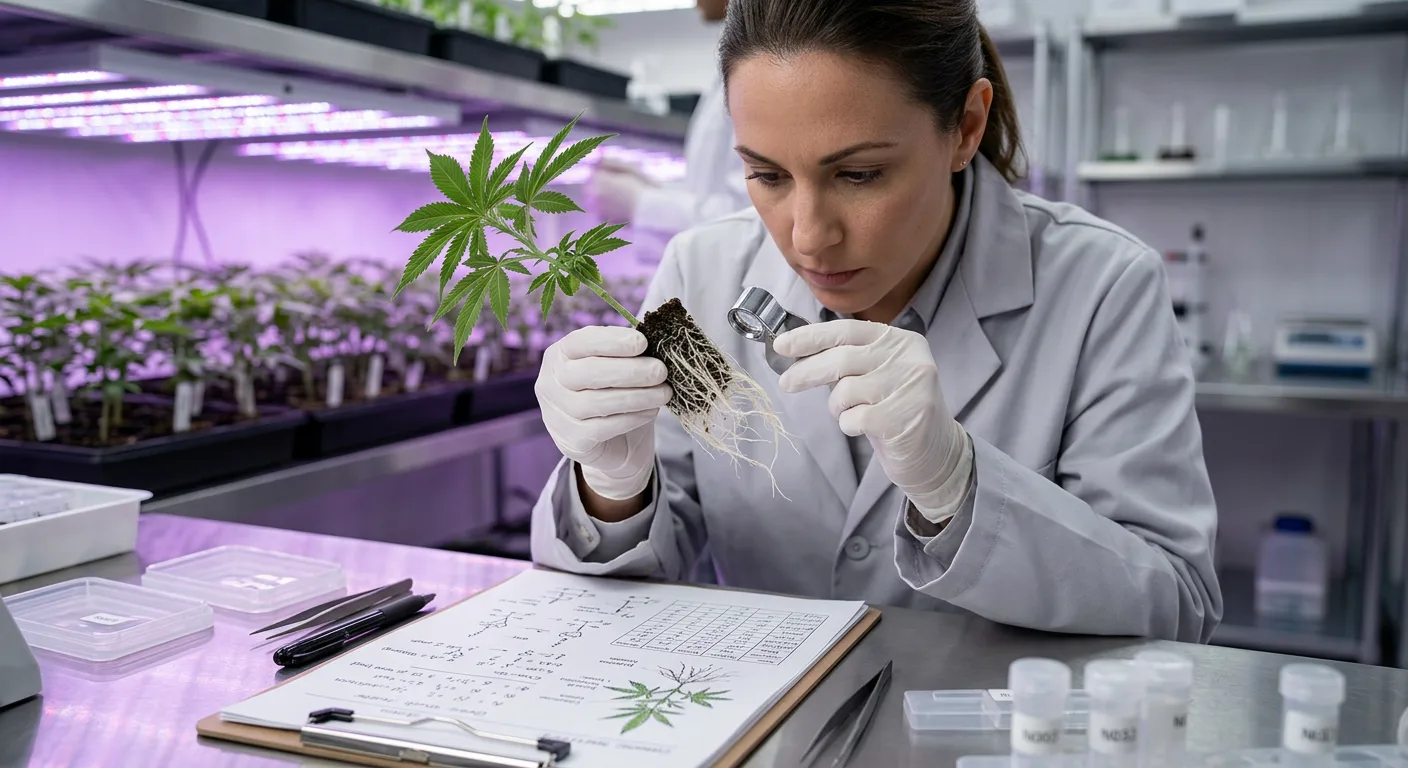
Genetic stability in feminized seeds refers to how consistently offspring express female-only flower development across varying environmental conditions. A stable feminized line produces female plants reliably even when conditions are imperfect — not just under laboratory-ideal circumstances.
Understanding this distinction separates genuinely stable seeds from ones that merely test well in controlled conditions.
The Difference Between Female Genetics and Hermaphrodite-Free Genetics
These two concepts are frequently confused, even in breeder marketing. A feminized seed can be 100% XX — carrying no Y chromosome — while still having a high genetic predisposition to produce male flowers under stress. In that case, the seed is technically feminized but not genetically stable.
True genetic stability means the underlying genotype has been selected over multiple generations for:
- Consistent female flower expression under normal conditions
- Low stress sensitivity to common triggers (heat, light interruption, pH swings)
- Absence of hermaphrodite expression in the parent and grandparent generations
- Reliable phenotype consistency across offspring
Why Multi-Generation Selection Matters
A single round of feminization from a good mother plant does not guarantee a stable line. Breeders who care about reliability backcross (BX) their feminized lines — crossing offspring back to the original mother plant — to test how traits stabilize across generations.
Each generation of backcrossing narrows genetic variance. By BX3 or BX4 (backcross generation 3 or 4), a well-managed line should produce nearly identical phenotypes with predictable, stable female expression. Seed banks that skip this process and sell first-generation feminized seeds save time but pass genetic uncertainty on to growers.
When researching a seed bank's catalog, look for terms like 'IBL' (inbred line), 'BX' generation numbers, or explicit mentions of multi-generation stability testing. These phrases signal that the breeder has done the generational work — not just a single feminization cross.
How Reputable Seed Banks Test and Verify Feminization Rates
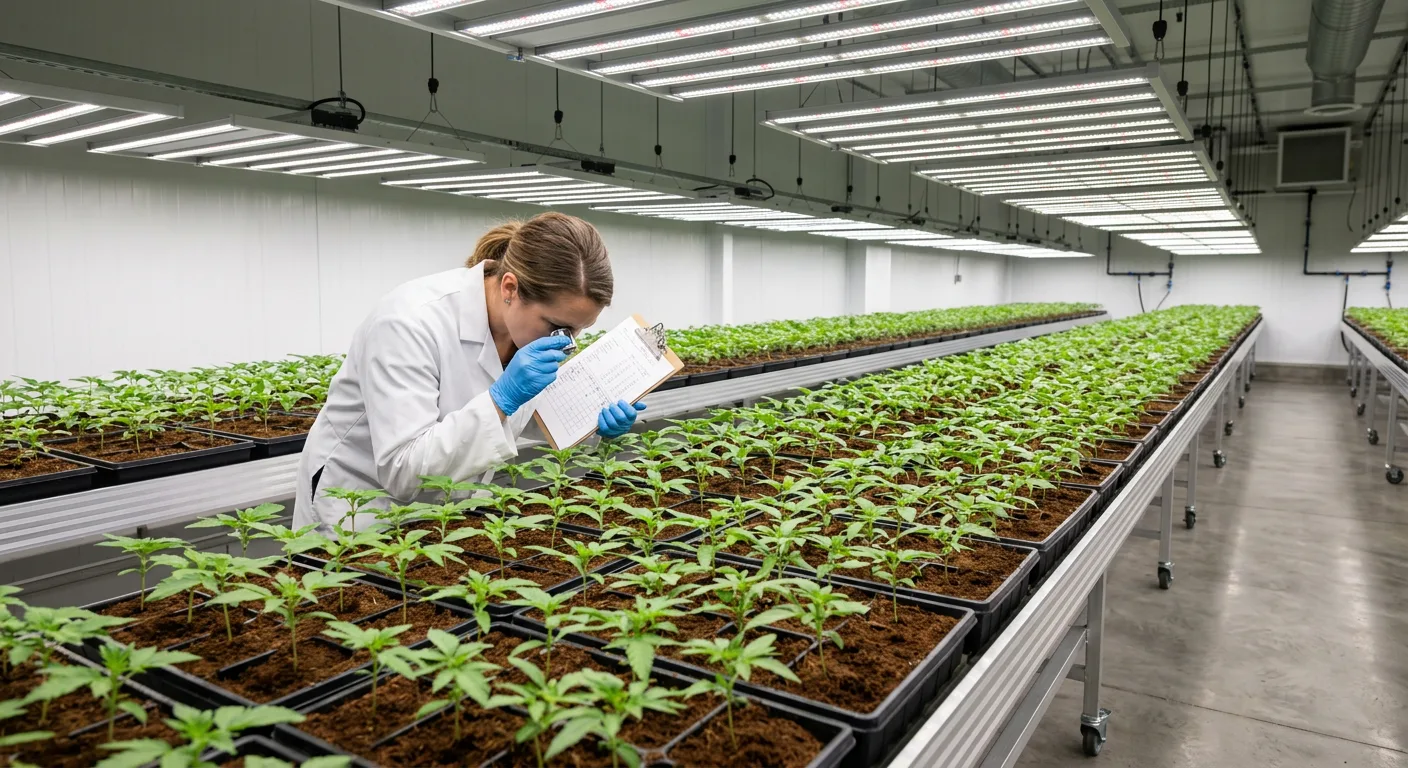
Reputable seed banks verify feminization rates through controlled small-batch grow trials, stress-testing protocols, and in some cases genetic analysis. A published feminization rate of 99% or 99.9% is only meaningful if it comes from an actual documented grow trial — not from assumptions about the method used.
Here's what that verification process actually looks like at a professional level.
Step 1: Small-Batch Grow Trials
Controlled Germination Trials
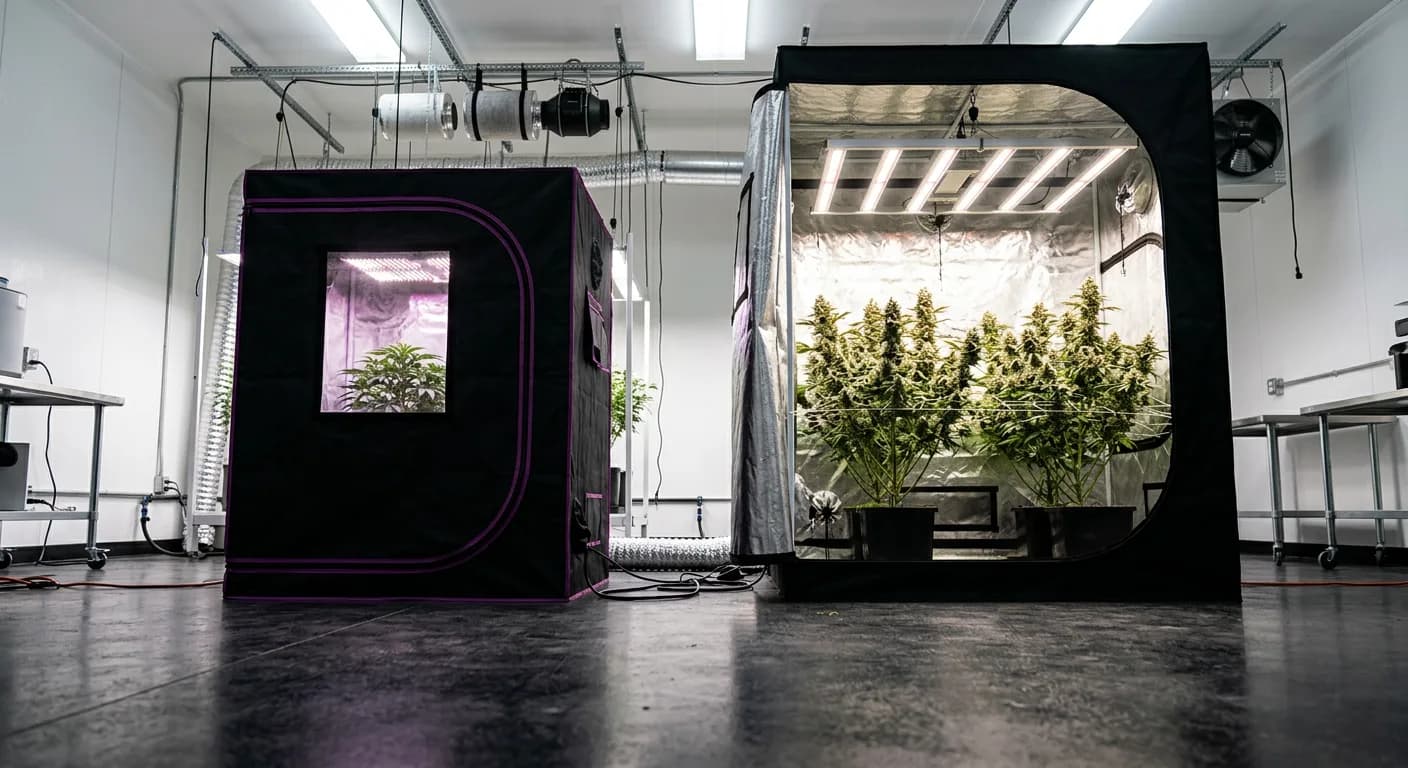
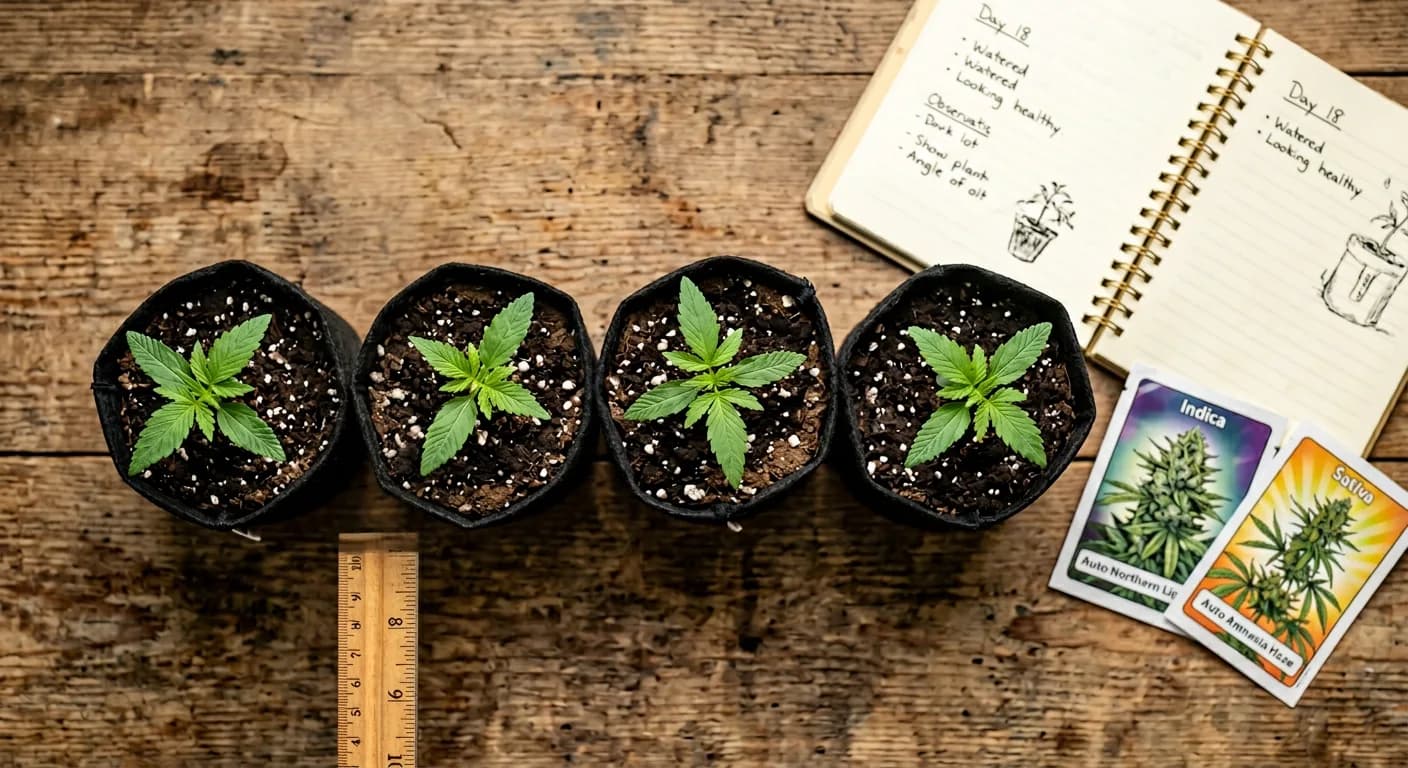
A sample of seeds from each new batch — typically 50 to 200 seeds — is germinated and grown to the point of sex expression (usually 2 weeks into 12/12 flowering). Every plant is sexed individually. The ratio of female to male or hermaphrodite plants determines the batch feminization rate.
Stress Protocol Testing
A subset of test plants are deliberately subjected to stress triggers: light interruptions during the dark cycle, temperature spikes to 86–90°F (30–32°C), intentional root-binding, and late-cycle nutrient restriction. Plants that express male flowers under these conditions are flagged — the line's stress tolerance is documented, not assumed.
Multi-Run Confirmation
A single grow trial is not sufficient to establish reliability. Reputable operations run the same batch through 2 to 3 independent grow trials, often in different environments and seasons, before publishing a feminization percentage. Variance between runs reveals whether stability is real or a single-run anomaly.
Chromosome / DNA Analysis (Advanced)
Some professional breeding operations use molecular markers or flow cytometry to verify the genetic sex of seeds directly — without growing them out. While not universal, this technique is used by research-grade breeders and academic institutions studying cannabis genetics. It allows sexing of individual seeds before sale.
What '99.9% Feminized' Actually Means Statistically
When a seed bank claims 99.9% feminization, the statistical implication is that 1 in 1,000 seeds may not express as a pure female. For a home grower running 5 plants, the practical probability of encountering that outlier is extremely small — roughly 0.5% per 5-seed grow.
A 99% feminization rate means 1 in 100 seeds may not perform as expected. That's still a low risk for a small grow, but it's 10 times higher than a 99.9% rate. Over a year of growing multiple cycles, the difference compounds.
A 99% vs 99.9% feminization rate sounds like a minor difference. But for a grower running 10 plants per cycle over 4 cycles a year, a 99% rate statistically predicts roughly 4 problem plants annually. A 99.9% rate predicts less than half a plant over the same period.
The Hermaphrodite Risk: Genetic Predisposition vs. Environmental Trigger
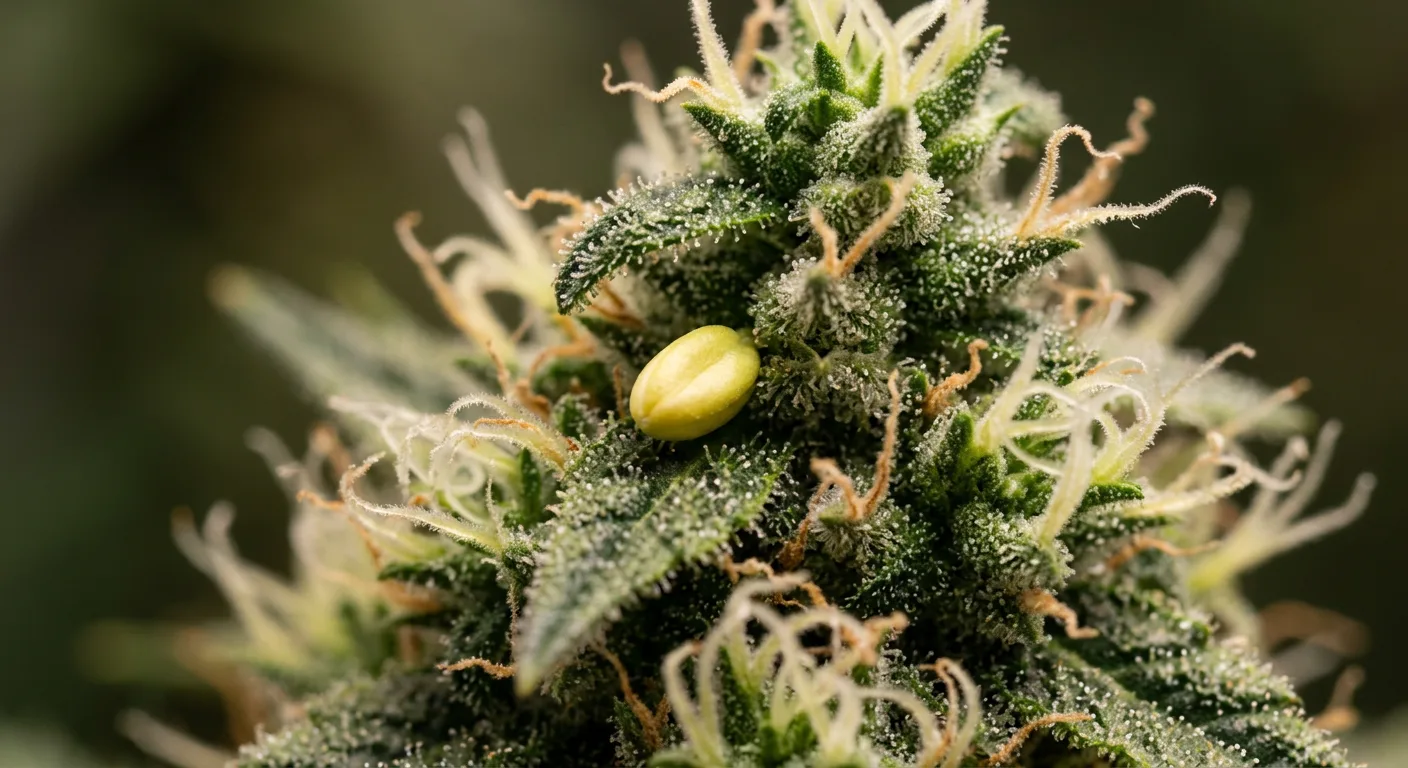
Feminized seeds go hermaphrodite due to a combination of genetic predisposition and environmental stress. Understanding which factor is dominant in any given situation determines whether the problem is the seed — or the grow. This is the question that gets asked most on every cannabis growing forum, and it deserves a direct, mechanistic answer.
Environmental Triggers That Cause Hermaphroditism
Even genetically stable feminized plants can express male flowers if environmental stress is severe enough or sustained. The most common culprits are:
- Light leaks during dark period: Even brief light interruption (as little as a few seconds of direct light) during the 12-hour dark cycle signals the plant that conditions are unstable. Repeated disruption is one of the most reliable hermaphrodite triggers known.
- Temperature stress: Sustained canopy temperatures above 85°F (29°C) during flowering trigger stress responses that can include male flower production. Night temperature drops below 60°F (15°C) can have a similar effect in sensitive strains.
- Root problems: Root-bound containers, overwatering causing anaerobic root conditions, and root disease all create systemic plant stress that raises hermaphrodite risk in sensitive genetics.
- Nutrient extremes: Both severe deficiency and significant toxicity create stress responses. Phosphorus deficiency during flower development is particularly associated with male flower expression in susceptible plants.
- pH imbalance: Root zone pH outside the 6.0–7.0 range (soil) or 5.5–6.5 range (hydro) locks out nutrients and creates stress comparable to outright deficiency.
- Late harvest: Allowing plants to remain past peak ripeness without pollination — the mechanism behind rodelization — triggers survival-mode hermaphroditism in predisposed genetics.
The most preventable hermaphrodite trigger is almost always the dark period. A single crack of light under a tent door, a timer malfunction, or a phone screen left on in a dark room can be enough to stress a sensitive plant into producing male flowers. Inspect your tent seals before every flowering cycle.
Genetic Predisposition: When the Seed Is the Problem
Some feminized seed lines carry a genuine genetic predisposition to hermaphroditism — meaning even modest, normal levels of grow stress trigger male flower expression. These are lines where the original feminization was done using rodelization, where the mother plant selection was poor, or where backcrossing for stability was skipped.
Signs that genetics — not environment — are the primary problem:
- Multiple plants from the same batch hermaphrodite despite good growing conditions
- Hermaphroditism appears very early in flowering (week 2–3) without any identifiable stress event
- Plants from a different seed batch in the same environment show no hermaphroditism
- The same strain repeatedly hermaphrodites across multiple grows with different growers (forum reports)
Peer-reviewed cannabis genetics research confirms that hermaphroditism has a polygenic heritable basis — it is not controlled by a single gene but by a network of genes influencing ethylene sensitivity, photoperiod response, and hormonal balance. This means hermaphrodite-prone genetics can persist through multiple feminization rounds if breeders don't actively select against them.
The Interaction Effect: Why Both Factors Matter Together
The honest answer to 'why did my feminized seed go hermie?' is almost always: both factors contributed. Genetically stable seeds can handle significant stress without hermaphroditing. Genetically unstable seeds may hermaphrodite with almost no provocation.
Think of genetic stability as the plant's stress threshold. A high-quality feminized line has a high threshold — it takes substantial, sustained stress to push it toward male flower expression. A low-quality line has a low threshold — ordinary grow room variation is enough to trigger it.
If you're tracking grow room conditions with precision, tools like the VPD calculator can help you identify temperature and humidity conditions that may be creating hidden plant stress before it manifests as hermaphroditism. Monitoring VPD throughout the flowering stage is one of the most overlooked hermaphrodite prevention strategies.
Reading Seed Bank Feminization Claims: Vague vs. Verified
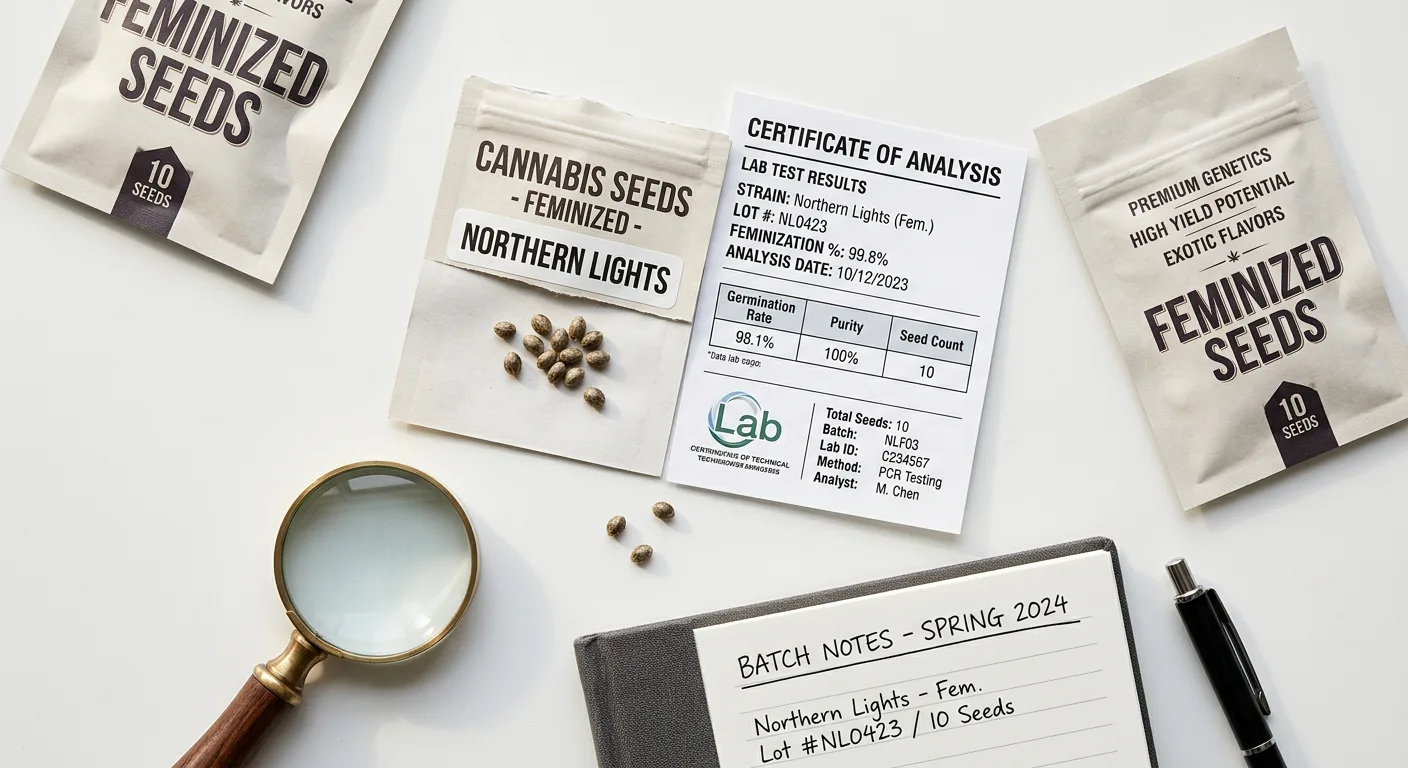
The single most useful skill when buying feminized seeds is learning to distinguish between seed banks that have actually tested their feminization rates and those making marketing claims based on the method used rather than documented results. Vague claims are extremely common; specific, verifiable data is rare.
Red Flags: What Vague Claims Look Like
- Claims like 'guaranteed female' with no percentage cited
- 'Made using colloidal silver' stated as the only quality indicator
- No mention of grow trials or testing protocols
- Feminization rates quoted without a sample size (e.g., '99% female' — from how many seeds tested?)
- No information about the mother plant selection process
- No disclosure of whether rodelization or CS was used
- Customer reviews consistently mentioning hermaphrodite issues that the seed bank dismisses as 'grower error'
Green Flags: What Verified Quality Looks Like
- Specific feminization percentage with documented sample size
- Explicit statement of the feminization method (CS, STS)
- Information about mother plant selection criteria
- Evidence of stress-testing protocols applied before sale
- Germination guarantee backed by a replacement or refund policy
- Transparency about backcross generation (IBL, BX3, etc.) for the strain
- Consistent customer reports of stable female expression across multiple grows
The germination guarantee a seed bank offers tells you a lot about how confident they are in their product. A bank that backs its seeds with a documented replacement policy — like the germination guarantee offered here — is putting its reputation on the line in a measurable way. That accountability incentivizes actual quality control.
The 'Method as Proof' Problem
A common and misleading claim is using the colloidal silver method as a proxy for quality. CS is the right method — but using CS doesn't automatically produce stable, well-tested seeds. The method is a necessary condition, not a sufficient one.
A breeder can use CS on a poorly selected mother plant, skip backcross stabilization, run zero grow trials, and still truthfully claim their seeds were 'made with colloidal silver.' The method claim means nothing without the accompanying selection, stabilization, and verification work.
Putting It Together: What This Means for Your Grow
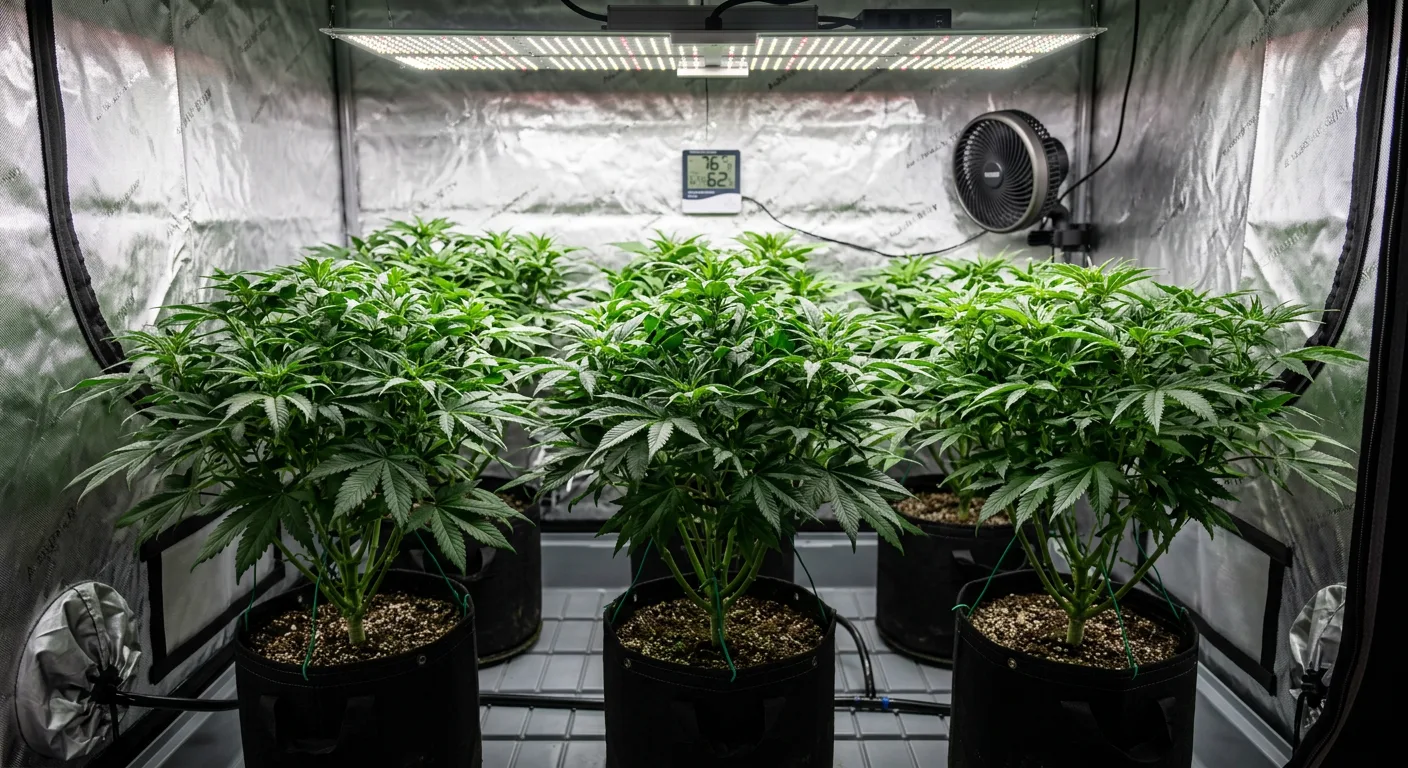
The science behind feminization translates directly into practical decisions you make before and during your grow. Choosing seeds from a bank that uses CS methods and backs it with grow-trial data reduces your hermaphrodite risk at the genetic level. Controlling your environment well reduces it further at the trigger level. Both layers matter.
Choosing Seeds That Reduce Your Risk From the Start
For indoor growers prioritizing yield stability and potency, strains with long, well-documented lineages tend to carry the most stable feminized genetics. Varieties like OG Kush (26% THC), White Widow (25% THC), and Northern Lights x Big Bud (20% THC) represent genetics that have been refined through many commercial generations — the kind of deep breeding history that produces reliable female expression.
For growers who want maximum potency with stability in controlled indoor environments, Purple Kush (27% THC) and Quantum Kush (30% THC) are among the highest-THC feminized options — but high-THC lines require careful environmental management because many were bred under optimal conditions.
If you're newer to growing or working in a space where temperature and humidity are harder to control perfectly, well-stabilized mid-potency strains like Super Skunk (20% THC) and Northern Lights x Amnesia Haze (24% THC) offer the genetic robustness to handle minor environmental variation without hermaphroditing.
For comparison, widely grown industry favorites like Gorilla Glue (GG4), Wedding Cake, and Gelato also have strong feminized reputations built over years of commercial production — they represent the kind of multi-generation refinement you should look for in any strain you're considering.
Pre-Grow Checklist for Minimizing Hermaphrodite Risk
- Verify tent seals are light-tight before beginning flowering — use a flashlight from inside the tent in a dark room to check for leaks
- Set and test timers before the switch to 12/12 — confirm they cycle correctly for at least 3 days
- Ensure grow space maintains below 82°F (28°C) canopy temperature during the day cycle
- Transplant to final containers before flowering to avoid root-binding stress mid-cycle
- Check root zone pH at every watering during weeks 3–6 of flower — the highest-risk window for stress hermaphroditism
- Use the grow planner to schedule nutrient transitions and avoid deficiency windows during critical flower development
If you want to understand how a strain's genetics will interact with your specific environment before committing a full grow, the yield estimator tool lets you model expected output against your space and light setup — useful context for deciding which feminized strain fits your grow room's conditions.
What to Do If You Spot a Suspect Plant Mid-Grow
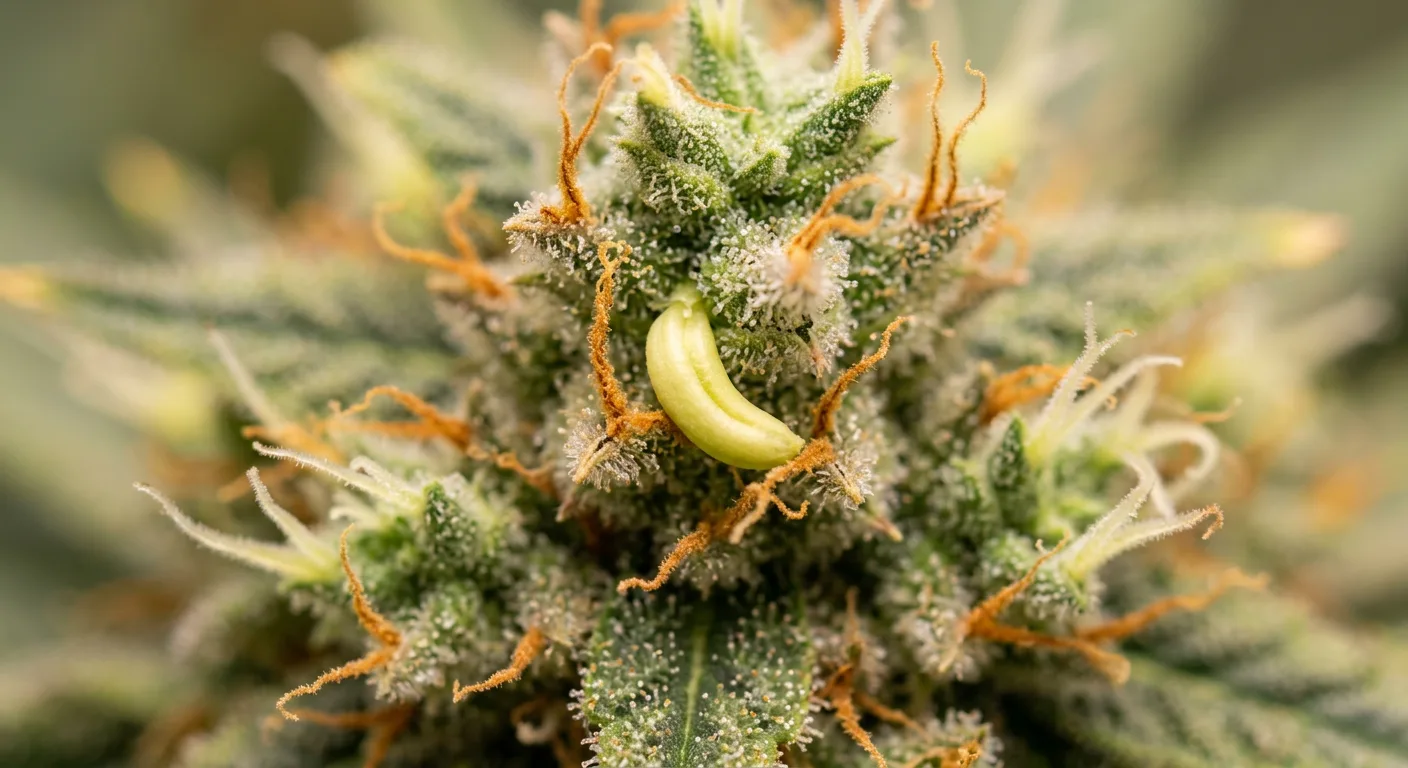
Early detection of hermaphrodite expression saves your entire crop. 'Bananas' — elongated, yellow anthers that emerge directly from calyxes without protective sacs — are the most common early sign in feminized plants and appear most often in weeks 4–6 of flowering.
If you spot a suspicious structure, isolate the plant immediately while you confirm identification. A single open anther can shed thousands of pollen grains. If hermaphroditism is confirmed:
- Remove the plant from the grow space entirely if resources allow
- If removal isn't possible, remove all visible stamens with tweezers immediately
- Increase airflow monitoring — pollen travels in air currents
- Document the incident: strain, week of flowering, any stress events preceding it — this data helps you determine if it was environmental or genetic
For more on managing environmental variables that drive these stress responses, the cannabis flowering stage guide covers the critical windows in detail. And if you're troubleshooting a current grow, the plant diagnosis tool can help identify whether what you're seeing is hermaphroditism or another physiological issue.
Feminization science ultimately gives you two levers of control: the genetics you choose and the environment you provide. High-quality CS-method seeds with documented stability testing reduce your baseline genetic risk. Clean environmental management — especially dark-period integrity and temperature control — keeps that risk low throughout the grow. Both levers need to be in your hands simultaneously for consistent all-female results.
To explore how feminized seeds compare to autoflowering options across these genetic stability considerations, the autoflower vs feminized guide covers the full spectrum of trade-offs for different growing goals and experience levels.
Frequently Asked Questions
Can feminized seeds produce male plants?
True feminized seeds virtually never produce male plants. They can, however, produce hermaphrodite plants — plants that develop both female flowers and pollen sacs under stress. This is genetically different from being male. A plant with hermaphrodite expression still began as female; it was pushed by genetics or environment to produce some male flowers. Quality colloidal silver feminized seeds have hermaphrodite expression rates well below 1% under normal growing conditions.
How are feminized cannabis seeds made?
Feminized seeds are made by inducing a female cannabis plant to produce viable male pollen, then using that pollen to fertilize a second female plant. The colloidal silver method — the industry standard — achieves this by applying a silver solution to the plant to block ethylene signaling, causing localized male flower development. Because both genetic contributors are female (XX), offspring inherit only female chromosomes and grow as female plants.
What percentage of feminized seeds grow as females?
Reputable seed banks using colloidal silver or silver thiosulfate methods and documented grow-trial testing report feminization rates between 99% and 99.9%. This means 1 in 100 to 1 in 1,000 seeds may not express as a pure female. For home growers running 5–10 plants per cycle, the probability of encountering an outlier from quality feminized seeds is statistically very small — typically less than 0.5% per grow.
Why do feminized seeds sometimes go hermaphrodite?
Feminized seeds go hermaphrodite due to genetic predisposition, environmental stress triggers, or a combination of both. Common environmental triggers include light leaks during the dark cycle, sustained temperatures above 85°F (29°C), root-bound conditions, and nutrient imbalances during flower development. Seeds produced via rodelization carry inherently higher genetic hermaphrodite risk. Seeds from poorly selected or untested mother plants are also more susceptible regardless of the feminization method used.
How do seed banks make sure seeds are feminized?
Reputable seed banks verify feminization through controlled small-batch grow trials — germinating 50 to 200 seeds per batch, growing to sex expression, and documenting the female ratio. Better operations also run deliberate stress protocols to test hermaphrodite resilience before releasing a strain commercially. Some advanced breeders use molecular DNA markers or flow cytometry to verify chromosome sex directly. A credible seed bank publishes specific, documented feminization rates — not just assurances based on the method used.