Why Comparing Cannabis Consumption Methods Matters More Than Ever
The way you consume cannabis changes everything — from how fast you feel effects to how long they last and how much THC actually reaches your bloodstream. Cannabis consumption methods now span at least nine distinct categories, yet most guides barely scratch the surface of what sets each one apart.
Whether you grow your own flower at home or pick up products from a dispensary, understanding the science behind each method gives you real power over your experience. A 2019 study published in Addictive Behaviors by researchers at the University of Vermont and Dartmouth found that exclusive use of a single consumption mode is actually uncommon — most daily users switch between methods depending on context, setting, and desired effect (Streck et al., 2019).
This guide is built differently from the surface-level comparison pages that dominate search results. We combine peer-reviewed bioavailability data with practical lifestyle recommendations, harm-reduction advice, and strain connections from our genetics team's hands-on cultivation experience. By the end, you'll know exactly which method matches your body, your goals, and your daily routine.
The Master Comparison Table: Every Method at a Glance
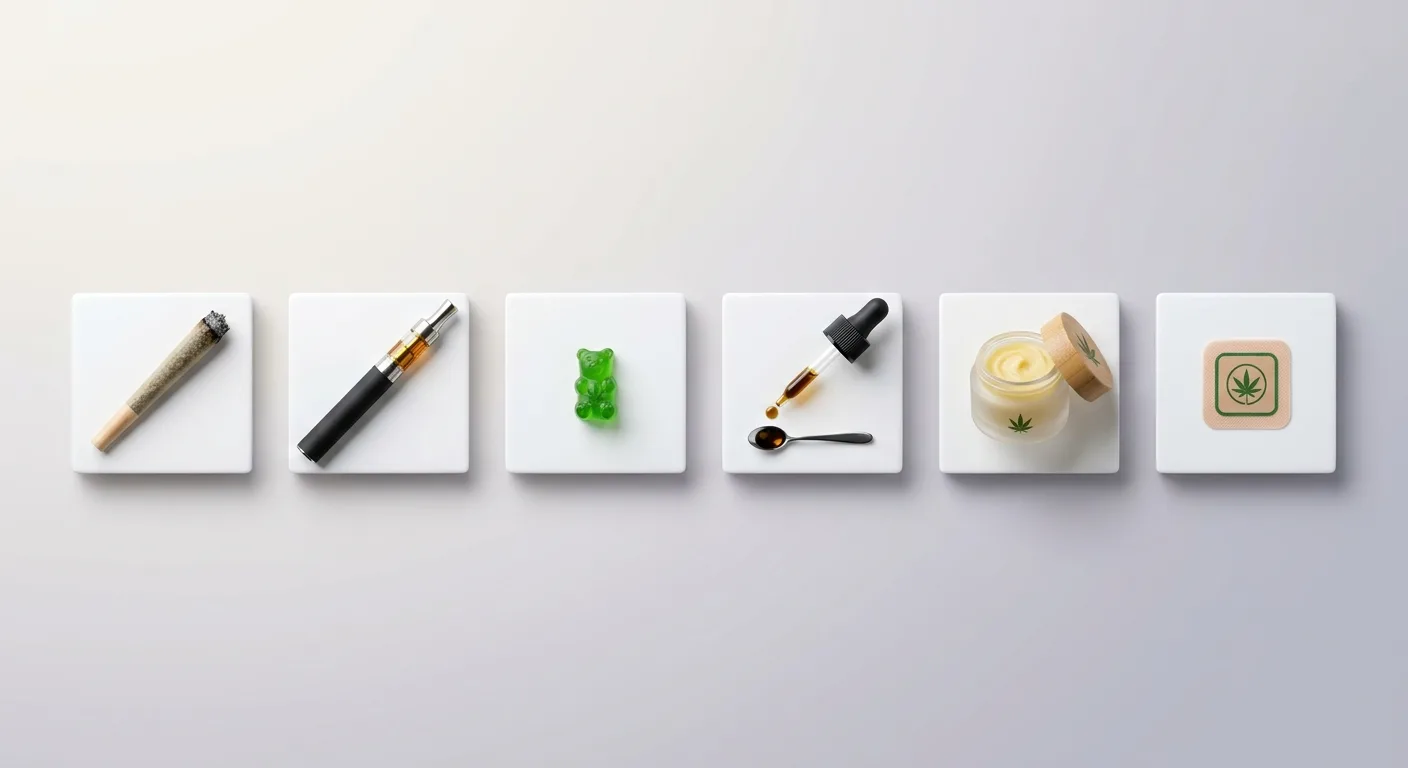
This master comparison table ranks every major cannabis consumption method by onset time, peak effect window, total duration, and bioavailability. Use it as a quick-reference tool before diving into the detailed breakdowns below.
| Method | Onset Time | Peak Effects | Total Duration | Bioavailability | Best For |
|---|---|---|---|---|---|
| Smoking (joint/pipe/bong) | Seconds–5 min | 15–30 min | 1–3 hours | 15–30% | Immediate relief, social use |
| Dry Herb Vaporizing | 1–5 min | 15–30 min | 1–3 hours | 25–35% | Flavor, lung health, home growers |
| Concentrate Vaporizing | Seconds–3 min | 5–20 min | 1–3 hours | 40–56% | High tolerance, fast potency |
| Dabbing | Seconds–2 min | 5–15 min | 1–3 hours | 40–56% | Experienced users, concentrates |
| Edibles (standard) | 30–120 min | 2–4 hours | 4–12 hours | 4–20% | Long-lasting relief, discretion |
| Nano-Emulsion Edibles | 10–20 min | 45–90 min | 2–6 hours | Up to 30–50%* | Predictable edible experience |
| Tinctures (sublingual) | 15–45 min | 30–90 min | 2–6 hours | 20–35% (est.) | Precise dosing, medical patients |
| Topicals | 15–60 min (local) | 1–2 hours | 2–4 hours | Negligible systemic | Localized pain, non-psychoactive |
| Transdermal Patches | 30–60 min | 2–4 hours | 8–12 hours | ~10–20% (est.) | Sustained release, all-day relief |
| Suppositories | 15–30 min | 1–2 hours | 4–8 hours | Highly variable | Patients who cannot inhale/ingest |
*Nano-emulsion bioavailability claims vary by manufacturer and lack standardized clinical data. Estimates based on industry pharmacokinetic studies. All ranges are approximate — individual metabolism, tolerance, and product quality cause significant variation.
Key Takeaway: Inhalation methods deliver THC fastest (seconds to 5 minutes) with moderate bioavailability. Edibles take longest to kick in but last the longest. The gap between methods is enormous — choosing correctly can mean the difference between 4% and 56% of cannabinoids actually reaching your system.
Smoking: Joints, Pipes, Bongs, and Blunts
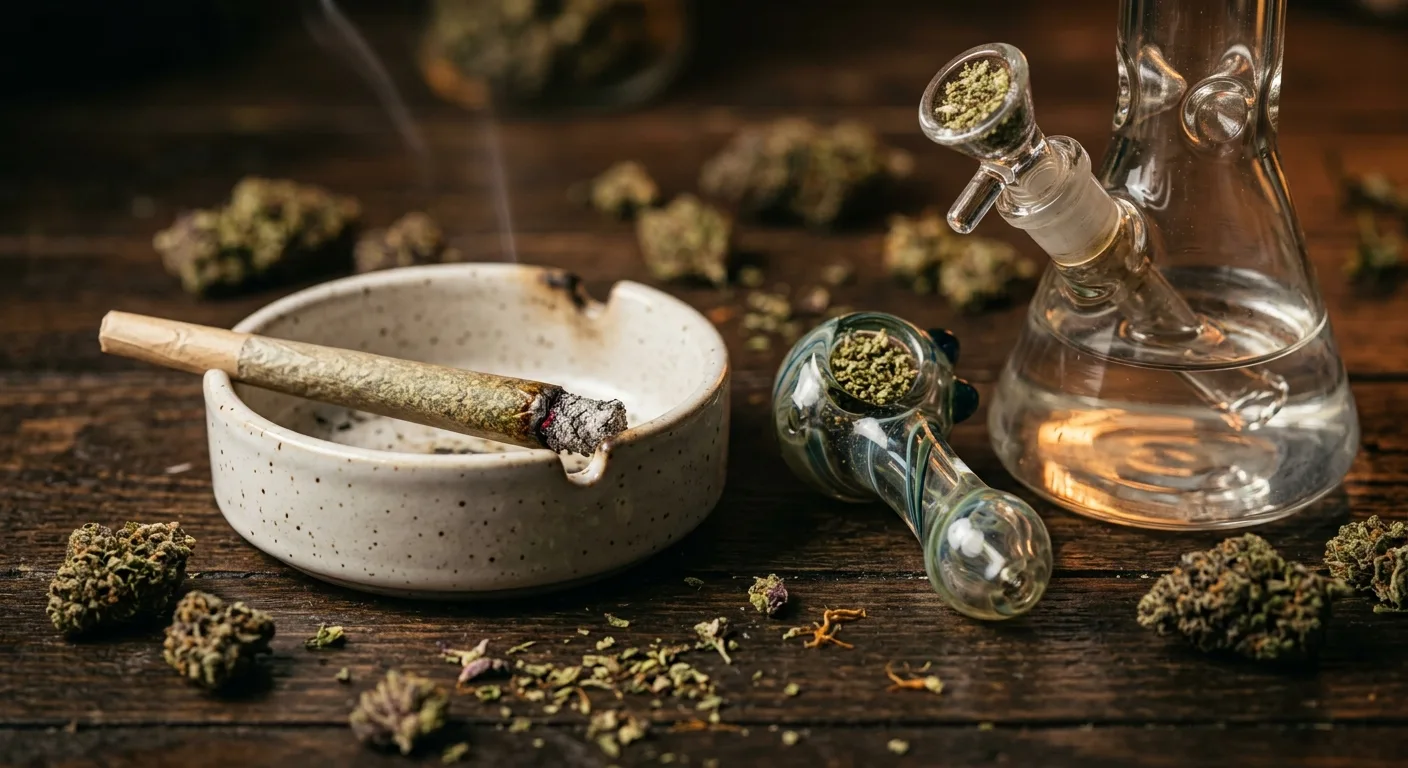
Smoking remains the most recognized way to consume cannabis worldwide. The ember at the tip of a joint can reach temperatures over 1,000°F (538°C), according to Weedmaps, causing intense chemical transformations that create a unique cocktail of compounds — including cannabielsoin (CBE), cannabitriol (CBT), and cannabicyclol (CBL) — that don't exist in raw flower or at lower temperatures.
Onset, Duration, and Bioavailability
Inhaled THC reaches the brain within seconds. Peak plasma concentrations typically hit at 3–10 minutes, with effects lasting 1–3 hours. Published bioavailability estimates for smoked cannabis range from approximately 15–30%, though actual absorption depends heavily on inhalation technique, hold time, and combustion efficiency.
Research from the University of Vermont (Streck et al., 2019) also found that the mode of smoking matters. Joints produce more plasma THC than blunts, while blunts are associated with greater perceived intoxication — likely due to the tobacco leaf wrap adding nicotine synergy and slower burn rates (Cooper & Haney, 2009, cited in Streck et al.).
Pros and Cons of Smoking
- Pros: Fastest onset, easy dose titration (take a puff, wait, repeat), minimal equipment, social ritual
- Cons: Produces tar, carcinogens, and carbon monoxide; irritates lungs and throat; strong odor; lower bioavailability than vaporizing
Best Strains for Smoking
For smoking, terpene-rich strains with complex flavor profiles shine. Wedding Cake, Gelato, and Zkittlez are popular for their aromatic smoke. From our catalog, OG Kush Feminized Seeds (26% THC) delivers the classic piney, earthy smoke session, while Super Lemon Haze Feminized Seeds (23% THC) provides bright citrus flavor through a joint or pipe. A proper harvest at peak maturity and slow cure are essential — they directly impact smoke smoothness.
Harm Reduction for Smoking
Harm Reduction: If you smoke, avoid mixing cannabis with tobacco — the Alberta Gaming, Liquor & Cannabis Commission warns that combining them increases health risks and the potential for nicotine addiction. Use glass or ceramic devices over plastic. Opt for unbleached rolling papers. Take smaller hits and avoid holding smoke deep in your lungs — most THC is absorbed in the first 1–2 seconds of inhalation.
Vaporizing: Dry Herb and Concentrate Devices
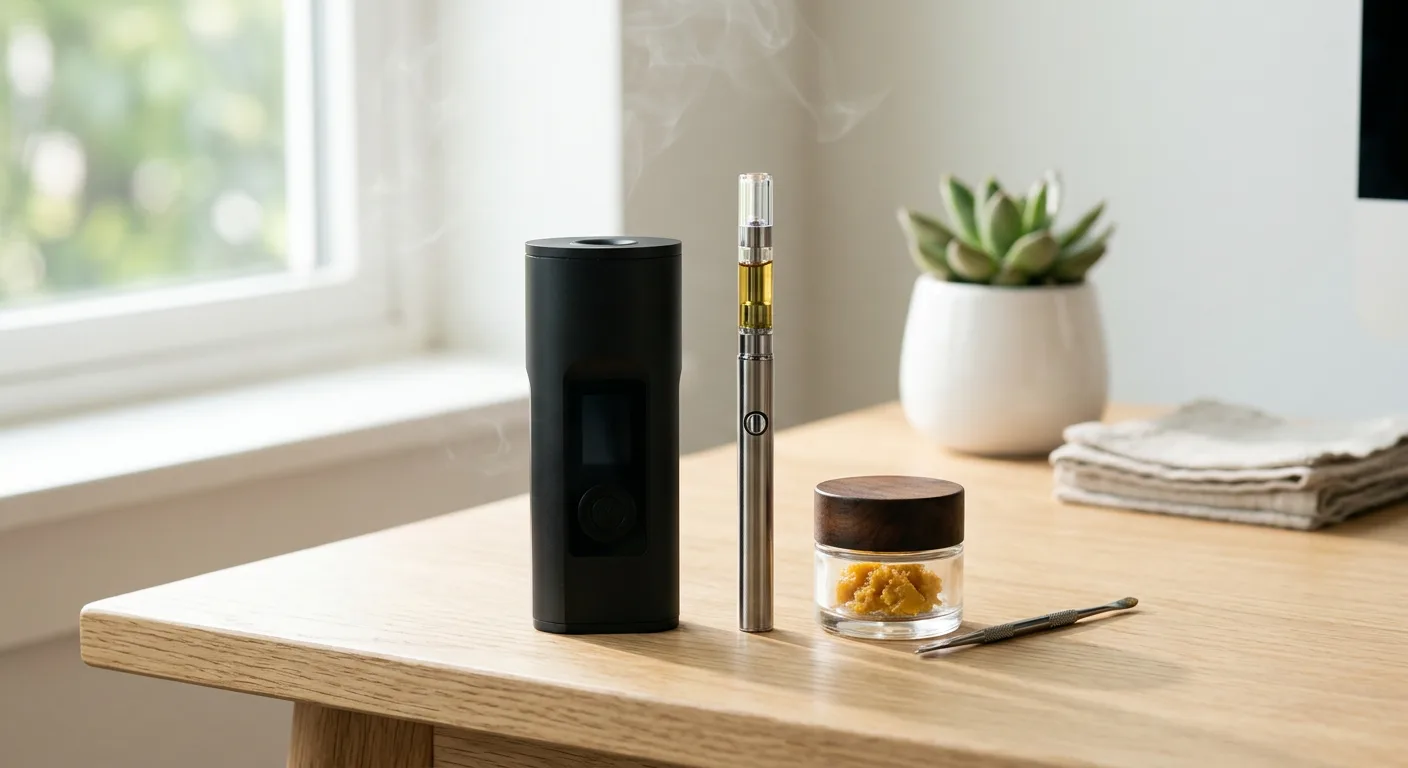
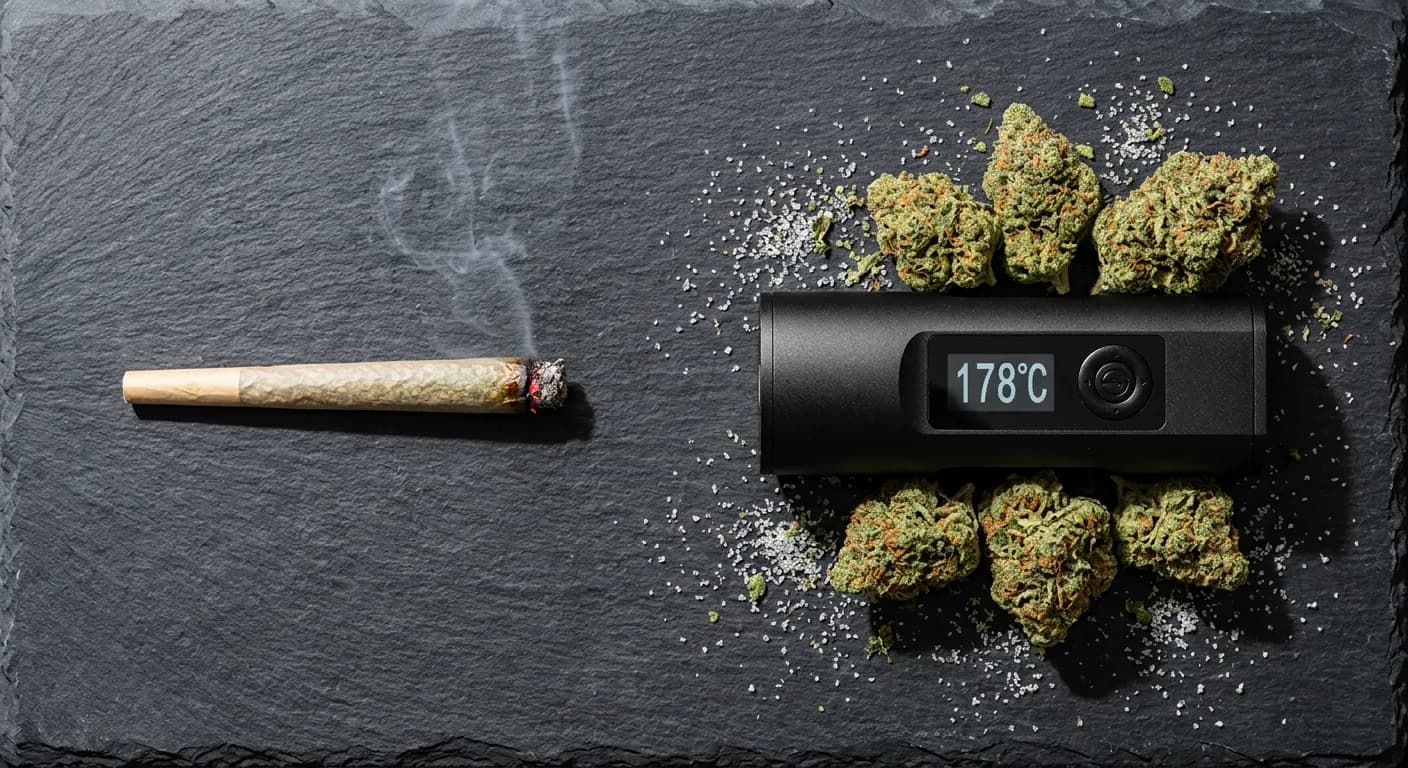
Vaporizing heats cannabis below the point of combustion — typically between 350–450°F (175–230°C) — releasing cannabinoids and terpenes as a vapor rather than smoke. This fundamental temperature difference changes the chemistry dramatically compared to smoking.
Dry Herb Vaporizers
Dry herb vaporizers are the most direct way for home growers to enjoy their harvest with maximum flavor and reduced lung irritation. A recent survey by the Network of Applied Pharmacognosy, cited by Weedmaps, found that most dry herb vaporizer users switched specifically for better flavor, smoother vapor, and reduced lung irritation.
Onset is nearly as fast as smoking (1–5 minutes), with effects lasting 1–3 hours. Bioavailability is higher than smoking at roughly 25–35% because fewer cannabinoids are destroyed by excessive heat.
Concentrate Vaporizers (Vape Pens and Cartridges)
Concentrate vaporizers — whether pre-filled cartridges or refillable pens — heat cannabis oils and waxes at controlled temperatures. Bioavailability can reach 40–56% in some studies, making this one of the most efficient delivery methods available. Onset is near-instant, within seconds to 3 minutes.
- Pros: Higher bioavailability than smoking, better flavor, less odor, reduced respiratory irritation, portable
- Cons: Equipment cost ($50–$300+ for quality devices), learning curve with temperature settings, concentrate carts may contain additives
Best Strains for Vaporizing
Terpene-forward strains are ideal. Gorilla Glue #4 and Blue Dream are industry favorites for vaporizing. Our Tangerine Haze Feminized Seeds (18% THC) produce flower with outstanding citrus terpene expression at lower vape temperatures. For a richer, more complex vapor, White Widow Feminized Seeds (25% THC) deliver earthy, spicy notes that unfold beautifully across a session. Learn more about terpene profiles in our terpene COA reading guide.
Growing Tip: If you grow specifically for vaporizing, harvest when trichomes are mostly cloudy with minimal amber. This preserves the monoterpenes (like limonene and pinene) that create those bright, flavorful vapor clouds. Our pinene guide dives deeper into terpene preservation techniques.
Harm Reduction for Vaporizing
Use devices from reputable manufacturers with precise temperature control. Avoid vitamin E acetate and other cutting agents in concentrate cartridges — purchase only lab-tested products. For dry herb, keep temperatures below 430°F to minimize benzene formation. Clean your device regularly to prevent residue buildup.
Edibles: Baked Goods, Gummies, Beverages, and Beyond
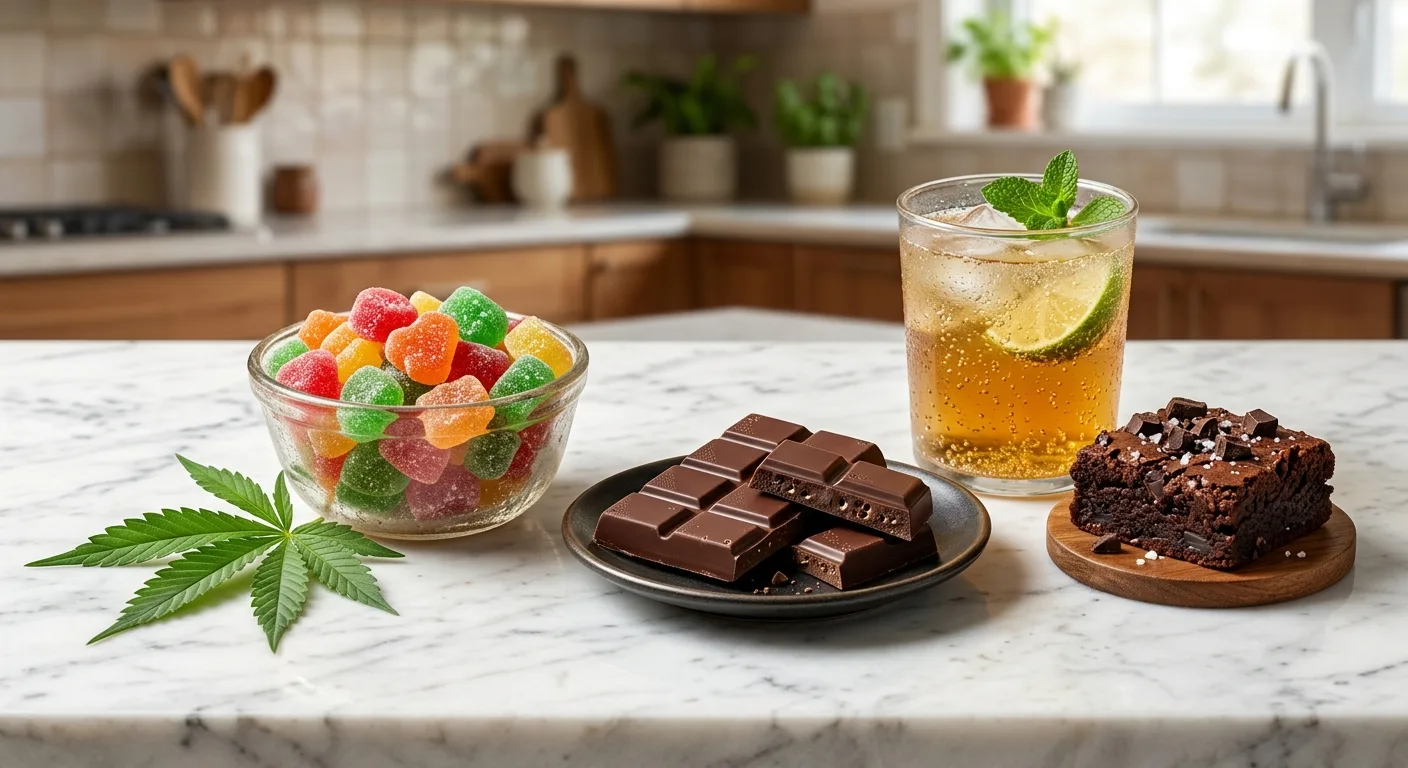
Edibles are the most dramatically different consumption method from inhalation. When you eat cannabis, THC passes through the digestive system and is processed by the liver before reaching the brain. This metabolic pathway — called first-pass metabolism — converts delta-9-THC into 11-hydroxy-THC (11-OH-THC), a metabolite that crosses the blood-brain barrier more efficiently and produces stronger, longer-lasting psychoactive effects.
Science Insight: The conversion of THC to 11-hydroxy-THC during hepatic (liver) metabolism is the primary reason edibles feel qualitatively different from smoking — not just stronger, but often more sedating and body-focused. As Weedmaps notes, CBD and terpenes are also modified by hepatic metabolism, though research on these pathways is still emerging. This is why a 10mg edible can feel far more intense than 10mg of smoked THC for the same person.
Onset, Duration, and Bioavailability
Standard edibles have an onset of 30–120 minutes, with peak effects at 2–4 hours and total duration stretching 4–12 hours depending on dose, metabolism, and stomach contents. Bioavailability is relatively low — typically 4–20% — because much of the THC is lost during digestion and first-pass metabolism.
Health Canada recommends that newcomers to edibles start with no more than 2.5mg of THC, and our edible dosage calculator can help you dial in the right amount based on your tolerance and the potency of your homemade infusions.
Pros and Cons of Edibles
- Pros: Longest-lasting effects, no lung exposure, extremely discreet, wide variety of product formats, precise milligram dosing (commercial products)
- Cons: Slow and unpredictable onset, easy to overconsume, low bioavailability, effects difficult to titrate once consumed, first-pass metabolism varies significantly between individuals
Best Strains for Making Edibles
For edibles, you want strains with high THC content and generous resin production to maximize cannabutter and oil yields. Runtz and GMO Cookies are popular industry choices for infusions. From our seeds, Purple Kush Feminized Seeds (27% THC) produce resinous, indica-dominant flower perfect for potent cannabutter. Quantum Kush Feminized Seeds (30% THC) offer exceptionally high THC content that translates into powerful infusions — a little goes a long way.
Check out our homemade gummy guide and cannahoney recipe for step-by-step infusion instructions using homegrown flower.
Harm Reduction for Edibles
Caution: The number-one edible mistake is re-dosing too soon. Wait at least 2 full hours before taking more. Start with 2.5–5mg THC if you're a beginner. Eat a small meal beforehand to moderate absorption speed. Label all homemade edibles clearly and store them safely away from children and pets.
Tinctures: Sublingual Absorption and Swallowed Dosing
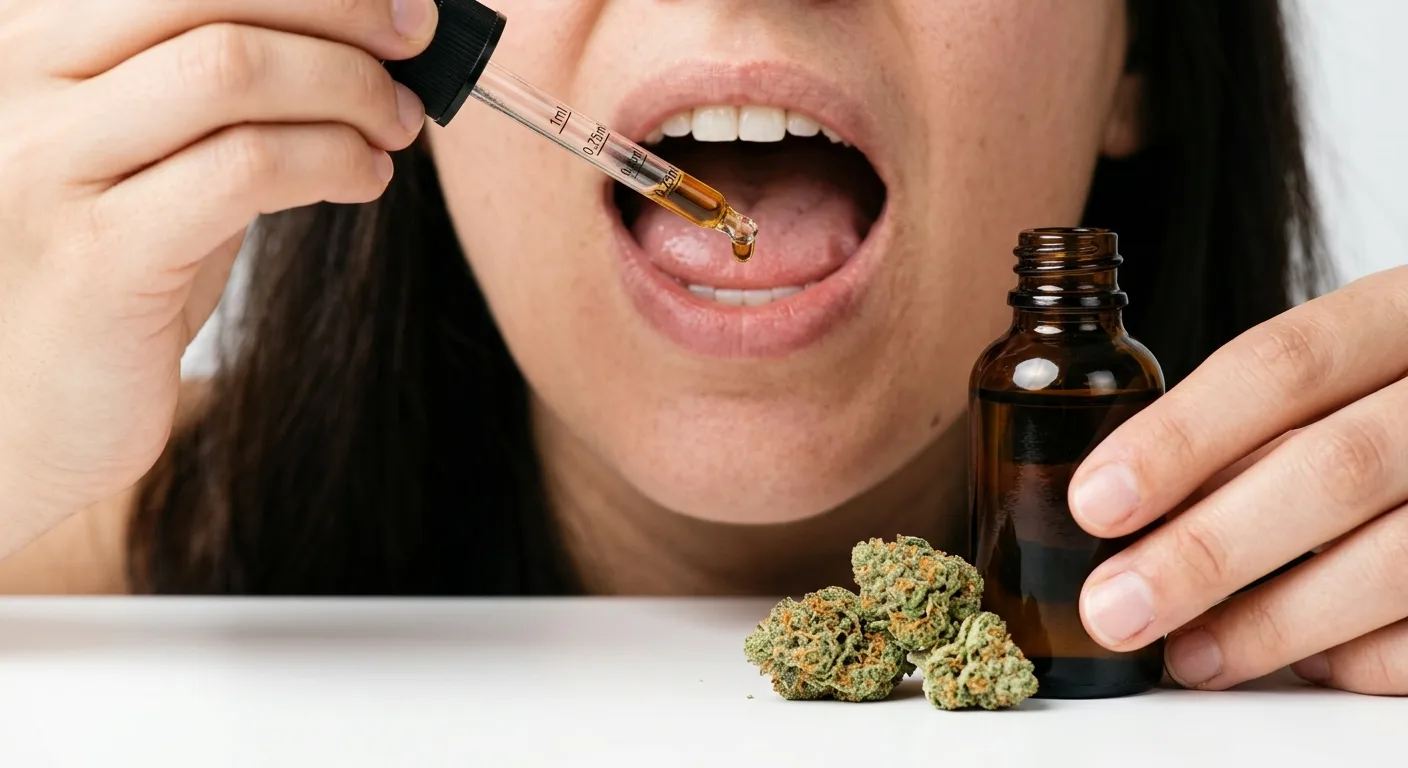
Cannabis tinctures are liquid extracts — typically cannabinoids dissolved in alcohol or MCT oil — designed to be held under the tongue (sublingual) or swallowed. They offer a unique dual absorption pathway that gives users flexibility no other method provides.
The Dual-Wave Effect
When held sublingually for 60–90 seconds, tinctures deliver a first wave of cannabinoids directly into the bloodstream through the mucous membranes under the tongue — bypassing first-pass metabolism entirely. This sublingual absorption produces effects within 15–45 minutes, as noted by Weedmaps. Any remaining liquid that is swallowed then undergoes normal digestion, creating a second wave of effects 60–120 minutes later.
Estimated sublingual bioavailability falls between 20–35%, which is significantly higher than standard edibles. However, exact figures depend on how long the tincture is held under the tongue before swallowing.
Pros and Cons of Tinctures
- Pros: Excellent dose precision (droppers measured in mg), discreet, no lung exposure, faster onset than standard edibles, long shelf life, versatile (add to food or drinks)
- Cons: Alcohol-based tinctures can sting under the tongue, effects less immediate than inhalation, requires some experimentation to find ideal dose, taste can be unpleasant
Ideal User Profile
Tinctures are often recommended as the best cannabis consumption method for beginners and medical patients because of their precise dosing. They're also ideal for anyone who wants a middle ground between the instant hit of smoking and the all-day commitment of an edible. If you enjoy mixing cannabis into beverages, try our cannabis coffee recipes using a homemade tincture base.
Key Takeaway: Tinctures let you choose your absorption pathway. Hold it under your tongue for faster effects or swallow it for a longer, edible-like experience. This makes them the most versatile single method available.
Dabbing and Concentrates: Maximum Potency Delivery
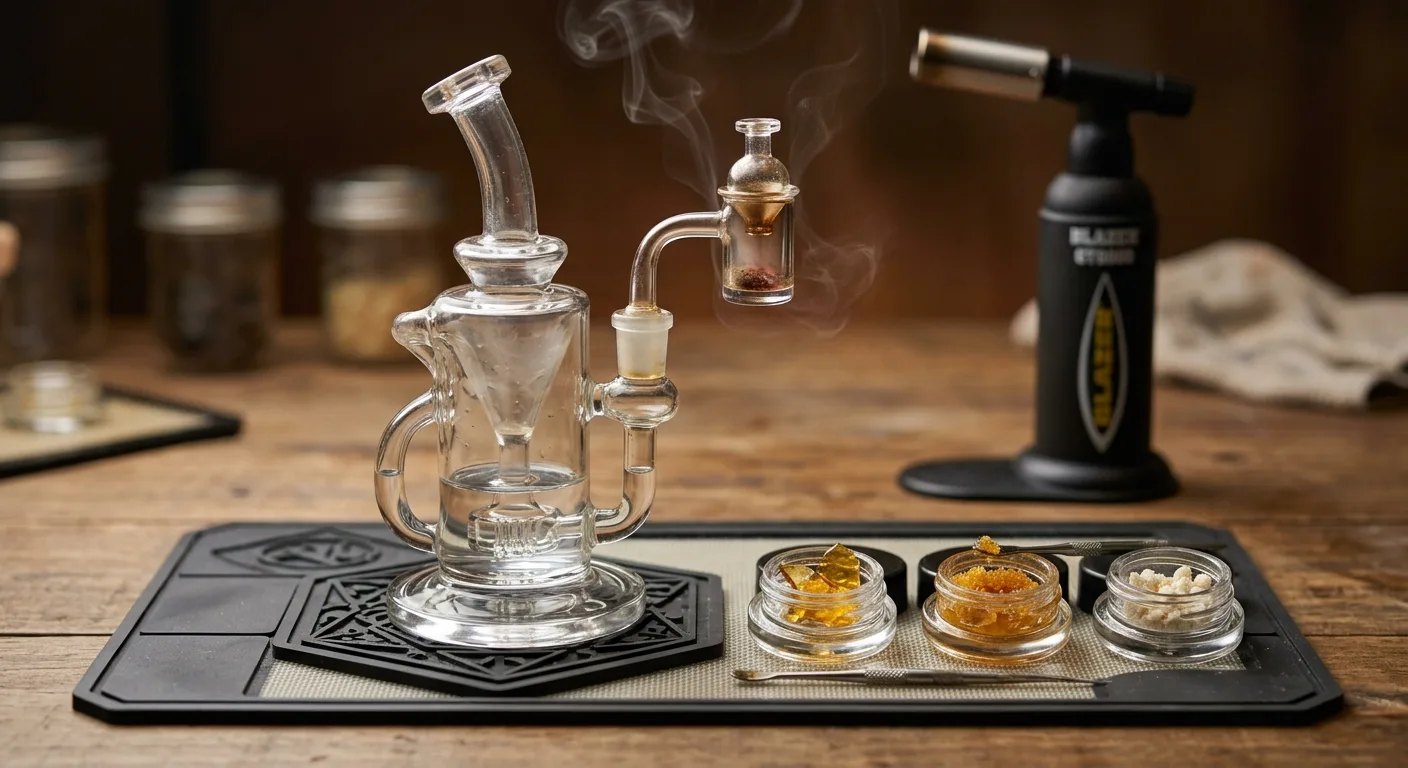
Dabbing involves flash-vaporizing cannabis concentrates — such as shatter, wax, live resin, or rosin — on a heated surface (typically a quartz banger or titanium nail) and inhaling the resulting vapor. Concentrates typically contain 60–90% THC, making this the most potent inhalation method available.
Onset, Duration, and Bioavailability
Onset is nearly instant — seconds to 2 minutes. Peak effects hit hard within 5–15 minutes. Duration mirrors other inhalation methods at 1–3 hours, though the intensity can make it feel much longer. Bioavailability is estimated at 40–56%, the highest of any widely available consumption method.
Pros and Cons of Dabbing
- Pros: Highest bioavailability, fastest and most intense onset, excellent flavor with live resin and rosin, efficient use of cannabinoids
- Cons: Very high potency increases overconsumption risk, expensive equipment ($100–$500+), steep learning curve, rapid tolerance escalation, some research links high-potency cannabis with increased psychosis risk (Di Forti et al., 2009)
Best Homegrown Preparations for Dabbing
If you grow your own, making solventless rosin or bubble hash at home is the safest route to dab-quality concentrates. Our dry ice hash vs. bubble hash guide covers both methods in detail. Trichome-dense strains like Cookies Kush Feminized Seeds (18% THC) and Papaya Feminized Seeds (25% THC) produce excellent starting material for pressing rosin.
Harm Reduction for Dabbing
Low-temperature dabs (450–550°F) preserve terpenes and reduce the production of harmful byproducts. Never use homemade butane hash oil (BHO) — the extraction process is dangerous and residual solvents pose serious health risks. Start with a grain-of-rice-sized dab if you're new to concentrates. Consider tolerance breaks to prevent escalation.
Topicals: Localized Relief Without the High
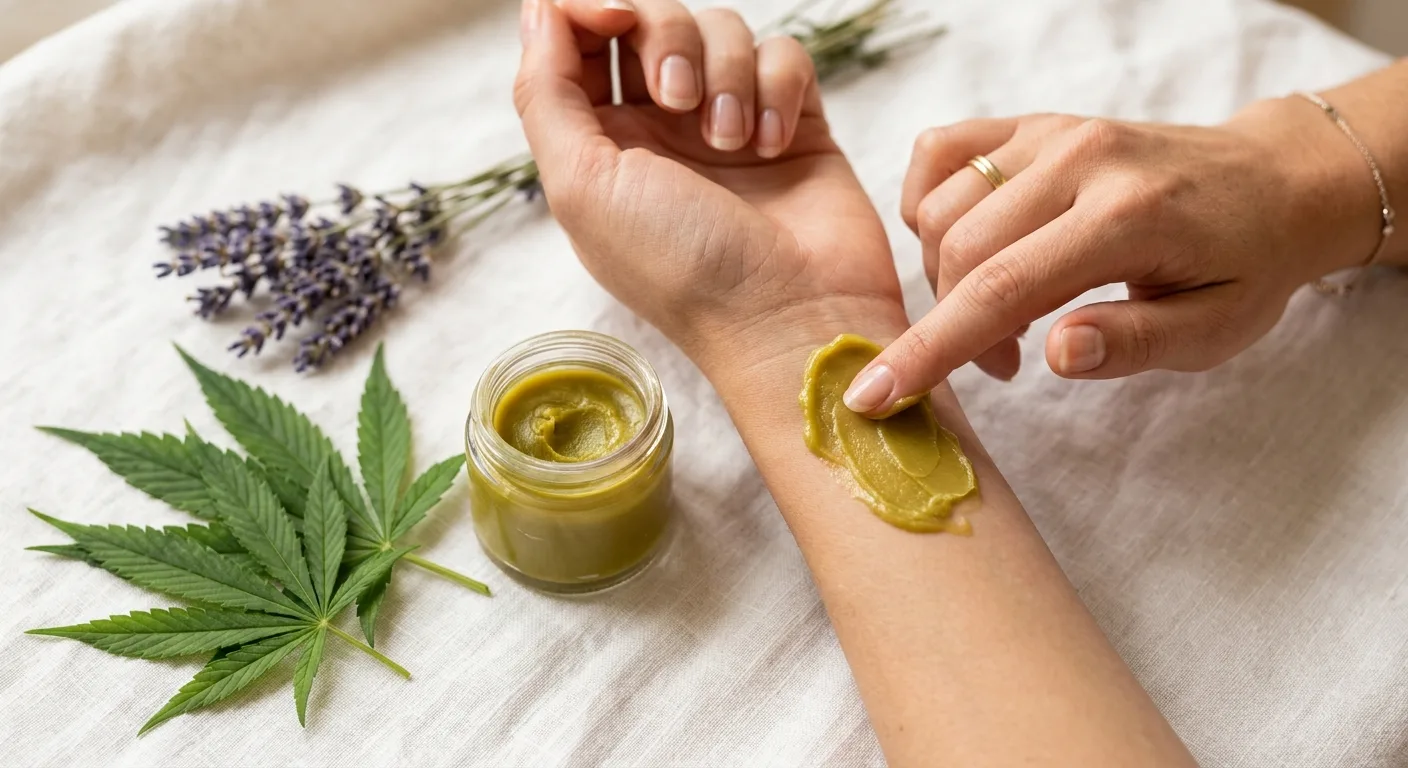
Cannabis topicals — creams, balms, salves, and lotions infused with cannabinoids — are applied directly to the skin for localized relief. Unlike every other method on this list, standard topicals do not produce psychoactive effects because the cannabinoids do not reach the bloodstream in meaningful amounts.
How Topicals Work
THC, CBD, and other cannabinoids interact with CB1 and CB2 receptors in the skin, muscles, and peripheral nerves. Onset is typically 15–60 minutes, with effects concentrated at the application site and lasting 2–4 hours. Systemic bioavailability is negligible — meaning you won't feel "high" from a topical, no matter how much THC it contains.
Pros and Cons of Topicals
- Pros: Zero psychoactive effects, targeted relief for sore muscles, joints, and skin conditions, no lung exposure, no digestive variability, safe to use alongside other methods
- Cons: No systemic effects, limited to localized applications, can be expensive per dose, effects don't last as long as other methods
Ideal User Profile
Topicals suit athletes, older adults with joint discomfort, anyone with localized pain or skin issues, and people who want cannabinoid benefits without any cognitive effects. They're also the healthiest way to consume cannabis in terms of zero respiratory or metabolic impact.
Transdermal Patches: Sustained Systemic Delivery
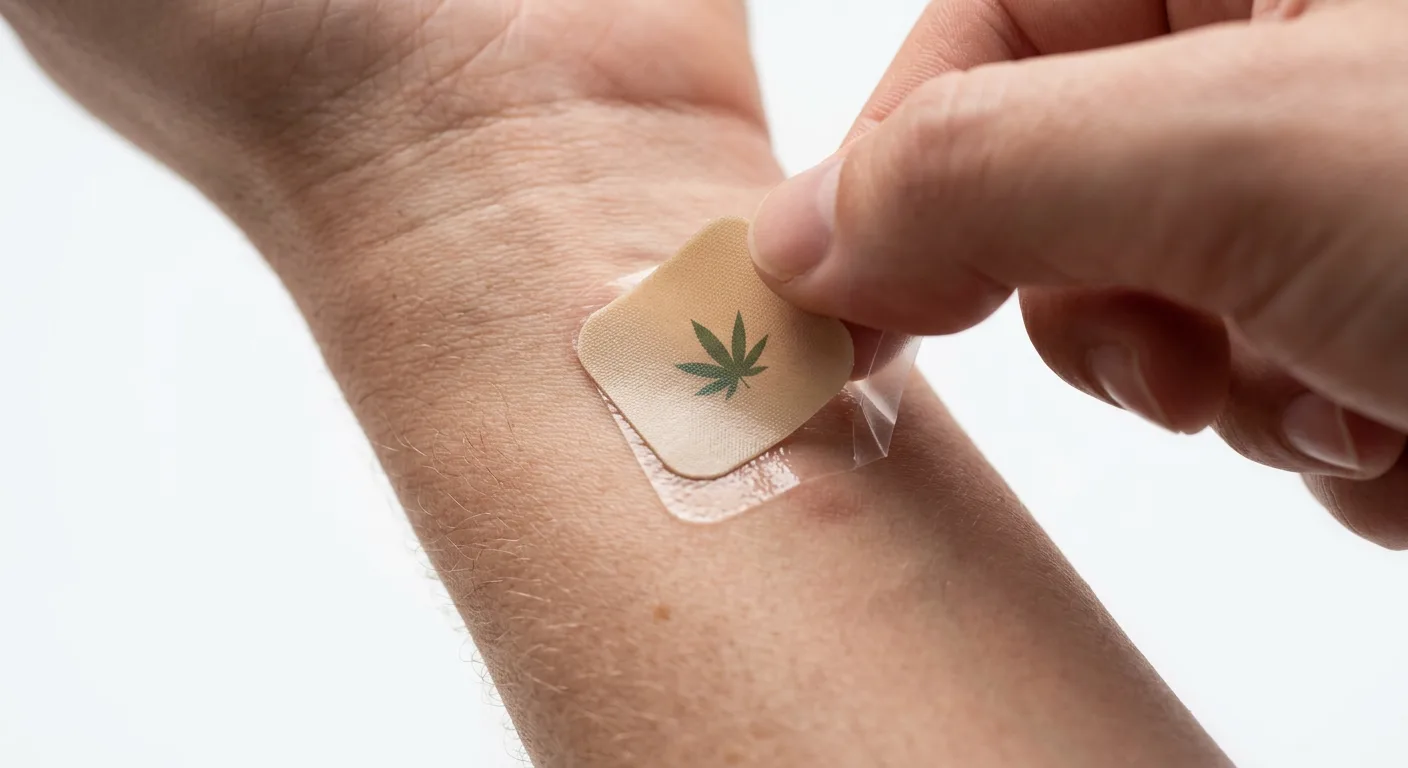
Transdermal patches look similar to nicotine patches and use specialized permeation enhancers to push cannabinoids through the skin and into the bloodstream. Unlike standard topicals, transdermal patches do produce systemic effects — including psychoactive effects from THC patches.
Onset, Duration, and Bioavailability
Onset is gradual — 30–60 minutes — with effects building slowly to peak at 2–4 hours. Total duration can extend 8–12 hours, making patches the longest-acting single-dose method available. Estimated bioavailability is roughly 10–20%, though clinical data specifically for cannabis transdermal delivery remains limited.
Pros and Cons of Transdermal Patches
- Pros: Consistent, sustained cannabinoid delivery over many hours; completely discreet; no lung exposure; bypasses first-pass metabolism; set-and-forget convenience
- Cons: Limited product availability; cannot easily adjust dose once applied; potential for skin irritation; slow onset means they're not useful for acute symptom relief; higher cost per dose
Ideal User Profile
Transdermal patches are designed for medical patients who need all-day symptom management — particularly for chronic pain, inflammation, or anxiety — without repeated dosing. They're the best option for people who need sustained cannabinoid levels and want to avoid thinking about their next dose.
Suppositories: The Overlooked Clinical Option
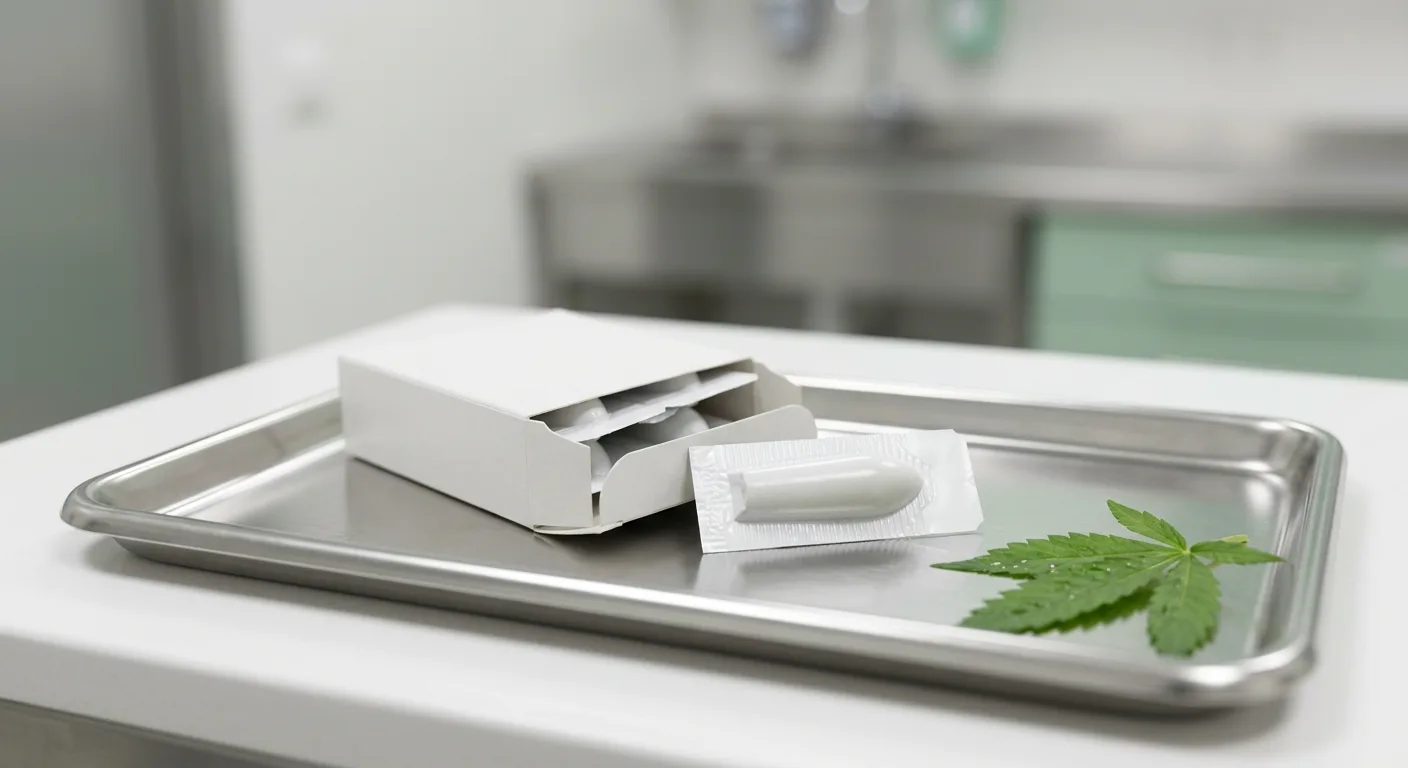
Cannabis suppositories are inserted rectally or vaginally for rapid absorption through mucous membranes. While this method carries significant social stigma, it fills a critical niche for patients who cannot inhale or ingest cannabis due to nausea, vomiting, oral surgery, or gastrointestinal conditions.
Onset, Duration, and Bioavailability
Onset occurs within 15–30 minutes. Effects can last 4–8 hours. Bioavailability is highly variable and poorly studied — some pharmacologists estimate it may partially bypass first-pass metabolism (depending on insertion depth and formulation), but clinical evidence is extremely limited.
Pros and Cons
- Pros: Available when other routes are not, may partially avoid first-pass metabolism, no lung exposure, no taste issues
- Cons: Social stigma, very limited product selection, highly variable absorption, sparse clinical research, user discomfort
For most recreational and even medical users, suppositories are a last-resort method. But for palliative care or severe gastrointestinal conditions, they can be indispensable.
Nano-Emulsion Products: The Fast-Acting Edible Revolution
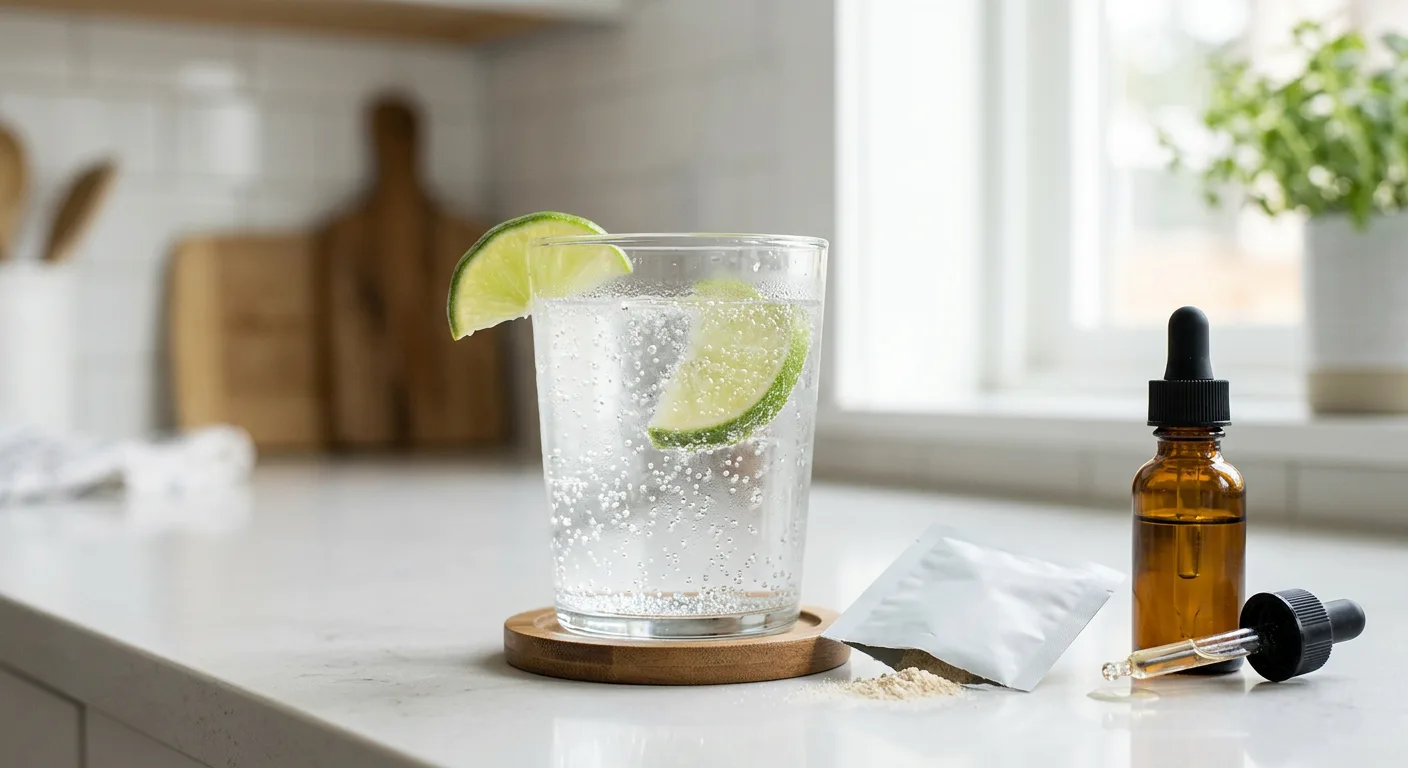
Nano-emulsion technology breaks cannabinoid oil into extremely small particles (typically under 100 nanometers) that can be suspended in water. This dramatically increases the surface area available for absorption, leading to faster onset and potentially higher bioavailability than standard edibles.
How Nano-Emulsions Change the Edible Experience
Standard edibles rely on fat-soluble THC slowly breaking down in the gut. Nano-emulsified THC is already in water-compatible form, so it begins absorbing in the mouth and upper digestive tract almost immediately. Onset typically drops from 60–120 minutes (standard edibles) to just 10–20 minutes. Duration is also shorter — roughly 2–6 hours versus 4–12 hours.
Industry estimates for nano-emulsion bioavailability range from 30–50%, though standardized clinical data is still lacking. Cannabis beverages — including seltzers, teas, and tonics — are the most common nano-emulsion products on the market in 2026.
Pros and Cons of Nano-Emulsions
- Pros: Much faster onset than traditional edibles, more predictable dosing, shorter duration (easier to plan around), water-soluble format enables beverage products
- Cons: Higher cost, limited availability, effects may feel weaker than traditional edibles due to shorter duration, technology is still evolving, not all nano-emulsions are created equal
Tip: Nano-emulsion beverages are often called "the beer of cannabis" because their onset-to-offset profile mirrors alcohol more closely than traditional edibles. If you want an edible experience with a defined window, these are your best bet.
First-Pass Metabolism: The Science That Explains Everything
The single most important concept for understanding why different cannabis consumption methods feel so different is first-pass metabolism. This section explains the pharmacology in plain language so you can make genuinely informed decisions.
What Happens When You Inhale THC
When you smoke or vaporize cannabis, THC passes from the lungs directly into the bloodstream and reaches the brain within seconds. It arrives as delta-9-THC — the molecule the plant actually produces. This is why inhaled cannabis hits fast and fades relatively quickly. The liver eventually metabolizes the THC, but only after it has already produced its peak effects.
What Happens When You Eat THC
When you eat cannabis, THC must survive stomach acid, get absorbed in the small intestine, and then pass through the liver before reaching the brain. During this hepatic first pass, the liver converts a significant portion of delta-9-THC into 11-hydroxy-THC (11-OH-THC).
As Leafwell notes, 11-hydroxy-THC crosses the blood-brain barrier more efficiently than delta-9-THC, which is why edibles often feel qualitatively different — more intense, more body-focused, and longer-lasting. This conversion also means that people with faster liver metabolism may feel edibles sooner but less intensely, while slow metabolizers may experience delayed but powerful effects.
Key Takeaway: The difference between inhaled and ingested cannabis isn't just about speed — it's about an entirely different molecule reaching your brain. Sublingual, transdermal, and suppository methods partially or fully bypass this first pass, placing them somewhere between inhalation and edibles in terms of subjective effects.
Why Bioavailability Varies So Much
Bioavailability — the percentage of consumed cannabinoid that actually reaches your bloodstream — is influenced by dozens of variables:
- Combustion temperature and inhalation technique (smoking/vaping)
- Stomach contents and gut motility (edibles)
- Liver enzyme activity, which varies genetically between individuals
- Fat content of the carrier (edible formulation)
- Product formulation and particle size (nano-emulsions)
- Application site and skin permeability (topicals/transdermals)
This is why the ranges in our comparison table are so broad. A 30% bioavailability for one person's vaporizer session might be 18% for another using the same device and flower. The practical takeaway: always start low and find your personal effective dose for each new method.
Which Cannabis Consumption Method Fits Your Lifestyle?
Data only matters if you can translate it into real decisions. Below, we match specific user profiles to their ideal consumption method based on the onset, duration, and bioavailability data above.
The Fastest Acting Cannabis Consumption Method
If speed is your priority — whether for acute pain relief, anxiety management, or recreational preference — dabbing and concentrate vaporizing offer the fastest onset (seconds) with the highest bioavailability (40–56%). Smoking and dry herb vaporizing are close behind with onset under 5 minutes.
The Longest-Lasting Method
For all-day relief with a single dose, transdermal patches (8–12 hours) and standard edibles (4–12 hours) lead the field. Nano-emulsions last a shorter 2–6 hours, which some users actually prefer for more controllable timing.
The Best Method for Beginners
We recommend tinctures as the best cannabis consumption method for beginners. The dropper allows precise, low doses (as little as 1–2mg THC per drop), and sublingual absorption provides a moderate onset that's forgiving of mistakes. Dry herb vaporizers are a close second for those who prefer inhalation — the ability to take a single small puff and wait is much easier to control than edibles.
Beginners: Start Here
Choose a tincture or dry herb vaporizer. Start with 2.5mg THC (tincture) or a single short puff (vaporizer). Wait 30–45 minutes (tincture) or 15 minutes (vaporizer) before re-dosing.
Intermediate: Expand Your Options
Once you understand your tolerance, explore edibles, nano-emulsion beverages, and different strains. Use our edible dosage calculator to dial in homemade infusions precisely.
Advanced: Optimize for Lifestyle
Combine methods: a vaporizer for immediate morning relief, a transdermal patch for sustained daytime levels, and a low-dose edible for sleep. Grow strains matched to each method.
The Healthiest Way to Consume Cannabis
From a harm-reduction perspective, the healthiest way to consume cannabis flower is through a dry herb vaporizer at controlled temperatures. You avoid combustion byproducts while maintaining high bioavailability and fast onset. For zero respiratory involvement, tinctures and nano-emulsion products are the healthiest systemic options. Topicals carry zero systemic risk whatsoever.
Matching Homegrown Strains to Methods
Growing your own gives you full control over quality, potency, and terpene profiles. Here's a quick matching guide:
- Smoking/Vaporizing: Flavor-forward strains — Super Lemon Haze, Tangerine Haze, Blue Dream, Gelato
- Edibles: High-THC, resinous strains — Quantum Kush (30% THC), Purple Kush (27% THC), Gorilla Glue #4, GMO Cookies
- Tinctures: Balanced or high-CBD strains — Purple Power (10% THC — mild, great for microdosing tinctures), Harlequin, ACDC
- Concentrates/Dabbing: Trichome-dense strains — Papaya (25% THC), Cookies Kush, Ice Cream Cake, Wedding Cake
Use our grow planner to map out a multi-strain garden tailored to your preferred consumption methods, and check the legalization map to confirm home cultivation laws in your area.
Growing Tip: Plan your harvest storage around your consumption methods. Flower for smoking and vaporizing benefits from proper humidity pack storage at 58–62% RH. Flower destined for edibles or concentrates can tolerate slightly more variation since it'll be processed. Our long-term storage guide covers both scenarios in depth.
Frequently Asked Questions About Cannabis Consumption Methods
Which cannabis consumption method has the highest bioavailability?
Dabbing and concentrate vaporizing have the highest estimated bioavailability at 40–56%. This means more than half of the consumed THC can reach your bloodstream. Dry herb vaporizing follows at roughly 25–35%, while standard edibles have the lowest systemic bioavailability at approximately 4–20% due to first-pass liver metabolism.
What is the fastest acting cannabis consumption method?
Smoking and dabbing are tied for fastest onset — effects can begin within seconds as THC passes from the lungs directly into the bloodstream. Dry herb and concentrate vaporizing are nearly as fast, with onset typically under 5 minutes. Nano-emulsion products are the fastest non-inhalation method at 10–20 minutes.
Why do edibles feel so much stronger than smoking?
When you eat cannabis, your liver converts delta-9-THC into 11-hydroxy-THC, a metabolite that crosses the blood-brain barrier more efficiently. This first-pass metabolism produces a qualitatively different and often more intense experience. The slower onset also makes it easy to overconsume before effects appear.
What is the healthiest way to consume cannabis flower?
Dry herb vaporizing is widely considered the healthiest inhalation method because it operates below combustion temperature (350–450°F), avoiding the tar, carbon monoxide, and carcinogens produced by smoking. For zero respiratory exposure, sublingual tinctures and nano-emulsion beverages are the healthiest systemic alternatives.
What is the best cannabis consumption method for beginners?
Tinctures are ideal for beginners because the dropper allows precise, low dosing — you can start with as little as 2.5mg THC and adjust by the drop. Sublingual absorption provides a moderate onset (15–45 minutes) that's forgiving of mistakes. Dry herb vaporizers are the best beginner inhalation method since you can take a single puff and wait before continuing.
Sources & References
This article was researched and fact-checked using 6 verified sources including 1 peer-reviewed study, 1 authoritative reference, 4 community resources.
- Modes of Cannabis Use: A Secondary Analysis of an Intensive Longitudinal Natural History Study - PMC — pmc.ncbi.nlm.nih.gov [Research]
- How Your Cannabis Consumption Method Shapes Your High 𑗅 Weedmaps — weedmaps.com [Reference]
- Comprehensive Guide to Cannabis Consumption Methods - Understanding Pros and Cons — silverstemcannabis.com [Community]
- What’s the best way to consume cannabis? — leafwell.com [Community]
- Methods of cannabis consumption | CannabisSense by AGLC | CannabisSense by AGLC — cannabissense.ca [Community]
- A Comprehensive Exploration of Cannabis Consumption Methods | Rocky Mountain Cannabis — rockymountaincannabis.com [Community]