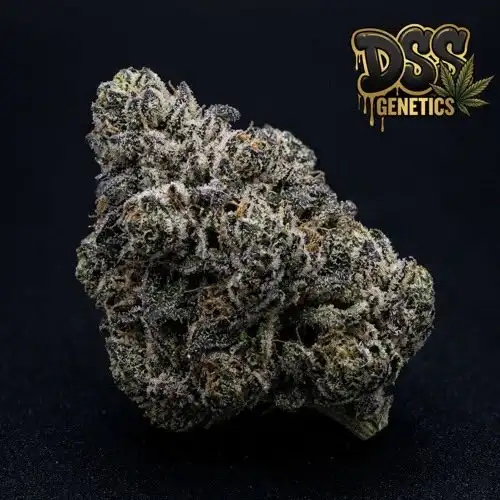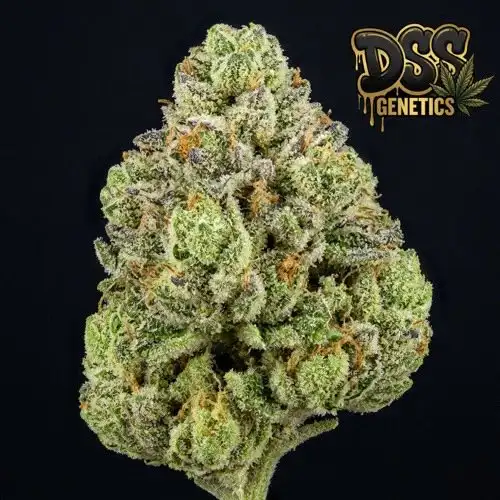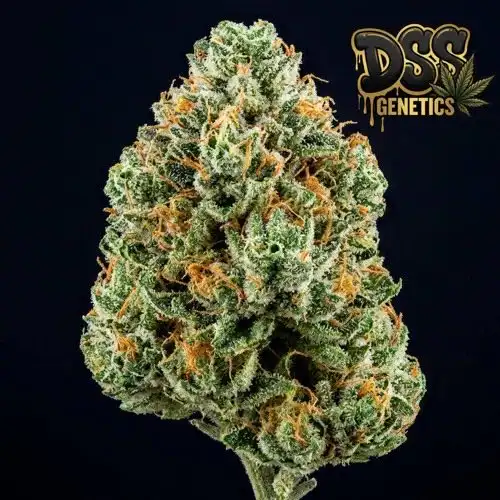
Roughly 20% of people who experience a traumatic event develop PTSD — yet fewer than half respond adequately to first-line treatments like SSRIs and CBT. For the millions left searching for relief, cannabis PTSD research has quietly become one of the most promising frontiers in trauma medicine. This guide breaks down what the clinical evidence actually shows, which symptoms cannabis targets best, and — critically — which specific strains are most likely to help based on their cannabinoid profiles and terpene chemistry.
What the Science Actually Says: Cannabis PTSD Research
Cannabis for PTSD is not just anecdote — there is a growing body of peer-reviewed evidence supporting its therapeutic role. The endocannabinoid system (ECS) is directly involved in how the brain processes fear, stress, and traumatic memory, making cannabis pharmacologically relevant in a way few other plant medicines are.
The Endocannabinoid System & Trauma Memory
The ECS regulates fear extinction — the brain's ability to learn that a once-dangerous trigger is now safe. PTSD disrupts this process. Research published in Neuropsychopharmacology found that people with PTSD show significantly lower levels of anandamide (the brain's natural cannabinoid) and a higher density of CB1 receptors in the amygdala — the brain's fear center. This creates a biological vulnerability that exogenous cannabinoids can partially compensate for.
Science note: The amygdala-hippocampus circuit governs traumatic memory formation and recall. CB1 receptor activation in this circuit by THC mimics anandamide, helping dampen fear responses and interrupt the flashback cycle. CBD modulates CB1 activity without direct binding, reducing anxiety without the intoxicating effects of THC.
Key Clinical Studies on Marijuana PTSD Treatment
The evidence base has grown substantially over the past decade. Here are the most significant findings:
- Nabilone (synthetic THC) trials: A 2009 study in Journal of Clinical Psychopharmacology found nabilone reduced nightmares in 72% of treatment-resistant PTSD patients, with 28% achieving complete nightmare cessation.
- Canadian PTSD registry (2019): 67% of medical cannabis patients with PTSD reported a clinically significant reduction in PTSD symptom severity (PCL-5 scores dropped by an average of 18.5 points).
- New Mexico PTSD study (Greer et al., 2014): Cannabis users showed 75% reduction in PTSD symptom severity compared to non-users, across all three PTSD symptom clusters.
- Johns Hopkins focus group (2021): Veterans with PTSD reported cannabis most effective for sleep disturbance, hypervigilance reduction, and managing anger — less effective for flashback frequency.
- Israeli clinical trial (2020): CBD-dominant cannabis oil reduced anxiety scores by 37% in PTSD patients over 8 weeks without the dissociative effects sometimes triggered by high-THC products.
The evidence is clearest for nightmares, sleep disruption, and anxiety — three of the most debilitating PTSD symptoms. Cannabis shows weaker evidence for reducing flashback frequency directly, though it may reduce their emotional intensity.
How Cannabis Targets Each PTSD Symptom

PTSD is not a single-symptom condition. The DSM-5 identifies four major symptom clusters, and cannabis interacts with each differently. Understanding this helps you choose the right strain at the right time — not just reach for whatever is available.
Nightmares & Sleep Disruption
THC suppresses REM sleep — the phase where nightmares occur. For PTSD sufferers, this is often genuinely therapeutic. Indica-dominant strains with high myrcene content are the most effective evening option, promoting deep non-REM sleep and reducing nightmare frequency. The tradeoff is that long-term REM suppression may blunt emotional processing, so cycling use (not daily) is recommended by most practitioners.
Hypervigilance & Anxiety
Hypervigilance — the state of being constantly on high alert — responds well to CBD and balanced THC:CBD strains. CBD modulates the 5-HT1A serotonin receptor, producing anxiolytic effects without the paranoia that high-THC strains can trigger in trauma-sensitive individuals. For PTSD, anxiety-driven hypervigilance often requires low-to-moderate THC paired with meaningful CBD content.
Flashbacks & Intrusive Thoughts
This is the most nuanced area. Some patients report cannabis reduces the emotional charge of flashbacks without eliminating them entirely. Preclinical data suggests that CB1 activation in the prefrontal cortex can dampen the involuntary memory retrieval associated with flashbacks. However, high-THC doses in sensitive individuals can paradoxically intensify intrusive thinking — this is why strain selection and dosing discipline matter enormously here.
Emotional Numbing & Avoidance
Some PTSD patients experience emotional detachment and avoidance of triggers — not just hyperarousal. Low-dose sativa-leaning strains with limonene and pinene terpenes can gently re-engage motivation and mood without overwhelming a sensitized nervous system. These strains work best for daytime use when the goal is functional engagement rather than sedation.
Important: High-THC cannabis can increase dissociation and paranoia in some PTSD patients, particularly those with a history of psychosis or those who experienced trauma involving loss of control. Always start with the lowest effective dose and choose balanced or CBD-forward strains until you understand your individual response.
THC:CBD Ratios for PTSD — Which Balance Works Best?
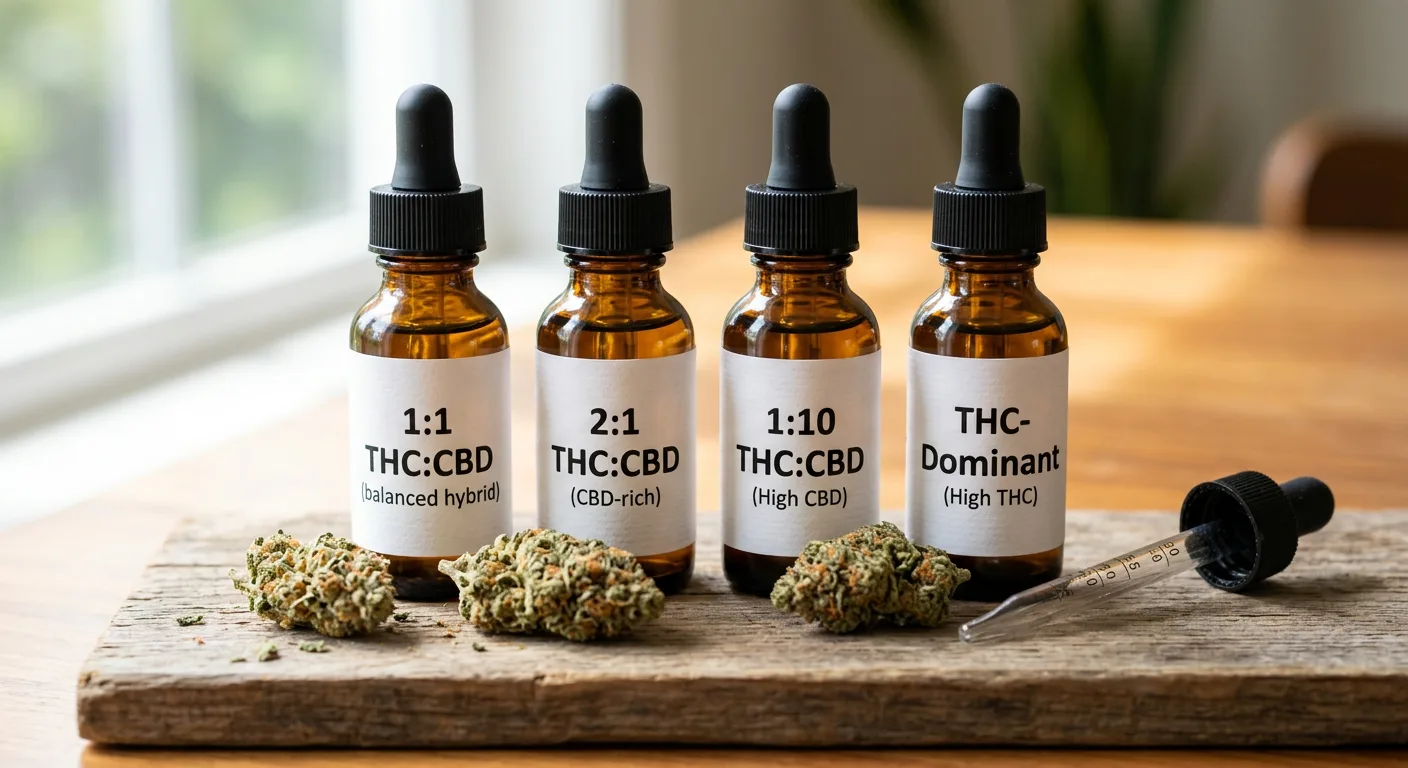
The ratio of THC to CBD is arguably more important than the total THC percentage when selecting a cannabis strain for PTSD. Different symptom targets call for different ratios — there is no single ideal number.
| THC:CBD Ratio | Best PTSD Symptom Target | Time of Use | Paranoia Risk |
|---|---|---|---|
| 20:1 (THC-dominant) | Nightmare suppression, deep sleep | Evening/nighttime only | High — not for beginners |
| 4:1 (THC-dominant) | Anxiety, mood lift, mild sleep aid | Evening | Moderate |
| 2:1 (THC:CBD balanced) | Daytime anxiety, hypervigilance | Daytime/afternoon | Low-moderate |
| 1:1 (Equal) | Broad symptom coverage, functional use | Any time | Low |
| 1:10 (CBD-dominant) | Anxiety without sedation, flashback intensity | Daytime | Very low |
| CBD-only | Anxiety, general nervous system calming | Any time | None |
Ratio tip: If you are new to cannabis for PTSD, start with a 1:1 or 1:2 (THC:CBD) product for the first two weeks before experimenting with higher-THC options. This lets you assess your sensitivity without risking a THC-induced anxiety spike that might worsen trauma symptoms.
Understanding how THC works at the molecular level helps explain these ratio effects — our guide to THC explained covers the pharmacology in detail, including how THC interacts with CB1 receptors in the fear and memory circuits most relevant to PTSD.
The 10 Best Cannabis Strains for PTSD Symptoms
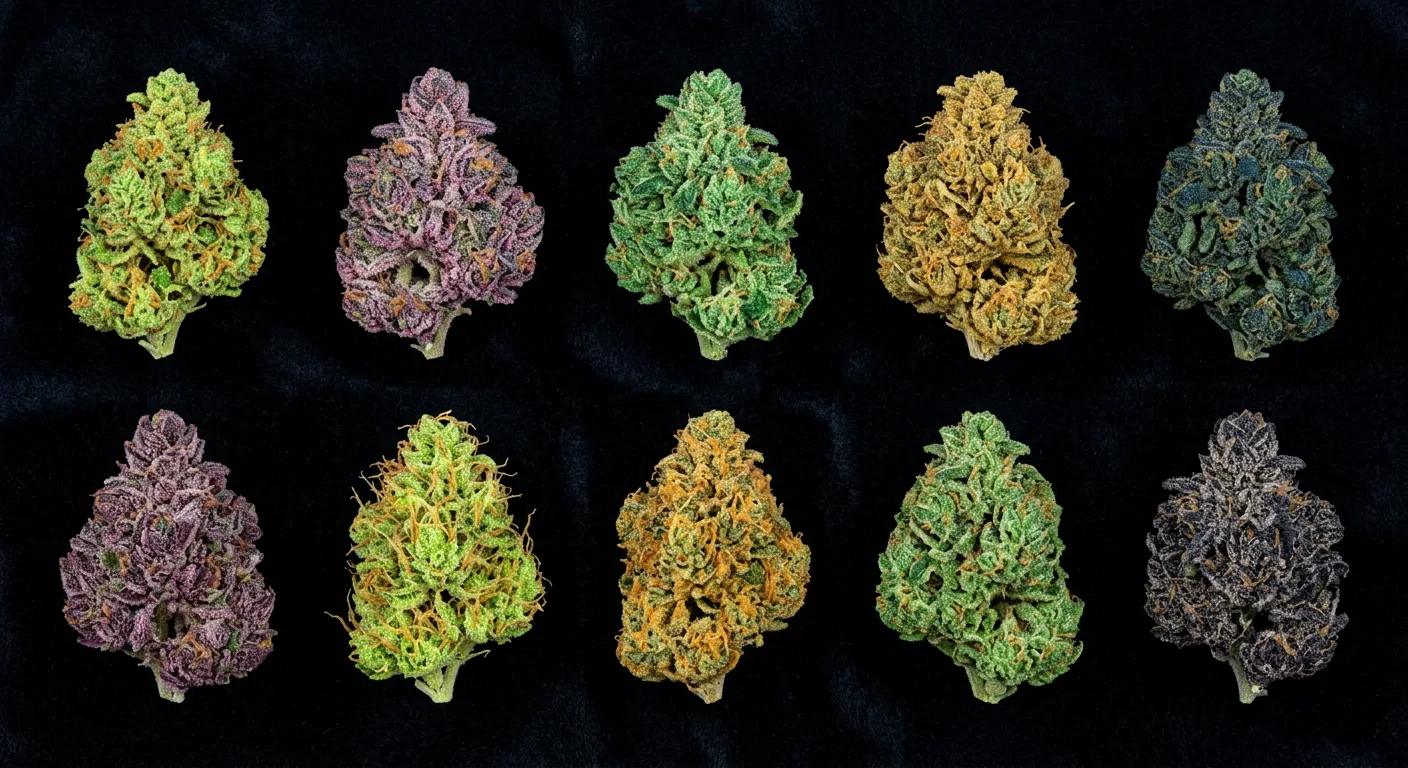
These ten strains are selected based on cannabinoid profiles, dominant terpenes, and consistent user-reported and clinical outcomes for PTSD-specific symptoms. Each card includes the target symptom, ratio, and key terpene drivers.
🌿 #1 — Northern Lights x Big Bud: Deep Sleep & Nightmare Relief
Northern Lights is arguably the most consistently recommended indica for PTSD in clinical focus groups — and when crossed with Big Bud, the result is a heavier, resinous plant with amplified sedative terpenes. At 20% THC, it delivers meaningful REM suppression without the paranoia risk of ultra-high-THC strains.
- THC: 20% | CBD: Low
- Dominant terpenes: Myrcene, linalool, caryophyllene
- Best for: Nightmares, sleep onset, physical tension from hypervigilance
- When to use: 30–60 minutes before bed
- Effect profile: Full-body relaxation, heavy sedation, mental quieting
The myrcene-linalool combination is a clinically meaningful pairing — myrcene enhances cannabinoid absorption across the blood-brain barrier while linalool (also found in lavender) produces independent anxiolytic effects via GABA-A receptor modulation.
→ Northern Lights x Big Bud Feminized Seeds — feminized, photoperiod, suitable for indoor and outdoor grows.
💜 #2 — Purple Kush: Evening Anxiety & Emotional Numbing
A pure indica with 27% THC, Purple Kush brings serious potency — but its terpene profile (heavy on myrcene and pinene) keeps the experience grounded rather than cerebral. It is particularly well-regarded for PTSD patients who experience emotional numbness alongside anxiety, as the euphoric onset can gently re-engage positive affect before the sedative body effect takes hold.
- THC: 27% | CBD: Low
- Dominant terpenes: Myrcene, pinene, caryophyllene
- Best for: Severe anxiety, emotional avoidance, evening wind-down
- When to use: Evening — not suitable for daytime PTSD symptom management
- Caution: High THC — start with a very small dose (1–2 puffs maximum)
High-THC caution: At 27% THC, Purple Kush is not appropriate for cannabis-naive PTSD patients or those with a history of THC-induced anxiety. Microdose first — even a single inhalation can be therapeutically sufficient for trauma-sensitive individuals.
🌊 #3 — Granddaddy Purple (GDP): Nightmares + Pain-Trauma Comorbidity
Granddaddy Purple is a cross of Purple Urkle and Big Bud — a legendary indica producing dense, grape-scented buds with a terpene profile loaded in myrcene, linalool, and ocimene. It is particularly valued in PTSD contexts where chronic pain (often a trauma comorbidity) co-occurs with sleep disruption.
- THC: ~20% | CBD: Trace
- Dominant terpenes: Myrcene, linalool, ocimene
- Best for: PTSD nightmares, pain-trauma overlap, anxiety before sleep
- When to use: 45 minutes before sleep
- Effect profile: Euphoric onset, full-body melt, deep restorative sleep
🟡 #4 — ACDC / Harlequin-Type (High-CBD): Daytime Hypervigilance
For daytime symptom management — particularly hypervigilance and anxiety without the need for sedation — high-CBD strains like ACDC (20:1 CBD:THC) or Harlequin (5:2 CBD:THC) are the clinical standard. These strains allow functional engagement with daily life while reducing the constant threat-alert state that exhausts PTSD patients.
- THC: 1–6% | CBD: 15–20%
- Dominant terpenes: Myrcene, pinene, caryophyllene
- Best for: Daytime anxiety, hypervigilance, social reintegration
- When to use: Morning through late afternoon
- Effect profile: Clear-headed calm, reduced anxiety, no intoxication
CBD-dominant strains are often the safest entry point for PTSD patients who are new to cannabis or who have had previous bad experiences with THC. They provide meaningful anxiety relief without the dissociation risk.
🍊 #5 — Skywalker OG Autoflower: Stress Dissolving & Deep Relaxation
Skywalker OG is a potent indica-dominant hybrid prized for its ability to dissolve physical stress tension — the kind that PTSD patients carry in their muscles and jaw from constant hyperarousal. At 23% THC with heavy caryophyllene content (which directly activates CB2 receptors), it combines psychoactive and peripheral nervous system relief in one strain.
- THC: 23% | CBD: Low
- Dominant terpenes: Caryophyllene, myrcene, limonene
- Best for: Physical tension, stress-body symptoms, evening anxiety
- When to use: Late evening
- Autoflower advantage: Faster harvest, discreet growing, no light schedule management
→ Skywalker OG Autoflower Seeds
🌿 #6 — OG Kush: Mood Stabilization & Rumination Relief
OG Kush consistently appears in PTSD patient surveys as a go-to for intrusive thought loops and emotional rumination. Its unique terpene profile — dominated by limonene and caryophyllene — creates a mood-elevating, thought-quieting effect that interrupts the cycling negative thought patterns common in complex PTSD.
- THC: 26% | CBD: Trace
- Dominant terpenes: Limonene, caryophyllene, myrcene
- Best for: Rumination, intrusive thoughts, mood dysregulation
- When to use: Afternoon or early evening — daytime at very low doses only
- Caution: High-THC; dose carefully, especially for anxiety-prone individuals
🫐 #7 — Blue Dream: Gentle Daytime Uplift for Emotional Numbing
Blue Dream is a sativa-dominant hybrid (Blueberry x Haze) beloved for its gentle, functional high that lifts mood without overwhelming the nervous system. For PTSD patients experiencing the numbing-and-withdrawal symptom cluster — not the hyperarousal cluster — Blue Dream provides motivational support and mild euphoria during the day.
- THC: ~21% | CBD: ~2%
- Dominant terpenes: Myrcene, caryophyllene, pinene
- Best for: Emotional detachment, depression co-occurring with PTSD, daytime functioning
- When to use: Morning to early afternoon
- Effect profile: Uplifting, creative, body-relaxing without sedation
🍋 #8 — Super Lemon Haze: Motivation & Social Re-Engagement
Super Lemon Haze (Green House Seeds original genetics) is a limonene-forward sativa-dominant strain that excels at counteracting PTSD-related social avoidance and withdrawal. The dominant limonene terpene has demonstrated anxiolytic effects in animal models, and the energetic cerebral effect supports gradual re-engagement with normal life activities — particularly valuable during active therapy phases.
- THC: 23% | CBD: Low
- Dominant terpenes: Limonene, terpinolene, caryophyllene
- Best for: Social avoidance, morning anxiety, depression comorbidity
- When to use: Morning to early afternoon only
- Caution: Not appropriate for hyperarousal-type PTSD — may increase alertness uncomfortably
→ Super Lemon Haze Feminized Seeds
🟣 #9 — Plushberry Autoflower: Balanced Evening Calm
Plushberry is a lesser-known but remarkably consistent performer for PTSD-related anxiety and sleep difficulty. As an indica-dominant autoflower at 18% THC, it hits the sweet spot between potency (enough for meaningful symptom relief) and manageability (low enough to avoid THC-induced paranoia). The berry-forward terpene profile includes significant linalool — particularly useful for its GABA-modulating properties.
- THC: 18% | CBD: Low-moderate
- Dominant terpenes: Linalool, myrcene, caryophyllene
- Best for: Evening anxiety, gentle sleep support, beginner PTSD patients
- When to use: 1–2 hours before bed
- Grow advantage: Auto-flowering, ready in ~70 days, very manageable plant
🌸 #10 — Cannatonic / Charlotte's Web-Type: CBD-First Anxiety Foundation
Cannatonic (roughly 1:1 THC:CBD) and ultra-high CBD varieties like Charlotte's Web represent the medically cautious, clinician-endorsed end of the PTSD cannabis spectrum. They are especially valued for patients who are also on prescription medications (SSRIs, prazosin), as the low THC content minimizes drug interaction risk while still engaging the ECS therapeutically.
- THC: 6–12% | CBD: 6–20%
- Dominant terpenes: Myrcene, caryophyllene, pinene
- Best for: Medication-concurrent PTSD management, severe anxiety sensitivity, children/adolescent trauma (under medical supervision only)
- When to use: Any time of day
- Effect profile: Gentle calm, clear-headed, minimal intoxication
Microdosing Cannabis for Trauma Sensitivity
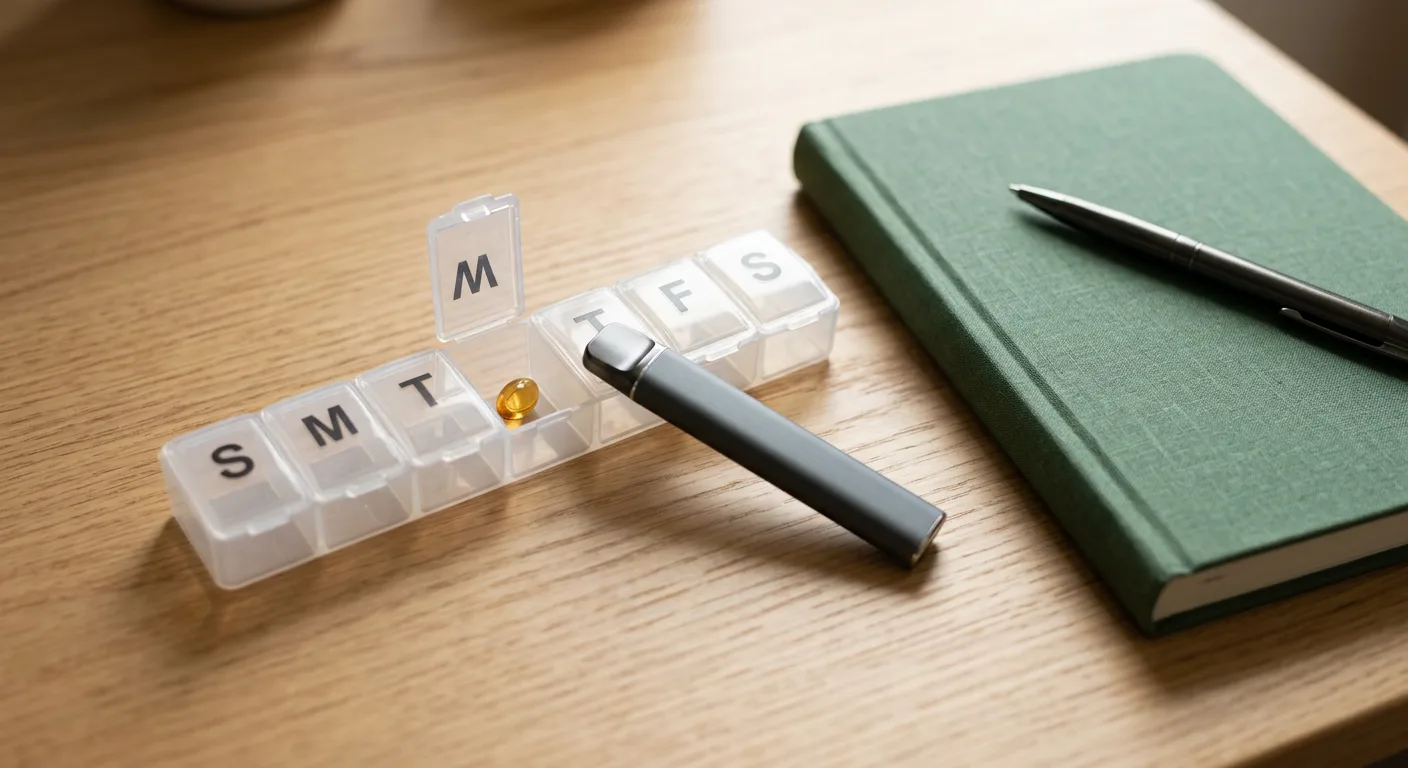
People with PTSD often have sensitized nervous systems that respond to cannabis differently than the general population. Microdosing — using sub-threshold doses that produce therapeutic effects without full intoxication — has emerged as the preferred clinical approach for trauma-sensitive patients.
What Is a Microdose for PTSD?
A true microdose is typically 1–2.5mg of THC, consumed in a controlled format like a measured vaporizer draw, a precisely dosed capsule, or a calibrated tincture. This is roughly one-fifth to one-tenth of a recreational dose. At this level, many PTSD patients report meaningful anxiety and rumination reduction without psychoactive effects.
Start With 1mg THC
On day one, take a single 1mg dose in the evening. Wait 90 minutes before assessing effect. Journal your anxiety level (1–10), sleep quality, and any adverse reactions.
Hold for 3 Days
Maintain the same 1mg dose for three consecutive days before considering any increase. PTSD nervous systems can take 48–72 hours to stabilize their response to a new cannabinoid input.
Titrate by 0.5mg Increments
Increase by 0.5mg every 3 days until you find the minimum effective dose. Most PTSD patients find their therapeutic window between 2.5–7.5mg THC. Stop increasing if any paranoia, dissociation, or worsening anxiety occurs.
Add CBD Alongside
Once stable at your THC microdose, consider adding a 5–10mg CBD dose at the same time. CBD's anxiolytic properties synergize with low-dose THC in the endocannabinoid system, often allowing patients to maintain benefits at lower THC doses.
Tool tip: Use our edible dosage calculator to work out precise THC amounts from edibles, tinctures, or homemade infusions. Getting exact dosing right is especially important for PTSD patients where too much can worsen symptoms.
Why Cycling Matters for PTSD Patients
Daily cannabis use over weeks or months leads to CB1 receptor downregulation — your brain produces fewer receptor sites, requiring more cannabis to achieve the same effect. For PTSD patients, this escalation can undermine therapeutic goals. Most practitioners recommend 2–4 cannabis-free days per week (or a monthly tolerance reset of 5–7 days) to maintain sensitivity and effectiveness.
Microdosing is not about getting less high — it is about finding the smallest dose that produces the specific therapeutic effect you need. For PTSD, less is genuinely more in the majority of cases.
Key Terpenes That Make a Strain PTSD-Friendly
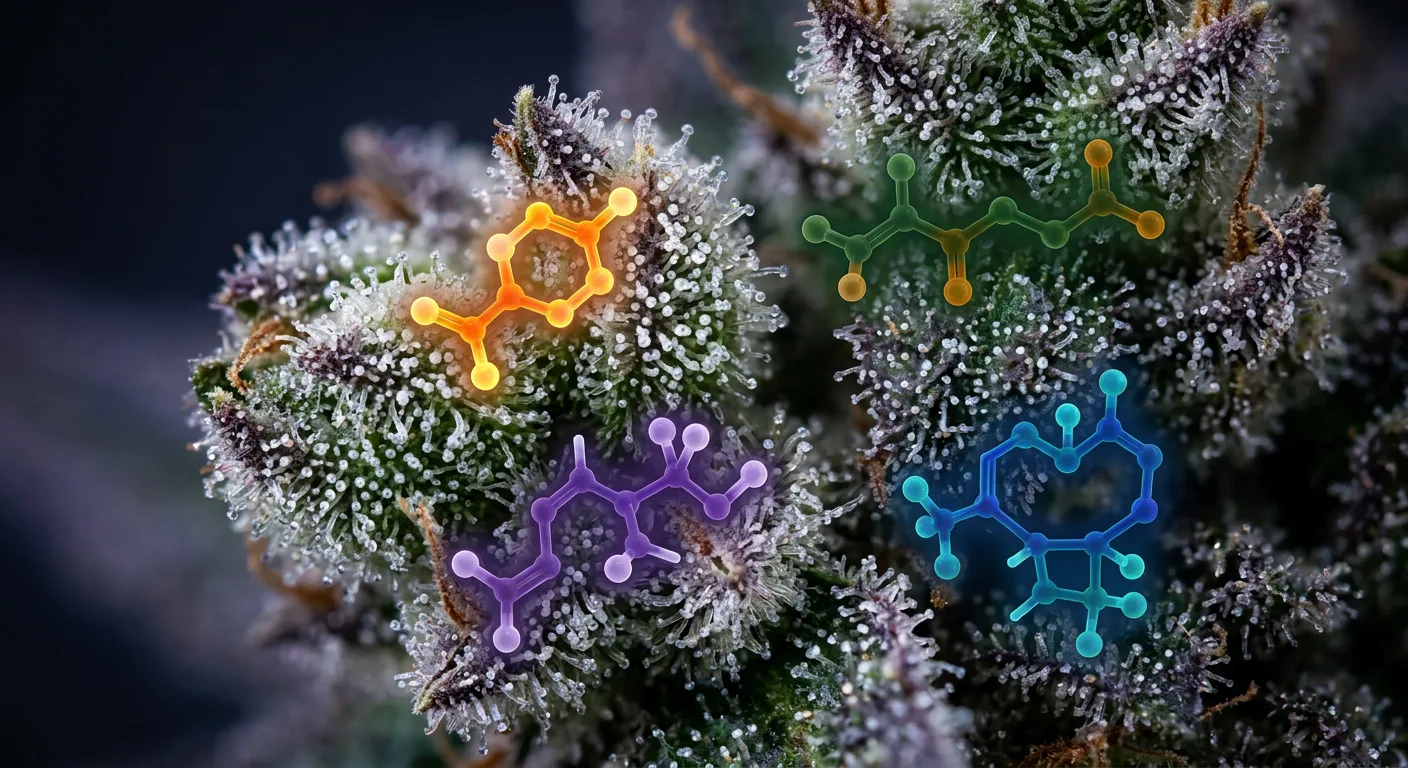
Terpenes are not secondary characters in cannabis medicine — for PTSD specifically, they may be the primary drivers of therapeutic effect at equivalent THC levels. Two strains at 20% THC can have dramatically different outcomes for a PTSD patient based on their terpene composition.
Myrcene — The Sedation Amplifier
Myrcene is the most abundant terpene in most cannabis strains and acts as a CB1 receptor potentiator — meaning it amplifies the effect of THC at the receptor level. For PTSD, this means myrcene-heavy strains deliver stronger sedation and sleep support at lower THC doses. It also crosses the blood-brain barrier readily, supporting rapid onset of calming effects.
Linalool — The Anxiety Specialist
Linalool is the dominant terpene in lavender and is well-established as an anxiolytic compound, modulating GABA-A receptors independently of the ECS. For PTSD patients struggling with anxiety and hypervigilance, strains with detectable linalool levels (typically >0.1% on a COA) offer a therapeutic edge beyond their cannabinoid content alone. Our article on linalool vs myrcene for sleep covers the mechanistic differences in depth.
Caryophyllene — The CB2 Anti-Inflammatory
Caryophyllene is the only terpene that directly binds to cannabinoid receptors (specifically CB2), producing anti-inflammatory effects that may help with the neuroinflammation associated with trauma exposure. Emerging research suggests neuroinflammation plays a role in PTSD severity, making caryophyllene-rich strains particularly interesting for long-term symptom management. See our full guide to caryophyllene strains for inflammation for strain-specific details.
Limonene — The Mood Elevator
Limonene works via serotonin and dopamine pathways to produce mood-elevating and stress-reducing effects. For PTSD patients with depression comorbidity or emotional numbing, limonene-forward sativa strains provide a gentler therapeutic option than antidepressant medication for mild-to-moderate cases.
Pinene — The Clarity Preserver
Alpha-pinene is a natural acetylcholinesterase inhibitor — it supports memory and cognitive clarity, which may help counteract the memory-fragmenting effects of both PTSD itself and high-THC cannabis use. Strains with notable pinene content may be preferable for daytime PTSD management when cognitive function is important. Read our full breakdown of pinene in cannabis for more detail.
Terpene lab data tip: When evaluating a strain for PTSD, ask for the Certificate of Analysis (COA) and look at the terpene panel specifically. A strain listed as "high myrcene" should show >0.5% myrcene on the COA. Our guide on how to read a cannabis terpene lab report walks through exactly what to look for.
Combining Cannabis with Therapy for PTSD

The most effective use of cannabis for PTSD is not as a standalone treatment — it is as a symptom management tool that creates the conditions under which therapy can work more effectively. Getting this integration right requires understanding both the pharmacology and the therapeutic process.
Cannabis & CBT/Exposure Therapy
Cognitive Behavioral Therapy (CBT) and Prolonged Exposure (PE) therapy are the gold-standard treatments for PTSD. They require memory consolidation — the brain must process and re-encode traumatic memories in a safer context. Because THC can impair memory consolidation at higher doses, cannabis should generally not be used within 4–6 hours of an exposure therapy session.
- Use cannabis the evening after a therapy session, not before
- Avoid high-THC strains on therapy days entirely
- CBD-only products are safe around therapy sessions
- Communicate cannabis use openly with your therapist
- Track symptom changes in a journal to share at appointments
- Do not use cannabis as avoidance — if it replaces therapy attendance, reassess
Cannabis & EMDR Therapy
Eye Movement Desensitization and Reprocessing (EMDR) has an interesting relationship with cannabis. Some clinicians report that moderate CBD use before EMDR sessions reduces the physiological arousal that can interrupt processing. However, the research is still early and individual responses vary significantly. Discuss with your EMDR therapist before combining.
Cannabis & Medication (SSRIs, Prazosin)
Many PTSD patients use prazosin for nightmares and SSRIs for anxiety/depression. Cannabis interacts with both. CBD is a CYP3A4 and CYP2D6 inhibitor — it can increase blood levels of many SSRIs, potentially causing side effects. THC combined with prazosin can lower blood pressure more than either alone. Always inform your prescribing physician about cannabis use.
Tracking tip: Use our grow planner tool to track your cultivation schedule if you are growing your own PTSD strains at home — consistent supply prevents the gaps in access that can disrupt a symptom management routine.
Safety Considerations & Who Should Be Cautious
Cannabis is not risk-free, and for PTSD specifically, certain patient profiles require extra caution. Being honest about these risks is essential — dismissing them does patients a disservice.
Who Should Approach Cannabis for PTSD with Extra Caution
- History of psychosis or schizophrenia: High-THC cannabis significantly increases psychosis risk in predisposed individuals. CBD-only is the only appropriate option, and only under medical supervision.
- Bipolar disorder comorbidity: THC can trigger manic episodes. Strictly CBD-dominant strains and medical oversight are essential.
- Adolescents and young adults under 25: The developing brain is more sensitive to THC's effects on the prefrontal cortex. Cannabis for PTSD in under-25s requires strict medical indication and monitoring.
- Pregnancy or breastfeeding: No cannabis use is safe during pregnancy or breastfeeding. No exceptions.
- Substance use disorder history: Particularly alcohol use disorder — cannabis use disorder co-occurs at elevated rates in PTSD, and previous substance dependence increases this risk. Requires careful monitoring and a supportive clinical team.
- Taking sedative medications: Cannabis potentiates benzodiazepines and other CNS depressants. Do not combine without medical guidance.
Dependency risk: PTSD patients use cannabis at rates 2–3 times higher than the general population, and cannabis use disorder rates are elevated in this group. This does not mean cannabis is inappropriate — it means monitoring usage patterns is an important part of responsible PTSD management. If you find yourself unable to function without cannabis or increasing your dose compulsively, raise this with your healthcare provider immediately.
Recognizing Harmful vs Helpful Use Patterns
The difference between therapeutic cannabis use and harmful use often comes down to whether cannabis is enabling engagement with life and therapy or enabling avoidance of it. Healthy patterns include: using cannabis to support sleep so therapy sessions are more productive, using CBD to manage daytime anxiety while attending work or social events, and tracking symptom changes to optimize use.
Harmful patterns include: using cannabis to avoid feeling emotions entirely, increasing doses when stressed rather than addressing the stress, and skipping therapy sessions because cannabis temporarily numbs symptoms sufficiently.
How to Choose & Dose Your PTSD Strain
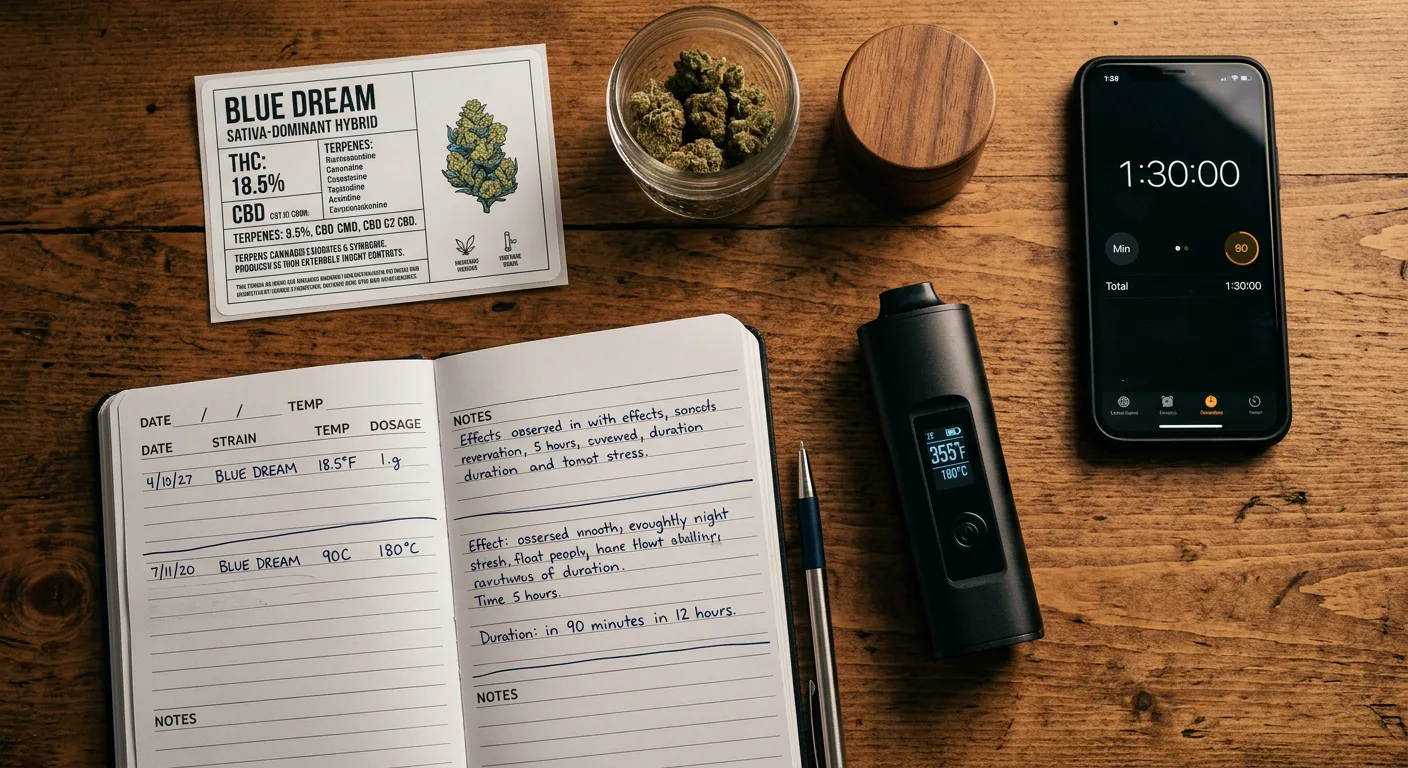
With so many variables in play — symptom type, time of day, THC sensitivity, concurrent medications — choosing the right strain can feel overwhelming. This practical decision framework cuts through the complexity.
Step 1: Identify Your Primary Symptom Target
Before picking a strain, identify which PTSD symptom is most impairing your daily life right now. This determines your starting point in the strain selection process. Use this simple map:
- Nightmares → Nighttime Indicas: Northern Lights x Big Bud, Granddaddy Purple, Skywalker OG
- Daytime anxiety / hypervigilance → CBD-forward or balanced strains: ACDC, Cannatonic, Harlequin-type, Plushberry
- Emotional numbing / withdrawal → Gentle sativas: Blue Dream, Super Lemon Haze
- Intrusive thoughts / rumination → Balanced hybrids: OG Kush (low dose), Purple Kush (evening, micro dose)
- General anxiety management → 1:1 balanced: Cannatonic or blended CBD/THC products
Step 2: Choose Your Consumption Method
Consumption method affects both onset time and duration — critical variables for PTSD symptom management:
- Vaporization (flower or concentrate): Onset 2–5 minutes, duration 1–3 hours. Best for acute symptom control and dose titration.
- Tincture (sublingual): Onset 15–30 minutes, duration 2–4 hours. Best for consistent daytime dosing and precise mg control.
- Edibles/capsules: Onset 45–90 minutes, duration 4–8 hours. Best for overnight nightmare management — taken 90 minutes before sleep.
- Smoking: Onset 2–5 minutes, duration 1–2 hours. Effective but respiratory considerations apply.
Step 3: Track Your Results Systematically
Keep a simple symptom journal for the first 4–6 weeks of any new cannabis protocol. Record: strain name, dose (in mg where possible), consumption method, time of use, and rating of key symptoms (nightmare intensity, anxiety level, sleep quality) on a 1–10 scale. This data is invaluable for optimizing your protocol and for sharing with your healthcare provider.
The best cannabis strain for PTSD is the one that produces the least side effects while meaningfully reducing your primary symptom. There is no universal answer — systematic self-tracking is how you find your personal optimum.
If you are exploring cannabis cultivation to maintain a reliable, consistent supply of your therapeutic strain, our yield estimator tool can help you plan how many plants you need to grow to meet your monthly requirements. For first-time growers, the guide to buying cannabis seeds safely online covers what to look for in seed quality and vendor reliability. All seeds purchased come with our germination guarantee, ensuring you start with viable, true-to-type genetics.
You can also check your state's current legal status for home growing with our cannabis legalization map — laws vary significantly and affect whether growing your own therapeutic strains is a viable option where you live.
Frequently Asked Questions
Is cannabis an effective treatment for PTSD?
Clinical evidence suggests cannabis can reduce specific PTSD symptoms including nightmares, hypervigilance, and anxiety, particularly through its effects on the endocannabinoid system. However, it is not a standalone cure. Most researchers recommend cannabis as a complementary tool alongside professional therapy, not a replacement for it. Studies show 67–75% of medical cannabis patients with PTSD report meaningful symptom improvement.
What THC:CBD ratio is best for PTSD?
For most PTSD patients, a balanced 1:1 or mildly THC-dominant 2:1 (THC:CBD) ratio offers relief from anxiety and nightmares while minimizing paranoia risk. High-THC strains above 20% can worsen hypervigilance in sensitive individuals. Starting with CBD-forward or balanced ratios and titrating up slowly is the safest and most evidence-supported approach, particularly for those new to cannabis or trauma-sensitive.
Can cannabis stop PTSD nightmares?
Yes — THC suppresses REM sleep, the stage where vivid nightmares occur. Nabilone, a synthetic THC analog, reduced nightmare frequency in 72% of PTSD patients in clinical trials. Regular cannabis use may reduce nightmare intensity, though long-term REM suppression should be monitored with a doctor, as REM sleep also plays an important role in emotional processing and memory consolidation.
What are the best cannabis strains for PTSD nightmares specifically?
Indica-dominant strains with moderate THC and calming terpenes like myrcene and linalool work best for PTSD nightmares. Northern Lights x Big Bud, Purple Kush, Granddaddy Purple, Skywalker OG, and Plushberry are consistently recommended for their sedating, sleep-supportive effects that help interrupt the nightmare cycle without causing overwhelming next-day grogginess at appropriate doses.
Should I use cannabis before or during therapy for PTSD?
Most clinicians advise against using cannabis immediately before trauma-processing therapy sessions, particularly exposure-based therapies like CPT or EMDR. THC at moderate-to-high doses can impair the memory consolidation needed for these therapies to work effectively. Cannabis is better suited for managing symptoms between sessions — particularly for sleep, evening anxiety, and hypervigilance — rather than as a pre-session aid. CBD-only products are generally considered safe around therapy timing.