Over 58 million Americans live with arthritis — and a 2022 Arthritis Foundation survey found that 79% of arthritis patients had either tried cannabis or considered it for pain management. That number is not a trend. It is a signal that conventional treatment alone is falling short for a significant portion of patients dealing with daily joint pain, stiffness, and inflammation.
Using cannabis for arthritis is not a single strategy. Rheumatoid arthritis (RA) and osteoarthritis (OA) attack joints through completely different mechanisms, which means they respond differently to cannabinoids. Getting this distinction right is the foundation of every dosing, strain, and delivery decision that follows.
This guide covers the science behind cannabinoid action on arthritic joints, strain-by-strain profiles matched to specific arthritis types, practical THC:CBD ratios, and how to layer cannabis with existing therapies — all backed by clinical data.
RA vs. OA: Why Arthritis Type Completely Changes Your Cannabinoid Strategy
Rheumatoid arthritis and osteoarthritis share the word "arthritis" but require fundamentally different cannabinoid approaches. RA is an autoimmune disease where the immune system attacks synovial tissue, causing systemic inflammation. OA is mechanical wear-and-tear that degrades cartilage and activates local pain receptors.
Rheumatoid Arthritis: The Immune Modulation Target
In RA, the primary target is not just pain — it is the overactive immune cascade. Pro-inflammatory cytokines like TNF-α, IL-6, and IL-1β drive joint destruction. This is where CBD's immune-modulating properties become especially relevant.
- CBD suppresses T-cell activation and reduces pro-inflammatory cytokine output via CB2 receptors concentrated in immune tissue
- THC activates CB1 and CB2 receptors to reduce pain signaling and dampen neuroinflammation
- Balanced ratios (1:1 to 1:2 THC:CBD) address both pain and immune dysregulation simultaneously
- Morning stiffness and systemic flare cycles in RA often respond better to daytime low-THC formulations that preserve cognitive function
A 2017 study published in Pain (Hammell et al.) demonstrated that transdermal CBD application significantly reduced joint swelling and pro-inflammatory biomarkers in a collagen-induced arthritis rat model — one of the closest lab analogues to human RA. Pain scores dropped by up to 40% without observed psychoactive side effects.
Osteoarthritis: Targeting Peripheral Pain Receptors
OA pain originates in damaged cartilage, subchondral bone, and activated nociceptors — not from systemic immune activity. The ECS plays a direct role here: CB1 and CB2 receptors are both expressed in articular cartilage cells (chondrocytes), and endocannabinoid tone appears to regulate both cartilage breakdown and pain perception.
- Higher THC ratios (2:1 or 3:1 THC:CBD) can provide stronger analgesic effects for severe mechanical OA pain
- Topical cannabinoids are highly effective for OA because the affected joints are peripheral and accessible through skin delivery
- Beta-caryophyllene, a terpene that directly activates CB2 receptors, is especially well-matched to OA's peripheral inflammation pattern
- CBD alone may not be sufficient for moderate-to-severe OA pain — some THC is generally needed for meaningful analgesic action
RA patients benefit most from CBD-dominant or balanced strains targeting immune modulation. OA patients typically need more THC for direct analgesic effects, with topicals as a highly effective delivery route for affected joints.
The Endocannabinoid System and Arthritic Joints: A Closer Look at the Mechanisms
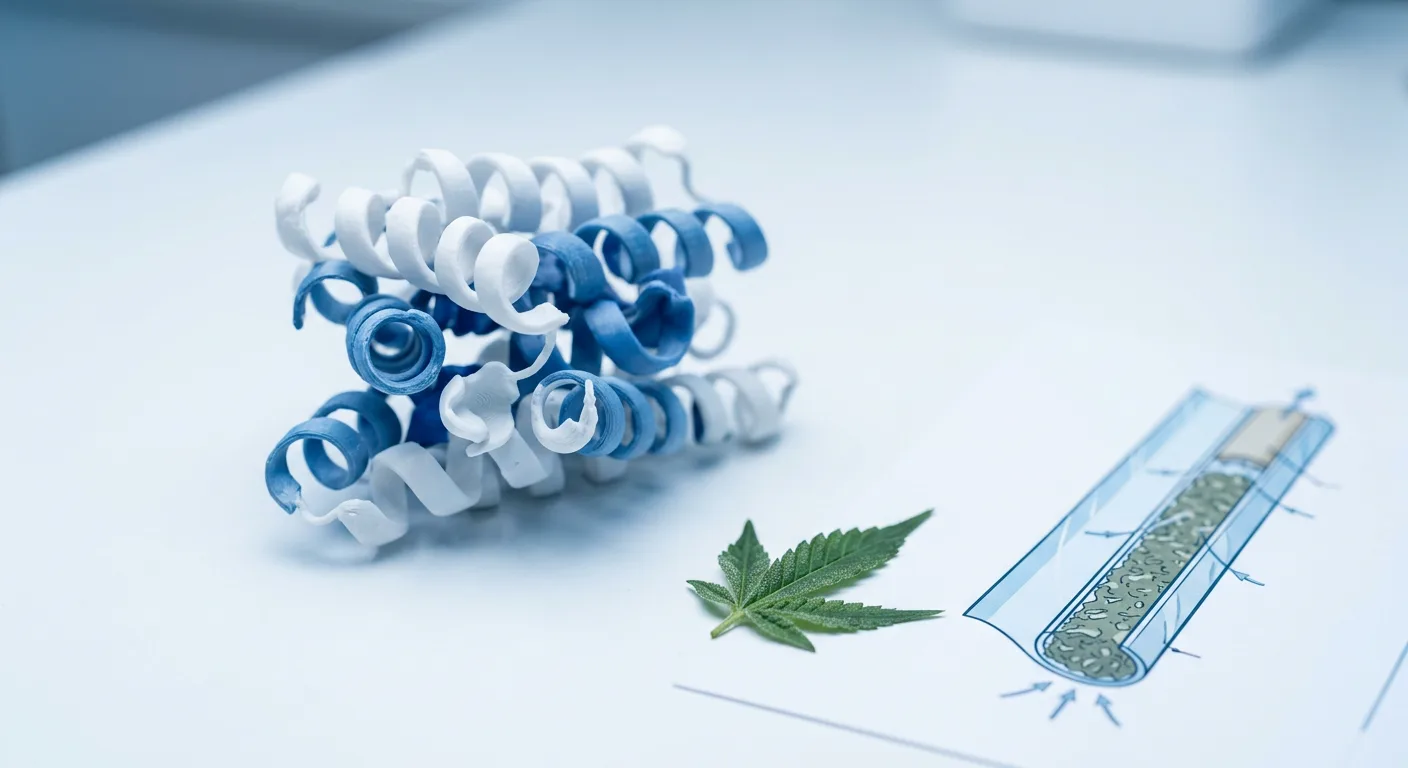
Understanding how cannabis interacts with arthritic tissue requires a brief look at the endocannabinoid system (ECS) — the body's master regulatory network for pain, immune response, and inflammation. For a deeper exploration of how THC specifically engages this system, see our guide on THC and the endocannabinoid system.
CB1 and CB2 Receptor Distribution in Joint Tissue
CB1 receptors are concentrated in the central nervous system and modulate pain signal transmission to the brain. CB2 receptors are found predominantly in immune cells, synovial fibroblasts, and cartilage — making them the primary target for arthritis-specific cannabis therapy.
- Synovial tissue from RA patients shows upregulated CB2 receptor expression, suggesting the ECS actively responds to joint inflammation
- Chondrocytes (cartilage cells) in OA joints express both CB1 and CB2, and CB2 activation has been shown to inhibit metalloproteinase enzymes that degrade cartilage (Idris & Bhatt, 2017)
- Anandamide, the body's own "bliss molecule," is found at elevated levels in inflamed joint fluid — suggesting the ECS attempts to self-regulate arthritic pain
Anti-Inflammatory Mechanisms: Beyond Symptom Relief
Cannabis compounds do not just mask pain — research shows they may intervene at the cellular level of inflammatory cascades. This is a key distinction that separates cannabinoid therapy from simple analgesics like NSAIDs.
- CBD inhibits COX-2 (the same enzyme targeted by ibuprofen) without the gastrointestinal side effects associated with long-term NSAID use
- THC activates CB2 receptors to suppress macrophage activity and reduce the release of inflammatory prostaglandins
- Beta-caryophyllene selectively binds CB2 as a partial agonist, delivering anti-inflammatory effects without psychoactivity — read our full guide to caryophyllene and inflammation
- Myrcene enhances THC permeability across the blood-brain barrier and exhibits independent analgesic properties in animal models
- Pinene has demonstrated bronchodilatory and anti-inflammatory activity — for the full terpene science, see our pinene grower's guide
A 2020 systematic review in Current Opinion in Rheumatology analyzed 10 randomized controlled trials of cannabinoids for arthritis-related pain. It found that 8 of 10 trials reported statistically significant improvements in pain scores, with effect sizes comparable to low-dose opioids but without the dependency risk profile.
Key Terpenes for Arthritis: How to Read a Strain's Anti-Inflammatory Profile
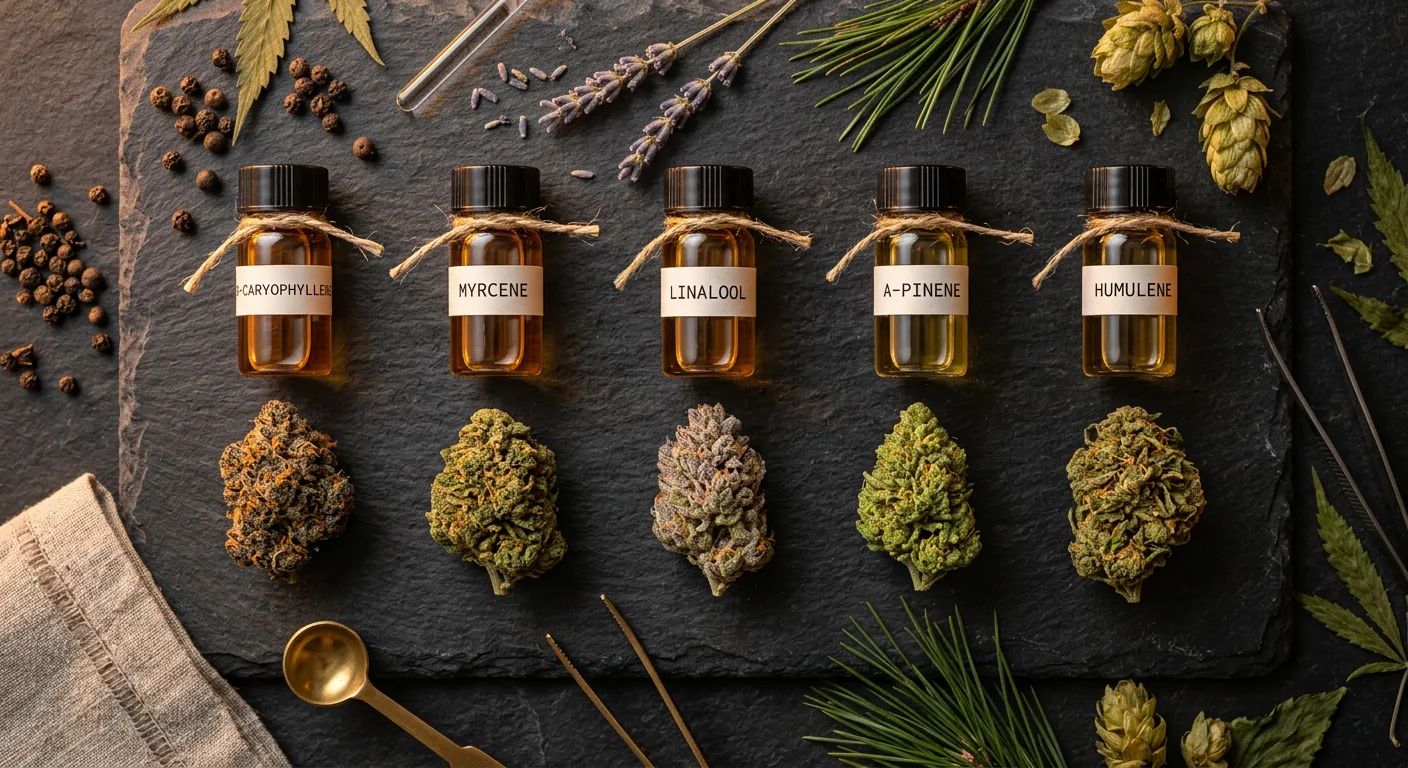
Terpenes are aromatic compounds in cannabis that do far more than create flavor — many have direct, documented anti-inflammatory and analgesic properties. When selecting cannabis for arthritis, the terpene profile is as important as the THC:CBD ratio.
The Big Five Terpenes for Arthritis Pain
| Terpene | Primary Mechanism | Best For | Example Strains |
|---|---|---|---|
| Beta-Caryophyllene | CB2 agonist, COX-2 inhibition | RA systemic inflammation, OA swelling | OG Kush, Purple Kush, Cookies Kush |
| Myrcene | Analgesic, muscle relaxant | OA pain, nighttime relief | Northern Lights, White Widow, Papaya |
| Pinene | COX inhibition, anti-inflammatory | Morning stiffness, daytime RA | Sour Diesel, Super Silver Haze |
| Humulene | Anti-inflammatory, appetite suppression | RA with metabolic concerns | Skunk Special, White Widow |
| Linalool | Anti-anxiety, sedative, anti-inflammatory | Pain-insomnia cycle, RA flares at night | Purple Kush, Lavender Kush, Amnesia Haze |
When reviewing a strain's lab report (COA), look for beta-caryophyllene levels above 0.3% for meaningful CB2 activation. Our guide to reading cannabis COAs explains exactly how to interpret these numbers at home.
Best Cannabis Strains for Arthritis: Full Profiles by Pain Type
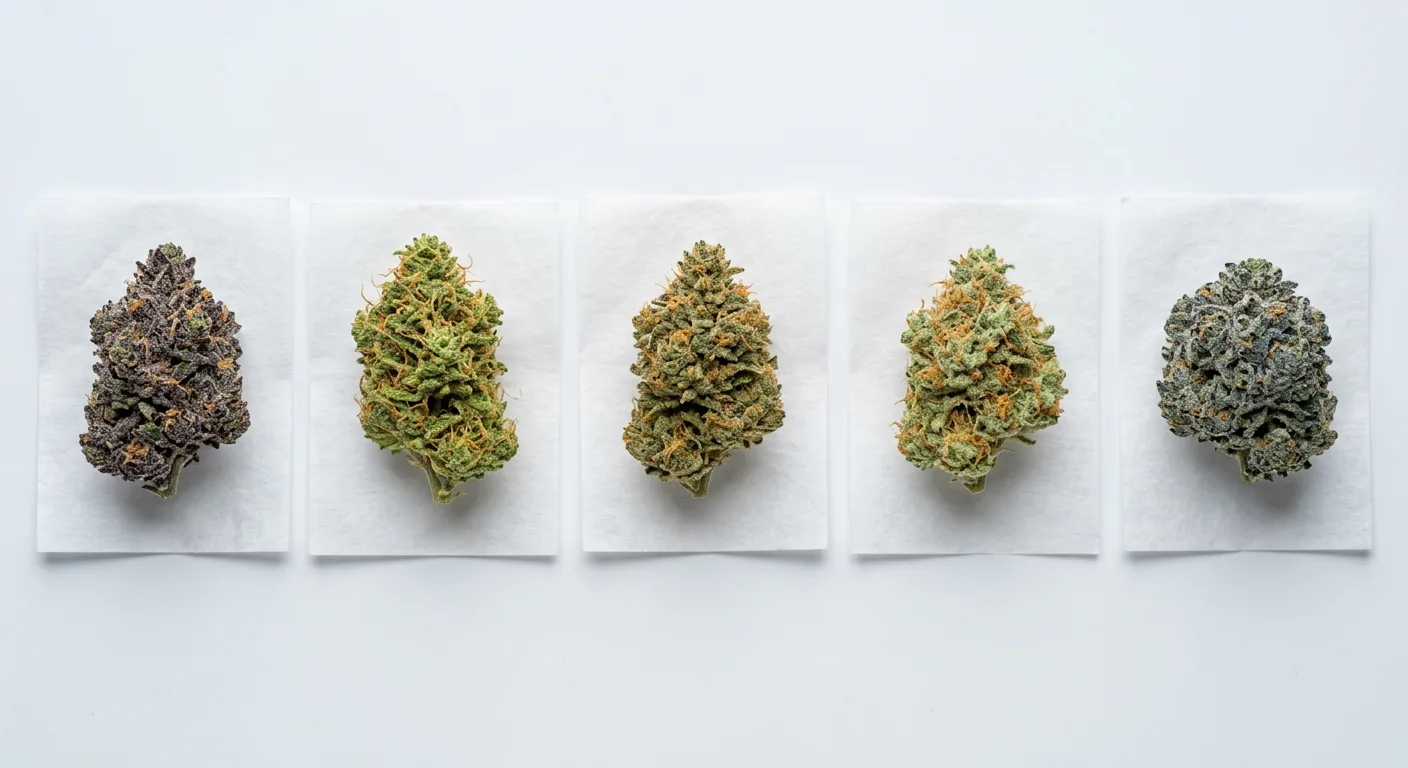
Not every strain works equally for all arthritis patients. The best cannabis strains for arthritis are matched to pain type (inflammatory vs. mechanical), time of day, and tolerance level. Below are eight rigorously profiled strains — a mix of widely recognized varieties and seeds available to grow yourself.
For Rheumatoid Arthritis: Immune-Modulating Profiles
1. ACDC (CBD-Dominant, ~20:1 CBD:THC)
ACDC is arguably the most studied high-CBD strain for autoimmune conditions. With virtually no psychoactive THC effect, it is ideal for daytime RA management without impairing work or daily function. CBD levels consistently test between 16–22%, making it among the highest available. Dominant terpenes include myrcene and pinene, reinforcing its anti-inflammatory profile.
2. Harlequin (2:1 CBD:THC)
Harlequin's balanced-but-CBD-forward ratio makes it a go-to for RA patients who want mild pain relief alongside immune-modulating CBD. It produces a clear-headed, functional effect rather than sedation — useful for morning stiffness without afternoon impairment. Beta-caryophyllene is typically its second-dominant terpene after myrcene.
3. Cookies Kush (THC: ~18%, Balanced)
Cookies Kush carries a notably high caryophyllene concentration, giving it direct CB2 receptor activity on top of standard cannabinoid pain relief. Its moderate THC level at 18% makes it manageable for patients still building tolerance. The indica-dominant structure delivers body relaxation that specifically targets joint stiffness in the evenings.
4. Purple Kush (THC: ~27%, Indica-Dominant)
For severe RA flares with significant pain and sleep disruption, Purple Kush delivers heavy full-body relief. Its linalool and myrcene terpene combination targets both pain signaling and the anxiety-insomnia cycle common during RA flares. At 27% THC, this strain demands low-and-slow dosing for new users — start with a single 5mg dose and assess over 90 minutes. Check our guide on best strains for pain for complementary options.
For Osteoarthritis: Analgesic and Anti-Inflammatory Profiles
5. OG Kush (THC: ~26%, Hybrid)
OG Kush is one of the most reliable strains for mechanical joint pain thanks to its high THC potency combined with a terpene stack dominated by beta-caryophyllene, limonene, and myrcene. The cerebral relaxation prevents pain from dominating conscious attention while the body effect settles inflammation in weight-bearing joints. Widely recommended in dispensary settings for OA of the knees and hips.
6. Northern Lights x Big Bud (THC: ~20%, Indica-Dominant)
Northern Lights is a legendary pain strain with decades of anecdotal evidence among arthritis patients. The Big Bud cross intensifies the physical relaxation without the occasionally overwhelming cerebral effect of pure NL. THC at 20% sits in the sweet spot for OA patients — effective analgesic activity without the risk of anxiety that higher-THC strains can trigger. Myrcene dominance makes it especially good for evening use when OA pain peaks after a day of movement.
7. Gorilla Glue #4 (GG4) (THC: ~27%, Hybrid)
GG4 has become one of the most popular dispensary recommendations for OA pain — its heavy, glue-like body effect directly counteracts the grinding joint pain of moderate-to-severe osteoarthritis. It also carries a significant caryophyllene content, adding CB2-mediated anti-inflammatory action. Best reserved for evening use due to its strong sedative quality.
8. White Widow (THC: ~25%, Balanced Hybrid)
White Widow's hybrid structure gives it a more balanced effect profile than pure indicas — enough body relief for OA joint pain, but with enough cerebral engagement to remain active. It is a useful daytime OA strain for patients who need to remain functional. Humulene is present in notable concentrations, contributing anti-inflammatory effects consistent with research described in our humulene guide.
The highest-THC strain is not always the best arthritis strain. Terpene profile, onset pattern, and time-of-day appropriateness matter as much as raw potency. Match the strain to your specific arthritis type and daily schedule.
THC:CBD Ratios for Arthritis: A Data-Driven Dosing Framework
The ratio of THC to CBD is the single most important variable in cannabis arthritis management after delivery method. The right ratio depends on arthritis type, pain severity, time of day, and patient tolerance. No single ratio works for everyone.
Ratio Guide by Condition and Use Case
| Ratio (THC:CBD) | Best For | Effect Profile | Time of Day |
|---|---|---|---|
| 1:20 (CBD-dominant) | Early RA, daytime immune support | Non-psychoactive, anti-inflammatory | Morning / All day |
| 1:4 (CBD-forward balanced) | Moderate RA, RA flares with mild pain | Mild effect, functional | Morning / Afternoon |
| 1:1 (True balanced) | RA + OA overlap, moderate pain | Moderate effect, pain + inflammation | Afternoon / Early evening |
| 2:1 (THC-forward) | Moderate-severe OA, chronic pain | Strong analgesic, mild sedation | Evening |
| 4:1+ (THC-dominant) | Severe OA, nighttime pain + insomnia | Strong psychoactive, heavy sedation | Bedtime only |
The "entourage effect" means a 1:1 THC:CBD product may deliver more effective pain relief than the same dose of THC alone. CBD modulates CB1 receptor activation, reducing anxiety while extending the analgesic duration of THC. For arthritis, this synergy is well-documented and practically significant.
Starting Dose Protocol for New Cannabis Users with Arthritis
The most common mistake among new arthritis patients is starting with too high a dose. Even with a medically appropriate strain and ratio, exceeding your current tolerance produces anxiety and dysphoria — not relief.
Start with 2.5mg THC
Begin with 2.5mg of THC (with at least an equal amount of CBD for RA patients). This micro-dose establishes baseline sensitivity and avoids overwhelming psychoactive effects. Hold this dose for 3 full days before adjusting.
Assess Over 90 Minutes (Oral) or 15 Minutes (Inhaled)
Edibles and oils require up to 2 hours to peak. Inhaled cannabis peaks in 10–15 minutes. Never re-dose within the peak window — this is the most common cause of overconsumption. Use our edible dosage calculator to model oral dosing curves.
Titrate Up by 2.5mg Increments Every 3–5 Days
Increase by one increment at a time until you reach the minimum effective dose — the lowest dose that produces meaningful pain relief without unwanted side effects. Most arthritis patients find their therapeutic window between 5mg and 20mg THC per session.
Track Pain Scores and Function
Use a simple 0–10 pain scale at 3 consistent time points daily. Document joint stiffness duration, sleep quality, and functional capacity. This data becomes critical when discussing cannabis therapy with your physician or rheumatologist.
Cannabis can interact with common RA medications including methotrexate and some biologic DMARDs. THC elevates methotrexate plasma levels in some patients by competing for CYP450 liver enzyme pathways. Always disclose cannabis use to your prescribing rheumatologist before beginning any regimen.
Topical vs. Systemic Cannabis Delivery: Which Method Works for Arthritis?
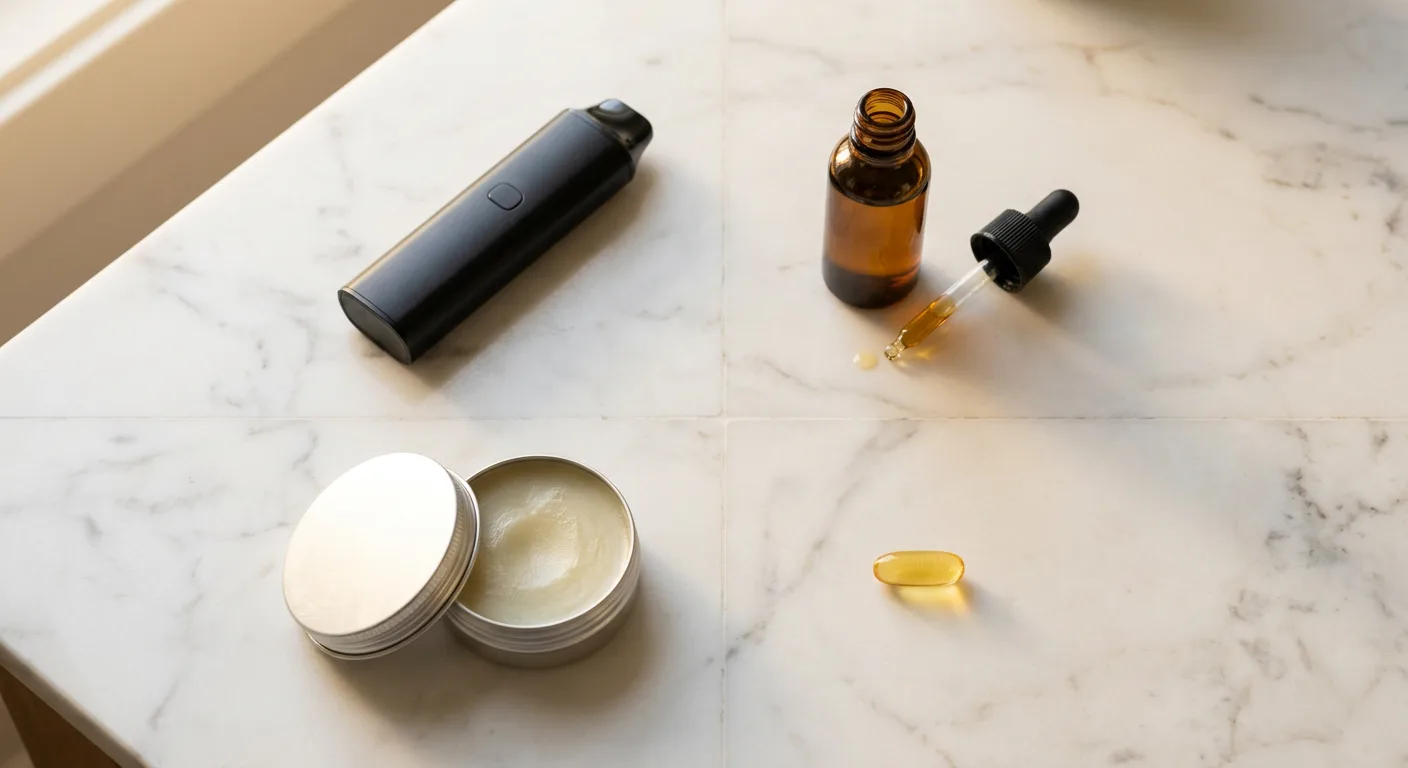
Delivery method determines where and how fast cannabinoids act on arthritic tissue. For arthritis, the choice between topical and systemic delivery is not just a preference — it is a mechanistic decision based on joint location and disease type.
Topical Cannabis: Localized Relief Without Psychoactivity
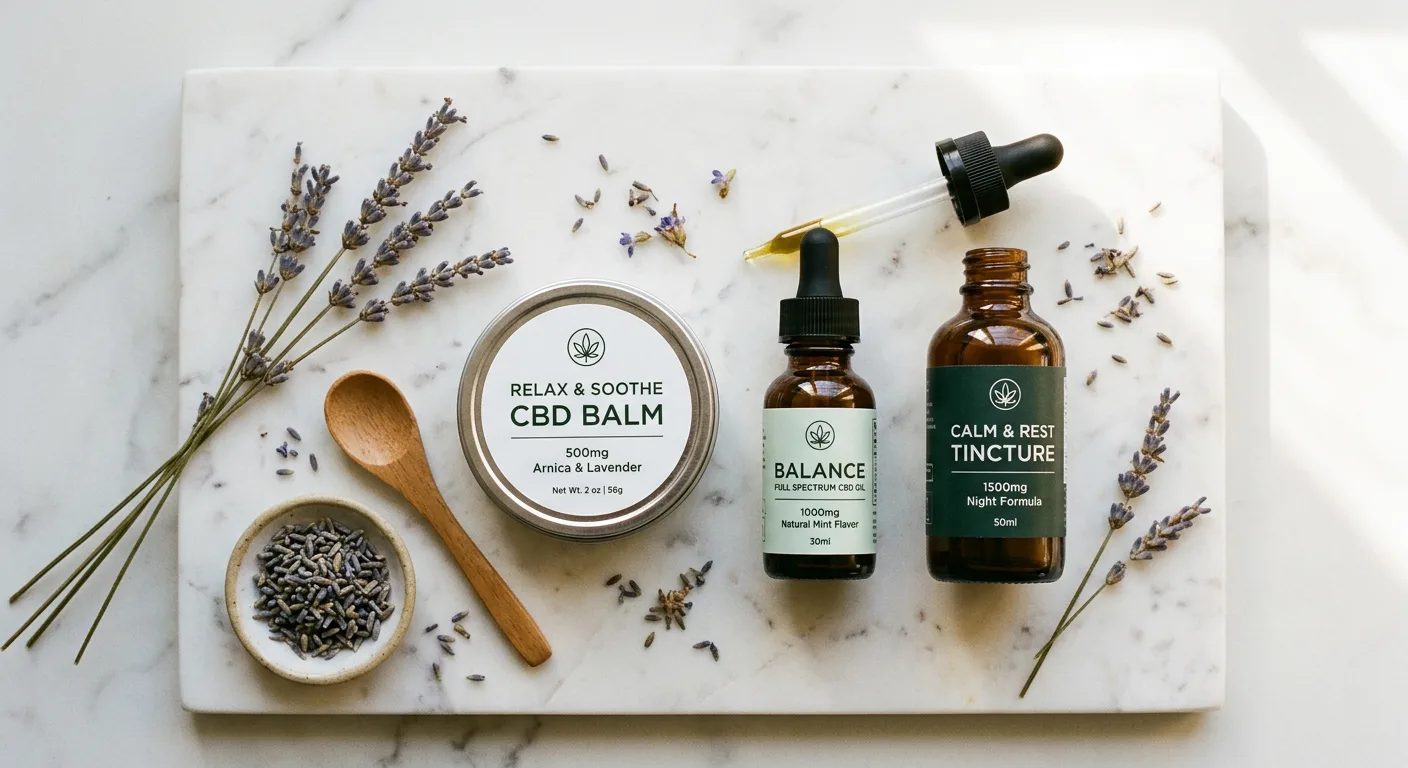
Topical cannabis preparations — balms, creams, transdermal patches — apply cannabinoids directly to the skin over affected joints. Cannabinoids penetrate the epidermis and interact with CB1 and CB2 receptors in underlying tissue without entering systemic circulation in meaningful amounts.
- Best for: OA of the knees, hands, and other peripheral joints; RA hand inflammation
- Onset: 15–45 minutes; duration 2–6 hours
- No psychoactivity: Topicals do not produce a "high" — critical for patients who need daytime relief
- Transdermal patches (vs. standard topicals) can deliver measurable systemic levels and are more appropriate for deeper joint penetration
- CBD-dominant topicals are especially effective for RA hand and wrist joints due to their anti-inflammatory action on superficial tissue
Inhalation: Fast Onset for Acute Flares
Smoking and vaporizing deliver cannabinoids to the bloodstream within minutes, making inhalation the fastest-acting delivery method for acute arthritis flares. Vaporizing (at 170–185°C) is strongly preferred over smoking — it eliminates combustion byproducts while preserving terpenes that contribute therapeutic effects.
- Onset: 2–10 minutes; peak 15–30 minutes; duration 1–3 hours
- Best for: Acute pain spikes, severe morning stiffness, immediate flare management
- Limitation: Short duration requires more frequent dosing; not appropriate for patients with respiratory conditions
Oral Oils and Capsules: Sustained Relief for Chronic Pain
CBD oils, THC tinctures, and cannabis capsules pass through the digestive system, producing longer-lasting effects compared to inhalation. The delayed onset (45–120 minutes) and extended duration (4–8 hours) make them ideal for managing chronic background arthritis pain throughout the day or night.
- Sublingual oils (held under the tongue for 60–90 seconds) absorb partially through mucous membranes, reducing onset to 15–45 minutes
- Capsules deliver the most consistent, predictable dosing — important for patients managing complex medication regimens
- Full-spectrum oils retain the complete terpene and cannabinoid profile, activating the entourage effect more completely than isolates
- For RA patients, a morning CBD oil dose (10–20mg CBD) combined with an evening balanced (1:1) tincture represents a practical twice-daily protocol
Most arthritis patients benefit from combining delivery methods: a CBD oil for daily immune modulation (RA) or background pain management (OA), a topical for specific joints during flares, and vaporized flower for acute breakthrough pain. This layered approach mirrors how conventional medicine uses multiple drug classes together.
Clinical Evidence: What the Research Actually Shows
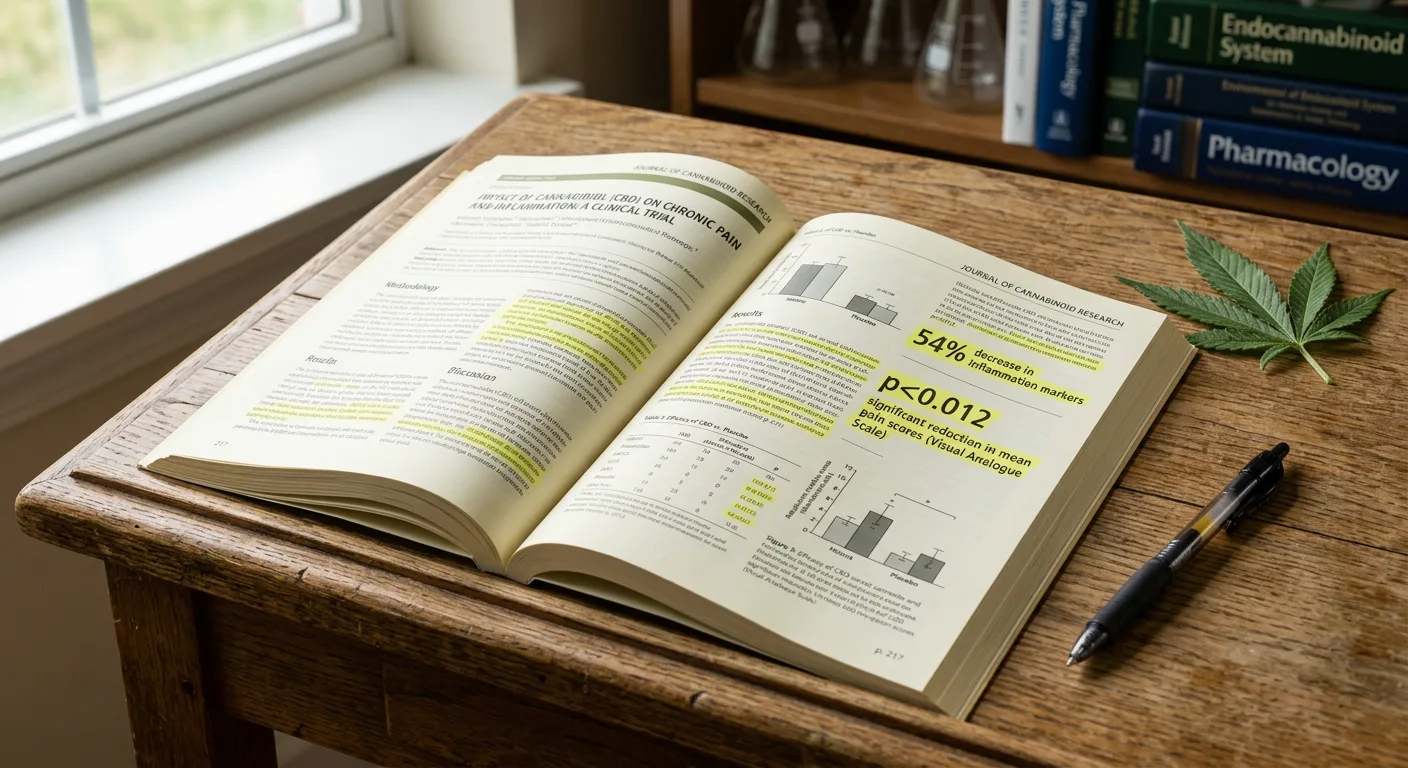
Cannabis research for arthritis has accelerated significantly since 2015. While definitive large-scale RCTs are still limited by regulatory barriers, the existing evidence base is meaningful — and grows stronger each year. Here is what the clinical data currently supports.
Key Studies and Findings
- 2006 – Blake et al. (Rheumatology): The first RCT of a cannabis-based medicine (Sativex, 1:1 THC:CBD) for RA. 58 patients showed statistically significant improvements in pain-on-movement, pain-at-rest, and sleep quality versus placebo. Morning stiffness scores improved by 28% in the treatment group.
- 2017 – Hammell et al. (European Journal of Pain): Transdermal CBD reduced arthritis-associated pain and inflammation in animal models without detectable systemic side effects. Established the pharmacokinetic basis for topical cannabinoid therapy.
- 2018 – Vela et al. (Cannabis and Cannabinoid Research): Survey of 428 arthritis patients using cannabis reported 97% reduced pain, 93% reduced inflammation, and 74% improved sleep quality. Limitations include self-reporting bias, but the consistency of reported effects across large n is notable.
- 2021 – McDonough et al. (Rheumatology Advances in Practice): Cross-sectional study found that arthritis patients using cannabis reduced their opioid use by an average of 39% over 6 months. Significant opioid-sparing effect with no increase in adverse events reported.
- 2022 – Arthritis Foundation National Pain Survey: Of patients currently using CBD for arthritis, 71% reported it was "somewhat" or "very" effective for pain, 70% for physical function, and 67% for sleep quality. Morning stiffness was the most consistently improved symptom.
The opioid-sparing potential of cannabis may be its most clinically important application in arthritis management. Chronic NSAID use causes significant GI damage and cardiovascular risk; opioids carry dependency and overdose concerns. Cannabis occupies a middle ground — meaningful analgesia with a substantially more favorable safety profile for long-term use.
What the Evidence Does Not Yet Confirm
Scientific honesty requires noting what remains unproven. Current evidence does not confirm that cannabis stops or reverses joint destruction in RA — it manages symptoms without definitively altering disease progression. Long-term studies beyond 12 months remain scarce. Optimal dosing protocols are still being established through formal research.
- Disease-modifying effects (slowing cartilage loss in OA) are suggested by preclinical data but not confirmed in human trials
- Head-to-head comparisons with biologics or DMARDs for RA have not been conducted
- Pediatric and adolescent use for juvenile idiopathic arthritis lacks any clinical evidence base
Combining Cannabis with Conventional Arthritis Therapies
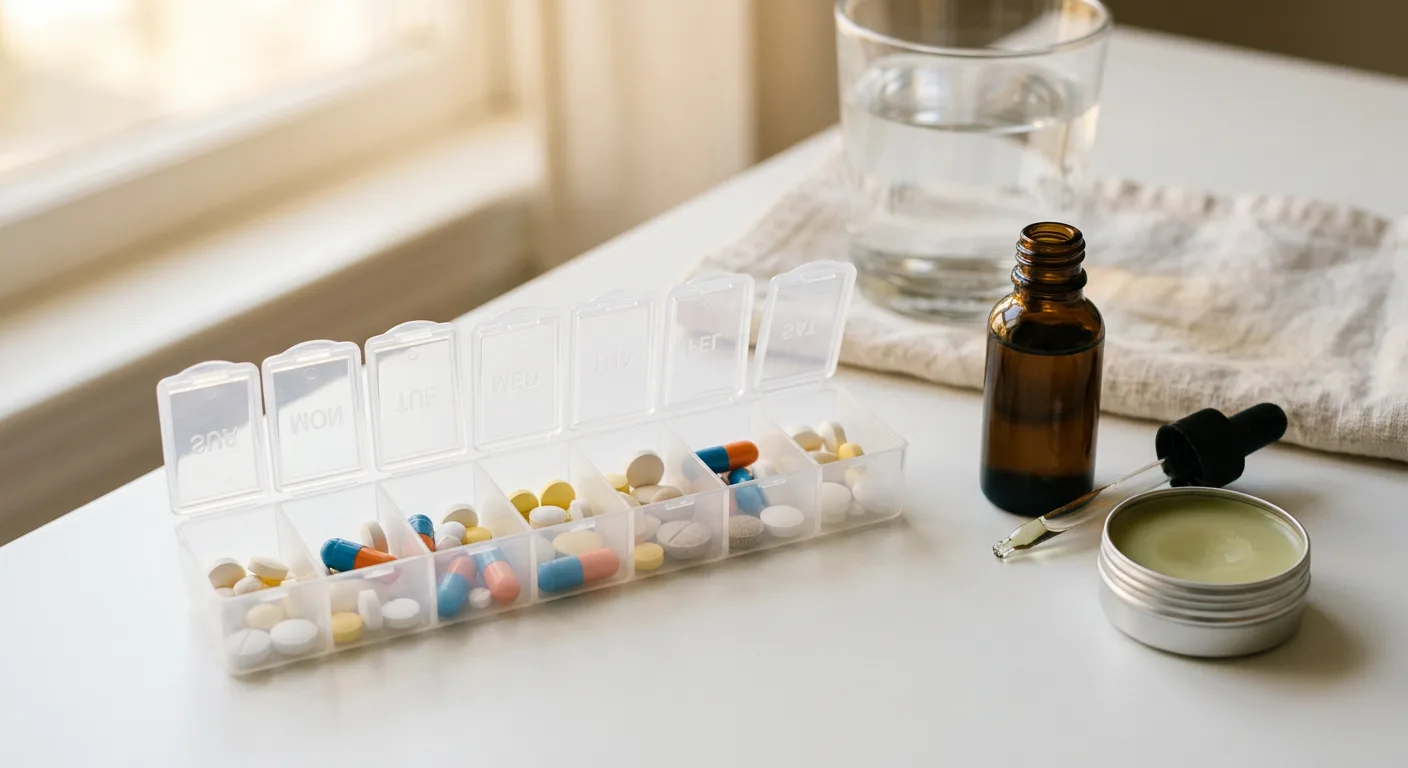
Cannabis works best as part of an integrated pain management strategy — not as a standalone replacement for proven therapies. The most successful arthritis patients use cannabinoids to fill specific gaps that conventional medicine leaves: breakthrough pain, sleep disruption, NSAID side effect reduction, and opioid dosage reduction.
Integrating with DMARDs and Biologics (RA)
Disease-modifying antirheumatic drugs (DMARDs like methotrexate) and biologic therapies (TNF inhibitors like adalimumab) remain the cornerstone of RA treatment. Cannabis does not replace them but complements them in specific ways.
- CBD's anti-inflammatory action works through different pathways than DMARDs, creating potential additive (not competitive) effects on inflammation
- Reduced systemic inflammation from CBD may improve methotrexate tolerability by lowering baseline cytokine activity
- Cannabis significantly improves the sleep disruption associated with RA flares — which methotrexate does not address — improving overall recovery
- Always disclose: Cannabis can inhibit CYP2C9 and CYP3A4 enzymes, affecting the metabolism of several RA medications. Disclose use to your rheumatologist.
Complementary Physical Therapies
Physiotherapy, aquatic therapy, and gentle resistance training all improve arthritis outcomes, but pain often limits participation. Cannabis used 30–60 minutes before physiotherapy sessions has been reported to improve exercise tolerance and reduce post-therapy pain — allowing more consistent therapy engagement.
- Use inhalable (vaporized) cannabis 20–30 minutes before sessions for time-matched pain coverage
- Topical application to the specific joint(s) being worked can be applied immediately before therapy
- Avoid high-THC sedating strains before physical therapy — choose balanced or sativa-leaning profiles that maintain energy and coordination
Ask your dispensary or grower for strains with a COA showing >0.5% beta-caryophyllene AND a THC level between 15–22% if you want pre-activity pain coverage without sedation. This terpene-potency combination is practically optimal for pre-physiotherapy use.
Diet, Supplementation, and Cannabis Synergies
The anti-inflammatory effects of cannabis are amplified by an anti-inflammatory diet. Omega-3 fatty acids, turmeric (curcumin), and resveratrol all work through overlapping pathways with CBD — COX-2 inhibition and cytokine reduction — creating meaningful synergy without drug interactions.
- Omega-3s enhance endocannabinoid signaling by providing precursors for endocannabinoid synthesis
- High-fat meals increase cannabis bioavailability by up to 4x when taking oral oil preparations — time your CBD oil dose with meals for maximum absorption
- Avoiding processed sugar and refined carbohydrates reduces the underlying inflammatory burden that cannabis must counteract
Growing Your Own Cannabis for Arthritis: Practical Considerations
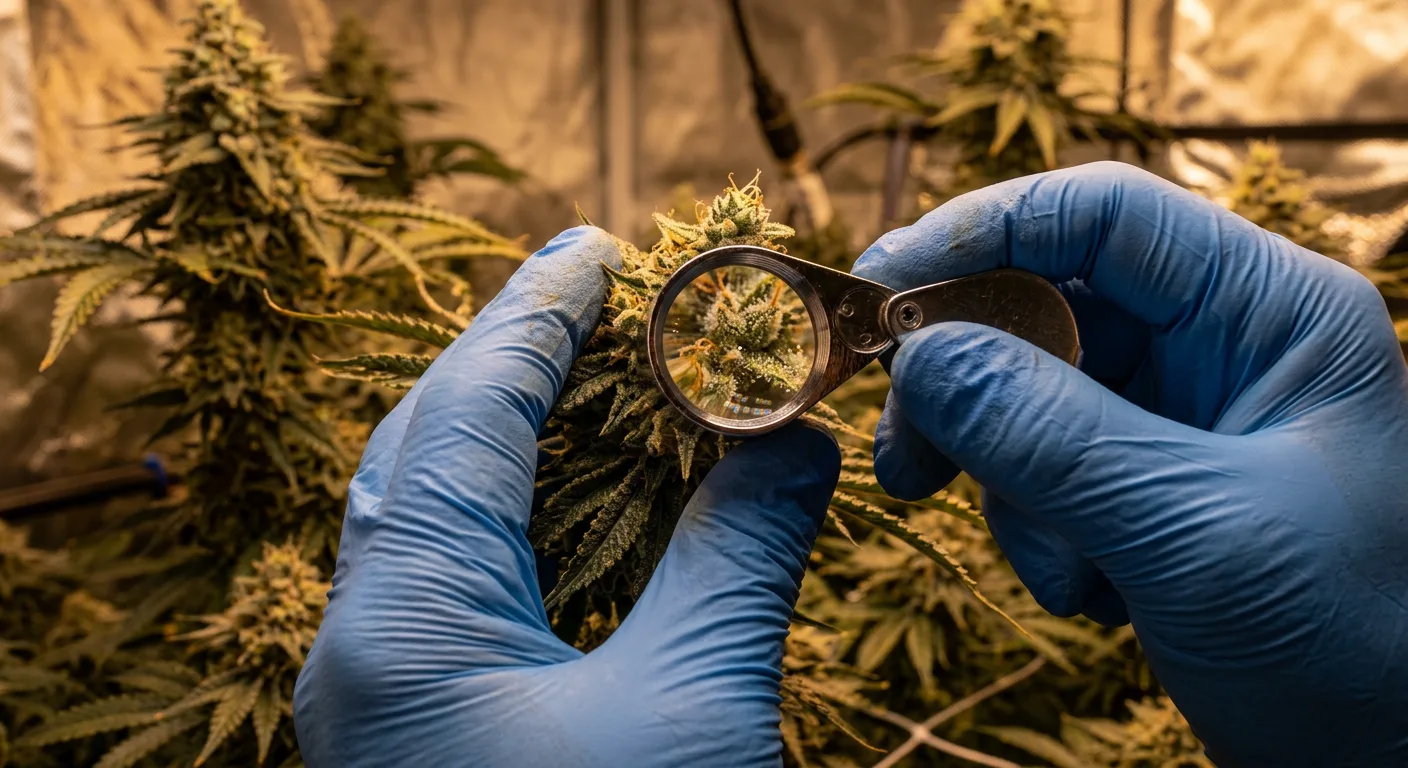
For patients in legal jurisdictions, growing your own cannabis provides control over terpene profiles, harvesting timing, and cannabinoid ratios that dispensary products cannot always guarantee. Here is what arthritis patients who grow at home should know.
Selecting Seeds for Therapeutic Cannabinoid Profiles
For arthritis-focused cultivation, genetics that consistently produce high terpene diversity and stable CBD:THC ratios are the priority. Auto-flowering strains are particularly practical for medical growers — faster cycles mean more frequent harvests and easier management.
- Skywalker OG Autoflower (23% THC) — heavy indica profile with fast 70–80 day cycle, excellent for evening OA pain relief
- Plushberry Autoflower (18% THC) — moderate potency with terpene richness, good for new medical growers building tolerance gradually
- Holy Grail Kush Autoflower (20% THC) — balanced hybrid with notable caryophyllene, strong CB2 anti-inflammatory terpene activity
- Purple Power Feminized (10% THC) — low THC makes this beginner-friendly for RA patients prioritizing CBD-adjacent effects and functional daytime use
Home cultivation laws vary significantly by state and country. Before growing, verify your local regulations. Our legalization map tool provides current plant count limits and home-grow legal status for all US states. Always comply with possession and plant count limits in your jurisdiction.
Harvest Timing for Maximum CBD and Terpene Preservation
Arthritis patients growing their own should pay close attention to harvest timing. Harvesting too early leaves CBD and terpene levels below peak; harvesting too late degrades THC to CBN (sedating cannabinoid) and loses volatile terpenes critical for anti-inflammatory activity.
- For maximum anti-inflammatory terpene content, harvest at peak trichome maturity — 70–80% cloudy trichomes with 20–30% amber transition
- Our full guide to harvesting for maximum potency walks through the trichome assessment process step by step
- Proper curing at 58–65% relative humidity preserves terpene integrity — see our humidity pack comparison guide for storage optimization
For yield planning and grow cost estimation before you start, our yield estimator and grow cost calculator take the guesswork out of planning a medical grow. All seeds purchased come with a germination guarantee — important for patients depending on consistent therapeutic harvests.
Safety Profile, Side Effects, and Special Populations
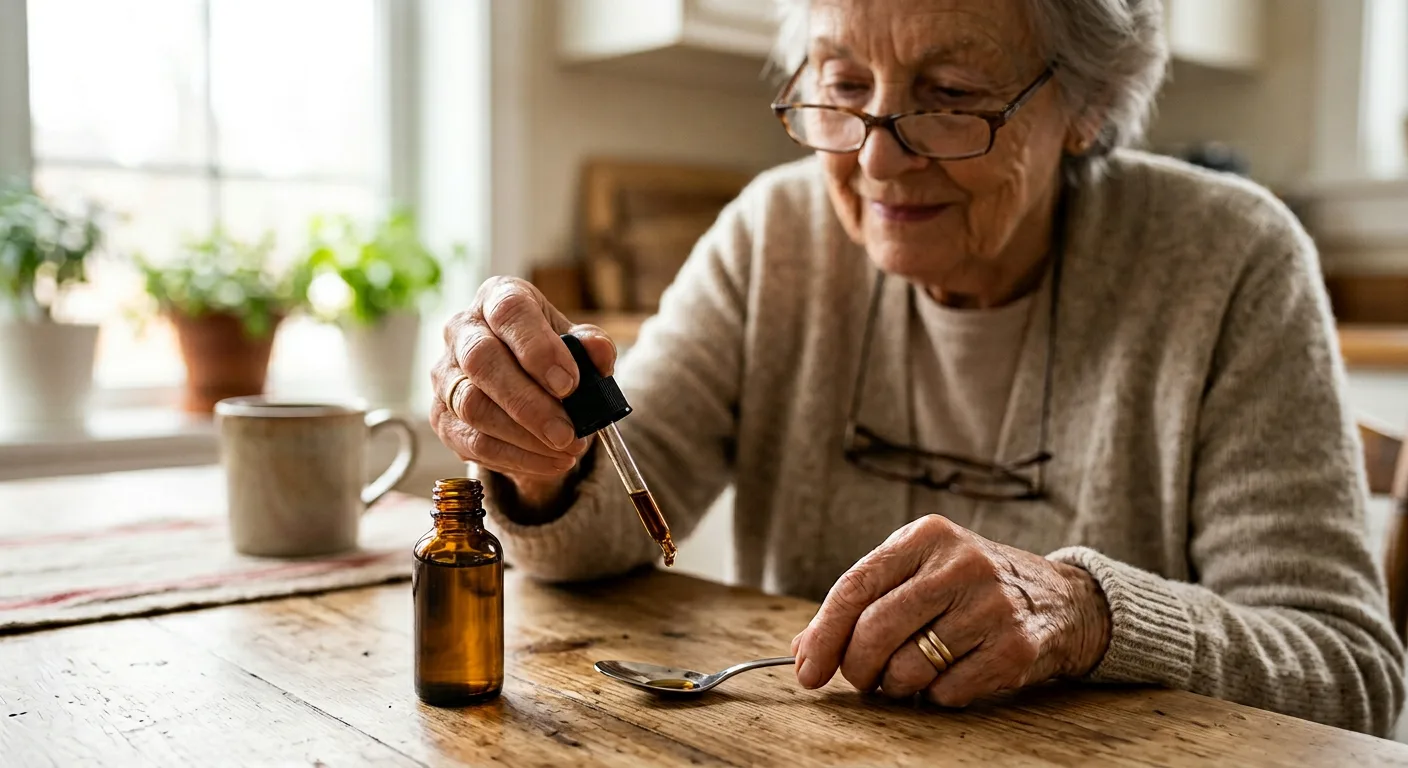
Cannabis has a well-documented safety profile compared to conventional arthritis medications — but it is not without risks, particularly at high THC doses or in vulnerable populations. Understanding side effect profiles is essential for informed use.
Common Side Effects at Therapeutic Doses
- Dry mouth (cottonmouth) — manageable with hydration
- Short-term memory impairment with high THC doses
- Dizziness or postural hypotension — particularly in older adults
- Increased appetite — relevant for patients managing weight-bearing joint OA
- Mild sedation at moderate-to-high THC doses
- Temporary anxiety or paranoia — dose-dependent, more common above 20mg THC
- Tolerance development with daily high-THC use over weeks-months
Older Adults: The Primary Arthritis Population
Most arthritis patients are over 50, a population with specific cannabis safety considerations. Older adults show higher sensitivity to THC's psychoactive effects, greater risk of falls due to dizziness, and more complex polypharmacy interactions.
- Start with 50% of standard adult doses in patients over 65
- CBD-dominant and balanced (1:1) products are safer starting points than high-THC strains for elderly new users
- Avoid cannabis combinations with benzodiazepines or opioids in elderly patients without physician oversight due to additive CNS depression risk
- Cognitive effects of THC are more pronounced and longer-lasting in older adults — this argues strongly for topical-first approaches in this group
Cannabis is not risk-free, but its adverse event profile at therapeutic doses is substantially more favorable than long-term NSAID use (GI damage, cardiovascular risk) or opioid therapy (dependency, overdose). The benefit-risk calculation is favorable for most arthritis patients using appropriate doses.
Strain Selection by Arthritis Scenario: A Quick-Reference Guide
Matching cannabis strain to specific arthritis scenarios eliminates the guesswork of starting a new therapeutic regimen. Use this decision framework to identify your optimal starting point.
| Scenario | Recommended Strain Type | THC:CBD Ratio | Delivery Method |
|---|---|---|---|
| RA morning stiffness, need to work | CBD-dominant sativa or hybrid (ACDC, Harlequin) | 1:10 – 1:4 | Sublingual oil |
| RA evening flare, pain + anxiety | Balanced indica hybrid (Cookies Kush, Purple Kush low dose) | 1:1 – 1:2 | Vaporized flower or tincture |
| OA knee/hip pain, daytime activity | Balanced hybrid (White Widow, OG Kush low dose) | 1:1 – 2:1 | Topical + sublingual oil |
| OA severe nighttime pain + insomnia | High-THC indica (Purple Kush, NL x Big Bud) | 4:1 – pure THC | Capsule or vaporized flower |
| Mixed RA/OA, first-time user | Low-THC balanced (Purple Power, Swiss Miss) | 1:1 at low dose | Sublingual CBD oil + topical |
| Post-PT soreness and inflammation | High-caryophyllene balanced hybrid (OG Kush, GG4) | 2:1 – 3:1 | Topical + vaporized flower |
For patients managing pain that extends beyond arthritis joints — including related back pain and muscle spasms — our guides on best strains for pain, inflammation, and muscle spasms provide additional strain recommendations matched to overlapping conditions.
Keep a simple log for the first 30 days of cannabis arthritis therapy. Record: strain used, delivery method, dose, time of day, pain score before and 90 minutes after, and any side effects. This data lets you identify your personal therapeutic window and optimize your protocol faster than trial-and-error alone.
Frequently Asked Questions
What is the best CBD:THC ratio for rheumatoid arthritis?
For rheumatoid arthritis, a CBD-dominant ratio — typically 1:4 to 1:1 (THC:CBD) — is generally most appropriate. CBD's immune-modulating properties address the autoimmune inflammation driving RA, while moderate THC provides analgesic support. Pure CBD-dominant products (20:1 CBD:THC) are ideal for daytime use when cognitive function must be preserved. Higher THC ratios may be appropriate at night for severe flare pain and sleep disruption.
Can cannabis topicals really reduce arthritis joint swelling?
Yes — clinical and preclinical evidence supports meaningful reduction in localized joint swelling with topical cannabinoid application. The 2017 Hammell et al. study demonstrated significant reduction in joint swelling and inflammatory markers using transdermal CBD in an arthritis model. Topicals work best for peripheral joints (hands, knees, wrists) where cannabinoids can penetrate to the underlying tissue. They do not produce systemic effects, making them safe for daytime use alongside other medications.
Is cannabis safe to use with methotrexate for RA?
Cannabis use alongside methotrexate requires physician oversight. CBD and THC inhibit certain CYP450 liver enzymes (particularly CYP2C9 and CYP3A4) that are involved in methotrexate metabolism. This can theoretically elevate methotrexate plasma levels in some patients. That said, no serious adverse interactions have been widely documented in clinical settings. Always disclose cannabis use to your rheumatologist before combining with any DMARD or biologic therapy.
How is cannabis for osteoarthritis different from cannabis for rheumatoid arthritis?
Osteoarthritis involves mechanical cartilage degradation and localized pain signaling — higher-THC strains and topical delivery are often most effective. Rheumatoid arthritis involves a systemic autoimmune attack on joint tissue — CBD-dominant or balanced formulations targeting immune modulation via CB2 receptors are the priority. OA benefits most from direct analgesic action; RA benefits most from anti-inflammatory and immune-modulating cannabinoid activity. The delivery method also differs: topicals are highly effective for OA's peripheral joint involvement, while oral oils work better for RA's systemic inflammation.
How long does it take for cannabis to work for arthritis pain?
Onset time depends entirely on delivery method. Vaporized or smoked cannabis works in 2–15 minutes, making it suitable for acute flares. Sublingual CBD oils peak in 15–45 minutes. Oral capsules and edibles require 45–120 minutes but provide 4–8 hours of sustained relief. Topicals applied to joint tissue typically produce local effects within 15–45 minutes. For chronic background pain management, consistent daily use of an oral oil product produces the most stable therapeutic effect over time — most patients notice meaningful improvement within 2–4 weeks of consistent use.