Here's a fact that flips one of cannabis's oldest myths on its head: not every terpene in your flower makes you raid the fridge. The humulene terpene in cannabis is the rare exception — it's the only major cannabis terpene with documented appetite-suppressing properties. While myrcene gets credit for sedation and limonene earns its reputation for mood elevation, humulene quietly challenges the universal "munchies" narrative that has defined cannabis culture for decades.
Humulene is also one of the most research-supported terpenes in the plant, with credible science behind its anti-inflammatory, antibacterial, and potential antitumor activity. If you've ever smelled a dry-hopped IPA and thought it had something in common with your OG Kush, you were chemically correct — humulene is the terpene connecting those two worlds.
This guide covers everything: humulene's molecular structure, how it works in your body, the strains that express it most richly, how growers can protect it from seed to jar, and why its partnership with beta-caryophyllene may be one of the most underrated synergies in the entire terpene chart.
What Is Humulene? Chemistry, Origins & Where It Hides in Nature
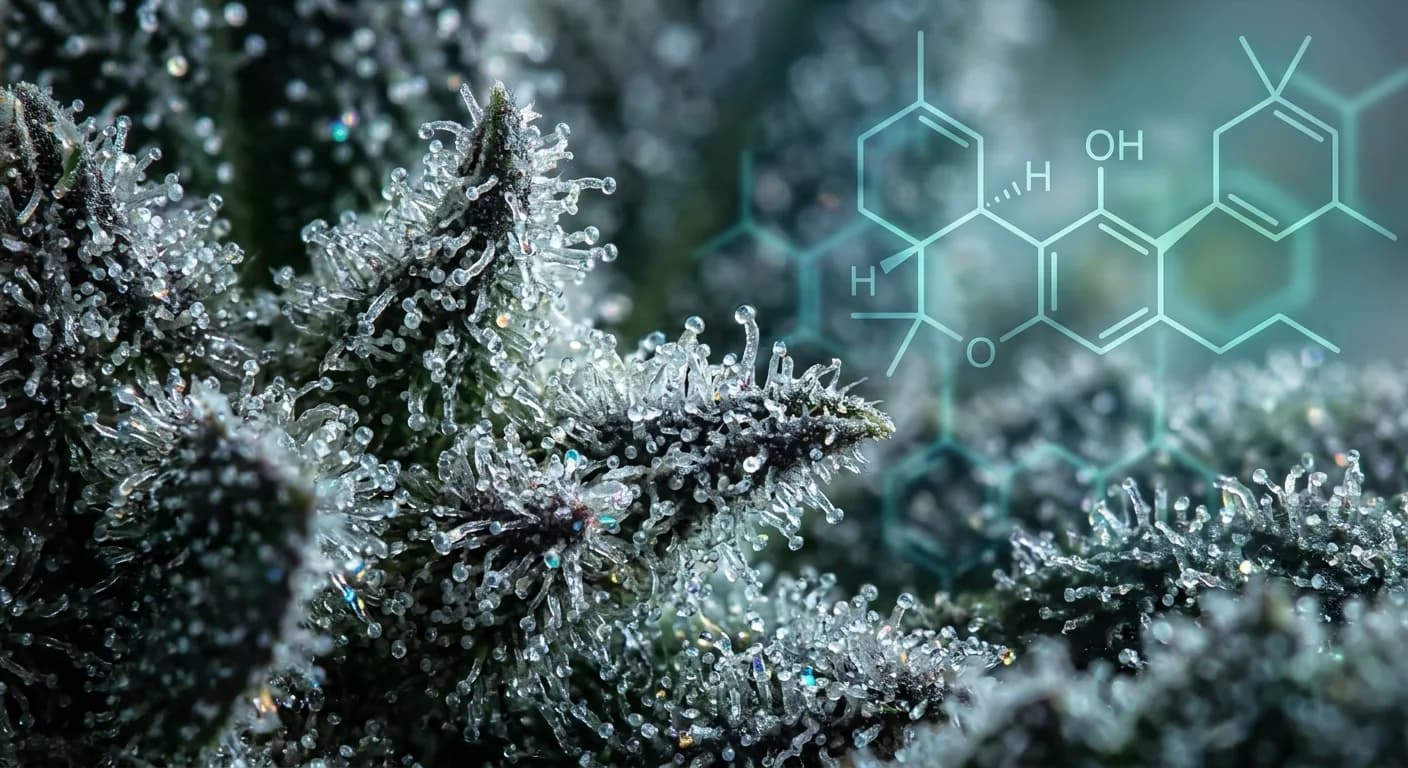
Humulene is a monocyclic sesquiterpene with the molecular formula C₁₅H₂₄ — meaning it's built from three isoprene units arranged in a distinctive 11-membered ring structure. That ring shape is what separates humulene from the six-membered rings of monoterpenes like limonene, and it's partly responsible for humulene's unique reactivity in biological systems.
It was first isolated from the essential oil of Humulus lupulus — the common hops plant — which is exactly where its name comes from. If you're a craft beer enthusiast, you've been inhaling humulene every time you crack open a dry-hopped IPA or West Coast pale ale.
Where Humulene Occurs in Nature
Humulene is far more widespread than most cannabis consumers realize. It appears across a remarkably diverse range of botanical families:
- Hops (Humulus lupulus): The dominant terpene in many hop varieties; drives the earthy, resinous character of IPAs
- Sage (Salvia officinalis): Contributes to sage's dry, herbal pungency
- Ginseng (Panax ginseng): Present in root extracts used for centuries in traditional medicine
- Black pepper (Piper nigrum): Shares this compound with caryophyllene, creating overlapping aroma profiles
- Balsam fir (Abies balsamea): Found in the essential oil of fir trees, adding forest-floor depth
- Tobacco (Nicotiana tabacum): Contributes to aged tobacco's characteristic woodiness
- Cannabis (Cannabis sativa): Present in many strains, particularly OG Kush and Sour Diesel lineages
This broad natural distribution tells us something important: humulene has been a component of traditional herbal medicine systems for centuries, long before anyone isolated the molecule and gave it a name.
Humulene is a sesquiterpene — not a monoterpene — which means it's heavier, less volatile, and more heat-sensitive than compounds like limonene or pinene. This matters enormously for growers trying to preserve it during drying and curing.
How Much Humulene Is in Cannabis?
Humulene is classified as a secondary terpene in most cannabis cultivars, meaning it's rarely the single most abundant terpene but can still reach meaningful concentrations. Lab-tested cannabis typically shows humulene in the range of 0.1% to 1.5% of total mass.
To put that in perspective: myrcene in a high-myrcene strain can exceed 2%, while pinene rarely breaks 1.5%. Humulene sitting at 0.5–1.0% in an OG Kush puts it in the same competitive range as many recognized primary terpenes. In strains specifically bred for high humulene expression, concentrations can push toward — and occasionally exceed — the 1.5% ceiling.
The Aroma of Humulene: How to Identify It by Smell
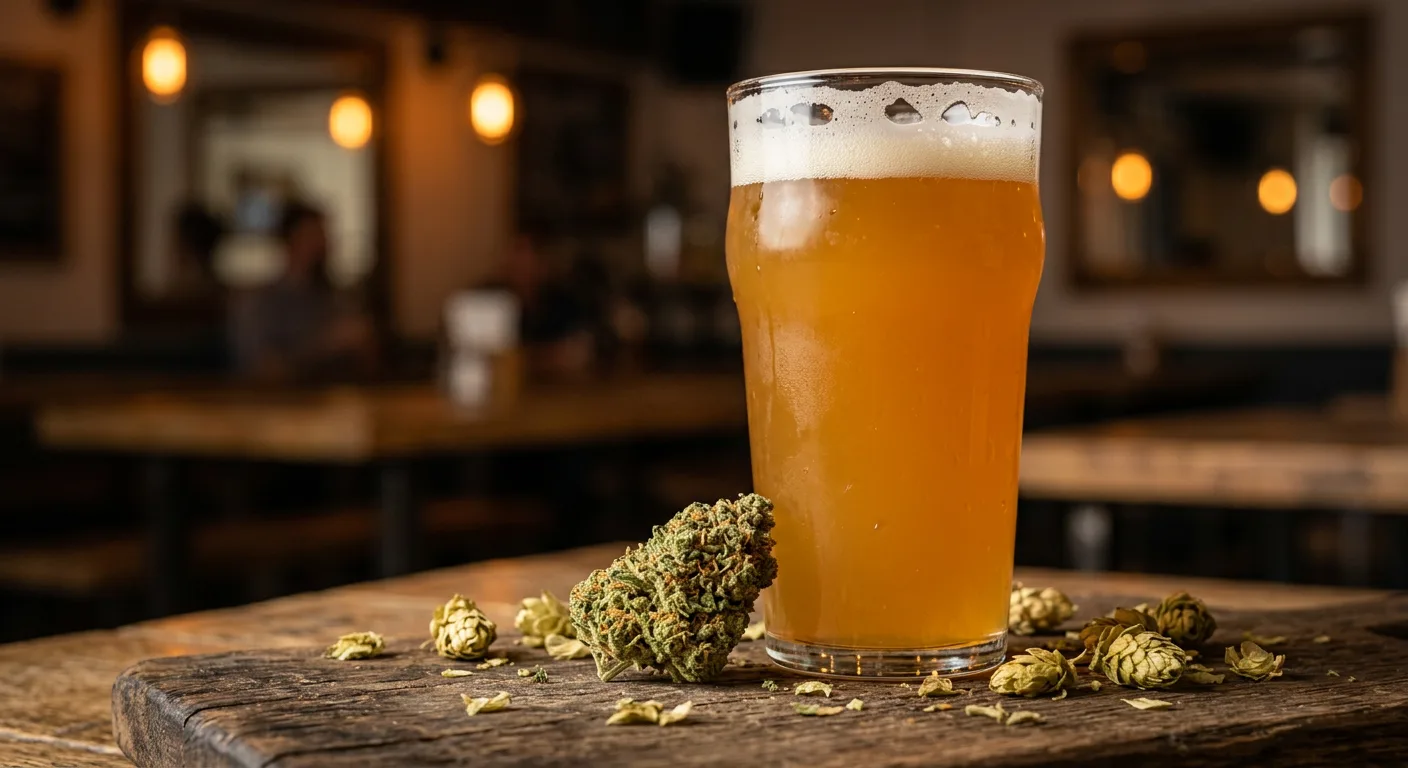
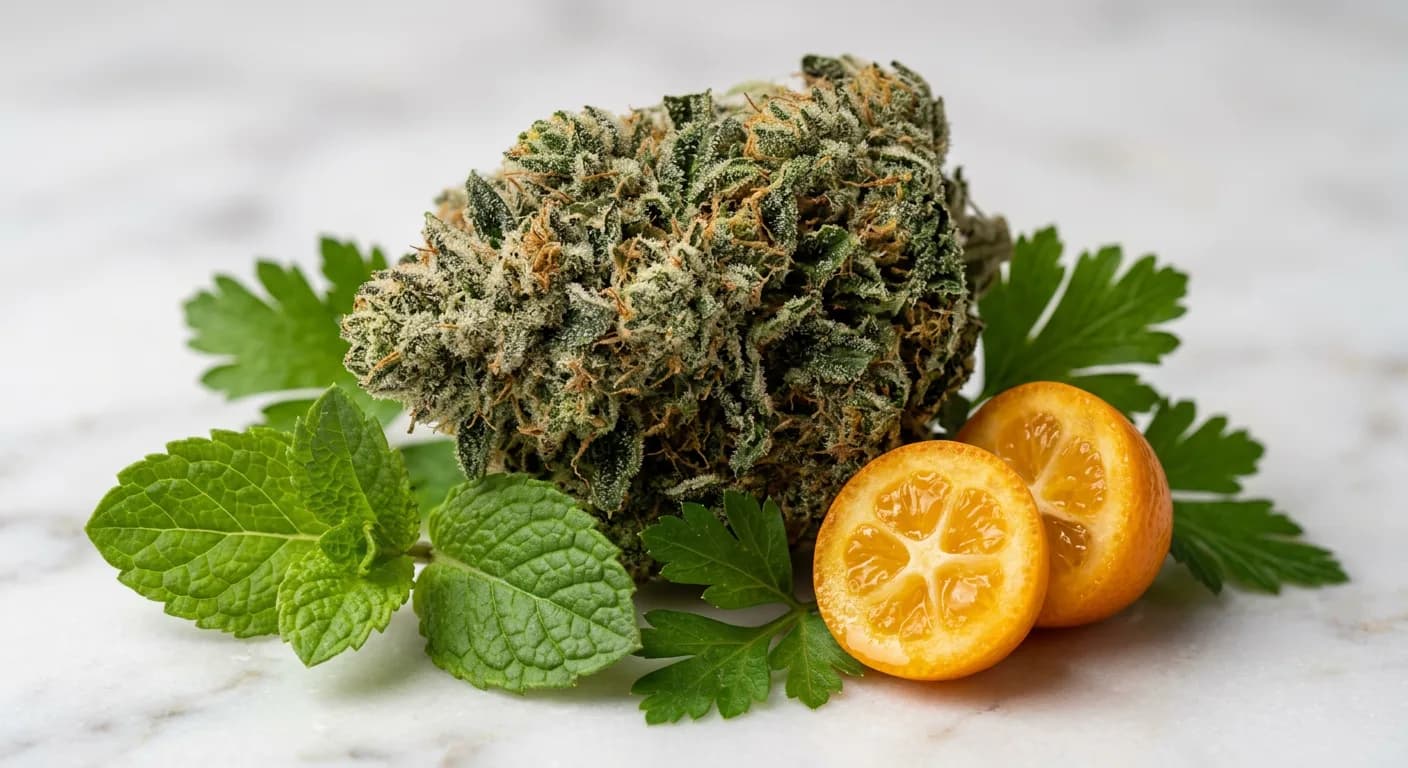
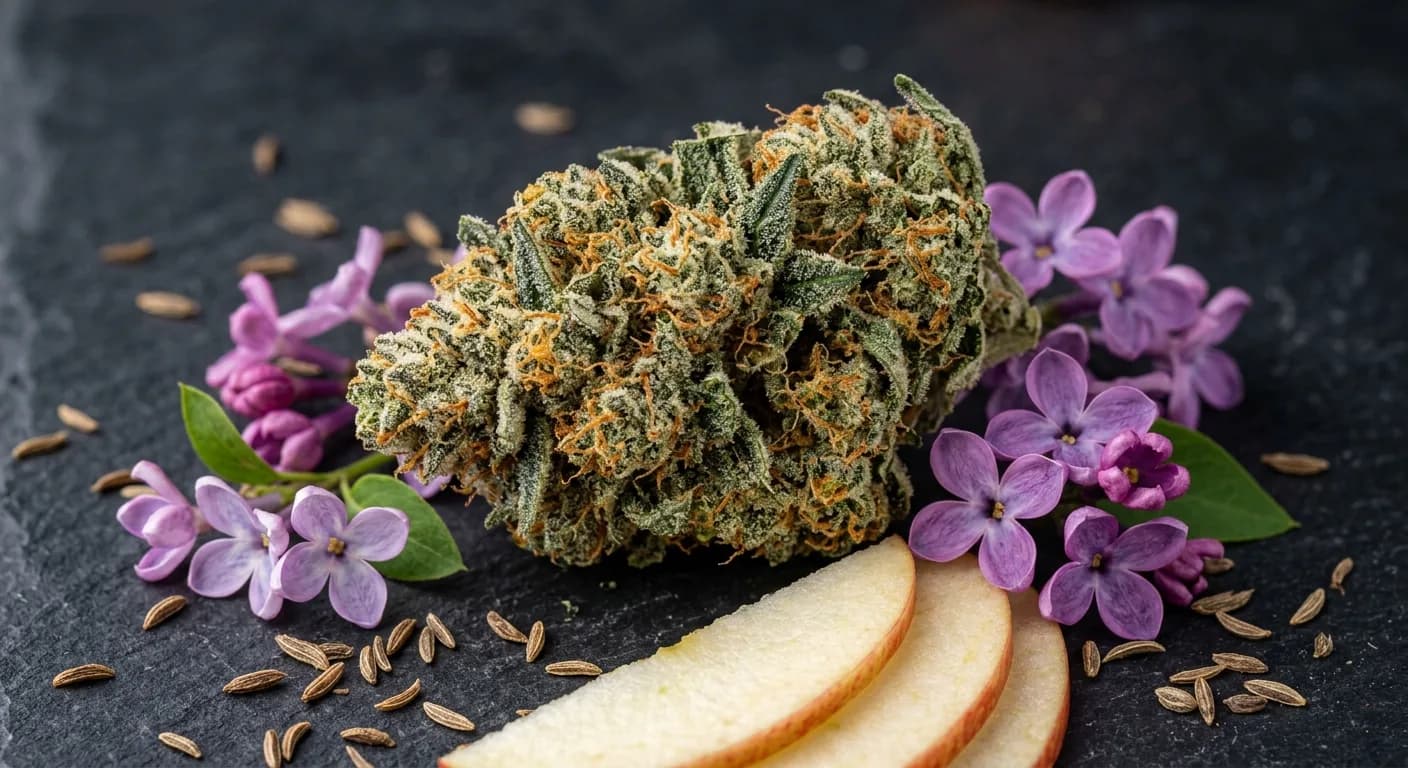
Humulene's aroma profile is earthy, woody, and slightly spicy — a dry, resinous quality that most experienced cannabis consumers describe as the "backbone" of a classic cannabis smell rather than a flashy top note. It doesn't announce itself like citrusy limonene or floral linalool; it settles into the base and gives a strain its weight.
If you've ever smelled a freshly opened bag of an OG Kush and noticed that deep, dank, almost forest-floor character beneath the fuel and citrus — that's humulene at work. It's also the terpene that makes certain cannabis strains smell almost uncannily similar to a cold glass of hoppy craft beer.
Aroma Descriptors for Humulene
- Earthy: Rich, damp soil quality — reminiscent of forest undergrowth
- Woody: Dry timber, like split firewood or aged oak
- Hoppy: The resinous, slightly bitter quality of fresh hop cones
- Spicy: A mild herbal spice, less sharp than caryophyllene's pepper bite
- Herbal: Sage-like, botanical, reminiscent of dried culinary herbs
Craft beer bridge: If you're a home brewer or IPA enthusiast thinking about growing cannabis, strains high in humulene will feel immediately familiar to your palate. Look for OG Kush and Sour Diesel genetics — the same compound that gives Citra and Centennial hops their resinous depth is working in your cannabis flower.
In blended terpene profiles — which is how humulene almost always appears — it typically sits beneath more volatile, top-note terpenes that you smell first. Let a dense nug warm slightly in your hand, then smell it again: what you notice in the second and third sniff, that deeper woody-earthy layer, is largely humulene's contribution.
Humulene Effects & Mechanisms: What the Science Actually Shows
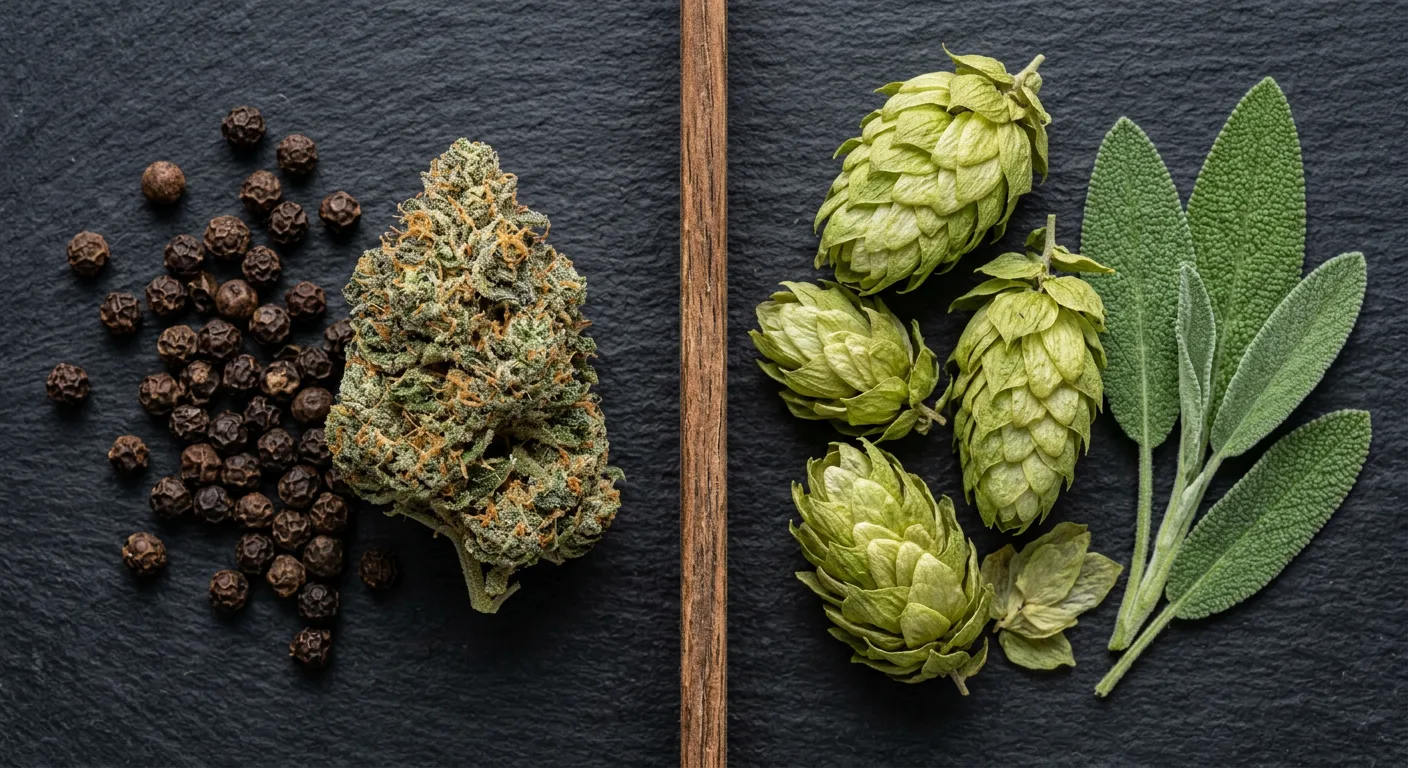
Humulene's effects on the body are better-documented than most cannabis terpenes, with peer-reviewed research covering anti-inflammatory activity, antibacterial properties, and preliminary antitumor data. Understanding the mechanism — not just the outcome — is what separates this guide from surface-level overviews.
Anti-Inflammatory Action: COX-1 & COX-2 Inhibition
Humulene's most studied mechanism is its inhibition of cyclooxygenase enzymes — specifically COX-1 and COX-2 — the same enzyme family targeted by common NSAIDs like ibuprofen and aspirin. A pivotal 2009 study by Fernandes and colleagues, published in the European Journal of Pharmacology, demonstrated that humulene significantly reduced paw edema in animal models and decreased the production of prostaglandins — the lipid compounds that drive inflammation and pain signaling.
A 2011 follow-up study by Rogerio et al., published in the British Journal of Pharmacology, showed that humulene — when tested alone and in combination with caryophyllene — reduced eosinophilic inflammation in airway tissue, a finding relevant to allergic and asthmatic inflammation patterns. This paper was notable because it used real-world concentrations rather than artificially high doses, strengthening the clinical relevance of the data.
Science note: COX-2 inhibition is particularly significant because COX-2 is the "inducible" enzyme — it ramps up in response to injury and infection. Selectively reducing COX-2 activity targets active inflammation without broadly suppressing the baseline COX-1 activity that protects your gut lining. Humulene appears to inhibit both, but its anti-inflammatory profile in animal studies is promising for further human research.
The Appetite-Suppression Effect: Humulene vs. the Munchies
This is humulene's most counterintuitive property and the one that most directly challenges mainstream cannabis assumptions. The typical "munchies" effect is driven primarily by THC's activation of CB1 receptors in the hypothalamus, combined with terpenes like myrcene that may enhance cannabinoid uptake. Humulene appears to work against this pattern.
The appetite-suppressing effect of humulene has been observed in animal models and is thought to involve interaction with appetite-regulating pathways in the hypothalamus — though the exact receptor mechanism in humans is still being studied. Anecdotally, consumers who specifically seek out high-humulene strains (particularly OG Kush and Sour Diesel phenotypes) frequently report less post-session hunger compared to high-myrcene indica-dominant strains.
This is also why humulene-forward strains are increasingly discussed in the context of cannabis use for metabolic health — a parallel development to the interest in THCV as an appetite-suppressing cannabinoid. Both compounds represent chemistry that genuinely contradicts the monolithic "cannabis = hunger" narrative.
Antibacterial Properties
Humulene shows measurable antibacterial activity in vitro, particularly against Staphylococcus aureus — including some antibiotic-resistant strains. A 2006 study in the journal Phytomedicine by Poeckel and Werz identified humulene as one of several sesquiterpenes capable of inhibiting bacterial cell membrane function at concentrations achievable through topical essential oil application.
While oral or inhaled cannabis doesn't deliver isolated humulene in concentrations that would function as a standalone antibiotic, this research supports the traditional use of humulene-containing plants like sage and ginseng in wound care and infectious illness across multiple cultures.
Antitumor Research: Early but Notable
Perhaps the most striking research on humulene comes from oncology-adjacent studies examining its behavior in cancer cell lines. A 2007 study by Legault and Pichette, published in the Journal of Pharmacy and Pharmacology, found that humulene — combined with caryophyllene — demonstrated cytotoxic activity against several human tumor cell lines at similar efficacy to some reference compounds. The researchers noted that humulene may work through apoptosis (programmed cell death) pathways and reactive oxygen species modulation.
This research is preclinical and involves isolated terpenes at concentrations not yet validated in human clinical trials. It cannot and should not be interpreted as evidence that smoking cannabis cures cancer. What it does establish is that humulene is a biologically active molecule with mechanisms worth continued human study.
Humulene vs Caryophyllene: The Dual Anti-Inflammatory Power Pair
Humulene and beta-caryophyllene are both sesquiterpenes, both anti-inflammatory, and both commonly found together in cannabis — yet they work through completely different biological pathways. Understanding how they differ is essential to understanding why the cannabis plant's chemical complexity matters.
| Property | Humulene | Beta-Caryophyllene |
|---|---|---|
| Molecular class | Sesquiterpene (monocyclic) | Sesquiterpene (bicyclic) |
| Molecular formula | C₁₅H₂₄ | C₁₅H₂₄ |
| Primary mechanism | COX-1/COX-2 inhibition; cytokine modulation | CB2 receptor agonist (endocannabinoid system) |
| Appetite effect | Suppressing | Neutral (no direct appetite effect reported) |
| Aroma | Earthy, woody, hoppy, herbal | Spicy, peppery, woody, clove-like |
| Boiling point | ~222°F (106°C) | ~266°F (130°C) |
| Also found in | Hops, sage, ginseng, balsam fir | Black pepper, cloves, rosemary, basil |
| Key research finding | Reduces paw edema, eosinophilic inflammation | Reduces neuropathic pain via CB2 activation |
| Classified as dietary cannabinoid? | No | Yes — FDA generally recognized |
| Common strain families | OG Kush, Sour Diesel, White Widow | GSC, Bubba Kush, Chemdawg |
Beta-caryophyllene is classified as a dietary cannabinoid because it directly activates CB2 receptors — the same receptor family targeted by endocannabinoids. Humulene doesn't bind CB2 receptors meaningfully, so its anti-inflammatory pathway is entirely separate. You can read a full breakdown of caryophyllene's receptor pharmacology in our beta-caryophyllene deep-dive guide.
Because humulene and caryophyllene inhibit inflammation through completely different pathways — one via COX enzymes, one via CB2 receptors — consuming them together may produce additive anti-inflammatory effects. This is dual-pathway synergy, not redundancy.
Humulene in the Entourage Effect: Synergy That Changes the Experience
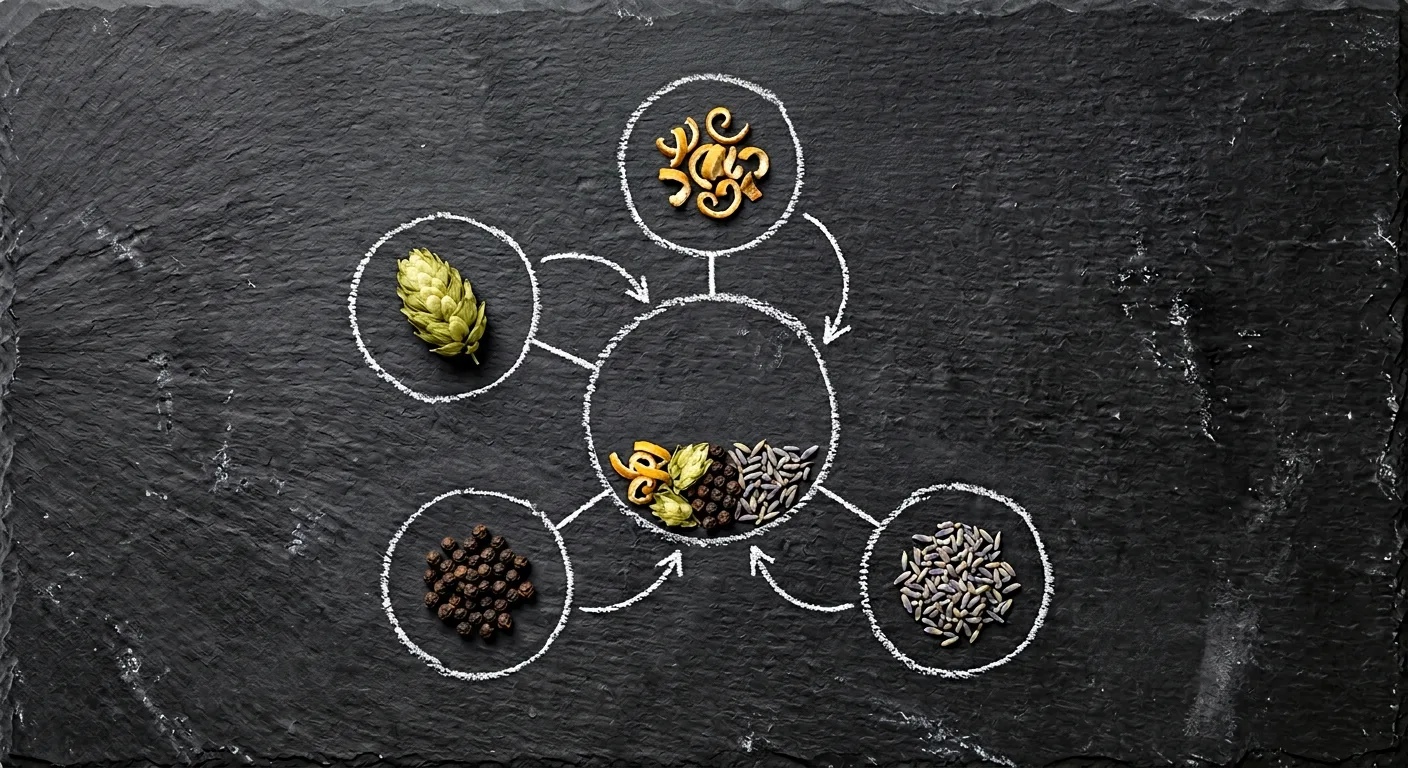
The entourage effect describes the phenomenon where cannabis compounds work more effectively in combination than in isolation. Humulene is a meaningful participant in this synergy — particularly its documented pairing with beta-caryophyllene and its interaction with major cannabinoids like THC and CBD.
Humulene + Caryophyllene: The Anti-Inflammatory Duo
The 2011 Rogerio et al. study referenced earlier is particularly significant because it specifically tested humulene and caryophyllene together. The combination produced greater reduction in airway inflammation than either compound alone, at lower individual doses — a textbook demonstration of terpene synergy. For growers and consumers seeking anti-inflammatory cannabis experiences, strains that express both terpenes in meaningful concentrations represent a genuinely superior therapeutic profile on paper.
Humulene + CBD: Potential Complementary Pathways
CBD's anti-inflammatory activity involves multiple pathways including adenosine receptor potentiation and TRP channel modulation. Since humulene works through COX inhibition, the two compounds address inflammation through non-overlapping mechanisms — suggesting that CBD-dominant strains that also carry significant humulene could deliver more comprehensive anti-inflammatory coverage than either alone.
Humulene and the Munchies Counterbalance
In high-THC strains, humulene's appetite-suppressing properties may partially offset THC's hunger-stimulating effect through the CB1 pathway. This could explain the anecdotal observation that not all high-THC strains produce equal munchies intensity — the terpene co-pilot matters. Strains like OG Kush and Sour Diesel, which carry both high THC and significant humulene, tend to generate reports of less appetite stimulation than comparable THC-percentage strains dominated by myrcene.
You can explore the full map of terpene interactions in our Cannabis Terpene Synergy Chart, and find every major terpene organized by effect profile on our complete terpene chart.
Entourage effect research note: Most entourage effect studies are preclinical or observational. The 2011 humulene + caryophyllene airway inflammation data is among the stronger pieces of combinatorial terpene evidence available, but clinical human trials on humulene synergy remain limited. Interpret the science with appropriate nuance.
Cannabis Strains High in Humulene: What to Look For
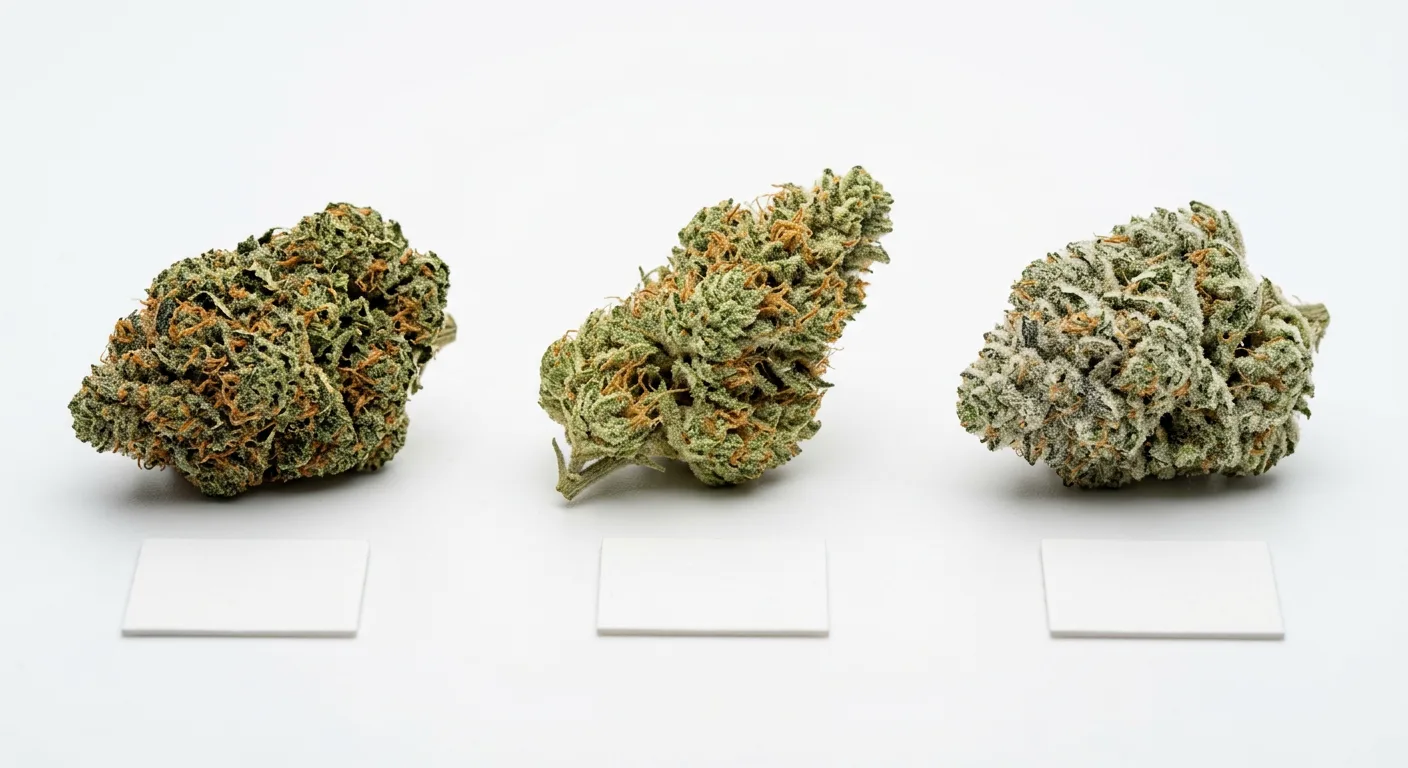
Cannabis strains high in humulene tend to cluster around a few key genetic families. While terpene expression varies by phenotype, growing conditions, and curing method, these genetic lineages consistently test with above-average humulene levels in third-party lab data across multiple harvests and seed batches.
Strain Families That Express High Humulene
OG Kush Lineage
OG Kush and its direct descendants — Skywalker OG, Ghost OG, SFV OG, Fire OG — are among the most reliably high-humulene genetic families in cannabis. OG Kush's signature earthy-fuel aroma owes much of its base character to humulene layered beneath limonene and caryophyllene. Lab reports from commercial OG Kush testing frequently place humulene between 0.4% and 0.9% of total mass.
Sour Diesel Lineage
The pungent fuel-and-earth profile of Sour Diesel is a humulene showcase. The sativa-dominant genetics carry humulene as a backbone terpene, reinforced by caryophyllene and myrcene. Headband — a Sour Diesel × OG Kush cross — combines high humulene from both parent lineages, making it one of the most humulene-rich commercial strains available.
White Widow & White Family
White Widow and its genetic offspring (White Rhino, The White, Black Widow) carry meaningful humulene concentrations balanced with caryophyllene and pinene. The "white" coating these strains are named for — dense trichome coverage — correlates with robust terpene production across the profile, including humulene.
Girl Scout Cookies (GSC) Family
GSC and its offspring (Thin Mint, Platinum GSC, Cookies Kush) test high in caryophyllene and humulene together — the dual anti-inflammatory pairing described earlier. The cookies-family terpene profile is one of the most commercially studied in the modern era, with consistent humulene readings between 0.3% and 0.8%.
Chemdawg & Diesel Hybrids
Chemdawg-descended strains share genetic lineage with both OG Kush and Sour Diesel, and they inherit humulene expression from both sides. Strains like Stardawg, Tres Dawg, and original Chemdawg regularly appear in high-humulene lists from certified cannabis labs.
How to verify humulene before buying: Look for third-party Certificates of Analysis (COAs) that show full terpene panels — not just total terpene percentage. Any reputable seed bank or dispensary can provide these. Search specifically for humulene in the individual terpene breakdown. If a product lists "total terpenes" but no individual breakdown, you have no way to know the humulene concentration.
Best Humulene-Dominant Strains to Grow: Our Top Picks
These are the strains we recommend for growers specifically seeking high humulene expression — selected based on genetic lineage, available terpene lab data, and grow characteristics. The list includes both industry-standard strains and seeds we carry so you can actually get growing.
OG Kush — The Humulene Benchmark
If there's one strain that defines humulene in cannabis, it's OG Kush. Its earthy-diesel aroma is textbook humulene + limonene + caryophyllene, and lab data consistently places humulene among its top-three terpenes. OG Kush is a moderately challenging grow — it prefers slightly lower humidity during flowering and rewards careful VPD management — but the terpene payoff is exceptional.
Our OG Kush Feminized Seeds (26% THC) are feminized for reliability and express the classic OG terpene profile when grown at correct temperatures and cured properly. This is the strain for growers who want the full humulene experience from a tried-and-true genetic.
Sour Diesel — Humulene with Sativa Energy
Sour Diesel's diesel-skunk aroma is deceptively complex — humulene forms the earthy foundation under the more volatile top notes. It's a long-flowering sativa-dominant strain (typically 10–12 weeks) but produces some of the most terpene-rich flowers in cannabis when given space and light. Lab reports from well-grown Sour Diesel consistently show humulene in the 0.4–0.8% range.
Our Sour Diesel Feminized Seeds (24% THC) bring the classic East Coast fuel-and-earth profile with high THC output. If you want humulene with uplifting, cerebral effects rather than heavy sedation, Sour Diesel is the choice.
White Widow — Balanced Humulene Expression
White Widow's legendary status is built on trichome density and a balanced terpene profile where humulene, caryophyllene, and pinene interact evenly. It's an easier grow than OG Kush — more forgiving of humidity swings — and produces generous yields with reliable terpene expression. A strong choice for growers newer to humulene-focused cultivation.
Our White Widow Feminized Seeds (25% THC) express the classic earthy-woody profile with excellent resin production. The White family is also a good starting point for anyone interested in the humulene + caryophyllene anti-inflammatory pairing.
Skywalker OG Autoflower — OG Humulene, Faster Turnaround
Skywalker OG is an OG Kush descendant that inherits its parent's humulene-dominant terpene profile. The autoflowering version makes it accessible to growers who can't manage the 12+ week flowering time of traditional OG genetics. Expect the same earthy-woody-fuel aroma with a faster 10–11 week total lifecycle.
Our Skywalker OG Autoflower Seeds (23% THC) are ideal for growers who want high humulene expression without committing to a long photoperiod grow season.
Cookies Kush — The Dual Anti-Inflammatory Phenotype
Cookies Kush combines GSC-family humulene expression with OG Kush's earthy depth. It's specifically interesting for the humulene + caryophyllene pairing — both terpenes appear in meaningful concentrations, creating the dual anti-inflammatory synergy discussed in the science section. This strain tests particularly well for consumers seeking the full anti-inflammatory entourage effect.
Our Cookies Kush Feminized Seeds (18% THC) deliver moderate THC with a rich terpene profile — a better choice for daytime therapeutic use than high-THC OG phenotypes.
New York Power Diesel — Diesel Lineage, Urban Terpene Profile
New York Power Diesel is a diesel-family strain that inherits Sour Diesel's earthy humulene foundation while expressing it in a compact, manageable package. It's a good option for indoor growers who want the Sour Diesel terpene character without the full sativa flowering time.
Our New York Power Diesel Feminized Seeds (24% THC) offer the diesel-earth profile that points to meaningful humulene content, with better indoor manageability than pure Sour Diesel genetics.
Notable Industry Strains Without Seed Links
These strains consistently appear at the top of humulene lab reports across the industry — worth seeking out in dispensaries or from specialty breeders if you want to explore the full range of humulene expression:
- Headband (OG Kush × Sour Diesel): Combines two of the highest humulene lineages; one of the most consistently high-humulene strains in commercial testing (often 0.7–1.2% humulene)
- GSC (Girl Scout Cookies): Thin Mint and Platinum phenotypes often show humulene + caryophyllene as co-dominant terpenes
- Chemdawg: The OG ancestor of both Diesel and Kush lines; reliable humulene expression with classic pungent-chemical aroma
- Ghost OG: An OG Kush phenotype that frequently tops humulene charts in California dispensary lab data
- Pink Kush: A Canadian staple with reported humulene levels approaching 1.0% in well-curated phenotypes
- Bubba Kush: Heavy indica with earthy humulene character alongside caryophyllene; popular for evening anti-inflammatory use
Grower's Guide: How to Preserve Humulene from Seed to Jar
Understanding humulene's chemistry is only half the job — the other half is keeping it in your flower from harvest to final storage. Humulene is more heat-sensitive and volatile than many consumers realize, and poor post-harvest handling is the number-one reason a strain that should be humulene-rich arrives flat and aroma-lite.
Step-by-Step: Preserving Humulene Post-Harvest
Harvest at Peak Trichome Maturity
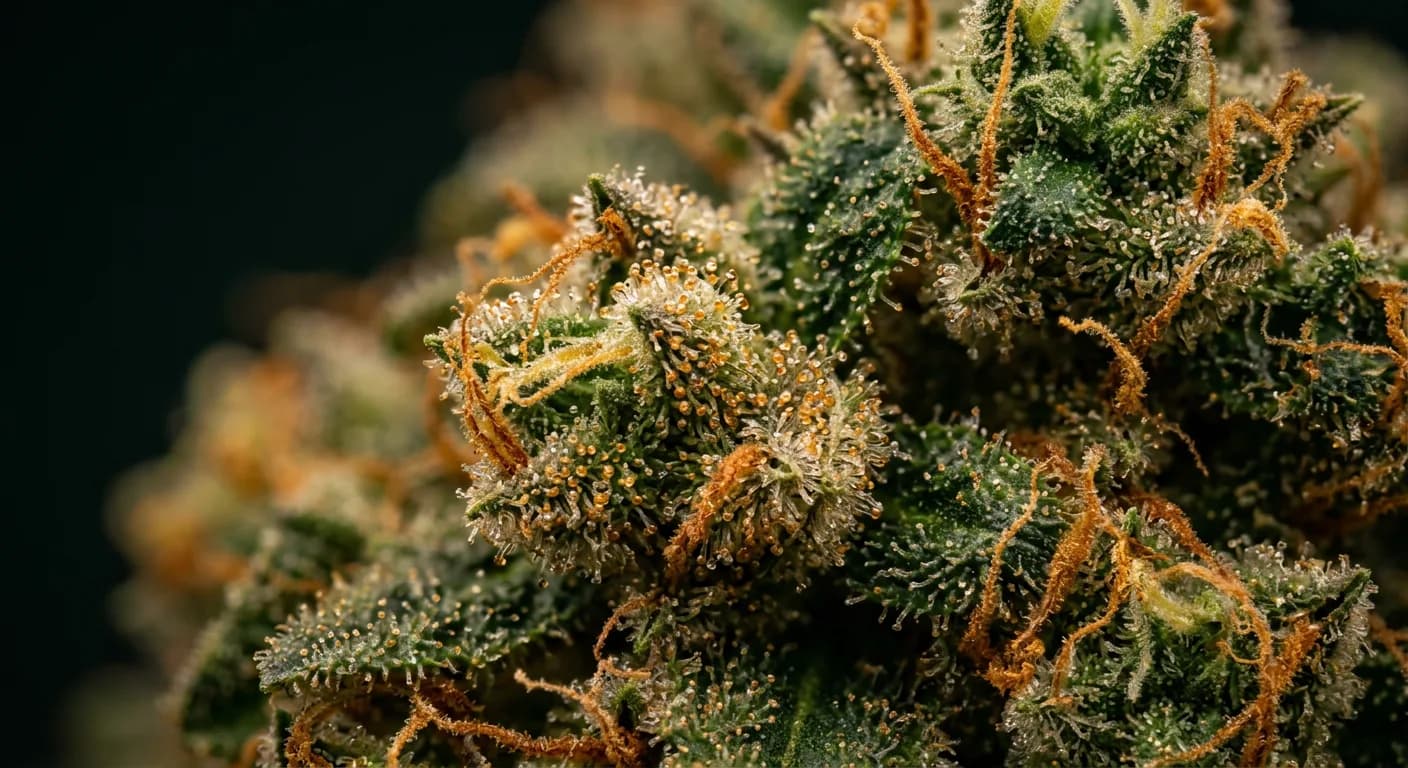
Terpene production peaks in the final 1–2 weeks of flowering as trichomes shift from clear to cloudy. Harvesting too early means lower overall terpene concentrations including humulene. Use a jeweler's loupe or digital microscope — target 70–90% cloudy trichomes with a small percentage beginning to amber for maximum terpene content. Check our trichome biology guide for the full visual breakdown.
Dry Slowly at Low Temperature
Humulene begins to degrade meaningfully above 106°F (41°C) and evaporates faster than expected even at room temperature when humidity is too low. Dry whole branches in a dark room at 60–65°F (15–18°C) with 55–65% relative humidity. Target a drying window of 10–14 days — slower drying consistently produces better terpene retention than fast drying at higher temperatures. Never use a food dehydrator or oven to speed-dry cannabis if you care about terpene content.
Cure in Airtight Glass Jars
After drying, transfer trimmed buds to wide-mouth mason jars filled to roughly 75% capacity. Store at room temperature (65–70°F) in total darkness. Open jars for 15–20 minutes daily for the first two weeks to exchange gases and allow residual moisture to equalize — this process is called "burping." Humulene and other sesquiterpenes continue to develop their aromatic complexity during the first 4–8 weeks of curing.
Monitor Humidity with Boveda Packs
Maintain cured flower at 58–62% relative humidity. At humidity below 55%, terpene evaporation accelerates significantly. At humidity above 65%, mold risk rises. Two-way humidity control packs (58% RH rated) placed inside curing jars are the most reliable method for passive humidity maintenance during long-term storage.
Store Away from Heat and Light
UV light degrades terpenes, including humulene, at the molecular level — the same process that fades cannabis color also destroys aroma compounds. Long-term storage should use amber glass or UV-blocking containers in a cool, dark location. A basement shelf or dedicated drawer is ideal. Avoid refrigerators, which create humidity cycling problems, unless using vacuum-sealed containers.
Trim by hand when possible: Machine trimmers generate friction heat and physical agitation that ruptures trichomes and accelerates terpene evaporation. Hand-trimming is slower but preserves trichome integrity — directly protecting humulene and all other terpenes in the surface resin layer. If you must use a machine trimmer, run it at the lowest speed and for the shortest time possible.
How Growing Conditions Influence Humulene Expression
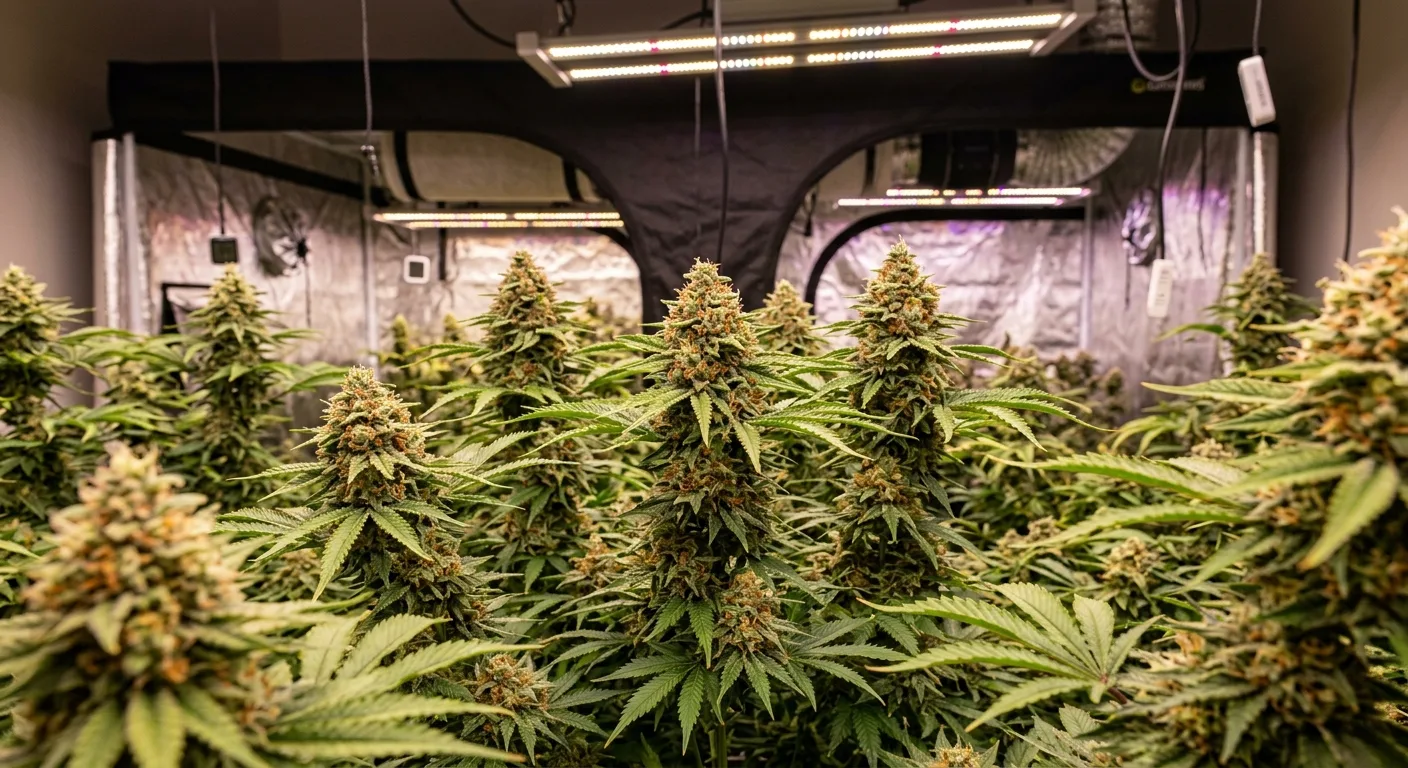
Terpene expression — including humulene — is influenced by both genetics and environment. The genetic ceiling is set by the strain; environment determines how close you get to that ceiling. Key environmental levers include:
- Temperature: Slightly cooler temperatures (65–75°F) during late flowering support terpene retention in living plants. High grow room temperatures (above 82°F) accelerate terpene evaporation from resin glands before harvest
- Light spectrum: UV-B light exposure during the last 2–3 weeks of flowering may increase terpene production as a plant defense response — full-spectrum LEDs with UV output are worth considering for terpene-focused grows
- Nutrient finish: Flushing or reducing nutrient EC in the final 1–2 weeks before harvest allows the plant to metabolize stored nutrients, which some growers report improves aroma complexity and terpene clarity
- Low-stress training (LST): Opening up the canopy with LST improves light penetration to lower bud sites, supporting more even terpene development across the whole plant
- Living soil: Terpene expression in cannabis correlates with soil microbiology — mycorrhizal networks and diverse soil biology support more complex secondary metabolite production, including terpenes. See our living soil guide for a full breakdown
Grower tool: Use our VPD Calculator to dial in the exact temperature and humidity conditions for your late-flowering environment. Maintaining optimal VPD in the 1.2–1.6 kPa range during weeks 6–9 of flowering reduces plant stress and supports maximum terpene expression — including humulene accumulation in your resin glands.
Does Decarboxylation Destroy Humulene?
Yes — and this is critical information for cannabis edible makers and medical users who decarboxylate their flower before cooking. Humulene's boiling point is approximately 222°F (106°C), which means standard decarboxylation temperatures (240–250°F for 30–45 minutes) will volatilize and destroy the majority of humulene present in your starting material.
If you're making edibles specifically for anti-inflammatory benefits and want to preserve humulene, you face a trade-off: lower decarboxylation temperatures (220–225°F) over longer periods (60–90 minutes) can preserve more terpene content while still converting THCA to THC, though less efficiently. Our decarboxylation science guide covers the full temperature-terpene trade-off with specific protocols.
People Also Ask: Humulene Edition
These are the questions cannabis consumers search for most often about humulene — answered directly with the precision this topic deserves.
What Is Humulene Good For?
Humulene is good for consumers seeking anti-inflammatory terpene support, appetite management, and strains with an earthy-woody rather than sweet or citrus flavor profile. Its COX-enzyme inhibition pathway mirrors (at much smaller scale) the mechanism of common anti-inflammatory medications. It also contributes meaningfully to the entourage effect when paired with beta-caryophyllene.
Does Humulene Make You Hungry or Not Hungry?
Humulene is associated with appetite suppression — making you less hungry, not more. It's the only major cannabis terpene with this property, which is why humulene-rich strains like OG Kush and Sour Diesel tend to produce milder munchies effects than myrcene-dominant indica strains at comparable THC levels.
Which Cannabis Strains Have the Most Humulene?
Strains with consistently high humulene include Headband (often the single highest-testing commercial strain), OG Kush and its descendants, Sour Diesel and related diesel genetics, Girl Scout Cookies family strains, and White Widow lineage cultivars. In lab tests, concentrations above 0.5% are considered high; above 1.0% is exceptional.
Humulene's defining position in cannabis is its intersection of three distinct advantages: it's the only major appetite-suppressing terpene, it has the strongest anti-inflammatory research backing of any cannabis terpene alongside caryophyllene, and it's also the compound that connects cannabis to the entire world of craft brewing through the hops plant.
Humulene for Inflammation: Who Should Pay Attention
Based on the research available, certain cannabis users have specific reasons to seek out humulene-dominant strains rather than approaching cannabis selection by THC percentage alone. For people exploring cannabis for muscle recovery, chronic inflammation, or metabolic wellness, the terpene profile may matter as much as cannabinoid content.
Athletes and active people dealing with exercise-induced inflammation may find the humulene + caryophyllene pairing particularly relevant — two independent anti-inflammatory pathways working simultaneously represents a more complete inflammatory response than either alone. Our guide to the endocannabinoid system and exercise explores the full picture of cannabis and physical recovery.
For consumers managing chronic conditions like arthritis or inflammatory bowel disease, humulene-rich strains represent an avenue worth discussing with a healthcare provider — particularly since the COX inhibition mechanism is well-understood and parallels existing pharmaceutical approaches. Also worth noting: those interested in muscle spasm relief should explore our best strains for sleep and relaxation for strains that combine humulene with other supportive terpenes.
Important: Humulene-containing cannabis is not a replacement for prescribed anti-inflammatory medication. If you take NSAIDs or other COX inhibitors for a medical condition, discuss cannabis use with your prescribing physician — there is theoretical potential for additive effects that may need to be monitored.
Frequently Asked Questions
What is humulene good for?
Humulene is studied for anti-inflammatory activity (via COX-1/COX-2 inhibition), antibacterial properties, appetite suppression, and preliminary antitumor activity in preclinical models. It's most practically useful for cannabis consumers seeking earthy, non-sweet flavor profiles and strains that don't strongly stimulate hunger. It also enhances the entourage effect when combined with beta-caryophyllene through dual anti-inflammatory pathways.
Does humulene make you hungry or not hungry?
Humulene is associated with appetite suppression — it makes you less hungry, not more. It's the only major cannabis terpene documented with this property. This directly counters the assumption that all cannabis increases appetite. High-humulene strains like OG Kush and Sour Diesel tend to produce notably weaker munchies effects than high-myrcene strains at equivalent THC levels.
Which cannabis strains have the most humulene?
Headband (OG Kush × Sour Diesel cross) consistently tests among the highest. Other high-humulene strains include OG Kush, Ghost OG, Sour Diesel, Girl Scout Cookies, White Widow, Pink Kush, and Bubba Kush. In lab-tested samples, humulene concentrations above 0.5% are considered high, with exceptional phenotypes reaching 1.0–1.5%.
What is the difference between humulene and caryophyllene?
Both are sesquiterpenes with anti-inflammatory properties, but they work through completely different mechanisms. Humulene inhibits COX-1 and COX-2 enzymes (similar to NSAIDs) and suppresses appetite. Beta-caryophyllene binds directly to CB2 receptors in the endocannabinoid system and is classified as a dietary cannabinoid. When present together in cannabis, they create additive anti-inflammatory effects through dual independent pathways.
How do I preserve humulene when growing and curing cannabis?
Humulene degrades above 106°F (41°C) and evaporates rapidly in dry conditions. Preserve it by drying slowly at 60–65°F with 55–65% humidity over 10–14 days, curing in airtight glass jars at room temperature with daily burping for 4–8 weeks, and storing in UV-blocking containers away from heat. Avoid machine trimming at high speeds, which generates friction heat that ruptures trichomes and volatilizes terpenes.