Afghan Autoflower Seeds
By Ivan K., DSS Genetics · Updated April 2026

Afghan Autoflower Seeds
SKU: DSS-AFGHA-AUTO-5PK
Pack Size
Quantity
Disclaimer: For informational purposes only — not medical advice. Consult a healthcare professional before use.
About This Strain
Afghan Autoflower Seeds — Complete Strain Profile
Afghan Autoflower Seeds – Strain Overview
Afghan Autoflower is a pure 100% indica bred from one of cannabis's most storied landrace lineages — the original Afghan genetics that shaped modern cannabis breeding — crossed with ruderalis to create a no-fuss autoflowering version that finishes in as little as 56 days without any light schedule changes. With 15–17% THC and CBD reaching up to 1%, this strain delivers the deep, classic indica experience that made Afghan genetics legendary, now packaged into one of the most accessible autoflowers available.
What makes this strain stand out isn't raw potency — it's the quality of the experience per unit of effort. Afghan Autoflower asks very little of the grower while giving back dense, resinous buds loaded with pinene-forward terpenes and a body-melting effect that punches well above its THC percentage. For anyone building out their first grow or expanding into automatics, it belongs in the best autoflower collection for good reason.
Effects and Medical Benefits
The high from Afghan Autoflower opens with a warm, spreading euphoria that starts behind the eyes and works its way into the shoulders within minutes. It's not the sudden cerebral jolt of a sativa — it's a slow tide coming in, and by the time it peaks you're smiling without quite knowing why.
What follows is a progressive body relaxation that doesn't necessarily pin you to the couch. At moderate doses, there's genuine uplift here — a creative, almost playful energy that sits underneath the physical calm. Push into higher doses and the indica foundation takes full control, making this a versatile strain depending on how much you consume.
Users commonly report these effects:
- Deep physical relaxation — muscle tension dissolves within the first 20–30 minutes
- Euphoric happiness — a genuine mood lift that arrives before the body effects peak
- Creative and uplifting energy — present at moderate doses, especially in the first hour
- Gentle sedation — builds gradually, making this ideal for winding down in the evening
On the medical side, Afghan Autoflower is regularly chosen for:
- Chronic pain — the indica body load is excellent for muscular aches and tension headaches
- Stress — the euphoric opening phase actively disrupts rumination and racing thoughts
- Anxiety — the gradual onset makes it easier to manage than high-THC strains that hit fast
- Insomnia — evening use at higher doses is particularly effective for falling and staying asleep
- Depression — the mood-lifting euphoria provides genuine short-term relief
- Nausea — historically, Afghan genetics have been prized for their antiemetic properties
The CBD content — ranging from 0.1% to 1% depending on phenotype — adds meaningful therapeutic support. Even at 1%, CBD works alongside THC and pinene to potentially enhance anti-inflammatory and anxiolytic effects through the entourage effect, giving this strain more clinical usefulness than its modest THC numbers suggest.
Aroma, Flavor and Terpene Profile
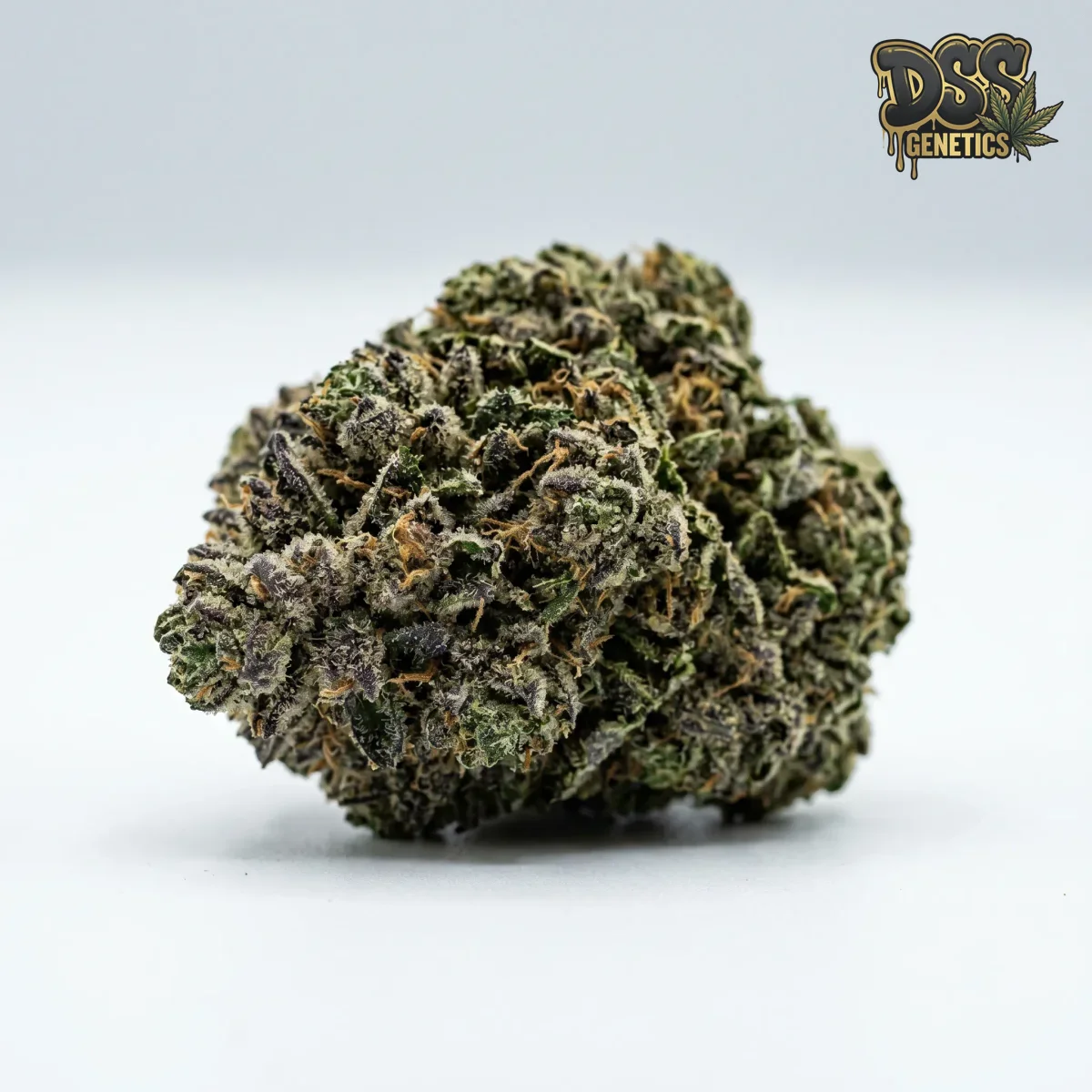
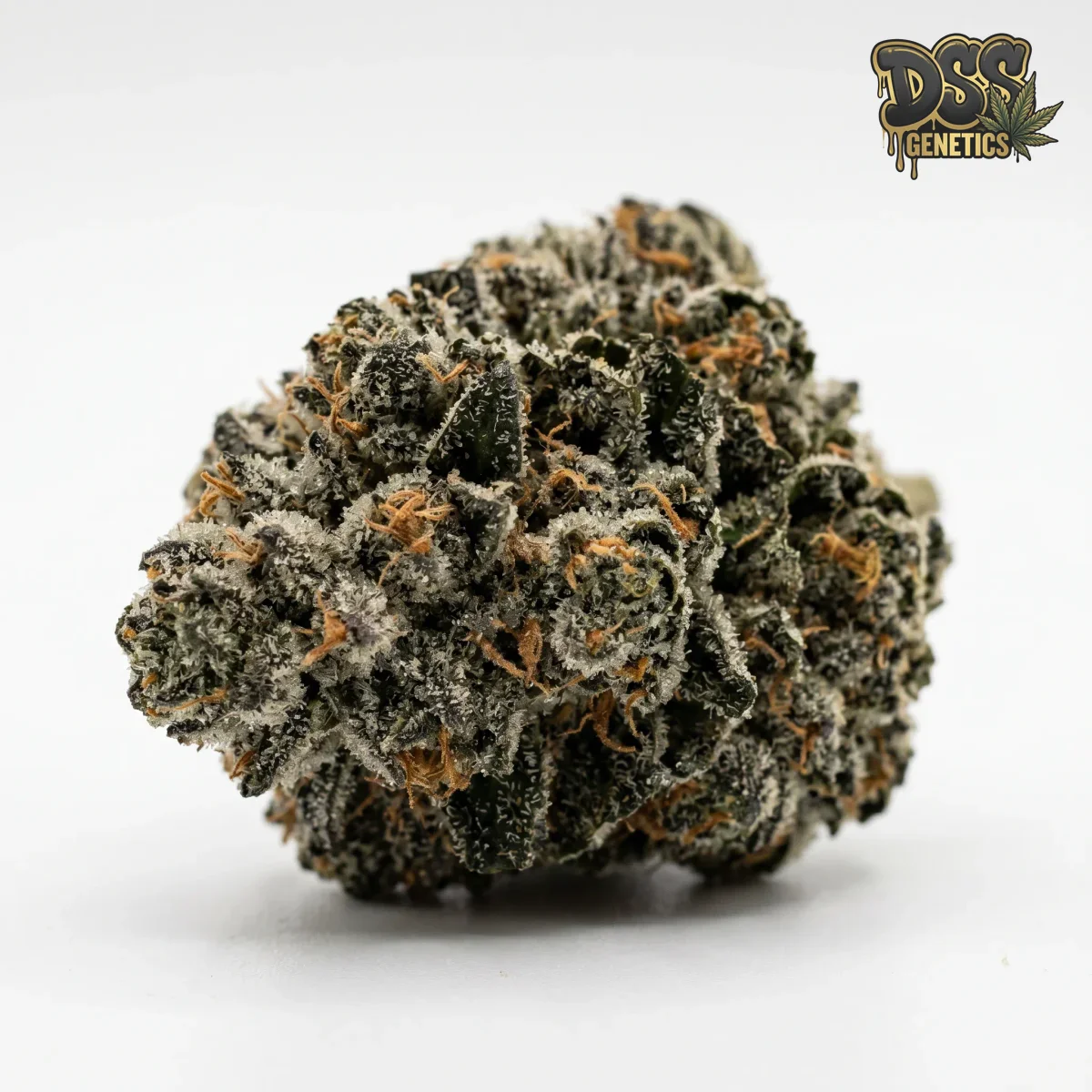
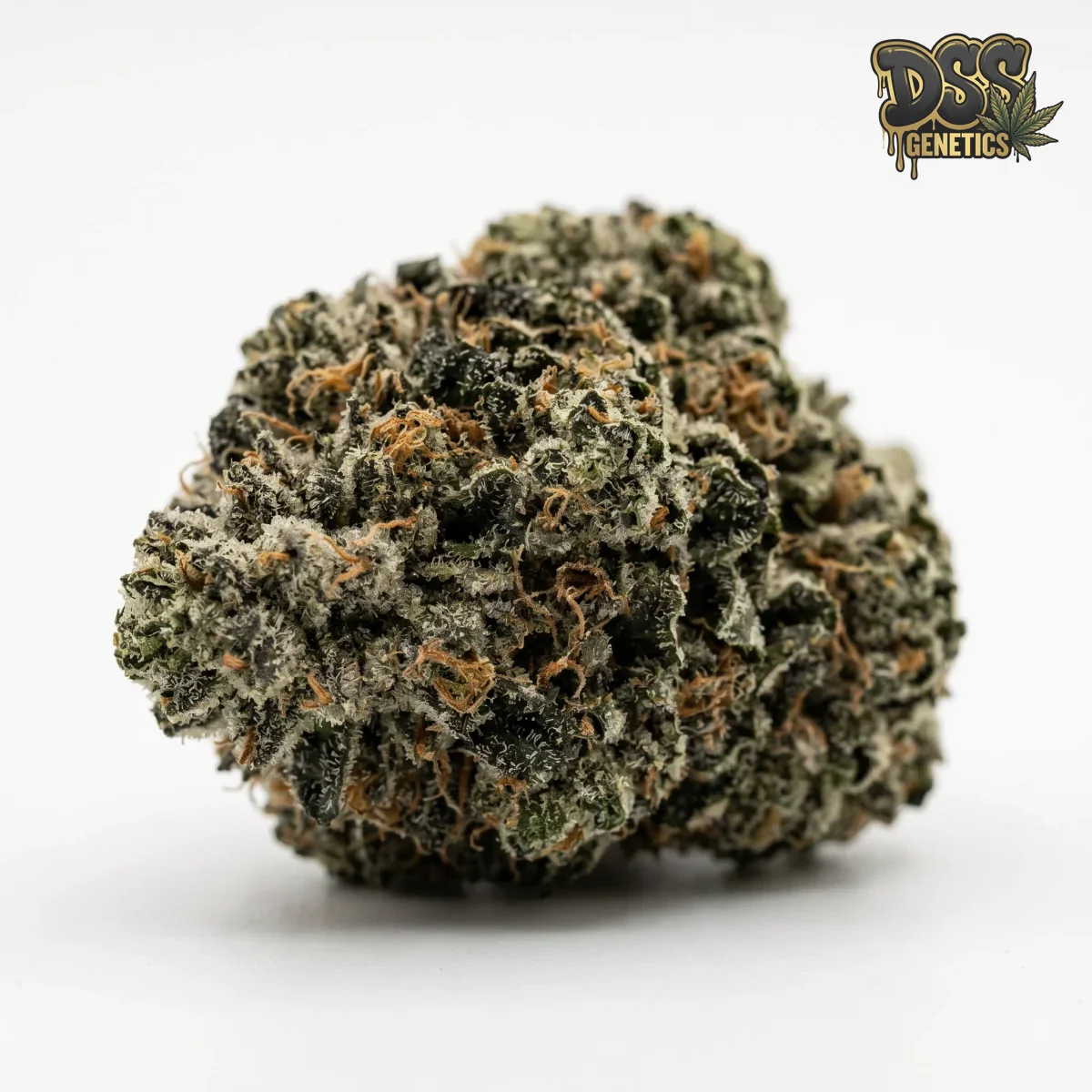
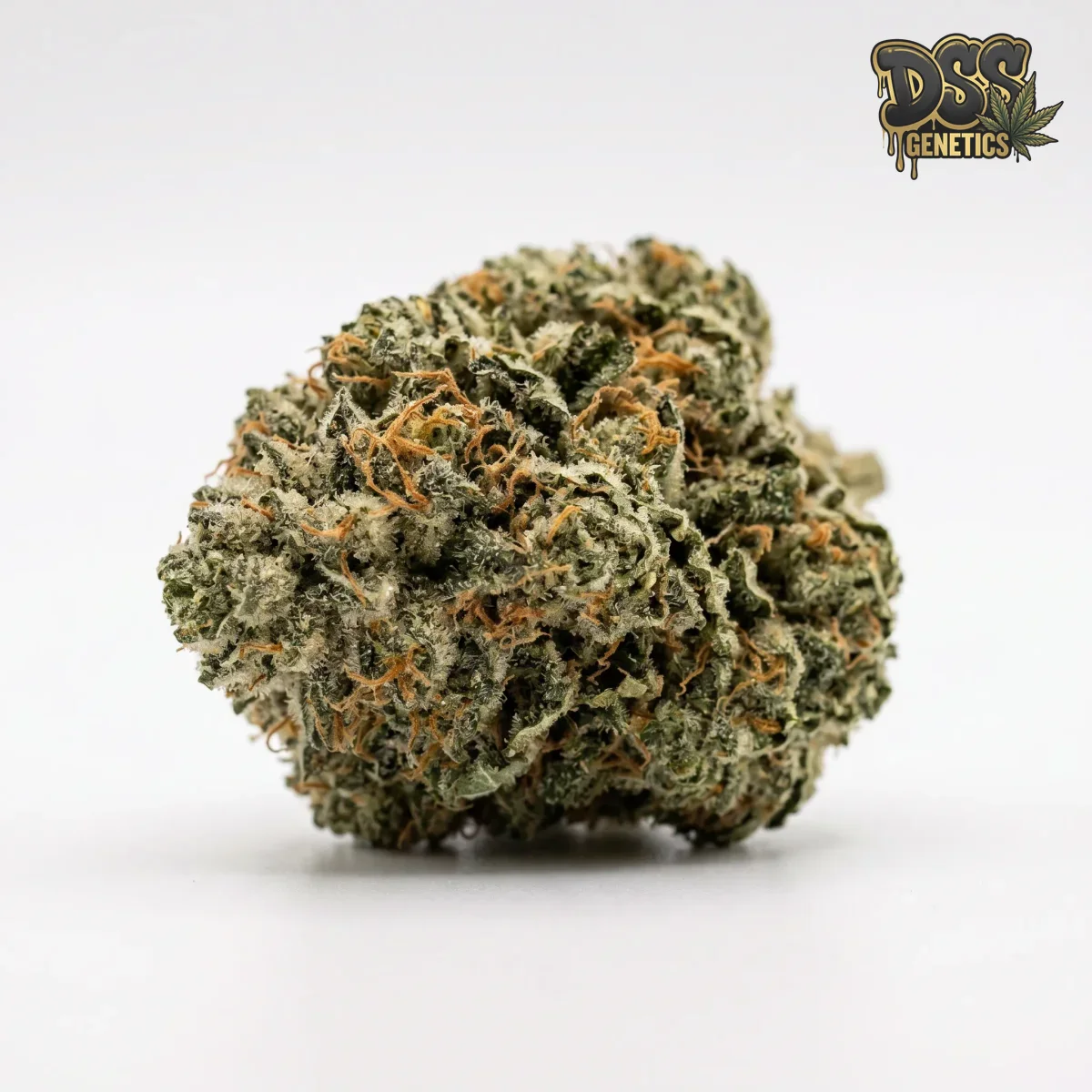
Crack a bud of Afghan Autoflower and the first thing that hits you is pine — not the synthetic pine of a cleaning product, but the real deal: fresh cut wood, cold mountain air, and a faint sweetness underneath it all. As it warms between your fingers, earthy and berry notes emerge, layering into something that smells genuinely alive.
On the inhale, that pine stays front and center with a clean, almost mentholated quality. The exhale is where the complexity shows itself — citrus brightness cuts through the earthiness, and a blueberry sweetness lingers on the back of the palate well after the smoke clears. It's a terpene profile that rewards slow, deliberate consumption.
The entire sensory experience is anchored by Pinene at 0.43%. Alpha-pinene is one of the most well-studied terpenes in cannabis, and at this concentration it's doing significant work — not just shaping the aroma but potentially counteracting some of the short-term memory effects associated with THC, which may be one reason Afghan Autoflower feels cleaner and more functional than other pure indicas at similar THC levels. Pinene also has documented bronchodilatory properties, which could explain why experienced users often find this strain easier on the lungs than harsher diesels or OG-lineage genetics.
Beyond pinene, the berry and blueberry sweetness in the flavor profile suggests the presence of myrcene and ocimene contributing in smaller quantities — myrcene deepening the earthy musk while ocimene adds the floral-citrus brightness that gives the exhale its lift. The citrus note on the finish points to limonene influence, historically common in Afghan landrace expressions that have been selected for sweetness over generations.
Growing Afghan Seeds
Afghan Autoflower is rated easy for a reason, but 'easy' doesn't mean 'unresponsive to good technique.' In our experience, growers who give this strain just a bit more attention than the bare minimum — proper VPD, a clean nutrient schedule, and decent light intensity — see indoor yields toward the top of the 1.3–1.6 oz/ft² range rather than the bottom.
Temperature management is straightforward: keep the grow space between 68–80°F during the light period and avoid dropping below 62°F at night, which can slow the autoflower's already-compressed timeline. Because this strain runs on ruderalis genetics, it's not waiting for a light flip — every wasted day in suboptimal conditions is a day you can't get back from an 8–9 week plant.
Humidity is where new growers most often stumble with this strain. Start the seedling phase at 65–70% relative humidity, drop to 50–60% through the vegetative and early flower period, then bring it down to 40–45% in the final two weeks before harvest. Afghan genetics produce dense, compact buds — beautiful for yield, but vulnerable to botrytis if air movement and humidity aren't managed carefully in late flower.
Outdoors, Afghan Autoflower is an excellent choice for growers in northern latitudes who can't rely on a long summer season. Because it finishes on its own internal clock — typically delivering 2–4 oz/plant regardless of day length — it can be started in spring and harvested before the rainy season sets in. Multiple successive outdoor runs per season are easily achievable.
Key growing tips for Afghan Autoflower:
- Training: Low-stress techniques work well early — apply gentle LST in the first two weeks to open the canopy before flowering locks in the structure
- Nutrients: Autoflowers are sensitive to overfeeding; follow a conservative nutrient schedule at 50–75% of recommended doses and watch for tip burn as your early-warning indicator
- Indoor setup: A 20/4 light schedule from seed to harvest maximizes photosynthesis without stressing the plant — see our full indoor growing guide for light intensity recommendations
- Outdoor timing: Plant after last frost and take advantage of the compressed timeline for back-to-back runs — our outdoor growing guide covers succession planting in detail
- Root zone: Afghan genetics respond well to fabric pots (3–5 gallons) that allow excellent drainage and air pruning — avoid overwatering, which is the single most common mistake with this strain
Yield and Flowering Time
Afghan Autoflower flowers in 56–63 days from seed — no light schedule changes needed, no waiting. Indoor growers working in optimized spaces with adequate light can expect 1.3–1.6 oz/ft², while outdoor plants in good conditions deliver 2–4 oz per plant depending on container size, light exposure, and how much of the vegetative window the plant gets before autoflowering triggers.
For a pure indica autoflower, these are solid numbers. The yield efficiency is particularly impressive when you factor in the speed — you can complete nearly six indoor cycles per year with this strain versus three to four with a photoperiod indica. For growers serious about output, pairing Afghan Autoflower with a high-yield strain in a rotation maximizes both volume and variety.
To maximize your harvest:
- Trichome timing: Harvest when trichomes show 70–80% milky white with 10–20% amber — this window delivers peak THC with the sedative amber trichome profile that suits Afghan's indica effects perfectly
- Final flush: Run plain water through the final 7–10 days before harvest to clear residual nutrient salts and improve flavor clarity, particularly the pine and berry notes
- Late flower humidity: Drop relative humidity to 40–45% in the last two weeks — dense Afghan buds trap moisture and are susceptible to mold if air circulation is poor
- Drying and curing: A slow dry for 7–10 days at 60–65°F and 55–60% RH preserves the pinene terpenes that define this strain's aroma — rushing the dry destroys what makes Afghan Autoflower smell exceptional
Why Buy Afghan Seeds from DSS Genetics?
Every Afghan Autoflower seed from DSS Genetics is backed by our germination guarantee — if it doesn't sprout, we replace it, no questions asked. Orders ship discreetly in discreet, completely unmarked packaging that gives nothing away.
- Germination guaranteed — every seed is tested for viability before it reaches you
- Discreet shipping — plain, unmarked packaging on every order
- Spend $100+ — receive free premium seeds added to your order automatically
- Proper cold-chain storage — seeds are stored at optimal temperature and humidity from our warehouse to your door, preserving germination rates that others can't match
Frequently Asked Questions
Is Afghan Autoflower a good strain for beginner growers?
Yes — it's one of the most forgiving strains in our catalog. Afghan Autoflower tolerates minor feeding mistakes, fluctuating temps, and less-than-perfect light schedules better than most photoperiod strains. It's rated easy difficulty and is a natural fit in our easy-to-grow collection. The one area beginners should focus on is humidity management in late flower, where the dense bud structure requires good airflow to prevent mold.
How long does Afghan Autoflower take from seed to harvest?
Afghan Autoflower completes its full lifecycle — from seed to harvest — in 56–63 days. Because it's an autoflower, no light schedule change is required; the plant triggers flowering on its own internal timer regardless of how many hours of light it receives. Check our flowering stage guide for a week-by-week breakdown of what to expect during bud development, and our vegetative stage guide for tips on maximizing early growth before flowering locks in.
What does Afghan Autoflower taste and smell like?
Afghan Autoflower opens with a sharp, clean pine aroma from its dominant terpene, Pinene (0.43%), layered with sweet earthy undertones and a distinct blueberry sweetness. On the palate, pine leads on the inhale, while citrus brightness and a berry finish emerge on the exhale. The aroma intensifies significantly after a proper cure — expect the berry and blueberry notes to deepen considerably after 2–4 weeks in sealed jars. Terpene influence from myrcene and limonene contributes to the earthy-sweet complexity underneath the pine.
How much can I yield from Afghan Autoflower seeds?
Indoor growers in optimized spaces can expect 1.3–1.6 oz/ft² over a 56–63 day flowering period. Outdoors, well-established plants in containers of 5 gallons or more typically deliver 2–4 oz per plant per run — and because Afghan Autoflower finishes on its own clock, multiple outdoor runs per season are achievable in most climates. For growers who want to stack yields through succession planting or optimize their space, our indoor growing guide covers light intensity, container sizing, and training strategies in detail. If you're interested in pairing Afghan Autoflower with faster-finishing strains, browse our fast-flowering collection for compatible options.
Medical Disclaimer: This information is for educational purposes only and should not be considered medical advice. Always consult a healthcare professional before using cannabis for medical purposes. Individual results may vary.
Frequently Asked Questions
Afghan — Common Questions Answered
What is Afghan?
Afghan is a indica-dominant cannabis strain (100% Indica / 0% Sativa) bred from Afghan x Ruderalis. It produces THC levels of 15–17% and CBD levels of 0.1–1%. Known for its relaxing, happy, euphoric effects and pine, sweet, earthy flavor profile.
Is Afghan easy to grow?
Yes, Afghan is an excellent choice for beginners. It has a forgiving growth pattern and doesn't require advanced techniques to produce good yields. Growing difficulty: Easy. It thrives in temperate climates and reaches a medium plant size.
How long does Afghan take to flower?
Afghan has a flowering time of 56–63 days. Switch to a 12/12 light cycle to initiate flowering. Expected yields are 1.3 to 1.6 oz/ft² indoors and 2 to 4 oz/plant outdoors.
What are the effects of Afghan?
Afghan delivers relaxing, happy, euphoric, uplifting, creative, energetic effects. Many growers report it helps with pain, stress, anxiety, depression, insomnia, nausea. With THC levels of 15–17%, it offers a mild, manageable experience suitable for all tolerance levels.
What does Afghan smell and taste like?
Afghan's dominant terpenes are Pinene (0.43%), which give it a pine, sweet, earthy, citrus, berry, blueberry flavor and aroma profile.
Can I grow Afghan indoors and outdoors?
Yes, Afghan performs well both indoors and outdoors. Indoor yields average 1.3 to 1.6 oz/ft², while outdoor grows can produce 2 to 4 oz/plant. It prefers temperate conditions. Its medium height is manageable in most indoor setups.
Grower Reviews
Real grow experiences from our community
Get 10% Off Your First Order
Join our newsletter for exclusive deals, growing tips, and new strain drops.