Cheese Feminized Seeds
By Ivan K., DSS Genetics · Updated April 2026

Cheese Feminized Seeds
SKU: DSS-CHEES-FEM-5PK
Pack Size
Quantity
Disclaimer: For informational purposes only — not medical advice. Consult a healthcare professional before use.
About This Strain
Cheese Feminized Seeds — Complete Strain Profile
Cheese Feminized Seeds – Strain Overview
Cheese Feminized is a 60% indica / 40% sativa hybrid built from three legendary genetics: Skunk #1, Afghani, and White Widow. The Skunk #1 backbone delivers that unmistakable pungent funk, Afghani contributes dense resin production and physical weight, and White Widow adds a bright cerebral edge that keeps this strain from ever feeling sluggish. The result is one of the most recognizable cultivars in cannabis history — a strain with a reputation that has endured for decades for good reason.
With 14–18% THC and a straightforward easy-to-grow profile, Cheese appeals to a wide spectrum of growers and consumers. It's not a chase-the-ceiling THC race — it's a strain built for consistent, enjoyable experiences and reliable harvests. Whether you're growing your first tent or your fiftieth, Cheese delivers exactly what it promises every single run.
Effects and Medical Benefits
The Cheese high doesn't ambush you — it rolls in with intention. Within the first few minutes, a warm wave of happiness lifts your mood without yanking you out of your body. That euphoric opening is followed by a creative, slightly unfocused mental state that makes music sound better, conversations feel lighter, and ordinary tasks oddly enjoyable.
As the session matures — typically 30 to 45 minutes in — the indica genetics begin their work. The body relaxes progressively, tension draining from the shoulders down. At moderate doses, you stay functional and uplifted. Push into heavier territory and the hunger hits hard, followed by a deeply relaxed, couch-comfortable finish. This is not a strain that forces you to commit — it meets you where you are.
Users consistently report these signature effects:
- Euphoria and happiness — a bright mood lift that arrives quickly and stays social-friendly
- Creative thinking — ideas surface more freely, especially in the first hour
- Full-body relaxation — progressive physical calm without aggressive sedation at moderate doses
- Appetite stimulation — reliable and pronounced, especially in the back half of the session
Medically, Cheese has built a loyal following among patients dealing with a range of conditions:
- Chronic pain — the Afghani genetics add genuine physical relief without total sedation
- Stress — the mood-lifting sativa side hits first, making it effective for unwinding after demanding days
- Anxiety — best at lower-to-moderate doses where the euphoria dominates
- Depression — the sustained happiness and creativity make it a practical daytime or early-evening option
- Insomnia — heavier doses lean into the indica weight and encourage genuine sleep onset
The 0.1–0.7% CBD range adds a subtle but meaningful layer of therapeutic support. Even at lower CBD concentrations, the interaction between cannabinoids and terpenes creates a more complete, balanced effect through the entourage effect — softening the edges of anxiety while amplifying the physical relief.
Aroma, Flavor and Terpene Profile
Cheese earns its name. The aroma is bold, funky, and immediately recognizable — aged dairy meets a forest floor, with skunky gas rising underneath. But spend more time with it and the profile reveals surprising complexity: sweet blueberry and fresh pine surface on the inhale, and a spicy, earthy warmth settles on the exhale. It's the kind of smell that fills a room and announces itself without apology.
On the palate, the flavor tracks the aroma faithfully. Pine and sweetness hit the front of the tongue, earthiness anchors the mid-palate, and a slow spice lingers long after the exhale. The blueberry note is subtle — not candy-sweet, more like wild berry drifting through the woody base. It's a complex smoke that rewards slow, deliberate sessions.
Pinene is the dominant force in Cheese's terpene profile, and its presence explains everything. That sharp, forest-floor freshness cutting through the funk comes directly from pinene. Beyond aroma, research suggests pinene may support respiratory function and could counteract some of the short-term memory effects associated with THC — making it a terpene with genuine functional value, not just sensory appeal.
Caryophyllene follows close behind, bringing the strain's signature spice and pepper. What makes caryophyllene exceptional is its unique ability to bind directly to CB2 receptors in the endocannabinoid system — something no other terpene does. This direct receptor activity contributes anti-inflammatory and analgesic properties that enhance Cheese's medical utility, particularly for pain and stress relief.
Limonene threads a bright citrus current through the earthier notes, contributing the subtle sweetness and mood-elevating quality that makes Cheese feel lighter than its indica-dominant genetics might suggest. Limonene is increasingly studied for anxiolytic effects, which aligns perfectly with the strain's well-known social and stress-relieving character.
Humulene adds depth to the earthy base, bringing a subtle hoppy, woody bitterness that grounds the profile. Interestingly, humulene may act as an appetite suppressant in isolation — but in Cheese's full terpene context, it takes a back seat to the strain's very real hunger-inducing reputation, demonstrating how terpene interactions in whole-plant cannabis can produce effects that individual compounds alone wouldn't predict.
Valencene and Borneol round out the bench. Valencene carries a faint orange-citrus sweetness that adds warmth without competing with the dominant funk, while borneol brings a cool, camphor-like undercurrent that adds just enough complexity to keep the profile interesting across an entire session.
Growing Cheese Seeds
Cheese is one of those strains that's genuinely forgiving — not just marketed as easy but actually tolerant of the mistakes that new growers inevitably make. It handles mild temperature swings, moderate feeding errors, and imperfect training without dramatically punishing the grower. That said, understanding what this plant prefers will push your results from good to exceptional.
Cheese thrives in temperatures between 68–80°F (20–27°C) during the vegetative stage and prefers a slight drop to 64–75°F (18–24°C) as it moves into flower. Cooler nights in late flower can pull out striking purple hues in the buds — a bonus visual payoff that also tends to coincide with peak terpene expression. Humidity should sit at 50–60% during veg and drop to 40–50% through the first half of flowering, then tighten to 35–45% in the final two weeks to protect dense buds from any moisture-related issues.
Indoor growers will find Cheese stays at a manageable medium height — typically 90–120cm — making it well-suited to standard grow tents without aggressive height management. It responds well to topping early in veg, which promotes lateral branching and a wider canopy. The bud sites fill out quickly once flowering is initiated, and the plant builds substantial structure without becoming unruly.
Outdoors, Cheese is a genuinely impressive producer. Plants can reach 150–200cm in a long season with adequate space and light. It performs best in a Mediterranean or temperate climate with warm days and moderate nights. Growers in cooler northern climates should plan their outdoor timing carefully — Cheese's 50–60 day flowering window gives it enough cushion to finish before autumn frosts arrive, but only if plants enter flower at the right time.
Feeding-wise, Cheese is a moderate consumer during veg and ramps up considerably in flower. Nitrogen demand peaks around weeks 2–3 of flowering, then should be tapered steadily as phosphorus and potassium take over to support bud development. Flushing in the final 10–14 days before harvest noticeably improves the smoothness and flavor in the cured product — something that holds especially true for a terpene-forward strain like this one.
Key growing tips for Cheese:
- Training: Top plants at node 3–5 and apply low-stress training (LST) to spread the canopy — Cheese responds with multiple large colas rather than one dominant central spike
- Nutrients: Follow a progressive feeding schedule — increase phosphorus and potassium from week 3 of flower onward while gradually reducing nitrogen to avoid nutrient burn on the dense, resinous buds
- Indoor environment: Run a consistent light cycle and strong airflow — check our indoor growing guide for ventilation setup tips that prevent humidity buildup in dense canopies
- Outdoor timing: In northern climates, start seeds indoors in March–April for transplant after last frost — review our outdoor growing guide for region-specific timing recommendations
- Vegetative stage: Allow at least 4–6 weeks of vigorous veg before flipping to flower — well-established root systems at the end of the vegetative stage translate directly into heavier yields and better structural support for laden branches
Yield and Flowering Time
Cheese finishes in 50–60 days of flowering — one of the faster turnarounds among indica-dominant hybrids. That quick finish doesn't sacrifice volume: indoor yields run 1.8–2.1 oz/ft², which puts it comfortably in the high-yield category for strains of its difficulty level. Outdoor plants are genuinely prolific, hitting 26–30 oz/plant under full-season conditions with good soil and adequate space. Those are numbers that make Cheese an easy recommendation for outdoor growers looking to maximize production per plant.
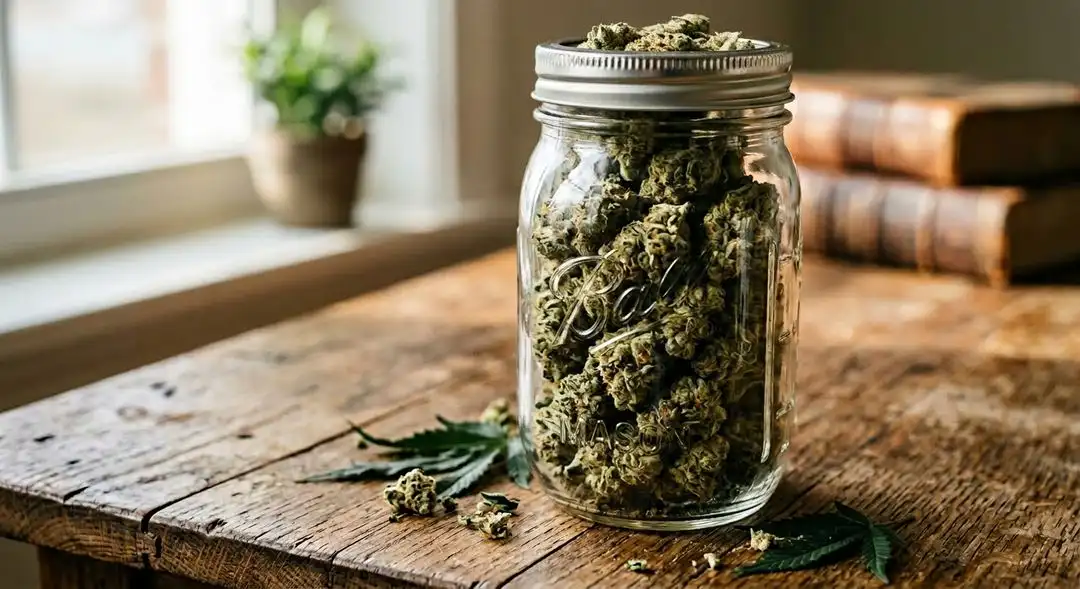
To maximize your harvest:
- Trichome timing: Harvest when 70–80% of trichomes have turned milky white with 10–20% showing amber — this window captures Cheese at peak potency and full terpene expression, before the more sedative amber-dominant profile takes over
- Late-flower humidity: Drop to 35–45% in the final two weeks to prevent moisture from settling into the dense bud structure — Cheese buds pack tightly and can trap humidity if airflow is insufficient
- Nutrient finishing: Begin flushing with plain pH-balanced water (6.0–6.5 for soil) 10–14 days before harvest to clear residual nutrient salts — the flavor improvement in the finished product is significant
- Drying and curing: Slow dry for 10–14 days at 60–65°F and 55–60% RH, then jar-cure for a minimum of 4 weeks — the funky, complex Cheese aroma deepens dramatically with proper curing and should not be rushed
Why Buy Cheese Seeds from DSS Genetics?
Every Cheese Feminized seed ships with our full germination guarantee — if it doesn't sprout, we replace it, no questions asked. Orders ship in discreet, plain packaging with no identifying information on the outside. We've worked hard to source verified, stable Cheese genetics that deliver consistent phenotypic expression across multiple grows.
- Germination guaranteed — every seed backed by our replacement policy if it fails to sprout
- Discreet shipping — plain, unmarked packaging on every order
- Spend $100+ — receive complimentary premium seeds added to your order automatically
- Properly stored genetics — seeds are kept at optimal temperature and humidity from our facility to your door to protect long-term viability
Frequently Asked Questions
Is Cheese a good strain for first-time growers?
Yes — Cheese is one of the more genuinely beginner-friendly strains available, not just in marketing language but in practice. It tolerates minor humidity fluctuations, recovers well from mild overfeeding, and doesn't require aggressive training to produce solid yields. That said, even beginners will get more from their plants by reading through our germination guide before popping seeds, and our easy-to-grow collection includes other forgiving options if you want to compare before deciding.
How long does Cheese take to flower, and what yields can I expect?
Cheese finishes flowering in 50–60 days — fast for an indica-dominant hybrid. Indoor growers can expect 1.8–2.1 oz/ft² with a properly trained canopy. Outdoor plants in a full season reach 26–30 oz/plant, which is exceptional for a strain of this difficulty level. Visit our flowering stage guide for week-by-week tips on managing the transition and supporting bud development through to harvest.
What does Cheese smell and taste like?
The aroma is funky, pungent, and unmistakable — aged dairy layered over pine, skunk, and earth, with subtle sweet blueberry lifting from underneath. On the palate, pine and sweetness lead, followed by spice and a lingering earthy warmth. The dominant terpenes driving this profile are Pinene, Caryophyllene, and Limonene, with Humulene and Valencene adding woody depth and citrus warmth respectively. Proper jar-curing for 4+ weeks is where this strain's full aromatic potential is unlocked.
Is Cheese good for anxiety and stress relief?
Cheese has a strong reputation for stress relief and mild anxiety management, primarily because its sativa-forward opening phase delivers a mood lift before the indica body weight arrives. At moderate doses, most users find it calming without being sedating or paranoia-inducing. At higher doses it leans heavier, which works well for insomnia but may increase anxiety sensitivity in those prone to it. The 14–18% THC range keeps the ceiling accessible, making it less risky for anxiety-prone users than higher-THC options in our catalog.
Medical Disclaimer: This information is for educational purposes only and should not be considered medical advice. Always consult a healthcare professional before using cannabis for medical purposes. Individual results may vary.
Frequently Asked Questions
Cheese — Common Questions Answered
What is Cheese?
Cheese is a balanced hybrid cannabis strain (60% Indica / 40% Sativa) bred from Skunk #1 x Afghani x White Widow. It produces THC levels of 14–18% and CBD levels of 0.1–0.7%. Known for its relaxing, happy, euphoric effects and pine, sweet, earthy flavor profile.
Is Cheese easy to grow?
Yes, Cheese is an excellent choice for beginners. It has a forgiving growth pattern and doesn't require advanced techniques to produce good yields. Growing difficulty: Easy. It thrives in temperate climates and reaches a medium plant size.
How long does Cheese take to flower?
Cheese has a flowering time of 50–60 days. Switch to a 12/12 light cycle to initiate flowering. Expected yields are 1.8 to 2.1 oz/ft² indoors and 26 to 30 oz/plant outdoors.
What are the effects of Cheese?
Cheese delivers relaxing, happy, euphoric, uplifting, creative, hungry effects. Many growers report it helps with pain, stress, anxiety, depression, insomnia. With THC levels of 14–18%, it offers a mild, manageable experience suitable for all tolerance levels.
What does Cheese smell and taste like?
Cheese's dominant terpenes are Pinene, Caryophyllene, Limonene, Humulene, Valencene, Borneol, which give it a pine, sweet, earthy, blueberry, skunky, spicy flavor and aroma profile. Limonene adds citrusy brightness and may elevate mood.Caryophyllene provides spicy, peppery notes and may help with inflammation.
Can I grow Cheese indoors and outdoors?
Yes, Cheese performs well both indoors and outdoors. Indoor yields average 1.8 to 2.1 oz/ft², while outdoor grows can produce 26 to 30 oz/plant. It prefers temperate conditions. Its medium height is manageable in most indoor setups.
What does "feminized" mean for Cheese seeds?
Feminized Cheese seeds are bred to produce only female plants, which are the ones that develop smokable buds. This eliminates the need to identify and remove male plants, saving time and maximizing your grow space. Over 99% of feminized seeds will produce female plants.
Grower Reviews
Real grow experiences from our community




Get 10% Off Your First Order
Join our newsletter for exclusive deals, growing tips, and new strain drops.