Cherry Pie Feminized Seeds
By Ivan K., DSS Genetics · Updated April 2026

Cherry Pie Feminized Seeds
SKU: DSS-CHPI-FEM-5PK
Pack Size
Quantity
Disclaimer: For informational purposes only — not medical advice. Consult a healthcare professional before use.
About This Strain
Cherry Pie Feminized Seeds — Complete Strain Profile
Cherry Pie Feminized Seeds – Strain Overview
Cherry Pie is a legendary 75% indica-dominant hybrid born from two iconic parents: the grape-drenched Granddaddy Purple and the bright, energetic Durban Poison. That pairing sounds unlikely on paper — a heavy Californian indica crossed with a pure African sativa landrace — but the result is a balanced, euphoric experience that neither parent could deliver alone. THC ranges from 18–23%, with just enough sativa DNA to keep the high functional and uplifting rather than sedating.
What sets Cherry Pie apart from the crowded indica shelf is its refusal to put you to sleep. The Durban Poison influence threads a current of mental energy and happiness through what would otherwise be a couch-lock stone. It's one of the most well-rounded strains in our best indica collection — satisfying for seasoned growers and cannabis enthusiasts who want depth without being flattened.
Effects and Medical Benefits
The Cherry Pie high opens quickly — within minutes you'll feel a warm cerebral lift that smooths out stress and sharpens your mood without tipping into anxiety. That's the Durban Poison half at work, delivering a clean euphoric clarity that feels genuinely uplifting rather than artificial. Over the next 20–30 minutes, the Granddaddy Purple genetics ease in from the body outward, wrapping muscles in a comfortable, unhurried relaxation.
What you won't get is that heavy, eyes-half-shut sedation that pure indicas can force. Cherry Pie sits in a sweet spot — relaxed but present, happy but grounded, hungry enough to raid the fridge but functional enough to enjoy the process.
Users consistently report these distinct effects:
- Euphoria and happiness — the sativa influence from Durban Poison delivers an immediate mood lift that feels genuine and clean
- Deep physical relaxation — Granddaddy Purple's body stone settles in gradually, releasing tension from shoulders to feet
- Uplifting mental energy — unusually active for a 75% indica; creative thoughts and easy conversation come naturally
- Appetite stimulation — consistent and reliable; hunger typically arrives in the second hour of the high
On the medical side, Cherry Pie is frequently chosen by patients managing:
- Chronic pain and muscle spasms — the indica body load provides genuine physical relief
- Stress — the euphoric onset clears mental tension fast
- Migraines — a combination of myrcene's analgesic properties and full-body relaxation makes this a go-to
- Inflammation — caryophyllene's direct CB2 binding offers targeted anti-inflammatory support
Even at 0.01–0.5% CBD, the minor cannabinoid content works alongside a rich terpene profile to amplify therapeutic outcomes. Myrcene enhances THC permeability while caryophyllene acts independently on the endocannabinoid system — a classic example of the entourage effect doing meaningful work at low CBD levels.
Aroma, Flavor and Terpene Profile
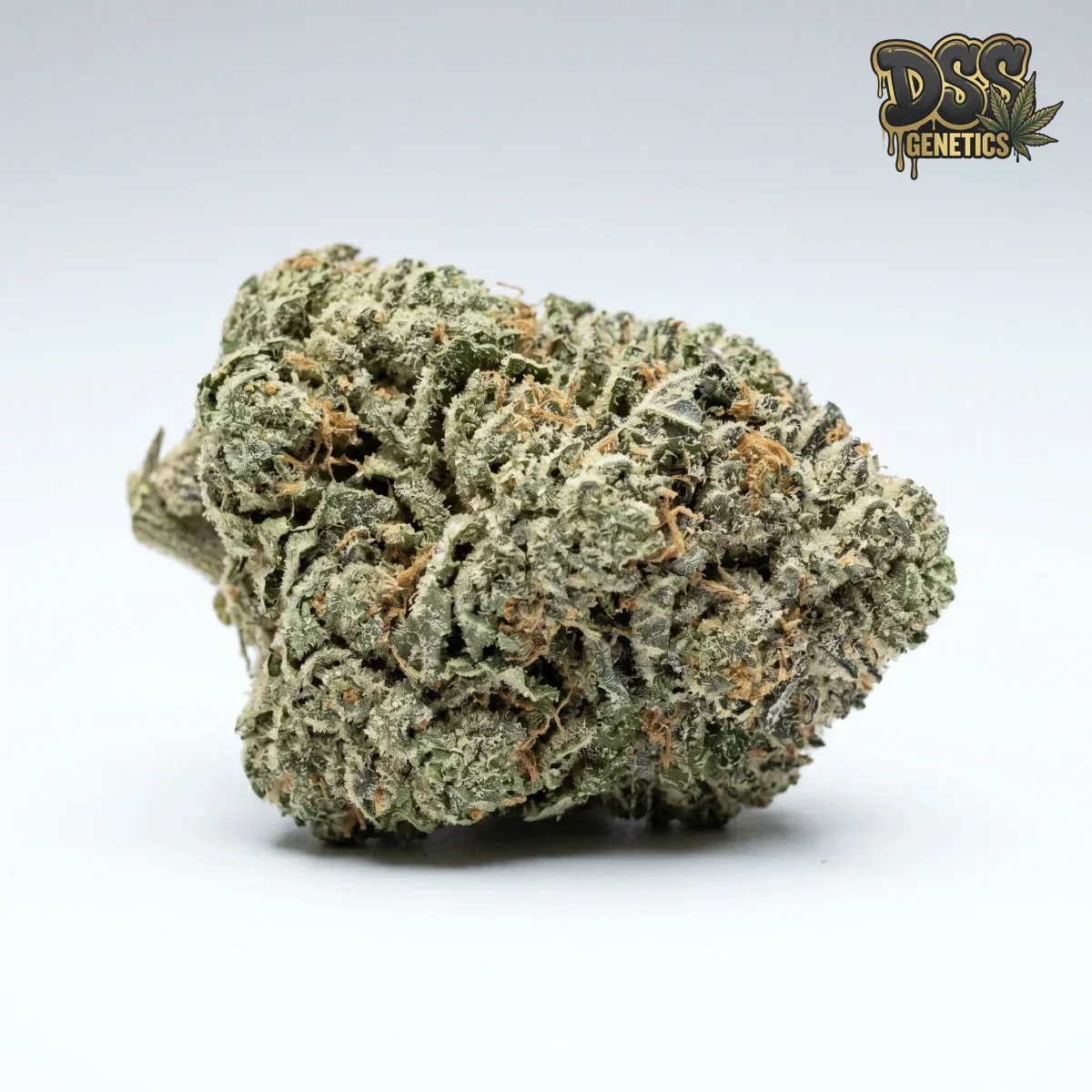
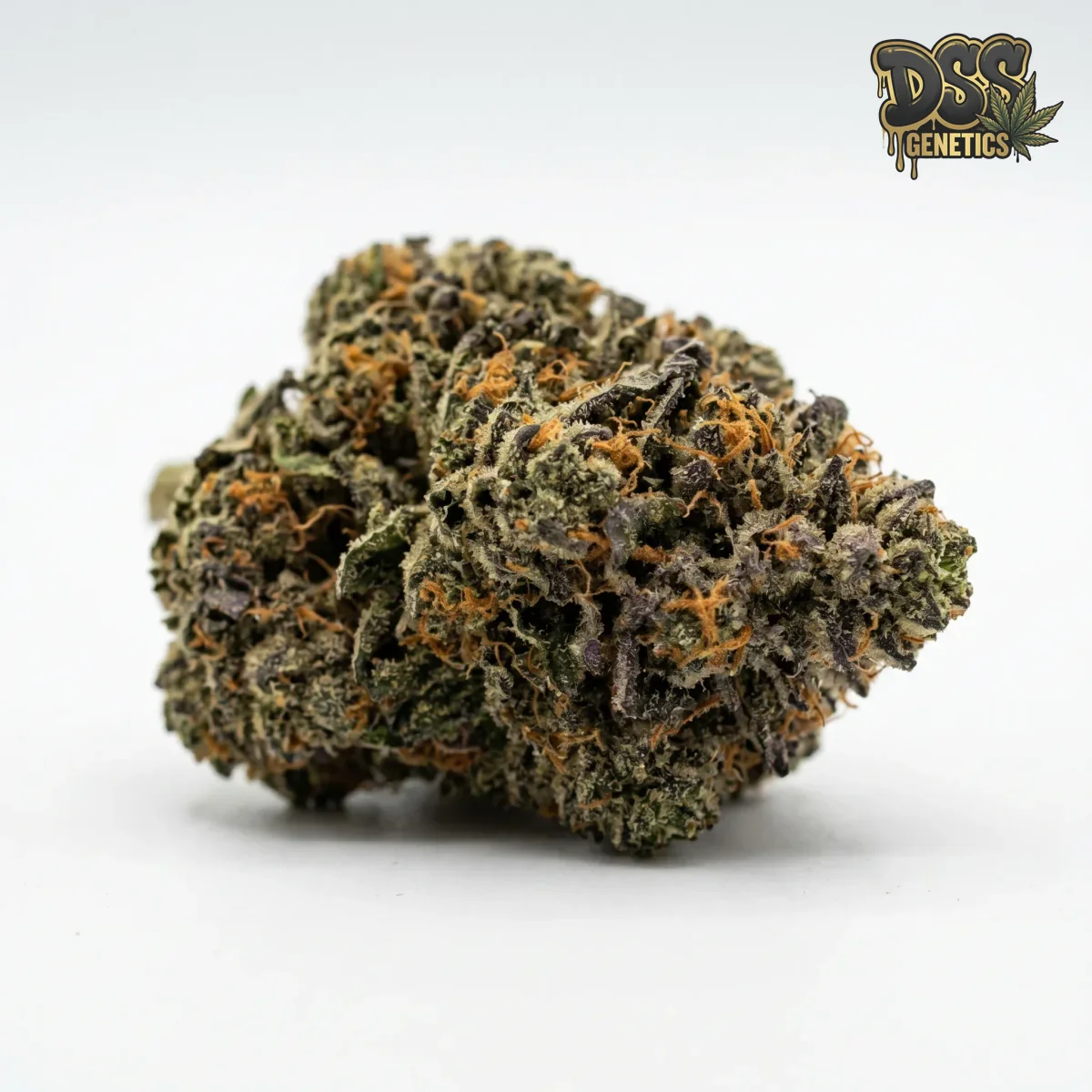
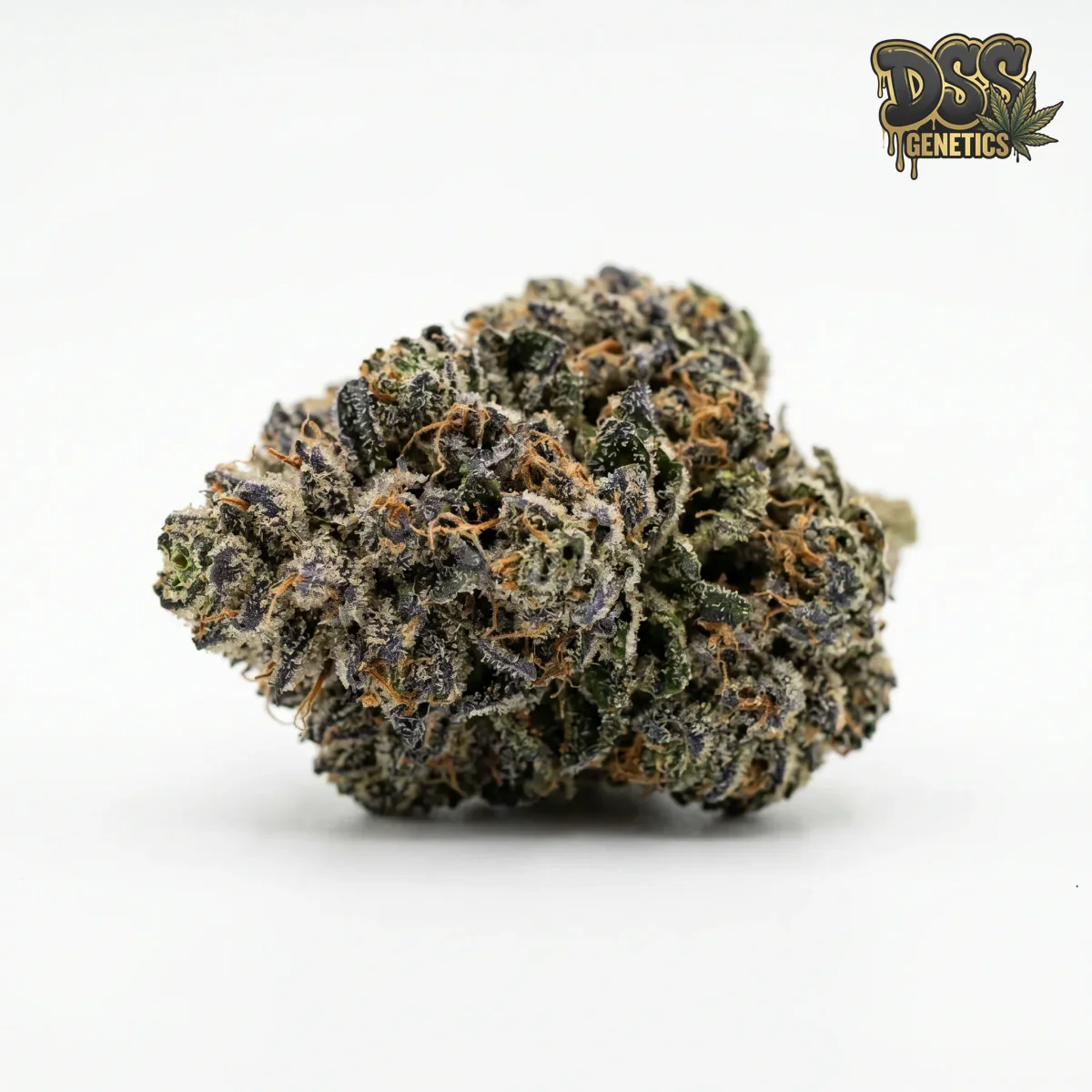
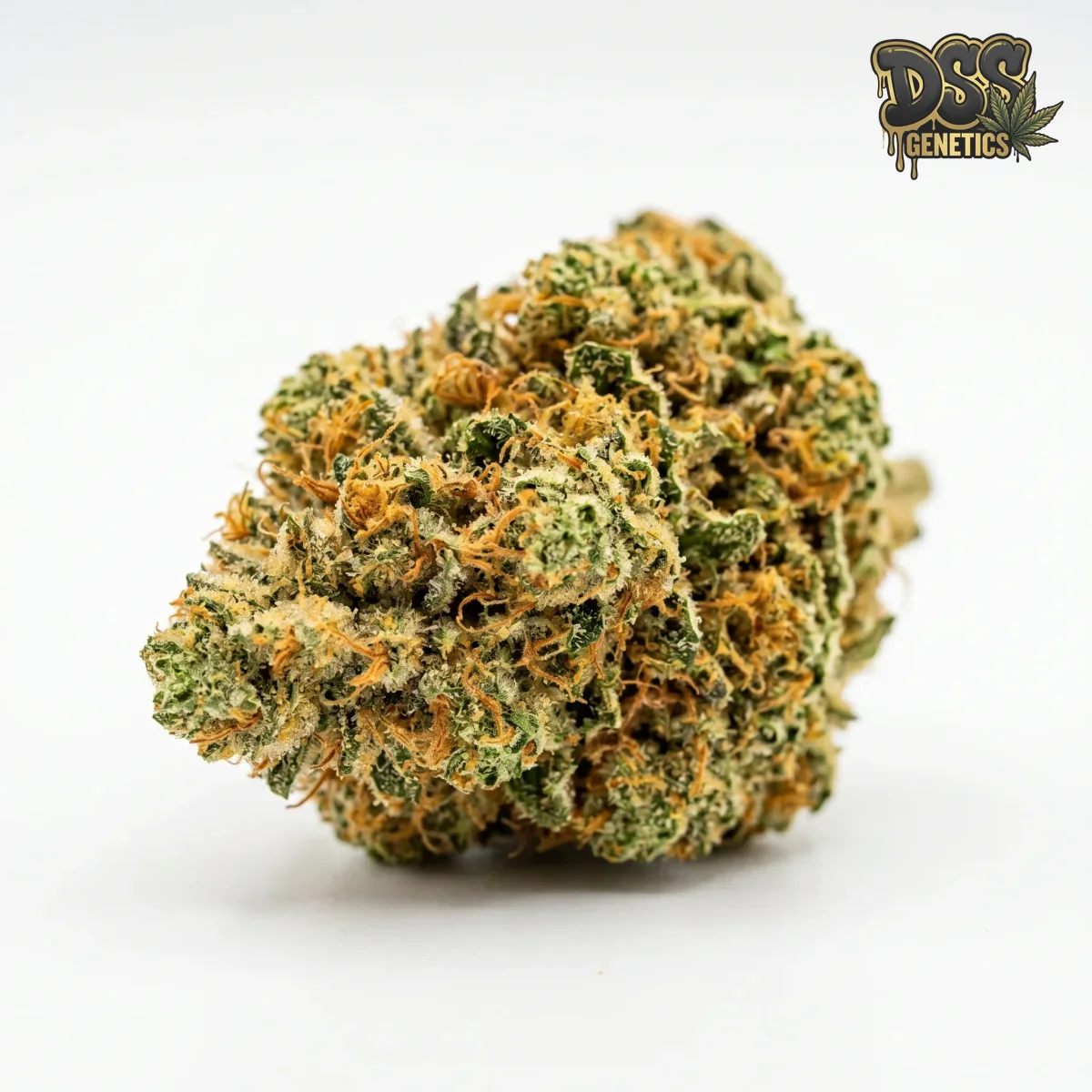
Breaking open a Cherry Pie bud is a genuinely sensory moment. The immediate hit is unmistakably sweet — not candy-sweet, but the warm, sun-ripened sweetness of actual cherries with a blueberry undertone running beneath it. Let it sit open for a moment and an earthy, slightly funky base note rises up, a nod to Granddaddy Purple's complex genetics. On the exhale, a bright lemon zest emerges and lingers on the palate long after the smoke clears.
The flavor follows the nose faithfully. Cherry and fruity berry dominate the inhale, while the earthy backbone keeps it from becoming cloying. The lemon note on the finish adds an unexpected freshness that makes Cherry Pie surprisingly sessionable for a high-THC indica-dominant strain.
Three terpenes architect this profile, each playing a distinct role:
Caryophyllene leads at 0.81% and is the reason Cherry Pie has that subtle spicy warmth beneath all the fruit. It's the only terpene known to directly activate CB2 receptors in the endocannabinoid system, contributing anti-inflammatory and analgesic effects that operate independently of THC. In practical terms, it deepens the physical relief component of the high while adding complexity to the aroma.
Myrcene follows at 0.73%, and this is what gives the strain its ripe, slightly musky fruit quality — the note that makes the cherry aroma smell real rather than synthetic. As the most prevalent terpene in cannabis, myrcene also plays a pharmacological role: it's believed to increase cell membrane permeability in the blood-brain barrier, potentially accelerating and intensifying the onset of THC effects. That quick, clean euphoric rush Cherry Pie is known for? Myrcene deserves part of the credit.
Limonene closes the triangle at 0.62%, and its presence explains the bright lemon finish that catches many users off guard the first time. Beyond flavor, limonene has been studied for mood-elevating and stress-reducing properties — which aligns precisely with Cherry Pie's cheerful, anxiety-easing onset. It also contributes to the strain's surprisingly energetic character for an indica-heavy cultivar.
Growing Cherry Pie Seeds
Cherry Pie is rated moderate difficulty, and that's an honest assessment — not a hedge. Beginners with one or two successful grows under their belt can handle it, but this strain will punish inattention to humidity and feeding schedules. The Granddaddy Purple genetics push toward dense, resinous bud structure, which is beautiful to look at and potent to consume but vulnerable to moisture-related issues if airflow is neglected.
Indoors, keep daytime temperatures between 68–79°F (20–26°C) with nighttime drops no lower than 60°F (15°C). Humidity management is non-negotiable: target 50–60% RH during vegetative growth, then step it down to 40–50% in early flower, and drop further to 35–45% in the final two weeks. Those dense Cherry Pie colas trap moisture — give them every reason to stay dry.
Outdoors, Cherry Pie performs best in a warm, Mediterranean-style climate with consistent sun exposure. The sativa lineage from Durban Poison gives plants some resilience to temperature variation, but a cold, wet autumn finish will compromise both yield and terpene development. If your season ends before mid-October, plan accordingly.
The medium plant size makes Cherry Pie manageable in most grow spaces. Indoor plants typically reach 90–120 cm, and the structure responds well to training — which we strongly recommend to open up the canopy and ensure lower bud sites receive adequate light penetration.
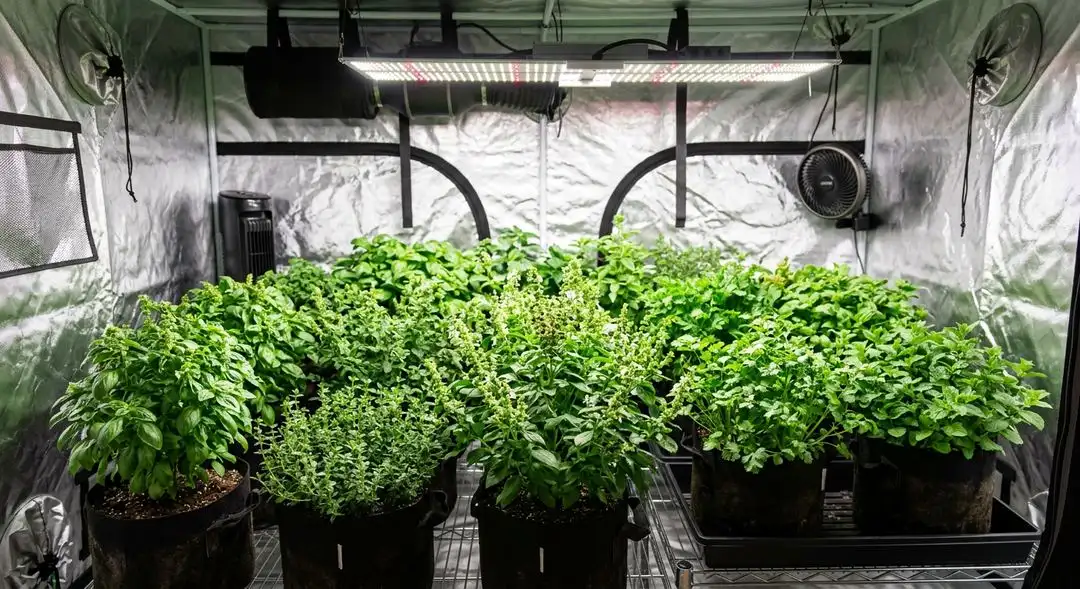
Key growing tips for Cherry Pie:
- Train early and often: LST or a light defoliation at week 3–4 of veg opens the canopy dramatically — see our training techniques guide for step-by-step methods that work well with indica-dominant structure
- Dial in your feeding schedule: Cherry Pie is a moderate-to-heavy feeder in flower; ramp up phosphorus and potassium from day 21 of flower while pulling back nitrogen steadily — yellowing fan leaves late in flower is normal, not a deficiency
- Maximize airflow: Dense bud sites are the enemy of airflow — oscillating fans and strategic defoliation in weeks 4–5 of flower prevent the humid microclimates that invite botrytis
- Indoor environment: A stable, well-ventilated setup wins every time with this strain — consult our indoor growing guide for environment benchmarks that apply directly to Cherry Pie's needs
- Outdoor timing: In northern climates, start seeds indoors in late April and transplant after the last frost; Cherry Pie's 56–63 day flower window means outdoor plants finish comfortably by early-to-mid October — our outdoor growing guide covers harvest timing by climate zone
Yield and Flowering Time
Cherry Pie finishes flowering in 56–63 days — call it 8–9 weeks — which places it squarely in the mid-range for indica-dominant strains. Indoor growers working with optimized light and training can expect 1.4–1.6 oz/ft², a respectable return that rewards growers who take the time to manage canopy structure. Outdoor plants, given full sun and a long season, are genuinely productive at 13–15 oz/plant.
For growers who want high productivity without sacrificing terpene quality, Cherry Pie hits an excellent balance point. If you're comparing across our catalog, it competes well in our high-yield collection while delivering a terpene complexity that faster or simpler strains rarely match at this THC range.
To maximize your harvest:
- Trichome monitoring: Harvest when 70–80% of trichomes have turned milky white with 10–20% amber — this window delivers Cherry Pie's characteristic euphoric-yet-relaxed profile; earlier harvests skew too energetic, later ones push sedation
- Late-flower humidity: Drop relative humidity to 35–40% in the final 10–14 days to reduce mold risk on dense colas and encourage resin production
- Flushing: If growing in soil, a clean water flush for the final 7–10 days before harvest improves the smoothness of the cherry-lemon flavor profile noticeably
- Drying and curing: Hang-dry whole branches for 7–10 days at 60–65°F and 55–60% RH, then cure in sealed glass jars for a minimum of 3 weeks — a proper drying and curing process is what transforms Cherry Pie from good to exceptional, unlocking the full cherry-blueberry-lemon terpene expression
Why Buy Cherry Pie Seeds from DSS Genetics?
Every Cherry Pie feminized seed is backed by our full germination guarantee. If it doesn't sprout under proper conditions, we replace it — no interrogation, no hassle. Your order ships in discreet, unmarked packaging that gives nothing away at the door.
- Germination guaranteed — every seed is backed by our replacement promise; follow our germination guide and your seeds will perform
- Discreet shipping — plain, unmarked packaging on every order
- Spend $100+ — receive complimentary premium seeds with your order automatically
- Proper seed storage — seeds are stored at controlled temperature and humidity from our facility to your door, protecting viability from day one
Frequently Asked Questions
What are Cherry Pie's genetics and where does the strain come from?
Cherry Pie is a cross of Granddaddy Purple and Durban Poison — two strains from opposite ends of the cannabis spectrum. Granddaddy Purple contributes the dense indica structure, deep berry flavors, and body relaxation, while Durban Poison, a pure South African sativa landrace, injects the energetic uplift and mental clarity that make Cherry Pie unusual among indica-dominant strains. The result is a 75% indica / 25% sativa hybrid that behaves more functionally than its indica percentage would suggest.
How difficult is Cherry Pie to grow?
Cherry Pie is rated moderate difficulty. Growers with at least one successful harvest behind them will find it very manageable, but pure beginners may struggle with its sensitivity to humidity and feeding precision. If this is your first grow, we recommend starting with an easy-to-grow strain to build your fundamentals — particularly humidity management and nutrient timing — before tackling Cherry Pie. The payoff is absolutely worth it once you're ready.
What does Cherry Pie smell and taste like?
The aroma is dominated by ripe cherry and blueberry sweetness, grounded by an earthy base and brightened by a distinct lemon zest on the exhale. The three primary terpenes driving this profile are Caryophyllene (0.81%), which adds spicy warmth and anti-inflammatory properties; Myrcene (0.73%), which delivers the ripe, musky fruit character; and Limonene (0.62%), which creates the bright citrus finish and contributes to the strain's mood-elevating effects. Proper drying and curing is essential to getting the most from this terpene profile.
How long does Cherry Pie take to flower and what yields can I expect?
Cherry Pie completes flowering in 56–63 days (8–9 weeks). Indoor yields run 1.4–1.6 oz/ft² with proper canopy management, and outdoor plants in full sun produce 13–15 oz/plant by early-to-mid October. Training techniques like LST and selective defoliation make a measurable difference to indoor yields — review our flowering stage guide for week-by-week benchmarks on what to expect as Cherry Pie moves through its bloom cycle.
Medical Disclaimer: This information is for educational purposes only and should not be considered medical advice. Always consult a healthcare professional before using cannabis for medical purposes. Individual results may vary.
Frequently Asked Questions
Cherry Pie — Common Questions Answered
What is Cherry Pie?
Cherry Pie is a indica-dominant cannabis strain (75% Indica / 25% Sativa) bred from Granddaddy Purple x Durban Poison. It produces THC levels of 18–23% and CBD levels of 0.01–0.5%. Known for its relaxing, happy, euphoric effects and sweet, earthy, lemon flavor profile.
Is Cherry Pie easy to grow?
Cherry Pie is moderately challenging to grow. Beginners can succeed with some research, but it benefits from basic knowledge of pH management and nutrient schedules. Growing difficulty: Moderate. It thrives in temperate climates and reaches a medium plant size.
How long does Cherry Pie take to flower?
Cherry Pie has a flowering time of 56–63 days. Switch to a 12/12 light cycle to initiate flowering. Expected yields are 1.4 to 1.6 oz/ft² indoors and 13 to 15 oz/plant outdoors.
What are the effects of Cherry Pie?
Cherry Pie delivers relaxing, happy, euphoric, uplifting, energetic, hungry effects. Many growers report it helps with pain, muscle spasms, stress, migraines. With THC levels of 18–23%, it provides a moderate to strong experience suitable for most users.
What does Cherry Pie smell and taste like?
Cherry Pie's dominant terpenes are Myrcene (0.73%), Caryophyllene (0.81%), Limonene (0.62%), which give it a sweet, earthy, lemon, blueberry, fruity, cherry flavor and aroma profile.
Can I grow Cherry Pie indoors and outdoors?
Yes, Cherry Pie performs well both indoors and outdoors. Indoor yields average 1.4 to 1.6 oz/ft², while outdoor grows can produce 13 to 15 oz/plant. It prefers temperate conditions. Its medium height is manageable in most indoor setups.
What does "feminized" mean for Cherry Pie seeds?
Feminized Cherry Pie seeds are bred to produce only female plants, which are the ones that develop smokable buds. This eliminates the need to identify and remove male plants, saving time and maximizing your grow space. Over 99% of feminized seeds will produce female plants.
Grower Reviews
Real grow experiences from our community
Get 10% Off Your First Order
Join our newsletter for exclusive deals, growing tips, and new strain drops.