Hawaiian Snow Feminized Seeds
By Ivan K., DSS Genetics · Updated April 2026

Hawaiian Snow Feminized Seeds
SKU: DSS-HASN-FEM-5PK
Pack Size
Quantity
Disclaimer: For informational purposes only — not medical advice. Consult a healthcare professional before use.
About This Strain
Hawaiian Snow Feminized Seeds — Complete Strain Profile
Hawaiian Snow Feminized Seeds – Strain Overview
Hawaiian Snow is a soaring 90% sativa born from the union of classic Haze and Hawaiian Haze — two legendary tropical lines that together produce one of the most euphoric, sun-drenched experiences in the cannabis world. With THC settling between 16–19% and a trace CBD presence of 0.5–1%, this isn't a strain built on raw potency alone; it earns its reputation through the sheer quality and clarity of its cerebral effect. If you've ever chased the feeling of standing on a volcanic ridge with trade winds hitting your face, Hawaiian Snow puts that sensation into a flower.
The Haze lineage here is the engine — an old-school genetic family famous for its long flowering windows, towering sativa structure, and psychedelic mental lift. Hawaiian Haze brings the sweetness, the tropical fruit depth, and a gentle warmth that softens Haze's sharper edges into something genuinely blissful. The result is a strain that belongs squarely in the best sativa collection — a connoisseur's grow that demands patience and rewards it generously.
Effects and Medical Benefits
The Hawaiian Snow experience doesn't arrive all at once — it builds like a wave. Within the first few minutes, a gentle pressure gathers behind the eyes and temples, followed quickly by an expanding sense of brightness and well-being that washes through the mind. This isn't a heavy, sedating high; it's clean, luminous, and unmistakably sativa in character. Energy climbs steadily rather than spiking, and creative thinking opens up in a way that feels almost effortless.
At the peak, users often describe a state of happy, focused flow — ideal for artistic work, outdoor activities, or long conversations that meander in the best possible way. The 10% indica backbone prevents any anxious edge from creeping in, grounding the experience just enough to keep it enjoyable over a multi-hour session. Even as the high matures, it softens into a relaxed, contented warmth rather than crashing into fatigue.
Users consistently report these effects:
- Euphoria and happiness — a wave of genuine good mood that arrives early and stays steady
- Creative energy — mental pathways open up, ideas connect freely, and focus sharpens on tasks you enjoy
- Uplifting motivation — physical energy accompanies the mental clarity, making this a strong daytime choice
- Gentle relaxation — the indica fraction keeps the experience grounded without ever pulling toward couch-lock
On the medical side, Hawaiian Snow is consistently chosen for:
- Depression — the sustained mood elevation makes it a practical daytime option when heavier sedating strains aren't appropriate
- Fatigue — the energizing sativa profile combats low energy without the crash of stimulants
- Stress — mental tension dissolves under the euphoric warmth this strain produces
- Chronic pain — particularly effective for functional daytime pain management where mental clarity still matters
The 0.5–1% CBD, while modest, isn't irrelevant. Working alongside the strain's terpene mix, it contributes to what researchers describe as the entourage effect — a synergy between cannabinoids and terpenes that deepens the therapeutic value beyond what THC alone can deliver. For patients managing inflammation or persistent headaches, this full-spectrum interaction matters more than the CBD percentage might suggest.
Aroma, Flavor and Terpene Profile
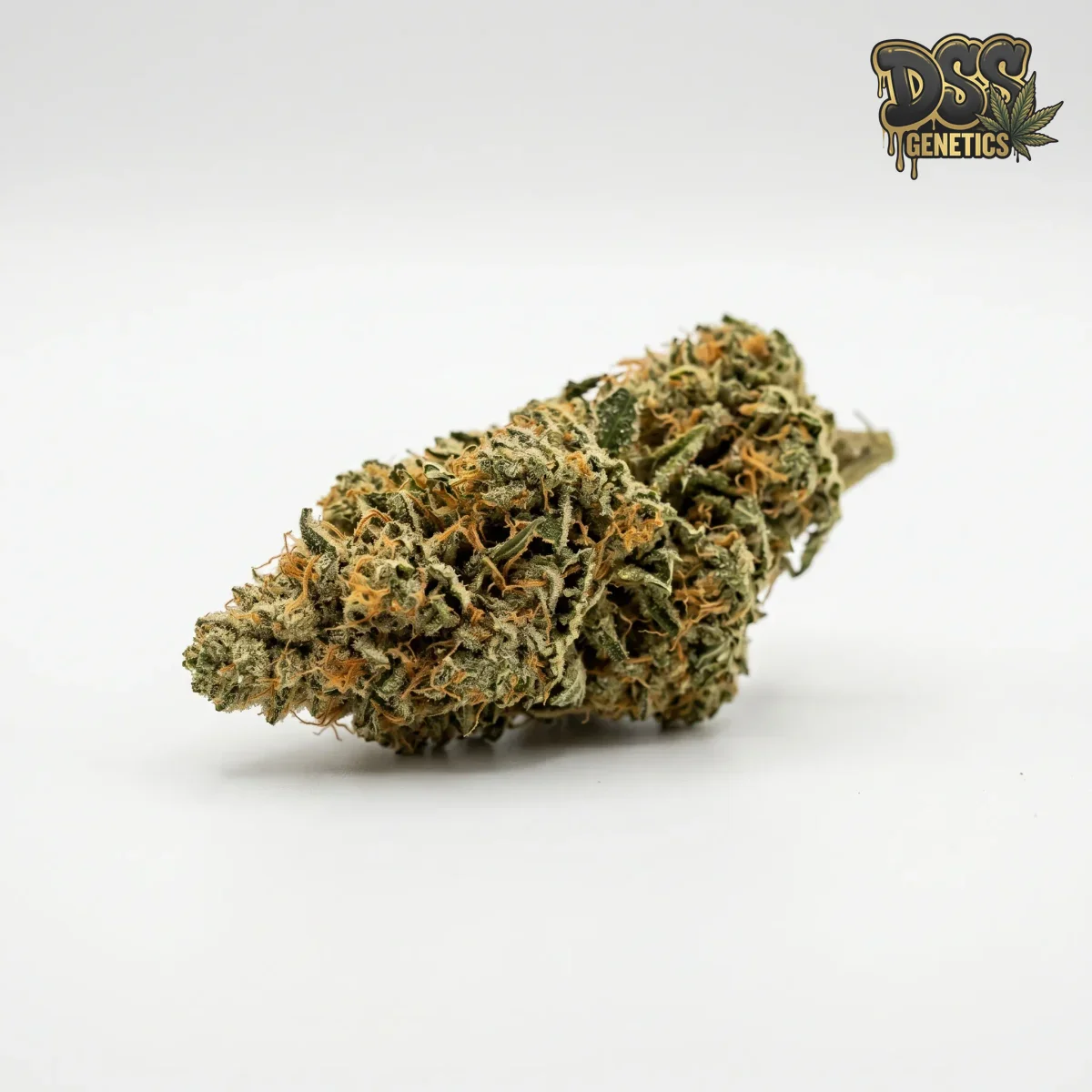
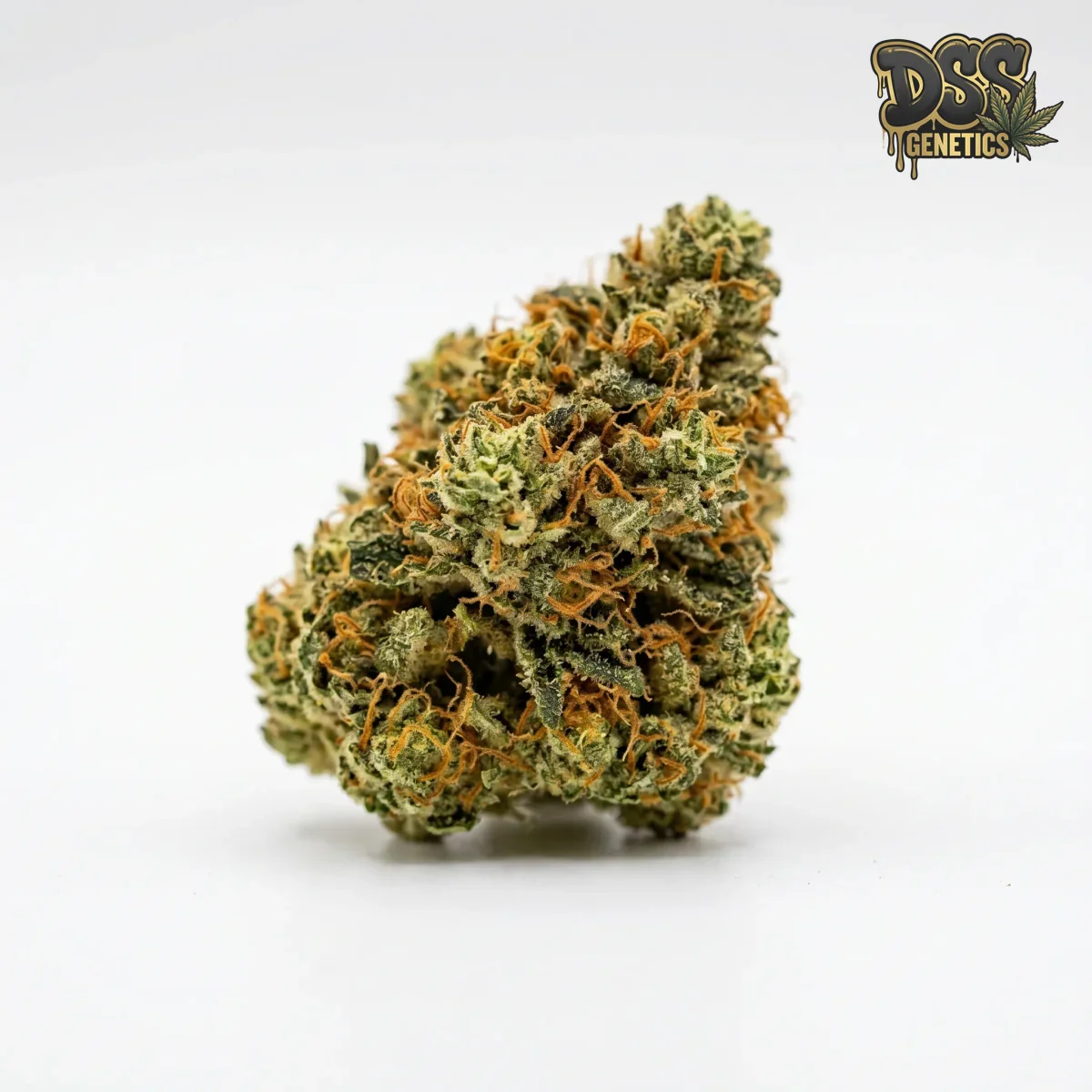
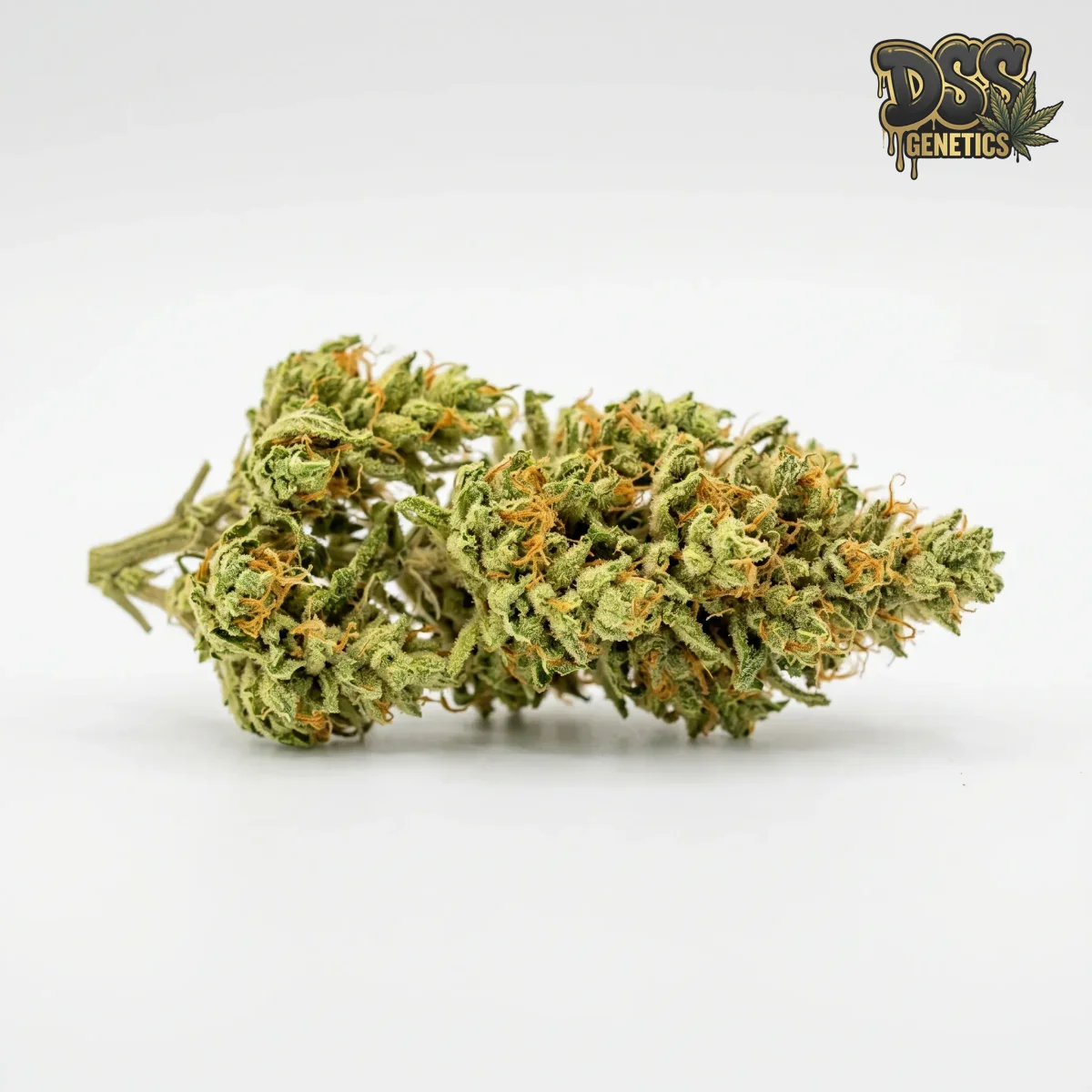
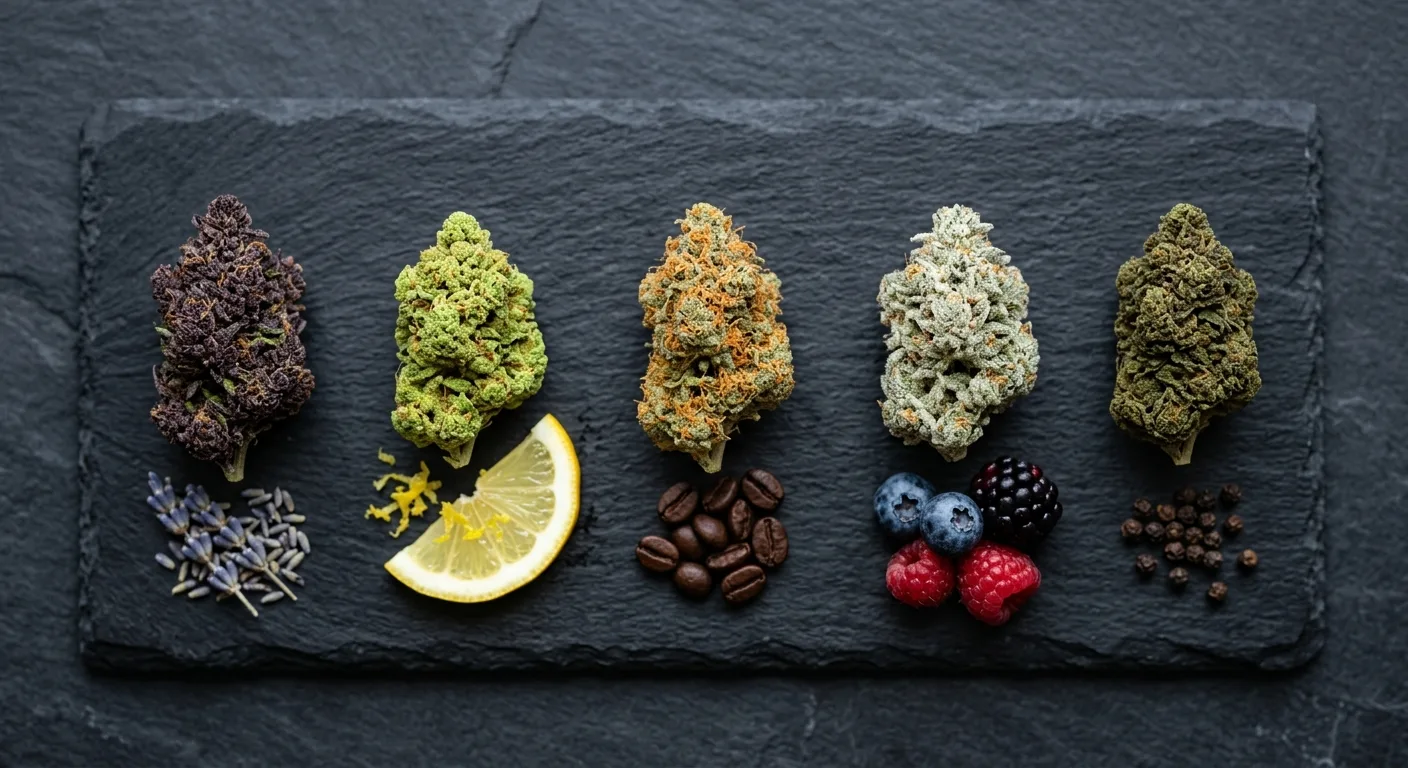
Break open a cured Hawaiian Snow bud and the room changes. The first wave is tropical and sweet — not candy-sweet, but ripe fruit sweet, like mangoes and guava left to warm in the sun. Underneath that, a clean woody base emerges, reminiscent of sandalwood and fresh cedar, giving the sweetness something solid to rest on. Then comes the citrus: bright, almost zingy, with a slightly floral edge that keeps it from tipping into sourness.
On the inhale, the flavor is predominantly tropical and vanilla-soft, coating the palate with a creamy sweetness that surprises first-time smokers expecting something sharper from a Haze-dominant strain. The exhale introduces the earthy and woody dimensions — a grounding counterpoint that makes the overall profile feel complex rather than one-dimensional. It finishes clean, with a faint citrus linger that makes you want another pull immediately.
This flavor architecture is built on terpenes worth understanding individually. Terpinolene is almost certainly present here given the strong Hawaiian Haze lineage — it's the terpene responsible for that fresh, floral-fruit character that makes tropical sativas smell so distinctive, and it carries mild uplifting properties that complement the strain's energetic effect profile perfectly.
Myrcene brings the mango and tropical fruit body to the aroma. Beyond scent, Myrcene is understood to facilitate faster THC uptake and contributes to the relaxed, easy quality of the high — it's the terpene that takes the edge off without pulling the experience sedative.
Ocimene accounts for the herbal sweetness and subtle floral notes woven through the vanilla and citrus. It's an often-overlooked terpene that gives tropical strains their characteristic brightness and contributes antifungal properties that are genuinely useful in humid growing environments.
Limonene sharpens the citrus dimension — think sun-warmed lemon zest rather than juice — and works synergistically with the strain's mood-elevating cannabinoid profile. Research suggests limonene contributes to anti-anxiety and antidepressant effects, which aligns precisely with what Hawaiian Snow delivers experientially.
Finally, trace Pinene lends the clean, almost alpine quality that keeps the tropical sweetness from becoming cloying. Pinene is notable for potentially counteracting short-term memory disruption from THC, supporting the functional, clear-headed quality that distinguishes this strain from heavier sativas.
Growing Hawaiian Snow Seeds
Hawaiian Snow is rated difficult, and that rating is honest — this isn't a strain that forgives neglect or rewards impatience. Its 90% sativa genetics mean it grows with the ambition of its tropical ancestors: stretching vigorously during the vegetative stage, flowering for 70–84 days, and demanding environmental conditions that approximate the warm, breezy climate of its Hawaiian heritage. Indoors, expect plants to at least double — and sometimes triple — in height during the stretch if you don't intervene early.
Temperature management is non-negotiable. Hawaiian Snow performs best between 72–82°F (22–28°C) during lights-on, dropping no lower than 65°F (18°C) during the dark period. Humidity needs careful tracking across the growth cycle: 60–70% during early veg, stepping down to 50–60% through mid-flower, and landing at 40–45% in the final two weeks before harvest. These aren't arbitrary numbers — the long flowering window combined with the dense tropical bud structure creates real mold vulnerability if late-stage humidity climbs above 50%.
Indoor growers will get the most from this strain using hydroponic systems, where precise nutrient delivery matches the plant's demanding feeding schedule. Outdoors, Hawaiian Snow thrives in genuinely warm climates — Mediterranean, subtropical, or tropical zones where the growing season extends long enough to accommodate that 70–84 day flower. In cooler regions, a greenhouse setup is strongly recommended to protect the late-season crop from early autumn rains.
What we've found over dozens of grows with Haze-dominant genetics like these: the biggest mistake growers make is underestimating the stretch. Start your training techniques early — LST works exceptionally well on Hawaiian Snow, opening the canopy without the recovery time that topping requires. Begin LST in week 3 of veg and continue until the stretch plateaus around week 2–3 of flower. SCROG is equally effective and can transform this plant's natural sprawl into a highly productive, even canopy that makes the long flowering time worthwhile.
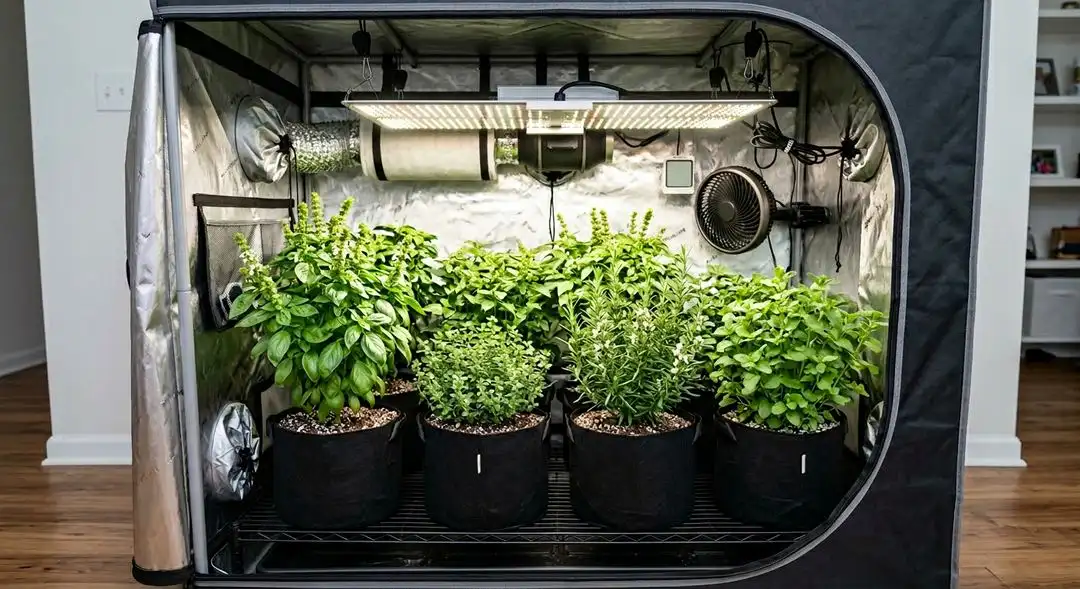
Follow these strain-specific growing practices to get the most from Hawaiian Snow:
- Start LST early and commit to it: Hawaiian Snow's sativa stretch is dramatic — begin low-stress training in week 3 of veg and maintain it through early flower to control height and maximize light penetration to lower bud sites
- Dial in your nutrient timing: Feed a nitrogen-forward schedule through veg, then transition sharply to high-phosphorus and high-potassium formulas at day 1 of flower — Haze genetics respond strongly to this flip and reward it with dense, resinous bud development
- Monitor humidity obsessively in late flower: With 70–84 days of flowering and tropical bud density, keep RH below 45% in weeks 8–12 to eliminate botrytis risk — a small oscillating fan directed at bud sites helps enormously
- For outdoor growing, choose your site carefully: Hawaiian Snow needs a site with maximum sun exposure, good air circulation, and protection from late-season rain — south-facing slopes or greenhouse setups dramatically improve outcomes in non-tropical climates
- Consider indoor CO₂ supplementation: At 1,200–1,500 ppm CO₂ with temperatures held at 80–82°F, Haze-dominant strains like Hawaiian Snow typically respond with noticeably faster bud development and increased resin production during the back half of flower
Yield and Flowering Time
Hawaiian Snow flowers in 70–84 days — one of the longer windows in the sativa catalog, and one of the most justified. Indoor growers working with properly trained plants can achieve 1.5–2 oz/ft², which is genuinely impressive output for a strain with this much sativa dominance. Outdoors, well-established plants in warm climates regularly deliver 18–25 oz/plant — numbers that place it firmly among the high-yield strains when grown in appropriate conditions.
The flowering timeline isn't uniform across the range. Plants grown in cooler conditions with less aggressive training tend to push toward the 84-day end. Plants given optimal temps, strong light intensity, and a well-managed SCROG or LST structure typically finish closer to 70–75 days. Monitoring trichome development from day 65 onward lets you dial in harvest timing to your specific effect preference — earlier for the cleanest cerebral experience, a touch later for more body depth.
If you're drawn to the sativa end of the spectrum, Hawaiian Snow pairs well with other entries in the best sativa collection for back-to-back cultivation cycles that keep a steady supply of long-flowering tropical varieties moving through your grow space.
To maximize your harvest:
- Trichome check from day 65: Use a jeweler's loupe or digital microscope to track trichome maturity — harvest at 80–90% milky white with just 5–10% amber for the most energetic, euphoric expression Hawaiian Snow is known for
- Final flush matters here: Run plain pH-balanced water (6.2–6.8 for soil) for the final 10–14 days to clear residual nutrient salts — with a flavor profile this nuanced, a clean flush makes a perceptible difference in the finished smoke
- Late flower humidity management: Drop RH to 40–45% in weeks 9–12 to protect the dense tropical buds from botrytis and to trigger the final trichome push that concentrates resin and terpenes
- Slow dry and long cure: Dry for 10–14 days at 60–65°F with 55–60% RH, then cure in sealed glass jars for a minimum of 4 weeks — Hawaiian Snow's terpene complexity genuinely deepens and clarifies over the cure period in a way few strains match
Why Buy Hawaiian Snow Seeds from DSS Genetics?
Every Hawaiian Snow seed shipped from DSS Genetics comes with a full germination guarantee — if your seed doesn't sprout under proper conditions, we replace it without argument. Your order is packed in discreet, unmarked packaging included, and we store our seeds at optimal temperature and humidity to ensure viability from our facility to your hands.
- Germination guaranteed — every seed backed by our replacement promise, no hoops to jump through
- Discreet shipping — plain, unmarked packaging on every order
- Spend $100+ and get free premium seeds — added to your order automatically at checkout
- Professional seed storage — temperature and humidity-controlled from production to dispatch, so your genetics arrive alive and ready to perform
Frequently Asked Questions
Is Hawaiian Snow a good strain for beginner growers?
Hawaiian Snow is rated difficult, and we'd be doing beginners a disservice by softening that. The 70–84 day flowering window, dramatic sativa stretch, and humidity sensitivity during late flower all require grower experience to manage well. If you're newer to cultivation, we recommend building confidence with an easy-to-grow strain first, then returning to Hawaiian Snow when you're comfortable with environmental control and plant training. The reward is absolutely worth working toward — but it's a strain that punishes environmental inconsistency.
How long does Hawaiian Snow take to flower indoors?
Hawaiian Snow flowers in 70–84 days indoors — roughly 10–12 weeks from the flip to 12/12 lighting. The range is real: well-trained plants in optimal conditions (80–82°F, 45–50% RH, CO₂ supplemented) tend to finish closer to 70–75 days, while plants grown in cooler or less dialed-in environments push toward 84. Start checking trichomes with a loupe from day 65 onward. Our flowering stage guide covers the weekly progression in detail and helps you identify the exact harvest window for your target effect.
What does Hawaiian Snow taste and smell like?
Hawaiian Snow is one of the most aromatically distinctive strains in the sativa world. The dominant impression is tropical — ripe mango and guava sweetness underpinned by vanilla cream, with a clean woody base of sandalwood and cedar. Bright citrus sharpens the profile without making it sour, and a subtle floral note from Ocimene ties the whole thing together
Medical Disclaimer: This information is for educational purposes only and should not be considered medical advice. Always consult a healthcare professional before using cannabis for medical purposes. Individual results may vary.
Frequently Asked Questions
Hawaiian Snow — Common Questions Answered
What is Hawaiian Snow?
Hawaiian Snow is a sativa-dominant cannabis strain (90% Sativa / 10% Indica) bred from Haze x Hawaiian Haze. It produces THC levels of 16–19% and CBD levels of 0.5–1%. Known for its relaxing, happy, euphoric effects and sweet, earthy, citrus flavor profile.
Is Hawaiian Snow easy to grow?
Hawaiian Snow is considered an advanced-level strain that requires experience with training techniques, environmental control, and nutrient management for best results. Growing difficulty: Difficult. It thrives in temperate climates and reaches a medium plant size.
How long does Hawaiian Snow take to flower?
Hawaiian Snow has a flowering time of 70–84 days. Switch to a 12/12 light cycle to initiate flowering. Expected yields are 1.5 to 2 oz/ft² indoors and 18 to 25 oz/plant outdoors.
What are the effects of Hawaiian Snow?
Hawaiian Snow delivers relaxing, happy, euphoric, uplifting, creative, energetic effects. Many growers report it helps with pain, stress, depression, fatigue. With THC levels of 16–19%, it offers a mild, manageable experience suitable for all tolerance levels.
Can I grow Hawaiian Snow indoors and outdoors?
Yes, Hawaiian Snow performs well both indoors and outdoors. Indoor yields average 1.5 to 2 oz/ft², while outdoor grows can produce 18 to 25 oz/plant. It prefers temperate conditions. Its medium height is manageable in most indoor setups.
What does "feminized" mean for Hawaiian Snow seeds?
Feminized Hawaiian Snow seeds are bred to produce only female plants, which are the ones that develop smokable buds. This eliminates the need to identify and remove male plants, saving time and maximizing your grow space. Over 99% of feminized seeds will produce female plants.
Grower Reviews
Real grow experiences from our community
Similar Strains


Get 10% Off Your First Order
Join our newsletter for exclusive deals, growing tips, and new strain drops.