Nemesis Feminized Seeds
By Ivan K., DSS Genetics · Updated April 2026

Nemesis Feminized Seeds
SKU: DSS-NEMES-FEM-5PK
Pack Size
Quantity
Disclaimer: For informational purposes only — not medical advice. Consult a healthcare professional before use.
About This Strain
Nemesis Feminized Seeds — Complete Strain Profile
Nemesis Feminized Seeds – Strain Overview
Nemesis is a true 50/50 hybrid born from two ancient landrace lines — Northern Indian and Nepali — both sourced from the foothills and highland valleys of the Himalayas, where cannabis has grown wild for thousands of years. That heritage shows up immediately in the plant's balanced structure, its resinous medium-sized frame, and most importantly, its cannabinoid ratio: 2–4% THC paired with a commanding 15–17% CBD, making it one of the most therapeutically loaded cultivars in the high-CBD collection.
What sets Nemesis apart from the crowded field of CBD strains is the quality of its genetic foundation. These aren't high-THC plants bred down — these are landrace genetics that naturally produce therapeutic cannabinoids at scale. The result is a strain that delivers genuine relief without the psychoactive intensity most consumers are trying to avoid, all while still producing effects that are felt, not just measured on a lab report.
Effects and Medical Benefits
The Nemesis experience opens softly — a gentle warmth settles behind the eyes within the first 10 minutes, followed by a slow, pleasant lift in mood that doesn't spike into anxiety or overstimulation. Because the THC ceiling sits at just 2–4%, the psychoactivity stays mild and manageable while the CBD takes the lead, smoothing out tension and producing a clear-headed calm that still allows for focus and light creative work.
What emerges over the following hour is a balanced body-and-mind state that doesn't collapse into couch-lock but does make stillness feel comfortable. It's a functional calm — the kind that lets you finish a project, ease into sleep, or simply step away from the noise of the day without feeling disconnected from it.
Users consistently report these four effects:
- Relaxation — a full-body unwinding that works through the shoulders, jaw, and lower back without sedating the mind
- Happiness — a quiet, stable mood lift rather than an euphoric surge, sustaining over several hours
- Euphoria — mild and clean, arising from the interplay between low-dose THC and the CBD baseline
- Creativity — mental space opens up once physical tension releases, particularly useful for introspective or artistic work
On the medical side, Nemesis has become a go-to cultivar for consumers managing:
- Stress — CBD's interaction with the endocannabinoid system makes Nemesis particularly effective at blunting cortisol-driven tension
- Anxiety — the low THC ensures no paranoia spike; CBD provides genuine anxiolytic support
- Insomnia — the relaxing, body-focused later phase of the effect makes sleep onset smoother
- Depression — the sustained mood lift from Myrcene and Limonene activity supports emotional stability
- Fatigue — low-dose sessions in the morning or early afternoon provide energy-adjacent clarity without overstimulation
The 15–17% CBD content isn't working alone here. The minor THC component, combined with the full terpene suite, creates a synergistic response known as the entourage effect — where the sum of these compounds produces therapeutic outcomes neither cannabinoid could achieve independently. This is precisely why whole-plant genetics like Nemesis outperform CBD isolates for many medical users.
Aroma, Flavor and Terpene Profile
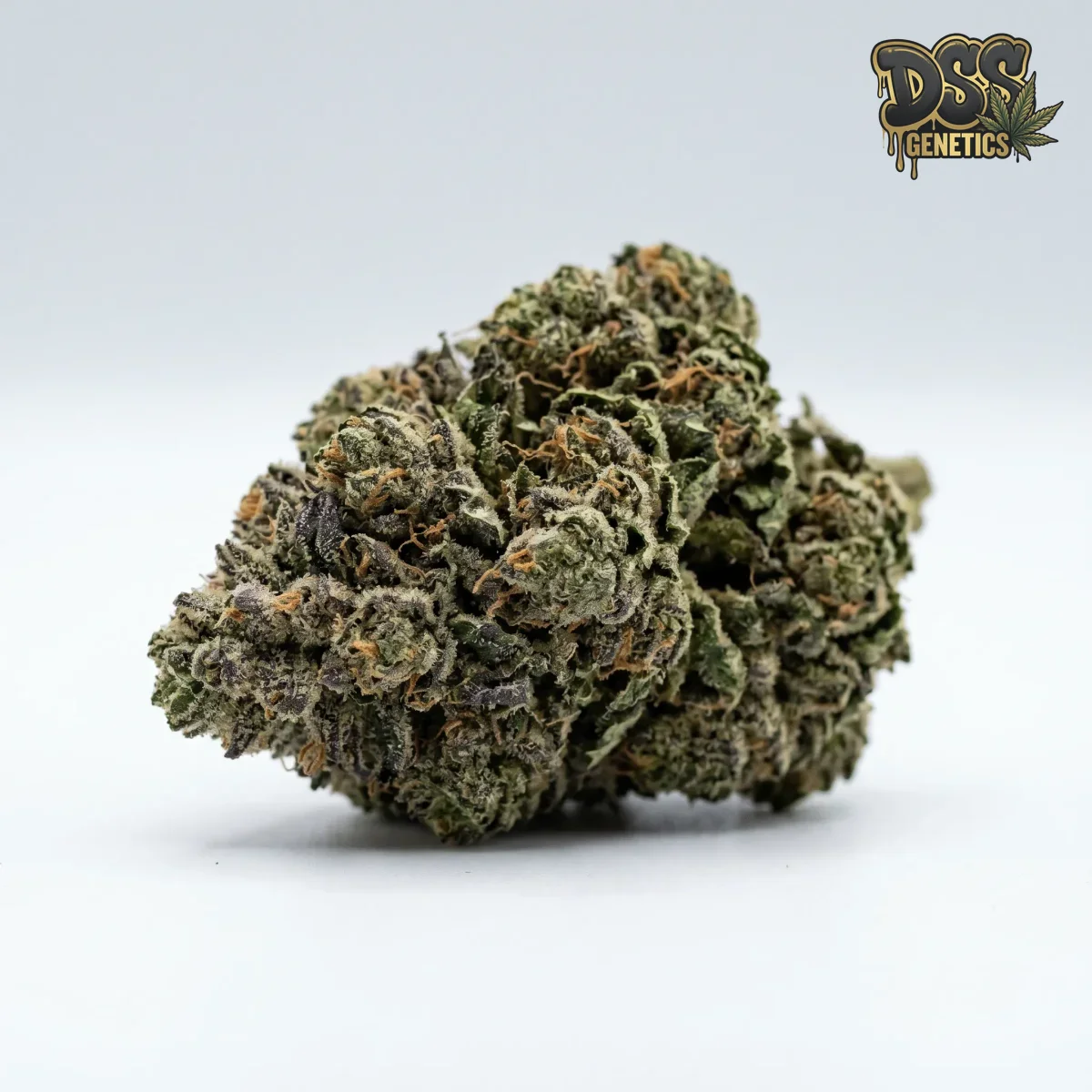
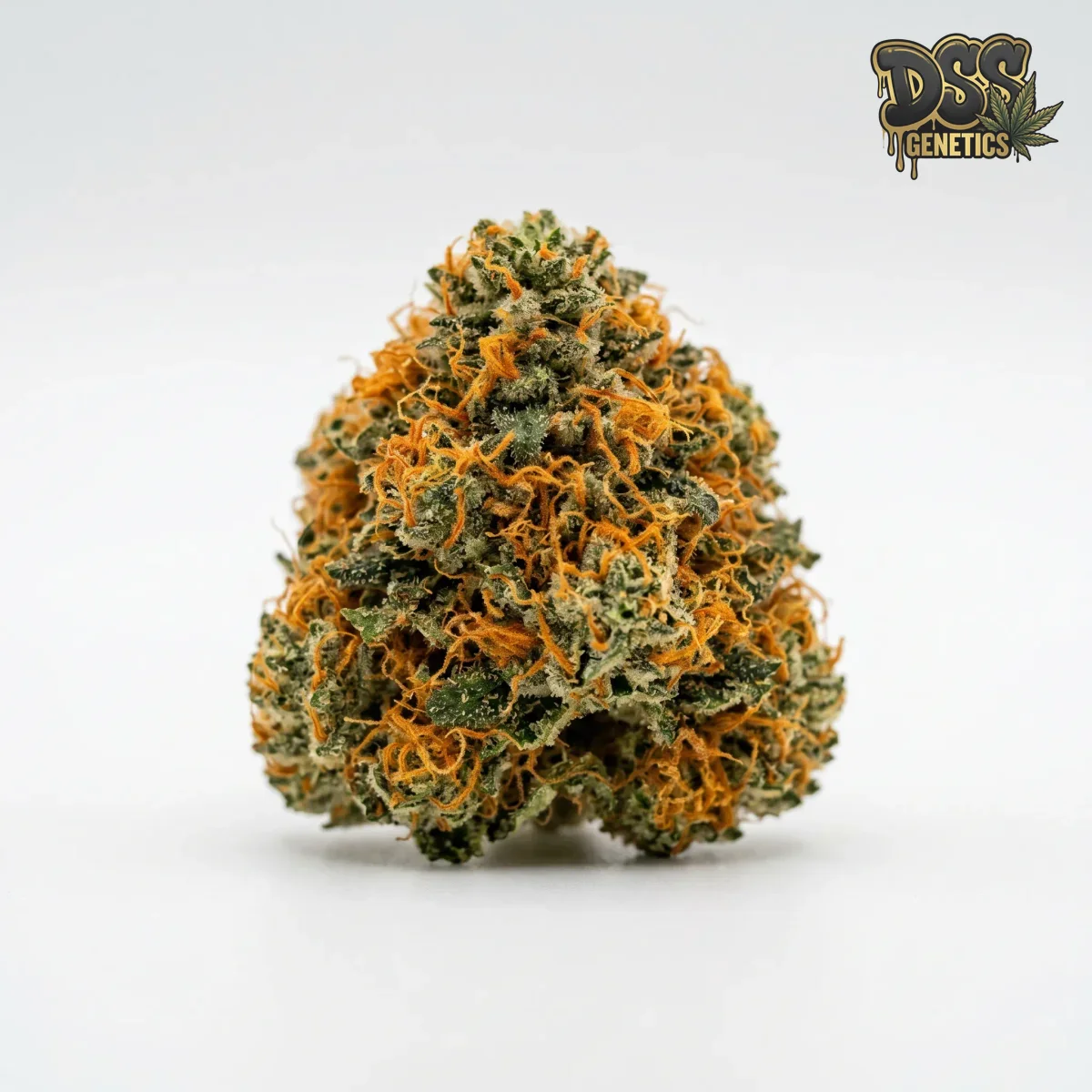
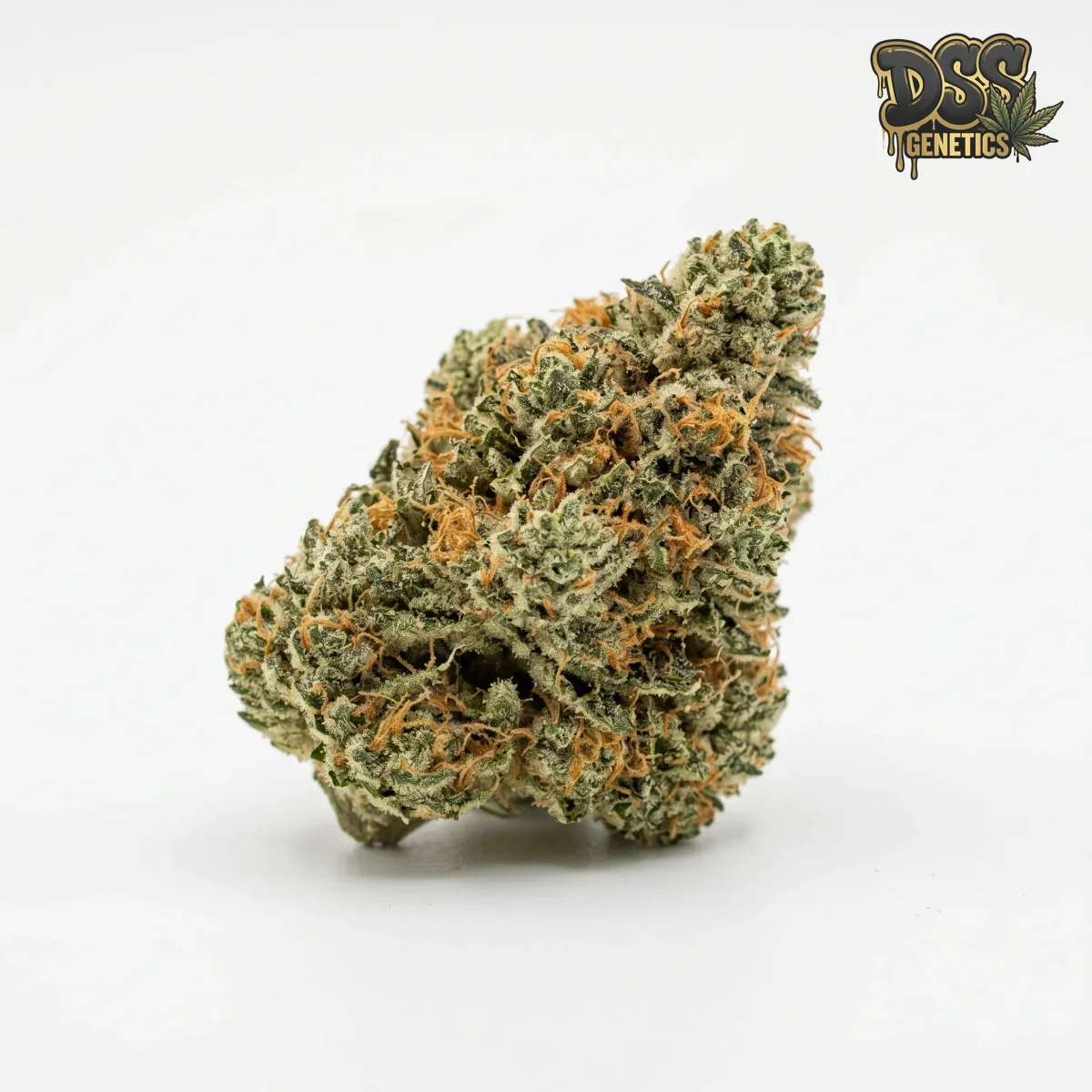
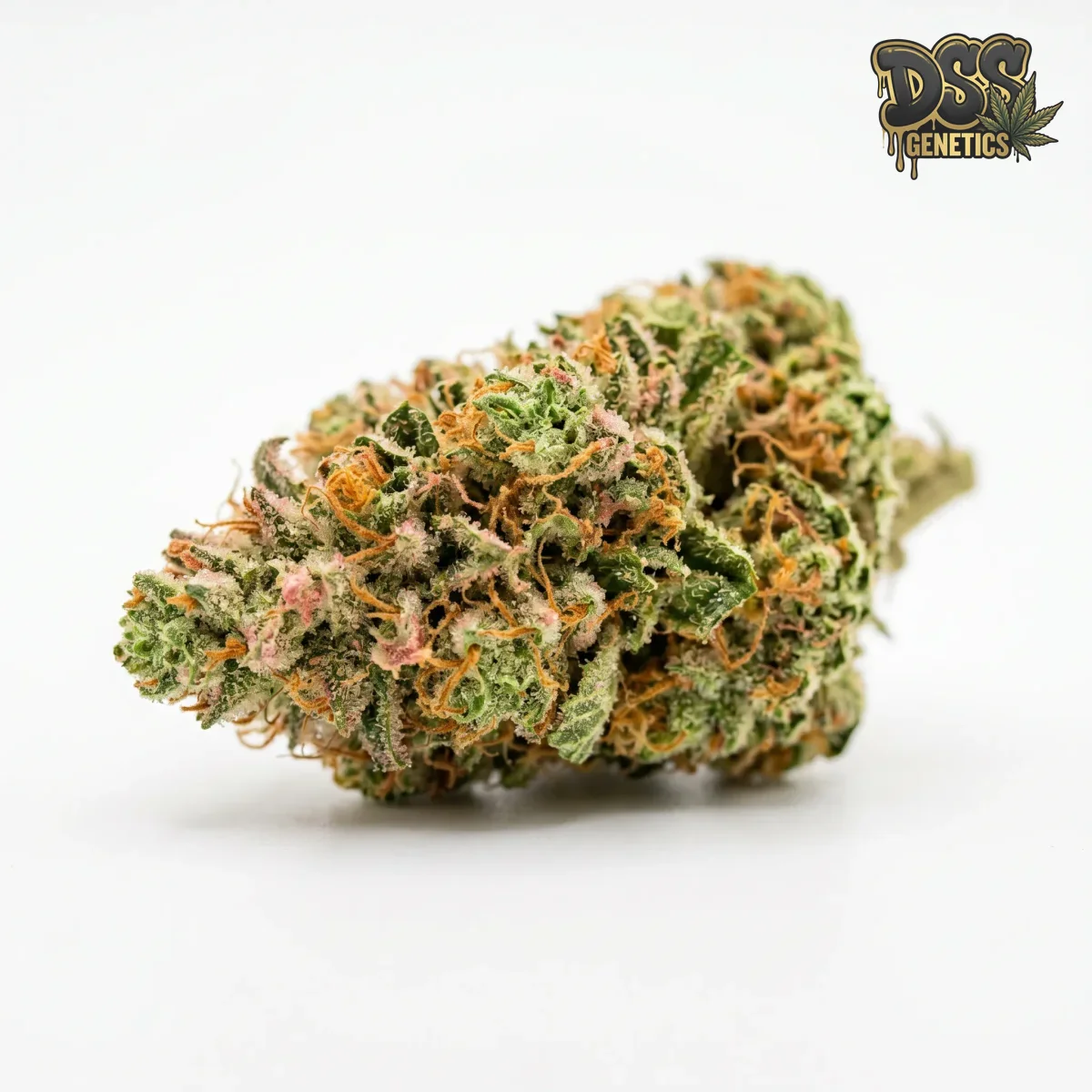
Break open a cured Nemesis bud and the first thing that hits you is a rush of fresh pine — sharp, clean, almost alpine — undercut immediately by something deeper and earthier, like wet forest floor after rain. As the warmth of your hands opens the flower further, a thread of sweet citrus lifts through, followed by a faint diesel note that gives the whole profile an unexpected edge. It's complex for a CBD-dominant strain, and it lingers.
On the inhale, pine and earth dominate, with a sweetness that reminds some growers of ripe stone fruit. The exhale brings forward the citrus and a subtle fruity finish, while the diesel note sits quietly in the background without overwhelming. The smoke is smooth and the flavor is clean — no harshness, no chemical aftertaste, just layered botanical depth.
Four terpenes shape this profile, each contributing something distinct:
Myrcene leads at 0.86% and is responsible for the earthy, musky foundation that anchors the entire aroma. As the most abundant terpene in cannabis, Myrcene also plays a pharmacological role — it's thought to enhance cellular permeability and may support faster onset of CBD absorption. Its sedative properties align directly with Nemesis's relaxation-heavy effect profile, making this one of those rare cases where the terpene data and the user experience tell exactly the same story.
Pinene arrives at 0.28%, and its contribution to the nose is unmistakable — that bright, resinous pine note is almost entirely Pinene's signature. Beyond aroma, Pinene has been studied for its potential to support bronchodilation and may help counteract the short-term memory effects sometimes associated with THC, which makes it a particularly well-suited terpene for a low-THC, high-CBD strain like Nemesis.
At 0.21%, Caryophyllene brings the spice and warmth that keeps the profile from feeling one-dimensional. It's the only terpene known to act as a dietary cannabinoid by binding directly to CB2 receptors — the same receptors associated with anti-inflammatory and analgesic response. For a strain targeting stress and anxiety, Caryophyllene's receptor activity is a meaningful addition to an already strong CBD base.
Limonene rounds the profile at 0.11% with the citrus brightness and fruity lift that emerges on the exhale. Its anxiolytic and mood-elevating properties have been documented in multiple preclinical studies, and its presence in Nemesis helps explain why the strain's emotional effects feel uplifted rather than merely sedated — a nuance that matters greatly to daytime medical users.
Growing Nemesis Seeds
Nemesis is rated moderate difficulty — not because it's fragile, but because CBD-dominant landrace hybrids reward growers who understand the nuances of feeding and environment rather than those who rely on heavy intervention. The plant carries the resilience of its Himalayan ancestors but benefits from a controlled, consistent environment, especially indoors.
The medium plant size is one of Nemesis's most practical traits. It fits comfortably in standard grow tents without aggressive height management, and the branch structure is open enough to allow light penetration without requiring constant defoliation. Indoors, maintaining temperatures between 70–80°F during the vegetative phase and pulling back to 65–75°F during flowering encourages terpene expression and resin development. Humidity should sit at 50–60% through veg and drop to 40–50% as flowering progresses to protect against late-stage mold.
Outdoors, Nemesis thrives in temperate and subtropical climates that mirror its original Himalayan foothills environment — warm days, cooler nights, and moderate humidity. The temperature swing between day and night in late season actually benefits resin and terpene production, so don't panic when nights dip to 60°F in the final two weeks before harvest. That stress is working in your favor.
What we've found over dozens of CBD-dominant grows is that Nemesis responds poorly to nitrogen excess during flowering. Because growers accustomed to high-THC cultivars often push nutrients aggressively, the tendency to overfeed during the stretch phase is the single most common mistake. Nemesis doesn't need it — reduce nitrogen sharply at the transition to flower and let phosphorus and potassium do the work through weeks 3–8. The buds will be tighter, the resin more abundant, and the final CBD percentage measurably higher in a well-fed-but-not-overfed plant.
Hydroponics works well with Nemesis, but requires additional attention to pH stability — keep the root zone between 5.8–6.2 in hydro systems to ensure mineral uptake doesn't compete with CBD synthesis in late flower. Soil growers have more buffer, but a quality amended medium with mycorrhizal inoculants has consistently produced the most aromatic, terpene-rich harvests in our experience.
Key growing tips for Nemesis:
- Training: Apply LST or light topping early in veg to widen the canopy — Nemesis responds well and rewards the additional bud sites
- Feeding: Follow a CBD-specific nutrient schedule, keeping nitrogen moderate throughout and prioritizing phosphorus and potassium from week 3 of flower onward
- Indoor environment: Keep the grow room at 70–80°F in veg, stepping down to 65–75°F in flower; maintain airflow to prevent moisture buildup in dense colas
- Outdoor timing: In the northern hemisphere, transplant outdoors after the last frost and expect harvest in early-to-mid October — read our outdoor growing guide for climate-specific timing
- Humidity management: Drop relative humidity to 40–50% during peak flowering to protect trichomes and prevent botrytis on the denser indoor colas
Yield and Flowering Time
Nemesis completes its flowering cycle in 56–63 days — a well-defined window that makes harvest timing straightforward. Indoor growers working in optimized environments can expect 1 to 1.2 oz/ft², a solid return for a CBD-dominant cultivar. Outdoor plants in full sun with adequate root space are genuinely productive, regularly reaching 15 to 17 oz/plant at peak season. For growers looking to maximize volume alongside therapeutic cannabinoid content, Nemesis sits comfortably within the high-yield tier for its category.
The outdoor yield potential, in particular, reflects the genetic vigor carried forward from its landrace parentage. These are plants that evolved to survive and produce across difficult mountain environments — they don't stall, they don't sulk, and given reasonable conditions they push hard toward harvest. Growers who start from a solid germination process and maintain consistency through veg will be rewarded at the end of flower.
To maximize your harvest:
- Trichome timing: Target 80–90% milky trichomes with 10–15% amber for peak CBD expression — harvesting too early sacrifices cannabinoid concentration, while waiting for full amber shifts the effect profile toward heavy sedation
- Late-flower humidity: Pull relative humidity down to 40–45% in the final two weeks to preserve terpene integrity and prevent mold on maturing colas
- Nutrient flush: Flush the root zone with plain pH-balanced water for the final 7–10 days before harvest to clear residual mineral salts and improve the cleanliness of the final smoke
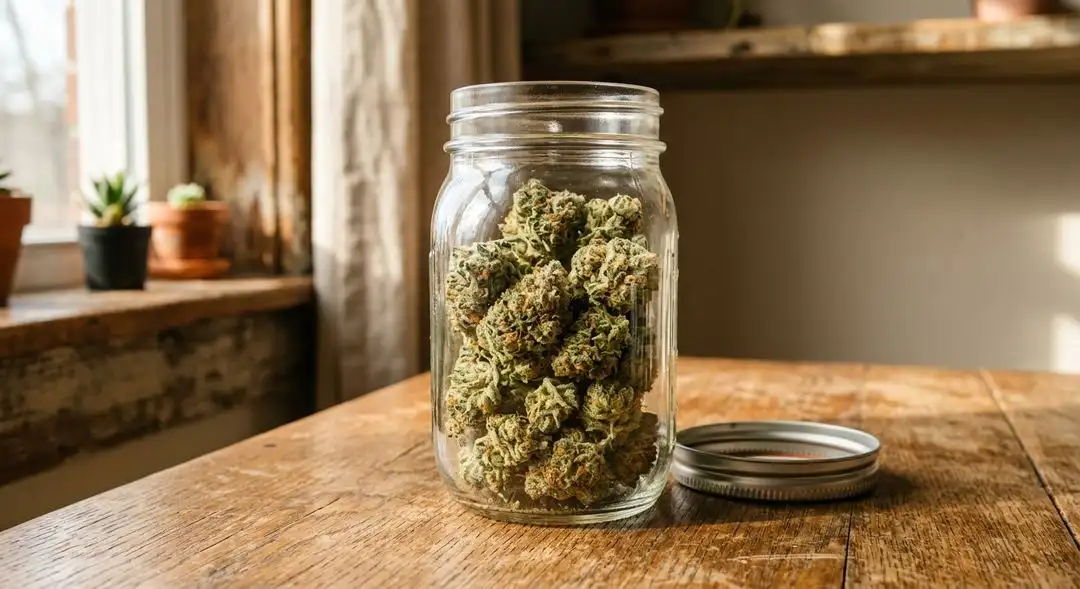
- Drying and curing: Slow dry for 10–14 days at 60–65°F and 55–60% RH, then cure in sealed jars for a minimum of 3–4 weeks — CBD-rich flower benefits significantly from extended curing, which continues to develop terpene complexity and smooth out the vapor
Why Buy Nemesis Seeds from DSS Genetics?
Every Nemesis seed ships with our full germination guarantee — if it doesn't sprout under proper conditions, we replace it, no questions asked. Orders are fulfilled in discreet, unmarked packaging, and every batch is lab-verified to ensure the CBD and terpene ratios you see listed are the ratios you actually grow.
- Germination guaranteed — every seed is backed by our replacement policy; follow our germination guide and grow with confidence
- Discreet shipping — plain, unmarked packaging on every order
- Spend $100 or more — receive complimentary premium seeds added to your order
- Verified genetics — Nemesis seeds are stored under optimal temperature and humidity conditions from our facility to your door, protecting viability and ensuring the CBD ratios you ordered are the ones you harvest
Frequently Asked Questions
Is Nemesis a good strain for medical users who want to avoid getting high?
Yes — with only 2–4% THC and 15–17% CBD, Nemesis is specifically suited to consumers who want therapeutic effects without significant psychoactivity. The low THC level means the experience stays mild and clear-headed, making it appropriate for daytime use or for users who are sensitive to THC. For more options in this category, browse our full high-CBD collection. If you're targeting a specific condition, our anxiety and stress guides include strain comparisons to help you choose the right fit.
What is the CBD to THC ratio in Nemesis, and why does it matter?
Nemesis carries a roughly 5:1 to 8:1 CBD-to-THC ratio — between 15–17% CBD and 2–4% THC. This ratio matters because CBD and THC interact through the entourage effect: small amounts of THC enhance CBD's therapeutic action without producing a dominant psychoactive experience. This makes Nemesis more effective than CBD-isolate products for many users dealing with insomnia, depression, and fatigue.
How difficult is Nemesis to grow, and what are the main challenges?
Nemesis is rated moderate difficulty. The plant itself is structurally manageable — medium height, open branching, good resistance to stress — but CBD-dominant cultivars require more discipline around feeding and late-flower humidity than most growers expect. The biggest challenge is resisting the urge to push nitrogen during flowering; excess nitrogen at this stage suppresses cannabinoid synthesis and reduces your final CBD yield. Review our nutrient guide and our flowering stage guide
Medical Disclaimer: This information is for educational purposes only and should not be considered medical advice. Always consult a healthcare professional before using cannabis for medical purposes. Individual results may vary.
Frequently Asked Questions
Nemesis — Common Questions Answered
What is Nemesis?
Nemesis is a balanced hybrid cannabis strain (50% Sativa / 50% Indica) bred from Northern Indian x Nepali. It produces THC levels of 2–4% and CBD levels of 15–17%. Known for its relaxing, happy, euphoric effects and pine, sweet, earthy flavor profile.
Is Nemesis easy to grow?
Nemesis is moderately challenging to grow. Beginners can succeed with some research, but it benefits from basic knowledge of pH management and nutrient schedules. Growing difficulty: Moderate. It thrives in temperate climates and reaches a medium plant size.
How long does Nemesis take to flower?
Nemesis has a flowering time of 56–63 days. Switch to a 12/12 light cycle to initiate flowering. Expected yields are 1 to 1.2 oz/ft² indoors and 15 to 17 oz/plant outdoors.
What are the effects of Nemesis?
Nemesis delivers relaxing, happy, euphoric, creative effects. Many growers report it helps with stress, anxiety, insomnia, depression, fatigue. With THC levels of 2–4%, it offers a mild, manageable experience suitable for all tolerance levels.
What does Nemesis smell and taste like?
Nemesis's dominant terpenes are Myrcene (0.86%), Pinene (0.28%), Caryophyllene (0.21%), Limonene (0.11%), which give it a pine, sweet, earthy, citrus, diesel, fruity flavor and aroma profile.
Can I grow Nemesis indoors and outdoors?
Yes, Nemesis performs well both indoors and outdoors. Indoor yields average 1 to 1.2 oz/ft², while outdoor grows can produce 15 to 17 oz/plant. It prefers temperate conditions. Its medium height is manageable in most indoor setups.
What does "feminized" mean for Nemesis seeds?
Feminized Nemesis seeds are bred to produce only female plants, which are the ones that develop smokable buds. This eliminates the need to identify and remove male plants, saving time and maximizing your grow space. Over 99% of feminized seeds will produce female plants.
Grower Reviews
Real grow experiences from our community
Get 10% Off Your First Order
Join our newsletter for exclusive deals, growing tips, and new strain drops.