Pineapple Kush Feminized Seeds
By Ivan K., DSS Genetics · Updated April 2026

Pineapple Kush Feminized Seeds
SKU: DSS-PIKU-FEM-5PK
Pack Size
Quantity
Disclaimer: For informational purposes only — not medical advice. Consult a healthcare professional before use.
About This Strain
Pineapple Kush Feminized Seeds — Complete Strain Profile
Pineapple Kush Feminized Seeds – Strain Overview
Pineapple Kush is a perfectly balanced hybrid (50% indica / 50% sativa) born from crossing the legendary Master Kush with the tropical Pineapple strain. The result is a 20–22% THC cultivar that inherits Master Kush's dense, resinous structure and Pineapple's sun-drenched sweetness — a combination that rarely disappoints in either the garden or the glass.
What makes this strain stand apart is its unusually harmonious effect profile. Rather than leaning hard into sedation or racing cerebral stimulation, Pineapple Kush threads the needle between both worlds — delivering euphoria, creativity, and physical ease in a single session. Growers looking for a well-rounded performer will find it earns its place in any high-yield collection.
Effects and Medical Benefits
The high opens with a bright, almost immediate mood shift — a warm wave of happiness that clears mental clutter without overwhelming the senses. Within 15–20 minutes that cerebral uplift softens into something more expansive: creative thoughts arrive easily, conversation flows, and a gentle physical relaxation settles into the shoulders and chest without pulling you toward the couch.
What we've found over dozens of grows and sample sessions is that Pineapple Kush hits a sweet spot that most hybrids miss. It's social without being anxious, relaxing without being sedating, and creative without being scattered. That balance makes it genuinely versatile across different times of day and different tolerances.
Users consistently report these effects:
- Happy and Euphoric — a clean mood elevation that arrives fast and stays steady throughout the session
- Relaxing without sedation — body tension dissolves while mental clarity remains intact
- Creative and Uplifting — ideal for artistic projects, music, or any task that benefits from lateral thinking
- Energetic at moderate doses — enough physical motivation to stay active rather than sink into the sofa
On the medical side, Pineapple Kush is regularly selected for:
- Chronic pain and muscle spasms — the indica backbone delivers genuine physical relief
- Stress and daily tension — the euphoric onset reframes anxious thought loops quickly
- Anxiety — best at moderate doses where the uplifting effects dominate
- Fatigue — the energetic sativa side can restore motivation during low-energy periods
- Migraines — myrcene-driven vasodilation combined with pain relief makes this a go-to for headache sufferers
The 0.1–1% CBD range may be modest, but it contributes meaningfully alongside the terpene profile. Caryophyllene's direct interaction with CB2 receptors adds anti-inflammatory depth, and when these compounds work together, the result is richer than THC alone could deliver — a textbook example of the entourage effect in action.
Aroma, Flavor and Terpene Profile
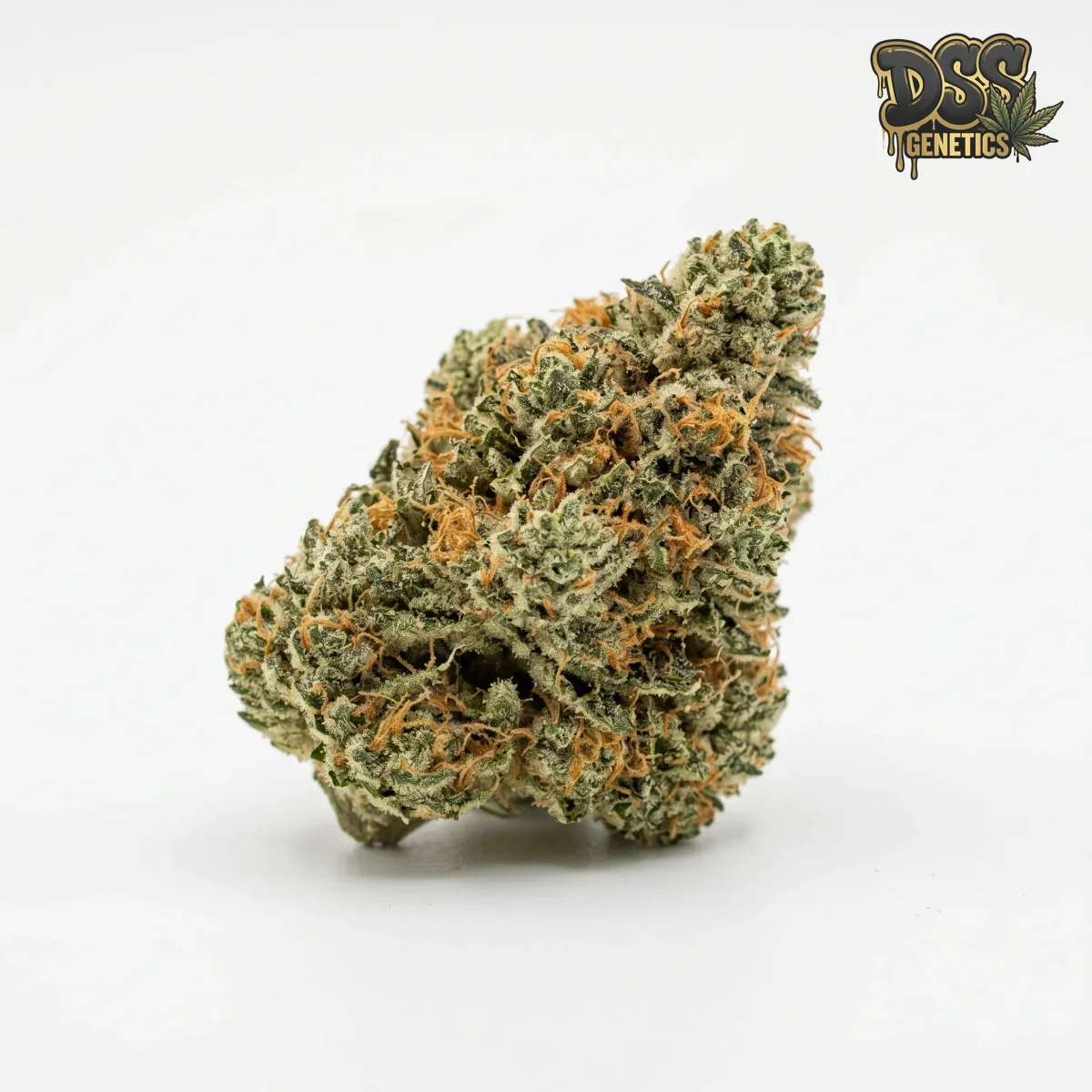
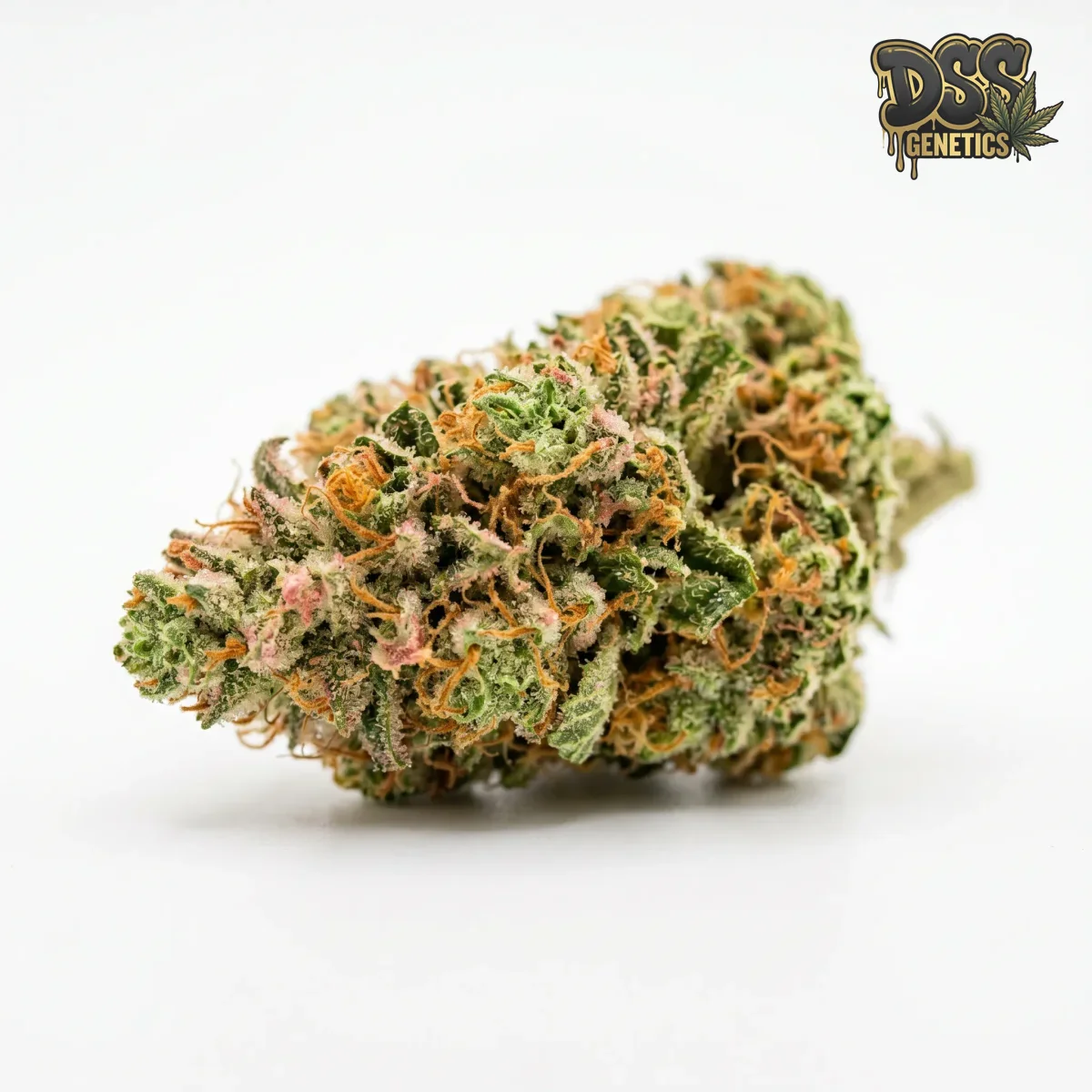
Break open a cured Pineapple Kush bud and the room changes immediately. There's a rush of ripe tropical fruit — sweet pineapple and citrus zest — followed closely by something warmer and earthier underneath, like sun-warmed soil beneath a fruit tree. It's bright and grounding at the same time, and the complexity only deepens as the bud warms between your fingers.
On the inhale, the sweetness leads — genuinely tropical, with flashes of berry and grape riding alongside the citrus. The exhale softens everything into a smooth, earthy finish with just enough herbal weight to remind you this is cannabis, not fruit punch. It's a flavor profile that tends to surprise even experienced smokers with how clean and multi-layered it reads.
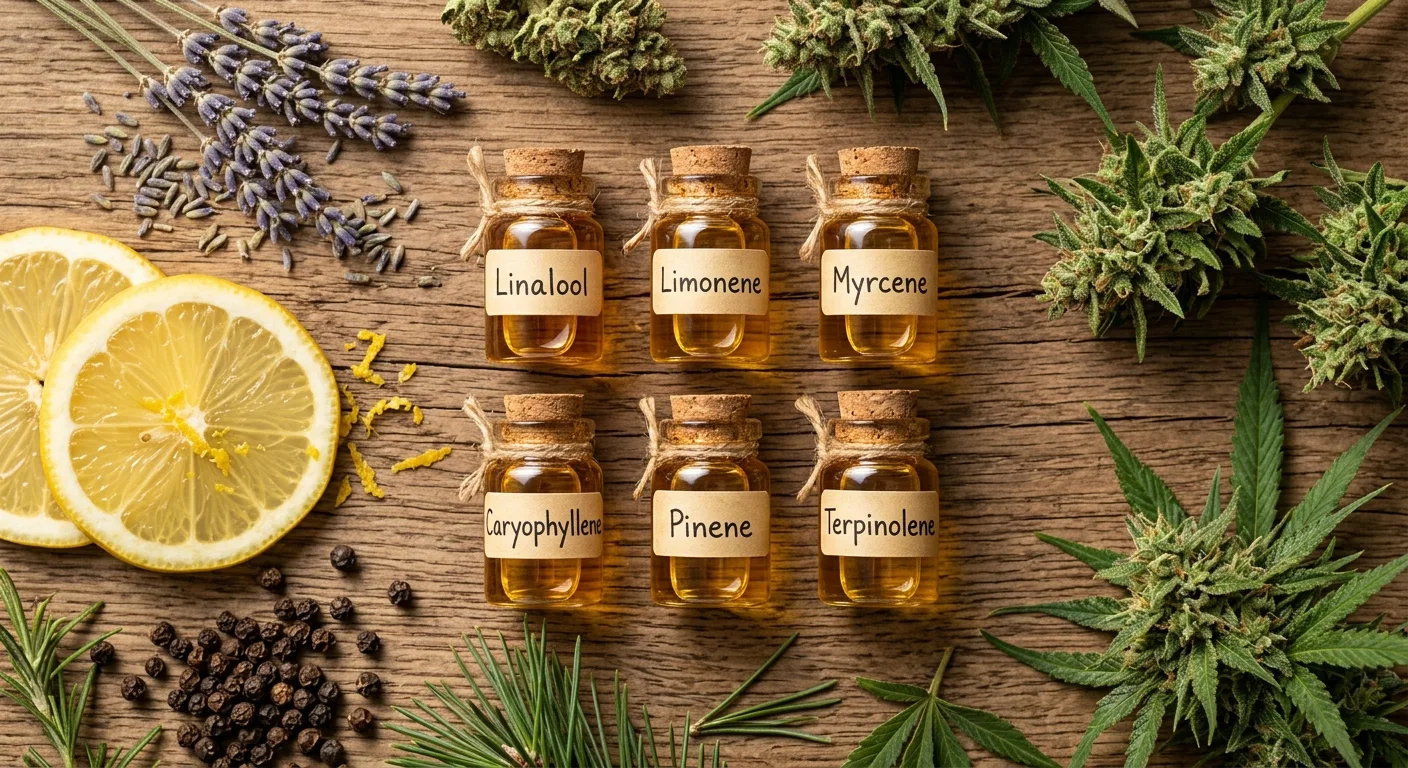
Myrcene anchors the entire aromatic experience here. It's the terpene most responsible for that musky, ripe-fruit sweetness — and in Pineapple Kush it expresses beautifully, leaning tropical rather than the more herbal presentation you'd find in a pure indica. Myrcene is also thought to facilitate faster THC onset by increasing cellular membrane permeability, which may explain why this strain's effects arrive so cleanly and quickly.
Limonene is where the citrus brightness comes from — the sharp top note that hits first when you open the jar. Beyond aroma, limonene is associated with elevated mood and stress relief, which aligns perfectly with the euphoric, anxiety-easing effects Pineapple Kush is known for. It's a terpene that does double duty: sensory appeal and genuine therapeutic contribution.
Caryophyllene adds the subtle spice and warmth that keeps this profile from being one-dimensional. It's the only terpene known to interact directly with the endocannabinoid system's CB2 receptors, contributing anti-inflammatory and analgesic activity without any psychoactive effect. For medical users focused on pain relief or inflammation, caryophyllene's presence here is functionally significant — not just aromatic decoration.
Pinene rounds out the terpene picture with a clean, resinous pine quality that cuts through the sweetness and adds freshness to the exhale. Pinene is also associated with alertness and memory retention, which may help explain why Pineapple Kush maintains mental clarity even as the body relaxes. It's a counterbalancing terpene — keeping the experience functional and clear-headed.
Growing Pineapple Kush Seeds
Pineapple Kush carries a moderate difficulty rating — not because it's fragile, but because it rewards attentive growers with significantly better results than hands-off cultivation delivers. The Master Kush genetics drive compact, resinous structure, while the Pineapple side introduces a slight tendency toward stretch in early flower that you'll want to manage proactively.
Indoors, this strain performs best at 70–80°F during the vegetative stage, dropping to 65–75°F once flowering begins. That temperature drop of roughly 5–10°F in late flower also encourages the terpene expression that makes the cured buds smell as good as they do. Keep relative humidity at 50–60% during veg, then pull it down to 40–50% through flower and 35–45% in the final two weeks to protect the dense buds from moisture-related issues.
Outdoors, Pineapple Kush thrives in warm, Mediterranean-style climates but has shown resilience in temperate environments as well. The medium plant size — a direct inheritance from Master Kush — keeps outdoor plants manageable without sacrificing productivity. In our experience, plants given adequate root space and consistent feeding in the 18–22 oz/plant range consistently outperform plants that were kept root-bound or underfed through mid-summer.
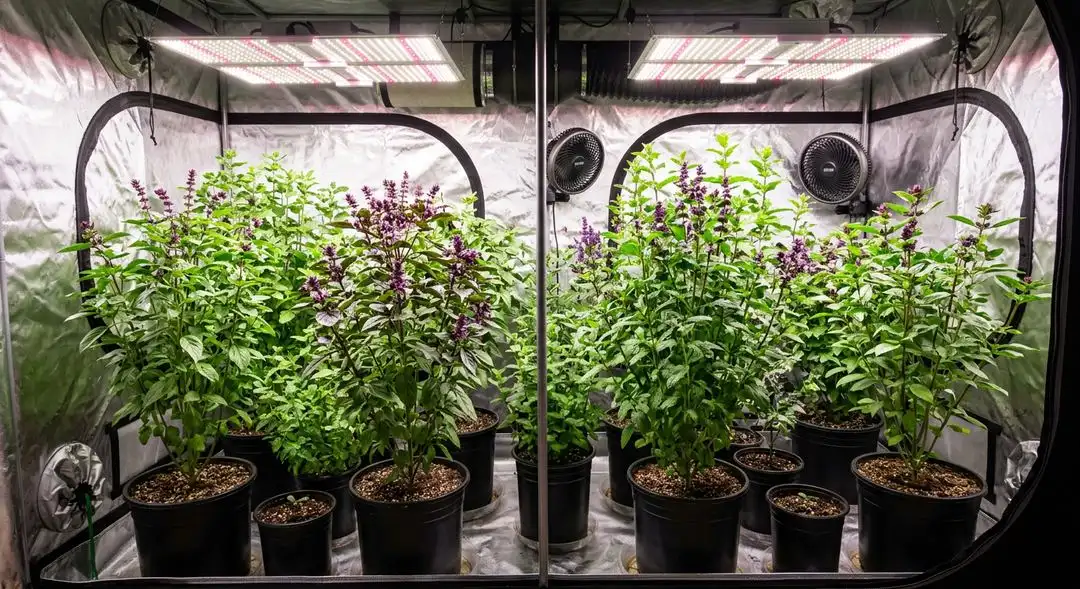
Key growing tips for Pineapple Kush:
- Training: Apply LST or light topping early in veg to manage the sativa stretch and build a wider, more productive canopy — this strain responds exceptionally well to low-stress bending
- Nutrients: Feed moderately heavy through the vegetative stage, then shift the emphasis from nitrogen to phosphorus and potassium at the first signs of pre-flowers — follow our nutrient guide for exact transition timing
- Indoor environment: Strong airflow across the canopy is non-negotiable for indoor grows — the dense bud structure that makes this strain so productive also traps moisture if air circulation is weak
- Outdoor timing: For outdoor cultivation in temperate climates, transplant after last frost and time your grow so harvest falls before the first autumn rain — Pineapple Kush finishes reliably in 8–9 weeks of flower
- Hydroponics: This strain transitions to hydroponic systems smoothly — the accelerated nutrient uptake in DWC or coco tends to push yields toward the top of the indoor range and sharpens terpene expression noticeably
Yield and Flowering Time
Pineapple Kush flowers in 56–63 days — a reliable 8–9 week window that fits comfortably into most indoor grow schedules. Indoor yields land at 1.5–1.8 oz/ft² under optimized conditions, while outdoor plants consistently deliver 18–22 oz/plant when given full-season sun and proper feeding. For a balanced hybrid with this level of flavor complexity, those numbers represent genuine value. Growers hunting big harvests should also explore our high-yield strains collection to compare options.
To maximize your harvest:
- Trichome monitoring: Target 70–80% milky white trichomes with 10–20% amber for the balanced relaxing-yet-uplifting effect this strain is bred for — harvest too early and you lose the indica body component entirely
- Late-flower humidity: Drop relative humidity to 35–45% in the final 10–14 days to protect dense buds, concentrate resin, and prevent any late-stage mold issues
- Flush timing: Begin flushing with plain pH-balanced water 10–14 days before harvest to clear residual nutrients and allow the natural sweetness of the terpene profile to come forward in the cure
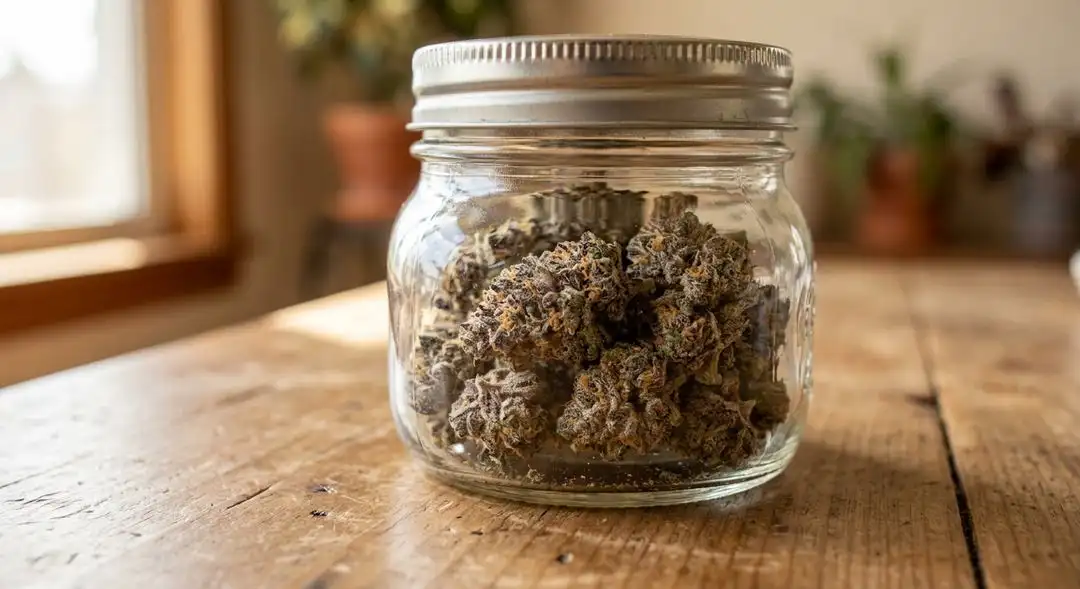
- Drying and curing: Slow dry for 7–10 days at 60–65°F and 55–60% RH, then cure in sealed glass jars for a minimum of 3–4 weeks — the tropical aroma compounds in Pineapple Kush develop significantly with a proper cure, and rushing this step costs you noticeably in flavor quality
Why Buy Pineapple Kush Seeds from DSS Genetics?
Every Pineapple Kush seed ships with our full germination guarantee — if it doesn't sprout under proper conditions, we replace it without argument. Orders arrive in discreet, unmarked packaging, and we store all seeds under controlled conditions to ensure viability from our warehouse to your grow room.
- Germination guaranteed — every seed backed by our replacement policy, no questions asked
- Discreet shipping — plain, unmarked packaging on every order
- Spend $100+ — receive free premium seeds automatically included with your order
- Properly stored seeds — temperature and humidity-controlled storage from the moment seeds arrive to the moment they ship
Frequently Asked Questions
Is Pineapple Kush a good strain for beginner growers?
Pineapple Kush carries a moderate difficulty rating — it's manageable for growers who've completed at least one successful grow, but it does require active humidity management and some basic training to hit its yield potential. If you're brand new to cultivation, we recommend starting with a strain from our easy-to-grow collection first to build your fundamentals, then graduating to Pineapple Kush once you're comfortable reading your plants. Our germination guide is a solid starting point regardless of experience level.
What is the THC content of Pineapple Kush?
Pineapple Kush tests at 20–22% THC, placing it firmly in the high-potency tier without reaching the extreme levels that can overwhelm less experienced users. It's one of the better-balanced options in our highest-THC strains collection — potent enough to satisfy experienced consumers while remaining approachable for those with moderate tolerance. CBD sits at 0.1–1%, adding minor therapeutic support alongside the dominant THC content.
What does Pineapple Kush taste and smell like?
The aroma is unmistakably tropical — ripe pineapple and citrus zest up front, with grape, berry, and earthy sweetness underneath. The smoke delivers that same layered sweetness on the inhale, finishing with a smooth, herbal earthiness on the exhale. The terpene profile is driven by Myrcene, Limonene, Caryophyllene, and Pinene — a combination that produces the strain's signature fruit-forward character with enough earthy depth to feel grounded and complex rather than artificially sweet.
How long does Pineapple Kush take to flower, and what yields can I expect?
Pineapple Kush enters and exits the flowering stage in 56–63 days. Indoor growers working in optimized environments can expect 1.5–1.8 oz/ft², while outdoor plants given full-season sun typically deliver 18–22 oz/plant. Both figures assume adequate training, consistent feeding, and proper environmental control. For growers focused specifically on maximizing outdoor production, our outdoor growing guide covers the site selection, feeding schedules, and harvest timing that get the most out of this genetics.
Medical Disclaimer: This information is for educational purposes only and should not be considered medical advice. Always consult a healthcare professional before using cannabis for medical purposes. Individual results may vary.
Frequently Asked Questions
Pineapple Kush — Common Questions Answered
What is Pineapple Kush?
Pineapple Kush is a balanced hybrid cannabis strain (50% Sativa / 50% Indica) bred from Master Kush x Pineapple. It produces THC levels of 20–22% and CBD levels of 0.1–1%. Known for its relaxing, happy, euphoric effects and sweet, earthy, citrus flavor profile.
Is Pineapple Kush easy to grow?
Pineapple Kush is moderately challenging to grow. Beginners can succeed with some research, but it benefits from basic knowledge of pH management and nutrient schedules. Growing difficulty: Moderate. It thrives in temperate climates and reaches a medium plant size.
How long does Pineapple Kush take to flower?
Pineapple Kush has a flowering time of 56–63 days. Switch to a 12/12 light cycle to initiate flowering. Expected yields are 1.5 to 1.8 oz/ft² indoors and 18 to 22 oz/plant outdoors.
What are the effects of Pineapple Kush?
Pineapple Kush delivers relaxing, happy, euphoric, uplifting, creative, energetic effects. Many growers report it helps with pain, muscle spasms, stress, anxiety, migraines, fatigue. With THC levels of 20–22%, it provides a moderate to strong experience suitable for most users.
What does Pineapple Kush smell and taste like?
Pineapple Kush's dominant terpenes are Myrcene, Limonene, Caryophyllene, Pinene, which give it a sweet, earthy, citrus, berry, grape, tropical flavor and aroma profile. Myrcene contributes earthy, herbal notes and is associated with relaxing effects.Limonene adds citrusy brightness and may elevate mood.Caryophyllene provides spicy, peppery notes and may help with inflammation.
Can I grow Pineapple Kush indoors and outdoors?
Yes, Pineapple Kush performs well both indoors and outdoors. Indoor yields average 1.5 to 1.8 oz/ft², while outdoor grows can produce 18 to 22 oz/plant. It prefers temperate conditions. Its medium height is manageable in most indoor setups.
What does "feminized" mean for Pineapple Kush seeds?
Feminized Pineapple Kush seeds are bred to produce only female plants, which are the ones that develop smokable buds. This eliminates the need to identify and remove male plants, saving time and maximizing your grow space. Over 99% of feminized seeds will produce female plants.
Grower Reviews
Real grow experiences from our community
Similar Strains
Get 10% Off Your First Order
Join our newsletter for exclusive deals, growing tips, and new strain drops.