Strawberry Cough Feminized Seeds
By Ivan K., DSS Genetics · Updated April 2026

Strawberry Cough Feminized Seeds
SKU: DSS-STCO-FEM-5PK
Pack Size
Quantity
Disclaimer: For informational purposes only — not medical advice. Consult a healthcare professional before use.
About This Strain
Strawberry Cough Feminized Seeds — Complete Strain Profile
Strawberry Cough Feminized Seeds – Strain Overview
Strawberry Cough is a legendary sativa-dominant hybrid (85% sativa / 15% indica) born from the cross of Strawberry Fields and Old Haze — a pairing that fuses the sweet, fruit-forward character of Strawberry Fields with the cerebral, soaring energy of a classic Haze lineage. The result is a strain that hits 19–23% THC while maintaining just enough indica grounding to keep the experience functional rather than frantic. That balance is exactly what made Strawberry Cough one of the most recognizable sativa names in cannabis culture.
What separates this strain from other high-THC sativas is the way it delivers intensity without chaos. The Old Haze genetics bring that signature long-running cerebral clarity, while Strawberry Fields softens the edges with berry sweetness and a warmth that newer Haze-only cuts simply can't replicate. If you're building a sativa-forward garden, this belongs in the same conversation as any strain in our best sativa collection.
Effects and Medical Benefits
Strawberry Cough opens with a quick cerebral rush — the kind that sharpens your focus within minutes of the first exhale. That initial wave of energy and mental clarity is the Old Haze genetics announcing themselves, and it's vivid. You'll notice thoughts connecting faster, a sense of purpose settling in, and a lightness in the chest that feels like a deep breath you didn't know you needed.
As the high develops over the next 30–45 minutes, the sativa energy softens into something warmer. The Strawberry Fields influence comes through here — a gentle happiness that doesn't demand productivity but rewards it. At higher doses, a mild calming sedation creeps in through the body without pulling you toward sleep, making this an unusually versatile strain across times of day.
Users consistently report these core effects:
- Focused mental clarity — sharp, directed thinking that arrives early and holds steady
- Genuine happiness and uplift — not a manic buzz, but a sustained warmth that elevates mood
- Physical calm without sedation — the body relaxes while the mind stays active
- Energetic motivation — ideal for creative work, social settings, or getting through a difficult afternoon
On the medical side, Strawberry Cough has built a devoted following among patients seeking daytime relief. Its effects address:
- Stress — the combination of mental focus and physical calm is particularly effective at breaking stress cycles
- Anxiety — the controlled, clear-headed high rarely tips into paranoia, which many other high-THC sativas struggle with
- Depression — sustained mood elevation without the crash common to stimulant-heavy sativas
- Pain and migraines — the terpene-rich profile adds meaningful physical relief alongside the psychoactive effects
The 0.5–1% CBD content, while modest, contributes real therapeutic value through the entourage effect. When CBD, myrcene, and caryophyllene operate together at these ratios, the anti-inflammatory and anxiolytic properties are meaningfully enhanced beyond what THC delivers alone.
Aroma, Flavor and Terpene Profile
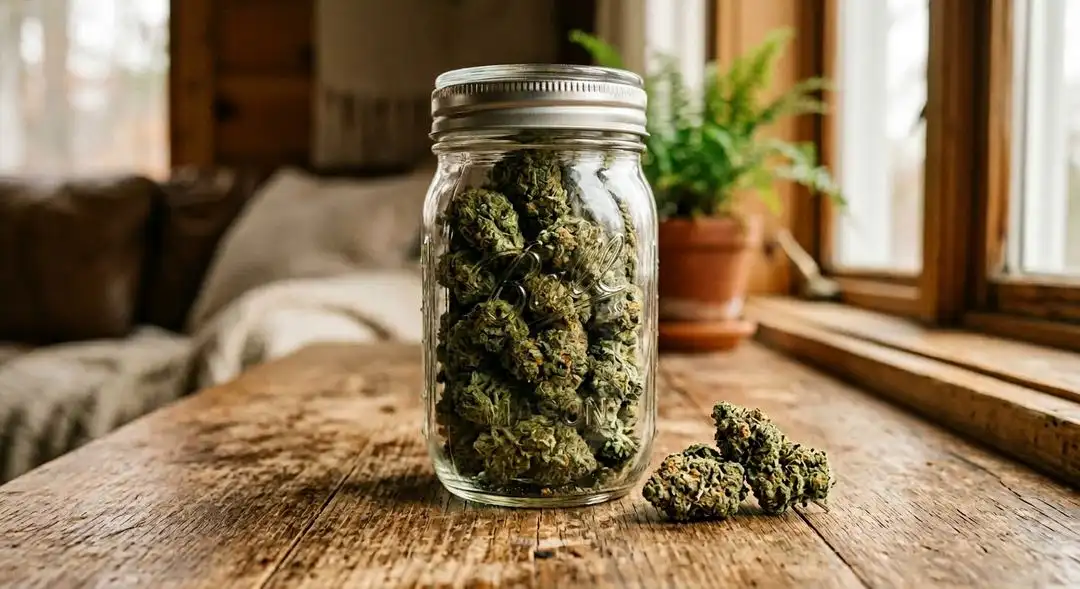
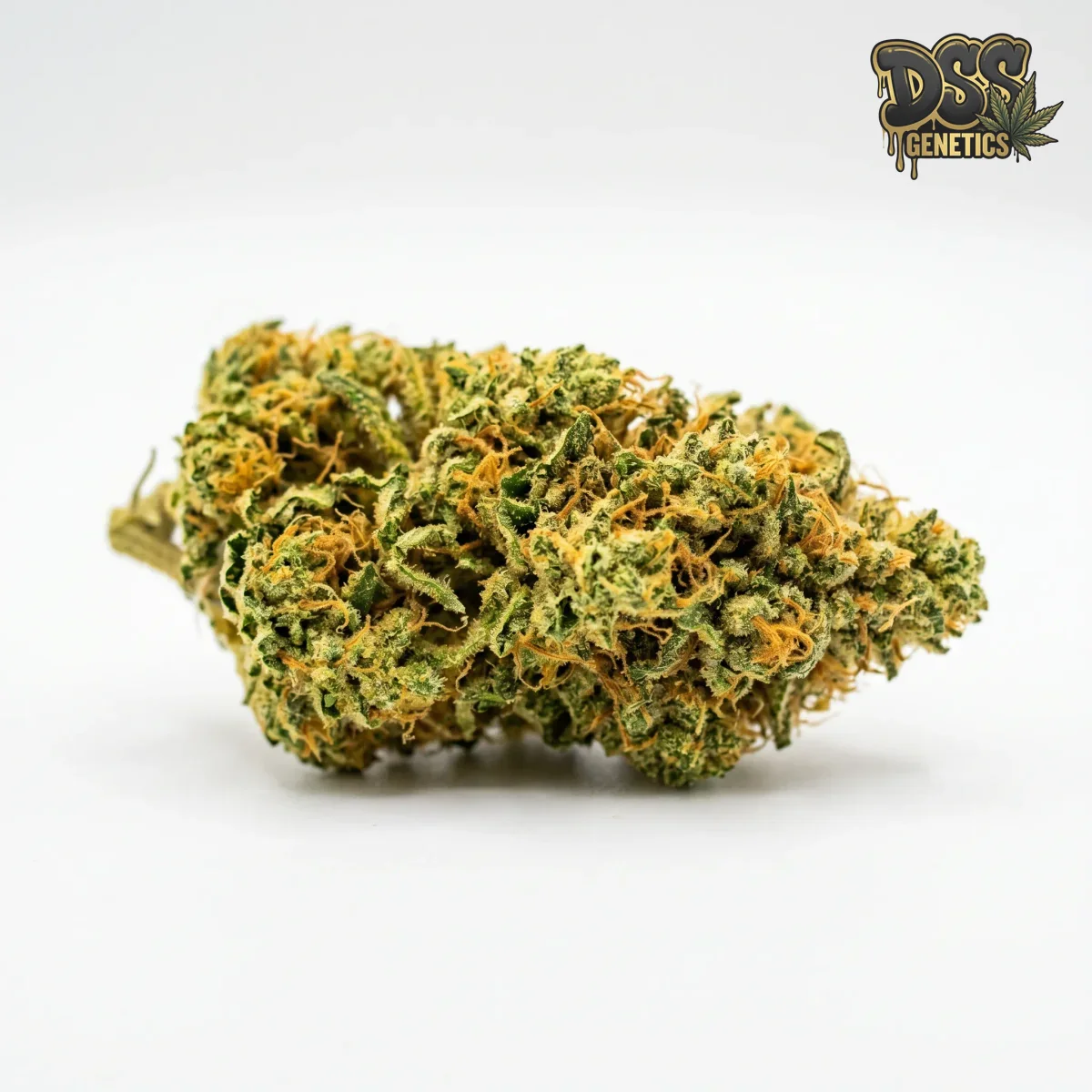
Opening a jar of properly cured Strawberry Cough is a sensory event. The first thing that hits you is a wave of fresh, sun-warmed strawberry — not artificial candy sweetness, but the real thing, with that slightly tart edge that ripe berries carry. Behind it sits a layer of floral earthiness and a faint, almost funky cheese note that shouldn't work alongside the fruit character but absolutely does. It's complex in the way that great wines are complex: each element distinct, none overwhelming.
On the inhale, the sweetness leads — berry and fruit up front, with a soft floral quality that coats the palate. The exhale is where things get interesting. That earthy, slightly cheesy undertone emerges more clearly, grounding the sweetness and giving the flavor real depth. The finish lingers in a way that makes the next hit more anticipated rather than less.
Four terpenes shape this profile, and their interaction is worth understanding individually:
Limonene sits at the top of the chart at 0.76%, and its influence is unmistakable. This terpene carries bright citrus and fruit aromas that amplify the strawberry character already present from the genetics. Beyond aroma, limonene is associated with mood elevation and stress reduction — a fitting match for a strain whose effects lean heavily toward anxiety relief and emotional uplift.
Myrcene comes in at 0.51%, adding the earthy, slightly musky undertone that prevents the flavor from reading as purely sweet. Myrcene is the most prevalent terpene across cannabis broadly, and it plays a specific role here: it deepens the body component of the high and may enhance THC's ability to cross the blood-brain barrier, contributing to the strain's notably fast onset.
Pinene at 0.57% contributes a clean, herbaceous sharpness — think fresh pine and green herbs rather than anything woody or astringent. Research suggests pinene may help counteract some of the short-term memory fog associated with high-THC sativas, which could partially explain why Strawberry Cough is so frequently described as clear-headed despite its potency.
Caryophyllene rounds the profile at 0.46%, bringing a warm, peppery spice that you notice most on the exhale. It's the only terpene known to directly engage CB2 receptors in the endocannabinoid system, adding anti-inflammatory and analgesic activity that complements the strain's medical utility for pain and migraine patients.
Growing Strawberry Cough Seeds
This strain carries a difficult rating, and it earns that label honestly. Strawberry Cough's sativa-dominant structure means she stretches aggressively in the first weeks of flower — expect 200–300% height increase from the flip if left unmanaged. In a standard indoor setup, that's a real problem. What we've found over dozens of grows is that the growers who struggle most are those who underestimate how quickly she gets away from you during the stretch.
Indoors, temperature management is critical. Strawberry Cough performs best between 72–80°F (22–27°C) during the day, with nighttime temps dropping no lower than 65°F (18°C). Humidity should sit at 50–60% through the vegetative stage and drop to 40–50% as flowering progresses. Push humidity above 55% in late flower and you're asking for trouble — the dense, terpene-rich buds that make this strain so rewarding also trap moisture if airflow is poor.
Outdoors, this strain shows its full potential. Plants in warm, Mediterranean-style climates regularly achieve the upper end of that 12–16 oz/plant yield range when given adequate vertical space and a full season. She's not cold-tolerant — outdoor cultivation works best where nighttime temps stay above 60°F (15°C) through the end of her flowering window. Early frosts will cut her off before she hits peak trichome development.
What we've found over many runs is that Strawberry Cough responds particularly well to early training intervention. Growers who begin low-stress training during week 2–3 of veg and stay consistent get dramatically better canopy penetration and more even bud development than those who let her grow naturally. The sativa structure means she'll create a dense, shaded canopy if you don't intervene — and those lower sites never catch up.
Key growing tips for Strawberry Cough:
- Train early and often: Apply LST or topping in week 2–3 of veg to control the aggressive sativa stretch — don't wait until after the flip
- Nutrients in flower: Strawberry Cough is a moderate feeder; follow a phosphorus and potassium ramp from week 3 of flower while pulling nitrogen back sharply at week 4
- Indoor environment: Keep the grow room at 72–80°F with 40–50% humidity in late flower — she rewards precision environmental control with terpene-rich, dense buds
- Outdoor timing: In outdoor gardens, plant after the last frost and plan for harvest around days 63–70 from flip — don't rush it; the final two weeks of maturation is when the strawberry terpenes develop most intensely
- Vegetative length: Keep the veg period shorter than you think necessary indoors — 4–5 weeks maximum — because the flowering stretch will add significant height regardless
Yield and Flowering Time
Strawberry Cough flowers in 63–70 days — on the longer end for an indoor grow, but the timeline reflects the Old Haze lineage rather than poor performance. Haze genetics simply need time to fully develop their terpene and resin profiles, and cutting this one early is a mistake many growers make once and never repeat. Indoor yields land at 1.1–1.4 oz/ft², which is solid for a sativa-dominant strain of this complexity. Outdoors, well-managed plants in the right climate can produce 12–16 oz/plant — a genuinely impressive number that puts Strawberry Cough in the conversation with strains from our high-yield collection.
To maximize your harvest:
- Trichome targeting: Aim for 70–75% milky trichomes with 15–20% amber for peak potency — the remaining clear trichomes signal the energetic, focused effects are still dominant; more amber pushes toward sedation
- Late-flower humidity: Drop to 40–45% in the final two weeks and increase airflow through the canopy — the dense bud structure makes this strain vulnerable to botrytis if moisture accumulates
- Flush timing: Begin flushing 10–14 days before harvest to clear nutrient salts and allow the terpene profile — particularly the limonene and myrcene fractions — to express fully
- Drying and curing: Dry slowly at 60°F and 58–62% RH for 10–12 days before jarring — rushing this step on a Haze-lineage strain is the single fastest way to lose the aromatic complexity you spent 70 days developing
Why Buy Strawberry Cough Seeds from DSS Genetics?
Every Strawberry Cough seed we ship comes backed by our germination guarantee — if it doesn't sprout under correct conditions, we replace it without argument. Orders ship discreetly in plain, discreet packaging that gives nothing away about the contents. We store seeds under controlled conditions from the moment they arrive in our facility to the moment they leave, because a seed stored carelessly loses viability before it ever reaches your grow room.
- Germination guaranteed — every seed is backed by our replacement promise
- Discreet shipping — plain, unmarked packaging on every order
- Spend $100 or more — receive complimentary premium seeds with your order
- Temperature-controlled storage — seeds maintained at optimal viability from our warehouse to your door
Frequently Asked Questions
Is Strawberry Cough a good strain for beginners?
Strawberry Cough is rated difficult and is best suited to growers with at least one or two grows under their belt. The primary challenges are managing the aggressive sativa stretch during early flower and maintaining precise humidity in late flower to protect the dense buds. If you're just starting out, consider building your skills with a strain from our easy-to-grow collection first — then come back to Strawberry Cough when you're ready to take on a more demanding but far more rewarding grow.
How much THC does Strawberry Cough have, and how strong is the high?
Strawberry Cough tests at 19–23% THC, which places it firmly in the high-THC tier of sativa-dominant strains. Despite that potency, the high is notably clear-headed and functional compared to many strains at similar THC levels — a quality that traces directly to the terpene profile, particularly the pinene content at 0.57%, which research associates with cognitive clarity. New consumers should still approach with measured doses; the onset is fast and the duration is long.
What does Strawberry Cough taste and smell like?
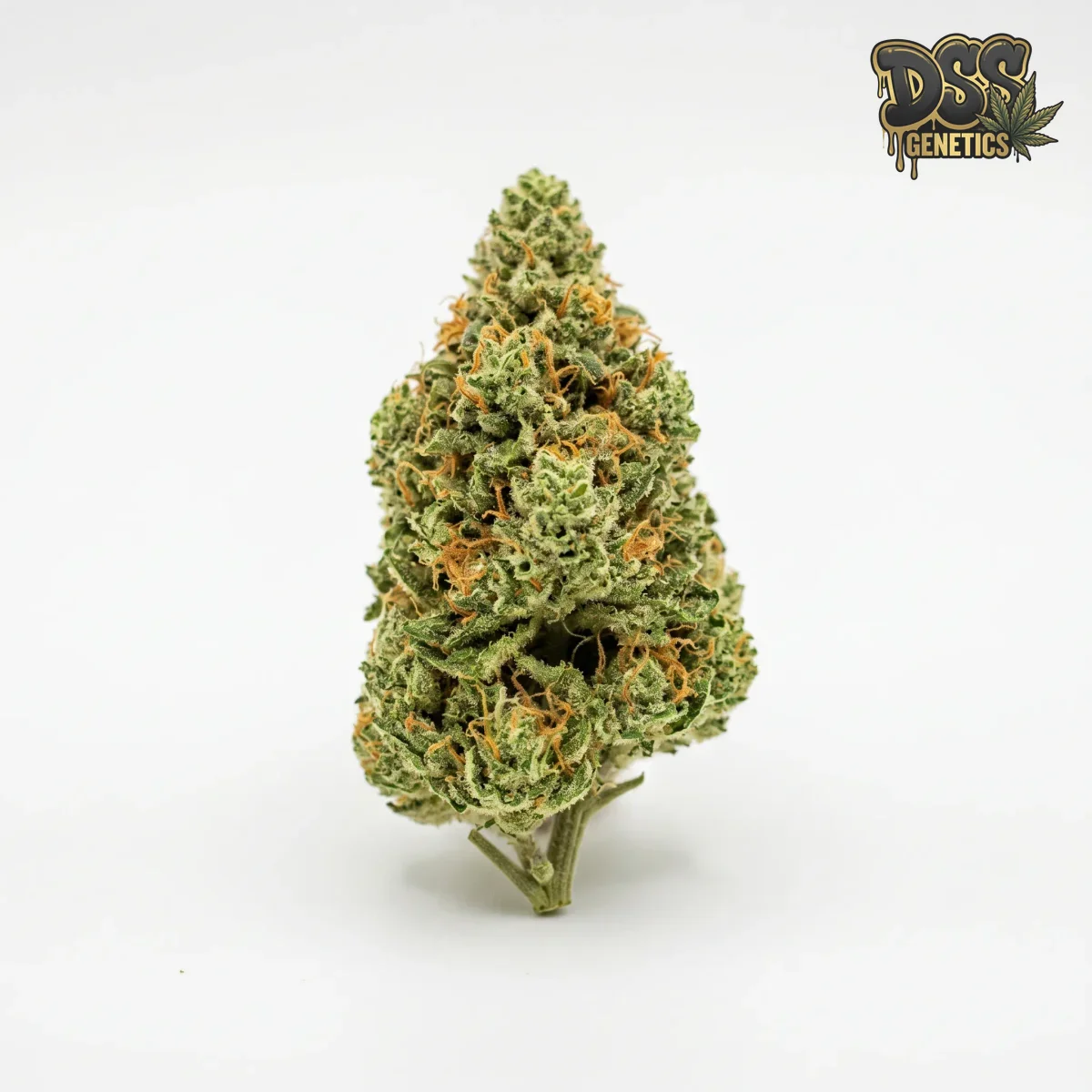
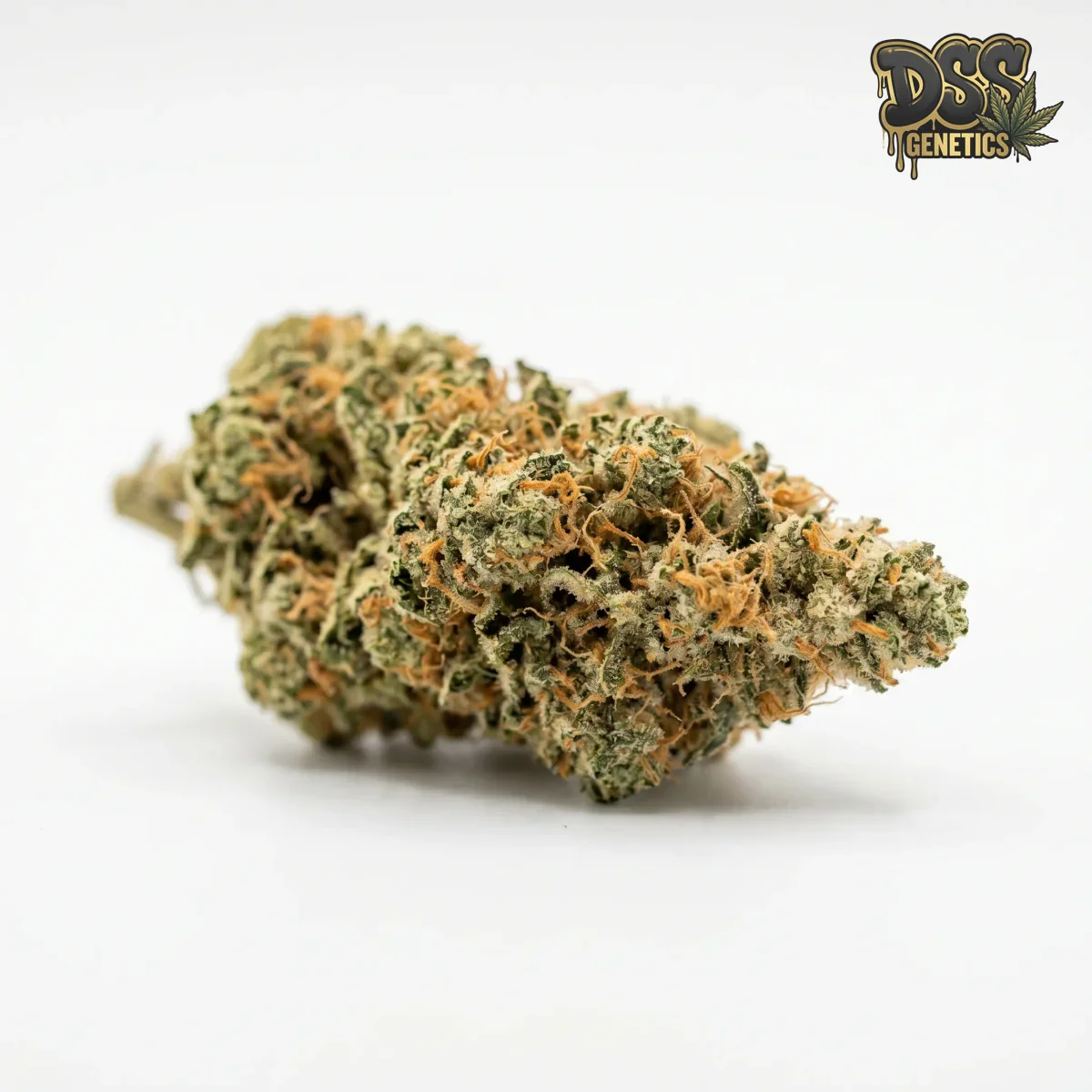
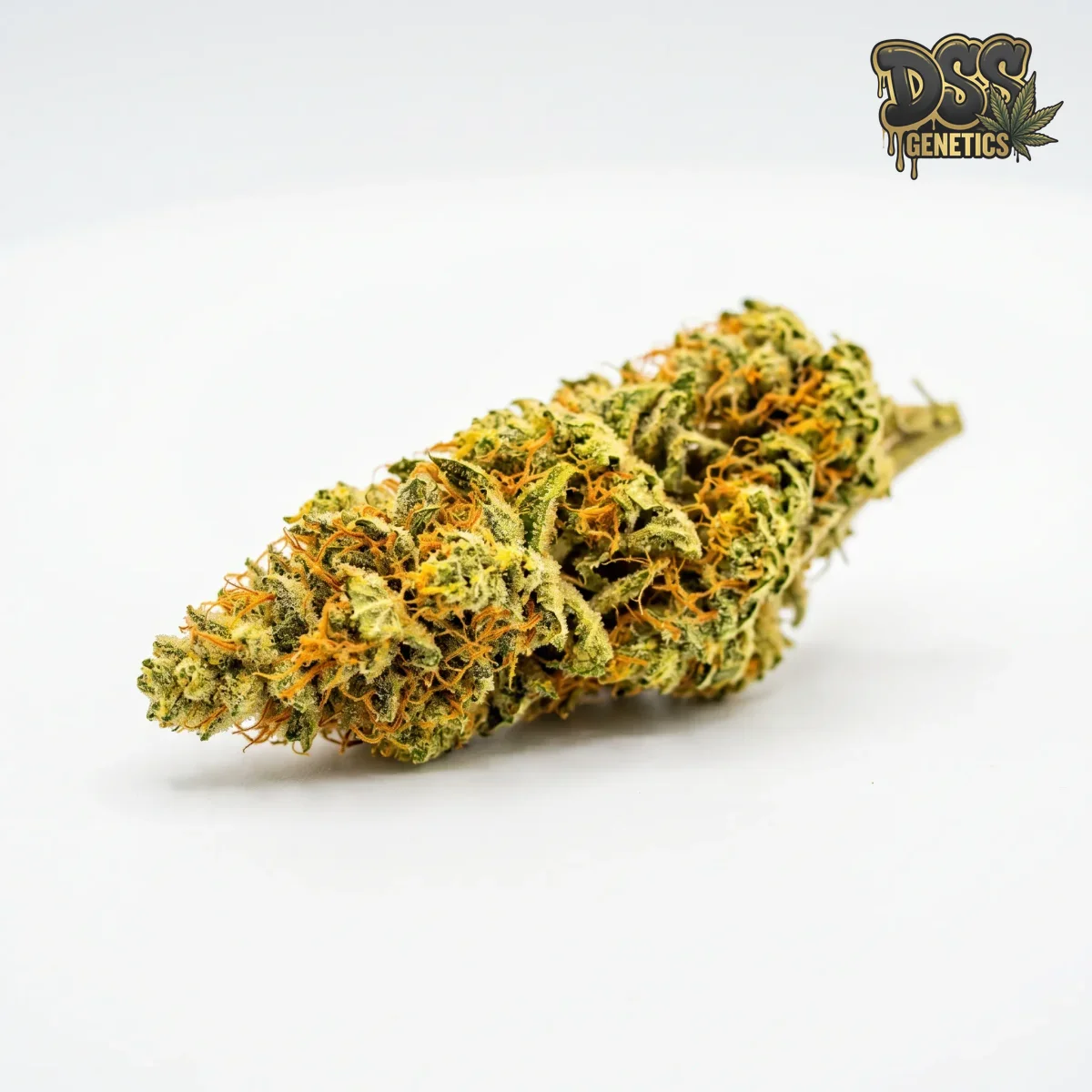
The aroma is dominated by fresh, ripe strawberry with a floral earthiness underneath and a surprising faint cheese note that adds complexity. The flavor on the inhale is sweet and fruity; the exhale reveals the earthy, peppery depth from the caryophyllene. The full terpene profile is Limonene (0.76%), Myrcene (0.51%), Pinene (0.57%), and Caryophyllene (0.46%) — a combination that rewards a proper slow cure more than almost any other strain we carry.
How long does Strawberry Cough take to flower, and what yields can I expect?
Strawberry Cough finishes in 63–70 days of flowering — reflective of its Old Haze genetics, which need a full run to hit their terpene and resin peak. Indoor growers working in properly trained canopies can expect 1.1–1.4 oz/ft². Outdoor plants in warm climates with a full season can reach 12–16 oz/plant. Read our outdoor growing guide for advice on timing your harvest window in different climate zones, and check the germination guide to get your seeds off to the strongest possible start.
Medical Disclaimer: This information is for educational purposes only and should not be considered medical advice. Always consult a healthcare professional before using cannabis for medical purposes. Individual results may vary.
Frequently Asked Questions
Strawberry Cough — Common Questions Answered
What is Strawberry Cough?
Strawberry Cough is a sativa-dominant cannabis strain (85% Sativa / 15% Indica) bred from Strawberry Fields x Old Haze. It produces THC levels of 19–23% and CBD levels of 0.5–1%. Known for its relaxing, happy, energetic effects and sweet, earthy, berry flavor profile.
Is Strawberry Cough easy to grow?
Strawberry Cough is considered an advanced-level strain that requires experience with training techniques, environmental control, and nutrient management for best results. Growing difficulty: Difficult. It thrives in temperate climates and reaches a medium plant size.
How long does Strawberry Cough take to flower?
Strawberry Cough has a flowering time of 63–70 days. Switch to a 12/12 light cycle to initiate flowering. Expected yields are 1.1 to 1.4 oz/ft² indoors and 12 to 16 oz/plant outdoors.
What are the effects of Strawberry Cough?
Strawberry Cough delivers relaxing, happy, energetic, focused, sedating, calming effects. Many growers report it helps with stress, anxiety, depression, pain, nausea, migraines. With THC levels of 19–23%, it provides a moderate to strong experience suitable for most users.
What does Strawberry Cough smell and taste like?
Strawberry Cough's dominant terpenes are Myrcene (0.51%), Pinene (0.57%), Caryophyllene (0.46%), Limonene (0.76%), which give it a sweet, earthy, berry, fruity, cheese, floral flavor and aroma profile.
Can I grow Strawberry Cough indoors and outdoors?
Yes, Strawberry Cough performs well both indoors and outdoors. Indoor yields average 1.1 to 1.4 oz/ft², while outdoor grows can produce 12 to 16 oz/plant. It prefers temperate conditions. Its medium height is manageable in most indoor setups.
What does "feminized" mean for Strawberry Cough seeds?
Feminized Strawberry Cough seeds are bred to produce only female plants, which are the ones that develop smokable buds. This eliminates the need to identify and remove male plants, saving time and maximizing your grow space. Over 99% of feminized seeds will produce female plants.
Grower Reviews
Real grow experiences from our community
Get 10% Off Your First Order
Join our newsletter for exclusive deals, growing tips, and new strain drops.