Sweet Tooth Feminized Seeds
By Ivan K., DSS Genetics · Updated April 2026

Sweet Tooth Feminized Seeds
SKU: DSS-SWTO-FEM-5PK
Pack Size
Quantity
Disclaimer: For informational purposes only — not medical advice. Consult a healthcare professional before use.
About This Strain
Sweet Tooth Feminized Seeds — Complete Strain Profile
Sweet Tooth Feminized Seeds – Strain Overview
Sweet Tooth is a classic indica-dominant hybrid (60% indica / 40% sativa) born from the genetic marriage of landrace Nepalese mountain cannabis and sun-drenched Hawaiian sativa. That pairing is precisely why this strain punches above its weight — the Nepalese side contributes dense, resinous structure and a deeply relaxing body effect, while the Hawaiian genetics inject a brightness into the high that keeps it functional and genuinely uplifting. The result is a strain that earned its name honestly: every stage of the grow, from the flowering stretch to the cure, radiates sweetness.
With 16–19% THC and a terpene profile rich in berry and tropical fruit compounds, Sweet Tooth sits in a comfortable potency range that works equally well for newer growers and seasoned consumers who want reliable quality without chasing extremes. It's one of the most rewarding entries in our easy-to-grow collection — a strain that consistently delivers exactly what it promises, harvest after harvest.
Effects and Medical Benefits
The Sweet Tooth high doesn't ambush you — it arrives with intention. Within the first few minutes you'll notice a warm cerebral lift that loosens mental tension without pulling you out of the room. Conversations get easier, music sounds better, and whatever was weighing on you before lighting up starts to feel genuinely manageable.
Over the next 20–30 minutes the indica genetics begin their work. A comfortable heaviness settles across the shoulders and lower back, the kind of relaxation that makes a couch feel like a cloud. At 16–19% THC this strain rarely tips into overwhelming territory — it's controlled, pleasant, and socially viable in the right setting.
Users consistently report these four effects:
- Deep physical relaxation — the Nepalese landrace lineage delivers a genuine muscle-release quality that most mid-potency strains can't match
- Sustained happiness — not a manic burst, but a steady elevation of mood that holds across the duration of the session
- Gentle euphoria — the Hawaiian sativa influence keeps the euphoric quality light and accessible rather than disorienting
- Mental clarity at onset — before the indica body load settles, there's a functional clarity window that makes this useful in early evenings
On the medical side, Sweet Tooth has built a loyal following among consumers seeking relief from:
- Chronic stress and the physical tension it creates in the neck and shoulders
- Muscle spasms — the myrcene-rich terpene profile amplifies the natural muscle-relaxing properties of the cannabinoids
- Mental and physical fatigue — particularly the kind that leaves you wired but exhausted at the end of the day
- Anxiety — the moderate THC ceiling makes it far less likely to trigger the anxiety spiral that higher-potency strains can cause in sensitive users
The trace CBD content (0.1–1%) may seem minor, but it contributes to what researchers describe as the entourage effect — the way cannabinoids and terpenes interact synergistically to produce effects greater than any single compound alone. In Sweet Tooth's case, the CBD works alongside caryophyllene's CB2 receptor activity to add a subtle anti-inflammatory layer to the experience.
Aroma, Flavor and Terpene Profile
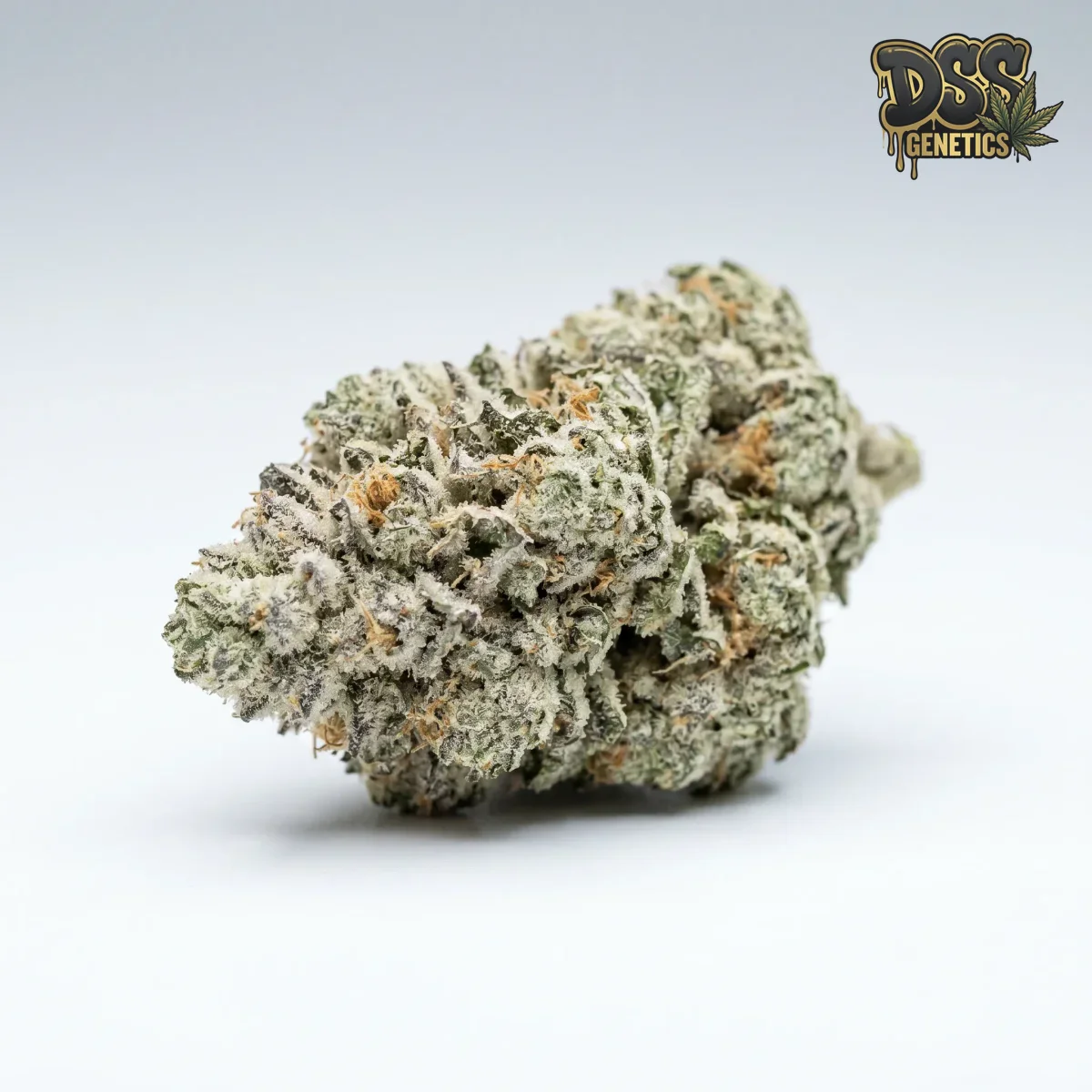
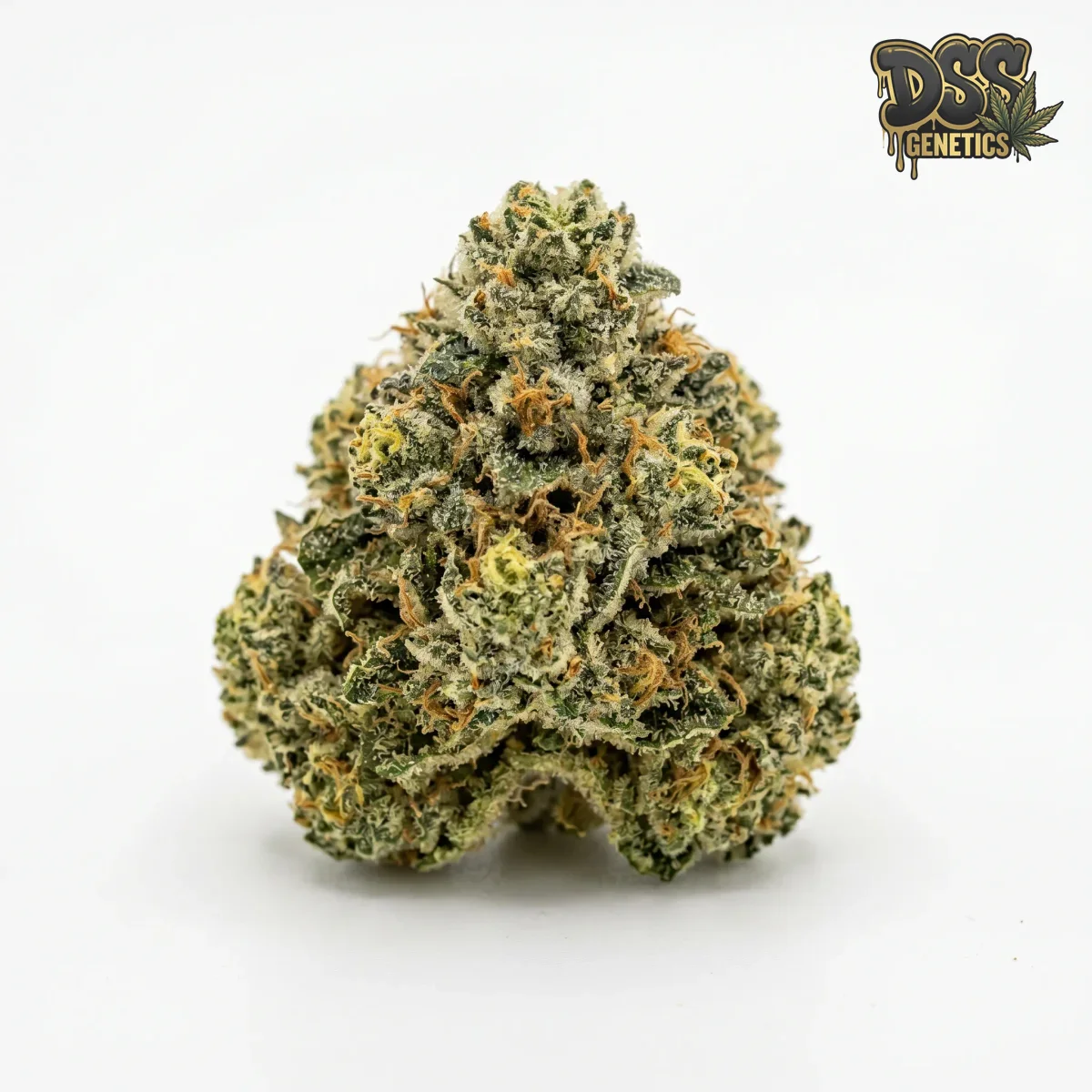
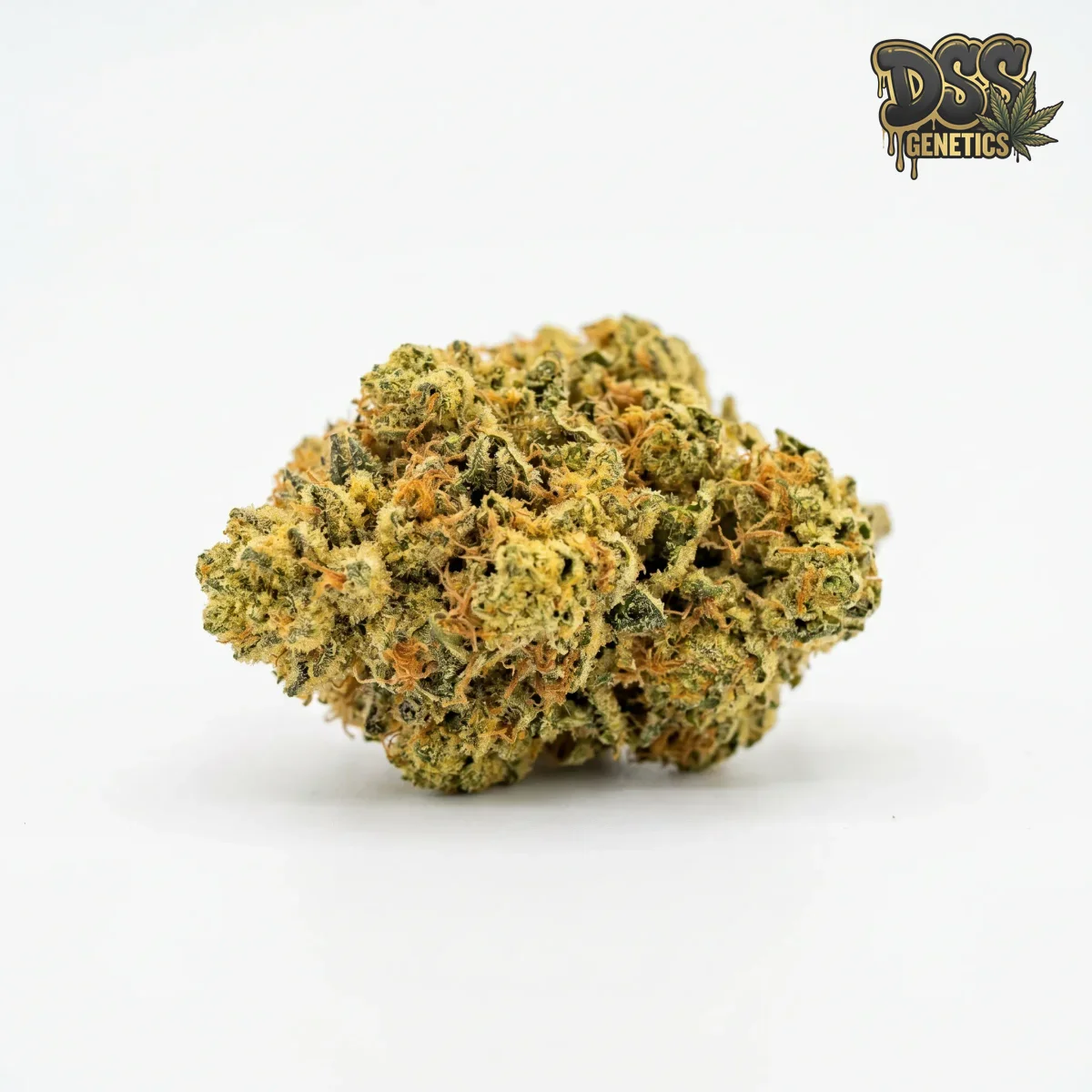
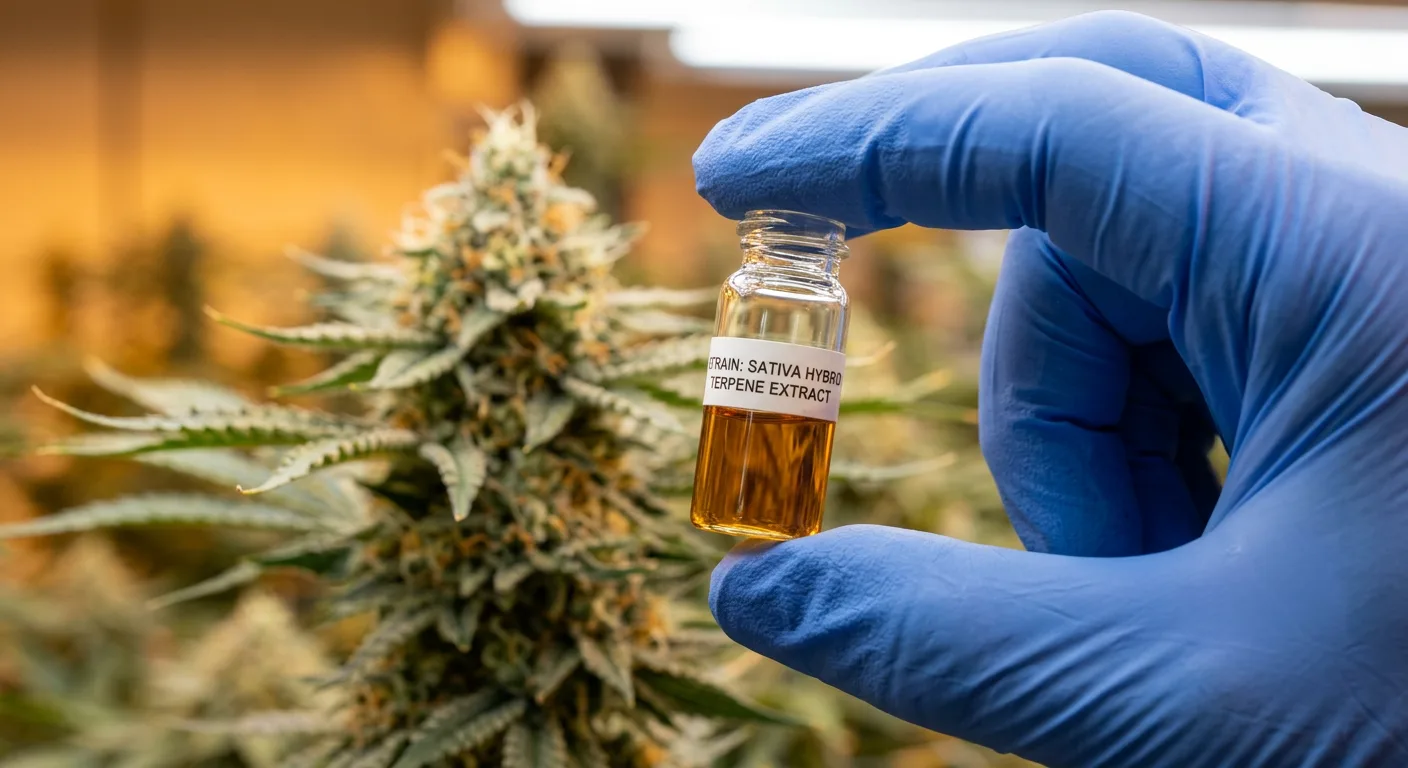
Crack open a jar of well-cured Sweet Tooth and the first thing that hits you is an almost confectionery sweetness — not artificial, not cloying, but genuinely reminiscent of blueberry preserves warming on a stovetop. Underneath that fruit-forward opening there's a clean woodiness, like fresh cedar, and if you breathe deeper you'll catch a faint tropical undercurrent that's unmistakably Hawaiian in origin. It's a complex aroma that manages to smell both wild and refined at the same time.
On the inhale, the flavor mirrors the nose with impressive accuracy. The berry sweetness — blueberry in particular — comes through immediately and lingers across the palate. The exhale turns slightly woody and earthy, grounding the sweetness with just enough depth to keep it interesting. There's a faint tropical fruitiness on the very back of the throat that ties the whole profile back to its Hawaiian ancestry.
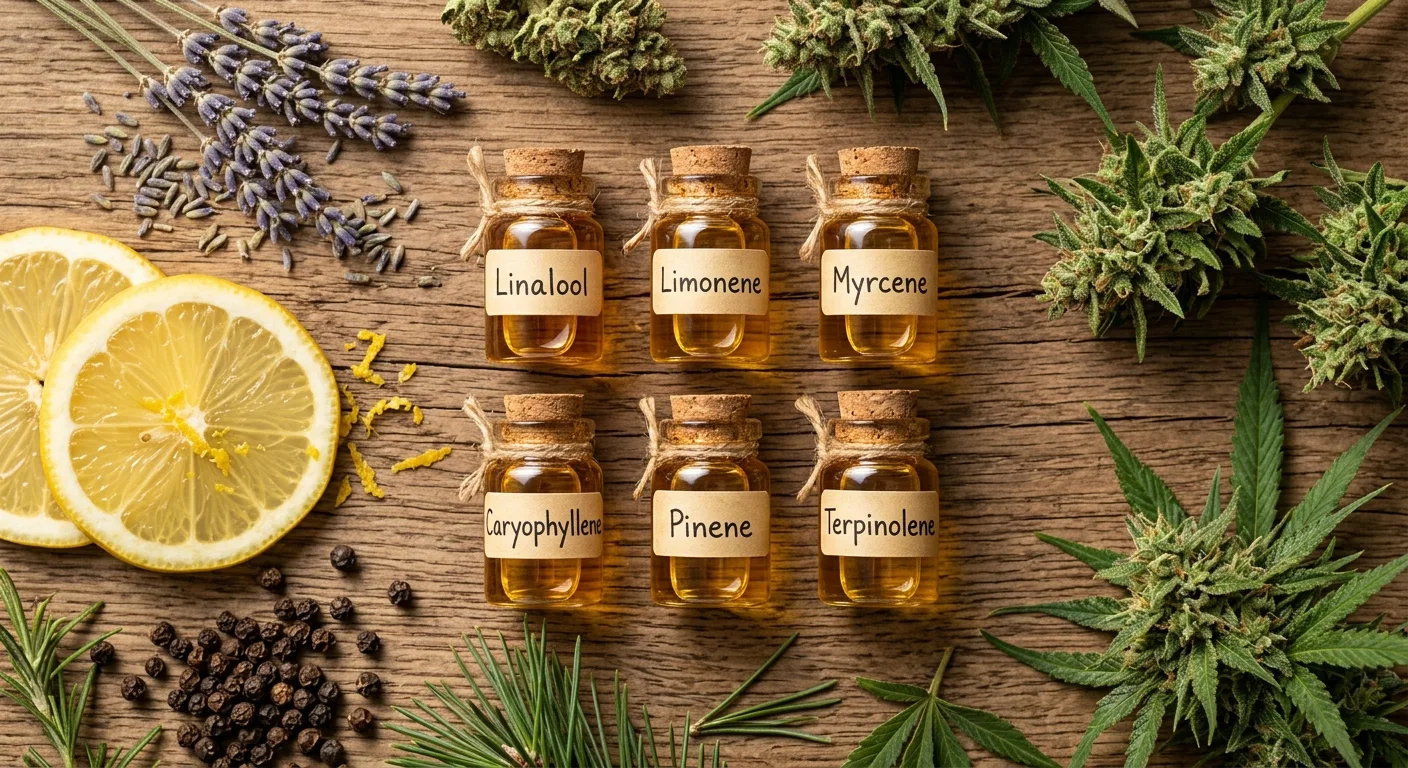
Myrcene is the dominant terpene here, and its influence is felt on every level. This compound is responsible for the musky, ripe-fruit quality that gives Sweet Tooth its characteristic sweetness, and it's also the primary reason the body-relaxation effect hits as reliably as it does. Myrcene is widely studied for its sedative properties and its ability to enhance cannabinoid absorption — meaning the 16–19% THC in this strain may feel more potent than comparable numbers in a low-myrcene variety.
Limonene is where the tropical brightness comes from. This citrus-forward terpene is well-documented for its mood-elevating properties and its ability to reduce stress at the neurochemical level. In Sweet Tooth, limonene works in direct partnership with the sativa genetics — both pulling the experience upward, keeping the high from becoming heavy-lidded too quickly.
Caryophyllene adds the woody, slightly spiced note that gives Sweet Tooth's flavor its structure. What makes this terpene extraordinary is its mechanism — unlike other terpenes, caryophyllene directly binds to CB2 receptors in the immune system, functioning almost as a cannabinoid itself. This is the compound most responsible for Sweet Tooth's anti-inflammatory and muscle-relaxing benefits, and it's why the strain performs so well for users managing physical tension and spasms.
Pinene completes the quartet with a clean, almost herbal freshness that keeps the overall aroma from becoming too sweet or one-dimensional. Pinene is also studied for its potential to counteract short-term memory impairment associated with THC — a subtle but meaningful addition to a strain sitting in the 16–19% range.
Growing Sweet Tooth Seeds
Sweet Tooth is genuinely beginner-friendly, but that label undersells what makes it interesting to grow. This strain doesn't just tolerate mistakes — it adapts. The Nepalese genetics bring a structural resilience that we've tested across indoor tents, outdoor beds, and greenhouse setups, and in every environment Sweet Tooth behaves with a consistency that more temperamental strains simply can't match.
Indoors, the plant settles into a medium height that fits comfortably in most standard grow spaces without aggressive topping. Expect a bushy, lateral structure that responds well to low-stress training — spreading branches outward opens up the canopy and dramatically improves bud site exposure. Maintain temperatures between 68–78°F during the vegetative stage and drop slightly to 65–75°F as flowering progresses. Humidity should sit around 50–60% through veg and then come down to 40–50% during the flowering stage to protect the dense buds from moisture retention issues.
Outdoors, Sweet Tooth shines in temperate to warm climates. The Hawaiian genetics give it a natural affinity for warmth and sun, but the Nepalese side adds tolerance for cooler nights — this strain handles temperature swings that would stress a pure sativa without blinking. In full sun with good soil nutrition, outdoor plants develop into genuinely impressive specimens.

Five growing tips that make a real difference with this strain:
- Train early and low: LST applied during weeks 2–4 of veg dramatically increases bud site count — we've seen canopy coverage improve by 30–40% with consistent tie-downs versus untrained plants
- Dial in your nutrients at the flip: Sweet Tooth responds to a clean phosphorus and potassium boost at the start of flower — consult our nutrient guide for exact ratios, and don't be afraid to taper nitrogen hard once pre-flowers appear
- Watch late-flower humidity closely: The dense bud structure that makes Sweet Tooth so visually impressive also traps moisture — drop RH below 45% in weeks 6–8 and improve airflow to avoid any botrytis risk
- Indoor growers should consider a scrog net: Given the lateral spread this strain naturally develops, a screen of green setup (covered in our indoor growing guide) turns that structure into a yield advantage
- Outdoor timing matters: If you're growing in the Northern Hemisphere, transplant outdoors after the last frost and aim for a late-September harvest window — our outdoor growing guide walks through timing by climate zone
Yield and Flowering Time
Sweet Tooth flowers in 56–63 days — right at the 8-week mark most indoor growers prefer. That's fast enough to run multiple cycles per year without sacrificing the bud development that makes this strain worth growing. Indoor yields land between 1.4–1.6 oz/ft², which is solid for a strain this easy to manage. Outdoor plants are where Sweet Tooth really demonstrates its Hawaiian heritage: under optimal conditions, individual plants produce 17–20 oz of finished flower. For growers interested in maximizing per-plant output, this strain belongs in our high-yield collection conversation.

To maximize your harvest:
- Read your trichomes, not your calendar: 56–63 days is a window, not a deadline — check for 70–80% cloudy trichomes with the first amber appearing for peak relaxation-dominant effects; earlier harvest shifts the ratio toward cerebral
- Final flush timing: Begin flushing 10–14 days before your anticipated harvest date to clear any residual nutrient salts and allow the strain's natural sweetness to dominate the final flavor
- Slow dry for terpene preservation: Sweet Tooth's limonene and myrcene content is volatile — dry at 60–65°F with 55–60% RH for 7–10 days to preserve the blueberry-tropical aroma that defines this strain's appeal
- Cure for a minimum of 3 weeks: What emerges from the jar after a proper cure at 62% RH bears almost no resemblance to freshly dried bud — the sweetness deepens, the woody notes integrate, and the smoothness of the smoke improves dramatically
Why Buy Sweet Tooth Seeds from DSS Genetics?
Every Sweet Tooth seed shipped from DSS Genetics comes backed by our full germination guarantee — if a seed fails to sprout under proper conditions, we replace it without question. Orders ship in discreet, unmarked packaging with no indication of contents, and every seed is stored under controlled conditions from the moment it enters our facility to the moment it leaves for your door.
- Germination guaranteed — every seed is backed by our replacement policy, no fine print
- Discreet shipping — plain, unmarked packaging on every order
- Spend $100+ and earn free seeds — premium bonus seeds included automatically at checkout
- Controlled storage standards — temperature and humidity-managed from warehouse to delivery, protecting viability through every stage of transit
Frequently Asked Questions
Is Sweet Tooth a good strain for first-time growers?
Sweet Tooth is one of the most forgiving strains in our catalog and an excellent starting point for new growers. Its Nepalese genetics contribute structural resilience and pest resistance that forgive the kind of environmental fluctuations beginners typically encounter. If you're just starting out, we recommend pairing it with our germination guide and our full easy-to-grow collection for additional beginner-friendly options.
What does Sweet Tooth feel like compared to other indica-dominant strains?
Sweet Tooth sits at the approachable end of the indica-dominant spectrum. The 40% sativa contribution from its Hawaiian parent keeps the high from becoming purely sedating — you get genuine physical relaxation without the immediate couch-lock associated with heavier indicas. It's a noticeably different experience than something like a pure indica strain — more balanced, more socially usable, and easier to dose for newer consumers given the 16–19% THC ceiling.
How does Sweet Tooth's terpene profile contribute to its medicinal effects?
The combination of myrcene, caryophyllene, limonene, and pinene creates a genuinely therapeutic terpene stack. Myrcene amplifies the muscle-relaxing effects and enhances cannabinoid absorption. Caryophyllene targets CB2 receptors to deliver anti-inflammatory action directly. Limonene elevates mood and counters stress. Pinene adds mental clarity and may partially offset THC-related cognitive fog. Together they produce a well-rounded medical profile particularly suited to fatigue, muscle tension, and anxiety through the synergistic mechanisms described in entourage effect research.
How long does Sweet Tooth take to flower and what yields can I expect?
Sweet Tooth finishes flowering in 56–63 days indoors, putting it in the faster half of the indica-dominant category. Indoor yields run 1.4–1.6 oz/ft² under quality lighting, while outdoor plants — given full sun and a full season — can reach 17–20 oz per plant. For timing and technique advice specific to the flowering window, our flowering stage guide covers humidity management, nutrient transitions, and trichome reading in detail. Growers focused on maximizing outdoor output should also review our outdoor growing guide for climate-specific planting schedules.
Medical Disclaimer: This information is for educational purposes only and should not be considered medical advice. Always consult a healthcare professional before using cannabis for medical purposes. Individual results may vary.
Frequently Asked Questions
Sweet Tooth — Common Questions Answered
What is Sweet Tooth?
Sweet Tooth is a balanced hybrid cannabis strain (60% Indica / 40% Sativa) bred from Nepalese x Hawaiian. It produces THC levels of 16–19% and CBD levels of 0.1–1%. Known for its relaxing, happy, euphoric effects and sweet, berry, blueberry flavor profile.
Is Sweet Tooth easy to grow?
Yes, Sweet Tooth is an excellent choice for beginners. It has a forgiving growth pattern and doesn't require advanced techniques to produce good yields. Growing difficulty: Easy. It thrives in temperate climates and reaches a medium plant size.
How long does Sweet Tooth take to flower?
Sweet Tooth has a flowering time of 56–63 days. Switch to a 12/12 light cycle to initiate flowering. Expected yields are 1.4 to 1.6 oz/ft² indoors and 17 to 20 oz/plant outdoors.
What are the effects of Sweet Tooth?
Sweet Tooth delivers relaxing, happy, euphoric effects. Many growers report it helps with muscle spasms, stress, fatigue. With THC levels of 16–19%, it offers a mild, manageable experience suitable for all tolerance levels.
What does Sweet Tooth smell and taste like?
Sweet Tooth's dominant terpenes are Myrcene, Limonene, Caryophyllene, Pinene, which give it a sweet, berry, blueberry, woody, tropical, fruity flavor and aroma profile. Myrcene contributes earthy, herbal notes and is associated with relaxing effects.Limonene adds citrusy brightness and may elevate mood.Caryophyllene provides spicy, peppery notes and may help with inflammation.
Can I grow Sweet Tooth indoors and outdoors?
Yes, Sweet Tooth performs well both indoors and outdoors. Indoor yields average 1.4 to 1.6 oz/ft², while outdoor grows can produce 17 to 20 oz/plant. It prefers temperate conditions. Its medium height is manageable in most indoor setups.
What does "feminized" mean for Sweet Tooth seeds?
Feminized Sweet Tooth seeds are bred to produce only female plants, which are the ones that develop smokable buds. This eliminates the need to identify and remove male plants, saving time and maximizing your grow space. Over 99% of feminized seeds will produce female plants.
Grower Reviews
Real grow experiences from our community
Similar Strains

Get 10% Off Your First Order
Join our newsletter for exclusive deals, growing tips, and new strain drops.