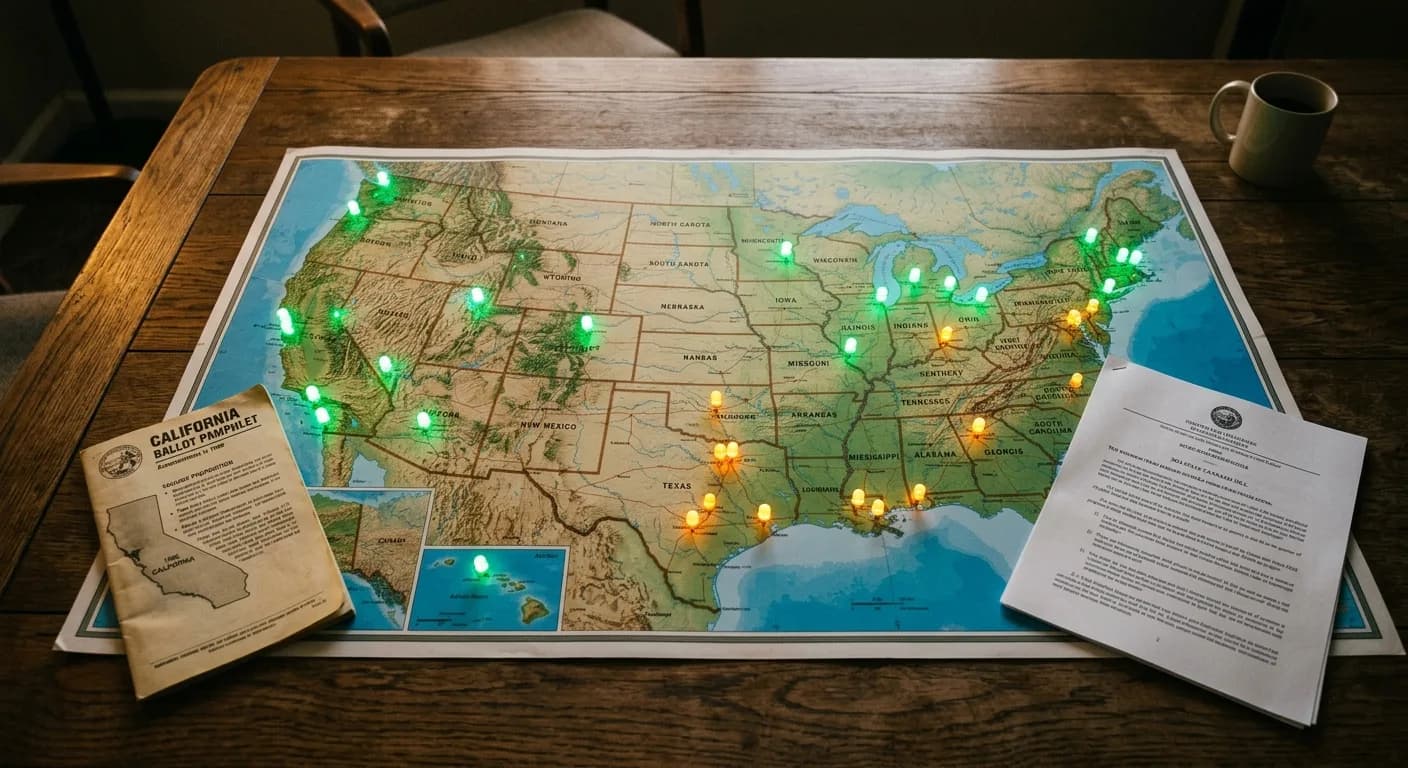
Somewhere between 3 million and 6 million Americans carry a cannabis conviction on their record for conduct that is now fully legal in their state. These records cost people jobs, housing, student loans, and — critically — the ability to legally participate in the cannabis industry they helped build. Cannabis conviction expungement by state is no longer just an activist talking point: it is an active, evolving legal process in more than half of US states, with new programs launching or expanding in 2025 and 2026.
This guide breaks down exactly where expungement is available, how it works, who qualifies, and what specific steps to take in states where you must apply yourself. We also cover the often-overlooked connection between expungement and home grow or cultivation licensing — because in several states, clearing your record is the first step to legally growing cannabis at home or starting a cannabis business.
Important: Cannabis and expungement laws change rapidly. This guide reflects the best available information as of early 2026. Always verify current requirements with your state's court system or a qualified attorney before taking legal action. Nothing in this article constitutes legal advice.
What Is Cannabis Expungement and Who Qualifies?
Cannabis expungement is the legal process of removing, sealing, or destroying a cannabis-related criminal record so it no longer appears on standard background checks. Depending on your state, expungement can cover arrests that did not lead to conviction, misdemeanor possession charges, and in some states, certain low-level felony offenses.
Who qualifies depends entirely on state law, but common eligibility factors include:
- The offense involved possession of a quantity now legal under current state law
- No violence, weapons, or distribution to minors was involved
- You have completed your sentence, probation, or parole
- A mandatory waiting period has passed (varies by state: 0–5 years)
- You have no new criminal convictions since the cannabis offense
Key distinction: Expungement, sealing, and vacatur are three different legal tools. Expungement destroys or removes the record. Sealing hides it from the public but preserves it for law enforcement. Vacatur voids the conviction entirely, treating it as legally invalid. Many states use more than one of these mechanisms for cannabis relief.
What Expungement Does — and Does NOT — Do
After a successful expungement, you can legally answer 'no' to questions about prior convictions on most job applications, rental applications, and professional license forms. The record is removed from public court databases and most commercial background check services.
However, expungement does not necessarily erase the record from:
- Federal law enforcement databases (FBI, DEA) in most cases
- Military background checks
- Applications for federal employment or security clearances
- Certain immigration proceedings
- Some professional licensing boards that retain access to sealed records
Legal nuance: Because cannabis remains a Schedule I controlled substance under federal law as of early 2026, federal agencies are not required to honor state-level expungements. This creates a patchwork situation where a person may be legally 'clean' under state law but still face federal scrutiny. This is one of the strongest arguments for federal descheduling.
States With Automatic Cannabis Expungement (No Application Needed)
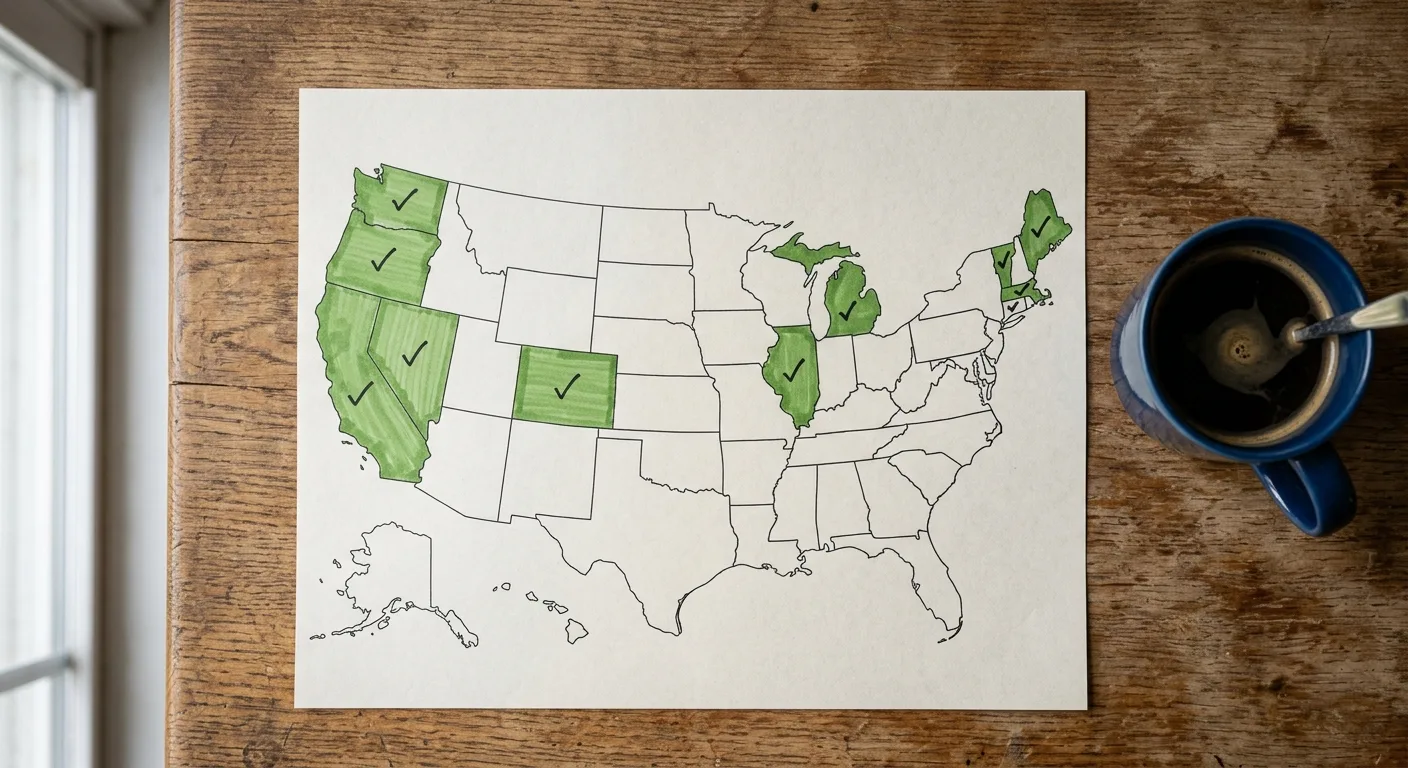
Automatic expungement states proactively clear eligible cannabis records without requiring individuals to file paperwork. The state's courts or law enforcement agencies review records against current legal standards and process expungements in bulk. This approach is critically important because it reaches people who do not know they are eligible or cannot afford legal help.
Here is the current landscape of states with automatic or largely automatic cannabis expungement programs as of 2026:
Illinois
Illinois passed one of the most comprehensive automatic expungement programs in the nation under the Cannabis Regulation and Tax Act (2019). The Governor's office has issued thousands of pardons for low-level cannabis offenses, and the Illinois State Police automatically expunge records matching pardoned charges. Over 500,000 records were eligible in the first round. Convictions for possession of up to 30 grams are automatically expunged. Offenses between 30–500 grams require a petition but have a streamlined process.
New York
The Marijuana Regulation and Taxation Act (MRTA, 2021) created automatic expungement for most cannabis possession and sale offenses under previous Penal Law Article 221. The Office of Court Administration processes these automatically. Convictions under PL 221.05, 221.10, 221.15, 221.20, 221.35, and 221.40 are eligible. By 2025, New York had processed expungements on over 400,000 records. Individuals do not need to apply — records are cleared automatically and notifications are not always sent, so you may want to check your record.
New Jersey
New Jersey's Cannabis Regulatory, Enforcement Assistance, and Marketplace Modernization Act (CREAMMA, 2021) includes automatic expungement for prior cannabis offenses. The Attorney General's office coordinates with the courts to identify and process eligible records. Possession of up to 6 ounces is covered. New Jersey has processed expungements for tens of thousands of individuals, with a particular focus on communities disproportionately affected by past enforcement.
Virginia
Virginia's expungement law, effective July 2021, created automatic sealing for simple cannabis possession convictions. Records are sealed from public view without any application required. Virginia went further in 2025 by expanding automatic relief to include certain distribution offenses involving amounts now legal under state law.
Connecticut
Connecticut's adult-use cannabis law (2021) included automatic expungement for possession of up to 1.5 ounces and paraphernalia offenses. The Board of Pardons and Paroles oversees the process, with records cleared in annual review cycles. Connecticut also offers a petition process for larger quantities.
New Mexico
New Mexico's Cannabis Control Act (2021) established automatic expungement for possession of up to 2 ounces. The courts identify eligible cases and process expungements without individual applications. Cases are reviewed on a rolling basis.
Colorado
Colorado passed SB21-099 creating a hybrid automatic-petition system. Offenses involving 2 ounces or less of possession are automatically reviewed for expungement by the courts beginning in 2022. Broader offenses require a petition but benefit from a simplified filing process and waived fees for qualifying individuals.
Even in automatic expungement states, verify your record. Processing backlogs mean some eligible records are cleared years after the law passes. Run a background check through your state's court portal or a service like Checkr to confirm your record has actually been updated — do not assume it happened.
Other States with Partial Automatic Programs
Several additional states have automatic programs covering narrow categories:
- California: AB 1793 (2018) directed courts to identify and automatically review eligible records, but implementation varies by county. Many counties have processed automatic expungements; others have significant backlogs. Petition remains available as a fallback.
- Oregon: Measure 110 (2020) and subsequent legislation created automatic expungement for possession offenses under 1 ounce, processed in annual cycles by the Oregon State Police.
- Michigan: The Clean Slate Act (2020) created an automatic expungement program for certain offenses including cannabis possession, with the state beginning to process records automatically from 2023 onward.
- Missouri: Amendment 3 (2022) legalized adult-use cannabis and included automatic expungement for non-violent cannabis possession offenses, with courts directed to process these within 3 years of the amendment's passage.
States With Petition-Based Expungement: You Must Apply

In petition-based states, the government will not clear your record automatically — you must file a formal application with the court, provide supporting documentation, and sometimes attend a hearing. The process varies significantly by state, but the core steps are similar everywhere. Legal aid is often available at no cost for qualifying individuals.
Major states with petition-only or hybrid petition systems include:
California (Petition Fallback)
While California has an automatic review program under AB 1793, implementation is uneven. If your county has not processed your record, you can file a Petition for Dismissal under Penal Code 1203.4 for misdemeanors, or a separate motion to redesignate and dismiss felony cannabis convictions under Proposition 64 (Health and Safety Code 11361.8). Many California counties offer free expungement clinics through their public defender's office.
Washington State
Washington's expungement law (SB 5605, 2019, expanded in 2021) allows individuals to vacate cannabis convictions for possession of 40 grams or less. You must petition the court where you were convicted. Filing fees are typically waived for cannabis vacatur petitions. The state does not do this automatically — you must initiate the process yourself.
Arizona
Proposition 207 (2020) created a petition-based process for clearing cannabis convictions. You file with the court where the conviction occurred, and the judge reviews the petition. Prop 207 covers possession of up to 1 ounce of marijuana, possession of up to 5 grams of concentrate, and paraphernalia. Filing fees are waived. The Arizona Supreme Court published standardized forms to simplify the process.
Nevada
Nevada Revised Statutes 453D.400 allows petition-based expungement for cannabis convictions. You must file a Motion to Vacate with the sentencing court. Nevada law also provides for a Certificate of Rehabilitation, which does not expunge the record but formally recognizes rehabilitation and can help with licensing and employment.
Montana
Initiative I-190 (2020) created a petition process for expungement of convictions for possession of 1 ounce or less. Montana's process requires filing with the District Court and a waiting period of 5 years from sentence completion.
Massachusetts
Massachusetts allows expungement of cannabis convictions through the courts under MGL c. 276, §100E. The process requires a petition, a mandatory waiting period (3 years for misdemeanors, 7 years for felonies), and a hearing. The relatively long waiting periods are a common criticism of Massachusetts's system. The state also has a separate sealing process with shorter timelines.
Maryland
Maryland expanded cannabis expungement significantly in 2023. Simple possession convictions (paraphernalia and possession under 10 grams) are eligible for automatic expungement as of July 2023. However, many larger possession and distribution convictions still require a petition filed with the District Court. The Maryland Judiciary provides detailed tip sheets and video guides on its website at courts.state.md.us.
Maryland tip: Even after expungement, your record may still appear on Maryland Case Search for a period of time. The court system typically takes up to 60 days to fully remove records after an order is granted. Request written confirmation and check Case Search approximately 90 days after your expungement is granted.
States With No Cannabis Expungement Pathway (As of 2026)

Not every state with cannabis convictions offers a route to clearing them. In states where cannabis remains fully illegal — or where legalization passed without expungement provisions — people with prior convictions have limited options beyond federal clemency or waiting for future legislative changes.
As of early 2026, these states have no meaningful cannabis-specific expungement pathway:
- Texas: Cannabis remains highly restricted. There is no cannabis-specific expungement law. Limited expungement for arrests that did not result in conviction exists, but convictions cannot be expunged. Advocacy groups are pushing for reform.
- Florida: Florida has no cannabis-specific expungement pathway. Medical marijuana is legal, but adult-use failed at the ballot in 2024. Standard expungement requires a Certificate of Eligibility and is not available for most convictions.
- Georgia: Georgia passed limited medical cannabis legislation but has no expungement program. Record restriction (not full expungement) is available for first-time offenders who completed a diversion program.
- Alabama: Alabama's medical cannabis law (passed 2021, still rolling out) includes no expungement provisions. Standard expungement is available only for certain non-conviction records.
- South Carolina: No cannabis-specific expungement. Standard expungement requires a conditional discharge (first offense diversion) and is very limited.
- Idaho, Wyoming, Kansas, Nebraska: All fully prohibit cannabis with no expungement programs in place.
If you live in a no-expungement state: You may still qualify for expungement if you have moved to a state with an active program and your conviction occurred there. Jurisdiction generally follows where the conviction happened, not where you currently live. Contact an attorney in the state of conviction for guidance.
Step-by-Step: How to Apply for Cannabis Expungement in Petition States
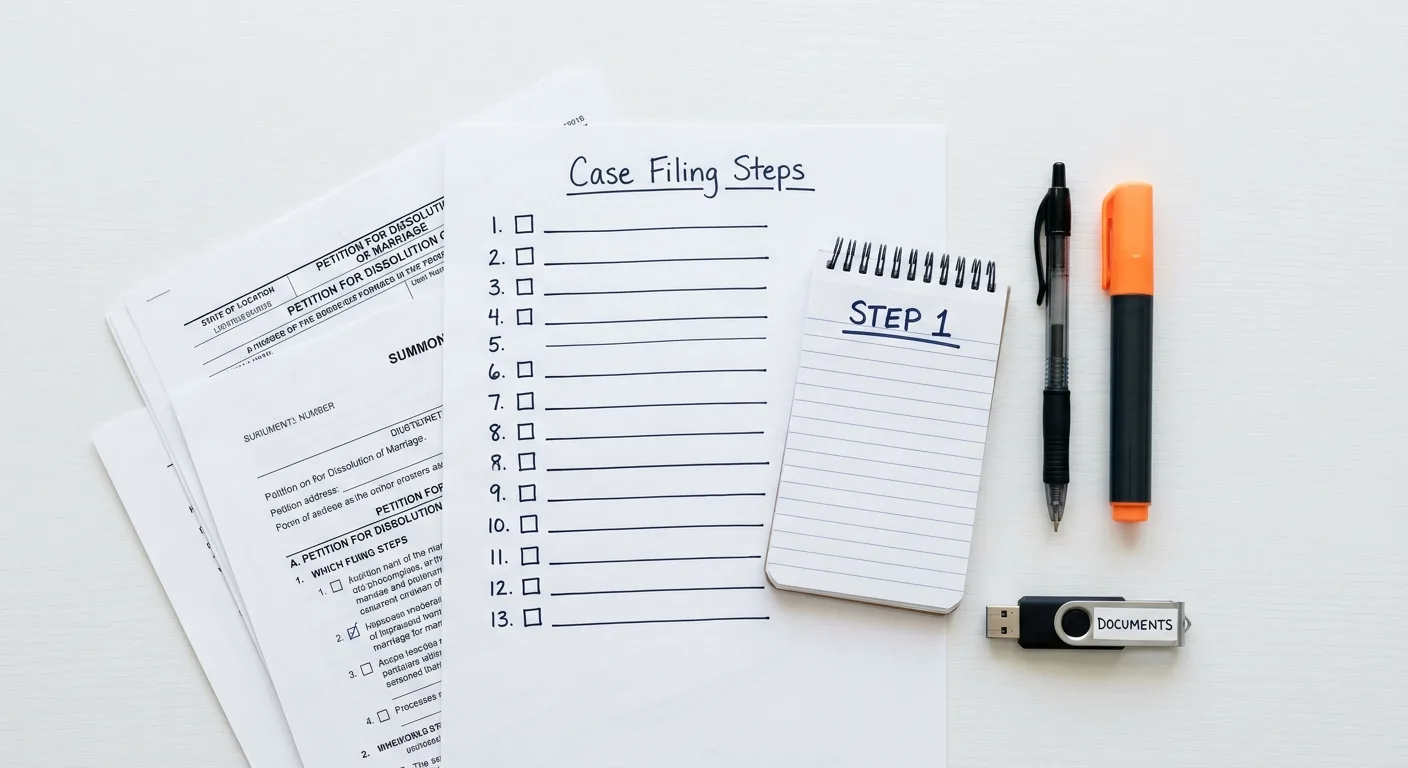
The petition process can feel overwhelming, but it follows a predictable sequence in most states. Here is a clear step-by-step framework that applies to the majority of petition-based systems. Always verify the exact forms and requirements with your specific state's court website.
Obtain Your Criminal Record
Request your full criminal history from your state's Bureau of Investigation or State Police. In most states, this costs $10–$30 and can be done online. You need this to identify every case number, court, and charge you may want to expunge. Also pull your federal rap sheet through the FBI's Identity History Summary service (costs $18).
Check Eligibility for Each Conviction
Match each cannabis conviction against your state's current expungement eligibility criteria. Key factors: the charge type (possession vs. distribution), the quantity involved, whether you completed your sentence, and how much time has passed. Many state court websites have eligibility screeners. Organizations like the Clean Slate Initiative and NORML also offer state-specific eligibility tools.
Gather Your Supporting Documents
Typical documents required include: certified copies of the original charging documents, proof of sentence completion (discharge papers, probation completion letter), your full criminal history report, and a personal statement (some states require this). Gather certified copies — regular photocopies are often rejected.
Complete the Petition Forms
Download the official petition forms from your state or county court's website. These are typically titled 'Petition for Expungement,' 'Motion to Vacate,' or 'Application for Expungement' depending on your state. Fill them out carefully — errors in case numbers or dates are the most common reason petitions are delayed or rejected. Have someone review your forms before filing, or use a legal aid clinic.
File Your Petition with the Court
File at the court where the original conviction occurred — this is almost always a county-level court (District Court, Superior Court, or Circuit Court depending on your state). Bring multiple copies: one for the clerk to stamp and return to you, one for the court file, and copies you may need to serve on the prosecutor's office. Many states waive filing fees for cannabis expungements — confirm this before paying.
Serve the Prosecutor's Office
Most states require you to notify the District Attorney or State's Attorney that you have filed a petition. This is called 'service.' The prosecutor typically has 30–60 days to object. If they do not object, the petition often proceeds unopposed. If they do object, a hearing will be scheduled. Cannabis expungement petitions are rarely contested in states where the underlying conduct is now legal.
Attend Your Hearing (If Required)
Not all petitions require a hearing — many states grant them on the papers if unopposed. If a hearing is scheduled, dress professionally, arrive early, and bring copies of all your documents. The judge will typically ask basic questions about your record and current circumstances. You do not need an attorney to attend, but having one significantly improves outcomes if there is any opposition.
Receive the Order and Follow Up
If granted, you will receive a signed Order of Expungement. Keep certified copies permanently — you will need them if a background check ever resurfaces your old record erroneously. Send copies of the order to any third-party background check companies that hold your data. The National Consumer Law Center has a sample letter you can use to dispute inaccurate background check results after expungement.
- Request certified criminal history report
- Verify eligibility for each charge separately
- Confirm waiting period has passed
- Download official petition forms from court website
- Gather certified supporting documents
- Check if filing fee is waived for cannabis petitions
- File at the correct court (county of conviction)
- Serve the DA's office with copies
- Track the 30–60 day objection window
- Attend hearing if scheduled
- Receive and store certified Order of Expungement
- Dispute inaccurate background check records in writing
How Long Does Cannabis Expungement Take?

Timeline varies widely based on whether the process is automatic or petition-based, and on local court capacity. Here is a realistic breakdown:
| Process Type | Typical Timeline | Key Variables |
|---|---|---|
| Automatic (no backlog) | 6–18 months after law passes | State processing capacity, record volume |
| Automatic (with backlog) | 1–4 years | Illinois, California backlogs are well-documented |
| Petition — unopposed, simple case | 3–5 months | Court caseload, how quickly DA responds |
| Petition — unopposed, complex case | 6–12 months | Multiple convictions, documentation issues |
| Petition — contested by DA | 12–24 months | Hearing scheduling, legal representation quality |
| Record removal from background check services | 30–90 days after order | Database update cycles, need to send notice to agencies |
Start the process now even if you think it will take years. Expungement timelines are long precisely because court systems are backlogged. Filing today means your record clears months sooner than if you wait. Many people delay because the process seems complex — use the step-by-step framework above and get started.
Cannabis Expungement and Home Grow Licensing: The Hidden Connection
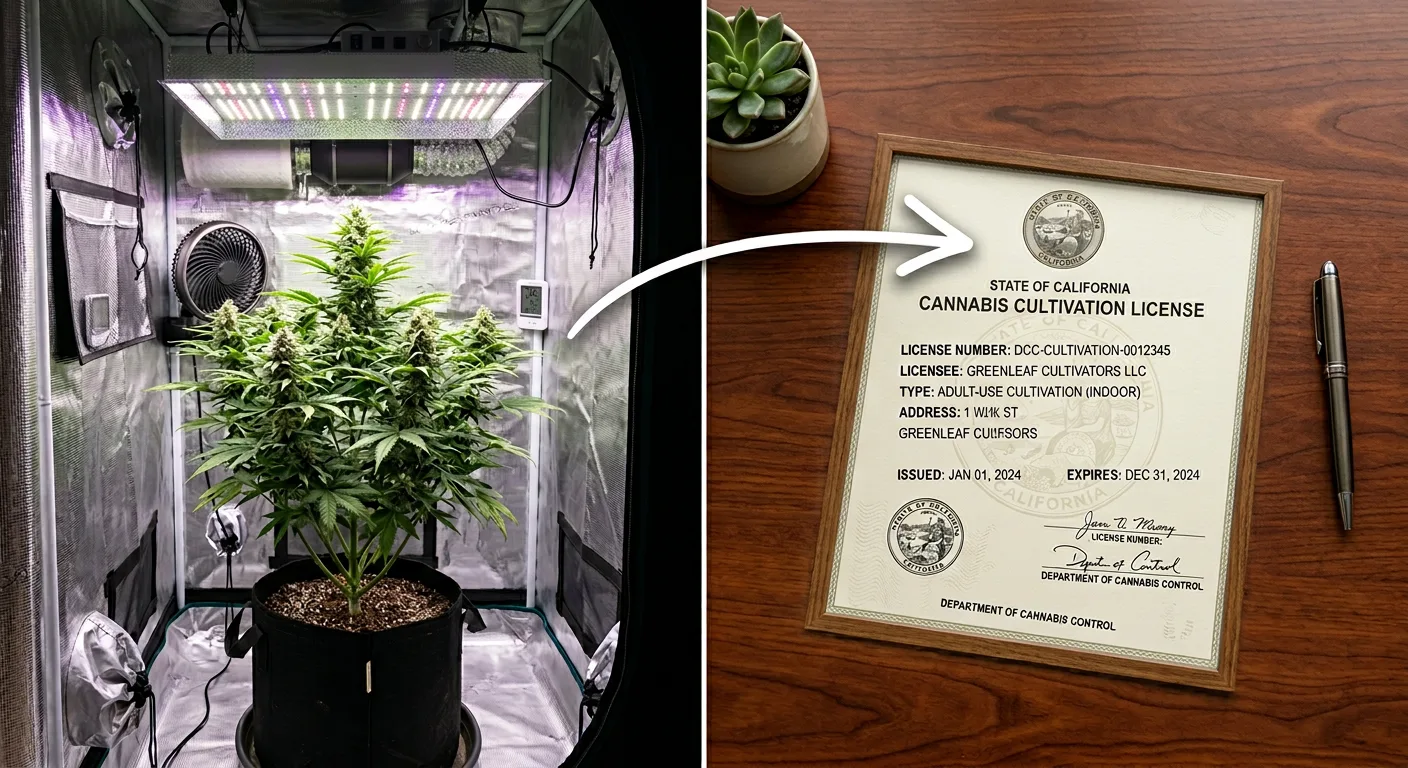
There is an underappreciated practical reason to pursue expungement beyond employment and housing: in a growing number of states, prior cannabis convictions affect your ability to legally grow cannabis at home or obtain a cultivation license for a cannabis business. This intersection between expungement and cannabis licensing is one of the most important — and least-discussed — aspects of modern cannabis law.
For a deeper look at how home grow rights and commercial licensing differ by state, see our companion guide: Cannabis Home Grow vs Commercial License: What You Need to Know.
Home Cultivation and Prior Conviction Rules by State
Most states that allow home cultivation (typically 2–6 plants for personal use) do not currently require a background check for home growers. Adults simply need to be 21+ and comply with plant count and storage rules. However, there are notable exceptions and nuances:
- New York: Personal home cultivation of up to 3 plants (6 mature at a time per household) does not require a license or background check. However, the state's social equity licensing program for commercial cultivators does consider prior records — and expunged records do not count against applicants.
- Illinois: Home cultivation is not currently permitted under Illinois adult-use law (as of 2026). Medical patients may cultivate under specific conditions, and medical cultivation licenses involve background checks where prior cannabis felonies can be disqualifying unless expunged.
- California: Personal cultivation of up to 6 plants is permitted without a license. Commercial cultivation licenses at any tier require a background check, and prior cannabis distribution felonies within 10 years can disqualify applicants — but expunged convictions are generally not counted.
- Colorado: Home cultivation of up to 3 plants (6 per household) requires no license. Commercial cultivation licenses involve background checks, and violent or drug distribution felonies within 5 years are typically disqualifying. Expungement removes this barrier.
- Michigan: Home grow of up to 12 plants is permitted without a license for adults. Commercial microbusiness and craft grow licenses require clean records — a specific provision allows applicants with expunged cannabis convictions to apply despite prior records.
Planning to grow legally? If you are thinking about home cultivation in a legal state, start by verifying your state's current laws at our 2026 cannabis seeds legality guide. For those ready to start, our complete indoor grow tent setup guide covers everything from equipment to environment.
Social Equity Cultivation Licensing
A major development across multiple states is the social equity cultivation license — a lower-cost or priority-access commercial cultivation license specifically designed for individuals and communities most harmed by cannabis prohibition. These programs exist in California, Illinois, New Jersey, New York, Massachusetts, and several other states.
Critically, in most social equity programs, prior cannabis convictions do not disqualify applicants — they often serve as evidence of eligibility for the equity pathway. However, having those convictions expunged can still benefit applicants by simplifying background checks and removing barriers in ancillary sectors like banking, real estate leasing, and business licensing that support cultivation operations.
Free Legal Aid and Resources for Cannabis Expungement

You do not need to hire a private attorney to pursue expungement. A robust network of non-profit organizations, public defender offices, and legal aid societies offers free or low-cost help specifically for cannabis expungement cases. Here are the most important resources by type:
National Organizations
- NORML Legal Committee (norml.org/legal): Maintains a directory of attorneys specializing in cannabis law by state, including those who take expungement cases pro bono or on sliding-scale fees.
- The Last Prisoner Project (lastprisonerproject.org): Focused specifically on cannabis conviction relief, they provide direct case advocacy, connection to legal resources, and policy education.
- Clean Slate Initiative (cleanslateinitiative.org): Advocates for automatic expungement nationally and offers state-specific guides and eligibility information.
- National Legal Aid and Defender Association (nlada.org): Connects individuals to local legal aid offices that provide free civil legal services, including expungement assistance.
- Marijuana Policy Project (mpp.org): Publishes detailed state-by-state expungement policy summaries and advocates for stronger laws.
- Drug Policy Alliance (drugpolicy.org): Provides policy resources and connects individuals with grassroots legal aid organizations in their state.
State-Specific Resources
- California: Initiate Justice, Cannabis Equity Alliance, Lawyers' Committee for Civil Rights of the San Francisco Bay Area all offer expungement clinics.
- Illinois: Cabrini Green Legal Aid and Illinois Legal Aid Online provide free assistance navigating both automatic and petition-based expungements.
- New York: Legal Aid Society of New York, the New York City Bar Association's Lawyer Referral Service, and the NYS Office of Cannabis Management maintain resources for individuals checking on automatic expungement status.
- New Jersey: Legal Services of New Jersey and the New Jersey Institute for Social Justice offer expungement help and host community expungement events.
- Maryland: Maryland Court Help Centers (inside courthouses) provide free assistance with expungement forms. The Maryland Courts website (courts.state.md.us) hosts video tutorials and tip sheets.
- Washington State: TeamChild and Thurston County Volunteer Legal Services offer cannabis vacatur petition help.
Expungement clinics are one of the best free resources available. These are organized events — often held on weekends at community centers, libraries, or courthouses — where volunteer attorneys review your records and help you complete petition forms on the spot. Search '[your city/county] expungement clinic' to find upcoming events.
Using Technology to Navigate Expungement
Several tools have emerged to help individuals understand their eligibility and navigate the process:
- RecordSponge (recordsponge.com): A free tool for Oregon residents that analyzes your criminal record and identifies expungement-eligible cases.
- Expunge.io: Available in select states, this tool guides users through the petition process with step-by-step digital form completion.
- Reentry Council resources: Many state and county reentry councils maintain online portals where individuals can check expungement eligibility and access form libraries.
State-by-State Cannabis Expungement Quick Reference Table
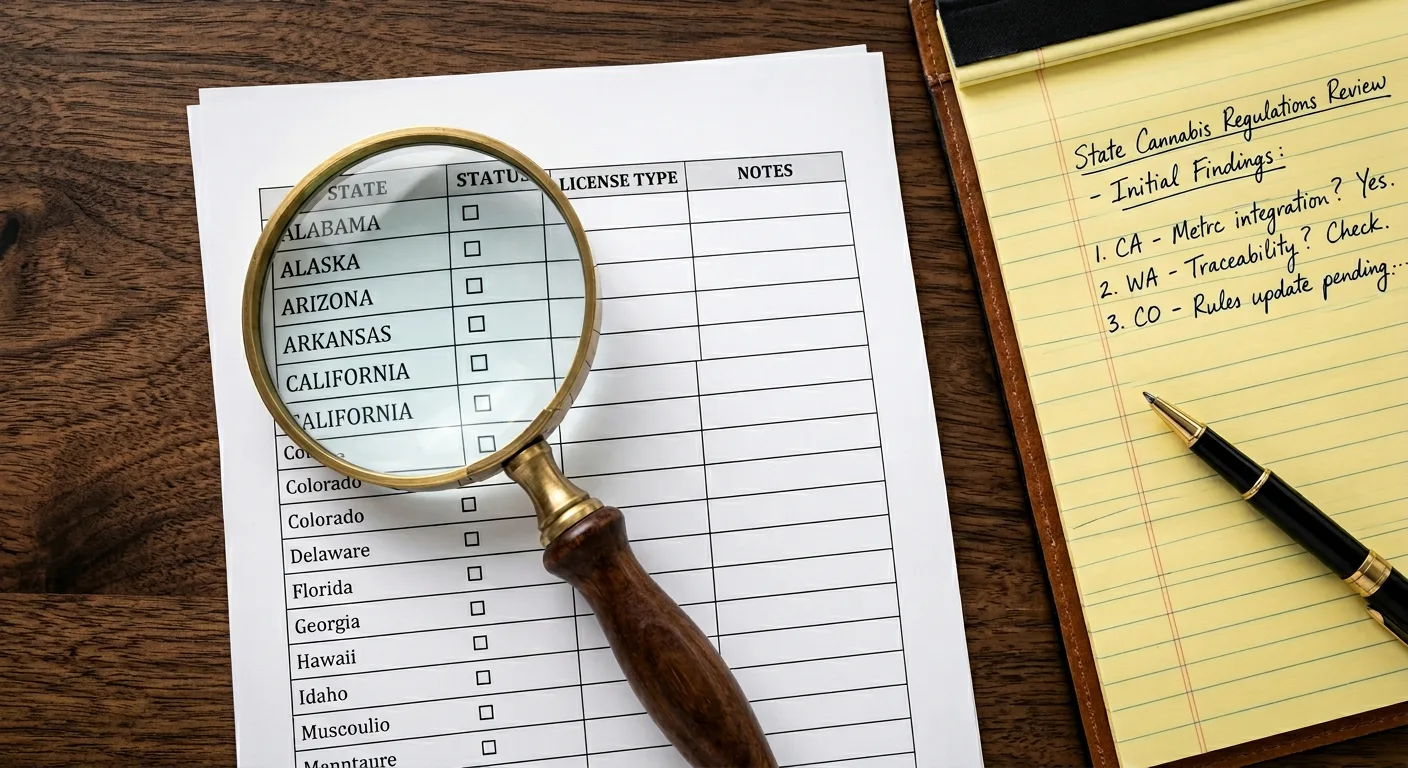
This table provides a fast-reference overview of cannabis expungement status, process type, and key limits by state. For the most current details, always verify with your state's official court website or a legal aid organization.
| State | Adult Use Legal? | Expungement Available? | Process Type | Max Quantity Covered | Waiting Period |
|---|---|---|---|---|---|
| Illinois | Yes | Yes | Automatic (≤30g) / Petition (30–500g) | 500g (petition) | None for auto; case-by-case for petition |
| New York | Yes | Yes | Automatic | Prior PL 221 offenses | None |
| New Jersey | Yes | Yes | Automatic | 6 oz or less | None |
| Virginia | Yes | Yes | Automatic (sealing) | Simple possession | None |
| Connecticut | Yes | Yes | Automatic | 1.5 oz or less | None |
| Colorado | Yes | Yes | Automatic (≤2oz) / Petition | Varies | None for auto |
| California | Yes | Yes | Automatic review / Petition fallback | Most Prop 64 offenses | None |
| Oregon | Yes | Yes | Automatic (annual cycles) | 1 oz or less | None |
| Michigan | Yes | Yes | Automatic (from 2023) | Eligible possession offenses | None |
| Missouri | Yes | Yes | Automatic | Non-violent possession | None (3 years to process) |
| Washington | Yes | Yes | Petition (vacatur) | 40g or less | None specified |
| Arizona | Yes | Yes | Petition | 1 oz; 5g concentrate | None |
| Nevada | Yes | Yes | Petition | Possession offenses | Varies |
| Montana | Yes | Yes | Petition | 1 oz or less | 5 years post-sentence |
| Maryland | Yes | Yes | Automatic (≤10g) / Petition | Varies | None for auto |
| Massachusetts | Yes | Yes | Petition | Possession offenses | 3 yrs (misd), 7 yrs (fel) |
| New Mexico | Yes | Yes | Automatic | 2 oz or less | None |
| Alaska | Yes | Limited | Petition (very limited) | Small possession | Varies |
| Minnesota | Yes (2023) | Yes | Automatic (phased) | Possession under new limits | Phased 2024–2026 |
| Delaware | Yes (2023) | Limited Petition | Petition | Possession offenses | Varies |
| Texas | No | No | None | N/A | N/A |
| Florida | No (2024 measure failed) | No | None | N/A | N/A |
| Georgia | No | No | None | N/A | N/A |
| Idaho | No | No | None | N/A | N/A |
| Wyoming | No | No | None | N/A | N/A |
Table reflects best available information as of Q1 2026. Laws change frequently — verify with your state's official court website or legal aid organization before taking action.
What Happens to Your Record After Expungement: A Realistic Picture
One of the most common misconceptions about cannabis expungement is that it is a perfect, instant fix. The reality is more nuanced — but still enormously valuable for most people. Understanding the practical outcomes helps you set realistic expectations and take the right follow-up steps.
What Changes Immediately
- Your state court's public database removes or seals the record
- The state's main background check system reflects the expungement
- You can legally answer 'no conviction' on most job, housing, and professional license applications
- State law enforcement agencies update their records
What Takes Time
- Commercial background check companies (HireRight, Sterling, Checkr) update their databases on their own cycles — this can take 30–90 days after the court order
- Some data brokers maintain records independently and may need to receive direct notification and the court order to update
- Out-of-state records and databases may not receive automatic updates
What May Never Change
- Federal law enforcement databases (if the conviction was entered there)
- Records accessed in connection with federal employment, military service, or security clearance
- Immigration records if deportation proceedings were already initiated
Federal firearm purchase background checks (NICS): This is a critical area where state expungement may not provide full protection. The FBI's National Instant Criminal Background Check System uses both state and federal records. While many states report expunged records as 'no record found' to NICS, others do not — and a federal cannabis conviction would not be cleared by a state expungement. Consult an attorney before attempting to purchase a firearm after expungement if this is a concern.
Employment: Know Your Rights Post-Expungement
Under the Fair Credit Reporting Act (FCRA), consumer reporting agencies cannot report expunged records. If a background check surfaces your expunged conviction, you have the right to dispute it under the FCRA. Send a dispute letter (certified mail, return receipt) to the background check company with a copy of your expungement order. They are legally required to investigate within 30 days and correct inaccurate information.
Some states add further protections. California's ICRAA, New York's Executive Law Article 23-A, and New Jersey's Opportunity to Compete Act all restrict employers from using expunged records in hiring decisions. Know your state's specific employment protections — they can be stronger than the federal baseline.
The Future of Cannabis Expungement: What's Coming in 2026 and Beyond
The landscape is moving fast. Several developments in 2025–2026 are expanding expungement access or changing how existing programs work:
Federal Action
President Biden's October 2022 mass pardon of federal cannabis simple possession convictions was a landmark move, but its scope was limited — it covered only federal offenses and simple possession, not distribution or state convictions. As of early 2026, no federal legislation has passed to create a comprehensive expungement mechanism for federal cannabis convictions. The MORE Act and similar bills have been introduced but not enacted. However, the Drug Enforcement Administration's ongoing cannabis rescheduling process (moving cannabis from Schedule I to Schedule III, proposed in 2024) could create downstream pressure for federal expungement legislation.
New State Programs
Minnesota legalized adult-use cannabis in 2023 with a phased automatic expungement program beginning in 2024. Delaware's 2023 legalization included limited expungement provisions being implemented in 2025–2026. Ohio's Issue 2 (2023) legalization included expungement provisions that began implementation in 2025. Oklahoma's medical cannabis program expansion discussions in 2025 include expungement proposals for the first time.
Technology and Automation
Several states are investing in automated record-matching technology to accelerate processing. California's DOJ launched a bulk expungement data matching program in 2024 to help counties process backlogs faster. New York is using similar technology to cross-reference court records against current law. The expectation from policy advocates is that by 2027–2028, most major legalization states will have largely cleared their backlogs of eligible records through automation.
The moral and economic case is clear: Studies show that individuals with expunged cannabis records see a 22% average increase in employment rates and a significant increase in earnings within 2 years of record clearing (Source: research from the University of Michigan Clean Slate study, 2020). Expungement is not just a legal technicality — it is a meaningful economic and social intervention.
For more context on how cannabis laws vary across the country and what those differences mean for growers and consumers, explore our complete 2026 guide to cannabis seed legality in the US. For those in legal states exploring home cultivation, our indoor grow tent setup guide and beginner's autoflower guide are good starting points.
Frequently Asked Questions
Which states automatically expunge cannabis convictions without an application?
Illinois, Virginia, New Jersey, New York, Connecticut, New Mexico, Colorado, Oregon, Michigan, and Missouri all have automatic or largely automatic cannabis expungement or sealing programs. In these states, the government proactively processes eligible records — though backlogs mean it may take 1–4 years after the law passes for your specific record to be cleared. Always verify by checking your record directly.
How long does it take to get a cannabis conviction expunged?
Timelines vary significantly. Automatic expungements can take 1–3 years to process statewide after legislation passes due to volume. Petition-based expungements typically take 3–6 months in straightforward, unopposed cases. Complex cases or court backlogs can push timelines to 12–18 months. After an order is granted, commercial background check databases may take an additional 30–90 days to update.
Does expungement fully erase a cannabis conviction?
In most states, expungement seals the record from public view and allows you to legally say you were not convicted on most job and housing applications. However, certain government agencies, law enforcement, and background checks for specific federal positions may still access sealed records. Federal law enforcement databases may retain the record regardless of state expungement. For federal employment and security clearance purposes, the conviction may still be considered.
Can I get a cannabis home grow or cultivation license if I have a prior conviction?
For personal home cultivation, most states do not require a background check — adults simply need to comply with plant count rules. For commercial cultivation licenses, prior cannabis convictions can be disqualifying in some states but many have social equity provisions that allow affected individuals to apply anyway. In states like California, New York, and Michigan, expunged convictions are generally not counted against cultivation license applicants at all.
What is the difference between expungement, sealing, and vacatur?
Expungement destroys or removes the record entirely from court databases. Sealing hides the record from public view but preserves it for law enforcement access. Vacatur sets aside the conviction as legally invalid, often used when the law under which someone was convicted no longer exists. Different states use different combinations of these tools — some call their process 'expungement' but functionally seal rather than destroy records. Check your state's specific statute for the practical effect.