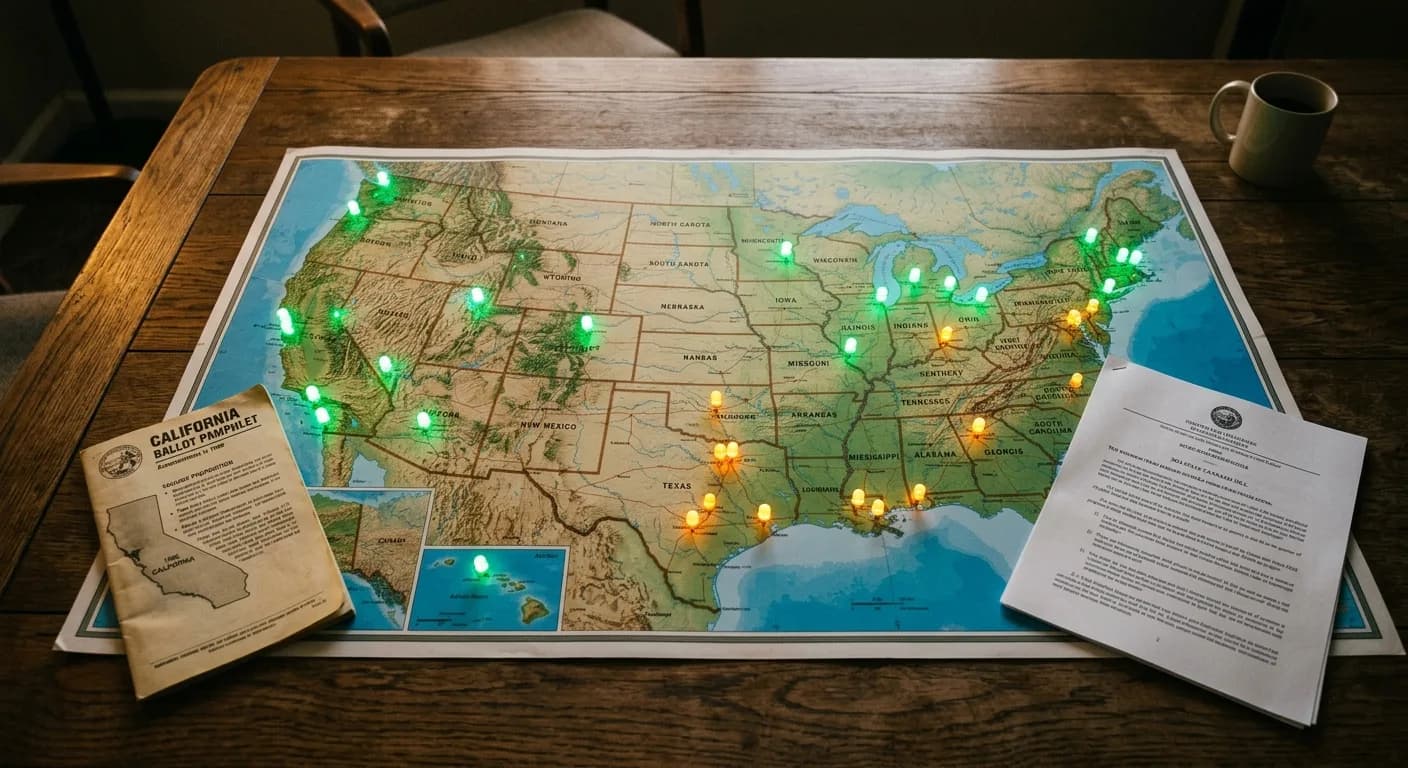
Somewhere right now, a grower in Berlin is legally tending three cannabis plants on a balcony. A collector in Amsterdam is browsing seed catalogues that ship worldwide. A gardener in Sydney is navigating laws so confusing even lawyers argue about them. International cannabis seed laws are not a single coherent system — they are a patchwork of tolerance policies, colonial-era drug codes, progressive reforms, and legal fictions that vary dramatically from one postcode to the next.
Most seed law guides you'll find online are written exclusively for American readers. This one isn't. Whether you're in Manchester, Munich, Melbourne, or Montreal, this guide breaks down exactly what is legal — and what isn't — when it comes to buying, receiving, and germinating cannabis seeds in the countries that matter most to the global growing community.
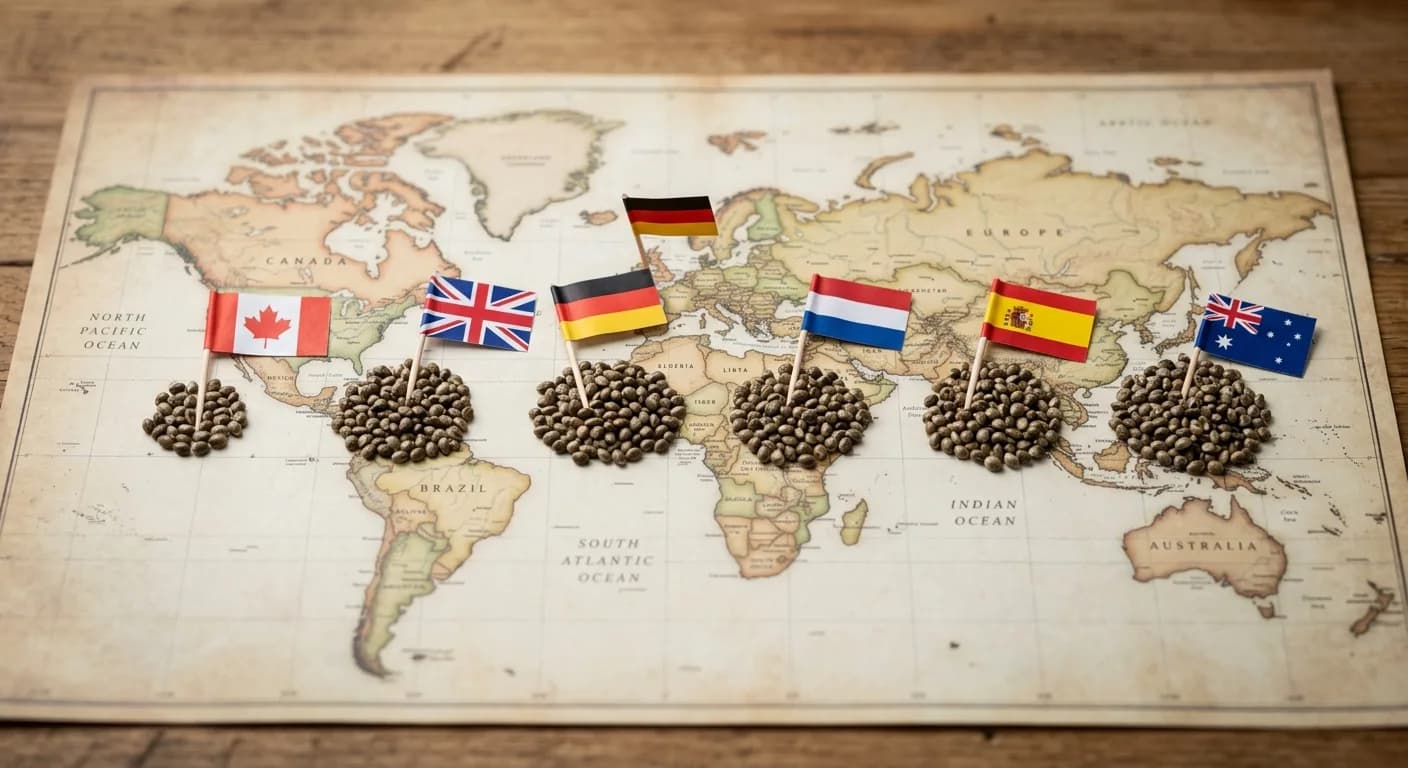
We'll cover the six major seed-buying markets in depth, explain the 'collector's item' legal fiction that underpins the European seed trade, map the countries where importation carries genuine criminal risk, and give you a full comparison table so you can see your country's position at a glance. For US-specific details, see our companion guide: Are Cannabis Seeds Legal in the US? Complete 2026 Guide.
Legal Disclaimer: This article is for informational purposes only and does not constitute legal advice. Cannabis laws change rapidly. Always consult a qualified legal professional in your jurisdiction before purchasing, importing, or germinating cannabis seeds. DSS Genetics ships to many international destinations — review our shipping policy for up-to-date destination information before ordering.
The 'Collector's Item' Loophole: Why It Exists and What It Actually Means
The foundation of international cannabis seed commerce rests on a legal fiction so widely accepted it has become the default framework for the entire industry. Before covering individual countries, it's worth understanding where this model came from and why it persists.
A cannabis seed sold as a 'collector's item' or 'souvenir seed' is a seed sold with the implied legal understanding that the buyer will not germinate it. The seed contains viable genetics, looks identical to any other cannabis seed, and will grow into a cannabis plant if planted. The 'collector's item' designation provides the seller with a plausible legal defence in jurisdictions where seeds themselves occupy a grey area — but the buyer almost never benefits from this protection.
The 'collector's item' model protects seed sellers in specific jurisdictions. It offers little to no legal protection to the buyer who germinates a seed, regardless of what the packaging says. Always research your destination country's laws — not the exporting country's marketing.
Why the Model Emerged
The collector's item framework was formalised in the Netherlands and UK during the 1990s as a way for seed banks to operate openly without directly violating drug trafficking statutes. The legal argument runs like this: a seed, in isolation, is not cannabis — it contains only trace amounts of THC and cannot be consumed. Therefore, selling an ungerminated seed as a botanical curiosity or collector's piece is not the same as selling a controlled drug.
Courts in the Netherlands and UK have periodically challenged this position, but the framework has largely survived because prosecutorial resources have historically been directed at larger drug trafficking operations rather than retail seed sales. The model spread globally because Dutch and British seed banks began exporting seeds using this classification, and customs agencies in receiving countries adopted inconsistent enforcement postures — treating seeds more like a botanical product than a controlled substance, at least for small quantities.
The Critical Distinction Between Buying and Germinating
In nearly every country where seeds can be legally purchased or received, germination remains a separate and distinct legal act that transforms the product from a grey-area botanical into an unambiguous controlled substance. This distinction matters enormously:
- Buying: may be legal, tolerated, or minimally enforced in many jurisdictions
- Receiving by post: subject to import laws, varies widely by country
- Possessing ungerminated seeds: grey zone in many places, explicitly illegal in others
- Germinating: nearly universally illegal outside of explicitly licensed or legalized jurisdictions
- Growing to maturity: treated as cultivation of a controlled substance in most countries
From a pharmacological standpoint, an ungerminated cannabis seed contains negligible THC — typically below 0.001%. The psychoactive compounds that make cannabis a controlled substance are produced during the plant's growth cycle, not present in meaningful quantities in the seed itself. This scientific reality underpins the collector's item legal argument.
Netherlands: The Original Seed Bank Capital and Its Tolerance Policy
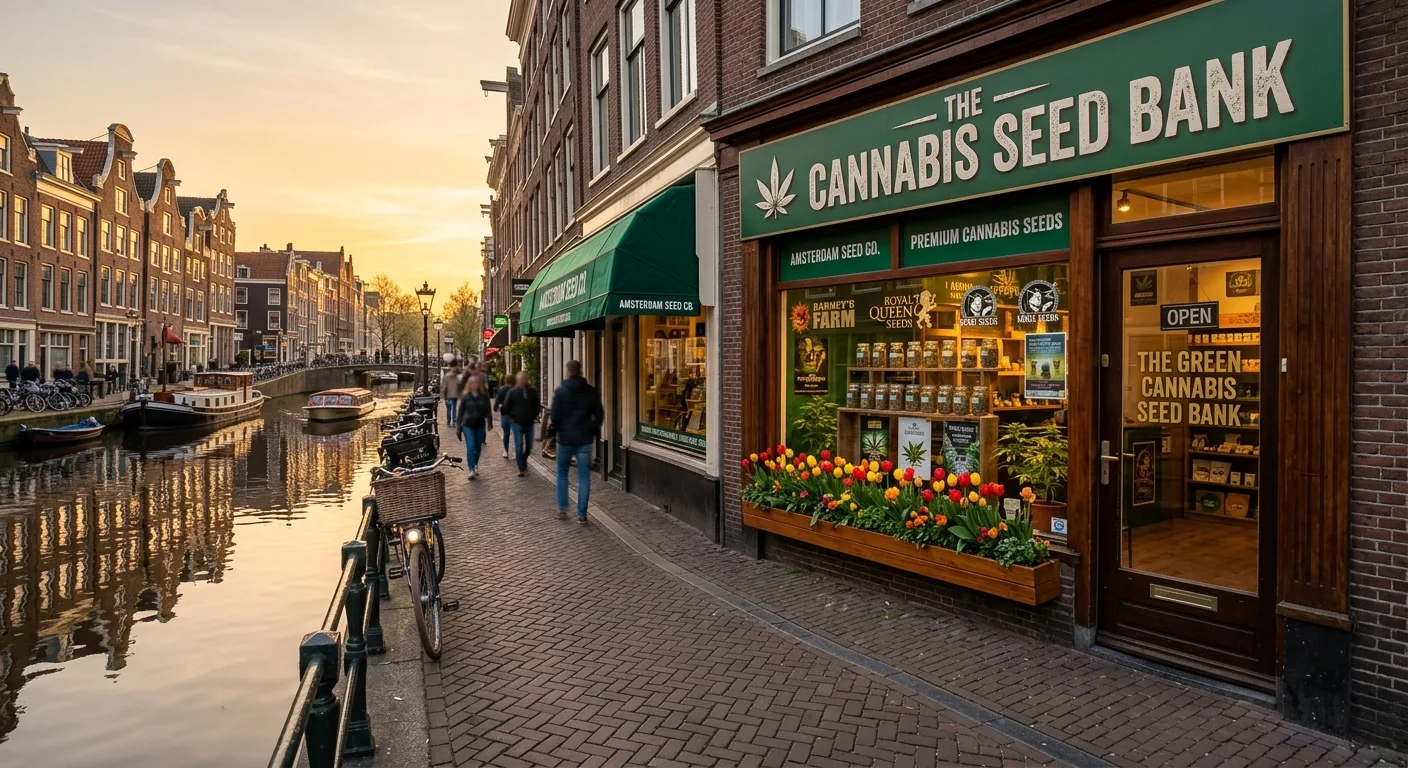
The Netherlands built the modern cannabis seed industry. Understanding Dutch law is essential for anyone buying seeds internationally, because Dutch seed banks supply a significant portion of the world's cannabis genetics.
Snapshot: Seeds are technically illegal under Dutch law but widely tolerated under the gedoogbeleid policy. Export operates in a legal grey zone. Germination is technically illegal for most citizens but decriminalised for small amounts.
What Is Gedoogbeleid?
Gedoogbeleid (roughly translated as 'tolerance policy') is the formal Dutch policy of not prosecuting certain technically illegal activities when strict enforcement is deemed contrary to the public interest. Under this framework, personal cannabis use, possession of up to 5 grams, and the operation of licensed coffee shops are all technically illegal under Dutch law — but officially tolerated and not prosecuted.
Cannabis seed sales occupy a similar position. The Opium Act technically classifies cannabis seeds as a controlled substance. In practice, dedicated seed companies operate openly in Amsterdam and across the Netherlands, selling seeds in physical shops and online to customers worldwide. Dutch authorities have generally tolerated this trade, particularly for exports, viewing it as an established commercial sector with an economic and cultural footprint worth preserving.
How Dutch Tolerance Affects International Exports
When you order seeds from a Dutch seed bank, the export transaction is generally tolerated by Dutch authorities. However, the receiving country's laws apply the moment seeds cross that country's border. Dutch tolerance does not extend to other jurisdictions.
- Netherlands → UK: Generally arrives without incident; legal to possess as collector's item
- Netherlands → Canada: Complex; only licensed domestic sources are fully legal
- Netherlands → Germany: Grey zone changing rapidly post-2024 reform
- Netherlands → Australia: High seizure risk; medical use only, recreational illegal
- Netherlands → Japan/Singapore/UAE: Severe legal risk — do not import
Dutch seed banks typically use discreet packaging and shipping methods developed over decades of international commerce. While this reduces the visibility of packages at customs, it does not change the legal status of seeds at your destination. Discreet packaging is a shipping courtesy, not a legal guarantee.
The 2025–2026 Dutch Cannabis Experiment
The Netherlands is currently in the process of implementing a regulated cannabis supply chain through the 'Experiment Closed Cannabis Chain' (ECCC) programme. Selected municipalities are testing a system where cannabis is legally grown by licensed producers and sold in coffee shops — creating for the first time a fully legal end-to-end supply chain. This programme is gradually expanding and may eventually clarify the legal status of seed sales domestically. Watch this space through 2026.
United Kingdom: Legal to Sell, Illegal to Grow — A Unique Paradox
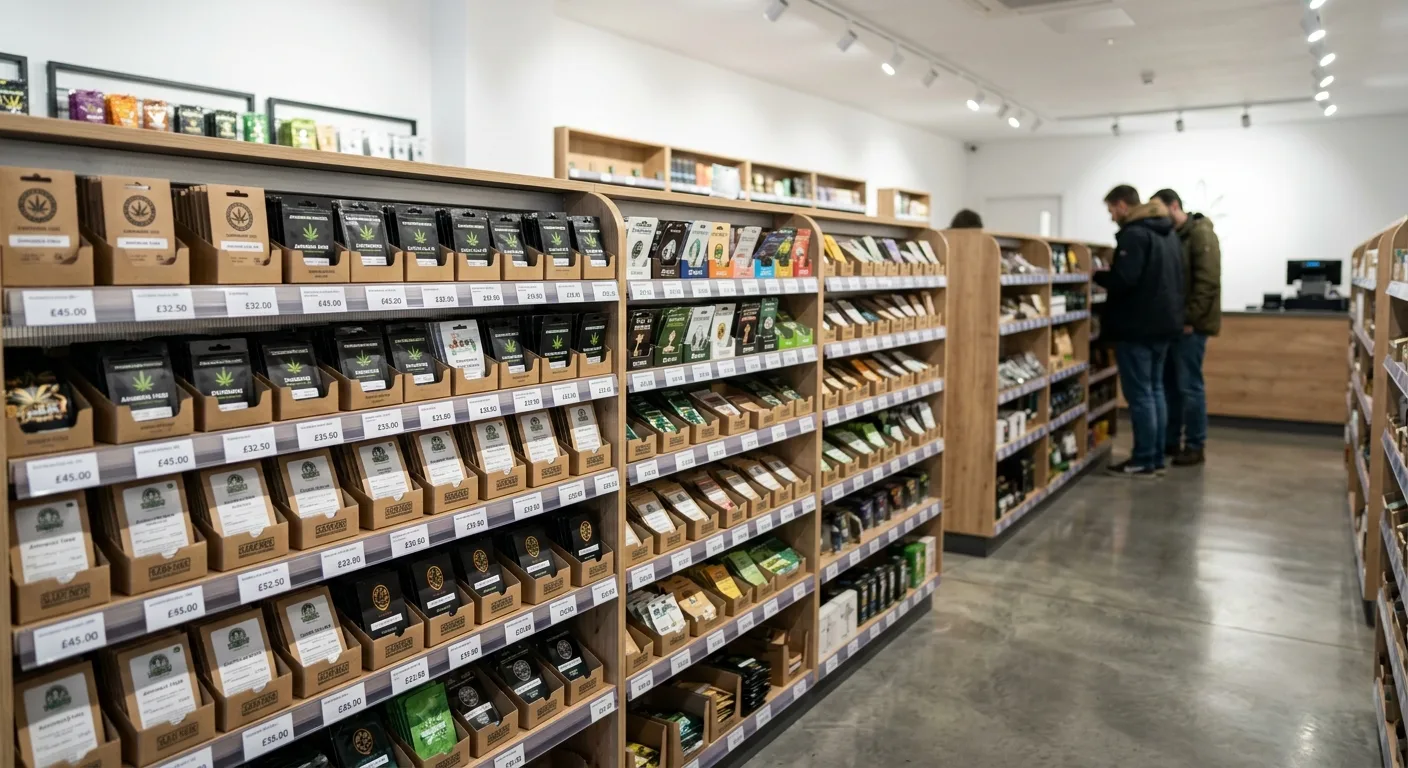
The United Kingdom sits in an unusual position: it is one of the few countries in the world where buying cannabis seeds is fully legal, but where germinating those same seeds remains a criminal offence under the Misuse of Drugs Act 1971.
Snapshot: Seeds legal to purchase and possess as collector's items. Germination is illegal and constitutes cultivation of a Class B controlled drug. Receiving seeds from abroad is generally legal. Growing is a criminal offence carrying up to 14 years imprisonment for production charges.
How UK Seed Law Works in Practice
UK seed retailers operate openly under the collector's item model, selling seeds in physical stores and online with the explicit caveat that seeds are sold for souvenir purposes only. This model has withstood legal scrutiny for decades. The logic accepted by UK courts is that an ungerminated seed is not itself a Class B drug, and selling it as a collectible does not constitute drug supply when accompanied by appropriate disclaimers.
Sensi Seeds — one of the world's most established cannabis genetics companies — has operated openly in the UK under this model for many years, as have numerous other retailers. Seeds can be advertised, displayed, and sold in high street shops without triggering prosecution, provided the seller does not explicitly encourage germination.
What Happens If UK Customs Intercepts Seeds from Abroad?
Since seeds are legal to possess in the UK as collector's items, receiving seeds via post from international seed banks is generally not a criminal matter. UK Border Force may occasionally inspect packages and may confiscate seeds if they are mislabelled or if the shipment raises other concerns, but a simple seed order from a Dutch or Canadian seed bank arriving in the UK is typically not treated as a drug importation offence.
UK Germination Warning: Despite seeds being legal to own, germinating even a single seed is the beginning of cannabis cultivation — a Class B offence in England, Wales, Scotland, and Northern Ireland. Police have discretion on prosecution, but a home grow can result in a criminal record, not just a caution.
Medical Cannabis in the UK
The UK legalised medical cannabis in November 2018, allowing specialist doctors to prescribe cannabis-based medicines. However, this does not create any home cultivation rights. Medical patients receive pharmaceutical-grade cannabis products — they cannot legally grow their own plants even with a prescription. This remains a point of significant frustration in the UK patient community.
Canada: Adult-Use Legal but Not a Free-for-All
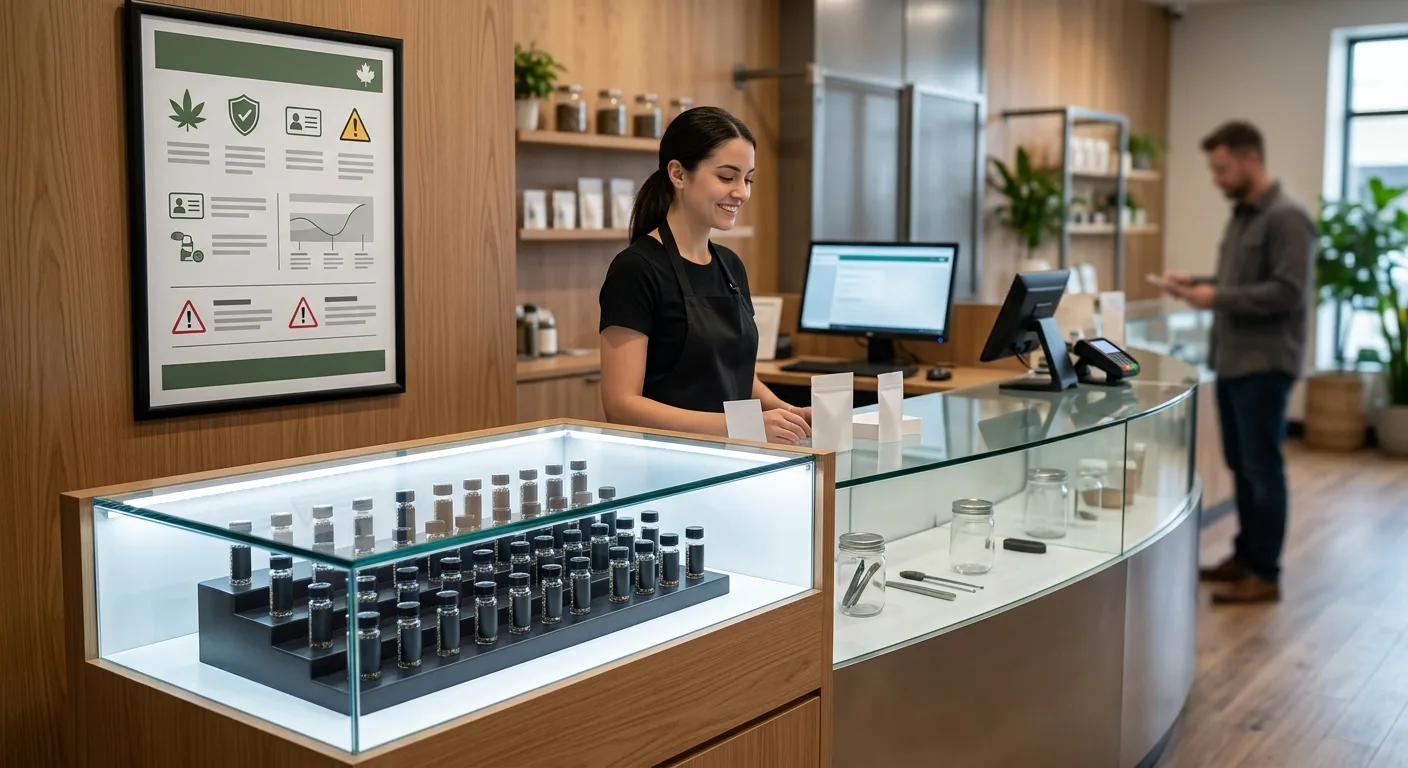
Canada legalised recreational cannabis nationally on October 17, 2018 under the Cannabis Act — making it one of only a handful of countries in the world with fully legalised adult-use cannabis at the federal level. However, 'legal' in Canada is more regulated than many people assume, and international seed importation remains a complicated area.
Snapshot: Adult-use cannabis legal federally. Seeds must be purchased from licensed producers or provincial retailers. Home growing allowed in most provinces (up to 4 plants per household). Importing seeds from foreign seed banks is technically illegal under federal law even though the product itself is legal domestically.
The Licensed Producer Requirement
Under the Cannabis Act, Canadians can legally purchase cannabis seeds, but only from federally licensed producers (LPs) or provincial/territorial retailers. This means buying seeds from a Dutch, Spanish, or British seed bank and having them shipped to Canada is technically a violation of federal law — even though cannabis itself is legal to purchase and grow.
The reasoning: Health Canada controls the entire cannabis supply chain for safety and traceability reasons. Seeds imported without a federal import permit bypass this framework. In practice, Canadian customs enforcement of personal-quantity seed imports has been inconsistent, but the legal risk is real and worth understanding.
Provincial Home Grow Variations
The federal Cannabis Act allows adults to grow up to 4 cannabis plants per household for personal use — but provinces and territories can modify this:
- Manitoba and Quebec: Home growing prohibited at the provincial level
- All other provinces: 4 plants per household permitted
- British Columbia, Alberta, Ontario: 4 plants, broadly enforced
- Nunavut, Northwest Territories, Yukon: 4 plants permitted federally; local bylaws may vary
Canada is the only G7 country with fully legalised recreational cannabis at the federal level. Despite this, buying seeds from foreign seed banks for home growing technically violates the licensing requirements of the Cannabis Act — a nuance many Canadian growers don't realise until seeds are seized at the border.
Germany: The 2024 Game-Changer and What's Coming in 2026
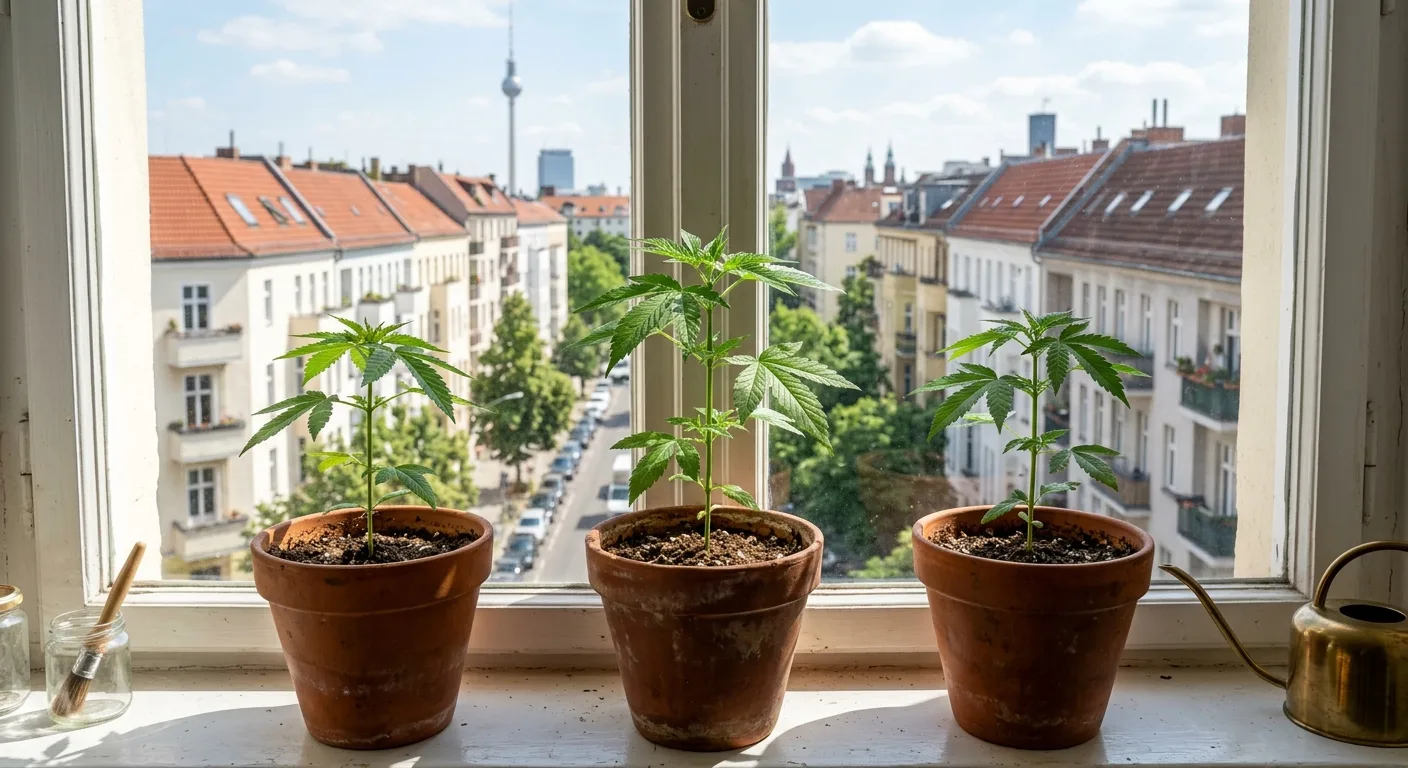
Germany's cannabis reform is the most significant policy shift in European drug law in a generation. In April 2024, Germany implemented a partial legalisation framework that fundamentally changed the rules for home growers — and the reforms aren't finished yet.
Snapshot: Adults 18+ may possess up to 25g in public and 50g at home. Home growing of up to 3 flowering plants legal for adults. Cannabis Social Clubs (CSCs) licensed for member cultivation. Commercial sales via licensed dispensaries ('cannabis stores') scheduled for pilot rollout from mid-2025 onward. 2026 expected to bring significant expansion.
The Cannabis Act (CanG) — What Changed in April 2024
Germany's Cannabisgesetz (CanG) entered force on April 1, 2024. This was the most watched cannabis reform in Europe's history, and it delivered meaningful change in several areas that directly affect seed buyers:
- Adults 18+ can legally grow up to 3 flowering cannabis plants at home for personal use
- Possession of up to 25g in public spaces is decriminalised
- Possession of up to 50g at home is permitted
- Cannabis Social Clubs (non-commercial, member-only cultivation associations) can apply for licences
- Gifting up to 25g between adults is permitted
For the first time, German adults have a legal right to grow cannabis at home. The question of seed acquisition, however, remains complicated: there is no fully licensed retail seed market yet, meaning most home growers are sourcing seeds from grey-market channels while the commercial framework catches up.
What the 2026 Update Means for Seed Buyers
Germany's reform was explicitly described as a two-stage process. Pillar Two — the introduction of licensed commercial cannabis stores — is expected to launch in pilot regions from 2025 onward, with national rollout anticipated by 2026. When this framework is fully operational, Germans should be able to purchase seeds legally from licensed domestic retailers in a way that parallel's Canada's LP system.
Germany's home grow allowance of 3 plants is already in force. If you're a German adult interested in home cultivation, feminised autoflowering seeds are ideal for small-scale personal grows because they flower on a fixed schedule regardless of light cycle and are easier to manage in limited indoor spaces. Our yield estimator tool can help you plan expected output from 3 plants.
Importing Seeds into Germany Post-CanG
Home growing is legal, but the CanG does not explicitly create a legal pathway for importing seeds from foreign seed banks. German customs currently operates in a grey zone: small personal-quantity seed imports are frequently passing through without interception, but the legal framework for licensed seed sales is still being built. The safest approach for German growers in 2025–2026 is to source seeds through emerging licensed domestic channels as they come online.
Spain: Social Clubs, Seed Sales, and a Complicated Grey Zone
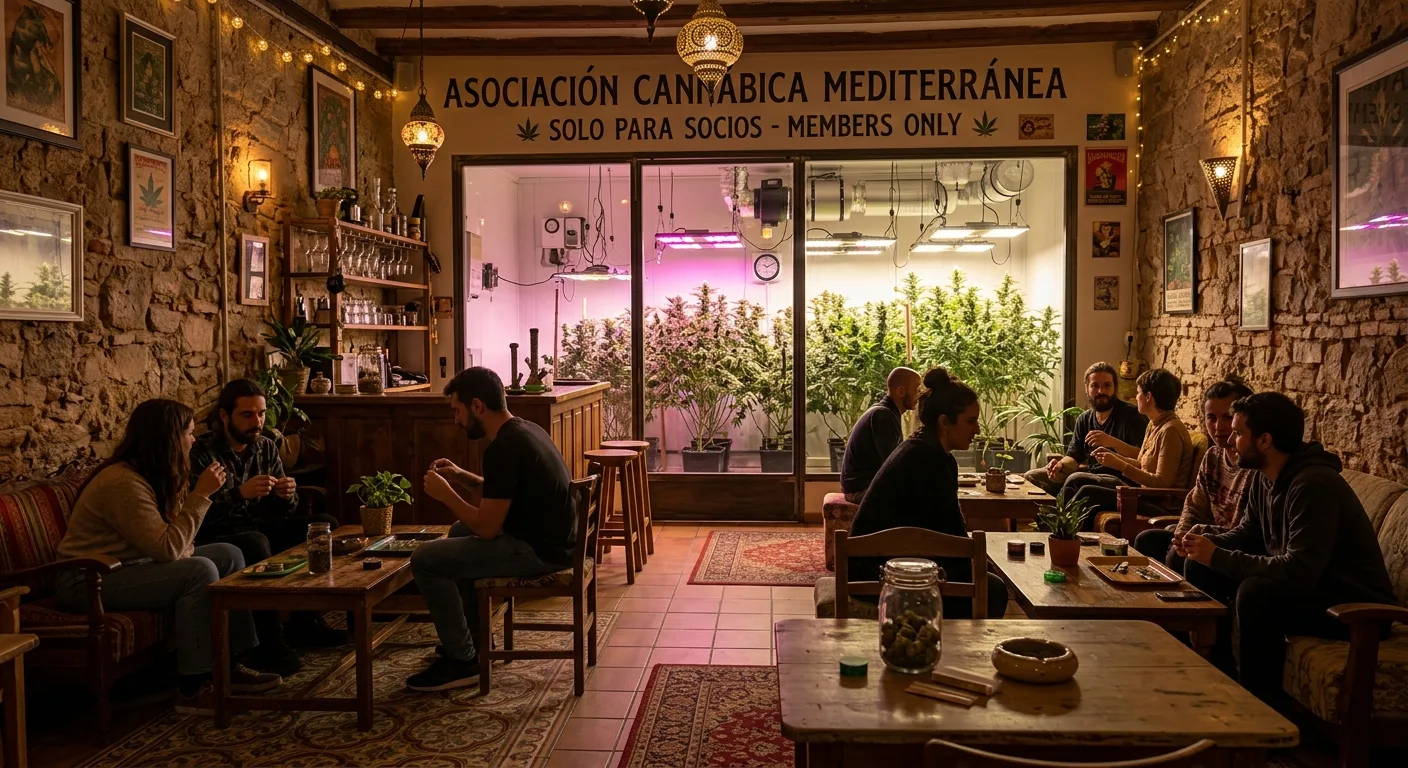
Spain operates a uniquely decentralised cannabis framework built around Cannabis Social Clubs (CSCs) — member associations that cultivate and distribute cannabis collectively among members. Spain has no national legalisation, but its enforcement model and regional autonomy have created conditions where seed sales and cultivation operate more openly than in most of Europe.
Snapshot: No national legalisation. Cannabis Social Clubs operate in a legal grey zone — technically illegal but widely tolerated in Catalonia and the Basque Country. Seed sales are broadly legal for non-germination purposes. Home growing for personal use exists in a grey area interpreted differently across regions.
Seed Sales in Spain
Spain has an active and openly operating seed market. Grow shops selling cannabis seeds as collector's items or for non-germination purposes operate in every major Spanish city. Spanish seed banks export globally under the same collector's item model as their Dutch and British counterparts. Prosecutions of seed retailers are rare.
The regional dimension matters significantly here. Catalonia (Barcelona), the Basque Country, and other autonomous communities have their own regulatory approaches that are often more tolerant than Spanish federal law. Cannabis Social Club regulations in Catalonia have at various points provided the closest thing to a licensed framework for cannabis distribution in Europe, though court rulings have periodically disrupted this.
Importing Seeds into Spain
Receiving seeds from foreign seed banks by post to Spain is broadly tolerated. Spanish customs interception of small personal seed orders is uncommon. However, this is an enforcement reality, not a legal permission — Spanish law does not specifically authorise seed importation for personal cultivation purposes. The legal risk remains, even if practical enforcement is minimal.
Australia: Medical Progress, Recreational Barriers, and Seed Restrictions
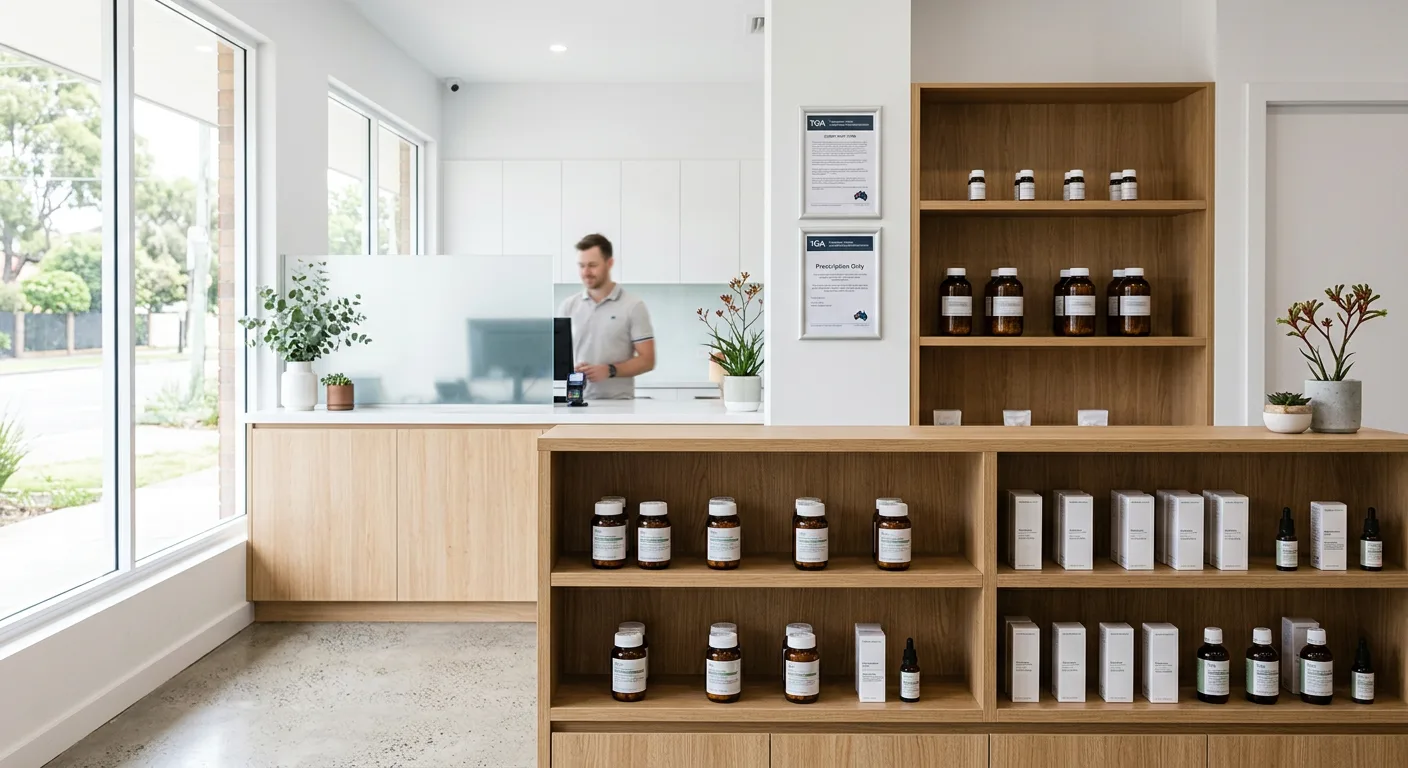
Australia presents a study in contrasts: a sophisticated and rapidly growing medical cannabis industry coexisting with a recreational framework that remains largely illegal and a home cultivation prohibition in most states that defies comparison with other developed nations.
Snapshot: Medical cannabis fully legalised federally since 2016 with a growing patient base exceeding 300,000. Recreational cannabis illegal federally and in most states. Home growing illegal in all states except the ACT. Seed importation for personal use is illegal and carries real enforcement risk.
The ACT Exception
Australia's Capital Territory (ACT — Canberra) decriminalised cannabis possession and personal cultivation in January 2020, allowing adults to possess up to 50g and grow 2 plants per person (4 per household). However, this exists in a legal paradox: ACT law decriminalised personal use, but supplying seeds remains a federal offence. ACT adults can theoretically grow plants but have no legal way to obtain seeds. This contradiction has never been resolved by federal or ACT legislation.
Seed Importation Risk in Australia
Australia has strict biosecurity laws layered on top of drug laws, making seed importation particularly risky. The Australian Border Force and the Department of Agriculture both have jurisdiction over plant material entering the country. Cannabis seeds arriving by international post are subject to both drug interception and biosecurity seizure. While small personal quantities may result in seizure without prosecution in some circumstances, Australia's enforcement posture is significantly stricter than the UK or Netherlands.
Australia Import Warning: Importing cannabis seeds into Australia without specific federal permits is a serious offence under both the Criminal Code Act and the Biosecurity Act 2015. Unlike the UK, where seed possession is legal, Australian law makes importation a criminal matter. Exercise extreme caution.
Australia's Medical Cannabis Sector
Australia's Therapeutic Goods Administration (TGA) legalised medical cannabis in 2016, and the sector has expanded rapidly. By 2024, over 340,000 patients had received medical cannabis approvals. Domestic licensed cultivation and seed use exists within this framework, but it is entirely separate from any consumer seed market and irrelevant to recreational home growers.
Countries Where Seed Import Carries Real Criminal Risk
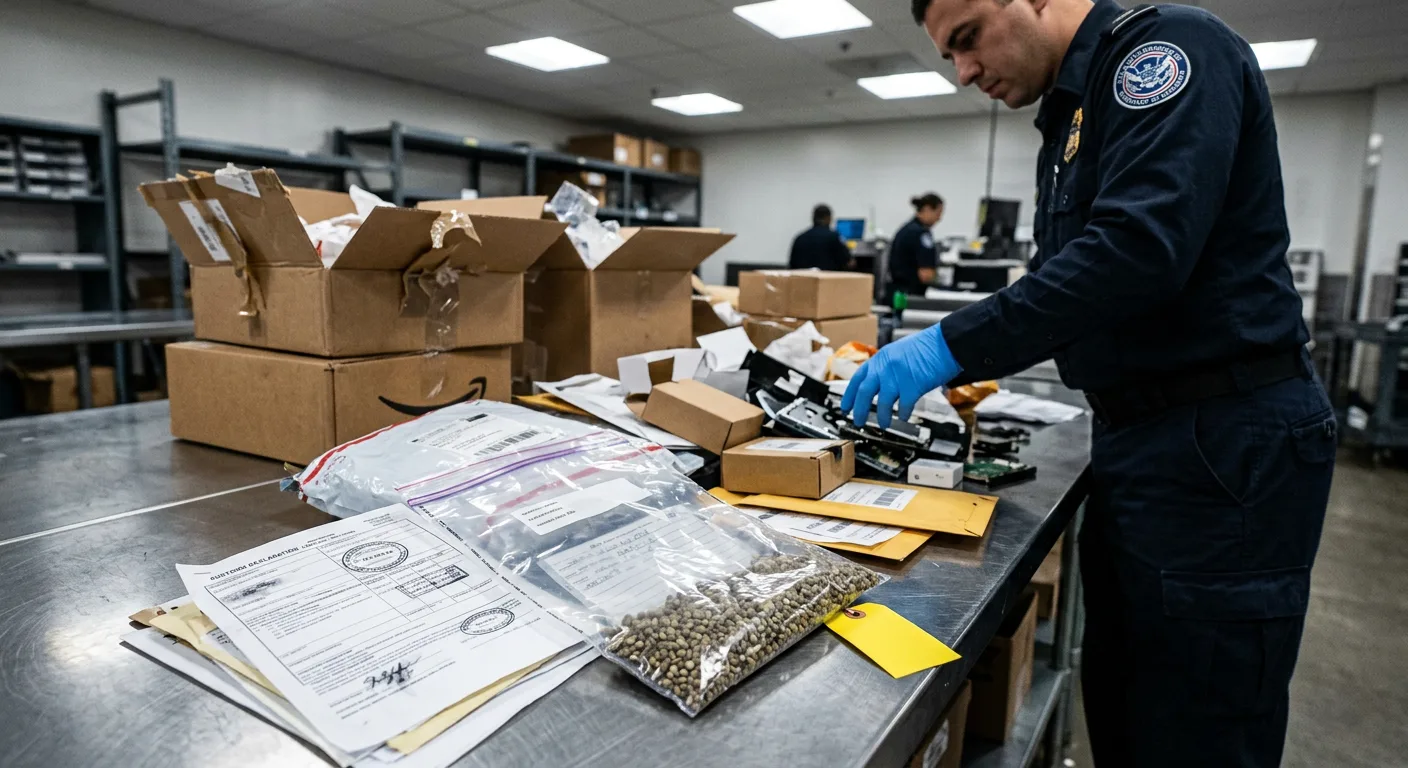
While many countries treat small seed imports as a minor customs matter, a significant number of jurisdictions maintain strict drug laws that treat cannabis seeds identically to any other cannabis product — as a criminal substance. Importing seeds to these countries carries risks that range from serious fines to multi-year prison sentences.
In these countries, buying, receiving, possessing, or germinating cannabis seeds can result in criminal prosecution, imprisonment, and in the most extreme cases, capital punishment. These are not theoretical risks — they are actively enforced.
High-Risk Jurisdictions
- Japan: Cannabis Law prohibits possession, use, and cultivation. Seeds intercepted at customs can trigger a full criminal investigation. Foreign nationals have been arrested and deported. Penalties include up to 7 years imprisonment.
- Singapore: Among the world's strictest drug enforcement regimes. Trafficking (which can include importation) of any cannabis quantity carries the death penalty above threshold amounts. Personal possession: up to 10 years and caning.
- United Arab Emirates: Zero-tolerance policy. Cannabis seeds detected at Dubai, Abu Dhabi, or Sharjah airports or in postal shipments can result in arrest, prosecution, and imprisonment regardless of the sending country's laws.
- Indonesia, Malaysia, Philippines: All maintain extremely harsh cannabis laws with mandatory prison terms and, in some cases, capital sentences for trafficking.
- China: Importation of cannabis seeds is a criminal matter. Enforcement is active and penalties can be severe, particularly for any commercial-scale seizure.
- Russia: Cannabis possession is illegal and enforcement is active. Seed importation falls under drug trafficking statutes.
- Most of Africa and the Middle East: With exceptions like South Africa (decriminalised personal use) and a few North African countries with complex traditional-use histories, importing cannabis seeds across this region carries serious legal risk.
The collector's item legal model that protects seed sellers in the Netherlands and UK provides zero protection in high-risk jurisdictions. Singapore, Japan, the UAE, and Indonesia do not recognise souvenir seed exemptions. In these countries, a seed is a controlled substance, full stop.
International Cannabis Seed Laws at a Glance: Comparison Table
This table summarises the legal position in the key countries covered in this guide. Note that laws change frequently — always verify current status before making purchasing decisions.
Legal landscape current as of mid-2025. Laws may have changed — verify independently before any purchase or importation.
| Country | Buy Seeds Locally? | Receive from Abroad? | Legal to Germinate? | Home Grow Allowed? | Consequence Risk |
|---|---|---|---|---|---|
| Netherlands | Yes (tolerated) | Yes (exporter) | Technically no; tolerated | Technically no; decriminalised small amounts | Low (policy tolerance) |
| United Kingdom | Yes (collector's item) | Yes (generally) | No — Class B offence | No | Low–Medium (discretionary) |
| Canada | Yes (licensed sources) | Technically illegal | Yes (where home grow legal) | Yes — 4 plants (except MB, QC) | Low–Medium (border seizure risk) |
| Germany | Grey zone (reforming) | Grey zone | Yes — personal use | Yes — 3 plants for adults 18+ | Low–Medium (evolving) |
| Spain | Yes (collector's item) | Yes (generally tolerated) | Grey zone (CSC model) | Grey zone (regional variation) | Low (inconsistent enforcement) |
| Australia (most states) | No | No — criminal risk | No | No (except ACT, paradox applies) | High (biosecurity + drug laws) |
| USA (varies by state) | Varies widely | Legal grey zone | Legal in rec states only | Legal in some states only | Low–High (state dependent) |
| Japan | No | No — criminal risk | No | No | Very High |
| Singapore | No | No — extreme risk | No | No | Extreme (death penalty possible) |
| UAE | No | No — criminal risk | No | No | Very High (imprisonment) |
| South Africa | Decriminalised | Grey zone | Yes (personal, private) | Yes — private personal use | Low–Medium |
| Switzerland | CBD seeds: Yes; THC: No | CBD only legally | CBD strains only | CBD strains only | Medium (THC over 1% illegal) |
What Happens at Customs? The Practical Reality of International Seed Shipping
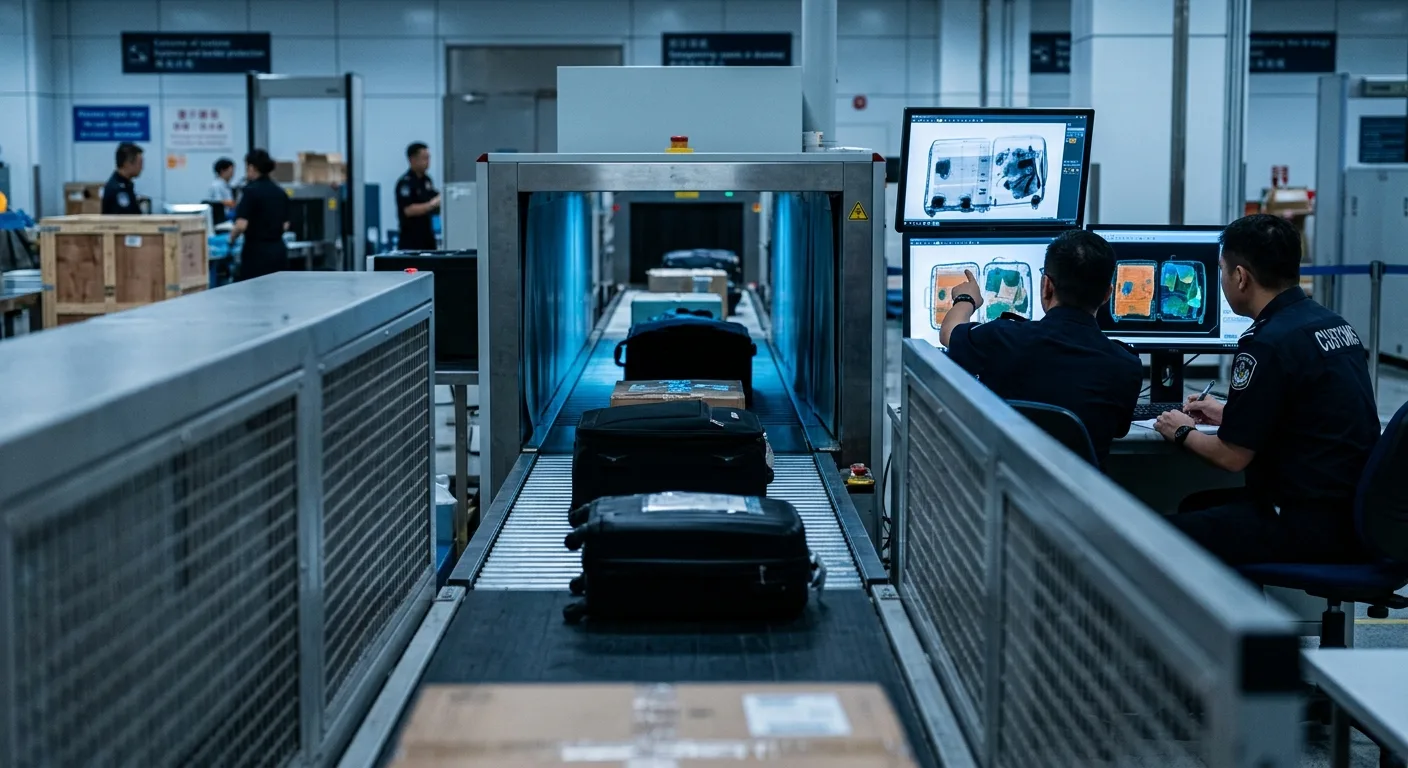
Understanding the legal framework is one thing. Understanding what actually happens when seeds move across borders is another — and the two don't always align. Here's what the practical landscape looks like for international seed shipments based on what growers, legal observers, and industry insiders have documented over decades of international commerce.
Customs interception rates, consequences, and processes vary significantly by destination country, shipping volume, packaging method, and the current political priorities of border enforcement agencies. No outcome can be guaranteed.
The Most Common Outcomes When Seeds Are Found
For the majority of seed shipments intercepted at customs in low-to-medium-risk countries, the outcome follows a predictable pattern:
- Seeds are removed from the package
- Package is re-sealed and delivered with a customs examination notice
- A separate letter may arrive explaining the seizure
- No prosecution initiated for small personal quantities
- Buyer receives no follow-up beyond the seizure notice
- Seeds are destroyed by customs
This 'confiscate and release' approach is common in the UK, most EU countries, and many US states. Customs agencies generally reserve criminal prosecution resources for commercial-scale importations rather than personal hobby orders.
When Things Escalate
Outcomes can be significantly worse in the following circumstances:
- Large quantities suggest commercial intent rather than personal use
- Seeds are combined with other controlled substances in the same shipment
- The recipient has a prior record for drug-related offences
- The destination country is a high-risk jurisdiction (Japan, Singapore, UAE, Indonesia)
- The shipment triggers a wider investigation through intelligence-led targeting
In countries where receiving seeds is a grey area, the quantity ordered matters as much as the act of ordering. A single 10-seed pack reads very differently to law enforcement than a multi-variety bulk order. Personal-scale quantities are almost universally treated more leniently than commercial-scale shipments in countries with any discretionary enforcement posture.
Why Discreet Shipping Doesn't Equal Legal Protection
Established international seed banks have refined discreet shipping practices over decades — crush-proof packaging, unmarked envelopes, and careful labelling conventions. These practices reduce the probability of package inspection and seed detection, but they do not change the legal status of what's inside. If seeds are found, the packaging method is irrelevant to legal consequences. Discreet shipping is a practical service, not a legal shield.
How This Affects US Buyers and the Case for Understanding International Law
American readers making up a significant portion of international seed bank customers have their own specific reasons to understand international cannabis seed law. Seeds sold to US customers by Dutch and British seed banks operate under the exporting country's legal framework — which affects everything from the genetics available, to the legal fiction under which they're sold, to what happens if a shipment is flagged.
The US-specific picture is complex in its own right — see our full guide to cannabis seed legality in the US and our analysis of the DEA Section 781 ruling and its implications for seed buyers. But the international context matters: when you understand that your seeds come from a jurisdiction where they're sold as collector's items under a formal tolerance policy, you understand both the quality of the genetics available and the legal framework that governs how they reached you.
The genetics available from established European seed banks represent decades of careful breeding work developed under tolerance frameworks that allowed open commercial operation. This is why the Dutch and British seed industries produce some of the world's most refined cannabis genetics — legal breathing room translated directly into breeding innovation.
Quality Genetics from Internationally Developed Strains
Many of the world's most famous cannabis varieties were developed and stabilised in environments where seed banks could operate openly. Classics like Northern Lights x Big Bud, White Widow, and Super Skunk trace their lineages through decades of European breeding heritage. OG Kush genetics, while originally American, were refined and feminised through European seed bank infrastructure. This history of open commercial breeding is a direct product of the tolerance frameworks described in this guide.
Other internationally developed classics worth understanding genetically include Gorilla Glue (GG4), Wedding Cake, and Gelato — all developed in the US legal market, but now bred and distributed globally through the same international seed bank network. The cross-pollination of genetics between US, Dutch, Spanish, and Canadian breeding programmes has produced the extraordinary variety available to growers worldwide today.
For growers planning a home grow once legal in their jurisdiction, our grow planner tool helps map out your entire cycle from seed selection through harvest, while our yield estimator can give you realistic expectations based on your setup.
Practical Guidance for International Seed Buyers: A Step-by-Step Framework
With all this legal complexity mapped out, here is a practical decision framework for anyone considering purchasing seeds internationally. This is not legal advice — it is a structured approach to researching your own situation.
Identify Your Destination Country's Current Law
Look up your country's specific drug laws — not general summaries, but the actual legislation. Pay attention to whether seeds are explicitly classified as controlled substances or whether they exist in a grey area. Check for recent reforms: Germany, Thailand, Malta, Luxembourg, and several other countries have all made significant changes since 2022.
Distinguish Between Purchase, Receipt, Possession, and Germination
These are legally distinct acts in most jurisdictions. In the UK, purchase and possession are legal; germination is not. In Australia, all four are restricted. Understand precisely which act your intended behaviour involves and find the law governing that specific act.
Assess Enforcement Reality, Not Just Legal Text
Law on the books and enforcement in practice are often different, particularly for personal-quantity seed orders. Research documented enforcement actions in your country. Grower forums, legal blogs, and harm reduction organisations often have more current practical information than official government sources.
Understand the Exporting Country's Position
If you're buying from a Dutch or British seed bank, understand that they operate legally at their end under tolerance policies or collector's item frameworks. This does not create legal protection for you at your end — but it does mean you're buying from a sector with decades of established commercial operation and quality genetics.
Review the Seed Bank's Shipping Policy
Reputable international seed banks publish clear information about which countries they ship to and what their policies are regarding customs issues. Review this carefully before ordering. Our own shipping policy outlines current destination information and shipping options for international customers.
Strain Selection for Legal Growing Environments
For growers in jurisdictions where home cultivation is genuinely legal — Germany's 3-plant allowance, Canada's 4-plant rule, some US states — strain selection matters enormously for a successful personal grow. Here are some proven performers with clear legal growing applications:
- Amnesia Haze Autoflower (17% THC) — manageable size, rapid cycle, ideal for Germany's 3-plant limit
- Skywalker OG Autoflower (23% THC) — strong effects, compact growth, excellent for indoor personal grows
- Northern Lights x Amnesia Haze (24% THC) — combines legendary genetics, photoperiod for growers who want harvest control
- Blue Dream — a popular US-developed sativa-dominant hybrid, widely available through international seed channels, known for reliable yields and balanced effects
- White Widow (25% THC) — the quintessential Dutch classic, reliable genetics with proven performance across climates
- Zkittlez — developed in the US, now globally distributed, known for fruit-forward terpene profile and manageable plant height
- Super Lemon Haze (23% THC) — multiple award-winning Dutch genetics, excellent for both indoor and greenhouse cultivation
Before starting any grow, use our VPD calculator to dial in your environment, and check our complete indoor grow tent setup guide for a visual walkthrough of equipment selection and room preparation.
The Future of International Cannabis Seed Law: What to Watch Through 2026
The landscape of international cannabis seed laws is changing faster than at any point since the 1961 Single Convention on Narcotic Drugs first classified cannabis internationally. Several developments in 2025–2026 are worth tracking closely.
Legal reform is accelerating globally. The countries most likely to see significant changes that affect seed buyers over the next 12–24 months include Germany, the Netherlands, Thailand (which legalised then partially reversed), Luxembourg, Malta, New Zealand, and several US states.
Germany's Commercial Rollout (2025–2026)
Pillar Two of Germany's CanG — licensed commercial retail cannabis sales — is the most anticipated regulatory development in European cannabis history. When implemented at scale, Germany will become the first major EU economy with a fully licensed consumer cannabis market, including retail seed sales. This will create a template that other EU member states will study carefully, as cannabis reform spreads through the bloc.
The Netherlands' Regulated Supply Chain
The ECCC experiment, if successful, will end the long-standing paradox of the Netherlands — where consumption was tolerated but the supply chain remained technically illegal. A fully regulated Dutch market would have enormous implications for the global seed trade, potentially bringing seed sales into a licensed framework for the first time in the industry's history.
UN Convention Reform Pressure
Pressure on the 1961 Single Convention — the international treaty framework that underlies national cannabis prohibition in most countries — continues to build as major economies legalise at the domestic level. The rescheduling of cannabis by the UN Commission on Narcotic Drugs in 2020 (removing cannabis from Schedule IV) was a symbolic first step. Further treaty-level reforms are expected as the gap between international law and domestic reality grows wider.
The international seed trade has operated in legal grey zones for over 40 years by leveraging jurisdictional inconsistencies between exporting and importing countries. As more countries develop robust domestic regulatory frameworks — Germany, Canada, the Netherlands — this grey zone progressively shrinks. Future seed buyers will increasingly operate within clearly licensed frameworks rather than relying on tolerance policies and collector's item legal fictions. This transition is already underway.
For growers and seed buyers, the most important habit in this rapidly changing landscape is regular law checking. Our home grow vs commercial licence guide and our US seed legality guide are updated regularly to reflect current law. Bookmark them alongside this international guide and check back as reforms develop.
The future of cannabis genetics — from the heritage heirloom varieties painstakingly preserved by seed bank breeders to modern high-THC varieties like Quantum Kush at 30% THC — is moving toward a world of licensed legitimacy. Getting there requires understanding the patchwork of international laws that govern how seeds move around the world today.
Frequently Asked Questions: International Cannabis Seed Laws
Is it legal to buy cannabis seeds internationally?
It depends entirely on your country. The UK and Netherlands legally sell seeds as collector's items, making purchase legal but germination illegal. Canada allows licensed adult-use seed sales. Germany now permits adults to grow 3 plants. Most other countries treat seeds the same as cannabis — illegal to buy, possess, or germinate.
What happens if cannabis seeds are seized at customs?
In most low-risk countries (UK, Germany, most EU nations), customs will confiscate the seeds and may send a warning letter — no prosecution for small personal quantities. In high-risk countries like Japan, Singapore, or the UAE, seed seizure can trigger criminal investigation with serious consequences including imprisonment. Australia is stricter than many expect due to biosecurity laws layered on top of drug laws.
Is it legal to order seeds from Netherlands seed banks?
Ordering from Netherlands seed banks is generally tolerated on the seller's end under Dutch gedoogbeleid (tolerance) policy. Whether it is legal to receive them depends entirely on your destination country's laws. Dutch law offers no protection to buyers in high-risk jurisdictions. The Netherlands has decades of established seed export operations, but legality at your end is your responsibility to research.
What does 'collector's item' mean on cannabis seed packaging?
Selling seeds as 'collector's items' or 'souvenir seeds' is a legal workaround used in the Netherlands and UK. The seed is sold legally with the implied condition it will not be germinated. This model protects sellers in specific jurisdictions — it offers almost no legal protection to buyers who germinate seeds, regardless of packaging language. Germination remains illegal in most countries regardless of how seeds were purchased.
Can I legally grow cannabis from seeds in Germany in 2024?
Yes. Germany's Cannabis Act (CanG), effective April 1, 2024, allows adults 18+ to grow up to 3 flowering plants at home for personal use. The law is in force and actively applies to German adults. However, purchasing seeds from foreign seed banks is not explicitly authorised — Germany's licensed domestic seed supply chain is still developing. The grey market fills this gap while the commercial framework completes its rollout through 2025–2026.