Every week, thousands of first-time growers search some version of the same question: do I need a license to grow cannabis at home? The confusion is completely understandable. Cannabis licensing news is everywhere — dispensary permits, cultivation licenses, testing requirements — and it all sounds like it applies to everyone. It doesn't.
The cannabis home grow vs commercial license distinction is one of the most misunderstood areas of cannabis law. The short answer is: if you're growing a few plants at home for yourself in a legal state, you almost certainly don't need a license, a permit, or any government approval at all. The longer answer involves plant limits, gifting rules, residency requirements, and a few state-specific wrinkles worth knowing before you drop your first seed.
This guide cuts through all of it — clearly, state by state, with real numbers and real legal distinctions that the government websites bury in bureaucratic language.
The Core Legal Distinction: Personal Cultivation vs. Commercial Growing
Personal cultivation and commercial cultivation are governed by entirely separate bodies of law. Understanding this separation is the single most important thing you can take from this article.
Personal cultivation is covered under adult-use (recreational) or medical cannabis statutes that legalize possession and home growing for individual adults. No license required. No fee. No inspections. Just rules about how many plants, where they can be, and what you can do with the harvest.
Commercial cultivation is a licensed business activity regulated like any other industry — zoning laws, environmental compliance, security requirements, track-and-trace systems, and annual fees that can run from $5,000 to $100,000+ depending on the state and canopy size.
Commercial cannabis licenses regulate businesses that grow cannabis for sale. Home grow laws regulate individual adults growing for personal use. These are two completely different legal systems. One does not apply to the other.
Why the Confusion Exists
Both commercial growers and home growers are growing cannabis — the plant is the same. But the intent, scale, and legal framework are completely different. When California's Department of Cannabis Control publishes a 40-page guide to cultivation licenses with canopy measurements, pesticide rules, and electricity reporting requirements, it is talking exclusively to businesses.
That document has zero relevance to someone with four plants in a spare bedroom. The problem is that first-time growers find those pages in search results and assume the rules apply to them. They don't.
The Two Legal Thresholds That Matter
Every state that has legalized home cultivation draws a bright legal line around two things:
- Plant count: The number of plants you're allowed to grow (typically 3–6 mature plants per person or per household)
- Commercial activity: Any sale, trade, or compensated transfer of cannabis triggers commercial law regardless of how many plants you have
Stay within your state's plant limit, grow for yourself, and you're operating entirely within the personal cultivation framework — no license required, full stop.
What 'Plant Limits' Actually Mean Under the Law
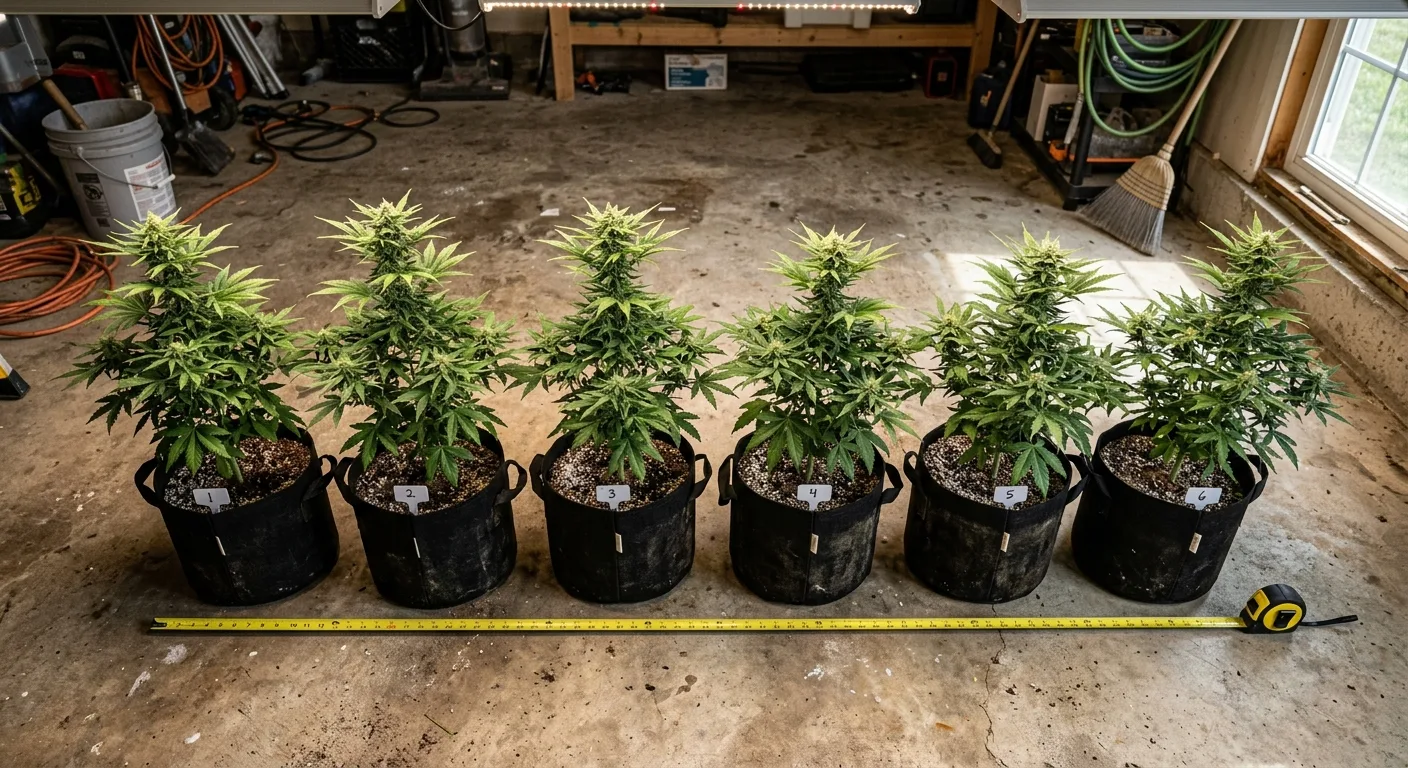
Plant limits in home grow laws refer to the number of living cannabis plants you may cultivate at any one time for personal use. In most recreational states, the limit is 3–6 mature (flowering) plants per person, with some states setting a household cap regardless of how many adults live there.
Per-Person vs. Per-Household Limits
This distinction matters more than most guides acknowledge. Some states allow each adult resident to grow their limit independently — meaning two adults in the same house could legally grow double the individual limit. Other states cap the total per household, regardless of occupancy.
| Limit Type | Example States | Practical Effect (2 Adults) |
|---|---|---|
| Per-person | California, Colorado, Nevada | Up to 12 plants total (6 each) |
| Per-household | Oregon, Alaska, Maine | Same limit applies regardless of occupants |
| Mixed (per-person with household cap) | Michigan, Illinois | Individual limit applies, capped at household maximum |
Mature vs. Immature Plants
Many states distinguish between mature (flowering) plants and immature (seedling/vegetative) plants. California, for example, allows 6 mature and an unlimited number of immature plants per person. Colorado allows 3 mature and 3 immature plants per person. Check whether your state's limit applies to all plants or only to mature/flowering ones — it significantly affects what you can legally keep going at any time.
If your state allows both mature and immature plants, you can run a perpetual harvest by keeping clones or seedlings going while your mature plants finish flowering — all within the legal framework. Use our free grow planner to map out your plant cycle and stay within your state's limits.
Where Plants Must Be Located
Most states require that home grows be:
- Enclosed (indoor or in a locked outdoor space)
- Not visible from a public place or right of way
- Inaccessible to minors
- On property you own or have the legal right to use
- Not located in a vehicle or on federal property
State-by-State: Home Grow Legal Status, Plant Limits & Registration Requirements
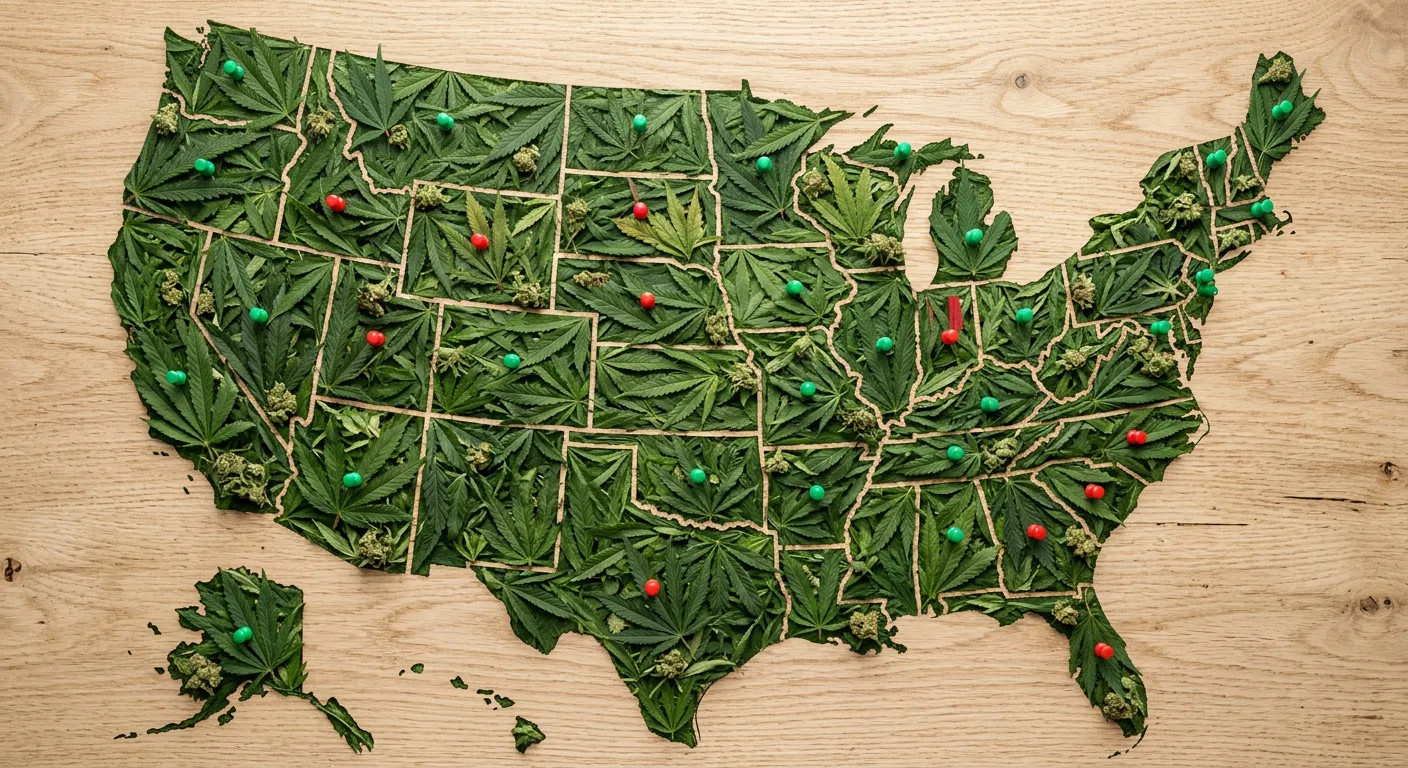
The table below covers all recreational-legal states and their personal cultivation rules as of 2025–2026. Most states require nothing beyond following the rules — no paperwork, no registration, no license.
| State | Home Grow Legal? | Plant Limit (Adult-Use) | Registration Required? | Notes |
|---|---|---|---|---|
| Alaska | ✅ Yes | 6 plants (3 mature) per household | No | Must be out of public view |
| Arizona | ✅ Yes | 6 plants per person (12 max per household) | No | Enclosed, locked space required |
| California | ✅ Yes | 6 mature plants per person | No | Local jurisdictions may ban outdoor grows |
| Colorado | ✅ Yes | 6 plants (3 mature) per person | No | Max 12 per household regardless of occupants |
| Connecticut | ✅ Yes (from July 2023) | 3 mature, 3 immature per person; 6 mature, 6 immature per household | No | Must be 21+; plants locked and secured |
| Delaware | ✅ Yes | 3 mature, 3 immature per person | No | Residential address only |
| Illinois | ✅ Yes | 5 plants per household | No | Must not be visible from public area |
| Maine | ✅ Yes | 3 mature, 12 immature, unlimited seedlings per household | No | One of the most permissive home grow states |
| Maryland | ✅ Yes | 2 plants per person (4 per household) | No | Must be 21+; plants not publicly visible |
| Massachusetts | ✅ Yes | 6 plants per person (12 per household) | No | Enclosed, locked growing area required |
| Michigan | ✅ Yes | 12 plants per household | No | Must be in an enclosed, locked space |
| Minnesota | ✅ Yes (from 2023) | 8 plants (4 mature) per household | No | Must be out of public view; no sales |
| Missouri | ✅ Yes | 6 plants per person (12 per household if 2+ adults) | No | Locked, enclosed space |
| Montana | ✅ Yes | 2 mature, 2 immature, 4 seedlings per person | ⚠️ Yes — state registration required | Must register grow location with state |
| Nevada | ✅ Yes (if no dispensary within 25 miles) | 6 plants per person (12 per household) | No | Distance restriction is unique to Nevada |
| New Jersey | ❌ No | Not permitted for adult-use | N/A | Medical patients only, with registration |
| New Mexico | ✅ Yes | 6 mature, 12 immature plants per person | No | Household limit: 12 mature, 24 immature |
| New York | ✅ Yes | 3 mature, 3 immature per person (6 mature, 6 immature per household) | No | Outdoor grows must not be visible to the public |
| Ohio | ✅ Yes (from 2024) | 6 plants per person (12 per household) | No | New law; local restrictions may apply |
| Oregon | ✅ Yes | 4 plants per household | No | Per-household cap regardless of occupants |
| Rhode Island | ✅ Yes | 6 plants (3 mature) per person (24 max per household) | No | Generous household cap |
| Vermont | ✅ Yes | 6 plants (2 mature) per person; 4 mature per household | ⚠️ Voluntary registration available | Only state with voluntary registry program |
| Virginia | ✅ Yes | 4 plants per household | No | Must be tagged with grower's name and ID |
| Washington | ❌ No | Not permitted for adult-use | N/A | One of very few recreational states banning home grows |
| Washington DC | ✅ Yes | 6 plants per person (no household cap specified) | No | Gifting economy active due to no retail sales |
Nevada's Distance Rule: Nevada only allows home cultivation if there is no licensed dispensary within 25 miles of your residence. If a dispensary opens near you after you start growing, you may need to re-evaluate your legal status. This is the most unusual restriction in any recreational state.
When You Cross the Line: Personal Use vs. Distribution
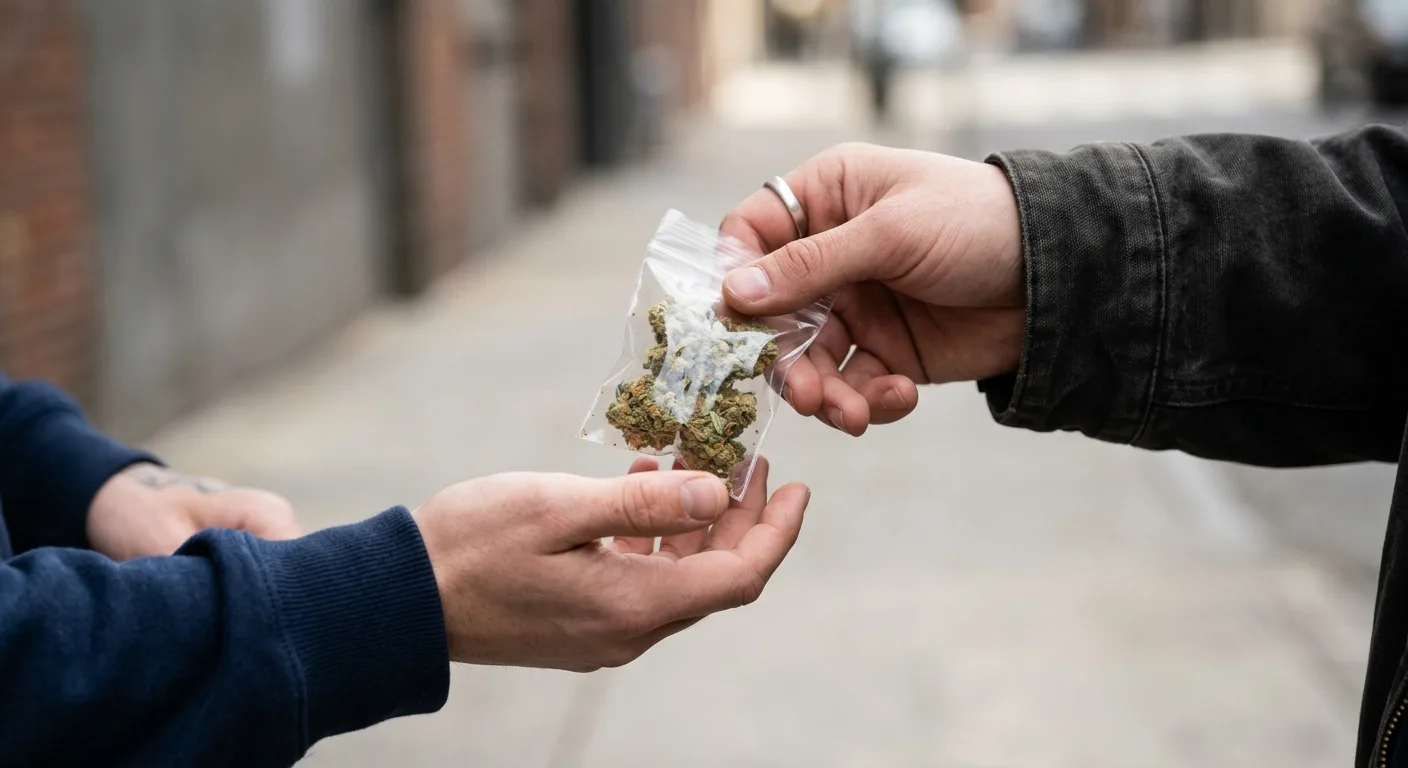
Home grow protections evaporate the moment cannabis changes hands for anything of value — money, goods, services, or favors. Every recreational state makes this crystal clear: growing for yourself is legal; selling what you grow is a serious crime.
But the line isn't always drawn at cash sales. Here's how courts and prosecutors interpret the distribution threshold:
What Counts as 'Distribution'
- Selling: Any exchange of cannabis for money, illegal in all states without a commercial license
- Bartering: Trading cannabis for other goods or services — treated as distribution in most states
- Compensated gifting: Giving cannabis 'free' but charging for something else (e.g., a $50 'consultation' that comes with a free eighth) — illegal in most states, the basis of DC's complex gifting economy
- Social sharing beyond possession limits: Passing a joint is not distribution; handing over an ounce to a friend may cross the line depending on the amount and state
The legal concept prosecutors use is 'constructive distribution' — the intent to transfer controlled substances, even without money. Growing more plants than your state limit allows is often treated as evidence of intent to distribute, even if no actual transfer occurred. This is why plant count compliance is taken seriously in enforcement.
The Surplus Problem
Here's a practical issue no guide talks about honestly: even legal home grows produce more cannabis than most individuals consume. A single healthy outdoor plant can yield 1–5 pounds. Six plants at that rate produces well beyond any personal use definition.
This doesn't automatically make you a criminal, but it does create risk. If law enforcement encounters your harvest, they'll weigh it against your state's personal possession limit (usually 1–2 oz carried in public; some states allow more stored at home) and your plant count.
Store your dried harvest at home, keep it within the home possession limits your state sets (many states allow larger quantities at home than you can carry in public), and don't advertise your surplus.
Growing compact, high-efficiency strains calibrated to your actual consumption needs is the smartest approach. Our yield estimator tool helps you calculate expected harvest weights per plant so you can dial in the right number of plants for your personal use without generating legally uncomfortable surplus.
The Gifting Economy: Is It Legal to Give Away Cannabis You Grew?
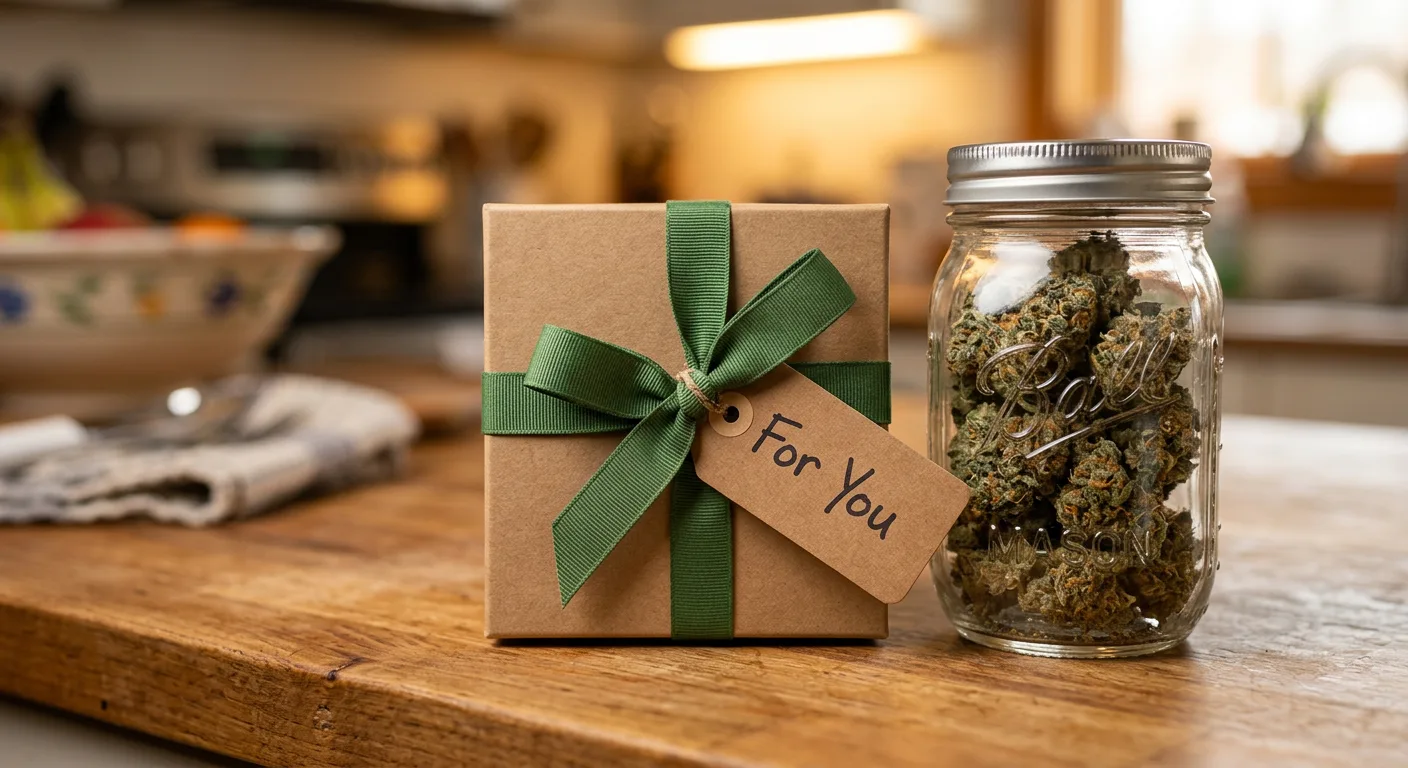
Gifting cannabis you grew at home is legal in most recreational states as long as no payment or compensation is involved, the recipient is 21 or older, and the amount stays within personal possession limits. This is one of the most searched questions on cannabis forums — and most existing guides give vague, unhelpful answers.
Here's the state-by-state reality:
Standard Gifting Rules (Most Recreational States)
In California, Colorado, Oregon, Massachusetts, Michigan, Illinois, and most other recreational states, you can give cannabis you've grown to another adult with no legal issue, provided:
- No money or goods are exchanged
- The recipient is 21 or older
- The amount given does not exceed the state's personal gifting/possession limit (usually 1 oz)
- The gift occurs in a private setting (not in public in some states)
- It's not a pattern that looks like unlicensed dealing
Washington DC: The Unique Gifting Economy
Washington DC legalized personal cultivation and gifting through Initiative 71 in 2014, but Congress has repeatedly blocked DC from establishing a regulated retail market. The result is a legal gray zone where gifting cannabis alongside a purchased product or service has become a widespread business model.
Vendors sell $60 t-shirts, $80 art prints, or $100 'consultations' — with a complimentary eighth of cannabis attached. DC law technically allows gifting up to 1 ounce of cannabis between adults 21+ with no money changing hands. The compensated gifting model tests this definition and remains under active legal scrutiny.
If you grow at home in DC, straight gifting (no attached purchase) is clearly legal. The commercial gifting workaround is the controversial territory — don't confuse the two.
States With Specific Gifting Restrictions
| State | Gifting Legal? | Max Gift Amount | Key Restriction |
|---|---|---|---|
| California | ✅ Yes | 1 oz | Cannot be advertised or part of a purchase |
| Colorado | ✅ Yes | 1 oz | Must be between adults 21+, no compensation |
| Virginia | ✅ Yes | 1 oz | Cannot be promotional or business-related |
| Washington DC | ✅ Yes (complex) | 1 oz | Pure gifting legal; compensated gifting in gray area |
| Washington State | ⚠️ Complicated | 1 oz between adults | Home cultivation illegal, so gifting home-grown cannabis is illegal |
| New Jersey | ⚠️ Limited | 1 oz | Home cultivation not permitted for adult-use; possession gifting only |
The golden rule for gifting homegrown cannabis: no money, no goods, no favors, no advertising, no pattern of repeated transfers to the same people. Do those five things and you're well within personal use territory in most recreational states.
States With Special Rules: Registration, Medical Cards & Residency Proof
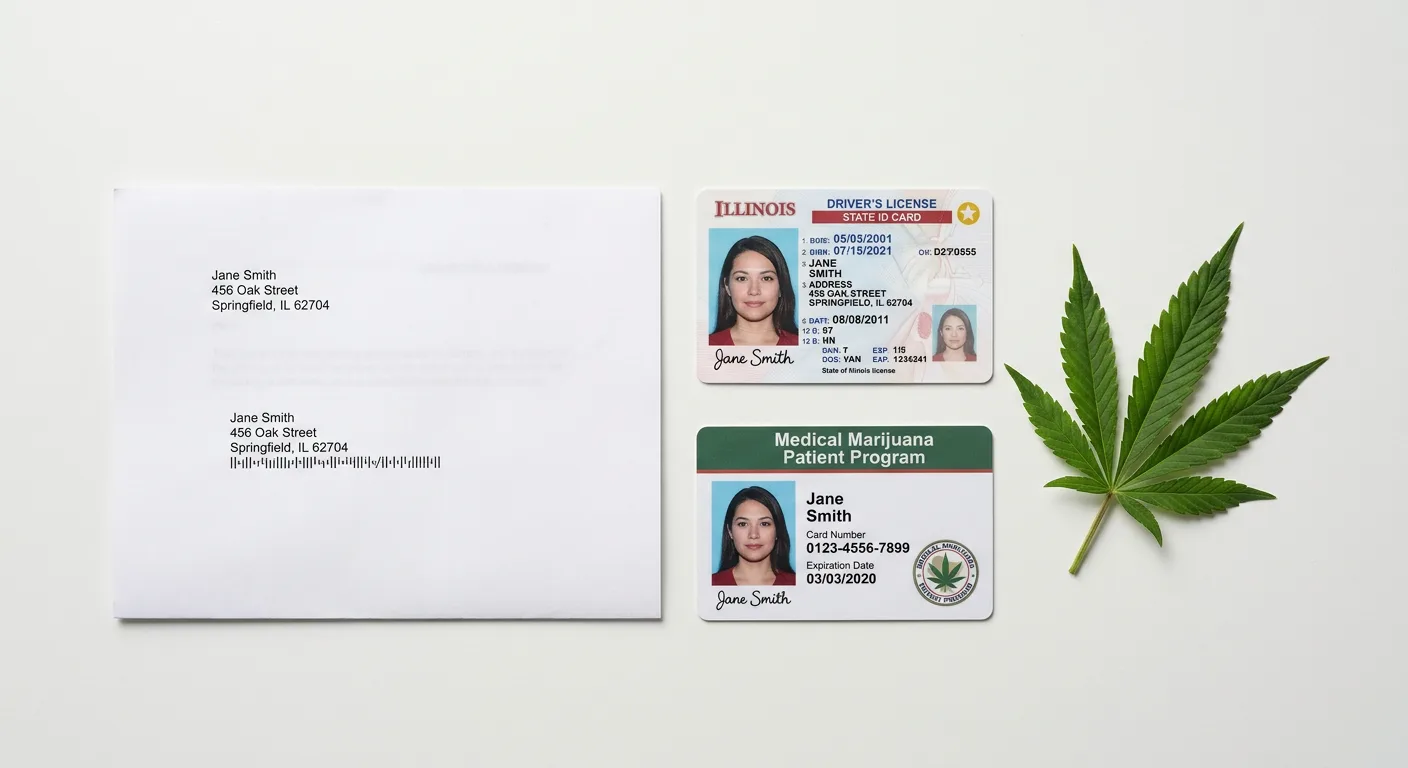
A small number of states impose documentation requirements on home growers. These are not licenses — but they're worth knowing about before you plant your first seed.
Montana: Mandatory Registration
Montana is the only recreational state that currently requires home growers to register their cultivation location with the state before growing. The process is free and straightforward — you're just notifying the state of your address and plant count — but failure to register means your plants are technically unlicensed even if you're within the legal limits.
Vermont: Voluntary Registration
Vermont introduced a voluntary home grower registry — the only one of its kind in the US. Registering provides no legal benefit beyond creating an official record of your grow. Some growers register as a precaution against law enforcement confusion. It's entirely optional and most Vermont growers skip it entirely.
Virginia: Plant Tagging Requirement
Virginia requires that each home-grown cannabis plant be tagged with the grower's name, driver's license or ID number, and a designation that the plant is for personal use. This is not registration — no form needs to be filed with the government — but if law enforcement finds your plants, the tags are your first line of legal protection.
Medical States: Home Grow With Patient Cards
In states where home cultivation is only permitted for medical patients (not adult-use), you typically need:
- A valid medical marijuana patient card issued by the state
- A physician recommendation on file
- Registration of your home grow site in some states
- Compliance with higher plant limits (medical home grows often allow more plants than adult-use)
States in this category include Florida, Hawaii, New Hampshire, and several others. Check your state's medical cannabis program for current specifics, as these rules change frequently.
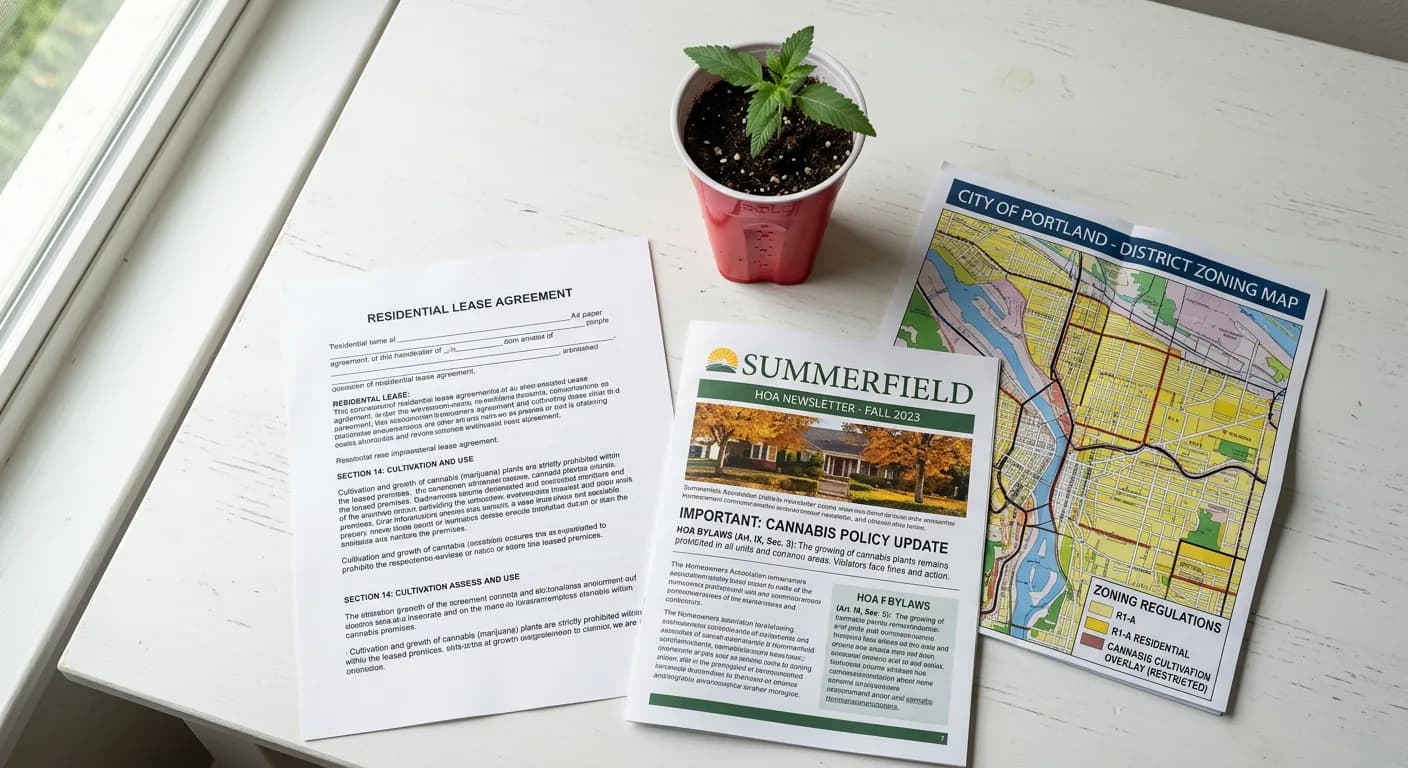
Rental Properties: Your landlord's rules exist independently of state law. Even in a fully recreational state with no registration requirement, your lease may prohibit cannabis cultivation. Growing in a rental without landlord permission creates civil liability — your landlord can evict you. Always check your lease before setting up a grow.
Home Grow vs. Commercial License: Side-by-Side Comparison
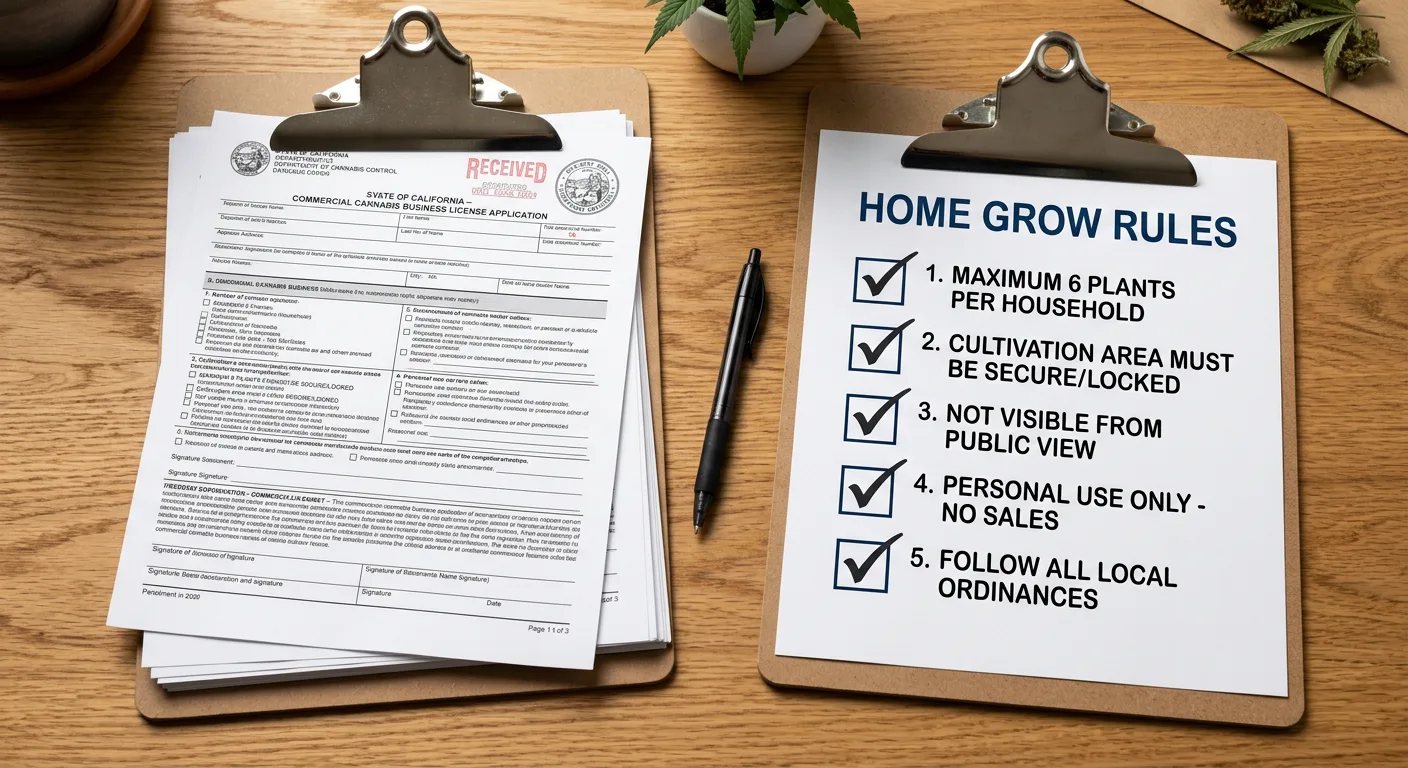
Here's the definitive comparison between what personal cultivation involves versus what a commercial cannabis cultivation license actually requires — so you can see exactly why these are different worlds.
| Factor | Home Grow (Personal Use) | Commercial Cultivation License |
|---|---|---|
| License Required | No — none in most states | Yes — state-issued, facility-specific |
| Application Cost | $0 | $5,000–$100,000+ |
| Plant Limit | 3–12 plants depending on state | Varies by license tier — from micro to large (100,000+ sq ft canopy) |
| Inspections | None | Pre-license, annual, and random inspections |
| Track-and-Trace | Not required | Mandatory (METRC or state equivalent) |
| Environmental Compliance | Not required | Water rights, electricity reporting, pesticide use logs |
| Security Requirements | Locked, enclosed space | Cameras, alarm systems, access logs, employee background checks |
| Canopy Measurement | Not applicable | Strictly defined and tiered by canopy size |
| Harvest Destination | Personal use and gifting only | Sale to licensed processors, distributors, retailers |
| Residency Requirement | Usually must be at your own residence | Business entity requirements vary; no residency mandate in most states |
| Can You Sell? | No | Yes — through licensed supply chain |
| Annual Renewal | Not applicable | Annual renewal with fees and compliance review |
| Legal Expertise Needed | Basic understanding of state law | Cannabis attorney, compliance officer typically required |
| Time to Start Growing | Immediately (after reading your state's rules) | 6–18 months from application to approval in most states |
Commercial cannabis licensing is a multi-year, multi-thousand-dollar business undertaking with ongoing regulatory compliance. Home growing is a personal right that requires nothing more than understanding your state's plant limit and staying on the right side of the personal-use line.
Choosing the Right Seeds for Your State's Plant Limit
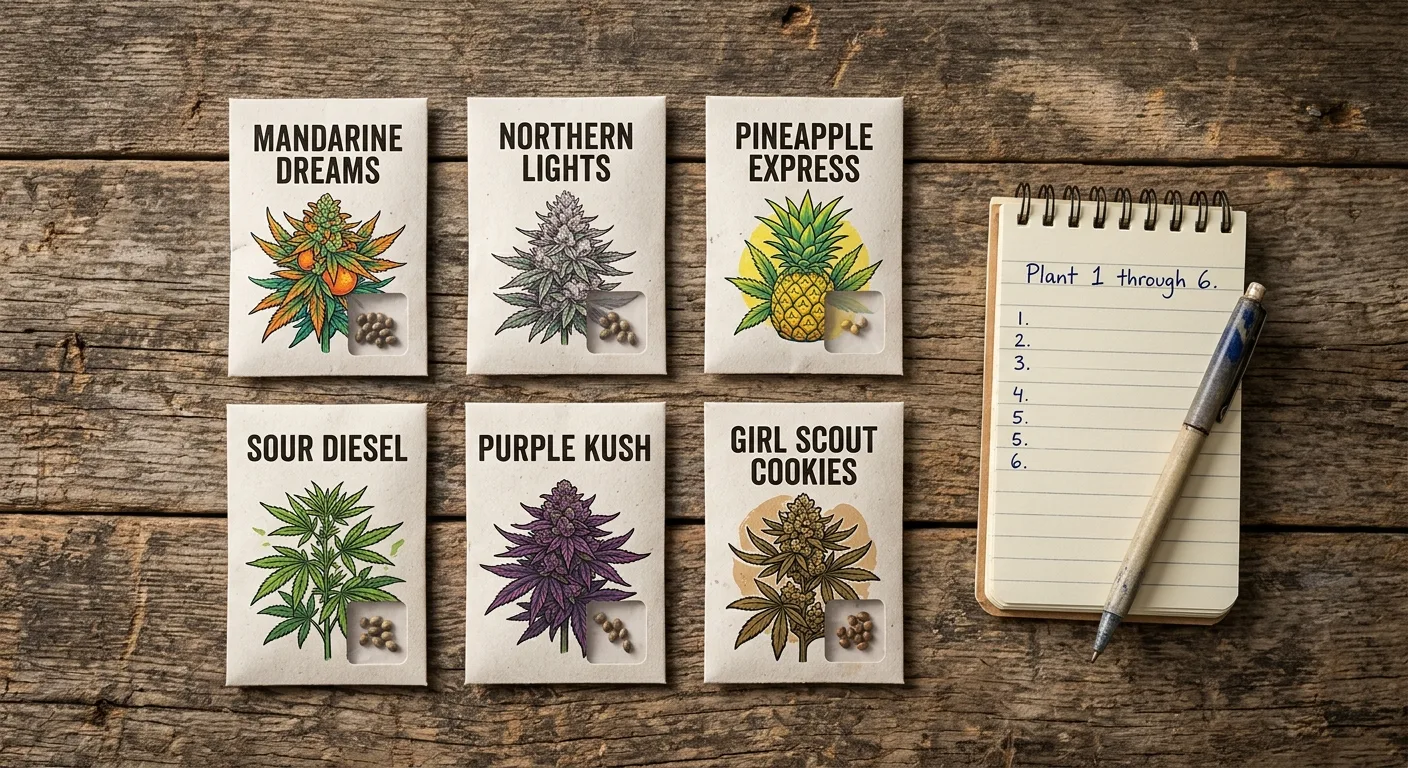
Since most states allow 3–6 mature plants, seed selection matters more than many beginners realize. With a limited plant count, you want strains that are reliable, efficient, and matched to your indoor or outdoor environment. You don't need a license to start — just the right seeds for your state's plant limit.
Maximizing Yield Within Plant Count Limits
If your state caps you at 6 plants, choosing high-yielding feminized strains means you get more from every plant without pushing your count. For a 4-plant state like Oregon or Virginia, this matters even more.
High-yield options well suited to home grows:
- Northern Lights x Big Bud (20% THC) — A classic yield-focused cross that consistently produces large, dense colas in compact spaces
- White Widow (25% THC) — Legendary reliability and strong yields; one of the most resilient plants a beginner can grow
- Gorilla Glue #4 — Industry-famous for enormous yields (not in our current catalog, but widely available); 26–28% THC, easy to grow
- OG Kush (26% THC) — Classic strain with strong personal-use appeal; manageable size for indoor grows
Autoflowers: Ideal for Plant-Count Efficiency
Autoflowering strains flower based on age rather than light cycle, which means you can run them year-round indoors without managing lighting schedules. In states with combined mature/immature limits, autos let you stagger harvests — one plant finishing while another is mid-veg — without violating your mature plant cap.
- Skywalker OG Autoflower (23% THC) — Heavy indica-leaning auto that finishes in 70–75 days from seed; excellent for year-round personal harvests
- Amnesia Haze Autoflower (17% THC) — Sativa-leaning option for those who prefer daytime effects; fast and forgiving
- Holy Grail Kush Autoflower (20% THC) — Balanced hybrid auto with great bag appeal and consistent performance in small spaces
- Wedding Cake Auto — One of the most popular autos not in our catalog; excellent resin production and a fast 70-day finish
Compact Strains for Visible-Plant Restrictions
If you're growing outdoors in a state that requires plants to be out of public view, or you're working with a small indoor space, shorter strains are a legal and practical asset:
- Purple Kush (27% THC) — Naturally compact indica that rarely exceeds 3–4 feet indoors; easy to keep discreet
- Northern Lights x Amnesia Haze (24% THC) — Blends the compact structure of NL with the potency of Amnesia Haze; manageable height indoors
- Zkittlez — Popular industry strain (not in our catalog) with naturally bushy, low-profile growth; great for outdoor grows that need to stay below fence lines
Not sure how much your plants will produce? Use our yield estimator before you grow. Plug in your strain, light setup, and training method to get a realistic harvest weight estimate — so you're not caught with a legally uncomfortable surplus at harvest time.
Seed Resources for Legal Home Growers
For a deeper dive on seed legality, buying regulations, and what you can legally receive in the mail, read our complete guide: Are Cannabis Seeds Legal in the US? Complete 2026 Guide. And if you're a first-time grower setting up your space, the Complete Indoor Grow Tent Setup Guide walks you through everything from lights to ventilation without requiring any licensing knowledge whatsoever — because you don't need any.
For beginners who want the easiest possible start within any plant limit, we strongly recommend reading Autoflower Seeds for Beginners — these strains are specifically designed for low-maintenance, high-success home growing.
Frequently Asked Questions
Do you need a license to grow cannabis at home?
In most recreational-legal states, no license is required to grow cannabis at home for personal use. You need to be 21 or older, live in a state that permits home cultivation, stay within the plant limit (usually 3–6 mature plants per person or household), keep plants secure and out of public view, and grow strictly for personal use. Montana is currently the only recreational state requiring registration of your home grow location. Vermont offers voluntary registration. No other recreational state requires any form of permit or license for personal cultivation.
What is the difference between a cannabis business license and a home grow?
A cannabis business license (commercial cultivation license) is a state-issued permit required to grow, process, or sell cannabis commercially. It involves application fees from $5,000 to $100,000+, facility inspections, security requirements, track-and-trace compliance, environmental reporting, and ongoing regulatory oversight. A personal home grow operates under a completely separate legal framework — no license, no fee, no inspections, and no compliance system. The only requirements are staying within your state's plant limit, keeping plants secured and out of public view, and never selling or commercially distributing what you grow.
Can I legally give away cannabis I grew at home?
In most recreational states, gifting a small amount of cannabis you grew at home is legal as long as no money or compensation changes hands, the recipient is 21 or older, and the amount stays within your state's personal possession limit (usually 1 oz). Washington DC has a unique gifting economy where cannabis accompanies purchased goods, but this model operates in legal gray territory. Washington State and New Jersey do not permit adult-use home cultivation at all, so gifting homegrown cannabis in those states is not possible under current law.
Can I sell cannabis I grow at home legally?
No — not in any US state. Selling cannabis you grow at home without a commercial cultivation and retail license is illegal everywhere in the United States, including fully recreational states. Home grow protections are explicitly limited to personal use. The moment you sell cannabis — regardless of quantity — you're operating as an unlicensed commercial distributor, which carries serious criminal penalties in every jurisdiction. To sell cannabis legally, you need a state-issued commercial cultivation license, a distribution license, and typically a retail license as well.
Which states do NOT allow home cannabis cultivation?
As of 2025–2026, Washington State and New Jersey do not permit adult-use home cultivation despite having legal recreational cannabis markets. Several other states only allow home growing for registered medical patients, including Florida and Hawaii. A handful of states have fully legal recreational sales but still ban home growing — often due to lobbying by commercial license holders who prefer customers buy from dispensaries rather than grow their own. Always verify your current state law before planting, as home grow rights continue to expand and are occasionally restricted by local ordinances even in permissive states.