A quiet letter from the Drug Enforcement Administration landed in 2024 and immediately rewrote the way lawyers, seed banks, and home growers think about cannabis seed legality. The DEA cannabis seeds legal ruling did not legalise cannabis. It did not overturn the Controlled Substances Act. What it did was carve out a specific, consequential space: cannabis seeds themselves — as genetic material, measured on their own merits — are not necessarily controlled substances under federal law.
That single phrase, 'not necessarily,' is doing an enormous amount of legal heavy lifting. Understanding exactly what it means — and more importantly, what it does not mean for the person ordering seeds online tonight — is the entire point of this guide.
We will break down the actual legal text, explain the mechanics of Section 781 in plain language, map your real-world risk state by state, and draw the sharp line between what the DEA confirmed and what it did not protect. This is the grower-perspective deep dive that most coverage has completely missed.
The headline answer: Under DEA Section 781 interpretation and the 2018 Farm Bill framework, cannabis seeds that test below 0.3% delta-9 THC on a dry weight basis meet the legal definition of hemp and are not controlled substances under the CSA — but your state law governs almost everything that happens next.
The DEA's Exact Language: What the 2024 Letter Actually Says
The DEA confirmation was not delivered as a press release or a regulatory update. It arrived in a letter responding to an inquiry about whether cannabis seeds, tissue cultures, and other genetic material fall under Schedule I of the Controlled Substances Act. The DEA's answer, summarised directly: because cannabis seeds contain negligible delta-9 THC concentrations — typically far below the 0.3% threshold — they meet the definition of hemp under the 2018 Agricultural Improvement Act (Farm Bill) and are therefore not controlled substances.
The DEA's specific logic runs like this:
- The 2018 Farm Bill redefined hemp as cannabis with a delta-9 THC concentration of 0.3% or less on a dry weight basis
- Cannabis seeds — whether sourced from hemp or marijuana plants — carry their own measurable THC content independent of the plant they will grow into
- Because seeds themselves test well below 0.3% THC, they satisfy the statutory definition of hemp
- Hemp is explicitly excluded from the CSA's Schedule I definition of marijuana
- Therefore, cannabis seeds are not necessarily controlled substances
Legal nuance worth noting: The DEA's language was 'not necessarily controlled' — not 'never controlled' and not 'always legal.' This deliberate phrasing leaves room for enforcement discretion and does not constitute a blanket legalisation of seed commerce. It is a federal administrative clarification, not an Act of Congress.
The ruling also extended this same logic to tissue cultures, cuttings, and other genetic plant material from cannabis — provided that material itself falls below the 0.3% THC line when tested on a dry weight basis.
Section 781 Decoded: Plain-Language Legal Mechanics
Here is where a lot of media coverage has created confusion worth correcting. Section 781 of the Controlled Substances Act — codified at 21 U.S.C. § 881 — is not the provision that defines what is or isn't a controlled substance. That is Section 812's schedules. Section 781 specifically governs the forfeiture of property used in or derived from drug offences.
So why does it keep appearing in coverage of this ruling? Because the DEA's interpretation letter was rooted in the question of whether seeds could be seized and forfeited as controlled substance property. The DEA's answer — that seeds are not necessarily controlled substances — directly affects whether forfeiture authority under Section 781 applies.
The Three-Part Legal Framework You Need to Understand
To follow the logic properly, you need to hold three separate legal instruments in your head simultaneously:
- The Controlled Substances Act (CSA), 1970: Schedules marijuana as a Schedule I substance, defining it as cannabis exceeding 0.3% THC (as amended). Hemp is specifically excluded.
- The 2018 Farm Bill (Agricultural Improvement Act): Establishes the 0.3% delta-9 THC threshold as the legal dividing line between hemp (legal) and marijuana (controlled). Delegates hemp oversight to the USDA.
- The DEA's 2024 Interpretive Letter: Applies both frameworks to cannabis seeds specifically, concluding that seed THC content — not the plant's future THC potential — governs classification.
The critical legal innovation here is that the DEA evaluated seeds on their current chemical composition, not their future potential. A seed from a 27% THC Purple Kush plant contains only trace THC itself. Under this ruling, that seed's legal status is determined by what is in it today — not what it might produce when grown.
What 'Not Necessarily Controlled' Actually Means in Practice
This phrase has a specific legal character. 'Not necessarily controlled' means: there is no blanket rule that makes cannabis seeds Schedule I controlled substances. It does not mean they are affirmatively legal in all contexts. It means the CSA's Schedule I prohibition does not automatically attach to a seed simply because it could grow into a marijuana plant.
Think of it as removing the presumption of guilt. Previously, many enforcement agencies treated any cannabis seed as contraband by association with marijuana. The DEA's clarification removes that automatic association at the federal level — but only at the federal level.
The 0.3% THC Threshold: The Number That Changes Everything
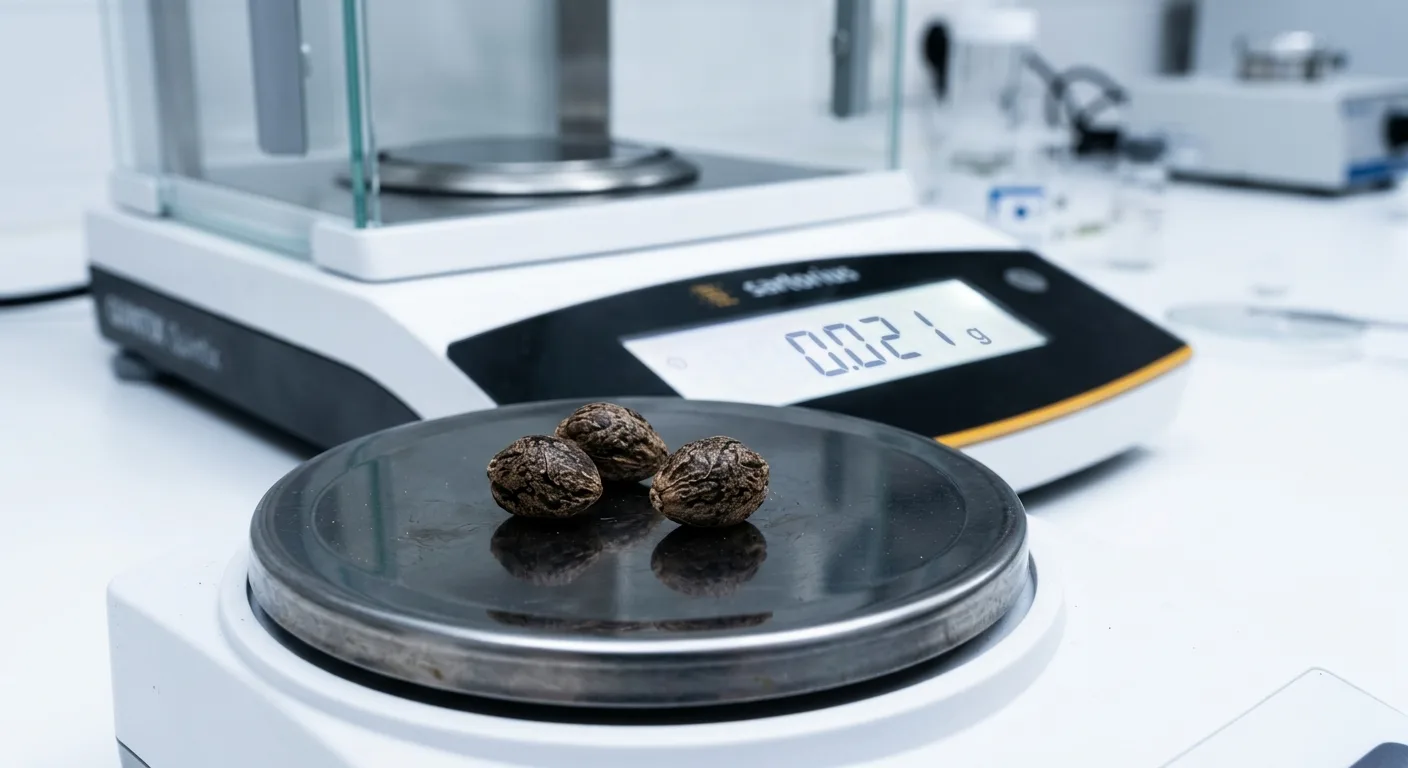
Every aspect of the DEA's cannabis seed ruling pivots on a single number: 0.3% delta-9 THC concentration on a dry weight basis. This threshold, first introduced in the 2014 Farm Bill pilot programme and cemented in the 2018 Farm Bill, is now the single most consequential number in cannabis law.
Here is why it matters so specifically for seeds:
- Tested cannabis seeds typically show delta-9 THC concentrations between 0.001% and 0.08% — many times below the 0.3% limit
- This applies uniformly whether the seed came from a hemp cultivar or a high-THC marijuana strain like OG Kush or Quantum Kush
- The seed's own chemical composition — not its parentage or genetic destiny — determines its classification
- Independent lab testing has consistently confirmed this for seeds from commercial cannabis strains across the THC spectrum
A seed from a 30% THC plant is not a 30% THC seed. The seed itself carries negligible THC. The DEA ruling formalises this chemical reality into legal doctrine — seed classification is based on seed composition, not plant potential.
Can Seeds Ever Exceed 0.3% THC?
In theory, yes — though it is extremely rare and would require unusual conditions like very poor seed cleaning or residual resin contamination. If a seed's surface were contaminated with hash or trichome material from the parent plant, a dry weight test could theoretically push above the threshold. In commercial seed production, proper washing and processing prevents this.
This edge case matters legally: the DEA's ruling is conditional, not absolute. A seed that actually tests above 0.3% delta-9 THC would not be protected by this interpretation. Standard commercial seed production practices make this scenario essentially hypothetical.
Federal vs. State: Why One Ruling Doesn't End the Story
This is the section most coverage glosses over — and the part that matters most for real people making real decisions about seed purchases and home cultivation. The DEA's ruling operates exclusively in federal legal space. The United States has a dual sovereignty system, which means states retain independent authority to regulate cannabis under their own laws, regardless of what the DEA says.
What the federal ruling actually does:
- Removes the federal CSA basis for prosecuting seed possession or sale in isolation
- Limits DEA forfeiture authority over seeds below 0.3% THC
- Provides a legal defence framework if seeds are intercepted by federal authorities
- Creates clearer legal ground for interstate seed commerce under hemp regulations
What the federal ruling does not do:
- Override state laws that classify cannabis seeds as controlled substances
- Protect buyers in states where seed possession is illegal
- Guarantee safe passage through state mail interception programmes
- Provide any protection once seeds are germinated in a non-legal cultivation state
- Create a right to import seeds from foreign countries under US customs law
Critical point: In states where cannabis remains fully illegal — including Idaho, Wyoming, Kansas, and South Carolina — state prosecutors can and do charge seed possession under state controlled substance law. The DEA federal ruling provides zero shield against state prosecution. Your risk is entirely governed by the state you are in, not federal administrative letters.
State-by-State Risk Table: Your Real Exposure in 2024
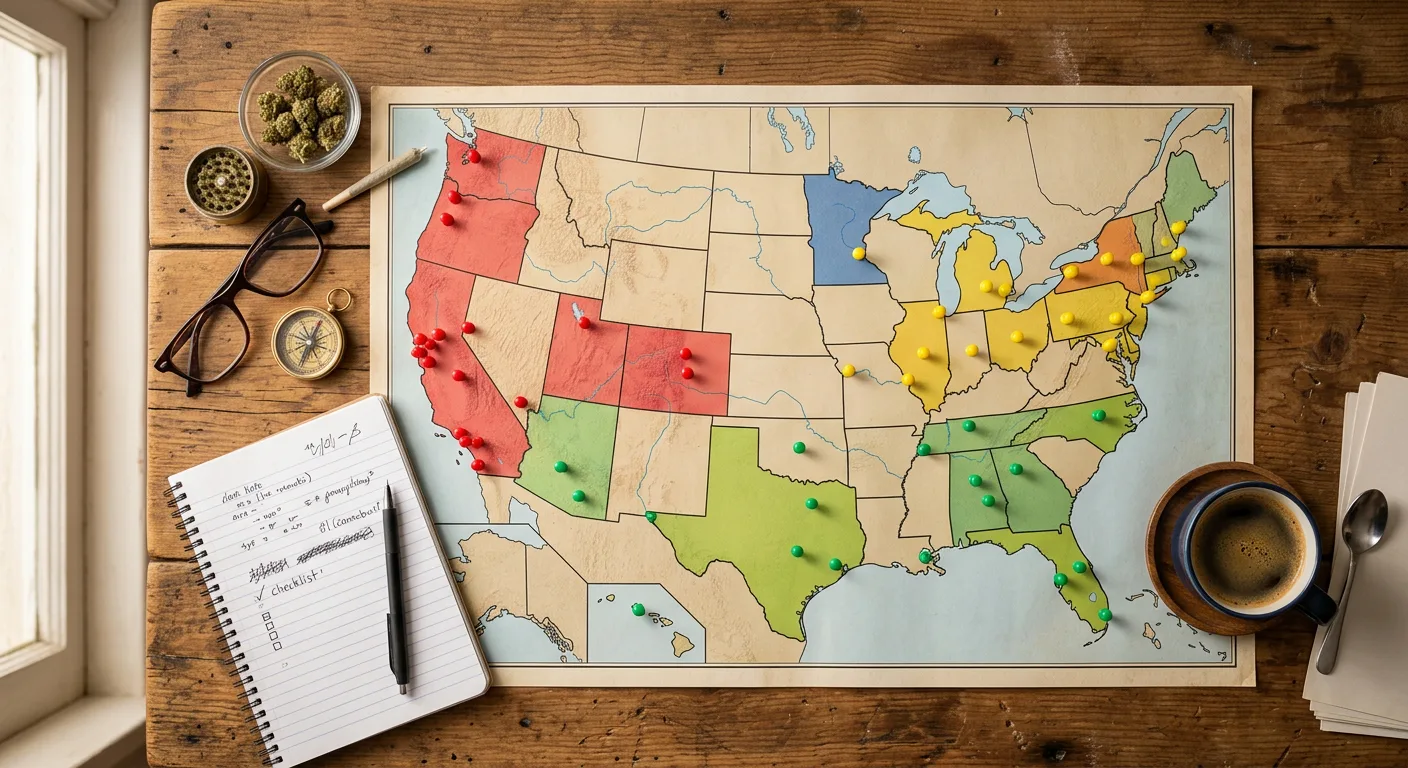
The map of seed legal risk in the United States is genuinely complex. This table organises states into risk tiers based on home cultivation law, seed possession enforcement history, and adult-use legalisation status. Use this as a planning tool, not legal advice — laws change and local enforcement varies significantly.
| State | Adult-Use Legal? | Home Cultivation Allowed? | Seed Possession Risk | Notes |
|---|---|---|---|---|
| California | Yes | Yes (6 plants) | Very Low | Seeds fully legal for adults 21+ |
| Colorado | Yes | Yes (6 plants) | Very Low | Pioneer state, well-established framework |
| Michigan | Yes | Yes (12 plants) | Very Low | Most permissive home grow limits |
| Oregon | Yes | Yes (4 plants) | Very Low | Long history of cultivation tolerance |
| Nevada | Yes | Yes (6 plants, limited areas) | Low | Urban county restrictions apply |
| Arizona | Yes | Yes (6 plants) | Low | Prop 207 covers seeds and cultivation |
| Illinois | Yes | Medical only | Moderate | Rec users cannot home grow legally |
| New York | Yes | Yes (6 plants) | Low | MRTA allows home cultivation |
| New Jersey | Yes | No | Moderate | Home grow not permitted under current law |
| Washington | Yes | No | Moderate | No home grow despite adult-use legalisation |
| Virginia | Yes | Yes (4 plants) | Low | Recent legalisation, enforcement light |
| Montana | Yes | Yes (2 plants) | Low | Conservative limits but legal |
| Florida | Medical only | No | Moderate-High | No adult-use; possession penalties exist |
| Texas | No | No | High | Very low THC hemp only; seeds grey area |
| Georgia | No | No | High | CBD-only medical programme; seeds illegal |
| North Carolina | No | No | High | Hemp legal but cannabis seeds controlled |
| Alabama | No | No | High | Strict Schedule I enforcement |
| Idaho | No | No | Very High | Zero-THC hemp law; most restrictive in US |
| Wyoming | No | No | Very High | No medical or adult-use programme |
| Kansas | No | No | Very High | Active seed seizure enforcement history |
| South Carolina | No | No | Very High | Limited CBD-only law; seeds remain illegal |
| Minnesota | Yes (2023) | Yes (8 plants) | Low | Recent legalisation with generous home grow |
| Ohio | Yes (2023) | Yes (6 plants) | Low | Issue 2 passed; rules still developing |
| Maryland | Yes (2023) | Yes (2 plants) | Low | Conservative home grow limits |
Risk ratings reflect current law and general enforcement patterns as of 2024. Laws change — always verify your state's current statutes before purchasing or cultivating. This table is for informational purposes only and does not constitute legal advice.
Buying Cannabis Seeds Online After the Ruling: Practical Reality
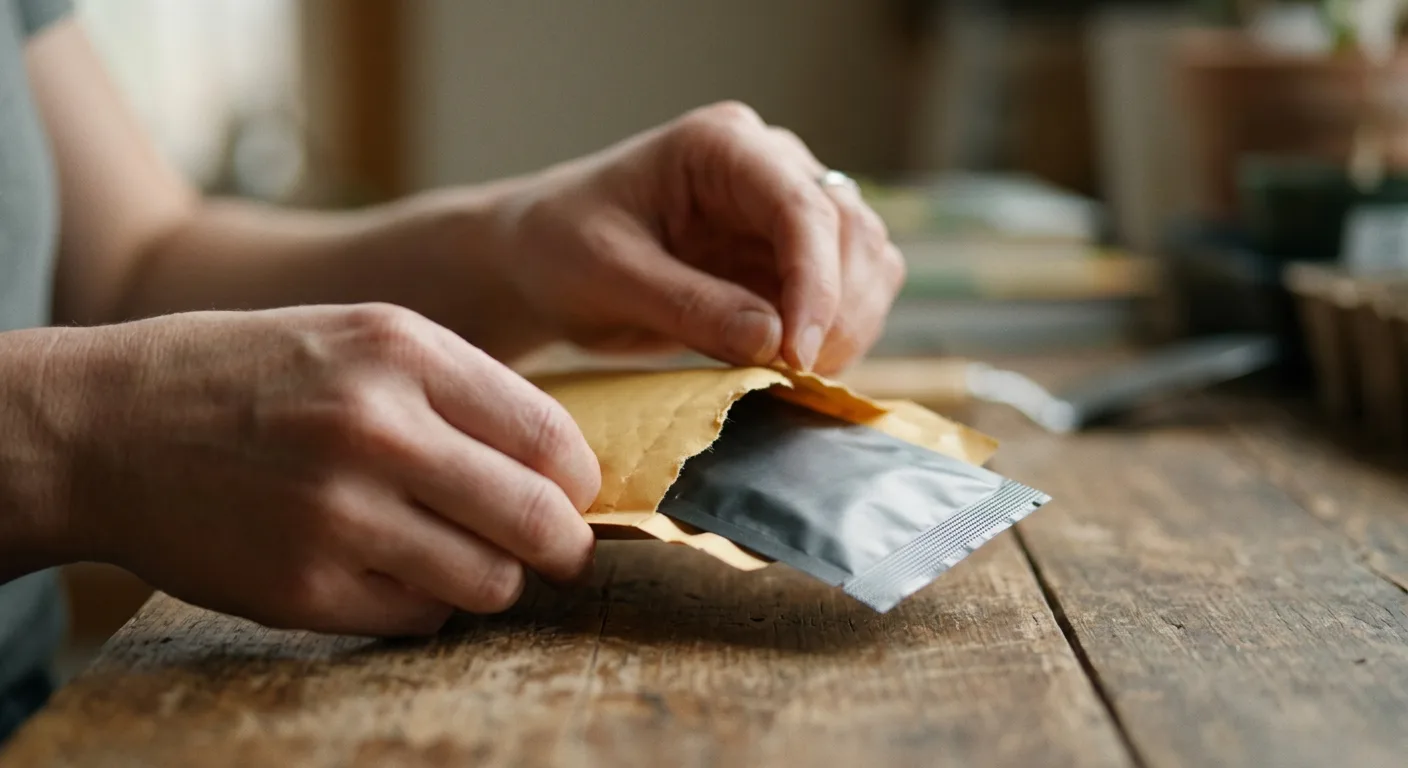
The DEA's ruling has changed the legal landscape for seed commerce in a meaningful way — but the gap between legal theory and real-world experience at your mailbox remains significant. Here is what the ruling means in concrete terms for a person browsing seed catalogues right now.
What Has Actually Changed for Seed Buyers
- Federal prosecution risk for seed possession alone is now minimal. The DEA's own interpretation undercuts any federal CSA charge based purely on seed possession below 0.3% THC.
- Seed banks operating under hemp-compliant frameworks have stronger legal standing. Any seller marketing seeds as hemp-compatible genetic material can reference the DEA's clarification as part of their legal compliance posture.
- Interstate shipping has become legally clearer — seeds meeting the hemp THC definition can be shipped under hemp commerce provisions in legal-cultivation states.
- Seizure and forfeiture risk has dropped at the federal level. USPS or customs agents relying solely on federal CSA authority have weaker grounds to confiscate seed shipments that test below the threshold.
What Has NOT Changed for Seed Buyers
- State law enforcement can still seize and charge you for seeds in prohibition states
- Customs still screens international seed shipments — importing seeds from abroad carries separate legal risks under agricultural import regulations
- The ruling provides no cover for germinating and growing cannabis in illegal-cultivation states
- USPS mail screening and package interception by state law enforcement task forces continues in high-enforcement states
Choosing seeds bred and catalogued under clear genetic documentation — with known, consistent cannabinoid profiles — gives you the strongest paper trail if you ever need to demonstrate that your seeds meet the hemp threshold. Strains with documented, stable genetics from established breeders are a practical risk-reduction strategy, not just a quality choice.
What the Ruling Does — and Doesn't — Protect
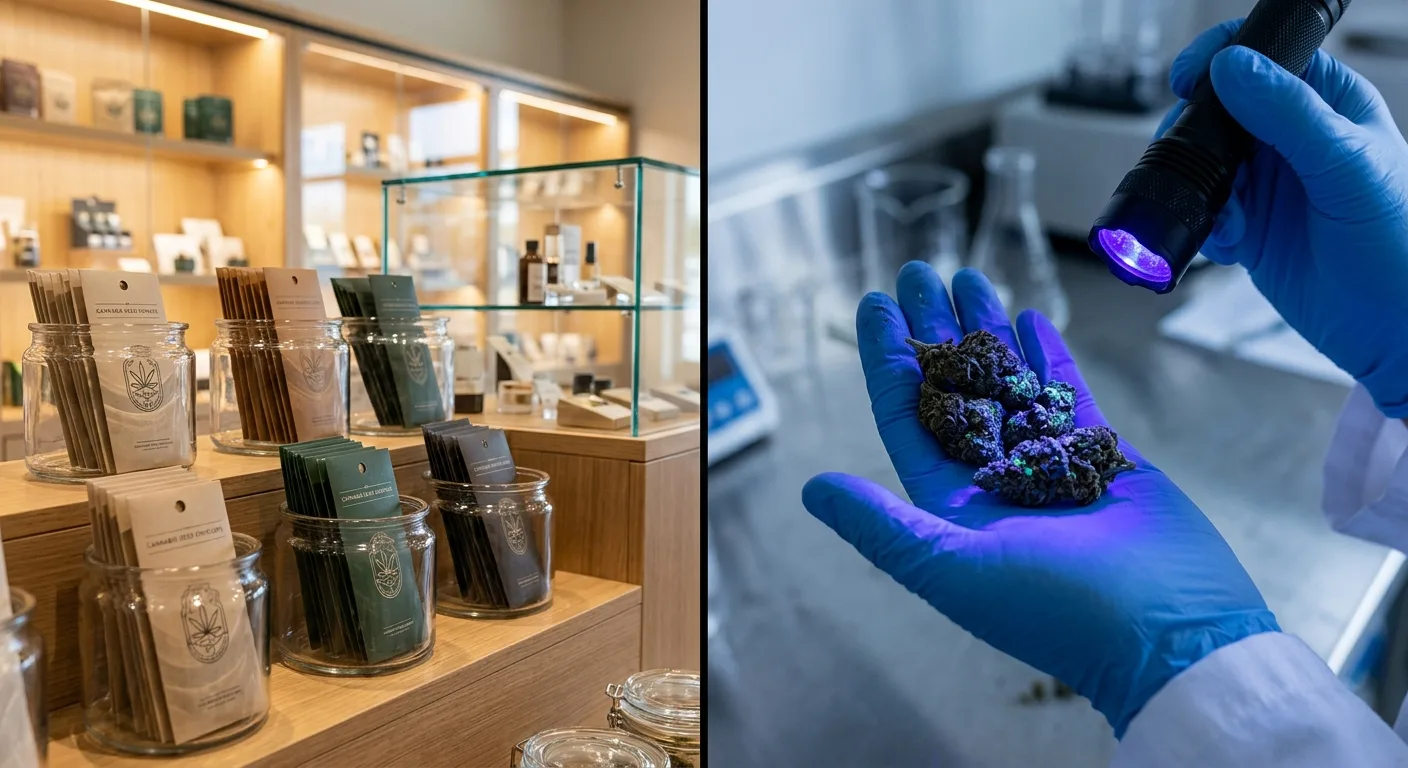
Let's be surgical about this. The DEA's 2024 clarification creates a specific zone of federal legal protection with hard edges. Knowing exactly where those edges sit is the difference between informed decision-making and false confidence.
The Ruling DOES Protect
- Possession of ungerminated cannabis seeds below 0.3% delta-9 THC under federal law
- Sale and transfer of seeds within hemp commerce frameworks between legal states
- Tissue cultures and other cannabis genetic material below the THC threshold
- Seed bank businesses operating within compliant hemp regulatory frameworks
- Research and breeding activities involving seed genetics below the threshold
The Ruling Does NOT Protect
- Possession of seeds in states with state-level controlled substance laws covering seeds
- Germinated seeds or seedlings producing plants that will exceed 0.3% THC
- International importation of seeds under US customs and agricultural law
- Anyone growing cannabis in a state where cultivation remains illegal
- Seeds that actually test above 0.3% THC due to resin contamination
- Any activity beyond simple seed possession — transport, sale, cultivation in non-legal jurisdictions
The most dangerous misconception: Some buyers read the DEA ruling as a green light to order seeds and grow anywhere in the US. It is not. The ruling addresses seeds as genetic material in their unplanted state. The moment a seed cracks open in soil in a prohibition state, you are outside the ruling's protection entirely and subject to state criminal law.
What This Means for Seed Bank Customers Specifically
If you are purchasing feminised or autoflowering seeds — including high-THC varieties like White Widow, Northern Lights x Big Bud, or Sour Diesel — the DEA ruling means the seeds themselves, in their unplanted state, are not classified as Schedule I contraband at the federal level. What it means in practice depends entirely on where you are.
In adult-use states with home cultivation rights — California, Colorado, Michigan, Oregon, New York, and others — the combination of the DEA ruling, Farm Bill hemp provisions, and state legalisation creates a robust framework where seed purchasing, possession, and cultivation of licensed varieties is clearly lawful. In prohibition states, the DEA ruling changes very little for your day-to-day risk profile because state law still controls.
Tissue Cultures, Clones, and Genetic Material: The Wider Scope
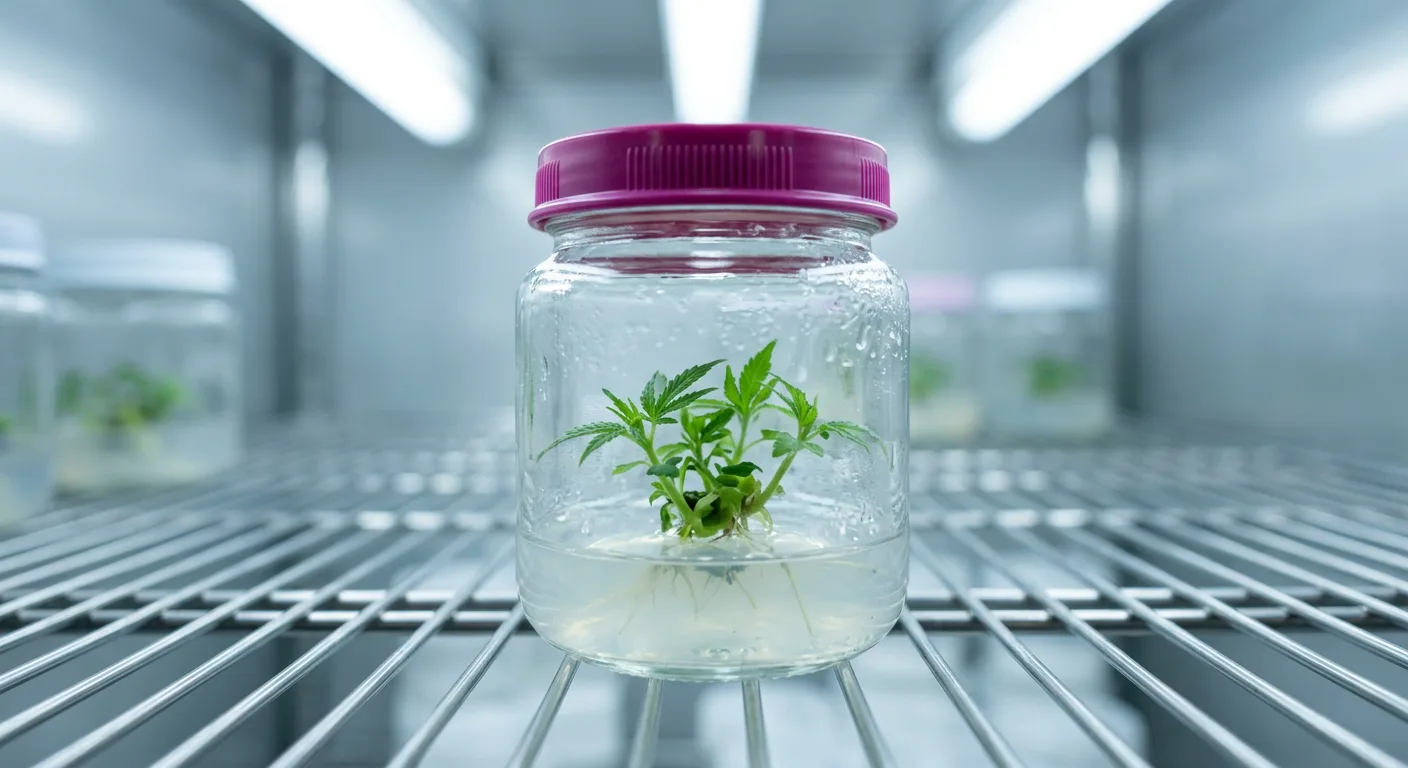
One of the most under-reported aspects of the DEA's 2024 clarification is how far beyond seeds it extends. The letter specifically addressed 'cannabis seeds, tissue culture, and other genetic material' — a phrase that has significant implications for the rapidly growing cannabis genetics industry.
Why Tissue Cultures Matter
Tissue culture propagation — growing cannabis from microscopic plant cells in sterile laboratory conditions — is becoming the gold standard for preserving and distributing elite genetics. Labs can maintain disease-free mother stock, ship genetic material internationally with much lower risk of pest transmission, and preserve strains indefinitely. The DEA's inclusion of tissue cultures in its 'not necessarily controlled' ruling is consequential for:
- Cannabis genetics companies offering lab-grown plantlets and tissue culture starts
- Preservation projects maintaining heirloom and landrace genetics (see our guide to heirloom cannabis strains)
- Research institutions studying cannabis genetics and cannabinoid biosynthesis
- Breeders maintaining clean, verified mother plant stock
Tissue cultures in their laboratory growth medium contain virtually no measurable THC — the cells are undifferentiated plant material, not trichome-bearing flowers. The DEA's extension of the hemp classification logic to tissue cultures recognises this chemical reality and aligns with how plant science actually works.
Clones and Cuttings
The ruling's mention of 'other genetic material' raises interesting questions about rooted clones and cuttings. A cutting taken from a cannabis plant and rooted for transport technically carries the same trace-THC logic as a seed — the cutting's own THC content before it matures into a flowering plant is negligible. Legal analysis is still evolving on how broadly to read 'genetic material,' but the direction of the ruling's logic clearly supports a wider interpretation.
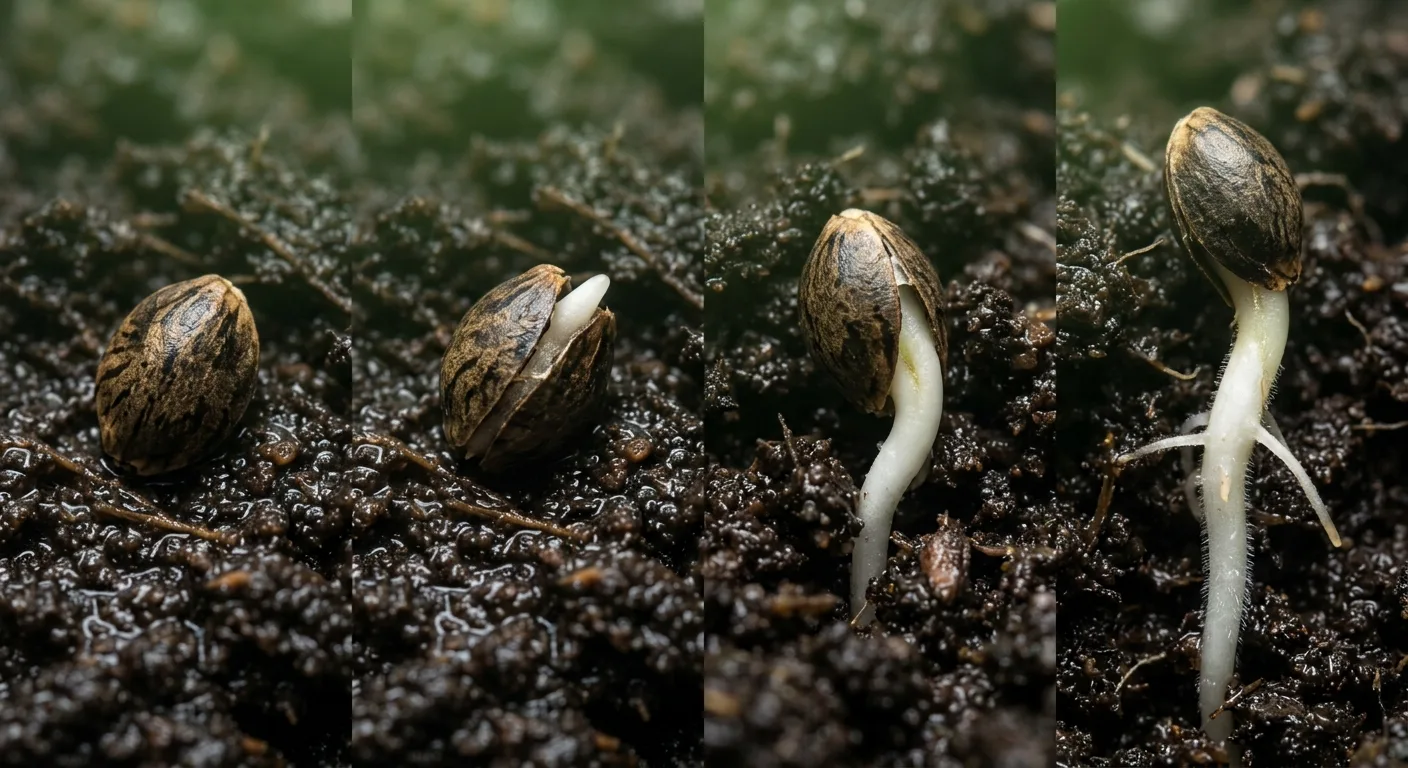
From Seed to Plant: When the Legal Status Changes
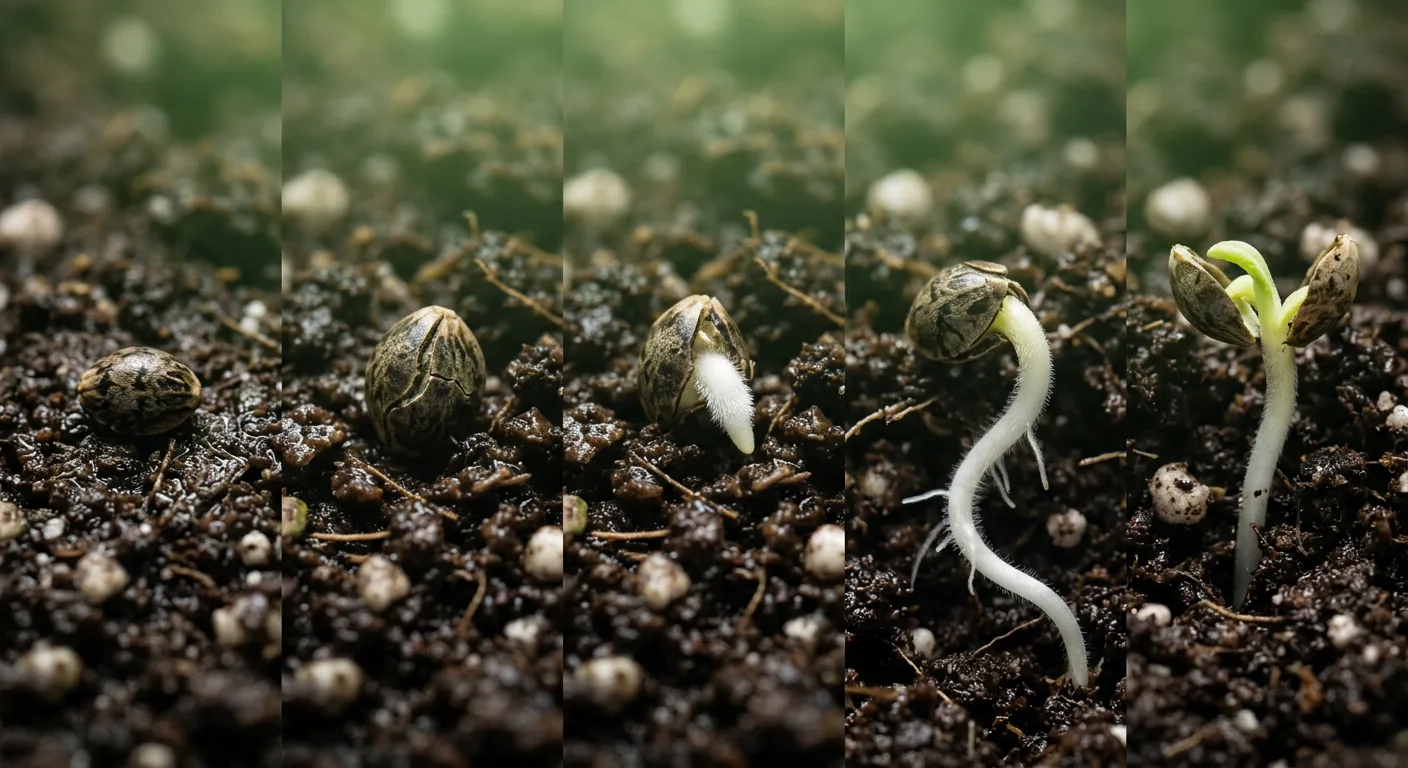
Understanding precisely when a cannabis seed's legal status transforms is essential for any grower navigating the post-ruling landscape. This is not ambiguous — there is a clear legal inflection point.
Ungerminated Seed
Covered by the DEA ruling. Contains trace THC well below 0.3%. Classified as hemp under Farm Bill definitions at the federal level. Legal status: not a controlled substance under federal law.
Germinating Seed / Seedling (Days 1–14)
Still contains minimal THC. The DEA ruling's logic still arguably applies at this earliest stage, but enforcement grey zones exist. No federal case law has specifically tested this boundary.
Vegetative Plant (Weeks 2–8+)
Cannabis plants begin producing trace cannabinoids during vegetative growth. THC levels remain low but climbing. This is where the hemp/marijuana classification question becomes active and state cultivation law governs entirely.
Flowering Plant Exceeding 0.3% THC
Classified as marijuana under both federal and state law. The DEA ruling provides zero protection here. You are now operating under your state's cultivation statutes — legal in 24 states, criminal in the rest.
For growers in legal cultivation states, this progression is academic — the whole process is lawful from step one to harvest. For anyone in a prohibition state, the inflection point at germination is the moment legal risk increases sharply from theoretical to real.
If you are in a legal cultivation state and planning your grow, tools like our Grow Planner and Yield Estimator can help you map the full growing cycle from seed to harvest.
The Industry Impact: How the Ruling Reshapes Cannabis Genetics Commerce
Beyond individual buyers, the DEA's 2024 clarification sends a clear signal to the broader cannabis genetics market. The ruling's practical effects on the industry are already becoming visible.
Seed Banks and Legal Standing
US-based seed companies now have a cleaner legal argument that their core product — ungerminated seeds — exists in hemp-compliant legal territory at the federal level. This strengthens their position with payment processors, banking partners, and shipping companies that have historically been reluctant to service cannabis seed businesses due to federal legal uncertainty.
Seed banks that stock a diverse range of genetics — from accessible entry points like Swiss Miss and Amnesia Haze Autoflower to higher-THC cultivars like Purple Kush and Skunk Special — can now more confidently frame their catalogues within the hemp genetic material framework.
Breeding and R&D
The inclusion of tissue cultures and genetic material in the ruling has specific value for the growing number of cannabis breeding companies developing new cultivars. Sharing genetic material across state lines — a critical part of the plant breeding process — has become legally cleaner, at least from a federal CSA perspective.
Banking and Payment Processing
Financial institutions that cite federal controlled substance law when refusing services to seed companies now have to contend with a DEA statement that seeds are not necessarily Schedule I material. This does not immediately unlock standard banking for the industry, but it creates a factual basis for challenging blanket banking denials.
If you are a home grower in a legal state wanting to build a seed collection for future grows, the DEA ruling combined with your state's home cultivation rights creates the most legally secure environment for seed acquisition and storage that has ever existed in US history. Consider our guide on how to store cannabis seeds for 5+ years to protect your collection.
Common Misconceptions the DEA Ruling Has Created
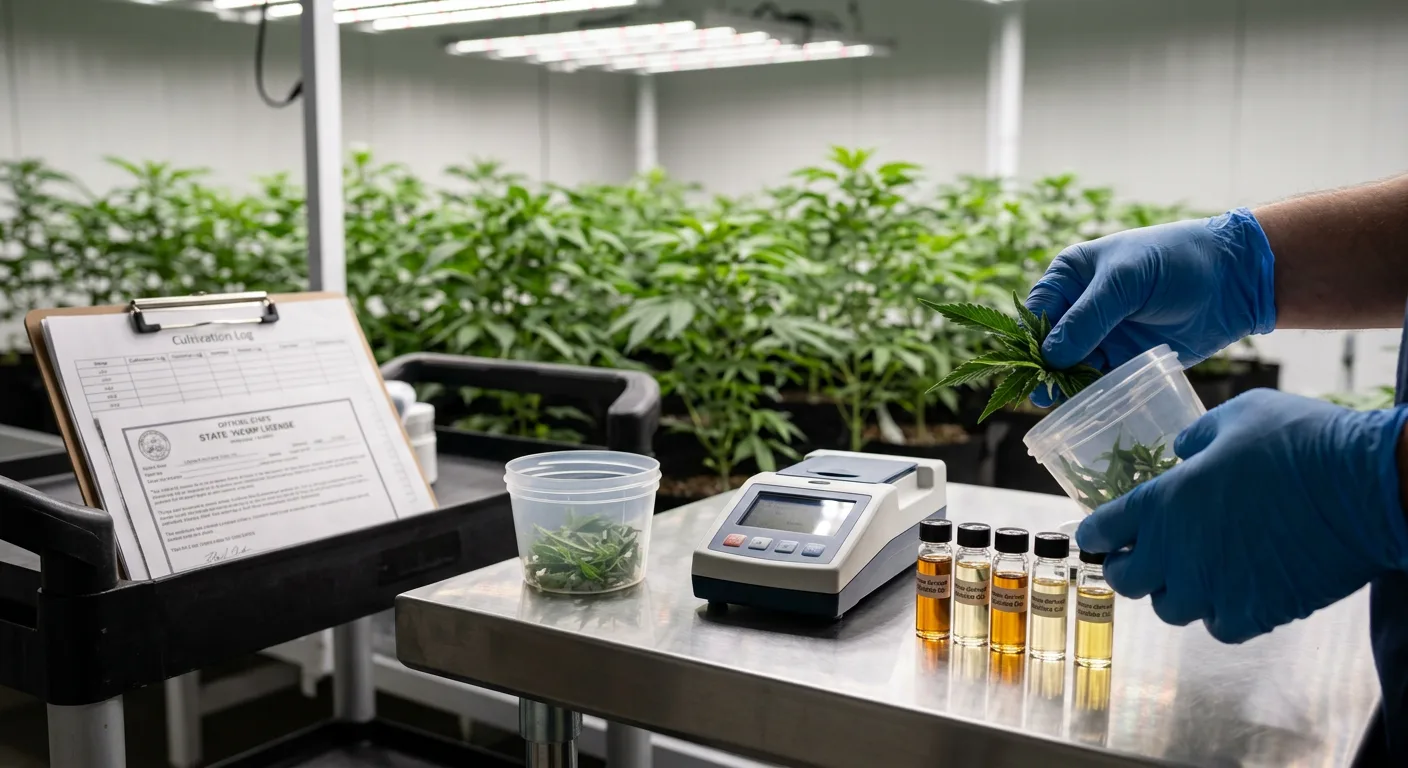
Every significant legal development generates a wave of misinterpretation, and the DEA seed ruling is no exception. These are the most prevalent and dangerous misconceptions circulating in grower communities right now.
Misconception 1: 'I Can Now Legally Mail Seeds Anywhere in the US'
False. Interstate commerce in seeds is governed by a combination of federal hemp regulations, USPS rules, and the laws of both the origin and destination state. Mailing seeds to someone in Kansas or Idaho — regardless of the DEA ruling — still exposes you and the recipient to state law liability in those states.
Misconception 2: 'The DEA Legalised Cannabis Seeds'
False. The DEA issued an administrative interpretation confirming that seeds below 0.3% THC fall under the hemp definition. This is not legislation. It is not a court ruling. It is a DEA letter that can be referenced in legal arguments but has no binding force as statutory law.
Misconception 3: 'This Overrides My State's Cannabis Laws'
False. Federal administrative interpretations do not pre-empt state law in areas where states retain independent authority. Cannabis regulation is a dual sovereignty matter — states retain full authority to classify seeds as controlled substances under their own statutes.
Misconception 4: 'All Cannabis Seeds Are Now Hemp'
Mostly true but with a caveat. Seeds that test below 0.3% delta-9 THC on a dry weight basis qualify as hemp under current federal law. Seeds that test above that threshold — theoretically possible through contamination — would not. The classification is chemical, not categorical.
The DEA's ruling is a legal clarification, not a legalisation. It removes a specific federal legal obstacle. It does not create a right to cultivate cannabis anywhere, does not bind state courts, and does not replace the need to understand your own state's laws before making any seed purchase or cultivation decision.
How to Stay on the Right Side of the Law: A Practical Framework
Given everything the ruling does and does not cover, here is a practical decision framework for home growers navigating seed purchases in 2024 and beyond.
Step 1: Know Your State's Current Cultivation Status
Before anything else, verify whether your state allows adult-use home cultivation, medical home cultivation only, or no cultivation at all. Use the risk table above as a starting point, then verify against your state's current cannabis authority website — laws have been changing rapidly and the table above reflects 2024 status.
Step 2: Buy From Established, Documented Sources
Seeds sourced from catalogued, professionally produced genetics come with implicit documentation of their breeding lineage and general cannabinoid profile. This matters if you ever need to demonstrate seed compliance. Strains with published genetic documentation — whether well-known classics like Gorilla Glue, Wedding Cake, or Gelato, or documented cultivars from established catalogues — carry more evidential weight than unnamed bag seed.
Step 3: Keep Seeds Unplanted Until You Are in a Legal Context
If you are travelling between states or live near a state border, keep seeds in their original sealed packaging. The DEA ruling's protection — such as it is — applies to ungerminated seeds. Once those seeds are in soil, you are subject to your jurisdiction's cultivation laws.
Step 4: Use Your Legal Rights Fully in Legal States
If you are in a home cultivation state, the DEA ruling combined with your state rights means you have the clearest legal framework for home growing that has ever existed. Use resources like the Grow Planner to manage your allowable plant count and the Plant Diagnosis Tool to troubleshoot issues during your grow.
Strains worth considering for a first legal home grow include manageable autoflowering varieties like Great White Shark Autoflower, Plushberry Autoflower, or Holy Grail Kush Autoflower — all of which suit indoor tent setups well. For established soil growing guides, see our complete soil selection guide for beginners.
What to Watch: Where This Legal Story Is Heading
The DEA's 2024 clarification is not the end of this legal evolution — it is a significant data point in an ongoing story. Several developments in the near future could significantly expand or constrain what the ruling practically means.
DEA Scheduling Review for Marijuana
The DEA has been engaged in a review process around rescheduling marijuana from Schedule I to Schedule III. If rescheduling occurs, the entire CSA-based framework governing cannabis would shift — making seed legality questions significantly simpler, since Schedule III substances carry far lower enforcement priority and different legal treatment than Schedule I.
Congressional Action on the Farm Bill
The 2018 Farm Bill expired and has been operating under extensions. Renewal negotiations include significant debate about hemp definition, THC testing methodology, and the scope of hemp commerce. Changes to how delta-9 THC is measured — particularly debates about total THC versus delta-9 THC specifically — could affect seed classification under the hemp framework.
State Law Domino Effect
With Ohio and Minnesota both legalising adult-use cannabis in 2023, and several states considering 2024–2026 ballot initiatives, the state-level picture continues to evolve rapidly. Each new state that adopts adult-use legalisation with home cultivation rights expands the geography where the DEA ruling's protections have practical meaning for home growers.
Stay current with our complete cannabis seed legality guide for ongoing updates as state laws continue to shift.
Frequently Asked Questions
Does the DEA Section 781 ruling make cannabis seeds fully legal to buy?
Not exactly. The DEA ruling confirms that cannabis seeds measuring below 0.3% delta-9 THC on a dry weight basis meet the definition of hemp and are not controlled substances under the CSA. However, state law governs whether you can legally possess, germinate, or grow those seeds — and state penalties still apply regardless of the federal ruling. In prohibition states, buying seeds still carries meaningful legal risk.
What does Section 781 of the Controlled Substances Act actually say?
Section 781 of the CSA (21 U.S.C. § 881) governs the forfeiture of property associated with controlled substance offences. The DEA's 2024 interpretation applied to cannabis seeds clarified that seeds, tissue cultures, and other cannabis genetic material are not automatically classified as Schedule I controlled substances if they fall below the 0.3% THC threshold from the 2018 Farm Bill. The ruling removed the automatic assumption that seeds are contraband.
Are ungerminated cannabis seeds controlled substances under federal law?
According to the DEA's 2024 letter, ungerminated cannabis seeds are 'not necessarily controlled' under the CSA because they fall below the 0.3% delta-9 THC threshold on a dry weight basis. The DEA acknowledged that whether a seed comes from hemp or marijuana genetics, the seed's own THC content — not the plant's future potential — determines its legal classification at the federal level.
Can the DEA still seize cannabis seeds sent through the mail?
The DEA's own ruling weakens the federal CSA basis for seizing seeds that test below 0.3% THC. However, USPS and customs enforcement may still intercept shipments, and state law determines what happens next. Practical interception risk has not disappeared — particularly for shipments into high-enforcement states. The ruling provides a federal legal defence, not a guarantee of safe delivery.
Does the DEA ruling protect me if I germinate seeds in a state where cultivation is illegal?
No. The DEA ruling applies only to seeds as genetic material in their unplanted state. The moment a seed germinates and begins producing a cannabis plant that will exceed 0.3% THC, it becomes marijuana under federal law and is governed entirely by your state's cultivation statutes. The ruling provides zero protection for growing activities in states where cannabis cultivation is illegal — state prosecutors remain fully empowered to enforce state controlled substance law.