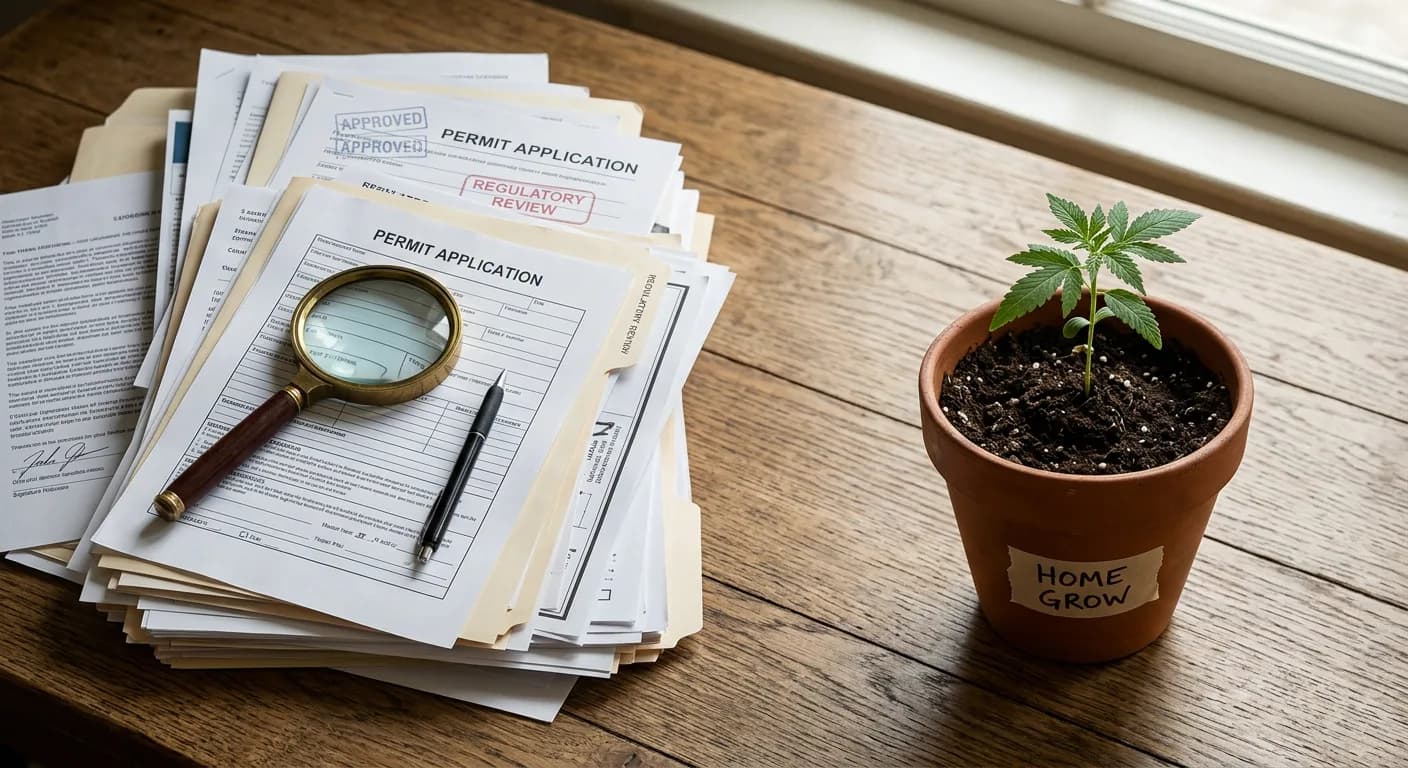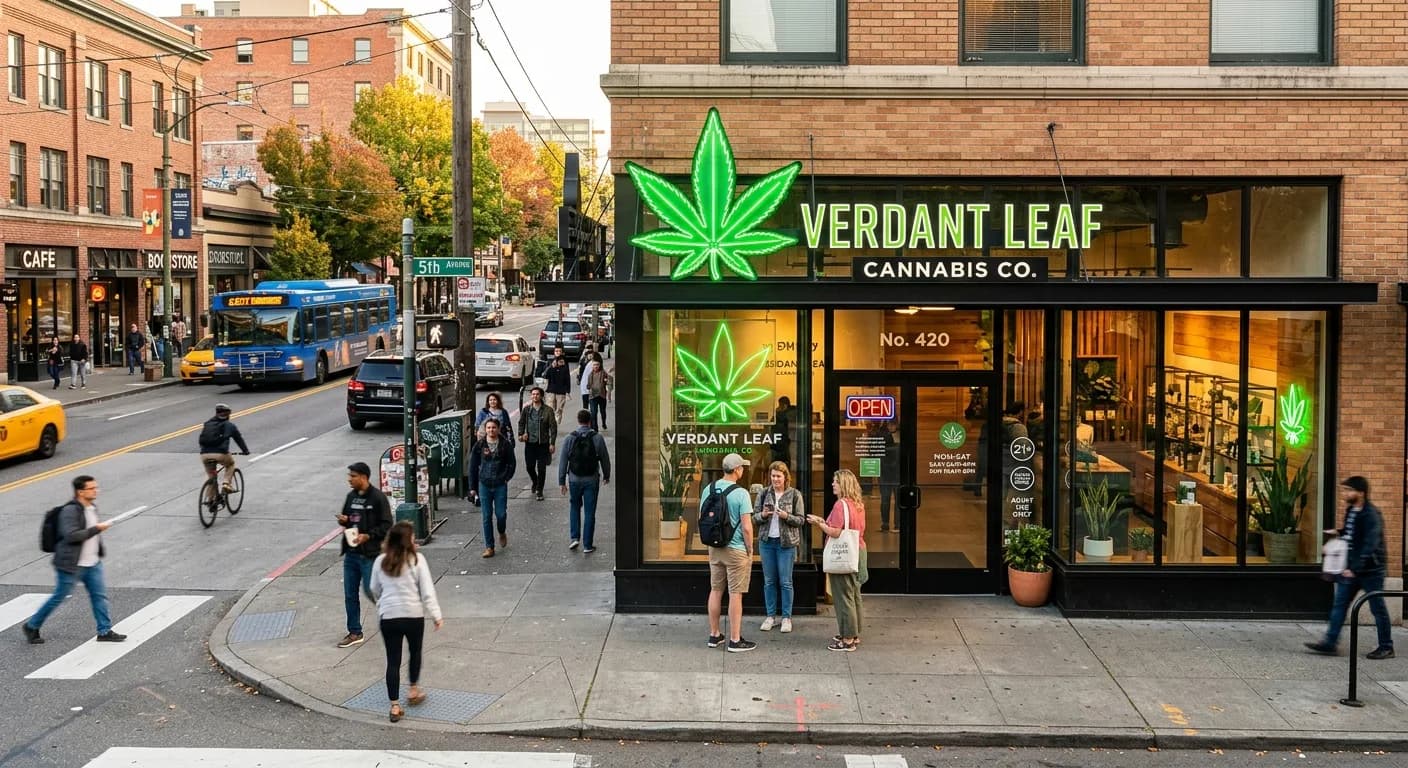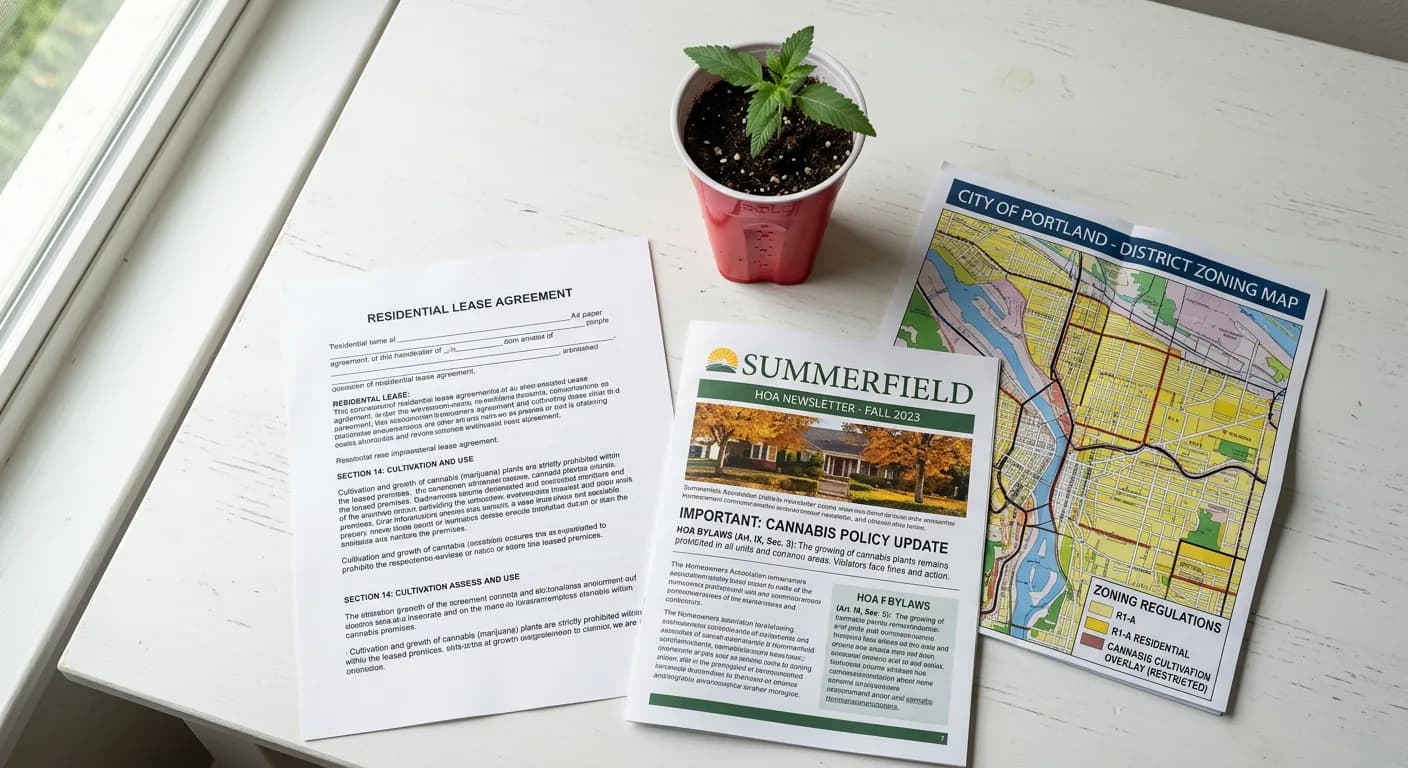
You did the research. Your state is legal. The plant limit is six. You bought your seeds. Then you read your lease — or your HOA newsletter — or your city code — and suddenly everything is complicated. Cannabis home grow zoning laws exist in a three-layer system: state law, local ordinance, and private contract. All three can say different things, and the one that restricts you most usually wins.
This guide answers the real questions: Can a city ban home cultivation even after the state says yes? Can an HOA enforce a no-grow rule through its CC&Rs? Can your landlord put a no-cannabis clause in a lease and make it stick? For each question, the answer is almost always yes — but the nuances matter enormously, and your options depend entirely on which layer is stopping you.
We cover every layer in plain language, with real state examples, practical workarounds, and specific grow strategies that reduce your risk whether you are a homeowner in a restrictive HOA or a renter in a cannabis-friendly city. For a broader foundation, see our guide on whether cannabis seeds are legal in the US.
How the Three-Layer System of Cannabis Law Works
Cannabis home grow zoning laws operate on three distinct levels at once. State law sets the ceiling — the maximum rights a resident can have. Local ordinances and HOA rules can only restrict, never expand, those rights. Understanding which layer applies to your situation is the starting point for everything else.
The three layers are:
- Federal law — Cannabis remains a Schedule I controlled substance federally. This means no federal court will enforce a right to grow, and it creates the legal space that lets every layer below it add restrictions.
- State law — Sets the baseline home grow rights (plant counts, indoor/outdoor rules, residency requirements). Examples: California allows 6 plants per adult, Michigan allows 12 per household, Colorado allows 6 per person up to 12 per home.
- Local and private law — City ordinances, county codes, HOA CC&Rs, and lease agreements all sit here. This is the layer most growers ignore — and the one that gets them in trouble.
State law gives you the right to grow. Local law, your HOA, and your lease can all take that right away within their jurisdiction. Most enforcement problems come from this third layer, not from state or federal action.
The key legal principle is called local preemption. In most states, the legislature can choose to either preempt local restrictions (meaning no city can ban what the state allows) or grant local governments the authority to be more restrictive. The majority of legal cannabis states chose the latter — they gave cities and counties opt-out power. That single policy decision is why hundreds of legal-state municipalities have banned home cultivation entirely.
Can Your City or County Ban Home Cannabis Growing?
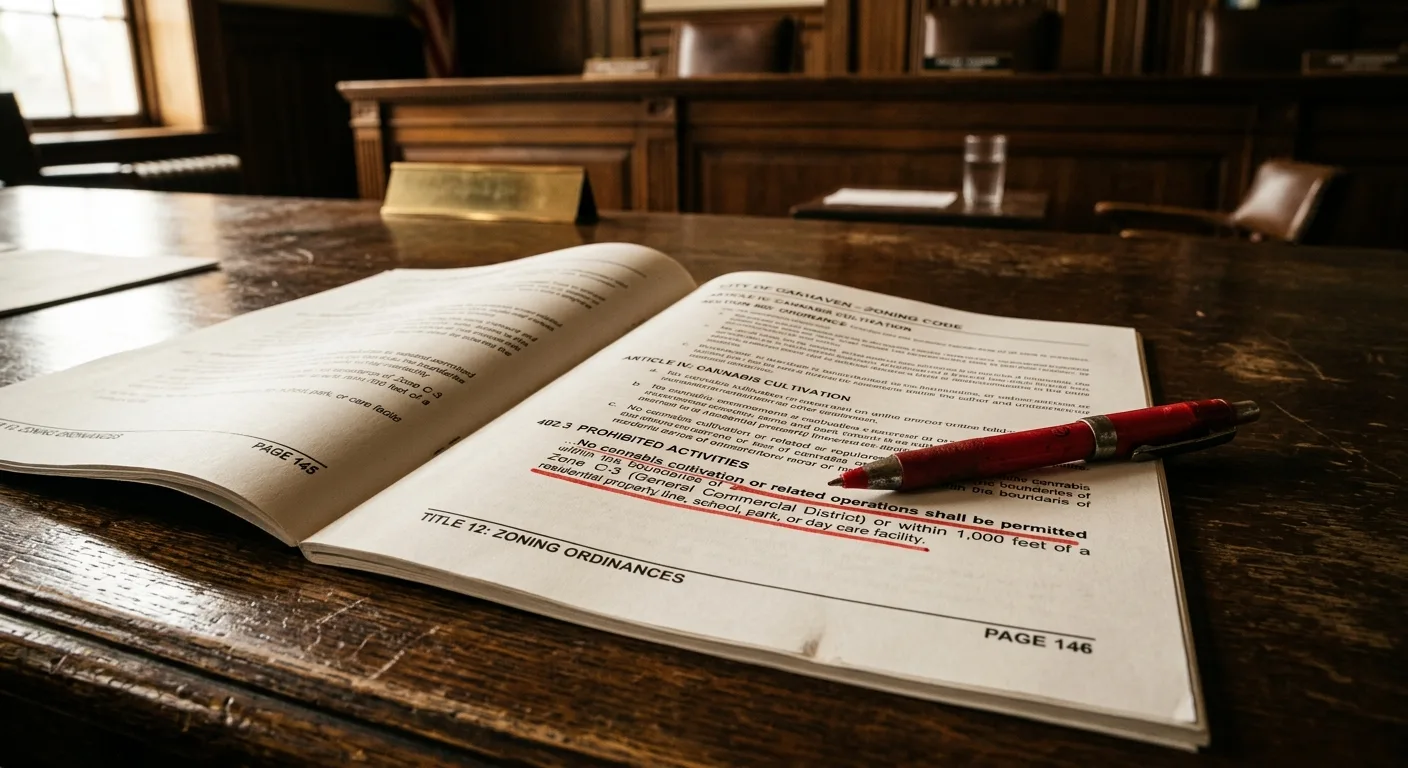
Yes — and many have. When a state legalizes cannabis but grants local governments opt-out authority, individual cities and counties can pass ordinances that prohibit home cultivation entirely, even for adults who would otherwise qualify under state law. This is one of the most misunderstood aspects of local cannabis zoning laws.
States That Allow Local Opt-Outs
California is the most prominent example. Proposition 64 (2016) legalized home cultivation of up to 6 plants statewide — but it also gave local governments the power to ban home grows within their borders. The results were dramatic. As of 2025, cities including Fresno, Bakersfield, and hundreds of smaller municipalities have active local bans on home cultivation. Los Angeles allows it; the city next door may not. You must check your specific city code, not just the state statute.
Other states with significant local opt-out activity include:
- Michigan — Townships and municipalities can ban cultivation. Several suburban communities around Detroit and Grand Rapids have done so.
- Illinois — Local governments can regulate but cannot entirely ban home cultivation under current law — a partial preemption model.
- Nevada — Counties with populations under 100,000 had initial latitude on enforcement, though the state has since tightened the framework.
- Montana — Local governments retain some zoning authority over where and how cultivation occurs.
- Missouri — Amendment 3 (2022) allows home cultivation, but local governments can impose reasonable time, place, and manner restrictions.
Never assume that because your state is legal, your city is legal. California alone has over 400 municipalities that opted out of cannabis retail. A significant number of those also banned home cultivation. Always look up your city or county code directly — search '[your city] municipal code cannabis cultivation.'
States Where Local Bans Are Prohibited (Preemption States)
A smaller group of states have passed laws that prevent local governments from banning what the state explicitly permits. In these states, if your state allows 6 plants, no city can say zero. Examples include:
- New Mexico — The Cannabis Regulation Act includes strong preemption language for personal cultivation.
- New Jersey — Local governments cannot ban activities the state has legalized, including personal cultivation (though home grow rules for recreational users were delayed and are still evolving).
- New York — The MRTA preempts local bans on home cultivation for adults; municipalities can regulate but not prohibit.
- Minnesota — The 2023 legalization law preempts local bans on personal home cultivation.
Preemption is not all-or-nothing. A city in a preemption state may still be able to regulate how you grow (ventilation standards, setbacks from property lines, concealment from public view) even if it cannot ban growing entirely. Always read your local code carefully rather than assuming full freedom.
How to Find Your Local Cannabis Zoning Rules
The fastest method is a direct search in your city or county's municipal code database. Most cities host these at [cityname].gov or through platforms like Municode. Search terms that work: "cannabis cultivation," "marijuana home grow," "personal cultivation ordinance."
- If the code is silent on home cultivation, state law generally applies by default.
- If the code references cannabis but only mentions commercial activity, home grows may be unaddressed — which usually means state law governs.
- If you find an explicit prohibition, that prohibition is almost certainly enforceable.
HOA Cannabis Growing Rules: Can Your Association Stop You?
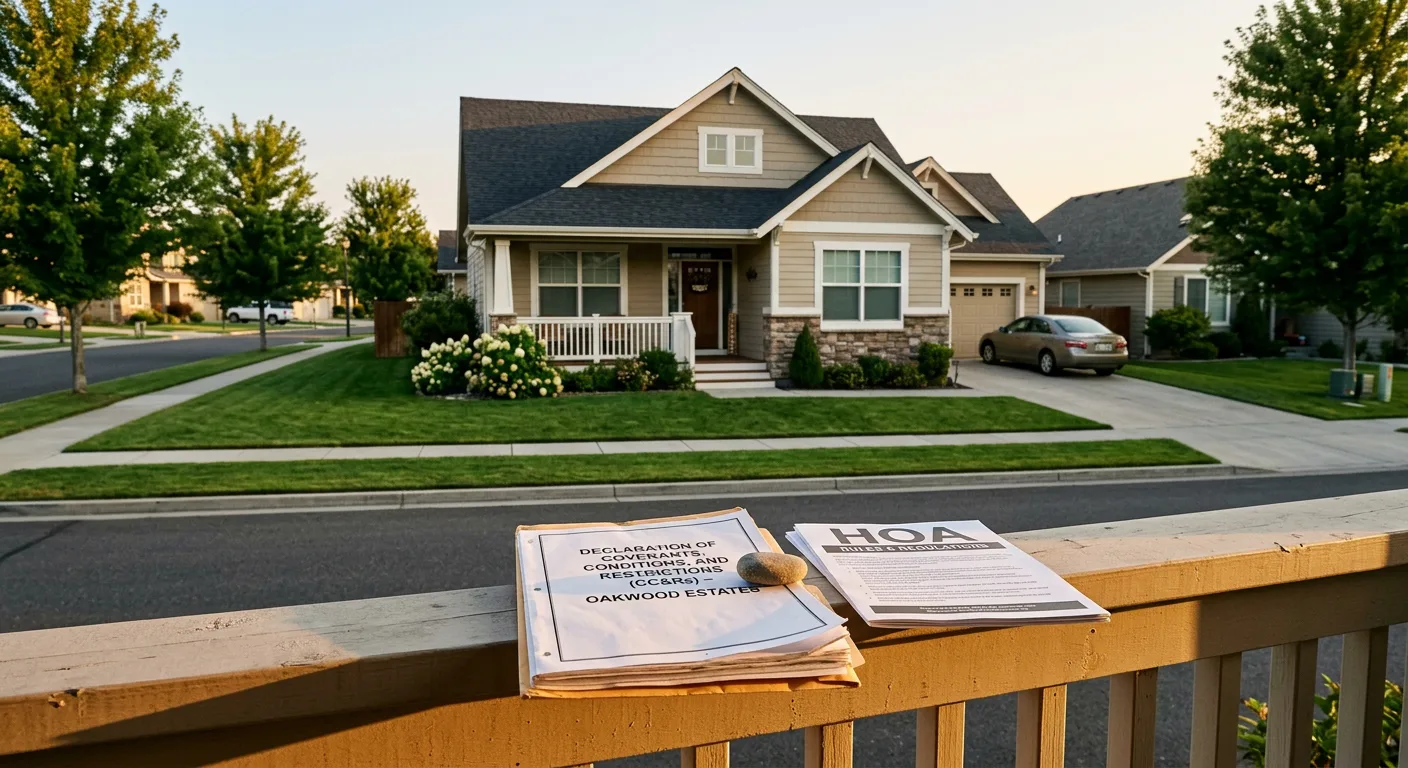
Yes — an HOA can absolutely ban home cannabis cultivation through its Covenants, Conditions, and Restrictions (CC&Rs), and that ban is enforceable even in states where home growing is fully legal. HOAs are private organizations, and their CC&Rs are private contracts. By purchasing a home in an HOA community, you agreed to those rules. State cannabis law does not override private contract rights.
How CC&Rs Work as Private Contracts
When you buy a home subject to an HOA, you sign a document accepting the CC&Rs. Those covenants run with the land — meaning they are binding on you and every future owner. If the CC&Rs prohibit cannabis cultivation (or simply "cultivation of any controlled substance under federal law," which cannabis still qualifies as), the HOA has grounds to enforce that prohibition regardless of state law.
Courts in multiple legal states have upheld HOA cannabis bans as valid contract enforcement. The HOA is not acting as a government — it is enforcing a private agreement you entered voluntarily. That distinction matters legally.
An HOA cannabis ban does not need a government statute to be legal. It only needs to exist in your CC&Rs and have been agreed to at purchase. If you own in an HOA, your CC&Rs are arguably more important than your state's cannabis law when it comes to your right to grow.
What Can HOAs Actually Enforce?
HOAs can typically enforce:
- Outright bans on cannabis cultivation (indoor and/or outdoor)
- Rules against cannabis odor crossing property lines or entering shared spaces
- Prohibitions on visible plants in yards, patios, or balconies
- Rules tied to nuisance standards (smell, moisture, mold risk in shared-wall buildings)
Enforcement tools available to HOAs include fines, liens on your property, and — in extreme cases — legal action. Most HOAs prefer fines, which are collected through the lien process and can ultimately affect your ability to sell the property.
Can You Change Your HOA's Cannabis Rules?
Yes, but it requires a formal vote. CC&Rs can be amended, typically requiring a supermajority of homeowner votes (often 67% or 75%). If your HOA has a no-grow rule you want to change, the process is:
Review Your CC&Rs and Bylaws
Find the exact language prohibiting cultivation and identify the amendment process, including required vote thresholds and notification procedures.
Build a Coalition
Talk to neighbors privately before bringing anything to a board meeting. You need a supermajority — identify support first so you are not surprised at the vote.
Propose a Specific Amendment
Draft language that addresses HOA concerns (odor, moisture, visibility) while allowing indoor cultivation. A targeted proposal gets more votes than a blanket legalization request.
Call a Special Meeting or Wait for Annual Meeting
Submit your proposal per the bylaws timeline. Most amendments require advance written notice to all homeowners before the vote.
Can Your Landlord Stop You From Growing Weed in a Legal State?
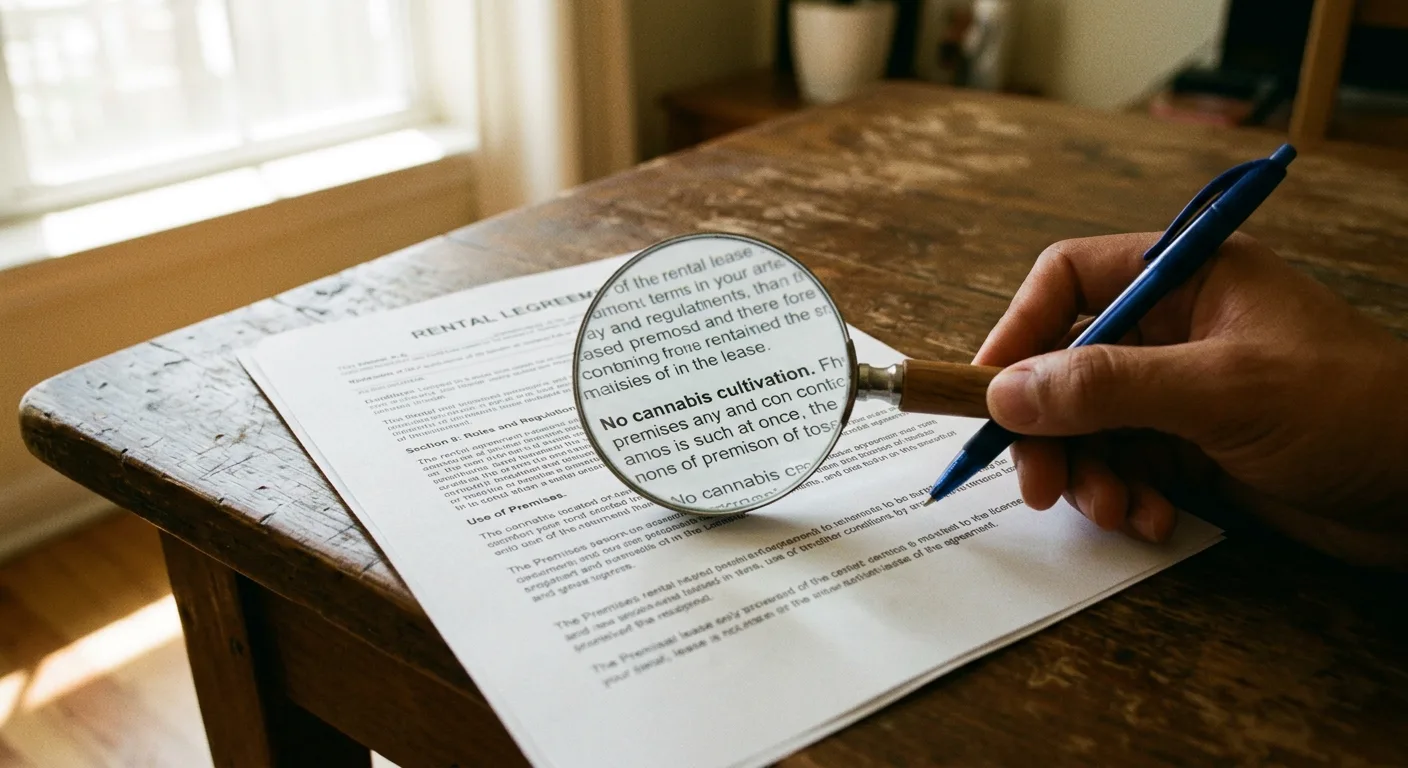
Yes — in virtually every legal state, a landlord can prohibit cannabis cultivation in a rental property through a lease clause, and that prohibition is enforceable. Tenants who violate it face lease termination and eviction. A landlord cannabis growing ban does not require a local law or HOA rule — the lease itself is sufficient legal authority.
Why Lease Clauses Override State Cannabis Rights
State cannabis laws legalize the activity — they do not compel private property owners to permit it on their property. The legal analogy is cigarette smoking: smoking may be legal everywhere, but a landlord can prohibit it indoors because it affects the property. Cannabis cultivation carries similar (and often greater) property concerns: humidity, mold, structural modifications, electrical load, and odor. Courts have consistently found that landlords have a legitimate property interest in prohibiting these activities.
In states like California, Colorado, Massachusetts, and Michigan, landlords may include no-cultivation clauses in standard lease agreements. These clauses are routinely enforced. There is currently no legal cannabis state that requires landlords to permit home cultivation in rental properties.
Do not assume a lease is silent on cannabis because it doesn't use the word "cannabis." Many leases prohibit "illegal activity" (which cannabis remains under federal law), "controlled substances," or "alterations to the property" — all of which courts have found applicable to indoor cannabis grows. Read your lease carefully before you set up any equipment.
What Landlords Can Cite as Grounds for Eviction
Beyond the cannabis clause itself, landlords often cite:
- Property damage — Humidity from a grow room can cause mold, which is expensive to remediate. This is a material lease violation even without a cannabis clause.
- Unauthorized electrical modifications — Running high-wattage lighting without landlord approval is typically a lease violation.
- Nuisance — Cannabis odor complaints from neighbors can trigger nuisance clauses.
- Subletting or commercial activity — Growing for distribution in a residential unit is a commercial activity in most lease frameworks.
States With Any Tenant Protections for Cannabis Use
A small number of states have passed or proposed legislation limiting a landlord's ability to discriminate against cannabis users (primarily for medical patients). However, no state currently prevents a landlord from banning cultivation in a rental unit. The protections that exist relate to off-premises use or employment, not to growing plants inside a rented space. New York, New Jersey, and Rhode Island have some of the stronger tenant cannabis-use protections, but even those do not extend to cultivation rights in rental properties.
If you are renting and want to grow, the single best move is to have an honest conversation with your landlord before signing or renewing. Many landlords who have no explicit policy will agree to a small, contained indoor grow — especially if you address their concerns about smell, moisture, and property condition in writing.
Condo and Apartment-Specific Problems: Shared HVAC, Smell, and Moisture
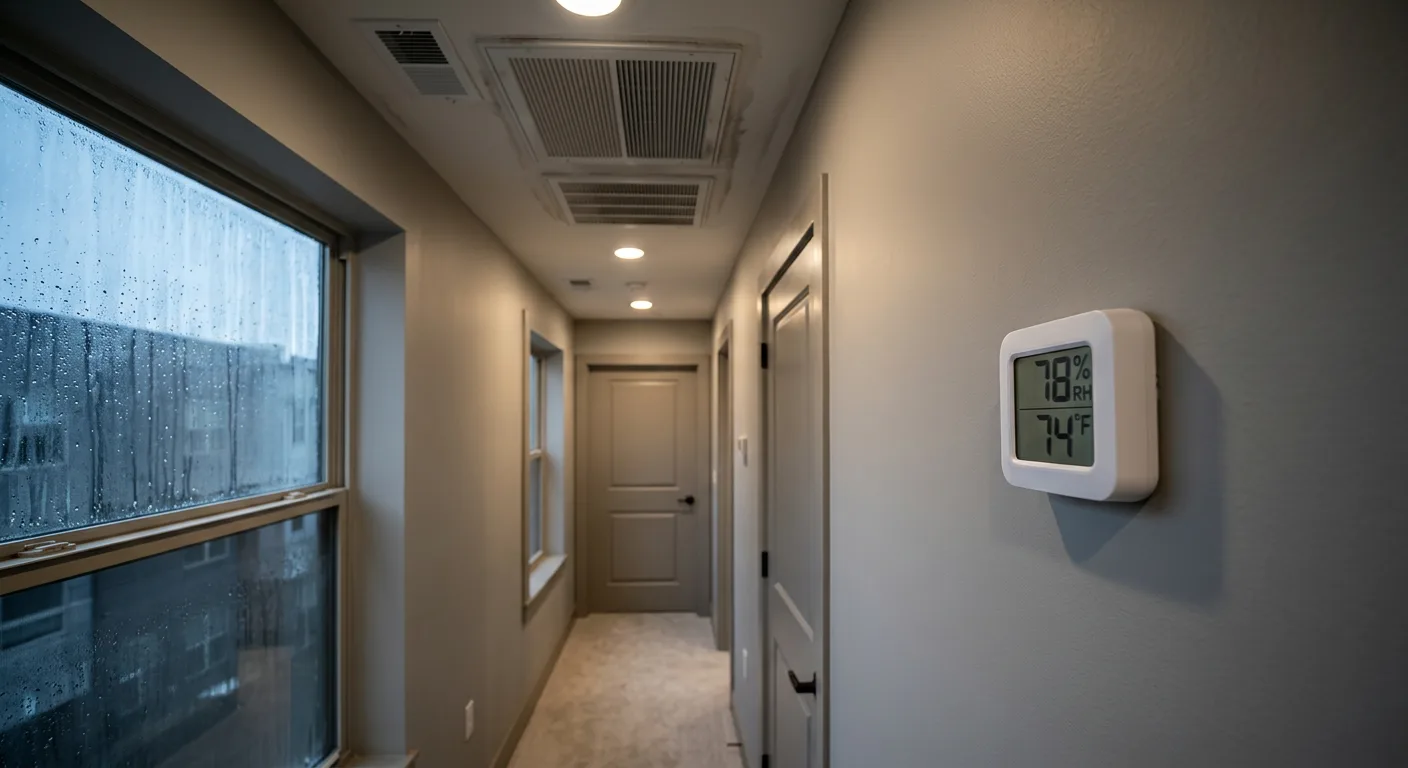
Condos and apartments present unique enforcement challenges that go beyond lease language. Even where cultivation is technically permitted, shared infrastructure makes cannabis growing a neighbor issue as much as a landlord issue. Shared HVAC systems, connected walls, and common-area air returns mean your grow directly affects others — and that creates both legal and practical exposure.
The Smell Problem in Multi-Unit Buildings
Cannabis odor in a multi-unit building travels through:
- Shared HVAC and air handling systems
- Gaps around pipes and conduit in shared walls
- Under doors into hallways and stairwells
- Balconies and patios where neighbors are nearby
Even one flowering plant produces significant odor during its final 4–6 weeks. In a shared building, this is almost impossible to fully contain without serious carbon filtration. Most inline carbon filters designed for 2×2 or 3×3 tents will manage smell effectively at the exhaust point — but they do not prevent passive odor from permeating through walls or building systems over time.
Moisture and Mold in Shared-Wall Construction
Indoor cannabis cultivation raises humidity significantly during vegetative and early flowering stages. In a shared-wall unit, excess moisture does not stay in your apartment — it migrates through building materials and can cause mold in wall cavities, affecting neighboring units. Building managers have legal grounds to pursue you for remediation costs that can reach tens of thousands of dollars.
Managing this requires:
- A quality inline exhaust fan sized correctly for your tent (measured in CFM)
- A dehumidifier inside or near the tent during flowering
- Target humidity of 40–50% RH during flower, never exceeding 60%
- Regular monitoring with a digital hygrometer
Our cannabis humidity control guide covers this in detail, including VPD ranges by growth stage that help you maintain optimal humidity without creating building risk.
Electrical Load and Fire Risk
A single 600W HID light on a 15-amp residential circuit operates at roughly 40% of that circuit's safe continuous load. Running lights, fans, a dehumidifier, and a carbon filter simultaneously can push circuits to their limits — and residential wiring in older apartment buildings is not designed for this. This creates both fire risk and a basis for lease termination. LED technology has dramatically reduced this issue: a quality 100W LED panel produces light comparable to a 400W HID system with far less heat and electrical draw, making it much more apartment-compatible.
State-by-State Snapshot: Local Preemption Status
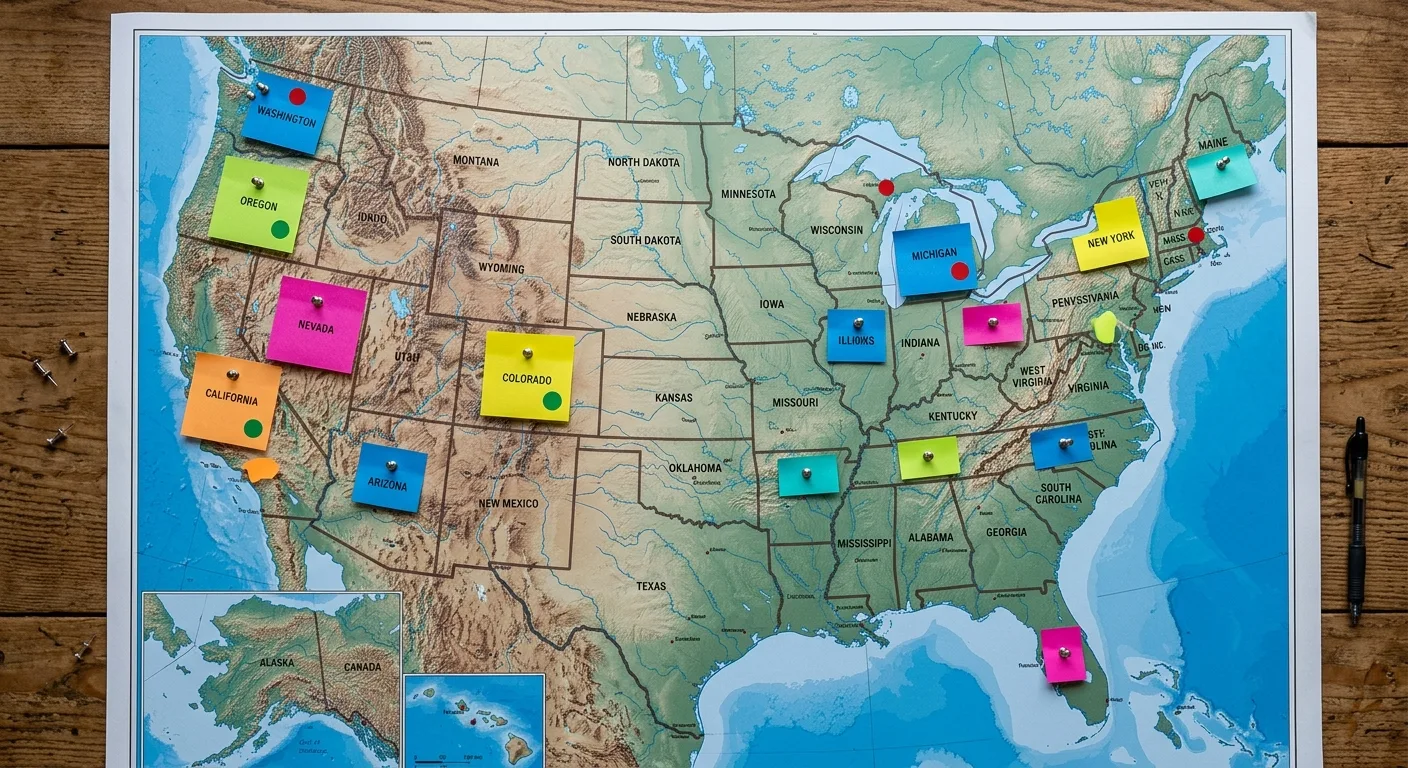
This table summarizes how major legal states handle the relationship between state cannabis home grow rights and local government authority. Always verify current law — this area changes frequently.
| State | Home Grow Allowed (State) | Plant Limit | Local Opt-Out Allowed? | HOA/Lease Override? |
|---|---|---|---|---|
| California | Yes | 6 plants/adult | Yes — many cities banned it | Yes |
| Colorado | Yes | 6/person, 12/home | Limited — most municipalities allow it | Yes |
| Michigan | Yes | 12/household | Yes — townships can ban | Yes |
| Illinois | Yes | 5 plants/household | Partial — can regulate, not ban | Yes |
| New York | Yes | 3 mature/3 immature | No — preempted by state law | Yes |
| New Mexico | Yes | 6 mature/6 immature | No — strong preemption | Yes |
| Massachusetts | Yes | 6/person, 12/home | Limited — some local rules apply | Yes |
| Oregon | Yes | 4 plants/household | Yes — some counties opted out | Yes |
| Nevada | Yes (if 25+ miles from dispensary) | 6 plants/person | Some local authority | Yes |
| Montana | Yes | 2 mature/2 seedlings | Yes — local zoning applies | Yes |
| Minnesota | Yes | 2 mature/8 immature | No — preempted | Yes |
| Missouri | Yes | 3 mature/3 immature | Restricted — time/place rules only | Yes |
The HOA/Lease column is "Yes" for every state in the table — because no state has eliminated the private contract rights of HOAs or landlords. That column will not change until a state passes explicit renter protection legislation for cultivation, which has not happened anywhere yet.
Practical Advice for Renters Who Want to Grow
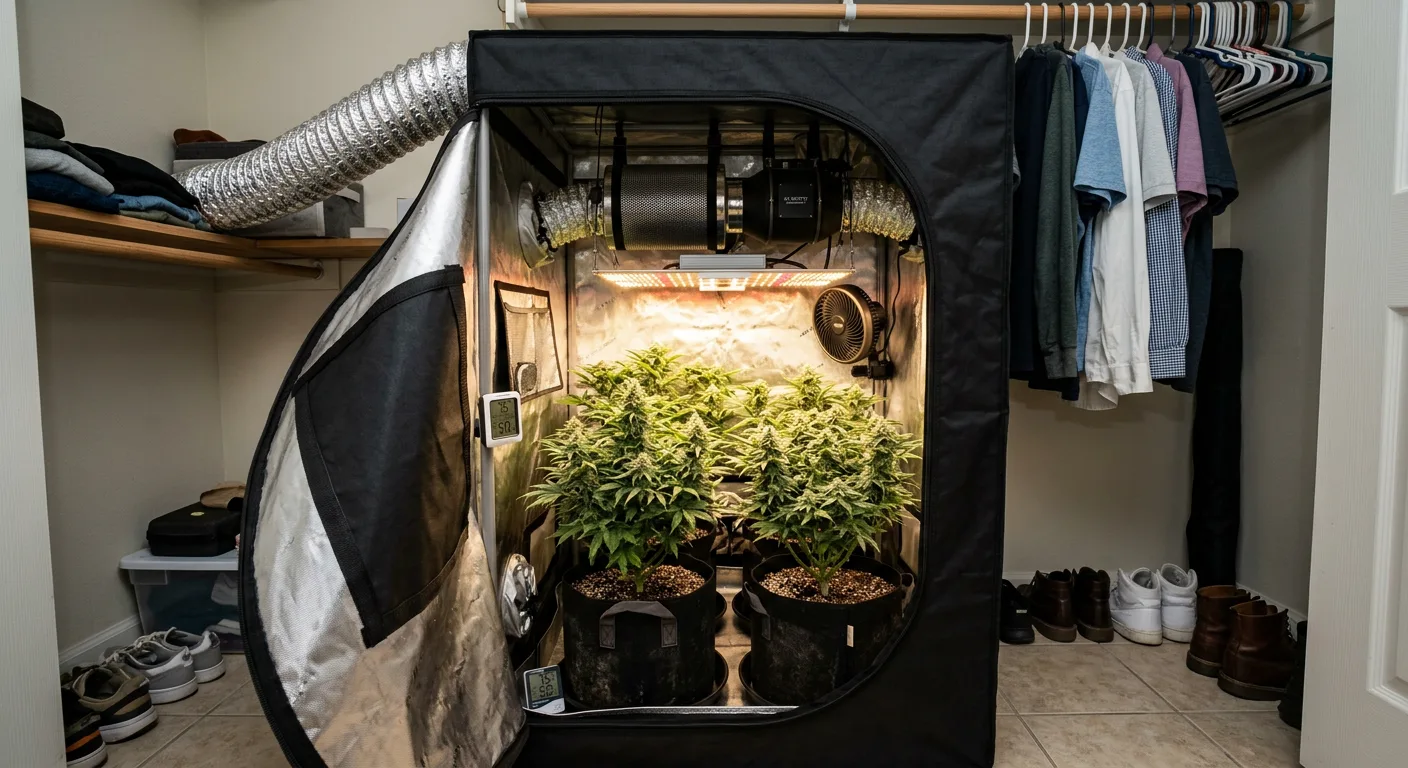
Renters face the most restricted legal position of any cannabis home grower — but that does not mean growing is impossible. It means being strategic. Renters who successfully grow do so through a combination of legal awareness, landlord communication, and grow design that minimizes the evidence that creates problems.
Step One: Know Your Legal Exposure Before You Start
Before setting up anything, confirm three things:
- Your city or county does not have a local cultivation ban
- Your lease does not have a cannabis or controlled substance clause
- Your lease does not prohibit property modifications or unusual electrical use
- Your building does not have shared HVAC that vents between units
- Your HOA (if applicable) does not have a CC&R prohibition
- You are growing within your state's plant count limits
If any of these boxes are red flags, understand the specific risk before proceeding. A lease violation can cost you your housing. That is a much larger consequence than most growers account for.
Step Two: Have the Landlord Conversation
If your lease is silent on cannabis, consider asking your landlord directly — ideally with a written request that describes a small, contained, odor-controlled indoor setup. Many landlords, especially individual property owners rather than large management companies, will agree when you frame it as:
- A small indoor setup (2×2 tent) in a closet or bedroom corner
- Full carbon filtration for odor control
- Humidity management to protect the property
- No structural modifications
Getting a written acknowledgment protects you from later claims that you violated the lease. It is worth the conversation.
Step Three: Design a Low-Footprint, Low-Risk Grow
The single biggest variable you control as a renter is how much evidence your grow produces. A 4×4 tent with a 600W HID light running 18 hours a day is hard to hide from smell, heat signature, and electrical bills. A 2×2 tent with a quality LED panel, a carbon filter, and a small inline fan is almost completely containable.
A 2×2 tent with a 100W LED and a proper carbon filter can produce 1–3 ounces per harvest with virtually no detectable odor outside the tent. For a renter, that footprint is the difference between a hobby that no one notices and a situation that ends your lease. Our 2×2 vs 4×4 grow tent guide breaks down exactly what to expect from each size.
For a complete 2×2 setup walkthrough — including ventilation sizing, lighting specs, and carbon filter recommendations — see our complete indoor grow tent setup guide.
Strain Selection for Discreet Grows
Strain choice matters enormously for renters and apartment growers. The characteristics you want to optimize for are height (short stays in the tent), smell during flowering (some strains are dramatically more pungent than others), and grow time (faster finishes mean fewer total days of risk exposure).
Autoflowering strains are the single best category for discreet apartment growing. They:
- Finish from seed in 70–90 days regardless of light schedule
- Stay compact — most fit under 24 inches in a 2×2
- Require no light-schedule management, reducing electrical complexity
- Produce harvestable buds without transitioning to a separate flowering photoperiod
For more on why autos are ideal for beginners and constrained spaces, read our guide on autoflower seeds for beginners.
Recommended strains for low-footprint, discreet grows:
- Swiss Cheese Autoflower — Compact auto, 17% THC, known for staying under 24 inches with a mild, manageable aroma profile. Purpose-built for small spaces.
- Blue Moonshine Autoflower — 13% THC, extremely compact structure, calming indica effects. One of the smallest-footprint autos available.
- Great White Shark Autoflower — 16% THC, reliable yields in constrained spaces, manageable odor during flower.
- Amnesia Haze Autoflower — 17% THC, the autoflowered version of the classic keeps height in check while delivering that signature haze effect.
- Gorilla Glue Auto — (Not carried by us, but worth mentioning.) 24%+ THC, heavy resin producer, finishes fast in auto form — one of the most popular discreet apartment strains in the community.
- Wedding Cake Auto — Compact indica-dominant with excellent bag appeal, widely available from multiple breeders. Stays short and finishes in under 80 days.
For photoperiod growers who want a compact, manageable plant, Purple Kush Feminized (27% THC) is a classic short indica that responds excellently to topping and stays well-contained in a 2×2. Pair it with LST (low-stress training) to maximize the tent footprint without adding height. See our guide on topping cannabis plants for technique details.
Use our free yield estimator tool to project what a single 2×2 plant can realistically produce. Knowing your expected harvest before you start helps you make a rational decision about whether the risk-to-reward ratio makes sense for your living situation.
What Happens If You Violate Local Cannabis Zoning Laws?
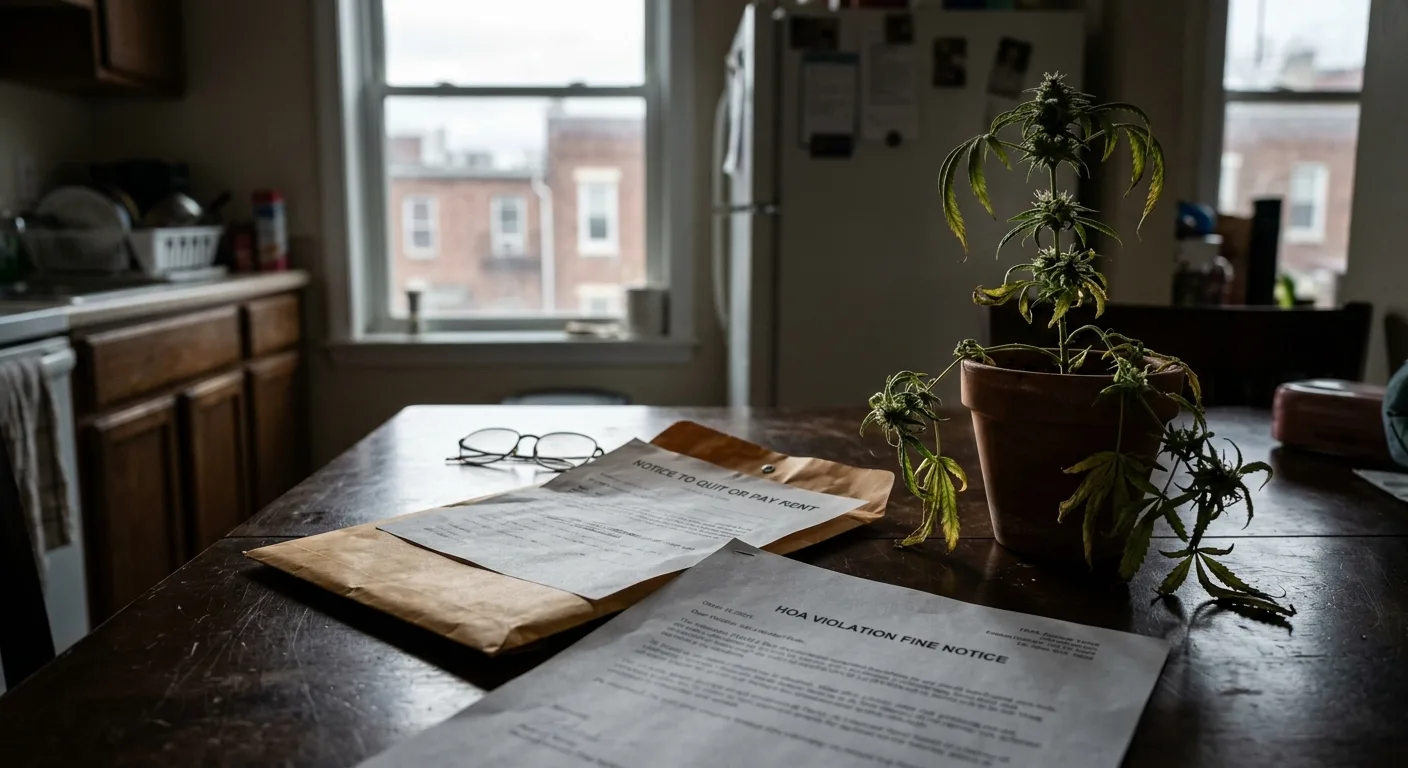
Consequences for violating cannabis home grow zoning laws vary dramatically depending on which layer you violated and where you live. The range goes from a small civil fine to eviction to criminal charges — and knowing the realistic spectrum helps you make informed decisions.
City Ordinance Violations
In most municipalities, violating a local cultivation ban is a civil infraction, not a criminal offense. Typical consequences include:
- Fines ranging from $100 to $1,000 per violation (some cities set daily fines)
- Cease-and-desist orders requiring you to destroy plants
- In cities with stricter ordinances, misdemeanor charges (rare but possible)
Criminal charges at the local level for home cultivation within state plant limits are rare in 2025 — most jurisdictions prioritize enforcement resources elsewhere. But civil fines are real and can accumulate quickly.
HOA Violations
HOA enforcement typically follows an escalating process: written warning → fine → repeated fine → lien on property. HOA fines for CC&R violations often run $50–$200 per violation, assessed weekly or monthly until corrected. The lien process can cloud your property title and affect refinancing or sale.
Lease Violations
A landlord who discovers a prohibited grow operation in a rental unit typically follows the legal eviction process for your state. In most states this involves:
- A written notice to cure (3–30 days depending on state law)
- If not cured, a notice to quit
- Formal eviction proceedings if the tenant does not vacate
Beyond eviction, a landlord can pursue damages for property remediation (mold, humidity damage, electrical modifications). These claims can reach thousands of dollars and follow you to future rental applications through tenant screening databases.
A formal eviction on your rental history makes future housing significantly harder to obtain. This is the most consequential risk for renter-growers — more consequential than any fine. Evaluate your specific lease situation honestly before starting a grow in a rental property.
Finding the Right Seeds for Your Legal Situation
Once you understand your legal landscape — whether you have full freedom, are working within HOA restrictions, or navigating a rental situation — strain and seed selection becomes a strategic decision, not just a preference question. The characteristics that matter most shift based on your constraints.
For Full Homeowners in Preemption States
If you own your home, live in a preemption state, and your city has no local ban, you have maximum flexibility. This is where you can optimize purely for yield, potency, and personal preference. Photoperiod feminized strains in a 4×4 or larger tent will consistently outperform autos for total harvest weight.
High-potency options worth growing in this situation include Quantum Kush Feminized (30% THC — one of the highest-THC strains available), OG Kush Feminized (26% THC, the iconic West Coast staple), and Black Widow Feminized (26% THC, the classic White Widow relative known for resin production and manageable grow structure).
For HOA Homeowners or Renters With Permission
Your constraint is footprint and odor. Compact autos or well-trained feminized indicas in a 2×2 tent give you real harvests with minimal detectability. Beyond the auto picks listed above, consider Northern Lights × Big Bud Feminized (20% THC) — Northern Lights genetics stay compact and nearly odorless compared to most strains, making it a long-standing favorite for discreet growers. Pair any of these with our grow planner tool to map out your timeline and keep everything on track.
Planning Your Grow Costs
Before you invest in equipment, use the grow cost calculator to estimate your total spend. A 2×2 setup including tent, LED, fan, filter, growing medium, and seeds typically runs $300–$500 for the initial build, with ongoing costs of $20–$40 per grow cycle in electricity and consumables. Knowing this number helps you argue the case to a landlord or justify the investment relative to your local dispensary prices.
The best seed for your situation is not always the highest-THC or highest-yield option. It is the one that fits your legal constraints, your space, and your risk tolerance. For most renters and HOA residents, that means an autoflower strain in a compact tent — and it is still entirely possible to grow exceptional cannabis within those limits.
Summary: Your Cannabis Home Grow Rights by Situation
Cannabis home grow zoning laws create a genuinely complex patchwork — but once you understand the three-layer system, the logic becomes predictable. Here is the bottom line by situation type.
- Homeowner, preemption state, no local ban: You have the clearest legal path. Verify city code once, grow within state plant limits, document your compliance.
- Homeowner, local opt-out state: Check your city code explicitly. If your city has banned cultivation, you are not protected by state law regardless of what state law says.
- HOA homeowner: Your CC&Rs govern. Review them carefully. If cultivation is banned, it is enforceable. Changing it requires a supermajority homeowner vote — possible but difficult.
- Renter, lease silent on cannabis: Technically possible in a legal jurisdiction, but you still face property damage liability. Get landlord acknowledgment in writing before starting.
- Renter, lease prohibits cultivation: Violation risks eviction and damages. If you proceed, minimize footprint, manage odor and humidity obsessively, and understand the risk clearly.
- Condo/apartment dweller: Shared infrastructure creates neighbor liability beyond your lease terms. Small-footprint grows with serious carbon filtration are the only reasonable approach.
For anyone navigating this landscape, the most important skill is reading the actual documents — your city's municipal code, your CC&Rs, and your lease — rather than relying on general knowledge about your state's cannabis law. The state law tells you what is possible in the best case. The documents in your specific situation tell you what is actually permitted where you live.
Frequently Asked Questions
Can my HOA ban me from growing cannabis even though my state says it's legal?
Yes. HOA CC&Rs are private contracts, and courts in legal cannabis states consistently uphold HOA cultivation bans as valid contract enforcement. State cannabis law gives you a right against government prosecution — it does not override private agreements you signed at purchase. Your CC&Rs are the controlling document for HOA-governed properties, not your state's cannabis statute. To change an HOA cultivation ban, you need a formal amendment vote, usually requiring a supermajority of homeowner votes.
Can my landlord stop me from growing weed in a legal state?
Yes — through a lease clause prohibiting cannabis cultivation or controlled substances, and courts in every legal cannabis state have upheld these clauses. Landlords have a legitimate property interest in preventing moisture damage, mold, electrical overload, and odor nuisance — all of which indoor cannabis cultivation can cause. No legal state currently requires landlords to permit cultivation in rental properties. Violating a lease no-grow clause is grounds for eviction in addition to claims for any resulting property damage.
Can a city ban home cannabis growing even if the state has legalized it?
In most legal states, yes — because state legislatures typically grant local governments the authority to impose stricter regulations than state law. California, Michigan, Oregon, and many other legal states allow cities and counties to ban home cultivation entirely. A minority of states (including New York, New Mexico, and Minnesota) have passed preemption laws that prevent local bans on personal cultivation. Always check your specific city's municipal code — your state's cannabis law only tells you what is allowed at the state level.
What is the best growing setup for renters who want to be discreet?
A 2×2 grow tent with a quality 100W LED panel, an inline carbon filter matched to the tent's CFM requirement, and a small circulation fan is the gold standard for discreet apartment or rental cultivation. This setup fits in a closet, produces minimal heat, draws modest electricity, and contains odor almost completely at the exhaust point. Autoflowering strains are ideal because they finish in 70–90 days, stay compact, and require no light schedule changes. Always manage humidity to stay under 55% RH to protect the property from moisture damage.
What happens if I grow cannabis in a city where it's locally banned but the state allows it?
You are violating local law and not protected by state law. Enforcement typically results in civil fines ($100–$1,000 per violation in most jurisdictions), cease-and-desist orders, and plant destruction requirements. Criminal charges for personal-scale grows within state plant limits are uncommon but not impossible in jurisdictions that actively enforce local bans. In a rental property, a local violation also gives your landlord independent grounds for eviction beyond any lease clause. Check your city's municipal code before starting any grow.