Candy Kush Feminized Seeds
By Ivan K., DSS Genetics · Updated April 2026

Candy Kush Feminized Seeds
SKU: DSS-CAKU-FEM-5PK
Pack Size
Quantity
Disclaimer: For informational purposes only — not medical advice. Consult a healthcare professional before use.
About This Strain
Candy Kush Feminized Seeds — Complete Strain Profile
Candy Kush Feminized Seeds – Strain Overview
Candy Kush was born from one of cannabis breeding's most compelling pairings: the legendary OG Kush — a California staple with deep Hindu Kush roots — crossed with Trainwreck, a Northern California sativa-dominant powerhouse with a pedigree stretching back to Mexican and Thai landraces. The result is a 70% indica / 30% sativa hybrid that pulls the best from both worlds: OG Kush's dense, resinous structure and deeply calming body effects fused with Trainwreck's euphoric mental spark and terpene complexity. At 14–19% THC and 1–2% CBD, Candy Kush lands in a sweet spot — potent enough to satisfy experienced consumers, approachable enough for those building their tolerance.
What makes this strain genuinely special is how its effects play out in layers rather than hitting all at once. The indica dominance keeps things grounded and manageable, while the sativa genetics add a creative, mood-lifting edge that prevents the classic heavy sedation from becoming one-dimensional. If you're exploring the best indica strains, Candy Kush earns serious consideration for its balance, yield potential, and that unmistakable candy-sweet terpene signature.
Effects and Medical Benefits
Candy Kush opens with a warm cerebral lift — not the sharp, electric jolt of a true sativa, but a gentle mental brightening that eases tension and invites a kind of open, easy-going focus. Within 20–30 minutes, the indica body follows, wrapping muscles in a relaxed calm that doesn't pin you to the couch unless you push the dose. At moderate consumption, this strain hits a sweet spot between functional relaxation and creative engagement that experienced growers and consumers return to again and again.
Users consistently report these effects:
- Relaxation — full-body muscle release that builds gradually rather than crashing down suddenly
- Euphoria — a warm, mood-lifting mental shift that replaces stress with contentment
- Creativity — the sativa genetics keep the mind active and associative, especially in the first hour
- Calming — a sustained emotional steadiness that makes winding down feel effortless
On the medical side, Candy Kush is frequently chosen by patients managing:
- Chronic pain — particularly muscular tension and generalized body aches
- Stress — the euphoric onset actively interrupts stress response cycles
- Anxiety — calming without the paranoia risk that higher-THC strains can carry
- Insomnia — the deep relaxation phase makes falling and staying asleep significantly easier
- Inflammation — supported by both cannabinoid and terpene anti-inflammatory activity
The 1–2% CBD presence isn't incidental — it actively shapes how the THC expresses itself. CBD modulates the psychoactive edge, making the high smoother and more sustained. Combined with Myrcene's sedative properties, Caryophyllene's CB2 receptor activity, and Linalool's anxiolytic influence, Candy Kush is a textbook example of the entourage effect at work — where the whole is genuinely greater than the sum of its parts.
Aroma, Flavor and Terpene Profile
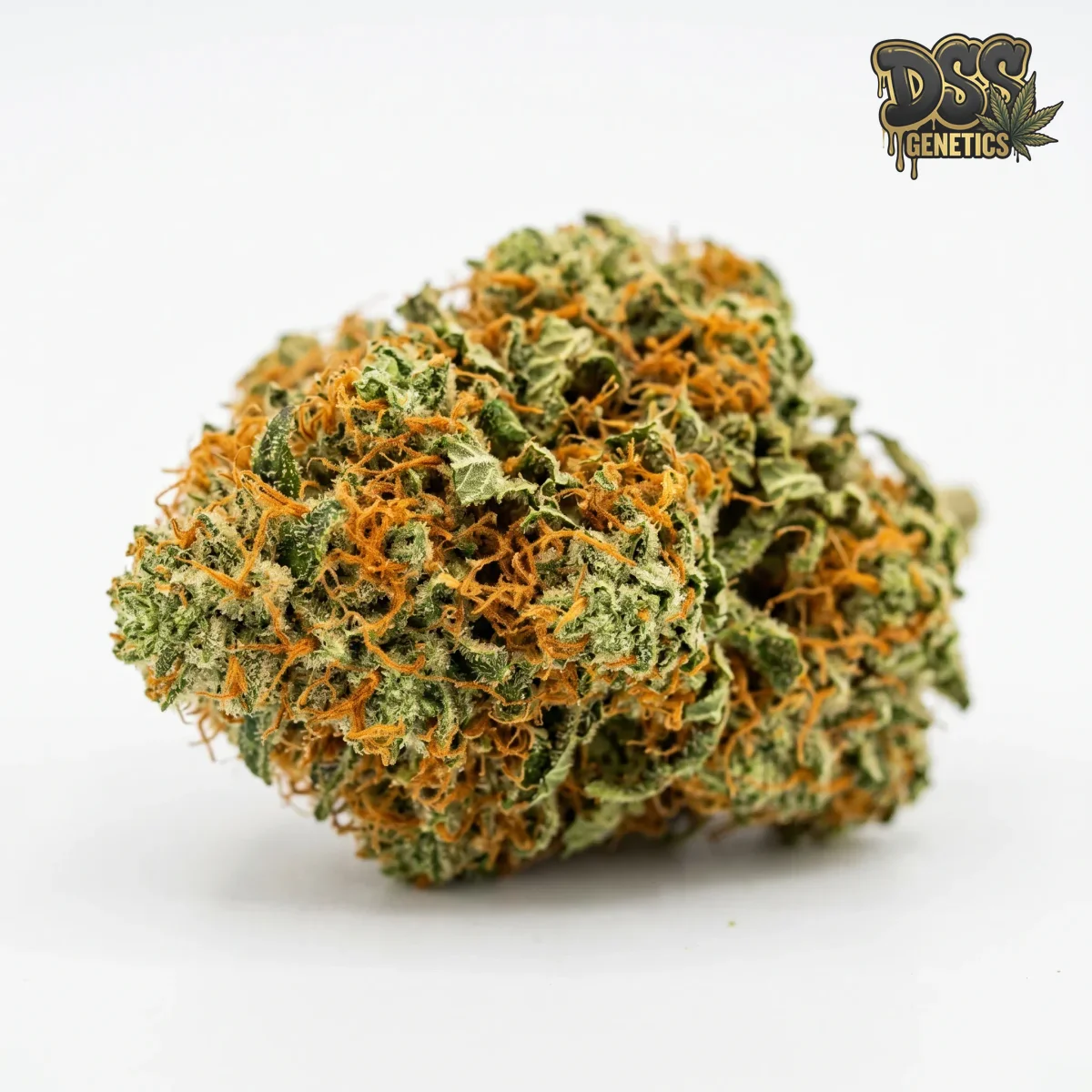
Crack open a cured Candy Kush bud and the first thing that hits you is pine — clean, sharp, almost like standing in a cold forest at dawn. Then the sweetness arrives, like ripe blueberries warmed by the sun, followed by a soft earthy base that anchors everything. On the exhale, citrus and berry dance together on the palate before fading into a long, candy-sweet finish that gives this strain its name. It's a remarkably complex profile for a strain in this THC range, and it holds up through multiple cures.
Myrcene is the backbone of Candy Kush's aroma — the earthy, slightly fruity base note that ties the profile together and amplifies the sedative qualities of the high. Myrcene is consistently the most abundant terpene in indica-dominant cannabis, and its presence here explains the smooth, full-body progression of the relaxation phase. It's also theorized to increase cannabinoid absorption across the blood-brain barrier, which may explain why the effects feel fuller than the THC percentage alone would suggest.
Caryophyllene brings the spicy, peppery warmth that sharpens Candy Kush's nose and keeps it from being overly sweet. What's genuinely remarkable about Caryophyllene is its status as the only terpene known to directly activate CB2 receptors in the endocannabinoid system — meaning it contributes anti-inflammatory effects without any psychoactive component. For patients choosing Candy Kush specifically for inflammation or pain relief, this isn't a small detail.
Linalool is the terpene most cannabis consumers never notice until it's absent. It's the floral, slightly lavender undertone that softens the rougher edges of the aroma profile and, more importantly, contributes measurable anxiolytic effects. Research into Linalool's pharmacology suggests it modulates GABA receptors similarly to how benzodiazepines operate — a mechanism that directly supports Candy Kush's reputation for calming anxiety without sedating the mind completely.
Humulene rounds out the profile with a dry, woody, hoppy note — the same compound that gives certain craft beers their earthy bitterness. Beyond aroma, Humulene carries anti-inflammatory and appetite-suppressant properties that distinguish it from most other cannabis terpenes. For consumers who prefer cannabis that doesn't trigger intense hunger, Humulene's presence in Candy Kush is a practical advantage worth noting.
Growing Candy Kush Seeds
Candy Kush is rated moderate difficulty — not because it's temperamental, but because it rewards attention to detail in ways that easy strains simply don't. Its OG Kush genetics mean it builds genuinely dense, heavy buds, which brings both the reward of thick colas and the responsibility of managing humidity carefully in late flower to prevent botrytis from taking hold. Get that right, and you're looking at a satisfying, productive grow with memorable results.
The plant structure is medium height with strong lateral branching — a natural response to its indica-dominant genetics. Indoors, Candy Kush hits its stride in a temperature range of 68–80°F (20–27°C) during lights-on and appreciates a 5–10°F drop during lights-off to encourage resin production and terpene expression. Outdoors, it performs well in temperate to warm climates with reliable sun and low late-season humidity. What we've found over dozens of grows is that Candy Kush responds particularly well to environmental stability — plants that experience less temperature and humidity fluctuation tend to produce tighter, more resinous bud structure compared to those grown in inconsistent conditions.
During the vegetative stage, Candy Kush isn't a heavy feeder, but it appreciates steady, balanced nutrition — roughly equal N-P-K ratios with cal-mag support, especially in coco or hydroponic media. As flowering begins around day 7–10 after the light flip, dial nitrogen down and start building phosphorus and potassium. By weeks 4–6 of flower, you want a proper bloom formula in play. Avoid overfeeding nitrogen in late veg — it delays the transition to flower and can soften the bud density that makes this strain so appealing at harvest.
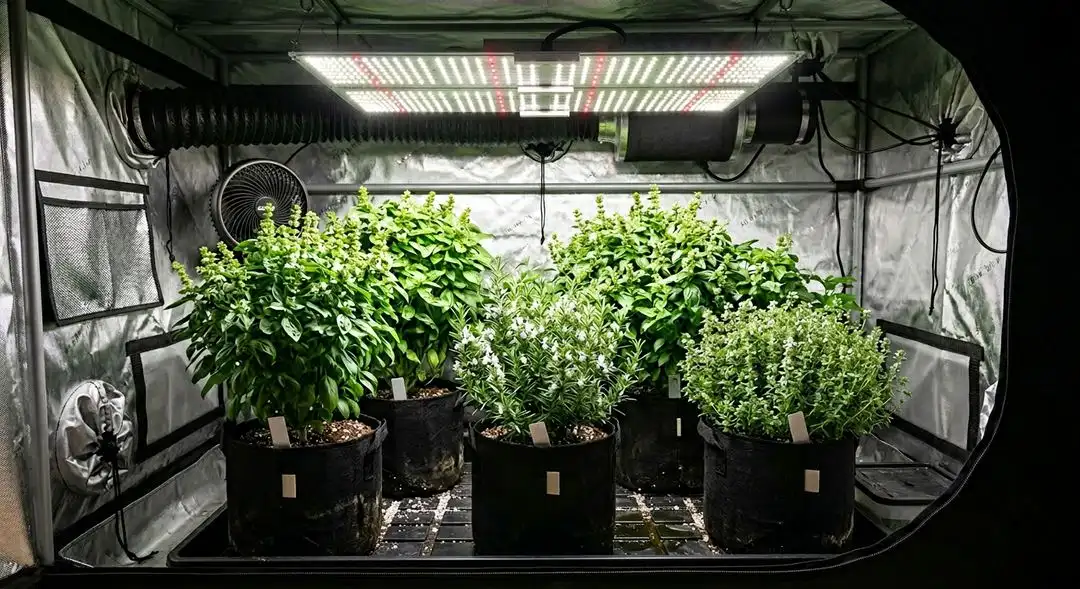
Key growing tips for Candy Kush:
- Training: Top or FIM during veg to encourage lateral branching, then apply LST or SCROG techniques to spread the canopy and expose lower bud sites to light — the natural branching structure responds exceptionally well to this
- Humidity management: Keep relative humidity at 50–60% through veg and early flower, then drop to 40–45% from week 5 of flower onward to protect dense buds from mold — this is the single most common failure point for Candy Kush grows
- Nutrients: Follow a proper bloom transition — consult our cannabis nutrient guide for timing and ratios; over-feeding phosphorus too early causes nutrient lockout and stunts flower development
- Indoor growing: A 4×4 tent with a quality LED at 600–800W suits 4–6 plants in a SCROG setup; check our indoor growing guide for setup recommendations that suit this strain's medium height and branching pattern
- Outdoor growing: Plant after the last frost date, in a south-facing position with well-draining soil amended with perlite and compost; our outdoor growing guide covers harvest timing for late-season indica strains like Candy Kush that can be vulnerable to early autumn rain
Yield and Flowering Time
Candy Kush flowers in 63–70 days — sitting on the longer end of the moderate range, which reflects the OG Kush influence. Don't rush the finish. Plants pulled at day 63 will be good; plants taken at day 68–70 will be noticeably denser, more resinous, and more aromatic. The extra week is almost always worth it. Indoor yields land at 1.3–1.6 oz/ft² under optimized conditions, with outdoor plants capable of producing 19–21 oz/plant in a full-season temperate climate.
For growers focused on output, Candy Kush sits comfortably among the high-yield strains in the moderate-THC category — and its bud-to-leaf ratio is genuinely impressive at harvest, which reduces trim time significantly compared to fluffier sativa-leaning varieties. The dense cola structure means each plant carries its weight efficiently.
To maximize your harvest:
- Trichome timing: Target 70–80% milky white trichomes with 15–20% amber for the classic Candy Kush effect profile — more amber pushes the sedation deeper and reduces the creative, euphoric edge from the Trainwreck genetics
- Late flower humidity: Drop to 40–45% RH in the final two weeks and increase airflow directly around the canopy to protect against botrytis on the densest colas
- Nutrient flush: Flush with plain pH-balanced water for the final 7–10 days to clear residual salts and allow the terpene profile to fully express — this step makes a measurable difference in flavor quality
- Drying and curing: Slow dry for 10–14 days at 60–65°F and 55–60% RH, then cure in sealed glass jars for a minimum of 3 weeks — Candy Kush's berry and citrus notes develop significantly during the cure and are noticeably muted in fast-dried material
Why Buy Candy Kush Seeds from DSS Genetics?
Every Candy Kush feminized seed ships with our full germination guarantee — if it doesn't sprout, we replace it, no questions asked. Orders ship in discreet, unmarked packaging, and every seed is stored under controlled conditions from our facility to your door to protect viability. We stand behind the genetics we sell.
- Germination guaranteed — every seed backed by our replacement promise
- Discreet shipping — plain, unmarked packaging on every order
- Spend $100+ — receive free premium seeds with your order
- Proper seed storage — temperature and humidity-controlled from warehouse to delivery, so your seeds arrive ready to germinate
Frequently Asked Questions
What are the genetics behind Candy Kush?
Candy Kush is a cross between OG Kush and Trainwreck — two strains with deep roots in West Coast cannabis culture. OG Kush brings the dense bud structure, heavy resin production, and indica-dominant body effects, while Trainwreck contributes the euphoric cerebral lift, creative energy, and complex terpene profile. The result is a 70% indica / 30% sativa hybrid that delivers layered effects. If you're drawn to this genetic direction, our best indica collection includes several related varieties worth exploring.
How difficult is Candy Kush to grow?
Candy Kush is rated moderate difficulty. It's not a strain that punishes minor mistakes, but it does reward growers who pay attention to humidity management in late flower — particularly in the final two to three weeks when its OG Kush-influenced bud density makes it more susceptible to botrytis. Beginners who've completed at least one successful grow will handle it well. If you're just starting out, build your skills with an easy-to-grow strain first, and check our germination guide to get your seeds off to the best possible start.
What does Candy Kush taste and smell like?
The aroma opens with sharp pine and ripe blueberry, followed by a sweet, earthy base with soft citrus undertones. The flavor on the exhale is distinctly candy-sweet with berry and citrus lingering on the palate. This profile comes from a terpene blend of Myrcene, Caryophyllene, Linalool, and Humulene — a combination that also contributes meaningfully to the strain's calming, anti-inflammatory, and anxiolytic effects through the entourage effect.
How long does Candy Kush take to flower, and what yields can I expect?
Candy Kush has a flowering time of 63–70 days from the light flip. Indoor yields run 1.3–1.6 oz/ft² under optimized conditions, and outdoor plants in a full season can reach 19–21 oz/plant. For best results, don't pull early — the final week of flowering delivers a significant jump in bud density and resin coverage. See our flowering stage guide for week-by-week management tips, and our harvest timing guide to nail the trichome window for peak potency and flavor.
Medical Disclaimer: This information is for educational purposes only and should not be considered medical advice. Always consult a healthcare professional before using cannabis for medical purposes. Individual results may vary.
Frequently Asked Questions
Candy Kush — Common Questions Answered
What is Candy Kush?
Candy Kush is a indica-dominant cannabis strain (70% Indica / 30% Sativa) bred from OG Kush x Trainwreck. It produces THC levels of 14–19% and CBD levels of 1–2%. Known for its relaxing, euphoric, creative effects and pine, sweet, earthy flavor profile.
Is Candy Kush easy to grow?
Candy Kush is moderately challenging to grow. Beginners can succeed with some research, but it benefits from basic knowledge of pH management and nutrient schedules. Growing difficulty: Moderate. It thrives in temperate climates and reaches a medium plant size.
How long does Candy Kush take to flower?
Candy Kush has a flowering time of 63–70 days. Switch to a 12/12 light cycle to initiate flowering. Expected yields are 1.3 to 1.6 oz/ft² indoors and 19 to 21 oz/plant outdoors.
What are the effects of Candy Kush?
Candy Kush delivers relaxing, euphoric, creative, calming effects. Many growers report it helps with pain, stress, anxiety, insomnia, inflammation. With THC levels of 14–19%, it offers a mild, manageable experience suitable for all tolerance levels.
What does Candy Kush smell and taste like?
Candy Kush's dominant terpenes are Myrcene, Caryophyllene, Linalool, Humulene, which give it a pine, sweet, earthy, citrus, berry, blueberry flavor and aroma profile. Myrcene contributes earthy, herbal notes and is associated with relaxing effects.Caryophyllene provides spicy, peppery notes and may help with inflammation.
Can I grow Candy Kush indoors and outdoors?
Yes, Candy Kush performs well both indoors and outdoors. Indoor yields average 1.3 to 1.6 oz/ft², while outdoor grows can produce 19 to 21 oz/plant. It prefers temperate conditions. Its medium height is manageable in most indoor setups.
What does "feminized" mean for Candy Kush seeds?
Feminized Candy Kush seeds are bred to produce only female plants, which are the ones that develop smokable buds. This eliminates the need to identify and remove male plants, saving time and maximizing your grow space. Over 99% of feminized seeds will produce female plants.
Grower Reviews
Real grow experiences from our community
Similar Strains
Growing Guides & Articles
Get 10% Off Your First Order
Join our newsletter for exclusive deals, growing tips, and new strain drops.