Crystal Feminized Seeds
By Ivan K., DSS Genetics · Updated April 2026

Crystal Feminized Seeds
SKU: DSS-CRYST-FEM-5PK
Pack Size
Quantity
Disclaimer: For informational purposes only — not medical advice. Consult a healthcare professional before use.
About This Strain
Crystal Feminized Seeds — Complete Strain Profile
Crystal Feminized Seeds – Strain Overview
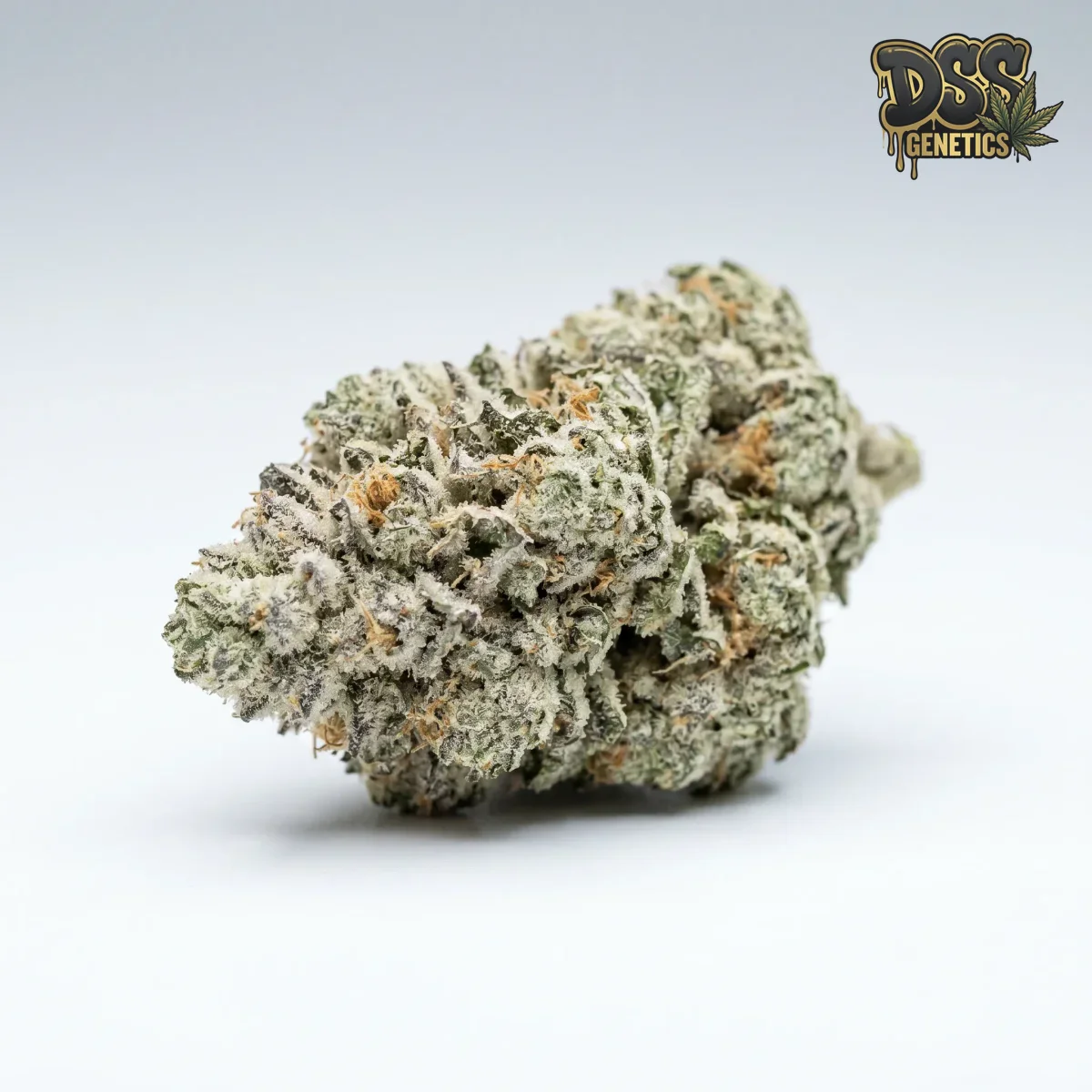
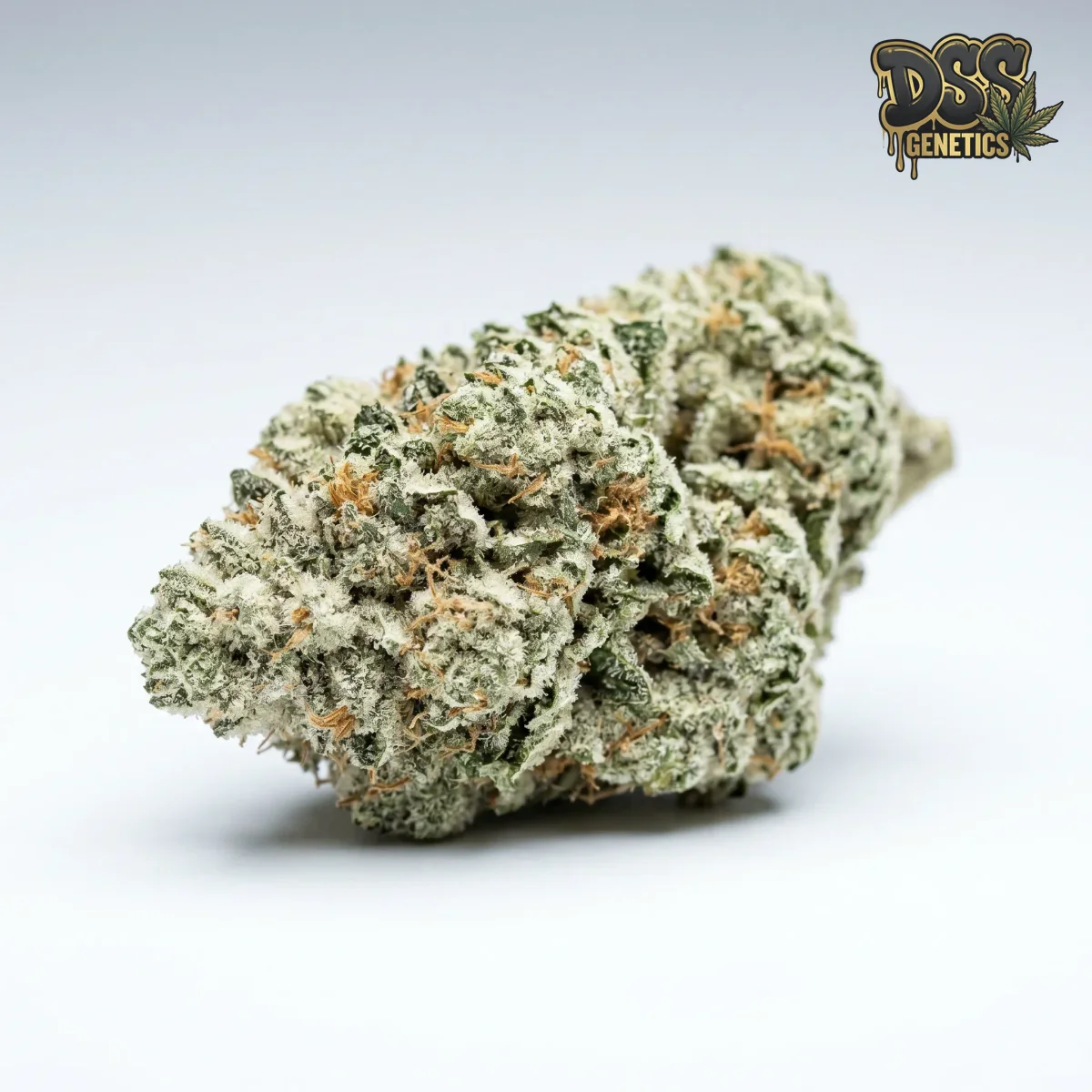
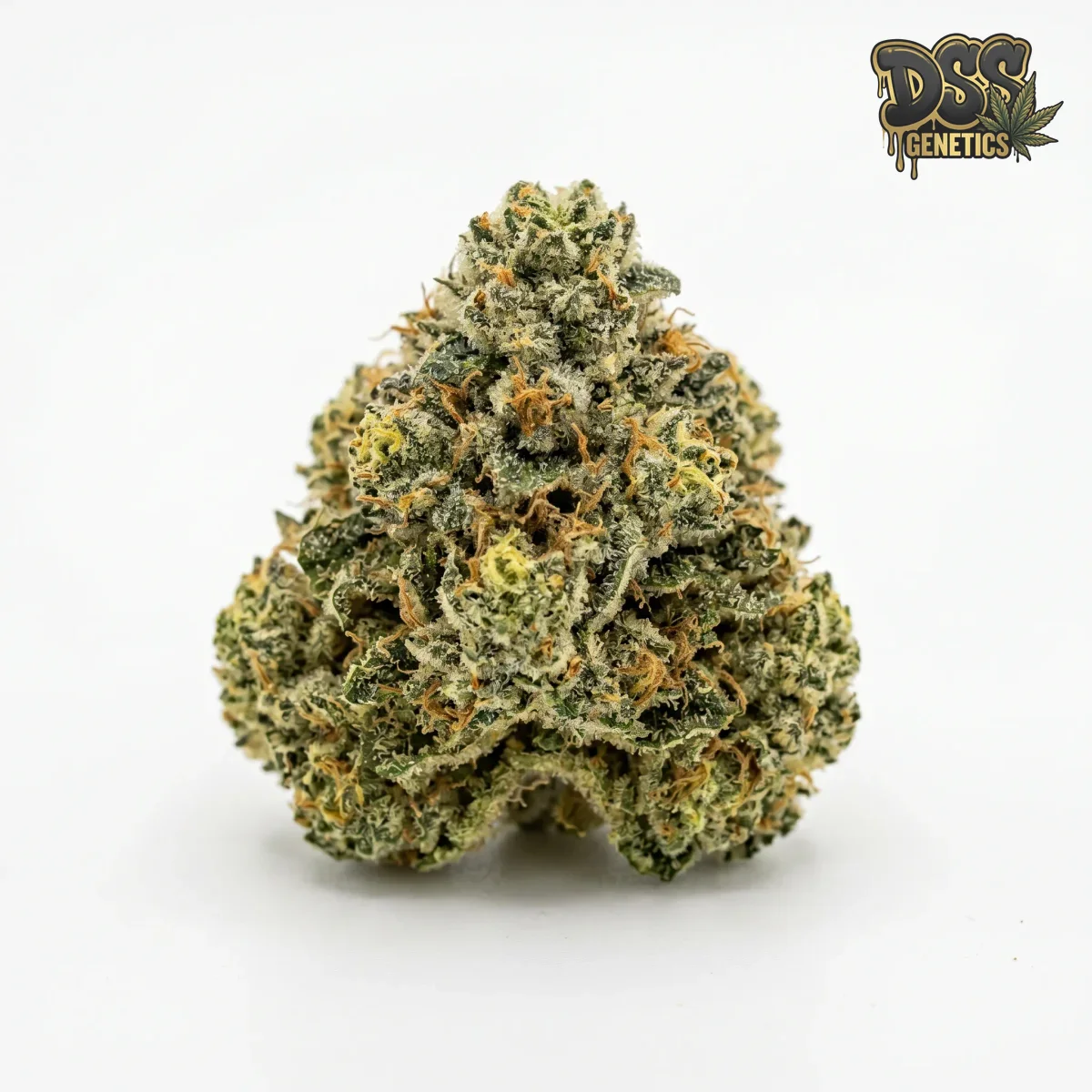
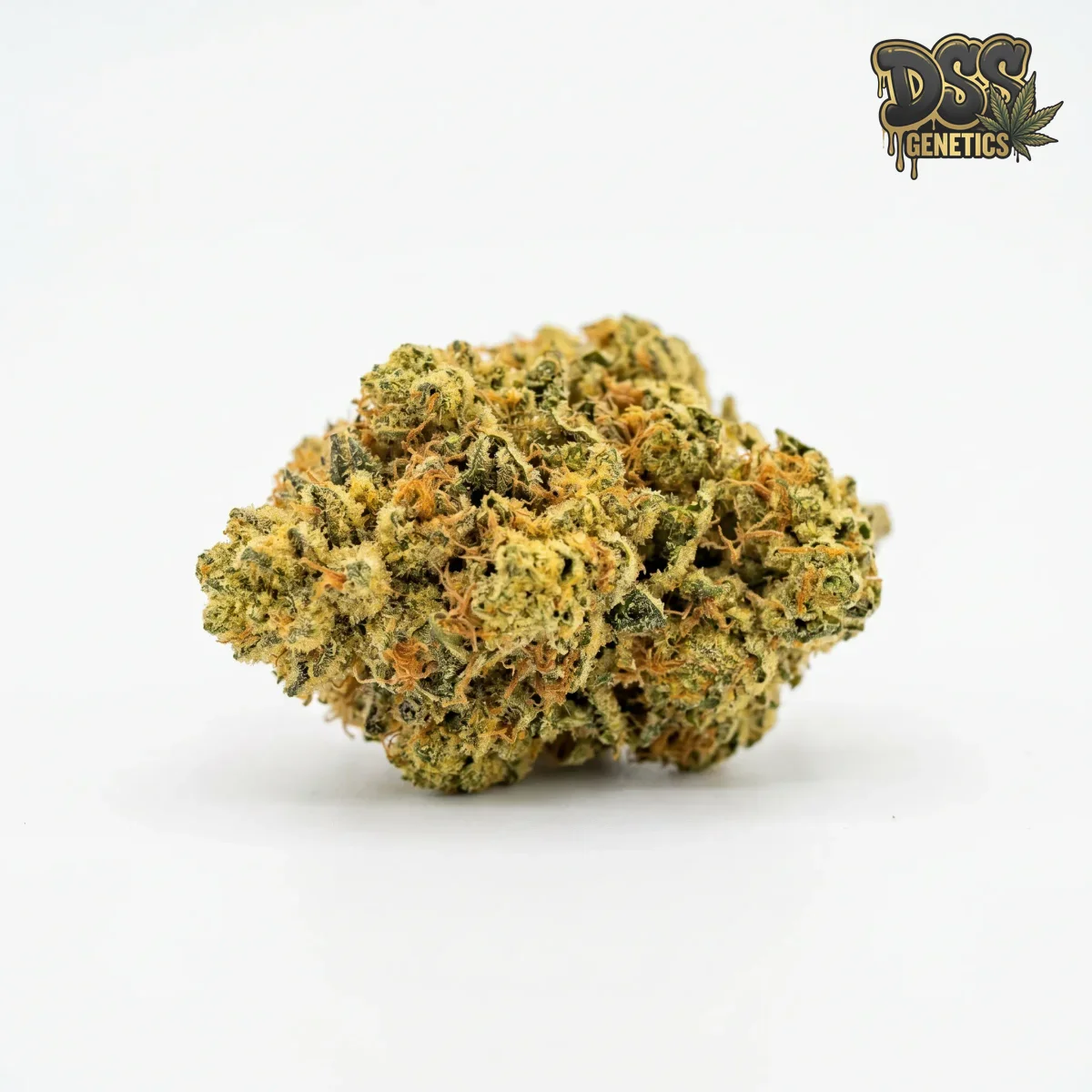
Crystal is a 60% indica / 40% sativa hybrid born from two of cannabis history's most celebrated cultivars — White Widow and Northern Lights. That breeding decision wasn't accidental. White Widow brought its legendary resin production and cerebral clarity, while Northern Lights contributed the structural density, root hardiness, and that signature full-body calm. The result is a strain that tests between 17–25% THC while staying grounded with up to 1% CBD — a range that makes Crystal compelling for both recreational users and those chasing genuine therapeutic relief.
What separates Crystal from the crowded indica-leaning hybrid category is the way it balances two lineages that could easily fight each other. Instead, they complement. You get White Widow's euphoric edge softened by Northern Lights' deep physical ease — a combination that's earned Crystal a lasting reputation among growers who've worked with it across dozens of runs. If you're building your garden around proven genetics, Crystal belongs in the same conversation as the best strains in our best indica collection.
Effects and Medical Benefits
Crystal doesn't hit like a freight train — it builds. The first 15 minutes deliver a clean cerebral warmth, the kind that sharpens focus and lifts mood without sending your thoughts racing. That's the White Widow ancestry talking. Then, around the 20–30 minute mark, the Northern Lights genetics begin to settle in through the shoulders and down the spine, transitioning the experience into something more physical and grounded.
What you end up with isn't couch-lock in the traditional sense — it's a comfortable, functional calm. Most users describe feeling simultaneously relaxed and engaged, which makes Crystal effective in late afternoon windows when you want to decompress without completely switching off. At higher doses or in the upper THC range (closer to 25%), the indica weight becomes more pronounced and evening use feels more appropriate.
Users commonly report these effects:
- Relaxation without sedation — a full-body ease that keeps you present and functional
- Euphoria and mood lift — bright, warm, and sociable rather than overwhelming
- Creative and focused thinking — especially in moderate doses during the sativa-dominant early phase
- Calming mental clarity — quiets mental noise without flattening alertness entirely
On the medical side, Crystal is regularly sought out for:
- Stress — the dual-action relaxation targets both physical tension and mental overload
- Anxiety — particularly effective for generalized anxiety when dosed conservatively
- Depression — the euphoric onset provides reliable mood elevation
- Insomnia — higher doses lean heavily sedative, making it a practical nighttime option
- Chronic pain — the indica body effect addresses muscular tension and persistent discomfort
Crystal's CBD content (up to 1%) isn't high enough to categorize it as a medical CBD strain, but it meaningfully contributes to the overall therapeutic character. That CBD interacts with the THC and terpene profile through what researchers describe as the entourage effect — a synergy where the full chemical profile produces more nuanced relief than isolated cannabinoids alone. In Crystal's case, this shows up most clearly in the smooth, non-anxious quality of its high, even at elevated THC levels.
Aroma, Flavor and Terpene Profile
Break a Crystal bud apart and the first thing you notice is pine — not the synthetic kind you'd find in a cleaning product, but the sharp, resinous scent of actual pine sap in cold air. That initial hit softens quickly into something sweeter and earthier, with a faint citrus thread running underneath. By the time the bud is ground, the diesel note emerges and the whole room smells like a forest floor with a gas station two miles upwind. It's a profile that's simultaneously natural and industrial, and it works.
On the inhale, Crystal delivers a smooth, lightly sweet pine flavor with subtle lemony brightness on the edges. The exhale is where the earthy-diesel complexity really opens up, leaving a clean, slightly spicy finish that lingers without becoming harsh. It's not a candy-flavored strain, and that's exactly the point — Crystal tastes like cannabis is supposed to taste.
The terpene driving most of this is Limonene. It's present at meaningful concentration and responsible for the citrus and lemon notes that thread through both the aroma and flavor. Limonene isn't just aromatic chemistry — research suggests it interacts with serotonin and dopamine pathways, which aligns directly with Crystal's mood-elevating, anxiety-reducing effects. It's also one reason the high feels bright rather than heavy in its early phase.
Humulene comes in at a measured 0.69% and contributes more than most people expect from a single terpene. It carries the woody, earthy, slightly spicy quality you detect underneath the pine and citrus — that grounded, almost herbal character that keeps Crystal's aroma from feeling sharp or one-dimensional. Beyond its sensory contribution, Humulene has been studied for anti-inflammatory and appetite-suppressing properties, making it relevant for medical users managing inflammation or weight-related conditions. You can read more about it on the Humulene terpene page.
Supporting these two is a broader terpene background that likely includes trace amounts of Myrcene (common in both White Widow and Northern Lights lineages), Pinene (which explains the prominent pine character), and Caryophyllene (contributing the diesel and spice on the back end). This supporting cast is why Crystal's flavor feels layered rather than flat — each inhale reveals something slightly different depending on temperature, cure quality, and consumption method.
Growing Crystal Seeds
Crystal is rated moderate difficulty — not because it's fragile, but because it rewards growers who pay attention to environmental details. The White Widow genetics bring strong resin production and some resistance to temperature fluctuation, while the Northern Lights side contributes solid root development and structural resilience. Together, they produce a plant that can handle minor mistakes but will genuinely thrive when conditions are dialed in.
Indoors, Crystal performs best at 70–82°F (21–28°C) during the vegetative stage, with a slight temperature drop to 65–75°F (18–24°C) during the flowering window. That evening temperature differential — keeping nights 8–10°F cooler than days — encourages terpene development and can deepen the visual appeal of the final product. Humidity should sit between 50–60% during veg and drop to 40–50% as flowers develop. In the final two weeks before harvest, pulling relative humidity below 45% significantly reduces the risk of mold developing inside Crystal's dense, resin-coated colas.
Outdoor growers will find Crystal well-suited to temperate climates in the Northern Hemisphere, where harvest typically falls in early to mid-October. The plant stays medium height — manageable in garden settings where discretion matters — and the Northern Lights genetics give it enough cold resistance to handle the temperature drops that come with late-season growing. If you're new to outdoor cultivation, our outdoor growing guide covers site selection, soil preparation, and seasonal timing in detail.
What we've found over dozens of grows with Crystal is that the vegetative stage is the best time to invest in plant structure. Spend 4–5 weeks in veg building a wide, open canopy and you'll be rewarded with a flowering period where light penetration is even and airflow keeps humidity in check at the bud sites. Rushing the flip to flower on an underdeveloped plant is the single most common mistake growers make with this strain.
Key growing tips for Crystal:
- Training: Low-stress training (LST) and SCROG both work exceptionally well — Crystal's branching structure responds to horizontal training by producing multiple equal-sized colas rather than a single dominant main stem
- Nutrients: During the vegetative stage, feed a balanced NPK profile; at the flip to flower, begin transitioning toward a higher phosphorus and potassium formula while gradually reducing nitrogen over the first two weeks of flowering — see the full nutrient guide for timing specifics
- Humidity management: Dense Crystal buds trap moisture — a small oscillating fan aimed at the middle of the canopy during the flowering stage does more work than most growers expect
- Indoor environment: A well-ventilated grow tent with CO₂ supplementation at 1,000–1,200 ppm can push yields toward the upper end of the 1.3–1.6 oz/ft² range — full setup details in the indoor growing guide
- Outdoor timing: In temperate regions, transplant outdoors after the last frost and target a site with at least 8 hours of direct sun — Crystal's outdoor yield potential of 25–30 oz/plant is only realized with full-sun exposure through late summer
Yield and Flowering Time
Crystal finishes flowering in 55–65 days — a window that gives you some flexibility depending on how you're reading the trichomes. Indoor growers working in controlled environments typically see plants ready to harvest around day 58–62, while outdoor plants in cooler autumn climates may use the full 65 days. Indoor yields come in at 1.3–1.6 oz/ft², and outdoor plants in ideal conditions produce 25–30 oz/plant — figures that put Crystal solidly in the high-yield category for an indica-dominant hybrid.
What drives those yield numbers isn't just genetics — it's the combination of medium plant size and exceptional bud density. Crystal doesn't grow tall and lanky, but it puts enormous energy into packing weight into compact, crystalline flowers. A well-trained canopy with even light distribution is the most reliable path to hitting the upper yield range.
To maximize your harvest:
- Trichome timing: Harvest when 60–70% of trichomes are milky white and 15–20% have shifted to amber — this window captures peak THC before significant degradation to CBN begins, and it aligns with Crystal's characteristic balanced effect profile
- Late-flower humidity: Drop to 40–45% relative humidity in the final two weeks to protect dense buds from late-stage botrytis and to encourage final resin swelling
- Nutrient flush: Run plain pH-balanced water (6.0–6.5 for soil, 5.8–6.0 for hydro) for the final 7–10 days to clear residual nutrient salts and improve final flavor — this step makes a measurable difference in Crystal's pine and citrus profile
- Drying and curing: Hang whole branches in a dark room at 60–65°F and 55–60% humidity for 10–14 days, then transfer to sealed glass jars and cure for a minimum of 3–4 weeks — Crystal's terpene complexity, particularly the Limonene and Humulene expression, improves noticeably after a proper cure
Why Buy Crystal Seeds from DSS Genetics?
Every Crystal seed that leaves our facility has been stored under optimal temperature and humidity conditions to protect viability from packaging through delivery. Your order arrives in discreet, unmarked packaging with no cannabis-related branding visible on the outside. If any seed fails to germinate following our germination guide, we replace it. That's not a disclaimer — it's a standing commitment.
- Germination guarantee — every seed is covered; failures are replaced, no questions asked
- Discreet shipping — plain, unmarked packaging on every order
- Spend $100+ — receive complimentary premium seeds added to your order automatically
- Storage-to-door viability — seeds are kept at controlled temperature and humidity from our warehouse to your hands, preserving germination rates that mass-market distributors can't match
Frequently Asked Questions
Is Crystal a good strain for beginners?
Crystal is rated moderate difficulty, which means it's achievable for a first or second grow if you do the preparation work. The main challenge is humidity management during late flower — the dense, resin-heavy buds Crystal produces are susceptible to mold if relative humidity climbs above 50% in the final three weeks. If you want to build your foundational skills before tackling Crystal, start with something from our easy-to-grow collection first, then come back to Crystal with a couple of grows under your belt.
How potent is Crystal compared to other indica-dominant hybrids?
At 17–25% THC, Crystal sits in the middle-to-upper range of the potency spectrum — stronger than most entry-level strains, but not in the extreme category. What makes that range interesting is that the White Widow genetics tend to push expression toward the upper end when growing conditions are optimal. If maximum potency is your primary goal, compare Crystal against the strains in our highest-THC collection. For most users, Crystal's 17–25% range with up to 1% CBD hits a practical sweet spot between potency and manageability.
What are the dominant terpenes in Crystal, and how do they affect the experience?
Crystal's most prominent terpenes are Limonene and Humulene (0.69%). Limonene is responsible for the citrus and lemon notes in the flavor profile and is associated with mood elevation and stress reduction — which tracks closely with Crystal's reported euphoric and calming effects. Humulene contributes the woody, earthy depth in the aroma and brings potential anti-inflammatory properties. Beyond these two, Crystal's White Widow and Northern Lights lineage almost certainly carries background expression of Myrcene, Pinene, and Caryophyllene, which together explain the pine, diesel, and spice notes in the flavor. The way all of these compounds interact is what researchers refer to as the entourage effect.
How long does Crystal take to flower, and what yields can I expect?
Crystal flowers in 55–65 days from the flip to 12/12 light. Indoors, well-trained plants produce 1.3–1.6 oz/ft² — achievable in a standard 4×4 tent with a quality LED fixture and proper canopy management. Outdoors, plants harvested in early-to-mid October can produce 25–30 oz/plant under full sun with a healthy root system. For specific techniques to push toward the upper yield range, our flowering stage guide covers light intensity, defoliation timing, and nutrient transitions in detail. If you're running a hydroponic setup, our hydroponics guide outlines the environmental parameters that help Crystal reach its full yield potential in soilless systems.
Medical Disclaimer: This information is for educational purposes only and should not be considered medical advice. Always consult a healthcare professional before using cannabis for medical purposes. Individual results may vary.
Frequently Asked Questions
Crystal — Common Questions Answered
What is Crystal?
Crystal is a balanced hybrid cannabis strain (60% Indica / 40% Sativa) bred from White Widow x Northern Lights. It produces THC levels of 17–25% and CBD levels of 0.1–1%. Known for its relaxing, euphoric, creative effects and pine, sweet, earthy flavor profile.
Is Crystal easy to grow?
Crystal is moderately challenging to grow. Beginners can succeed with some research, but it benefits from basic knowledge of pH management and nutrient schedules. Growing difficulty: Moderate. It thrives in temperate climates and reaches a medium plant size.
How long does Crystal take to flower?
Crystal has a flowering time of 55–65 days. Switch to a 12/12 light cycle to initiate flowering. Expected yields are 1.3 to 1.6 oz/ft² indoors and 25 to 30 oz/plant outdoors.
What are the effects of Crystal?
Crystal delivers relaxing, euphoric, creative, energetic, focused, calming effects. Many growers report it helps with stress, anxiety, depression, insomnia, pain. With THC levels of 17–25%, it is a potent strain — start with a low dose if you have low tolerance.
What does Crystal smell and taste like?
Crystal's dominant terpenes are Limonene, Humulene (0.69%), which give it a pine, sweet, earthy, citrus, lemon, diesel flavor and aroma profile. Limonene adds citrusy brightness and may elevate mood.
Can I grow Crystal indoors and outdoors?
Yes, Crystal performs well both indoors and outdoors. Indoor yields average 1.3 to 1.6 oz/ft², while outdoor grows can produce 25 to 30 oz/plant. It prefers temperate conditions. Its medium height is manageable in most indoor setups.
What does "feminized" mean for Crystal seeds?
Feminized Crystal seeds are bred to produce only female plants, which are the ones that develop smokable buds. This eliminates the need to identify and remove male plants, saving time and maximizing your grow space. Over 99% of feminized seeds will produce female plants.
Grower Reviews
Real grow experiences from our community
Get 10% Off Your First Order
Join our newsletter for exclusive deals, growing tips, and new strain drops.