Hollands Hope Feminized Seeds
By Ivan K., DSS Genetics · Updated April 2026

Hollands Hope Feminized Seeds
SKU: DSS-HOHO-FEM-5PK
Pack Size
Quantity
Disclaimer: For informational purposes only — not medical advice. Consult a healthcare professional before use.
About This Strain
Hollands Hope Feminized Seeds — Complete Strain Profile
Hollands Hope Feminized Seeds – Strain Overview
Hollands Hope is an 80% indica–dominant classic bred from two pillars of cannabis genetics: Afghan and Dutch Skunk. The Afghan parent brings centuries of mountain-hardened resilience and deep body sedation, while the Dutch Skunk contribution adds an uplifting cerebral edge and that signature skunky-sweet aroma Dutch breeders have been refining since the 1980s. The result is a strain engineered from the ground up to perform in cool, unpredictable climates — earning its name by giving Dutch outdoor growers genuine hope for a quality harvest before autumn rains arrive.
With 14–18% THC and a compact, mold-resistant structure, Hollands Hope delivers a balanced experience that punches well above its moderate potency rating. It's become a cornerstone of the easy-to-grow collection for good reason — this plant was bred for real-world conditions, not perfect grow rooms. Whether you're running your first outdoor season or your fiftieth, Hollands Hope respects the grower's time and rewards patience with generous harvests.
Effects and Medical Benefits
The high from Hollands Hope opens with a warm cerebral lift — not the racing, anxious kind, but a smooth wave of happiness and mental clarity that settles in within the first ten minutes. That's the Skunk genetics doing their work, pushing a quiet euphoria that makes conversation easy and creativity accessible without sending your thoughts in too many directions at once.
As the session progresses, the Afghan indica foundation gradually takes over. A gentle body heaviness spreads from the shoulders down, softening tension without pinning you to the couch — at moderate doses, at least. At higher doses, expect deeper sedation and a drift toward sleep. The transition is gradual enough that most users describe the overall experience as pleasant and manageable rather than overwhelming.
Users consistently report these effects:
- Deep physical relaxation — muscle tension dissolves without full couch-lock at moderate doses
- Euphoria and happiness — the Skunk genetics deliver a genuine mood lift early in the session
- Creative and uplifting — mental clarity in the first hour makes this viable for afternoon use
- Gentle energetic quality — less sedating than pure Afghan strains, more functional for evening activities
On the medical side, Hollands Hope is regularly chosen for relief from:
- Chronic stress — the body relaxation is immediate and reliable
- Anxiety and social tension — the smooth onset avoids the paranoia spike some high-THC strains trigger
- Depression — the euphoric opening phase lifts mood without overstimulation
- Mild to moderate pain — the indica body effect handles muscle soreness and everyday aches effectively
- PTSD — the calming, grounding quality helps quiet intrusive thought loops without heavy sedation
The 0.3–0.8% CBD content is modest but not insignificant. Combined with Caryophyllene's direct CB2 receptor activity and Pinene's documented anti-inflammatory properties, the full terpene and cannabinoid profile works together through the entourage effect to deliver therapeutic benefits that exceed what the THC number alone would suggest.
Aroma, Flavor and Terpene Profile
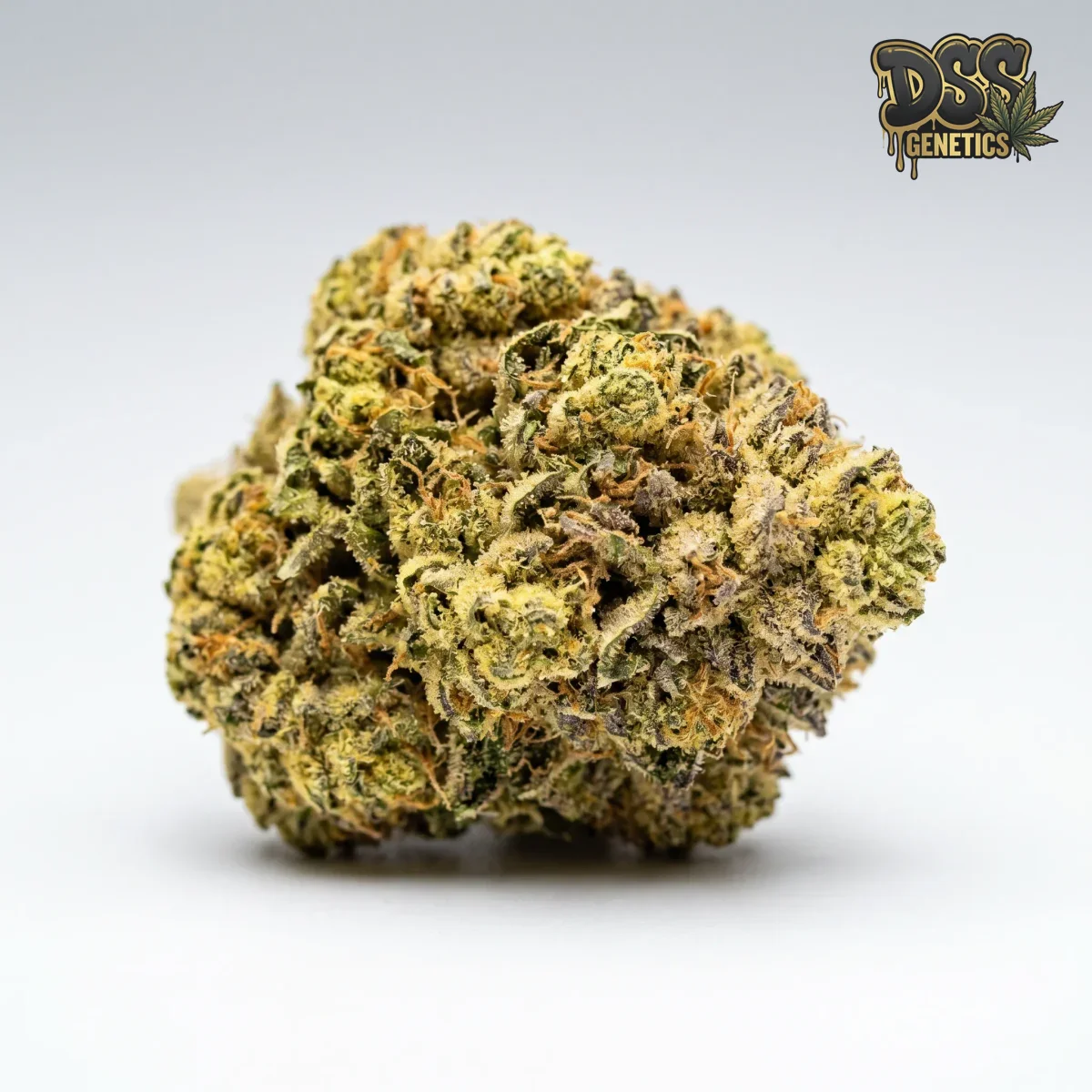
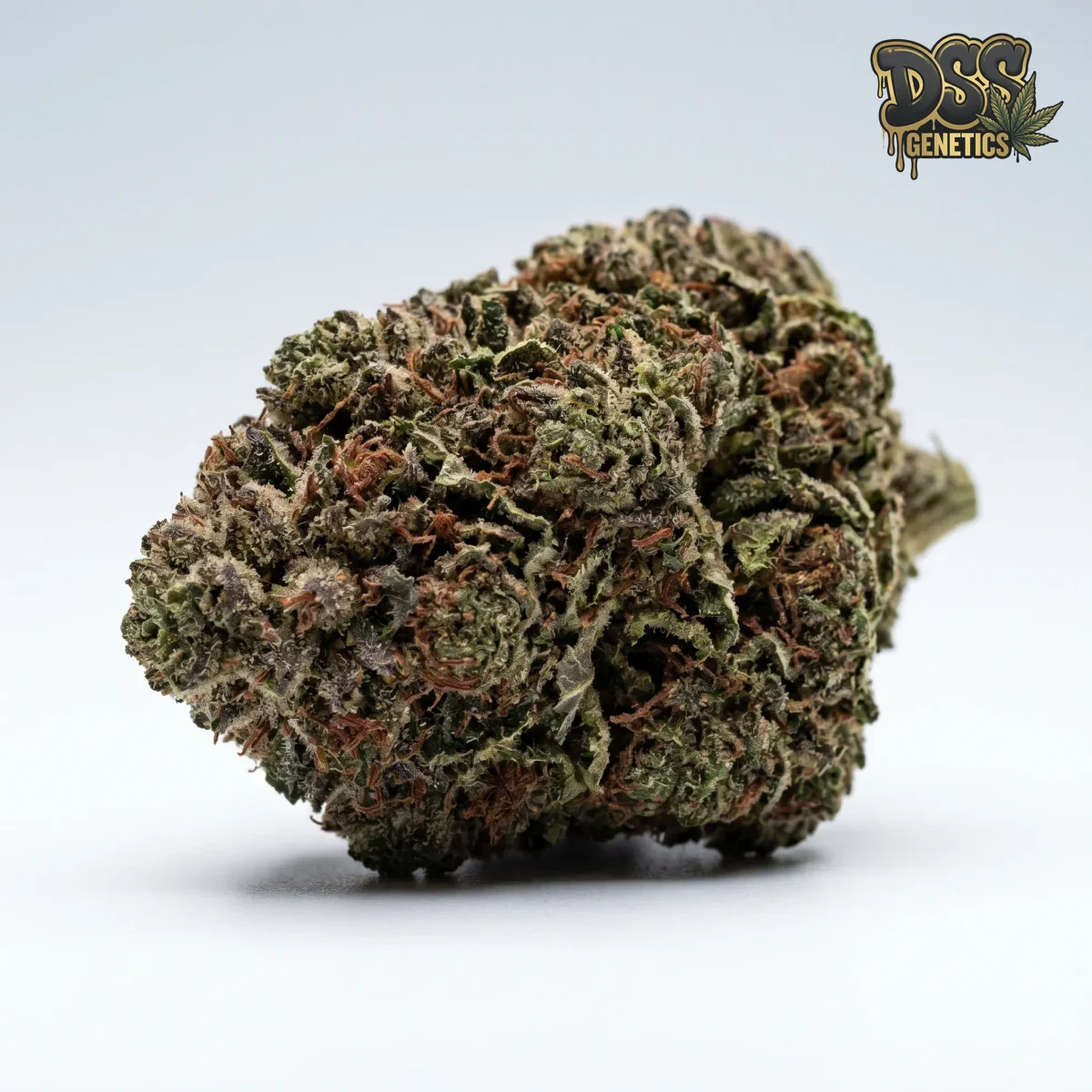
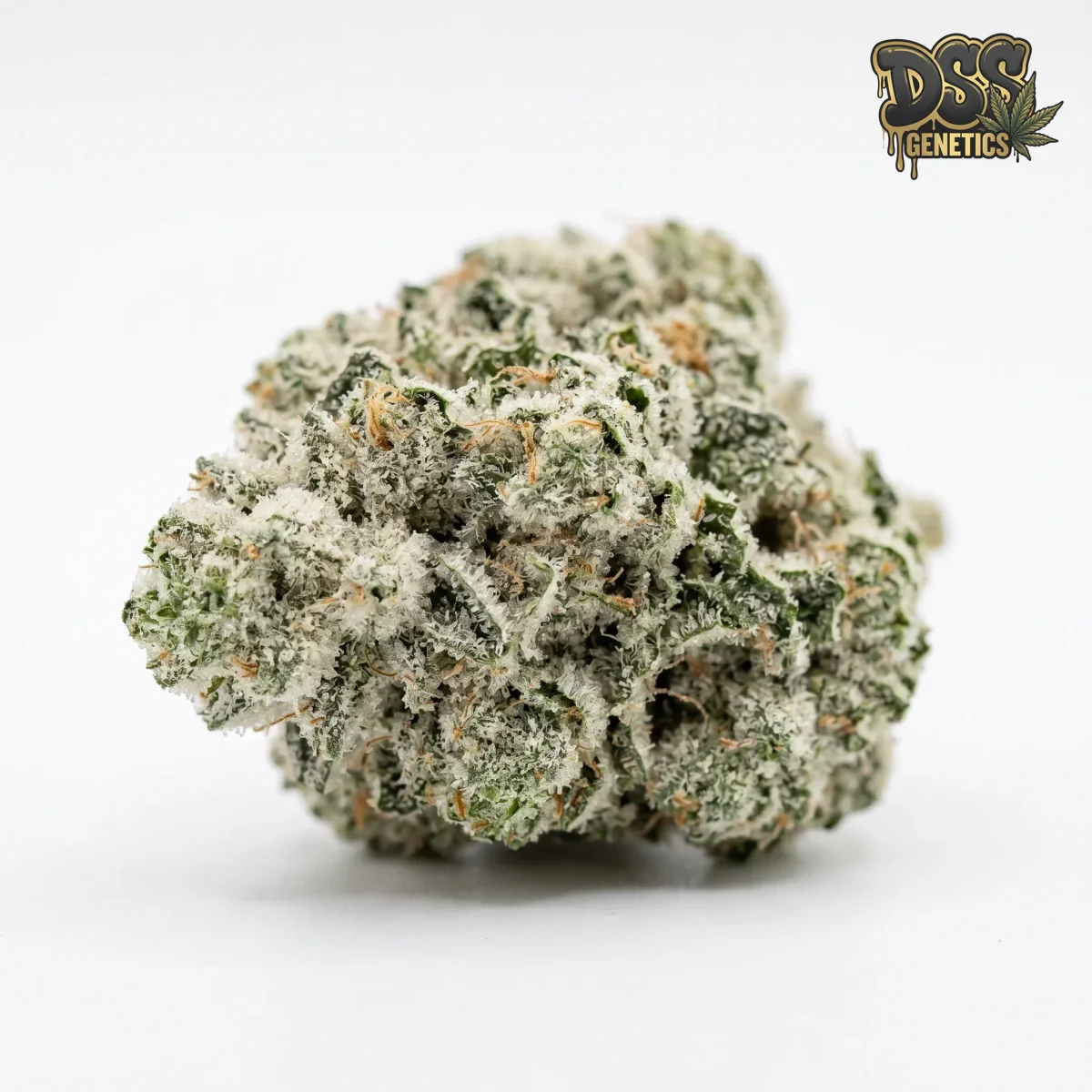
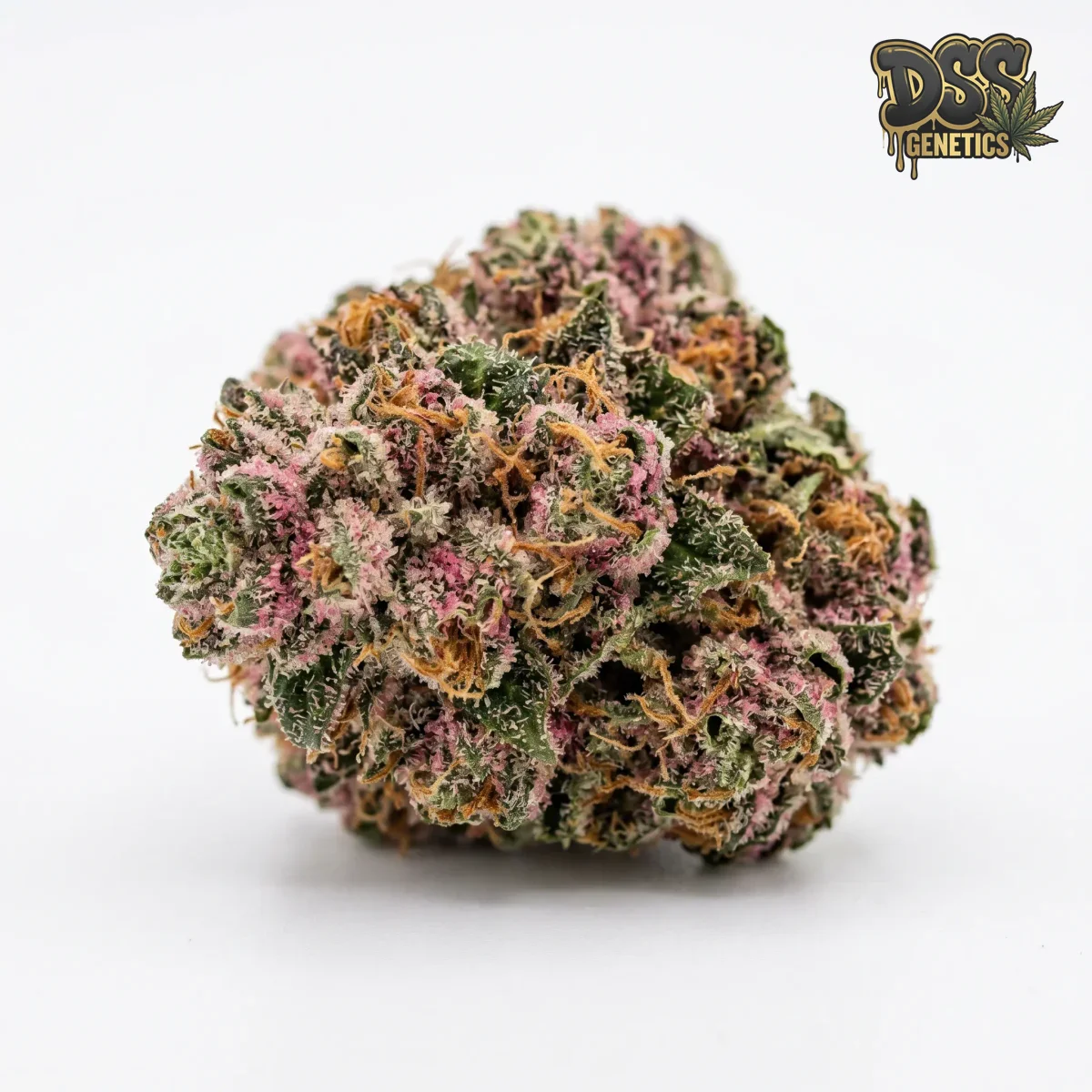
Crack open a jar of properly cured Hollands Hope and the first thing that hits you is pine — sharp, resinous, like walking into a forest right after rain. That brightness softens quickly into a sweet citrus warmth, something between dried orange peel and fresh grapefruit zest. Then the diesel and skunk notes rise underneath, giving the whole profile an earthy backbone that anchors the lighter top notes. It's a classic Dutch outdoor aroma that experienced growers recognize immediately.
On the inhale, the pine and citrus translate cleanly to the palate. The smoke is smooth for an indica-dominant strain — the Afghan genetics tend toward thickness, but the Skunk parentage keeps it from becoming heavy. The exhale brings out the sweeter, fruitier side: something almost tropical briefly before the skunky diesel aftertaste lingers pleasantly on the back of the throat.
Pinene is the primary aromatic force in Hollands Hope, and it does more than just smell like a pine forest. This terpene is the most widely occurring terpene in nature and carries genuine pharmacological weight — research suggests it may improve alertness and offset some THC-associated short-term memory effects. In the context of this strain, Pinene explains the mental clarity that sits alongside the indica body relaxation, creating a functional daytime-to-evening experience rather than straight-to-couch sedation.
Caryophyllene comes in at a significant 0.44%, and this terpene is in a category of its own. It's the only terpene confirmed to directly bind to CB2 receptors in the endocannabinoid system — acting more like a cannabinoid than a traditional terpene. That means it contributes real anti-inflammatory and analgesic activity without psychoactive effects. Its spicy, peppery aroma threads through the sweeter citrus notes in Hollands Hope, adding depth and that slightly fuel-like quality that diesel enthusiasts will appreciate.
Terpinolene rounds out the profile with a complex, multi-faceted character that's harder to pin down than most terpenes — it simultaneously reads as floral, herbal, and slightly piney, which is part of why the overall aroma of Hollands Hope feels so layered rather than one-dimensional. Terpinolene also shows up in research for mild sedative and antioxidant properties, contributing to the strain's calming physical effects without pushing toward heavy narcotic sedation.
Growing Hollands Hope Seeds
Hollands Hope was purpose-built for outdoor growing in climates that aren't particularly forgiving — think Northern Europe, the Pacific Northwest, Canada, and any region where autumn arrives early and wet. The Afghan genetics give it a compact, bushy structure with tight node spacing and thick stems that handle wind and temperature swings without much fuss. What we've found over dozens of grows is that this strain is far more tolerant of beginner mistakes than most indica hybrids — it doesn't throw a fit if your VPD is slightly off or your feeding schedule slips by a day.
Indoors, Hollands Hope stays medium-sized and manageable — ideal for standard grow tents. The 49–56 day flowering window is one of the shortest you'll find in a non-autoflower indica, which means you're not waiting out a long, slow finish while your environmental costs stack up. Temperatures between 68–79°F (20–26°C) during the day with a 5–8°F drop at night will push resin production noticeably. During the vegetative stage, keep humidity around 55–65%; once you flip to flower, begin stepping it down toward 40–45% by week five to protect the dense Afghan-style bud structure from moisture-related problems.
Outdoors, this strain is exceptional. In our experience, it handles overcast skies and light rain better than virtually any non-ruderalis strain we've tested. Start hardening seedlings off properly and transplant after your last frost date. The plants finish before most outdoor strains even hit peak flower — in Northern Europe, that means a mid-to-late September harvest before the worst of the autumn weather rolls in. That early finish is the entire point of the Hollands Hope breeding project, and it delivers.
Soil growers will see excellent results with a rich, well-draining medium amended with perlite (30–35% by volume) to prevent waterlogging, which is the primary risk in cool, wet climates. For hydroponic setups indoors, EC values of 1.6–2.0 during peak flower are appropriate — this strain isn't the heaviest feeder you'll encounter, and overfeeding nitrogen late into flower is the most common mistake we see with Hollands Hope grows. Cut nitrogen sharply at the flip to 12/12 and let phosphorus and potassium carry the flowering phase.
Key growing tips for Hollands Hope:
- Training: Low-stress training works exceptionally well early in veg — visit our training techniques guide for LST and light topping methods that open the canopy without stressing this naturally compact plant
- Humidity management: The dense Afghan-inherited bud structure traps moisture; keep late-flower humidity at 40–45% and ensure strong airflow through the lower canopy
- Nutrient timing: Follow our nutrient guide and cut nitrogen at the flowering flip — this strain channels energy into resin and flower mass most efficiently when phosphorus and potassium dominate from week two of flower onward
- Outdoor timing: Check our outdoor growing guide for your region — Hollands Hope should be in the ground by late spring to take full advantage of the long photoperiod and finish ahead of early autumn frosts
- Indoor environment: Our indoor growing guide covers tent sizing and light placement — this medium-sized plant responds well to HPS or full-spectrum LED at 600–750 µmol/m²/s during the flowering stage
Yield and Flowering Time
Hollands Hope feminized flowers in 49–56 days — among the fastest-finishing photoperiod indicas available, which puts it firmly in the fast-flowering category. Indoor growers running optimized environments consistently hit 1.4–1.7 oz/ft², which is a strong return for a 7–8 week flower. Outdoors, the numbers become genuinely impressive: 18–24 oz per plant is achievable in full-sun environments with adequate root space, and that harvest arrives weeks before competing outdoor strains.
The high-yield potential outdoors is tied directly to that early finish — the plants spend more of the summer vegetating and bulking up before autumn's shortened days trigger the flowering response. Give outdoor plants 15–25 gallon containers or true in-ground planting with at least 2 square meters of root zone, and they will fill that space aggressively.
To maximize your harvest:
- Trichome monitoring: Harvest when 70–75% of trichomes are milky white with 15–20% amber for the balanced relaxing-yet-uplifting effect this strain is known for — pushing to 30%+ amber shifts the experience heavily toward sedation
- Late-flower defoliation: Remove large fan leaves blocking bud sites during weeks 5–6 of flower to maximize light penetration and airflow to the lower canopy
- Final flush: Flush with pH-balanced water (6.0–6.5 in soil) for the last 7–10 days before harvest to clear residual salts and improve the smoothness of the final smoke
- Drying and curing: Hang whole branches and dry slowly for 7–10 days at 60–65°F with 55–60% relative humidity — the pine and citrus terpenes in this strain are volatile and degrade rapidly with heat or fast drying, so patience here is directly rewarded in the jar
Why Buy Hollands Hope Seeds from DSS Genetics?
Every pack of Hollands Hope feminized seeds is backed by our germination guarantee — if your seeds don't sprout under correct conditions, we replace them. Orders ship in discreet, plain packaging with no cannabis-related branding, and free shipping applies to all qualifying orders. From cold storage at our facility to your door, seed viability is protected at every step.
- Germination guaranteed — every seed is backed by our replacement policy, no questions asked
- Discreet shipping — plain, unmarked packaging on every order
- Spend $100+ and get free premium seeds — included automatically at checkout
- Optimal storage and handling — seeds are kept at controlled temperature and humidity from production to shipping, protecting viability and genetic integrity
Frequently Asked Questions
Is Hollands Hope a good strain for beginner growers?
Yes — Hollands Hope is one of the most beginner-friendly photoperiod strains in our catalog. Its Afghan genetics make it naturally resistant to temperature swings, humidity fluctuations, and minor feeding errors that would stress more sensitive strains. We recommend following our germination guide to start strong, and pairing it with our easy-to-grow collection if you're building a beginner garden around forgiving, high-performing genetics.
How does Hollands Hope perform in cold or wet outdoor climates?
Better than almost any other non-autoflower strain. Hollands Hope was specifically bred for Northern European outdoor conditions — short summers, cool nights, and autumn rain. Its compact, mold-resistant bud structure and 49–56 day flowering time mean it finishes in mid-to-late September across most temperate regions, ahead of the worst weather. Our outdoor growing guide has region-specific timing advice to help you plan your season correctly.
What terpenes are in Hollands Hope and what do they do?
Hollands Hope's profile is built around three terpenes: Pinene, which provides the sharp pine-citrus aroma and may support mental clarity and alertness; Caryophyllene at 0.44%, which binds directly to CB2 receptors and contributes anti-inflammatory effects; and Terpinolene, which adds floral-herbal complexity and mild calming properties. Together, these terpenes interact with the 14–18% THC and 0.3–0.8% CBD through the entourage effect to create a well-rounded, therapeutically rich experience.
How long does Hollands Hope take to flower and what yields can I expect?
Hollands Hope flowers in 49–56 days — an unusually fast finish for an indica-dominant photoperiod strain. Indoor growers can expect 1.4–1.7 oz/ft² in optimized conditions. Outdoor plants in full sun with adequate root space produce 18–24 oz per plant, with harvest typically falling in mid-to-late September in temperate climates. Read our flowering stage guide for environment and nutrient tips to push yields toward the top of that range, and our harvest timing guide for trichome-based harvesting advice specific to indica strains.
Medical Disclaimer: This information is for educational purposes only and should not be considered medical advice. Always consult a healthcare professional before using cannabis for medical purposes. Individual results may vary.
Frequently Asked Questions
Hollands Hope — Common Questions Answered
What is Hollands Hope?
Hollands Hope is a indica-dominant cannabis strain (80% Indica / 20% Sativa) bred from Afghan x Dutch Skunk. It produces THC levels of 14–18% and CBD levels of 0.3–0.8%. Known for its relaxing, happy, euphoric effects and pine, sweet, citrus flavor profile.
Is Hollands Hope easy to grow?
Yes, Hollands Hope is an excellent choice for beginners. It has a forgiving growth pattern and doesn't require advanced techniques to produce good yields. Growing difficulty: Easy. It thrives in temperate climates and reaches a medium plant size.
How long does Hollands Hope take to flower?
Hollands Hope has a flowering time of 49–56 days. Switch to a 12/12 light cycle to initiate flowering. Expected yields are 1.4 to 1.7 oz/ft² indoors and 18 to 24 oz/plant outdoors.
What are the effects of Hollands Hope?
Hollands Hope delivers relaxing, happy, euphoric, uplifting, creative, energetic effects. Many growers report it helps with stress, anxiety, depression, pain, ptsd. With THC levels of 14–18%, it offers a mild, manageable experience suitable for all tolerance levels.
What does Hollands Hope smell and taste like?
Hollands Hope's dominant terpenes are Pinene, Caryophyllene (0.44%), Terpinolene, which give it a pine, sweet, citrus, diesel, skunky, fruity flavor and aroma profile.
Can I grow Hollands Hope indoors and outdoors?
Yes, Hollands Hope performs well both indoors and outdoors. Indoor yields average 1.4 to 1.7 oz/ft², while outdoor grows can produce 18 to 24 oz/plant. It prefers temperate conditions. Its medium height is manageable in most indoor setups.
What does "feminized" mean for Hollands Hope seeds?
Feminized Hollands Hope seeds are bred to produce only female plants, which are the ones that develop smokable buds. This eliminates the need to identify and remove male plants, saving time and maximizing your grow space. Over 99% of feminized seeds will produce female plants.
Grower Reviews
Real grow experiences from our community
Get 10% Off Your First Order
Join our newsletter for exclusive deals, growing tips, and new strain drops.