Lavender Kush Feminized Seeds
By Ivan K., DSS Genetics · Updated April 2026

Lavender Kush Feminized Seeds
SKU: DSS-LAKU-FEM-5PK
Pack Size
Quantity
Disclaimer: For informational purposes only — not medical advice. Consult a healthcare professional before use.
About This Strain
Lavender Kush Feminized Seeds — Complete Strain Profile
Lavender Kush Feminized Seeds – Strain Overview
Lavender Kush is a 60% indica / 40% sativa hybrid built from one of the most ambitious four-way crosses in modern cannabis breeding — Super Skunk, Afghan, Hawaiian, and a South Asian Indica. That lineage reads like a world tour of legendary genetics, and the result is a strain that carries the sedative backbone of its Afghan and South Asian roots while Hawaiian's tropical brightness and Super Skunk's resin production push it well above the average indica. THC runs 19–22%, potent enough to satisfy experienced consumers without the overwhelming ceiling of ultra-high-THC varieties.
What makes Lavender Kush genuinely special is how cohesively those four genetic lines express. The buds carry a deep, complex aroma unlike anything a two-way cross produces, and the effect profile walks a precise line between functional relaxation and true sedation. If you've been searching our best indica strains for something with genuine terpene depth and a balanced head-to-body effect, this is a strain worth serious consideration.
Effects and Medical Benefits
The high opens with a warm cerebral lift that most people notice within minutes — not a racy sativa rush, but a gentle mental brightening that clears tension from behind the eyes and settles the inner monologue. That euphoric clarity is the Hawaiian genetics making themselves known early, and it's one of the reasons Lavender Kush works so well for creative tasks in the first hour.
Around the 30–45 minute mark, the indica side steps forward. A slow, full-body wave of calm travels from the shoulders down, softening muscle tension without immediately pinning you to the couch. By the end of the session, most users find themselves comfortably sedated — not locked, but deeply at rest. This progression makes dose timing important: start your evening plans, then let the strain guide you toward a natural slowdown.
Users consistently report these four effects in sequence:
- Euphoria and mental clarity — bright cerebral lift without anxiety or racing thoughts
- Full-body relaxation — progressive muscular release that deepens over 45–60 minutes
- Calming sedation — the Afghan lineage delivers genuine quietude, not just drowsiness
- Mood elevation — a warm, content emotional state that persists through the comedown
The medical community has taken note of this strain's effect profile. Its capacity to address multiple conditions simultaneously — physical, emotional, and sleep-related — within a single session makes it particularly versatile:
- Fatigue — the initial euphoric lift offers a functional energy boost before sedation arrives
- Stress and chronic tension — the body-calming phase dismantles physical stress accumulation
- Anxiety — Myrcene and Caryophyllene work synergistically to quiet anxious thought patterns
- Insomnia — the deep sedating finish makes this a reliable evening strain for sleep-onset difficulty
- Depression — the mood elevation and euphoric opening provide reliable emotional relief
The CBD content (0.1–1%) is modest on its own, but the terpene blend amplifies the therapeutic reach of the 19–22% THC through the entourage effect — a biochemical synergy where cannabinoids and terpenes working together produce outcomes neither could achieve alone. Caryophyllene's direct interaction with CB2 receptors adds anti-inflammatory and analgesic properties that broaden Lavender Kush's medical utility beyond what the THC percentage alone would suggest.
Aroma, Flavor and Terpene Profile
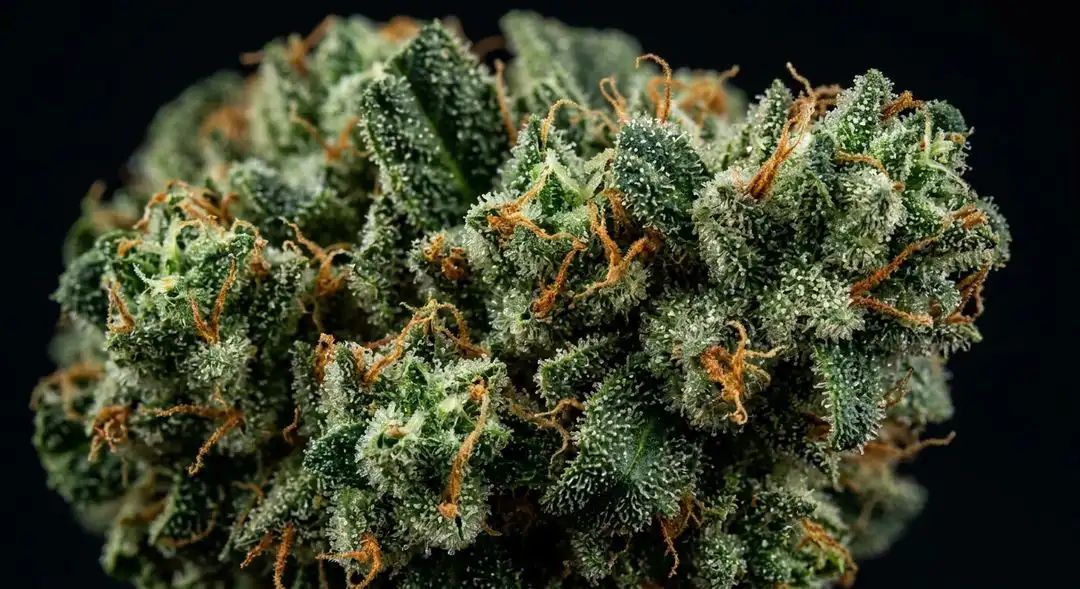
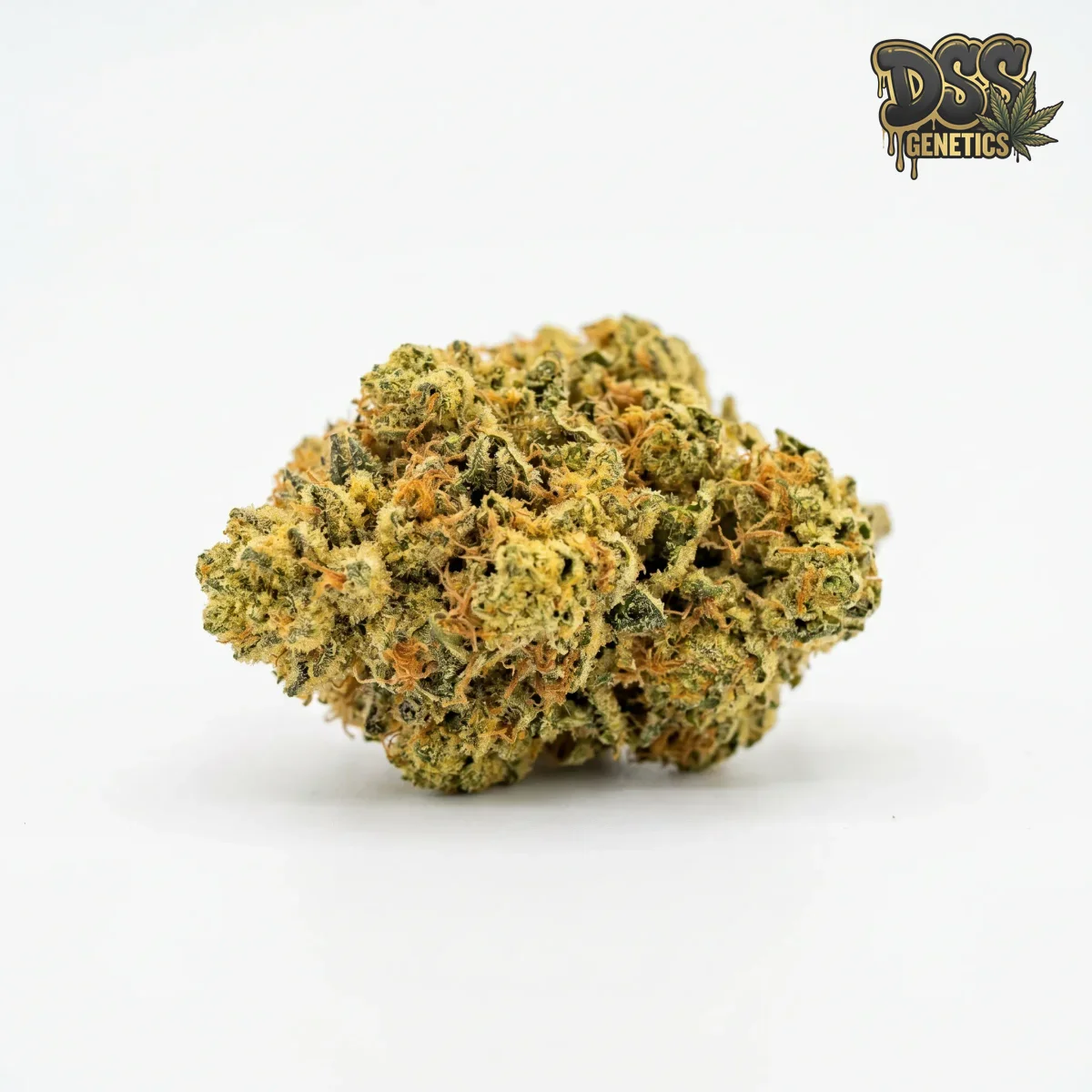
Crack open a jar of properly cured Lavender Kush and the first thing you notice is how layered the aroma is. There's a deep, damp earthiness at the base — the kind that reminds you of turned soil in a garden after rain — and then a wave of sweet berry rises through it, blueberry-forward with a subtle tropical edge that traces directly back to the Hawaiian parentage. Behind all of that, Super Skunk's signature funk adds a sharp, slightly skunky bite that keeps the sweetness honest.
On the inhale, the flavor delivers on every note the aroma promises. Earthy and berry tones dominate the front palate, with a spicy, almost herbal heat on the mid-draw that catches you slightly off-guard. The exhale opens up the tropical character — a faint fruit brightness that lingers briefly before the spicy, peppery finish closes things out. It's a full-spectrum flavor experience, and it rewards slow, attentive consumption.
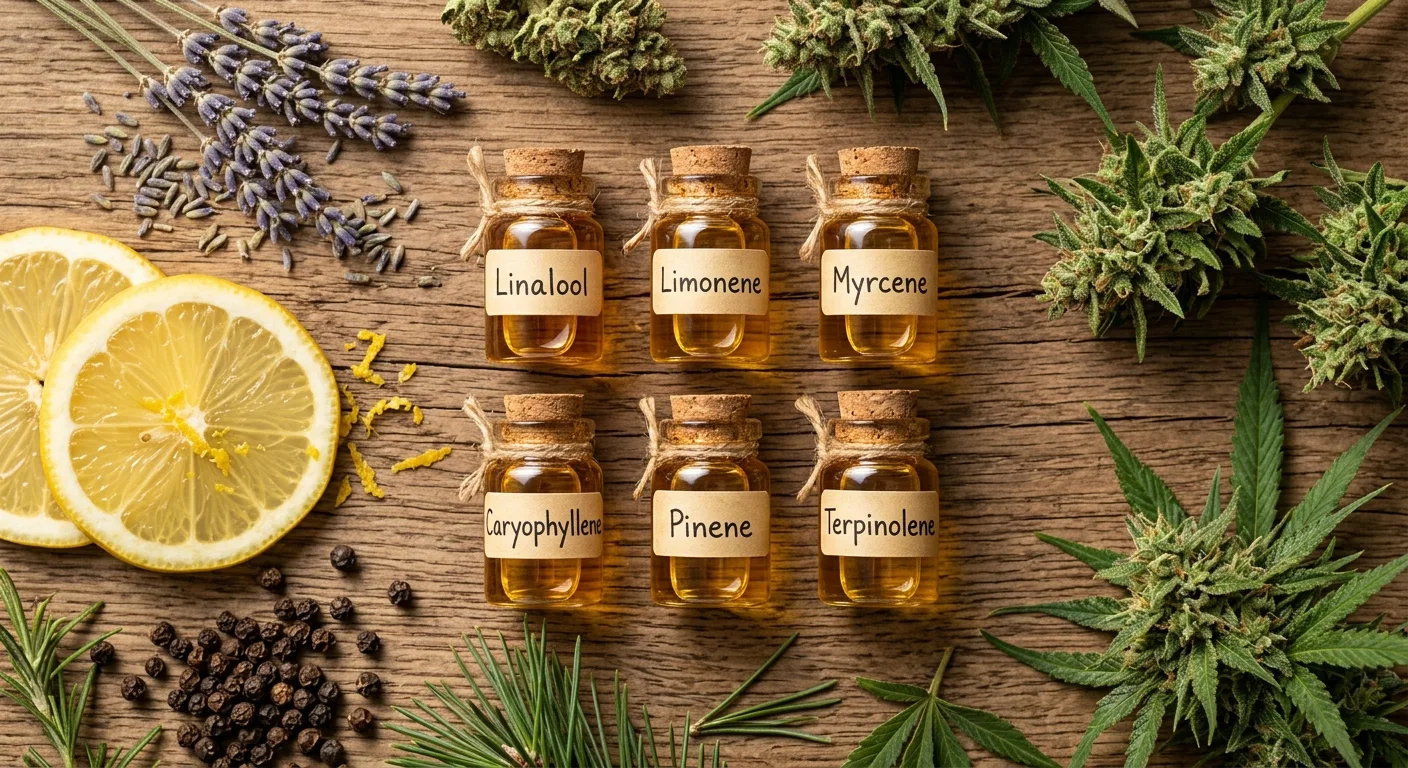
Myrcene anchors the entire profile. As the most abundant terpene in cannabis, Myrcene contributes the damp, musky earthiness that grounds everything else in the blend. Beyond aroma, Myrcene plays a critical physiological role — it enhances cannabinoid absorption across the blood-brain barrier and is the primary driver of the heavy, relaxing body sensation Lavender Kush is known for. When you feel that deep muscular unwinding around the 45-minute mark, Myrcene deserves significant credit.
Limonene provides the tropical brightness and the mood-elevating qualities that distinguish this strain from a purely sedative indica. Limonene's citrus-forward character isn't always obvious in the aroma — it's more of a brightness than a sharp lemon — but it's detectable in the flavor's tropical finish. Research into Limonene continues to show potential for anxiety reduction and antidepressant activity, which aligns directly with Lavender Kush's emotional effect profile.
Caryophyllene is the spicy, peppery heat you feel on the mid-draw. It's unique among cannabis terpenes because it's the only one known to directly activate CB2 receptors in the endocannabinoid system — functioning more like a cannabinoid than a typical terpene. This receptor interaction adds meaningful anti-inflammatory and analgesic properties to the experience, and it contributes to the deep calming effect that makes Lavender Kush particularly effective for stress relief and anxiety management.
Pinene appears as a supporting note that adds a subtle herbal, slightly resinous quality to the aroma and may counteract some of the short-term memory effects associated with high-THC consumption. Pinene also supports bronchodilation, which can make the inhalation experience smoother and more comfortable — a practical benefit that many medical consumers value.
Growing Lavender Kush Seeds
Lavender Kush is rated moderate difficulty, which means it rewards growers who do their homework but doesn't require years of experience to pull off a successful run. The four-way genetic heritage means you may see some phenotypic variation between plants — some expressions lean harder into the indica structure with tight node spacing and broad fan leaves, while others show more sativa stretch in the first few weeks of flower. Popping a few extra seeds and selecting the best phenotype is worth the investment.
Temperature management matters more with this strain than with many others. The ideal range during vegetative growth sits between 70–80°F (21–27°C), and dropping temps to 65–75°F (18–24°C) in the final two weeks of flower is one of the most effective ways to trigger the purple and deep green coloration that Lavender Kush is named for. That color development isn't just cosmetic — it signals anthocyanin production that often correlates with the fullest terpene expression this strain is capable of.
Humidity requires careful management throughout the grow. During vegetation, keep relative humidity in the 50–60% range. As flowering progresses past week five, bring humidity down to 40–45% to protect the increasingly dense bud structure from grey mould. The Afghan genetics make these buds compact and resinous, but that density is exactly what creates mould risk if airflow and humidity aren't dialed in. Oscillating fans positioned to move air through the canopy — not just around it — make a measurable difference.
In our experience across multiple Lavender Kush runs, the strain responds exceptionally well to a mid-flower nutrient push. Weeks four through seven of flower are when the buds put on serious weight, and matching that developmental window with elevated phosphorus and potassium — while gently tapering nitrogen from week five onward — consistently produces denser, more resinous final buds than a static feeding schedule would.

Key growing tips for Lavender Kush:
- Training: Apply LST or low-stress topping during the vegetative stage to open the canopy — Lavender Kush responds well to horizontal training, which improves light penetration to lower bud sites and can increase indoor yield by 20–30% compared to growing untrained.
- Nutrients: Follow a phosphorus-forward mid-flower feeding schedule from weeks four through seven, and flush thoroughly during the final week to preserve the terpene profile and avoid a harsh finish in the cure.
- Indoor environment: Use our indoor growing guide to set up proper airflow before the buds fatten — retrofitting fans into a dense late-flower canopy is much harder than planning for them from the start.
- Outdoor placement: Lavender Kush thrives in warm, dry climates outdoors. Check our outdoor growing guide for seasonal timing — plants finished outdoors in a Mediterranean-style climate routinely hit the upper end of the 14–21 oz/plant yield range.
- Vegetative timing: A 5–6 week vegetative period gives this strain time to build the branch structure needed to support its dense flower clusters — rushing into flower before adequate lateral branching is established is one of the most common yield-limiting mistakes with Lavender Kush.
Yield and Flowering Time
Lavender Kush finishes flowering in 55–65 days — a range that reflects the phenotypic variation within the four-way cross. Most indoor grows settle between 58–62 days with a stable environment and consistent feeding. Indoor yields land at 1.3–1.8 oz/ft², with well-trained plants and adequate light density consistently producing toward the upper end of that range. Outdoor plants are genuinely impressive in the right climate, capable of 14–21 oz/plant when given a full season and enough space to develop.
For growers focused on volume alongside quality, Lavender Kush belongs in the conversation with our top high-yield strains — particularly for outdoor cultivation where its sativa-influenced structure allows it to build significant canopy size before the indica's flowering vigor takes over.
To maximize your harvest:
- Trichome timing: Wait for 70–80% milky trichomes with 15–20% amber before cutting — harvesting on the early side of this window preserves the euphoric cerebral opening; waiting for more amber deepens the sedating finish
- Late-flower humidity: Drop to 40–45% relative humidity from week seven onward to protect dense bud clusters and avoid late-stage mould losses
- Pre-harvest flush: A 7–10 day plain-water flush clears residual nutrients and significantly improves the smoothness and terpene clarity in the finished product
- Drying and curing: Dry slowly for 10–14 days at 60°F / 60% RH — Lavender Kush's complex terpene profile benefits more from a patient cure than almost any other strain at this THC level; rushing this stage costs you the blueberry and tropical notes that make this strain worth growing
Why Buy Lavender Kush Seeds from DSS Genetics?
Every Lavender Kush seed ships with a full germination guarantee — if a seed doesn't sprout following our germination guide, we replace it, no questions asked. Orders ship discreetly in discreet, completely unmarked packaging that gives nothing away about the contents.
- Germination guaranteed — every seed backed by our replacement promise
- Discreet shipping — plain, unmarked packaging on every order
- Spend $100+ — receive free premium seeds automatically included with your order
- Optimal seed storage — seeds are stored under controlled temperature and humidity conditions from processing through to delivery, protecting viability and germination rates
Frequently Asked Questions
Is Lavender Kush difficult to grow?
Lavender Kush is rated moderate difficulty. It's not the right starting point for a first-time grower — the humidity management requirements in late flower and the phenotypic variation within the four-way cross ask for some baseline experience. If you're newer to growing, we recommend starting with a strain from our easy-to-grow collection to build foundational skills before taking on Lavender Kush. Intermediate growers who've completed two or three successful grows will find this strain very manageable and the results genuinely rewarding.
What are the effects of Lavender Kush, and how long do they last?
Lavender Kush delivers a phased experience — an initial euphoric, mood-lifting cerebral effect that transitions into deep full-body relaxation and calming sedation. The full session typically lasts 2–3 hours, with the sedating finish making it best suited to evening use. At 19–22% THC, it's potent enough to manage insomnia, anxiety, and depression effectively, but approachable enough that experienced consumers can use it functionally in the first hour before the sedation takes hold.
What does Lavender Kush smell and taste like?
The aroma combines deep damp earthiness with sweet blueberry and a tropical fruit edge, undercut by a sharp skunky funk from the Super Skunk parentage. The flavor mirrors the aroma closely — earthy and berry-forward on the front palate, with a spicy mid-draw heat and a tropical brightness on the exhale. The dominant terpenes driving this profile are Myrcene, Limonene
Medical Disclaimer: This information is for educational purposes only and should not be considered medical advice. Always consult a healthcare professional before using cannabis for medical purposes. Individual results may vary.
Frequently Asked Questions
Lavender Kush — Common Questions Answered
What is Lavender Kush?
Lavender Kush is a balanced hybrid cannabis strain (60% Indica / 40% Sativa) bred from Super Skunk x Afghan x Hawaiian x South Asian Indica. It produces THC levels of 19–22% and CBD levels of 0.1–1%. Known for its relaxing, euphoric, sedating effects and earthy, berry, blueberry flavor profile.
Is Lavender Kush easy to grow?
Lavender Kush is moderately challenging to grow. Beginners can succeed with some research, but it benefits from basic knowledge of pH management and nutrient schedules. Growing difficulty: Moderate. It thrives in temperate climates and reaches a medium plant size.
How long does Lavender Kush take to flower?
Lavender Kush has a flowering time of 55–65 days. Switch to a 12/12 light cycle to initiate flowering. Expected yields are 1.3 to 1.8 oz/ft² indoors and 14 to 21 oz/plant outdoors.
What are the effects of Lavender Kush?
Lavender Kush delivers relaxing, euphoric, sedating, calming effects. Many growers report it helps with fatigue, stress, anxiety, insomnia, depression. With THC levels of 19–22%, it provides a moderate to strong experience suitable for most users.
What does Lavender Kush smell and taste like?
Lavender Kush's dominant terpenes are Myrcene, Limonene, Caryophyllene, Pinene, which give it a earthy, berry, blueberry, skunky, spicy, tropical flavor and aroma profile. Myrcene contributes earthy, herbal notes and is associated with relaxing effects.Limonene adds citrusy brightness and may elevate mood.Caryophyllene provides spicy, peppery notes and may help with inflammation.
Can I grow Lavender Kush indoors and outdoors?
Yes, Lavender Kush performs well both indoors and outdoors. Indoor yields average 1.3 to 1.8 oz/ft², while outdoor grows can produce 14 to 21 oz/plant. It prefers temperate conditions. Its medium height is manageable in most indoor setups.
What does "feminized" mean for Lavender Kush seeds?
Feminized Lavender Kush seeds are bred to produce only female plants, which are the ones that develop smokable buds. This eliminates the need to identify and remove male plants, saving time and maximizing your grow space. Over 99% of feminized seeds will produce female plants.
Grower Reviews
Real grow experiences from our community
Similar Strains
Get 10% Off Your First Order
Join our newsletter for exclusive deals, growing tips, and new strain drops.