Medusa Feminized Seeds
By Ivan K., DSS Genetics · Updated April 2026

Medusa Feminized Seeds
SKU: DSS-MEDUS-FEM-5PK
Pack Size
Quantity
About This Strain
Medusa Feminized Seeds — Complete Strain Profile
Medusa Feminized Seeds – Strain Overview
Medusa Feminized is a true 50/50 hybrid descended from Misty, a classic Dutch strain celebrated for its balanced genetics and exceptional bag appeal. Carrying 19–22% THC with a whisper of CBD (0.1–1%), Medusa delivers a high that starts bright and cerebral before gradually pulling you into a velvet-soft sedation — a genuinely dual-natured experience that honors both sides of its genetic heritage.
What sets Medusa apart from the crowded mid-shelf hybrid market is the sheer complexity it packs into a medium-sized plant with outdoor yields reaching 16–21 oz/plant. Growers who want serious production without sacrificing flavor or nuance will find Medusa a compelling addition to their garden. If you're building a well-rounded grow room, Medusa sits comfortably alongside our high-yield strains as a strain that genuinely delivers on every promise.
Effects and Medical Benefits
The Medusa experience opens with a quick wave of euphoria that lifts the mood without overwhelming the senses. Within 20–30 minutes, that upward energy begins threading into something more creative and focused — this is the sweet spot where artists, writers, and problem-solvers tend to do their best work. As the high matures, the indica half of Medusa's genetics quietly asserts itself, drawing the body into progressively deeper relaxation that can tip into genuine sedation at higher doses.
This is not a one-note strain. The progression from energized creativity to drowsy calm makes Medusa a versatile choice across different times of day — though most experienced users save her for early evening when the sedating tail is a feature, not a liability.
Users consistently report these effects throughout the experience:
- Euphoria and mood lift — an immediate brightening of perspective that arrives cleanly and without anxiety
- Creative and focused thinking — a mentally engaged phase where ideas connect fluidly and concentration sharpens
- Uplifting physical warmth — a gentle body buzz that builds slowly, easing tension without locking you to the couch early on
- Deep sedation at the close — the indica inheritance takes over in the later stages, making sleep feel natural and effortless
Medical consumers have found this arc particularly useful for a range of conditions:
- Stress — the initial euphoric lift provides rapid emotional relief from daily tension
- Depression — the uplifting and mood-brightening phase offers a temporary but meaningful reprieve
- Anxiety — at moderate doses, Medusa's balanced profile rarely triggers the racing thoughts associated with high-sativa strains
- Insomnia — the sedating tail makes Medusa a reliable choice for consumers who struggle to wind down at night
- Fatigue — early in the experience, the uplifting effect can counter afternoon mental exhaustion before the body settles
- Chronic pain — the progressive body relaxation helps ease muscular discomfort and general physical tension
Though Medusa's CBD content is modest (0.1–1%), the interaction between its cannabinoids and terpene profile still contributes to what researchers describe as the entourage effect — where the combined action of multiple cannabis compounds produces therapeutic outcomes that isolated THC alone cannot replicate.
Aroma, Flavor and Terpene Profile
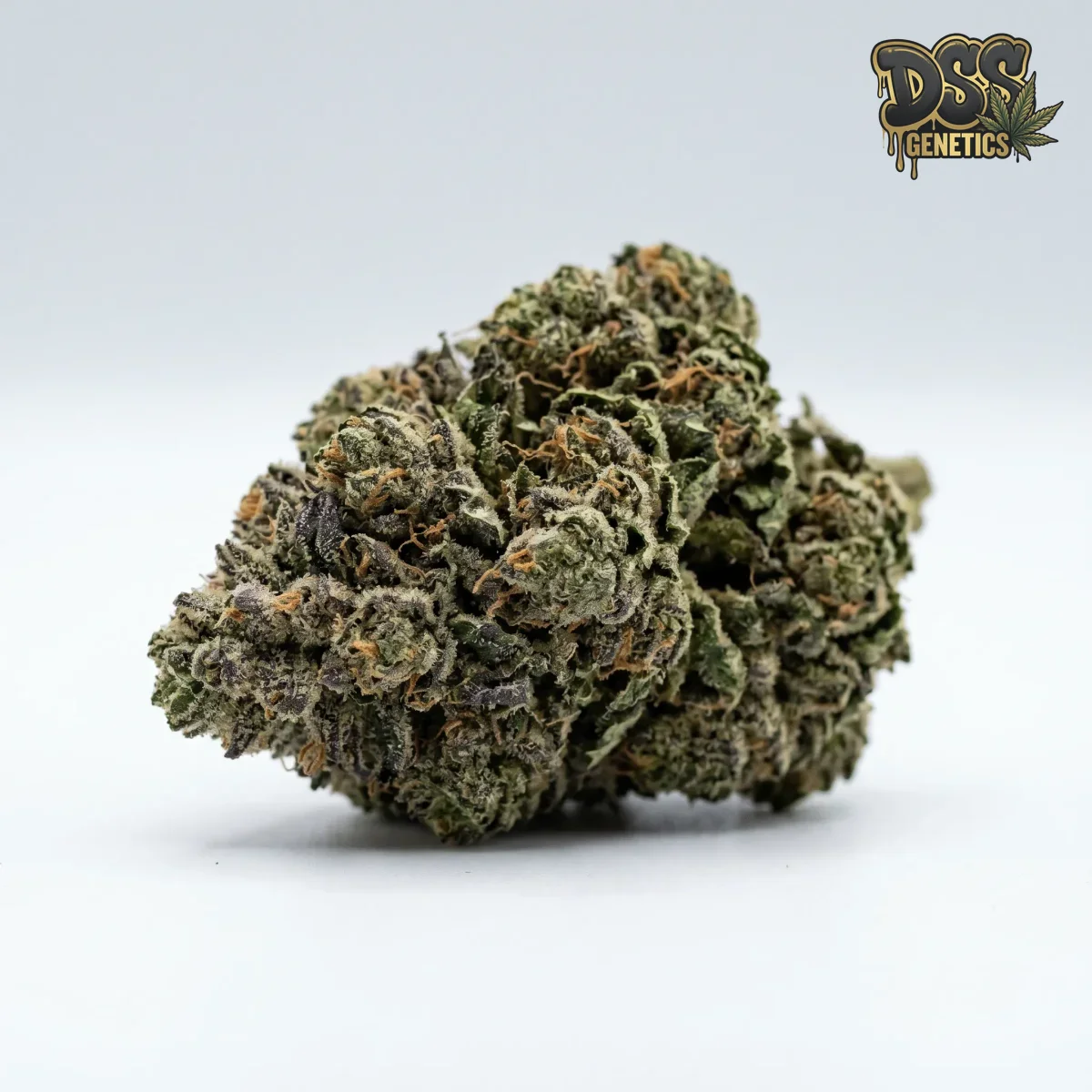
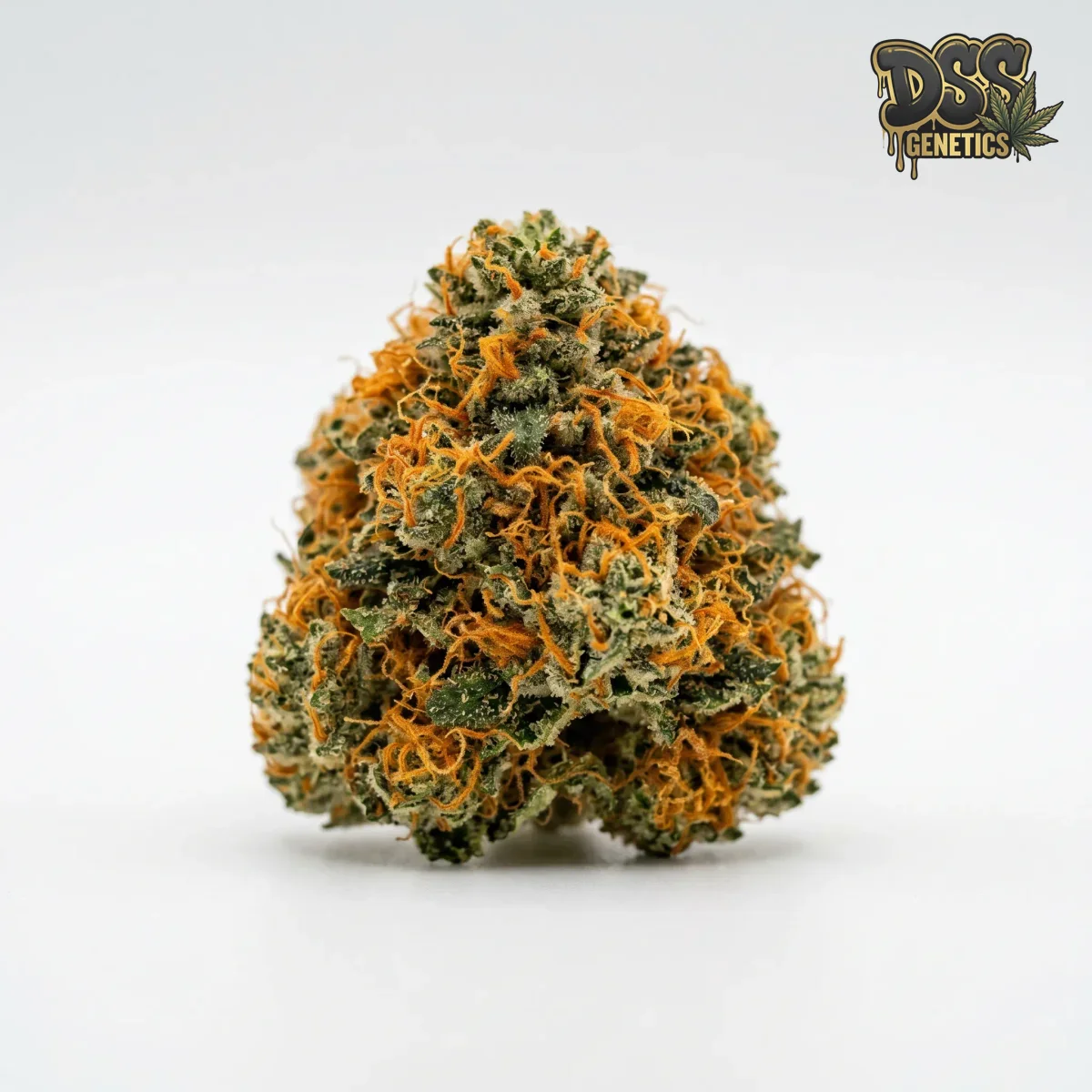
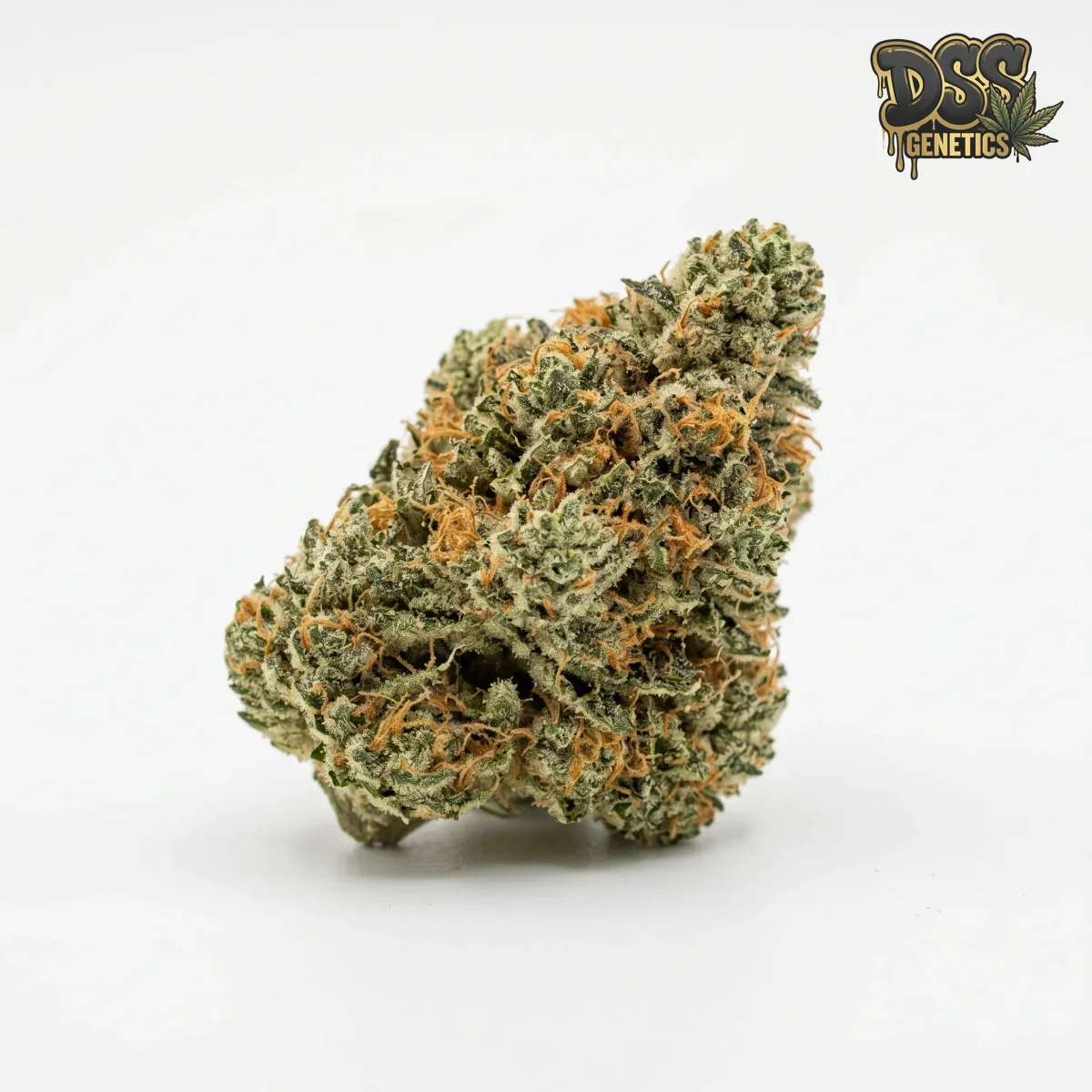
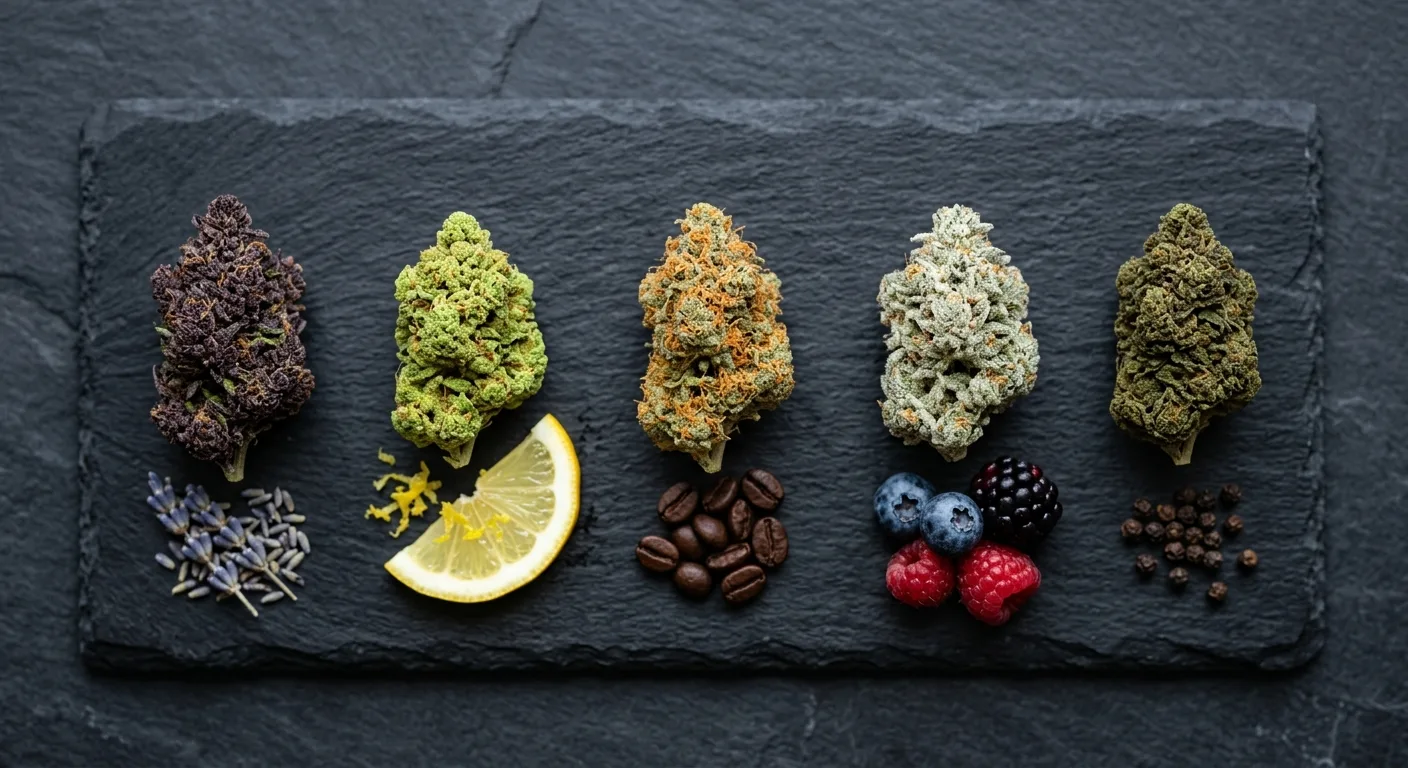
Crack a cured Medusa bud and the first thing you notice is a warm, sweet earthiness that smells almost like baked goods pulled from a wood-fired oven. Beneath that comfort is a bright citrus lift — not sharp or chemical, but more like fresh orange zest grated over dark soil. As you hold the bud and the aroma opens up, a distinct blueberry sweetness emerges alongside a faint floral note, like a hedgerow in early summer after light rain.
On the inhale, Medusa tastes sweeter than she smells. The blueberry and citrus flavors dominate the front palate, sitting atop a clean earthy base that keeps the profile grounded and honest. The exhale is where things get interesting — a gentle pepperiness develops at the back of the throat, adding just enough spice to elevate the experience beyond simple sweetness. That peppery warmth lingers as a pleasant aftertaste long after the smoke clears.
This is a strain where the flavor profile genuinely reflects the genetics. Misty was always celebrated for her nose, and Medusa carries that tradition forward with a sensory complexity that rewards slow, attentive consumption.
The sweet, blueberry-forward aroma points strongly to the presence of myrcene, the most abundant terpene in cannabis. Myrcene carries earthy, slightly fruity, and musky aromas and plays a central role in Medusa's sedating latter phase — it's believed to enhance THC's ability to cross the blood-brain barrier, potentially amplifying the potency felt at lower doses.
That bright citrus note across both nose and flavor owes much to limonene, a terpene associated with mood elevation, stress relief, and anti-anxiety properties. Limonene is one of the reasons Medusa's early high feels so clean and uplifting — this terpene is doing real biochemical work alongside the THC, not just providing aroma.
The peppery finish that defines Medusa's exhale is the signature of caryophyllene, the only known terpene that directly binds to CB2 receptors in the endocannabinoid system. This interaction gives caryophyllene genuine anti-inflammatory and analgesic properties — making it a significant contributor to Medusa's pain-relieving and stress-reducing reputation beyond its flavor contribution alone.
The soft floral undertone that appears on extended nosing suggests linalool, a lavender-associated terpene with well-documented calming and anxiolytic properties. Linalool works synergistically with myrcene in Medusa's late-stage sedation, smoothing out what could otherwise be an abrupt transition from euphoria to heaviness.
Rounding the profile out quietly, ocimene contributes a faint herbal sweetness that sits beneath the blueberry and citrus, adding dimension without demanding attention. Together, this terpene combination builds a profile that is genuinely sophisticated — sweet enough to be approachable, complex enough to be memorable.
Growing Medusa Seeds
Medusa is rated moderate difficulty — a step beyond beginner strains but well within reach of growers who've completed even one or two successful grows. She doesn't punish small mistakes the way finicky high-THC sativas do, but she responds visibly and enthusiastically to growers who pay attention. Think of her as a strain that rewards care rather than demanding perfection.
The plant stays medium in height, which makes her manageable in both indoor tents and outdoor plots without the aggressive vertical management that tall sativas require. Indoors, she fits comfortably in a 4×4 or 5×5 setup with room to train. Outdoors, she develops into a well-branched, symmetrical plant that doesn't require heavy staking under normal conditions.
Temperature management matters more with Medusa than many growers initially expect. We've found across multiple grows that she performs best when daytime temperatures stay between 68–79°F (20–26°C) with nighttime drops no lower than 62°F (17°C). Consistent temperatures in this range push resin production and protect terpene development — allow her to run too hot above 82°F and the fruity terpenes degrade noticeably in the finished flower.
Humidity control across the growth stages is equally critical. During the vegetative stage, maintain relative humidity between 55–65%. As she transitions into the flowering stage, begin stepping humidity down to 45–50% in early flower, then push to 40–45% in the final three weeks. Medusa's buds develop a satisfying density that creates genuine mold risk if late-flower humidity climbs above 50% — don't skip this step.
In our experience, Medusa responds particularly well to medium feeding levels. She's not the nutrient hound that some high-yield strains are, and pushing aggressive nitrogen levels into late veg tends to create the kind of leafy, fluffy structure that hurts final yield quality. Keep nitrogen moderate through veg, then transition cleanly to a phosphorus and potassium-dominant feed schedule once pre-flowers appear. The payoff in bud density and resin production is clear and consistent.
Growers considering hydroponic systems will find that Medusa adapts well to DWC and coco setups, where the controlled nutrient delivery allows her to express her genetic ceiling more fully than in less responsive soil grows. That said, a quality amended soil with good drainage is perfectly capable of producing exceptional Medusa harvests for growers who prefer that medium.
Key growing tips to get the most from your Medusa grow:
- Train early and deliberately: Medusa responds exceptionally well to LST (low-stress training) and topping during veg — spreading the canopy in weeks 3–5 creates multiple dominant colas and significantly improves indoor yields
- Dial in your nutrient transitions: Follow the nutrient guide closely, particularly the nitrogen taper at the flip to flower — Medusa is sensitive to nitrogen excess during bud development
- Manage humidity aggressively in late flower: Dense bud structure creates mold vulnerability — invest in a quality hygrometer and keep late-flower RH at 40–45% without exception
- Outdoor timing matters: For outdoor growers, consult our outdoor growing guide and time your transplant for after the last frost — Medusa performs best in temperate climates with warm summers and cool, dry autumns
- Indoor light scheduling: A 600W HPS or equivalent LED at 18/6 during veg, then a clean flip to 12/12 triggers flowering reliably — review our indoor growing guide for light distance and intensity recommendations across her growth stages
Yield and Flowering Time
Medusa flowers in 65–75 days from the flip — a moderate-length flowering window that sits between the quick-finishing autoflowers and the extended runs of some premium sativas. Indoor growers working with trained, well-fed plants can realistically expect 1.3–1.5 oz/ft², which is a solid return for a balanced hybrid of this quality. Outdoor plants in a warm temperate climate with a long growing season consistently reach 16–21 oz/plant — figures that put Medusa in genuine competition with dedicated high-yield strains.
What makes those outdoor numbers meaningful is that they're achievable without the plant getting unwieldy. Medusa stays proportionate, making harvest manageable even when plants are carrying their full weight of dense, resinous buds. For outdoor growers in the Northern Hemisphere, expect harvest to fall in the October window depending on planting date and local climate.
To maximize your harvest:
- Trichome reading is non-negotiable: Harvest Medusa when trichomes show 70–75% milky white with 15–20% amber — pushing past this point tips the sedation into heaviness and dulls the creative, uplifting character that makes this strain distinctive
- Final flush timing: Run a clean water flush for the last 10–14 days before harvest to clear residual nutrients and improve the final flavor expression — this step has a measurable impact on how the blueberry and citrus notes read in cured flower
- Late-flower humidity drop: Bring relative humidity to 40–45% in the final two weeks to protect dense buds and encourage final resin development
- Drying and curing protocol: Hang-dry whole branches at 60–65°F and 55–60% RH for 10–14 days, then move to sealed jars for a minimum 4-week cure — our drying and curing guide covers the full process and explains why rushed curing destroys the terpene complexity this strain works hard to produce
Why Buy Medusa Seeds from DSS Genetics?
Every Medusa seed that leaves our facility is backed by our full germination guarantee — if a seed doesn't sprout under proper conditions, we replace it, no interrogation required. Orders ship discreetly in completely plain, discreet packaging with no cannabis-related branding anywhere on the exterior. Before your seeds arrive, start your preparation with our germination guide to give every seed the best possible start.
- Germination guaranteed — every seed is backed by our replacement promise, because confidence in your seeds is the foundation of a successful grow
- Discreet shipping — plain, unmarked packaging on every order
- Spend $100 or more — receive complimentary premium seeds added to your order at no extra cost
- Proper seed storage from warehouse to door — temperature-controlled handling ensures your seeds arrive with maximum viability intact
Frequently Asked Questions
Is Medusa a good strain for moderate-experience growers?
Yes — Medusa is rated moderate difficulty, meaning growers who've completed at least one successful grow will find her manageable and rewarding. She responds well to training and forgives minor environmental fluctuations better than many higher-THC strains. If you're newer to growing and want to build foundational skills first, browse our easy-to-grow strains before stepping up to Medusa.
How strong is Medusa and what kind of high does it produce?
Medusa tests at 19–22% THC, placing her firmly in the upper-mid potency range — strong enough to impress experienced consumers, accessible enough that mindful beginners can calibrate their dose. The high follows a clear arc: euphoric and uplifting at the onset, creative and focused through the middle, then progressively sedating and sleepy as the indica genetics take over. It's a genuinely versatile experience that changes character across its duration. For consumers chasing ceiling-level potency, our highest-THC strains may better suit that specific goal.
What does Medusa smell and taste like?
Medusa offers one of the more complex sensory profiles in the balanced hybrid category. The aroma layers sweet earthiness, fresh citrus zest, ripe blueberry, and soft floral notes into something that smells like a late-summer garden after rain. The flavor follows suit — sweet and fruity on the inhale with a distinctive peppery warmth on the exhale that lingers pleasantly. The key terpenes driving this profile include myrcene
Frequently Asked Questions
Medusa — Common Questions Answered
What is Medusa?
Medusa is a balanced hybrid cannabis strain (50% Sativa / 50% Indica) bred from Misty. It produces THC levels of 19–22% and CBD levels of 0.1–1%. Known for its euphoric, uplifting, creative effects and sweet, earthy, citrus flavor profile.
Is Medusa easy to grow?
Medusa is moderately challenging to grow. Beginners can succeed with some research, but it benefits from basic knowledge of pH management and nutrient schedules. Growing difficulty: Moderate. It thrives in temperate climates and reaches a medium plant size.
How long does Medusa take to flower?
Medusa has a flowering time of 65–75 days. Switch to a 12/12 light cycle to initiate flowering. Expected yields are 1.3 to 1.5 oz/ft² indoors and 16 to 21 oz/plant outdoors.
What are the effects of Medusa?
Medusa delivers euphoric, uplifting, creative, focused, sleepy, sedating effects. With THC levels of 19–22%, it provides a moderate to strong experience suitable for most users.
Can I grow Medusa indoors and outdoors?
Yes, Medusa performs well both indoors and outdoors. Indoor yields average 1.3 to 1.5 oz/ft², while outdoor grows can produce 16 to 21 oz/plant. It prefers temperate conditions. Its medium height is manageable in most indoor setups.
What does "feminized" mean for Medusa seeds?
Feminized Medusa seeds are bred to produce only female plants, which are the ones that develop smokable buds. This eliminates the need to identify and remove male plants, saving time and maximizing your grow space. Over 99% of feminized seeds will produce female plants.
Grower Reviews
Real grow experiences from our community
Similar Strains



Get 10% Off Your First Order
Join our newsletter for exclusive deals, growing tips, and new strain drops.