Peanut Butter Breath Feminized Seeds
By Ivan K., DSS Genetics · Updated April 2026

Peanut Butter Breath Feminized Seeds
SKU: DSS-PEBBR-FEM-5PK
Pack Size
Quantity
Disclaimer: For informational purposes only — not medical advice. Consult a healthcare professional before use.
About This Strain
Peanut Butter Breath Feminized Seeds — Complete Strain Profile
Peanut Butter Breath Feminized Seeds – Strain Overview
Peanut Butter Breath is a true 50/50 hybrid born from two legendary parents — Mendo Breath F2 and Do-Si-Dos. That genetic pairing brings together Mendo Breath's signature nutty, earthy sweetness with the dense, resinous structure and potent euphoria that Do-Si-Dos is famous for worldwide. The result is a strain that punches well above its weight class, testing consistently between 18–28% THC with a terpene profile unlike almost anything else on the market.
What makes Peanut Butter Breath stand out in a crowded field is its rare ability to deliver both cerebral clarity and deep physical calm without tipping too far in either direction. It sits comfortably among the highest-THC strains available for home growers, yet the balanced hybrid structure keeps the experience grounded and controlled rather than overwhelming. Medium-sized plants, manageable flowering times, and a flavor profile that genuinely turns heads — this strain earns its reputation on every level.
Effects and Medical Benefits
The high from Peanut Butter Breath has a distinctive two-act structure that experienced consumers will appreciate. It opens with a warm, uplifting cerebral wave — not a racy, anxious sativa rush, but a smooth euphoric lift that sharpens mood without scattering focus. That mental clarity settles into something quieter within 20–30 minutes as the indica genetics begin pulling the body into a state of genuine relaxation.
What separates this strain from other balanced hybrids is how gracefully it transitions between those two states. There's no hard edge where the euphoria ends and the body effect begins — it blends. By the time you're fully settled into the calm, the uplifted feeling is still present underneath it, creating a layered experience that's both relaxing and pleasant to inhabit.
Users commonly report these effects:
- Euphoria — a clean, warm cerebral uplift that arrives within minutes and anchors the entire experience
- Deep relaxation — full-body physical ease that builds gradually without triggering heavy sedation at moderate doses
- Uplifting mood shift — stress and tension dissipate as the hybrid balance keeps the headspace positive and social
- Calming body effect — particularly noticeable in the shoulders, jaw, and lower back — areas where people carry chronic tension
On the medical side, Peanut Butter Breath is consistently chosen for:
- Stress — the mood-lifting euphoria combined with physical ease makes it highly effective for end-of-day stress relief
- Anxiety — the calming, non-racing high is approachable for anxiety sufferers who are cautious about high-THC strains
- Insomnia — at higher doses or later in the evening, the body relaxation deepens into genuine sleep preparation
- Depression — the euphoric and uplifting effects offer a reliable mood reset without the flat, sedated feeling some indica-dominant strains produce
The trace CBD content (0.1–1%) contributes more than it might seem. Even at low levels, CBD interacts with the dominant terpenes — particularly Caryophyllene and Myrcene — to modulate the THC experience through the entourage effect, softening potential anxiety spikes while extending the duration of physical relief.
Aroma, Flavor and Terpene Profile
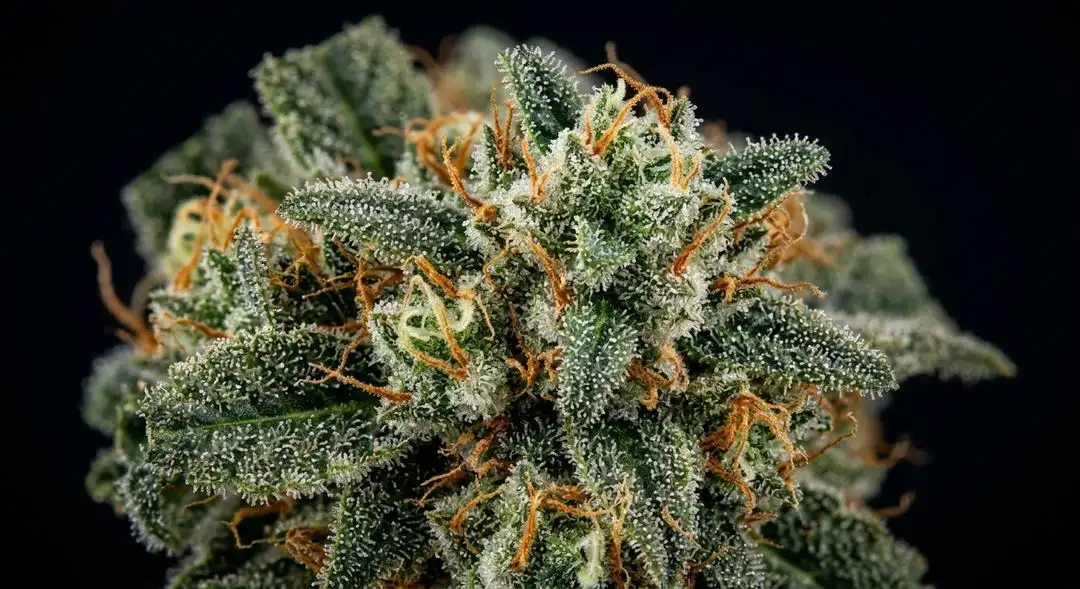
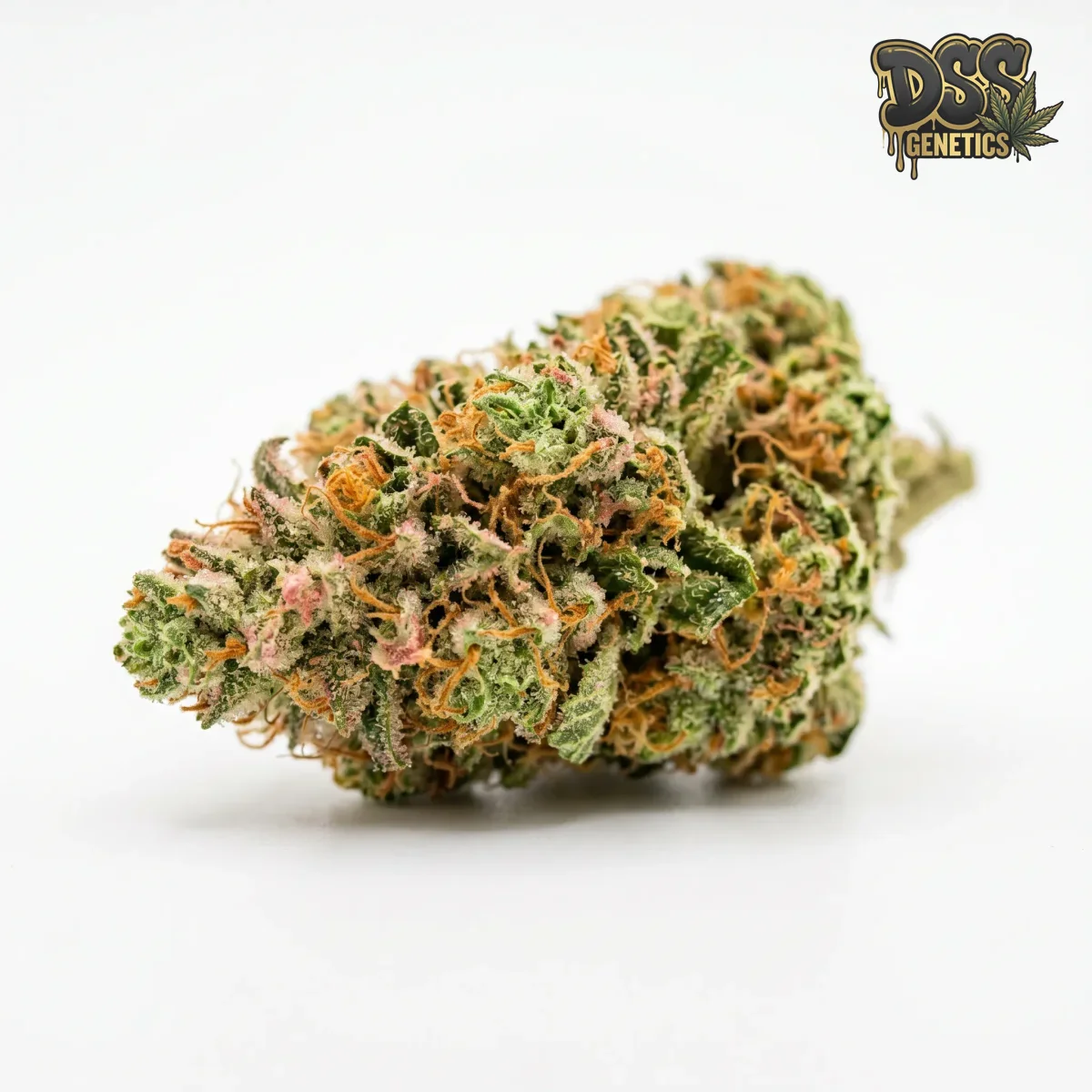
The name 'Peanut Butter Breath' is not marketing hyperbole — break open a cured bud and the room immediately fills with something warm, nutty, and slightly sweet that genuinely evokes fresh peanut butter. Underneath that signature top note, there's an earthy diesel backbone inherited from the Do-Si-Dos lineage, and dried berry sweetness that surfaces on the exhale. Burning or vaping this strain reveals a flavor complexity that builds across the session: woody and fruity notes emerge mid-bowl, while a sweet, almost candy-like finish lingers on the palate long after the exhale.
What makes this terpene profile remarkable is how cohesive it is despite covering so many different scent categories simultaneously. It should smell like diesel and fruit and earth and nuts all at once — and somehow it does, and somehow it works.
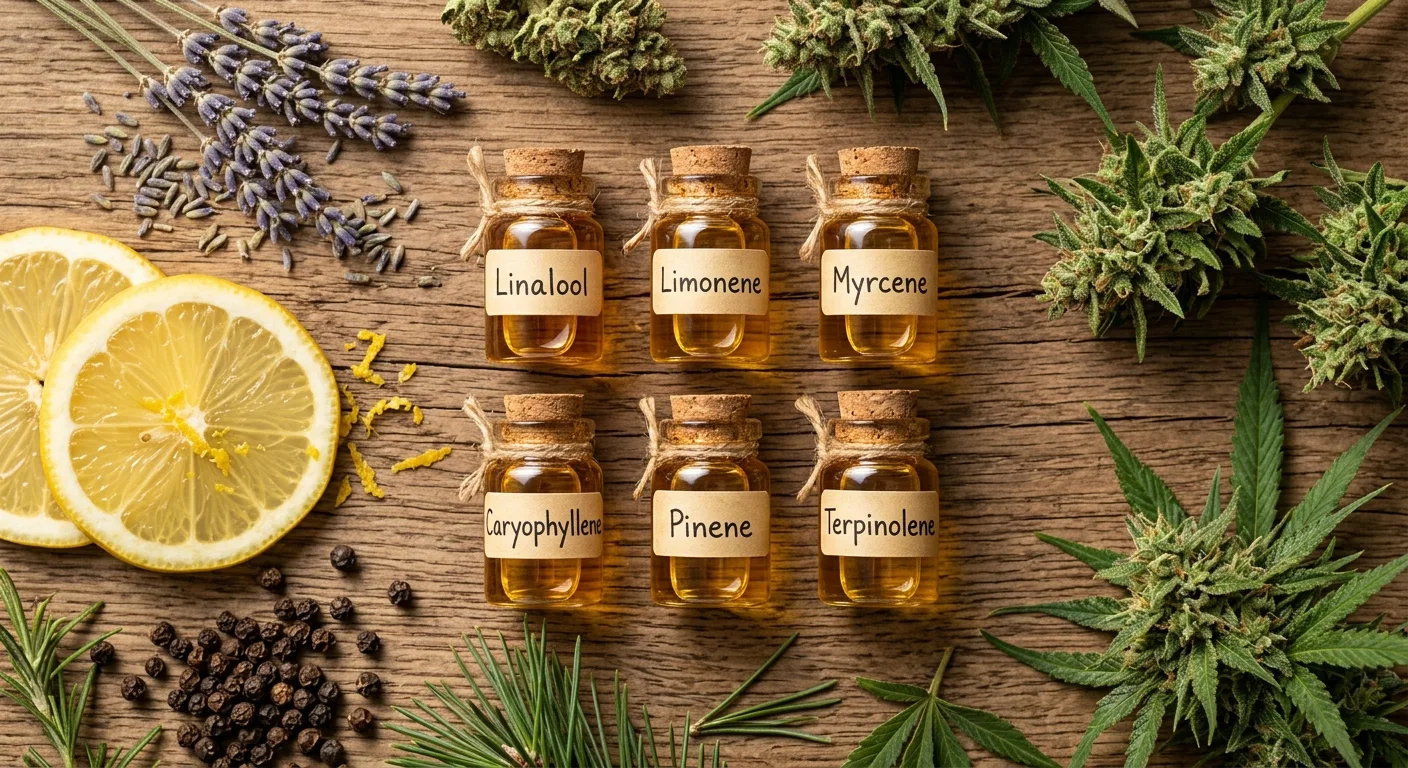
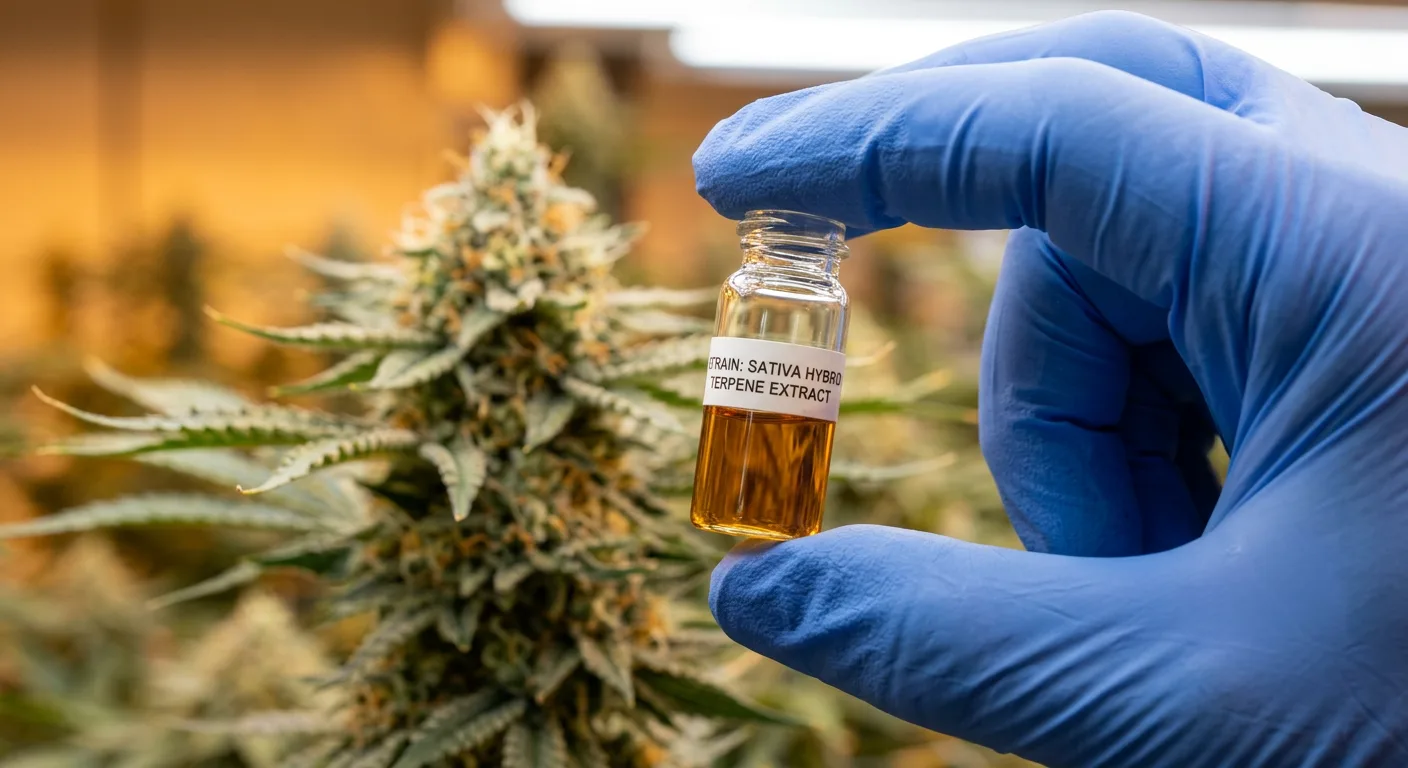
Myrcene forms the aromatic foundation here, contributing the earthy, herbal musk that grounds all the sweeter top notes and stops them from becoming cloying. Beyond scent, Myrcene is the primary terpene responsible for the strain's ability to deliver genuine physical relaxation — it enhances cellular permeability, which may improve THC uptake across the blood-brain barrier and contribute to the deeper body effect that Peanut Butter Breath users consistently report.
Caryophyllene brings the spicy, peppery bite that sharpens the diesel edge in this strain's aroma and gives the smoke its characteristic warmth on the inhale. It's the only known terpene that binds directly to CB2 receptors in the endocannabinoid system, which means it contributes genuine anti-inflammatory and analgesic activity entirely separate from its aromatic role. For medical users, this is a significant part of why Peanut Butter Breath delivers such effective relief for pain and inflammation.
Limonene lifts the entire profile, introducing bright citrus-fruit sweetness that balances the heavier earthy and diesel notes and keeps the aroma from becoming too dense or overwhelming. Limonene also carries well-documented mood-elevating properties and is widely studied for its potential role in reducing anxiety — which aligns directly with the strain's reported ability to produce uplifting euphoria without the jitteriness that sometimes accompanies high-THC sativa-leaning strains.
Pinene works quietly in the background, adding the clean, forest-air sharpness that you notice most on the initial inhale before the sweeter notes take over. Beyond its aromatic contribution, Pinene has been studied for its potential to counteract short-term memory impairment associated with THC — a practically useful quality in a strain that many users consume during daytime or social hours.
Growing Peanut Butter Breath Seeds
Peanut Butter Breath is rated moderate difficulty — not because it's particularly demanding, but because it rewards growers who understand its preferences. It carries the dense bud structure of its Do-Si-Dos parent, which means airflow and late-flower humidity management are non-negotiable if you want to avoid mold in those final two weeks. Get those fundamentals right and this strain is genuinely cooperative throughout the grow.
Vegetative growth is compact and well-structured. Plants stay medium-sized, which makes them manageable in standard tent setups and prevents the height control battles that purely sativa-dominant strains often require. The branching structure is strong enough to support significant bud weight without staking in most cases, though outdoor plants pushing toward the upper end of that 8–10 oz/plant ceiling will benefit from support.
Temperature sweet spot during flowering sits between 68–79°F (20–26°C). Push much above 80°F and you risk terpene degradation — which in this strain specifically means losing the characteristic nutty, diesel aroma that defines the end product. Relative humidity should be maintained at 50–60% through early and mid-flower, then pulled down to 40–45% in the final two weeks to protect those dense buds and encourage trichome production.
Peanut Butter Breath responds exceptionally well to training. The balanced hybrid structure means plants are vigorous enough to recover quickly from stress training methods while the indica genetics keep them from stretching out of control. What we've found over multiple grows with this strain is that applying LST early in the vegetative stage — rather than waiting for the canopy to establish naturally — produces noticeably more even bud sites and measurably better indoor yields without extending the total grow time. The plant's branching pattern lends itself naturally to a wide, flat canopy when guided early.
Key growing tips for Peanut Butter Breath:
- Training: Apply LST or SCROG early in veg to open the canopy — the plant's natural branching responds very well to horizontal training and rewards it with more even bud development across all sites
- Airflow: Dense buds require consistent air circulation throughout flowering — bottom defoliation at week 3 of flower removes lower shading leaves and dramatically improves airflow to the interior canopy
- Nutrients: Follow a standard bloom nutrient program with slightly elevated phosphorus and potassium from week 3 of flower onward, and begin flushing or tapering nutrients 10–14 days before harvest to preserve terpene expression
- Indoor environment: Use the indoor growing guide as a baseline, but pay particular attention to late-flower dehumidification — this strain's bud density makes it more vulnerable than average to botrytis in the final two weeks
- Outdoor timing: For outdoor grows, consult the outdoor growing guide and time planting so flowering aligns with stable, lower-humidity autumn conditions — harvest typically falls in late September to early October in the Northern Hemisphere
Yield and Flowering Time
Peanut Butter Breath flowers in 60–65 days (roughly 8.5–9.5 weeks) — a realistic mid-range flowering time that fits comfortably into most grow schedules without the extended wait of some heavier indica-dominant strains. Indoor yields land at 0.8–1 oz/ft² under optimized conditions, while outdoor plants deliver 8–10 oz/plant in a full season with adequate light, space, and feeding. For growers chasing maximum productivity, check the full selection of high-yield strains to compare options across the catalog.
Indoor growers running the flowering stage at the recommended 12/12 light schedule should see pre-flowers developing within the first week of the light flip, with bud sites stacking steadily through weeks 3–6 before the final swell in the last 10 days before harvest. Outdoor plants benefit from full sun exposure — at least 6 direct hours daily — and will develop significantly denser, more resinous buds in warm, sunny conditions compared to partially shaded sites.
To maximize your harvest:
- Trichome timing: Pull at 70–80% cloudy/milky trichomes with 10–20% amber for the classic Peanut Butter Breath effect balance — waiting for more amber shifts the experience noticeably toward heavy sedation and reduced cerebral clarity
- Late-flower humidity: Drop relative humidity to 40–45% in the final 10–14 days to protect dense buds from botrytis and trigger the final trichome push that defines this strain's resin coat
- Nutrient taper: Begin reducing nitrogen at week 5 of flower and complete your final flush 10–12 days before harvest — this is critical for preserving the nutty, diesel terpene profile that makes this strain worth growing
- Drying and curing: A slow dry at 60–65°F and 55–60% RH for 10–14 days, followed by a minimum 3-week cure in sealed glass, is what separates genuinely exceptional Peanut Butter Breath from merely decent — the terpene profile continues developing and deepening throughout the cure in a way that's noticeably different from a rushed dry
Why Buy Peanut Butter Breath Seeds from DSS Genetics?
Every Peanut Butter Breath feminized seed ships with a full germination guarantee — if it doesn't sprout under proper conditions, we replace it, no questions asked. Orders go out in discreet, unmarked packaging, and every seed is stored under optimal conditions from the moment it's packaged until it reaches your door. Follow our germination guide to get the best possible start from your seeds.
- Germination guaranteed — every seed is backed by our replacement policy if it fails to sprout under correct conditions
- Discreet shipping — plain, unmarked packaging on every order
- Spend $100+ — receive free premium seeds automatically added to your order
- Optimal seed storage — controlled conditions from packaging to delivery protect viability and germination rates
Frequently Asked Questions
Is Peanut Butter Breath difficult to grow?
Peanut Butter Breath is rated moderate difficulty — experienced beginners can absolutely grow it successfully, but it requires more attention to humidity management in late flower than an easy-to-grow strain would. The main challenge is protecting those dense buds from botrytis in the final two weeks of flowering. Maintain 40–45% relative humidity and ensure consistent airflow through the canopy, and the strain is straightforward and rewarding throughout the rest of the grow.
What THC level does Peanut Butter Breath reach?
Peanut Butter Breath tests between 18–28% THC depending on growing conditions, genetics expression, and harvest timing. That range puts it firmly among the highest-THC strains available. Growers who optimize their environment — particularly temperature, late-flower humidity, and nutrient taper — consistently hit the upper end of that range. If you're new to high-potency strains, start with a conservative dose and give the effects time to develop before consuming more.
What does Peanut Butter Breath actually smell and taste like?
The aroma is genuinely distinctive — a warm, nutty, slightly sweet top note that does evoke fresh peanut butter, layered over an earthy diesel base from the Do-Si-Dos genetics, with dried berry sweetness emerging in the mid-notes. The flavor on the exhale adds woody, fruity depth with a sweet finish that lingers. The terpene profile driving this is Myrcene (earthy, herbal base), Caryophyllene (spicy, peppery warmth), Limonene (citrus fruit brightness), and Pinene (clean, sharp forest air on the inhale). A proper cure of 3+ weeks in sealed glass significantly deepens and develops the nutty character — don't rush it.
How long does Peanut Butter Breath take from seed to harvest?
Medical Disclaimer: This information is for educational purposes only and should not be considered medical advice. Always consult a healthcare professional before using cannabis for medical purposes. Individual results may vary.
Frequently Asked Questions
Peanut Butter Breath — Common Questions Answered
What is Peanut Butter Breath?
Peanut Butter Breath is a balanced hybrid cannabis strain (50% Sativa / 50% Indica) bred from Mendo Breath F2 x Do-Si-Dos. It produces THC levels of 18–28% and CBD levels of 0.1–1%. Known for its relaxing, euphoric, uplifting effects and sweet, earthy, berry flavor profile.
Is Peanut Butter Breath easy to grow?
Peanut Butter Breath is moderately challenging to grow. Beginners can succeed with some research, but it benefits from basic knowledge of pH management and nutrient schedules. Growing difficulty: Moderate. It thrives in temperate climates and reaches a medium plant size.
How long does Peanut Butter Breath take to flower?
Peanut Butter Breath has a flowering time of 60–65 days. Switch to a 12/12 light cycle to initiate flowering. Expected yields are 0.8 to 1 oz/ft² indoors and 8 to 10 oz/plant outdoors.
What are the effects of Peanut Butter Breath?
Peanut Butter Breath delivers relaxing, euphoric, uplifting, calming effects. Many growers report it helps with stress, anxiety, insomnia. With THC levels of 18–28%, it is a potent strain — start with a low dose if you have low tolerance.
What does Peanut Butter Breath smell and taste like?
Peanut Butter Breath's dominant terpenes are Myrcene, Limonene, Caryophyllene, Pinene, which give it a sweet, earthy, berry, diesel, woody, fruity flavor and aroma profile. Myrcene contributes earthy, herbal notes and is associated with relaxing effects.Limonene adds citrusy brightness and may elevate mood.Caryophyllene provides spicy, peppery notes and may help with inflammation.
Can I grow Peanut Butter Breath indoors and outdoors?
Yes, Peanut Butter Breath performs well both indoors and outdoors. Indoor yields average 0.8 to 1 oz/ft², while outdoor grows can produce 8 to 10 oz/plant. It prefers temperate conditions. Its medium height is manageable in most indoor setups.
What does "feminized" mean for Peanut Butter Breath seeds?
Feminized Peanut Butter Breath seeds are bred to produce only female plants, which are the ones that develop smokable buds. This eliminates the need to identify and remove male plants, saving time and maximizing your grow space. Over 99% of feminized seeds will produce female plants.
Grower Reviews
Real grow experiences from our community
Similar Strains
Get 10% Off Your First Order
Join our newsletter for exclusive deals, growing tips, and new strain drops.