White Widow Autoflower Seeds
By Ivan K., DSS Genetics · Updated April 2026

White Widow Autoflower Seeds
SKU: DSS-WHWI-AUTO-5PK
Pack Size
Quantity
Disclaimer: For informational purposes only — not medical advice. Consult a healthcare professional before use.
About This Strain
White Widow Autoflower Seeds — Complete Strain Profile
White Widow Autoflower Seeds – Strain Overview
White Widow Autoflower is the legendary Dutch classic reimagined for the modern grower — a three-way cross of White Widow × Critical × Ruderalis that clocks in at 16–20% THC while finishing in as little as 56 days from seed, no light schedule required. The indica dominance sits at 60%, balanced against a 40% sativa backbone inherited from White Widow's original South Indian and Brazilian landrace lineage, giving it that rare dual quality: a body that settles and a mind that stays switched on.
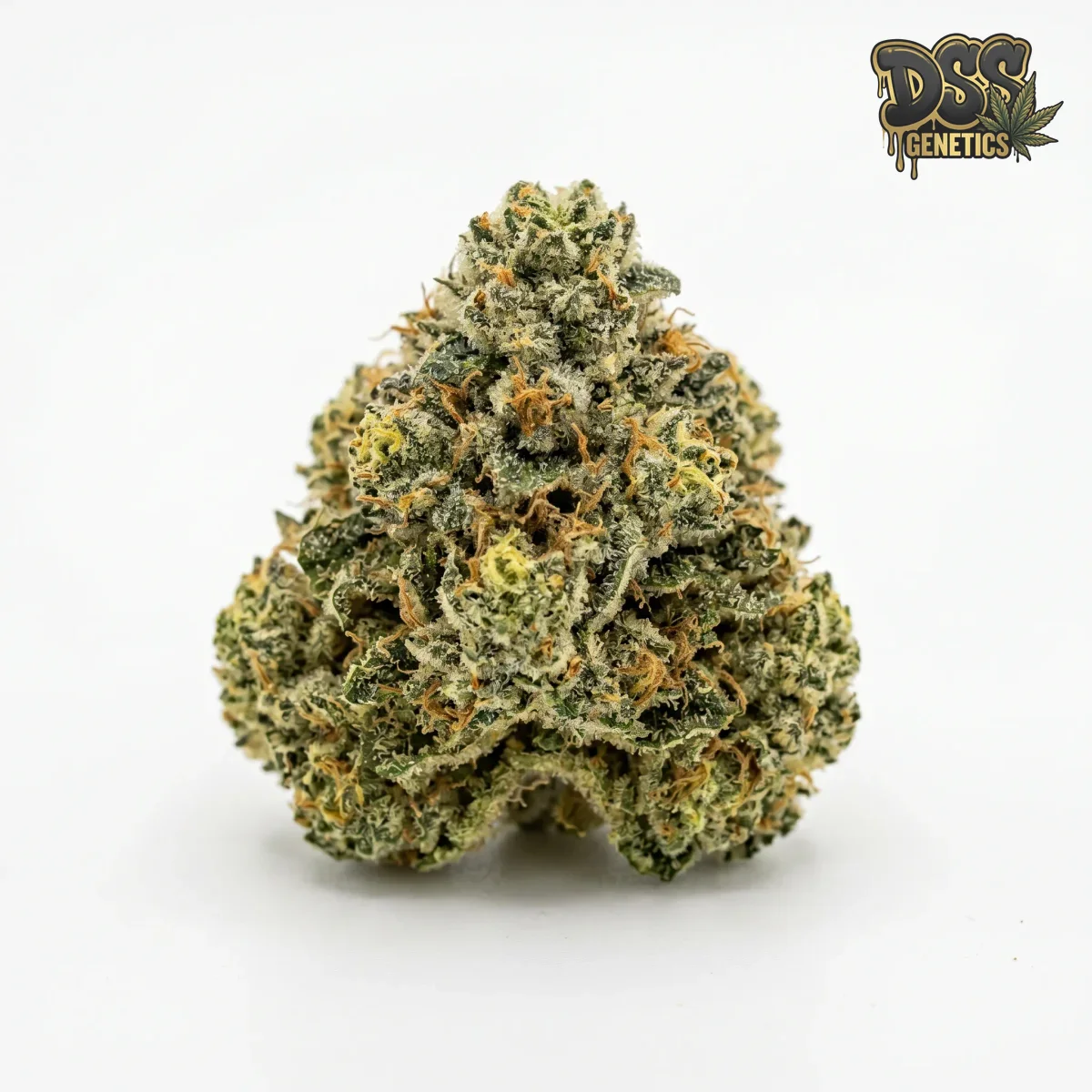
What separates this from a generic autoflower is the Critical cross. Breeders added Critical specifically to amplify resin production and bulk up bud density without sacrificing White Widow's signature terpene complexity — and it shows in the frost-covered calyxes that develop even under 18 hours of light. If you're building a perpetual harvest setup or hunting for a beginner-friendly autoflower that punches well above its weight, this belongs in your best autoflower collection.
Effects and Medical Benefits
The White Widow Autoflower high doesn't hit all at once — it earns its way in. The first ten minutes bring a clean mental clarity that feels almost like a reset button: thoughts slow to a manageable pace, creative connections start forming, and there's an upbeat, focused energy that makes light tasks genuinely enjoyable. This is the sativa 40% doing its work.
By the 20–30 minute mark, the indica influence rolls in from the shoulders down. It isn't sedating yet — more like a warm heaviness that grounds the earlier energy into something calmer and more deliberate. At moderate doses this state holds steady for 2–3 hours, making it functional enough for creative projects, social situations, or a quiet evening. Push the dose higher and the sedating end of the spectrum takes over, which is exactly what medical users targeting insomnia are after.
Users consistently report these effects:
- Creative and focused — a clear-headed mental uplift that sharpens without overwhelming
- Relaxing and calming — progressive full-body ease that builds without forcing couch-lock at moderate doses
- Energetic in early onset — enough drive to stay productive through the first hour
- Sedating at higher doses — deep physical relaxation ideal for night use
On the medical side, this strain is regularly chosen for:
- Chronic pain — the indica body weight provides sustained relief without requiring high-THC doses
- Insomnia — the sedating tail makes higher-dose evening use particularly effective
- Inflammation — humulene's natural anti-inflammatory properties complement the cannabinoid profile
- Fatigue — the early energetic phase gives a functional lift without the anxiety spike of high-THC sativas
With CBD ranging from 0.1–1%, the cannabinoid ratio creates a meaningful interaction between THC and the minor cannabinoids present in the plant. Through the entourage effect, even small amounts of CBD may soften the psychoactive edge and extend the therapeutic window — which is part of why White Widow has remained a staple in medical communities since the 1990s.
Aroma, Flavor and Terpene Profile
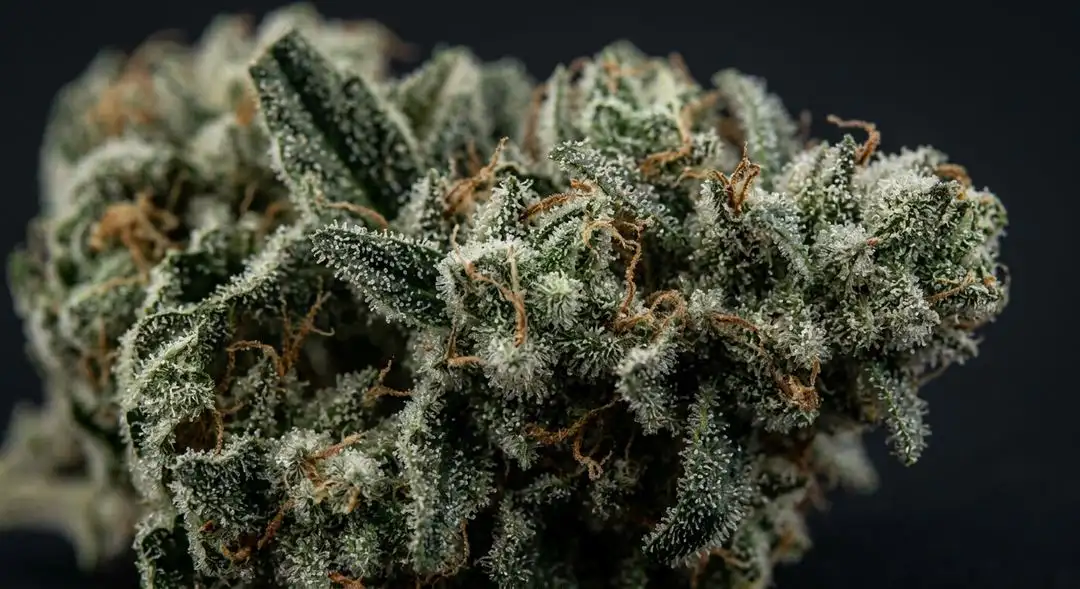
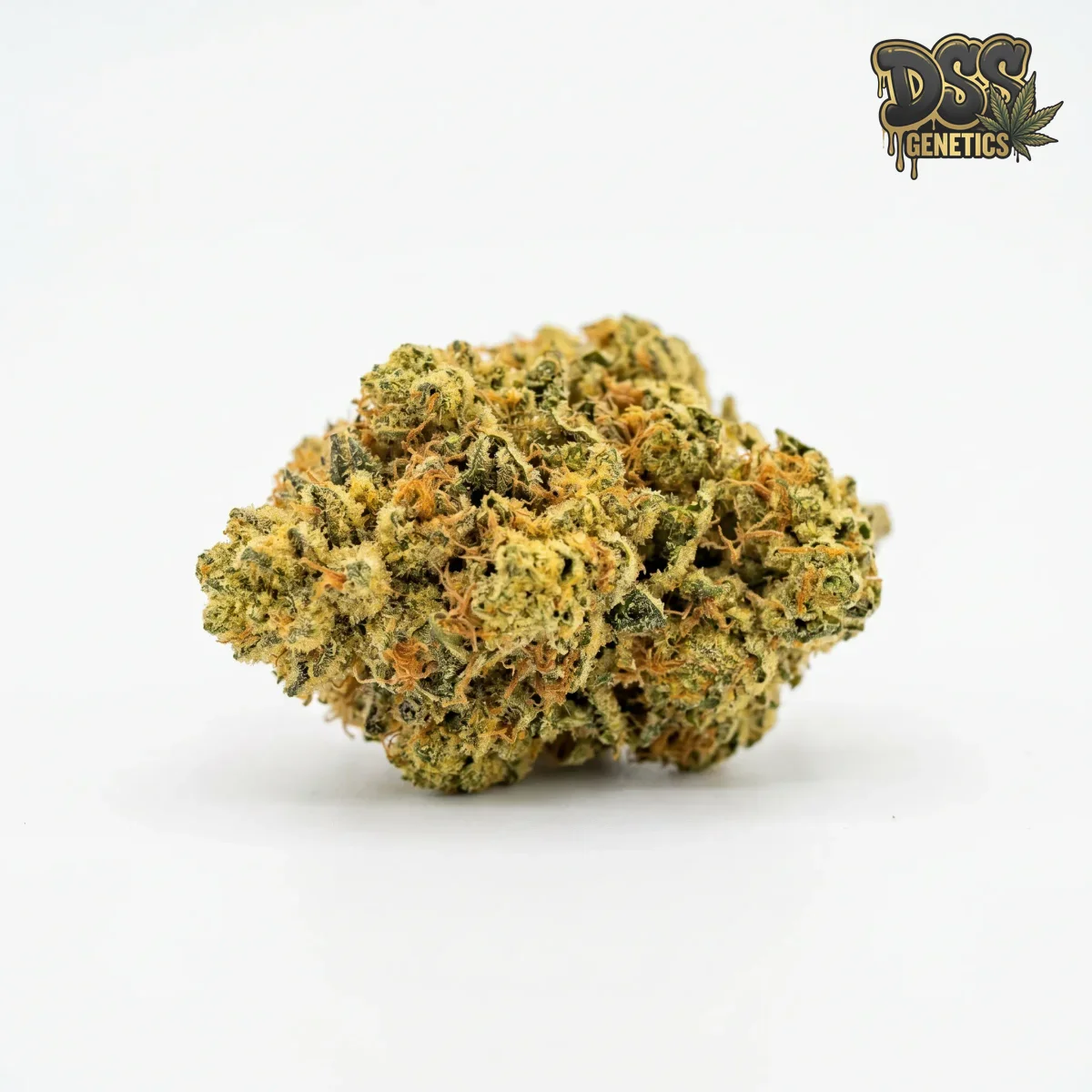
Crack open a jar of properly cured White Widow Autoflower and the first thing you notice is an earthiness that feels almost forested — damp soil after rain, pine resin, the faint sweetness of ripe fruit sitting underneath. It's complex without being aggressive. The pungency builds as the bud warms between your fingers, releasing a woodsy, citrus-tinged sharpness that signals the Critical genetics at work.
On the inhale, sweetness comes forward — think ripe tropical fruit with a woody base, more nuanced than the aroma alone suggested. The exhale brings out an earthy, slightly bitter citrus note that lingers on the palate. It isn't a one-dimensional strain in any department. The fruity and citrus elements brighten a flavor profile that would otherwise sit entirely in the deep, musky earth category, and that contrast is what makes the smoke genuinely interesting rather than simply pleasant.
The terpene profile is anchored by Humulene at 0.82% — a concentration high enough to meaningfully shape both aroma and effect. Humulene is the terpene responsible for the earthy, woody, subtly spicy character that White Widow is known for. It's also found in hops and ginseng, which explains the slightly herbal undertone that sits beneath the sweeter notes. Importantly, humulene has demonstrated anti-inflammatory and appetite-suppressing properties in research settings, making it particularly relevant for users targeting inflammation or those who prefer cannabis that doesn't trigger intense munchies.
While humulene leads the measured profile, experienced growers who've grown this strain note the sensory presence of what are likely trace amounts of myrcene and caryophyllene — the musky depth and subtle pepper note on the exhale are classic signatures of those terpenes, even below the threshold of individual measurement. The terpinolene-adjacent fruitiness that appears in some phenotypes also points to the complex secondary terpene expression this cross produces across different growing environments.
Growing White Widow Autoflower Seeds
White Widow Autoflower earns its easy difficulty rating, but 'easy' doesn't mean 'inattentive.' The Ruderalis genetics eliminate the need for light cycle manipulation and compress the timeline dramatically — seed to harvest in 70–77 days total when you account for the 2-week seedling stage before the 56–63 day flower count begins. What you gain in speed and simplicity, you give back in flexibility: autoflowers don't recover from stress the way photoperiod plants do, so the best results come from getting conditions right early rather than correcting problems mid-run.
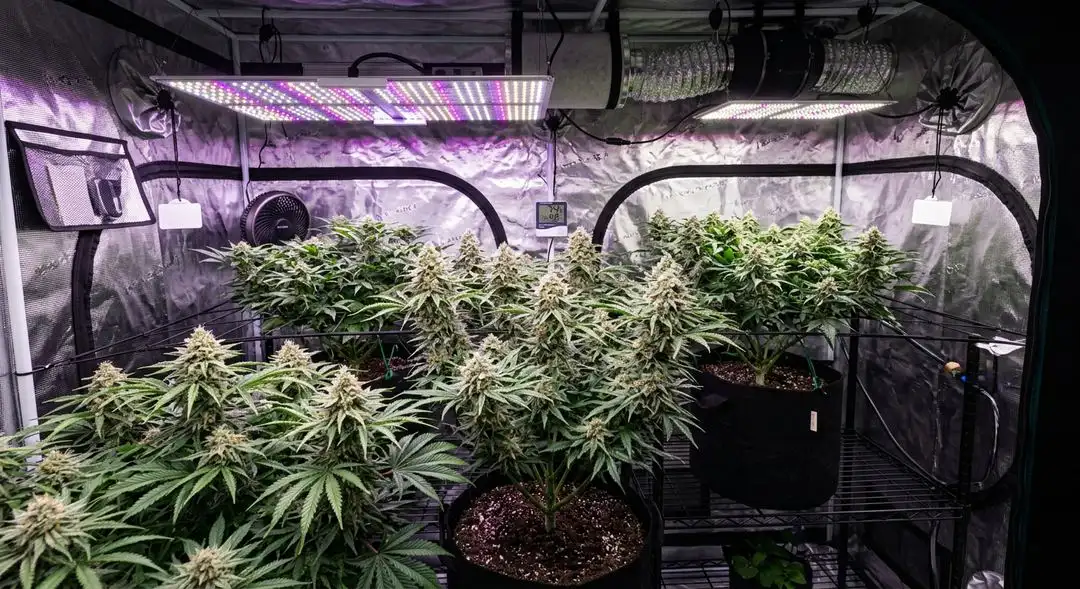
Temperature is straightforward — this strain performs well between 68–82°F (20–28°C) during the day, with night drops no lower than 60°F (15°C). Keep relative humidity at 60–65% through the seedling and early vegetative phase, then pull it back to 50–55% as flowering begins. By weeks 6–7 of flower, drop to 40–45% RH to protect the dense bud structure from late-stage mold. The Critical genetics built some of that density, which means airflow matters more here than it does with airier autoflower strains.
Key growing tips for White Widow Autoflower:
- Skip aggressive training: Because autoflowers run on a fixed timeline, heavy topping or manifolding often costs more yield than it gains — stick to gentle LST techniques that open the canopy without interrupting growth momentum
- Feed light, feed early: White Widow Autoflower is sensitive to overfeeding during the seedling stage — hold back on nitrogen-heavy feeds until week 3, then ramp up gradually following a proper nutrient schedule that transitions from grow to bloom around day 28
- 18/6 light schedule: Unlike photoperiod White Widow, this strain flowers under any schedule — 18 hours on, 6 off hits the sweet spot between yield and energy cost for most indoor setups
- Start in the final container: Autoflowers hate transplant shock — germinate directly into a 3–5 gallon fabric pot to avoid stunting early growth; see our germination guide for the paper towel method that works best
- Outdoor timing: This strain finishes fast enough for two full outdoor runs in warm climates — plant your second wave in mid-summer for a late-season harvest using our outdoor growing guide for timing by region
Yield and Flowering Time
White Widow Autoflower flowers in 56–63 days and delivers 1 to 1.5 oz/ft² indoors under dialed conditions. Outdoor plants growing in good soil with direct sun consistently produce 2–3 oz per plant — modest compared to photoperiod giants, but impressive for a strain that finishes in under 10 weeks from seed with zero light schedule management. For growers running perpetual harvests, this flowering speed is the entire point: you can pull 5–6 cycles per year indoors against the 3–4 a fast photoperiod strain might allow. It's a natural fit alongside other strains in the fast-flowering collection and holds its own next to heavier-yielding options in the high-yield collection when grown in multiples.
In our experience over dozens of runs, the difference between the 1 oz/ft² floor and the 1.5 oz/ft² ceiling almost always comes down to two factors: light intensity in the final 3 weeks of flower, and how aggressively humidity was managed. Plants given 600–750 PPFD through the stretch and then bumped to 900+ PPFD at week 5 of flower consistently hit the upper range. Growers who let humidity drift above 55% in late flower tend to lose density — and density is where the yield lives with this strain.
To maximize your harvest:
- Trichome timing: Harvest when 70–80% of trichomes are milky white with 10–20% amber for the balanced relaxing-yet-functional effect this strain is known for — push to 30% amber if you're targeting the sedating, sleep-aid end of the spectrum
- Final flush: Run plain pH-balanced water (6.0–6.5 pH in soil) for the last 7–10 days before harvest to clear residual nutrients and let the terpene profile express fully
- Late humidity control: Drop relative humidity to 40–45% in the final two weeks — the dense Critical-influenced buds hold moisture and will mold from the inside before it's visible on the surface
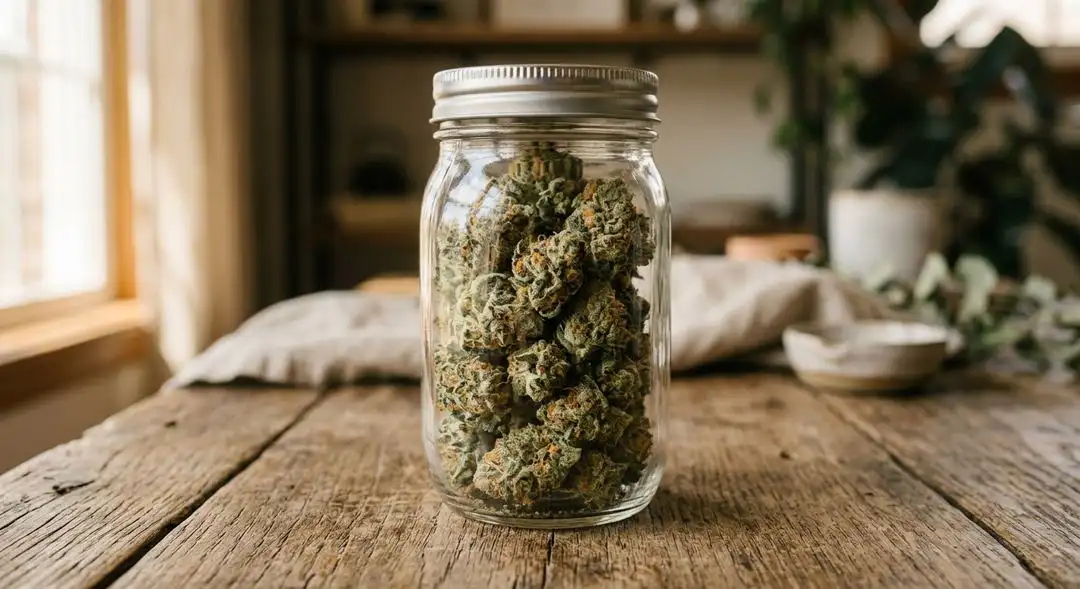
- Drying and curing: Hang-dry whole branches for 8–10 days at 60–65°F and 55–60% RH, then cure in sealed jars for a minimum of 3 weeks, burping daily for the first 10 days — this is what turns a good White Widow harvest into a great one
Why Buy White Widow Seeds from DSS Genetics?
Every White Widow Autoflower seed that leaves DSS Genetics is backed by our germination guarantee — if it doesn't sprout following standard germination practices, we replace it, no questions asked. Your order ships in plain, unmarked packaging with no indication of contents, and tracking is included so you always know where your seeds are.
- Germination guaranteed — every seed is tested for viability; we stand behind the genetics we sell
- Discreet shipping — plain, unmarked packaging on every order
- Spend $100+ and get free seeds — premium bonus genetics added automatically at checkout
- Proper seed storage — seeds are stored at controlled temperature and humidity from our facility to your door, protecting viability through the entire chain
Frequently Asked Questions
Is White Widow Autoflower a good strain for first-time growers?
Yes — White Widow Autoflower is one of the most forgiving autoflowers available, which is exactly why it consistently appears in our easy-to-grow collection. It handles minor temperature fluctuations, tolerates slightly imperfect nutrient timing, and finishes reliably without requiring any light cycle management. The main area new growers should focus on is humidity control in late flower — dense buds need airflow and dry conditions in weeks 7–9 to hit their full potential without mold risk.
How does White Widow Autoflower compare to the original photoperiod White Widow?
The autoflower version trades some yield ceiling and cannabinoid ceiling (original White Widow can push 22–25% THC in optimal conditions) for dramatically faster finish times and light-schedule freedom. At 16–20% THC, the autoflower version still delivers a genuine, full-effect White Widow experience — it isn't a watered-down version. The Critical cross actually improves density and resin production compared to some classic White Widow phenotypes. If your priority is maximum potency and yield, explore the highest-THC strains; if speed and simplicity are the goal, this is the better choice.
What terpenes are in White Widow Autoflower and what do they do?
The dominant measured terpene is Humulene at 0.82%, which contributes the earthy, woody, subtly herbal character in the aroma and flavor. Humulene is associated with anti-inflammatory properties and is the terpene responsible for the lack of intense appetite stimulation some users notice compared to myrcene-heavy strains. Secondary terpene expression in this cross also hints at myrcene and caryophyllene character — the musky depth and mild pepper note on the exhale are classic signatures of those compounds influencing the overall sensory profile.
How long does White Widow Autoflower take from seed to harvest?
Flower time is 56–63 days, but total seed-to-harvest time runs closer to 70–77 days when you include the 2-week seedling phase before flowering begins. This makes it one of the faster full-cycle autoflowers available. Indoors, that timeline is completely consistent year-round. Outdoors, plants started in spring can finish before summer ends, leaving time for a second run. Review our flowering stage guide for trichome assessment methods that tell you exactly when to harvest for your
Medical Disclaimer: This information is for educational purposes only and should not be considered medical advice. Always consult a healthcare professional before using cannabis for medical purposes. Individual results may vary.
Frequently Asked Questions
White Widow — Common Questions Answered
What is White Widow?
White Widow is a balanced hybrid cannabis strain (60% Indica / 40% Sativa) bred from White Widow x Critical x Ruderalis. It produces THC levels of 16–20% and CBD levels of 0.1–1%. Known for its relaxing, creative, energetic effects and sweet, earthy, citrus flavor profile.
Is White Widow easy to grow?
Yes, White Widow is an excellent choice for beginners. It has a forgiving growth pattern and doesn't require advanced techniques to produce good yields. Growing difficulty: Easy. It thrives in temperate climates and reaches a medium plant size.
How long does White Widow take to flower?
White Widow has a flowering time of 56–63 days. Switch to a 12/12 light cycle to initiate flowering. Expected yields are 1 to 1.5 oz/ft² indoors and 2 to 3 oz/plant outdoors.
What are the effects of White Widow?
White Widow delivers relaxing, creative, energetic, focused, sedating, calming effects. Many growers report it helps with pain, insomnia, inflammation, fatigue. With THC levels of 16–20%, it provides a moderate to strong experience suitable for most users.
What does White Widow smell and taste like?
White Widow's dominant terpenes are Humulene (0.82%), which give it a sweet, earthy, citrus, woody, fruity, pungent flavor and aroma profile.
Can I grow White Widow indoors and outdoors?
Yes, White Widow performs well both indoors and outdoors. Indoor yields average 1 to 1.5 oz/ft², while outdoor grows can produce 2 to 3 oz/plant. It prefers temperate conditions. Its medium height is manageable in most indoor setups.
Grower Reviews
Real grow experiences from our community

Get 10% Off Your First Order
Join our newsletter for exclusive deals, growing tips, and new strain drops.