Ask most cannabis enthusiasts to name an endocannabinoid and they'll say anandamide, the 'bliss molecule.' But there's a second endocannabinoid that's actually more abundant in the brain, acts as a full agonist at both CB1 and CB2 receptors, and sits at the center of how your immune system talks to itself. Its name is 2-arachidonoylglycerol, or 2-AG, and if you're selecting cannabis for anti-inflammatory benefits, it may matter more than THC.
Bottom line: 2-AG is the dominant endocannabinoid your body produces, it's the primary natural ligand for the CB2 receptor (the immune-system receptor), and cannabis compounds, particularly CBD and beta-caryophyllene, are being investigated for how they modulate this pathway. If inflammation or immune balance is your goal, CB2/2-AG biology is the lever to understand.
What Is 2-AG? Defining the Endocannabinoid
2-Arachidonoylglycerol (2-AG) is an endogenous cannabinoid, a lipid signaling molecule your body produces on demand, that acts as a ligand at both CB1 and CB2 cannabinoid receptors. It is considered the primary endogenous ligand for the CB2 receptor and is substantially more abundant in the brain than anandamide.
The story of 2-AG begins in 1995, when Raphael Mechoulam's laboratory, the same group that isolated THC three decades earlier, found the molecule in canine intestines through the work of his student Ben-Shabat. That discovery reshaped the map of the endocannabinoid system: suddenly, anandamide wasn't alone.
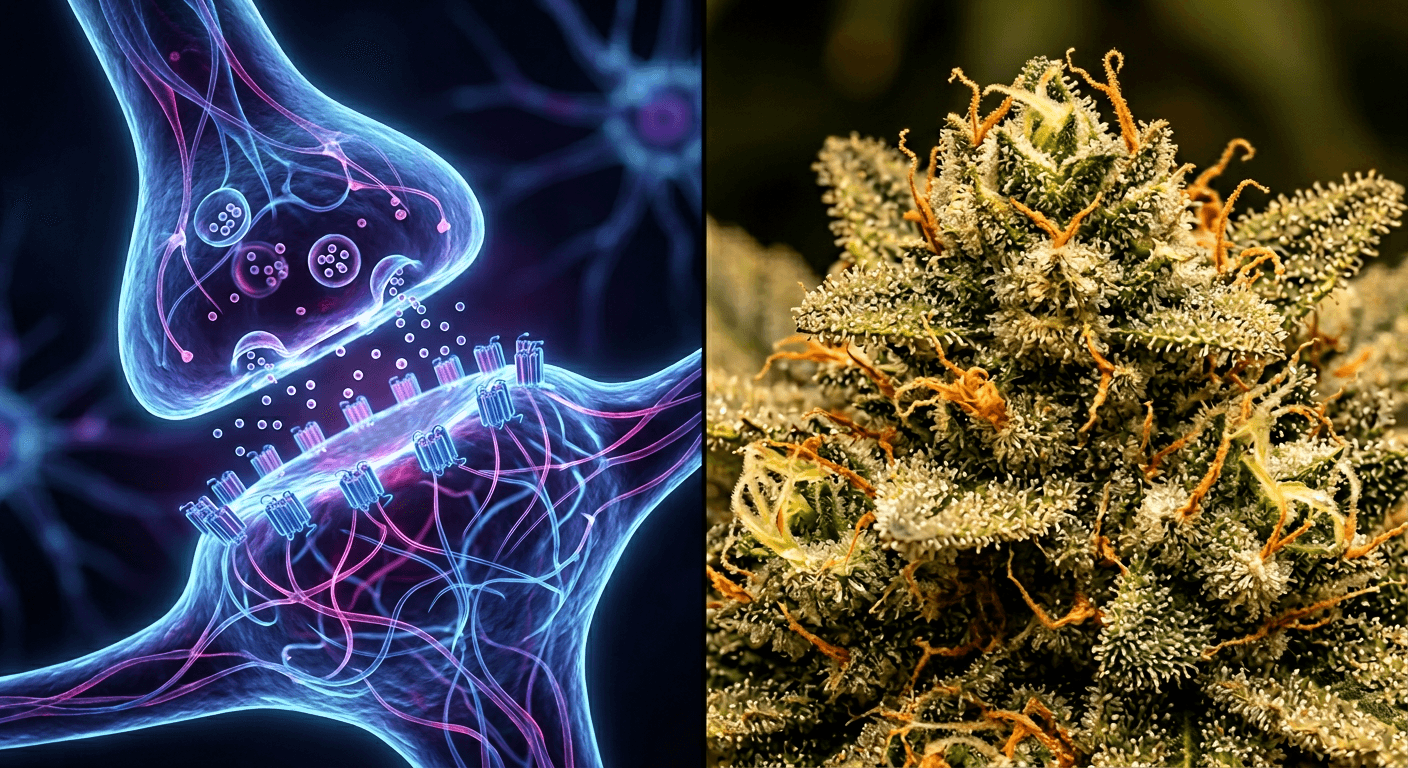
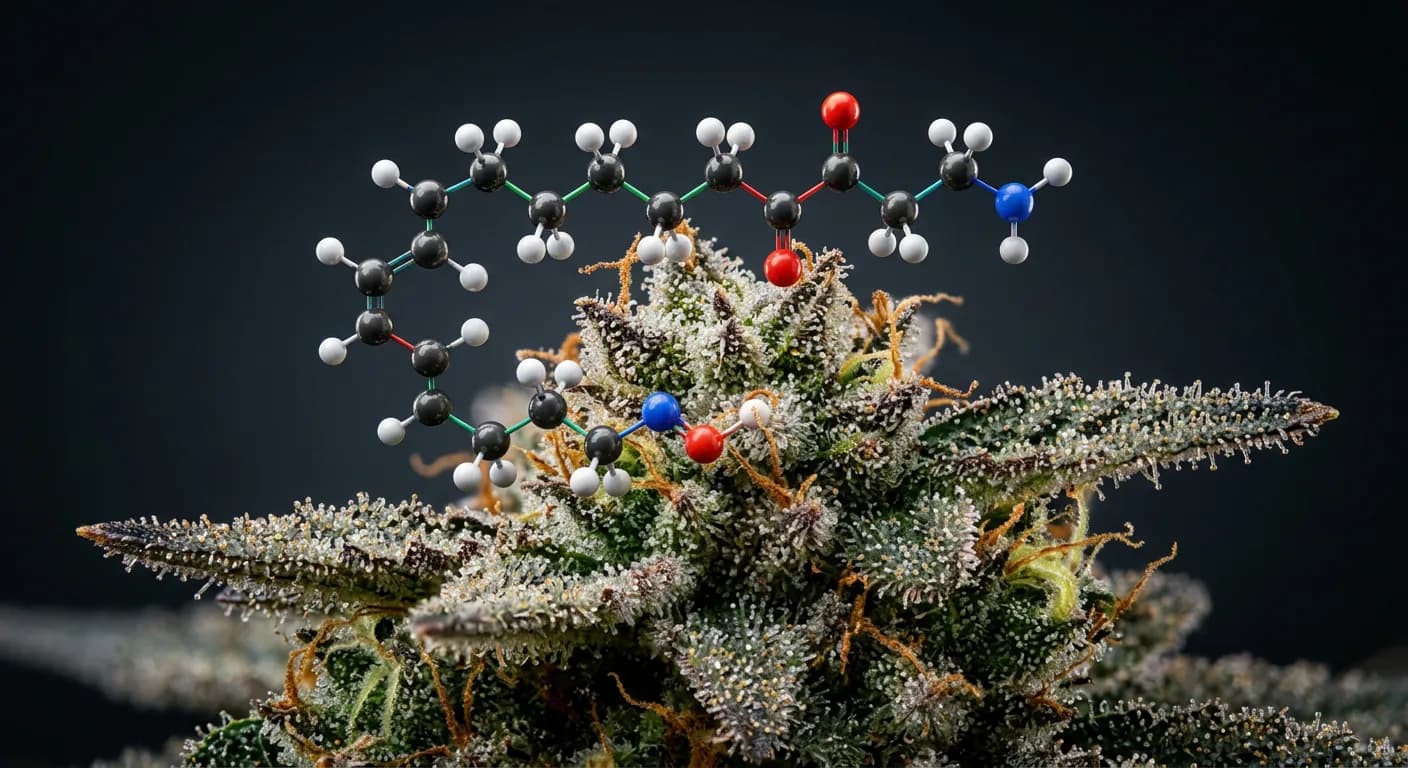
Structurally, 2-AG is an ester of arachidonic acid (an omega-6 fatty acid) and glycerol. Biologically, it functions as a signaling lipid with manifold actions in the brain, including retrograde signaling that modulates neurotransmitter release, the mechanism by which post-synaptic neurons 'tell' pre-synaptic neurons to dial their output up or down.
What makes 2-AG distinct from its better-known cousin anandamide comes down to three properties:
- Abundance: 2-AG is substantially more concentrated in brain tissue than anandamide.
- Efficacy: 2-AG is a full agonist at CB1 and CB2, while anandamide behaves as a partial agonist.
- Receptor preference: 2-AG is regarded as the primary endogenous ligand for CB2, the immune-facing receptor.
In over a decade of covering cannabis science, we've watched anandamide dominate popular writing while 2-AG, the actually-more-abundant molecule, sits in the shadows. For growers and patients focused on inflammation rather than psychoactivity, that's the wrong emphasis. CB2 is where the immune conversation happens, and 2-AG is its main voice.
How 2-AG Interacts with CB1 and CB2 Receptors
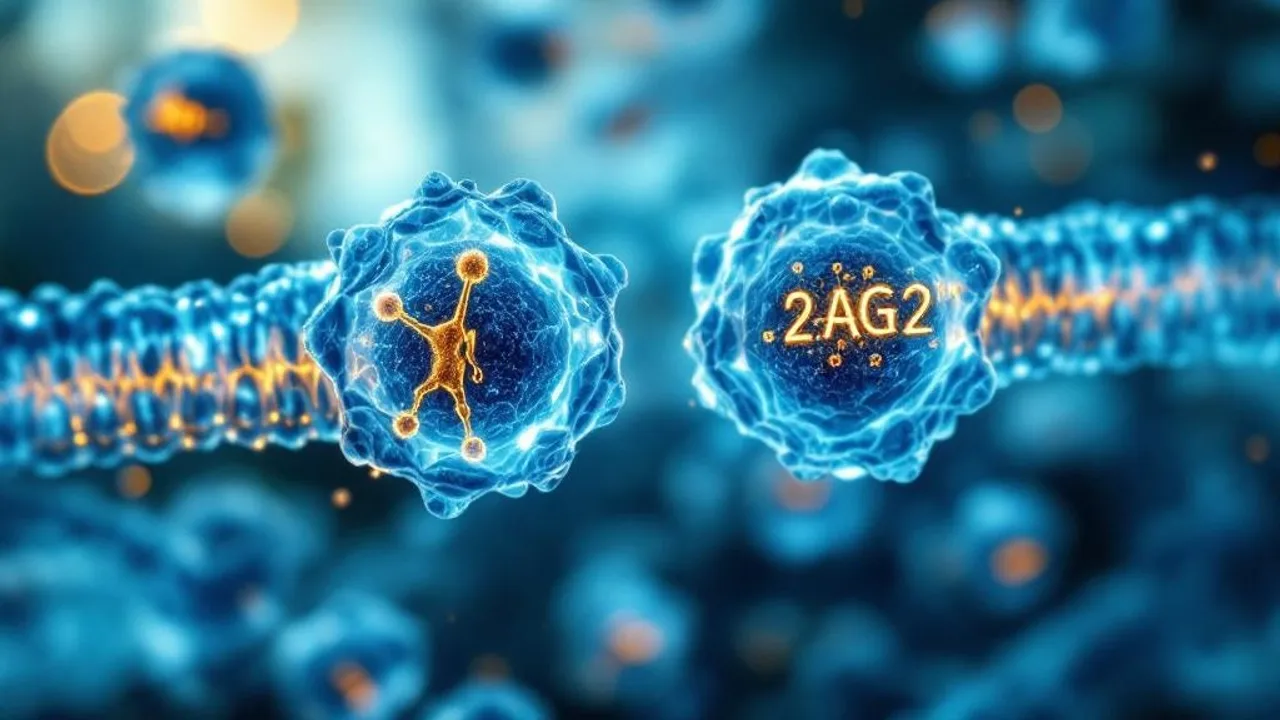
2-AG binds and fully activates both CB1 (concentrated in the central nervous system) and CB2 (concentrated in immune cells and peripheral tissues). Because it is a full agonist, not a partial one, its signal at these receptors is stronger per molecule than anandamide's at equivalent occupancy.
The CB1 vs CB2 split matters because it maps cleanly onto two very different jobs. CB1 is where THC does its psychoactive work, mood, appetite, memory, motor control. CB2 is where the anti-inflammatory conversation happens, macrophage activity, cytokine release, immune trafficking. For a deeper split on the two, see our CB1 vs CB2 receptors strain selection guide.
Why 'full agonist' status matters
A partial agonist can occupy a receptor without fully switching it on, think of a dimmer switch set to 60%. A full agonist, given enough concentration, drives the receptor to its maximum response. 2-AG's full-agonist status at CB2 is one reason researchers treat it as the receptor's 'native' ligand, with anandamide playing a supporting role.
Grower takeaway: THC is also a partial CB1 agonist, weaker than 2-AG at full efficacy. This is part of why endogenous tone matters: your baseline 2-AG levels influence how THC 'lands' on any given day, which is one model for why the same strain can feel different week to week.
2-AG as a Signaling Lipid in the Brain
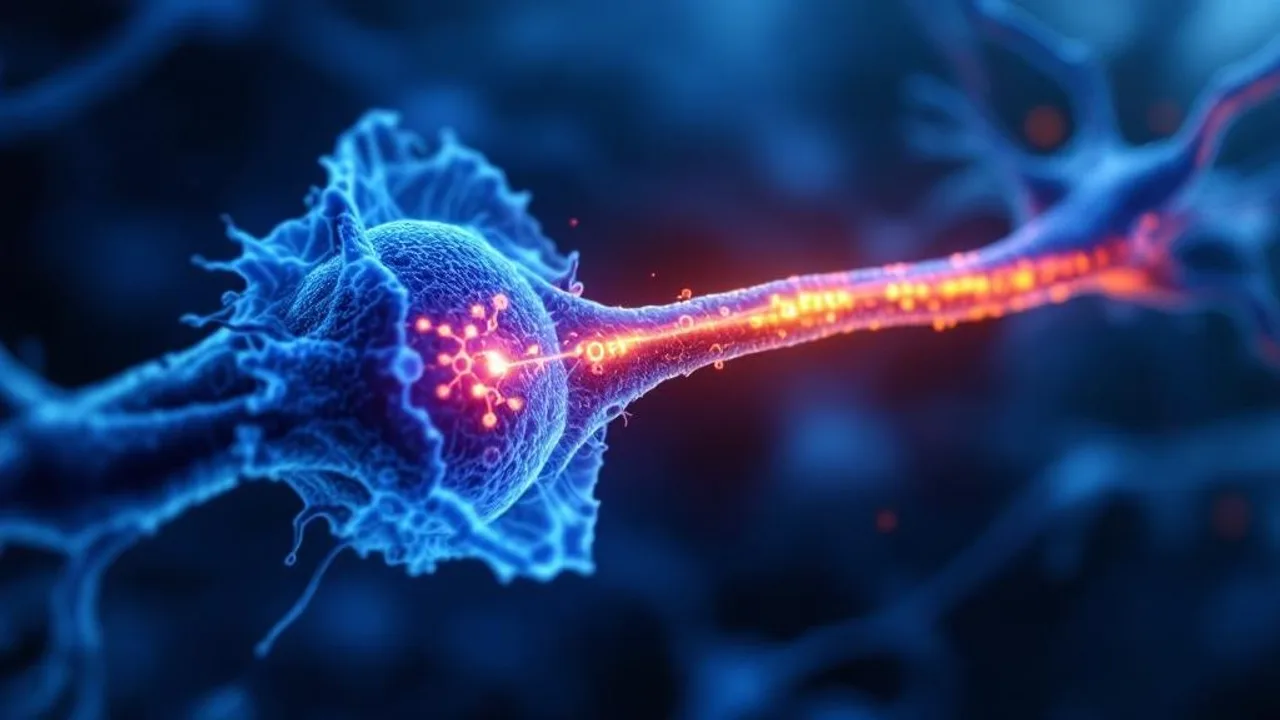
In the brain, 2-AG functions as a retrograde signaling lipid, produced on-demand by post-synaptic neurons and released backward across the synapse to modulate neurotransmitter release from the pre-synaptic neuron. This short-range feedback loop is one of the central mechanisms by which the endocannabinoid system regulates everything from memory formation to pain gating.
Unlike classical neurotransmitters stored in vesicles and dumped on demand, 2-AG is synthesized from membrane lipids at the exact moment it's needed and broken down almost as quickly. That 'on-demand' design is why endocannabinoid signaling is so precisely localized, only the synapse that asked for the signal gets it.
The molecule's role as a broader signaling lipid extends well past synapses. It shows up in immune tissue, peripheral nerves, and even developing cells, suggesting that its 'manifold actions' are a design feature, not a side effect.
2-AG and the Immune System: Inflammation and Macrophage Function
2-AG has been proposed as a possible novel mediator of inflammation, and research shows it drives real, measurable changes in immune-cell behavior. In one key experiment, 2-AG induced rapid actin polymerization in HL-60 cells that had been differentiated into macrophage-like cells, a cytoskeletal change that indicates active immune-cell function.
Here's why that actin finding matters. Macrophages are the immune system's cleanup crew: they migrate to damaged tissue, engulf pathogens, and orchestrate inflammatory responses. Actin polymerization is the physical machinery that lets them move and change shape. When researchers exposed differentiated HL-60 cells to 1 μM of a cannabinoid receptor ligand for 10 seconds at 37 °C (with the cells first matured using 100 nM 1,25(OH)2D3 for 5 days), 2-AG triggered this cytoskeletal response.
This is a concrete, cell-level mechanism, not a vague 'immunomodulation' claim. 2-AG isn't just present in immune tissue; it actively reshapes how immune cells organize their own structure, which is how they decide to move, engulf, and signal.
Cannabinoids, including compounds interacting with the 2-AG system, have demonstrated anti-inflammatory properties relevant to ongoing neurodegenerative disease research. For cultivators selecting strains for inflammation-focused use, this is why CB2 pathway support deserves attention, and why our cannabis for inflammation guide leans heavily on CB2-active compounds.
Behavioral Pharmacology: What Self-Administration Studies Reveal

One of the most striking findings about 2-AG comes from behavioral pharmacology: 2-AG is intravenously self-administered by squirrel monkeys, demonstrating reinforcing properties consistent with CB1 receptor activation. When the CB1 receptor was blocked, responding maintained by 2-AG dropped in a manner similar to its effect on THC-maintained responding.
Why this matters: self-administration is the gold-standard behavioral test for whether a molecule has reward-relevant activity in the brain. The squirrel monkey data shows that 2-AG isn't a silent background lipid: it's a pharmacologically active reinforcer that shares core neural machinery with THC.
That shared machinery is also why endocannabinoid tone interacts with cannabis use in complex ways. If you want the reward-circuit side of the story, our deep dive on cannabis, dopamine and THC connects the dots.
2-AG, Appetite, and Food Intake Regulation

2-AG is involved in regulating appetite and food intake. Animal studies show brain 2-AG levels increase during fasting and decrease after feeding, a classic homeostatic loop that ties endocannabinoid signaling directly to hunger and satiety.
This is the same circuit cannabis users colloquially call 'the munchies.' THC piggybacks on CB1 receptors that, in the fed state, would normally be quieter, which is why cannabis can drive eating even when you're not physiologically hungry. For the full picture on strain selection for appetite, see our cannabis appetite stimulation guide.
The flip side is appetite suppression via CB1 antagonism, the mechanism behind THCV's reputation. Our THCV strains guide covers that angle.
How CBD May Extend 2-AG Activity (The Entourage Mechanism)
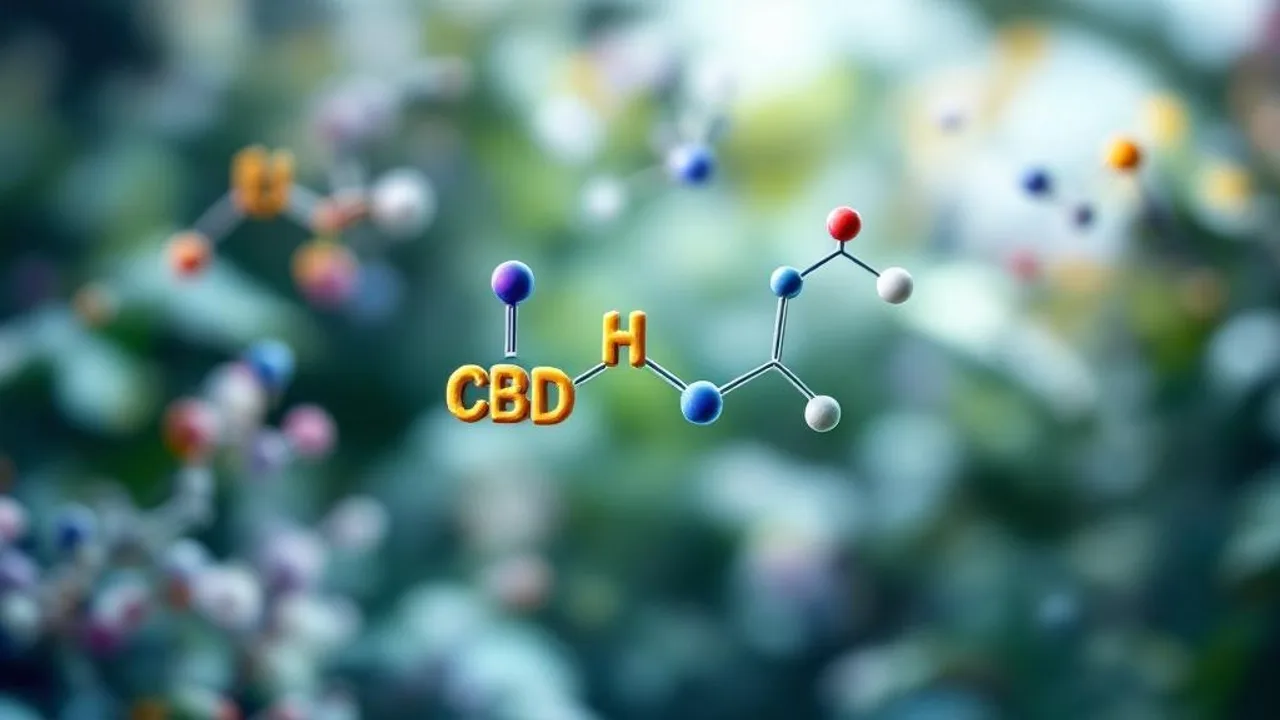
A popular hypothesis in cannabis pharmacology is that CBD inhibits MAGL (monoacylglycerol lipase), the enzyme that breaks down 2-AG, and by slowing that breakdown, CBD could extend 2-AG's presence at CB1 and CB2 receptors. This is one of the proposed entourage mechanisms by which CBD amplifies the endocannabinoid system without binding CB1/CB2 itself.
We'll be transparent here: the enzymatic details of DAGL synthesis and MAGL degradation are discussed extensively in cannabis-community writing but are not deeply quantified in the peer-reviewed sources we verified for this article. Treat the MAGL story as a working hypothesis rather than settled science, but a hypothesis that dovetails neatly with the way the endocannabinoid system, inflammation, and anxiety are investigated in human cannabis users.
Caveat: Cannabinoid-enzyme kinetics in humans are an active research area. We do not have verified peer-reviewed quantification for exactly how much CBD slows MAGL in vivo. The entourage framing is biochemically plausible but mechanistically incomplete.
For the broader picture of how cannabinoids and terpenes combine, our entourage effect guide walks through the evidence tier by tier.
2-AG, Anxiety, and Human Cannabis Use: What the 2026 Data Shows
The endocannabinoid system, including 2-AG, is implicated in anxiety and is an active target of investigation for how exogenous cannabinoid use alters endocannabinoid tone. Human data is still thin, but one quasi-experimental Colorado study stands out for its real-world design.
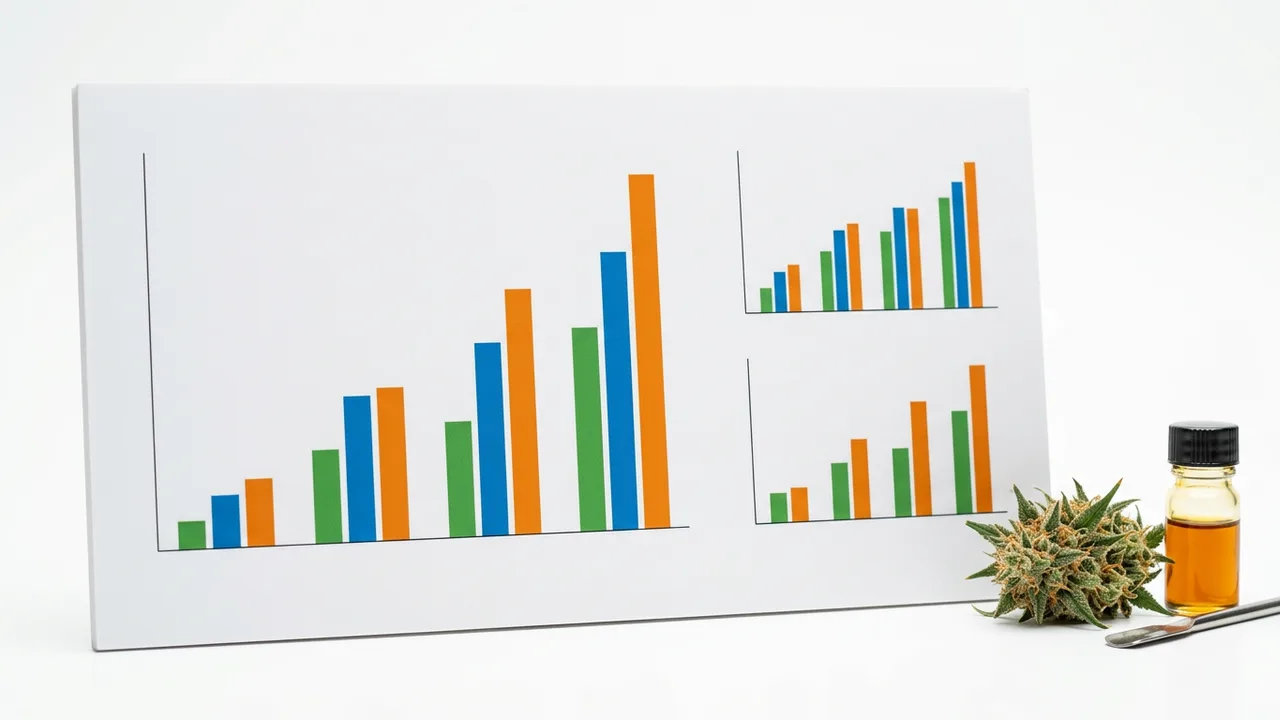
In that ad libitum cannabis-use study, participants were split across four conditions: THC users, CBD users, combined THC+CBD users, and non-users:
- Non-Users: n = 29
- THC+CBD: n = 74
- CBD: n = 97
- THC: n = 92
Across all four conditions, average anandamide (AEA) levels rose 48.34% from week 2 to week 4, with no differential change based on product use. That null finding on product-specific change is as interesting as the overall rise: it suggests endocannabinoid tone shifts on timescales and by mechanisms that aren't cleanly predicted by what you're consuming.
Human endocannabinoid research is in its early innings. The Colorado data tells us endocannabinoid levels do shift over weeks in cannabis users, but it does not yet give us a clean 'this strain raises 2-AG by X%' answer. Anyone selling that precision is overselling the science.
Strain Selection for CB2/2-AG Pathway Support (2026 Picks)
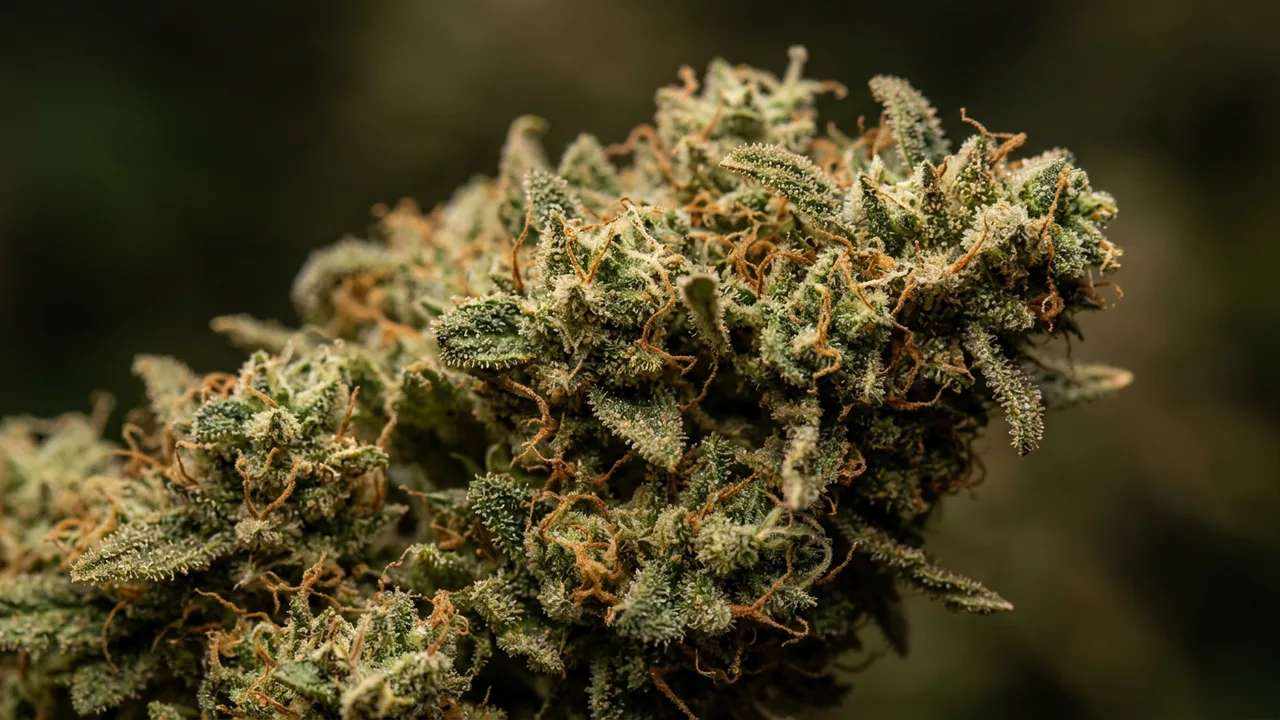
For growers targeting the CB2/2-AG axis, primarily for anti-inflammatory or immune-modulating goals, strain selection should emphasize two levers: meaningful CBD content (for potential MAGL modulation and broad-spectrum ECS support) and strong beta-caryophyllene (BCP), the terpene that uniquely binds CB2 directly. BCP is covered in depth in our beta-caryophyllene guide.
Because this is a supporting-mechanism question rather than a potency race, we're recommending strains across a realistic THC range, including several industry favorites we do not carry, because an honest guide shouldn't read like a catalog.
| Strain | Profile | Why It Supports CB2 / 2-AG Pathway |
|---|---|---|
| Harlequin (industry classic) | ~5% THC, ~10% CBD | High-CBD 5:2 ratio, BCP-forward. Classic anti-inflammatory pick. |
| ACDC (industry classic) | ~1% THC, ~14-20% CBD | Extremely CBD-dominant; minimal psychoactivity, strong ECS support. |
| Cannatonic (industry classic) | ~6% THC, ~12% CBD | Balanced 1:1/1:2 profile commonly used for inflammation. |
| Charlotte's Web (industry classic) | <1% THC, high CBD | Benchmark high-CBD pediatric-research strain. |
| OG Kush | 26% THC | Beta-caryophyllene-rich terpene profile: direct CB2 support even at high THC. |
| Sour Diesel | 24% THC | BCP-forward diesel profile; CB2 activity through terpene pathway. |
| Cookies Kush | 18% THC | Cookies lineage is consistently high in caryophyllene. |
| Purple Kush | 27% THC | Kush-family BCP expression; heavy-bodied anti-inflammatory traditional pick. |
For the pure-terpene angle, strains chosen specifically for CB2-binding BCP content, our best caryophyllene strains for inflammation article goes deeper on phenotype-level selection.
Cultivation note: Beta-caryophyllene expression is strongly influenced by late-flower environment. To maximize BCP (and with it, CB2 engagement), dial in VPD with our VPD calculator, hold cooler lights-off temperatures in weeks 6-8, and read our terpene maximization guide before harvest.
Open Questions and Research Gaps
Several questions about 2-AG remain genuinely unsettled, and any guide that pretends otherwise is ahead of the science.
Based on what's currently verifiable in peer-reviewed literature, evidence is limited on the following points:
- Exact 2-AG: anandamide concentration ratios in specific human brain regions, widely quoted numbers in community writing are not cleanly confirmed by the peer-reviewed pool we verified.
- Quantitative MAGL kinetics in humans: how much CBD (or other cannabinoids) actually slow 2-AG breakdown in vivo remains under-quantified.
- How THC consumption changes 2-AG blood or tissue levels with specific numbers: we have evidence of endocannabinoid shifts in cannabis users, but not clean 2-AG-specific dose-response curves.
- 2-AG's role in specific neurodegenerative diseases: cannabinoids show anti-inflammatory promise relevant to this research, but disease-specific 2-AG claims (Alzheimer's, Huntington's, MS) are not yet supported by verified human quantification in our source pool.
The honest frame for 2026: 2-AG is the most abundant endocannabinoid, it's the primary CB2 ligand, and it's a plausible lever for inflammation-focused cannabis strategies. Everything beyond those foundational claims should be held with appropriate scientific humility until human trials catch up.
Frequently Asked Questions
What is 2-AG in simple terms?
2-AG (2-arachidonoylglycerol) is a lipid your body makes on demand that binds both CB1 and CB2 cannabinoid receptors. It's the most abundant endocannabinoid in the brain and is considered the primary natural ligand for the immune-facing CB2 receptor.
How is 2-AG different from anandamide?
Both are endocannabinoids, but 2-AG is substantially more abundant in the brain and acts as a full agonist at CB1 and CB2, while anandamide is a partial agonist. They also use different synthesis and breakdown enzymes and play complementary roles in the endocannabinoid system.
Does CBD raise 2-AG levels?
The hypothesis that CBD slows MAGL (the enzyme that breaks down 2-AG) is biochemically plausible and widely discussed in cannabis community writing, but clean human quantification is limited. Available human data shows endocannabinoid levels shift over weeks of cannabis use, though not in a product-specific way in that study.
Which cannabis strains best support CB2 activation?
Strains with meaningful CBD content (Harlequin, ACDC, Cannatonic) plus strains high in beta-caryophyllene, the terpene that binds CB2 directly, such as OG Kush, Sour Diesel, and Cookies-family genetics.
Does 2-AG get you high on its own?
2-AG is endogenous: your body produces it, and under normal conditions doesn't produce an obvious 'high.' However, in squirrel monkey studies it was self-administered and its effects were blocked by CB1 antagonism, showing it has measurable reward-relevant activity through the same receptor THC uses.
Sources & References
This article was researched and fact-checked using 7 verified sources including 6 peer-reviewed studies, 1 community resource.
- 2-Arachidonoylglycerol: A signaling lipid with manifold actions in the brain - ScienceDirect, sciencedirect.com/science/article/pii/S0163782717300619 [Research]
- The Interplay of Exogenous Cannabinoid Use on Anandamide and 2-Arachidonoylglycerol in Anxiety: Results from a Quasi-Experimental Ad Libitum Study, mdpi.com/1424-8247/17/10/1335 [Research]
- 2-Arachidonoylglycerol, an endogenous cannabinoid receptor ligand, induces rapid actin polymerization in HL-60 cells differentiated into macrophage-like cells - PMC , pmc.ncbi.nlm.nih.gov/articles/PMC1134878 [Research]
- New Perspectives in the Studies on Endocannabinoid and Cannabis: 2-Arachidonoylglycerol as a Possible Novel Mediator of Inflammation - ScienceDirect, sciencedirect.com/science/article/pii/S1347861319323114 [Research]
- The Endogenous Cannabinoid 2-Arachidonoylglycerol Is Intravenously Self-Administered by Squirrel Monkeys - PMC , pmc.ncbi.nlm.nih.gov/articles/PMC3123903 [Research]
- The Interplay of Exogenous Cannabinoid Use on Anandamide and 2-Arachidonoylglycerol in Anxiety: Results from a Quasi-Experimental Ad Libitum Study - PMC , pmc.ncbi.nlm.nih.gov/articles/PMC11509978 [Research]
- The Power of the Endocannabinoid 2-AG, savikalpa.com/blog/is-2-ag-the-most-important-endocannabinoid [Community]