You've read that myrcene smells like ripe mango, that limonene gives Sour Diesel its fuel-and-citrus edge, that a proper terpene profile separates a truly memorable smoke from forgettable shake. But when you look at your last harvest and it smells like cut grass instead of terp candy, the question shifts from what terpenes are to how to increase terpenes in cannabis you're actually growing. That's exactly what this guide is for.
One important distinction before we dive in: if you want to understand the biochemistry of how terpenes are synthesized inside the plant — the MEP and MVA pathways, the role of trichome density — our cannabis terpene chart and science guide covers that in depth. This article is purely tactical. Every section gives you a specific lever you can pull in your grow room, with numbers, timing, and honest notes on what the evidence actually supports.
Step 1: Genetics — The Ceiling No Environment Can Break
The single most important factor in terpene expression is the genetics you start with. Every other tactic in this guide helps you reach a plant's genetic ceiling — none of them raise it. Setting that expectation upfront saves you from chasing techniques on a strain that simply isn't wired for rich terpene output.
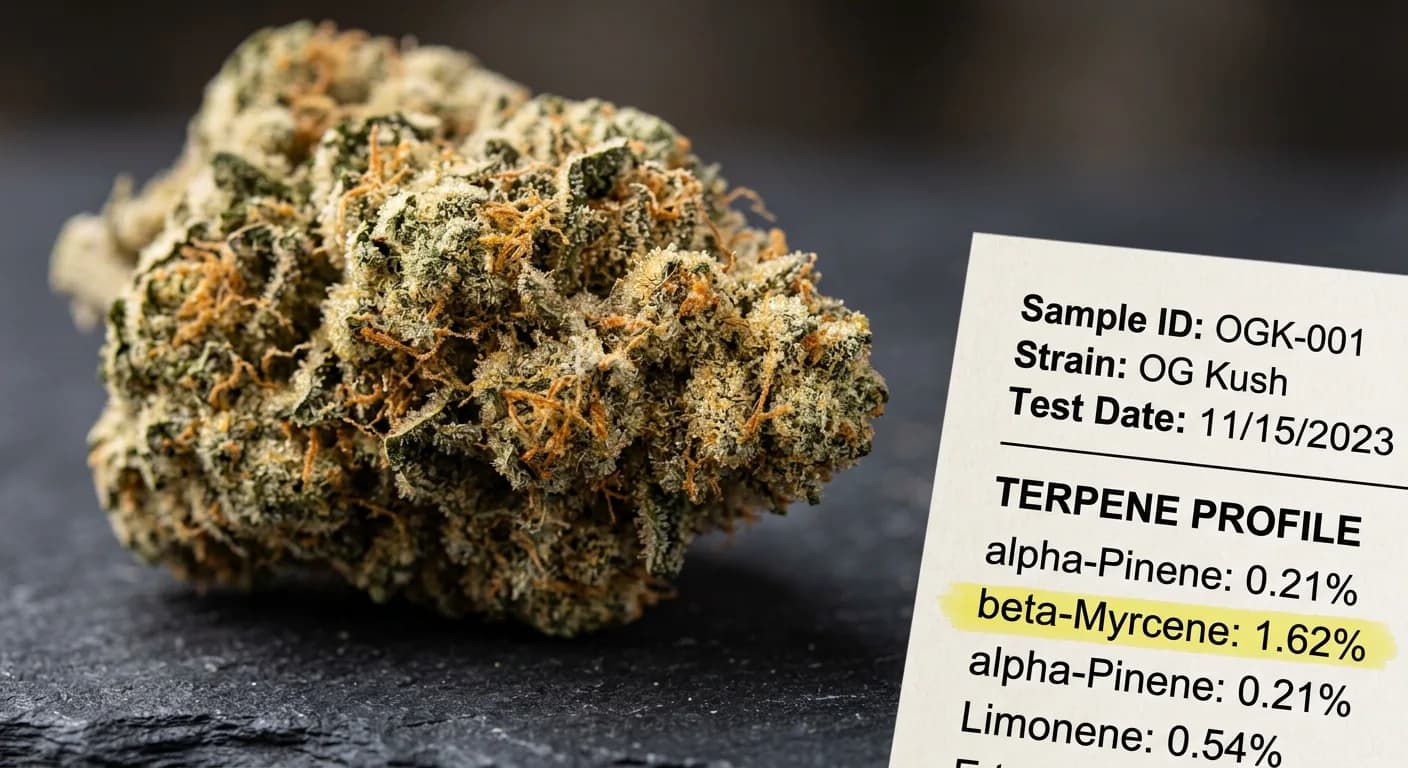
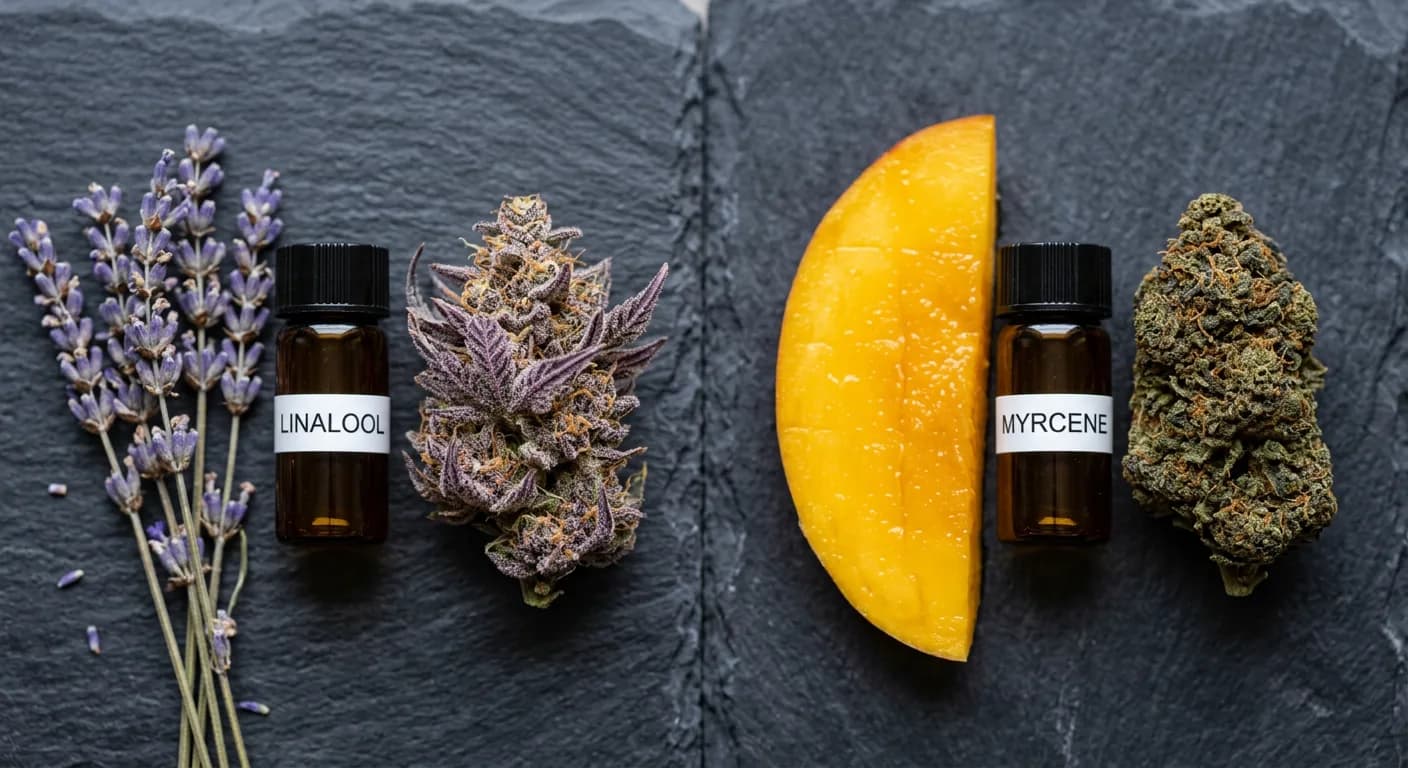
Terpene production is a polygenic trait. Specific cultivars express dominant terpene profiles — high myrcene in Indica-leaning OG types, elevated limonene and terpinolene in Haze-family lines, heavy linalool in certain Kush varieties — and those ratios are baked into the genome. You can optimize your environment to push expression close to the genetic maximum, but a naturally low-terpene variety will never out-smell a high-terpene one grown under identical conditions.
What to Look For in High-Terpene Genetics
Not all seed descriptions tell you terpene data, but certain markers signal high potential:
- Named, tested terpene profiles — strains with published lab COAs showing total terpene percentages above 2% are a reliable benchmark
- Resin-forward lineage — Kush, OG, Cookies, Haze, and Diesel family genetics consistently rank among the most aromatic
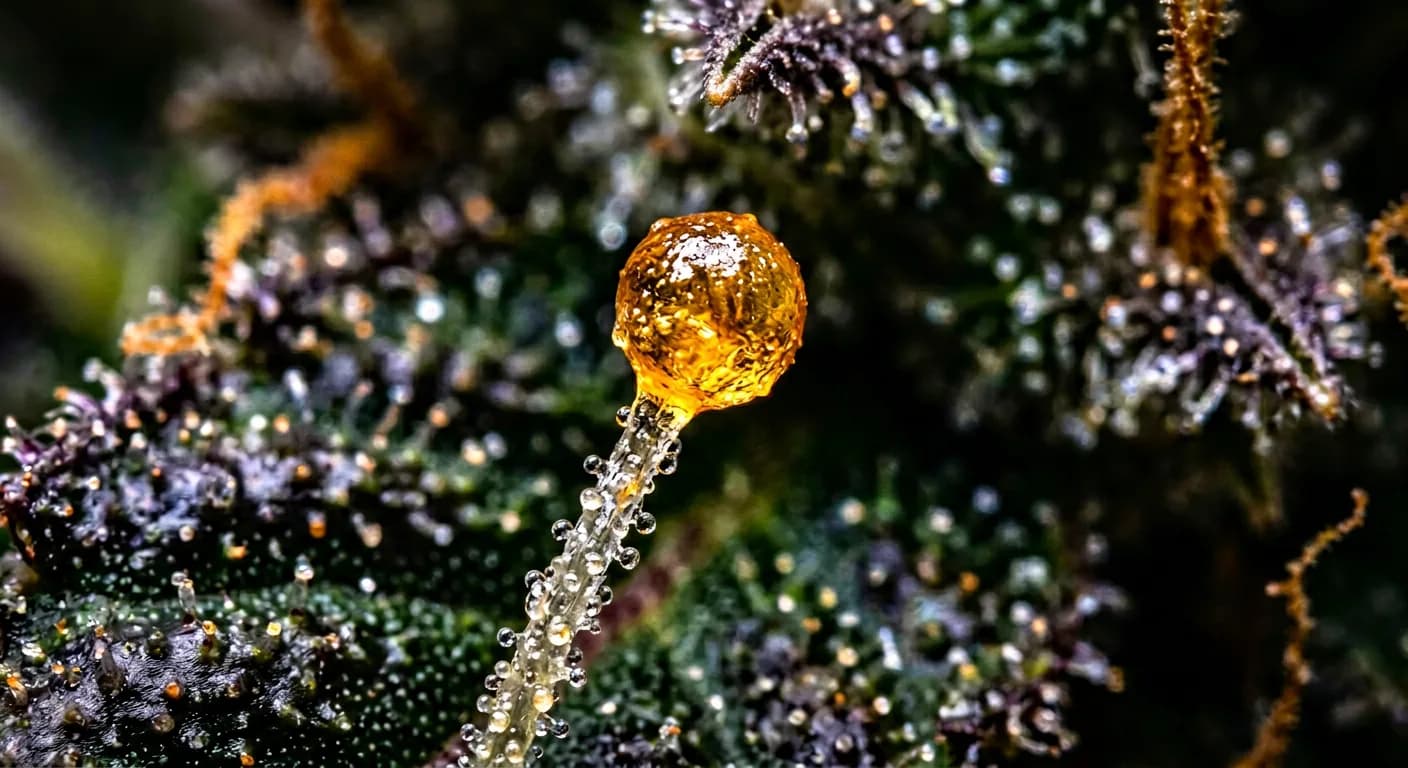
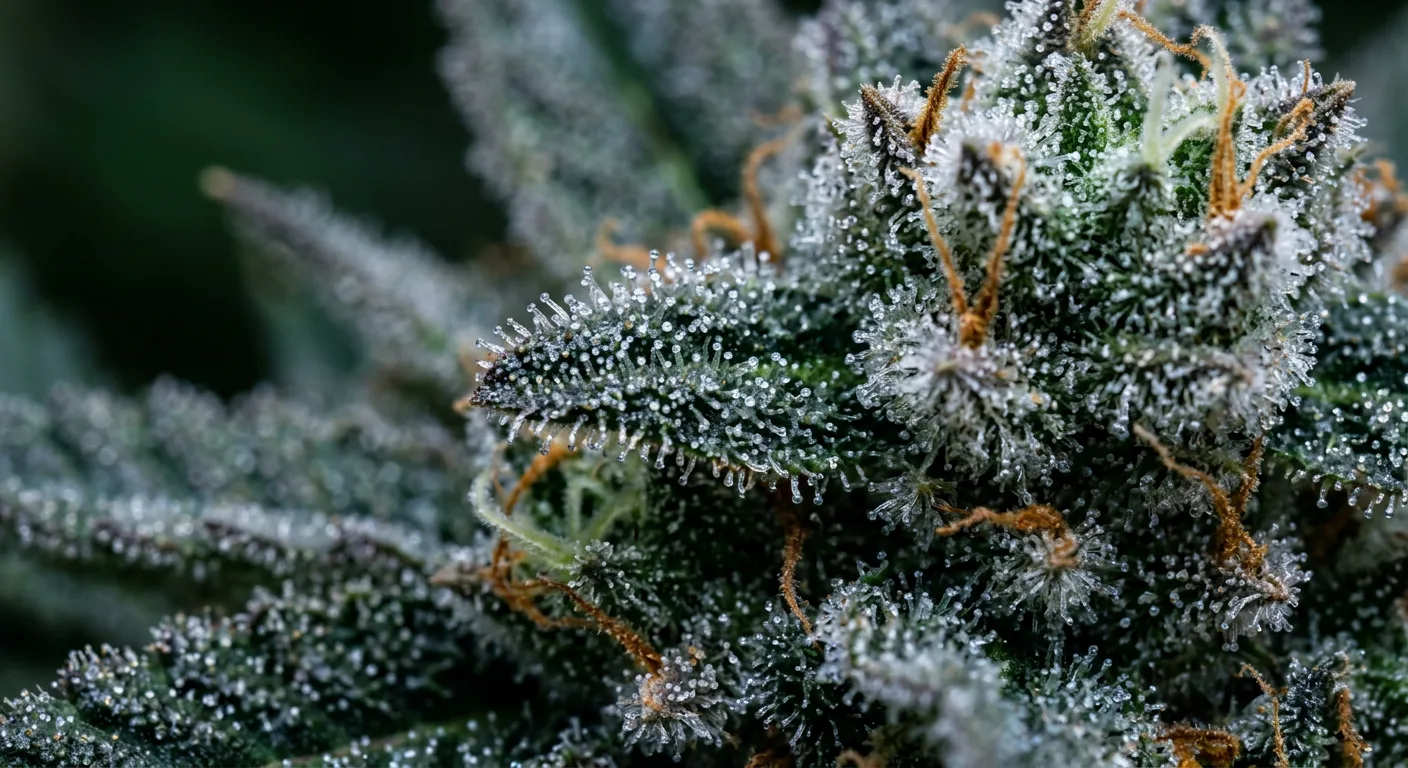
- Trichome structure — dense capitate-stalked trichomes correlate with both cannabinoid and terpene concentration
- Breeder selection pressure — cultivars that were pheno-hunted specifically for aroma, not just yield, tend to carry more expressive profiles
Buying high-terpene genetics isn't upselling — it's the most cost-effective terpene investment you can make. All the UVB lights and temperature drops in the world won't turn a low-expression strain into a terp bomb. Choose your starting point wisely.
Recommended High-Terpene Strains Worth Growing
For raw aromatic intensity, Gelato, Wedding Cake, Zkittlez, and Runtz are widely celebrated terp-forward cultivars available from various breeders. If you want strong terpene genetics with verified growing data:
- OG Kush Feminized (26% THC) — the backbone of modern Kush terpene profiles; expect earthy pine and fuel
- Sour Diesel Feminized (24% THC) — one of the most recognizable terpene profiles in cannabis; limonene-heavy with diesel and citrus notes
- Super Lemon Haze Feminized (23% THC) — Haze genetics push terpinolene and limonene expression to the front
- Papaya Feminized (25% THC) — tropical myrcene and fruity esters; excellent post-cure aroma retention
- Cookies Kush Feminized (18% THC) — Cookies lineage brings sweet, complex terpene stacking
- White Widow Feminized (25% THC) — classic resin production; earthy, spicy, and woody terp notes
For autoflower growers prioritizing aroma, Skywalker OG Autoflower (23% THC) and Holy Grail Kush Autoflower (20% THC) both carry strong Kush-derived terpene expressions that hold up well through the curing process.
Use our grow planner tool to map your strain's flowering timeline and align the terpene optimization windows covered in every step below.
Step 2: Light Intensity and UVB Spectrum — The Science-Backed Terpene Amplifier
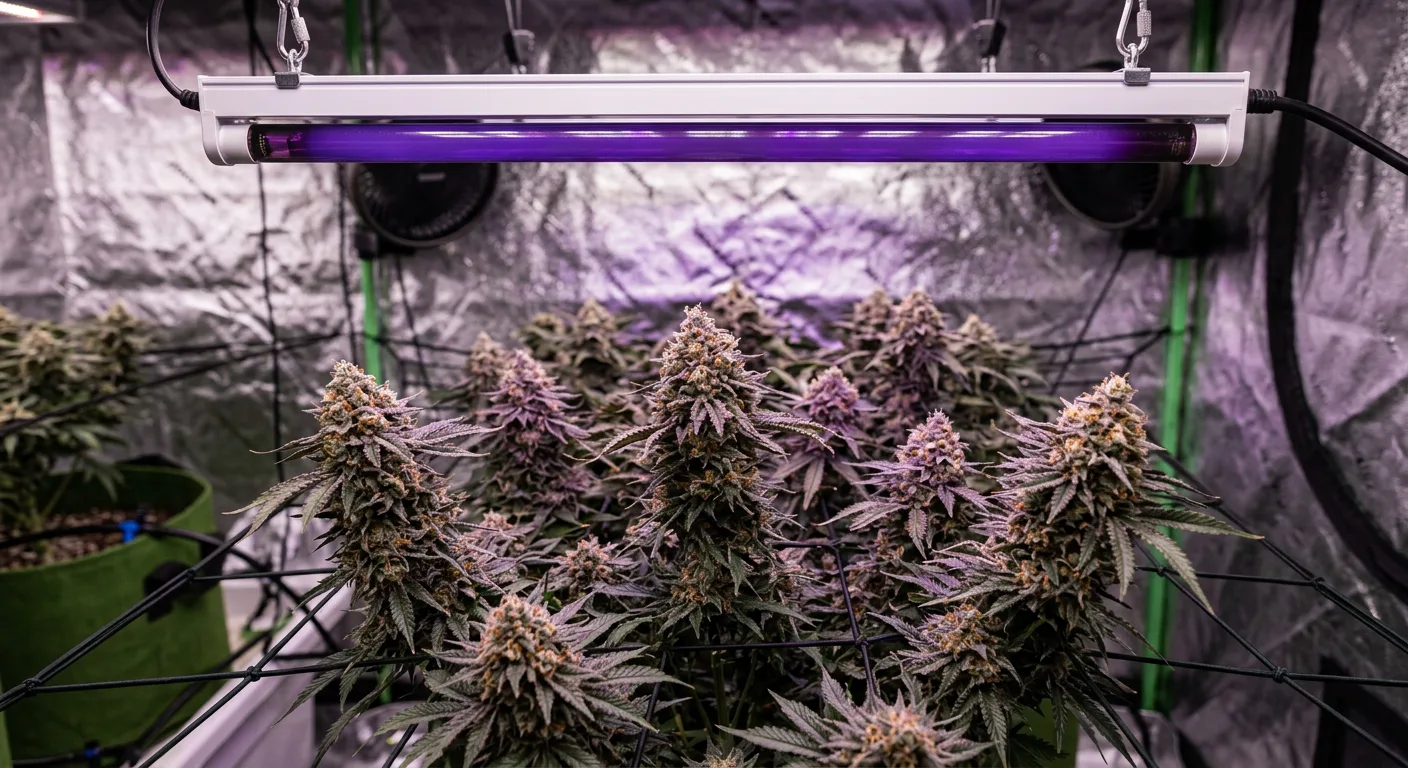
UVB light exposure during weeks 6–8 of flowering is the most scientifically supported environmental lever for increasing secondary metabolite production — including terpenes — in cannabis. The mechanism involves the plant's stress-response pathways: UVB radiation triggers upregulation of the same biosynthetic enzymes responsible for terpene synthesis, essentially telling the plant to produce more protective resin compounds.
How UVB Increases Terpene Production: The Mechanism
Cannabis trichomes evolved partly as a UV screen. When UVB radiation (280–315nm wavelength) penetrates the canopy, photoreceptors signal oxidative stress. The plant responds by producing more secondary metabolites — including monoterpenes and sesquiterpenes — as a photoprotective strategy. Research on cannabis and related aromatic plants has shown measurable increases in essential oil content under supplemental UV exposure, with some studies reporting terpene uplifts of 10–30% compared to non-UV controls.
A 2021 study in Industrial Crops and Products found that UV-B supplementation in cannabis increased total terpene content alongside cannabinoid concentrations, supporting the theory that both pathways share upstream stress-response triggers. The effect was most pronounced in the final 2–3 weeks of flowering.
Practical UVB Implementation
Choose Your UVB Source
T5 UVB fluorescent tubes (such as reptile-oriented UVB bulbs rated at 5.0 or 10.0 output) are the most grower-accessible option. Fixtures like the Arcadia 6% UVB T5 or LUMii Solar UVB 315nm CMH lamps provide measurable UVB output at canopy level. Full-spectrum CMH/LEC 315W lamps include a useful UVB component and work as your primary light source. Dedicated UV LED bars (look for Samsung UV LED strips or brands like HLG's UV addon bars) offer the most precise spectrum control.
Timing and Duration
Introduce UVB supplementation at the start of week 6 of flower. Run UVB for 2–4 hours per day — not full photoperiod. UVB is a stressor, and chronic full-day exposure can bleach trichomes and damage leaf tissue. Center the UVB window around midday in your light cycle. Distance matters: T5 UVB tubes positioned 12–18 inches from canopy deliver effective doses without burning. CMH 315W as a primary source simply requires your standard canopy distance.
Blue Light Supplementation
Separate from UVB, supplemental blue light (400–500nm) in late flower has shown terpene-positive effects in controlled trials. Dutch Passion's internal data on Auto Cinderella Jack showed elevated terpene content under blue light treatment. Adding a blue-spectrum LED bar for the final 2 weeks is a low-cost addition to a UVB protocol. Don't confuse blue-spectrum LEDs with true UVB — they work through different mechanisms and are additive, not interchangeable.
UVB Safety: Never look directly at UVB lamps without UV-protective eyewear. UVB radiation causes corneal damage on brief direct exposure. Always handle UVB bulbs with gloves — skin oils degrade the bulb coating and reduce output.
| UVB Source Type | UVB Output | Cost Range | Best For | Notes |
|---|---|---|---|---|
| T5 Reptile UVB (5.0/10.0) | Moderate | $20–$60 | Small tents, supplemental | Replace every 6 months — UVB output degrades before visible light |
| CMH/LEC 315W | Low-Moderate | $150–$300 | Primary light source | Full-spectrum including UVB; most versatile |
| UV LED Bars | High (adjustable) | $80–$250 | Precision supplementation | Best control; pair with main LED setup |
| HPS (standard) | Negligible | — | Baseline only | HPS emits minimal UVB; requires supplemental source |
Step 3: Temperature Manipulation — The Night Drop That Does More Than You Think
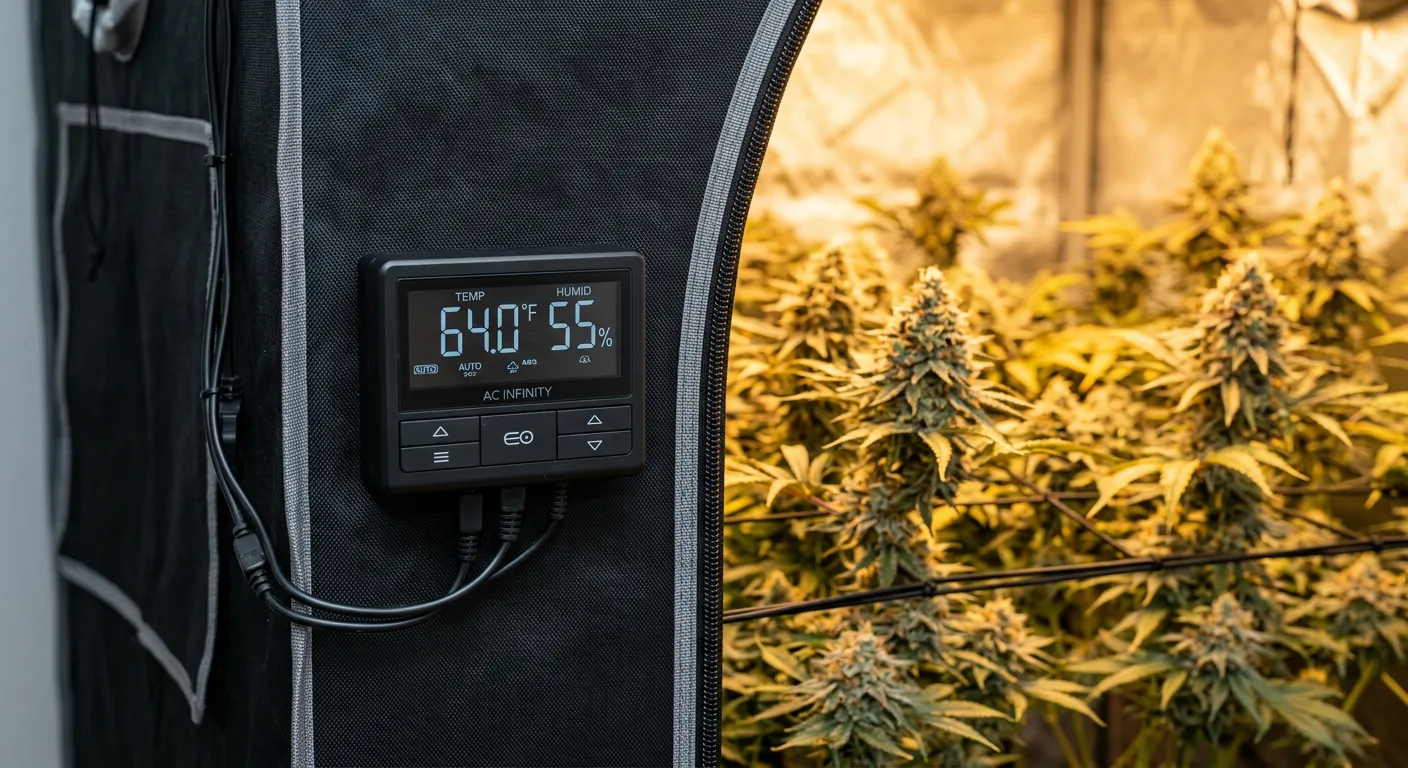
Dropping night temperatures by 10°F (approximately 5.5°C) in the final 3–4 weeks of flowering preserves existing terpenes and stimulates additional resin production. Most growers know the temp drop triggers anthocyanin expression (purple coloring), but its terpene effect is equally important and less discussed.
Why Temperature Affects Terpene Levels
Terpenes are volatile organic compounds with relatively low boiling points. Warm temperatures — especially nights above 75°F (24°C) — accelerate terpene volatilization, meaning your most fragrant compounds are literally evaporating off the plant before harvest. Cooler nights slow this off-gassing significantly. Beyond preservation, cooler temperatures during the dark period appear to signal the plant toward an end-of-season stress response, slightly upregulating resin gland activity as a survival mechanism.
How to Execute the Night Temperature Drop
- Target range: Day temps 75–80°F (24–27°C); night temps 62–68°F (17–20°C) — a delta of 10–15°F
- Start timing: Begin the drop at week 5–6 of flower and maintain through harvest
- Method (tent grows): Run your exhaust fan at higher speed during the lights-off period; leave the passive intake slightly more open at night
- Method (dedicated rooms): Program your HVAC controller with day/night setpoints; most digital thermostats support two-period programming
- Hard floor: Don't drop below 60°F (15.5°C) — below this threshold you risk slowing metabolic processes that are still needed for terpene biosynthesis in the last weeks
Monitor your VPD as you drop night temperatures — cooler air holds less moisture, and your humidity targets shift accordingly. Our VPD calculator lets you input both temperature and humidity to find the late-flower sweet spot without triggering mold. Our full VPD for Cannabis guide explains the complete late-flower protocol.
Day vs. Night Temperature Strategy Table
| Growth Phase | Day Temp Target | Night Temp Target | Delta Goal | Primary Benefit |
|---|---|---|---|---|
| Early Flower (Wks 1–4) | 77–82°F | 68–72°F | 8–10°F | Bud site development |
| Mid Flower (Wks 5–6) | 75–80°F | 65–70°F | 10–12°F | Resin ramp-up begins |
| Late Flower (Wks 7–harvest) | 72–78°F | 62–68°F | 10–15°F | Terpene preservation + anthocyanin expression |
Step 4: Nutrients — The Phosphorus/Potassium Window and the Nitrogen Trap
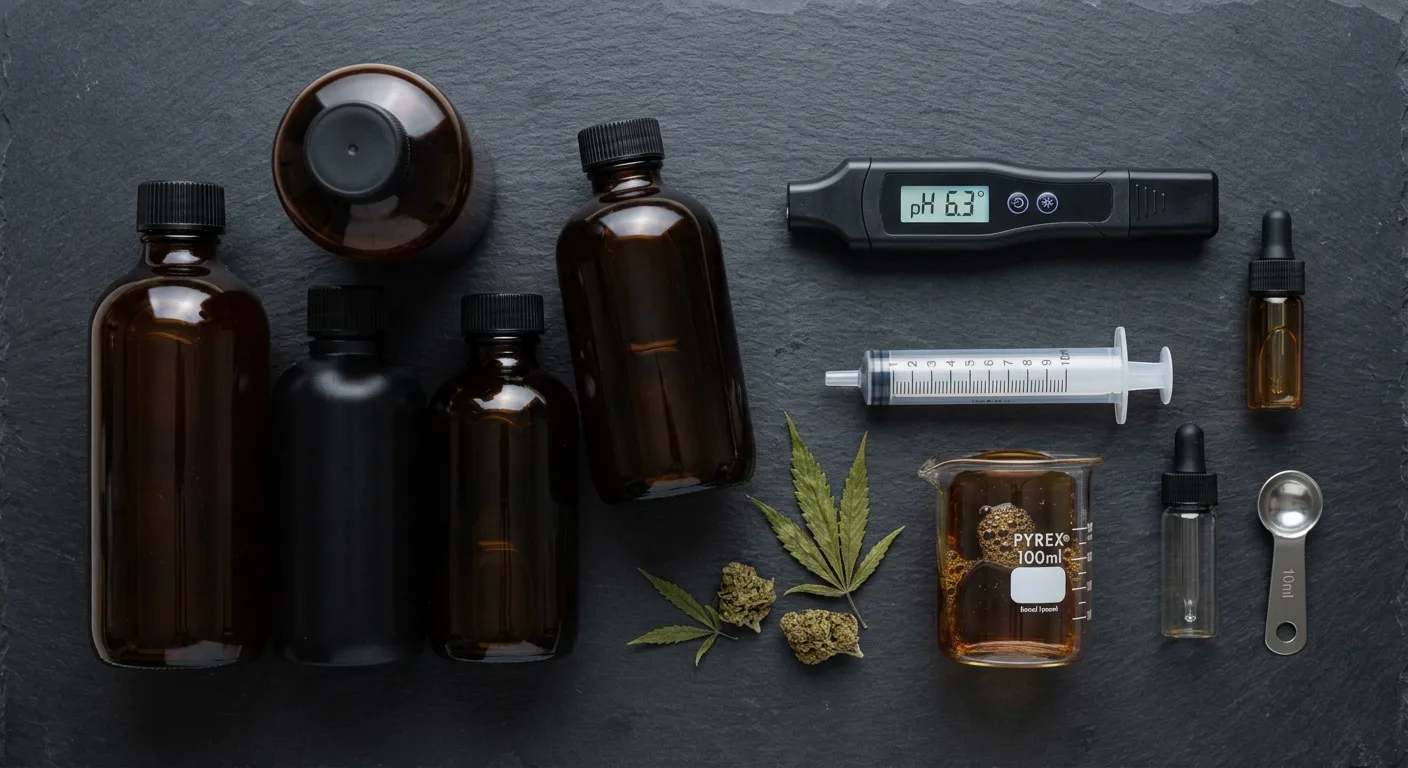
The most common nutrient mistake that kills terpene production isn't a deficiency — it's nitrogen excess in late flower. Excess nitrogen during the resin-building phase actively suppresses terpene expression by redirecting the plant's metabolic energy toward vegetative protein synthesis instead of secondary metabolite production.
The Nitrogen Reduction Protocol
In healthy vegetative growth, nitrogen (N) drives chlorophyll production and cell expansion. But secondary metabolite pathways — including the ones that produce terpenes — operate as carbon-intensive, energy-demanding processes that the plant prioritizes when basic vegetative demands are satisfied. When nitrogen remains high in late flower, the plant keeps pushing green growth energy instead of flipping metabolic gears toward resin.
- Week 4 of flower: Begin reducing nitrogen to roughly 50–60% of your peak vegetative N input
- Week 6 of flower: Drop nitrogen further to a minimal maintenance level or eliminate it entirely if using a dedicated bloom formula
- Visual cue: Slight yellowing of lower fan leaves in weeks 7–8 is normal and expected — this is the plant pulling nitrogen from leaves and is not cause for alarm
- Don't go to zero too early: Completely cutting nitrogen before week 4 creates genuine deficiency that stunts bud development; timing matters
Phosphorus and Potassium: The Bloom-Phase Foundation
Phosphorus (P) supports the energetic backbone of secondary metabolite synthesis — specifically ATP production, which powers the enzymatic steps in terpene biosynthesis. Potassium (K) regulates stomatal function and enzyme activation across multiple metabolic pathways. Together, a well-maintained P/K ratio in the 2:3 range (by nutrient solution ratio) during weeks 5–8 creates the metabolic conditions terpene production needs.
- Look for bloom formulas with an NPK around 1-3-2 or 0-5-4 in late flower
- Phosphorus excess (over-supplementing bloom boosters) can lock out calcium and magnesium — both of which are co-factors in enzyme systems terpenes depend on
- Maintain calcium at 150–200 ppm and magnesium at 50–75 ppm through late flower; these micros matter for terpene enzyme function
Your bloom nutrient formula is doing more than building bud density. The phosphorus-to-potassium ratio in weeks 5–8 directly supports terpene biosynthesis at the enzymatic level. Use our nutrient calculator to dial in your late-flower feeding schedule with precision.
The Foliar Molasses Debate — What the Evidence Says
The idea that foliar-spraying molasses boosts terpenes circulates constantly in growing communities. The theory is that the simple sugars in molasses feed microbial life (in soil) or feed the plant directly. Here's an honest breakdown:
- Soil drench (valid): Adding unsulfured blackstrap molasses at 1–2 tsp per gallon to your watering in weeks 5–8 supports beneficial microbial activity in living soil, which genuinely improves nutrient availability and has an indirect positive effect on plant health and terpene expression
- Foliar spray (not supported): Spraying sugars directly on flowers risks mold (Botrytis thrives on simple sugar residue on humid buds), and there's no credible mechanism by which leaf-absorbed sucrose meaningfully increases terpene content
- Verdict: Use molasses as a soil amendment in organic grows. Don't spray it on your flowers in late bloom.
Organic vs. Synthetic Nutrients and Terpenes
The organic growing community strongly advocates for living soil and organic inputs as a terpene enhancer. The evidence is more nuanced than a simple yes/no:
- Living soil with diverse microbial life genuinely improves macro and micro nutrient cycling in ways that synthetic salts cannot replicate exactly
- Organic inputs tend to release nutrients more slowly, reducing the risk of the nitrogen overfeeding that suppresses terpenes
- Well-managed synthetic nutrient grows with proper late-flower nitrogen reduction can produce equivalent terpene profiles to organic grows — the key variable is nitrogen timing, not the source chemistry
- If you grow synthetically, a 5–7 day plain water flush before harvest (while maintaining potassium) helps clear accumulated salt residues that can dampen aroma expression
pH directly affects nutrient availability, and nutrient lockout is a hidden terpene killer. Keep root zone pH at 6.0–7.0 in soil and 5.8–6.2 in hydro throughout late flower. Micro-fluctuations block calcium and magnesium uptake — both enzymes needed for terpene biosynthesis.
Step 5: Stress Techniques — Mild Triggers That Actually Work
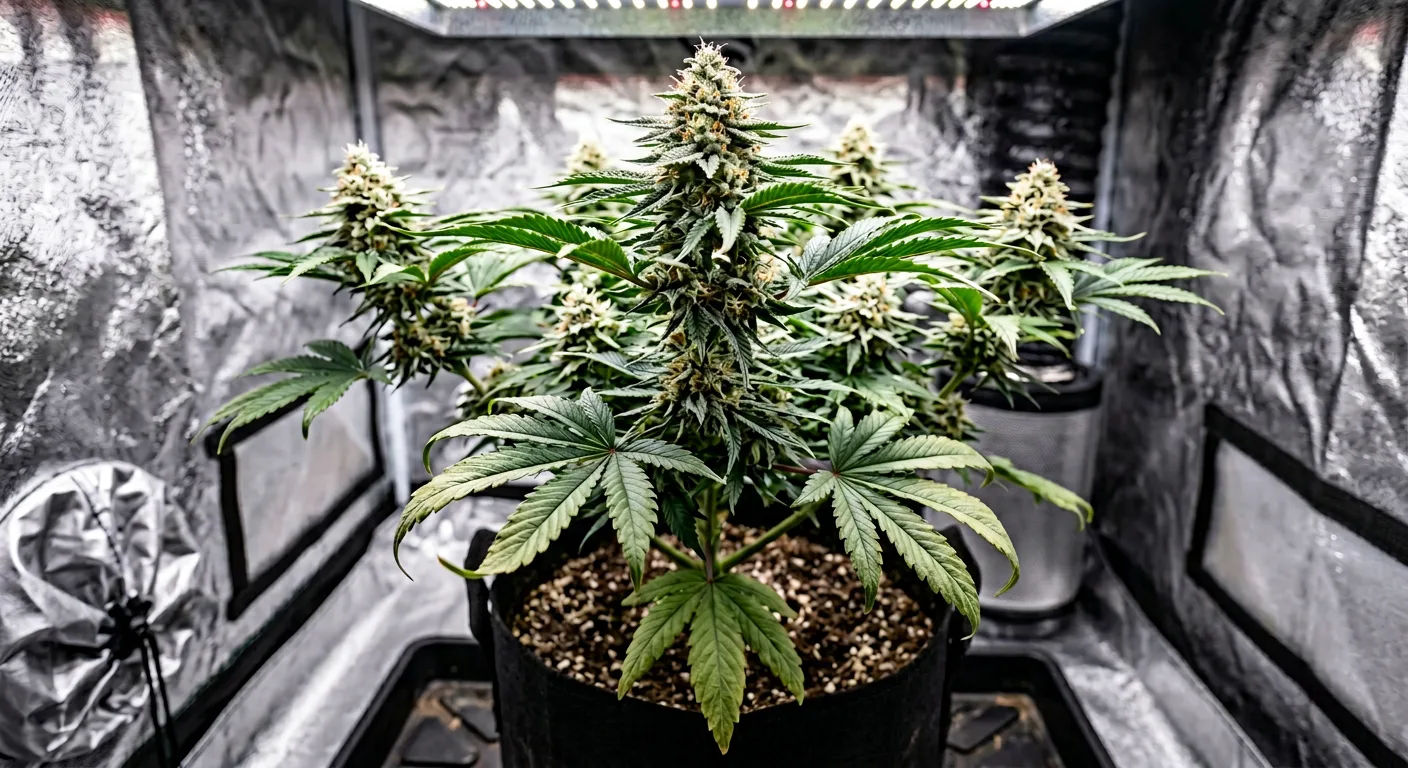
Controlled stress in the final 2 weeks of flowering can meaningfully boost terpene production by activating the same defensive biosynthesis pathways that UVB triggers. The key word is controlled — excessive stress destroys the buds you're trying to enhance.
Does Stress Increase Terpenes in Cannabis Plants?
Yes — but only within a specific dose range. The cannabis plant produces terpenes partly as ecological defense compounds: against UV radiation, herbivores, pathogens, and desiccation. Mild stressors trigger upregulation of terpene biosynthesis genes. Severe stress causes cell damage, premature senescence, and trichome destruction — the opposite effect. The distinction between useful and harmful stress is narrower than most guides admit.
Mild Drought Stress Protocol (Last 2 Weeks)
Extend Dry-Back Cycles
In the final 14 days before harvest, allow your growing medium to dry back further than usual before rewatering. In soil, let the top 2 inches become fully dry and the pot feel noticeably lighter before watering. In coco, extend dry-back to 20–30% container weight loss before re-irrigating. This mild desiccation stress mimics end-of-season drought the plant evolved to respond to with increased resin production.
Don't Wilt Your Plants
The boundary between productive drought stress and damaging drought is visible: leaves curling inward (taco-ing) means you've crossed it. Once leaves show wilt stress, you're causing cell damage and triggering ethylene-mediated senescence, not terpene production. Water before wilting occurs — the goal is a longer dry-back, not a dry-out.
Drought Stress Risk: In hot environments (above 82°F), drought stress combined with high heat becomes destructive quickly. Only apply extended dry-back cycles if your daytime temperatures are within the recommended 72–80°F range. Heat stress and drought stress together will reduce terpenes, not raise them.
Extended Dark Period Before Harvest
One of the most-discussed harvest-timing tactics is running a 24–48 hour complete darkness period immediately before chopping. The evidence here is anecdotal-to-moderate, but the underlying mechanism is logical:
- During darkness, the plant cannot photosynthesize; it draws on stored carbohydrates and secondary metabolites
- Some growers and a handful of small studies suggest terpene concentrations are slightly elevated at the end of a long dark period compared to mid-light-cycle harvest
- The practical protocol: stop your light cycle 24–48 hours before harvest; keep temperatures in the 60–65°F range during this window to minimize terpene volatilization while the plant finalizes resin activity
- This technique costs nothing and carries minimal downside risk — it's worth including in your harvest protocol
Light Deprivation Effects on Terpene Expression
Beyond the pre-harvest dark period, the broader light-dep farming practice used in outdoor cultivation has documented effects on secondary metabolite concentration. Forcing earlier flowering by manipulating the photoperiod (rather than waiting for natural fall equinox conditions) creates a compressed resin-building window that some producers argue intensifies terpene stacking per gram of flower. For indoor growers, this mechanism is already controlled by your photoperiod switch — the takeaway is that the quality of your light-dep timing matters as much as the quantity of light during the bloom phase.
Terpene biosynthesis genes follow circadian-influenced expression patterns. Research on Arabidopsis and related plants has shown that specific terpene synthase enzymes have peak expression windows that correlate with the dark-to-light transition. Harvesting during or shortly after a dark period likely captures terpene concentrations at or near their natural daily peak.
Step 6: Harvest Timing — The Window Most Growers Miss
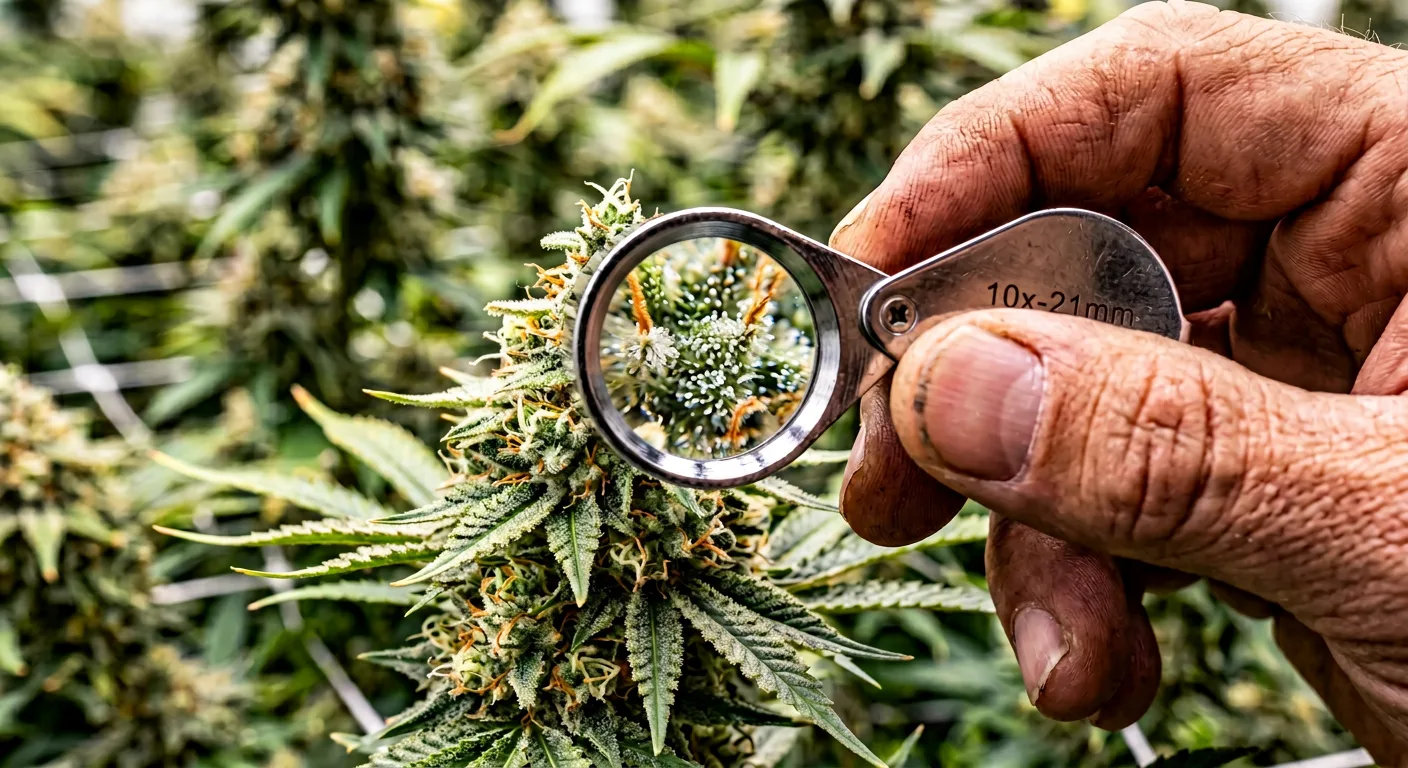
The terpene peak in cannabis frequently precedes the THC peak. This is one of the most practically important — and most routinely ignored — facts in harvest timing. Waiting for maximum THC (fully amber trichomes) may mean harvesting past the window of highest terpene concentration.
Terpene Peak vs. THC Peak: Understanding the Tradeoff
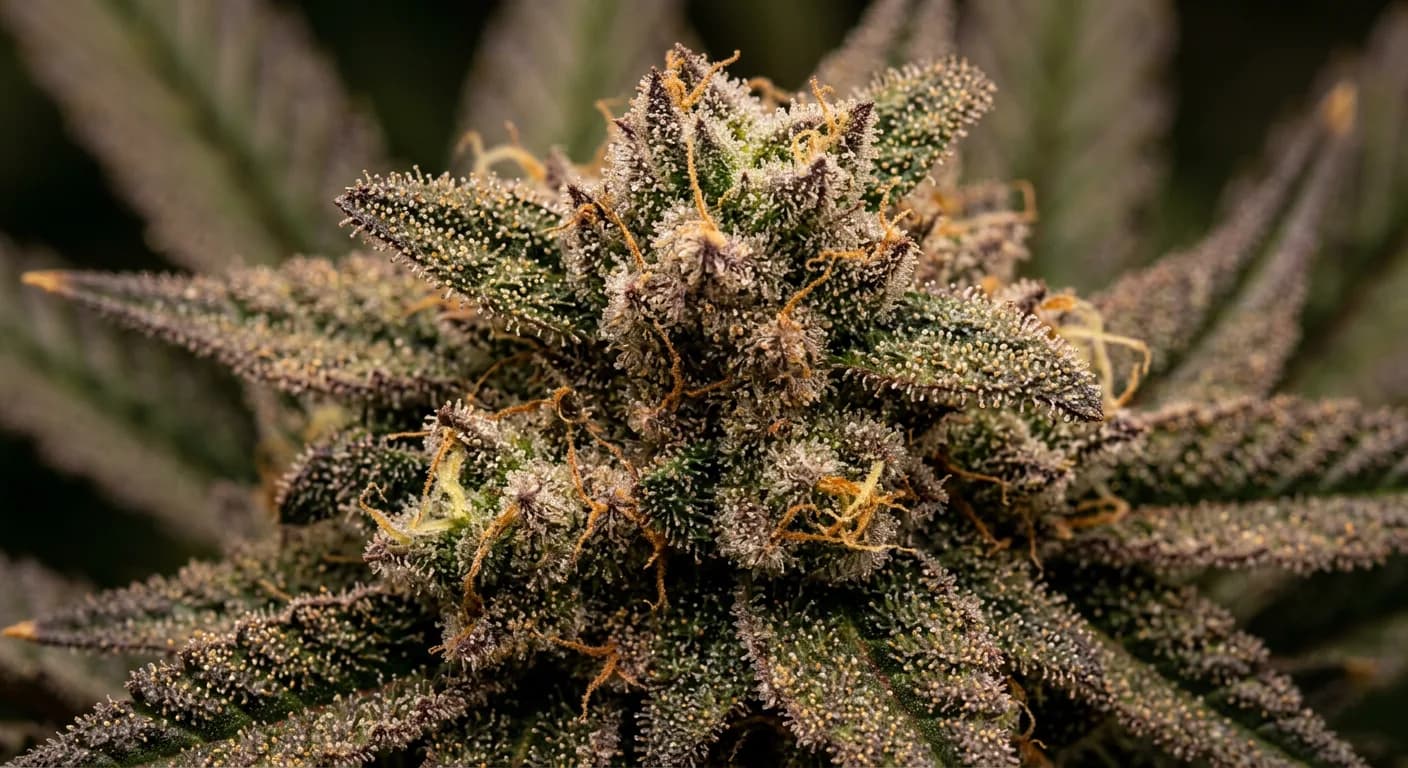
THC accumulates as trichomes mature from clear to cloudy to amber. Terpenes, however, begin to degrade during the same late amber phase as enzymatic processes slow and volatilization accelerates. The sweet spot for combined THC + terpene content sits at mostly cloudy trichomes with 5–15% amber — earlier than many growers target when optimizing for THC alone.
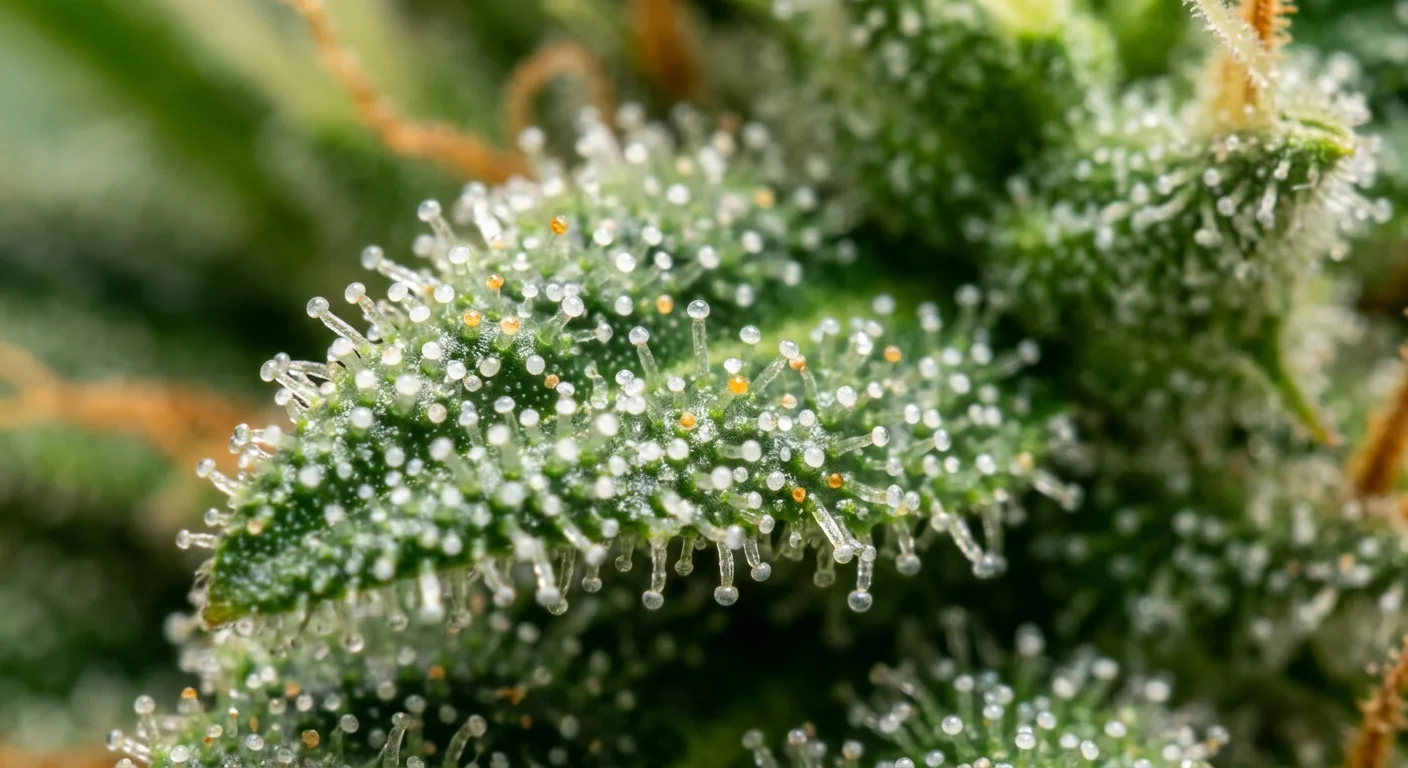
Trichome Reading for Terpene-Optimized Harvest
| Trichome Color | THC Status | Terpene Status | Harvest Recommendation |
|---|---|---|---|
| Mostly clear | Still building | Still building | Too early — wait |
| 50% cloudy / 50% clear | Building | Near peak | Too early for most strains |
| Mostly cloudy, 0% amber | Near peak | At or near peak | Harvest for maximum terpene + THC balance |
| Mostly cloudy, 5–15% amber | Peak | Beginning to decline | Optimal THC harvest; slight terpene tradeoff |
| 30%+ amber | Degrading to CBN | Significantly degraded | Late harvest; more sedative, lower aroma |
For a full deep-dive on trichome reading and harvest decision-making, see our complete harvest timing guide and our article on what happens when you harvest too early.
Environmental Conditions at Harvest Time
The conditions on harvest day matter more than most growers realize:
- Harvest during or just after lights-on: Terpenes concentrate slightly during dark periods; harvesting at the start of the light cycle or after a dark period captures this
- Keep temperatures cool: If possible, run your room slightly cooler (68–72°F) on harvest day to minimize terpene volatilization during the cut-and-hang process
- Handle buds minimally: Trichomes are physically fragile; rough handling during harvest mechanically breaks trichome heads and releases — and loses — terpenes before they're preserved through drying
The harvest timing tradeoff is real: maximum terpene expression and maximum THC don't always share the same trichome window. Deciding which to prioritize depends on your goals — but understanding the gap exists is what separates average harvests from exceptional ones.
Step 7: Post-Harvest — Locking In What You've Built
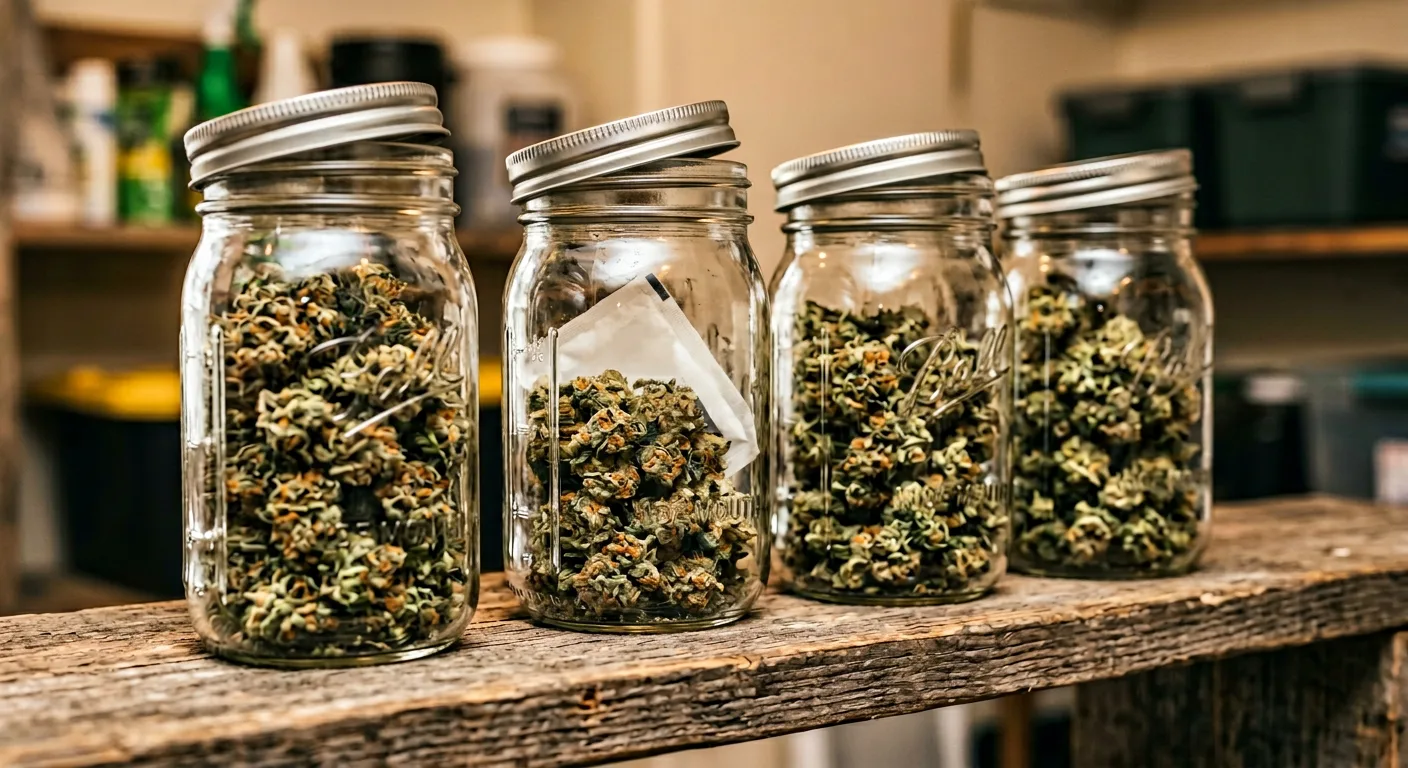
Every terpene optimization tactic in the previous six steps can be completely undermined by a poor dry and cure. Post-harvest handling is where terpene profiles are preserved or destroyed — and it's entirely within your control after the plant is cut.
The Slow Dry Protocol
Terpenes are heat- and airflow-sensitive volatile compounds. Fast drying — high temperature, high airflow, low humidity — drives off your most fragrant monoterpenes within the first 48–72 hours, leaving the heavier, less aromatic sesquiterpenes behind. This is why quickly dried cannabis often smells flat or hay-like regardless of how it was grown.
- Target environment: 60–65°F (15–18°C), 55–65% relative humidity, gentle indirect airflow
- Duration target: 10–14 days whole-plant or branch drying before trimming; never rush to under 7 days
- No direct fan on buds: Circulate air in the room, not directly at the drying material
- Darkness: Light degrades terpenes and cannabinoids during drying; a dark drying room is non-negotiable
- Readiness check: Smaller stems should snap (not bend) before you move to cure jars
For small harvests, our guide to curing 1–4 ounce harvests covers the exact protocol. For drying room setup at scale, see our cannabis drying room setup guide.
The Cure: Where Terpene Profiles Develop Their Full Complexity
Curing in sealed glass jars at controlled humidity doesn't just preserve terpenes — it allows enzymatic and microbial processes to convert chlorophyll and harsh compounds into the complex, smooth, aromatic final product. The slow cure allows the full terpene expression you worked to build to become accessible to your senses.
- Use wide-mouth mason jars or purpose-built cure containers
- Pack jars to 70–75% full — overpacking compresses trichomes
- Target 58–62% relative humidity inside jars (Boveda or Integra 62% packs)
- Burp jars 2x daily for the first 2 weeks, then daily for the next 2 weeks
- Store in a dark location at 60–68°F throughout cure
- Minimum cure duration: 3–4 weeks; 6–8 weeks yields a noticeable aroma improvement for most strains
- Check water activity (target 0.55–0.65 Aw) if you have access to a meter
For long-term terpene preservation after curing, see our long-term storage guide and our breakdown of Boveda vs. Integra Boost humidity packs. The right humidity pack in a sealed jar makes a measurable difference in terpene retention at 6+ months.
For the science of water activity and why the 0.55–0.65 Aw range matters specifically for terpene preservation, our water activity curing guide goes deep on the chemistry.
The Complete Terpene Maximization Checklist
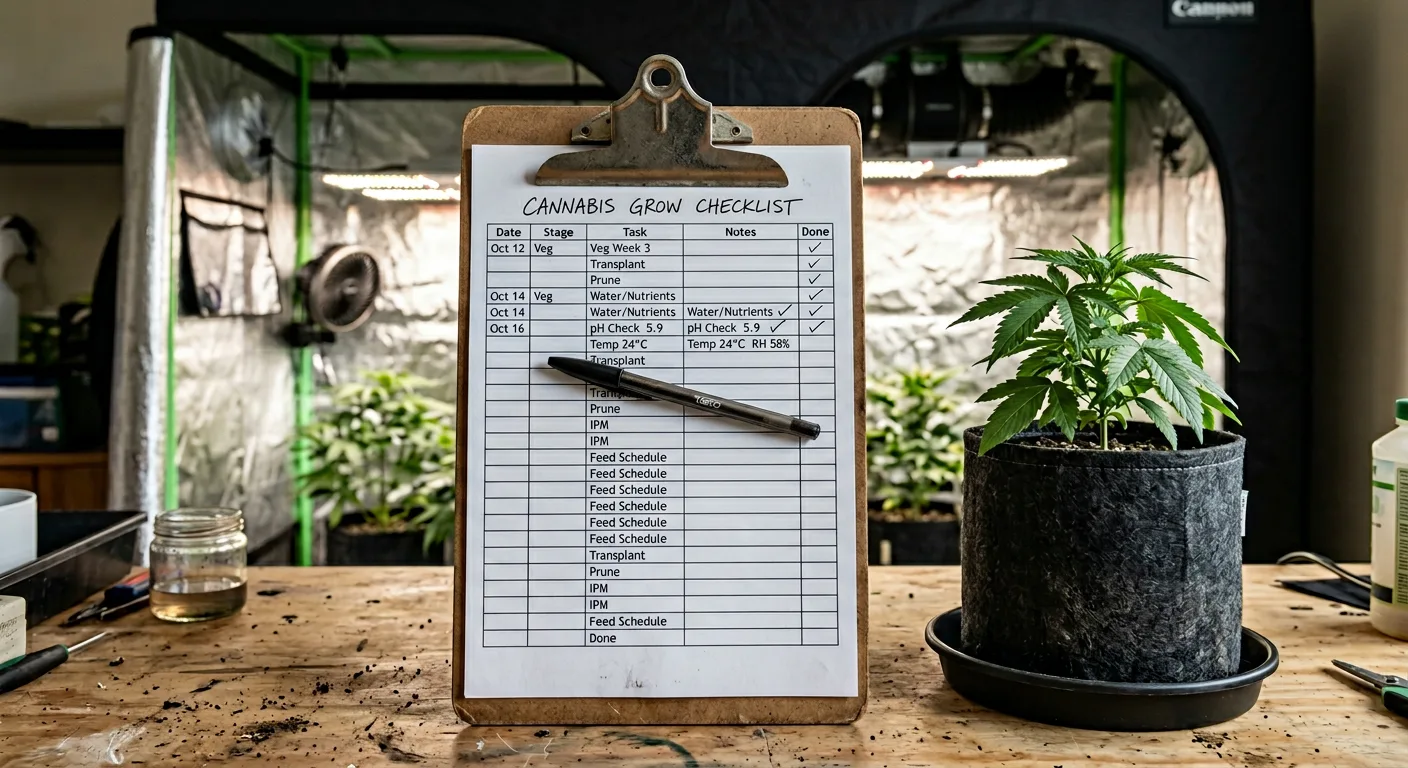
Use this checklist as your grow-run reference. Print it, pin it to your tent, and work through it systematically from mid-flower onward. The difference between a good harvest and an exceptional one often comes down to how many of these boxes you check — consistently, every run.
- Started with verified high-terpene genetics
- Added UVB supplementation at week 6 (2–4 hrs/day)
- Running 10–15°F night temperature drop from week 5 onward
- Reduced nitrogen to maintenance levels by week 6
- Maintaining adequate P/K ratio through late flower
- Calcium at 150–200 ppm and magnesium at 50–75 ppm throughout flower
- pH dialed to 6.0–7.0 soil / 5.8–6.2 hydro
- Applying mild drought stress dry-back in final 2 weeks
- Running 24–48 hour dark period before harvest
- Monitoring trichomes with loupe or digital microscope
- Targeting mostly-cloudy trichomes for terpene-optimized harvest
- Harvesting in cool conditions with minimal bud handling
- Slow drying at 60–65°F, 55–65% RH for 10–14 days
- Curing in sealed glass jars with 62% humidity packs for minimum 4 weeks
- Storing finished product in dark, cool, sealed environment
Common Mistakes That Kill Terpene Production
Knowing what not to do is as important as knowing what to do. These are the most frequent terpene-suppressing errors growers make — often while believing they're helping.
| Mistake | What It Does to Terpenes | The Fix |
|---|---|---|
| High nitrogen in late flower | Suppresses secondary metabolite pathways | Reduce N by 50% at week 4; eliminate by week 6 |
| Warm nights (above 72°F in late flower) | Accelerates terpene volatilization | Program night setpoint to 62–68°F from week 5 |
| Harvesting at full amber trichomes | Terpene degradation already advanced | Harvest at mostly cloudy / 5–10% amber |
| Fast dry (under 7 days) | Monoterpenes volatilize before preservation | Target 10–14 day slow dry at proper RH |
| Rough handling of buds | Physical trichome destruction | Handle minimally; cut whole branches, trim after dry |
| Direct fan airflow on drying buds | Surface terpenes strip off rapidly | Indirect circulation only; oscillating fan in room, not on buds |
| Skipping the cure | Flat, harsh, undeveloped terpene profile | 4–8 week minimum jar cure at 58–62% RH |
| Over-UVB exposure (all day) | Trichome bleaching, leaf damage | Maximum 2–4 hours UVB per day in weeks 6–8 |
| Foliar molasses in late bloom | Mold risk; no documented terpene benefit | Use as soil drench only; eliminate foliar application |
| pH out of range | Micro-nutrient lockout starves enzyme systems | Check pH at root zone every feeding |
Putting It All Together — Your Late-Flower Terpene Protocol Week by Week
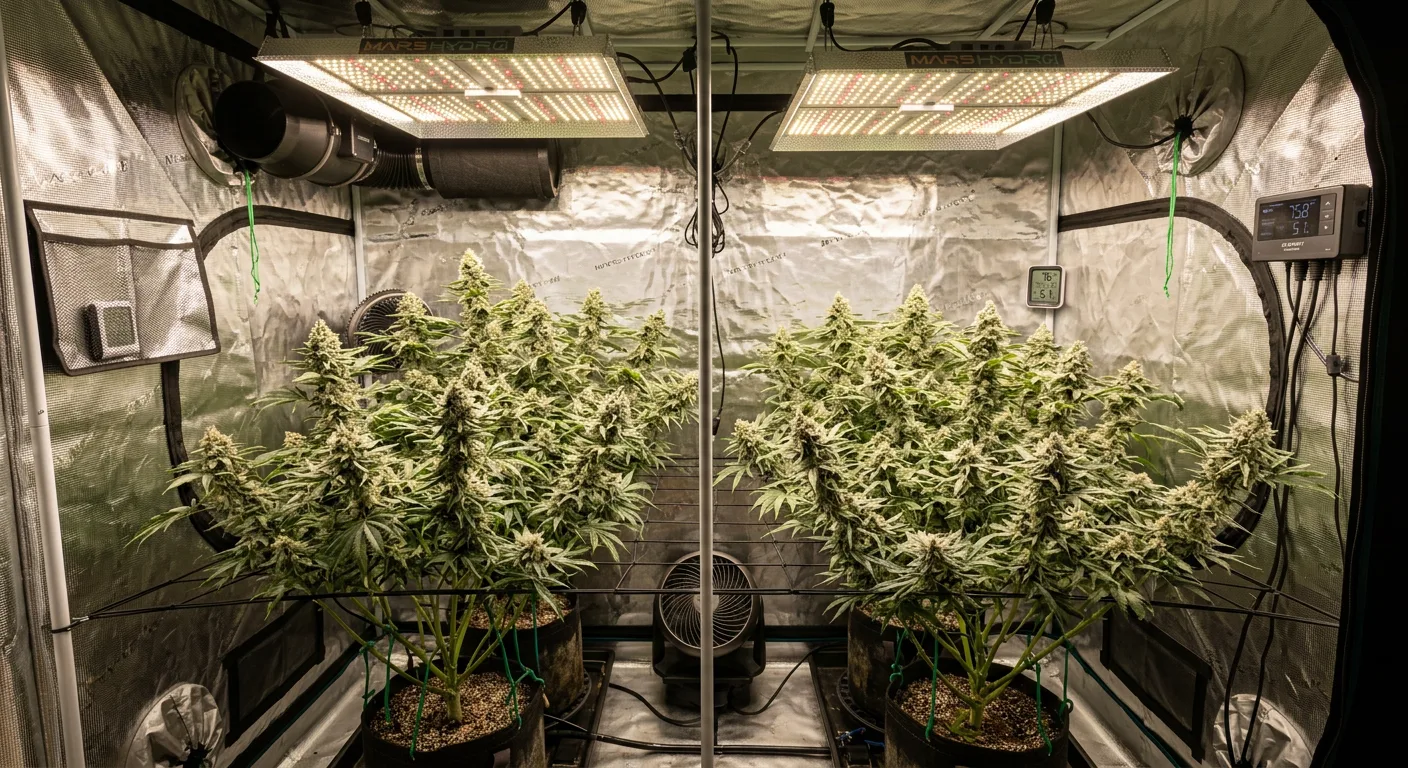
Translating all of the above into a single timeline makes the practical sequencing clear. This is your late-flower action plan from week 4 through harvest for maximum terpene expression.
Week 4 of Flower: Nutrient Transition
Begin reducing nitrogen to 50–60% of your peak vegetative input. Confirm your bloom formula is P/K dominant. Check pH at the root zone. This is the metabolic setup phase — the plant is shifting from vegetative programming to secondary metabolite production mode. Don't rush it, don't skip it.
Week 5 of Flower: Temperature Drop Begins
Program your night temperature setpoint to 62–68°F. Confirm your day temps are staying at 75–80°F. Check your VPD hasn't shifted out of the late-flower range as the night temps drop — use the VPD calculator to verify. Begin monitoring trichomes weekly.
Week 6 of Flower: UVB and Nitrogen Reduction
Introduce UVB supplementation for 2–4 hours per day. Drop nitrogen to minimal maintenance levels or switch to a zero-nitrogen late bloom formula. If using molasses as a soil amendment, add 1–2 tsp/gallon to your next two waterings. Confirm bud sites are swelling and trichome coverage is increasing visibly.
Week 7 of Flower: Stress Window Opens
Begin mild drought stress dry-back protocol — extend watering intervals by 1–2 days compared to earlier flower. Maintain UVB and temperature protocols. Trichome check: most strains are approaching the mostly-cloudy window. If you're growing a fast-finishing variety, be ready to harvest when trichomes call for it — don't wait for an arbitrary week number.
Week 8+ of Flower: Final Push and Harvest Decision
Continue drought stress and UVB through trichome peak. Final water should be plain water (or minimal K if still needed) — no nitrogen inputs in the last 7–10 days. When trichomes hit mostly cloudy with 5–10% amber on the target bud sites, initiate your 24–48 hour dark period then harvest. Work quickly, handle gently, and move directly into your slow-dry setup.
Terpene maximization isn't one technique — it's a coordinated protocol across genetics, environment, nutrition, and timing. Each lever compounds the others. A cultivar with strong genetic terpene potential, grown under UVB with proper temperature management, fed a nitrogen-reduced late-bloom formula, and harvested at trichome peak then slow-cured will consistently deliver results that no single tactic could achieve alone.
FAQs About Increasing Terpenes in Cannabis
Does stress actually increase terpenes in cannabis plants?
Yes, but only mild, controlled stress during the final 2 weeks of flowering. Drought stress (extended dry-back cycles), UVB light exposure, and cool night temperatures all trigger defensive biosynthesis responses that upregulate terpene production. Severe stress — wilting, heat damage, physical injury — destroys trichomes and reduces terpenes. The line between beneficial and harmful stress is narrower than most guides acknowledge.
Does UV light increase terpenes in cannabis?
Yes. UVB light (280–315nm) supplementation during weeks 6–8 of flowering has documented effects on secondary metabolite production, including terpenes and cannabinoids. The mechanism involves UV-triggered stress response pathways that upregulate terpene synthase enzyme activity. Use T5 UVB reptile bulbs, CMH/LEC 315W lamps, or UV LED bars at 2–4 hours per day — not full photoperiod — to avoid trichome bleaching.
What nutrients boost terpene production in cannabis?
Phosphorus and potassium are the most important late-flower macronutrients for terpene production — they support the energy and enzyme systems terpene biosynthesis requires. Equally important is reducing nitrogen: excess nitrogen in late flower actively suppresses secondary metabolite pathways. Calcium (150–200 ppm) and magnesium (50–75 ppm) function as cofactors in terpene enzyme systems and should be maintained through harvest.
How does harvest timing affect terpene levels?
The terpene peak often precedes the THC peak. Terpenes begin degrading as trichomes shift from cloudy to amber because enzymatic processes slow and volatilization increases at that stage. For maximum combined terpene and THC expression, harvest when trichomes are mostly cloudy with 5–15% amber — slightly earlier than growers who wait for full amber maturity. A 24–48 hour dark period immediately before harvest may further concentrate terpene levels.
Can I increase terpenes after harvest?
You cannot increase terpene levels after harvest, but you can preserve and develop them through proper technique. A slow dry at 60–65°F and 55–65% relative humidity for 10–14 days prevents rapid monoterpene loss. A 4–8 week jar cure at 58–62% humidity allows the full terpene profile to express fully. Poor post-harvest handling can destroy in days what took months to build — the cure is as important as the grow.