Here's a number that stops most people cold: 125 million Americans live with a chronic inflammatory condition — arthritis, IBD, autoimmune disease, or persistent pain — and the most common treatments carry serious long-term risks. NSAIDs damage the gut lining. Corticosteroids suppress the entire immune system. Biologics cost upward of $20,000 per year. Against that backdrop, the question of cannabis inflammation management has moved from fringe curiosity to legitimate scientific inquiry — fast.
This guide covers the actual biology, the peer-reviewed evidence, the specific cannabinoid ratios that matter, and the strains best positioned to deliver anti-inflammatory effects. We also cover what competitors consistently miss: terpene synergy, condition-specific protocols, and why the strain you choose matters as much as the cannabinoid content.
The Biology of Inflammation: What's Actually Happening in Your Body
Inflammation is your immune system's first responder — a cascade of molecular signals designed to isolate damage, kill pathogens, and begin repair. In healthy physiology, the process switches on, does its job, and switches off. In chronic inflammatory conditions, the switch gets stuck.
The cascade works like this: damaged or infected tissue triggers the release of pro-inflammatory cytokines — signaling proteins including TNF-α (tumor necrosis factor alpha), interleukin-6 (IL-6), and interleukin-1β (IL-1β). These molecules recruit immune cells to the site, increase blood flow, and cause the classic symptoms: redness, swelling, heat, and pain.
Acute vs. Chronic Inflammation
Acute inflammation resolves in hours to days. Chronic inflammation persists for months or years, continuously releasing cytokines that damage surrounding healthy tissue. This is the mechanism behind rheumatoid arthritis joint destruction, Crohn's gut wall erosion, and the systemic damage seen in lupus.
- Acute: Sprained ankle, infection, minor wound — resolves with healing
- Chronic low-grade: Metabolic syndrome, obesity-related inflammation — smoldering and systemic
- Chronic autoimmune: RA, IBD, psoriasis — immune system attacks self-tissue
- Neuroinflammation: CNS-specific inflammation linked to multiple sclerosis and some neuropathic pain
The core problem in chronic inflammation isn't the initial immune response — it's the failure of resolution. Cannabis research focuses specifically on compounds that restore this resolution process, not just mask symptoms.
The NF-κB Pathway: The Master Switch
Nuclear factor kappa-light-chain-enhancer of activated B cells — NF-κB — is the transcription factor that controls most inflammatory gene expression. When NF-κB activates, it turns on genes producing TNF-α, IL-6, COX-2 (the enzyme targeted by ibuprofen), and dozens of other inflammatory mediators. Blocking NF-κB is how aspirin, NSAIDs, and corticosteroids work. It's also one of the mechanisms through which both CBD and beta-caryophyllene exert anti-inflammatory effects — a critical point we return to in the terpene section.
The Endocannabinoid System: Your Body's Built-In Inflammation Regulator
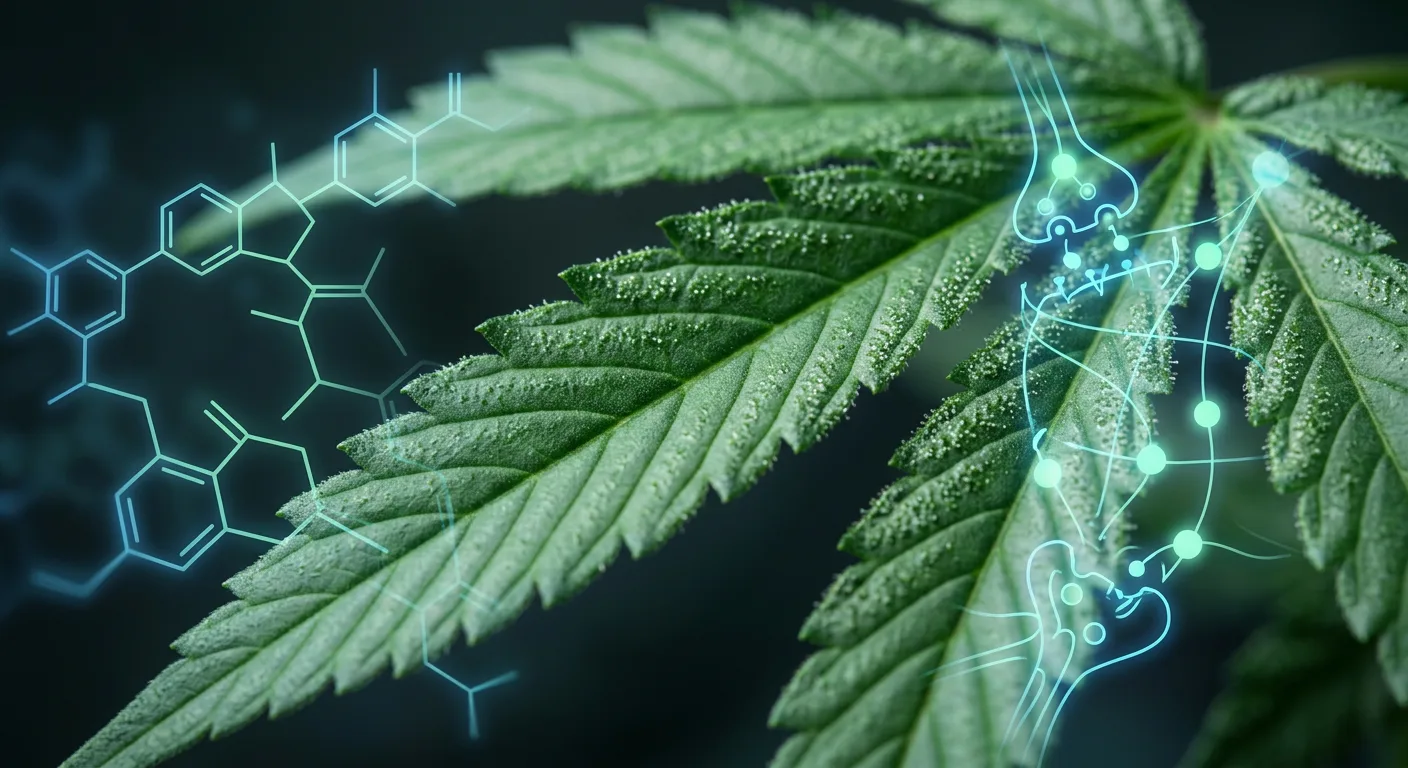
The endocannabinoid system (ECS) is a biological network of receptors, endogenous ligands, and enzymes present throughout the human body. It regulates mood, pain, appetite, memory, and — critically for this discussion — immune function and inflammation. Understanding the ECS is essential to understanding why cannabis works as an anti-inflammatory agent.
CB1 vs. CB2: The Critical Distinction
CB1 receptors concentrate in the brain and central nervous system. THC binds strongly to CB1, producing the characteristic psychoactive high, pain relief, and sedation. CB2 receptors distribute primarily throughout immune tissue — the spleen, lymph nodes, tonsils, bone marrow, and importantly, throughout the gastrointestinal tract.
When CB2 receptors are activated, immune cell behavior shifts. Specifically:
- Macrophage migration to inflamed sites slows
- TNF-α and IL-6 production decreases measurably
- T-cell proliferation modulates toward less aggressive response
- Mast cell degranulation (a key driver of allergic inflammation) reduces
Research Insight: A 2010 paper in Future Medicinal Chemistry (Pacher & Mechoulam) identified CB2 as a key therapeutic target for inflammation without psychotropic side effects. CB2 agonism became one of the most actively researched areas in pharmaceutical immunology throughout the 2010s — and cannabis remains nature's most complex CB2 agonist delivery system.
Endocannabinoids: Your Body Already Makes These
The body produces its own cannabinoids — primarily anandamide (AEA) and 2-arachidonoylglycerol (2-AG). Both activate CB1 and CB2 receptors. During inflammation, 2-AG levels rise naturally at injury sites — suggesting the ECS is already trying to moderate the inflammatory response. Plant cannabinoids amplify and extend this built-in regulation.
Because the ECS is involved in inflammation resolution — not just pain gating — cannabis may address the root mechanism of chronic inflammation rather than just masking symptoms. This is why some patients report sustained improvement rather than temporary relief.
For a deeper dive into how THC specifically interacts with this system — including its dose-dependent effects — see our comprehensive THC effects and biology guide.
CBD vs THC for Inflammation: What the Research Actually Shows
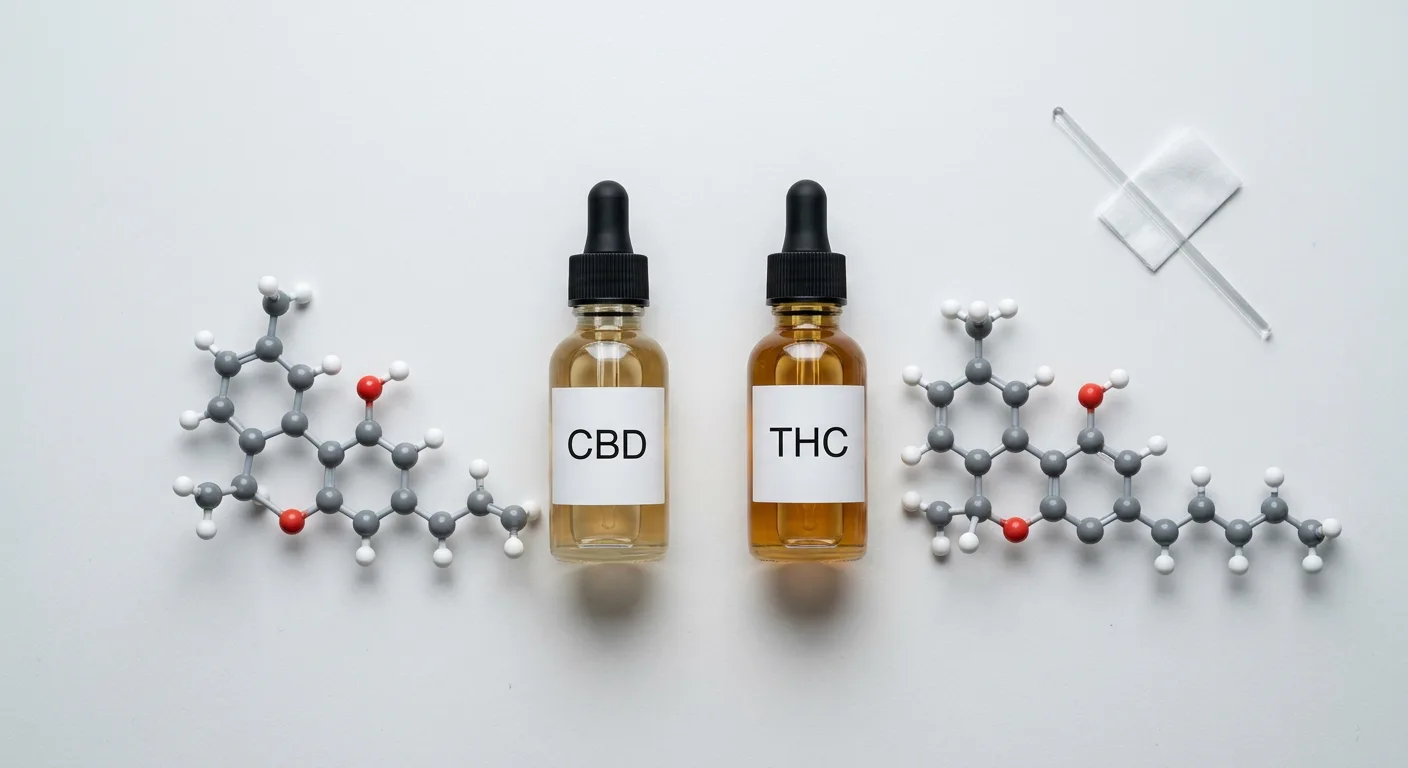
Both cannabinoids reduce inflammation, but through different mechanisms, at different receptor sites, with very different side-effect profiles. Understanding the distinction helps you choose the right tool for your specific condition.
How CBD Fights Inflammation
CBD does not bind strongly to CB1 or CB2 directly. Instead, it works through several parallel pathways that collectively produce significant anti-inflammatory effects:
- TRPV1 activation: CBD activates transient receptor potential vanilloid 1 channels, reducing pain signaling and inflammatory sensitization
- Adenosine potentiation: CBD inhibits adenosine reuptake, increasing extracellular adenosine which suppresses TNF-α production
- NF-κB suppression: CBD blocks this master inflammatory transcription factor — reducing expression of COX-2 and pro-inflammatory cytokines
- GPR55 antagonism: CBD blocks this receptor, which when activated promotes osteoclast activity (relevant to joint inflammation)
A 2011 study in Free Radical Biology and Medicine found CBD reduced oxidative stress and neuroinflammation in murine models. A 2019 review in Cannabis and Cannabinoid Research surveyed 132 original studies and found consistent anti-inflammatory activity across CBD doses from 1 mg/kg to 20 mg/kg in animal models.
How THC Fights Inflammation
THC binds directly to both CB1 and CB2 receptors. Its CB2 activity suppresses cytokine release from macrophages and T-cells. Several studies show THC specifically reduces TNF-α — one of the primary targets of expensive biologic drugs like adalimumab (Humira). A 2000 paper in the European Journal of Pharmacology demonstrated that low-dose THC suppressed TNF-α production by up to 50% in activated macrophages in vitro.
Important: THC's anti-inflammatory benefits don't scale linearly with dose. High THC doses can paradoxically increase anxiety and may impair sleep quality — both of which worsen inflammatory markers. The therapeutic window is real, and more is not always better.
The Entourage Effect: Why Ratios Matter More Than Isolation
Whole-plant cannabis preparations consistently outperform isolated cannabinoids in inflammation models. This is the entourage effect — cannabinoids, terpenes, and flavonoids working synergistically. A 2020 study in Scientific Reports compared full-spectrum CBD extract against CBD isolate and found the full-spectrum preparation required significantly lower doses to achieve equivalent anti-inflammatory effects.
| Cannabinoid/Compound | Primary Anti-Inflammatory Mechanism | Psychoactive? | Best Use Case |
|---|---|---|---|
| CBD | NF-κB suppression, adenosine potentiation, TRPV1 | No | Daytime, all-day management |
| THC | CB1/CB2 direct agonism, TNF-α suppression | Yes | Evening, severe pain + inflammation |
| CBG (cannabigerol) | COX inhibition, anti-bacterial at gut lining | No | IBD, Crohn's (emerging research) |
| Beta-caryophyllene | CB2 direct agonism, NF-κB blockade | No | Amplifies cannabinoid anti-inflammatory effects |
| Full-spectrum extract | All of the above, synergistically | Dose-dependent | Chronic systemic inflammation |
Terpenes With Anti-Inflammatory Power: Beyond Cannabinoids
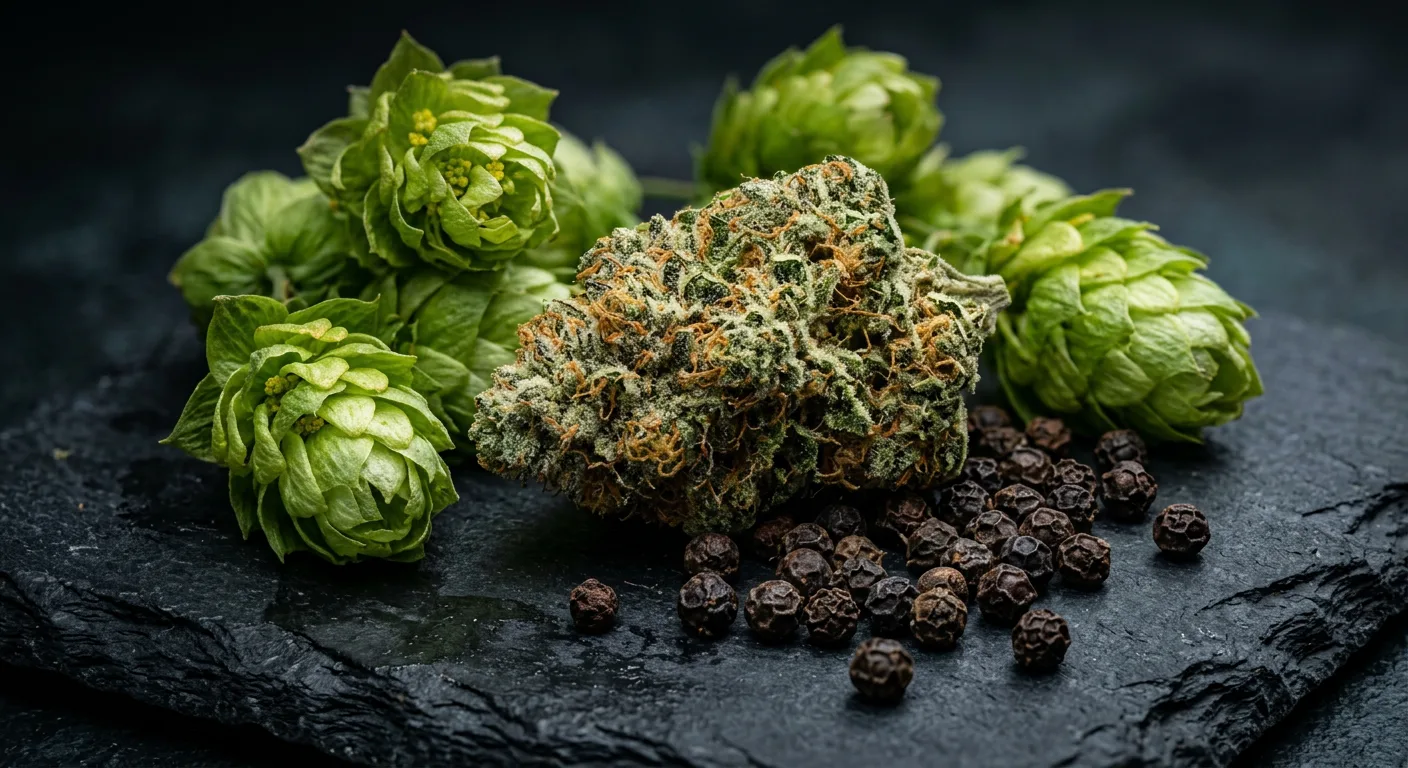
Terpenes are the aromatic compounds that give each cannabis strain its distinctive smell and flavor — but their role goes far beyond sensory experience. Several cannabis terpenes demonstrate measurable anti-inflammatory activity in research settings, and selecting strains rich in these compounds significantly enhances therapeutic outcomes.
Beta-Caryophyllene: The CB2 Terpene
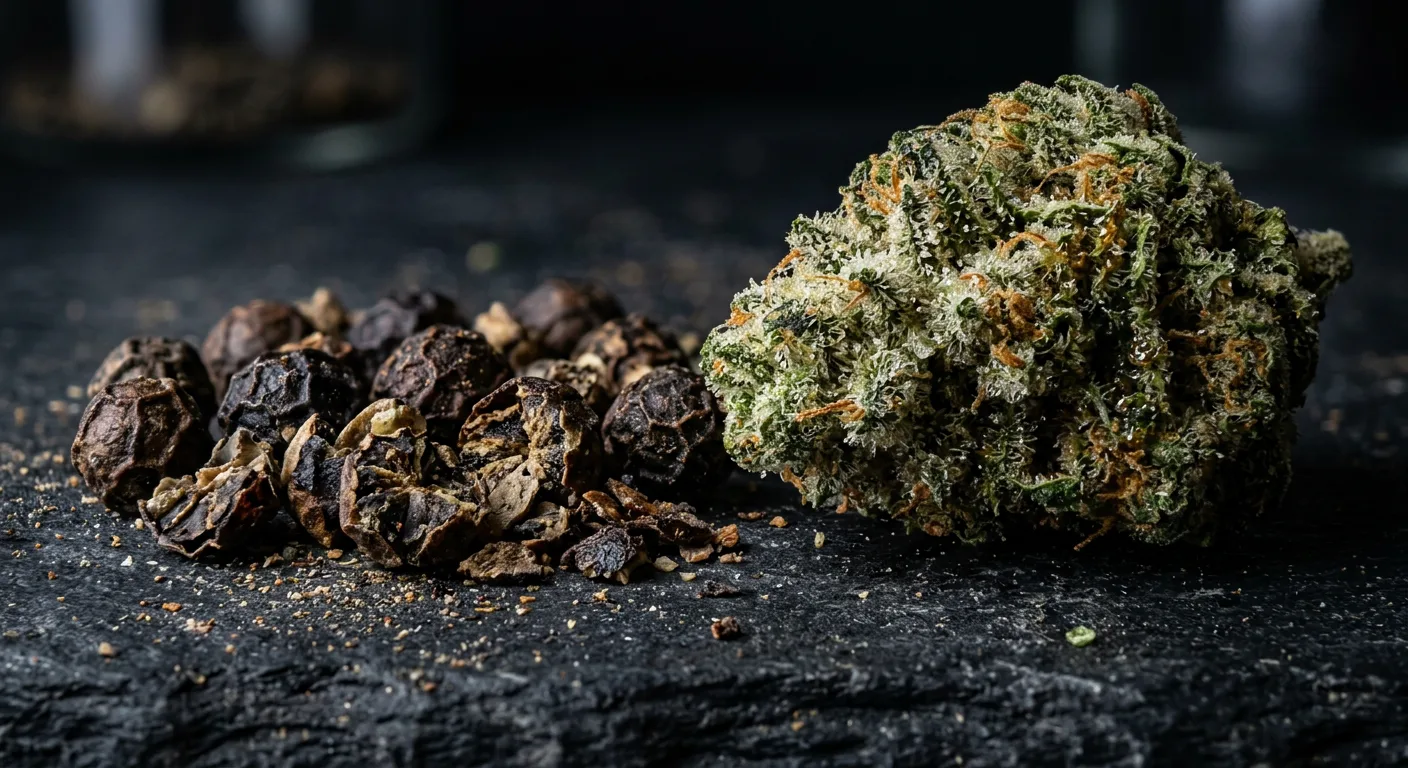
Beta-caryophyllene (BCP) is the most clinically significant anti-inflammatory terpene in cannabis — and possibly the most important discovery in terpene research in the last two decades. In 2008, researchers at the Swiss Federal Institute of Technology identified BCP as a selective CB2 agonist — the only dietary terpene known to directly activate a cannabinoid receptor.
The implications are substantial. BCP essentially acts as a non-psychoactive cannabinoid. Studies show it:
- Reduces IL-1β and TNF-α in macrophages at concentrations as low as 50 µM
- Inhibits NF-κB activation — matching or exceeding the pathway-suppression of some NSAIDs
- Demonstrates gastroprotective effects, reducing gut inflammation in animal colitis models
- Crosses the blood-brain barrier, suggesting potential for neuroinflammation
For a complete breakdown of caryophyllene-dominant strains and their anti-inflammatory applications, read our dedicated article on best caryophyllene strains for inflammation and CB2 relief.
Myrcene: The Sedating Anti-Inflammatory
Myrcene is the most abundant terpene in most commercial cannabis strains. Beyond its classic earthy, musky aroma, myrcene demonstrates anti-inflammatory activity through COX-1 and COX-2 inhibition — the same enzymes blocked by ibuprofen and naproxen. A 1990 study in Phytotherapy Research showed myrcene reduced acetic acid-induced writhing in mice by 70%, suggesting significant analgesic and anti-inflammatory activity. High-myrcene strains tend toward sedating, body-heavy effects particularly useful for nighttime inflammation management.
Alpha-Pinene and Humulene
Alpha-pinene inhibits prostaglandin synthesis and has demonstrated anti-inflammatory activity in several in vitro studies. Crucially, pinene also inhibits acetylcholinesterase — which may help counteract THC-induced short-term memory impairment, making pinene-rich strains useful when you need anti-inflammatory effects with clearer cognition. Learn more in our complete pinene in cannabis grower's guide.
Humulene — found in cannabis and also abundantly in hops — has demonstrated anti-inflammatory effects comparable to dexamethasone (a potent corticosteroid) in some animal studies. It suppresses COX-2 expression and reduces PGE2 (prostaglandin E2) levels. Our humulene terpene guide covers this in detail.
When evaluating cannabis for inflammation, look at the terpene profile on a lab Certificate of Analysis (COA) — not just cannabinoid percentages. A strain with 20% THC and high beta-caryophyllene may outperform a 26% THC strain with a weak terpene profile. Learn to read COAs with our cannabis terpene lab report guide.
Best Cannabis Strains for Inflammation: Our Full Breakdown
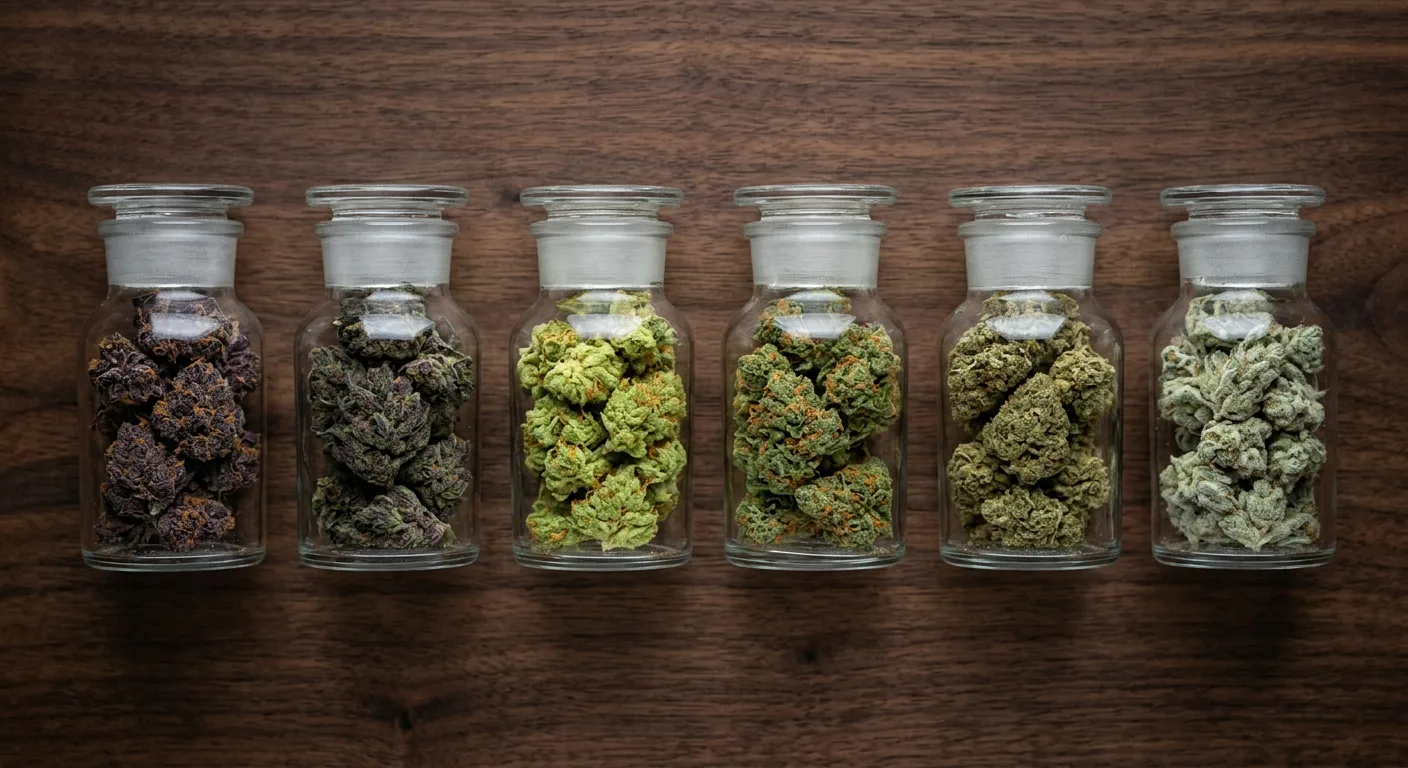
The best strains for inflammation combine meaningful CBD or THC content with high concentrations of anti-inflammatory terpenes — particularly beta-caryophyllene, myrcene, and humulene. Below, we profile both widely recognized industry strains and strains we carry, with honest notes on each.
Top Strains for Daytime Inflammation Management
Daytime use requires anti-inflammatory potency without sedation or significant psychoactivity. High-CBD strains and lower-THC balanced varieties work best here.
Harlequin (Not in our catalog — industry reference)
Harlequin is the benchmark high-CBD strain for daytime inflammation. With a typical CBD:THC ratio of 5:2 (around 10-15% CBD, 4-7% THC), it delivers meaningful anti-inflammatory activity with minimal psychoactivity. The terpene profile is rich in myrcene and pinene. Sativa-dominant. Widely regarded as one of the best strains for inflammatory arthritis.
ACDC (Not in our catalog — industry reference)
ACDC often reaches 20:1 CBD:THC ratios — sometimes 24% CBD with under 1% THC. It's among the purest CBD delivery vehicles in flower form. Zero psychoactive effect makes it appropriate even in professional contexts. Earthy, slightly woody flavor with mild pine notes. Particularly cited for multiple sclerosis-related inflammation and neuropathic components.
Purple Power Feminized — 10% THC
At 10% THC, Purple Power sits in a range that allows therapeutic CB2 engagement without overwhelming psychoactivity. The characteristic purple pigmentation reflects high anthocyanin content — plant compounds with their own documented antioxidant and anti-inflammatory properties. The mild, balanced experience suits daytime users managing low-to-moderate inflammatory conditions.
Swiss Miss Feminized — 15% THC
Swiss Miss offers a moderate THC content with a terpene profile that leans floral and herbal — suggesting linalool presence alongside myrcene. Its lower THC ceiling makes it predictable and manageable for patients who need to dose consistently without sedation. Good option for first-time medical users transitioning from CBD isolates.
Top Strains for Evening and Nighttime Inflammation
Evening use prioritizes maximum anti-inflammatory and analgesic effects. Sedation is acceptable — often desirable — for this window. Indica-dominant, higher-THC, high-myrcene strains dominate this category.
Gorilla Glue #4 (Not in our catalog — industry reference)
GG4 is one of the most widely used strains for chronic pain and inflammation among medical users. THC content typically ranges 25-30%, with a terpene profile dominated by myrcene, caryophyllene, and limonene. The combination delivers potent CB1 and CB2 activation alongside NF-κB suppression from caryophyllene. Heavy-handed sedation makes it strictly an evening option.
Purple Kush Feminized — 27% THC
Purple Kush is a pure indica with one of the strongest body-lock effects in the catalog. At 27% THC, it delivers powerful CB1 and CB2 engagement. Its Kush lineage typically brings substantial myrcene and caryophyllene content — exactly the terpene combination you want for evening inflammation relief. Patients with inflammatory arthritis, fibromyalgia, and chronic back inflammation frequently favor Kush genetics for nighttime use.
OG Kush Feminized — 26% THC
OG Kush is arguably the most studied cultivar in medical cannabis discussions. Its caryophyllene content is consistently high in lab analyses — making it a strong CB2 agonist beyond its THC contribution. The combination of direct CB1/CB2 activation and beta-caryophyllene's NF-κB suppression creates a multi-pathway anti-inflammatory effect that many patients find superior to single-cannabinoid approaches.
Northern Lights × Big Bud Feminized — 20% THC
This classic indica cross delivers reliable sedation alongside a terpene profile heavy in myrcene — the COX-inhibiting terpene whose mechanism mirrors ibuprofen's. At 20% THC, it provides substantial anti-inflammatory activity without reaching the dosing ceiling where anxiety can emerge. The high yield also makes it practical for patients who need consistent supply. Use our yield estimator to plan your grow accordingly.
Papaya Feminized — 25% THC
Papaya's exotic tropical terpene profile includes notable limonene alongside myrcene, and this combination adds mood-elevating benefits to the anti-inflammatory stack. Several studies show limonene reduces inflammatory markers including IL-6 and TNF-α in macrophage assays. For patients where chronic inflammation intersects with depression — common in autoimmune conditions — Papaya's dual activity makes it particularly relevant.
Wedding Cake (Not in our catalog — industry reference)
Wedding Cake consistently appears in patient surveys for inflammatory arthritis and neuropathic pain. High caryophyllene content combined with 24-27% THC creates a potent dual-mechanism anti-inflammatory. The sweet, vanilla-dough flavor makes it approachable. Indica-dominant with moderate sedation — suitable for early evening use.
Skywalker OG Autoflower — 23% THC
Skywalker OG autoflower brings OG Kush genetics into a faster-cycling format — ready in around 70-75 days from seed. For patients who grow their own medicine, the autoflower format allows multiple harvests per year without light cycle management. The anti-inflammatory terpene profile mirrors other OG Kush derivatives, with strong myrcene and caryophyllene presence.
Strains for Inflammatory Arthritis Specifically
Inflammatory arthritis — including rheumatoid arthritis and psoriatic arthritis — involves autoimmune-driven joint inflammation requiring sustained CB2 modulation. Lower psychoactivity during daytime and stronger evening sedation is the most practical pattern. Explore our full best strains for inflammation collection for a complete searchable list.
- High-CBD strains for daytime (Harlequin, ACDC, Charlotte's Web genetics)
- Cookies Kush Feminized (18% THC) — moderate THC with Kush terpene profile
- Blue Magoo Feminized (22% THC) — indica-dominant with sweet berry + earthy terpenes
- Topical CBD preparations for localized joint inflammation
- Evening rotation with high-myrcene indicas for pain and sleep
- Track dosing in a symptom journal — response varies significantly between individuals
Cannabis for Specific Inflammatory Conditions
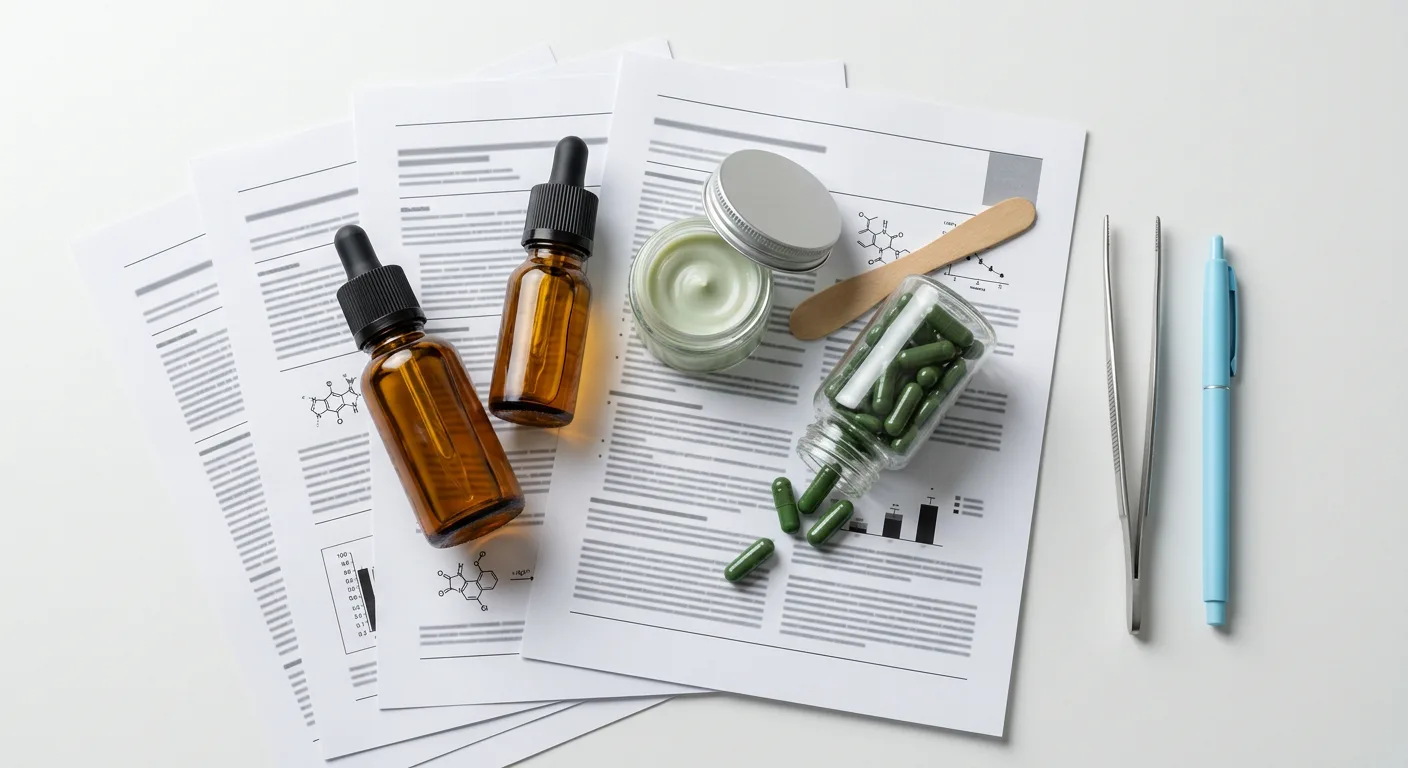
Different inflammatory conditions have distinct biological drivers, and the cannabis approach should match. Here's how the science maps to specific conditions.
Cannabis for Inflammatory Bowel Disease and Crohn's
The gastrointestinal tract is densely packed with CB2 receptors — more so than almost any other tissue outside the immune system. This makes it a logical target for cannabinoid therapy. Multiple clinical studies support cannabis for inflammatory bowel disease and specifically cannabis for Crohn's disease.
A landmark 2013 randomized controlled trial in Clinical Gastroenterology and Hepatology found that inhaled cannabis induced complete remission in 45% of Crohn's patients versus 10% in the placebo group. A follow-up 2021 study showed CBD oil reduced inflammatory markers and improved quality-of-life scores in a ulcerative colitis cohort over 10 weeks.
Mechanism note: CBG (cannabigerol) — present in smaller quantities in most strains but increasingly bred into specialty cultivars — shows particular promise for IBD. A 2013 study in Biochemical Pharmacology found CBG reduced inflammation in murine colitis models by normalizing nitric oxide production and reducing the formation of reactive oxygen species in intestinal epithelial cells.
IBD Patients — Avoid Smoking: Combustion products irritate mucous membranes throughout the GI tract. For cannabis for inflammatory bowel disease, oils, capsules, and tinctures are strongly preferred over smoked or even vaporized cannabis. Consult your gastroenterologist before beginning any cannabis protocol.
Rheumatoid Arthritis
RA is driven by synovial membrane inflammation — immune cells infiltrate joints and release destructive enzymes. A 2006 randomized controlled trial in Rheumatology tested Sativex (a 1:1 THC:CBD oromucosal spray) in RA patients and found statistically significant reductions in pain on movement, pain at rest, and morning stiffness compared to placebo. This remains one of the strongest human clinical datasets for cannabis in arthritis specifically.
Topical cannabis preparations — balms, creams, and oils applied directly to inflamed joints — allow localized CB2 receptor engagement without systemic psychoactivity. Patients frequently combine topical CBD with modest evening THC doses via tincture or capsule for layered relief.
Multiple Sclerosis and Neuroinflammation
MS involves demyelination driven by neuroinflammation. CBD's ability to cross the blood-brain barrier and suppress microglial activation (the CNS equivalent of macrophages) makes it relevant here. A 2011 study in the Journal of Neuroimmunology showed CBD reduced microglial-driven inflammatory signaling by over 40% in murine EAE models. Cannabis is FDA-recognized for MS spasticity via nabiximols (Sativex) in several countries.
General Chronic Inflammation and Pain
For diffuse, systemic inflammation without a single diagnosis — common in fibromyalgia, aging-related inflammation, and post-viral syndromes — a balanced approach works best. Alternating high-CBD daytime use with moderate-THC evening strains covers both the CBG and CB2 receptor targets across the full 24-hour period. Also see our guide on best strains for pain for detailed recommendations in this overlap category.
THC:CBD Ratios for Inflammation — A Practical Guide
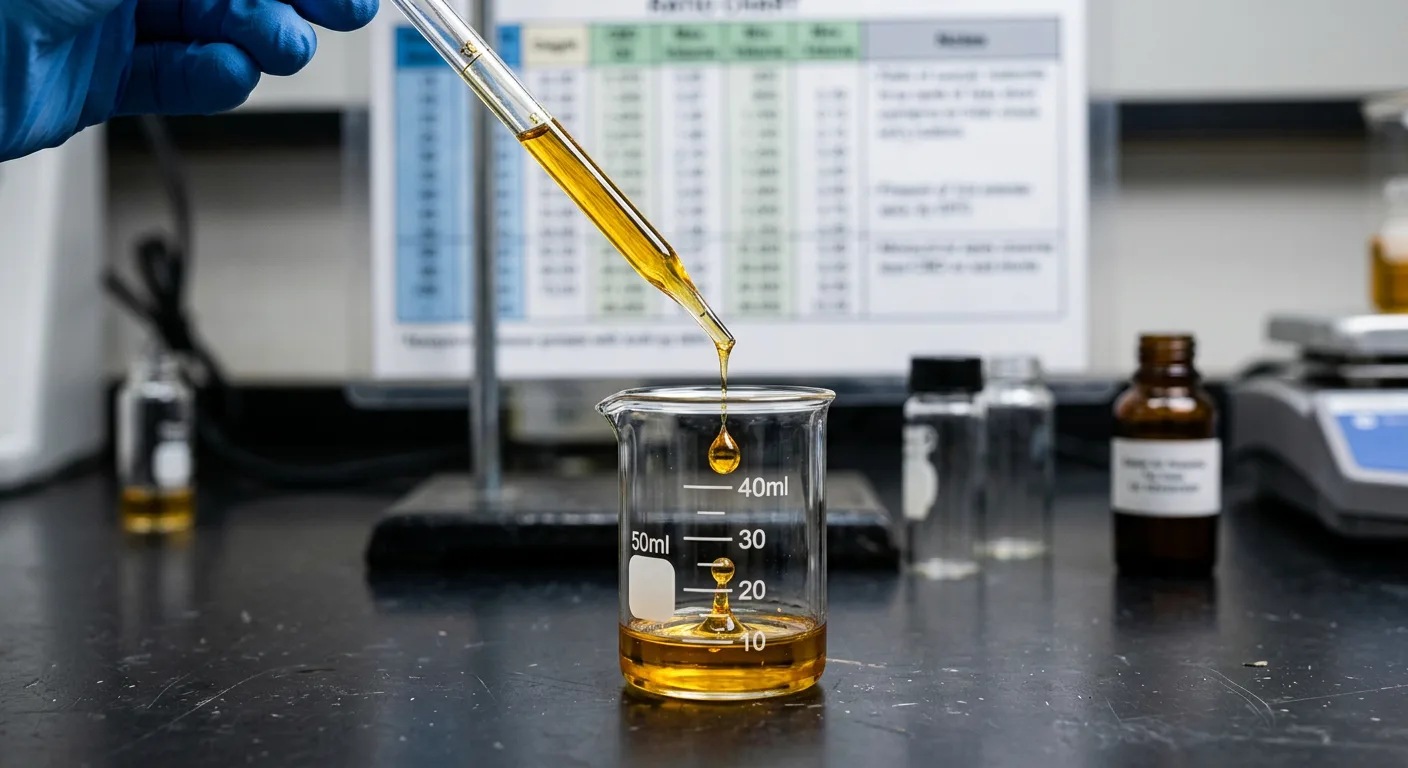
The ratio of THC to CBD in your cannabis significantly shapes which pathways get activated and at what intensity. There's no universal best ratio — the ideal depends on your condition, sensitivity to psychoactivity, and whether you're treating acute flares or managing chronic background inflammation.
Understanding the Ratio Spectrum
| CBD:THC Ratio | Psychoactivity Level | Best For | Example Use Case |
|---|---|---|---|
| 20:1 CBD:THC | None | Daytime, work-compatible use | RA flare management during workday |
| 4:1 CBD:THC | Minimal | Balanced day/evening use | IBD background inflammation, MS |
| 1:1 CBD:THC | Moderate | Evening use, moderate-severe inflammation | Arthritis pain + sleep disruption |
| 1:4 CBD:THC | High | Severe evening pain + inflammation | Crohn's flares, fibromyalgia pain crisis |
| THC-dominant (no CBD) | Very high | Acute severe pain, palliative care | Cancer-related inflammation, end-stage RA |
The 1:1 Ratio Advantage
The 1:1 CBD:THC ratio has the most robust human clinical data behind it. The Sativex RA trial used 1:1. Multiple MS trials used 1:1. The proposed mechanism: CBD modulates THC's psychoactivity (reducing anxiety and cognitive effects) while both cannabinoids synergistically suppress cytokine production. CBD also inhibits the enzyme FAAH that breaks down anandamide — further amplifying the endocannabinoid anti-inflammatory response.
If you're growing your own anti-inflammatory cannabis, consider growing one high-CBD strain and one moderate-THC indica simultaneously. Blending ground flower at home lets you dial in your ratio precisely — 70/30 CBD:THC in the morning, 50/50 in the evening. Use our edible dosage calculator when making infused oils to keep doses consistent.
Dosing Protocols: How to Use Cannabis for Inflammation
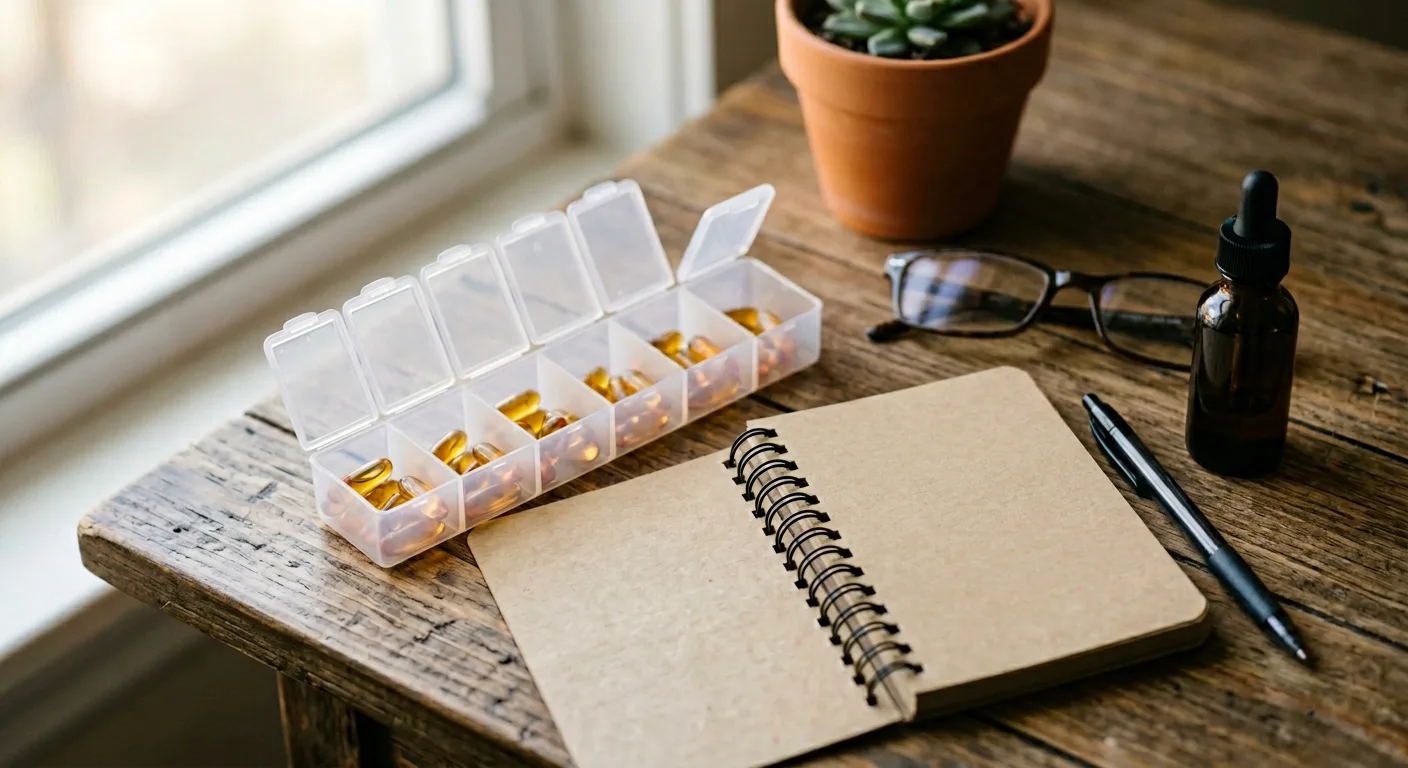
Dosing cannabis for inflammation follows a well-established principle: start low, go slow, and titrate up over weeks — not days. Individual response varies enormously based on CB2 receptor density, body composition, existing ECS tone, and concurrent medications.
The Titration Protocol
Establish Your Baseline (Week 1-2)
Begin with 5-10mg CBD daily, preferably as a sublingual tincture. Record inflammation symptoms, pain scores (1-10), and any side effects in a daily journal. This baseline gives you a reference point for evaluating dose increases.
Increase Incrementally (Week 3-4)
If response is insufficient after 14 days, increase by 5mg CBD every 3-5 days. Most research-supported therapeutic ranges for anti-inflammatory effects fall between 15-50mg CBD/day for moderate conditions. Severe inflammatory conditions may require 100mg+ in clinical contexts — only with medical supervision.
Introduce THC if Needed (Week 4+)
Once your CBD baseline is established, consider adding a small THC dose (2.5-5mg) in the evening if daytime CBD alone doesn't achieve sufficient relief. The CBD already in your system will moderate THC's psychoactivity. Gradually titrate the evening THC dose as needed.
Evaluate and Refine (Week 6-8)
At 6-8 weeks, review your symptom journal. Most patients see meaningful improvement within this window if the right strain and ratio have been identified. Adjust the morning/evening ratio, switch delivery method if needed, or consult your physician about refining the protocol.
Dosing by Condition Severity
- Mild inflammation (seasonal, injury-related): 10-25mg CBD/day, topical CBD as needed
- Moderate chronic inflammation (osteoarthritis, psoriasis): 25-50mg CBD/day, 5-10mg THC evening
- Severe autoimmune inflammation (RA, IBD active flare): 50-100mg CBD/day, 10-20mg THC evening — medical supervision recommended
- Neuroinflammation (MS, neuropathic): 1:1 ratio protocols, nabiximols where legally available
Cannabis dosing for inflammation is not one-size-fits-all. Genetics, body weight, existing ECS tone, and the specific inflammatory pathway involved all affect response. A minimum 4-week consistent trial at a stable dose is required before drawing conclusions about effectiveness.
Consumption Methods: Matching Delivery to Your Condition
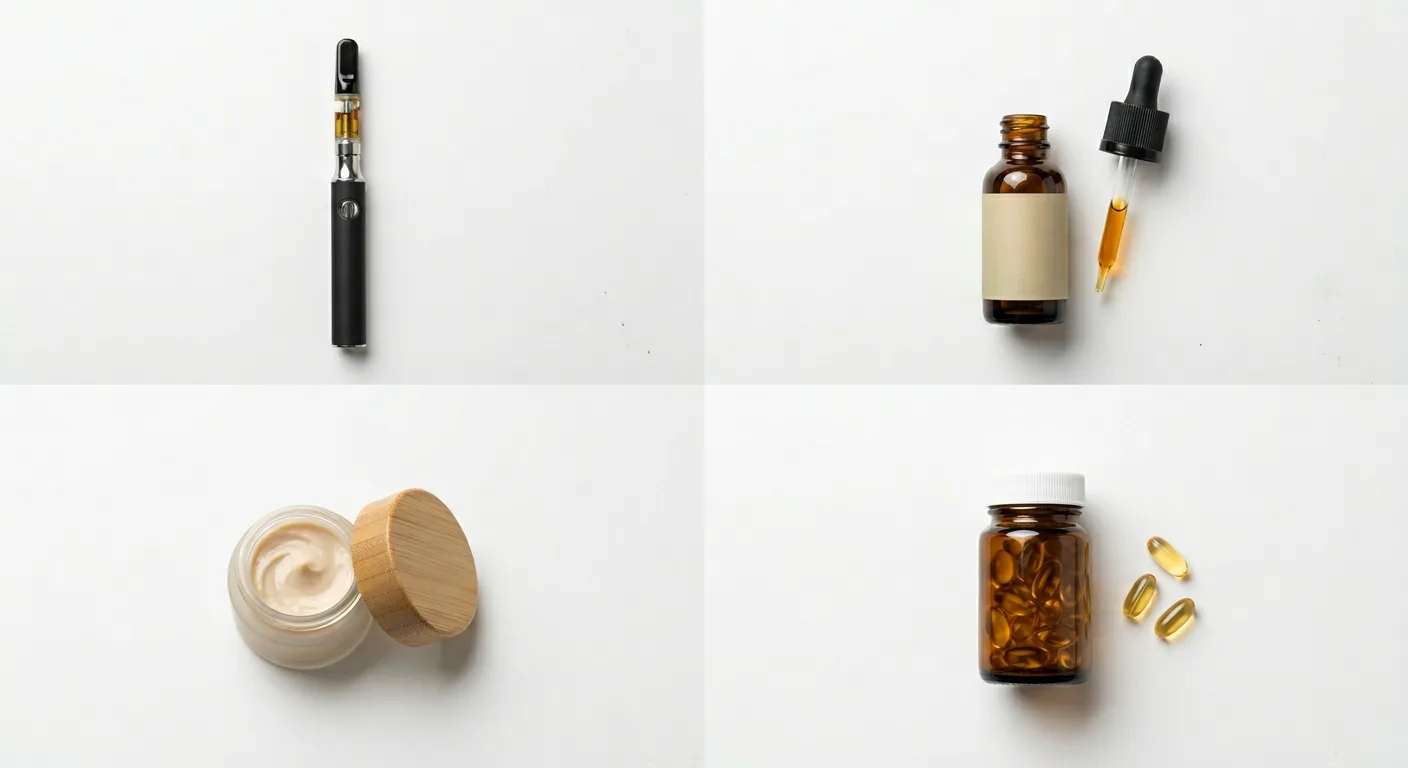
How you consume cannabis determines onset speed, duration, and which body systems receive the highest cannabinoid concentrations. For inflammatory conditions, delivery method is often as important as strain choice.
Sublingual Tinctures and Oils
Sublingual delivery bypasses first-pass liver metabolism. Cannabinoids absorb directly through oral mucosa, reaching bloodstream in 15-45 minutes. Duration extends 4-6 hours. This is the gold standard for consistent dosing in medical applications — precise, reproducible, and gut-friendly for IBD patients who can't rely on oral absorption.
Oral Capsules and Edibles
Oral ingestion sends cannabinoids through the liver, where THC converts partially to 11-hydroxy-THC — a metabolite 3-4x more potent and longer-lasting than inhaled THC. Onset is 45-120 minutes, but duration extends 6-8 hours. Ideal for overnight inflammation management and conditions where sustained release is beneficial. Use our edible dosage calculator to calculate potency when making your own capsules from flower.
Vaporization
Vaporizing flower or oil heats cannabinoids without combustion — eliminating most harmful byproducts while preserving terpenes better than smoking. Onset is 2-5 minutes, duration 2-3 hours. The rapid onset makes it useful for acute flare management. Temperatures between 170-185°C (338-365°F) preserve terpenoids including caryophyllene while fully vaporizing THC and CBD.
Topical Applications
Topical CBD and cannabis preparations apply cannabinoids directly to inflamed tissue. CB2 receptors are present in skin, connective tissue, and joint structures close to the surface. Topicals do not produce systemic psychoactivity — making them appropriate for joint-specific inflammation during working hours. Transdermal patches differ from regular topicals in that they penetrate deep enough for systemic absorption.
| Method | Onset | Duration | Best Inflammatory Application | Psychoactivity Risk |
|---|---|---|---|---|
| Sublingual tincture | 15-45 min | 4-6 hrs | Systemic, consistent dosing | Dose-dependent |
| Oral capsule/edible | 45-120 min | 6-8 hrs | Overnight, sustained relief | Higher (11-OH-THC) |
| Vaporization | 2-5 min | 2-3 hrs | Acute flares, rapid relief | Moderate |
| Topical | 15-30 min | 2-4 hrs | Localized joint/skin inflammation | None |
| Transdermal patch | 30-60 min | 8-12 hrs | Systemic, sustained delivery | Low-moderate |
Growing Anti-Inflammatory Cannabis: What to Prioritize
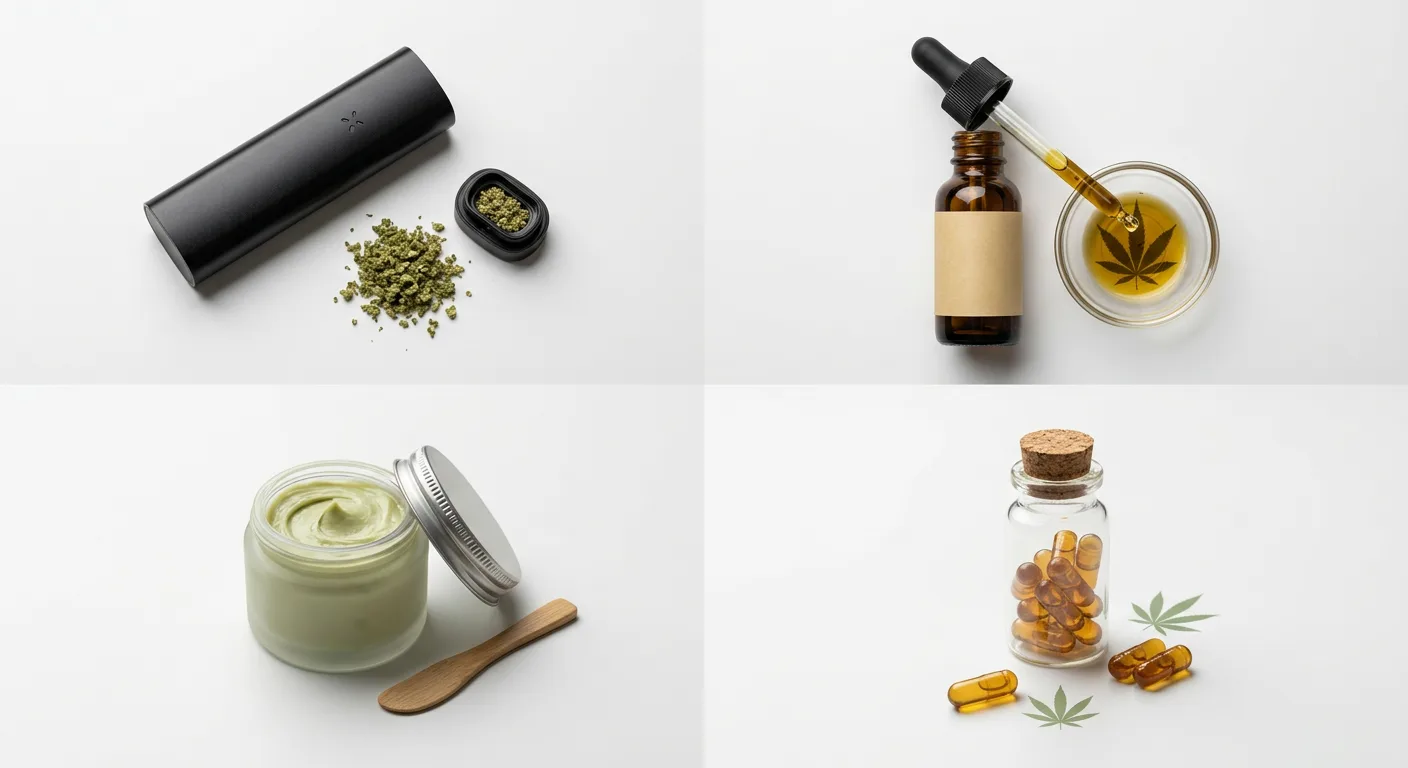
If you're cultivating your own medicine, strain selection and growing practices directly affect the terpene and cannabinoid density that determines anti-inflammatory potency. Not all grows are equal — and for therapeutic use, these details matter significantly.
Terpene Preservation in the Grow
Beta-caryophyllene and other anti-inflammatory terpenes are volatile — they degrade with heat, UV light, and mechanical damage. To maximize terpene preservation:
- Keep temperatures below 26°C (79°F) during late flower to prevent terpene volatilization
- Harvest at peak trichome development — milky-amber ratio of 70:30 for full-spectrum potency
- Dry slowly at 15-21°C (60-70°F) and 55-65% relative humidity over 10-14 days
- Cure in sealed glass jars at 62% humidity for minimum 4-6 weeks — terpenes continue developing
- Store final product at cool temperatures in opaque, airtight containers
- Avoid grinding until immediately before use — whole buds preserve terpenes significantly longer
Monitor your grow environment precisely. Our VPD calculator helps you maintain optimal vapor pressure deficit — keeping plants stress-free produces denser trichome development and higher terpene concentrations. And see our full guide on when to harvest for maximum potency.
Strain Selection for Home Medical Growers
If you're growing specifically for anti-inflammatory use, prioritize:
- Kush genetics — consistently high myrcene and caryophyllene expression
- OG-family strains — complex terpene profiles with strong CB2-active terpene fractions
- Indica-dominant hybrids — typically richer in body-active terpenes than pure sativas
- Autoflower options — for year-round supply without light cycle management
The Holy Grail Kush Autoflower at 20% THC brings classic Kush terpene genetics into an autoflower format — producing caryophyllene-rich flower in approximately 75 days from seed. The Skywalker OG Autoflower at 23% THC offers similar convenience with a heavier indica-dominant effect profile.
For patients needing consistent year-round supply, running two autoflower plants in staggered 5-week intervals creates a continuous harvest cycle. Use our grow planner to map out your cultivation schedule before germination. All seeds come with a germination guarantee — giving you peace of mind on every order.
Post-Harvest Practices That Affect Medicinal Quality
The cure affects terpene content — and terpene content affects anti-inflammatory potency. A rushed dry loses 20-30% of volatile terpenes. A proper slow cure allows chlorophyll to break down completely and allows terpene complexity to develop. Read our complete small harvest curing guide for the exact process. Store finished flower correctly using guidance from our long-term cannabis storage guide.
Potential Risks, Interactions, and Limitations
Cannabis is not without risk, particularly for patients managing complex inflammatory conditions who may be on multiple medications. Honest risk assessment is a non-negotiable part of any serious medical cannabis discussion.
Drug Interactions
CBD is a potent inhibitor of cytochrome P450 enzymes — particularly CYP3A4 and CYP2C9. These enzymes metabolize many common medications including warfarin, statins, immunosuppressants (tacrolimus, cyclosporine), and some NSAIDs. Adding CBD to these medications can raise drug plasma levels to potentially dangerous concentrations. This is not theoretical — the FDA has documented clinically significant warfarin interactions with CBD.
- Warfarin / blood thinners: CBD can raise plasma warfarin levels — bleeding risk increases
- Immunosuppressants (post-transplant): CBD affects tacrolimus metabolism — requires close monitoring
- Corticosteroids: Additive immunomodulation — complex interaction, medical supervision essential
- Biologics (Humira, Enbrel): No direct interaction known, but both suppress immune function
Limitations of Current Evidence
The honest scientific picture is nuanced. Most robust data comes from animal models, in vitro studies, and small clinical trials. Large-scale, double-blind, placebo-controlled human RCTs for cannabis inflammation are limited — partly due to historical Schedule I restrictions on research. The evidence base is growing rapidly but remains incomplete.
Not a Replacement for Medical Care: Cannabis shows real promise as an adjunctive therapy for inflammatory conditions, but it should complement — not replace — established medical treatment. Patients with rheumatoid arthritis, Crohn's disease, or multiple sclerosis should continue working with their rheumatologist or gastroenterologist and discuss cannabis use openly.
Tolerance and Dependency Considerations
Regular THC use can produce tolerance at CB1 receptors, requiring higher doses over time to achieve the same effect. CBD does not produce significant tolerance in the same way. For long-term inflammatory conditions, rotating high-THC evening use with tolerance breaks (2-7 day breaks monthly) helps maintain effectiveness. CBD can be used continuously without significant tolerance concern at therapeutic doses.
Quick Reference: Cannabis Inflammation Decision Framework
Choosing the right approach requires matching your specific situation to the most appropriate tool. Use this framework as a starting point before consulting your healthcare provider.
- Acute inflammation, work hours: High-CBD tincture (20:1), topical for localized areas
- Arthritis morning stiffness: CBD capsule before bed the night before, topical CBD on affected joints in morning
- IBD active flare: CBD oil sublingually, consider CBG-rich preparations, no smoking
- Evening systemic inflammation + pain: 1:1 CBD:THC tincture or Kush-dominant flower via vaporizer
- Sleep-disrupting inflammation: High-myrcene indica flower — Northern Lights × Big Bud or Purple Kush
- Need to stay functional: Pinene-rich strains (pinene counteracts THC cognitive effects), or pure CBD
- Budget-conscious medical growing: Autoflower Kush genetics — multiple harvests per year
- Unsure where to start: Use our plant diagnosis tool and grow planner to build a cultivation plan
The most effective cannabis approach for inflammation is rarely a single product or strain — it's a layered protocol matching CBD for daytime CB2 modulation, terpene-rich indica strains for evening cytokine suppression, and topicals for localized sites. Treat strain and ratio selection as seriously as dose selection.
Frequently Asked Questions
Does cannabis actually reduce inflammation?
Research shows cannabinoids like CBD and THC interact with CB2 receptors in immune cells, suppressing pro-inflammatory cytokines such as TNF-α and IL-6. Multiple peer-reviewed studies confirm measurable anti-inflammatory effects, though large-scale human clinical trials are still limited compared to the extensive preclinical evidence base.
Is CBD or THC better for inflammation?
CBD is generally preferred for daytime inflammation management because it targets multiple anti-inflammatory pathways — including NF-κB suppression and adenosine potentiation — without psychoactive effects. THC also reduces inflammation through direct CB2 agonism but adds sedation and psychoactivity. A combined 1:1 CBD:THC ratio often produces the strongest anti-inflammatory effect through the entourage effect and is the basis of Sativex, the only cannabis medicine licensed specifically for multiple sclerosis in several countries.
Which terpene is the strongest anti-inflammatory in cannabis?
Beta-caryophyllene is the most significant anti-inflammatory terpene in cannabis. It's the only terpene known to directly bind CB2 receptors, essentially acting as a non-psychoactive cannabinoid. Studies show it suppresses NF-κB signaling — the same master inflammatory pathway targeted by pharmaceutical NSAIDs — and reduces TNF-α and IL-1β production in macrophage assays. Myrcene (COX inhibition) and humulene also contribute meaningfully.
Can cannabis help with Crohn's disease or IBD?
Multiple clinical studies support cannabis for inflammatory bowel disease. A 2013 RCT found cannabis induced Crohn's remission in 45% of patients versus 10% on placebo. The GI tract's high CB2 receptor density makes it a logical therapeutic target. For IBD patients specifically, sublingual oils and capsules are strongly preferred over smoked or vaporized cannabis, which can irritate mucosal tissue.
How long does cannabis take to work for inflammation?
Onset depends entirely on delivery method. Sublingual tinctures produce effects in 15-45 minutes. Vaporized cannabis works in 2-5 minutes. Oral capsules and edibles take 45-120 minutes but last 6-8 hours. Most patients using cannabis therapeutically for chronic inflammation report meaningful symptom improvement only after 4-6 weeks of consistent use — the ECS requires time to recalibrate toward reduced inflammatory tone.