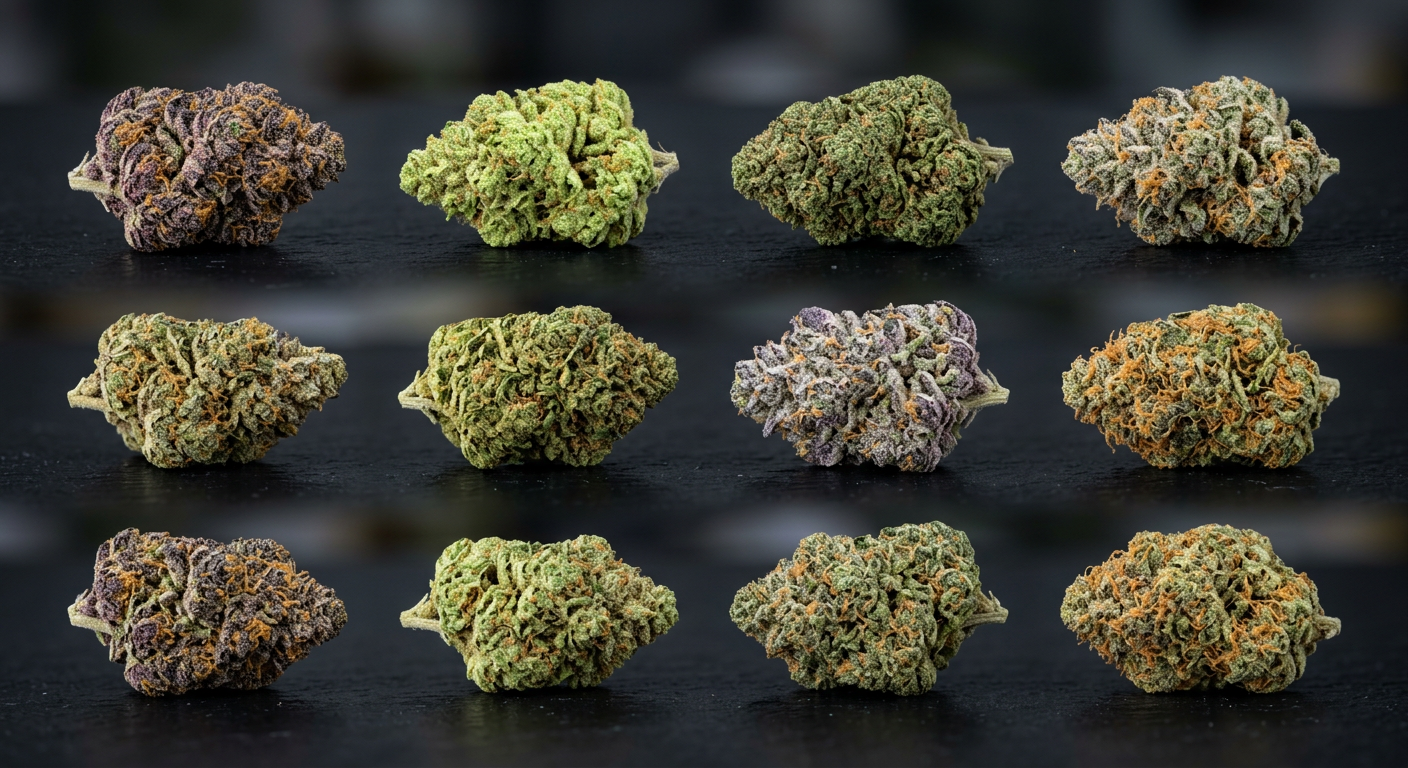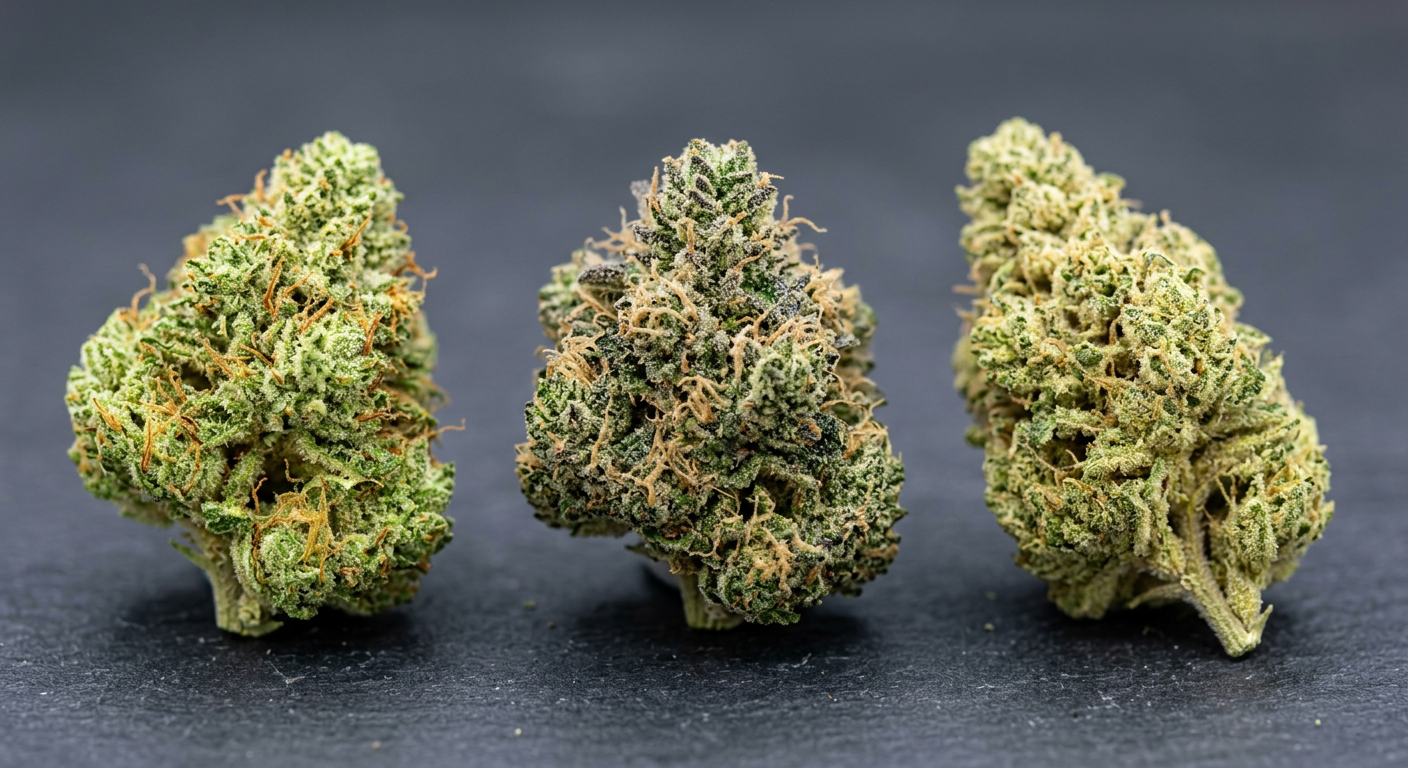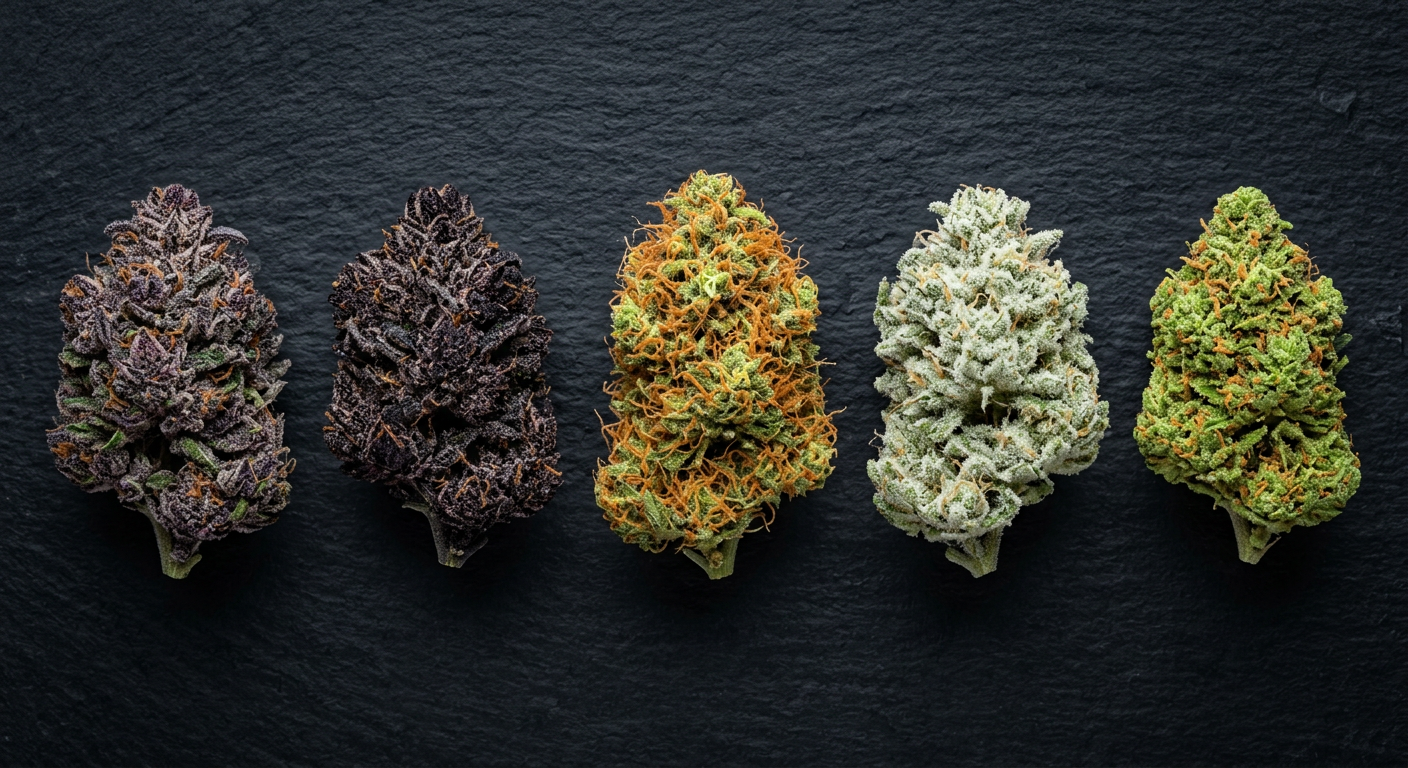
The Strain on Your Label Might Be a Lie
Walk into almost any seed market or dispensary and you'll find dozens of confidently labeled strains. But cannabis genetics testing has revealed an uncomfortable truth: mislabeling is rampant. A 2019 study published in PLOS ONE found that commercially labeled sativa and indica strains showed minimal genetic correlation with their labels — the names were effectively marketing, not biology.
That revelation changed how serious cultivators, breeders, and seed banks approach strain selection. DNA testing cannabis strains is no longer a niche research tool; it's becoming as standard as a pH meter in a professional grow room.
Whether you're hunting elite phenotypes, building a breeding program, or simply want to confirm that the OG Kush you planted is actually OG Kush, understanding how genetic authentication cannabis works puts you firmly in control of your garden's future.
What Is Cannabis Genetics Testing?

Cannabis genetics testing is the laboratory process of analyzing a plant's DNA to confirm its identity, lineage, sex, cannabinoid potential, and unique genetic fingerprint. It uses the same molecular biology techniques found in human forensics, agriculture, and medical diagnostics — just applied to Cannabis sativa L.
Cannabis genetics testing analyzes plant DNA to verify strain identity, confirm lineage, determine sex before flowering, and establish a unique genetic fingerprint. Labs typically examine 40–100 genetic markers per sample to produce a reliable profile that can be compared against known reference varieties.
Modern testing doesn't just tell you what a plant is — it tells you what it isn't, what it's related to, and what traits its offspring are statistically likely to express. For anyone serious about producing consistent, authentic cannabis, this data is invaluable.
The Core Technologies Behind Genetic Testing
Several laboratory methods power cannabis DNA analysis, each with distinct strengths depending on what a grower or breeder needs to know.
- PCR (Polymerase Chain Reaction): Amplifies specific DNA sequences so they can be detected and analyzed. Used for sex testing and pathogen identification.
- qPCR (Quantitative PCR): A real-time version of PCR that measures DNA quantity, enabling more precise sex determination from seedlings as young as 3 days old.
- SSR Genotyping (Simple Sequence Repeats): Identifies microsatellite markers — short, repeated DNA sequences that vary predictably between strains — to build unique genetic fingerprints.
- SNP Analysis (Single Nucleotide Polymorphisms): Detects single-letter differences in the DNA code at specific positions across the genome, providing the highest resolution genetic profile available.
- Whole Genome Sequencing (WGS): Maps the entire genome for complete ancestry and trait prediction; the most comprehensive but also the most expensive option.
SSR genotyping currently offers the best cost-to-resolution ratio for most cannabis genetics applications. A panel of 40–60 SSR markers can reliably distinguish nearly all commercially available strains while costing a fraction of full genome sequencing.
Why Test Cannabis Genetics? The Real-World Stakes
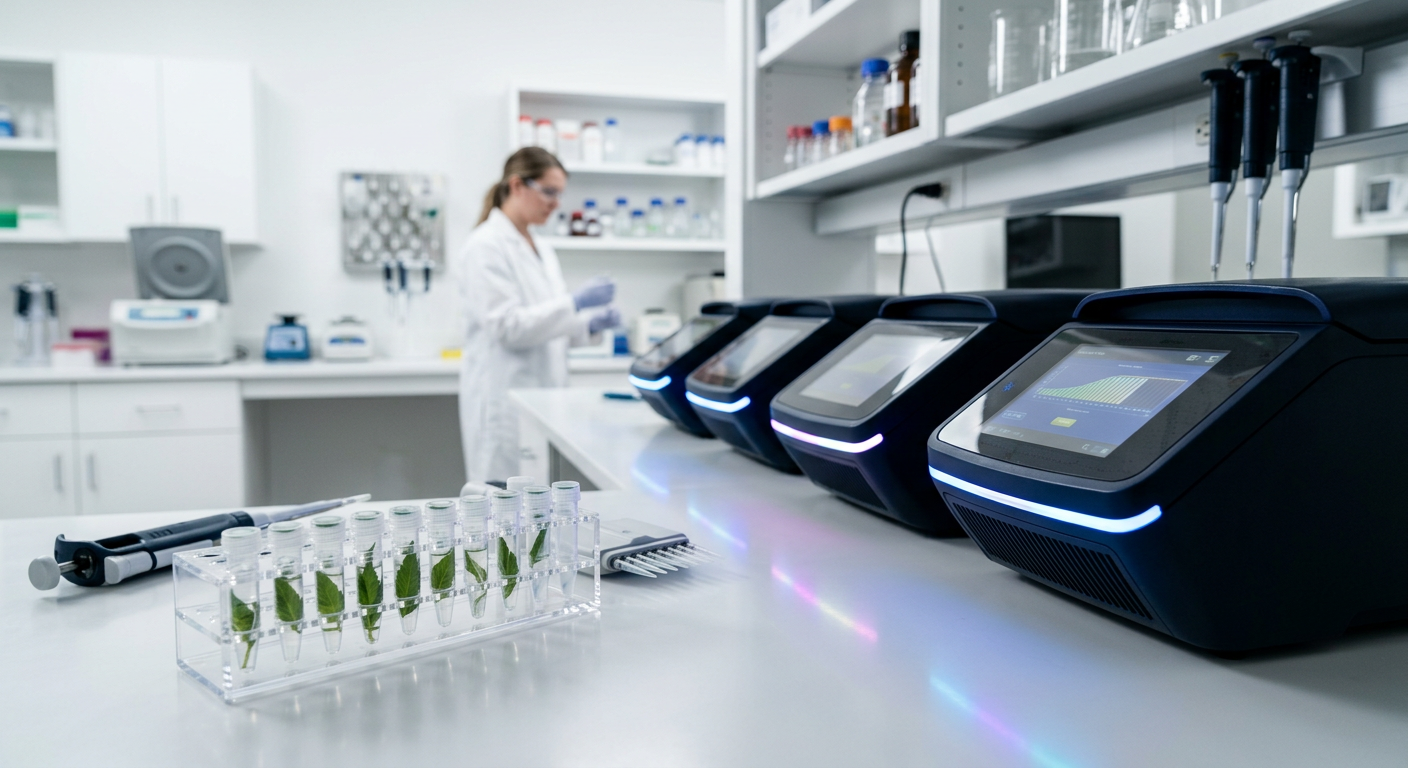
Cannabis genetics testing delivers measurable value at every stage of cultivation and commerce — from the seed to the final product. The reasons growers test go well beyond curiosity.
Mislabeled genetics waste months of grow time and thousands of dollars in inputs. A breeder who plants 200 seeds expecting a specific hybrid may finish an entire season before discovering the genetics are wrong — at harvest, when it's far too late to pivot.
- Confirm strain identity before investing in a full grow cycle
- Detect hermaphrodite genetics before pollination risk arises
- Verify feminized seed accuracy (should be 99.9%+ female)
- Protect intellectual property for proprietary breeding lines
- Authenticate genetics for dispensary supply chain compliance
- Select elite phenotypes from a large population efficiently
- Establish parentage for F1 hybrid breeding programs
- Confirm landrace or heirloom authenticity
If you're investing in premium genetics — like high-THC varieties such as Quantum Kush (30% THC) or Purple Kush (27% THC) — DNA testing before scaling your grow can save significant money by catching mislabeled or unstable genetics early.
For commercial producers, there's also a compliance angle. Regulators in several U.S. states and Canadian provinces now accept or require genetic documentation for licensed cultivars, particularly in the hemp sector where THC thresholds carry legal weight.
Genetic Markers Explained: What Labs Actually Look For
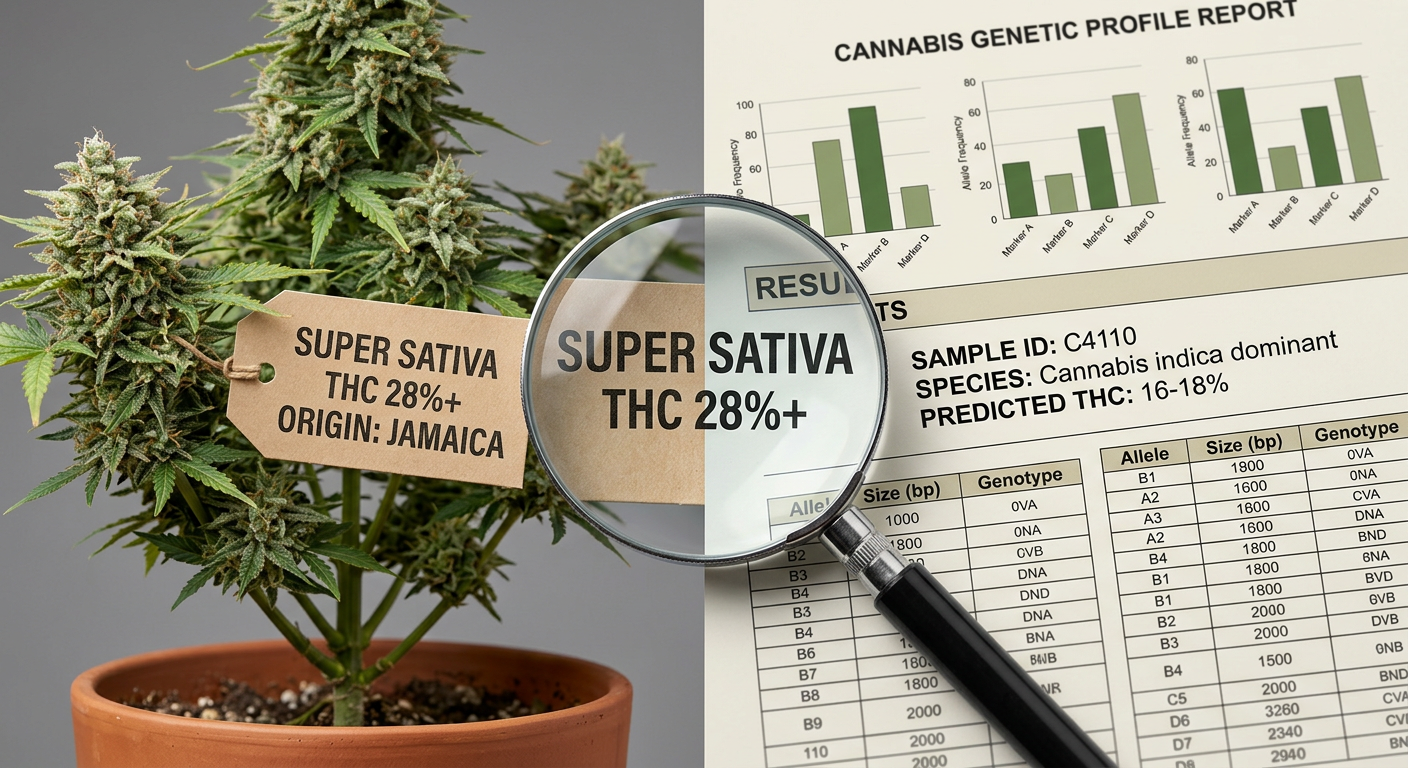
Genetic markers are specific, identifiable locations in the cannabis genome that vary between individuals and strains. Understanding what markers exist — and what each reveals — helps growers interpret lab reports with confidence rather than confusion.
Think of a genetic marker as a known address in a very long instruction manual. Labs don't read the whole book; they go straight to the pages that differ most reliably between strains.
SSR Markers (Microsatellites)
SSR markers are short DNA sequences repeated multiple times in a row — for example, CATCATCATCAT. The number of repeats varies between individuals, and that variation is highly stable across generations. A strain's SSR profile across 40+ loci creates a unique genetic fingerprint comparable to a human DNA barcode.
SNP Markers
SNPs (pronounced "snips") are single-base variations at specific genome positions. Where one plant might read "A" at position 1,452,300, another reads "G." Cannabis genomes contain millions of SNPs, and panels of 1,000–10,000 carefully selected SNPs can resolve fine-scale differences that SSRs miss — including differences between closely related cultivars like Northern Lights × Big Bud versus Northern Lights × Amnesia Haze.
Sex-Determining Markers
Cannabis sex is determined by sex chromosomes (XX for female, XY for male), and specific genetic sequences on the Y chromosome are unique to male plants. qPCR-based sex tests detect these Y-chromosome markers with 99%+ accuracy from a tiny tissue sample — even from seeds or seedlings just days old.
Cannabinoid & Terpene-Related Markers
Specific gene variants influence cannabinoid ratios. The THCA synthase and CBDA synthase genes, for example, largely determine whether a plant becomes high-THC or high-CBD. Terpene expression is more polygenic (controlled by many genes), but key markers linked to dominant terpenes like myrcene, limonene, and caryophyllene are increasingly identifiable through SNP panels.
| Marker Type | What It Reveals | Resolution | Typical Cost |
|---|---|---|---|
| SSR / Microsatellite | Strain fingerprint, lineage | High | $50–$120/sample |
| SNP Panel | Fine-scale strain differences, ancestry | Very High | $80–$200/sample |
| qPCR Sex Test | Plant sex (male/female/intersex) | Definitive | $20–$60/sample |
| Whole Genome Sequencing | Complete genome, all traits | Maximum | $300–$1,000+/sample |
| Cannabinoid Gene Markers | THC:CBD ratio prediction | Moderate–High | $60–$150/sample |
How to Test Cannabis Genetics: A Step-by-Step Process
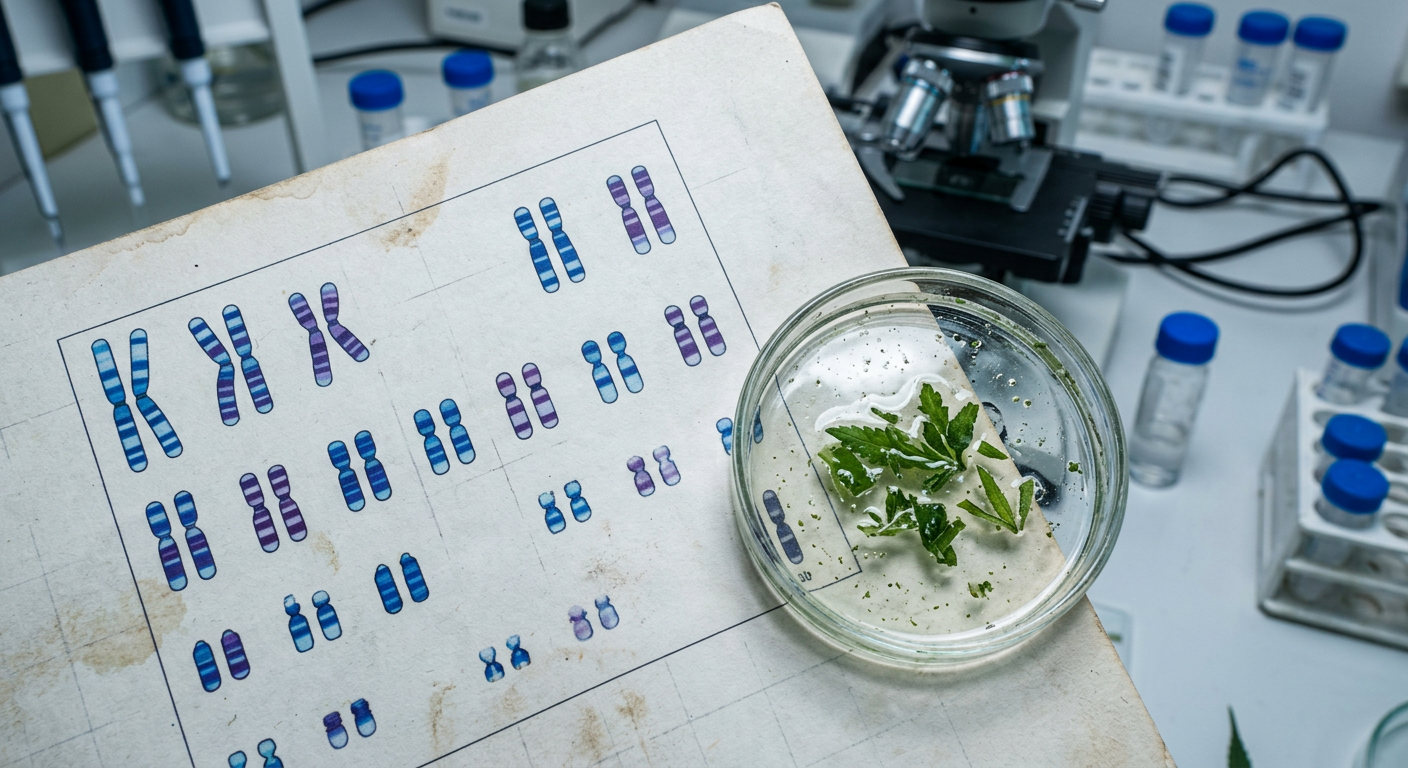
The actual process of submitting cannabis material for genetic testing is simpler than most growers expect. Labs have designed their workflows to accommodate cultivators who are not scientists, and most require nothing more than a small tissue sample and a submission form.
Choose a Testing Service
Select a lab based on the type of test you need — sex testing, strain fingerprinting, cannabinoid gene markers, or full ancestry analysis. Confirmed accreditation (ISO 17025 or equivalent) matters for any result you plan to use commercially or legally.
Collect Your Sample
Most labs require 50–100mg of fresh leaf tissue (cotyledons or young fan leaves work well), or dried tissue, or even a seed. Use clean scissors and store the sample in the provided collection buffer or in a paper envelope — not plastic, which traps moisture and degrades DNA.
Register and Ship
Complete the lab's online submission form, label each sample clearly with a unique identifier, and ship using the lab's recommended method. Most labs accept standard mail for dried samples; fresh tissue often ships overnight with ice packs.
DNA Extraction
The lab extracts DNA from your tissue using chemical lysis and centrifugation. This isolated DNA becomes the template for all subsequent analysis. Quality control checks at this stage ensure the DNA is sufficiently intact for accurate results.
Amplification and Analysis
PCR or qPCR amplifies the target genetic regions. For SSR genotyping, amplified fragments are run through capillary electrophoresis — a process that separates DNA by size and reveals the exact number of repeats at each marker locus.
Compare Against Reference Databases
Your plant's genetic profile is compared against the lab's reference database of known strains. The closer the match (typically expressed as a percentage similarity or a kinship coefficient), the more confident the identification. No match suggests a novel or unreferenced variety.
Receive and Interpret Your Report
Results arrive digitally within 48–72 hours for sex tests, and 5–14 business days for full fingerprinting. Reports include allele data per locus, similarity scores, and often a visual dendrogram showing genetic relationships between your sample and known varieties.
Never collect samples from wilting, diseased, or chemically treated plants. Compromised tissue yields degraded DNA and unreliable results. For sex testing specifically, collect from healthy seedlings at least 7–10 days old for maximum accuracy.
Identifying Misnamed Strains: The Authentication Problem

Strain mislabeling in cannabis is not always intentional fraud — though fraud does occur. More often, it results from informal naming conventions, undocumented breeding crosses, and the decades-long prohibition-era black market where seeds changed hands without any paperwork.
The result is a market where the same strain name can describe genuinely different genetics, and different names can describe genetically identical plants. Genetic authentication cannabis testing cuts through that noise.
Common Mislabeling Scenarios
- Sativa/Indica label errors: Plants labeled sativa frequently carry heavily indica-dominant genetics and vice versa — the 2019 PLOS ONE study found essentially no genetic basis for the commercial sativa/indica distinction as labeled.
- Clone substitution: A sought-after clone (e.g., "authentic" OG Kush) gets replaced by a similar-looking variety somewhere in the distribution chain.
- Seed bank naming drift: The same lineage gets renamed by multiple breeders, and cross-contamination during open pollination events creates divergent phenotypes under identical names.
- Phenotype confusion: Growers select and name phenotypes from a single batch as if they are distinct strains, without understanding they share the same parent genetics.
Genetic authentication doesn't just protect buyers — it protects breeders who've invested years developing proprietary lines. A verified genetic fingerprint is a form of intellectual property documentation that no label counterfeit can replicate.
For growers working with well-documented genetics like White Widow or Sour Diesel — strains with decades of recorded history — genetic testing provides a benchmark. You can confirm your seed's DNA profile aligns with the established reference for that variety before committing to a full grow cycle.
If you're interested in understanding how strain lineage develops over generations, our guide on F1 Hybrid Cannabis Strains explains how hybrid vigor shapes first-generation genetics and why parental authenticity matters so much in structured breeding programs.
Genetic Testing for Breeding Programs

For breeders, DNA analysis is not just a verification tool — it's a foundational breeding instrument. Selecting parents by genetic profile rather than phenotype alone accelerates trait fixation, reduces unwanted variation, and produces more predictable offspring.
Parent Selection and Marker-Assisted Breeding
Marker-assisted selection (MAS) uses genetic markers to predict which plants carry desired traits — even before those traits are physically visible. A seedling can be genotyped for cannabinoid synthesis genes, disease resistance markers, or autoflowering loci (the CYCLING DOF FACTOR 1 gene variant linked to autoflowering) within days of germination.
This allows breeders to cull males and undesirable females from a population of hundreds before spending months growing them out — a dramatic efficiency gain over traditional phenotype hunting.
Stabilizing New Crosses
When developing a new F1 cross, breeders need to know how genetically uniform their parent lines are. High genetic uniformity in parents produces predictable F1 hybrids; heterozygous parents produce variable offspring. SSR genotyping across a candidate parent population reveals that uniformity quickly and cheaply.
Our deep-dive into Cannabis Phenotype Hunting explores how to identify elite individuals within a population — a process that becomes far more efficient when paired with genetic data rather than relying on visual assessment alone.
Documenting Genetic IP
A breeder's proprietary varieties are only as protected as their documentation. A timestamped, lab-verified genetic fingerprint creates a defensible record of originality. If a competitor releases a near-identical strain under a different name, that fingerprint is evidence. This is especially relevant for breeders developing strains for regulated markets where cultivar registration is becoming mandatory.
If you're breeding with landrace genetics, test before you cross. Our guide to Landrace Cannabis Strains explains how isolation and geographic origin influence genetic purity — knowledge that pairs directly with DNA verification to confirm true landrace status.
Genetic Testing Services: What to Look For

The commercial cannabis genetics testing industry has grown rapidly since 2018, and the quality of services varies considerably. Choosing the right lab for your needs requires evaluating several key factors.
Accreditation and Methodology Transparency
ISO 17025 accreditation indicates a lab operates under validated, reproducible scientific standards. Always ask which specific markers are included in a panel, what reference database the lab compares against, and how similarity scores are calculated. Labs that can't answer these questions clearly are best avoided.
Database Size and Reference Diversity
A genetic fingerprint is only as useful as the reference it's compared against. A lab with 500 reference strains in its database will identify far more samples correctly than one with 100. Ask specifically whether the lab's database includes your strain of interest, particularly if you're testing unusual or regional varieties.
Turnaround and Sampling Support
Turnaround time ranges from 24 hours (sex tests) to 2–3 weeks (full fingerprinting with ancestry analysis). Labs that provide sample collection kits, clear submission instructions, and responsive technical support are worth the slight premium they may charge.
- ISO 17025 accreditation or equivalent standard
- Minimum 40 SSR markers or 1,000+ SNPs per panel
- Reference database of 500+ strains
- Transparent methodology documentation available
- Supports both fresh and dried tissue samples
- Offers sample collection kits
- Provides ancestry/relatedness data, not just a match score
- Clear chain of custody documentation for commercial use
Leading services like Phylos Bioscience, Modern Canna Science, and LeafWorks each specialize in different aspects of cannabis genetics testing. Phylos excels at population-level ancestry mapping; Modern Canna focuses on phenotyping and breeding support; LeafWorks leads in supply chain certification and sex testing for commercial hemp operations.
Genetic Testing and Seed Quality: What It Means for Growers
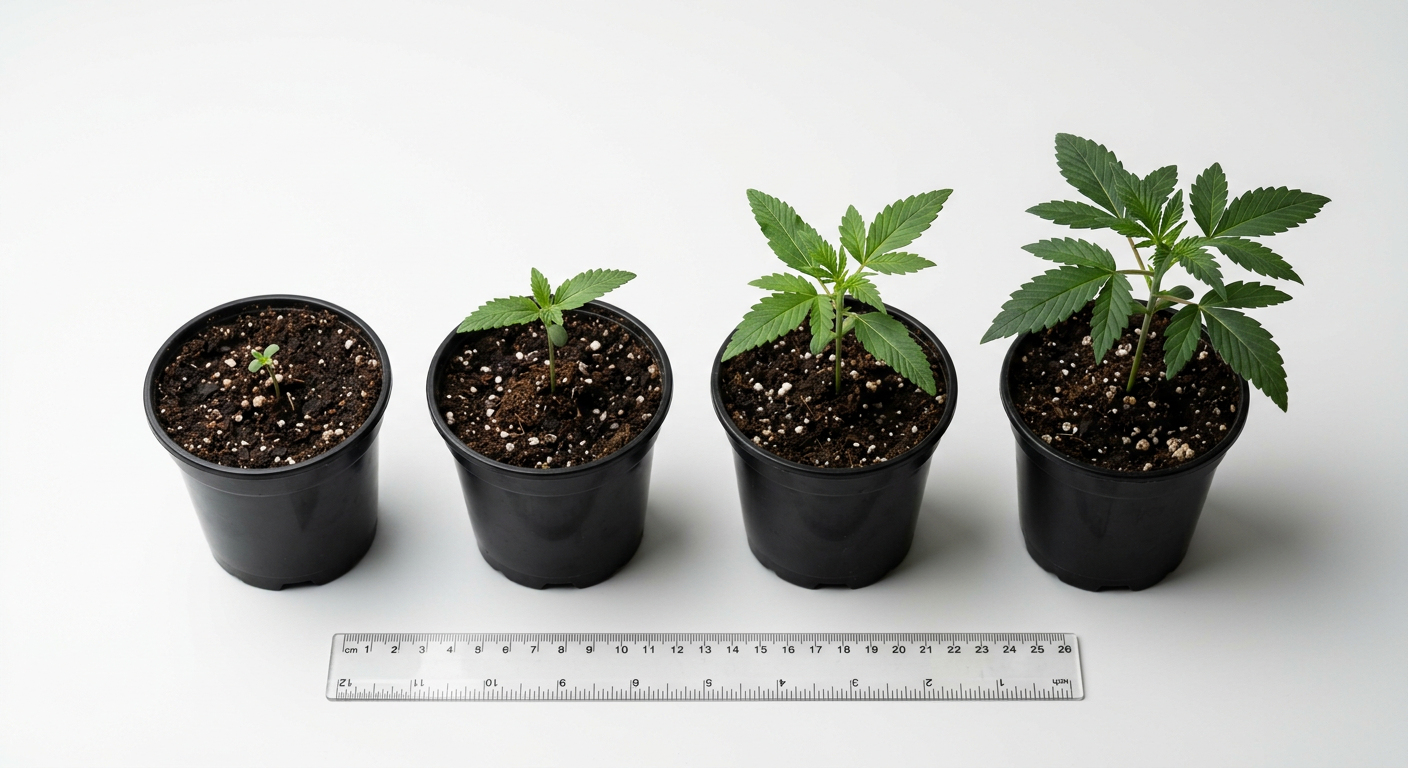
For the home grower or small-scale cultivator, the most immediate value of cannabis genetics testing lies in seed quality assurance. Before you germinate a single seed from a new batch, genetic testing can answer three critical questions: Is this strain what it claims to be? Are these seeds truly feminized? And do the genetics carry any markers for instability or hermaphroditism?
Feminized seed testing is particularly practical. A true feminized seed batch should produce 99.9%+ female plants. Sex testing a sample of 10–20 seeds from a batch confirms this claim — and discovering a 5% male rate before planting saves an entire grow from accidental pollination.
If you discover unexpected male plants in a supposedly feminized batch after planting, remove them immediately before any pollen sacs open. Even a single male can pollinate an entire garden within 24–48 hours under normal airflow conditions, seeding every female plant in the space.
For cultivars where potency is a primary goal — varieties like Black Widow (26% THC) or Skywalker OG Autoflower (23% THC) — verifying that the genetic markers associated with high THCA synthase expression are present gives additional confidence before investing in a full season.
Understanding how genetics interact with environment to produce final cannabinoid content connects directly to other cultivation disciplines. Our guide on the Cannabis Flowering Stage explains how environmental management during weeks 5–8 of flower determines whether your verified high-THC genetics actually deliver their genetic ceiling.
The Future of Cannabis Genetic Authentication
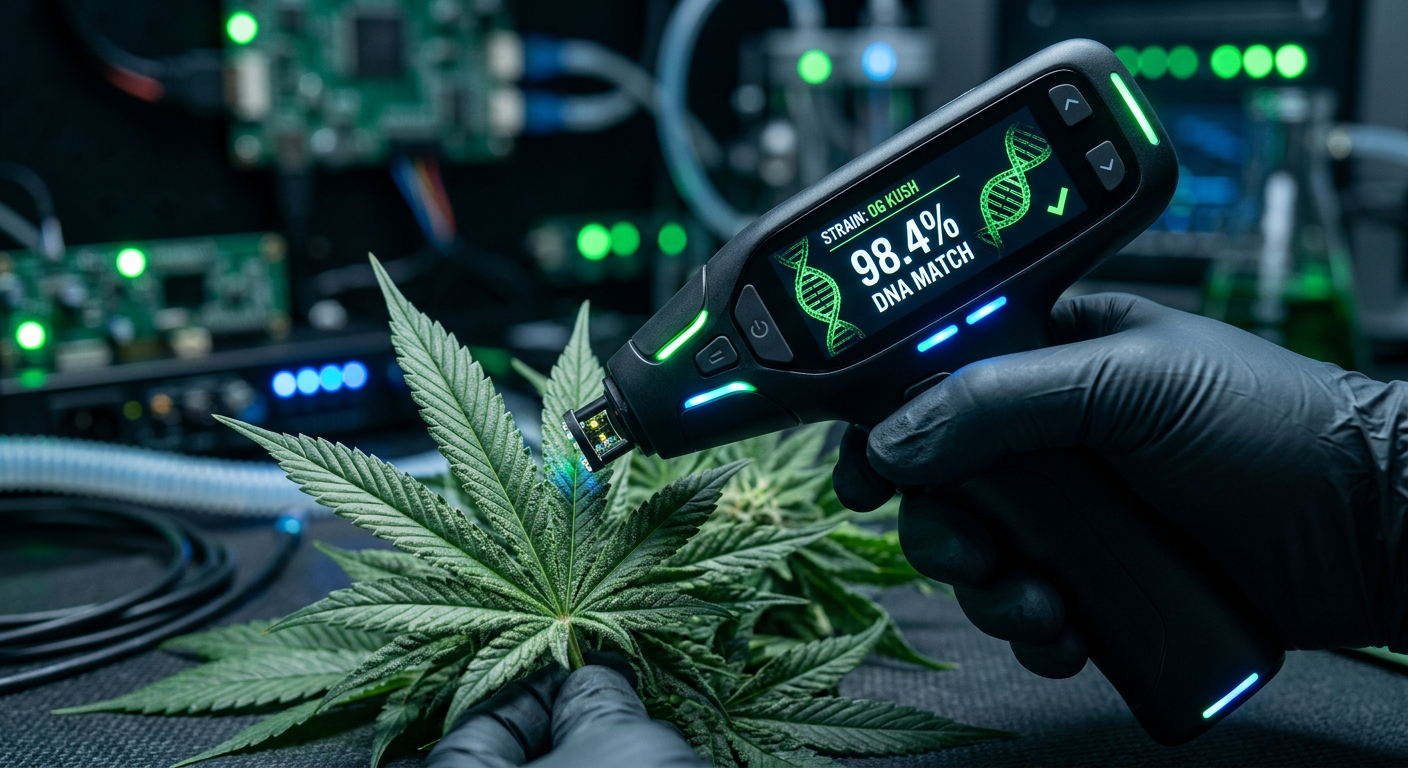
Cannabis genetic testing is moving fast. Technologies that cost thousands of dollars per sample five years ago now run under $100, and the trajectory continues downward. Within the next decade, expect to see point-of-care genetic testing devices that can deliver a strain fingerprint from a leaf sample in under an hour — no lab required.
Blockchain integration is another emerging frontier. Several companies are piloting systems where a plant's verified genetic profile is tokenized on a blockchain at the time of testing, creating an immutable record that follows the plant through processing, packaging, and retail. A consumer scanning a QR code on a product could theoretically verify the genetic identity of what's inside the package against the original lab data.
Regulatory Trajectory
Government regulators in the U.S. and Europe are increasing their interest in cannabis genetic standards. USDA hemp regulations already require demonstrated compliance with THC thresholds — and genetic markers for cannabinoid synthesis genes may eventually supplement or replace expensive chemical testing for initial screening purposes.
Heirloom and Landrace Preservation
One of the most culturally significant applications of genetic testing is in documenting and preserving rare genetics. Organizations working to catalogue and protect heirloom varieties are using whole-genome sequencing to create genetic archives — digital seeds that can theoretically reconstruct lost cultivars in the future. Our guide to Heirloom Cannabis Strains explores this preservation work in depth.
The convergence of falling sequencing costs, blockchain supply chain tools, and tightening regulatory frameworks means genetic authentication will transition from optional premium service to standard industry practice within 5–10 years. Growers and breeders who build genetic documentation habits now will be far ahead of the curve.
Applying Genetic Knowledge to Your Own Grows

You don't need to run your own lab tests to benefit from genetic science. The most practical starting point is choosing genetics from sources that invest in documented lineages, consistent breeding practices, and transparent strain histories — then using available testing services when accuracy genuinely matters.
If you're building a multi-strain garden and want maximum predictability, focus on varieties with well-documented, stable genetics. Crosses with clear, single-generation parentage — like Northern Lights × Big Bud or Super Lemon Haze — tend to express more uniformly than multi-generation back-crosses with murky pedigrees.
Keep a detailed grow journal that records genetic source, test results (if any), phenotype observations, and final yield/cannabinoid data. Over multiple cycles, this journal becomes your own private genetic database — invaluable for selecting the best phenotypes to preserve as clones. Pair this practice with our Phenotype Hunting Guide for a complete selection framework.
For cultivators interested in preserving specific phenotypes long-term, understanding the relationship between genetic stability, environmental inputs, and phenotypic expression is essential. Our articles on VPD for Cannabis and Cannabis Temperature Control explain how consistent environmental management allows the same genetics to express consistently across multiple grows — which is only meaningful if you've verified the genetics are consistent to begin with.
The bottom line: cannabis genetics testing transforms guesswork into data. Whether you test one plant or one thousand, the knowledge you gain — about identity, sex, lineage, and trait potential — compounds in value with every season you grow.
Frequently Asked Questions
How accurate is cannabis DNA sex testing?
qPCR-based sex testing is 99%+ accurate when performed on samples from healthy plants at least 7–10 days old. The test detects Y-chromosome-specific sequences that are definitively absent in female (XX) plants. Accuracy can drop slightly with very early seedlings (under 5 days) or degraded samples, which is why lab collection guidelines emphasize sample quality over convenience.
Can genetic testing predict a strain's THC content?
Genetic testing can identify variants in the THCA synthase gene that strongly predict whether a plant will produce predominantly THC or CBD — this is especially useful for hemp compliance. However, exact THC percentage depends on both genetics and environment (light, temperature, nutrients, harvest timing), so genetic testing predicts potential rather than a guaranteed final number. Chemical potency testing remains necessary for precise cannabinoid quantification.
How much plant material is needed for cannabis genetic testing?
Most labs require just 50–100mg of fresh leaf tissue — roughly the size of a small fan leaf — or an equivalent amount of dried material. Some labs accept seeds directly. Always follow the specific lab's collection protocol, as buffer solutions and storage conditions vary between providers and affect DNA integrity during shipping.
Is cannabis genetic testing worth it for home growers?
For home growers, sex testing makes the most economic sense — identifying and removing male plants early from a feminized batch that shows unexpected males can save an entire crop. Full strain fingerprinting is most valuable when purchasing expensive clones or rare genetics where authenticity directly affects the financial or creative investment. As costs continue to fall below $50/test, the economics favor testing for most serious home cultivators.
Can two different strains have identical genetic test results?
With a sufficiently large marker panel (40+ SSR loci or 1,000+ SNPs), the probability of two distinct strains producing identical profiles is extremely low — statistically comparable to a human fingerprint match. However, very closely related strains derived from the same parent line may show high similarity scores (90%+) rather than a perfect match, which is why labs report similarity percentages rather than simple yes/no identifications.