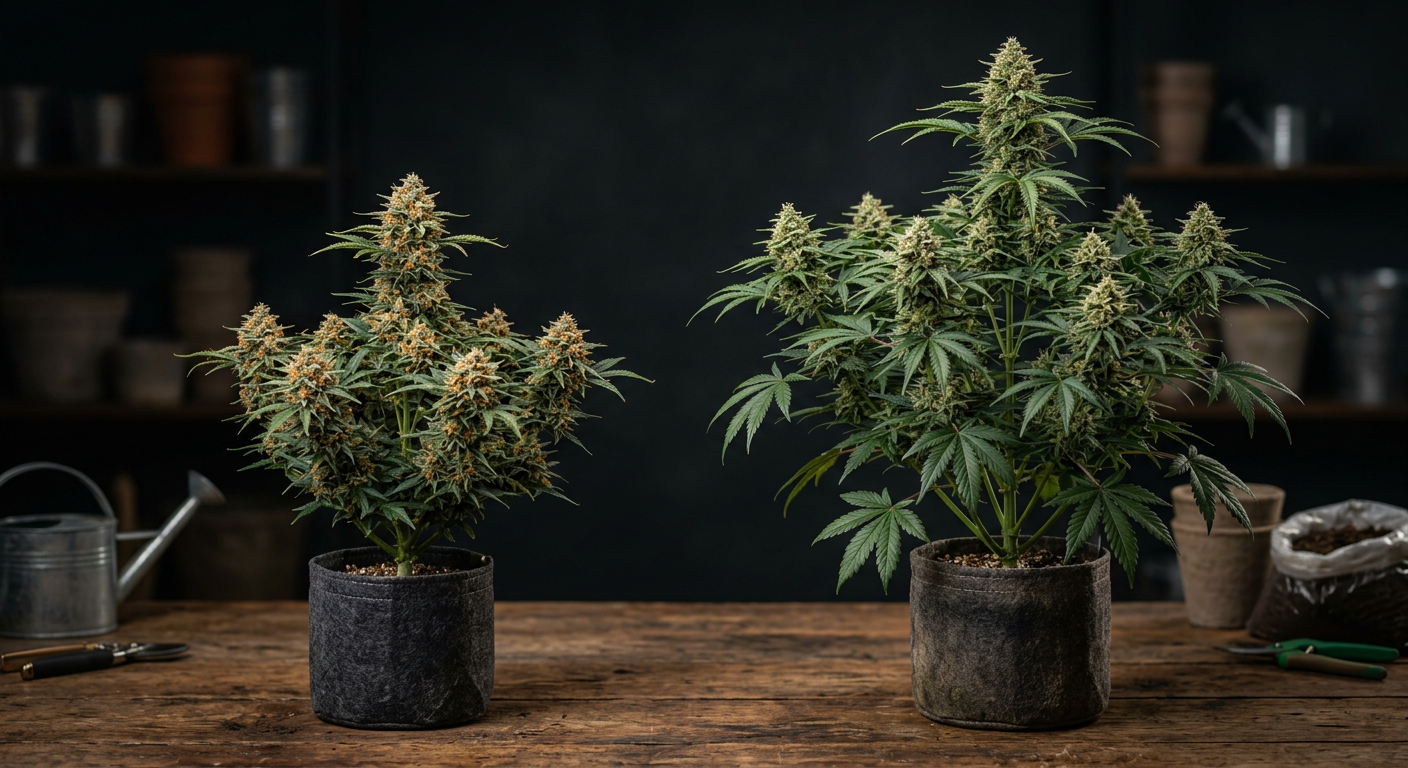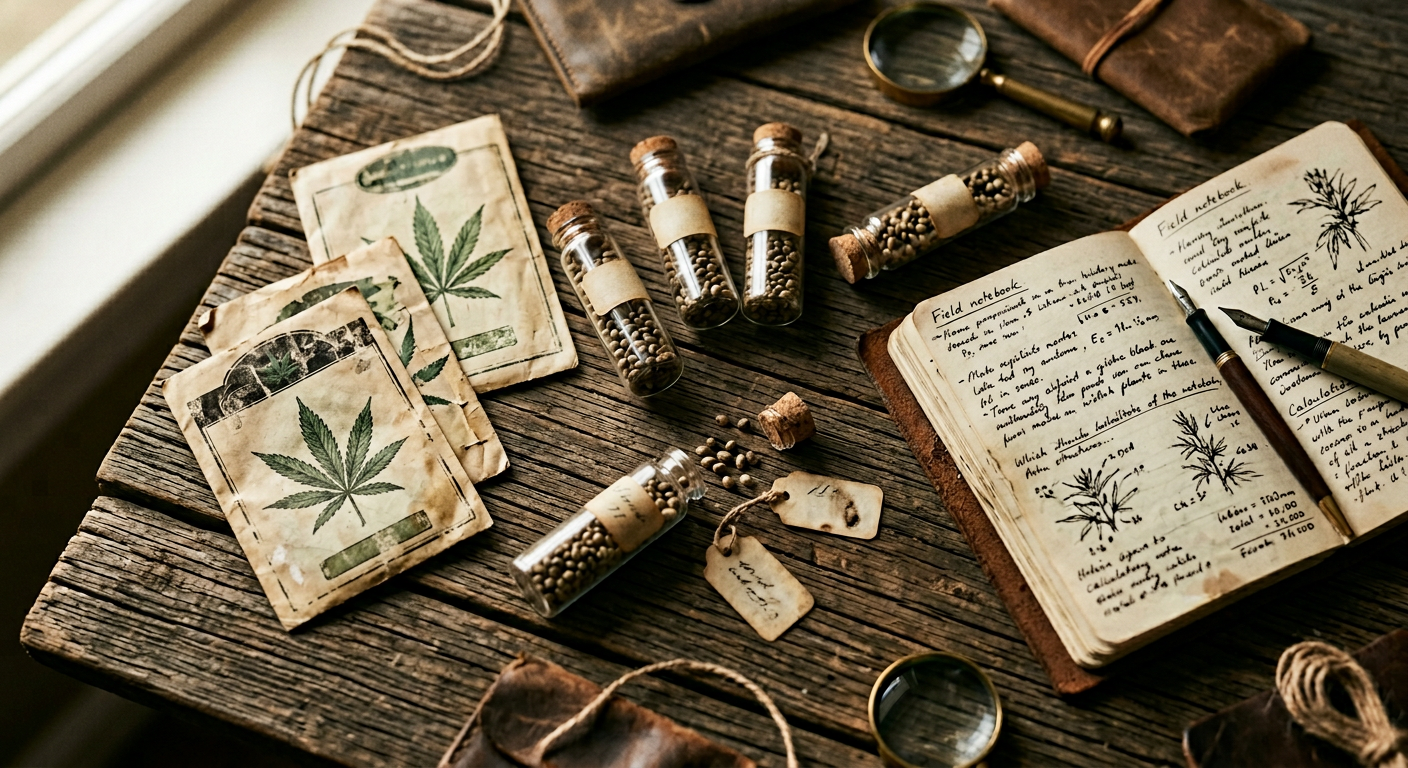
Before OG Kush, before Skunk #1, before every high-THC hybrid that fills today's dispensary shelves — there were the originals. Heirloom cannabis strains are the living archive of everything the plant has been across millennia: the compressed, sticky gold of Acapulco, the soaring cerebral electricity of Thai Stick, the sacred smoke of Jamaica's Lamb's Bread. These are not museum pieces. They are genetics that shaped every strain you know today, and they are in danger of being lost forever.
This guide explores the history, science, and urgent preservation of heritage cannabis genetics — and gives you the practical knowledge to grow, protect, and appreciate these irreplaceable plants.
What Are Heirloom Cannabis Strains? A Clear Definition
Heirloom cannabis strains are varieties that have been cultivated, selected, and passed down through generations of growers without intentional crossbreeding with outside genetics. They originate from landrace populations — geographically isolated cannabis plants that adapted to specific environments over centuries — but have been maintained through deliberate human cultivation.
The simplest way to understand them: a landrace is a wild ancestor, and an heirloom is a cultivated descendant that has stayed true to those roots. Think of it the way gardeners speak of heirloom tomatoes — varieties kept stable through careful seed saving rather than commercial hybridization.
The Three Core Qualities of a True Heirloom
- Genetic stability: Plants reproduce true-to-type from seed, expressing consistent traits across generations.
- Human selection: Growers actively chose the best plants each season and saved those seeds.
- Minimal hybridization: No deliberate crossing with unrelated genetics to alter the foundational profile.
Heirloom strains bridge the gap between wild landrace genetics and modern cultivated varieties. They carry the environmental memory of their region of origin — altitude, humidity, photoperiod, soil — encoded in their DNA across hundreds of growing seasons.
It is worth noting that the terms landrace, heirloom, and heritage are often used interchangeably in cannabis culture, but they are not identical. For a deeper dive into the distinction, our guide on landrace cannabis strains, origins, and characteristics covers the geography and botany in full detail. For the broader genetic science underlying strain development, visit our cannabis genetics pillar guide.
The Deep History of Heirloom Cannabis Strains

Heirloom cannabis strains carry histories that span continents and millennia, evolving alongside the human cultures that cultivated them. Their story begins not in a seed bank, but in the mountains, plains, and river valleys where cannabis first took root.
Central Asian Origins: The Cradle of Cannabis
Modern genetic research places the origin of Cannabis sativa in Central Asia, most likely in the region encompassing present-day China, Mongolia, and Kazakhstan. Archaeological evidence of cannabis cultivation dates to at least 10,000 BCE in Taiwan, where hemp fibers were woven into pottery. By 2700 BCE, Chinese pharmacopeia texts referenced cannabis as a medicinal and ritual plant.
From Central Asia, cannabis spread along ancient trade routes in every direction. Afghan and Hindu Kush varieties moved west toward the Middle East and eventually Europe. Equatorial sativa types traveled south through India and Southeast Asia. Each isolated population adapted to its local environment over generations, developing the distinct characteristics we now recognize as regional landrace genetics.
The Silk Road and Global Spread
The Silk Road, active from roughly 130 BCE to 1450 CE, was not just a trade route for silk and spices — it was one of history's great seed highways. Cannabis traveled with merchants, nomads, and pilgrims from China to Persia, from India to East Africa, from the Middle East to North Africa and eventually the Americas via the transatlantic slave trade and colonial expansion.
Each geographic destination became a new isolation event. A strain that arrived in Jamaica in the 17th century began adapting to its new tropical climate within just a few generations, diverging from its South Asian parents to become what we now recognize as Jamaican heritage genetics.
The 1960s–1970s: The Golden Age of Heirloom Strain Discovery
The most consequential chapter in heirloom cannabis history for modern growers was the hippie trail era of the late 1960s and 1970s. Western travelers — the so-called cannabis explorers — ventured into Afghanistan, Nepal, Thailand, Colombia, and Jamaica, encountering extraordinary regional varieties and bringing seeds home to North America and Europe.
Names like Colombian Gold, Acapulco Gold, Panama Red, and Thai Stick entered the cultural vocabulary not as marketing terms but as literal geographic designations. These were real plants from real places, cultivated by local farmers who had maintained their genetics for generations.
Genetic research published in the journal Science Advances (2021) analyzed over 80 cannabis samples and confirmed that present-day drug-type strains share the most genetic similarity with early South Asian and East Asian cultivars — validating what heirloom advocates have argued for decades: modern hybrids trace directly to these regional ancestors.
Five Legendary Heirloom Strains Every Cultivator Should Know
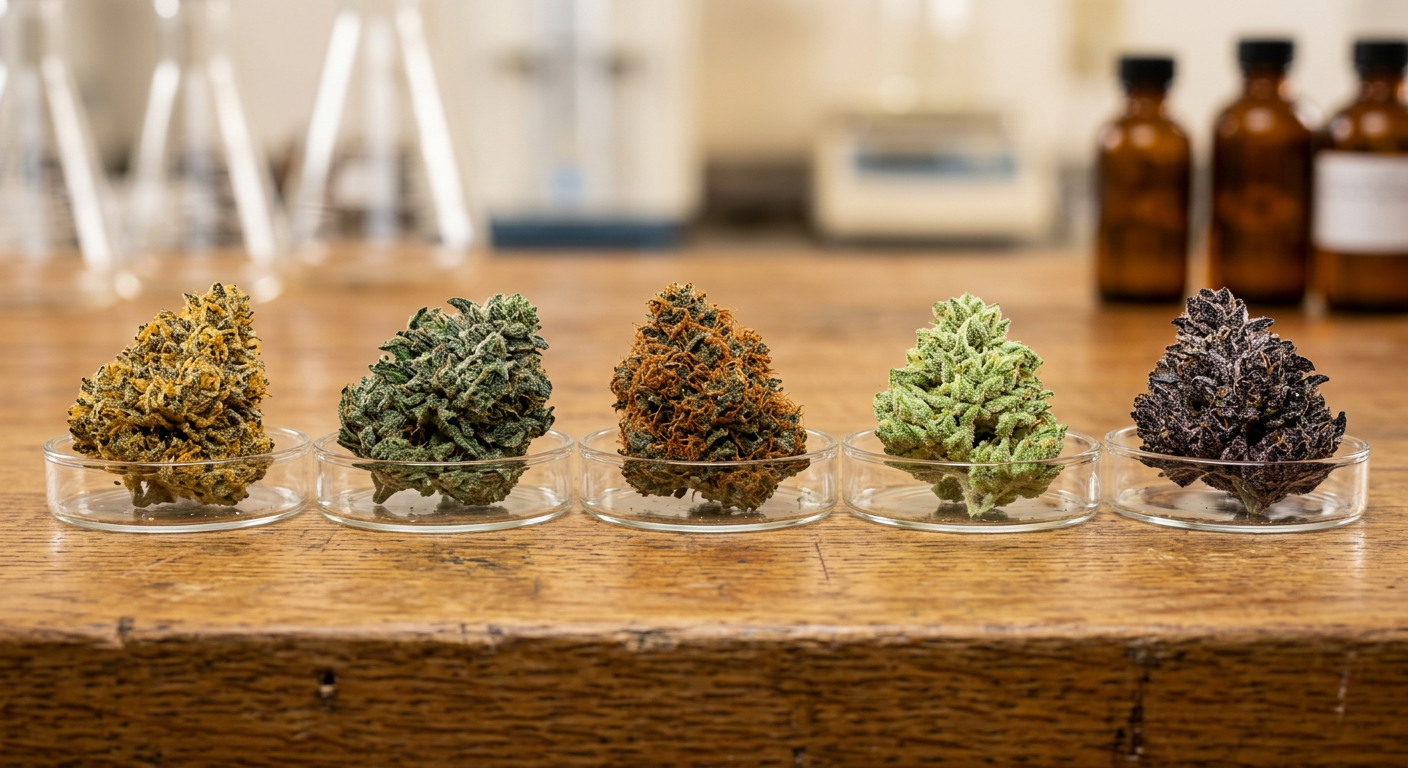
Among the dozens of documented heirloom cannabis strains, five stand out for their historical significance, unique profiles, and lasting influence on cannabis genetics worldwide. Each one tells a distinct story of place, people, and plant.
Lamb's Bread (Jamaica)
Lamb's Bread — also written as Lamb's Breath — is perhaps the most culturally significant cannabis strain in the Western Hemisphere. Deeply embedded in Rastafarian spiritual practice in Jamaica, this tall, vigorous sativa produces light green, sticky buds with a sharp, cheesy-earthy aroma. Its effects are described as uplifting, introspective, and energetically clear-headed.
Genetic analysis suggests Lamb's Bread descends from South Asian sativa stock, likely arriving in Jamaica via the Indian indentured laborers brought to the island by the British in the mid-1800s. Varieties grown in Jamaica adapted to the tropical photoperiod, developing extremely long flowering times of 12–14 weeks that would test most indoor growers' patience.
- THC range: 12–16% (traditional phenotypes)
- Dominant terpenes: Myrcene, terpinolene, ocimene
- Flower time: 12–14 weeks
- Effect profile: Uplifting, spiritual, energetic focus
Thai Stick (Thailand)
Thai Stick earned its name from the traditional preparation method used in Thailand: premium cannabis buds skewered onto a thin bamboo stick, often tied with hemp fiber. The genetics behind Thai Stick are pure Southeast Asian sativa, evolved at low elevations in Thailand's warm, humid climate. These plants can stretch to extraordinary heights — 3 meters or more outdoors — with airy, elongated colas and a potent, psychedelic effect profile that heavy indica users often find overwhelming.
Thai genetics became foundational to many classic Western hybrids. The legendary Haze strains — the backbone of dozens of modern sativas — carry Thai genetics as one of their four parent lines. Without Thai Stick, there is no Haze, and without Haze, the entire lineage of strains like Super Lemon Haze and Amnesia Haze would not exist.
Acapulco Gold (Mexico)
Acapulco Gold is arguably the most famous heirloom strain in American cannabis folklore. Originating from the mountains surrounding Acapulco in Guerrero state, Mexico, this strain produced golden-amber buds with a distinctive burnt toffee and coffee aroma that was unlike anything else on the market in the 1960s and 1970s. It became the benchmark for cannabis quality in the pre-commercialization era.
True Acapulco Gold is a warm-climate sativa that requires a long outdoor season and produces modest yields by modern standards. Its THC typically tested in the 15–20% range historically, though exact figures for heirloom varieties depend heavily on growing conditions. Its genetic contribution to early American seed bank work in the 1980s makes it an ancestor of countless commercial strains.
Durban Poison (South Africa)
Durban Poison originates from the port city of Durban on South Africa's KwaZulu-Natal coast, where farmers had cultivated a distinct cannabis population for generations. It is one of the few African heirloom strains to survive relatively intact into the modern seed market. Durban Poison is characterized by its unusually large, swollen trichomes — exceptional even among heirloom varieties — and its clear, fast-acting cerebral effect profile.
Ed Rosenthal brought Durban Poison seeds to the United States in the late 1970s, where it was stabilized and eventually crossed with Skunk #1 to produce GSC (Girl Scout Cookies) parent stock. Its terpinolene-dominant terpene profile is among the most recognizable in cannabis, producing an anise-sweet-pine aroma that remains unmistakable.
Afghani (Afghanistan/Hindu Kush)
If any single heirloom strain has shaped the modern cannabis market more than any other, it is Afghani — the broad-leafed, dense-budded indica from the Hindu Kush mountains. Adapted to the harsh, cold, high-altitude conditions of Afghanistan and northern Pakistan, Afghani produces small, resin-drenched plants that finish quickly (7–9 weeks) and yield heavily for their size.
Afghani genetics form the backbone of virtually every indica-dominant hybrid in existence today. Northern Lights, Blueberry, Hash Plant, and hundreds of others carry Afghani as a foundational parent. Without this single heirloom, the modern indica market would not exist. Our Northern Lights x Big Bud strain carries this lineage forward with modern convenience.
Every modern cannabis hybrid — from classic Skunk to ultra-potent OG Kush — contains genetic material from heirloom strains. Understanding those foundational genetics is the first step to understanding why any modern strain behaves the way it does.
Heirloom vs. Modern Cannabis Strains: Key Differences
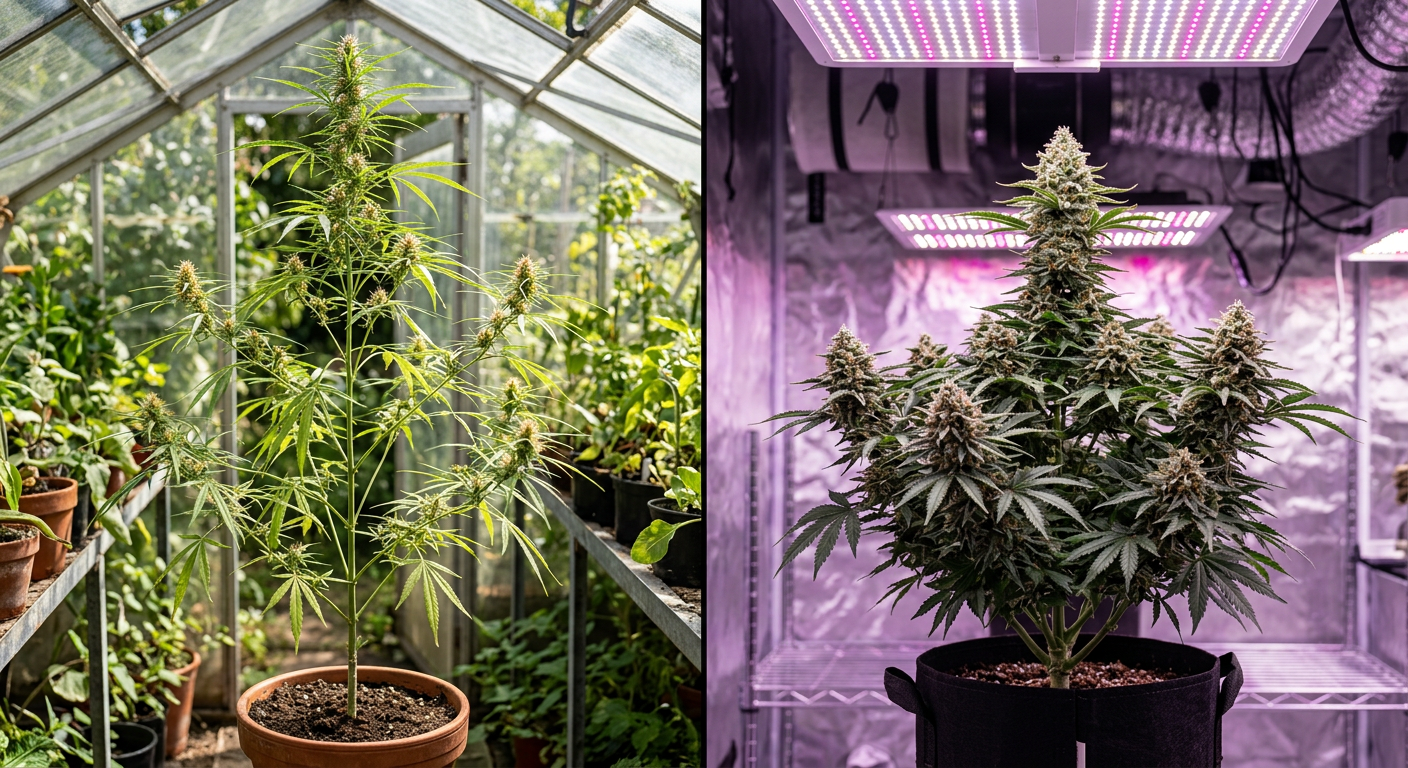
The gap between heirloom and modern cannabis strains is more than just age — it reflects fundamentally different breeding philosophies, agricultural contexts, and chemical profiles. Understanding these differences helps growers make informed choices about what to cultivate and why.
| Characteristic | Heirloom Strains | Modern Hybrid Strains |
|---|---|---|
| THC Range | 10–18% | 20–30%+ |
| CBD Content | Often 0.3–1%+ | Usually near 0% |
| Terpene Complexity | High — regionally distinct profiles | Variable — often myrcene-dominant |
| Genetic Stability | Very high (true-breeding) | Variable (often F1 or polyhybrid) |
| Flowering Time | 10–16 weeks (sativas), 7–9 weeks (indicas) | 8–10 weeks typical |
| Yield Potential | Low to moderate | Moderate to very high |
| Effect Character | Complex, nuanced, regional | Intense, often sedative or euphoric |
| Disease Resistance | Often high (adapted to environment) | Variable — sometimes reduced |
| Indoor Adaptability | Challenging (especially sativas) | Bred for indoor performance |
The shift toward ultra-high-THC modern varieties accelerated dramatically after the 1980s when indoor cultivation normalized and commercial breeders began selecting almost exclusively for cannabinoid potency and yield. This created an increasingly narrow genetic base in the commercial market — one of the reasons heirloom preservation matters so much from a scientific standpoint.
If you are used to growing modern high-THC hybrids, approach heirloom sativas with adjusted expectations. Their lower THC numbers on paper often translate to more complex, longer-lasting experiences that users describe as qualitatively different — not weaker, just different in character.
Why Heirloom Cannabis Genetics Matter to Breeders
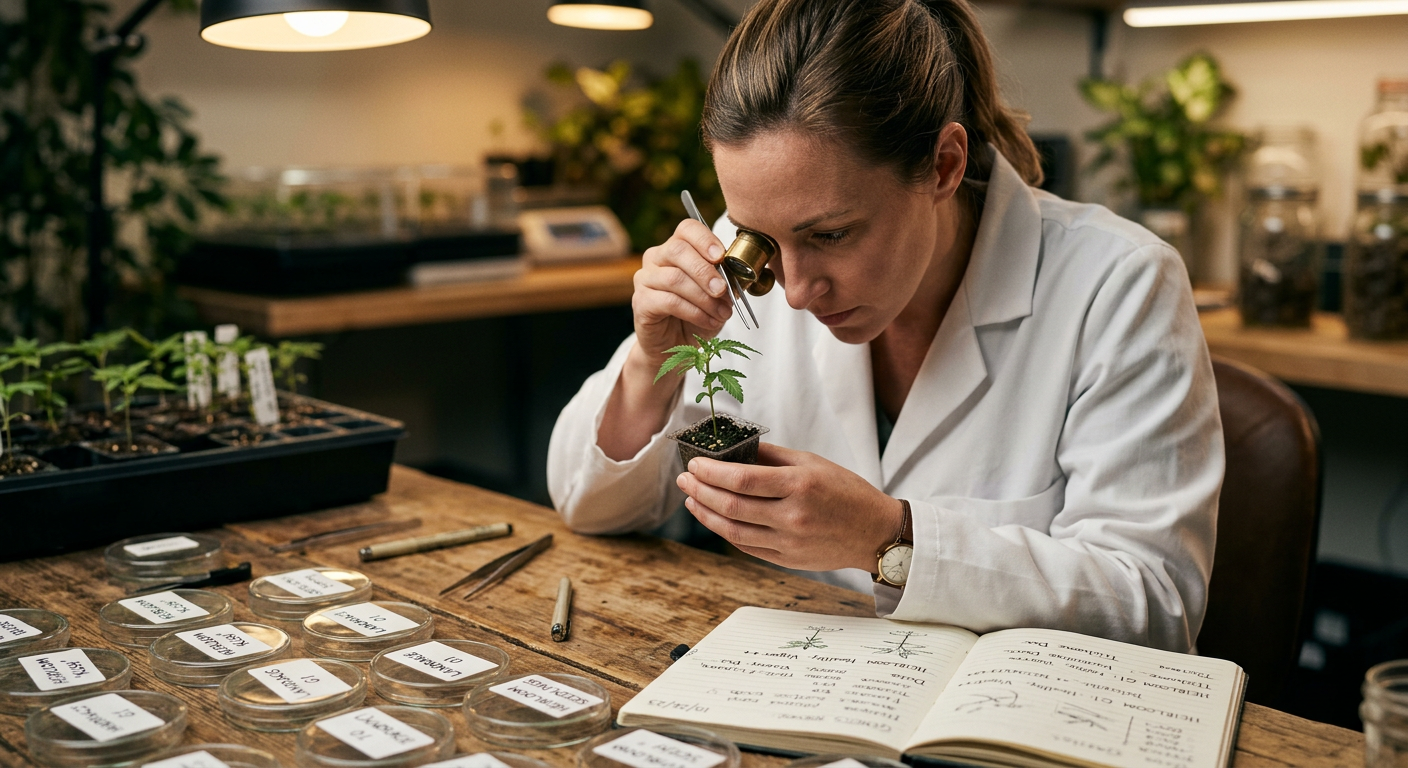
For serious breeders, heirloom cannabis strains are not nostalgic curiosities — they are irreplaceable genetic resources. The reasons go deep into plant science, pharmacology, and the long-term sustainability of cannabis cultivation.
Genetic Diversity as Insurance
Modern commercial cannabis has undergone what plant geneticists call a genetic bottleneck. The intense selection pressure for high THC, rapid flowering, and heavy yields over the past 40 years has dramatically reduced the genetic diversity in commercially available strains. Many of today's popular varieties trace back to just a handful of parent lines — primarily Afghani, Skunk, and OG Kush.
This narrow genetic base creates vulnerabilities. When a new pathogen, pest, or environmental stressor emerges, a genetically uniform crop has little natural variation to draw on for resistance. Heirloom strains, evolved across thousands of generations in diverse environments, carry broad genetic diversity that breeders can access when developing disease-resistant or stress-tolerant new varieties.
Novel Cannabinoid and Terpene Profiles
The scientific understanding of cannabis chemistry has expanded dramatically in the past decade. Cannabinoids beyond THC — CBG, CBC, THCV, CBDV, and dozens more — are now understood to contribute meaningfully to the plant's effects through the entourage effect. Many heirloom strains express elevated levels of minor cannabinoids that have been inadvertently bred out of modern commercial varieties.
- Thai and other equatorial sativas often show elevated THCV levels — associated with appetite suppression and energetic effects.
- African heirloom varieties like Durban Poison and Malawi Gold carry unusually high terpinolene content.
- Some Afghani phenotypes express notable amounts of CBC alongside THC.
- Certain South American heirlooms show unusual limonene-forward profiles not common in hybrid descendants.
For breeders working to develop targeted therapeutic or experience-specific varieties, this chemical diversity is invaluable. You cannot engineer what you do not have — and once a genetic line goes extinct, those chemical expressions may be lost permanently.
True-Breeding Stability for Breeding Programs
Because heirloom strains have been selected over many generations, they tend to be far more genetically stable than modern F1 hybrids or polyhybrids. This stability makes them excellent anchor parents in breeding programs — their predictable expression of specific traits allows breeders to make reliable genetic predictions across generations. Understanding the full scope of F1 breeding is covered in our guide to F1 hybrid cannabis strains and hybrid vigor.
Phenotype hunting in heirloom populations requires a different approach than hunting in modern hybrid seed runs. Because heirlooms are true-breeding, phenotypic variation is narrower — the goal is finding the best individual expression of a consistent type, not searching for outlier phenotypes in a genetically diverse F2 population. Our guide to cannabis phenotype hunting covers methods for both approaches.
How to Preserve Heirloom Cannabis Genetics at Home
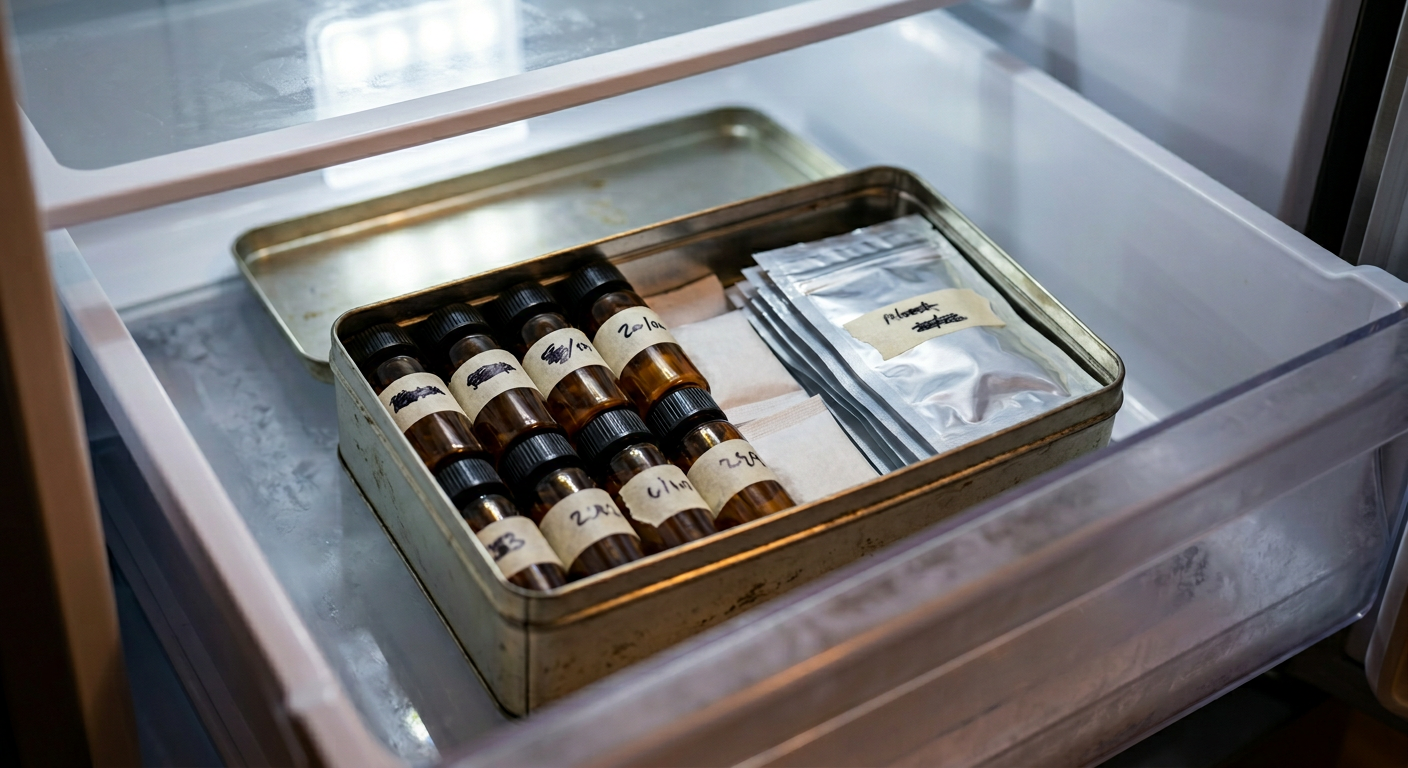
Preserving heirloom cannabis genetics is both a practical skill and a genuine act of botanical stewardship. Whether you have sourced authentic seeds or want to maintain a heritage line you've been growing for years, the methods below will help you keep those genetics viable for decades.
Seed Saving: The Foundation of Heirloom Preservation
The most traditional and accessible preservation method is deliberate seed saving — allowing carefully selected plants to produce seeds and storing those seeds properly. The key word is carefully selected: the plants you choose to pollinate become the genetic representatives of the next generation.
Select Your Parents Deliberately
Choose the 2–4 plants that best express the strain's authentic characteristics: characteristic aroma, structure, flowering time, and effect profile. Avoid selecting parents based on yield or size alone — you will drift the genetics away from the heirloom standard within a few generations.
Controlled Pollination
Isolate a single male or use colloidal silver to reverse a female plant and collect pollen. Apply pollen to your selected female branches using a small brush or by bagging the branch with a pollen-filled bag. This prevents accidental crossing with unrelated genetics.
Harvest and Clean Seeds
Allow the pollinated branches to fully mature — usually 4–6 weeks after pollination. Harvest seeds when the calyxes split and seeds show mature tiger-striping. Clean seeds of plant debris and allow them to dry at room temperature for 2 weeks before storage.
Proper Long-Term Storage
Store dried seeds in airtight glass amber vials or heat-sealed foil packets with a silica gel desiccant maintaining humidity below 8%. Keep in darkness at 35–41°F (2–5°C) — a dedicated drawer in a household refrigerator works well. Label every container with strain name, collection date, and parent plant notes.
Refresh Your Stock Regularly
Even perfectly stored seeds lose viability over time. Plan to run your preserved seeds every 3–5 years, select new parents, and create a fresh seed stock. This also gives you the opportunity to re-evaluate phenotypic consistency and correct any genetic drift.
Never store cannabis seeds in a freezer unless you use a specialized protocol involving gradual temperature acclimation and vacuum sealing. Moisture condensation during freezing and thawing can destroy seed viability within a single freeze-thaw cycle. A refrigerator is safer for most home preservationists.
Maintaining Clonal Lines
For heirloom strains where you have access to a living mother plant, vegetative cloning provides genetic preservation without the variability inherent in seeds. A single mother plant can produce hundreds of genetically identical cuttings over its lifetime, ensuring that specific elite phenotypes are never lost.
- Take cuttings from healthy vegetative growth, never from stressed or flowering plants
- Root cuttings in a sterile medium at 72–77°F with high humidity (75–85% RH)
- Maintain mother plants under 18/6 light schedule to prevent flowering
- Refresh mother plants by rooting a cutting to become the new mother every 12–18 months
- Keep at least 3 backup clones of any irreplaceable heirloom line
- Document mother plant age, health notes, and phenotype characteristics in a grow journal
When preserving heirloom genetics through seed saving, aim for a minimum population of 10–15 plants to maintain meaningful genetic diversity. Breeding from just 2–3 plants repeatedly creates inbreeding depression within 4–5 generations, causing reduced vigor and reproductive issues.
Growing Classic Heirloom Strains: Practical Tips for Success
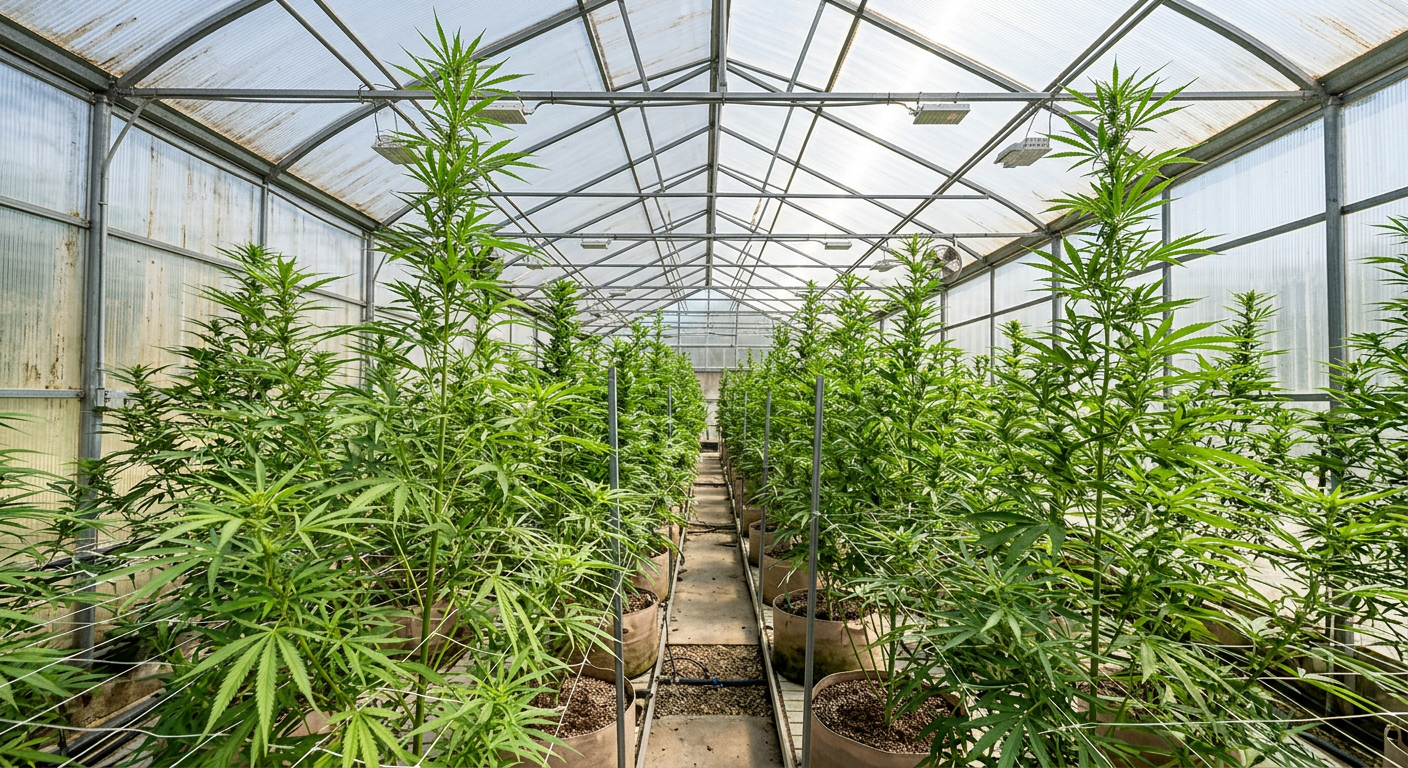
Growing heirloom cannabis strains successfully requires adjusting many of the assumptions built up from growing modern hybrids. These plants were bred for outdoor environments in specific climatic zones — not for 8-week indoor cycles under LED panels. Respecting their natural rhythms is the key to unlocking their potential.
Understanding the Environmental Demands
Tropical and equatorial sativa heirlooms — Thai, Colombian, Congolese, Jamaican — evolved under near-equatorial photoperiods where day length stays close to 12 hours year-round. Indoors, these strains often struggle under the dramatic 18/6 to 12/12 light flip used for standard cannabis grows. Many growers find better results running tropical sativas on a 13/11 vegetative schedule and flipping to 11/13 for flowering to more closely mimic their native photoperiod.
- Equatorial sativas: 11–13 hour light schedules, warm temps (75–85°F), humidity 50–65%
- Highland indicas (Afghani-type): Standard 18/6 veg, 12/12 flower, cooler temps (65–75°F)
- South African varieties: Moderate humidity (45–55%), good airflow, respond well to low-stress training
- South American heirlooms: Long veg period, warm nights, resist heavy defoliation
Training Strategies for Tall Heirloom Sativas
The greatest practical challenge with heirloom sativas indoors is their vigorous vertical growth. Thai genetics especially can stretch 200–300% of their height at flower flip — a plant that enters flowering at 60 cm can easily reach 180 cm or taller before finishing. Without intervention, this makes indoor growing difficult.
Low-stress training (LST), ScrOG (Screen of Green), and early topping are the most effective management tools. For detailed ScrOG methodology, our ScrOG growing guide provides a complete framework. Topping techniques for managing vigorous vertical growth are covered in our topping cannabis plants guide.
Feeding and Soil Considerations
Heirloom strains — particularly equatorial varieties — evolved in soils that are often nutrient-poor by modern agricultural standards. These plants are highly sensitive to salt buildup from synthetic nutrient regimens. Many experienced heirloom growers strongly prefer living soil or organic growing systems that buffer nutrient availability naturally.
Heirloom sativas from tropical regions often show early nitrogen toxicity symptoms (clawing, dark over-green leaves) at feeding rates that modern hybrids handle comfortably. Start at 50% of recommended feeding rates and increase only if deficiency symptoms appear. Less is genuinely more with these varieties.
Our in-depth living soil cannabis growing guide outlines a complete approach that aligns well with the nutrient needs of traditional heirloom varieties.
Patience: The Most Important Heirloom Growing Skill
Heirloom sativas flower for a long time. 12, 14, even 16 weeks of flowering is not unusual for authentic Thai or Colombian genetics. Harvesting early to shorten this timeline fundamentally changes the effect profile — prematurely harvested tropical sativas often produce an anxious, racing effect rather than the expansive clarity they are known for when fully mature.
Learning to read trichome ripeness and bract swell accurately is essential. Our guide on when to harvest cannabis for maximum potency provides the tools to make this call with confidence across any strain type.
Modern Seeds With Heirloom Roots: Heritage-Inspired Strains Worth Growing
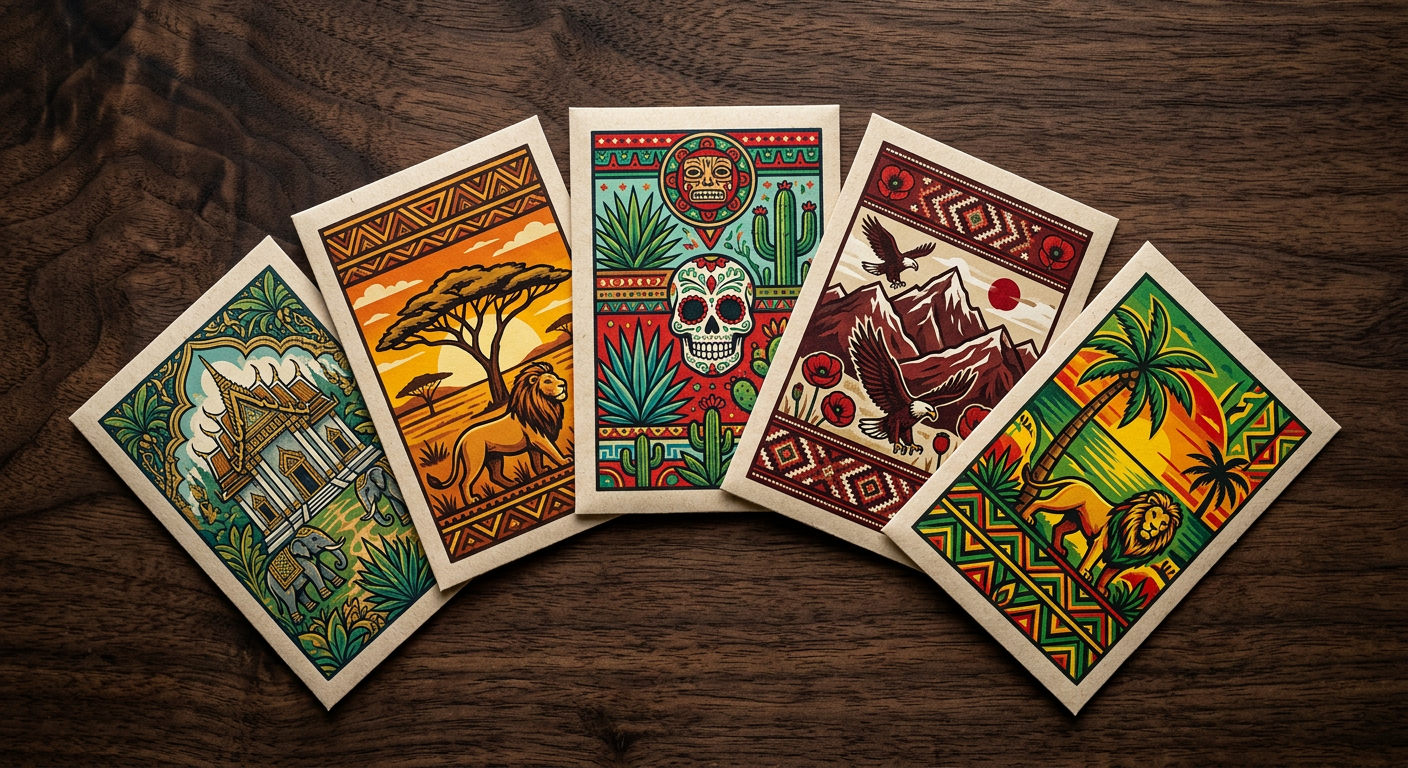
While hunting down authentic heirloom seed stock can be challenging, many modern seed varieties carry significant heirloom lineage — offering a practical entry point into heritage genetics with improved indoor performance. These strains connect you directly to the flavor and experience legacy of their ancestors while growing in a format suited to contemporary cultivation.
Swazi Feminized Seeds — African Heritage, Accessible Format
Our Swazi Feminized Seeds carry genuine Southern African heirloom genetics from the Swaziland highlands, one of the few African landrace-derived varieties still available in feminized form. At 18% THC with a clean, energetic sativa effect profile and distinctive sweet-earthy terpenes, Swazi gives growers a direct connection to African heritage genetics without the extreme flowering times of fully equatorial varieties.
Malawi Gold Autoflower Seeds — East African Lineage
The legendary Malawi Gold strain — one of Africa's most celebrated heirloom sativas — inspired the genetics behind our Malawi Gold Autoflower Seeds. At 13% THC, the cannabinoid profile is modest by modern standards, but the complex terpene expression — earthy, spiced, with unusual anise notes — offers a chemical complexity rarely found in high-THC modern hybrids.
Tangerine Haze Feminized Seeds — Haze Lineage Preserved
Haze genetics represent one of the most important heirloom contributions to modern cannabis — a four-way cross of Colombian, Mexican, Thai, and South Indian landraces developed in California in the early 1970s. Our Tangerine Haze Feminized Seeds at 18% THC carry that classic Haze backbone with an added citrus brightness, offering manageable indoor performance while preserving the characteristic soaring sativa effect of its heritage parents.
California Orange Bud Feminized Seeds — West Coast Heritage
California Orange Bud traces back to the early California cannabis breeding scene of the 1980s, where Mexican and Colombian heirloom genetics were stabilized with early Dutch breeding work. At 15% THC, California Orange Bud Feminized Seeds offer excellent disease resistance, manageable growth structure, and the distinctive sweet citrus aroma that made original California-grown cannabis famous.
Willie Nelson Feminized Seeds — Landrace-Inspired Sativa
Named for the country icon known for his appreciation of fine cannabis, Willie Nelson Feminized Seeds carry Southeast Asian sativa genetics with Thai and Vietnamese landrace influences. At 22% THC, this strain delivers more potency than traditional heirlooms while maintaining the complex, clear-headed sativa effect associated with classic Southeast Asian varieties.
Growing heritage-adjacent strains like Swazi, Malawi Gold, or Haze-derived varieties gives modern cultivators a practical window into heirloom cannabis without the extreme growing challenges of pure equatorial landraces. These strains carry the chemical and experiential legacy of their ancestors in a more manageable form.
The Preservation Crisis: Why Heirloom Strains Are Disappearing
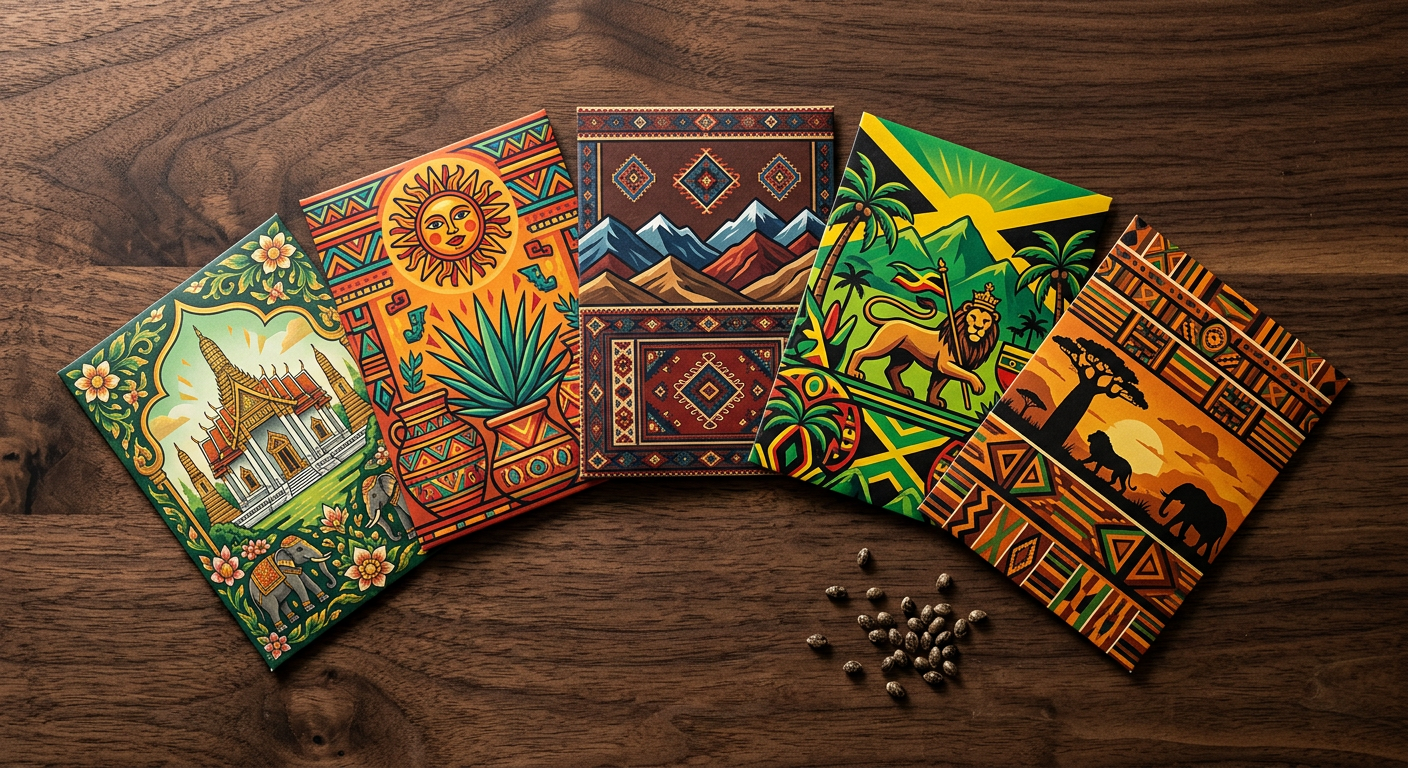
The genetic diversity of cannabis faces a genuine extinction crisis that rarely receives the attention it deserves. As commercial cannabis markets have globalized and demand for high-THC modern hybrids has displaced traditional cultivation, the regional farming traditions that maintained heirloom genetics for generations are disappearing.
Forces Driving Genetic Erosion
- Commercial monoculture: Legal cannabis markets reward high THC and heavy yields, pushing growers away from lower-yielding heirloom varieties.
- Prohibition displacement: Decades of drug enforcement in source countries disrupted traditional cultivation communities and destroyed seed stocks.
- Hybrid replacement: Modern high-yielding hybrid seeds imported into traditional growing regions have displaced local varieties as farmers seek better income.
- Community knowledge loss: The agricultural knowledge embedded in farming families — which plants to select, when to harvest for seeds, how to store genetics — is not being passed to younger generations.
- Climate change: Shifting rainfall patterns and temperatures in traditional growing regions are forcing changes in cultivation practices that affect genetic selection.
Organizations like the Vavilov Institute's seed bank in Russia and the Svalbard Global Seed Vault in Norway preserve agricultural crop diversity broadly — but cannabis, as a controlled substance in most jurisdictions, has received minimal formal institutional protection. The preservation work falls primarily on dedicated private collectors, heritage seed banks, and individual growers.
Once a heirloom cannabis strain goes extinct in its region of origin and its seed stocks are lost, that genetic combination is gone permanently. No amount of modern breeding can recreate what evolution and generations of human selection produced over centuries. The urgency of heirloom preservation cannot be overstated.
How Individual Growers Can Contribute
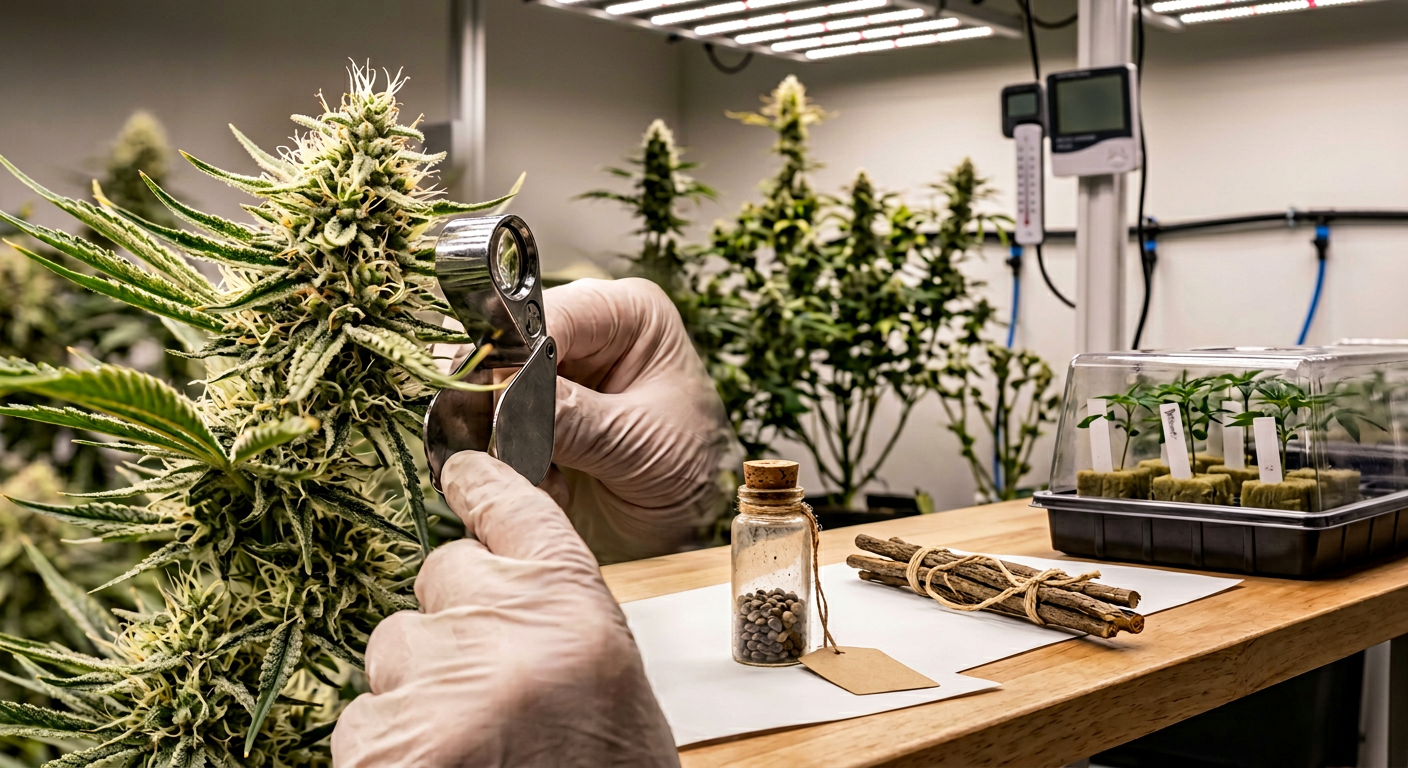
The most meaningful thing an individual cultivator can do is grow, select, and preserve heirloom genetics with intention. Connecting with seed preservation communities, sharing genetics with trusted growers, documenting your plants' characteristics in detail, and running heirloom seed stocks regularly to maintain viability are all concrete contributions.
For growers interested in verifying the authenticity of genetics in their collection, cannabis genetics testing and DNA analysis is now accessible enough for dedicated home cultivators to authenticate claimed heirloom lineages.
Frequently Asked Questions About Heirloom Cannabis Strains
What makes a cannabis strain 'heirloom'?
An heirloom cannabis strain is one that has been grown, selected, and passed down through generations without intentional hybridization with outside genetics. These strains maintain the stable, consistent traits of their original landrace populations and are often tied to specific geographic regions and cultural traditions.
What is the difference between a landrace and an heirloom cannabis strain?
Landrace strains are wild or semi-wild populations that evolved naturally in a specific region over centuries. Heirloom strains are landraces — or very early cultivated varieties — that have been deliberately maintained and passed down by human cultivators, often after being moved from their region of origin. All heirlooms began as landraces, but not all landraces have been cultivated long enough to earn the heirloom designation.
Are heirloom cannabis strains less potent than modern strains?
Most heirloom strains have lower THC levels, typically ranging from 10–18%, compared to modern hybrids that can exceed 30% THC. However, heirloom strains are often valued for their complex terpene profiles and well-rounded effects that many users describe as more nuanced than high-THC modern varieties. Potency is not the only measure of quality in cannabis.
How do you preserve heirloom cannabis seeds long-term?
Store seeds in airtight glass or foil containers with silica gel desiccant to keep humidity below 8%. Keep them in a dark environment at temperatures between 35–41°F (2–5°C). Properly stored heirloom cannabis seeds can remain viable for 5–10 years or longer. Refresh your seed stock every 3–5 years by growing out plants and creating a new generation of seeds.
Can I still find true heirloom cannabis strains today?
Yes, though they are increasingly rare. Dedicated seed preservation organizations, heritage seed banks, and individual collectors maintain genuine heirloom genetics. Strains like Swazi Gold, Malawi Gold, and certain Thai and Colombian varieties are still available through reputable sources focused on genetic preservation. Always research the provenance claims of any supplier offering genuine heirloom genetics.