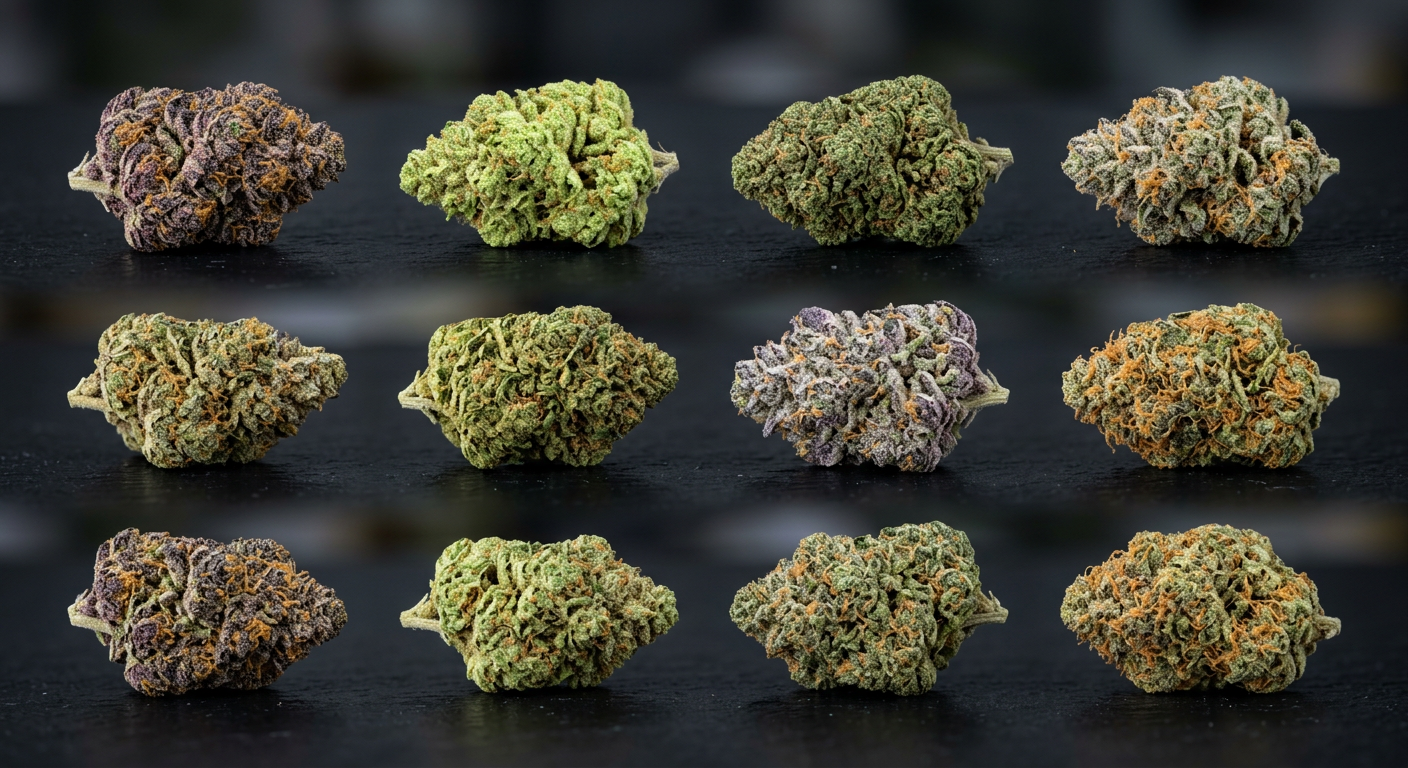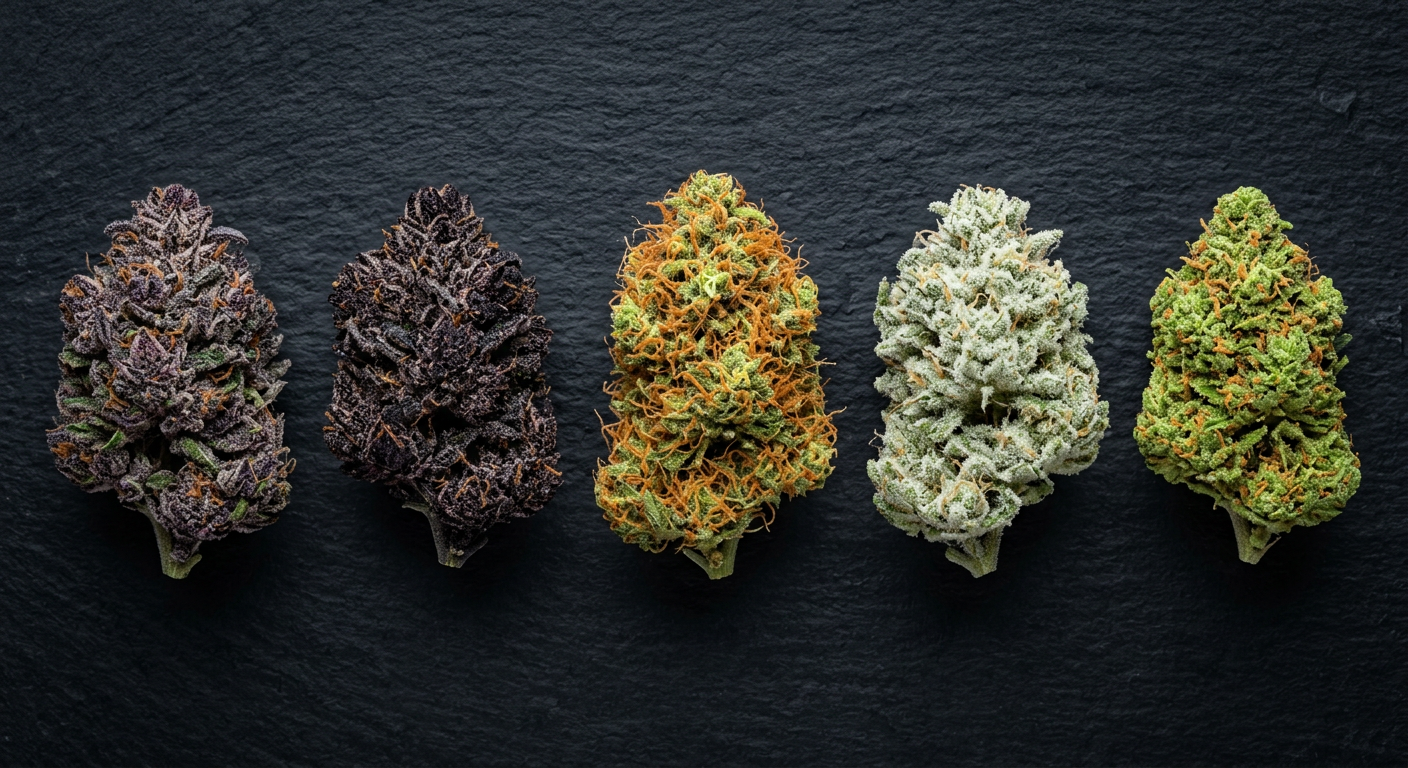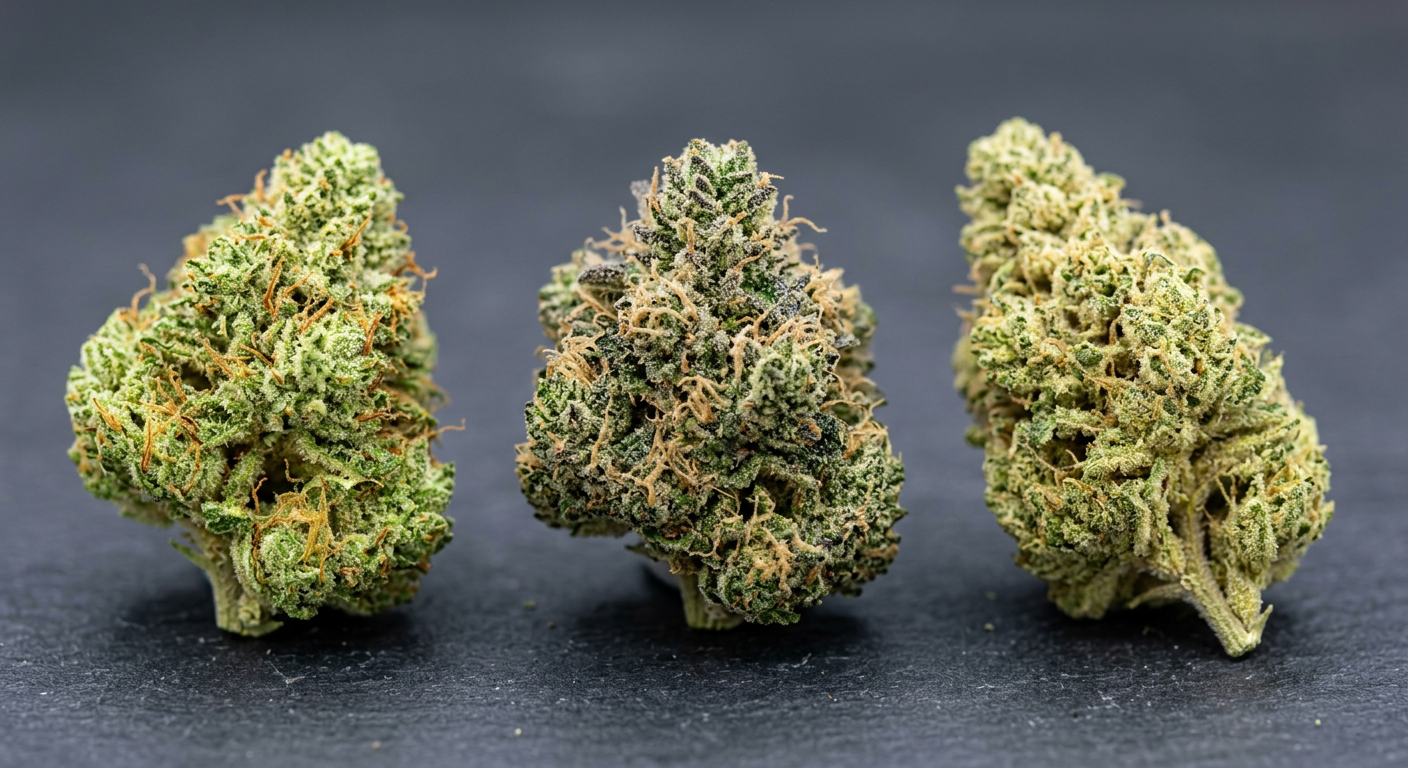
It's 8 a.m. You have a deadline, a full schedule, and zero interest in reaching for a third cup of coffee. The right cannabis strains for energy can flip that script — sharpening focus, lifting mood, and keeping you moving without the jittery crash. But not all strains deliver that experience. Pick the wrong one, and you're sinking into the couch by noon.
This guide breaks down exactly which strains actually energize, why their terpene profiles matter more than the sativa label on the jar, and how to time your dose for maximum productivity. Whether you're a seasoned daytime user or just exploring uplifting options, these are the strains worth knowing.
What Makes a Cannabis Strain Energizing? (The Science)
The most energizing cannabis strains share a specific combination of terpene profiles, moderate THC levels, and sativa-leaning genetics — not just a label on the package.
For decades, consumers used the sativa/indica split as a shortcut for predicting effects. Modern research has complicated that simple story. The actual driver of uplifting, energizing effects is the terpene profile — the aromatic compounds that interact with cannabinoids to shape how a strain feels. Understanding this connection helps you choose smarter, not just faster.
Want to go deeper on how these compounds work together? Our guide on the entourage effect and how cannabinoids and terpenes interact explains the full mechanism.
The Three Terpenes That Drive Energy
- Limonene — Citrus-scented, mood-elevating, stress-reducing. Found heavily in lemon and orange strains.
- Alpha-Pinene — Pine aroma, linked to alertness and short-term memory retention. Counters THC-induced fogginess.
- Terpinolene — Floral and herbal, produces a clear-headed, uplifting buzz without sedation.
Research on terpene-cannabinoid interactions shows that limonene and alpha-pinene may modulate serotonin and dopamine pathways — two neurotransmitters directly linked to motivation, alertness, and sustained attention. This is why two strains with similar THC levels can feel completely different.
THC Level Matters Too
The sweet spot for energy-focused use sits between 18% and 24% THC. Below 15%, effects can feel too mild for productivity. Above 26%, especially without counterbalancing terpenes or CBD, anxiety and mental fog become more likely — the exact opposite of what you want during a work session.
If you're sensitive to THC, look for strains with at least 1% CBD alongside sativa genetics. Even a 10:1 THC:CBD ratio smooths the edge without killing the energizing lift.
Sativa vs. Hybrid for Energy: Which Wins?
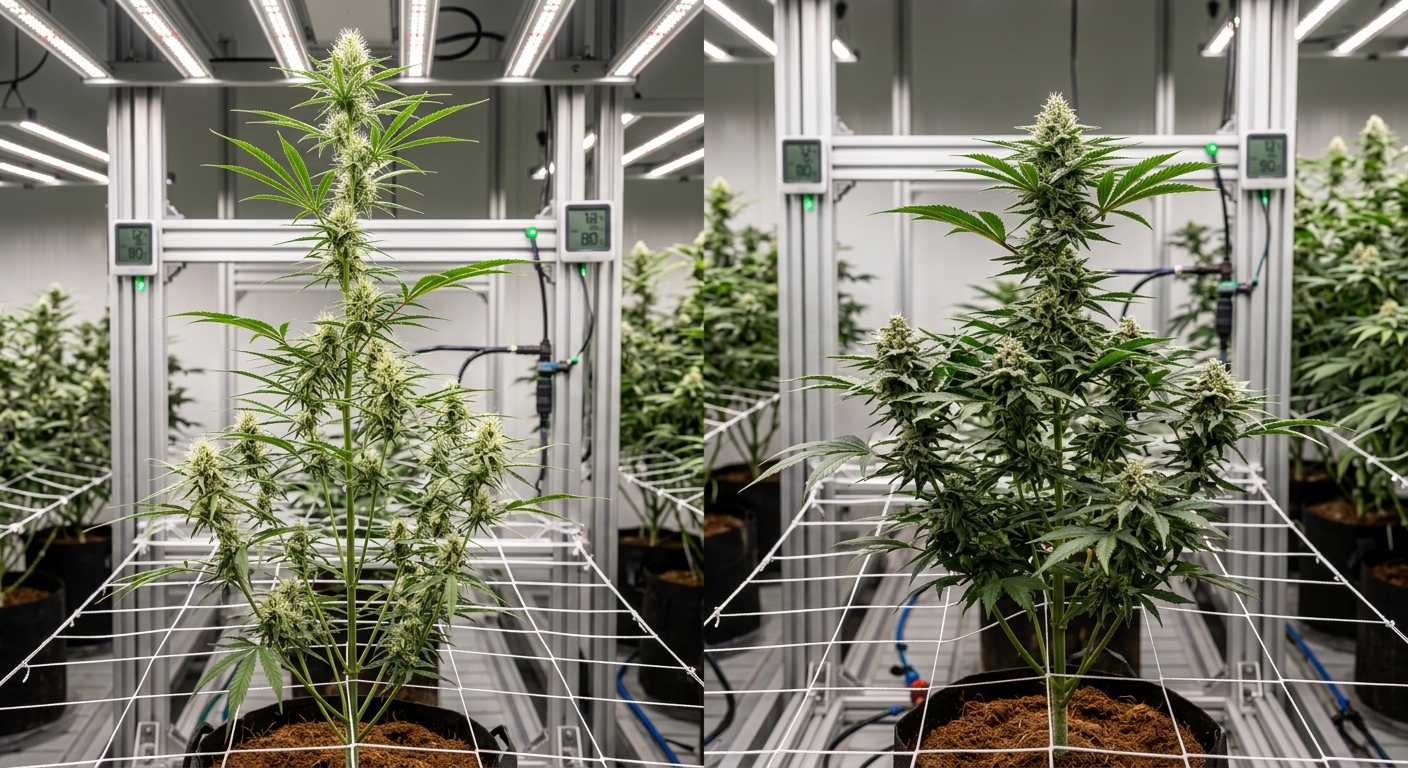
Pure sativas deliver the most cerebral, buzzing energy but can feel overwhelming. Well-bred sativa-dominant hybrids often offer a more balanced, functional high — making them the smarter choice for most daytime users.
The debate between pure sativa strains and sativa-dominant hybrids is real, and the answer depends on your tolerance and use case. Pure sativas like Durban Poison hit fast with an almost electric mental energy, but their intensity can tip into anxiety for newer users. Hybrids such as Sour Diesel or Super Lemon Haze carry 60–80% sativa genetics, delivering the focus and mood lift with a slightly softer edge.
For most daytime users — especially those mixing cannabis with creative or professional work — a sativa-dominant hybrid (60–80% sativa) outperforms a pure sativa in terms of sustained, manageable energy without the racing-mind side effects.
When to Choose Pure Sativa
- You have a high THC tolerance built over years of use
- You need intense creative stimulation for short bursts
- You're using landrace or heirloom genetics for a specific effect profile
When to Choose a Sativa-Dominant Hybrid
- You need sustained focus over 3–5 hours of work
- You're moderately experienced and want energy without edge
- You need a strain that doesn't interfere with social or physical tasks
Curious about the genetic roots of sativa strains? Our deep-dive on landrace cannabis strain origins and traits gives context for understanding where these genetics come from.
The 10 Best Cannabis Strains for Energy and Focus
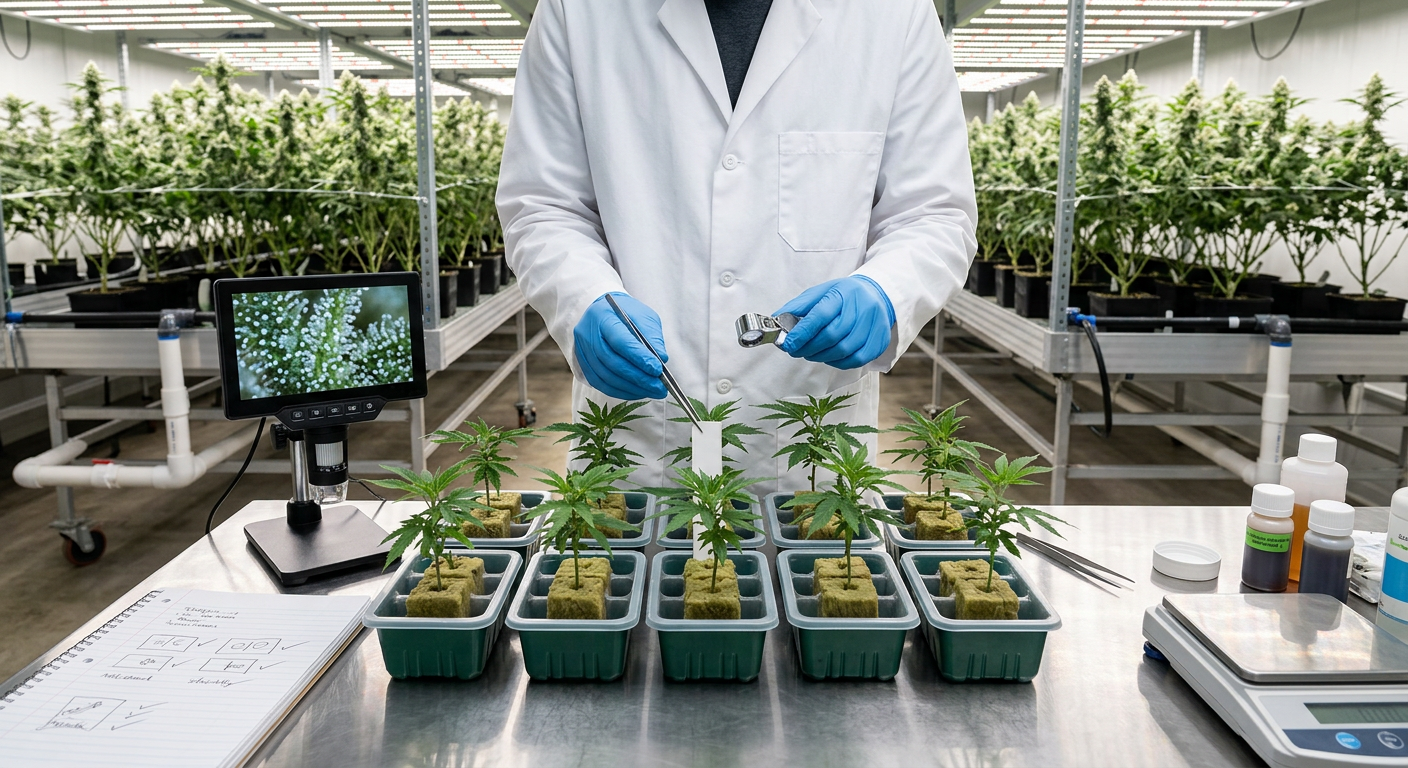
The most uplifting cannabis strains for energy combine sativa-dominant genetics with limonene, pinene, or terpinolene terpene profiles and THC levels between 18–24% for clean, functional daytime effects.
Each strain below is rated on four factors: Energy Level (1–5), Focus Clarity (1–5), Onset Speed, and Duration. These are the strains that actually deliver on the promise.
⚡ #1 — Sour Diesel
Type: Sativa-Dominant Hybrid | THC: 24% | Key Terpenes: Myrcene, Limonene, Caryophyllene
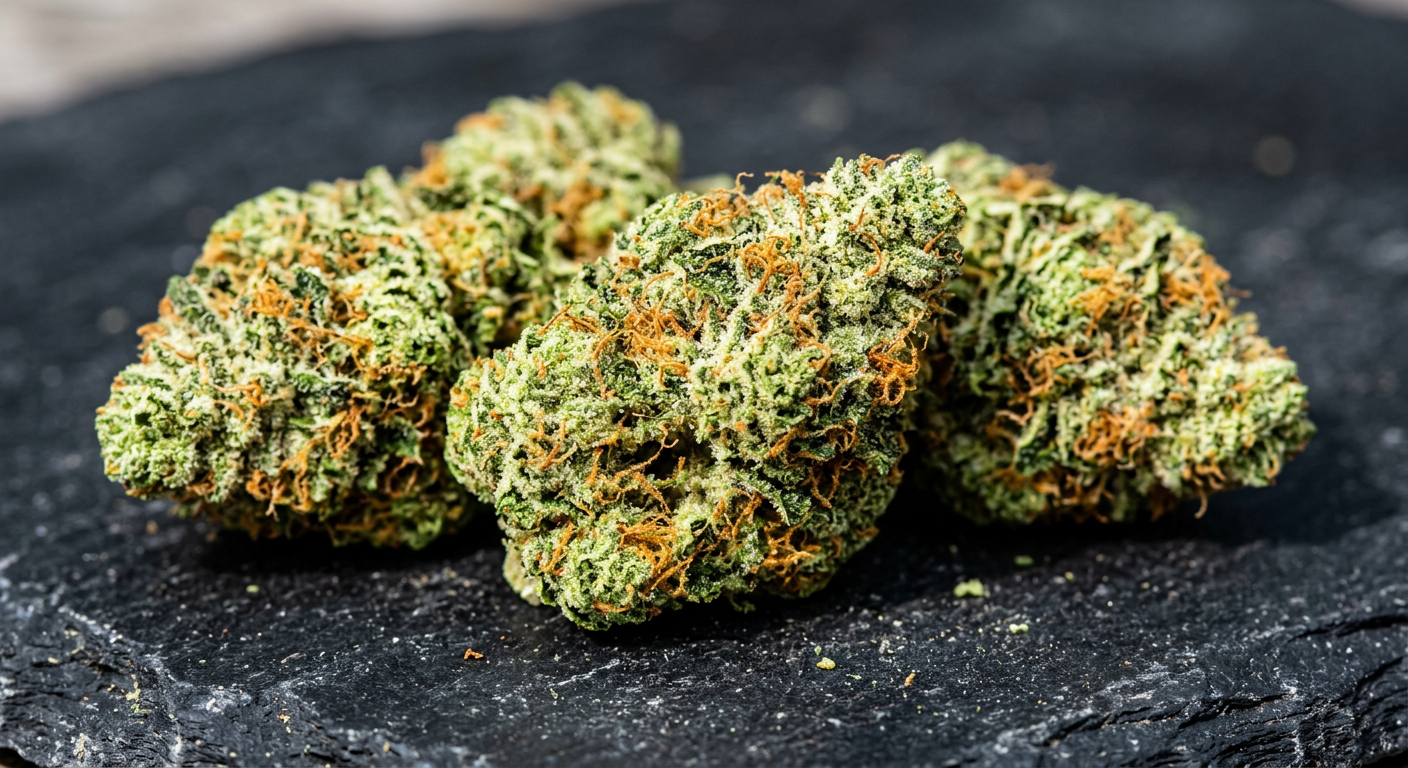
Sour Diesel is the gold standard of daytime cannabis strains. Its fuel-forward aroma is instantly recognizable, and the effect hits like an espresso shot — fast, cerebral, and motivating. Users report increased talkativeness, sharper mental clarity, and a mood elevation that lasts 2–3 hours without heavy sedation at the tail end.
- ⚡ Energy Level: 5/5
- 🧠 Focus Clarity: 4/5
- ⏱ Onset: 5–10 minutes (inhaled)
- 🕐 Duration: 2–3 hours
Grow it yourself: Sour Diesel Feminized Seeds (24% THC) — a tall, resinous plant that rewards experienced indoor growers with massive yields.
🍋 #2 — Super Lemon Haze
Type: Sativa-Dominant Hybrid | THC: 23% | Key Terpenes: Terpinolene, Limonene, Caryophyllene
A two-time Cannabis Cup winner, Super Lemon Haze is one of the most uplifting cannabis strains ever bred. The terpinolene-limonene combination produces a uniquely clear-headed, lightly euphoric effect that makes it ideal for creative sessions and social situations. The lemon-candy flavor is a bonus that makes every session feel like a treat.
- ⚡ Energy Level: 5/5
- 🧠 Focus Clarity: 5/5
- ⏱ Onset: 5–8 minutes
- 🕐 Duration: 2–4 hours
Grow it at home: Super Lemon Haze Feminized Seeds (23% THC) — thrives indoors with ScrOG training to manage sativa height.
🌍 #3 — Durban Poison
Type: Pure Sativa (Landrace) | THC: 20% | Key Terpenes: Terpinolene, Myrcene, Ocimene
Durban Poison is the original energy strain — a South African landrace with a clean, electric cerebral buzz that doesn't quit. It's sweet and anise-forward on the nose, with an effect that feels like a wave of motivated clarity. Experienced users swear by it for morning productivity sessions. Its high terpinolene content makes it unique among pure sativas — less racy than many, more sustainably focused.
- ⚡ Energy Level: 5/5
- 🧠 Focus Clarity: 4/5
- ⏱ Onset: 5–12 minutes
- 🕐 Duration: 3–4 hours
Durban Poison's terpinolene dominance makes it one of the few pure sativas that delivers sustained energy without the anxiety spike common in high-THC sativa strains. It's particularly well-suited for physical activity and outdoor adventures.
🍊 #4 — Tangerine Haze
Type: Sativa-Dominant Hybrid | THC: 18% | Key Terpenes: Limonene, Pinene, Myrcene
Tangerine Haze is an underrated gem in the energizing strain category. At 18% THC, it's approachable for a wide range of tolerance levels while still delivering genuine uplifting effects. The limonene-dominant profile translates to a sunny, optimistic mental state — perfect for morning routines, light work tasks, or outdoor activities. Its citrus aroma is sharp and invigorating right from the first inhale.
- ⚡ Energy Level: 4/5
- 🧠 Focus Clarity: 4/5
- ⏱ Onset: 8–12 minutes
- 🕐 Duration: 2–3 hours
Add it to your garden: Tangerine Haze Feminized Seeds (18% THC) — a forgiving sativa hybrid that performs well in both indoor and outdoor environments.
🚀 #5 — New York Power Diesel
Type: Sativa-Dominant Hybrid | THC: 24% | Key Terpenes: Limonene, Caryophyllene, Pinene
New York Power Diesel punches hard with a 24% THC ceiling and a diesel-citrus terpene profile that drives intense cerebral stimulation. It's a step up from original Sour Diesel in terms of potency while maintaining the same clean-energy character. This strain is best reserved for experienced users who need a powerful creative boost or need to push through demanding mental work.
- ⚡ Energy Level: 5/5
- 🧠 Focus Clarity: 4/5
- ⏱ Onset: 5–8 minutes
- 🕐 Duration: 2–3 hours
Ready to grow it? New York Power Diesel Feminized Seeds (24% THC) — high yields, resilient structure, and serious bag appeal.
✨ #6 — Jack Herer
Type: Sativa-Dominant Hybrid | THC: 18–23% | Key Terpenes: Terpinolene, Pinene, Myrcene
Named after the legendary cannabis activist, Jack Herer is one of the most awarded strains of all time — and for good reason. The effect is blissfully clear-headed, creative, and conversational. It doesn't race your mind; it organizes it. Terpinolene and pinene work in tandem to create focus that feels natural rather than forced. Artists, writers, and musicians have relied on it for decades.
- ⚡ Energy Level: 4/5
- 🧠 Focus Clarity: 5/5
- ⏱ Onset: 8–15 minutes
- 🕐 Duration: 2–3 hours
🌿 #7 — Green Crack
Type: Sativa-Dominant Hybrid | THC: 17–22% | Key Terpenes: Myrcene, Caryophyllene, Ocimene
The name says everything. Green Crack is renowned for delivering one of the most sharply energizing experiences in the cannabis world — a rapid-onset mental rush that locks in focus and pushes out fatigue. Despite the myrcene presence (usually associated with sedation), the overall terpene-THC interaction in Green Crack skews uplifting and stimulating. It's a strain you feel within minutes.
- ⚡ Energy Level: 5/5
- 🧠 Focus Clarity: 4/5
- ⏱ Onset: 3–7 minutes
- 🕐 Duration: 2–3 hours
Green Crack is not recommended for anxiety-prone users. Its rapid, intense onset can amplify existing stress if you're already wound up. Start with a smaller dose than you think you need — especially if it's your first session of the day.
🍍 #8 — Jillybean
Type: Sativa-Dominant Hybrid | THC: 18% | Key Terpenes: Limonene, Myrcene, Caryophyllene
Jillybean is a mood-first energy strain — less about razor-sharp focus and more about sustained positivity and gentle mental activation. Its tropical, candy-sweet aroma masks a surprisingly functional effect that keeps users cheerful and engaged without overstimulating. It's the perfect strain for social work environments or collaborative creative tasks where interpersonal energy matters as much as individual focus.
- ⚡ Energy Level: 3/5
- 🧠 Focus Clarity: 3/5
- ⏱ Onset: 10–15 minutes
- 🕐 Duration: 2–3 hours
Grow your own: Jillybean Feminized Seeds (18% THC) — a manageable hybrid with colorful orange and yellow-tinged buds that's a pleasure to grow indoors.
🌟 #9 — Blueberry Haze
Type: Sativa-Dominant Hybrid | THC: 20% | Key Terpenes: Myrcene, Terpinolene, Pinene
Blueberry Haze bridges the gap between a fruity, enjoyable flavor experience and legitimate functional energy. The Haze genetics push the effect profile firmly into cerebral territory, while the Blueberry heritage rounds off any harsh edges. The result is a balanced, long-lasting uplift that suits daytime use without causing jitteriness. At 20% THC, it's potent enough to be effective but forgiving enough for regular consumers.
- ⚡ Energy Level: 4/5
- 🧠 Focus Clarity: 4/5
- ⏱ Onset: 8–12 minutes
- 🕐 Duration: 2–4 hours
Explore it: Blueberry Haze Feminized Seeds (20% THC) — an attractive indoor plant with a spectacular fruity aroma that fills the room.
💫 #10 — Amnesia Haze
Type: Sativa-Dominant Hybrid | THC: 17% (Auto) | Key Terpenes: Terpinolene, Myrcene, Pinene
Amnesia Haze is a European cannabis classic — a multiple Cannabis Cup winner famous for its long-lasting, spacey-but-focused effect. Despite the name, it actually enhances sensory awareness and mental engagement rather than impairing memory. Its terpinolene-pinene backbone drives a consistent, clean energy that's particularly popular among daytime users in creative industries. The autoflowering version makes it accessible even for growers with limited space or time.
- ⚡ Energy Level: 4/5
- 🧠 Focus Clarity: 4/5
- ⏱ Onset: 10–15 minutes
- 🕐 Duration: 3–4 hours
Start growing: Amnesia Haze Autoflower Seeds (17% THC) — perfect for indoor growers who want sativa effects on an autoflowering schedule.
Terpene Cheat Sheet: Which Terpenes Drive Uplifting Effects?
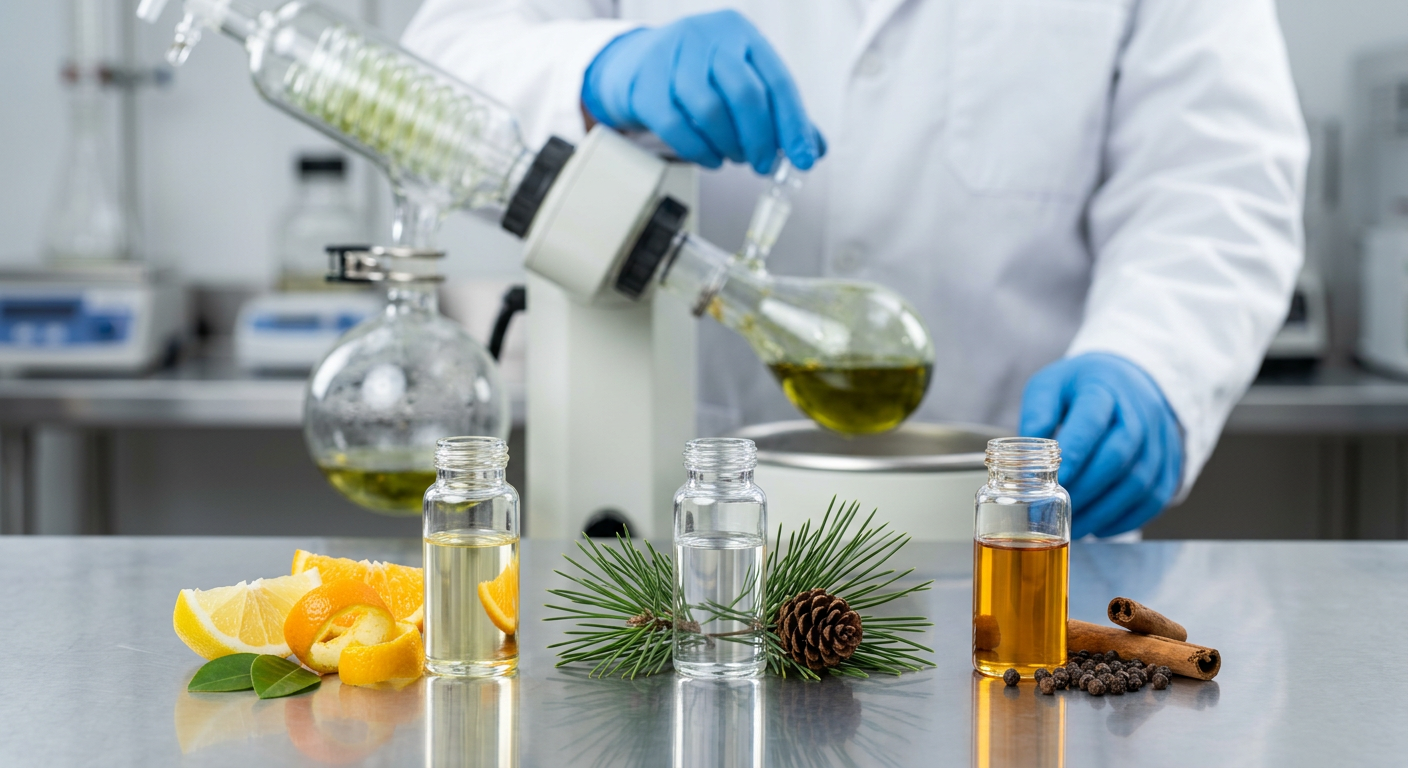
Four terpenes — limonene, alpha-pinene, terpinolene, and beta-caryophyllene — are the primary drivers of uplifting, energizing cannabis effects. Identifying these in a strain's lab report gives you a reliable predictor of the high before you ever consume it.
If you want to understand your strains at the chemical level, check out these deep-dive guides:
- Alpha-Pinene in Cannabis — complete effects and strain guide
- Myrcene in Cannabis — how context changes its effects
- Beta-Caryophyllene — the balancing terpene
Terpene Energy Index
| Terpene | Aroma | Primary Effect | Energy Rating | Common Strains |
|---|---|---|---|---|
| Limonene | Citrus, Lemon | Mood elevation, stress relief | ⚡⚡⚡⚡⚡ | Super Lemon Haze, Sour Diesel, Tangerine Haze |
| Alpha-Pinene | Pine, Fresh | Alertness, memory retention | ⚡⚡⚡⚡ | Jack Herer, Amnesia Haze, Blueberry Haze |
| Terpinolene | Floral, Herbal | Clear-headed uplift, no sedation | ⚡⚡⚡⚡ | Durban Poison, Jack Herer, Amnesia Haze |
| Beta-Caryophyllene | Pepper, Spice | Stress reduction, balanced energy | ⚡⚡⚡ | Sour Diesel, Green Crack, Jillybean |
| Ocimene | Sweet, Woody | Uplifting, antifatigue | ⚡⚡⚡ | Durban Poison, Green Crack |
| Myrcene | Earthy, Musky | Relaxation (context-dependent) | ⚡ | Most strains — balanced by other terpenes in sativas |
High myrcene levels (above 0.5%) are associated with sedative, body-heavy effects in isolation. However, in sativa-dominant strains where limonene or terpinolene are the primary terpenes, myrcene plays a secondary role and doesn't dominate the effect profile. Always look at the full terpene panel, not just the top result.
For a comprehensive look at how these compounds interact and shape the full cannabis experience, the Cannabis Genetics hub is the essential starting point for understanding strain chemistry.
THC:CBD Ratios for Daytime Use: What the Numbers Mean
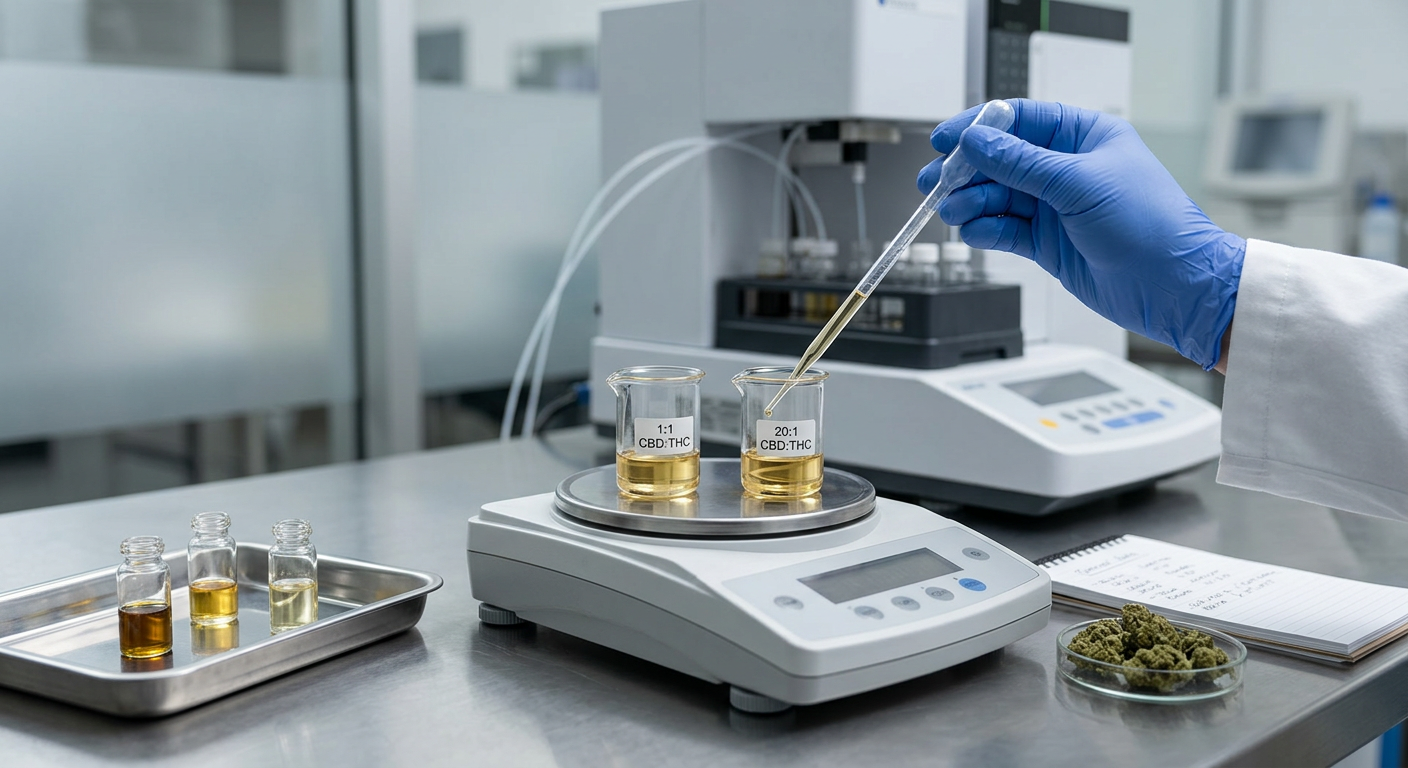
For daytime energy, a THC:CBD ratio between 10:1 and 20:1 with THC in the 18–24% range gives most users functional stimulation without anxiety. Lower ratios with more CBD reduce intensity while preserving the uplifting mood effect.
The ratio question matters more than most people realize. CBD doesn't cancel out THC — it modulates it, softening the anxious edge while preserving the clarity. This is why some users who found high-THC sativas overwhelming discovered they work perfectly at a 10:1 THC:CBD ratio instead of 20:1.
Ratio Guide by User Type
- 20:1 THC:CBD — Experienced users seeking intense cerebral stimulation
- 10:1 THC:CBD — Regular users who want energy without anxiety risk
- 5:1 THC:CBD — Sensitive users or those new to energizing strains
- 1:1 THC:CBD — Microdosers seeking mood lift without significant psychoactivity
- CBD-only — Those who want alertness support with zero intoxication
Timing Your Dose: When and How to Use Energizing Strains
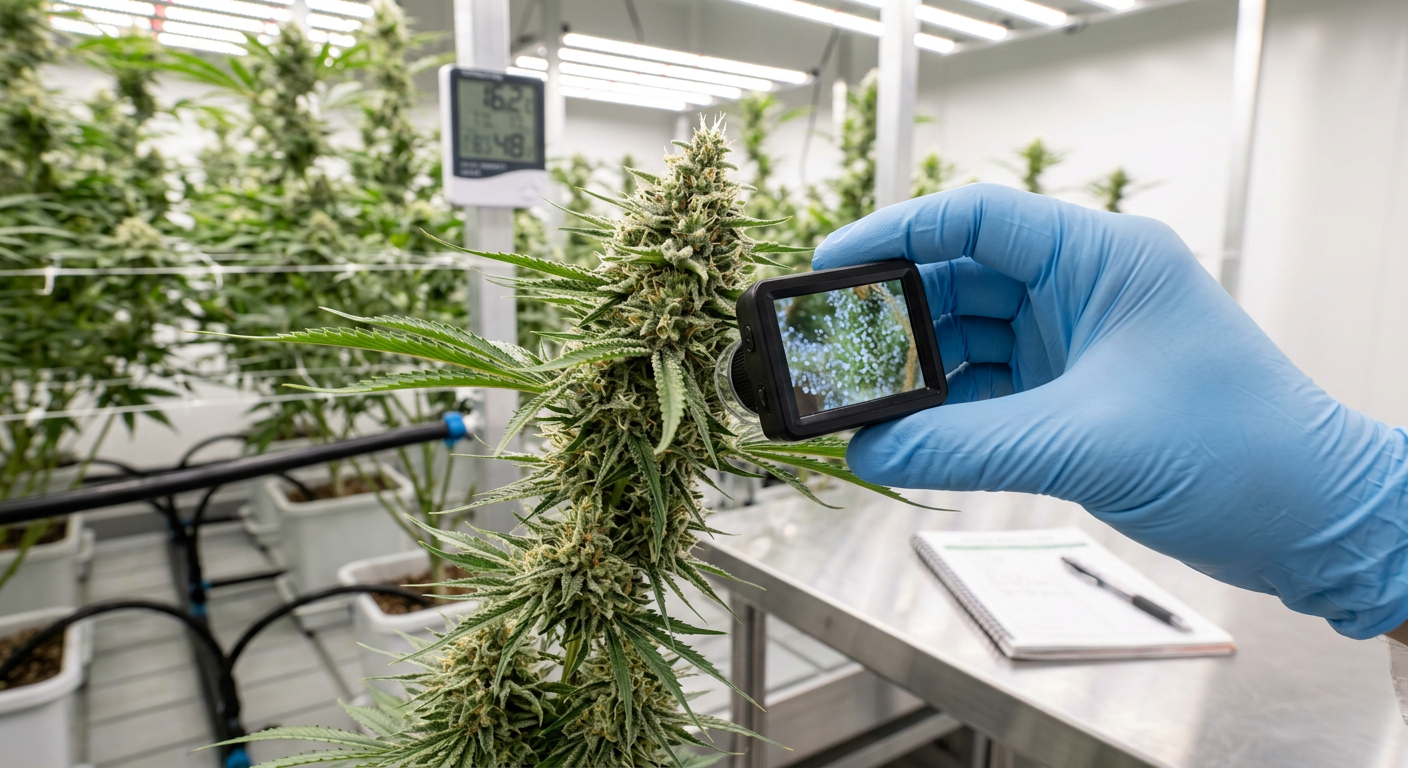
The best time to use energizing cannabis strains is between 7 a.m. and 1 p.m. Using sativa strains after 3 p.m. frequently disrupts sleep quality, even when the acute effects feel manageable.
Timing transforms an already good strain into a perfect tool. Even the most energizing sativa becomes counterproductive if it's disrupting your sleep at midnight or creating an anxious afternoon spiral. These step-by-step timing guidelines help you extract maximum value from your daytime strains.
Morning Activation (7–9 AM)
Best for highest-energy strains like Sour Diesel, New York Power Diesel, or Green Crack. One to two small inhales from a dry herb vaporizer at this window provides a full 2–3 hour productive block before effects naturally taper.
Midmorning Boost (10 AM–12 PM)
Ideal for moderate-energy strains like Blueberry Haze, Jack Herer, or Amnesia Haze. Effects from this timing window align with a natural afternoon wind-down by 2–3 PM without affecting early evening activities.
Early Afternoon Use (1–3 PM)
Reserve this window for lower-potency or higher-CBD options like Tangerine Haze or Jillybean. This timing suits a post-lunch energy dip without pushing stimulation too late into the afternoon.
Method Matters
Dry herb vaporizers offer the most predictable onset for daytime use — effects kick in within 5–10 minutes and peak cleanly. Edibles take 45–90 minutes to onset and last 4–8 hours, making them harder to time precisely for energy and focus.
Avoid using high-THC energizing strains within 5 hours of your intended bedtime. Even when you feel the active effects have faded, THC metabolites continue to disrupt REM sleep architecture, leaving you groggy the next morning — the opposite of energized.
Track your sessions in a simple journal: strain name, dose, time of day, task type, and effect rating out of 10. After two weeks, you'll have a personalized data set that shows exactly which strain-timing combination works best for your biology.
Growing Energizing Strains: What to Expect
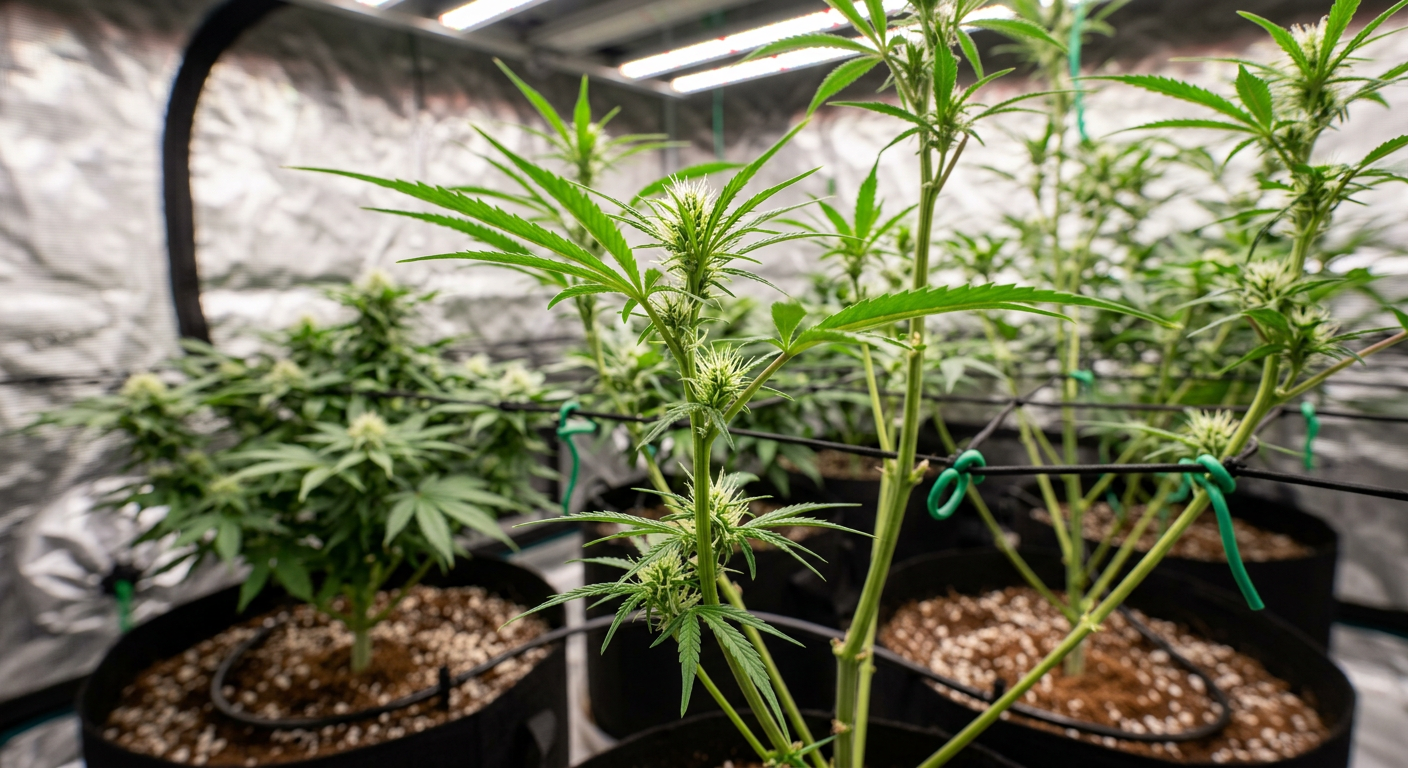
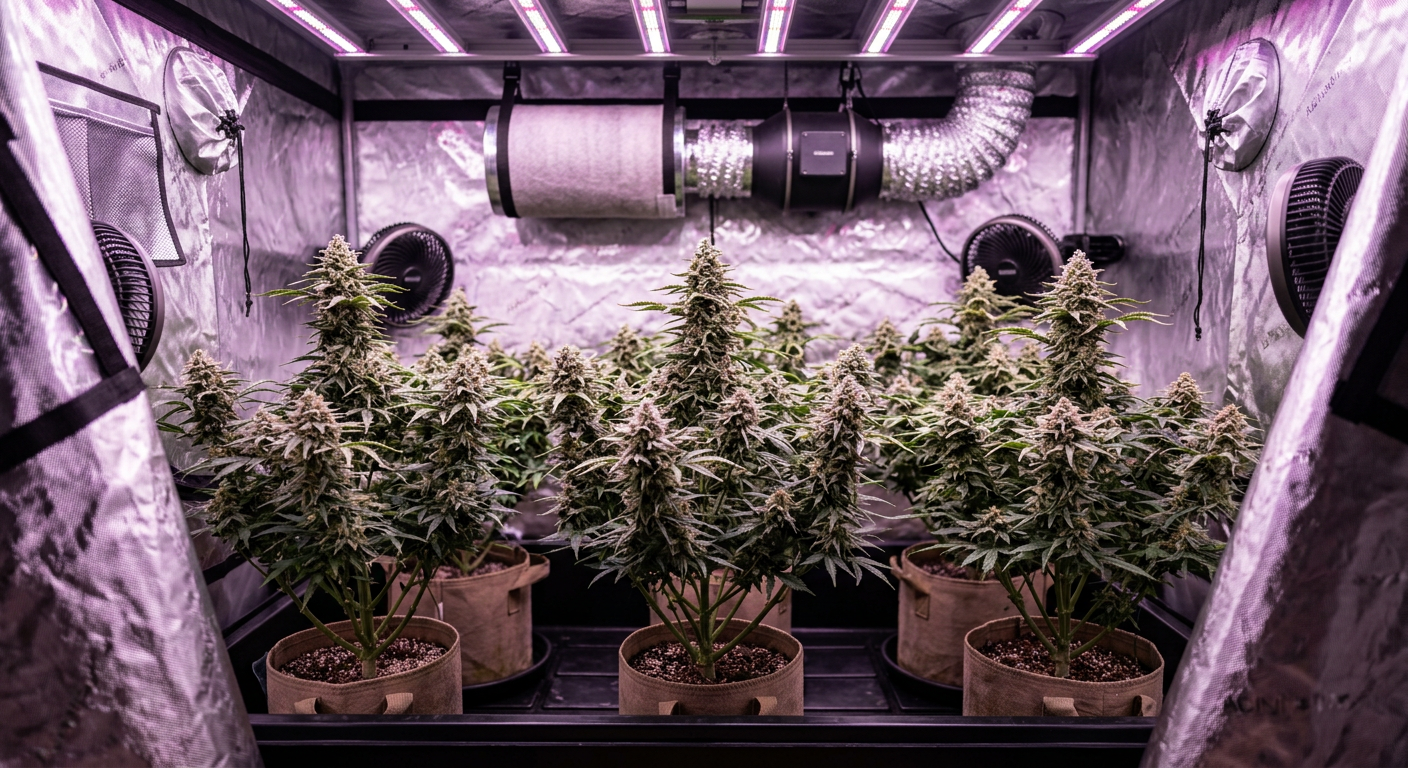
Sativa-dominant energy strains typically grow tall (1–2.5m indoors), flower in 9–12 weeks, and produce elongated buds with high terpene expression. They require more vertical space and slightly lower humidity than indica-dominant strains.
Growing your own energizing strains gives you control over the terpene preservation process — the most important factor in actually experiencing the uplifting effects you're after. Growers who rush the dry and cure phase often destroy the terpene profile they spent months building. Patience pays off.
Key Growing Characteristics of Sativa-Dominant Strains
- Height: 100–250cm indoors; can exceed 3m outdoors
- Flowering time: 9–12 weeks (longer than most indicas)
- Bud structure: Elongated, airy, less dense than indica buds
- Humidity sensitivity: Lower risk of bud rot than dense indicas
- Training need: High — topping and ScrOG strongly recommended
- Yield: Moderate to high with proper training techniques
To manage sativa height indoors, training is essential. Read our full guide on topping cannabis plants and the ScrOG growing technique to keep tall sativas productive in limited indoor spaces.
Preserving Terpenes for Maximum Uplifting Effect
Terpenes are volatile — they degrade with heat, light, and improper drying. Keep your dry space at 60–65°F (15–18°C) with 55–60% relative humidity for a slow, 10–14 day dry. Cure in airtight glass jars for a minimum of 3–4 weeks before use.
Need help planning your grow? Use our free Grow Planner tool to map out your timeline, or check the Yield Estimator to forecast what your sativa grow could produce.
Harvest sativa-dominant strains when 15–20% of trichomes have turned amber. This timing preserves the maximum ratio of energizing THC before it converts to the more sedative CBN. Harvesting too late is the number-one reason growers report a couch-lock effect from what should be an energizing strain.
See our complete guide on when to harvest cannabis for maximum potency for a full trichome timing breakdown.
Strain Comparison Table: Energy, Focus & Grow Traits
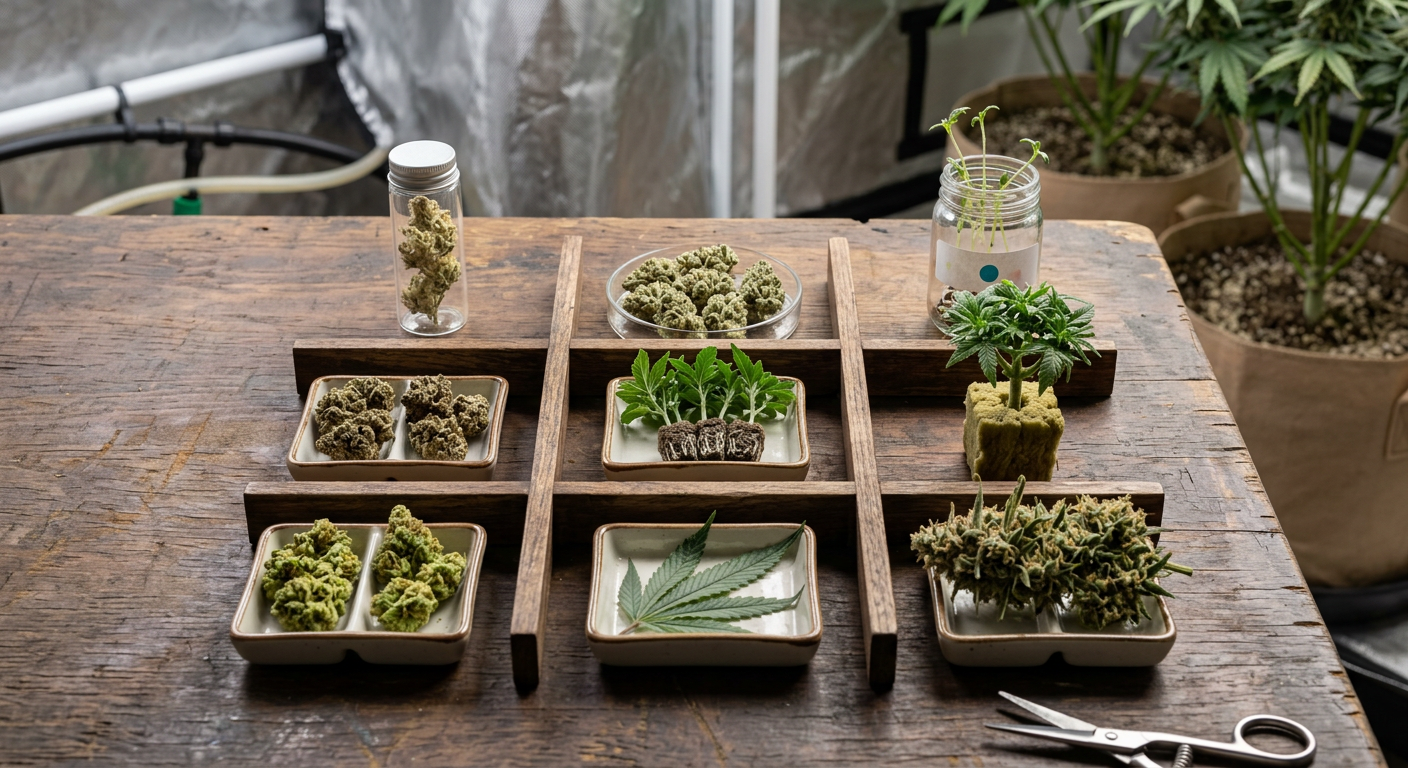
This at-a-glance comparison covers the ten best cannabis strains for energy across THC level, dominant terpenes, energy rating, focus rating, grow difficulty, and flowering time — everything you need to choose the right strain for your lifestyle and garden.
| Strain | Type | THC% | Top Terpene | Energy (/5) | Focus (/5) | Grow Difficulty | Flower Time |
|---|---|---|---|---|---|---|---|
| Sour Diesel | Sativa Hybrid | 24% | Limonene | 5 | 4 | Intermediate | 10–11 weeks |
| Super Lemon Haze | Sativa Hybrid | 23% | Terpinolene | 5 | 5 | Intermediate | 9–10 weeks |
| Durban Poison | Pure Sativa | 20% | Terpinolene | 5 | 4 | Intermediate | 9–10 weeks |
| Tangerine Haze | Sativa Hybrid | 18% | Limonene | 4 | 4 | Easy | 9–10 weeks |
| NY Power Diesel | Sativa Hybrid | 24% | Limonene | 5 | 4 | Intermediate | 10–11 weeks |
| Jack Herer | Sativa Hybrid | 20% | Terpinolene | 4 | 5 | Easy–Intermediate | 8–10 weeks |
| Green Crack | Sativa Hybrid | 20% | Myrcene | 5 | 4 | Easy | 8–9 weeks |
| Jillybean | Sativa Hybrid | 18% | Limonene | 3 | 3 | Easy | 8–9 weeks |
| Blueberry Haze | Sativa Hybrid | 20% | Terpinolene | 4 | 4 | Easy | 9–10 weeks |
| Amnesia Haze | Sativa Hybrid | 17% | Terpinolene | 4 | 4 | Easy (Auto) | 70–80 days |
Who Benefits Most from Energizing Cannabis Strains?
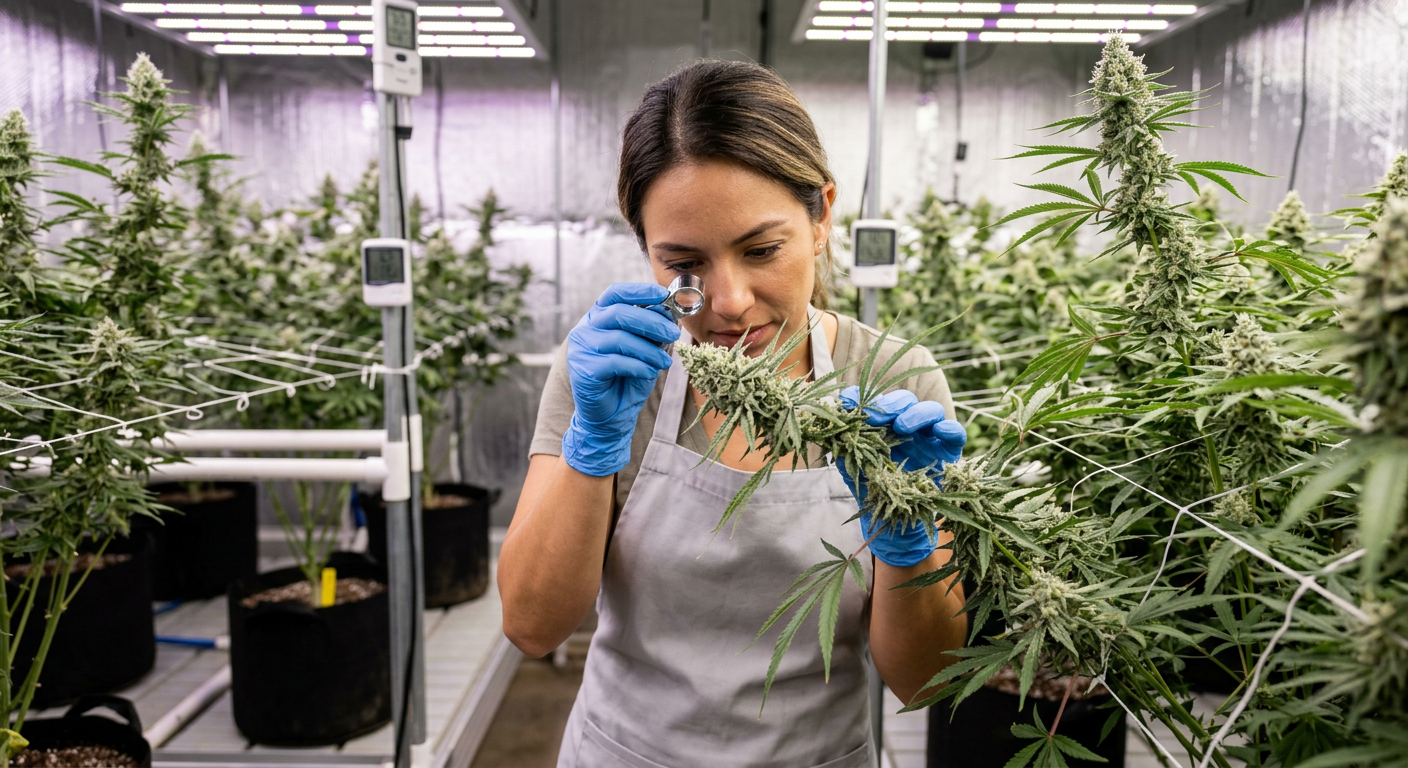
Energizing cannabis strains most benefit creative professionals, active users, medical patients managing fatigue, and anyone seeking a natural alternative to caffeine for daytime focus and motivation.
The use cases for uplifting strains are wider than most people expect. This isn't just a recreational category — many people use these strains as a deliberate productivity tool or to manage conditions that sap energy and motivation during the day.
Top Use Cases for Daytime Cannabis Strains
- Creative work — Writing, music, visual art, design; strains like Jack Herer and Amnesia Haze unlock lateral thinking
- Physical activity — Hiking, yoga, gym sessions; Durban Poison and Green Crack pair exceptionally well with movement
- Social settings — Conversations, events; Jillybean and Blueberry Haze reduce social anxiety while maintaining engagement
- Deep work / focus blocks — Coding, research, analysis; Sour Diesel and Super Lemon Haze are popular in professional contexts
- Fatigue management — Morning sluggishness, afternoon slumps; moderate-THC options at low doses provide sustainable lift
Who Should Avoid High-Energy Strains
- Users with anxiety disorders or panic history — high-THC sativas can exacerbate symptoms
- Beginners with no THC tolerance — start with CBD-dominant options first
- Anyone operating heavy machinery or driving — cognitive alteration is still present
- People with bipolar disorder — sativa strains may trigger hypomanic episodes in sensitive individuals
For more on tailoring strain selection to specific needs, explore our guide to best cannabis strains for indoor growing or the complete beginner strain guide if you're just starting your cannabis journey.
Frequently Asked Questions
What are the best cannabis strains for energy and focus?
Sour Diesel, Super Lemon Haze, Durban Poison, Jack Herer, and New York Power Diesel consistently top the list for energy and focus. These strains combine sativa-dominant genetics with limonene, pinene, or terpinolene terpene profiles and THC levels between 18–24% for clean, cerebral daytime effects.
Do sativa strains actually give you more energy than indica strains?
In most cases, yes — but genetics alone don't determine the effect. Sativa-dominant strains tend to have higher concentrations of terpenes like terpinolene and limonene, which are associated with uplifting, alert effects. Indica strains typically lean toward myrcene dominance, which promotes relaxation. It's the terpene profile combined with THC level that shapes the energy experience.
What terpenes should I look for in an energizing cannabis strain?
Look for limonene (citrus aroma), alpha-pinene (pine aroma), and terpinolene (floral/herbal aroma) as the primary terpenes. These three drive the most reliable uplifting and focusing effects. A strain where any of these appears as the dominant terpene — above all others in the lab report — will lean energizing rather than sedating.
Can I use energizing strains if I have anxiety?
High-THC sativa strains can worsen anxiety in sensitive individuals. If you have anxiety, opt for strains with THC below 20% and a meaningful CBD presence (at least 1–2%). Tangerine Haze at 18% THC or a 10:1 THC:CBD ratio product is a far safer starting point than a 24% THC pure sativa like Sour Diesel. Always start with a very small dose and wait 15 minutes before deciding to re-dose.
How do I grow energizing sativa strains indoors without running out of vertical space?
Train aggressively from the vegetative stage. Topping your sativa at node 4 or 5 creates a wider, bushier plant rather than a single tall spire. Combine topping with ScrOG (Screen of Green) to spread canopy horizontally and maximize light exposure across all bud sites. This can reduce final plant height by 30–40% while increasing total yield. Switch to 12/12 light early — after 3–4 weeks of vegetative growth — if space is tight.