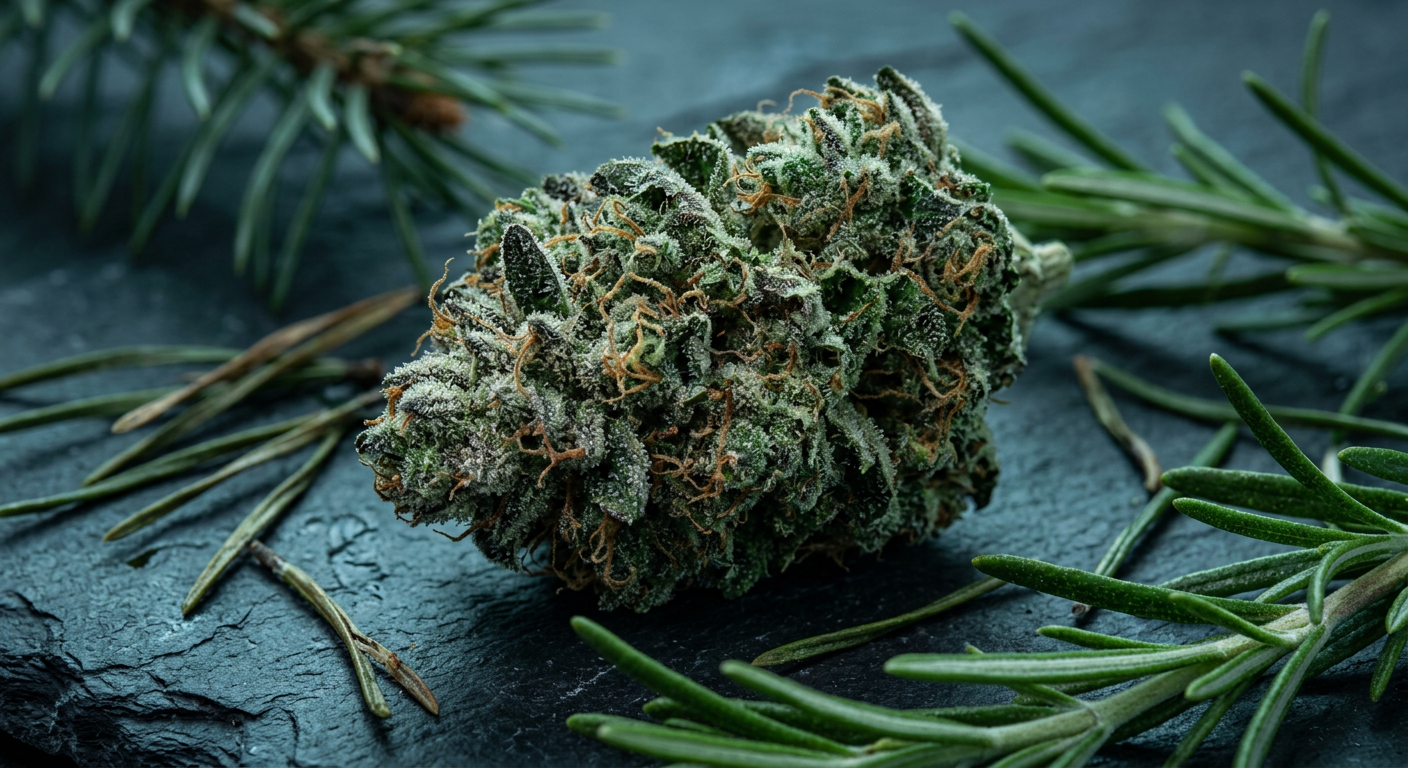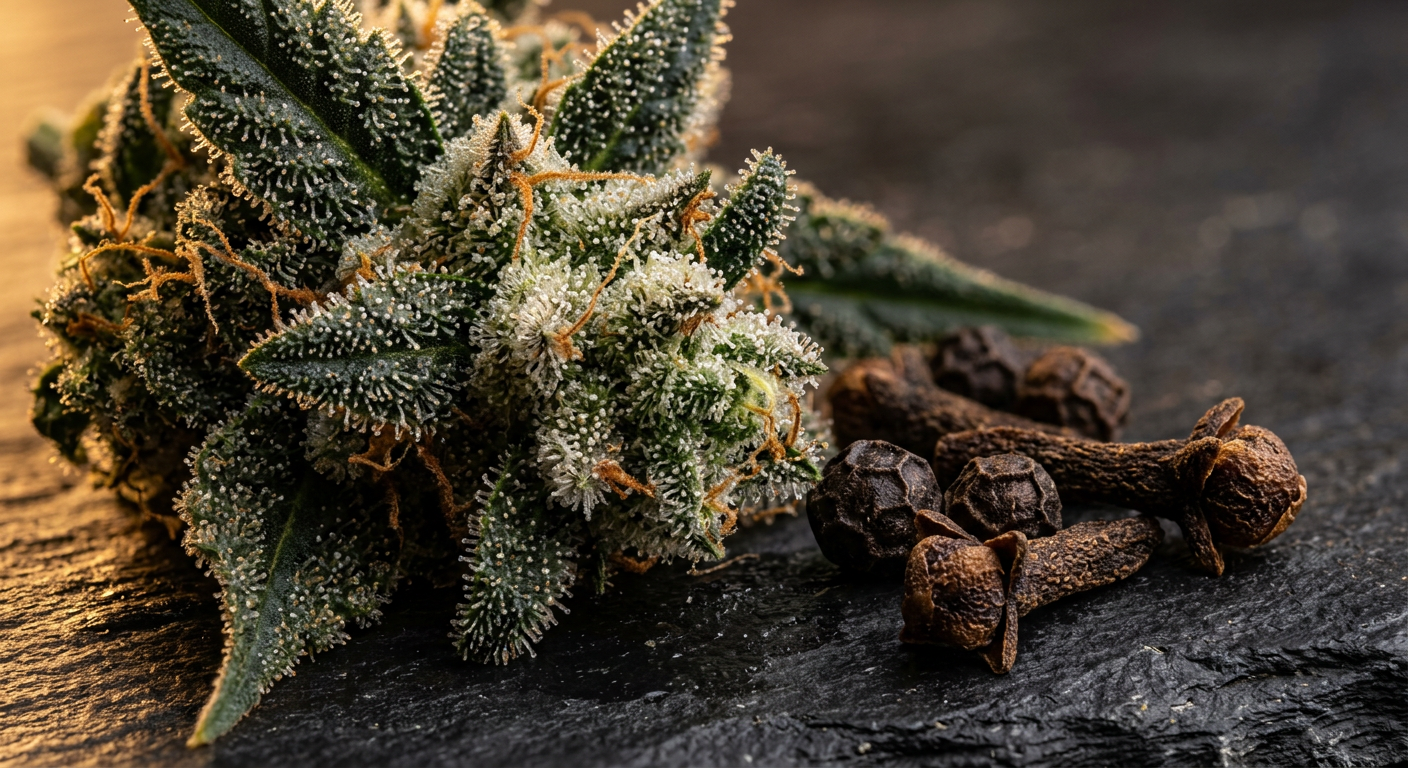
That sharp, peppery bite at the back of your throat when you crack open a jar of OG Kush? That's beta caryophyllene cannabis terpene making its presence known — and it's doing far more than just smelling good. Of all the 200+ terpenes identified in cannabis, beta-caryophyllene (BCP) stands alone as the only one capable of directly binding to cannabinoid receptors in the human body. It doesn't just shape the aroma of your favorite strain. It may actively reduce inflammation, blunt chronic pain, and quiet anxiety — all without getting you high.
This guide breaks down everything growers, patients, and cannabis enthusiasts need to know: the biochemistry, the clinical data, the best strains to grow, and how to coax the highest BCP expression out of your plants.
What Is Beta-Caryophyllene? The Terpene That Acts Like a Cannabinoid
Featured Answer: Beta-caryophyllene is a bicyclic sesquiterpene found naturally in cannabis, black pepper, cloves, and hops. It is the only known terpene that directly activates CB2 cannabinoid receptors, qualifying it as both a terpene and a dietary cannabinoid with measurable anti-inflammatory effects.
Beta-caryophyllene belongs to the sesquiterpene class — meaning its molecular backbone contains 15 carbon atoms arranged in a distinctive bicyclic ring structure. This architecture is what allows BCP to physically fit the CB2 receptor binding site, a feat no other common terpene can achieve. A landmark 2008 study published in PNAS by Gertsch et al. was the first to formally identify BCP as a selective CB2 agonist, categorizing it as a "dietary cannabinoid" — a term now widely used in cannabis research literature.
Unlike THC, BCP does not bind to CB1 receptors (the receptors responsible for psychoactive effects). This means it delivers therapeutic activity through the immune-regulating CB2 pathway with zero intoxication. That distinction is scientifically significant and practically important for anyone seeking relief without impairment.
Beta-caryophyllene is the only terpene in nature that functions as a cannabinoid receptor agonist. This makes it genuinely unique — not just among cannabis terpenes, but in the entire plant kingdom.
The Aroma Profile: What Does BCP Smell Like?
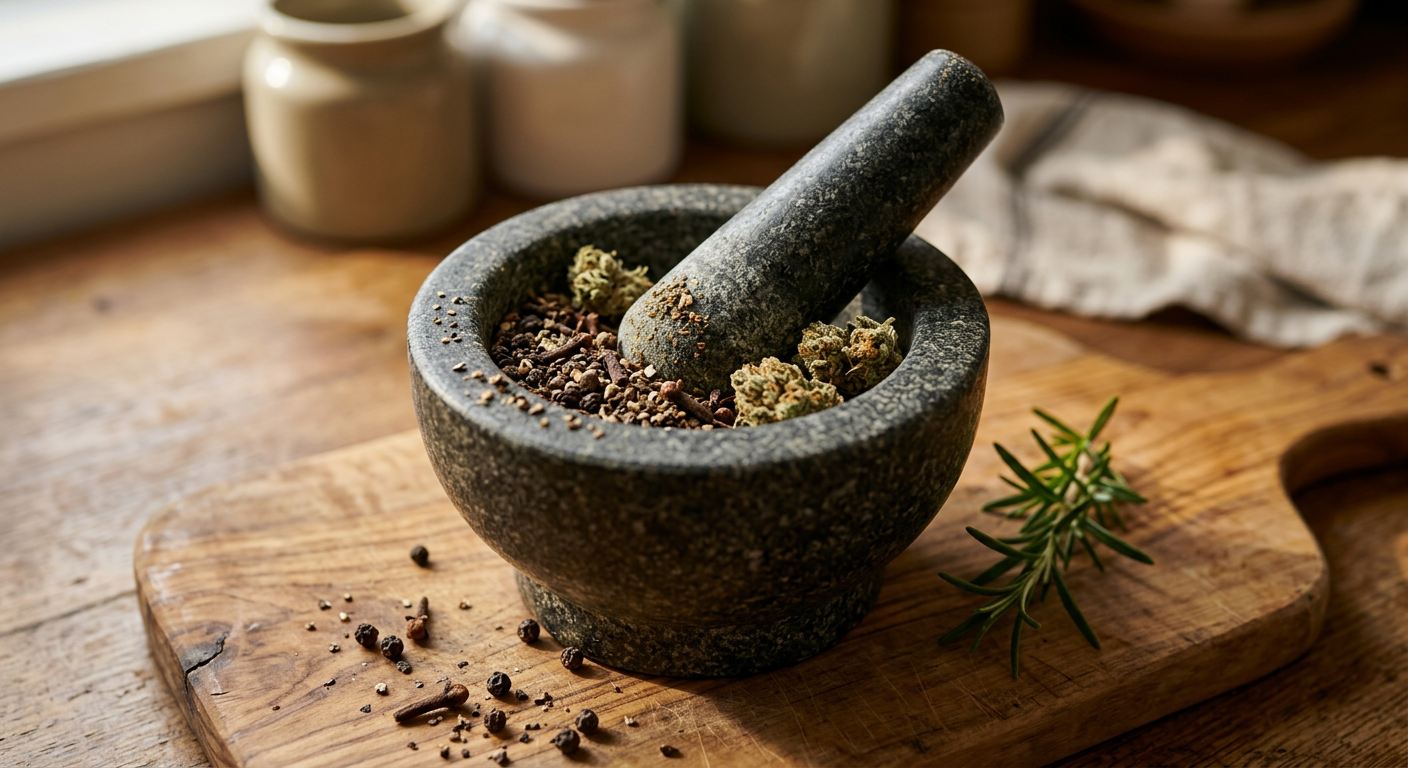
Featured Answer: Beta-caryophyllene delivers a dry, woody, spicy aroma with strong notes of black pepper, cloves, and diesel fuel. Cannabis strains dominant in BCP tend to have earthy, pungent profiles rather than fruity or floral ones, and often produce a throat-warming sensation on inhale.
If you've ever ground fresh black pepper and noticed that sharp, almost wood-smoke quality, you've already experienced concentrated BCP. In cannabis, it blends with other terpenes to create complex, pungent profiles. The dominant descriptors include:
- Spicy/peppery — the signature BCP note, sharp and dry
- Woody/earthy — common in Kush genetics
- Diesel/fuel — especially when BCP pairs with myrcene and limonene
- Clove/herbal — a softer, warmer spice note at lower concentrations
BCP is one of the heavier sesquiterpenes, so it tends to linger in cured flower longer than lighter terpenes like limonene or pinene. Proper curing and cold storage (below 70°F) help preserve BCP concentrations in harvested bud. For more on terpene-rich cultivation, see our companion guides on pinene in cannabis, myrcene effects and strains, and humulene in cannabis.
To quickly identify high-BCP flower before buying or harvesting, press a small amount between your fingers and inhale. A sharp, pepper-forward snap — not sweet or floral — signals strong BCP content. This works because BCP's molecular weight keeps it bound to trichome heads until friction releases it.
CB2 Receptor Agonism: The Science Behind BCP's Unique Mechanism
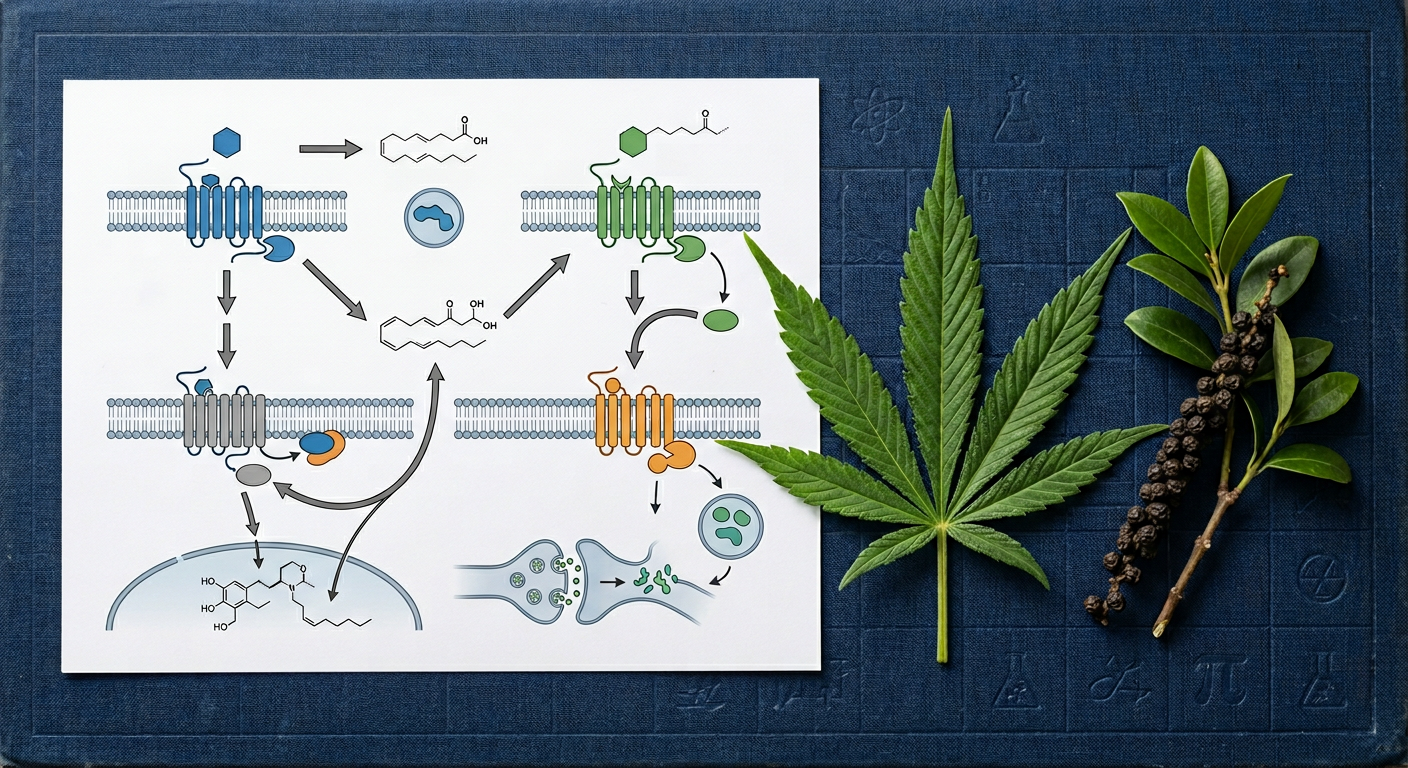
Featured Answer: Beta-caryophyllene activates CB2 receptors found primarily in immune cells, the spleen, and peripheral nervous tissue. This activation suppresses pro-inflammatory signaling pathways including NF-κB and reduces production of cytokines like TNF-α and IL-1β, explaining BCP's documented anti-inflammatory and analgesic properties.
The endocannabinoid system (ECS) contains two primary receptor types. CB1 receptors cluster in the brain and central nervous system — they mediate THC's psychoactive effects. CB2 receptors are distributed throughout the peripheral immune system, gut, skin, and bone tissue. Their primary job is regulating inflammation and immune response. When BCP binds to CB2, it acts as a selective agonist — meaning it activates the receptor and triggers a downstream anti-inflammatory cascade.
Research Spotlight: Gertsch et al. (2008) in PNAS demonstrated BCP's CB2 selectivity using radioligand binding assays, showing it binds CB2 with a Ki of approximately 155 nM — comparable to other known CB2 agonists. Crucially, its CB1 affinity was negligible, confirming zero psychoactive potential via the canonical pathway.
The mechanism works through three interconnected pathways:
- NF-κB inhibition — BCP blocks the nuclear factor kappa B pathway, a master switch for inflammatory gene expression
- Cytokine reduction — Suppresses TNF-α, IL-1β, and IL-6 — the main pro-inflammatory signaling proteins
- COX-2 downregulation — Reduces cyclooxygenase-2 enzyme activity, the same target as ibuprofen and aspirin
This triple-action profile is why BCP punches so far above its weight in therapeutic research. It approaches inflammation from multiple angles simultaneously — something most single-target pharmaceutical compounds cannot do.
Caryophyllene Anti-Inflammatory & Pain Relief: What the Research Says
Featured Answer: Clinical and preclinical research shows beta-caryophyllene reduces inflammatory markers by 50–70% in animal models, reduces neuropathic pain behavior, and outperforms some NSAIDs in gut inflammation models. Human data is still emerging, but preliminary studies support its use for chronic pain and inflammatory conditions.
The research base for caryophyllene pain relief is larger than most people realize. Here's a summary of key study findings:
| Study / Year | Model | Key Finding | Effect Size |
|---|---|---|---|
| Gertsch et al., 2008 | In vitro / mouse | CB2 agonism confirmed; anti-inflammatory in LPS model | ~55% TNF-α reduction |
| Klauke et al., 2014 | Rodent (neuropathic pain) | BCP reduced thermal hyperalgesia and mechanical allodynia | Significant at 10 mg/kg |
| Bento et al., 2011 | Mouse (colitis model) | BCP outperformed sulfasalazine in gut inflammation markers | 60–70% colitis score reduction |
| Guimarães-Santos et al., 2012 | Rodent (dental pain) | BCP reduced pain behavior as effectively as morphine at equivalent doses | Comparable to opioid control |
| Ojha et al., 2016 | Rodent (cardiac fibrosis) | BCP reduced oxidative stress and inflammatory cell infiltration | 45% fibrosis marker reduction |
A 2021 review in Phytomedicine aggregated 30+ preclinical BCP studies and concluded that the compound shows "strong potential as a complementary therapy" for conditions including arthritis, inflammatory bowel disease, and neuropathic pain. Human clinical trials remain limited but are actively underway as of 2025.
BCP's anti-inflammatory mechanism is CB2-mediated, which means it targets peripheral inflammation without touching the brain. This makes it a uniquely safe candidate for long-term use — unlike NSAIDs, it shows no gastric toxicity in animal studies at therapeutic doses.
Growers interested in producing medicine-forward cannabis may want to explore our guides on best cannabis strains for muscle spasms and cannabis for fibromyalgia, both of which highlight BCP-dominant cultivars.
Caryophyllene and Anxiety: The Stress-Relief Pathway
Featured Answer: Beta-caryophyllene reduces anxiety by activating CB2 receptors in the limbic system and modulating GABA-A receptor function. Animal studies show up to 50% reduction in anxiety behaviors, and BCP may amplify the calming effects of CBD when both are present in full-spectrum cannabis products.
The link between BCP and anxiety relief is less well-known than its anti-inflammatory effects but equally compelling. A 2014 study by Bahi et al. in Physiology & Behavior found that oral BCP administration reduced anxiety and depression-like behaviors in mice by activating CB2 receptors in the amygdala and hippocampus — two brain regions central to fear and stress processing. Notably, these effects were blocked when researchers administered a CB2 antagonist, confirming the receptor-specific mechanism.
BCP's anxiolytic pathway appears to work through:
- CB2 activation in limbic tissue — reduces neuroinflammation associated with chronic stress
- GABA modulation — preliminary evidence suggests indirect potentiation of inhibitory signaling
- Cortisol reduction — animal models show lower stress hormone output after BCP administration
When combined with CBD — which also has well-documented anxiolytic properties via 5-HT1A receptor agonism — BCP may create an additive or synergistic calming effect. This makes BCP-dominant, full-spectrum cultivars particularly interesting for anxiety management compared to isolate products.
While BCP shows zero psychoactive activity on its own, high-THC strains rich in BCP will still produce significant intoxication from THC. Users seeking BCP's anxiety benefits without a strong high should look for moderate-THC, high-BCP cultivars or CBD-dominant products with BCP on the terpene certificate.
Beta-Caryophyllene in Food: Nature's Dietary Cannabinoid
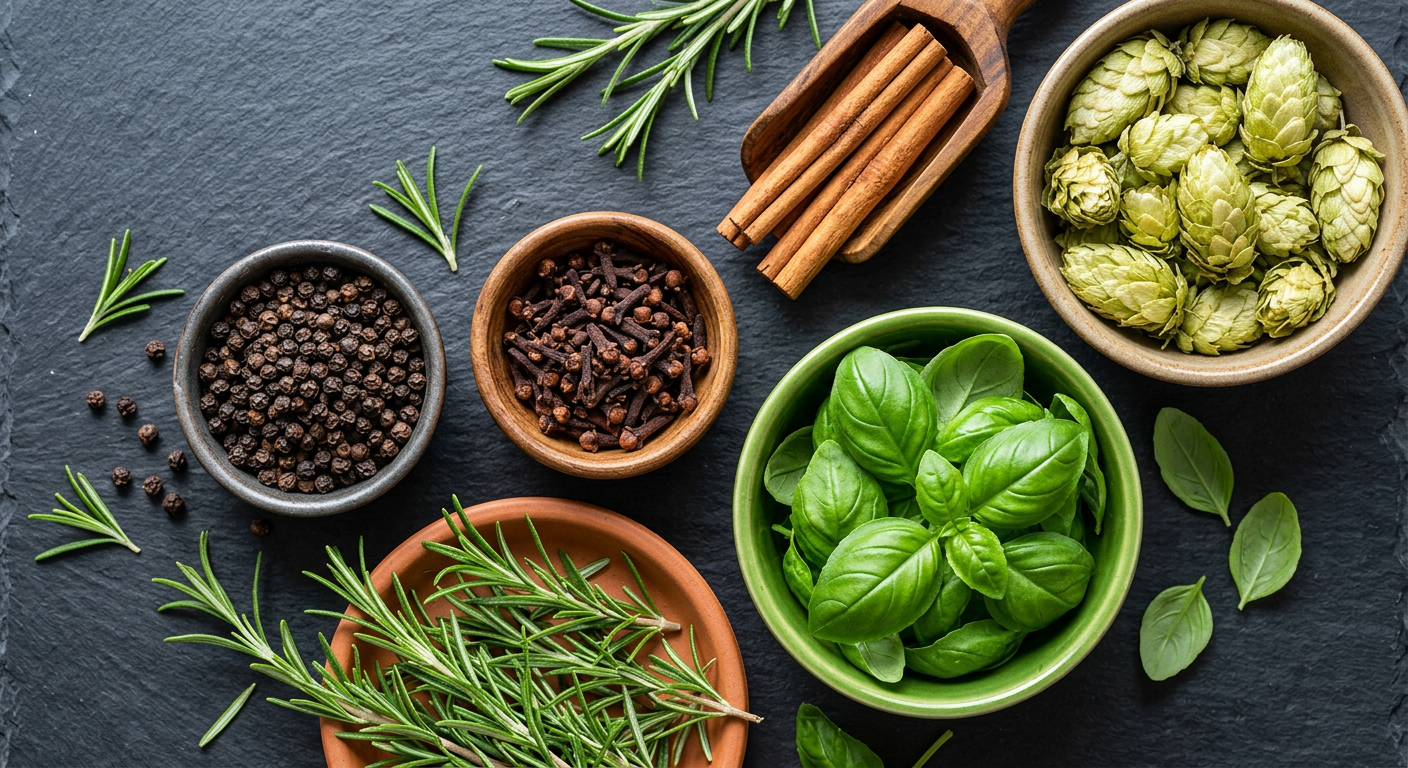
Featured Answer: Black pepper is the richest food source of beta-caryophyllene, with BCP comprising up to 35% of black pepper essential oil. Cloves, hops, rosemary, basil, oregano, and cinnamon also contain meaningful BCP concentrations, making it one of the most widely consumed terpenes in the human diet.
BCP's classification as a dietary cannabinoid matters practically: you consume measurable amounts every time you cook with black pepper or eat foods seasoned with cloves. The FDA has granted BCP GRAS (Generally Recognized As Safe) status for use as a food flavoring agent, reflecting decades of safe dietary exposure in humans.
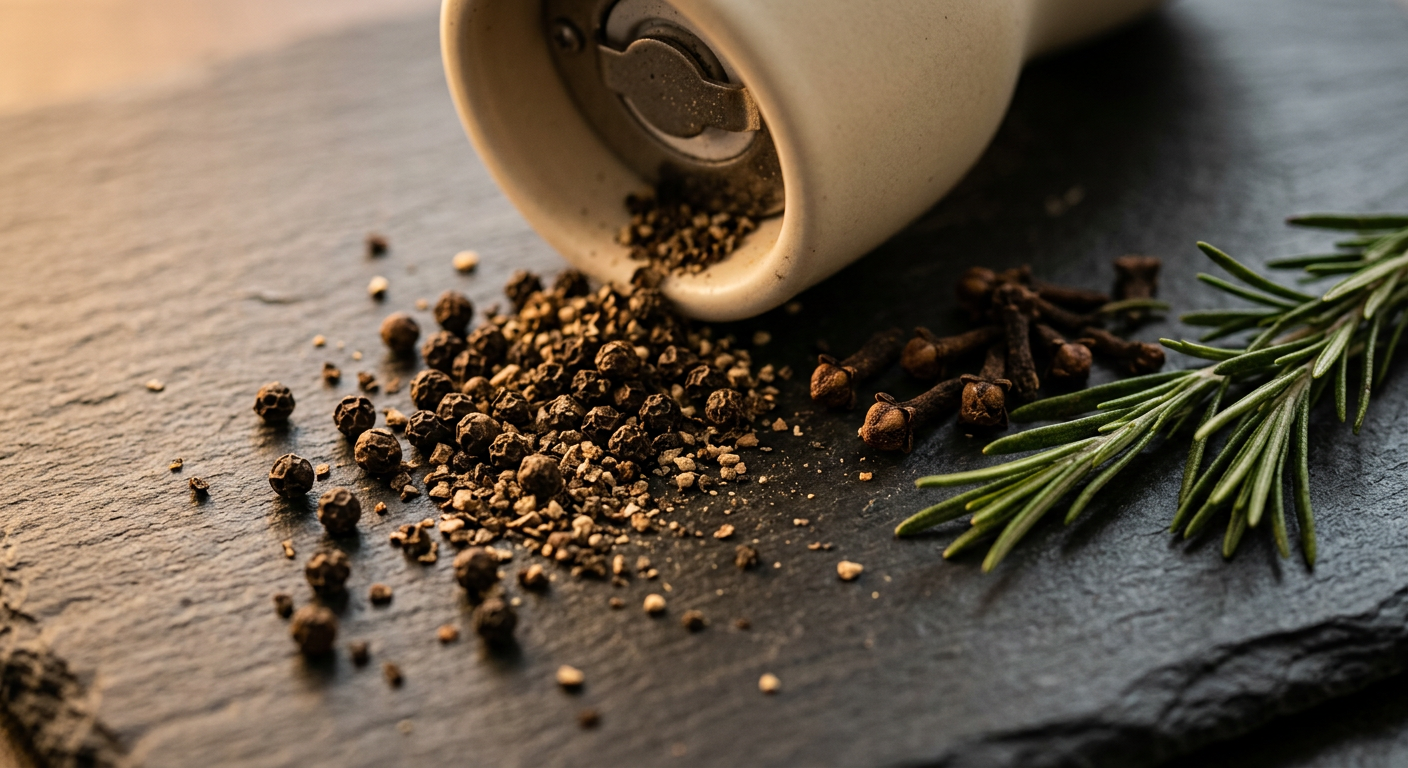
BCP concentrations across common food sources:
- Black pepper essential oil — up to 35% BCP by composition
- Clove essential oil — up to 12% BCP
- Hops (Humulus lupulus) — 5–15% BCP in hop essential oil; shared terpene profile with cannabis explains why some strains smell "hoppy"
- Rosemary — 1–8% BCP depending on cultivar and growing conditions
- Basil and oregano — 2–6% BCP in leaf essential oil
- Cinnamon (bark) — trace to 4% BCP
The overlap between cannabis and hops is particularly interesting for growers — both plants express BCP abundantly because they are cousins in the family Cannabaceae. If you find you enjoy the aroma of a particular craft IPA, odds are good you'll appreciate high-BCP cannabis strains too. Our guide on humulene in cannabis explores this family connection further, since humulene is the other dominant hop terpene shared with cannabis.
The GRAS Factor: The FDA's GRAS classification for BCP as a food additive means it has an established human safety profile at dietary doses. While cannabis-derived BCP doses may exceed food-source intake, this baseline data is reassuring for therapeutic use research.
High-Caryophyllene Cannabis Strains: Top Picks to Grow
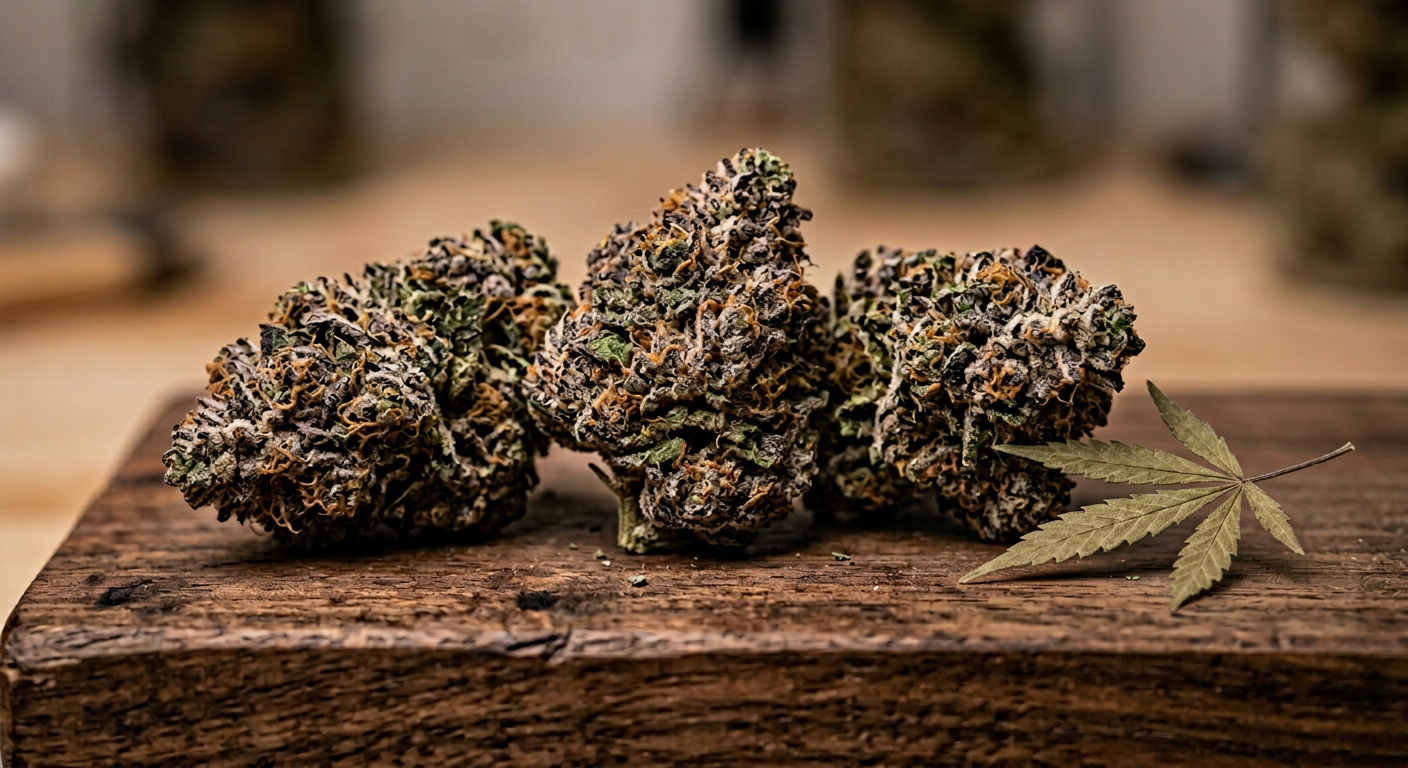
Featured Answer: The highest caryophyllene cannabis strains are predominantly Kush and OG lineages. OG Kush, Purple Kush, Black Widow, White Widow, and Sour Diesel consistently test with BCP as a top-three terpene. These strains combine peppery terpene profiles with moderate-to-high THC for well-rounded therapeutic and recreational effects.
BCP expression is heavily influenced by genetics, but also by growing conditions, harvest timing, and post-harvest handling. The following strains are your best starting genetics for maximizing BCP content:
Kush-Dominant Strains (Highest BCP Expression)
Kush genetics consistently produce the highest BCP concentrations of any cannabis family. The spicy, earthy backbone of all Kush strains is largely BCP-driven.
- OG Kush Feminized (26% THC) — The archetypal high-BCP strain; fuel and pepper forward with heavy body effects
- Purple Kush Feminized (27% THC) — Dense resin production with BCP amplified by anthocyanin-producing stress responses
- Cookies Kush Feminized (18% THC) — OG Kush × Girl Scout Cookies cross; layered BCP with sweet cookie notes
- Skywalker OG Autoflower (23% THC) — OG-heavy autoflower for fast BCP-rich harvests
- Holy Grail Kush Autoflower (20% THC) — Kosher Kush × OG #18; award-winning spicy terpene profile
OG & Diesel Lineages (High BCP + Complex Profiles)
Diesel genetics share BCP expression with their OG cousins, layering it against gasoline and citrus terpenes for complex, multi-note profiles.
- Sour Diesel Feminized (24% THC) — Diesel-forward with prominent pepper underlay; one of the most BCP-recognized cultivars globally
- New York Power Diesel Feminized (24% THC) — NY Diesel × Power Plant; aggressive spicy-fuel profile with cerebral potency
- Black Widow Feminized (26% THC) — White Widow relative with pronounced BCP expression and intense resin coating
- White Widow Feminized (25% THC) — Classic BCP-forward cultivar; earthy pepper meets pine resin
Additional High-BCP Options
- Quantum Kush Feminized (30% THC) — Maximum potency Kush expression with expected high BCP content
- Papaya Feminized (25% THC) — Tropical fruit foreground over BCP spice base; excellent terpene complexity
- Phantom Cookies Feminized (18% THC) — OG-cookies cross with earthy, peppery character ideal for BCP seekers
- Alien Rock Candy Feminized (22% THC) — Sour Dubble lineage; candy-sweet nose over peppery resin
- Northern Lights × Big Bud Feminized (20% THC) — Classic NL spice amplified by Big Bud's resin volume
For growers focused on phenotype selection to maximize terpene expression, our phenotype hunting guide explains how to identify the most terpene-rich individuals within a seed batch.
Synergy: How BCP Works With Cannabinoids for Pain Relief
Featured Answer: Beta-caryophyllene synergizes with THC and CBD through complementary receptor pathways. THC activates CB1 receptors for central pain relief while BCP activates CB2 receptors for peripheral anti-inflammation — together, they address pain through two independent but reinforcing mechanisms, a key component of the cannabis entourage effect.
The entourage effect — the idea that cannabis compounds work better together than in isolation — has robust supporting evidence specifically for BCP. Here's how the key synergies operate:
BCP + THC: Dual-Pathway Pain Coverage
THC acts primarily at CB1 receptors in the brain and spinal cord, reducing pain perception centrally. BCP simultaneously hits CB2 receptors in peripheral tissue, reducing the inflammatory signals that generate pain at the source. This two-pronged approach means lower doses of each compound may achieve equivalent or superior pain relief to higher doses of either alone — a concept called dose-sparing synergy.
BCP + CBD: Anti-Anxiety Amplification
CBD's primary anxiolytic mechanism runs through 5-HT1A serotonin receptors, while BCP works through CB2 limbic pathways. These are distinct systems that converge on the same outcome — reduced anxiety and neuroinflammation. A 2020 study in Cannabis and Cannabinoid Research found full-spectrum extracts (which preserved BCP) consistently outperformed CBD isolate on anxiety measures, supporting a BCP-CBD cooperative effect.
BCP + Myrcene: Sedative-Anti-Inflammatory Stack
When BCP pairs with high myrcene — common in Kush genetics — the result is often profound physical relaxation combined with reduced inflammation. This profile is particularly sought after for sleep disorders with a pain component. See our myrcene cannabis guide for more on this combination.
BCP is the only terpene that contributes directly to cannabinoid receptor activity in the entourage effect. Every other terpene influences the effect indirectly through modulating membrane permeability or synergistic receptor cross-talk. BCP pulls its own pharmacological weight at CB2.
How to Maximize Beta-Caryophyllene in Your Grow
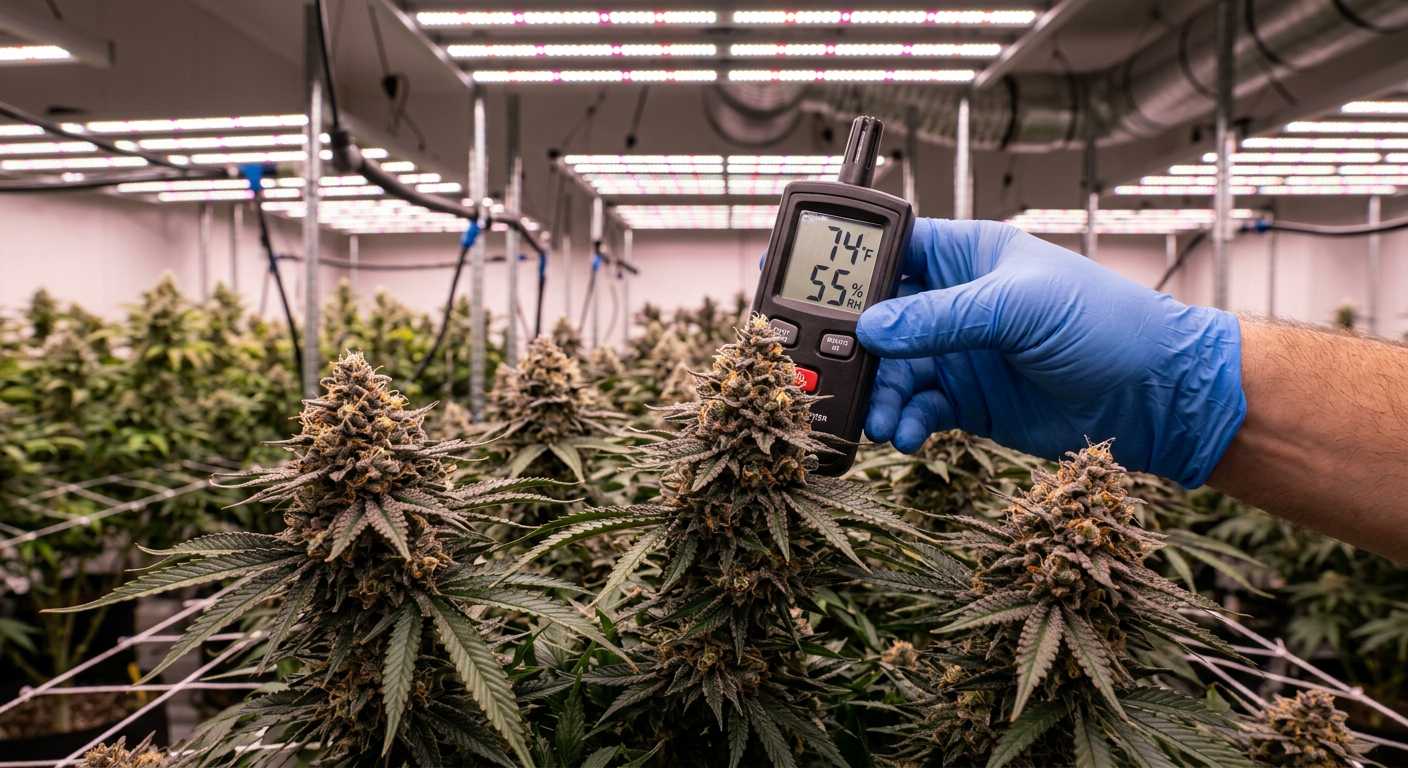
Featured Answer: To maximize beta-caryophyllene in cannabis, choose Kush or OG genetics, maintain temperatures below 77°F during late flowering, harvest at peak trichome maturity, and cure at 60–65°F for 4–6 weeks. Avoid excessive heat and UV stress post-harvest, which degrade sesquiterpenes faster than monoterpenes.
BCP is a sesquiterpene — heavier and less volatile than lighter terpenes, but still vulnerable to heat, oxygen, and light degradation. These growing and post-harvest practices protect and maximize your BCP yield:
Start With the Right Genetics
No growing technique compensates for low-BCP genetics. Select Kush, OG, or Diesel-lineage strains as your starting point. Check breeder terpene data if available — look for strains where BCP is listed as the #1 or #2 dominant terpene.
Dial In Late-Flower Temperature
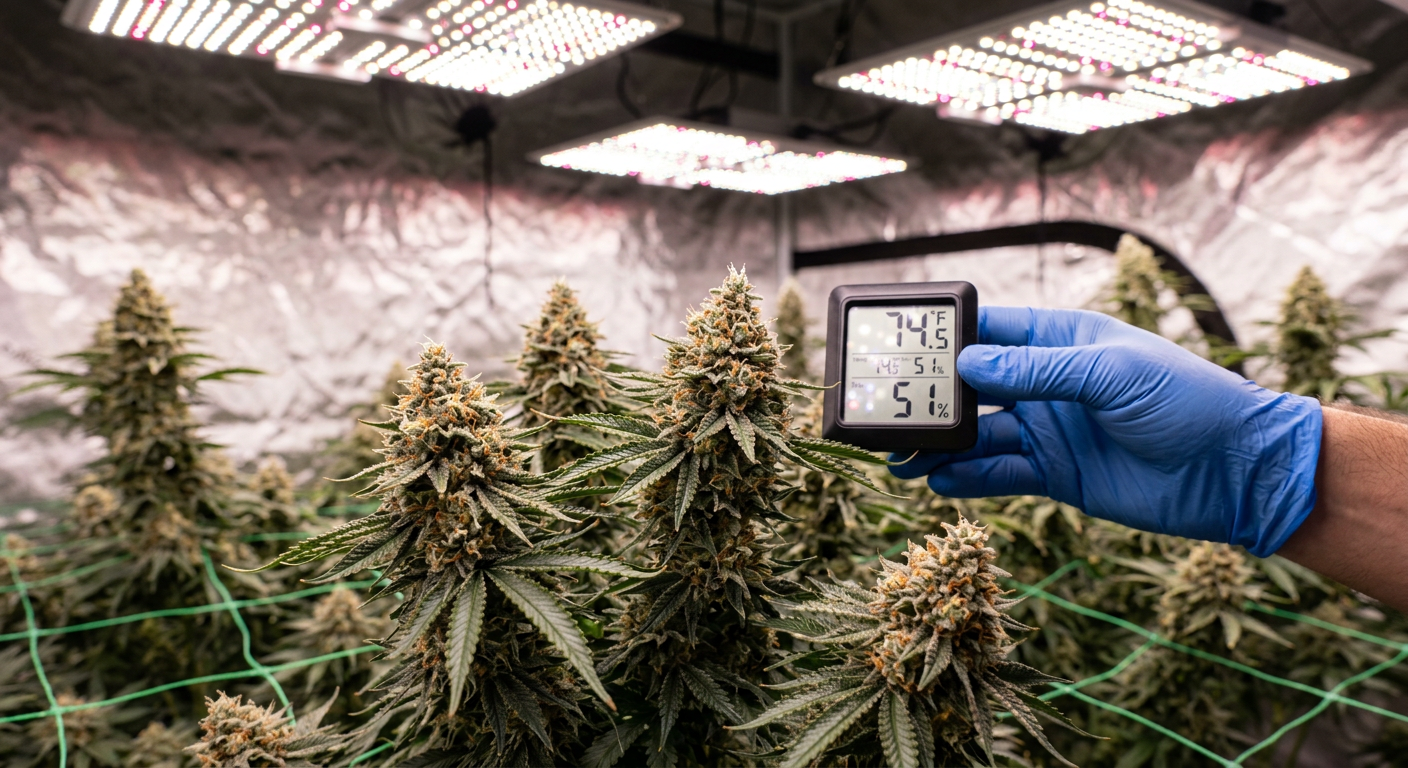
Keep canopy temperatures below 77°F (25°C) during the final 3 weeks of flowering. High temperatures volatilize lighter terpenes rapidly and accelerate oxidative degradation of sesquiterpenes. Our cannabis temperature control guide details stage-specific targets.
Harvest at Peak Trichome Maturity
BCP peaks when roughly 70% of trichomes show cloudy heads with 20–30% amber. Early harvest leaves BCP concentration on the table; late harvest degrades it through oxidation. Use a 60× loupe or digital microscope for accuracy. See our harvest timing guide for detailed protocols.
Slow Cure at Low Temperature
Cure freshly dried bud at 60–65°F in glass jars for 4–6 weeks minimum. Burp jars twice daily for the first 2 weeks. This slow cure preserves sesquiterpene content better than fast-drying, which causes rapid off-gassing of volatile compounds including BCP.
Store in Dark, Airtight, Cool Conditions
After curing, store sealed jars below 65°F away from light. UV radiation and oxygen are BCP's main enemies in storage. Nitrogen-flushed storage extends terpene shelf life significantly for longer-term preservation.
Mild controlled stress (slight drought stress or a 10°F temperature drop in the final week) can trigger defensive terpene upregulation in some Kush genetics. This mirrors the same stress response that causes anthocyanin expression (purple coloring) and can bump terpene totals including BCP by 10–20%. Don't overdo it — moderate stress, not plant damage.
Managing your grow environment precisely is critical for terpene preservation. Our guides on humidity control and VPD and VPD for cannabis provide the environmental frameworks that support maximum terpene production from harvest-ready plants.
Drying cannabis with forced hot air (above 95°F) can eliminate up to 40% of total terpene content before curing even begins. BCP, being heavier than many terpenes, is more resilient than limonene or linalool but still suffers significant losses above this threshold. Always dry slowly, passively, and cool.
For growers running living soil systems, high microbial diversity has been correlated with elevated terpene production in cannabis, likely through enhanced mineral availability and root exudate complexity. Mycorrhizal inoculants and compost teas may give BCP expression a modest boost in organic grows.
Frequently Asked Questions: Beta-Caryophyllene Cannabis
What does beta-caryophyllene do in cannabis?
Beta-caryophyllene binds directly to CB2 receptors in the endocannabinoid system, producing anti-inflammatory and analgesic effects without psychoactive intoxication. It contributes a peppery, spicy aroma to cannabis and may reduce anxiety and chronic pain. It is the only terpene known to act directly on cannabinoid receptors.
Is beta-caryophyllene the same as a cannabinoid?
Beta-caryophyllene is classified as both a terpene and a dietary cannabinoid. It is the only known terpene that directly activates cannabinoid receptors (CB2), making it biochemically unique among all cannabis terpenes. The FDA recognizes it as GRAS (Generally Recognized As Safe) for food use.
Which cannabis strains are highest in beta-caryophyllene?
Strains highest in beta-caryophyllene include OG Kush, Purple Kush, Black Widow, White Widow, and Sour Diesel. Kush-lineage cultivars consistently express the highest BCP concentrations, often ranging from 0.3% to over 1% of dry weight.
Can beta-caryophyllene reduce anxiety?
Yes. Studies in animal models show beta-caryophyllene activates CB2 receptors in the limbic system, reducing anxiety-related behaviors by up to 50% in some trials. It may also amplify CBD's anxiolytic effects when both are present in full-spectrum cannabis products. Human clinical data is still emerging but early results support this mechanism.
What foods are high in beta-caryophyllene besides cannabis?
Black pepper is the richest dietary source of beta-caryophyllene, containing up to 35% BCP in its essential oil. Other significant sources include cloves, hops, rosemary, basil, oregano, and cinnamon. BCP's widespread presence in common food ingredients is why it holds GRAS status with the FDA.