Nearly 35 million Americans live with chronic muscle spasms — from MS spasticity and cerebral palsy to sports injuries and desk-job tension. When baclofen leaves you foggy and cyclobenzaprine knocks you flat, cannabis muscle spasms research points to a genuinely different mechanism of relief. This guide breaks down exactly which strains work, why they work at the cellular level, and how to use them without overshooting.
How Cannabis Interacts With Muscle Physiology
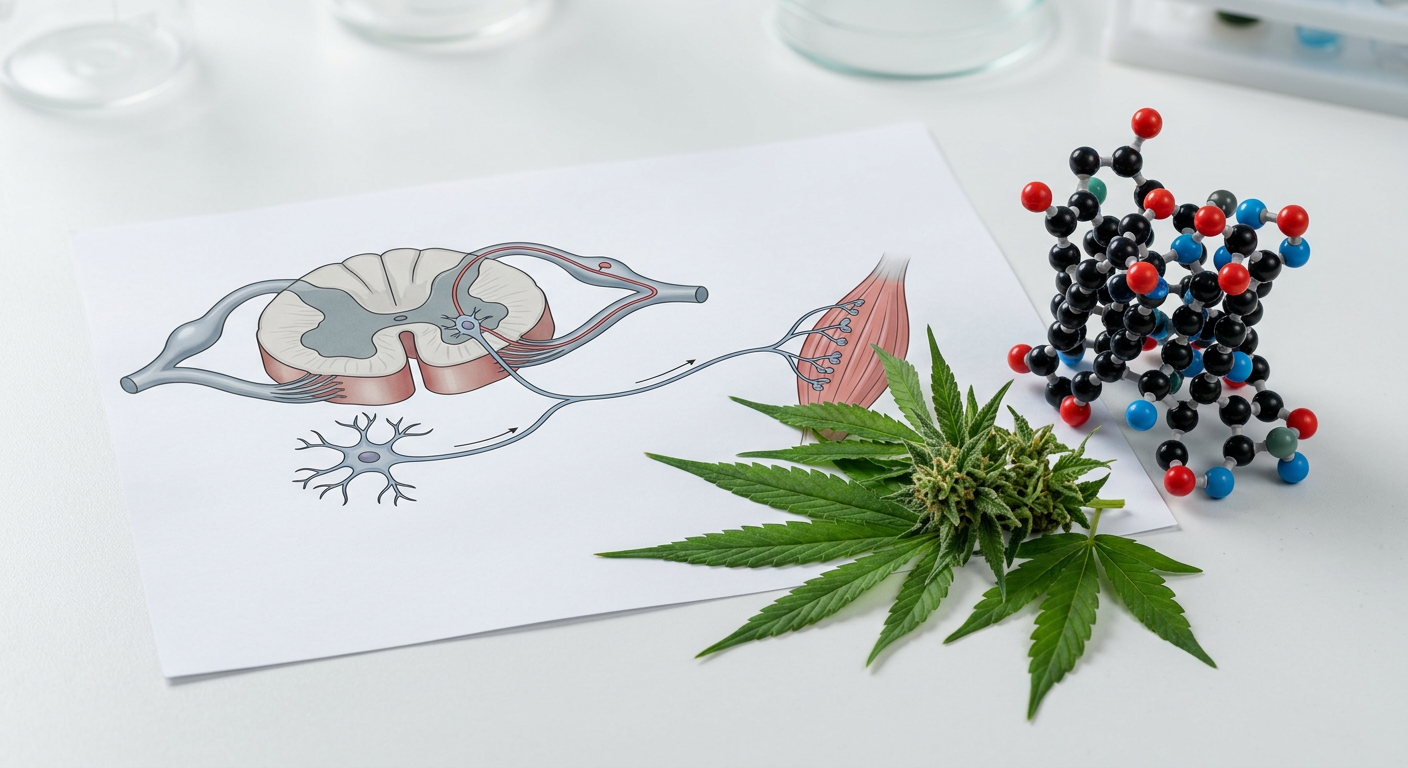
Cannabis works for muscle spasms because the endocannabinoid system (ECS) is deeply embedded in neuromuscular control. CB1 receptors sit on motor neurons in the spinal cord and brain; when activated, they dial down the excitatory signals that trigger involuntary contractions.
THC and CBD both modulate this pathway, but through different angles. THC directly binds CB1 receptors to suppress overactive motor output, while CBD potentiates GABA — the brain's primary inhibitory neurotransmitter — without causing significant psychoactivity on its own.
The GABA Connection: GABA potentiation is the same mechanism used by pharmaceutical muscle relaxants like diazepam and baclofen. Cannabis achieves a similar effect via CBD's inhibition of the GABA transaminase enzyme, which normally breaks GABA down. More GABA = less neuronal firing = fewer spasms. The difference? Cannabis does this without the same dependency profile as benzodiazepines.
- CB1 agonism (THC): Reduces spinal reflex arc excitability
- CB2 agonism (CBD/THC): Lowers inflammatory cytokines that sensitize muscle nociceptors
- TRPV1 desensitization (CBD): Reduces the "pain wind-up" that makes cramps feel worse over time
- Glycine receptor potentiation (CBD): Inhibits pain signaling at the spinal level
- GABA-A potentiation (CBD): Mimics the central muscle-relaxant pathway
Cannabis doesn't just mask pain — it interrupts the neurological loop that keeps muscles in spasm. High-THC strains suppress motor neuron excitability via CB1; CBD-rich profiles raise GABA tone. The most effective strains combine both mechanisms alongside myorelaxant terpenes.
The Science of Terpenes as Myorelaxants
Terpenes aren't just aroma molecules — several act directly on GABA receptors, calcium channels, and inflammatory pathways that govern muscle tension. Choosing strains rich in the right terpenes can double or triple therapeutic impact compared to THC alone. This is the core of the entourage effect.
Three terpenes stand out specifically for muscle-spasm relief, backed by pharmacological research:
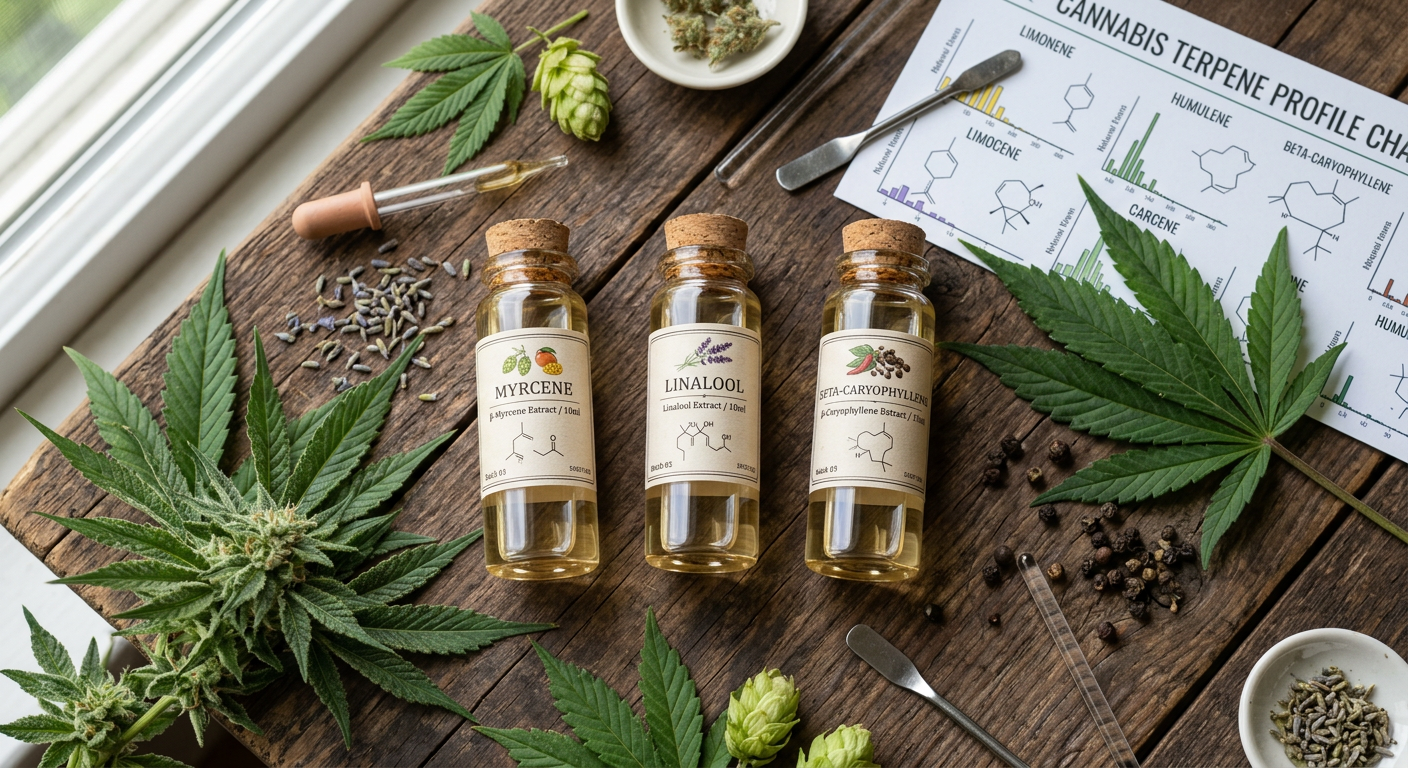
Myrcene — The Frontline Relaxant
Myrcene is the most abundant terpene in most indica-dominant strains and works as a muscle relaxant by enhancing THC's ability to cross the blood-brain barrier and by potentiating GABA-A receptors directly. Strains with >0.5% myrcene content typically produce the heaviest body relaxation.
- Found in: OG Kush, Purple Kush, Northern Lights crosses, Skunk varieties
- Effect profile: Sedating, deeply physical, anti-inflammatory
- Mechanism: GABA-A potentiation + enhanced cannabinoid transport
Linalool — The Neurological Calmer
Linalool reduces glutamate (excitatory) neurotransmission and increases acetylcholine activity in ways that directly calm overactive motor neurons. A 2016 study in the Journal of Phytomedicine confirmed linalool's muscle-relaxant activity at physiological doses. Look for strains with lavender or floral notes — that's linalool signaling its presence.
Beta-Caryophyllene — The Anti-Spasm Anti-Inflammatory
Beta-caryophyllene is the only terpene that binds directly to CB2 receptors. This peripheral cannabinoid receptor is expressed in muscle tissue and immune cells, and CB2 activation reduces the local inflammation that triggers secondary spasm cycles. It's especially valuable for post-exercise cramps and injury-related tension. For more on terpene science, see our humulene terpene guide and pinene deep-dive.
Terpene Tip: When buying seeds or flower, ask for a terpene certificate of analysis (COA) alongside THC/CBD numbers. Aim for strains showing myrcene >0.4%, linalool >0.1%, and beta-caryophyllene >0.2% for maximum myorelaxant synergy.
Cannabis vs. Pharmaceutical Muscle Relaxants: An Honest Comparison
Before diving into strain picks, it helps to know where cannabis fits in the treatment landscape. The comparison below covers the most commonly prescribed muscle relaxants versus cannabis-based approaches across key clinical metrics.
| Treatment | Mechanism | Onset | Dependency Risk | Cognitive Side Effects | Evidence Level |
|---|---|---|---|---|---|
| Baclofen | GABA-B agonist | 1–2 hrs | Moderate–High | Drowsiness, confusion | Strong (FDA-approved) |
| Cyclobenzaprine | CNS depressant | 30–60 min | Low–Moderate | Heavy sedation, dry mouth | Strong (FDA-approved) |
| Diazepam (Valium) | GABA-A potentiation | 15–30 min | High | Sedation, memory impairment | Strong (FDA-approved) |
| Nabiximols (Sativex) | CB1/CB2 agonism (1:1 THC:CBD) | 15–40 min | Low | Mild (dose-dependent) | Strong (approved in 30+ countries for MS) |
| High-THC Cannabis | CB1 agonism + GABA modulation | 5–15 min (inhaled) | Low–Moderate | Dose-dependent impairment | Moderate (multiple RCTs) |
| CBD-dominant Cannabis | GABA potentiation + CB2 | 20–60 min (oral) | Very Low | Minimal | Moderate (growing RCT base) |
Cannabis isn't a replacement for pharmaceutical muscle relaxants in severe spasticity — but for moderate tension, post-exercise cramps, and mild MS spasticity, evidence supports it as a lower-risk alternative with fewer withdrawal concerns than benzodiazepines.
The 8 Best Cannabis Strains for Muscle Spasms & Tension

The strains below were selected based on three criteria: high myrcene/linalool terpene profiles confirmed by cultivar research, THC levels suited to neuromuscular modulation, and grower reviews specifically citing muscle-relaxant body effects.
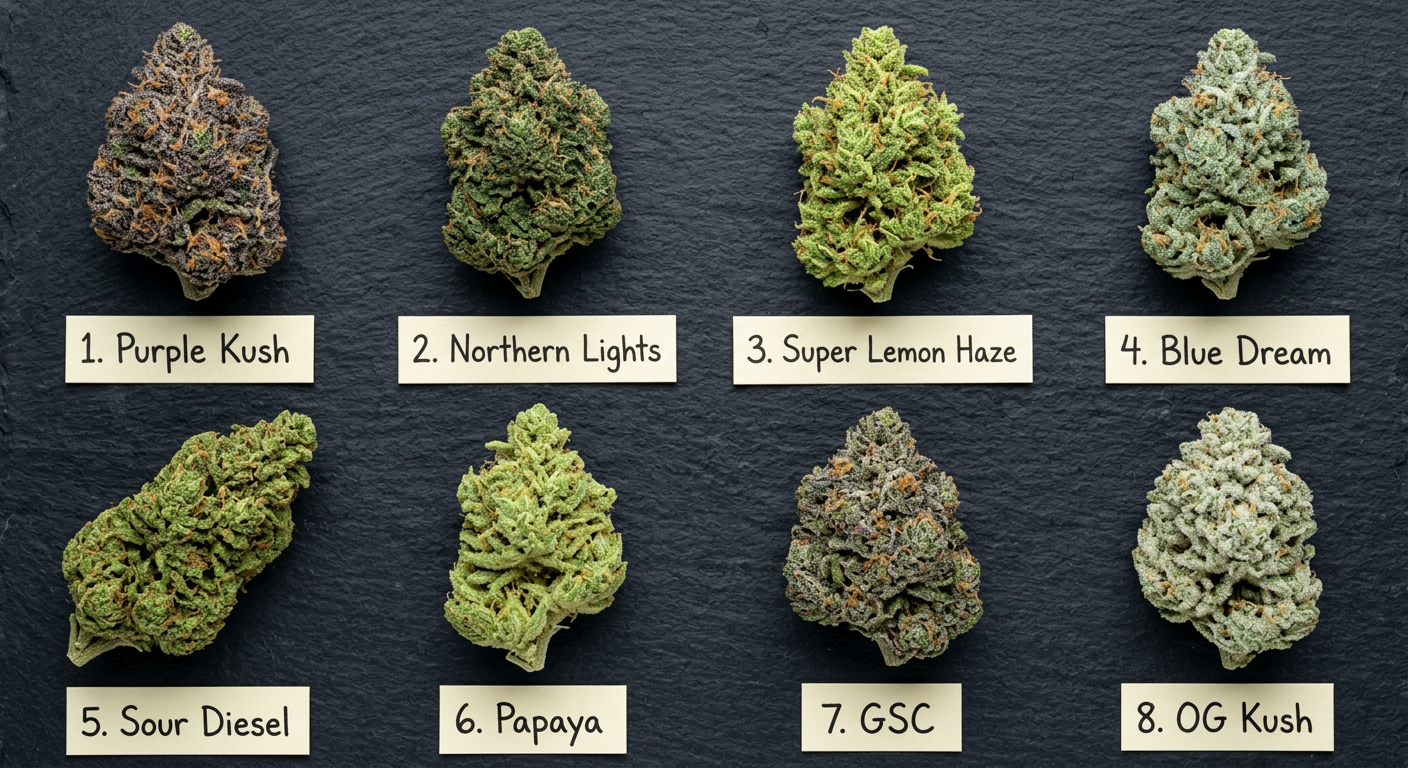
🥇 #1 — Purple Kush: The Gold Standard for Spasm Suppression
Purple Kush Feminized is a pure indica landrace cross (Hindu Kush × Purple Afghani) and the closest plant-derived equivalent to a pharmaceutical muscle relaxant you'll find. At 27% THC and exceptionally high myrcene content, it delivers a full-body stone that releases even stubborn spasm cycles within 20–30 minutes of inhalation.
- THC: 27% | CBD: <1%
- Primary terpenes: Myrcene, linalool, caryophyllene
- Best for: Severe spasms, night-time MS spasticity, cerebral palsy tension
- Onset (inhaled): 10–20 min | Duration: 3–5 hrs
- Recommended dose: Start at 1–2 puffs; tolerance builds quickly at this potency
High-THC Warning: At 27% THC, Purple Kush can cause significant psychoactive effects, especially in low-tolerance users. Always start with a single inhalation and wait 20 minutes before re-dosing. Not recommended for daytime use in those who need to drive or operate machinery.
🥈 #2 — OG Kush: The Benchmark Indica Hybrid for Muscle Tension
OG Kush Feminized at 26% THC has been the medical cannabis community's go-to strain for muscle tension for over two decades. Its hybrid nature (indica-dominant, ~75/25) means it delivers physical relaxation without complete sedation — ideal for daytime spasm management when you still need to function.
- THC: 26% | CBD: ~0.3%
- Primary terpenes: Myrcene, limonene, caryophyllene
- Best for: Back spasms, tension headaches, exercise-related cramping
- Effect window: Functional relaxation with mild euphoria
- Grow time: 8–9 weeks flower | Yield: 450–550g/m²
🥉 #3 — Skywalker OG Autoflower: Potent Relief, Easier Grow
Skywalker OG Autoflower combines the legendary OG Kush myorelaxant genetics with autoflowering convenience at 23% THC. This is the strain for growers who want therapeutic-grade spasm relief from seed to harvest in under 10 weeks total — no light schedule management needed. See our autoflower vs photoperiod guide for more growing context.
- THC: 23% | CBD: <1%
- Primary terpenes: Myrcene, linalool, pinene
- Best for: Chronic tension, fibromyalgia-adjacent muscle pain, beginner growers
- Seed to harvest: 70–80 days
- Ideal consumption: Evening vaporization at 185–195°C
#4 — Northern Lights × Big Bud: Maximum Yield, Clinical-Grade Relaxation
Northern Lights × Big Bud Feminized merges one of the most respected medicinal genetics in history (Northern Lights) with the yield powerhouse Big Bud for a 20% THC strain that produces enormous harvests of deeply relaxing flower. The Northern Lights lineage is specifically cited in older MS clinical literature as a reference indica genetics for spasticity reduction.
- THC: 20% | CBD: ~0.5%
- Primary terpenes: Myrcene, caryophyllene, linalool
- Best for: MS spasticity, cerebral palsy muscle tension, generalized cramping
- Yield advantage: 600–700g/m² indoors — cost-effective for ongoing medical use
- Effect profile: Heavy body relaxation, mild sedation, 4–6 hr duration
#5 — Papaya: Tropical Terpenes With Serious Myorelaxant Depth
Papaya Feminized at 25% THC is an underrated spasm-relief strain whose fruity terpene profile conceals serious medicinal depth. Its unusually high myrcene and linalool content — responsible for the tropical fruit aroma — translates directly into pronounced GABA potentiation and muscle relaxation. Many patients report it works faster for acute spasm episodes than OG Kush.
- THC: 25% | CBD: <1%
- Primary terpenes: Myrcene, linalool, ocimene
- Best for: Acute spasm episodes, nocturnal leg cramps, post-workout tension
- Onset speed: Among the fastest body-onset indicas in this list
- Aroma: Mango, papaya, cream — easy palate for medical users
#6 — Northern Lights × Amnesia Haze: Balanced Relief Without Total Sedation
Northern Lights × Amnesia Haze Feminized at 24% THC is the hybrid bridge between full sedation and functional daytime use. The NL genetics deliver myorelaxant body depth; the Amnesia Haze sativa genetics add enough cerebral lift to keep you engaged during the day. This is the go-to choice for patients who experience spasms at work or during daily activities.
- THC: 24% | CBD: ~0.3%
- Primary terpenes: Myrcene, terpinolene, caryophyllene
- Best for: Daytime spasm management, tension without sedation, MS ambulatory patients
- Effect profile: Functional body relaxation + mental clarity
- Flowering time: 9–10 weeks
#7 — Purple Power: Low-THC Entry Point for Spasm Beginners
Purple Power Feminized at 10% THC is the safest entry point for new medical cannabis users dealing with muscle tension. Its gentler THC level dramatically reduces the risk of anxiety or THC overconsumption while still delivering meaningful GABA modulation and anti-inflammatory effect via a CBD-forward profile for this cultivar class.
- THC: 10% | CBD: higher ratio than most on this list
- Primary terpenes: Myrcene, linalool, caryophyllene
- Best for: First-time medical users, pediatric-adjacent care discussions, mild cramps
- Risk profile: Minimal psychoactivity, no couch-lock at standard doses
- Also great for: Anxiety-prone patients who still need muscle relief
#8 — Cookies Kush: The Balanced Hybrid for Neuropathic Spasm Patterns
Cookies Kush Feminized at 18% THC blends the Girl Scout Cookies terpene complexity with Kush body depth. This combination is particularly effective for spasms with a neuropathic origin — where nerve damage drives the involuntary contraction rather than direct muscle trauma. Beta-caryophyllene levels in Cookies genetics are notably high, targeting CB2-mediated peripheral inflammation.
- THC: 18% | CBD: ~0.5%
- Primary terpenes: Caryophyllene, myrcene, limonene
- Best for: Neuropathic spasms, diabetic cramping, post-surgical muscle tension
- Effect profile: Relaxing without heavy sedation; mood-lifting secondary effect
- Cultivation difficulty: Beginner-friendly; see our beginner strain guide
Cannabis for MS Spasticity & Cerebral Palsy: What the Evidence Shows
Multiple sclerosis spasticity is the most-studied clinical application of cannabis muscle spasms research. The 2012 Lancet Neurology MUSEC trial found that oral cannabis extract reduced muscle stiffness in 29.4% of MS patients versus 15.7% on placebo — nearly double the response rate. Sativex (nabiximols), a 1:1 THC:CBD oromucosal spray, is now approved in over 30 countries specifically for MS spasticity.
For cerebral palsy spasticity, evidence is earlier-stage but consistently positive. A 2020 review in Frontiers in Neurology identified CBD as particularly promising for reducing spastic quadriplegia severity in CP patients, with minimal adverse effects at doses of 5–25mg/kg/day. The best cannabis for MS spasticity tends to share these characteristics:
- Balanced or near-balanced THC:CBD ratios (1:1 or 2:1)
- High myrcene content for GABA potentiation
- Consistent terpene profiles across harvests (which is why growing your own from known genetics matters)
- Oral or sublingual delivery for slow-release, predictable dosing
Clinical Context: The Sativex data supports a starting dose of 2.7mg THC + 2.5mg CBD (one spray) with gradual titration over 2 weeks. Plant-based equivalents should be calibrated to approximate these ratios. Patients using whole-plant cannabis for MS should discuss this with a neurologist familiar with cannabinoid medicine.
Dosing Strategy for Muscle Spasm Reduction

Dosing cannabis for spasm relief is not the same as recreational use — the therapeutic window for neuromuscular modulation is specific, and overshooting it can actually increase muscle tension through THC-induced anxiety. The goal is consistent, moderate CB1 activation, not peak psychoactivity.
Start Low: Establish Your Baseline
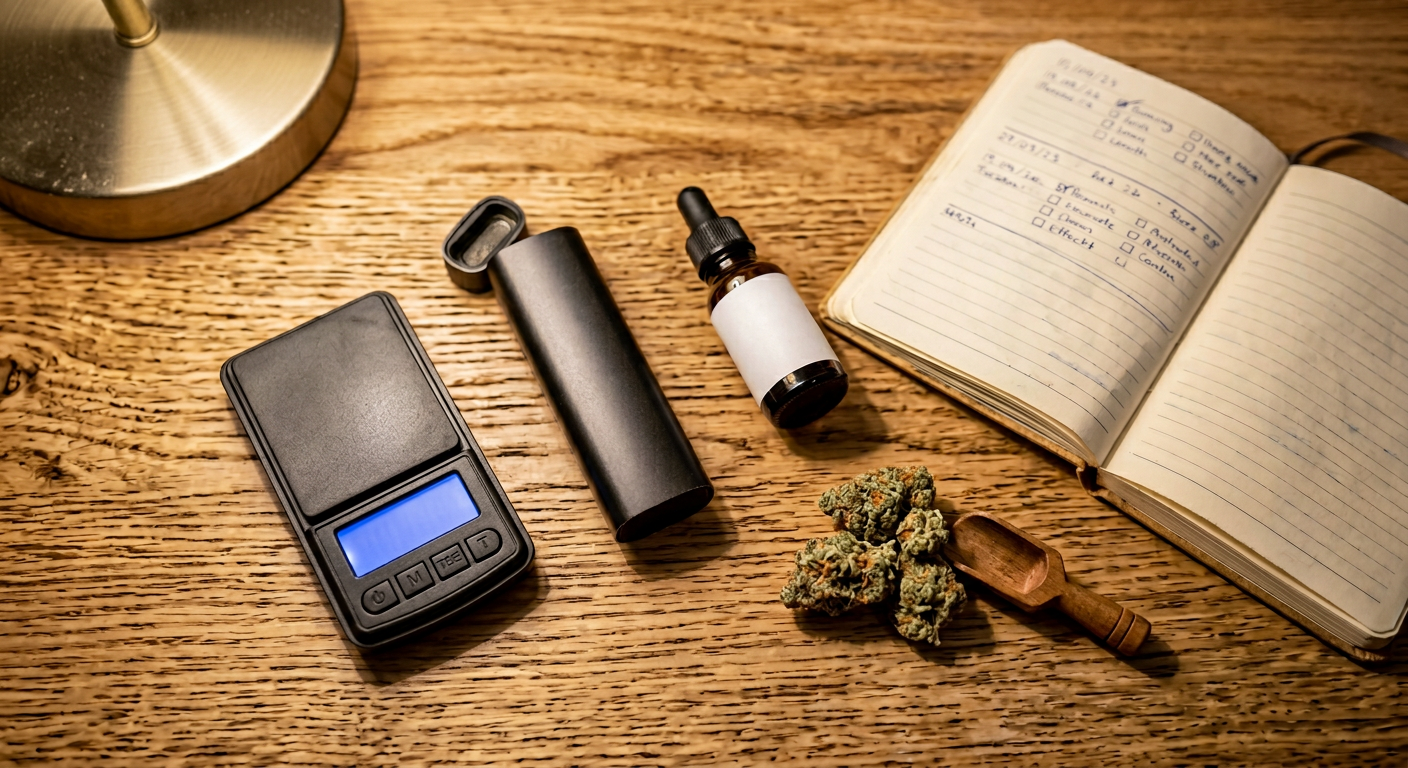
Begin with a single inhalation (approximately 3–5mg THC) or a 5–10mg oral dose. Wait 20 minutes (inhaled) or 90 minutes (edible) before assessing effect. Record spasm frequency and intensity on a simple 1–10 scale.
Titrate Upward Slowly Over 5–7 Days
Increase dose by 2.5–5mg THC every 3–5 days until you notice meaningful spasm reduction without sedation overload. Most therapeutic users find their sweet spot between 10–25mg THC per session. For strains like Purple Kush at 27% THC, 1–2 inhalations typically delivers 8–15mg depending on flower density and inhalation depth.
Choose Delivery Method to Match Spasm Pattern
Acute spasms (sudden onset) respond best to inhalation or sublingual tincture for fast onset. Chronic background tension (MS spasticity, CP) benefits more from oral capsules or edibles for sustained 6–8 hour coverage without redosing.
Add CBD to Reduce THC Overconsumption Risk
Taking a CBD supplement (10–30mg) alongside THC-rich flower reduces anxiety and helps maintain the therapeutic anti-spasm window longer. CBD acts as a partial CB1 antagonist at high doses, preventing runaway THC effects that can paradoxically increase muscle tension.
Cycle Strains to Prevent Tolerance
CB1 receptor downregulation (tolerance) is the biggest clinical challenge with ongoing cannabis use for spasms. Rotate between 2–3 strains with different terpene profiles every 2–3 weeks. Take a 48-hour tolerance break monthly to restore receptor sensitivity.
Vaporization Advantage: For medical use targeting muscle spasms, dry herb vaporization at 185–210°C activates THC and myrcene most efficiently while avoiding combustion byproducts. Vaping also gives you precise session control — one or two draws versus an entire joint — which is critical for therapeutic dosing accuracy.
How to Grow Myorelaxant Strains at Home
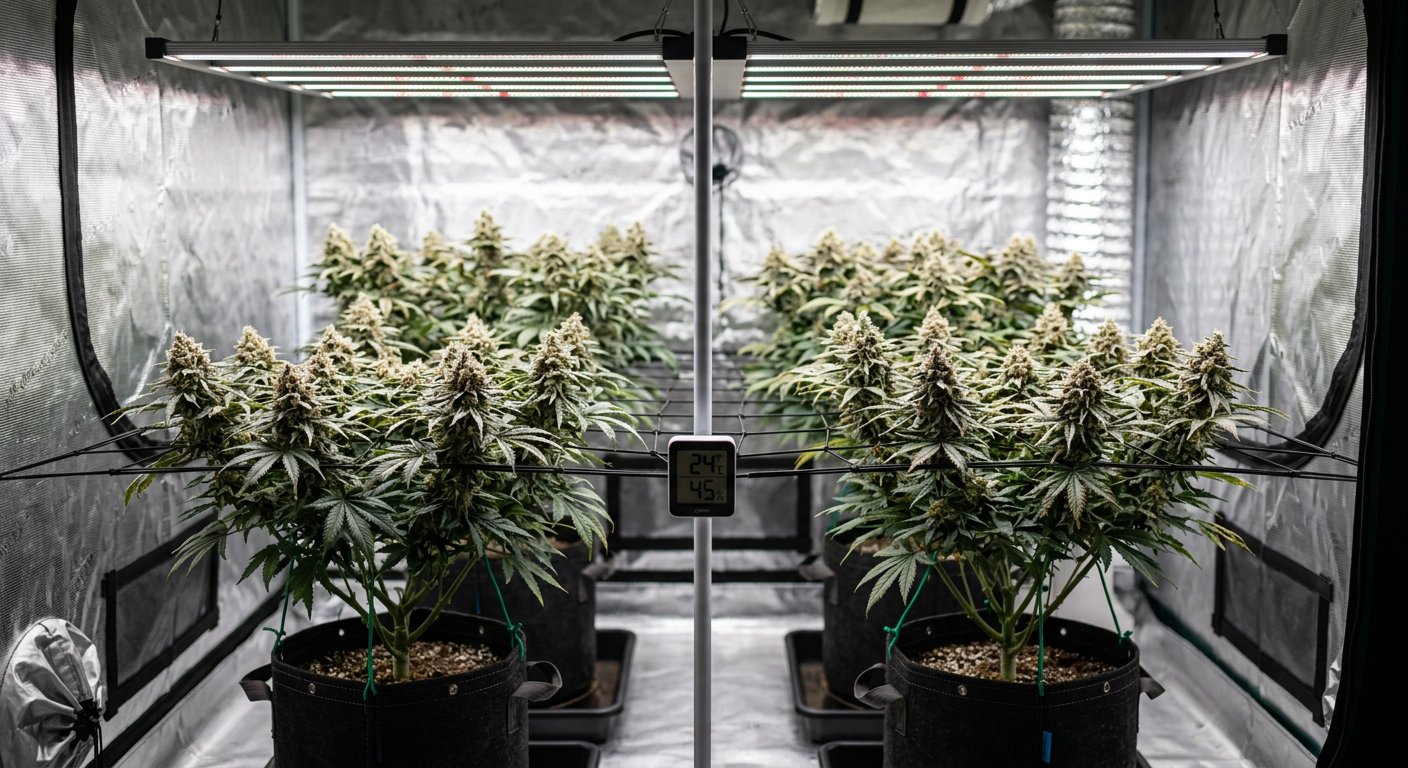
Growing your own cannabis for muscle spasm relief gives you something dispensaries cannot: complete control over harvest timing, terpene preservation, and cannabinoid consistency. The strains in this guide are all feminized or autoflowering, meaning every seed you plant will produce medicine-grade flower.
Key cultivation factors that directly affect therapeutic terpene content:
- Temperature: Keep the final 2 weeks of flower below 26°C — heat volatilizes myrcene and linalool, reducing their therapeutic content. See our temperature control guide.
- Humidity: Maintain 40–50% RH during late flower to protect trichome integrity without mold risk. Our humidity control guide covers this in detail.
- Harvest timing: For maximum myrcene content, harvest when 20–30% of trichomes have turned amber. Early harvest (all clear trichomes) produces more cerebral, less myorelaxant effects. See when to harvest for maximum potency.
- Curing: A proper 4–6 week cure at 58–62% RH preserves terpene content far better than rushed drying. Visit our drying and curing guide.
- Genetics consistency: Feminized seeds from stable genetics produce consistent cannabinoid and terpene profiles across grows — critical for medical dosing reliability.
Low-Stress Training (LST) for Medical Growers: Indica plants grown for spasm relief benefit from gentle LST or ScrOG techniques that maximize even bud development without stressing plants — stressed plants can produce less-consistent terpene profiles. Check out our ScrOG growing guide for a step-by-step approach suited to these short, dense indica cultivars.
Quick Strain Selection Guide: Match Your Spasm Type
Different types of muscle tension have different neurological origins, and the best cannabis strain for your situation depends on understanding which pattern you're dealing with. Use the guide below to match your spasm profile to the right strain.
| Spasm Type | Origin | Best Strain Match | THC Level | Delivery Method |
|---|---|---|---|---|
| MS Spasticity | Demyelination of motor neurons | Northern Lights × Big Bud | Moderate (20%) | Sublingual tincture or oral |
| Cerebral Palsy Spasticity | Upper motor neuron damage | Purple Power (low THC) | Low (10%) | Oral CBD-rich extract |
| Exercise Cramps | Electrolyte/fatigue-induced | OG Kush | High (26%) | Inhalation post-workout |
| Back/Desk Tension | Postural overload + inflammation | Skywalker OG Auto | Medium-high (23%) | Evening vaporization |
| Neuropathic Spasms | Peripheral nerve damage | Cookies Kush | Moderate (18%) | Topical + oral combination |
| Nocturnal Leg Cramps | Autonomic + circulatory | Papaya | High (25%) | Inhalation 45 min before bed |
| Daytime Functional Spasms | Mixed neurological | NL × Amnesia Haze | High (24%) | Low-dose vaporization |
Don't Skip Medical Assessment: Persistent or worsening muscle spasms can signal undiagnosed neurological conditions including MS, ALS, or spinal cord pathology. Cannabis can provide meaningful relief, but it should be part of a diagnosed treatment plan — not a substitute for proper neurological evaluation. Always consult a physician before self-treating with cannabis for spasticity.
Consumption Methods Compared for Spasm Relief
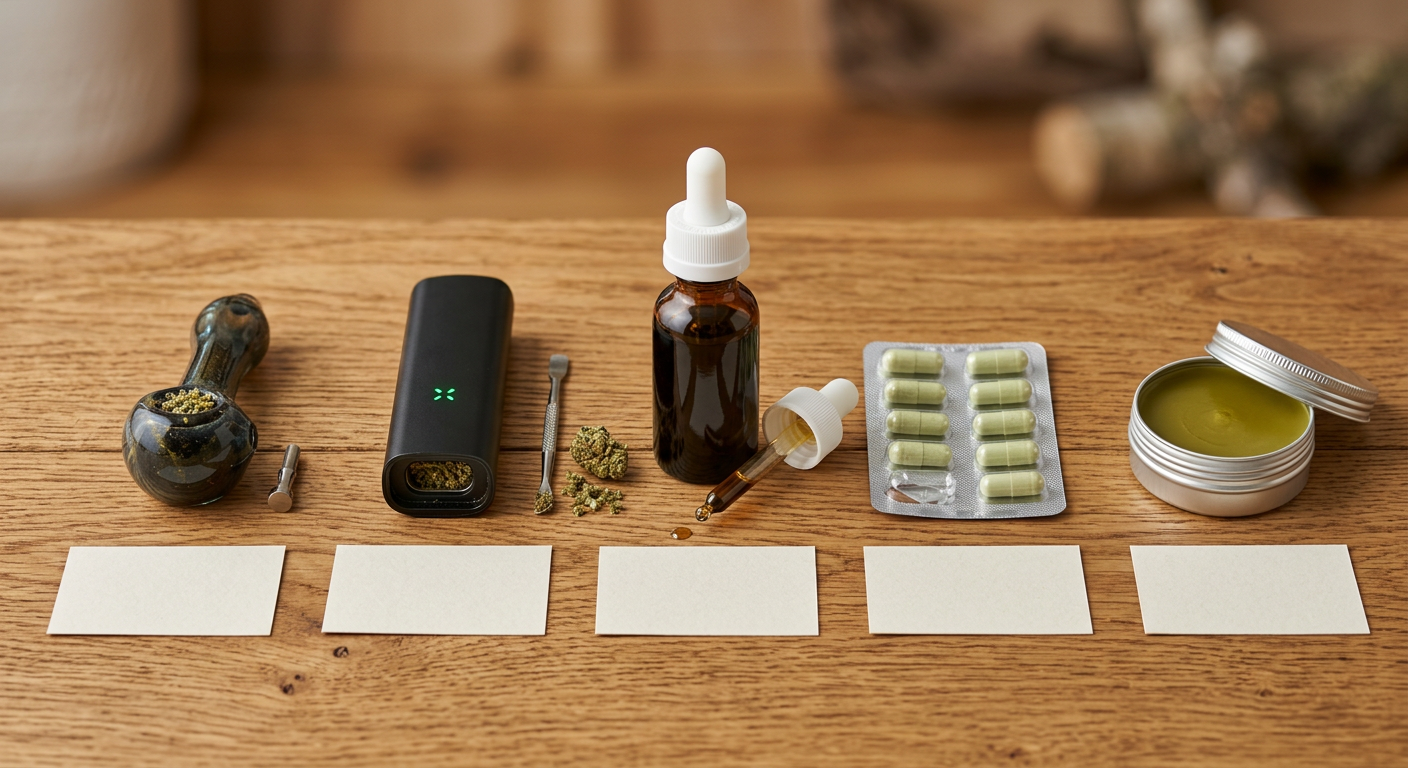
The delivery method you choose matters as much as the strain. Onset speed, duration, and bioavailability differ dramatically between inhalation, oral, sublingual, and topical routes — and each has a different therapeutic use case for weed for muscle spasms.
- 🔥 Inhalation (smoking/vaping): Fastest onset (5–15 min), highest peak effect, shortest duration (2–3 hrs). Best for acute spasm episodes. Vaping preferred over smoking for medical use — eliminates combustion byproducts.
- 💧 Sublingual tincture: Onset 15–45 min, moderate duration (3–5 hrs), precise dosing. Ideal for MS and CP patients needing consistent relief without psychoactive peaks.
- 🍪 Oral edibles/capsules: Onset 60–120 min, longest duration (6–8 hrs), highest bioavailability variability. Best for chronic background tension; requires careful dose management due to liver conversion of THC to 11-hydroxy-THC (3× more potent).
- 🧴 Topical (cream/balm): No psychoactivity, localized CB2 activation in muscle tissue. Excellent adjunct for focal spasms (neck, lower back) alongside systemic delivery.
- 🌡️ Suppository: High bioavailability, minimal psychoactivity. Emerging option for patients with severe spasticity who cannot tolerate oral routes.
For most muscle spasm patients, a two-method approach works best: sublingual tincture for daytime baseline control plus low-dose inhalation for breakthrough acute spasms. This mirrors the pharmaceutical model of long-acting baseline medication plus fast-acting rescue doses.
Frequently Asked Questions
Does cannabis actually relax muscles or just reduce pain perception?
Both mechanisms operate simultaneously. THC activates CB1 receptors on spinal motor neurons, which directly reduces the excitatory input driving involuntary contractions — this is genuine myorelaxation, not just pain masking. CBD separately raises GABA tone, the same inhibitory neurotransmitter targeted by baclofen. Multiple EMG (electromyography) studies have confirmed reduced muscle electrical activity following cannabis use, confirming it's not purely analgesic.
What's the best cannabis strain for MS spasticity specifically?
The clinical literature supports balanced THC:CBD formulations most strongly for MS spasticity — mirroring Sativex's 1:1 ratio. Among whole-plant strains, Northern Lights × Big Bud (20% THC with a broader terpene profile including linalool) or Purple Power (10% THC, higher CBD ratio) used with supplemental CBD best replicates this. Oral or sublingual delivery provides the consistent plasma levels needed for ongoing spasticity management rather than episodic dosing.
Can too much THC make muscle spasms worse?
Yes — at high doses, THC can paradoxically increase muscle tension by triggering anxiety and sympathetic nervous system activation (the fight-or-flight response). This is why the therapeutic window matters: low-to-moderate THC doses (5–20mg) activate CB1 myorelaxation, but very high doses can overshoot into anxiety-driven tension. This is also why adding CBD helps — it modulates the THC response and prevents this overconsumption effect.
How long does cannabis muscle relaxation last?
Duration varies by delivery method. Inhaled cannabis provides 2–3 hours of myorelaxant effect. Sublingual tinctures last 3–5 hours. Oral edibles and capsules provide the longest coverage at 6–8 hours, making them most suited for conditions like MS where spasticity is continuous. For nighttime leg cramps, inhalation 30–45 minutes before bed provides sufficient coverage through the highest-risk sleep period.
Is CBD alone effective for muscle spasms without THC?
CBD alone shows genuine myorelaxant activity via GABA-A potentiation, TRPV1 desensitization, and CB2-mediated anti-inflammation — but clinical evidence consistently shows it performs better when combined with at least some THC. The entourage effect is particularly pronounced for spasticity, where THC's direct CB1 agonism complements CBD's GABA modulation. Even a 10:1 CBD:THC ratio outperforms pure CBD isolate in most clinical comparisons. Low-THC strains like Purple Power represent a good compromise for users who cannot tolerate significant psychoactivity.