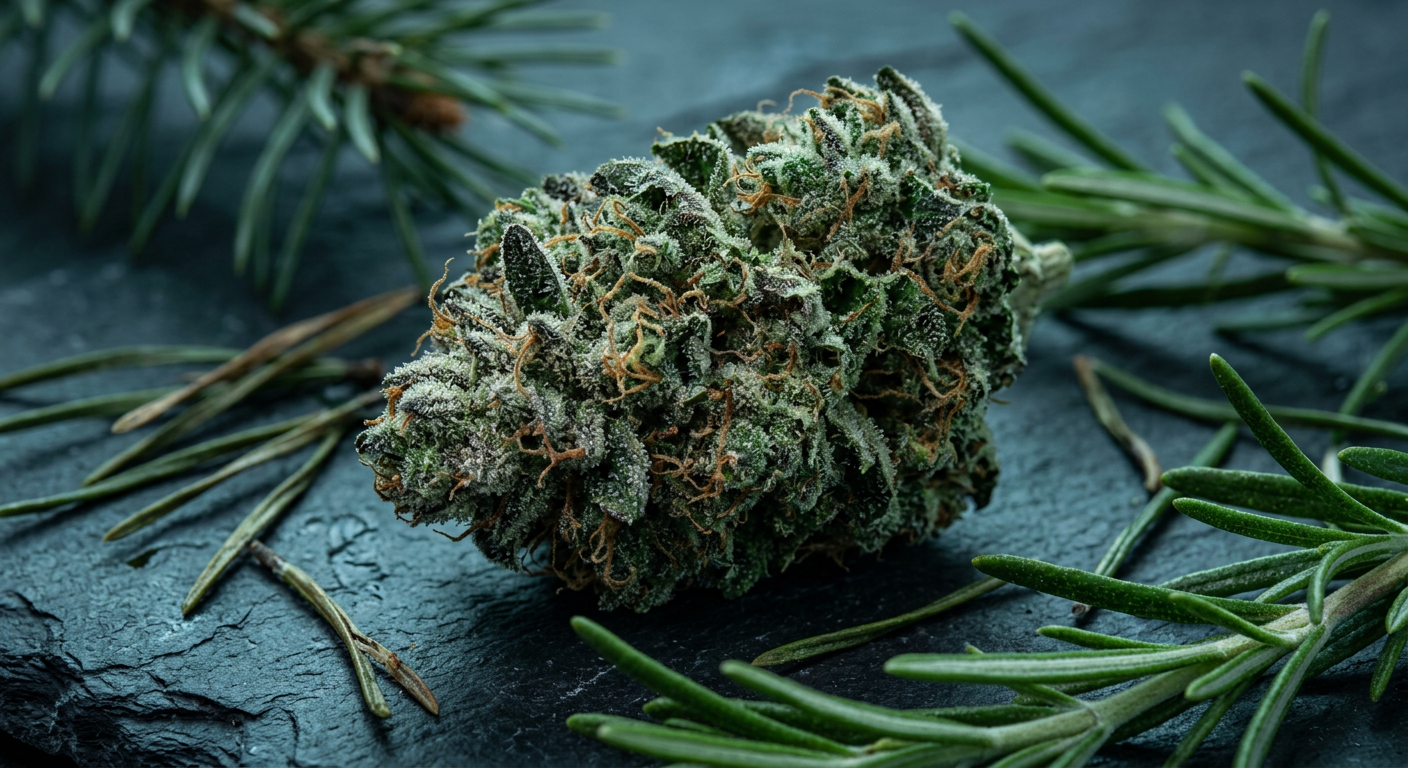
Walk into a pine forest and take a deep breath. That sharp, clean, almost electric scent clearing your head instantly? That is pinene — and it is one of the most cognitively active terpenes found in pinene cannabis strains. While most people chase THC percentages, serious users know the terpene profile predicts the experience far more accurately. And when focus, alertness, and clear-headed productivity are the goal, pinene is the terpene to seek out.
This guide covers everything you need to know about pinene terpene cannabis effects — from the biochemistry of how it sharpens the mind to the specific strains that deliver the highest concentrations. Whether you are a consumer looking for a productive afternoon strain or a grower who wants to optimize for terpene expression, this is your complete reference.
What Is Pinene? The Terpene That Smells Like a Forest
Pinene is the most abundant naturally occurring terpene on Earth. It gives pine trees, rosemary, basil, and eucalyptus their signature sharp, resinous aroma — and it is one of the most commonly detected terpenes in cannabis flower.
Terpenes are the aromatic compounds produced in the same trichome glands that make cannabinoids like THC and CBD. They are not just scent molecules — they interact directly with receptors in the brain and body, influencing how a cannabis strain feels. Pinene's effects are among the most well-documented in terpene research, making it a target for consumers who want measurable cognitive benefits from their cannabis.
In cannabis, pinene appears in two structural forms: alpha-pinene (α-pinene) and beta-pinene (β-pinene). Both belong to the monoterpene class and share a bicyclic ring structure, but they differ in exactly where a double bond sits in the molecule — a small difference that produces noticeably different aromas and slightly different effects.
- Natural sources of alpha-pinene: Pine needles, rosemary, sage, eucalyptus, orange peel
- Natural sources of beta-pinene: Dill, parsley, hops, basil, fennel
- In cannabis: Both forms co-occur, with alpha-pinene dominating in most cultivars
Pinene is not a minor background terpene. In high-pinene strains, it can represent up to 0.75% of the flower's dry weight — enough to produce measurable physiological and psychological effects on its own, and significant entourage interactions with THC and CBD.
Alpha Pinene vs Beta Pinene: Two Forms, One Family
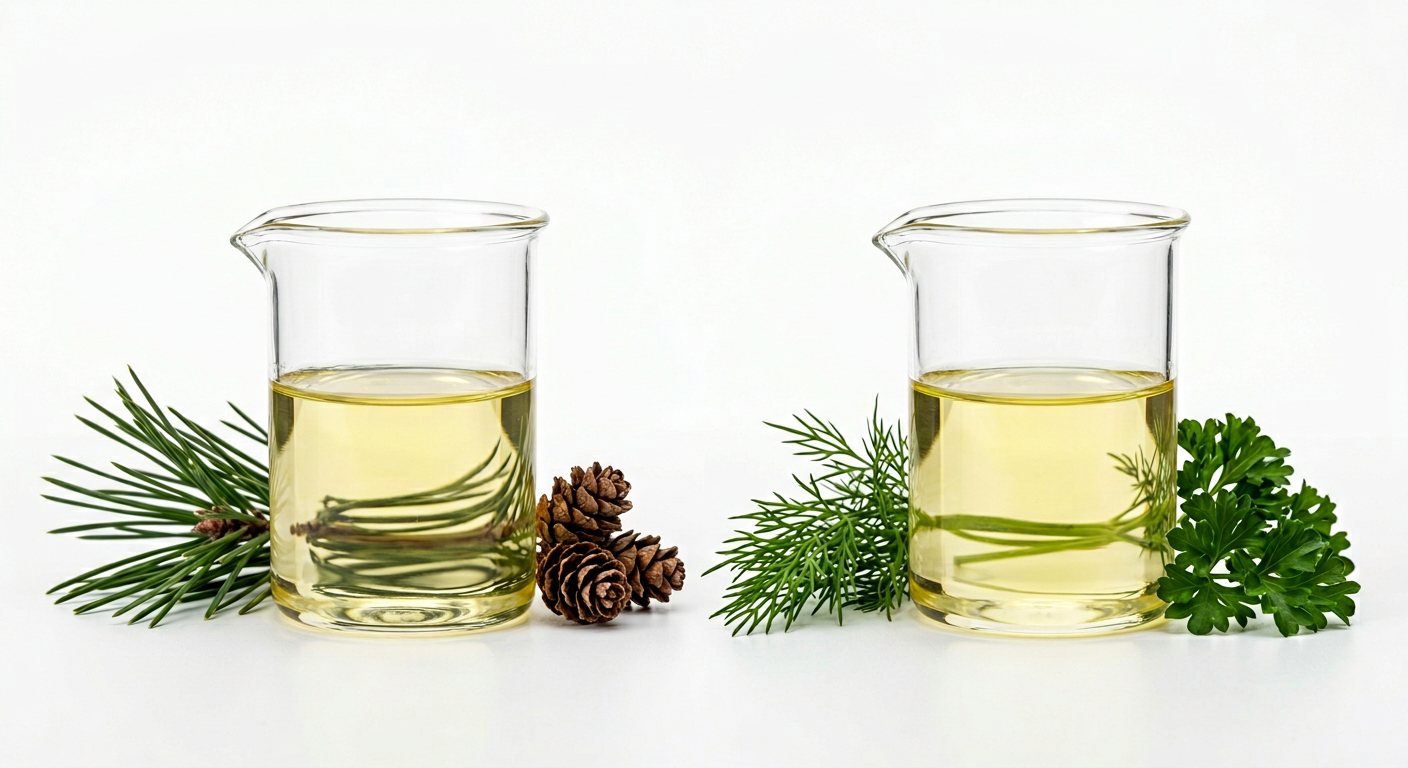
Understanding the distinction between alpha-pinene and beta-pinene matters when selecting cannabis strains for specific effects. They share a family resemblance but behave differently in both aroma and pharmacology.
Alpha-pinene is the isomer responsible for that unmistakable sharp pine smell — crisp, bright, and almost medicinal. It is the more extensively researched of the two and the form most consistently linked to cognitive effects. Beta-pinene, by contrast, carries a warmer, woodier, slightly herbal aroma closer to dill or parsley. In cannabis, alpha-pinene almost always appears at higher concentrations than beta-pinene.
| Property | Alpha-Pinene (α) | Beta-Pinene (β) |
|---|---|---|
| Aroma | Sharp pine, crisp, resinous | Woody, herbal, dill-like |
| Abundance in Cannabis | Higher (primary form) | Lower (secondary form) |
| Key Research Focus | AChE inhibition, memory, alertness | Antimicrobial, anti-inflammatory |
| Boiling Point | 155°C (311°F) | 166°C (331°F) |
| Common in Strains | Jack Herer, Durban Poison, Blue Dream | OG Kush, Romulan, some Kushes |
Science Note: Both alpha and beta-pinene can cross the blood-brain barrier due to their small molecular size and lipophilic (fat-loving) structure. This makes them genuinely neuroactive — not just aromatic. Alpha-pinene's AChE inhibition has been confirmed in multiple in vitro and animal studies, placing it alongside compounds studied for cognitive support.
For focus-oriented sessions, alpha-pinene is your primary target. When reading lab reports or strain descriptions, look specifically for α-pinene listed in the terpene breakdown. Many labs report total pinene without distinguishing isomers, so when possible, seek out full isomer-separated lab data.
The Neuroscience of Pinene: How It Promotes Focus and Alertness
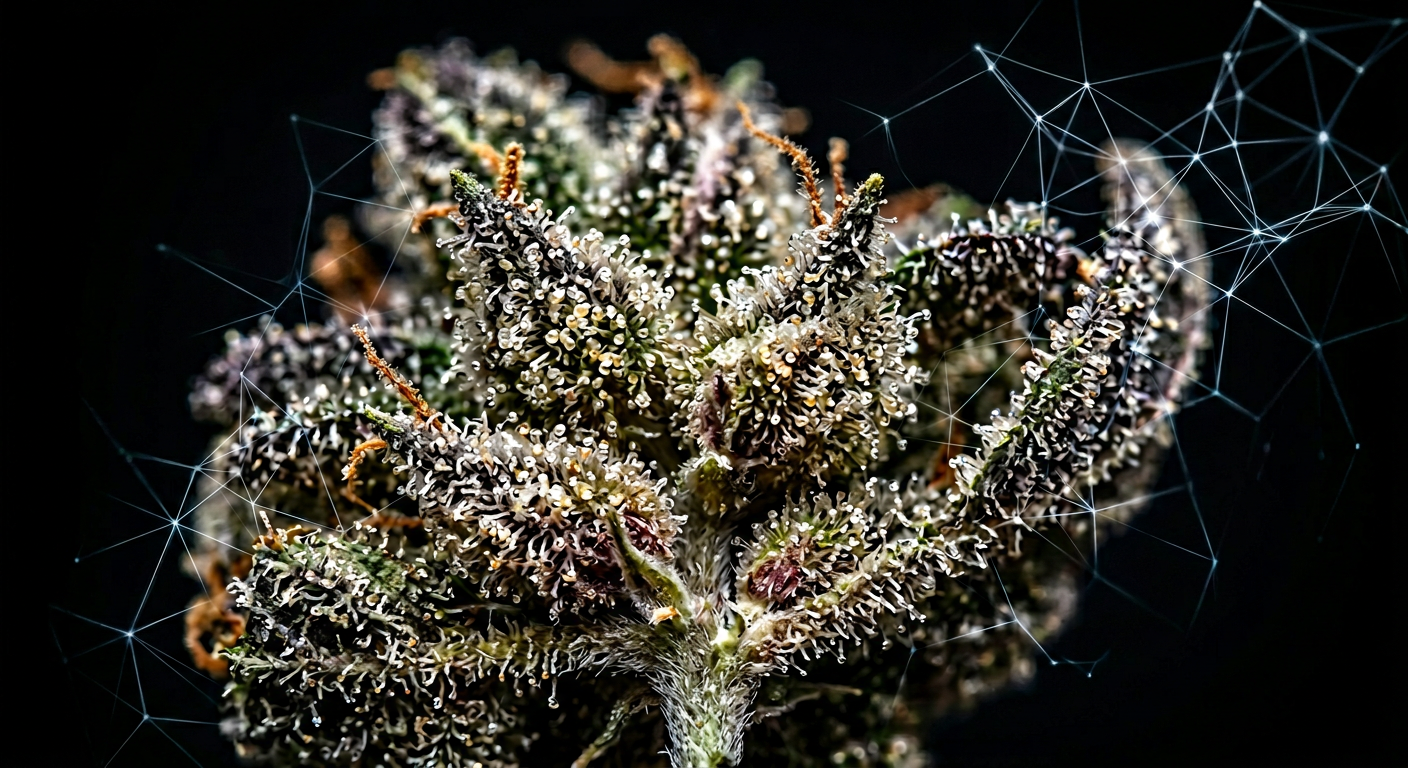
Pinene's reputation as a focus-enhancing terpene is not just anecdotal — it is grounded in measurable neuropharmacology. The primary mechanism involves the cholinergic system, which regulates attention, arousal, and cognitive processing.
Alpha-pinene acts as an acetylcholinesterase (AChE) inhibitor. AChE is the enzyme responsible for breaking down acetylcholine, the neurotransmitter most associated with learning, attention, and working memory. By slowing AChE activity, alpha-pinene allows acetylcholine to remain active longer at neural synapses — the same basic mechanism used by pharmaceutical cognitive enhancers prescribed for memory conditions.
- Alertness pathway: Cholinergic neurons project through the brain's arousal centers, keeping you mentally awake and responsive
- Focus pathway: Acetylcholine modulates attention networks in the prefrontal cortex, the brain's executive command center
- Bronchodilation bonus: Pinene also opens airways slightly, increasing oxygen delivery — a secondary factor that may contribute to the alert, clear-headed feeling
If you want to vaporize cannabis specifically for pinene's cognitive benefits, set your vaporizer to 155–165°C (311–329°F). This range captures alpha-pinene efficiently without burning it off at higher temperatures that favor cannabinoids. Going above 200°C significantly degrades pinene content.
Beyond the cholinergic pathway, animal studies have shown that inhaled alpha-pinene increases locomotor activity and reduces sedation — two physiological markers that align with the alert, energized experience cannabis users report from high-pinene strains. This is distinct from the sedating profiles of myrcene-dominant strains.
For a deeper understanding of how terpenes and cannabinoids interact to produce these effects, the Entourage Effect guide breaks down the full synergistic picture. And to understand the broader pharmacology of THC alongside pinene's modulating effects, the THC Explained pillar guide is essential reading.
Pinene and Memory: The Acetylcholinesterase Connection
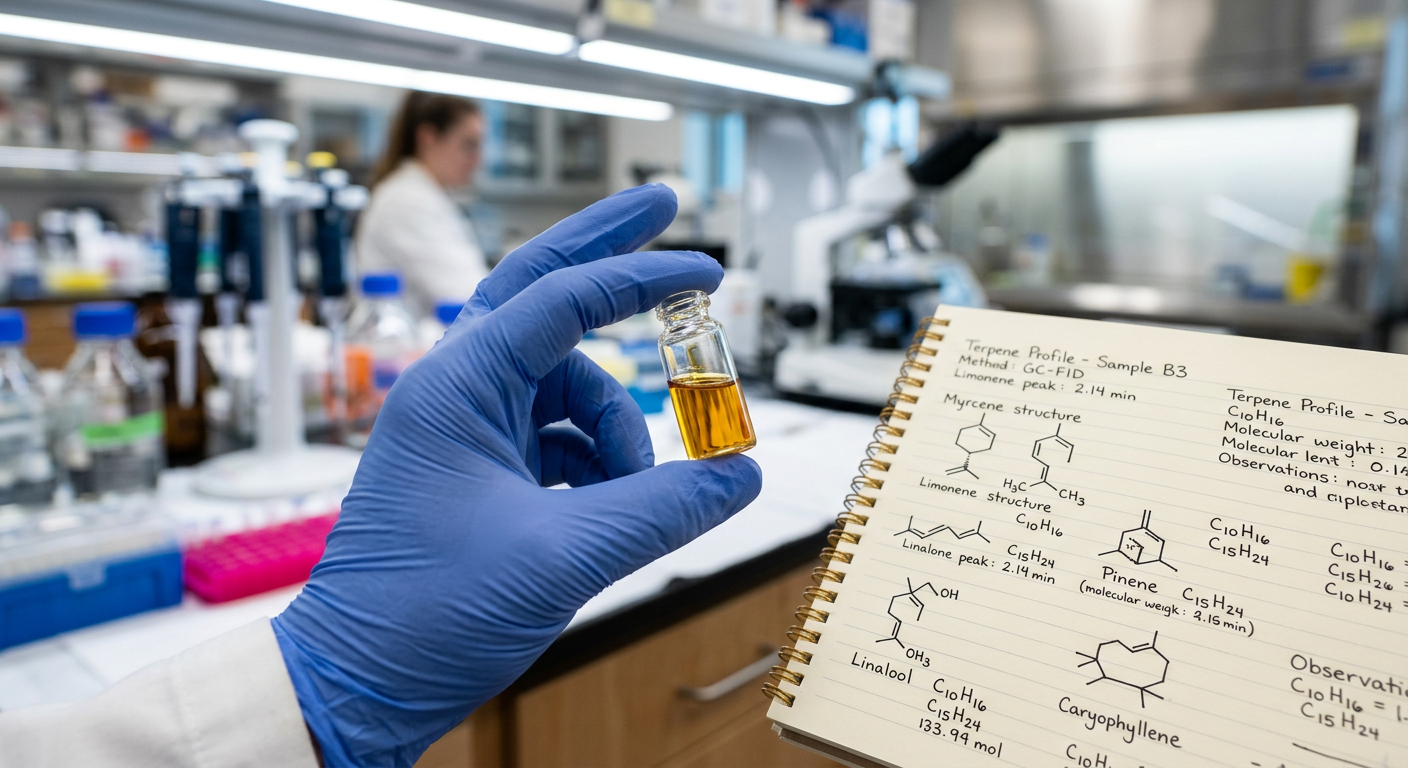
One of the most practically significant pinene effects for cannabis users is its apparent ability to counteract THC-induced short-term memory impairment. This is where the science becomes especially compelling — and relevant to everyday use decisions.
THC is well-documented to temporarily impair short-term memory formation, partly by disrupting hippocampal function through CB1 receptor activation. Alpha-pinene may directly offset this impairment by boosting the cholinergic system — the same system THC partially suppresses. A 2012 study published in the Journal of Natural Medicines confirmed alpha-pinene's AChE inhibitory activity in vitro, suggesting measurable biochemical support for the experiential reports of high-pinene strain users who describe feeling mentally sharper than with other cannabis varieties.
High-pinene strains do not necessarily produce less impairment because they have less THC. They may produce less impairment because pinene actively works against the acetylcholine-depleting effects of THC at the synaptic level. Terpene profile matters as much as cannabinoid content for cognitive outcomes.
- Look for α-pinene as a top-3 terpene on lab reports
- Prioritize sativa-leaning or balanced cultivars for daytime use
- Avoid strains where myrcene dominates — myrcene enhances sedation
- Keep doses moderate — high-dose THC will override terpene modulation
- Vaporize at lower temperatures to preserve pinene content
- Consider pairing with CBD for additional memory-protective effects
This memory-supportive quality is why pinene cannabis strains have attracted interest in research contexts exploring cannabis and cognitive aging. While no clinical conclusions have been reached for human use, the mechanistic basis is solid enough that the research community is actively pursuing it.
Top High-Pinene Cannabis Strains for Focus and Alertness
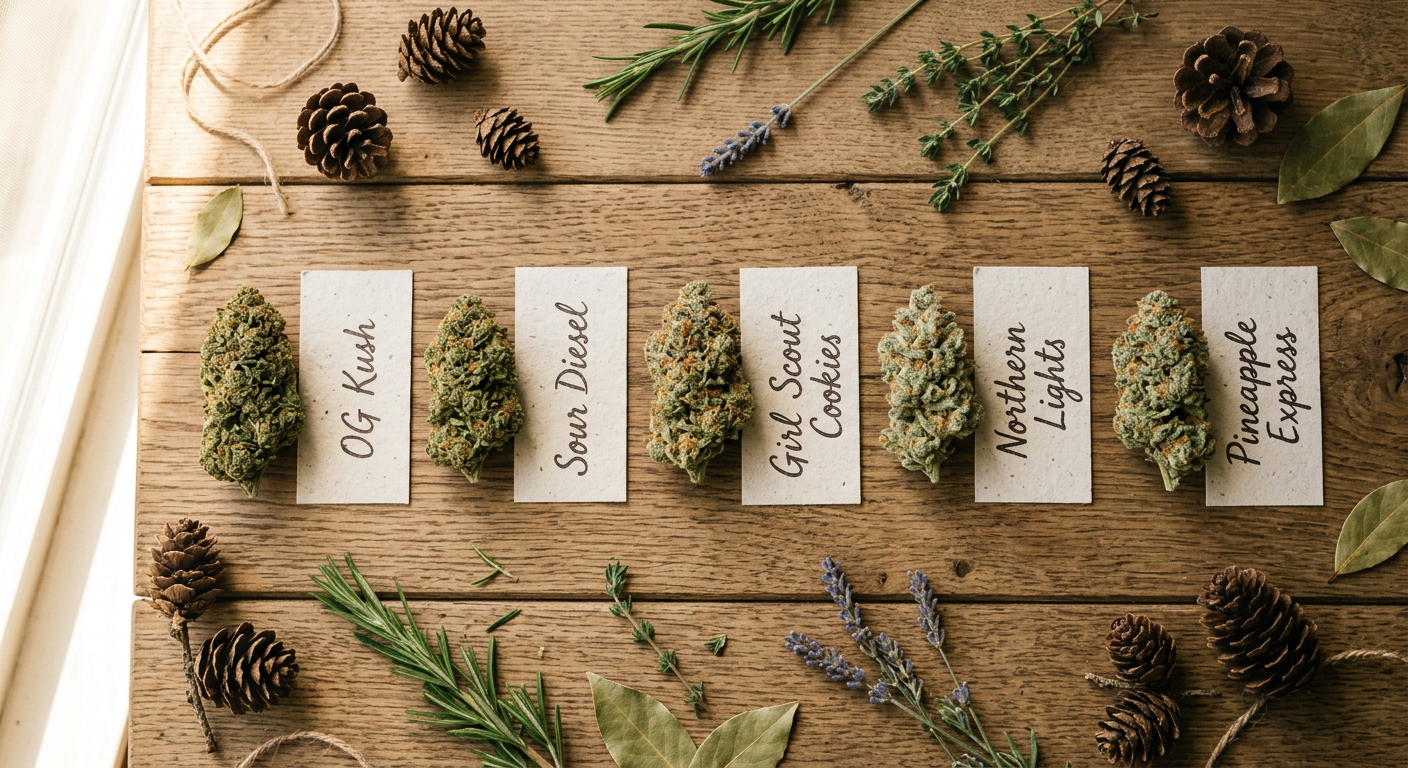
Not every cannabis strain delivers meaningful pinene concentrations. The strains below are selected based on consistently high alpha-pinene test data, cultivar reputation, and reported user experiences aligned with focus and alertness. Both industry-classic cultivars and specific seed options are included.
Jack Herer — The Pinene Benchmark
Jack Herer is the standard reference point for high-pinene cannabis and has been for decades. Named after the legendary cannabis activist, this sativa-dominant cultivar regularly tests with alpha-pinene as its leading or second terpene. Users consistently describe a clear-headed, uplifting, socially energizing experience that is textbook pinene expression.
- THC: 18–24%
- Dominant terpenes: Terpinolene, alpha-pinene, ocimene
- Effects: Creative focus, conversational energy, mood lift with no sedation
- Pinene range: 0.20–0.55% in tested samples
Durban Poison — Pure Sativa Sharpness
Durban Poison is a South African landrace with a terpene profile that reads like a focus supplement stack. It typically tests high in terpinolene and alpha-pinene, producing what many users describe as a racy, almost espresso-like mental clarity. This is a strain built for tasks requiring sustained attention.
- THC: 16–20%
- Dominant terpenes: Terpinolene, alpha-pinene, myrcene (low)
- Effects: High-energy focus, heightened sensory awareness, low body sedation
- Best for: Morning use, creative work, physical activity
Blue Dream — Balanced Pinene Expression
Blue Dream brings alpha-pinene into a more balanced, widely accessible package. The pinene works alongside myrcene and caryophyllene to produce focus that feels easier and more sustained rather than sharply stimulating. It is an excellent entry point for pinene effects without intensity.
- THC: 17–24%
- Dominant terpenes: Myrcene, alpha-pinene, caryophyllene
- Effects: Relaxed focus, gentle energy, creative flow state
- Best for: Afternoon work sessions, moderate experience levels
Super Silver Haze — Cerebral Pinene Power
Super Silver Haze combines sativa genetics with a terpene profile that often ranks alpha-pinene as a lead compound. The experience is famously cerebral — thoughts accelerate, conversations flow, and creative connections multiply. It is a high-ceiling strain best suited for experienced users seeking maximum cognitive activation.
- THC: 18–23%
- Dominant terpenes: Alpha-pinene, terpinolene, myrcene
- Effects: Intense mental energy, euphoric focus, philosophical thought depth
- Best for: Creative projects, brainstorming, high-stimulus environments
OG Kush — Pinene in a Hybrid Package
OG Kush surprises many users with a significant alpha-pinene presence alongside its famous myrcene and caryophyllene base. The result is a hybrid effect where the initial experience includes notable mental clarity before settling into relaxation — a useful profile for focused tasks that also carry physical tension.
Our OG Kush Feminized Seeds carry 26% THC and deliver the cultivar's classic earthy-pine complexity. They are feminized for reliable cultivation and perform well indoors with controlled environments.
Sour Diesel — Fast-Burning Mental Energy
Sour Diesel's fuel-meets-pine aroma telegraphs its pinene content. It tests consistently above 0.15% alpha-pinene in quality phenotypes and produces the fast-acting mental activation for which diesel varieties are known. The onset is rapid and the focus is functional — suited for tasks needing immediate engagement.
Our Sour Diesel Feminized Seeds (24% THC) express the cultivar's signature cerebral push with a terpene profile that experienced users recognize immediately.
Super Lemon Haze — Citrus and Pine Combined
Super Lemon Haze delivers a compelling terpene combination of limonene, alpha-pinene, and terpinolene — essentially a mood-elevation and focus stack in a single cultivar. The pinene element sharpens what limonene starts, producing a clear, optimistic energy suited for social or creative settings.
Our Super Lemon Haze Feminized Seeds reach 23% THC and exhibit the citrus-pine terpene expression the cultivar is bred for. They are a strong choice for growers specifically targeting pinene alongside limonene.
Amnesia Haze — The Memory-Named Paradox
Despite its name, Amnesia Haze has tested with meaningful alpha-pinene concentrations in quality phenotypes — lending support to the idea that its name reflects marketing history rather than actual effect profile. High-pinene expressions of this strain can be remarkably clear-headed for a high-THC cultivar.
Our Amnesia Haze Autoflower Seeds offer 17% THC in an autoflowering format, making the genetics accessible to growers without a complex photoperiod setup.
When shopping for high-pinene cannabis flower or seeds, always request or look for a full third-party Certificate of Analysis (COA) that lists individual terpenes by percentage. Generic descriptions like "piney aroma" are not a reliable proxy for actual pinene content. Numbers tell the real story.
Pinene Terpene Concentrations: What the Lab Data Shows
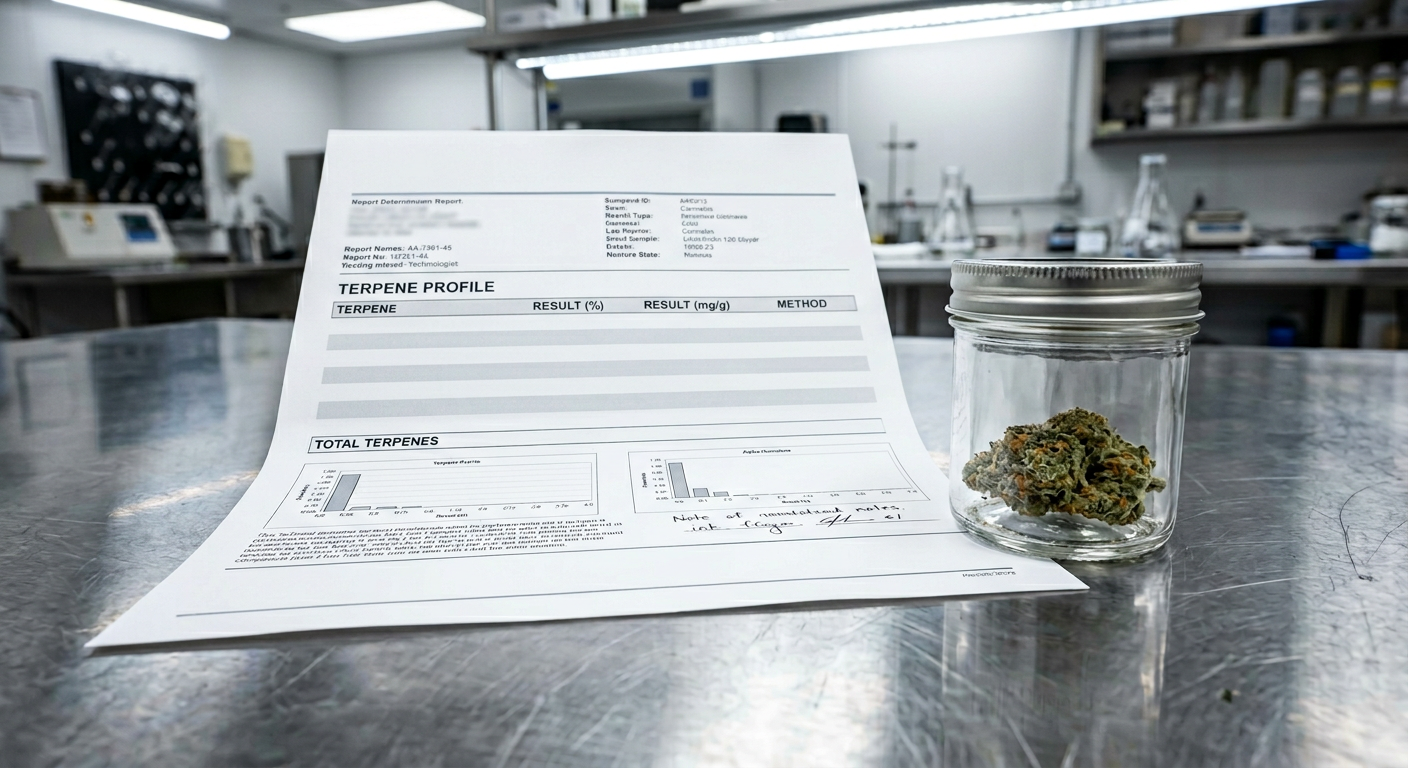
Understanding what concentrations of pinene actually appear in cannabis helps set realistic expectations. Pinene is typically present in cannabis at lower concentrations than dominant terpenes like myrcene or caryophyllene, but its biological activity at low doses makes even modest concentrations meaningful.
| Pinene Level | Concentration Range | Expected Experience | Typical Strain Type |
|---|---|---|---|
| Low | < 0.05% | Minimal cognitive contribution | Indica-dominant, Kush varieties |
| Moderate | 0.05–0.20% | Background alertness boost | Balanced hybrids, some OG lines |
| High | 0.20–0.40% | Noticeable focus and clarity | Blue Dream, Sour Diesel, OG Kush |
| Very High | 0.40–0.75%+ | Strong alertness, sharp mental activation | Jack Herer, Durban Poison, SSH |
Pinene lab data varies significantly between individual plants, batches, and growing conditions even within the same cultivar. A strain known for high pinene can test low if it was grown in suboptimal conditions, harvested early, or stored improperly. Always source lab-tested product from reputable producers.
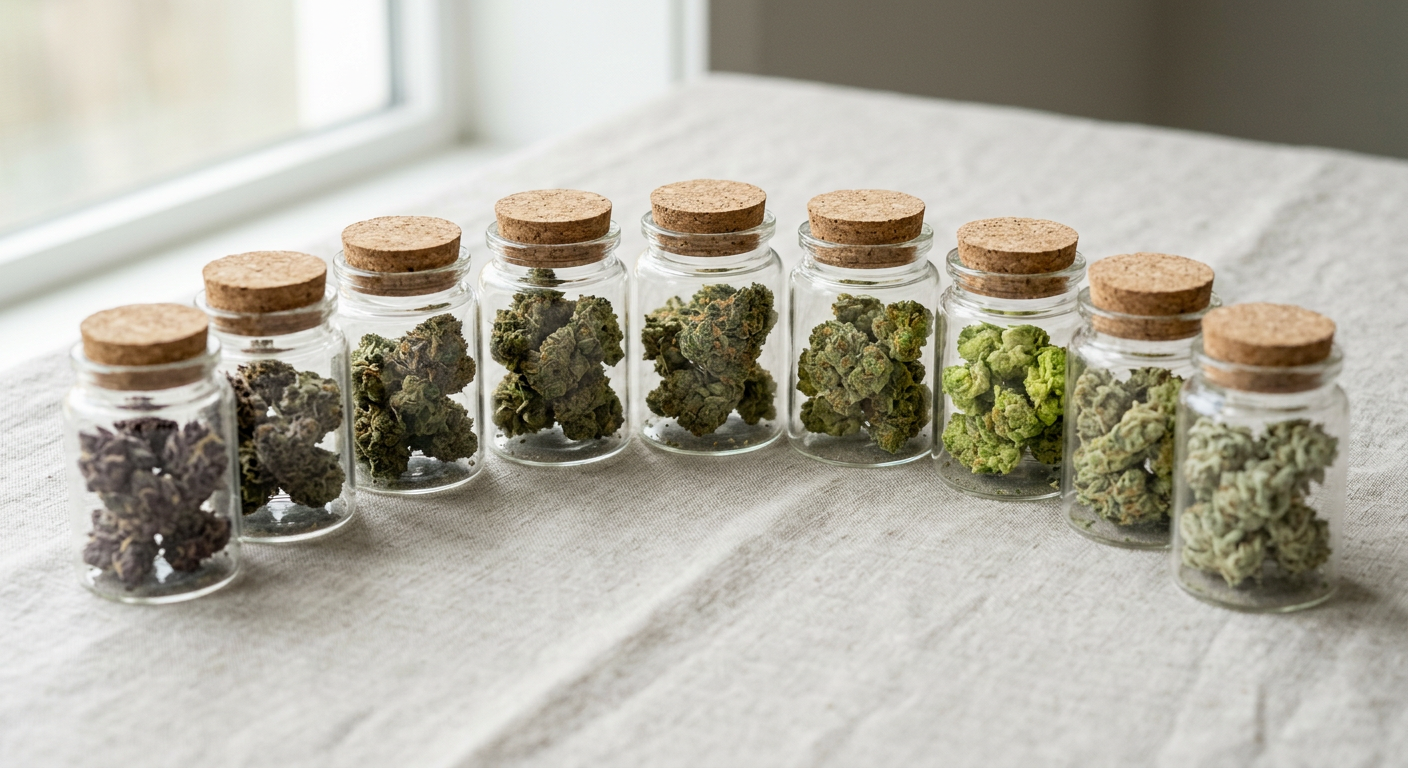
Pinene is also highly volatile — it evaporates quickly at room temperature and degrades rapidly with improper storage. Airtight glass containers stored in cool, dark conditions preserve terpene content far better than plastic bags or room-temperature exposure. This matters both for flower storage and for evaluating the quality of finished product.
How to Get the Most From Pinene: Dosing and Consumption Tips
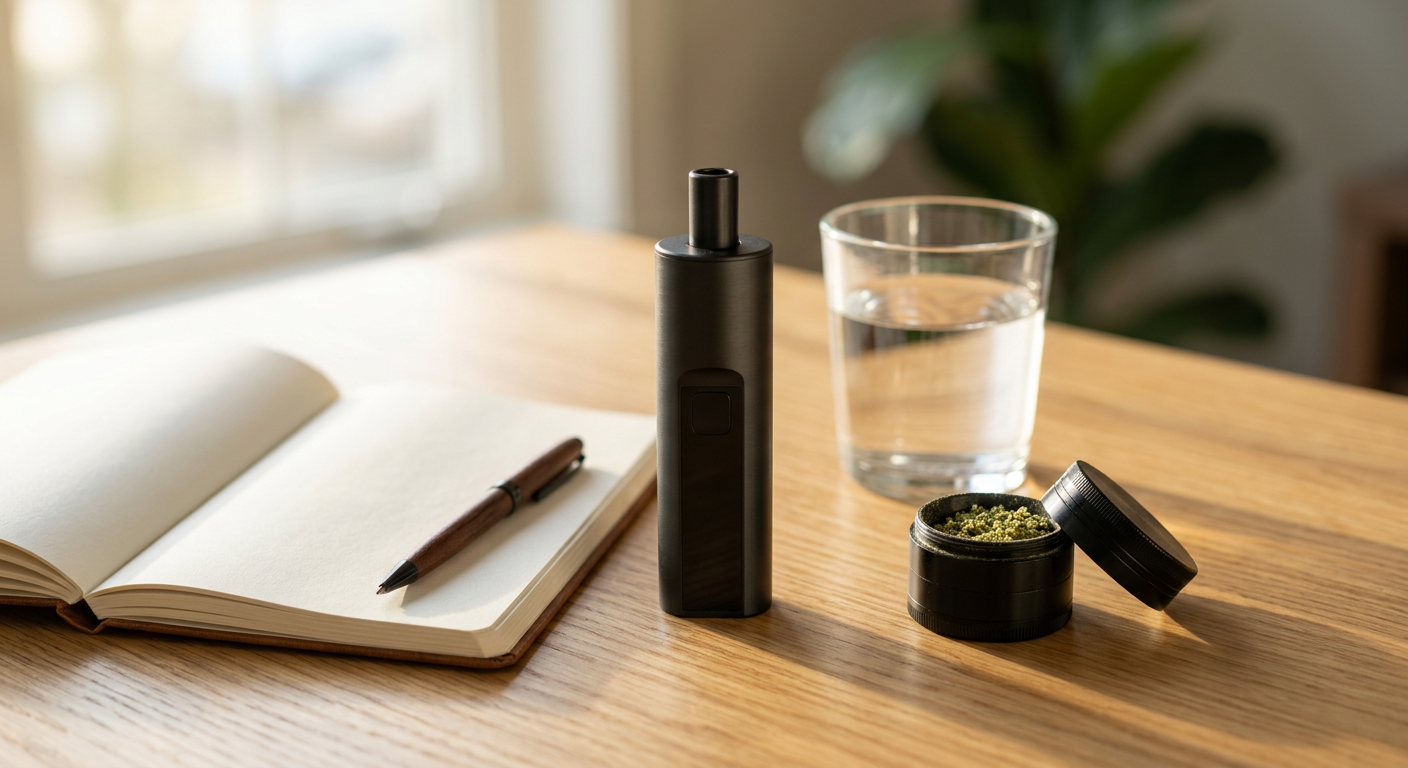
Pinene effects are dose-sensitive and method-sensitive. Getting the most from a high-pinene strain requires understanding both how much you are consuming and how you are consuming it.
Temperature and Method
Alpha-pinene has a boiling point of 155°C (311°F). Beta-pinene boils slightly higher at 166°C (331°F). Combustion (smoking) destroys a significant portion of both forms before inhalation. Vaporization at controlled low temperatures is the most efficient delivery method for pinene specifically.
Set Your Vaporizer to 155–165°C
This window captures both alpha and beta-pinene efficiently. Start low — 155°C for maximum pinene, stepping up only if you need more cannabinoid delivery. Avoid setting above 190°C for pinene-focused sessions.
Use Fresh, Properly Stored Flower
Pinene degrades faster than heavier terpenes. Use cannabis stored in sealed glass jars kept below 21°C. Old, dry flower that crumbles easily has likely lost most of its terpene content regardless of original strain genetics.
Start With a Micro-Dose for Focus Work
For cognitive tasks, less is more with high-pinene strains. 5–10mg THC equivalent is often enough to engage the pinene's focus effects without pushing into territory where THC overwhelms the entourage modulation. Our Edible Dosage Calculator can help you find your optimal dose if consuming infused products.
Time Your Session for the Task
High-pinene sativa strains peak in alertness effects within 10–30 minutes of inhalation and maintain elevation for 1–3 hours. Plan focused work within this window and schedule any creative output for the front half of the experience.
Consumption Method Comparison for Pinene Delivery
- Dry herb vaporizer (low temp): Best option — maximum terpene preservation, precise dosing
- Joint or pipe: Significant pinene loss from combustion, less predictable effects
- Terpene-preserved concentrates: Live resin and live rosin retain pinene well — check COA for terpene data
- Edibles: Pinene survives decarboxylation partially — some effect but less pronounced than inhalation
- Terpene isolate aromatherapy: Inhaling diluted pinene-rich essential oils (like rosemary) can produce mild AChE effects independently
Growing High-Pinene Cannabis: What Affects Terpene Production
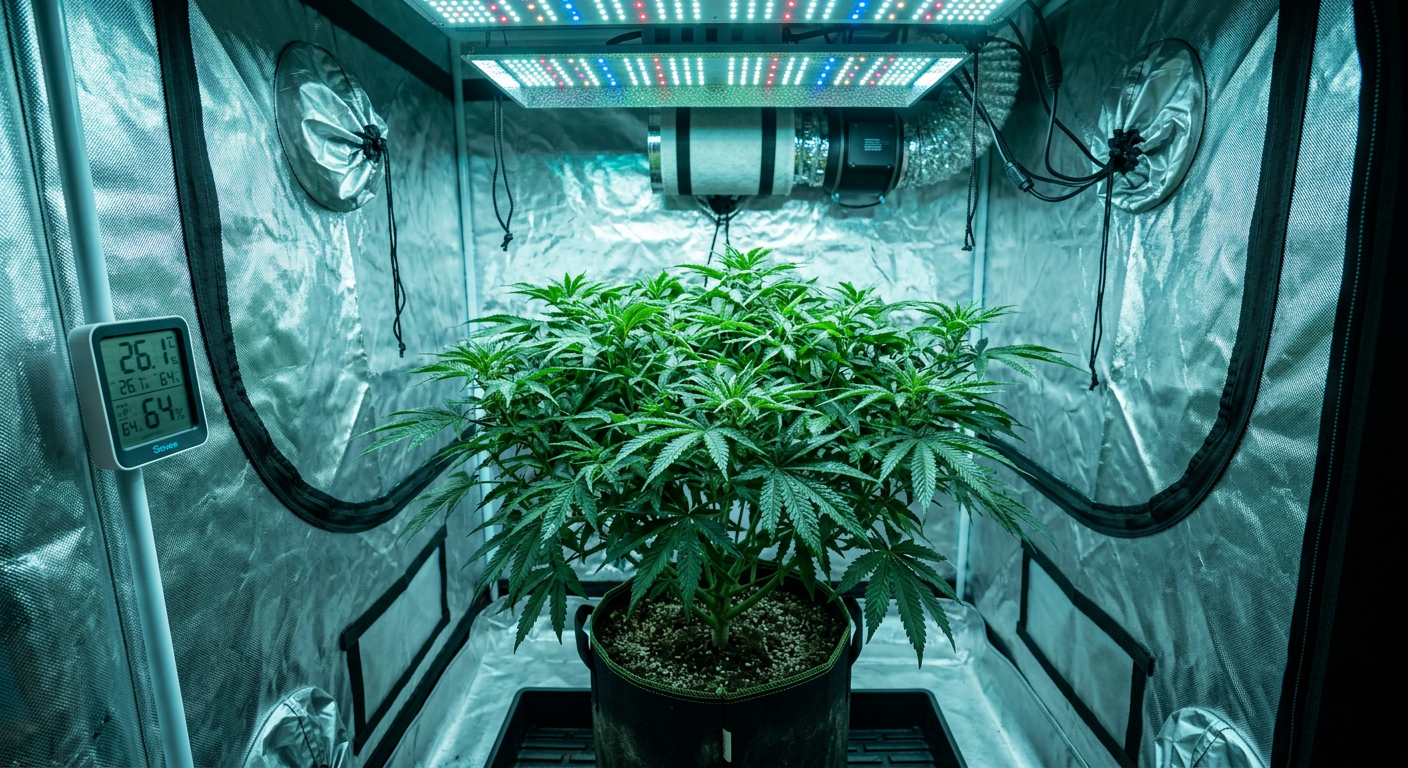
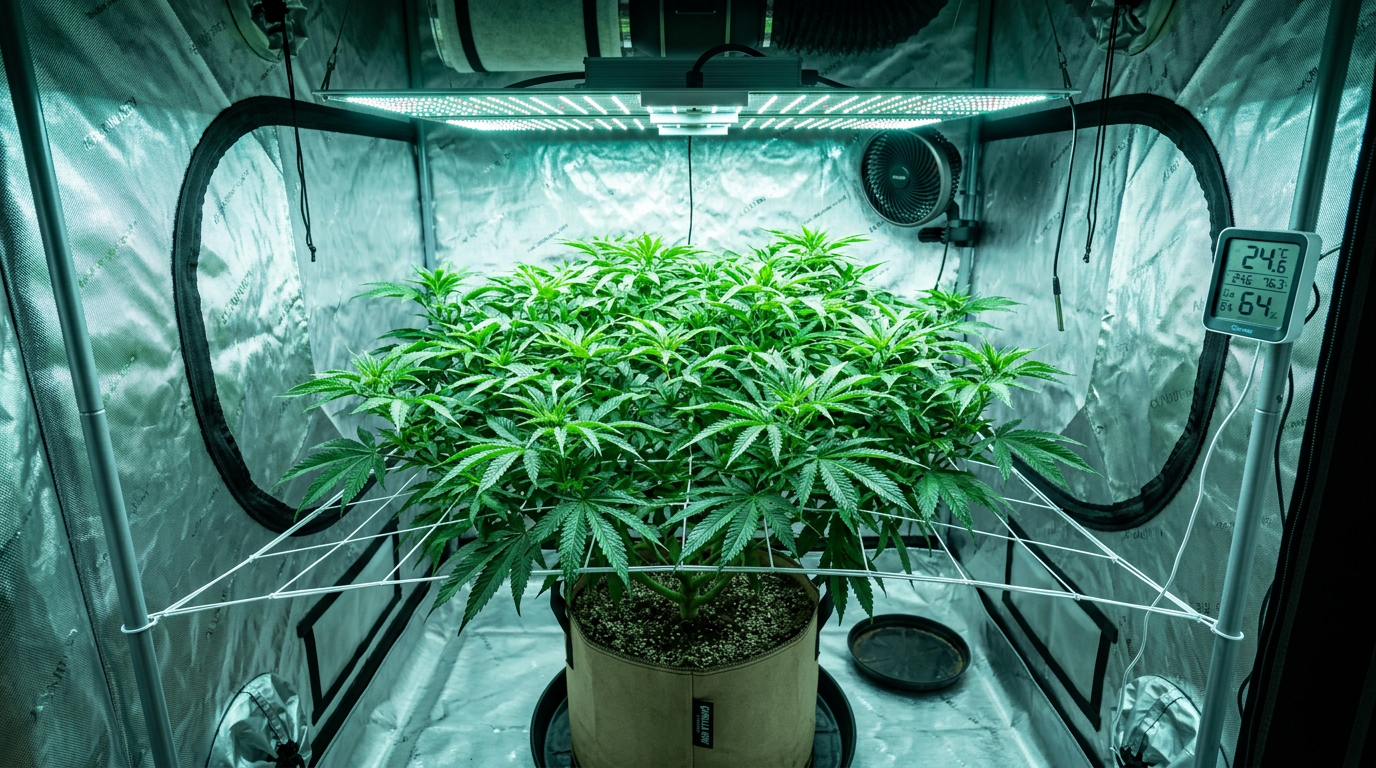
If you are growing cannabis at home with the goal of maximizing pinene expression, genetics are just the starting point. Environmental factors during cultivation significantly influence final terpene concentrations — sometimes by as much as 2–3x between optimal and suboptimal conditions.
Terpenes are secondary metabolites — plants produce them partly as stress responses and partly as ecological tools. Understanding what triggers terpene production helps you design a grow environment that pushes pinene output to its genetic ceiling. For growers setting up their environment, our VPD Calculator and VPD grow guide are essential starting tools.
Key Factors That Increase Pinene Expression
- Optimal VPD range: 0.8–1.2 kPa during late veg, 1.2–1.6 kPa during flower
- Temperature drop (10–15°F) in the final 2 weeks before harvest — mimics seasonal stress
- UV-B light exposure during late flower — proven to increase terpene and cannabinoid synthesis
- Organic living soil with diverse microbial life — feeds terpene biosynthesis pathways
- Harvest at peak trichome maturity — mostly cloudy with 10–20% amber for maximum terpene retention
- Slow dry at 60°F / 60% RH for 10–14 days — preserves volatile monoterpenes like pinene
- Extended cure (4–8 weeks minimum) — allows terpene profiles to fully develop and stabilize
Nitrogen excess in late flower is one of the most common terpene suppressors growers overlook. High nitrogen during the final 4–6 weeks forces the plant to prioritize vegetative growth pathways over secondary metabolite production. Taper nitrogen aggressively after week 3 of flower to free up biosynthetic resources for pinene and other terpenes.
For complete guidance on drying and curing that preserves terpene content, the Cannabis Drying and Curing guide covers the full process in detail. Growers targeting high-pinene expression should pay particular attention to the early dry phase where the most volatile terpenes are at risk.
Planning your pinene-focused grow from seed selection through harvest timing? Our free Grow Planner tool helps you map out the entire cultivation cycle so you hit each critical window — especially that final pre-harvest temperature drop that consistently boosts terpene density.
Looking for specific pinene-rich seeds to grow? Beyond the strains mentioned above, several options in our catalog express noteworthy pine-forward terpene profiles worth exploring:
- White Widow Feminized Seeds (25% THC) — Earthy-pine resin production, classic hybrid terpene complexity
- Skunk Special Feminized Seeds (24% THC) — Skunk heritage often includes moderate pinene alongside its signature profile
- Quantum Kush Feminized Seeds (30% THC) — High-potency option where individual phenotypes can express notable pinene
Pinene in cannabis is not a substitute for medical treatment of any cognitive condition. While the mechanism of action is scientifically sound and research is promising, no cannabis terpene has been approved as a pharmaceutical cognitive agent. Use this information to optimize recreational and wellness-oriented cannabis experiences, not to self-treat medical conditions.
Pinene in the Bigger Picture: Entourage Effects and Synergies
Pinene does not operate in isolation in the cannabis plant — no terpene does. Its focus and alertness effects are amplified or modulated depending on what other terpenes and cannabinoids share the profile. Understanding these synergies helps you predict how a high-pinene strain will actually feel in your specific body chemistry.
Pinene + Limonene
This combination — found in strains like Super Lemon Haze — is widely regarded as the most effective pairing for mood-elevated focus. Limonene boosts serotonin, pinene boosts acetylcholine, and together they produce an optimistic, clear-headed energy. It is the terpene equivalent of a motivating, clean-burning morning.
Pinene + Terpinolene
Common in Durban Poison and Jack Herer, this combination produces the most electric, forward-pushing alertness in the cannabis terpene world. Terpinolene itself carries uplifting properties, and when layered with pinene's cholinergic boost, the effect is sharp, fast, and highly activating. Best for experienced users who want maximum cognitive engagement.
Pinene + Myrcene
Myrcene is sedating and myrcene-heavy strains counter pinene's alertness. When myrcene is present at low-to-moderate levels alongside high pinene — as in Blue Dream — the result is a grounded focus rather than a sharp buzz. If myrcene dominates, pinene's cognitive contributions are significantly blunted.
Pinene + CBD
CBD itself has shown neuroprotective properties and may reduce THC-induced anxiety. Combined with pinene's memory-supporting AChE inhibition, a high-CBD, high-pinene cultivar represents a potentially ideal profile for focus work with minimal side effects. This is an underexplored combination worth seeking out in balanced cultivars.
The ideal high-pinene focus stack in a cannabis profile looks like this: alpha-pinene as a top-3 terpene, limonene or terpinolene as a co-dominant, myrcene below 0.3%, moderate THC (15–22%), and a touch of CBD if anxiety is a concern. That specific combination consistently produces the most functional, clear-headed cannabis experience available.
For more on how all these compounds interact, our full Entourage Effect guide maps the complete terpene-cannabinoid interaction network. And to explore how other focus-oriented terpenes like beta-caryophyllene contribute their own dimension, the Beta-Caryophyllene guide is a natural companion read.
If you are approaching cannabis specifically for energy and productivity, the curated list in our Best Cannabis Strains for Energy and Focus guide overlaps heavily with high-pinene selections and offers additional strain comparisons. And for the complete terpene family context, our Humulene guide covers another major cannabis terpene with its own distinct effect profile.
Frequently Asked Questions About Pinene Cannabis
What does pinene do in cannabis?
Pinene is a terpene in cannabis that promotes alertness, mental clarity, and focus. It inhibits acetylcholinesterase, an enzyme that breaks down the memory neurotransmitter acetylcholine, which may enhance short-term memory and counteract some THC-related cognitive fog. It also acts as a mild bronchodilator, potentially increasing oxygen delivery during inhalation.
Which cannabis strains are highest in pinene?
Jack Herer, Durban Poison, Blue Dream, Super Silver Haze, and OG Kush consistently test among the highest in alpha-pinene. Sour Diesel and Super Lemon Haze are also reliably high-pinene options for focus-oriented sessions. Always verify with a Certificate of Analysis since terpene levels vary between batches and growing conditions.
What is the difference between alpha pinene and beta pinene in cannabis?
Alpha-pinene carries the classic sharp pine aroma and is the primary form studied for acetylcholinesterase inhibition and cognitive effects. Beta-pinene smells more herbal and woody, closer to dill or parsley. Both appear in cannabis, but alpha-pinene occurs at higher concentrations in most cultivars and is the dominant contributor to focus and memory effects.
Can pinene help with memory while using cannabis?
Research suggests alpha-pinene inhibits acetylcholinesterase, the enzyme that degrades acetylcholine in the brain. Higher acetylcholine levels support memory encoding. This is why high-pinene strains are often reported to produce less memory impairment than low-pinene, high-THC varieties. The effect is more of a modulation than a complete prevention, and it is dose-dependent.
How much pinene is in cannabis flower?
Alpha-pinene concentrations in cannabis flower typically range from 0.01% to 0.75% by dry weight, with most strains averaging between 0.05% and 0.30%. Exceptionally high-pinene cultivars like Jack Herer have tested above 0.50% in select phenotypes. Growing conditions, harvest timing, and post-harvest handling significantly affect final concentrations.