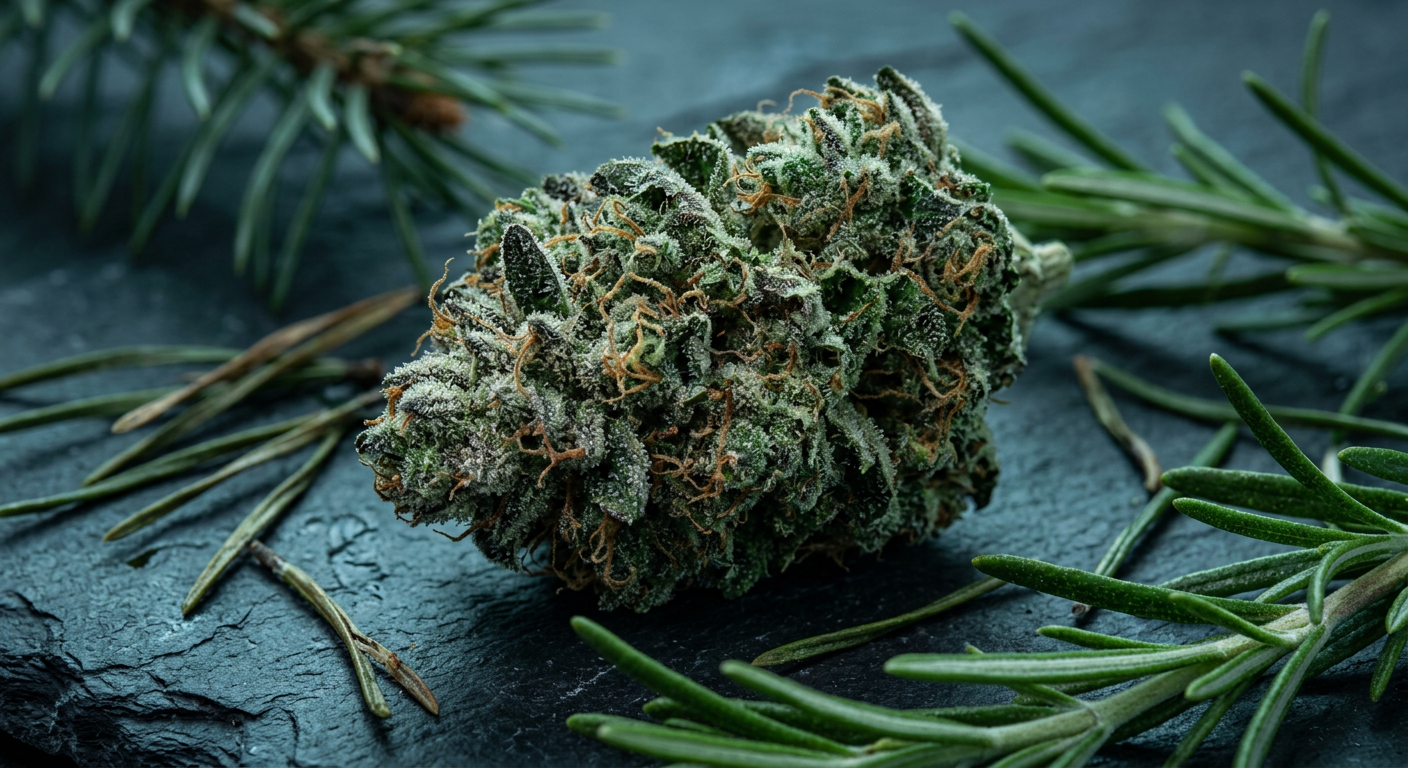
Ask any experienced cannabis consumer why two strains with identical THC percentages can feel completely different, and the honest answer almost always loops back to one molecule: myrcene. Myrcene cannabis chemistry is responsible for that deeply earthy, musky warmth you recognize in classic Kush varieties — and potentially for the heavy, couch-locked body sensation those cultivars are famous for.
Myrcene is the single most abundant terpene found across the cannabis plant kingdom. Studies analyzing commercial cannabis samples have found myrcene concentrations ranging from 0.12% to over 1.8% by dry weight, with many Indica-dominant hybrids landing well above the proposed 0.5% sedative threshold. Understanding what this terpene actually does — and which strains contain the most of it — is the difference between choosing your cannabis intentionally and guessing in the dark.
What Is Myrcene? Chemistry & Natural Sources
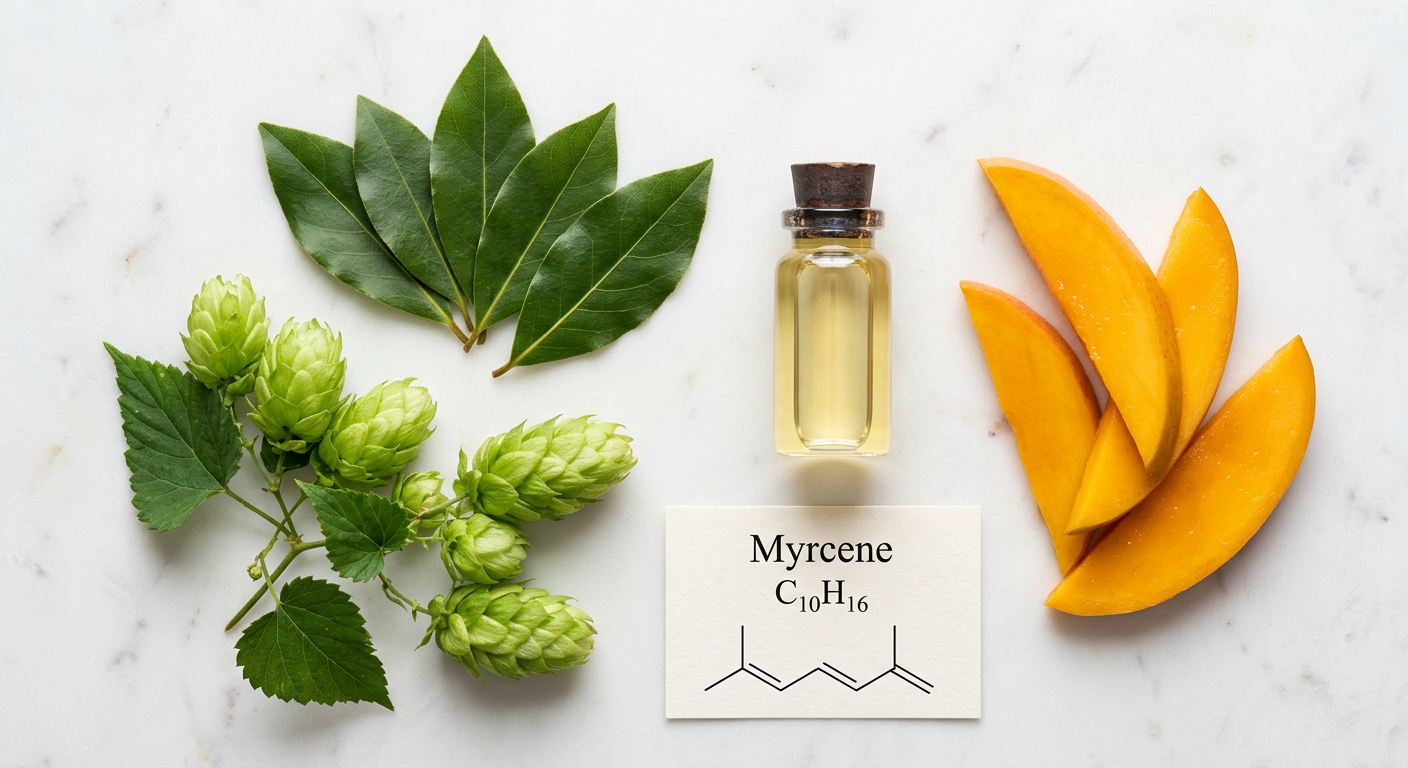
Myrcene (β-myrcene) is a monoterpene — one of the chemically simplest members of the terpene family — with the molecular formula C₁₀H₁₆. It belongs to the acyclic monoterpene subclass, meaning its carbon chain contains no ring structure, which makes it highly volatile and aromatic at relatively low temperatures.
Cannabis didn't invent myrcene. You'll find significant concentrations in:
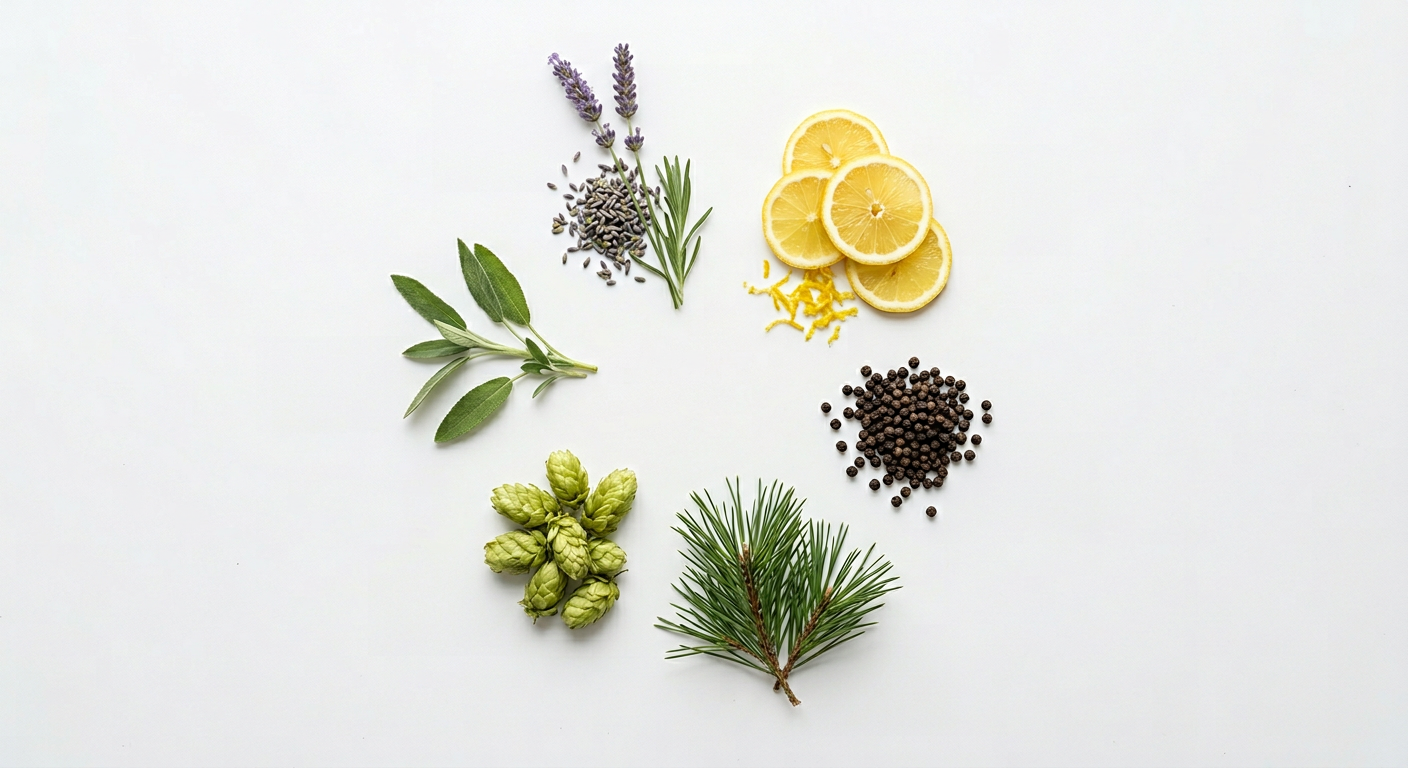
- Hops (Humulus lupulus) — myrcene can exceed 50% of hop essential oil
- Bay laurel leaves — up to 30% myrcene in extracted oil
- Lemongrass, thyme, and mango fruit pulp
- Cardamom, parsley, and wild thyme
Structural Note: Myrcene's simple acyclic structure means its double bonds are highly reactive, contributing to rapid oxidation when cannabis flower is improperly stored. Vacuum-sealed, cool storage (below 21°C / 70°F) in dark glass slows terpene degradation by up to 40% compared to open-air storage at room temperature.
The aroma profile of myrcene is consistently described as earthy, musky, and herbal — reminiscent of cloves or ripe tropical fruit, particularly mango. At high concentrations it carries a mild petrol-like sharpness. This is distinct from the citrus notes of limonene or the piney sharpness of alpha-pinene, which you can explore in our companion guide to pinene in cannabis.
Myrcene Effects: What the Research Actually Says
Myrcene produces sedative, muscle-relaxant, and analgesic properties based on preclinical research, and it may amplify the psychoactive effects of THC by increasing blood-brain barrier permeability. Human clinical trials remain limited, so most mechanistic evidence currently comes from animal models and in-vitro studies.
The most-cited pharmacological actions of myrcene in peer-reviewed literature include:
- Sedation & hypnotic effects: A 2002 study in Phytomedicine (Do Vale et al.) found myrcene produced sedative effects in mice comparable to phenobarbital when combined with pentobarbital, shortening the time to sleep onset.
- Analgesic activity: Research suggests myrcene acts on μ-opioid receptors and may enhance the analgesic properties of THC through co-agonism.
- Anti-inflammatory action: Myrcene inhibits the enzyme 5-lipoxygenase, reducing the production of pro-inflammatory leukotrienes in a manner similar to NSAIDs.
- Muscle relaxation: Both animal models and anecdotal clinical data point to significant skeletal muscle relaxation, which contributes to the stereotype of Indica strains producing a "body high."
- Anxiolytic potential: Myrcene interacts with GABA-A receptor pathways, which may explain mild anti-anxiety effects at therapeutic concentrations.
The 0.5% myrcene threshold theory — popularized by terpene educator Ethan Russo — proposes that strains containing more than 0.5% myrcene by dry weight tend to produce sedating, "Indica-like" effects regardless of cannabinoid profile. While no large-scale human RCT has confirmed this specific cutoff, the threshold remains a widely used practical benchmark among dispensary professionals.
The Blood-Brain Barrier Penetration Theory
One of the most fascinating — and frequently debated — claims about myrcene is that it enhances THC's psychoactive potency by increasing permeability of the blood-brain barrier (BBB), allowing THC molecules to enter the brain faster and in higher concentrations.
Here is what the evidence currently supports and where it falls short:
| Claim | Evidence Level | Key Source |
|---|---|---|
| Myrcene increases BBB permeability | Preclinical (in vitro) | Russo, 2011 — British Journal of Pharmacology |
| Faster THC onset with high-myrcene strains | Anecdotal / observational | Dispensary surveys, strain review databases |
| Mango consumption increases THC effects | Widely circulated; not peer-reviewed | Folk hypothesis, not confirmed in RCT |
| Myrcene sedation via GABA pathways | Animal models | Do Vale et al., 2002; Linck et al., 2009 |
| Anti-inflammatory via 5-LOX inhibition | In vitro + animal | Lorenzetti et al., 1991 |
Important: The popular claim that eating a ripe mango 45 minutes before consuming cannabis will "supercharge" the high has never been replicated in a controlled human trial. Mango does contain myrcene, but the oral bioavailability and concentration reaching the CNS is far below levels used in animal sedation studies. Treat this as folklore until clinical data emerges.
What researchers do agree on is that terpenes like myrcene don't operate in isolation inside the plant matrix. Their synergistic interactions with cannabinoids — the entourage effect — are where the real story gets compelling. For a broader look at how terpene profiles shape strain character, see our guide on humulene in cannabis, another heavy-hitting terpene common in Kush genetics.
Myrcene & the Entourage Effect: Synergy With THC and CBD

Myrcene contributes to the entourage effect by modulating cannabinoid receptor activity, slowing neurotransmitter reuptake, and enhancing membrane permeability — meaning THC and CBD may both work differently in a myrcene-rich environment than they do in isolated form.
Myrcene's entourage interactions break down into three primary mechanisms:
CB1 Receptor Sensitization
Myrcene may lower the activation threshold of CB1 receptors — the primary targets of THC — through allosteric modulation, potentially explaining why high-myrcene cannabis feels more potent than its lab-measured THC percentage would predict.
CBD Bioavailability Enhancement
When myrcene co-occurs with CBD in a full-spectrum product, it may improve CBD's tissue absorption by acting as a transdermal penetration enhancer. This is particularly relevant for topical cannabis formulations targeting localized inflammation.
Synergistic Sedation with CBN
Cannabinol (CBN) — a mildly psychoactive degradation product of THC — is already associated with sedative properties. When CBN appears alongside high myrcene concentrations in aged or cured flower, the combined sedative effect may exceed what either compound produces independently.
Research Context: Dr. Ethan Russo's landmark 2011 paper "Taming THC" in the British Journal of Pharmacology is still the most comprehensive peer-reviewed argument for terpene-cannabinoid synergy. Russo specifically cites myrcene as producing sedation, muscle relaxation, and analgesia when combined with THC — laying the scientific foundation for why terpene profiling matters as much as THC percentages in strain selection.
Myrcene for Sleep: What Growers & Consumers Need to Know
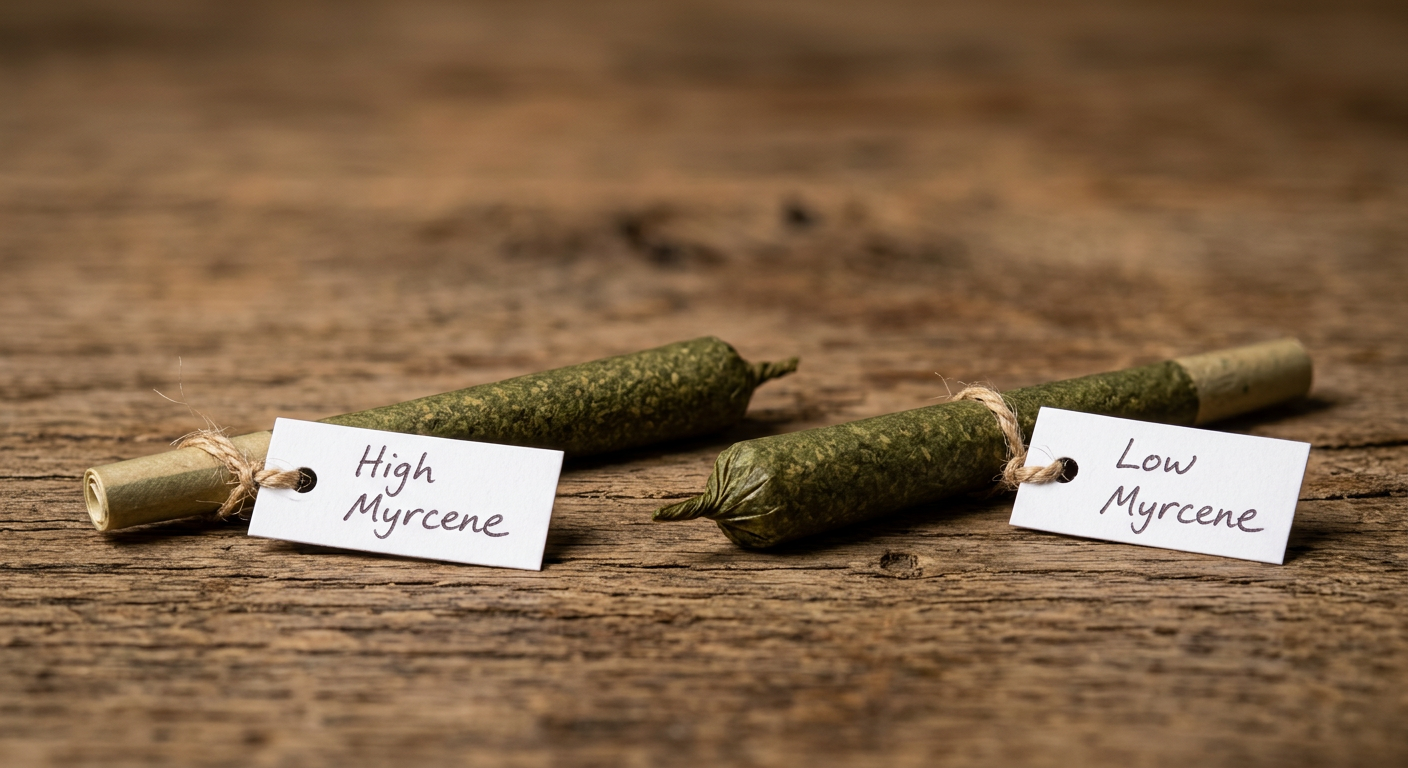
Myrcene sleep benefits are driven by its interaction with GABA-A receptors and its documented ability to extend pentobarbital-induced sleep duration in animal models — mechanisms closely related to how pharmaceutical sleep aids like benzodiazepines work, but without the same dependency profile in preclinical data.
For consumers prioritizing myrcene's sleep benefits, these factors shape the experience:
- Concentration matters: Strains testing above 0.5% myrcene by weight are the practical target; anything below 0.3% is unlikely to produce meaningful sedation on its own.
- Delivery method: Combustion destroys a portion of volatile terpenes; vaporizing at 167–175°C (333–347°F) preserves myrcene while activating THC efficiently.
- Cannabinoid context: A high-myrcene strain with moderate THC (18–22%) often outperforms a high-myrcene strain with very high THC (28%+) for sleep, because overwhelming stimulation can counteract sedation.
- Timing: Evening use 1–2 hours before sleep is the most reported effective window.
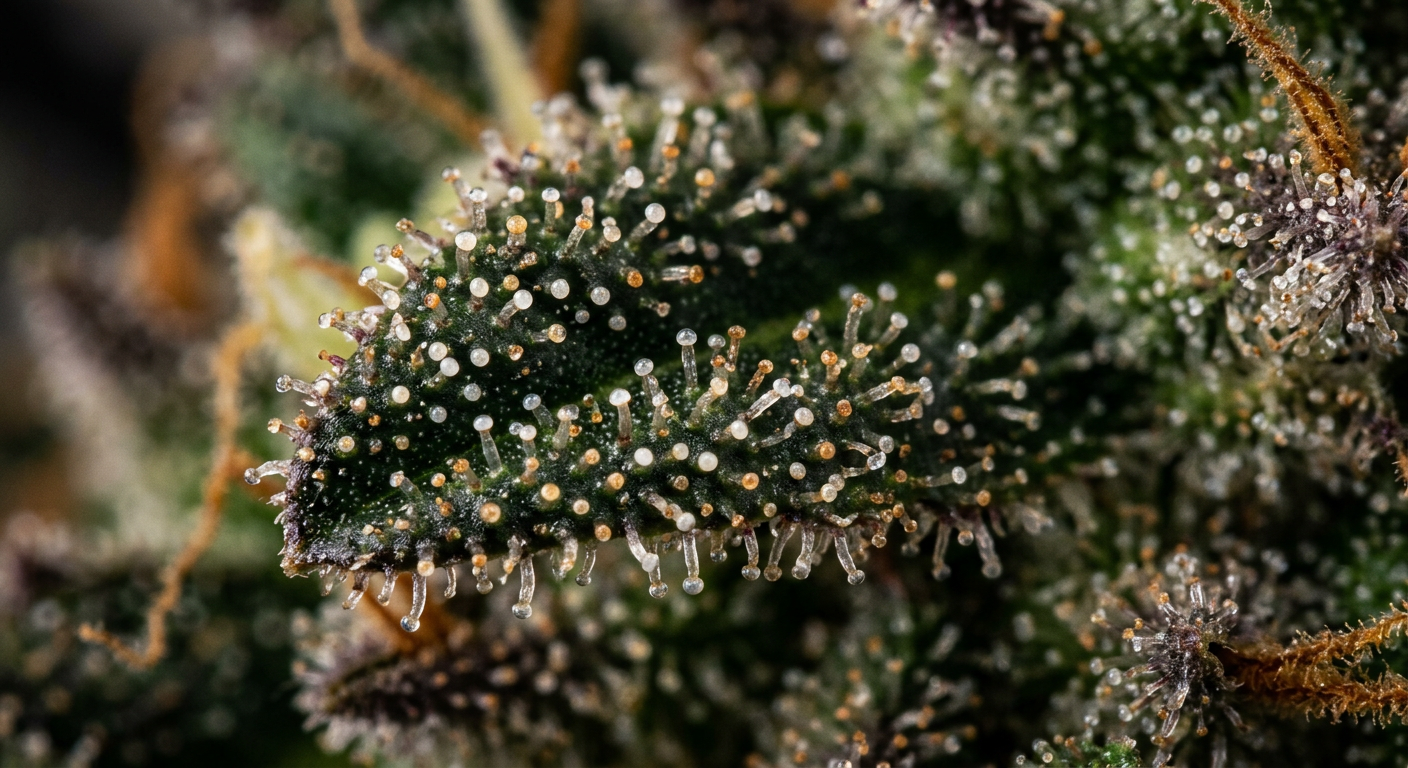
Grow Tip for Maximum Myrcene: Myrcene concentration peaks in the final 10–14 days of flowering and is highly sensitive to harvest timing. Harvesting when 60–70% of trichomes are milky with 20–30% amber typically maximizes both THC and myrcene levels before the terpene profile begins to degrade. See our full guide on when to harvest cannabis for maximum potency.
Myrcene for Pain Relief: Anti-Inflammatory Mechanisms
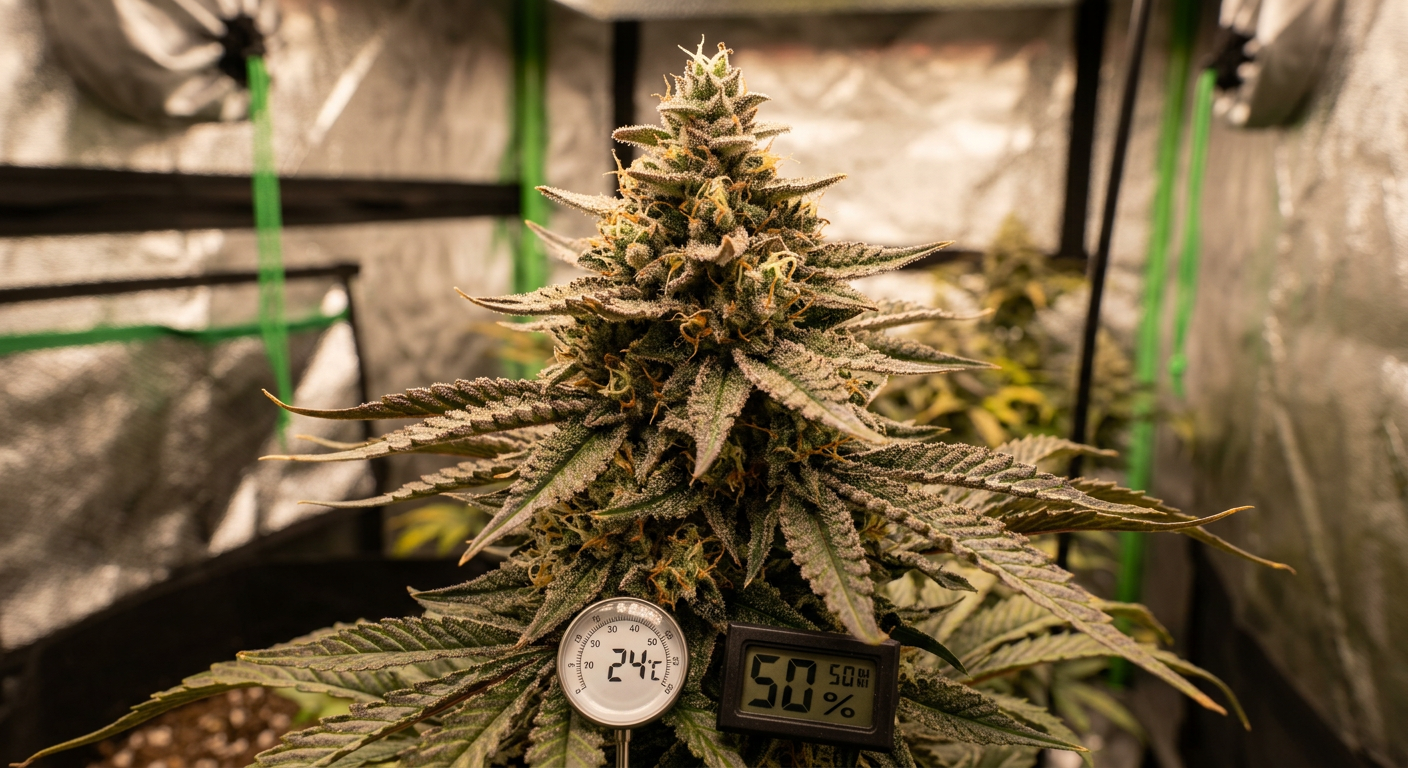
Myrcene for pain relief works through 5-lipoxygenase (5-LOX) enzyme inhibition, which reduces leukotriene production — the same pathway targeted by many prescription anti-inflammatory drugs. Combined with THC's CB1-mediated analgesia and CBD's anti-inflammatory properties, myrcene forms a powerful three-part pain management system in full-spectrum cannabis.
Myrcene's analgesic mechanisms are distinct from opioid-style pain relief. Key pathways include:
- 5-LOX inhibition: Reduces inflammatory mediators in the arachidonic acid cascade (Lorenzetti et al., 1991)
- μ-opioid receptor interaction: Myrcene may act as a partial agonist, contributing to analgesic effects without full opioid-pathway activation
- Central nervous system depression: General CNS calming reduces pain signal amplification, particularly relevant for neuropathic pain
If you're exploring cannabis for specific pain conditions, our guides on best strains for muscle spasms and cannabis for fibromyalgia cover strain selection in clinical depth.
High Myrcene Strains: Top Genetics to Grow
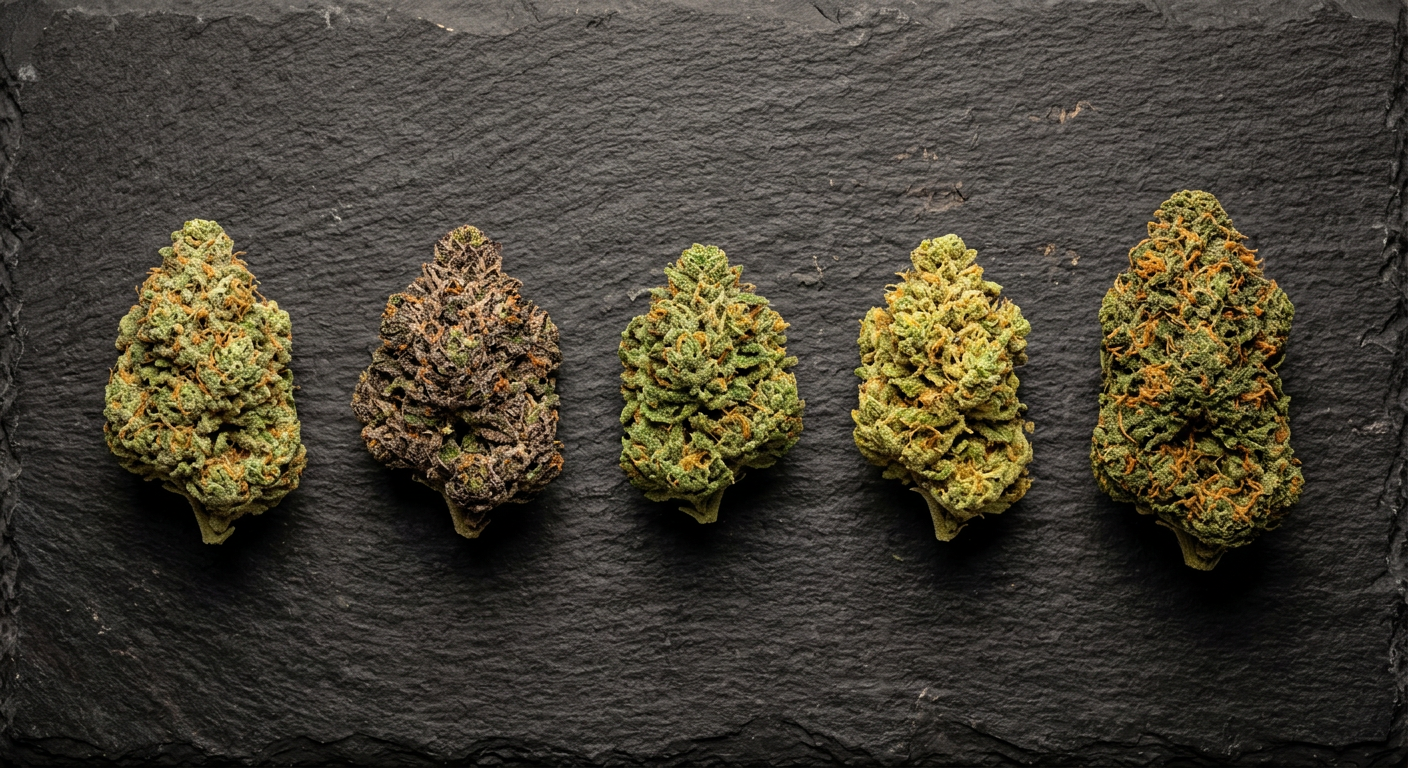
High myrcene strains are predominantly Indica or Indica-dominant hybrids with Kush, OG, and Skunk lineage. These genetic families were shaped by generations of selection in mountainous regions of Central Asia, where myrcene-rich resin profiles likely evolved as UV and pest protection.
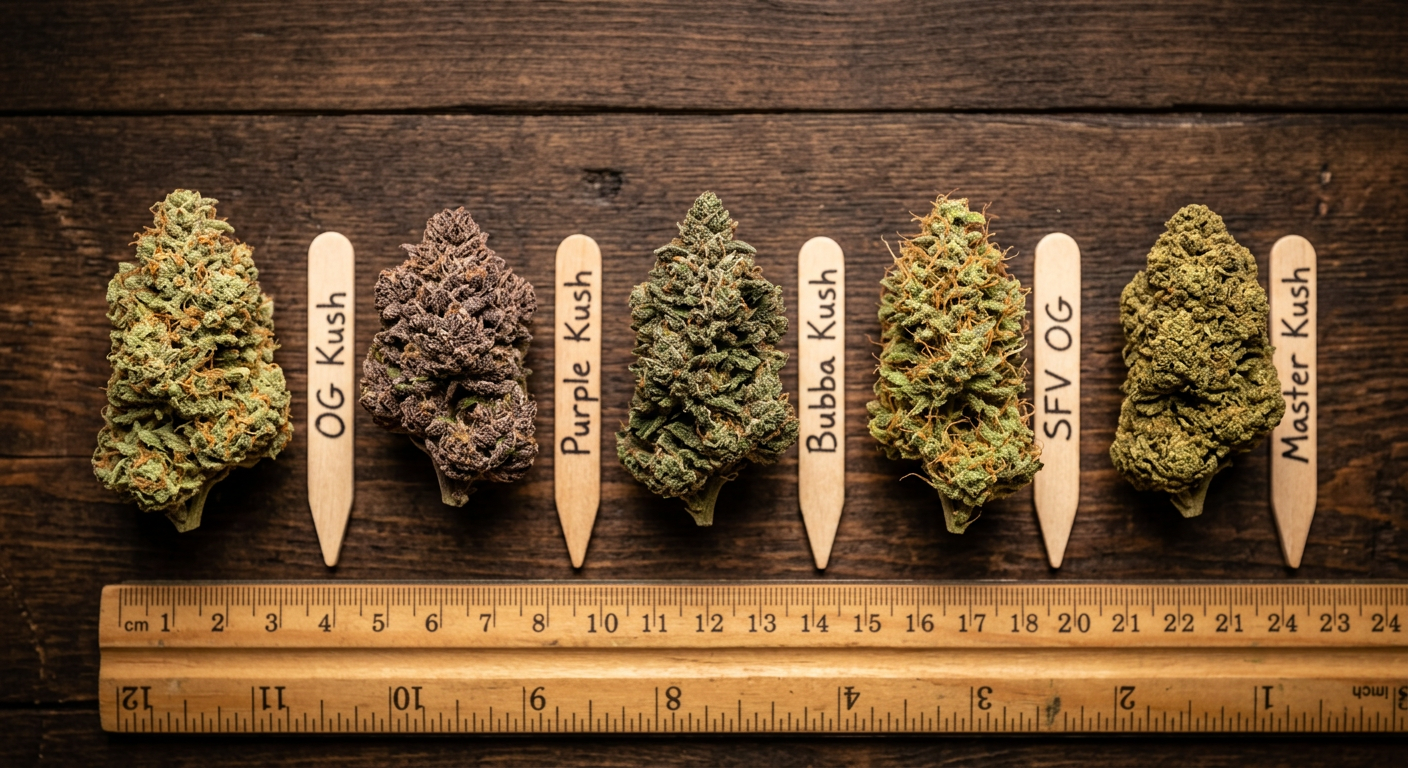
These strains from our catalog consistently test high in myrcene and represent excellent genetics for cultivators specifically targeting this terpene profile:
- OG Kush Feminized (26% THC) — arguably the most iconic myrcene-dominant strain; classic earthy-fuel profile with deeply relaxing body effects
- Purple Kush Feminized (27% THC) — pure Indica lineage, exceptionally high myrcene expression alongside THC; renowned for full-body sedation
- Skywalker OG Autoflower (23% THC) — OG genetics in autoflower format; retains strong myrcene profile with added growing convenience
- Northern Lights x Big Bud Feminized (20% THC) — Northern Lights carries a classic musky myrcene signature; the Big Bud cross adds mass without diluting the terpene profile
- Alien Rock Candy Feminized (22% THC) — Sour Dubble x Tahoe Alien cross with strong myrcene and caryophyllene co-dominance; complex sedating body effect
- Banana Kush Autoflower (18% THC) — OG Kush x Skunk Haze; myrcene gives the banana-fruit sweetness and the calming Kush body feel
- Cookies Kush Feminized (18% THC) — GSC x Rolex Kush; well-documented high-myrcene, low-terpinolene profile ideal for evening use
- Super Skunk Feminized (20% THC) — Skunk #1 x Afghani; Skunk genetics are among the most consistent producers of myrcene-heavy, pungent resin
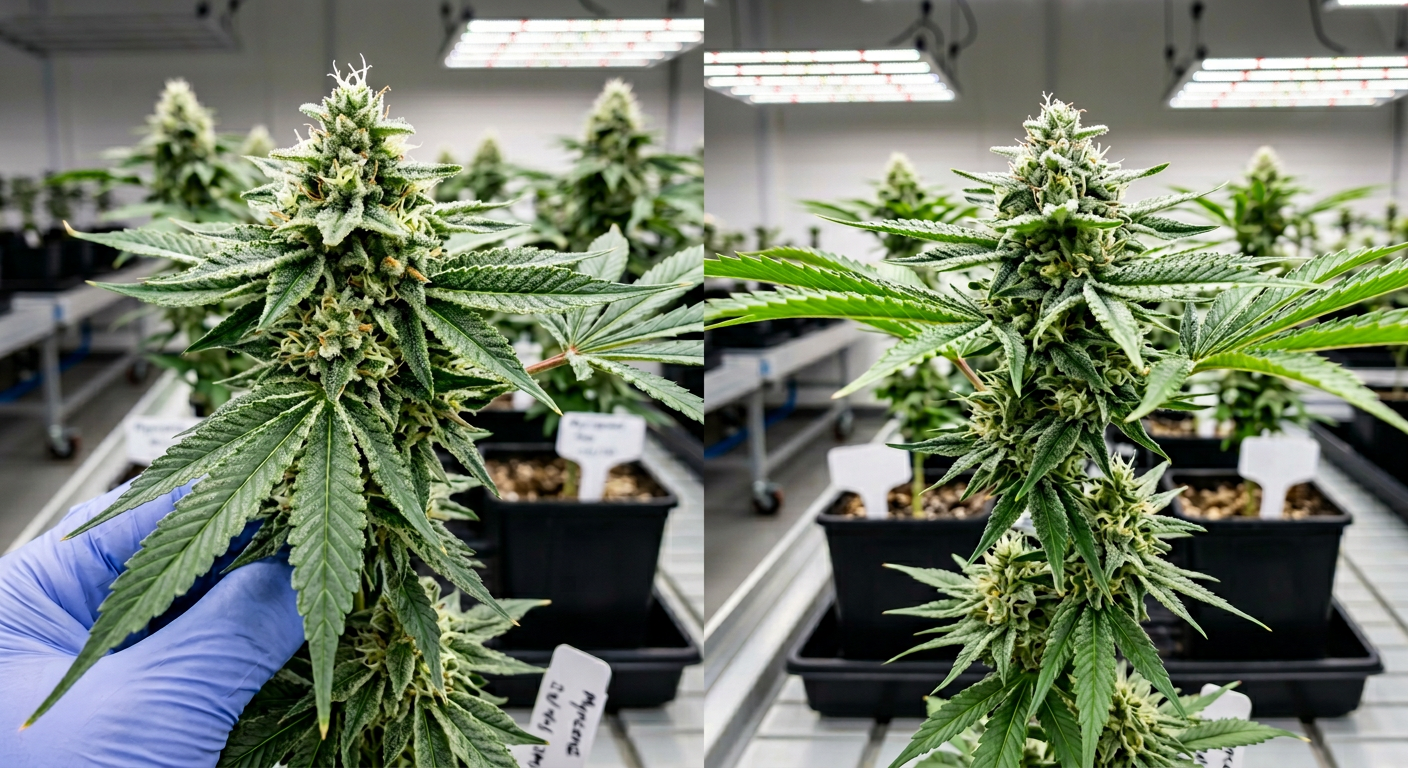
Phenotype Hunting for Myrcene: Even within a single cultivar, individual phenotypes can vary by 0.3–0.5% in myrcene concentration. Running multiple seeds from a feminized pack and selecting the most earthy-musky-smelling plant at week 5 of flowering is a reliable low-tech method for finding your highest-myrcene pheno. Learn more in our cannabis phenotype hunting guide.
Myrcene Concentration Benchmarks: Reading Lab Reports
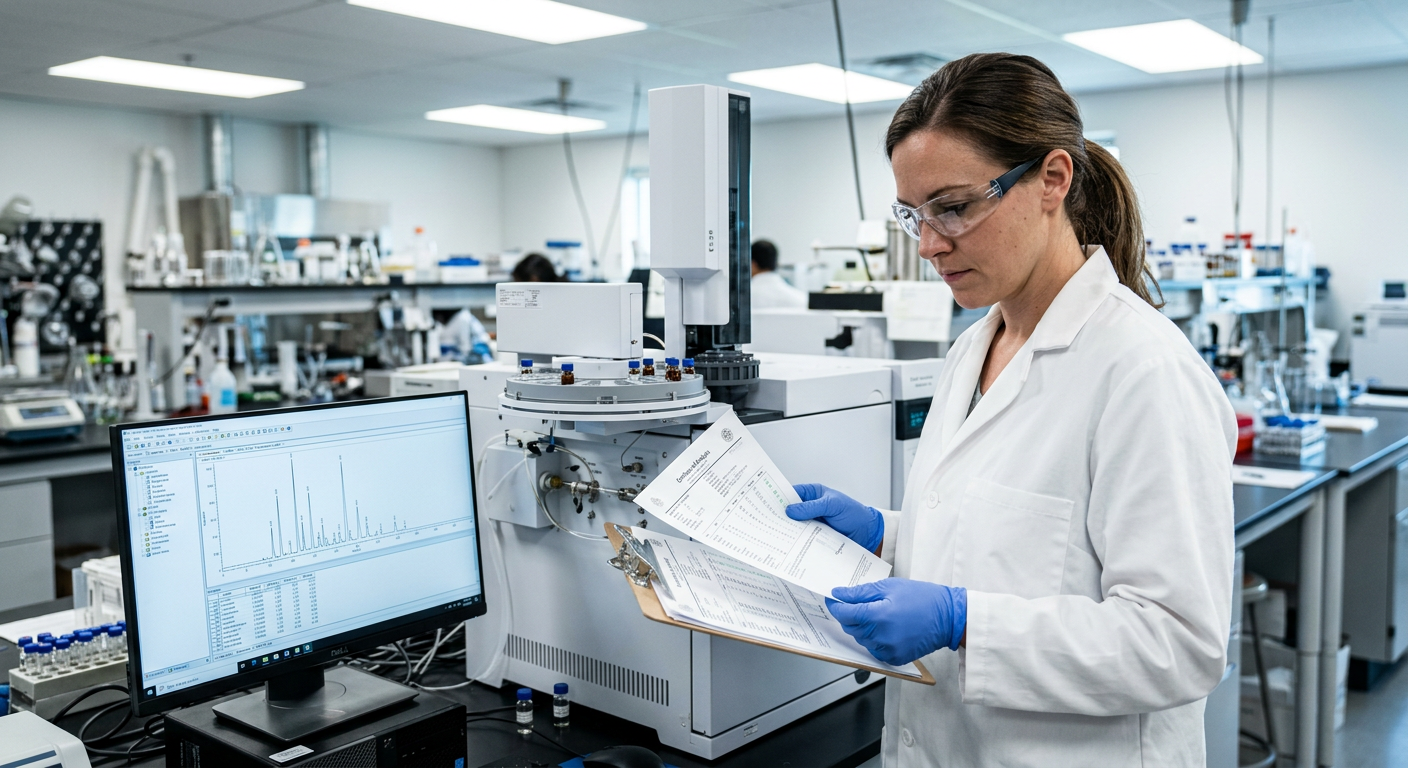
Myrcene concentration benchmarks help you interpret Certificate of Analysis (COA) data from licensed labs: below 0.2% is low, 0.2–0.5% is moderate, and above 0.5% is high — the threshold most commonly associated with sedative cannabis effects in terpene literature.
| Myrcene Level | % Range (dry weight) | Expected Effect Profile | Typical Genetic Background |
|---|---|---|---|
| Trace | < 0.10% | Negligible terpene contribution | Pure Sativa landraces, some Haze hybrids |
| Low | 0.10 – 0.20% | Mild aroma only; no sedation | Sativa-dominant hybrids |
| Moderate | 0.20 – 0.50% | Light relaxation, earthy flavor | Balanced hybrids, some Skunk lines |
| High | 0.50 – 1.00% | Sedation, muscle relaxation, enhanced THC effects | OG Kush, Northern Lights, Afghani-dominant |
| Very High | > 1.00% | Strong sedation, couch-lock potential, powerful analgesia | Selected Kush phenotypes, some Skunk hybrids |
Raw THC percentage alone cannot predict how sedating or physically relaxing a strain will feel. A 20% THC strain with 1.2% myrcene will often produce a more body-heavy experience than a 28% THC strain with only 0.15% myrcene. Always check the full terpene panel, not just cannabinoid percentages.
Growing for High Myrcene Expression: Cultivation Factors
Myrcene terpene benefits are only realized at the grow level if cultivation conditions support peak terpene biosynthesis. Environmental stress, incorrect harvest timing, and poor post-harvest handling are the three most common reasons high-myrcene genetics underperform in the jar.
Key cultivation variables that directly affect myrcene concentration:
Temperature During Late Flowering
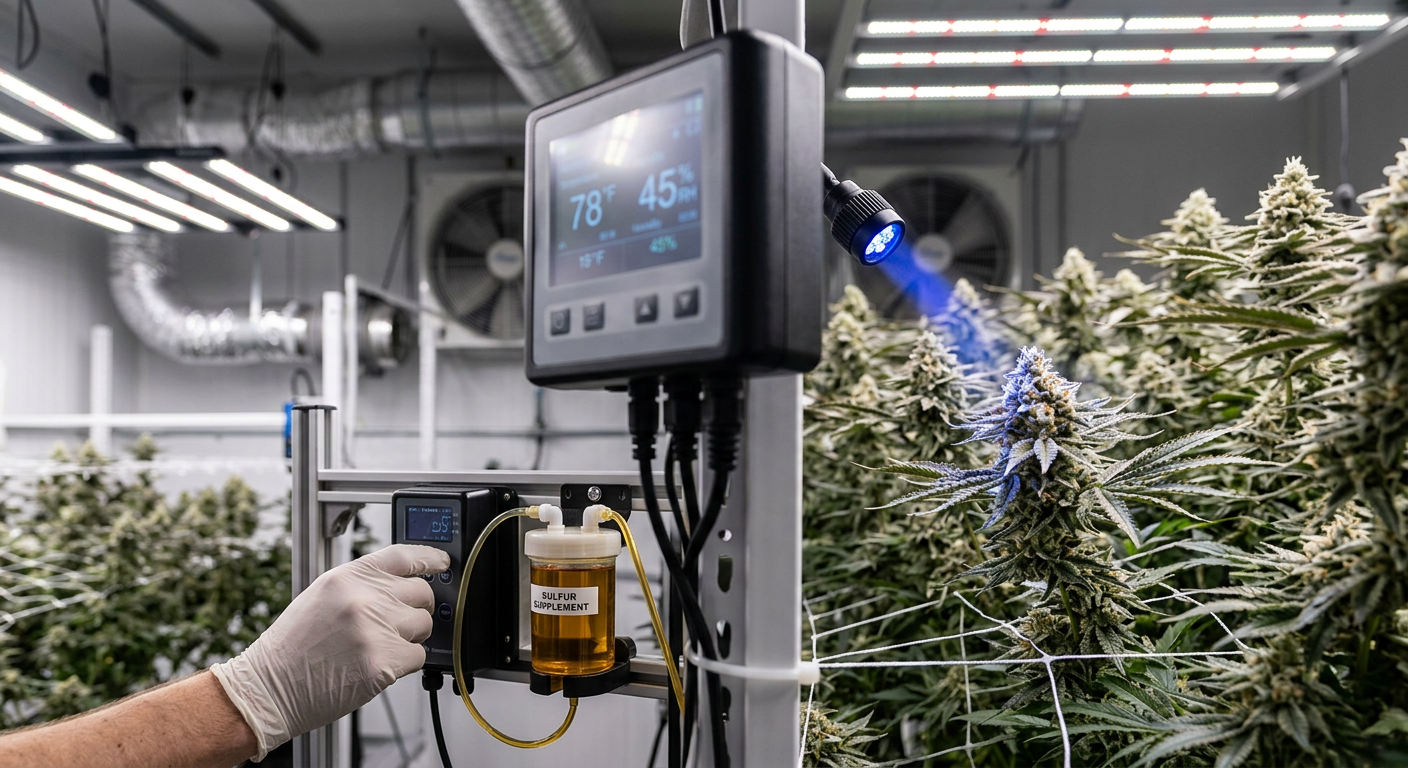
Keep canopy temperatures below 26°C (79°F) in the final 3 weeks of flower. Terpene volatilization accelerates above this threshold, causing myrcene — one of the more volatile monoterpenes — to literally evaporate off the plant before harvest. Our guide to cannabis temperature control covers this in detail.
VPD & Humidity Management
Maintaining VPD in the 1.0–1.2 kPa range during late flower supports trichome density and terpene production. Excessively low humidity triggers stress responses that can shift the plant's metabolic resources away from terpene synthesis. See our complete VPD guide for grower-specific charts.
Light Spectrum & UV Exposure
UVB light exposure in the final 2–3 weeks of flowering has been associated with increased terpene and trichome production as a plant stress response. Even modest UVB supplementation (e.g., adding a T5 UVB panel for 2–3 hours daily) may increase total terpene content by 10–15% in susceptible genetics.
Slow Dry & Cure
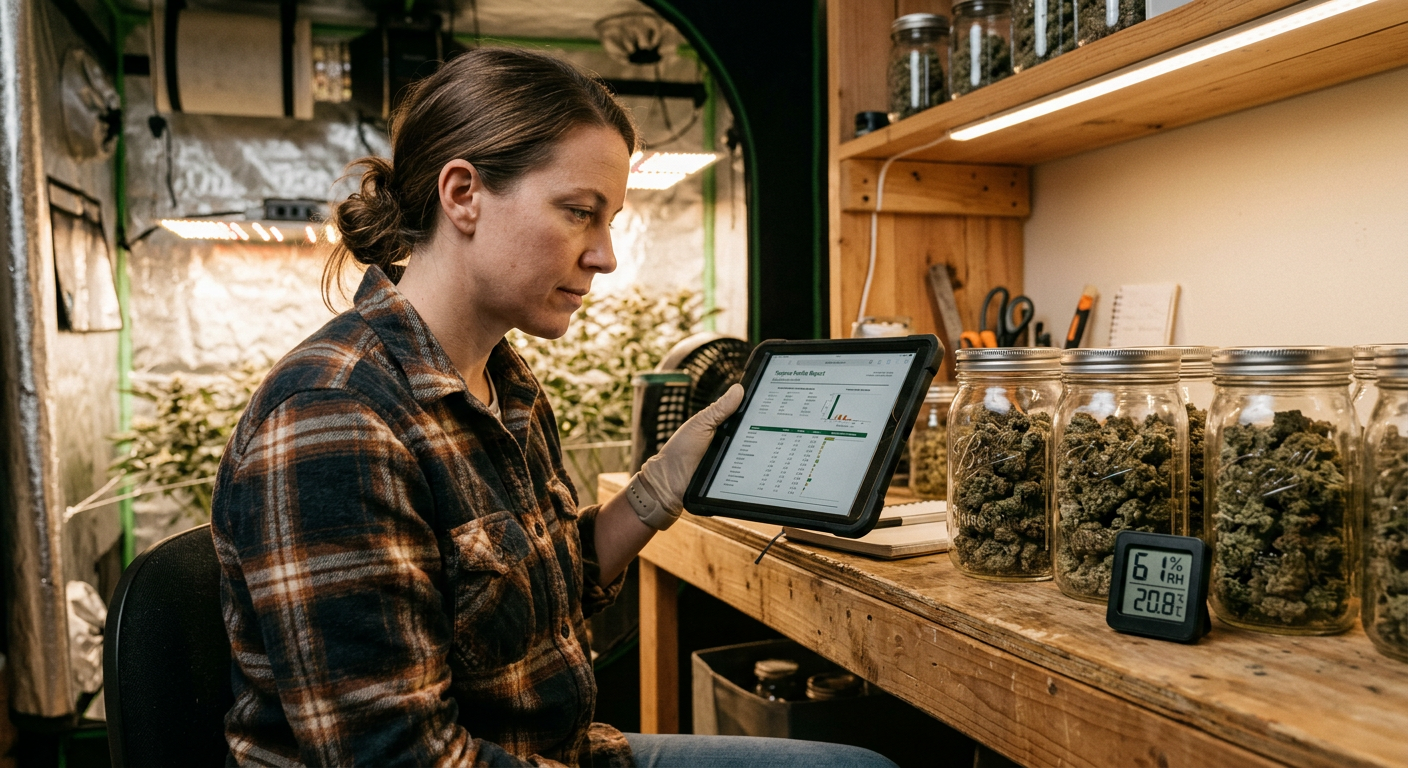
Myrcene is highly volatile and degrades rapidly during an aggressive fast-dry. A slow dry at 15–18°C (59–65°F) with 45–55% relative humidity for 10–14 days, followed by a minimum 4-week cure in sealed glass jars, preserves significantly more myrcene than drying at room temperature over 5–7 days.
Living Soil Advantage: Cultivators using living soil systems consistently report richer terpene profiles compared to inert media + synthetic nutrients. The microbial activity in a healthy living soil produces plant growth hormones and secondary metabolites that appear to upregulate terpene biosynthesis pathways. Explore this in our living soil cannabis growing guide.
Myrcene vs Other Primary Cannabis Terpenes
Myrcene cannabis effects are best understood by contrast with other dominant terpenes — particularly limonene, caryophyllene, pinene, and linalool — which produce distinctly different physiological and psychoactive outcomes despite all contributing to the entourage effect.
| Terpene | Primary Aroma | Key Effect | Common Strains | Vaporization Point |
|---|---|---|---|---|
| Myrcene | Earthy, musky, clove | Sedation, analgesia, muscle relaxation | OG Kush, Northern Lights, Skunk | 167°C (333°F) |
| Limonene | Citrus, lemon | Uplifting, anti-anxiety, mood elevation | Super Lemon Haze, Sour Diesel | 176°C (349°F) |
| Caryophyllene | Spicy, peppery | Anti-inflammatory, CB2 agonist | OG Kush, Cookies strains | 130°C (266°F) |
| Alpha-Pinene | Pine, fresh | Alertness, memory retention, bronchodilation | Jack Herer, Trainwreck | 155°C (311°F) |
| Linalool | Floral, lavender | Anxiolytic, anti-seizure potential | Amnesia Haze, Lavender Kush | 198°C (388°F) |
| Humulene | Woody, hoppy | Appetite suppression, anti-inflammatory | Skywalker OG, White Widow | 106°C (223°F) |
Notice that OG Kush appears as a representative strain for both myrcene and caryophyllene — this co-dominance is a key reason for OG Kush's complex, multi-layered effect profile. If you're selecting strains with specific terpene goals, also read our guides on linalool in cannabis and humulene in cannabis.
Unlike caryophyllene — which directly binds CB2 receptors and qualifies as a dietary cannabinoid — myrcene does not directly bind cannabinoid receptors with confirmed high affinity. Myrcene's effects are more accurately described as modulating the cannabis experience through indirect receptor sensitization, membrane effects, and CNS pathway activity rather than direct cannabinoid-receptor binding.
Frequently Asked Questions
What does myrcene do in cannabis?
Myrcene is the most abundant terpene in cannabis and contributes earthy, musky aroma alongside sedative, muscle-relaxant, and analgesic properties. It likely enhances THC's effects through blood-brain barrier and receptor sensitization mechanisms, and plays a central role in the entourage effect. Strains with more than 0.5% myrcene by dry weight are commonly associated with heavy, relaxing body effects.
What are the best high myrcene cannabis strains to grow?
The most reliably high-myrcene strains include OG Kush, Purple Kush, Northern Lights, Skywalker OG, Super Skunk, and Banana Kush. These genetics share Afghani, Kush, and Skunk lineage — the genetic families most consistently associated with myrcene-dominant terpene profiles in lab testing. Always verify with a COA from a licensed testing lab for exact myrcene percentages in your specific batch.
Can myrcene help with sleep?
Preclinical research suggests myrcene has genuine sedative properties via GABA-A receptor interaction and documented sleep-extension effects in animal models. For best results, choose strains testing above 0.5% myrcene, vaporize at 167–175°C to preserve the terpene, and consume 1–2 hours before sleep. Always consult a healthcare professional before using cannabis therapeutically for sleep disorders.
Does eating mango before cannabis make you higher?
Mango does contain myrcene, and the folk claim is that eating ripe mango 45 minutes before consuming cannabis increases the high. However, no peer-reviewed controlled human trial has confirmed this effect. The myrcene concentration in mango fruit is far below levels shown to produce pharmacological effects in animal studies, so this remains an unverified hypothesis rather than established science.
How do I preserve myrcene content in my harvested cannabis?
Myrcene is highly volatile and degrades quickly with heat and improper storage. Dry your cannabis slowly at 15–18°C (59–65°F) with 45–55% humidity for 10–14 days, then cure for at least 4 weeks in sealed glass jars with humidity packs (58–62% RH). Store finished flower below 21°C in dark glass containers — light, heat, and air exposure are the three fastest ways to destroy your myrcene content.