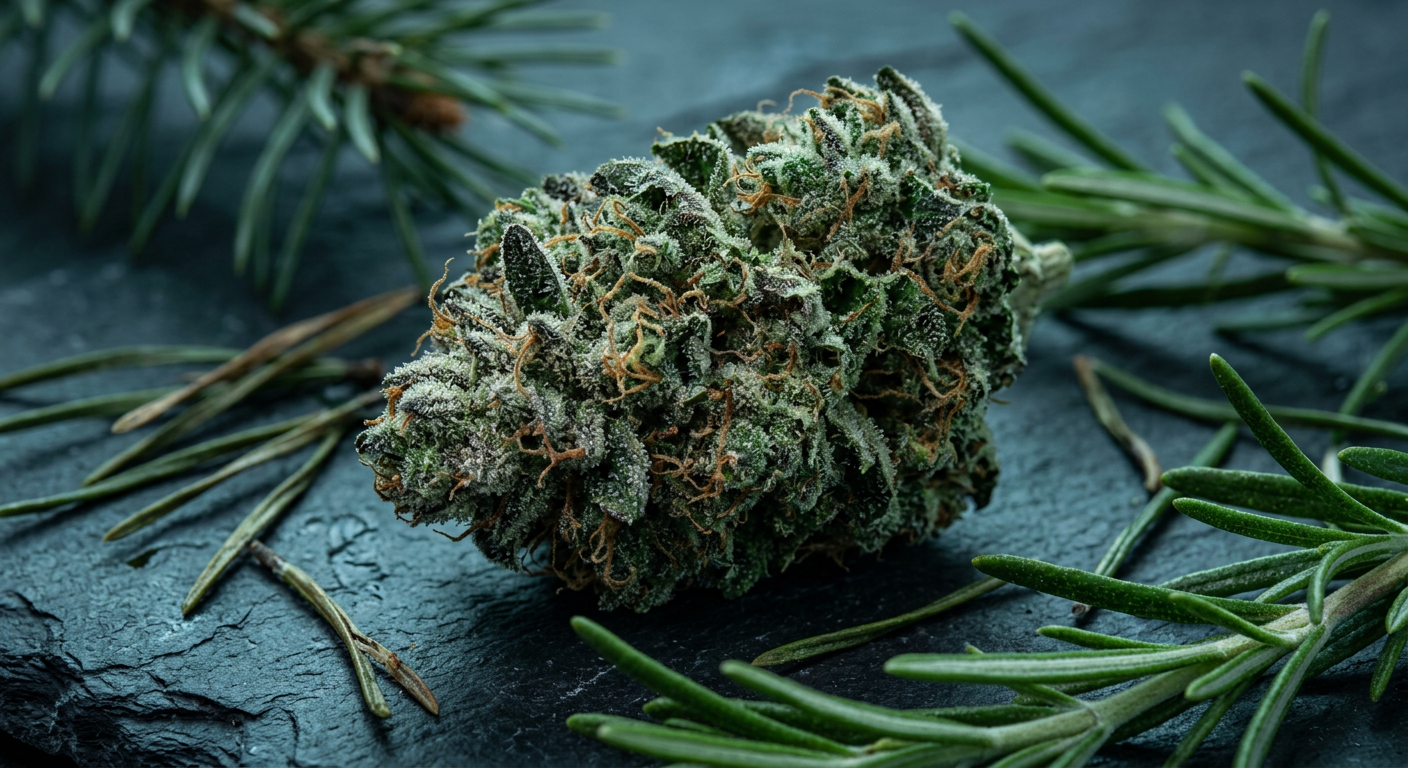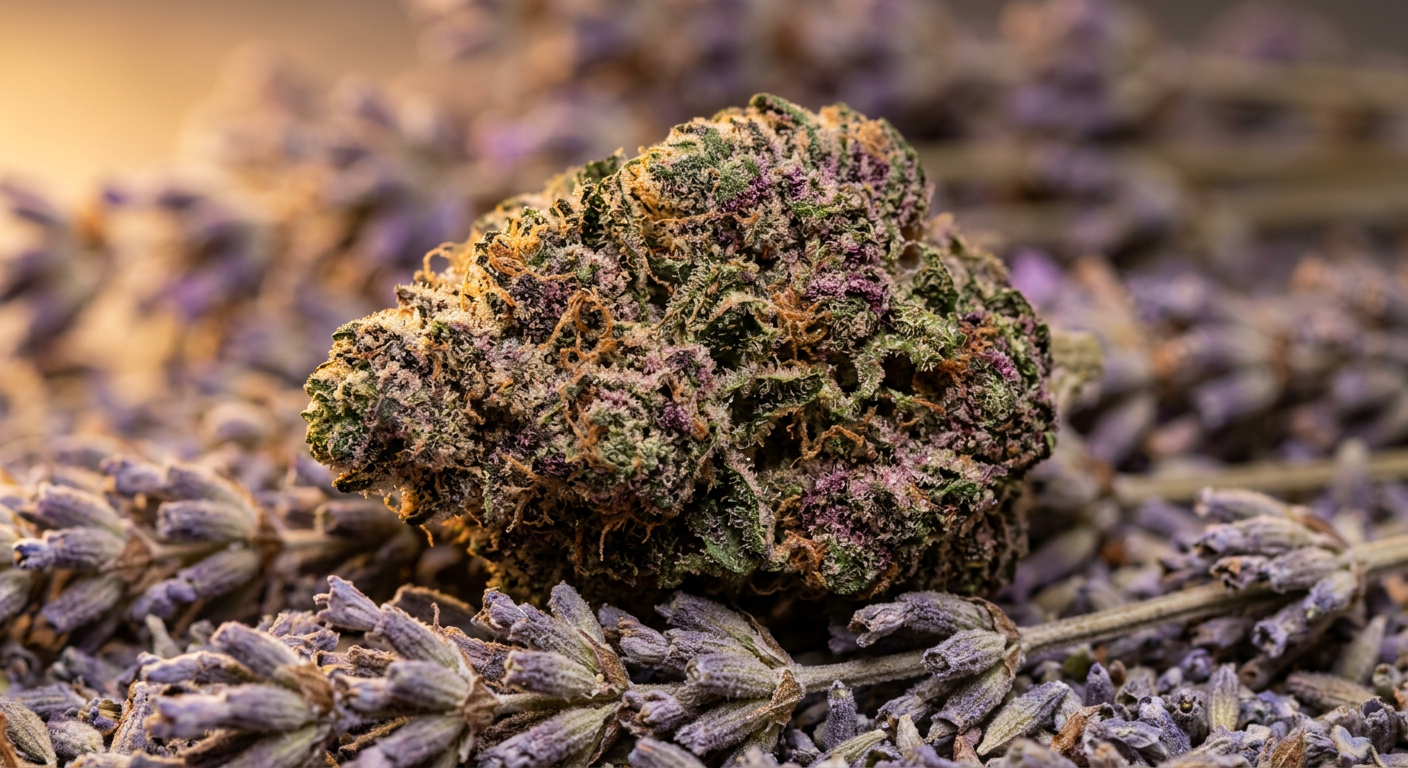
Walk through a lavender field on a warm afternoon and the scent that slows your breathing is almost entirely linalool. The same molecule appears inside linalool cannabis strains — and researchers are uncovering why it makes so many users feel calm, sleepy, and significantly less anxious.
Linalool is a monoterpene alcohol found in over 200 flowering plants. In cannabis it typically makes up between 0.001% and 0.35% of the total terpene fraction, yet even at those concentrations it measurably shifts the character of a high. This guide breaks down exactly how it works, which strains carry the most, and how delivery method changes what you experience.
What Is Linalool? Chemistry & Aroma Profile
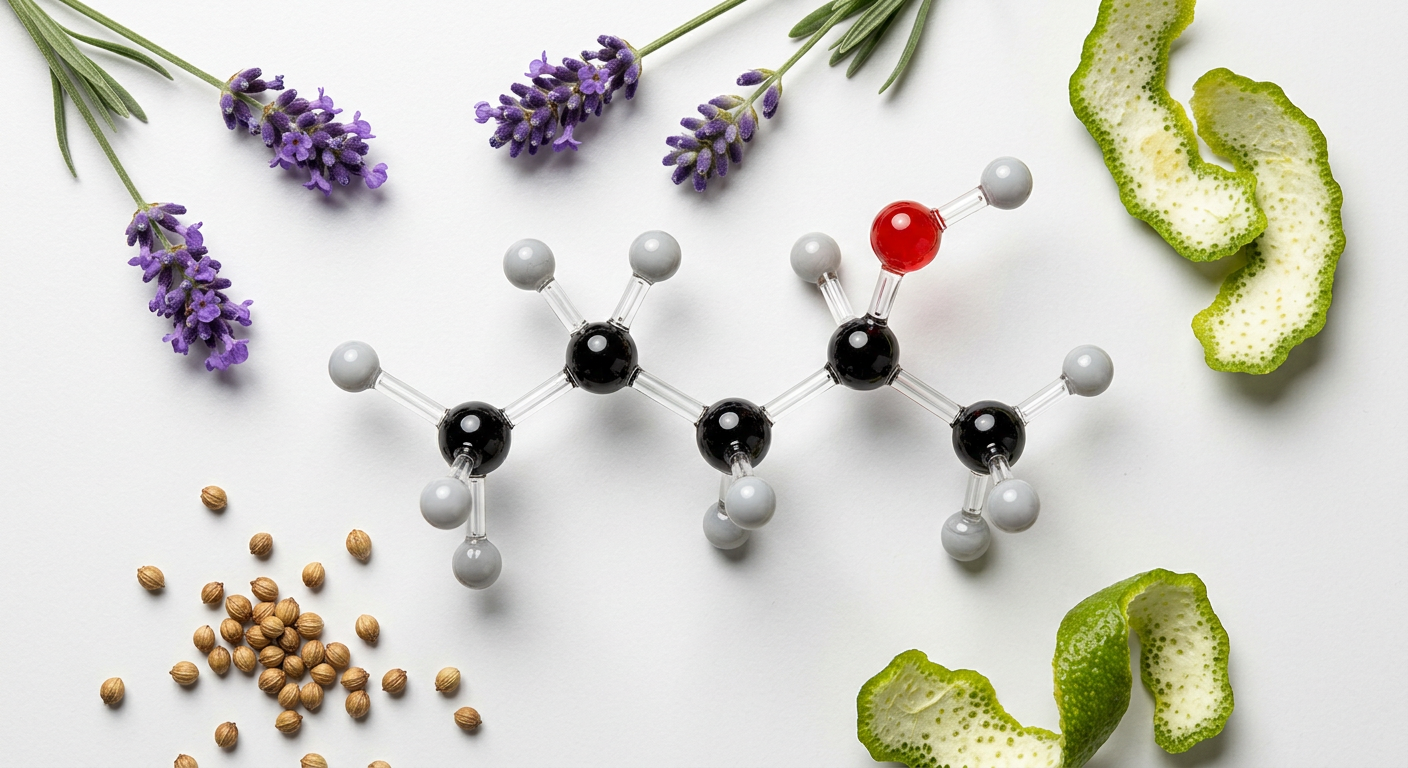
Linalool is a monoterpene alcohol with the molecular formula C₁₀H₁₈O and a boiling point of 198.3°F (92.4°C). It exists as two mirror-image forms — (R)-linalool and (S)-linalool — and cannabis predominantly produces the (S) form, also called licareol, which carries the softer, more floral character associated with lavender and bergamot.
The aroma profile is multi-layered and shifts depending on concentration:
- Low concentration (under 0.05%): Subtle floral sweetness, barely detectable behind other terpenes
- Mid concentration (0.05–0.15%): Clear lavender note with a faint woody or citrus undertone
- High concentration (above 0.15%): Dominant floral — almost soapy, with spicy-sweet depth reminiscent of coriander seed
Linalool's aroma is not simply "floral." At higher concentrations it develops spicy and woody dimensions that blend seamlessly with caryophyllene and myrcene in heavy indica profiles, making it a terpene that amplifies whole-plant complexity rather than standing alone.
Because linalool appears in lavender, basil, coriander, bergamot, and rosewood, it has been extensively studied outside of cannabis for decades. That research foundation is a major reason scientists understand its mechanisms better than most cannabis-native terpenes.
Linalool Effects: What Does Linalool Do?
Linalool produces a distinct cluster of effects that set it apart from other cannabis terpenes. Its primary signature is anxiolytic sedation — a calming of mental chatter paired with gradual physical relaxation, without the heavy psychedelic pressure of myrcene-dominant strains.
Core effects reported by users and supported by preclinical research include:
- Reduced anxiety and mental tension
- Mild sedation at higher doses
- Muscle relaxation without total body lock
- Mood elevation described as "quiet contentment"
- Analgesic (pain-reducing) effects in animal models
- Anticonvulsant activity in rodent studies (2010, Epilepsy Research)
Mechanism Note: A key 2009 study published in the Journal of Phytomedicine found inhaled linalool vapor reduced anxiety-like behavior in mice without impairing motor function — suggesting it acts through the olfactory system and serotonergic pathways, not just GABA receptors. A 2021 review in Molecules confirmed linalool modulates GABA-A receptor activity similarly to benzodiazepines, but with a gentler pharmacokinetic profile.
Linalool's boiling point of 198.3°F means vaporizer users should set their device to at least 200–205°F (93–96°C) to fully activate it. Combustion temperatures far exceed this, so smoking releases linalool readily, though some is lost to thermal degradation above 390°F (199°C).
Set your vaporizer to 200–210°F specifically during the first two draws of a session. Linalool volatilizes quickly, so the earliest vapor pulls carry the highest concentration of this calming terpene before higher-boiling compounds like caryophyllene take over.
Linalool for Anxiety: The Science Behind the Calm

Linalool for anxiety cannabis applications are among the most researched use cases for any single terpene. Multiple independent research teams have documented its anxiolytic action, and the mechanisms are increasingly well understood.
Three primary pathways drive linalool's anti-anxiety effects:
GABA-A Receptor Modulation
Linalool acts as a positive allosteric modulator of GABA-A receptors — the same receptors targeted by benzodiazepines like diazepam. A 2002 study in Phytomedicine showed that linalool increased GABA-A receptor activity in cortical neurons, producing sedation without the dependency risks associated with pharmaceutical alternatives. Unlike direct agonists, linalool enhances natural GABA activity rather than replacing it.
Serotonin 5-HT1A Receptor Interaction
Research published in Neurochemistry International (2016) identified that linalool partially agonizes the 5-HT1A serotonin receptor — the same receptor buspirone (an anti-anxiety medication) targets. This dual action on both GABAergic and serotonergic systems may explain why linalool-rich strains often produce a calm that feels emotionally warm rather than simply sedated.
Glutamate Reduction
High glutamate activity drives hyperexcitability in the brain, contributing to anxiety and seizure susceptibility. Animal studies from Brazil's São Paulo State University found linalool reduced glutamate-induced excitation in cortical tissue at doses achievable through inhalation, adding a third anti-anxiety mechanism to the compound's profile.
Linalool targets at least three distinct neurochemical pathways — GABA-A, 5-HT1A, and glutamate systems — simultaneously. This multi-target action may explain why linalool-rich cannabis strains produce a more balanced, sustained calm than single-mechanism pharmaceuticals.
Linalool Sleep Benefits: Does It Actually Help?
Linalool sleep benefits are often attributed to its sedative properties, but the story is more nuanced than simple drowsiness. Linalool appears to improve sleep architecture rather than just inducing unconsciousness — a meaningful distinction for anyone seeking restorative rest rather than pharmaceutical knockout.
A 2020 study in Frontiers in Pharmacology found that mice exposed to linalool vapor showed significantly increased non-REM sleep duration without suppressing REM stages — the opposite profile of most sedative drugs, which crush REM sleep and leave users feeling unrested. Human studies on lavender oil (which is roughly 25–40% linalool) consistently show improvements in sleep quality scores, reduced nighttime waking, and morning alertness scores that suggest REM was preserved.
For cannabis users specifically, timing and dose matter:
- Low doses of linalool-rich strains may be mildly stimulating or mood-lifting before sedation sets in
- Moderate to high doses consistently shift toward physical relaxation and sleep onset
- Strains pairing linalool with myrcene show faster sleep onset; those pairing it with terpinolene produce a gentler, longer wind-down
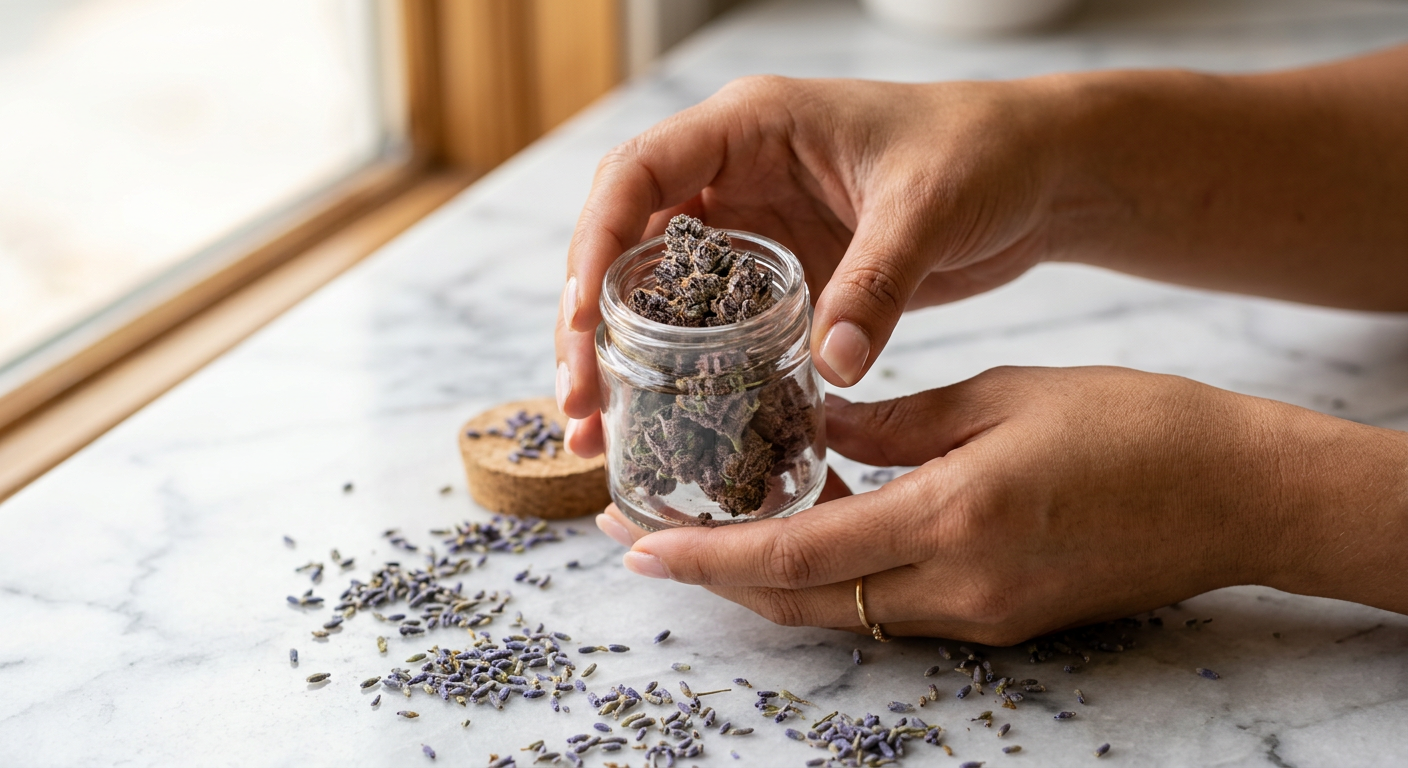
Linalool degrades relatively quickly after harvest. Strains stored for more than 6 months in warm or light-exposed conditions can lose 40–60% of their linalool content through oxidation. For consistent sleep support, use properly cured, fresh-stored flower or consult lab-tested products with terpene certificates.
Cannabis Strains High in Linalool
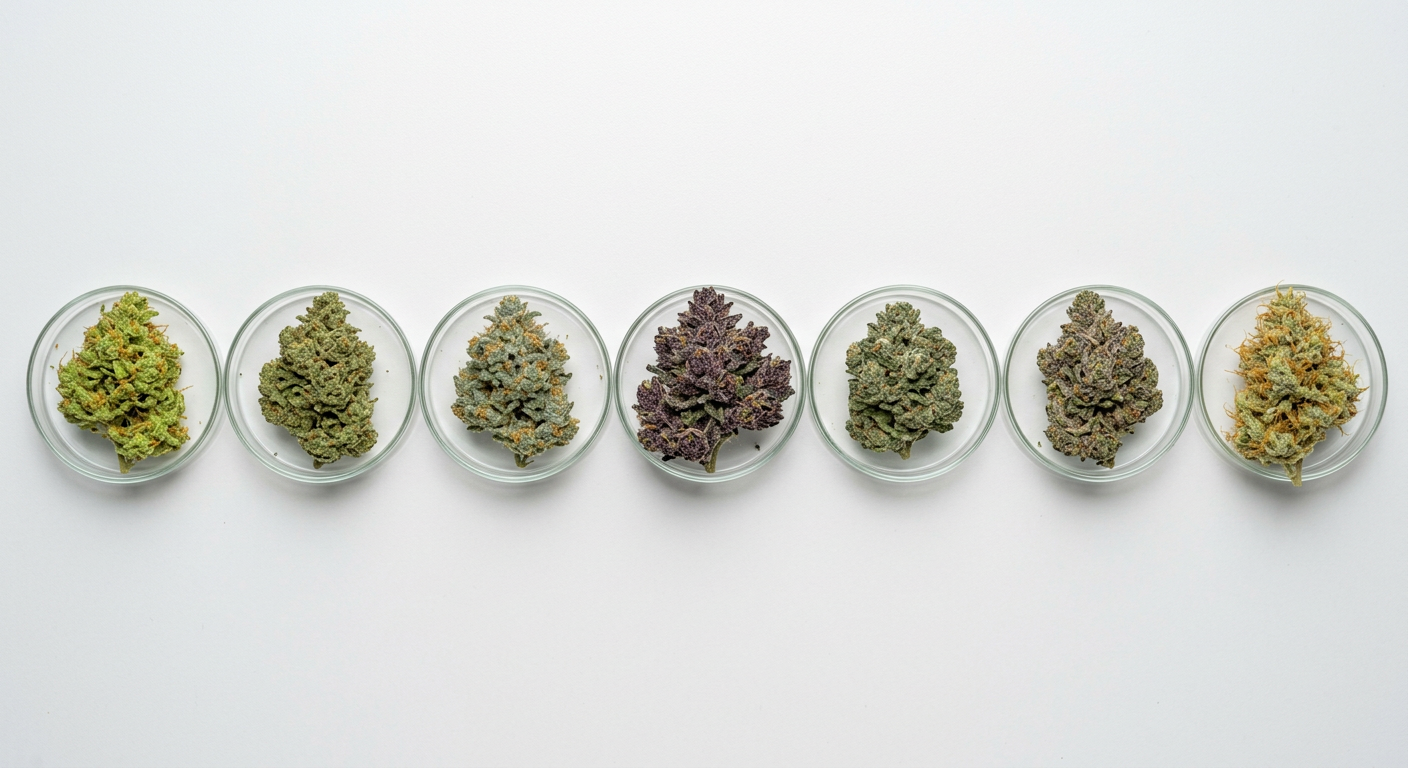
Not all cannabis strains produce meaningful linalool concentrations. Most strains sit below 0.05% total linalool, which is largely below the sensory threshold. Cannabis strains high in linalool typically concentrate 0.10–0.35% — enough to drive genuine pharmacological effects alongside cannabinoids.
| Strain | Type | Linalool Range | Primary Effect Profile | Pairs With |
|---|---|---|---|---|
| Lavender Kush | Indica | 0.18–0.35% | Deep relaxation, sleep onset | Myrcene, caryophyllene |
| Tahoe OG | Indica hybrid | 0.12–0.22% | Heavy sedation, muscle relief | Myrcene, limonene |
| Amnesia Haze | Sativa hybrid | 0.08–0.15% | Uplifted calm, social ease | Terpinolene, ocimene |
| Do-Si-Dos | Indica hybrid | 0.10–0.20% | Body relaxation, anxiety reduction | Caryophyllene, limonene |
| Scooby Snacks | Indica hybrid | 0.11–0.18% | Euphoria with calm baseline | Myrcene, linalool |
| Master Kush | Indica | 0.09–0.16% | Full-body relaxation, sleep support | Myrcene, caryophyllene |
| Granddaddy Purple | Indica | 0.10–0.22% | Sedation, stress relief | Myrcene, pinene |
If you want to grow strains with linalool-compatible genetics, several options from our catalog align well. Our Northern Lights x Amnesia Haze Feminized Seeds (24% THC) combine the calming indica backbone of Northern Lights with Amnesia Haze's terpene complexity — often expressing linalool alongside terpinolene for a uniquely balanced effect. Purple Kush Feminized Seeds (27% THC) carry deep indica genetics associated with floral terpene expression, including linalool, in a compact, high-yielding plant.
For those interested in OG lineage — a family known for moderate linalool presence — OG Kush Feminized Seeds (26% THC) and Skywalker OG Autoflower Seeds (23% THC) are strong starting points. Linalool in OG-family strains tends to sit in the 0.08–0.14% range, adding floral softness to their dominant fuel-and-pine character.
When selecting seeds for linalool expression, prioritize indica-dominant and Kush-lineage genetics. Purple and lavender phenotypes statistically express higher linalool concentrations — look for strains whose descriptions mention floral, soapy, or lavender aroma notes as these are reliable sensory markers for elevated linalool presence.
Linalool Lavender Cannabis: The Lavender Connection
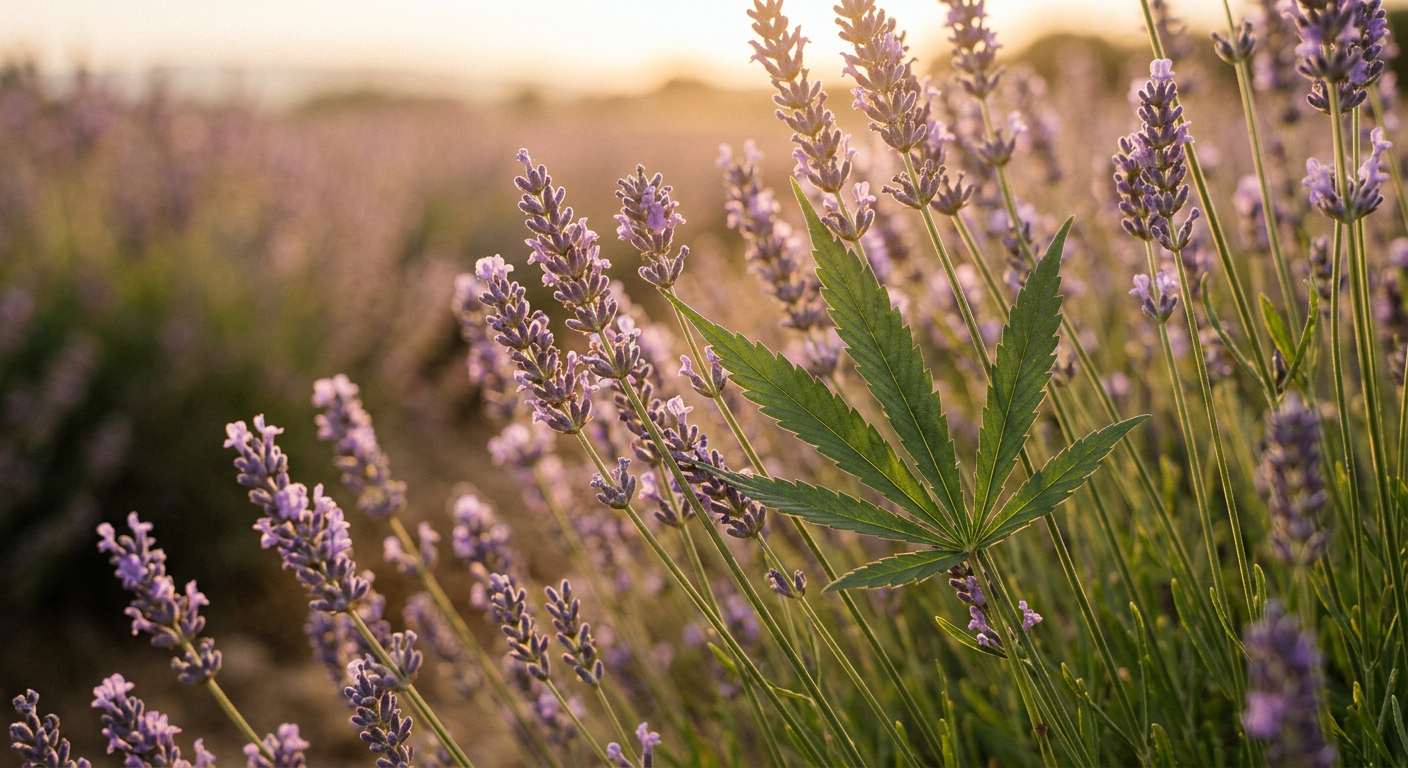
The linalool lavender cannabis connection is not just poetic — it is chemically exact. Lavandula angustifolia (common lavender) essential oil contains 25–45% linalool by weight, making it one of the most linalool-dense botanical sources on Earth. Cannabis at its highest expression reaches 0.35% linalool — roughly 100 times less concentrated than lavender oil, but the molecule is identical.
This shared chemistry has a practical implication: decades of lavender aromatherapy research directly informs our understanding of what linalool does in cannabis. Clinical trials on lavender oil have demonstrated:
- Reduced preoperative anxiety in patients (Journal of Alternative and Complementary Medicine, 2007)
- Lower cortisol levels after 15-minute inhalation exposure
- Improved sleep quality scores in elderly populations (Journal of Gerontological Nursing, 2015)
- Reduced agitation in dementia patients during nursing care
Strains marketed as "Lavender" genetics — such as Lavender Kush and related phenotypes — specifically select for high linalool content, essentially engineering a cannabis flower that behaves chemically like a lavender-dominant plant. The sensory and pharmacological overlap is intentional and measurable.
Research Bridge: Because lavender oil is a food-grade, non-controlled substance, it has been studied in randomized controlled trials that cannabis researchers cannot yet replicate at scale due to regulatory barriers. The mechanistic data from lavender studies — particularly its GABA-A and 5-HT1A activity — provides the strongest available evidence base for understanding linalool's effects when consumed via cannabis.
Synergy With Cannabinoids: The Entourage Effect
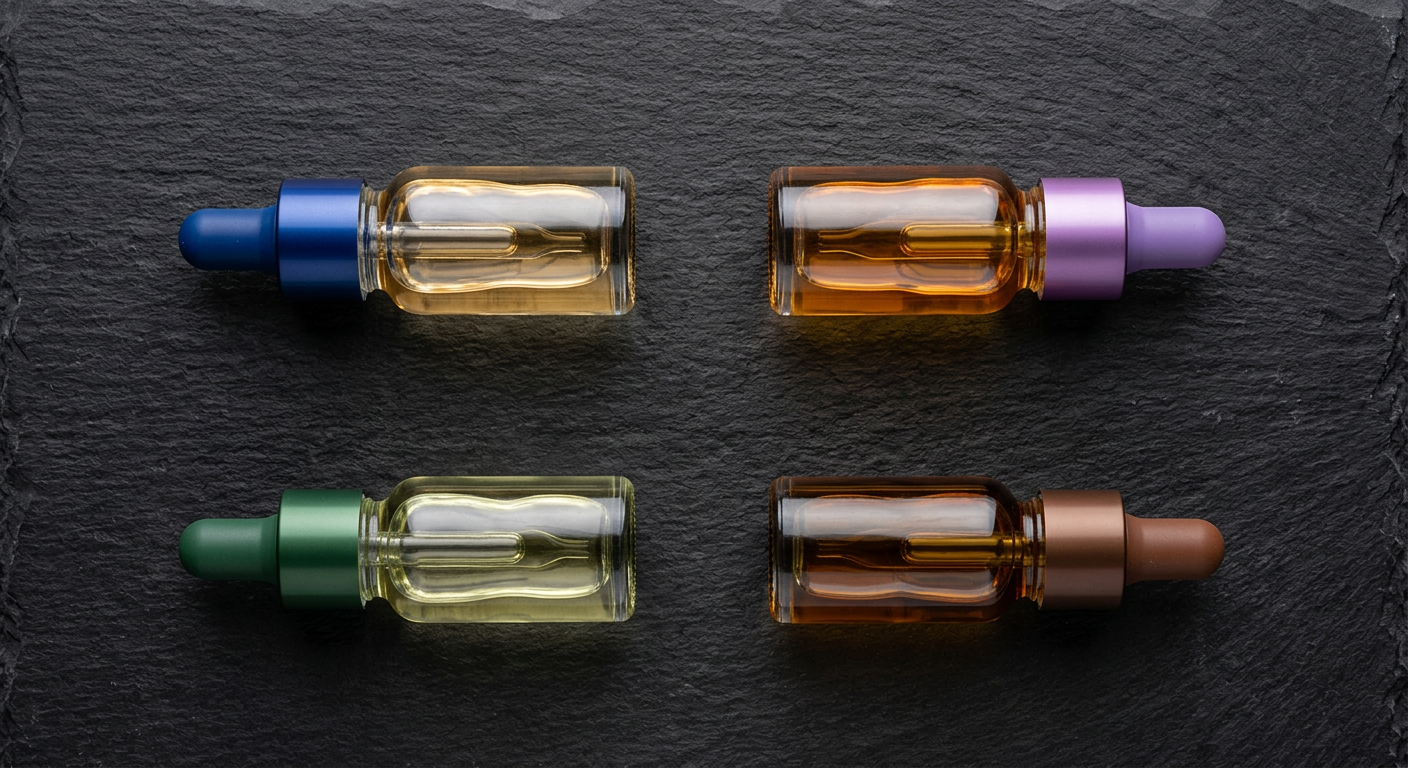
Linalool does not operate in isolation. Its effects shift significantly depending on the cannabinoid and terpene context it appears in — a phenomenon researchers call the entourage effect. Understanding these interactions helps explain why two strains with identical linalool percentages can produce very different experiences.
Linalool + THC
THC alone at high doses can amplify anxiety through CB1 receptor overstimulation. Linalool appears to buffer this effect by simultaneously activating GABA-A and serotonin pathways that counteract CB1-driven arousal. A 2020 study in Pharmacology, Biochemistry and Behavior found that co-administration of linalool reduced THC-induced anxiety-like behaviors in rodents by roughly 35%, without blunting the euphoric or analgesic components of the THC effect.
Linalool + CBD
CBD and linalool share overlapping anxiety-reducing mechanisms, but through different receptors — CBD primarily works through TRPV1 and indirectly through endocannabinoid reuptake inhibition, while linalool works through GABA-A and 5-HT1A. Used together, they appear to produce additive rather than redundant anxiolytic effects, making high-CBD, linalool-rich strains particularly potent for stress management without significant psychoactivity.
Linalool + Myrcene
Myrcene is the most common cannabis terpene and the strongest sedative in the terpene lineup. When linalool and myrcene co-occur above their respective thresholds (linalool above 0.10%, myrcene above 0.25%), users consistently report faster sleep onset, deeper physical relaxation, and morning grogginess that suggests synergistic sedative activity. This pairing dominates the terpene profile of classic heavy indicas.
Linalool + Caryophyllene
Beta-caryophyllene targets CB2 receptors with anti-inflammatory effects. Paired with linalool, this combination is common in Kush genetics and produces a profile that combines linalool's calming neurological action with caryophyllene's peripheral anti-inflammatory and pain-reducing activity — useful for users managing both stress and physical discomfort simultaneously.
Linalool's most powerful applications emerge in combination. Linalool + myrcene for sleep. Linalool + CBD for anxiety without impairment. Linalool + caryophyllene for pain and stress together. Understanding these pairings helps you choose strains far more precisely than THC percentage alone.
For more on how terpenes interact with the broader cannabis chemistry, our guides on humulene in cannabis and pinene in cannabis provide parallel deep-dives into complementary terpene families.
Aromatherapy vs. Ingestion: Does Delivery Method Matter?
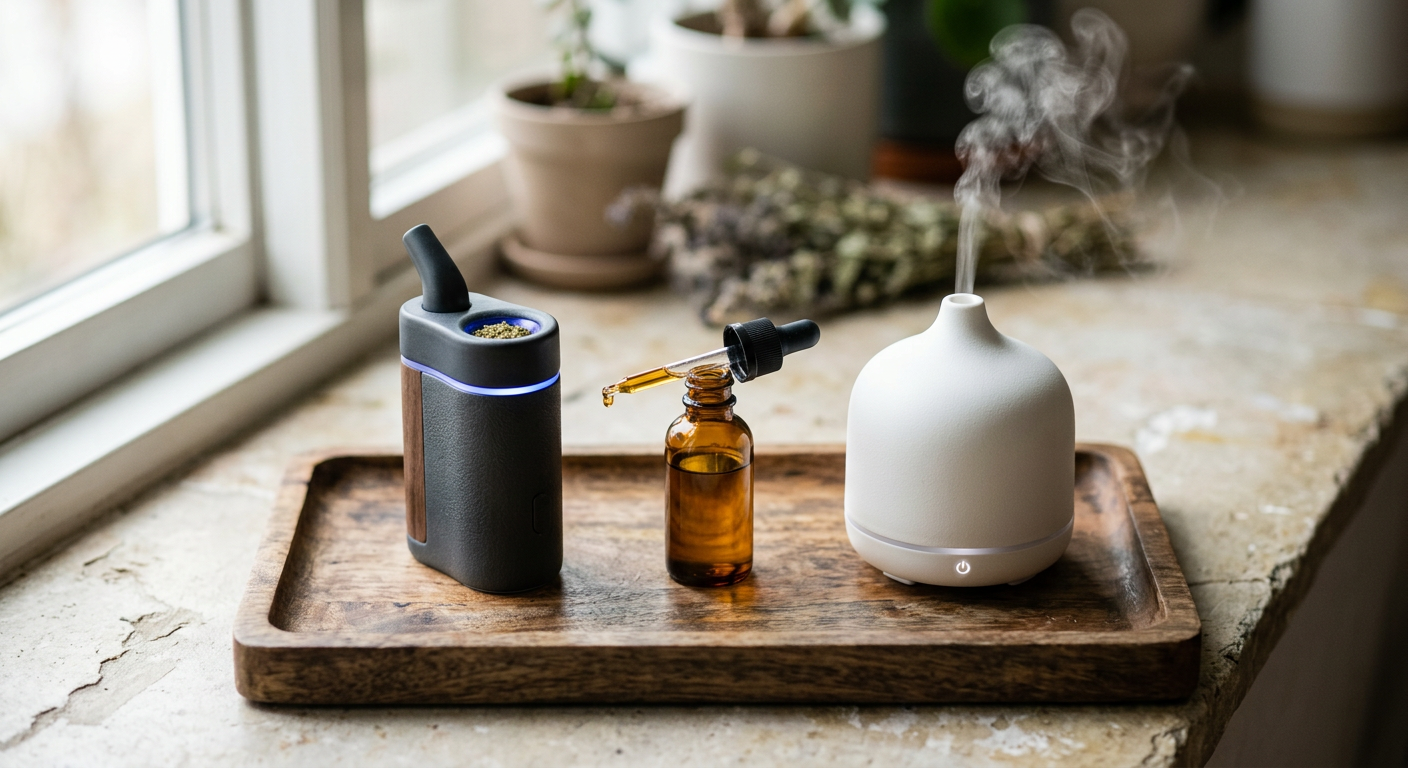
One of the most practically important questions for linalool users: does it matter whether you inhale, ingest, or topically apply linalool-rich cannabis? The answer is yes — and the differences are significant enough to change which delivery method you choose for a given goal.
Inhalation (Smoking or Vaporizing)
Inhalation delivers linalool directly to the olfactory epithelium and simultaneously into the bloodstream via the lungs. The olfactory route is particularly important — research suggests that aromatic compounds reaching olfactory receptors can modulate the limbic system (the brain's emotional center) within seconds, before blood plasma levels even rise. This dual-pathway delivery may explain why inhaled linalool-rich cannabis has faster onset anxiety relief than oral administration.
- Onset: 30 seconds to 3 minutes
- Peak effect: 10–20 minutes
- Duration: 1.5–3 hours
- Linalool delivery efficiency: High at vapor temperatures 200–210°F; moderate via combustion
Oral Ingestion (Edibles, Tinctures, Capsules)
Oral linalool bypasses the olfactory pathway entirely. It is absorbed through the gut, metabolized by the liver, and reaches the brain through systemic circulation. Bioavailability through oral routes is lower than inhalation for terpenes generally, and the olfactory limbic trigger is absent. However, duration is significantly longer — 4 to 8 hours — making oral administration more suitable for sleep support than acute anxiety relief.
Aromatherapy (Pure Linalool or Lavender Oil)
Aromatherapy with linalool isolate or lavender essential oil (which is 25–45% linalool) provides the olfactory pathway effect without any cannabinoids. This is the basis of most clinical aromatherapy trials. Effects are real but limited compared to whole-cannabis inhalation, which combines olfactory linalool stimulation with cannabinoid receptor activation simultaneously. For someone seeking very mild relaxation without any psychoactive component, aromatherapy is effective. For full therapeutic benefit, inhaled whole-plant cannabis provides more complete engagement.
Try combining approaches: diffuse a few drops of lavender essential oil in your space while consuming a linalool-rich cannabis strain. The ambient olfactory stimulation from the diffuser primes GABA-A receptors before you even consume, potentially amplifying linalool's calming effects from the cannabis itself.
How to Maximize Linalool in Your Grow
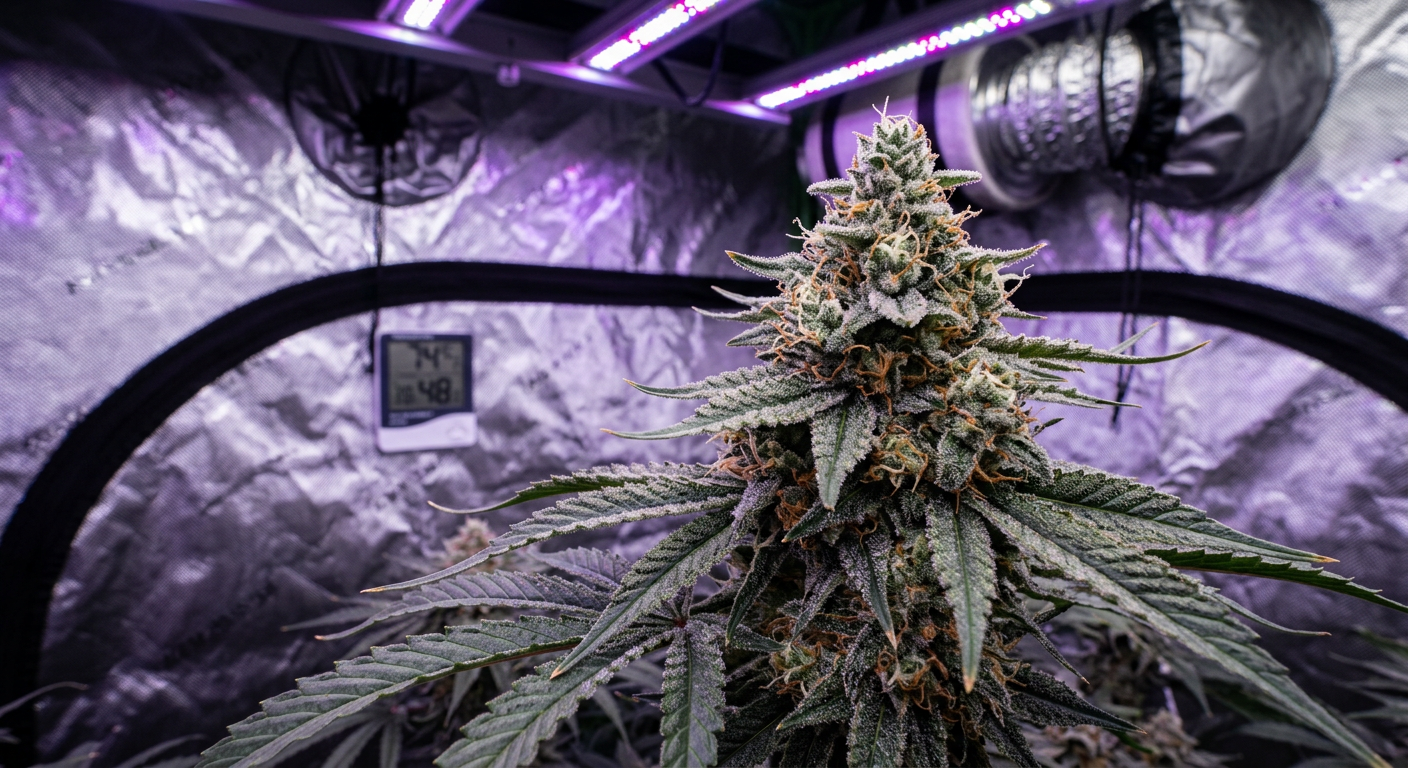
Terpene expression in cannabis is genetically influenced but environmentally shaped. Growers who understand the key variables can meaningfully boost linalool concentration in harvest-ready flower.
Follow these steps to optimize linalool output:
Choose High-Linalool Genetics
Start with strains from Kush, Lavender, or indica-heavy lineages. Our Purple Kush Feminized Seeds and Cookies Kush Feminized Seeds (18% THC) both carry genetics associated with elevated floral terpene expression. Phenotype hunting within a seed run helps identify the highest-expressing individual plants — see our phenotype hunting guide for methodology.
Manage Temperature in Late Flower
High temperatures above 80°F (27°C) during the final 3 weeks of flowering accelerate terpene evaporation, including linalool. Keep daytime temps at 72–76°F (22–24°C) and introduce a 10–15°F temperature drop at night. Cold nights stress trichome production and concentrate volatile terpenes. See our cannabis temperature control guide for stage-by-stage targets.
Harvest at Peak Trichome Maturity
Linalool peaks when trichomes are predominantly cloudy with up to 20% amber. Over-ripe flower loses linalool faster than other terpenes due to its relatively lower molecular weight. Use a jeweler's loupe or digital microscope at 60–100x magnification. Our harvest timing guide covers the full trichome assessment process.
Cure Properly and Store Cold
Slow curing at 60–65°F (15–18°C) in sealed glass jars with 58–62% relative humidity preserves linalool during the critical post-harvest window. After curing, store in a cool, dark environment below 65°F. Vacuum-sealed glass with a humidity pack maintains linalool integrity for 8–12 months. Our drying and curing guide details the complete 2–8 week process.
Use Living Soil or Organic Inputs
Terpene synthesis is supported by a broad micronutrient profile that synthetic nutrients often miss. Mycorrhizal fungi and diverse soil bacteria improve phosphorus and micronutrient availability, directly supporting the MEP/DOXP pathway through which cannabis synthesizes monoterpenes including linalool. Our living soil growing guide explains the full system.
- Select indica/Kush genetics with documented floral terpene expression
- Maintain late-flower temps below 76°F daytime, below 65°F nighttime
- Monitor trichomes; harvest at 70–80% cloudy, 20–30% amber
- Dry slowly at 60–65°F for 10–14 days before jarring
- Cure in glass with 60% RH for minimum 4 weeks
- Store sealed, cold, and dark after curing
- Use organic or living soil medium for broadest terpene expression
Linalool Concentration Guide: Reading Lab Reports

As legal cannabis markets mature, more dispensaries and seed-to-sale facilities provide full terpene panels via gas chromatography (GC) or liquid chromatography (LC) analysis. Knowing how to read linalool data from a certificate of analysis (COA) helps you select products with confidence.
| Linalool % (w/w) | Sensory Impact | Likely Pharmacological Effect | Strain Category |
|---|---|---|---|
| Below 0.05% | Below sensory threshold | Minimal isolated effect; relies on entourage | Most sativa-dominant strains |
| 0.05–0.10% | Subtle floral note | Mild anxiolytic contribution to overall effect | Mixed hybrids |
| 0.10–0.20% | Clear lavender/floral character | Meaningful sedative and anxiolytic activity | Indica hybrids, OG family |
| 0.20–0.35% | Dominant floral/spicy note | Strong sedation and sleep-promoting effects | Lavender Kush, heavy indicas |
One important note: heat degrades linalool. COA results reflect levels in fresh, cured flower. By the time flower is smoked, combustion destroys a portion of available linalool. Vaporization at 200–210°F preserves significantly more — studies suggest 85–90% retention vs. 40–60% retention through a standard combustion pipe. This makes vaporizing the optimal delivery method for capturing the full linalool profile shown on a lab report.
For those interested in genetics authentication and understanding what terpene profiles your chosen seeds are capable of expressing, our cannabis genetics testing guide covers DNA analysis and how genetic markers correlate with terpene phenotypes.
A COA showing 0.15% linalool in fresh flower translates to approximately 0.09–0.13% effectively delivered when vaporized at optimal temperature — still well above the pharmacologically relevant threshold. The same flower smoked delivers roughly 0.06–0.09% active linalool, which remains above the anxiolytic action threshold but below optimal sleep-support levels.
Linalool vs. Other Calming Terpenes: How It Compares
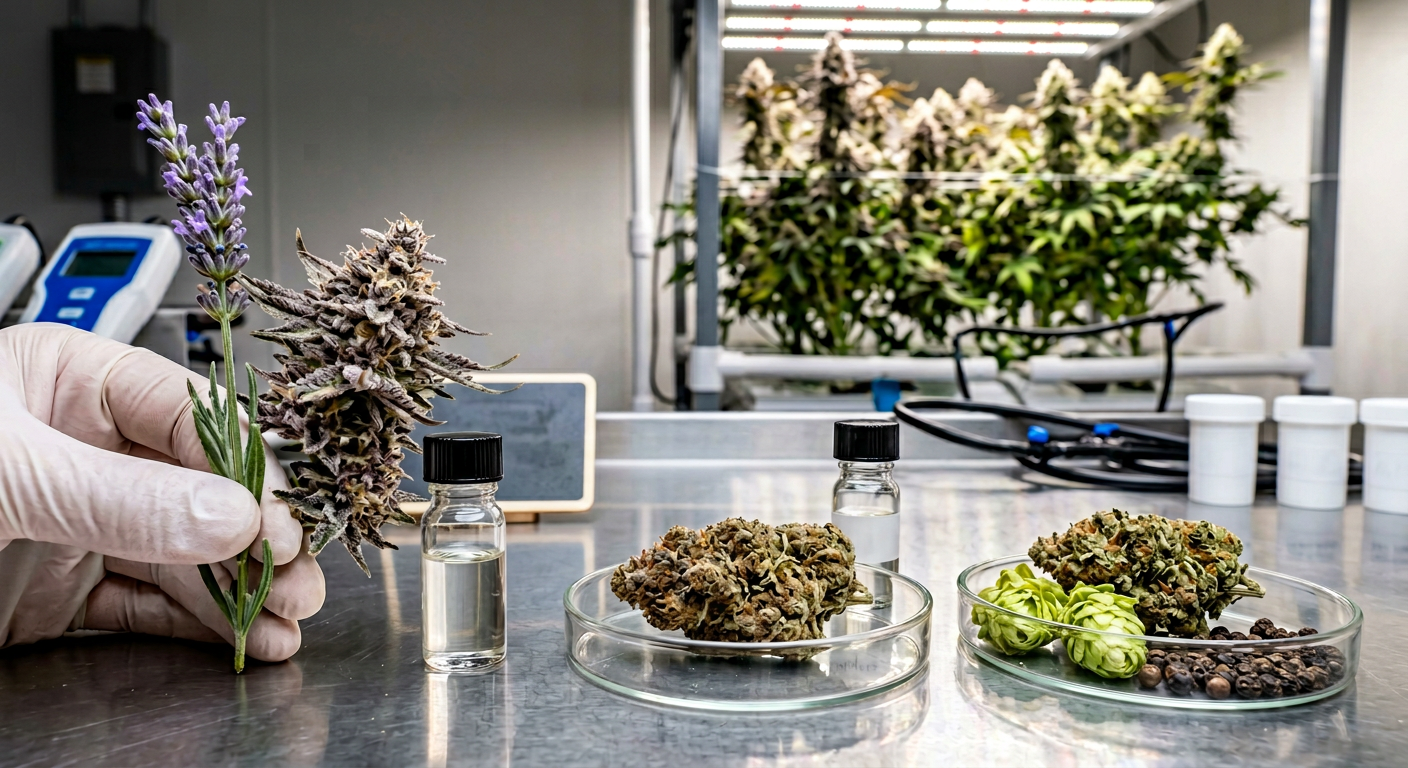
Linalool is not the only calming terpene in cannabis, and understanding how it compares to myrcene, caryophyllene, and terpinolene helps you choose strains with the right character of relaxation for your needs.
| Terpene | Primary Effect | Mechanism | Onset Feel | Best For |
|---|---|---|---|---|
| Linalool | Calm, anxiolytic, sleep | GABA-A, 5-HT1A, glutamate | Gentle, warm, floating | Anxiety, sleep onset, stress |
| Myrcene | Heavy sedation, couch-lock | Potentiates CB1, GABA enhancement | Fast, heavy, physical | Insomnia, pain, deep sedation |
| Caryophyllene | Anti-inflammatory, mild calm | CB2 agonist | Subtle, delayed, physical | Pain, inflammation, mild anxiety |
| Terpinolene | Uplifting, mild sedation at high dose | GABA modulation (weaker) | Cerebral, then soft landing | Daytime calm, creativity |
| Bisabolol | Gentle calming, anti-inflammatory | Anti-nociceptive, anti-inflammatory | Very subtle, slow onset | Skin, mild anxiety, inflammation |
Linalool's unique position is its neurochemical specificity. While myrcene sedates through broad receptor potentiation, linalool targets anxiety-related circuitry with more precision — making it the preferred terpene for users who want calm without the "stuck on the couch" feeling of pure myrcene dominance. It is the terpene most likely to help you sleep well while still feeling mentally clear as you wind down.
For broader reading on cannabis terpene science and how these compounds shape the total cannabis experience, see our companion guide to humulene — a terpene with complementary anti-inflammatory and appetite-suppressing properties often found alongside linalool in indica genetics. You can also explore how specific terpene profiles influence therapeutic outcomes in our best strains for muscle spasms guide and our cannabis for fibromyalgia guide.
Linalool-dominant strains consumed in large amounts before driving or operating machinery carry real impairment risk. The sedative combination of high linalool + high myrcene + high THC can produce unexpected drowsiness even in experienced users who underestimate the cumulative effect of terpene-cannabinoid synergy. Always assess impairment before any safety-sensitive activity.
Frequently Asked Questions
What does linalool smell like in cannabis?
Linalool smells floral and sweet, closely resembling fresh lavender with softer soapy undertones and faint spicy depth. At concentrations above 0.15%, it becomes the dominant aroma note. At lower concentrations, it adds subtle floral sweetness behind louder terpenes like myrcene or caryophyllene.
Which cannabis strains are highest in linalool?
Lavender Kush consistently leads with 0.18–0.35% linalool. Tahoe OG, Do-Si-Dos, Granddaddy Purple, and Master Kush all test in the 0.10–0.22% range. OG-family strains (OG Kush, Skywalker OG) contain moderate linalool at 0.08–0.14%, contributing to their characteristic calming effect alongside dominant myrcene.
Can linalool help with anxiety without getting high?
Yes. Linalool produces genuine anxiolytic effects through olfactory stimulation alone — this is the basis of lavender aromatherapy, which is documented in multiple clinical trials. Using a linalool-rich essential oil diffuser or applying a diluted lavender oil delivers linalool effects without any cannabinoids or psychoactive compounds.
Does linalool survive the heating process when cannabis is smoked or vaped?
Linalool's boiling point is 198.3°F (92.4°C), so it activates readily at vaporizer temperatures starting around 200°F. Vaporizing preserves 85–90% of available linalool. Combustion (smoking) destroys 40–60% through thermal degradation above 390°F. For maximum linalool delivery, vaporizing at 200–215°F is significantly more efficient than smoking.
Is linalool safe for daily use?
Linalool is classified as GRAS (Generally Recognized as Safe) by the FDA as a food flavoring agent. It appears naturally in commonly consumed foods including coriander, basil, and citrus. At concentrations found in cannabis, no toxicity has been documented. Animal studies show a wide safety margin. As with all cannabis consumption, individual sensitivity varies and consulting a healthcare provider is advisable.