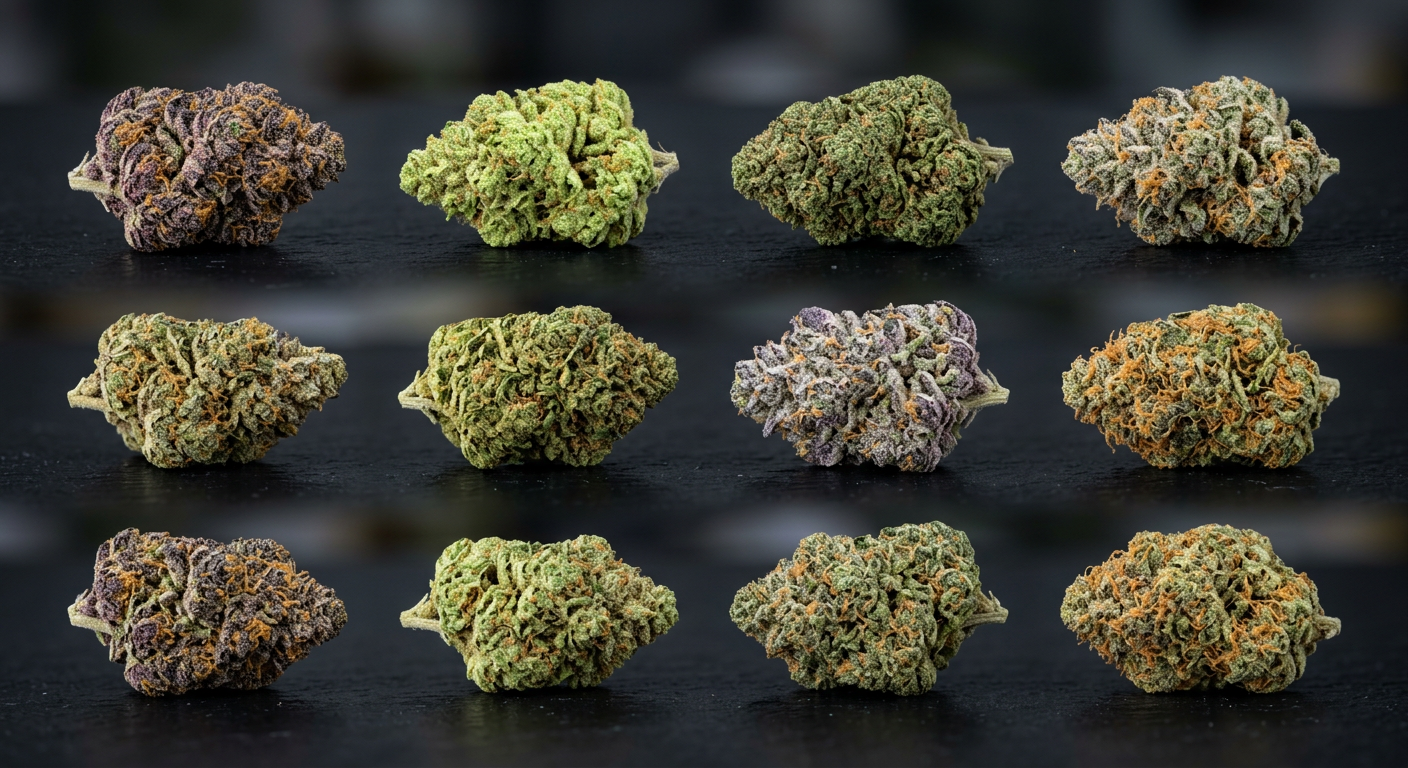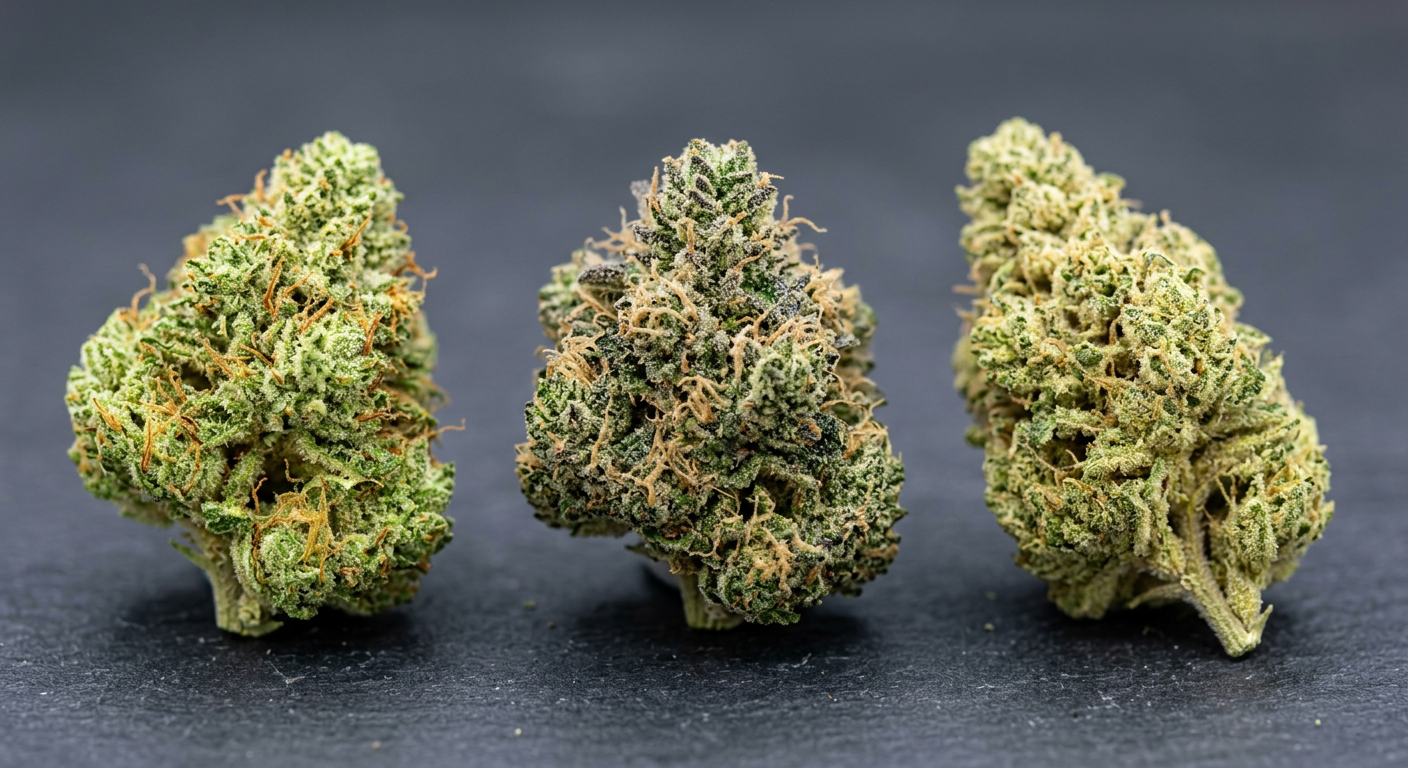
Walk into any serious cannabis conversation and one phrase surfaces faster than the smoke clears: exotic cannabis strains. But "exotic" gets thrown around so loosely today that it risks losing all meaning. Is it just a marketing badge? A THC number? Or does it describe something genuinely rare — genetics that most growers will never hold in their hands?
The answer is all three, and none of them alone. This guide cuts through the hype, defines what actually makes a strain exotic, profiles the most sought-after genetics on earth, and gives you a clear roadmap for finding, growing, and appreciating them. Whether you are a seasoned cultivator chasing a white whale or a curious reader who just discovered terpenes exist, this is the definitive resource.
What Actually Makes a Cannabis Strain Exotic?
Exotic cannabis strains earn that label through a combination of rarity, unique terpene chemistry, limited breeding lineages, and effects that stand apart from the mainstream. A strain needs at least two of these four qualities to genuinely belong in the exotic category — one alone is just good marketing.
The word "exotic" entered cannabis culture in the early 2000s when underground breeders started producing crosses so unusual — in color, smell, or effect — that they defied standard Indica/Sativa descriptions. Today the term covers four overlapping criteria:
- Genetic rarity: Limited-run or clone-only lines with restricted seed availability
- Unusual terpene profiles: Combinations that produce flavors outside the classic earthy/pine/citrus triangle
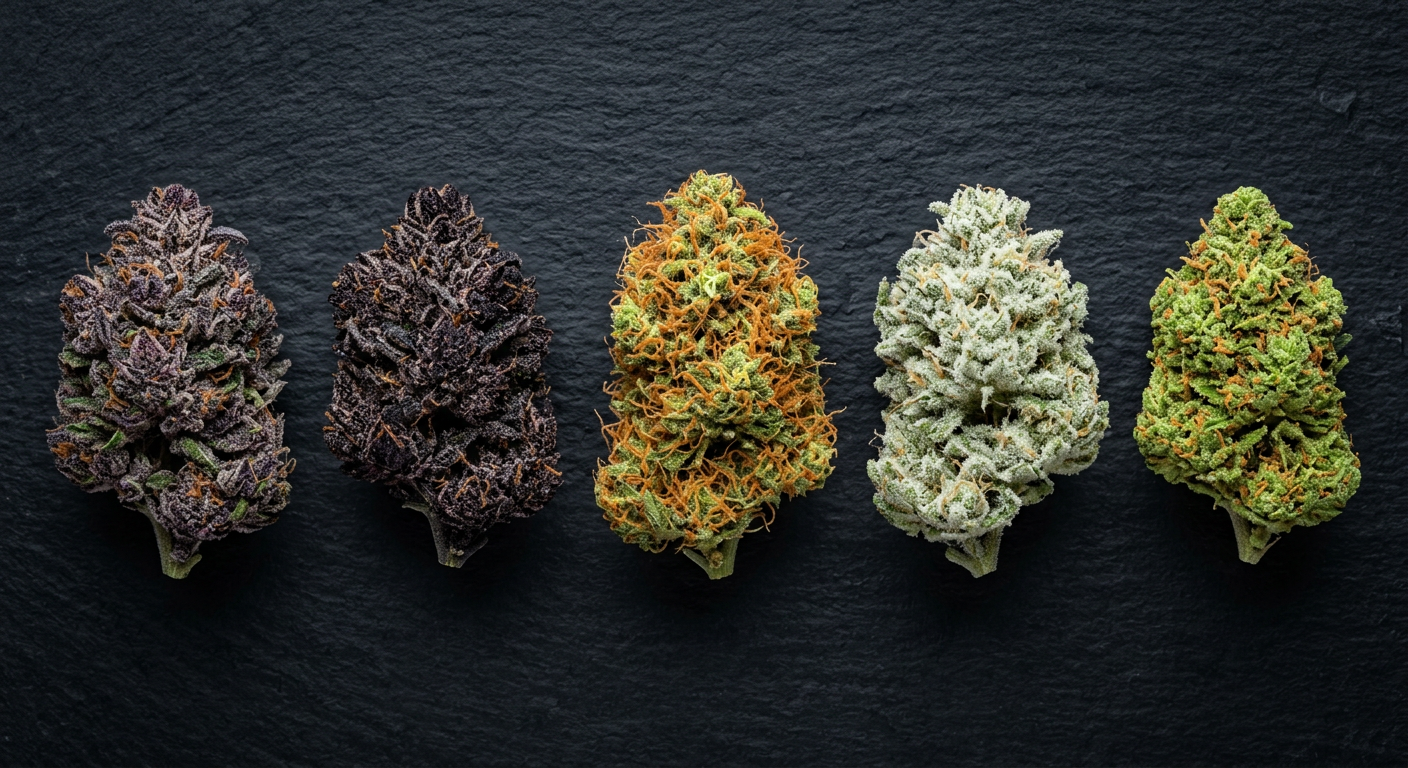
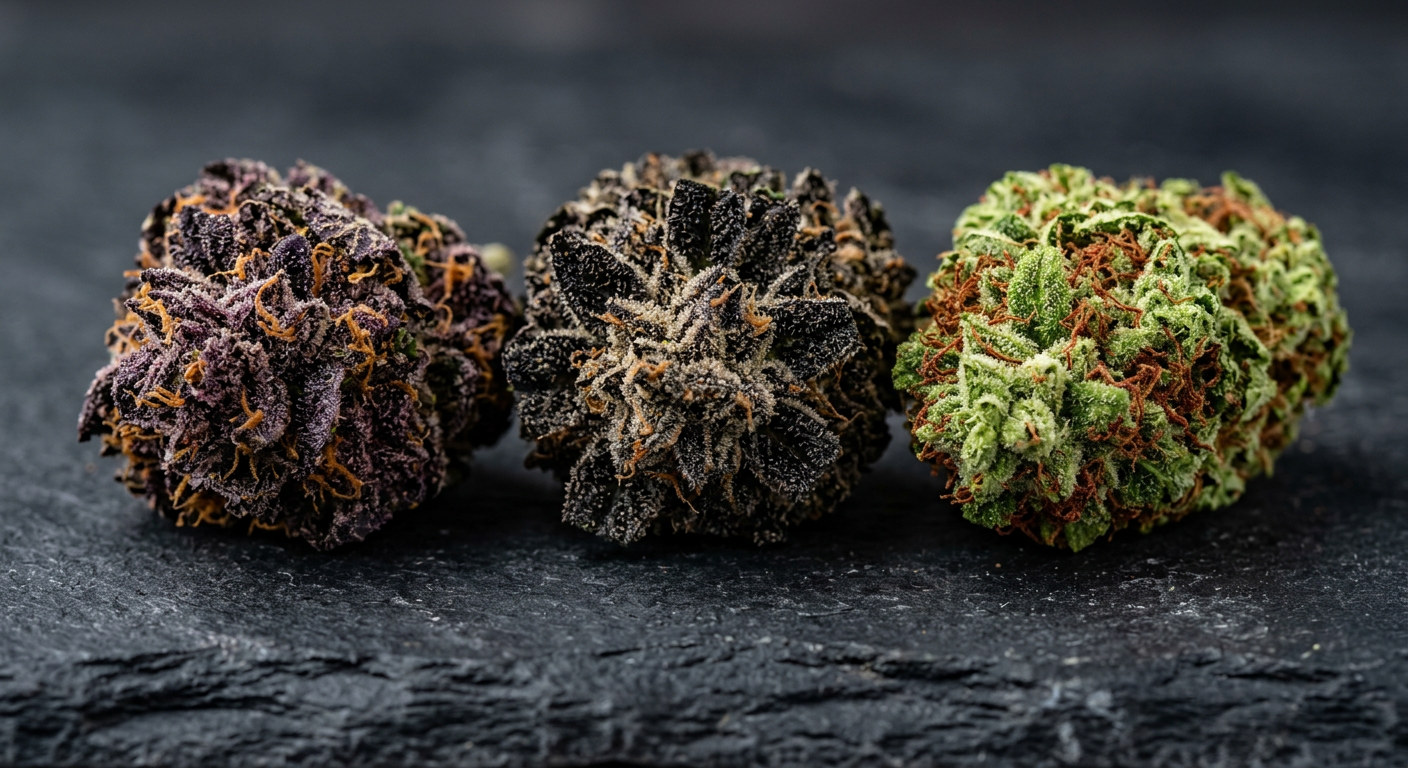
- Distinctive appearance: Deep purples, blacks, vivid oranges, or extreme resin coverage
- Unique effect signatures: Cannabinoid ratios or minor cannabinoid presence that creates an experience unlike standard strains
Rarity without quality is just scarcity. The best exotic strains combine limited availability with a terpene or cannabinoid profile so distinctive that experienced consumers immediately notice the difference. That combination is what drives three-figure price tags per ounce in premium markets.
Understanding the genetics behind exotics requires a deeper dive into cannabis heredity. Our comprehensive Cannabis Genetics Guide explains how breeding mechanics determine which traits pass from parent to offspring — essential reading before you start hunting rare seeds.
The Genetics Behind Rare Cannabis Strains
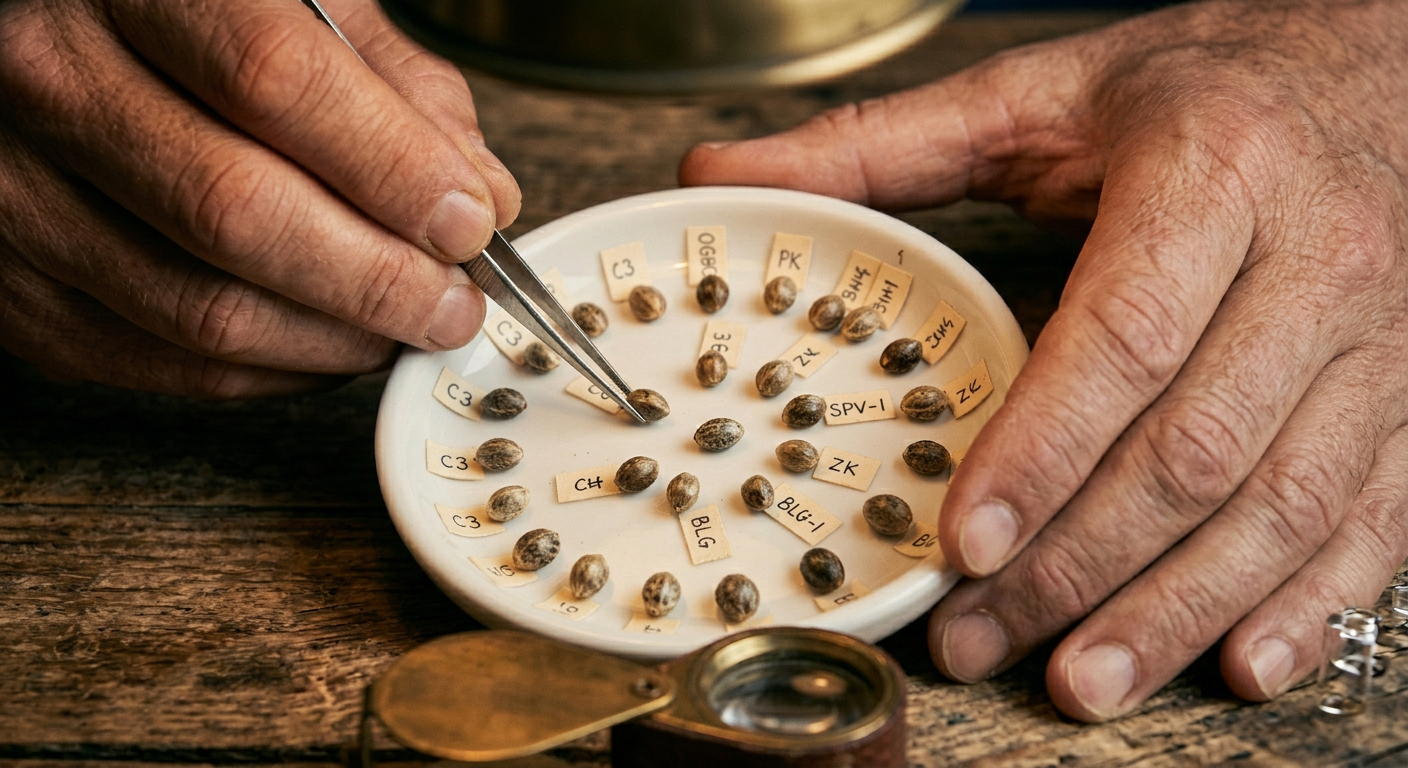
Exotic strain genetics almost always trace back to one of three source pools: landrace populations from isolated geographic regions, intentional F1 hybrids that accidentally produced a phenotype nobody expected, or clone-only plants that were never stabilized into seed form. Understanding these origins explains why some strains are genuinely hard to replicate.
Landrace Roots and Their Role
Landrace strains — the ancient, geographically isolated varieties that evolved without human hybridization — form the genetic bedrock of nearly every exotic on the market. Our full breakdown in Landrace Cannabis Strains: Origins, Traits & Growing Guide covers this history in detail.
Landraces from Malawi, Thailand, Colombia, and Afghanistan carry terpene genes that simply do not exist in commercial Western hybrids. When a breeder crosses a Malawi sativa with a modern OG Kush, the resulting terpene combinations can be completely unprecedented. That is the engine behind genuine exotic genetics.
Clone-Only Legends vs. Seed-Available Exotics
Clone-only strains represent the apex of genetic rarity. These are plants that were never successfully stabilized into reproducible seeds — either because the breeder died, the genetics were intentionally kept proprietary, or repeated attempts to seed the line produced inconsistent results. You cannot buy a clone-only strain at a seed bank. You have to know someone.
Seed-available exotics are more accessible but still represent the top tier of commercial genetics. Strains like Quantum Kush (30% THC) push potency into territory that qualifies as exotic by any standard — most cultivators will never see yields at that cannabinoid concentration from a stable, feminized seed line.
The Role of Phenotype Hunting
Even within a single seed pack, genetics express differently across individual plants. Phenotype hunting — the practice of germinating large numbers of seeds from the same cross and selecting the single most outstanding individual — is how elite exotic expressions are discovered.
- Most commercial growers run 5–10 plants per variety
- Serious phenotype hunters run 50–200 plants from a single cross
- The selected "keeper" is then cloned and preserved indefinitely
- Only the keeper phenotype earns the exotic label; the rest get culled
Cannabis genetics testing via DNA analysis can now confirm whether a strain labeled as a rare exotic actually matches its claimed lineage. Lab-based authentication is increasingly common among premium collectors. See our guide on Cannabis Genetics Testing: DNA Analysis & Strain Authentication for how it works.
Exotic Strains with Unique Flavors: A Terpene Deep Dive
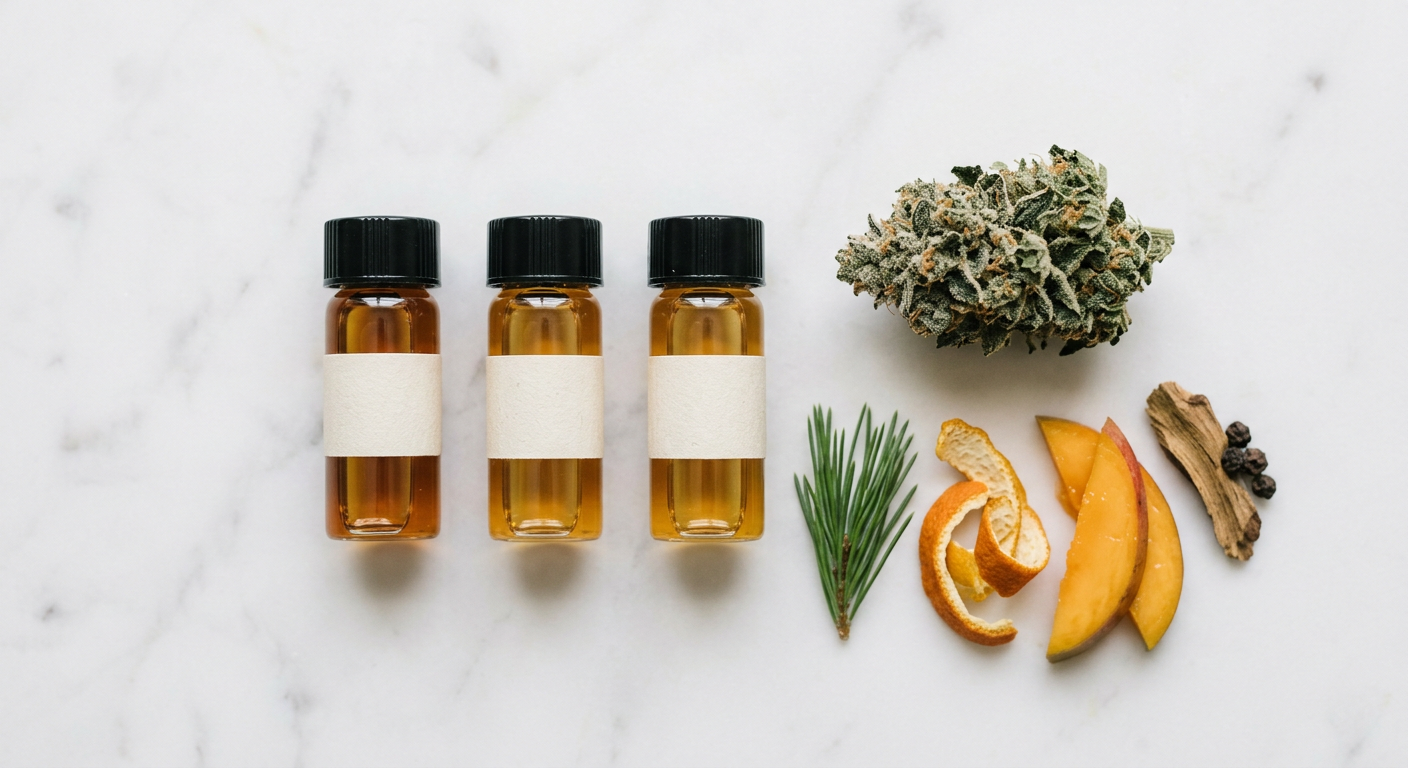
Exotic strains with unique flavors owe their signature tastes almost entirely to unusual terpene combinations — specifically, the presence of rare or high-concentration terpenes that common commercial strains never express. Flavor profiles range from tropical fruit cocktails to diesel-fuel-meets-blueberry to floral-herbaceous combinations that defy description.
Most commercial cannabis centers on three dominant terpenes: myrcene, limonene, and beta-caryophyllene. Exotic strains differentiate themselves by expressing terpenes that rarely lead a profile in standard varieties.
Rare Terpenes That Define the Exotic Category
- Terpinolene: Floral, piney, herbaceous — found in high concentration in very few strains; produces a uniquely uplifting effect when combined with certain cannabinoid ratios
- Ocimene: Sweet, herbal, woody — contributes tropical fruit complexity to strains like Jillybean; rarely dominant in any variety
- Guaiol: Pine-rose crossover aroma — extremely rare as a lead terpene, associated with specific South American landraces
- Sabinene: Spicy-citrus, often compared to black pepper meets orange peel — appears in certain African and Southeast Asian genetics
- Phytol: Floral, balsamic — typically a secondary terpene but occasionally dominant in phenotype-selected exotics
When evaluating an exotic strain's terpene profile, request a full Certificate of Analysis (COA) from a third-party lab. Mass spectrometry can detect terpenes at concentrations as low as 0.01% — the difference between a claimed "exotic terpene" and one that actually exists in meaningful quantity.
The interaction between terpenes and cannabinoids is what the industry calls the entourage effect. Our detailed breakdown of The Entourage Effect: How Cannabinoids & Terpenes Work Together explains exactly how these compounds amplify each other — critical knowledge for understanding why exotic strains feel so different from standard varieties.
Flavor Profile Comparison: Exotic vs. Standard Strains
| Category | Standard Strains | Exotic Strains |
|---|---|---|
| Lead Terpenes | Myrcene, Limonene, Caryophyllene | Terpinolene, Ocimene, Guaiol, Sabinene |
| Flavor Range | Earthy, citrus, pine, skunk | Tropical, floral, candy, fuel-fruit hybrids |
| Terpene Complexity | 2–4 dominant terpenes | 5–8 co-dominant terpenes |
| Aroma Intensity | Moderate to strong | Often overwhelming; detectable at distance |
| Effect Nuance | Broadly Indica or Sativa leaning | Highly specific, often difficult to categorize |
| Seed Availability | Wide — most major banks carry them | Limited — often single-source or clone-only |
| Price per ounce (retail) | $150–$250 | $300–$600+ |
Best Exotic Cannabis Strains: Profiles Worth Knowing
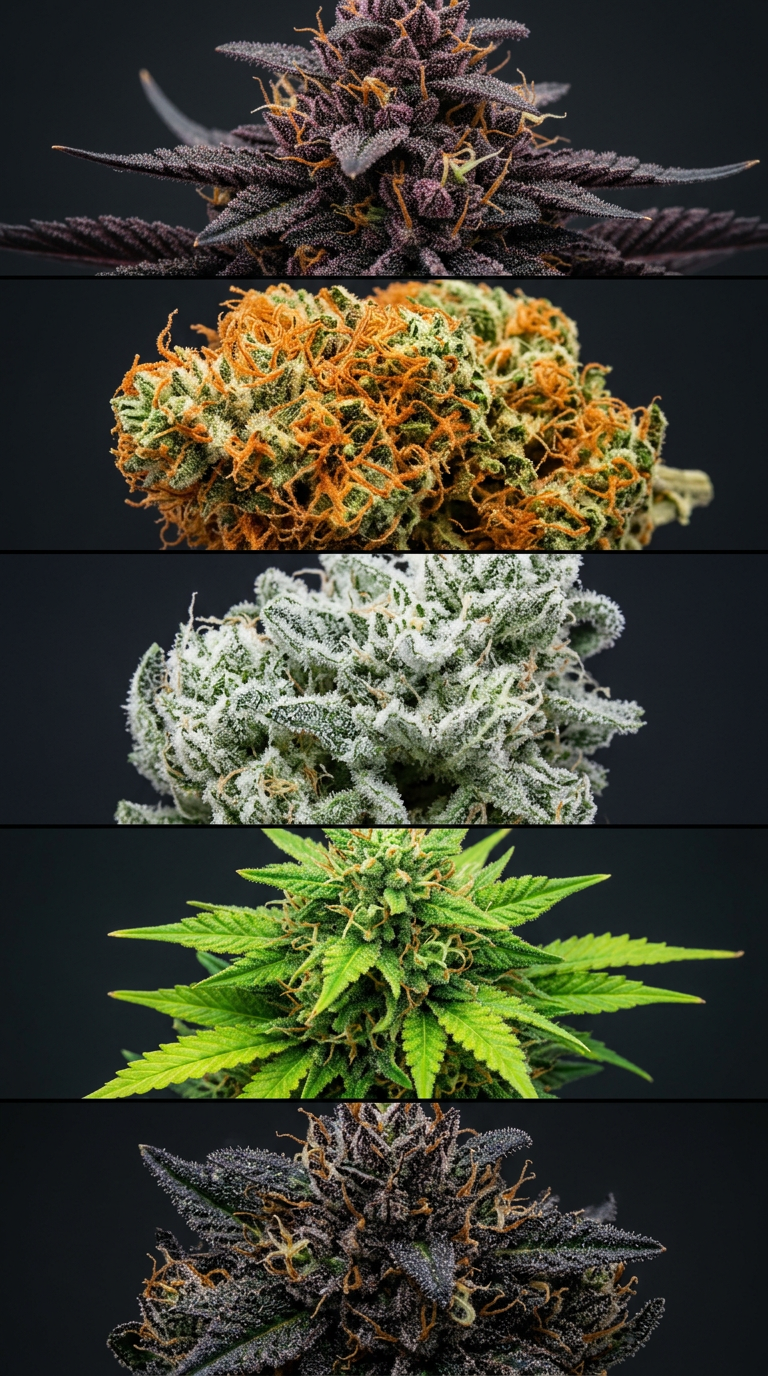
The best exotic cannabis strains combine rare genetics, distinctive terpene expression, exceptional potency, and visual characteristics that make them instantly identifiable. The following profiles represent strains that consistently appear on collector and cultivator wish lists — some seed-available, others legendary for their scarcity.
Quantum Kush — The Potency Frontier
Quantum Kush Feminized Seeds sit at 30% THC — one of the highest verified concentrations available in a stable, feminized seed line. This alone places it firmly in exotic territory, but the genetics go further: a TGA Subcool cross combining Space Queen and The Void, producing a terpene profile heavy in terpinolene and myrcene that delivers an electric, cerebral onset followed by a surprisingly balanced body effect.
- THC: 30%
- Terpene signature: Terpinolene-forward with tropical, herbal, and faint floral notes
- Effect: Rapid cerebral onset, sustained euphoria, mild body relaxation
- Grow difficulty: Intermediate — requires attentive nutrient management at this potency level
Alien Rock Candy — Phenotype Collector's Grail
Alien Rock Candy Feminized Seeds at 22% THC carry the legendary Alien Dawg × Sour Dubble lineage — a cross that produces a candy-sweet terpene profile unlike virtually anything in mainstream cannabis. The name comes from the frosted appearance of finished buds: so heavily coated in trichomes that the surface catches light like spun sugar.
Its flavor sits at the intersection of sour grape candy and diesel fuel, a combination that should not work but absolutely does. Effect-wise, it delivers a long-duration hybrid experience with notable mood elevation and physical relaxation arriving in distinct sequential waves rather than simultaneously.
Black Widow — The White Widow Phenotype That Stayed Dark
Black Widow Feminized Seeds represent one of cannabis history's most debated origin stories. At 26% THC, this strain traces to the original White Widow genetics selected by Mr. Nice Seeds in the 1990s — some argue it is the truest preserved expression of the original White Widow phenotype before the name was commercialized.
Black Widow's significance goes beyond potency. Its preserved lineage represents a direct genetic link to one of the most influential breeding programs of the 1990s. Growing it connects you to cannabis history in a way that modern hybrid crosses simply cannot replicate.
Phantom Cookies — The Ghost of Girl Scout Cookies
Phantom Cookies Feminized Seeds combine Phantom OG with the iconic Girl Scout Cookies lineage to produce something genuinely surprising: a strain that expresses the Cookies DNA in a more cerebral, less sedating direction than most Cookies crosses. At 18% THC, it is not the most potent entry here, but the terpene complexity — earthy, nutty, with unexpected floral high notes — makes it one of the most interesting smokes in the category.
Red Dragon — The Bhutanese Connection
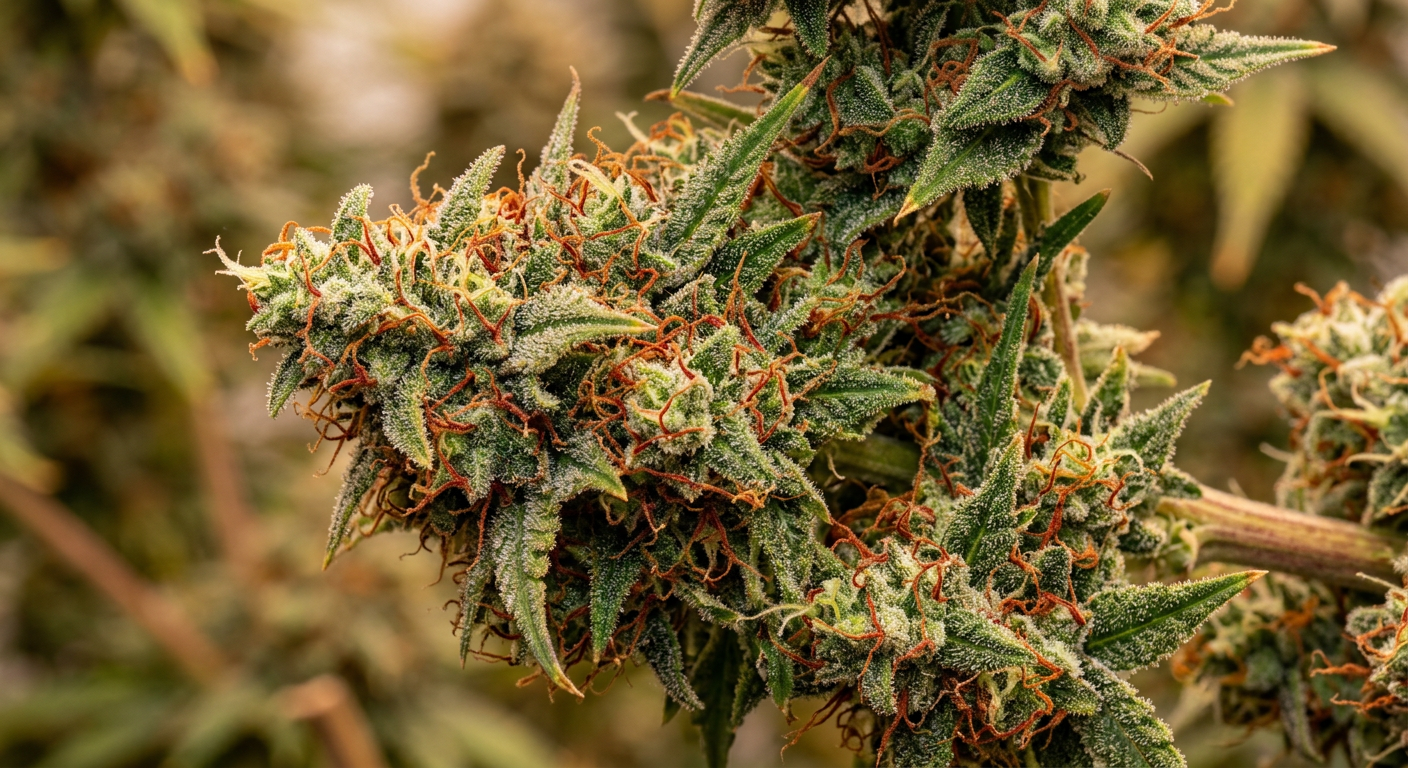
Red Dragon Feminized Seeds carry genuinely rare landrace DNA from Bhutanese genetics, crossed with West Himalayan Kush and Utopia Haze. The result is a visually striking sativa-dominant plant with vivid red and orange pistil expression at maturity, a sweet-fruity terpene profile anchored by ocimene and limonene, and a heady, creative effect profile that is distinctly different from Western hybrids at similar potency levels.
Willie Nelson — The Sativa Rarity
Willie Nelson Feminized Seeds at 22% THC represent one of the few genuinely exotic sativa-dominant options available in seed form. A Oaxacan Gold × Nepalese cross, it carries landrace genetics from two geographically distinct populations — Mexican and Himalayan — producing a terpene cocktail that delivers complex, earthy-floral flavors and an extended, energetic, cerebral effect associated with old-school equatorial sativas.
Jillybean — The Candy Connoisseur's Choice
Jillybean Feminized Seeds — an Orange Skunk × Space Queen cross from TGA Subcool — produce one of the most genuinely unusual flavor profiles in accessible cannabis. The dominant ocimene and myrcene combination creates a ripe, tropical candy sweetness with tangerine and mango overtones that experienced smokers consistently identify as the most fruit-forward strain they have encountered.
Exotic Strains with High Potency: Where Rarity Meets Intensity
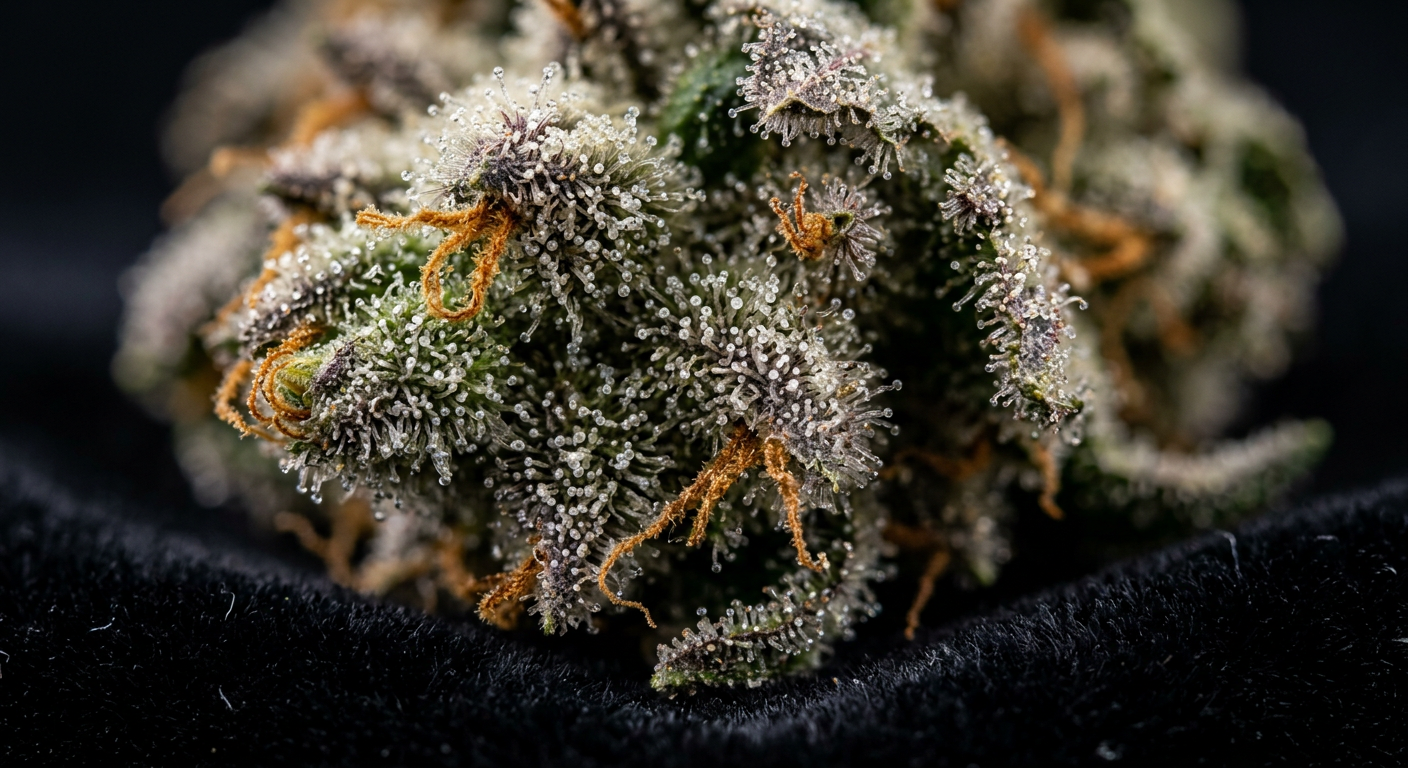
Exotic strains with high potency combine rare genetics with verified THC levels above 24% — a threshold where the effect profile changes qualitatively, not just quantitatively. The strains in this tier require experienced consumers and attentive growing conditions to express their full potential.
Potency alone does not make a strain exotic, but the combination of 25%+ THC with a distinctive terpene profile and limited genetics is the definition of the category's premium tier.
- Quantum Kush — 30% THC, terpinolene-dominant
- Purple Kush — 27% THC, myrcene-forward with earthy floral notes
- OG Kush — 26% THC, the original West Coast exotic benchmark
- Black Widow — 26% THC, preserved 1990s White Widow lineage
- White Widow — 25% THC, resin production defines the exotic visual standard
- Papaya — 25% THC, tropical terpene profile, Nirvana genetics
- Skywalker OG Autoflower — 23% THC, OG Kush × Skywalker cross in autoflower format
High-potency exotic strains above 25% THC can produce intense anxiety, paranoia, or disorientation in low-tolerance consumers. Start with a single, small inhalation and wait a full 15 minutes before assessing effect. These are not beginner strains — build your tolerance baseline with a standard variety first.
Growing Challenges Unique to Exotic Cannabis Strains
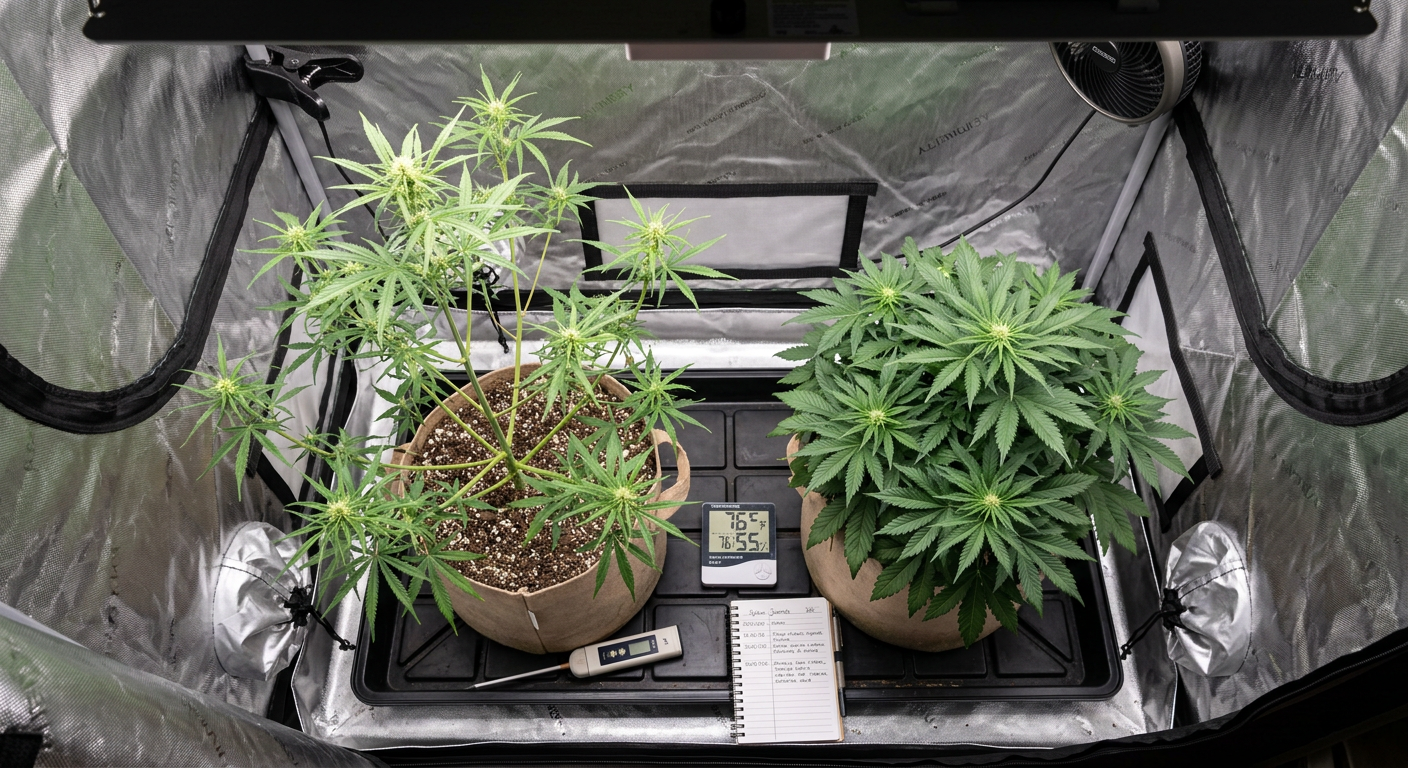
Growing exotic cannabis strains is harder than growing commercial varieties because rare genetics were often selected for unusual traits — unusual colors, extreme resin production, atypical plant structures — rather than commercial ease of cultivation. These selections frequently come with trade-offs: sensitivity to humidity, extended flowering times, or nutrient requirements outside the standard range.
Environmental Sensitivity
Many exotic strains with landrace DNA carry temperature and humidity preferences calibrated to their geographic origin. A strain with Malawi genetics may need warmer nighttime temperatures than standard indoor grows provide. A Thai sativa cross may need lower relative humidity to prevent the mold issues that plague dense exotic flowers.
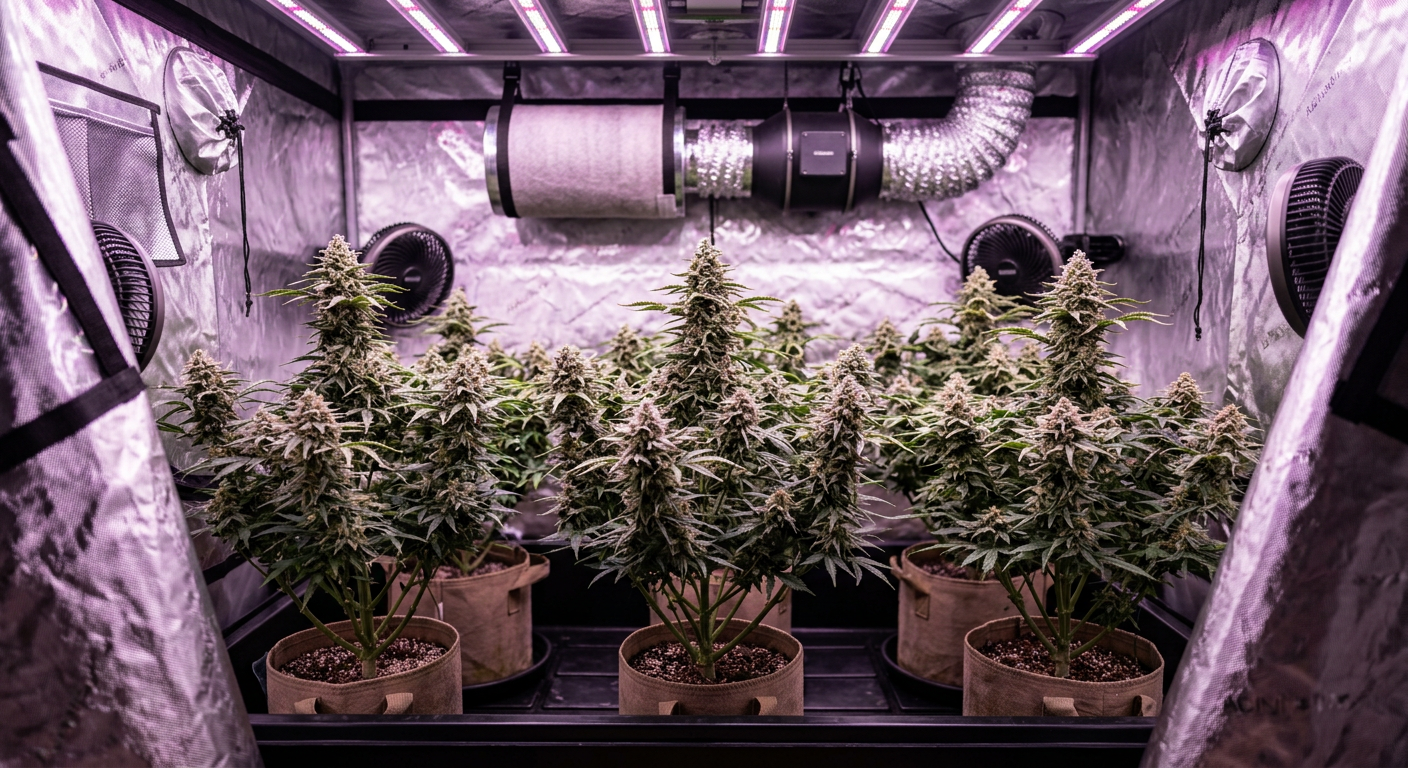
Mastering Cannabis Humidity Control: VPD Ranges & Dehumidification is non-negotiable when growing exotic genetics. Vapor pressure deficit management becomes critical when you are working with strains that have no commercial-grow breeding history.
Extended Flowering and Harvest Timing
Many exotic sativa-dominant varieties flower for 12–16 weeks — double the 8-week standard for commercial Indica-dominant strains. Harvesting too early destroys the terpene profile that defines these genetics; harvesting too late collapses the effect profile into sedation.
Our guide on When to Harvest Cannabis for Maximum Potency covers the trichome assessment methods that are essential for timing exotic harvests correctly. Amber-to-cloudy trichome ratios matter far more with these varieties than with forgiving commercial strains.
Training Considerations for Exotic Genetics
Exotic strains often express unusual morphology — extremely long internodal spacing in sativa exotics, extreme lateral branching in some Indica-dominant rarities, or atypical leaf structures that affect light penetration. Standard training approaches need modification.
- ScrOG works well for bushy exotic Indicas — our ScrOG Growing Guide explains screen placement for unusual canopy shapes
- Topping must happen earlier with fast-stretching sativa exotics — see Topping Cannabis Plants: Technique, Timing & Recovery for precise timing
- Living soil grows preserve exotic terpene expression better than synthetic nutrient programs — Living Soil Cannabis Growing: Complete 2026 Guide covers the methodology
When growing exotic genetics for the first time, run a single plant alongside one of your known strains. This gives you a direct comparison for growth rate, nutrient uptake, and environmental response — making it far easier to identify and correct problems before they damage your rare genetics.
Step-by-Step Approach to Your First Exotic Grow
Source Verified Genetics
Purchase seeds only from reputable banks with documented lineage histories. Verify strain-specific flowering times and any published grow notes before germination.
Dial In Your Environment First
Before germinating expensive exotic seeds, run your grow space through a full environmental calibration cycle using affordable test seeds. Confirm temperature, humidity, and VPD hit target ranges consistently. Review our VPD for Cannabis: Complete 2026 Grower's Guide for precise targets.
Document Everything
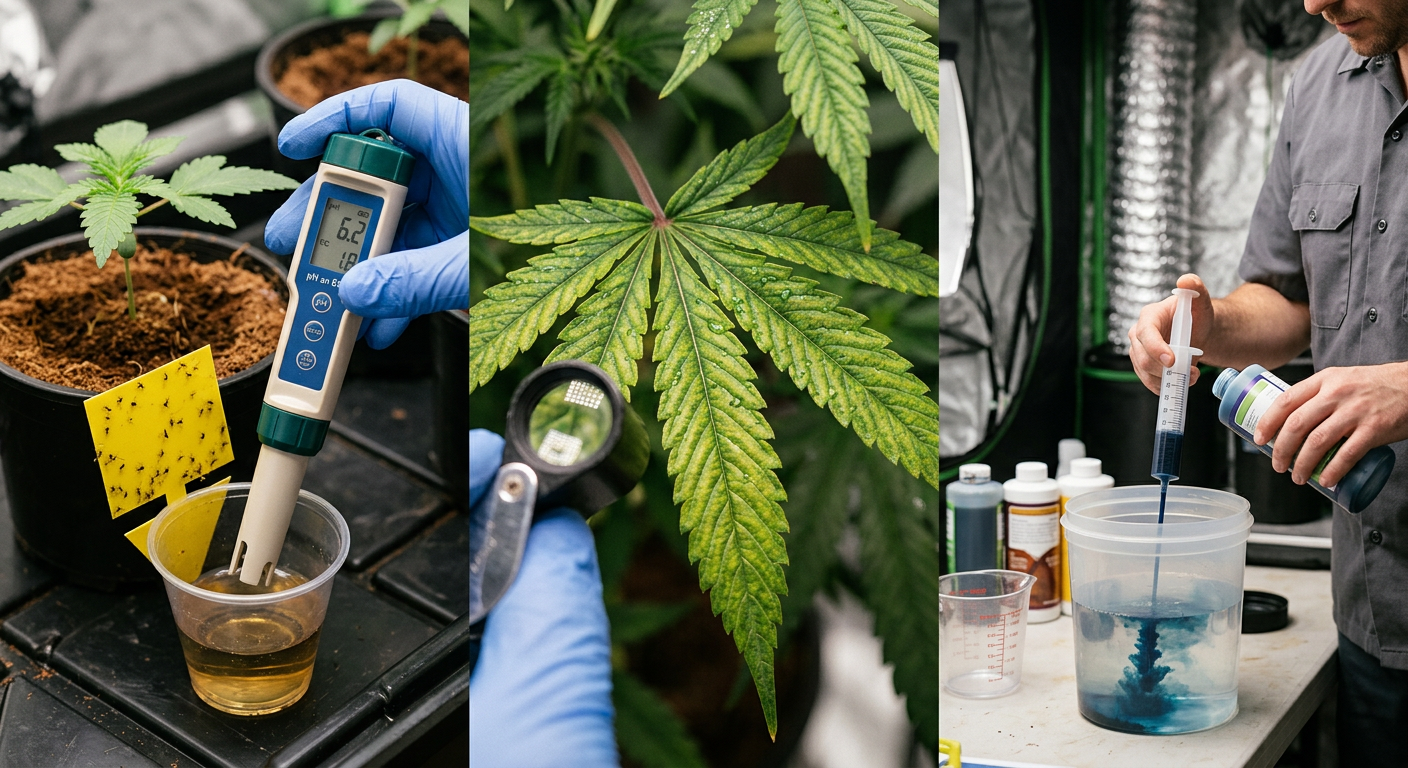
Exotic grows require strain-specific data logging. Record daily temperature ranges, humidity, pH, and EC readings. Deviations you might ignore with a forgiving commercial strain can ruin the terpene profile of an exotic variety.
Extend Vegetative Time Strategically
Many exotic strains benefit from a longer vegetative period — 6 to 8 weeks rather than the standard 4 — to build structural strength before the demanding flowering phase. See our Cannabis Vegetative Stage: Complete Growth Guide for timing benchmarks.
Trichome-Target Your Harvest
Never harvest an exotic by calendar alone. Use a jeweler's loupe or digital microscope to assess trichome development. Target 20–30% amber for maximum terpene and THC preservation in most exotic varieties.
How to Find Exotic Cannabis Strains: Sourcing Authentic Genetics
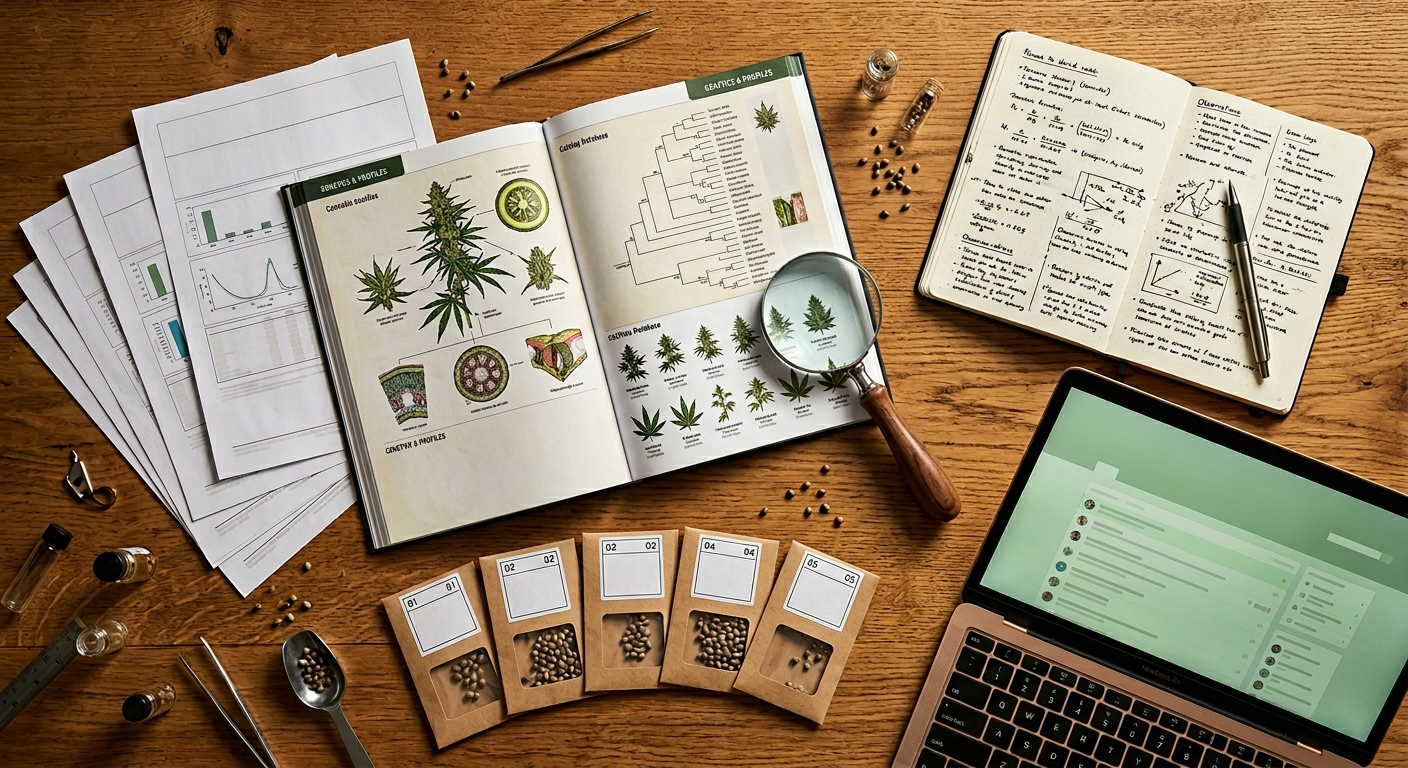
Finding authentic exotic cannabis strains requires navigating a market saturated with misleading names, exaggerated claims, and outright counterfeit genetics. The process demands source verification, lineage research, and — in many cases — direct connection to the breeding community.
Evaluating Seed Banks for Exotic Genetics
Not all seed banks carry genuine exotic genetics. Many use the word "exotic" as a marketing label for standard commercial strains dressed in unusual names. Verifiable indicators of genuine exotic sourcing include:
- Published breeding lineage with named parent strains, not just marketing descriptions
- Certificates of Analysis (COAs) from third-party labs confirming terpene and cannabinoid profiles
- Limited batch sizes — genuine exotic seeds are not available in unlimited quantities year-round
- Established community reputation verifiable across multiple independent grow journals
- Documented phenotype hunting and selection process for any named exotic
Counterfeit exotic genetics are a genuine problem in the seed market. A strain labeled "Runtz" or "Gelato" purchased from an unverified source almost certainly does not carry authentic genetics. Misnamed seeds produce disappointing results that no amount of skill can correct — the genetics are simply wrong.
Community Channels Worth Following
The most reliably exotic genetics surface through the cultivation community rather than commercial channels. Reputable grow forums, cannabis cup judges, and small-batch independent breeders often hold genetics unavailable anywhere else. Building relationships in these communities is the only reliable path to true clone-only exotics.
Understanding the full history of cannabis genetics — including heirloom preservation and breeding lineages — provides essential context for evaluating exotic strain claims. Our guide on Heirloom Cannabis Strains: History, Genetics & Preservation covers the preservation efforts that keep rare genetics available.
The Rarest Cannabis Strains in the World: What Defines True Scarcity
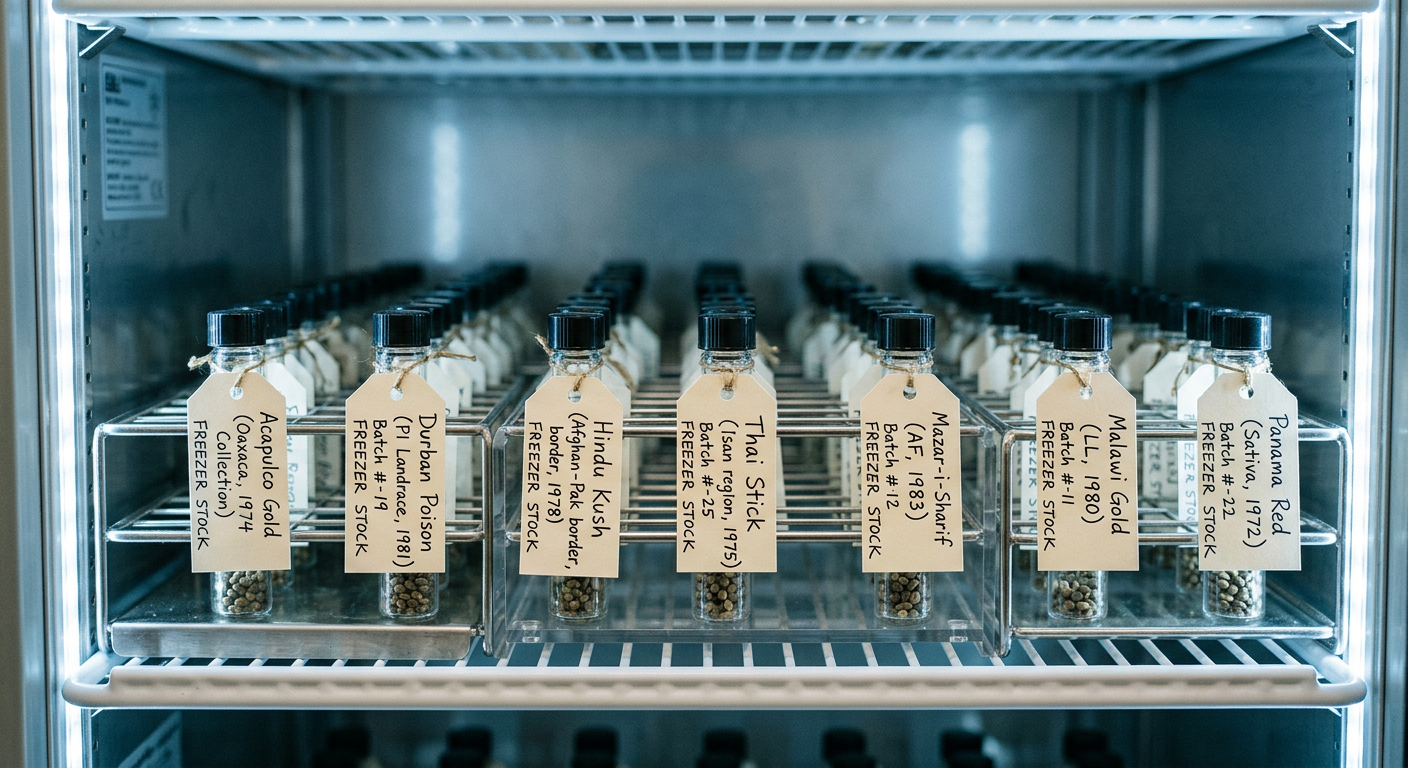
The rarest cannabis strains in the world share a common characteristic: they exist in a single location, in the hands of a single keeper, or in a genetic archive with no commercial distribution. True scarcity means that if the last clone dies or the last seed batch is lost, that specific genetic expression is gone permanently — like an extinct species.
Geographic Rarities Under Threat
Several landrace populations that served as the genetic foundation for today's exotic hybrids are themselves becoming rare. Thai stick genetics, Colombian Gold, and certain Afghani valley-specific landraces face extinction pressure as globalization homogenizes local cultivation practices. Once these populations are gone, the unique terpene alleles they carry disappear with them.
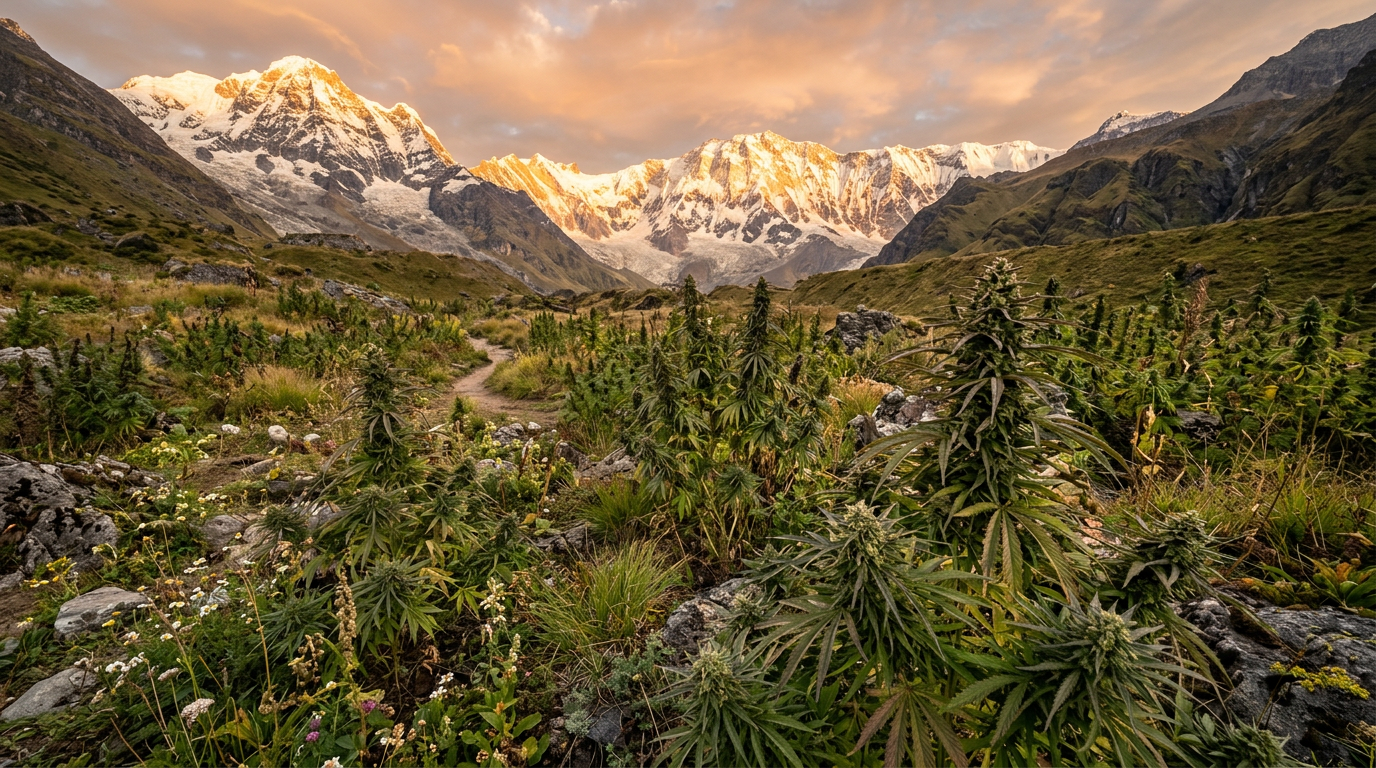
This is precisely why understanding landrace cannabis strains matters beyond academic interest. Growing a strain like Swazi Feminized Seeds — carrying genetics from one of Africa's most distinct landrace populations — is an act of preservation as much as cultivation.
Notable Rare Strain Categories
- True Thai sativas: Flower times of 16+ weeks; virtually impossible to find in authentic form outside Thailand and dedicated preservation archives
- Punto Rojo (Colombian Red Point): A Colombian landrace with a distinctive red-pistil expression and 14-week flowering; almost no verified seed sources exist commercially
- Hindu Kush pure Indica: Not the commercial variety — the actual landrace collected from specific Afghan and Pakistani valleys; most commercial versions are stabilized hybrids
- Malawi Gold pure sativa: Available in autoflower form as Malawi Gold Autoflower Seeds, but the pure photoperiod landrace expression is increasingly rare
Genetic preservation organizations are now banking cannabis seeds the same way Svalbard banks food crop seeds. Institutions including Phylos Bioscience and various university agricultural programs have begun cataloguing cannabis genomes before landrace diversity is lost to commercial hybridization. This is the same principle applied to any endangered species' genetic diversity.
Effect Profiles: What Exotic Strains Actually Feel Like
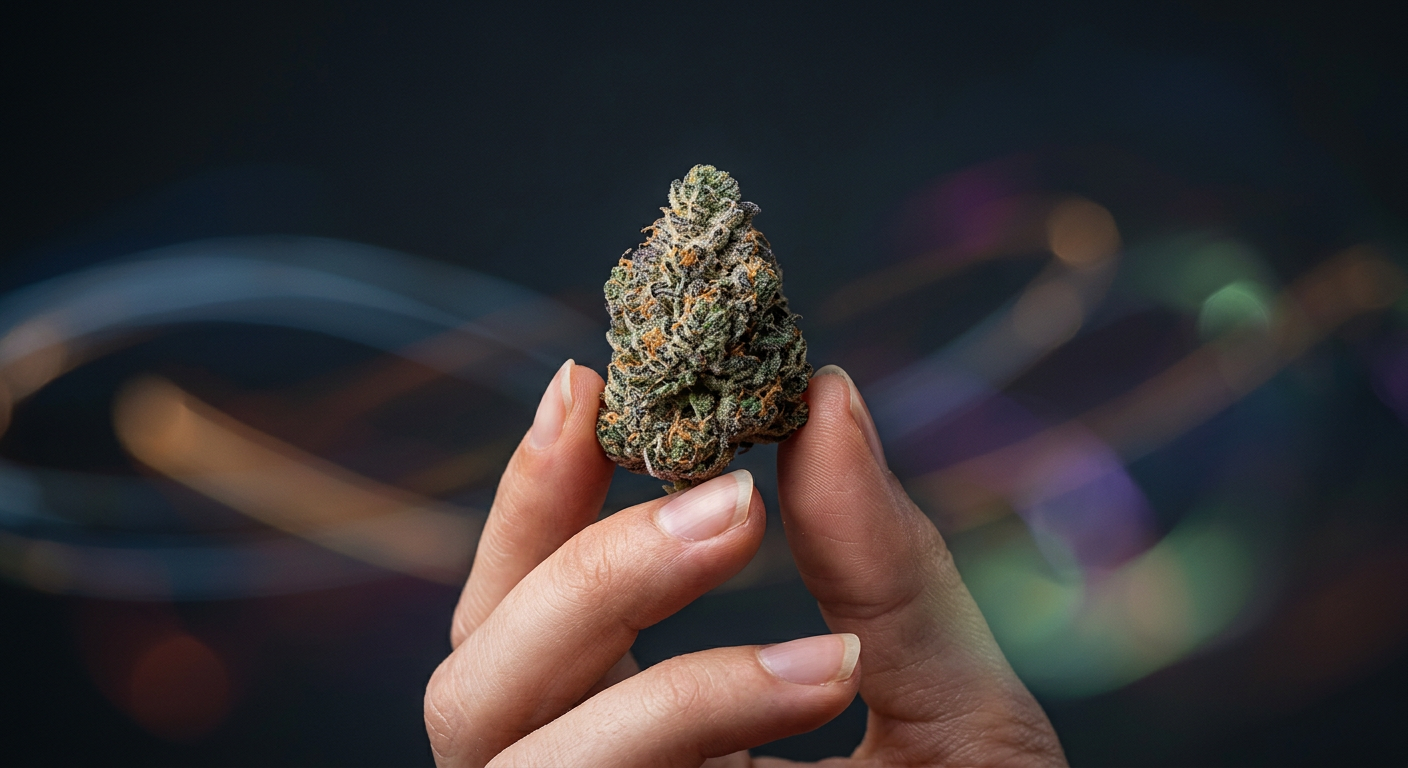
Exotic cannabis strains produce effect profiles that differ qualitatively — not just in intensity — from standard commercial varieties. This difference comes from the interaction of unusual terpene combinations with the endocannabinoid system, a phenomenon that standard high-THC strains with common terpene profiles simply do not replicate.
Categories of Exotic Effect Experience
Experienced consumers consistently describe exotic strain effects in patterns that do not map onto the standard Indica/Sativa binary. The most commonly reported exotic effect categories include:
- Sequential layering: Distinct effect phases that arrive in order — cerebral clarity first, then body warmth, then mild sedation — rather than all at once
- Synesthetic enhancement: Heightened sensory crossover, particularly between taste and music, or visual and tactile perception — often reported with terpinolene-dominant exotics
- Functional creativity: Clear-headed, idea-generating states associated with high-ocimene sativa exotics; distinct from the anxious, racing thoughts of standard high-THC sativas
- Mood specificity: Some exotic Indica crosses produce targeted emotional effects — euphoria without sedation, or relaxation without cognitive fog — that standard varieties rarely achieve
The effect difference between an exotic strain and a standard one is not simply stronger — it is genuinely different. Consumers who have never experienced a true exotic with an unusual terpene profile often describe it as their first understanding of what cannabis can actually do beyond standard relaxation or stimulation.
The entourage effect is the scientific framework that explains these differences. Terpenes like myrcene amplify THC uptake across the blood-brain barrier, while others modulate the quality of the experience itself — not just its intensity. For a detailed look at individual terpene contributions, our guides on humulene, pinene, and myrcene cover the mechanics.
Preserving and Breeding Exotic Genetics at Home
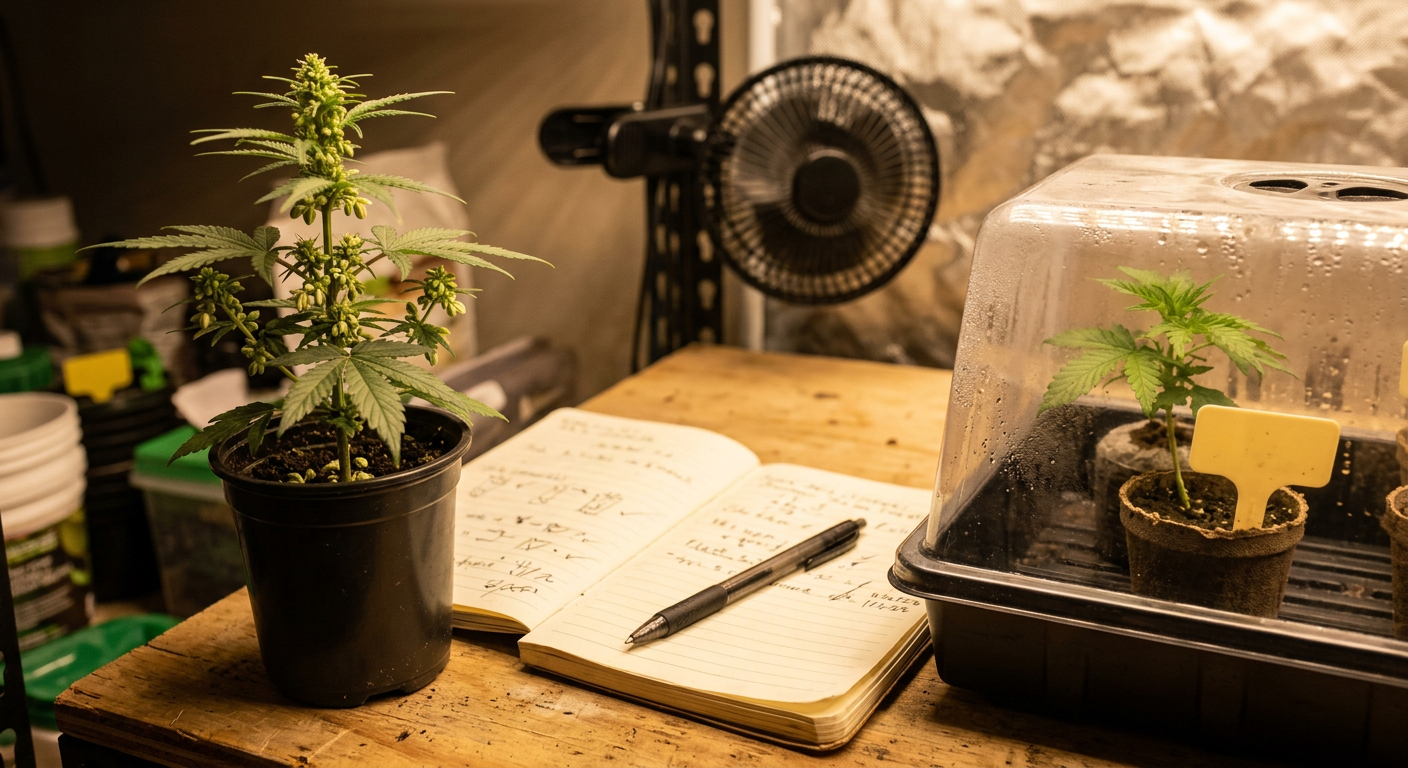
Home preservation of exotic cannabis genetics — through careful cloning, controlled pollination, and seed storage — is the only way to ensure rare phenotypes survive beyond a single grow cycle. Growers who invest in exotic genetics have a responsibility to preserve what they find rather than let exceptional expressions die on the harvest table.
Cloning for Genetic Continuity
Taking clones from your best exotic plant is the most accessible preservation method. A single healthy mother plant can supply clones indefinitely, maintaining the exact genetic expression of the original phenotype you selected. The challenge is maintaining mother plant health across multiple years without light schedule degradation or disease pressure.
Controlled Pollination and F2 Seed Production
Creating F2 seeds from an exceptional exotic cross preserves the genetics in stable form without requiring active mother plant maintenance. The trade-off: F2 seeds will express genetic variation, meaning only some offspring will match the original exotic phenotype. This is why serious breeders always create F2 seed banks alongside clone preservation.
- Store seeds at 40°F (4°C) in vacuum-sealed, light-proof containers
- Include silica gel desiccant to maintain humidity below 8% inside storage containers
- Label every seed pack with cross name, generation, selection criteria, and harvest date
- Test viability every 2 years by germinating 3–5 seeds from the batch
A small dedicated vegetative space — even a 2x2 tent under a modest LED — can maintain 2–3 exotic mother plants indefinitely. This investment protects genetics worth far more than the space and electricity cost. Losing a rare phenotype to root rot or light degradation is genuinely irreversible.
For growers new to genetics management, our article on Heirloom Cannabis Strains: History, Genetics & Preservation covers preservation principles that apply directly to exotic genetics maintenance.
Frequently Asked Questions
What makes a cannabis strain truly exotic rather than just marketed as exotic?
A genuinely exotic cannabis strain combines at least two of these four qualities: genetic rarity (limited or clone-only availability), an unusual terpene profile outside the standard myrcene-limonene-caryophyllene triangle, distinctive visual characteristics like extreme resin density or unusual coloration, and a unique effect signature not replicated by mainstream varieties. Strains carrying only a creative name without these underlying qualities are marketing, not exotic genetics.
Are exotic cannabis strains harder to grow than standard varieties?
Yes, most genuine exotic strains are more demanding to grow than commercial varieties. They often carry environmental sensitivities tied to their geographic origin, require longer flowering periods (up to 16 weeks for some sativa exotics), and may need modified nutrient approaches to express their full terpene profile. Starting with a documented grow journal and solid environmental control — particularly humidity and VPD management — is essential before attempting rare genetics.
How can I verify that exotic cannabis seeds I purchase are authentic?
Request Certificates of Analysis confirming terpene and cannabinoid profiles from the seed bank. Research the claimed lineage through independent grow journals and community forums. Purchase from banks with documented breeding histories and limited batch sizes. Understand that genuine exotic genetics are rarely available in unlimited year-round supply — if a seed bank always has "exotic" stock in bulk, verify its claims carefully before buying.
What is the difference between an exotic strain and a landrace strain?
Landrace strains are ancient, geographically isolated cannabis populations that evolved without human hybridization — they are the raw genetic material of cannabis diversity. Exotic strains are typically intentional hybrids that combine landrace or rare genetics to produce unprecedented terpene or cannabinoid combinations. Some landraces are themselves exotic due to their rarity, but not all exotics are landraces. See our full comparison in the Landrace Cannabis Strains guide.
Which exotic strains are best for a first-time exotic grower?
First-time exotic growers should prioritize seed-available varieties with documented grow notes over clone-only legends. Strains like Alien Rock Candy, Phantom Cookies, and Red Dragon offer genuine exotic characteristics — unusual terpene profiles, distinctive effects — with manageable grow requirements. Avoid pure sativa landraces and 16-week flowering varieties until you have one successful exotic grow cycle completed.