Afghani Bullrider Feminized Seeds
By Ivan K., DSS Genetics · Updated April 2026

Afghani Bullrider Feminized Seeds
SKU: DSS-AFBU-FEM-5PK
Pack Size
Quantity
Disclaimer: For informational purposes only — not medical advice. Consult a healthcare professional before use.
About This Strain
Afghani Bullrider Feminized Seeds — Complete Strain Profile
Afghani Bullrider Feminized Seeds – Strain Overview
Afghani Bullrider traces its roots directly to the remote mountain valleys of Afghanistan, where cannabis has grown wild and been selectively cultivated for thousands of years. This is a pure landrace — 100% Indica, untouched by hybridization — carrying genetics that predate modern breeding programs by centuries. With THC sitting between 15–18% and a quiet but meaningful 1–2% CBD, it delivers everything the original Afghani gene pool was prized for: dense, resinous buds, a sedating body effect, and a remarkably forgiving grow.
What separates Bullrider from other Afghani cuts is its unusual breadth of effect for a pure Indica — growers and consumers alike report a surprisingly clear-headed onset before the characteristic body melt sets in. If you're building a collection around old-world genetics with real staying power, this strain belongs in your best Indica collection alongside the all-time classics.
Effects and Medical Benefits
The high opens with a gentle euphoric lift that catches most people off guard given the 100% Indica lineage. Within the first 15–20 minutes, a warm creative focus settles in — thoughts flow easily, mood brightens, and there's a rare uplifting quality that feels more balanced than most pure Indicas.
Then the body catches up. Around the 30-minute mark, a deep wave of physical relaxation moves from the shoulders downward, progressively loosening tension in the muscles and joints. Higher doses push this into full sedation, making late-evening use the sweet spot for most consumers.
Users consistently report these effects across the experience:
- Euphoria and mood lift — a warm, feel-good onset that arrives before the body effects take hold
- Creative and focused thinking — a surprisingly clear mental space in the early phase of the high
- Progressive full-body relaxation — deep muscular calm that builds steadily over the first hour
- Sedation at higher doses — genuine sleep-inducing heaviness that makes this strain a nighttime workhorse
On the medical side, Afghani Bullrider is regularly chosen for:
- Chronic pain — the Indica body effect works directly on muscular and joint discomfort
- Stress and tension — the euphoric onset dismantles mental stress before the body relaxation compounds the effect
- Insomnia — at full doses, sedation is reliable enough to reshape difficult sleep patterns
- Inflammation — the terpene profile reinforces the anti-inflammatory potential of the cannabinoids
The 1–2% CBD content in Afghani Bullrider isn't incidental — in a pure Indica landrace, it's historically expected, and it actively contributes to the strain's therapeutic character. Through the entourage effect, this CBD fraction works alongside THC and the strain's anti-inflammatory terpenes to deepen pain relief and smooth out the edges of the psychoactive experience, making it more approachable for medical consumers who want potency without overwhelming intensity.
Aroma, Flavor and Terpene Profile
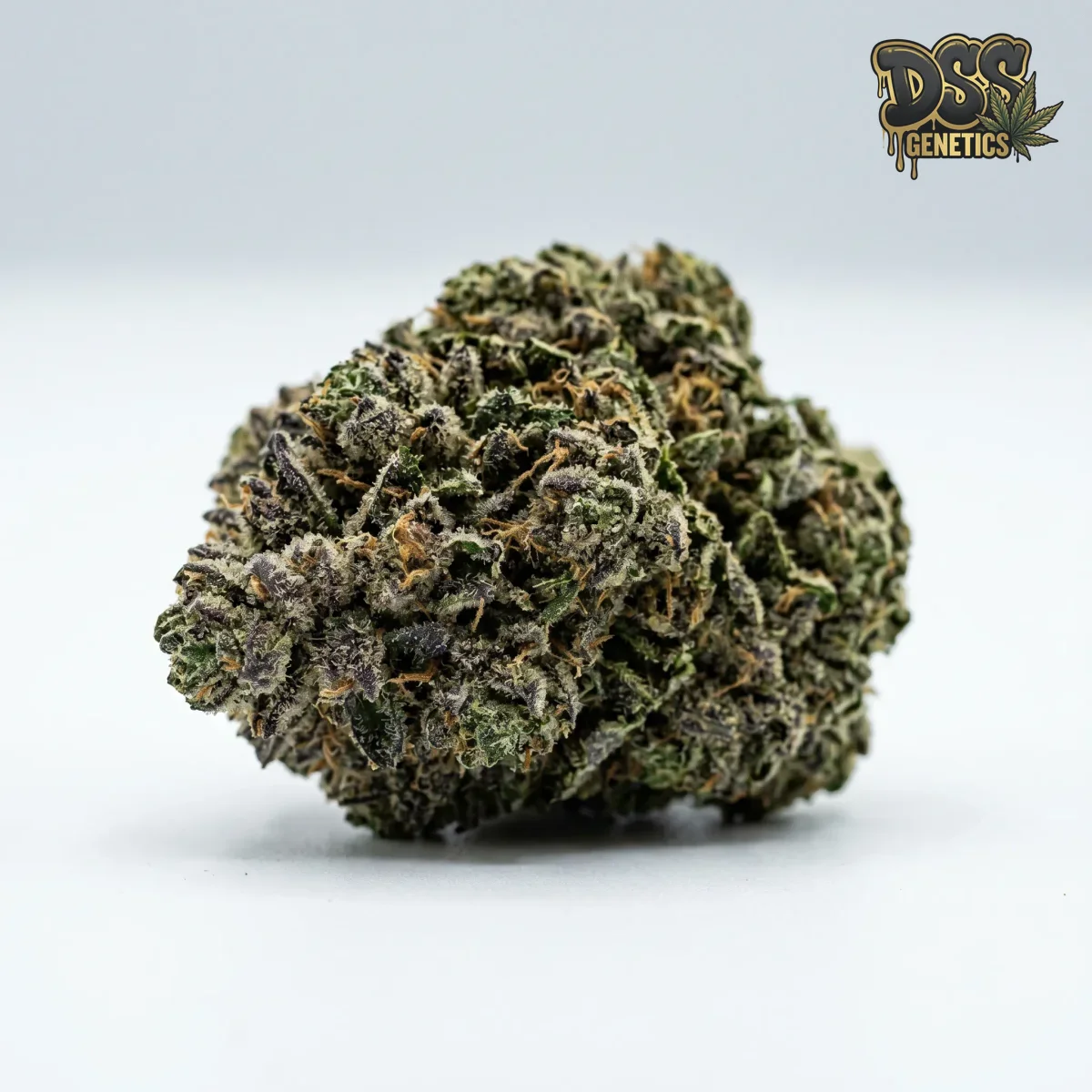
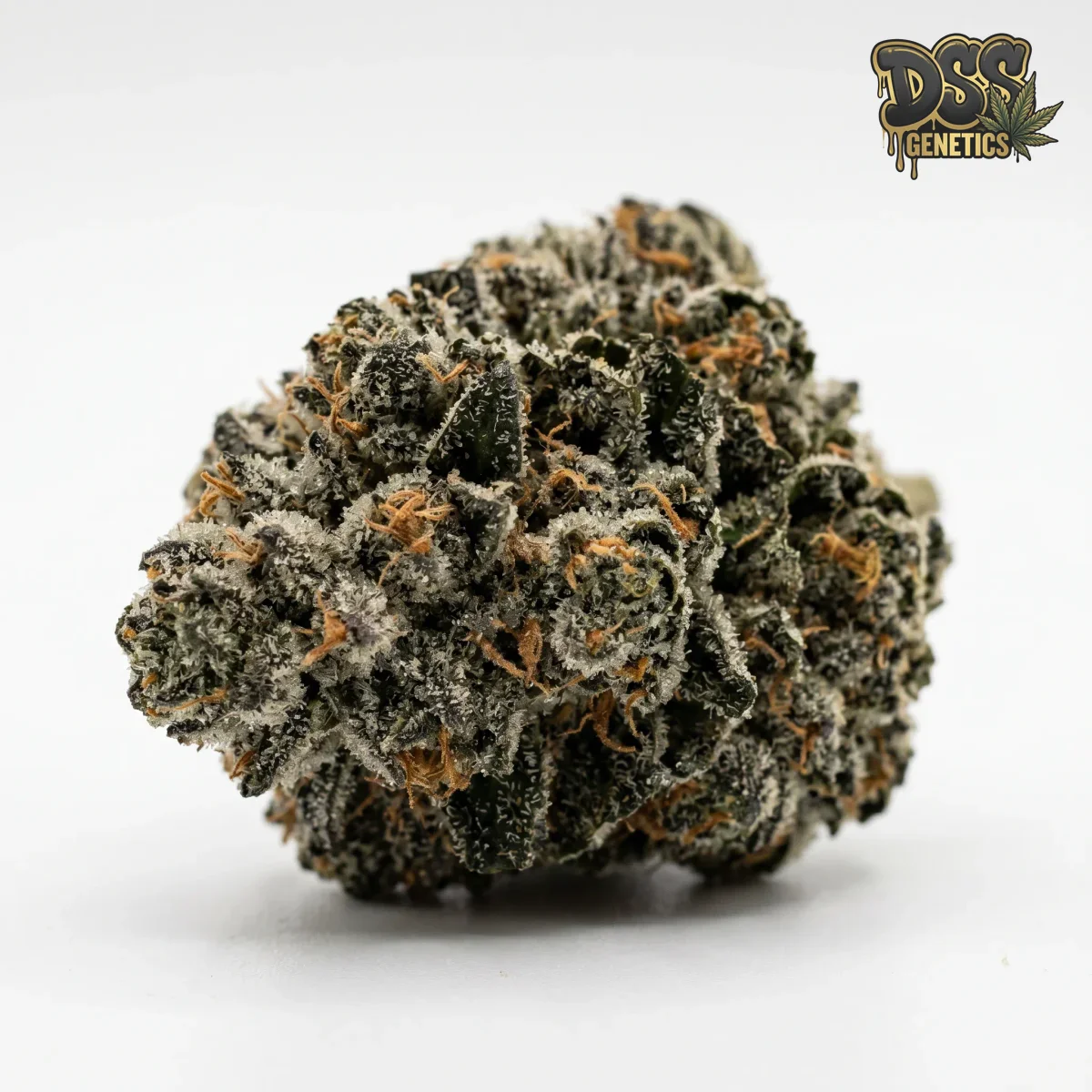
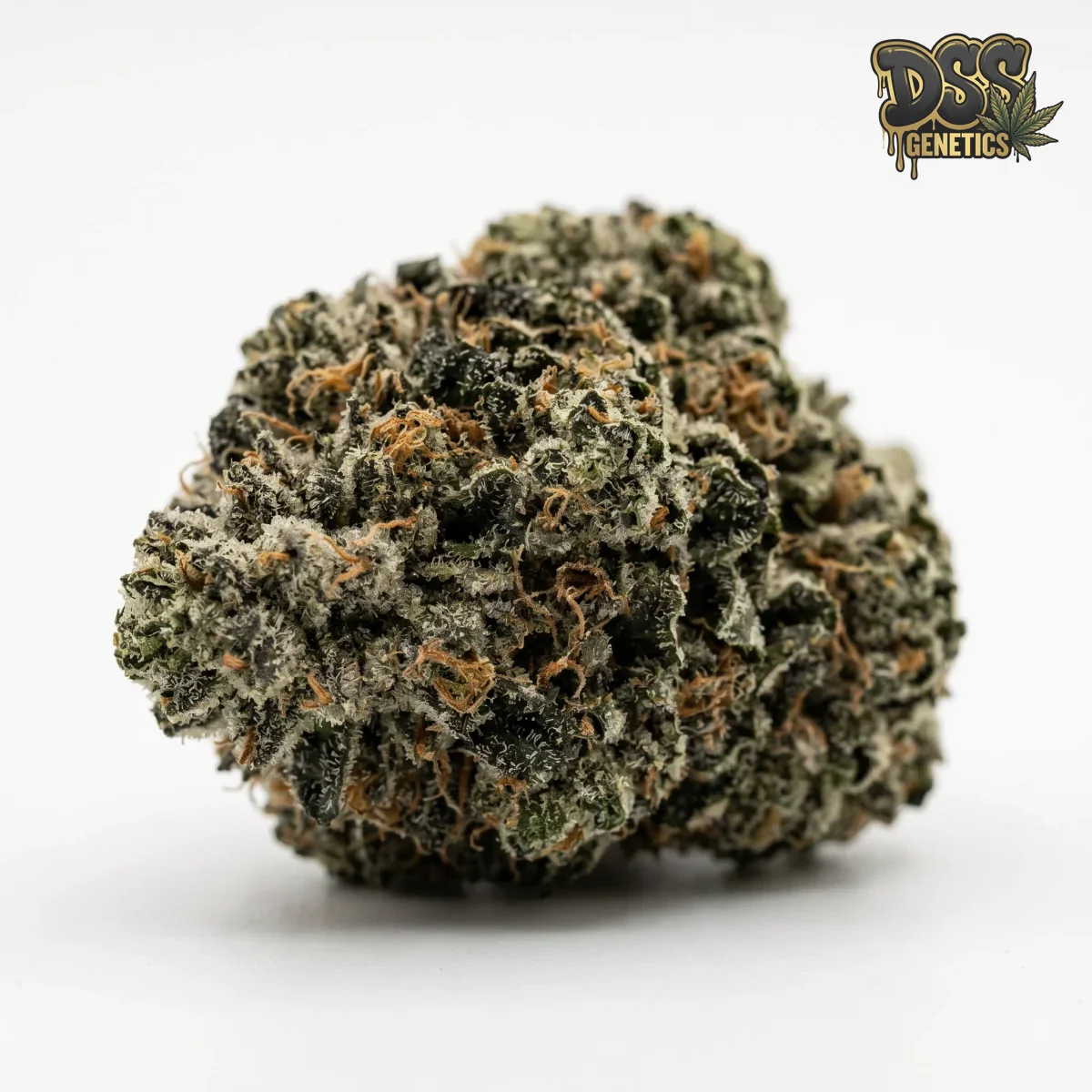
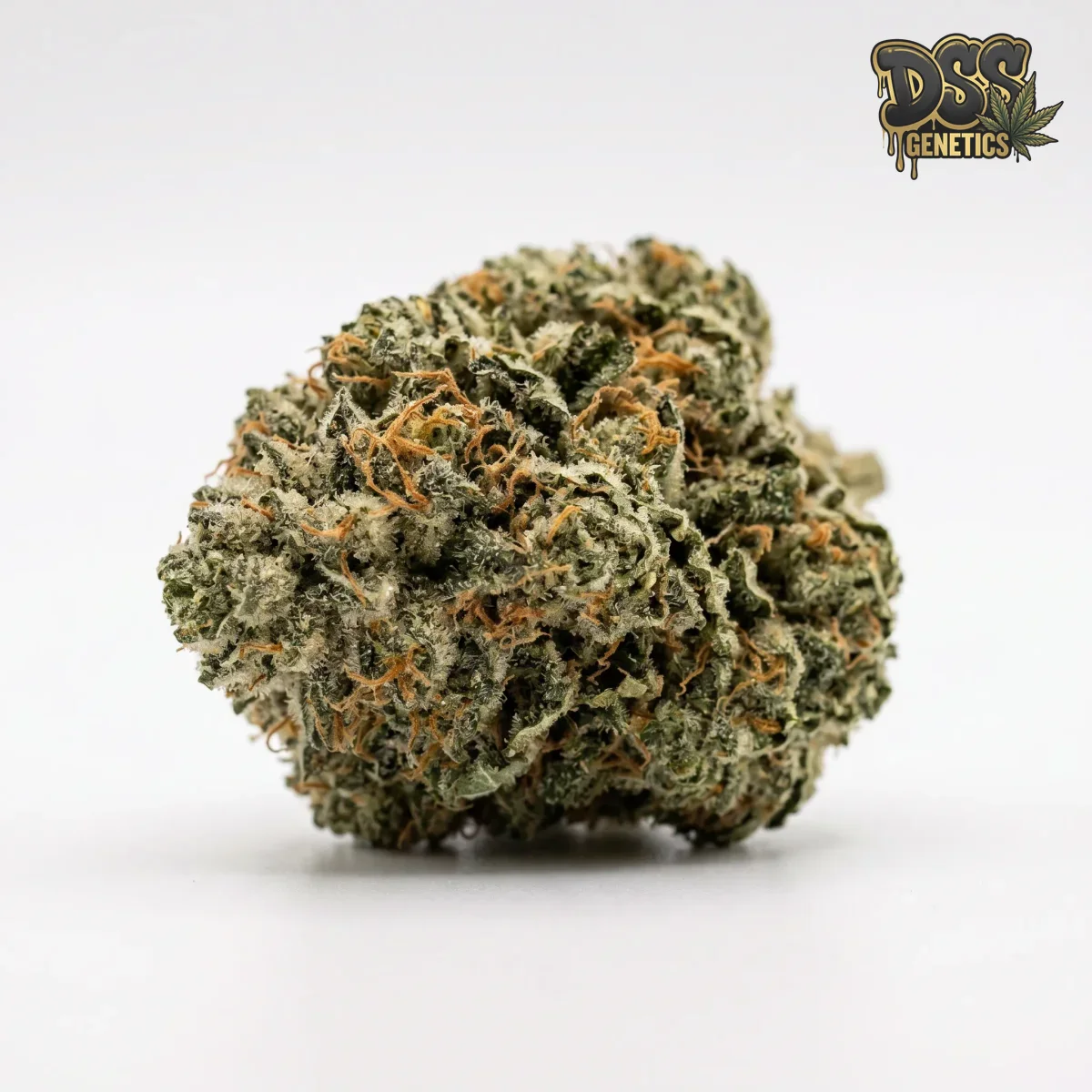
Crack open a cured Afghani Bullrider bud and the first thing that hits you is pine — sharp, cold, almost alpine in character. Behind it, a skunky earthiness fills the room, the kind of old-school cannabis smell that Afghani genetics have carried for generations. Then, unexpectedly, a thread of sweet cherry drifts through, softening the whole profile and giving it a complexity that surprises first-time growers when they open the jar.
On the inhale, pine and earth dominate. The exhale is where the cherry sweetness and a faint skunky finish reveal themselves, leaving a clean, resinous taste on the palate that lingers without being harsh. The smoke is smooth — a direct result of proper Afghani landrace genetics producing dense trichome coverage that, when dried and cured correctly, translates to exceptional flavor.
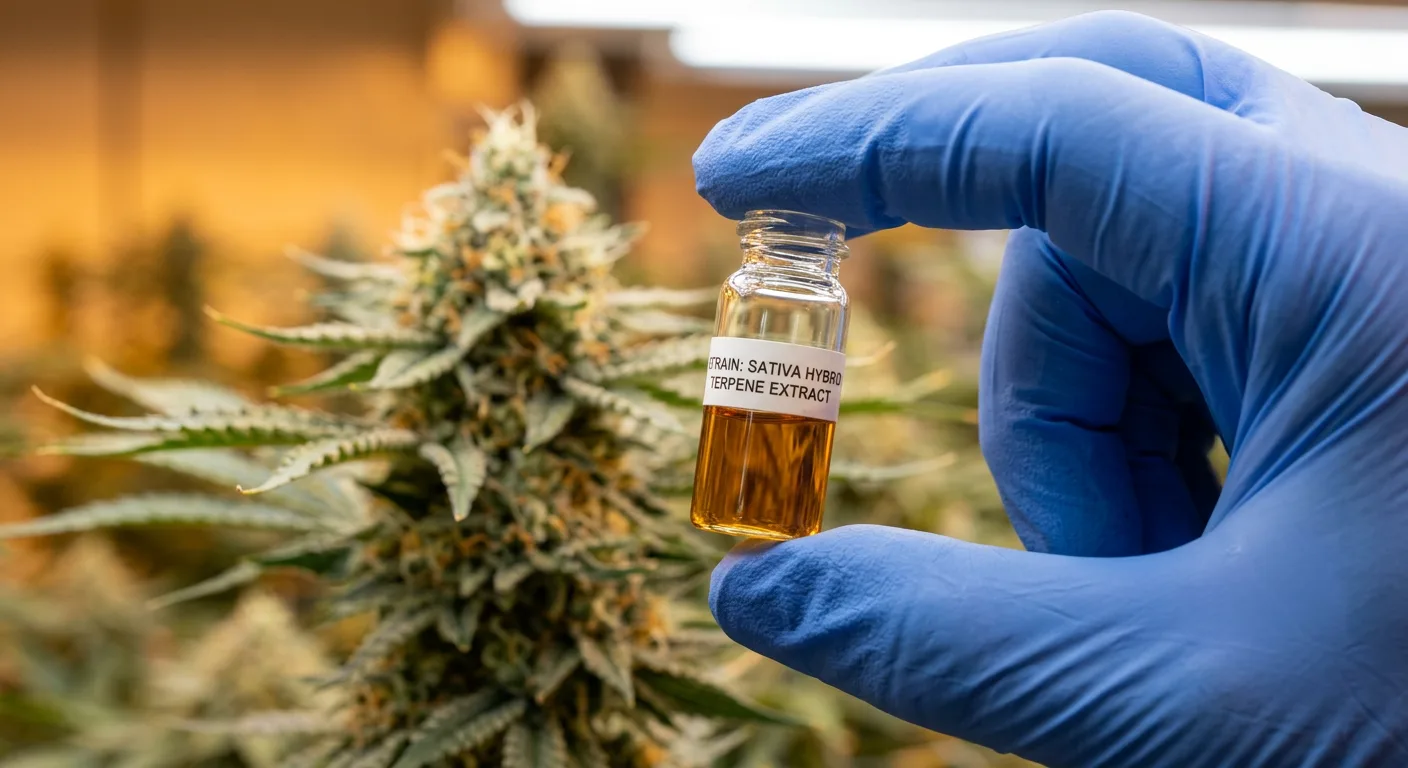
Myrcene sits at the foundation of this terpene profile, and in an Afghani landrace, that's exactly where you'd expect it. The most abundant terpene in cannabis overall, Myrcene is responsible for the deep musky earthiness that runs through every inhale. It also plays a direct role in the strain's sedative quality — Myrcene is understood to facilitate cannabinoid absorption across the blood-brain barrier, which helps explain why pure Indica strains rich in this terpene hit with such physical authority.
Caryophyllene drives the skunky, peppery sharpness that keeps the profile from going one-dimensional. What makes Caryophyllene uniquely valuable in a medical context is its ability to bind directly to CB2 receptors in the endocannabinoid system — functioning more like a cannabinoid than a typical aromatic terpene. This direct receptor activity contributes to Afghani Bullrider's anti-inflammatory and analgesic properties independent of THC, giving the strain genuine therapeutic depth that stacks on top of its cannabinoid content.
Linalool is the quiet architect behind the strain's calming character. Best known from lavender, Linalool carries a soft floral note that weaves through the cherry and pine in the aroma — you might not isolate it immediately, but remove it and the profile feels incomplete. Clinically, Linalool is associated with anxiolytic and sedative properties, reinforcing the strain's effectiveness for stress, anxiety, and sleep without adding any harshness to the smoke.
Humulene rounds out the profile with dry, woody, hop-like earthiness that deepens the overall aroma and contributes anti-inflammatory activity of its own. It also has appetite-suppressing properties — a notable counterpoint to the stereotypical Indica experience — making Afghani Bullrider a more functional daytime option in lower doses than its genetics might suggest.
Growing Afghani Bullrider Seeds
Afghani Bullrider is rated easy for a reason that goes beyond marketing — this is a landrace that evolved in one of the harshest cannabis-growing environments on earth. The Hindu Kush mountains produce plants built for temperature swings, variable water availability, and high-altitude UV exposure. That hardiness transfers directly to the grow tent or outdoor garden.
In our experience across dozens of grows with Afghani landrace genetics, the biggest mistake new growers make is overcomplicating the nutrition program. This strain doesn't want to be pushed hard with synthetic nutrients — it responds better to a moderate, consistent feed schedule with slightly lower nitrogen than you'd run for a modern hybrid. Keep your base nutrients at 60–70% of recommended strength during the vegetative stage and you'll avoid the leaf-tip burn that catches growers off guard.
Indoors, maintain temperatures between 68–78°F (20–26°C) with relative humidity at 50–60% through the vegetative stage. As you transition into flowering, begin stepping humidity down — by weeks 5–6, target 40–50% RH to protect the dense Indica bud structure from moisture retention issues. Afghani Bullrider's buds pack tightly, and airflow through the canopy is more important than most growers anticipate with this strain.
Outdoors, this plant thrives in climates with warm days and cool nights — the same temperature cycling it adapted to in Afghanistan. It handles a light autumn chill better than virtually any hybrid you'll grow, and that cold tolerance makes it a reliable outdoor performer in northern latitudes where the season ends early. A daytime high of 75–85°F with nights dropping to 55–60°F in the final weeks of flower will intensify resin production noticeably.
The medium plant size keeps canopy management straightforward. Indoor growers working with limited vertical space will appreciate that this strain doesn't stretch aggressively during the flowering transition. What you train in veg is largely what you'll harvest — plan your canopy accordingly before flipping to 12/12.
Key growing tips for Afghani Bullrider:
- Training: Low-stress training (LST) during weeks 3–5 of veg opens the canopy effectively — this strain responds well to bending without the recovery time more aggressive techniques require
- Nutrients: Run a moderate feed — consult our nutrient guide and dial back nitrogen by 30% compared to hybrid recommendations; Afghani landraces prefer less, not more
- Indoor environment: Follow our indoor growing guide for humidity management — prioritize airflow through the lower canopy to prevent moisture buildup at the base of dense bud sites
- Outdoor timing: Review the outdoor growing guide for harvest timing in your specific climate — this strain finishes earlier than many Indicas, and catching it at peak ripeness makes a significant difference in effect quality
- Vegetative stage: Don't rush the vegetative stage — giving this plant 4–6 full weeks in veg before flipping builds the structural foundation for the heavy, resinous bud sites it's capable of producing
Yield and Flowering Time
Afghani Bullrider flowers in 60–70 days — call it 9–10 weeks, which sits comfortably within the expected range for a pure Indica from this region. Indoors, expect 0.9 to 1.1 oz/ft² under optimized conditions, with the upper end of that range achievable by growers who dial in their canopy work during veg. Outdoors, the per-plant potential of 8 to 10 oz is substantial for a medium-sized Indica, and reflects how efficiently this genetics converts light and nutrients into dense, resinous flower.
For growers who want maximum output with minimum complexity, this strain belongs in any easy-to-grow collection — the yield numbers are competitive with strains rated significantly harder to cultivate. The combination of forgiving genetics, reliable flowering time, and respectable harvest weights makes it an ideal strain for growers who are building confidence or running multiple strains simultaneously and need one they can trust to perform without intensive management.
To maximize your harvest:
- Trichome monitoring: Begin checking trichomes daily from day 55 onward — harvest when 70–80% of trichomes are milky white with 10–20% turning amber for the sedating, full-body effect this strain is known for; earlier harvest (mostly milky) delivers a cleaner, more cerebral experience
- Late-flower humidity: Drop RH to 40–45% in the final 2 weeks to protect dense bud structure and maximize resin production as the plant reaches peak maturity
- Nutrient flush: Run plain water or a flushing agent for the final 7–10 days before harvest to clear residual nutrients and improve the smoothness of the final smoke
- Drying and curing: Dry slowly for 10–14 days at 60–65°F with 55–60% RH — Afghani genetics carry significant resin density, and a patient cure of 4–8 weeks in sealed jars is what unlocks the cherry and pine terpene complexity this strain is capable of
Why Buy Afghani Bullrider Seeds from DSS Genetics?
Every Afghani Bullrider seed ships with our full germination guarantee — if it doesn't sprout under proper conditions, we replace it without question. Orders arrive in discreet, unmarked packaging, and every seed is stored under controlled conditions to protect viability from our facility to your door.
- Germination guaranteed — every seed backed by our replacement policy; follow our germination guide for best results
- Discreet shipping — plain, unmarked packaging on every order
- Spend $100+ — receive free premium seeds automatically included with your order
- Verified genetics — authentic Afghani landrace stock, properly stored and tested for viability before it ever reaches you
Frequently Asked Questions
Is Afghani Bullrider a good strain for beginner growers?
Yes — Afghani Bullrider is one of the more forgiving strains available precisely because its genetics were shaped by survival in harsh, variable mountain conditions. It tolerates minor mistakes in temperature, feeding, and humidity better than most modern hybrids. We recommend reading our germination guide before you start and pairing it with resources from our easy-to-grow collection if you want additional beginner-friendly options running alongside it.
What THC level does Afghani Bullrider reach?
Afghani Bullrider tests between 15–18% THC — a range that delivers clear, noticeable effects without the overwhelming potency that can make very high-THC strains difficult for medical users or those with lower tolerance. The 1–2% CBD content adds therapeutic value and slightly moderates the psychoactive intensity. If you're specifically seeking maximum potency, compare with strains in our highest-THC collection to find the right fit for your goals.
What does Afghani Bullrider smell and taste like?
The aroma is a striking combination of cold alpine pine, deep skunky earthiness, and an unexpected thread of sweet cherry that becomes more pronounced after a proper cure. The flavor follows closely — pine and earth on the inhale, with the cherry sweetness and a clean, resinous finish on the exhale. The profile is driven by four terpenes: Myrcene for earthy musk and sedative depth, Caryophyllene for peppery skunk and anti-inflammatory activity, Linalool for soft floral calm, and Humulene for dry, woody earthiness.
How long does Afghani Bullrider take to finish flowering?
Afghani Bullrider completes flowering in 60–70 days (roughly 9–10 weeks) from the start of the 12/12 light cycle indoors, or from mid-summer onward outdoors in the northern hemisphere. Indoor growers can expect 0.9–1.1 oz/ft²; outdoor plants typically yield 8–10 oz per plant. Review our flowering stage guide for detailed week-by-week guidance on managing nutrient transitions, humidity, and trichome development through to harvest.
Medical Disclaimer: This information is for educational purposes only and should not be considered medical advice. Always consult a healthcare professional before using cannabis for medical purposes. Individual results may vary.
Frequently Asked Questions
Afghani Bullrider — Common Questions Answered
What is Afghani Bullrider?
Afghani Bullrider is a indica-dominant cannabis strain (100% Indica / 0% Sativa) bred from Landrace from Afghanistan. It produces THC levels of 15–18% and CBD levels of 1–2%. Known for its relaxing, euphoric, uplifting effects and pine, sweet, earthy flavor profile.
Is Afghani Bullrider easy to grow?
Yes, Afghani Bullrider is an excellent choice for beginners. It has a forgiving growth pattern and doesn't require advanced techniques to produce good yields. Growing difficulty: Easy. It thrives in temperate climates and reaches a medium plant size.
How long does Afghani Bullrider take to flower?
Afghani Bullrider has a flowering time of 60–70 days. Switch to a 12/12 light cycle to initiate flowering. Expected yields are 0.9 to 1.1 oz/ft² indoors and 8 to 10 oz/plant outdoors.
What are the effects of Afghani Bullrider?
Afghani Bullrider delivers relaxing, euphoric, uplifting, creative, focused, sedating effects. Many growers report it helps with pain, stress, insomnia. With THC levels of 15–18%, it offers a mild, manageable experience suitable for all tolerance levels.
What does Afghani Bullrider smell and taste like?
Afghani Bullrider's dominant terpenes are Myrcene, Caryophyllene, Linalool, Humulene, which give it a pine, sweet, earthy, skunky, cherry flavor and aroma profile. Myrcene contributes earthy, herbal notes and is associated with relaxing effects.Caryophyllene provides spicy, peppery notes and may help with inflammation.
Can I grow Afghani Bullrider indoors and outdoors?
Yes, Afghani Bullrider performs well both indoors and outdoors. Indoor yields average 0.9 to 1.1 oz/ft², while outdoor grows can produce 8 to 10 oz/plant. It prefers temperate conditions. Its medium height is manageable in most indoor setups.
What does "feminized" mean for Afghani Bullrider seeds?
Feminized Afghani Bullrider seeds are bred to produce only female plants, which are the ones that develop smokable buds. This eliminates the need to identify and remove male plants, saving time and maximizing your grow space. Over 99% of feminized seeds will produce female plants.
Grower Reviews
Real grow experiences from our community
Similar Strains
Growing Guides & Articles
Get 10% Off Your First Order
Join our newsletter for exclusive deals, growing tips, and new strain drops.