Durban Poison Autoflower Seeds
By Ivan K., DSS Genetics · Updated April 2026

Durban Poison Autoflower Seeds
SKU: DSS-DUPO-AUTO-5PK
Pack Size
Quantity
Disclaimer: For informational purposes only — not medical advice. Consult a healthcare professional before use.
About This Strain
Durban Poison Autoflower Seeds — Complete Strain Profile
Durban Poison Autoflower Seeds – Strain Overview
Durban Poison Autoflower is a pure sativa powerhouse born from one of the most legendary landrace strains on the planet. The original Durban Poison traces its roots to the port city of Durban, South Africa, where it evolved over centuries into a fast-finishing, resin-heavy sativa perfectly adapted to equatorial growing conditions. That genetic backbone has been crossed with ruderalis to create an autoflowering version that retains every bit of the original's cerebral fire — delivering 17–20% THC with almost no compromise on the sativa experience.
What makes this strain truly special is how rare a genuine 100% sativa autoflower actually is. Most breeders sacrifice sativa character when adding ruderalis genetics, but Durban Poison carries through its sharp, focused euphoria and towering terpene production with remarkable fidelity. If you're building a collection of best autoflower seeds, this is one that belongs in every serious grower's rotation.
Effects and Medical Benefits
The Durban Poison high opens fast — within minutes you'll feel a clean, electric lift behind the eyes that sharpens focus and energizes the mind. This isn't the scattered, anxious buzz that weaker sativas sometimes produce. It's clear, directed, and motivating — the kind of high that makes creative work, physical activity, and social connection feel effortless.
As the session develops, the energy softens into a sustained, uplifted calm. Higher doses introduce a gentle wave of sedation toward the tail end, but the ride getting there is pure sativa euphoria. Users who've smoked the original South African landrace will recognize that signature mental clarity immediately.
Users consistently report these effects:
- Uplifting euphoria — a bright, mood-elevating cerebral rush that hits fast and stays consistent
- Energetic drive — motivation and physical energy that make daytime use ideal
- Laser focus — mental clarity that cuts through brain fog and supports creative or analytical work
- Gentle sedation — a soft landing at higher doses that eases the body without full couch-lock
On the medical side, this strain has earned a loyal following among patients managing:
- Stress — the energetic, uplifting profile makes it a reliable daytime tension release
- Anxiety — particularly functional anxiety where sedating strains would interfere with daily tasks
- Depression — the mood elevation is notable even at moderate doses, offering hours of relief
- Fatigue — the energetic sativa character fights mental and physical exhaustion effectively
The trace CBD content (0.1–1%) contributes a subtle layer of therapeutic support through the entourage effect, particularly in how the whole-plant chemistry tempers any edge from the THC and extends the duration of the functional, focused high.
Aroma, Flavor and Terpene Profile
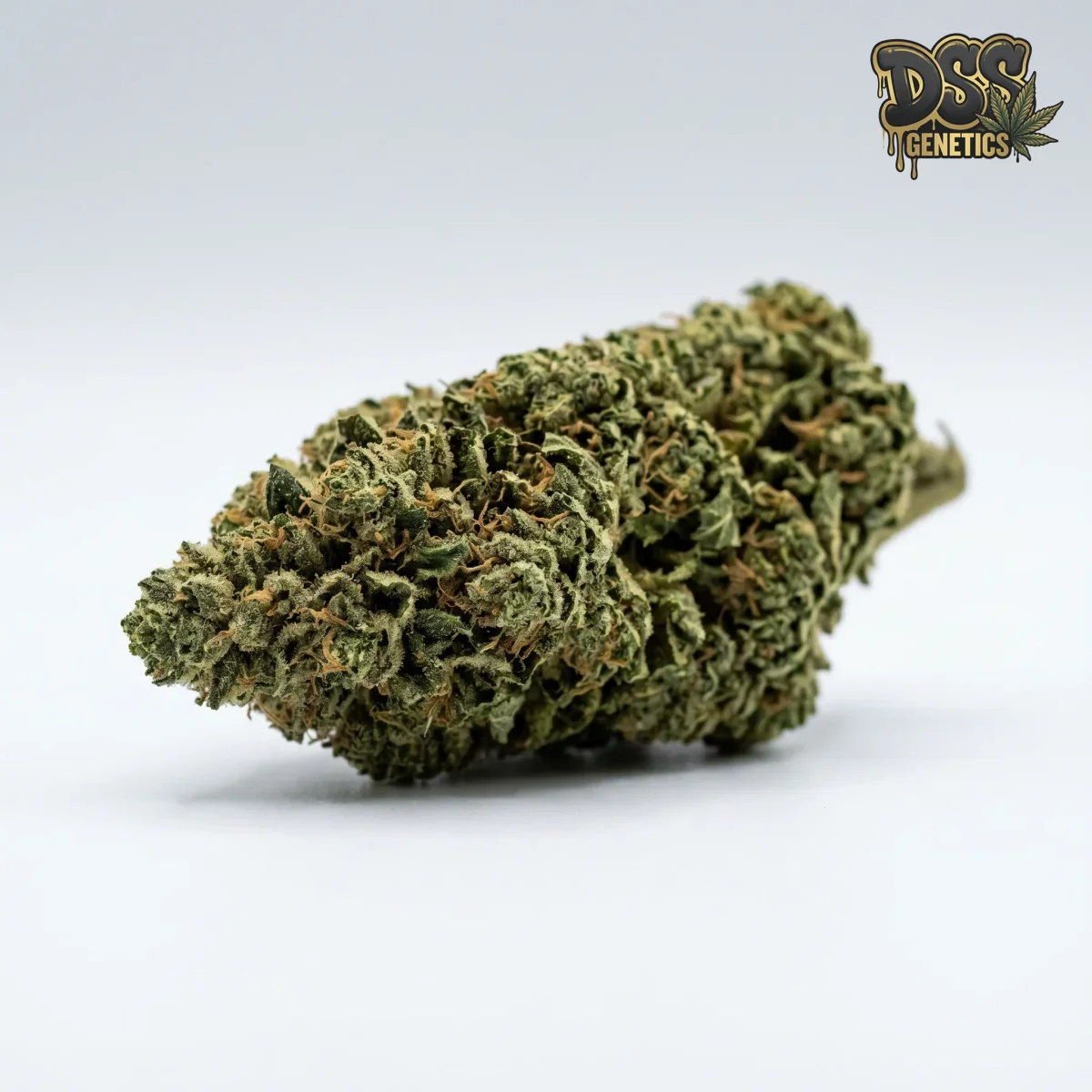
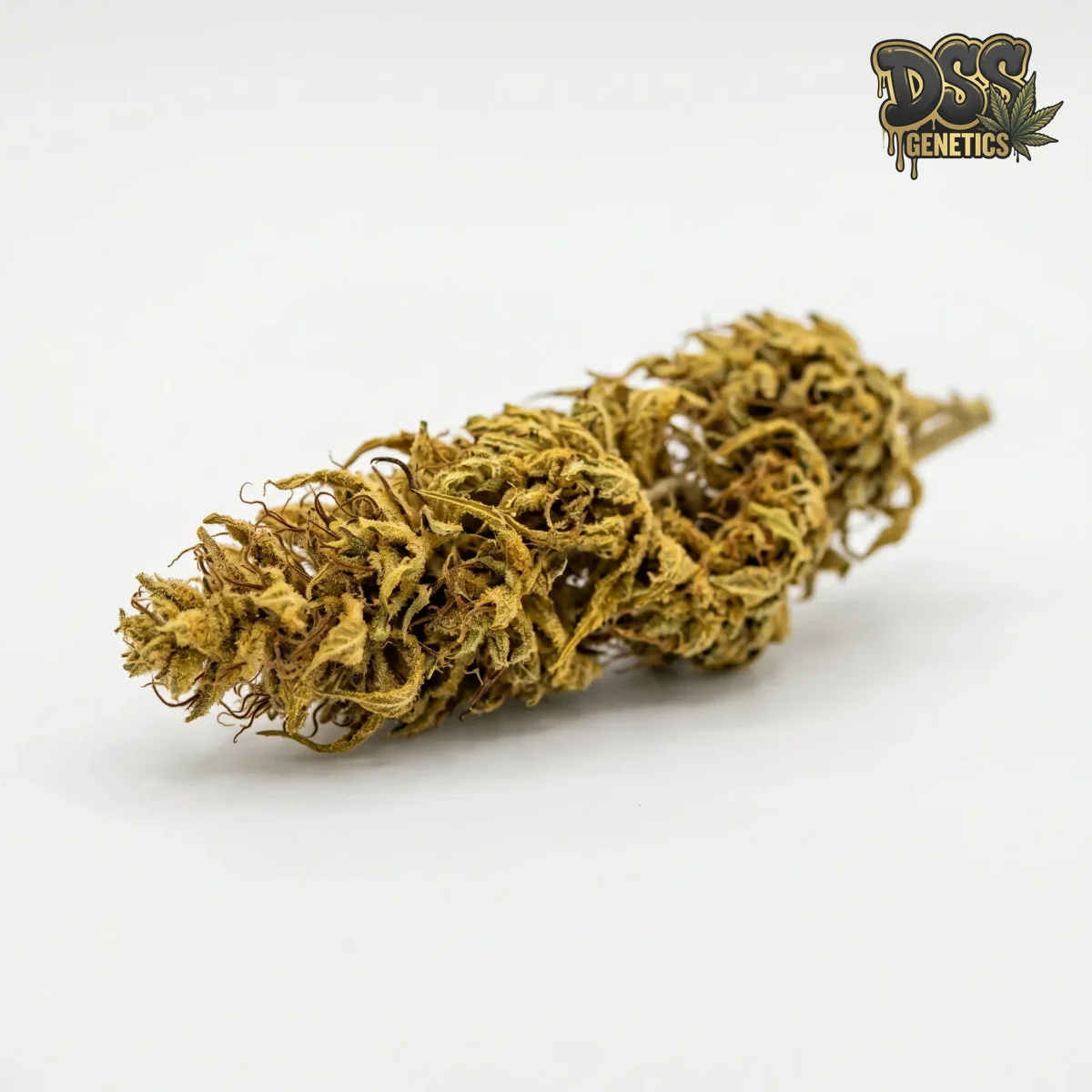
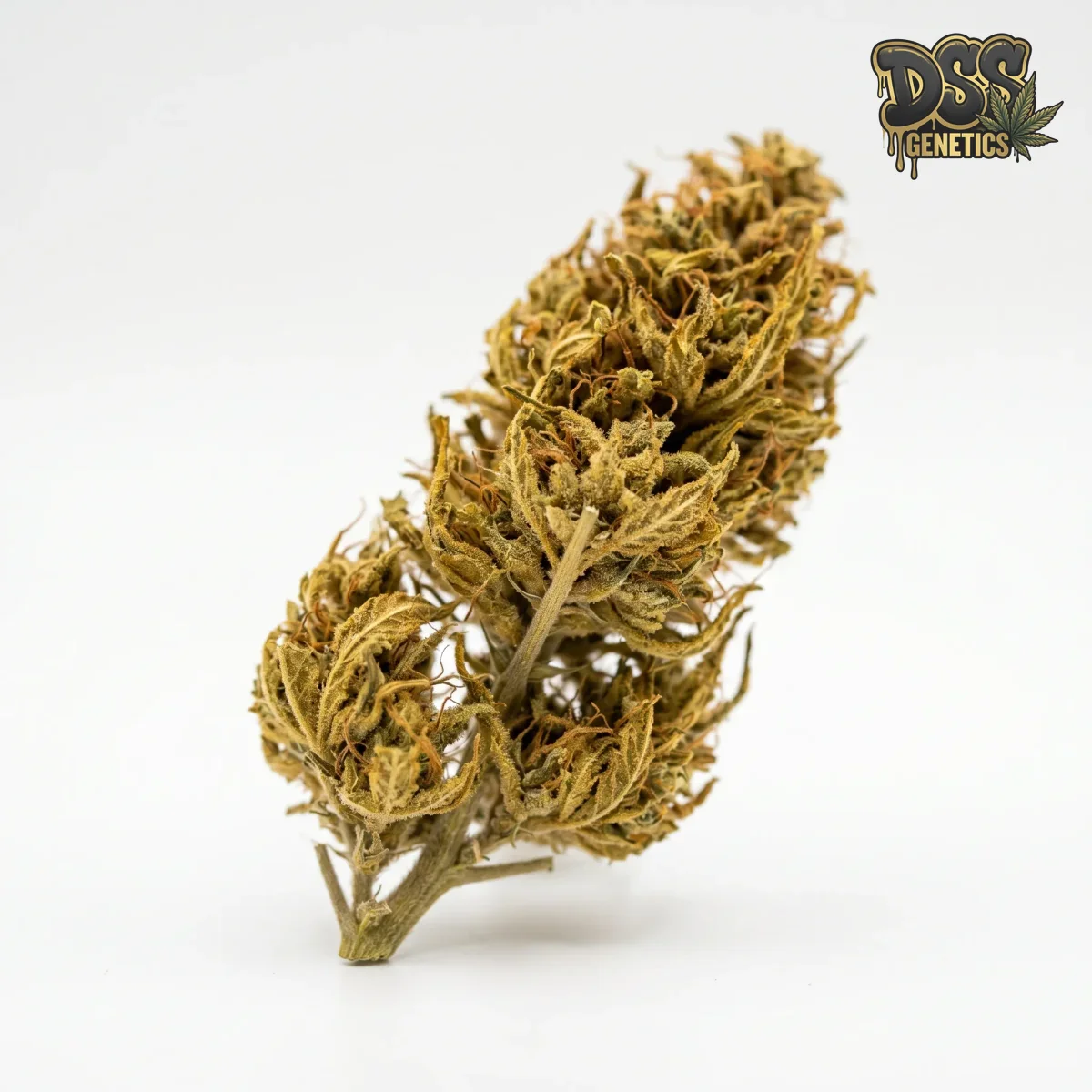
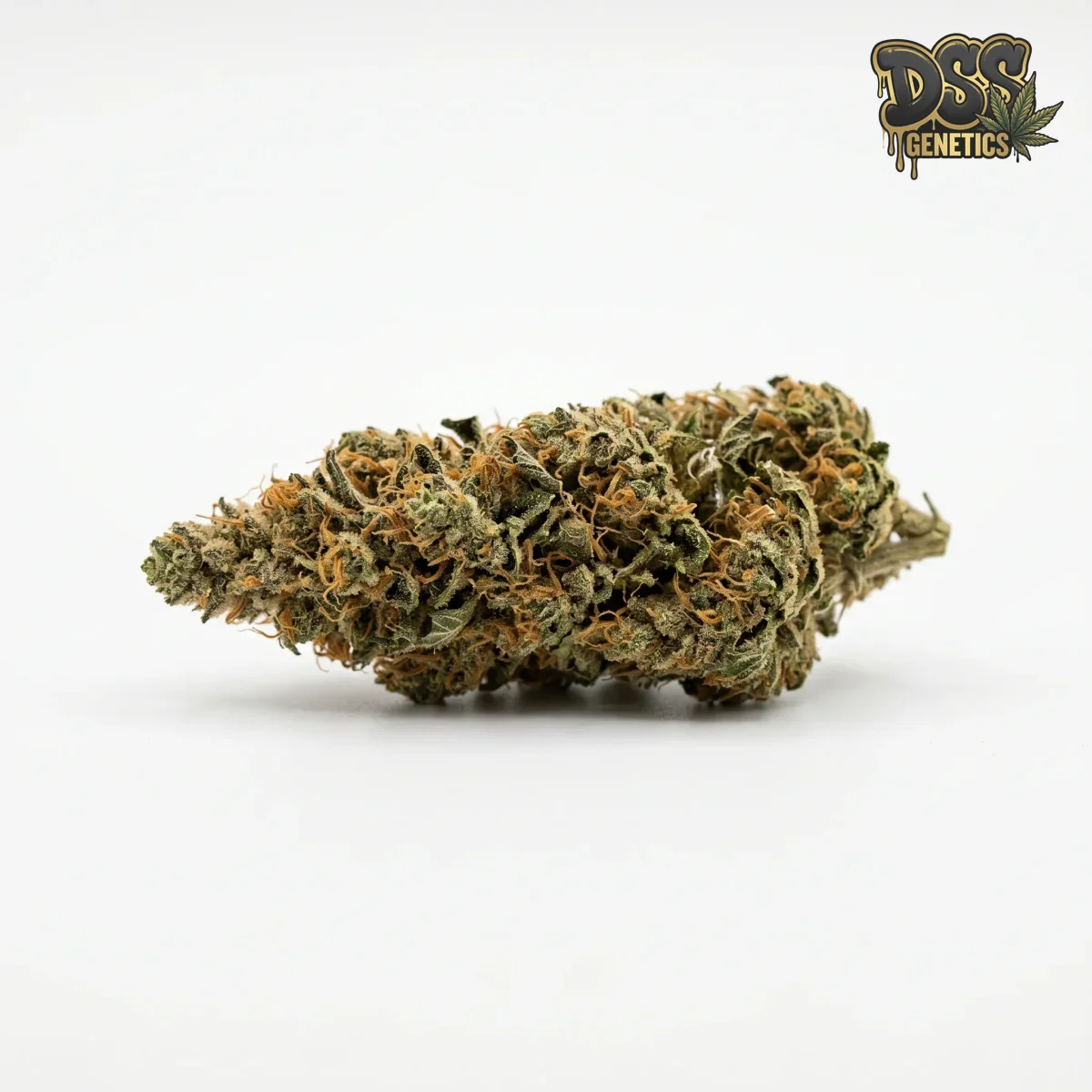
Break open a cured Durban Poison bud and the room changes immediately. There's a burst of sharp pine and sweet earth that hits before you've even put it to your nose — resinous, clean, and unmistakably sativa. Behind that opening shot comes a warm tropical sweetness with a faintly floral, herbal finish that rounds the profile into something genuinely complex.
The smoke itself is smooth with a surprising sweetness up front. Pine dominates the inhale, then shifts to a tropical fruit and herbal character on the exhale that lingers on the palate. It's a flavor profile that rewards slow smoking — the more attention you pay, the more layers reveal themselves.
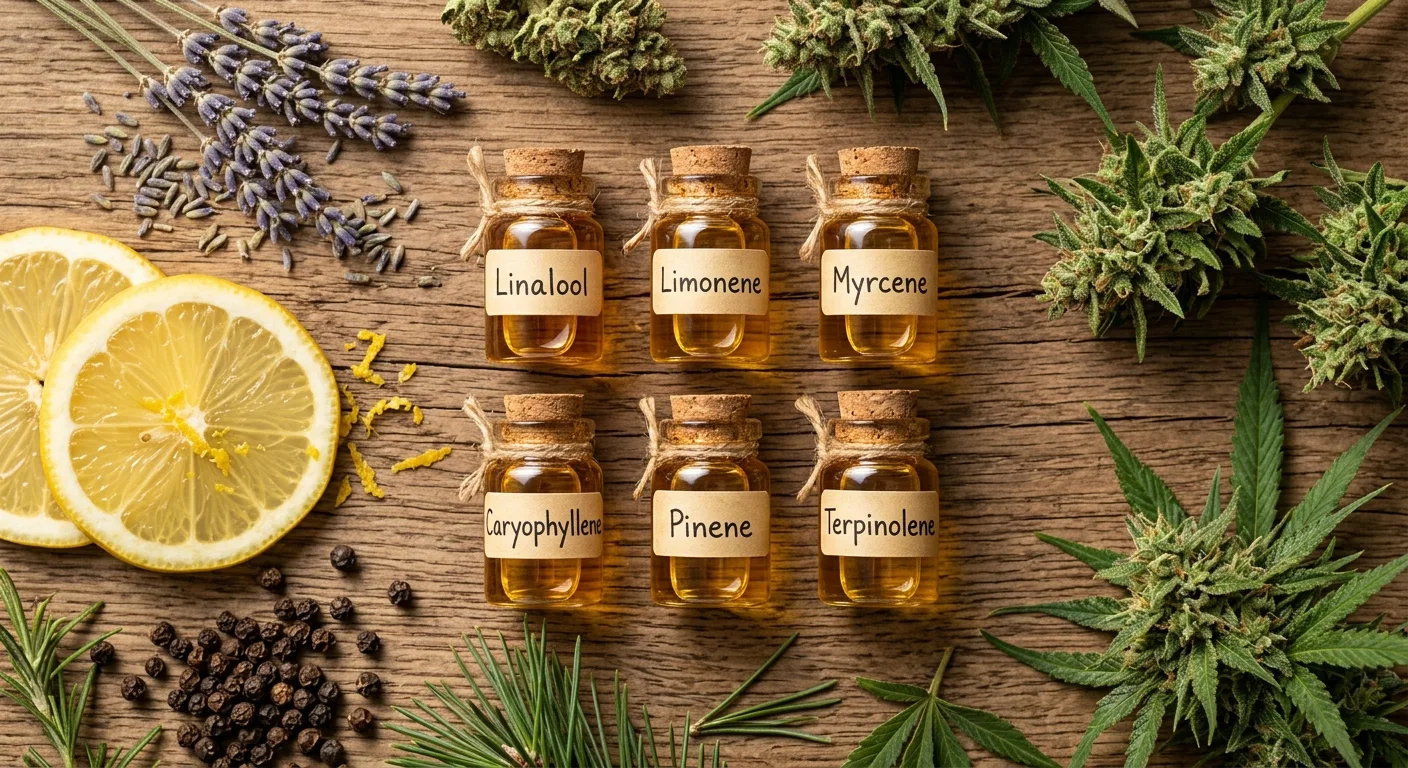
Four terpenes define this profile, each contributing something distinct:
Myrcene anchors the earthy, herbal base of the aroma. It's the terpene most responsible for the sweet-musky depth that keeps the profile from feeling sharp or one-dimensional. Myrcene also plays a functional role — research suggests it may enhance cannabinoid uptake across the blood-brain barrier, which could partly explain Durban Poison's fast, clean onset.
Limonene brings the citrus brightness and tropical lift that makes this strain smell alive. It's a mood-elevating terpene on its own, and its presence here aligns directly with the strain's antidepressant and anxiolytic reputation. Limonene is also associated with stress relief and elevated serotonin activity — a perfect match for Durban Poison's medical use profile.
Caryophyllene adds a subtle spicy warmth that gives the flavor its depth and keeps the sweetness from becoming cloying. It's the only terpene that directly activates CB2 receptors in the endocannabinoid system, delivering anti-inflammatory and mild analgesic effects without psychoactivity — making it a meaningful contributor to the strain's therapeutic value.
Pinene is what you smell first when you open the jar. That sharp, clean pine needle character is all alpha-pinene at work. Beyond its distinctive scent, pinene has been studied for its potential to offset some of the short-term memory impairment associated with THC and to support bronchodilation — genuinely useful for a sativa strain designed for daytime, functional use.
Growing Durban Poison Seeds
Durban Poison Autoflower is one of the most forgiving sativas you'll ever put in the ground, and that combination of pure sativa genetics with autoflowering ease is genuinely rare. The ruderalis cross didn't dull the plant's character — it made it accessible. Even first-time growers get results that would embarrass far more experienced cultivators working with finicky photoperiod sativas.
The plant stays medium in height, which is a practical advantage indoors. Pure sativa photoperiods can stretch to ceiling-scraping sizes during flower, but this autoflower keeps a tight, manageable profile while still developing the classic elongated, airy sativa bud structure that allows for excellent airflow and resin development. Expect plants that finish between 60–90 cm indoors under a 20/4 or 18/6 light schedule.
Temperature-wise, aim for 70–80°F (21–27°C) during the vegetative phase. Drop slightly to 65–78°F (18–25°C) as flowering progresses — that mild temperature drop in late flower encourages resin production and can bring out subtle color changes in the calyxes. Keep relative humidity at 50–60% during vegetative growth, then pull it down to 40–50% once flowers form. The airy sativa bud structure helps prevent mold, but there's no reason to push humidity higher than necessary.
Because this is an autoflower, you skip the light schedule manipulation entirely. Plants move from seed to harvest on their own internal clock in 55–65 days. That speed also means any significant stress — overwatering, root disturbance, aggressive defoliation — will cost you more in yield than it would with a photoperiod strain that has weeks to recover. Keep the grow environment stable and let the plant do its work.
Outdoors, Durban Poison Autoflower absolutely shines. Its South African heritage means it handles warm, dry conditions with ease. Plants grown in direct sun in a warm climate will hit the upper end of the yield range and develop an aromatic intensity that indoor grows rarely match. Check our outdoor growing guide for full environmental optimization tips.
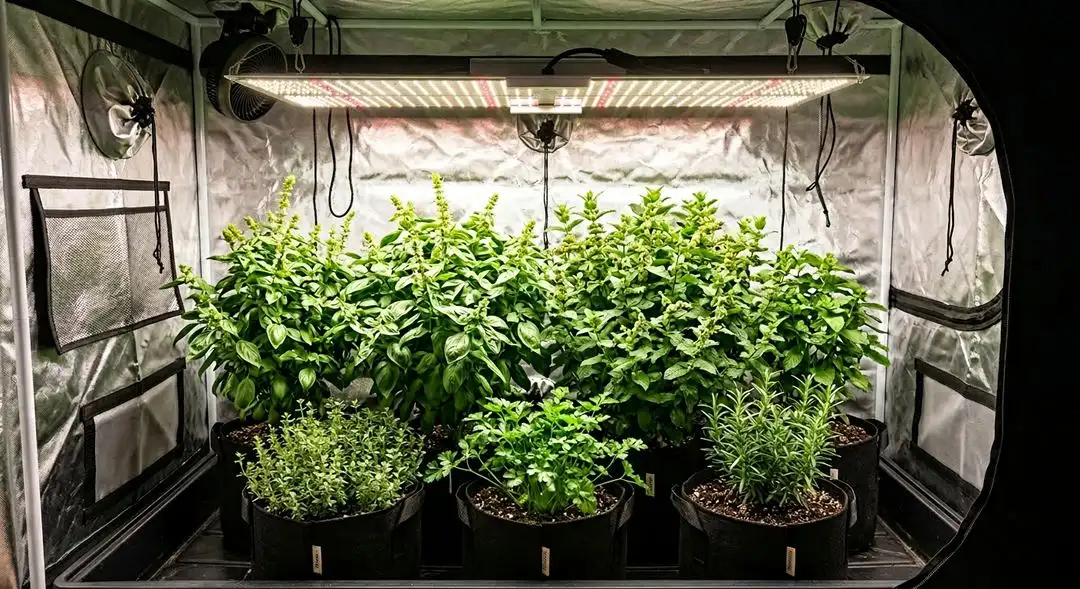
Key growing tips for Durban Poison Autoflower:
- Training approach: Stick to gentle LST (low-stress training) only — topping and high-stress techniques can stunt autoflowers that don't have recovery time built into their schedule
- Nutrient timing: Start with lower nutrient concentrations than you would with photoperiod strains — follow the nutrient guide and ramp up nitrogen slowly during the brief vegetative phase, then transition to phosphorus and potassium as soon as pre-flowers appear
- Indoor environment: Run 18–20 hours of light from seed to harvest — see our indoor growing guide for light intensity and VPD management that maximizes terpene production
- Outdoor timing: Because autoflowers aren't photoperiod-dependent, you can run multiple outdoor cycles per season — the outdoor growing guide covers ideal planting windows for your climate zone
- Watering discipline: The single most common mistake with autoflowers is overwatering during the vegetative stage — let the medium dry out between waterings and the root system will develop faster, supporting stronger flower production later
Yield and Flowering Time
Durban Poison Autoflower finishes in 55–65 days from seed — one of the faster full-cycle timelines you'll find in the fast-flowering category. Indoors, well-dialed environments produce 0.8–1.6 oz/ft², with the upper range achievable under strong LED lighting with proper LST applied early. Outdoor plants in warm, sunny conditions yield 5–6 oz/plant, which is genuinely impressive for a pure sativa autoflower.
Those yield numbers reward growers who dial in their environment early. The 55–65 day window goes fast, so every week of vegetative growth counts. Plants that go into a stable environment with the right nutrient foundation hit the top of that range consistently. If you're comparing yield-to-effort ratios across your catalog, this strain belongs in the high-yield collection conversation for the autoflower category.
To maximize your harvest:
- Trichome timing: Watch for 70–80% cloudy/milky trichomes with 10–20% amber — at that ratio you'll catch the peak THC window before significant degradation to CBN begins
- Late flower humidity: Pull relative humidity down to 40–45% in the final two weeks to protect terpene integrity and prevent any late-stage mold development on ripening buds
- Flush or feed through: If growing in soil, many growers flush with plain pH-adjusted water for the final 5–7 days to clear any residual nutrient salts and improve the flavor of the finished product
- Drying and curing: Dry slowly at 60–65°F with 55–60% RH for 7–10 days, then cure in sealed glass jars — proper drying and curing is where the pine and tropical terpenes fully develop and the smoke smooths out significantly
Why Buy Durban Poison Seeds from DSS Genetics?
Every Durban Poison Autoflower seed ships with our full germination guarantee — if it doesn't sprout following our germination guide, we replace it, no questions asked. Orders ship in discreet, unmarked packaging with no cannabis-related branding anywhere on the outside.
- Germination guaranteed — every seed backed by our replacement policy
- Discreet shipping — plain, unmarked packaging on every order
- Spend $100+ — receive free premium seeds included with your order
- Optimal seed storage — temperature and humidity-controlled from our warehouse to your door, preserving maximum germination viability
Frequently Asked Questions
Is Durban Poison Autoflower a good strain for beginners?
Yes — it's rated easy difficulty and is genuinely one of the most forgiving sativas available. The autoflowering genetics remove the light-schedule management that trips up many new growers, and the plant's resilient South African landrace heritage gives it natural tolerance to minor environmental fluctuations. Browse our full easy-to-grow collection if you're building a beginner-friendly garden and want to see how it compares to other accessible strains.
How does the Durban Poison Autoflower high compare to the original photoperiod version?
Remarkably close. The ruderalis cross has introduced very little indica character, keeping the pure sativa effects profile almost completely intact. You get the same uplifting, energetic, focused high that made the original landrace famous — with the added convenience of a 55–65 day seed-to-harvest timeline. If you've tried the photoperiod version and loved it, this autoflower will feel familiar. It sits firmly in the best sativa category despite its autoflowering genetics.
What are the best growing conditions for Durban Poison Autoflower?
Aim for 70–80°F (21–27°C) and 50–60% humidity during vegetative growth, dropping to 40–50% humidity in flower. The strain performs extremely well both indoors under 18–20 hours of light and outdoors in warm, sunny climates. Keep low-stress training gentle, avoid overwatering, and transition to bloom nutrients as soon as pre-flowers emerge — the vegetative stage guide covers the nutrient transition timing in detail. For indoor growers who want to push yields to the 1.6 oz/ft² ceiling, dialing in your VPD and light intensity during the first three weeks makes a measurable difference.
How long does Durban Poison Autoflower take from seed to harvest?
The full seed-to-harvest timeline is 55–65 days, making it one of the faster options in our fast-flowering catalog. There's no need to manipulate light schedules — the plant moves through its lifecycle automatically regardless of photoperiod. Check our flowering stage guide for a week-by-week breakdown of what to expect as the plant transitions from pre-flower to full ripeness, and use that guide alongside trichome observation for precise harvest timing.
Medical Disclaimer: This information is for educational purposes only and should not be considered medical advice. Always consult a healthcare professional before using cannabis for medical purposes. Individual results may vary.
Frequently Asked Questions
Durban Poison — Common Questions Answered
What is Durban Poison?
Durban Poison is a sativa-dominant cannabis strain (100% Sativa / 0% Indica) bred from Durban Poison x Ruderalis. It produces THC levels of 17–20% and CBD levels of 0.1–1%. Known for its uplifting, energetic, focused effects and pine, sweet, earthy flavor profile.
Is Durban Poison easy to grow?
Yes, Durban Poison is an excellent choice for beginners. It has a forgiving growth pattern and doesn't require advanced techniques to produce good yields. Growing difficulty: Easy. It thrives in temperate climates and reaches a medium plant size.
How long does Durban Poison take to flower?
Durban Poison has a flowering time of 55–65 days. Switch to a 12/12 light cycle to initiate flowering. Expected yields are 0.8 to 1.6 oz/ft² indoors and 5 to 6 oz/plant outdoors.
What are the effects of Durban Poison?
Durban Poison delivers uplifting, energetic, focused, sedating effects. Many growers report it helps with stress, anxiety, depression. With THC levels of 17–20%, it provides a moderate to strong experience suitable for most users.
What does Durban Poison smell and taste like?
Durban Poison's dominant terpenes are Myrcene, Limonene, Caryophyllene, Pinene, which give it a pine, sweet, earthy, tropical, floral, herbal flavor and aroma profile. Myrcene contributes earthy, herbal notes and is associated with relaxing effects.Limonene adds citrusy brightness and may elevate mood.Caryophyllene provides spicy, peppery notes and may help with inflammation.
Can I grow Durban Poison indoors and outdoors?
Yes, Durban Poison performs well both indoors and outdoors. Indoor yields average 0.8 to 1.6 oz/ft², while outdoor grows can produce 5 to 6 oz/plant. It prefers temperate conditions. Its medium height is manageable in most indoor setups.
Grower Reviews
Real grow experiences from our community
Similar Strains
Get 10% Off Your First Order
Join our newsletter for exclusive deals, growing tips, and new strain drops.