Durban Poison Feminized Seeds
By Ivan K., DSS Genetics · Updated April 2026

Durban Poison Feminized Seeds
SKU: DSS-DUPO-FEM-5PK
Pack Size
Quantity
Disclaimer: For informational purposes only — not medical advice. Consult a healthcare professional before use.
About This Strain
Durban Poison Feminized Seeds — Complete Strain Profile
Durban Poison Feminized Seeds – Strain Overview
Durban Poison is one of the few true landrace sativas left in the modern seed market — a pure African strain that originated on the streets and farms surrounding Durban, South Africa's busiest port city. It was brought to the United States in the 1970s by activist and breeder Ed Rosenthal, who recognized its exceptional qualities and worked to stabilize it for Western growers. Today it remains 100% sativa genetics with zero indica influence, a rarity in an era dominated by hybrids.
With THC levels ranging from 16–20% and a terpene profile unlike anything bred in a laboratory, Durban Poison delivers a clean, electric sativa experience that has made it a cornerstone of the best sativa strains available anywhere. If you've ever wanted to grow a living piece of cannabis history, this is the strain.
Effects and Medical Benefits
The high starts fast — within minutes of the first exhale, a sharp mental clarity rises behind the eyes and temples. This isn't the creeping onset of an indica-heavy hybrid; Durban Poison announces itself with an almost caffeinated burst of focus and energy that sets it apart from nearly every other strain in this potency range.
As the initial wave settles over the next 20–30 minutes, that energy softens into something more expansive — a buoyant, creative euphoria that makes conversation easy, tasks feel manageable, and the world genuinely more interesting. At 16–20% THC, it's potent enough to be felt clearly without the cognitive fog that higher-THC strains can produce, which is exactly why so many people reach for it during the day.
Users consistently report these effects:
- Energetic mental uplift — a clear-headed buzz that functions like a natural stimulant without anxiety in moderate doses
- Creative flow state — ideas connect faster and lateral thinking comes more naturally, making it a favorite among artists and writers
- Euphoric happiness — a genuine mood elevation that isn't forced or jittery, just a sustained sense of well-being
- Relaxed body with active mind — the body settles without sedation, leaving you physically at ease while mentally engaged
On the medical side, Durban Poison has built a loyal following among patients managing:
- Stress — the euphoric lift interrupts rumination and replaces tension with a lighter mental state
- Anxiety — at low to moderate doses, the focused energy can quiet anxious thought loops
- Depression — the motivating, uplifting quality makes daily tasks feel approachable again
- Fatigue — daytime patients often prefer Durban Poison specifically because it won't put them on the couch
- Pain and inflammation — terpinolene and myrcene contribute meaningful physical relief alongside the cerebral effects
- Migraines — anecdotally, many migraine sufferers report relief, possibly linked to the ocimene and terpinolene interaction
Even at 0.1–1% CBD, the full terpene spectrum works in concert with the cannabinoids to create a more complete therapeutic experience than THC alone would suggest — a textbook example of the entourage effect at work in a landrace strain that evolved these compounds over centuries without human engineering.
Aroma, Flavor and Terpene Profile
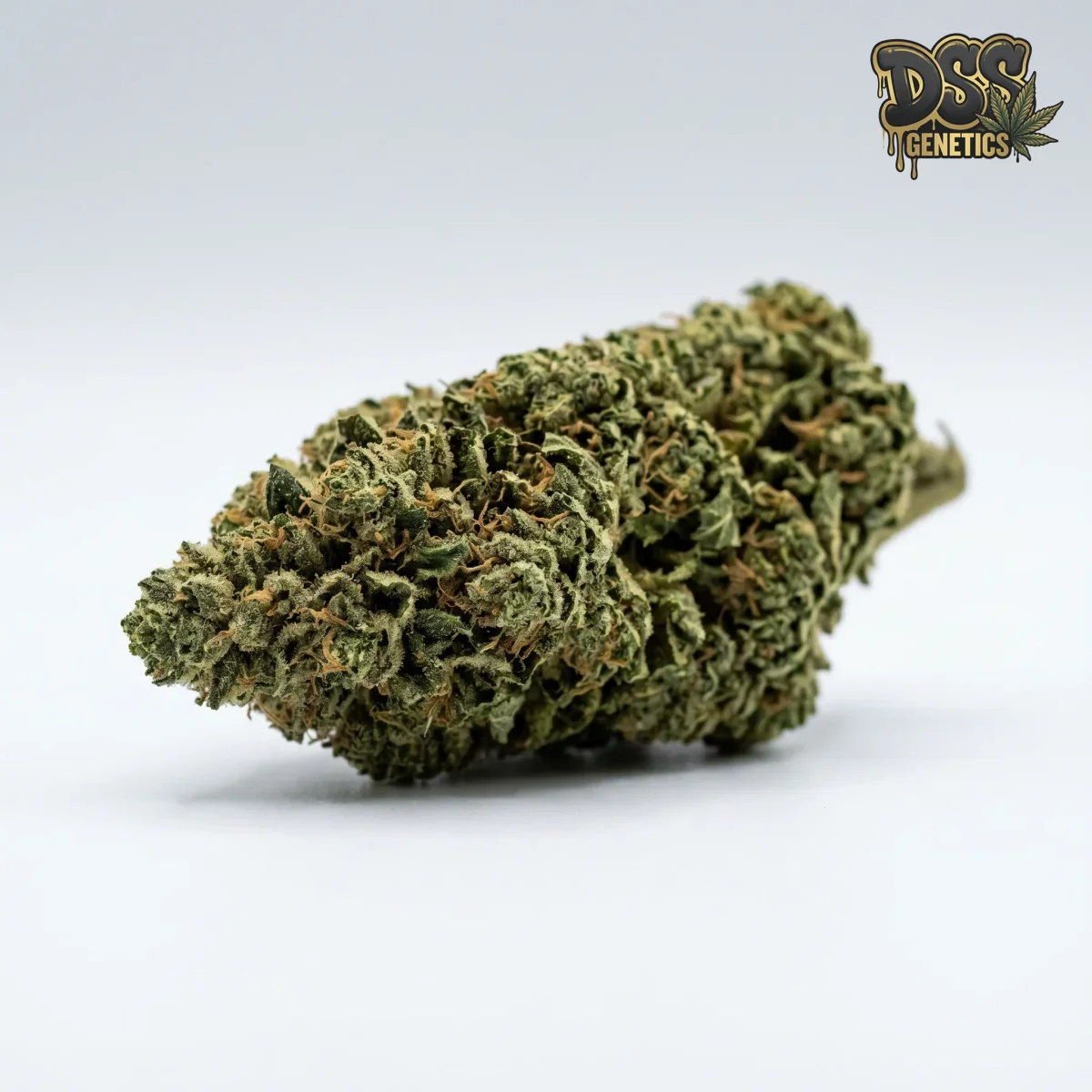
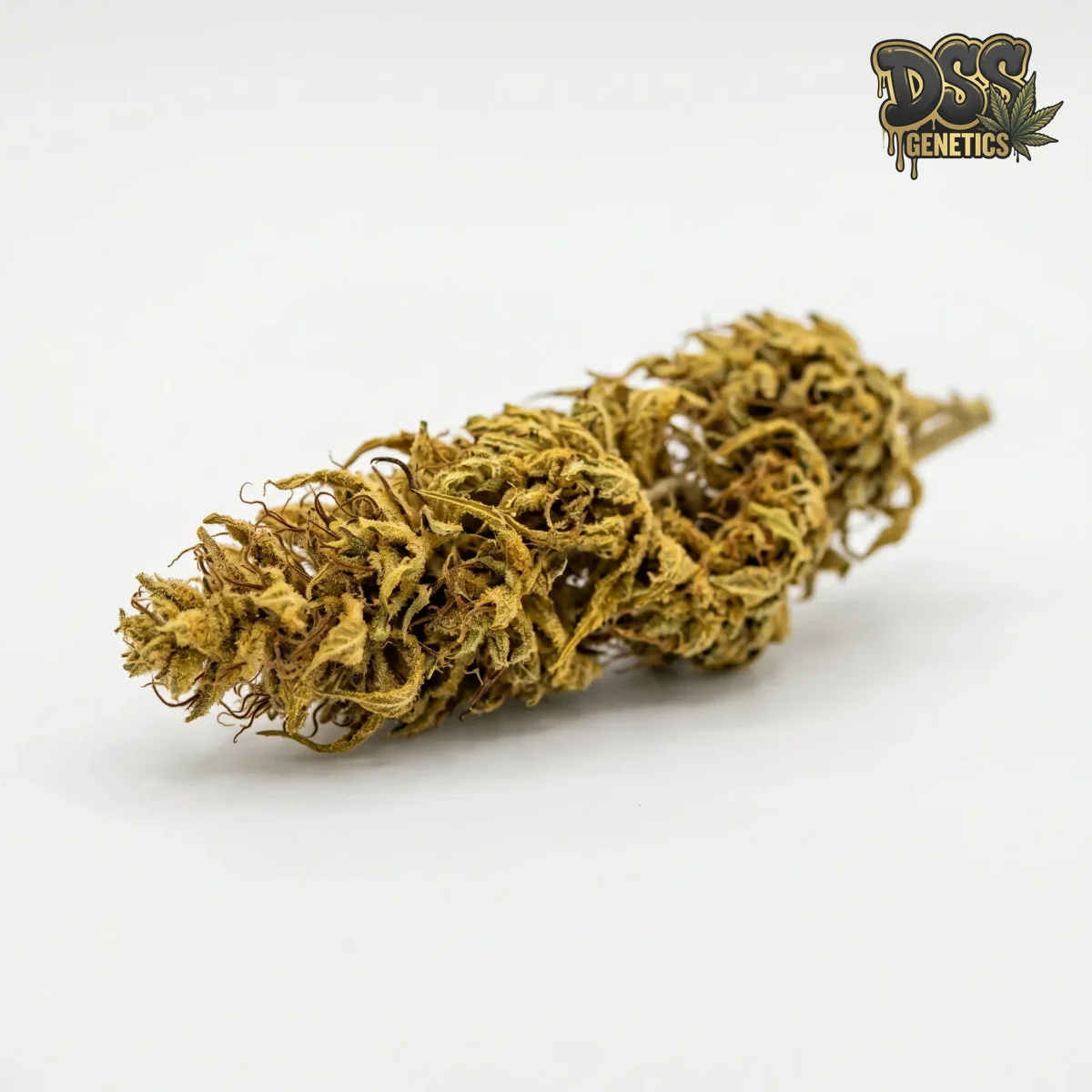
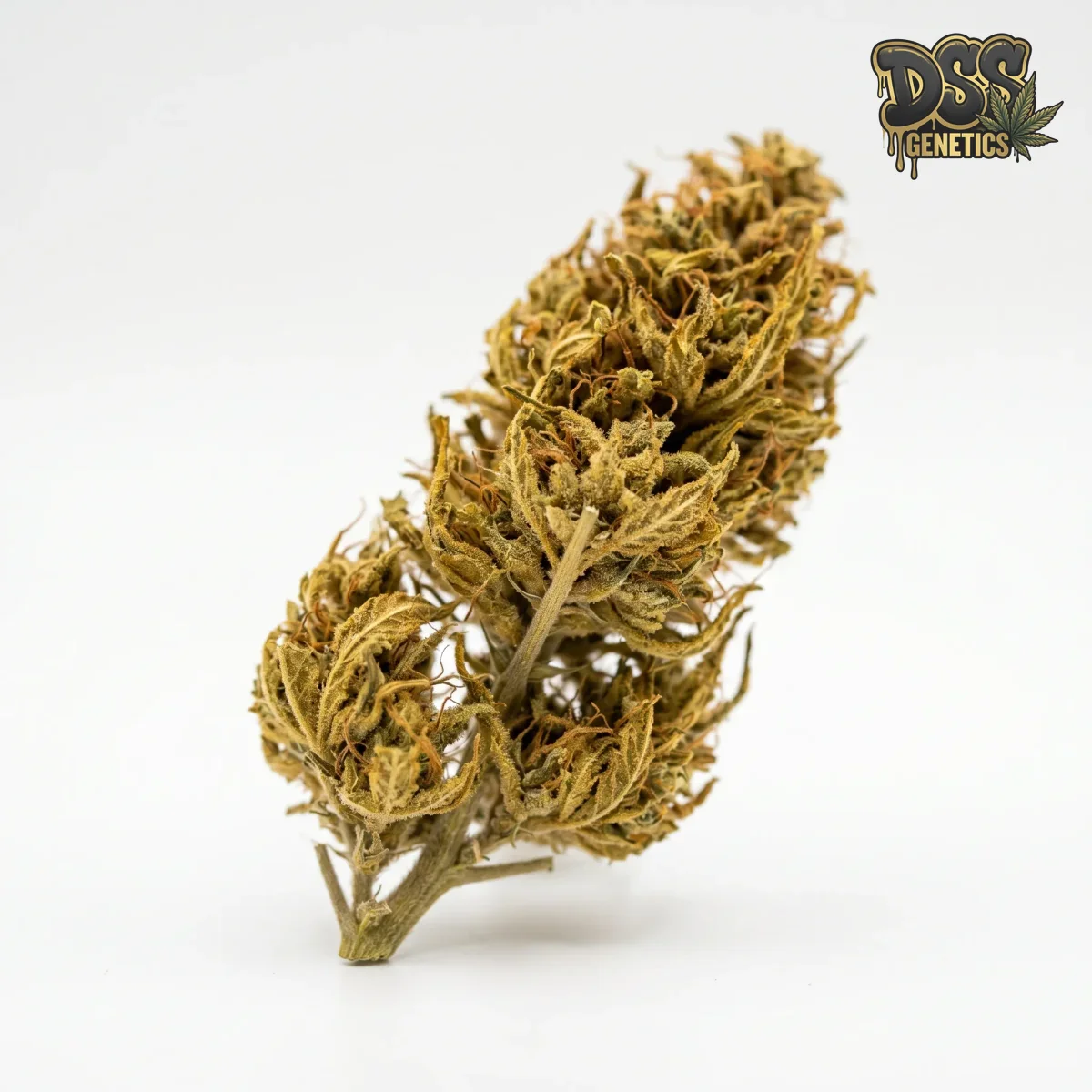
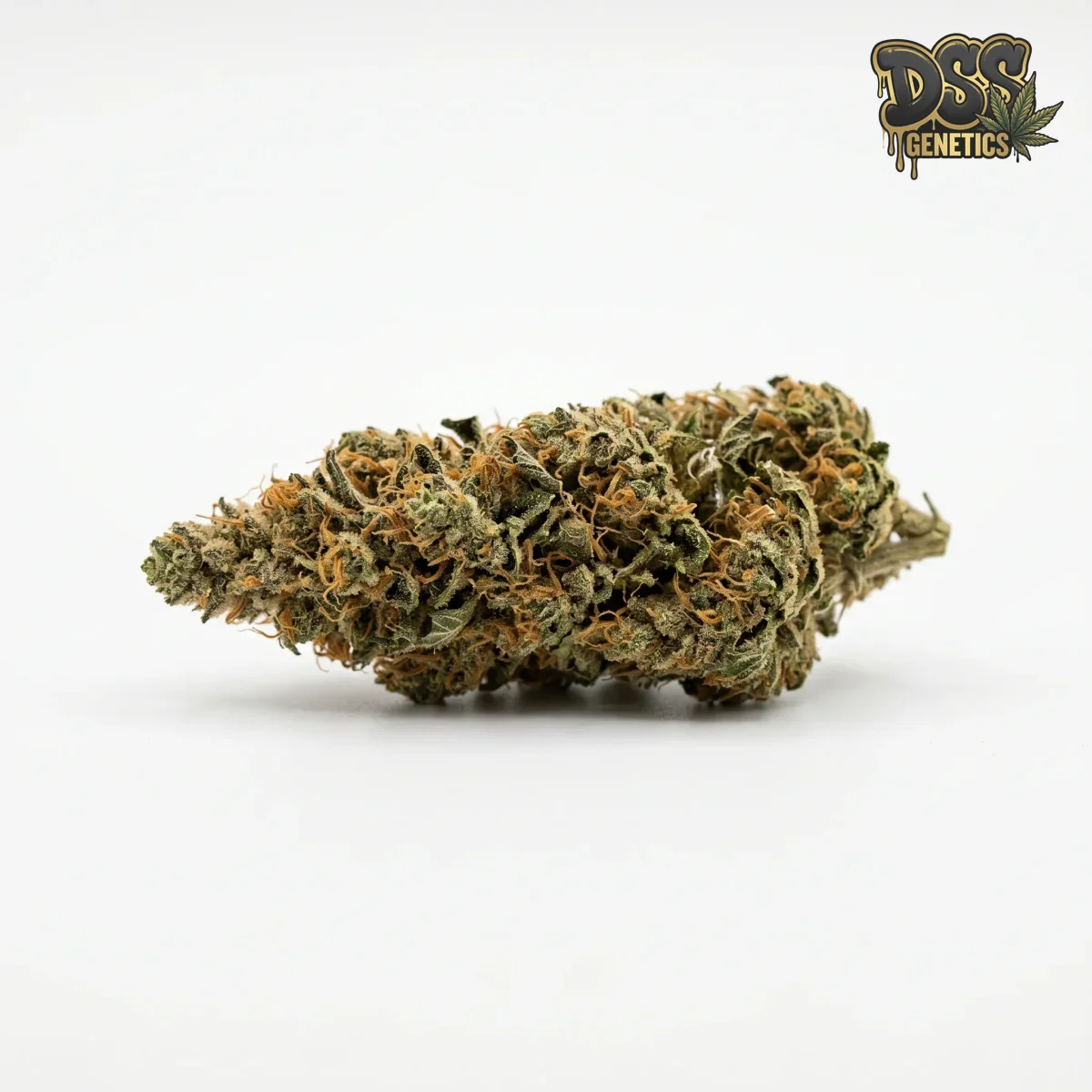
Break open a cured Durban Poison bud and the room fills with something resinous and alive — a sharp pine sweetness that quickly gives way to a deeper, more complex earthiness, like a forest floor after rain with a faint streak of fuel running underneath. It's pungent in the best way: not harsh or chemical, but present and unmistakable.
On the inhale, the pine and herbal notes dominate. The smoke is smooth for a sativa, with a naturally sweet finish that lingers on the palate. The exhale brings out the diesel and earthy depth, and the aftertaste stays pleasantly herbal — closer to fresh herbs than anything synthetic. This is a strain you can smell from across the room and still want more of.
Three terpenes define this profile, and they work together in a way that's distinctly different from indica-dominant strains.
Terpinolene is the dominant force here at 0.86% — and that's significant, because terpinolene is relatively rare as a primary terpene. It carries fresh, piney, floral, and slightly herbal aromas with an almost citrusy brightness. Research suggests terpinolene has antioxidant and mildly sedative properties at isolated doses, but in this sativa context it contributes primarily to the uplifting, bright character of the high. It's the reason Durban Poison smells like no other strain you've grown.
At 0.52%, Ocimene adds a sweet, herbaceous, almost tropical softness to the profile — think fresh basil, mango skin, and green wood. Ocimene is known for its anti-inflammatory and antifungal properties in botanical research, and it's increasingly studied for its potential mood-enhancing effects. In Durban Poison, it's the terpene responsible for that unexpected sweetness underneath the pine.
Myrcene at 0.30% grounds the entire profile with its signature earthy musk. While myrcene is typically associated with the sedating qualities of indica strains, here it plays a supporting role — adding depth and physical weight to an otherwise energetic experience. It may also facilitate faster THC uptake across the blood-brain barrier, which would explain why Durban Poison's onset feels so immediate.
Growing Durban Poison Seeds
Durban Poison is rated easy to grow, and that's an honest assessment — but 'easy' in this case means structurally forgiving and pest-resistant, not that you can ignore it. As a pure sativa landrace, it has a few growth habits that differ meaningfully from the indica-dominant hybrids most modern growers are used to, and understanding those differences will get you to the best results faster.
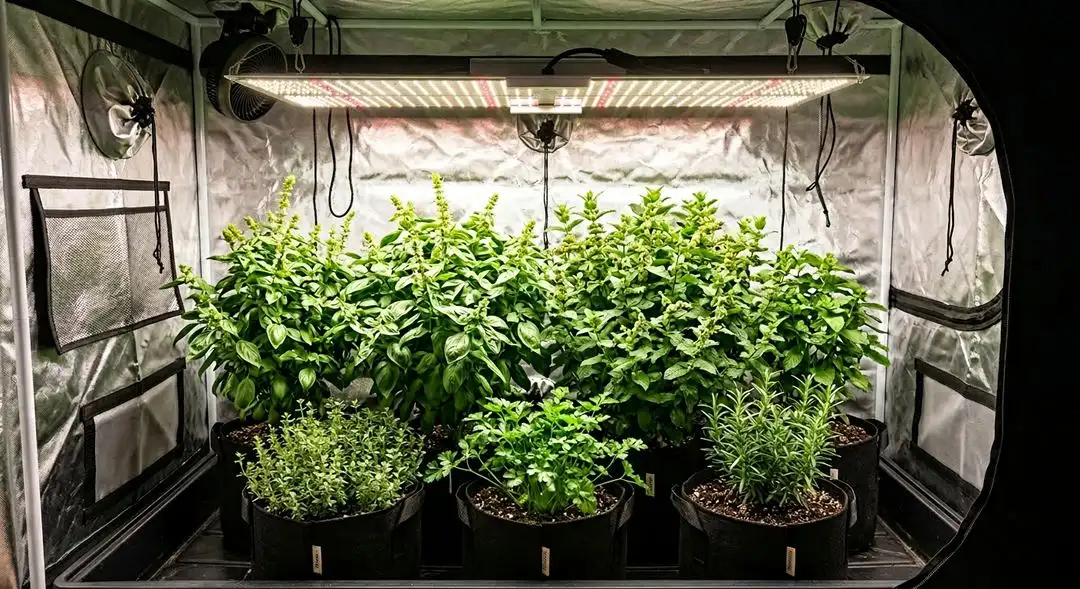
Indoors, keep daytime temperatures between 70–82°F (21–28°C) with nighttime temps no lower than 62°F (17°C). Humidity during the vegetative stage should sit at 55–65%, dropping to 40–50% as flowering progresses. Durban Poison has naturally good resistance to mold and pests — a trait baked in by centuries of outdoor African growing conditions — so it tolerates minor humidity fluctuations better than most high-resin hybrids. That said, don't push it during late flower when the resinous buds are densest.
The plant stays medium in size, which is a welcome surprise given its pure sativa genetics. It won't stretch into the rafters like some tropical landraces, but it will fill its vertical space efficiently. Outdoors, Durban Poison thrives in climates that mimic its South African origins — warm, sunny, with temperatures consistently above 65°F through the growing season. In northern latitudes, starting seedlings indoors in early spring and transplanting after last frost gives the plant the long season it wants. What we've found over dozens of grows is that outdoor Durban Poison plants given full, unobstructed sun exposure develop noticeably more resinous buds and sharper terpene expression than plants grown in partial shade.
Key growing tips for Durban Poison:
- Training: LST and topping during the vegetative stage help manage height and open the canopy — Durban Poison responds well to both without the stress sensitivity of some sativas. Avoid heavy defoliation; this strain's airy bud structure benefits from natural airflow through the canopy. See our full training techniques guide for sativa-specific approaches.
- Nutrients: Durban Poison is not a heavy feeder by sativa standards. Keep nitrogen moderate during veg and begin transitioning to higher phosphorus and potassium at week 2 of flower. Overfeeding nitrogen into flowering is the most common mistake — it delays resin development and mutes the terpene profile. Our nutrient guide covers exact transition timing for sativas.
- Indoor environment: A 600W HPS or full-spectrum LED in a 4×4 tent suits this strain well. Good airflow is more important than aggressive climate control — Durban Poison wants to breathe. See our indoor growing guide for full setup recommendations.
- Outdoor timing: In the northern hemisphere, plant outdoors after mid-May and expect harvest in early to mid-October. Durban Poison finishes faster than most pure sativas, which makes it viable in climates where other 100% sativas would never fully ripen. Our outdoor growing guide has climate-specific timing charts.
- Flowering stage management: At weeks 5–6 of flower, back off nitrogen entirely and focus on potassium-rich feeds to support trichome and resin gland development. The buds will fatten noticeably in the final two weeks — resist the urge to harvest early. Read our flowering stage guide for week-by-week benchmarks.
Yield and Flowering Time
Durban Poison finishes in 56–63 days (8–9 weeks) — remarkably fast for a 100% sativa, and one of the traits that has made it so popular with growers in shorter-season climates. Indoor yields run 1.1–1.3 oz/ft², which is respectable for a pure sativa grown without the yield-boosting influence of indica genetics. Outdoor plants are where this strain truly opens up, producing 14–16 oz/plant under full sun with a proper season.
For growers who want heavy yields without moving into hybrid territory, pairing Durban Poison with good training practices and an extended vegetative period (8–10 weeks indoors) consistently pushes yields toward the top of that range. It's not the highest-yielding strain in our catalog, but for a landrace sativa it punches well above its weight — and the quality of what it produces is exceptional. If yield is your primary goal, explore our high-yield collection alongside this one.
To maximize your harvest:
- Trichome monitoring: Harvest Durban Poison when trichomes are 70–80% milky white with 10–20% amber for peak THC and terpene expression. Harvesting too early — a common mistake with fast-finishing sativas — leaves significant potency and aroma on the table.
- Late-flower humidity: Drop relative humidity to 40–45% in the final two weeks to encourage resin production and reduce any mold risk in the denser colas.
- Nutrient flush: Flush with plain water for the final 7–10 days to clear residual salts and allow the strain's natural terpene profile to express fully at harvest.
- Drying and curing: Slow dry for 7–10 days at 60–65°F and 55–60% RH, then cure in sealed glass jars for a minimum of 3–4 weeks. Durban Poison's terpinolene-forward profile develops noticeably more complexity after a proper cure — the pine sharpens, the sweetness deepens, and the diesel note integrates cleanly.
Why Buy Durban Poison Seeds from DSS Genetics?
Every pack of Durban Poison feminized seeds ships with our full germination guarantee — if a seed doesn't sprout under proper conditions, we replace it without hassle. Orders ship in discreet, plain packaging with no cannabis-related markings, and we include free premium seeds with every order over $100.
- Germination guaranteed — every seed backed by our replacement policy, no questions asked
- Discreet shipping — plain, unmarked packaging on every order
- Free seeds on orders $100+ — hand-selected premium genetics added to your order automatically
- Proper cold-storage handling — seeds are stored and shipped at optimal temperature and humidity to protect viability from our warehouse to your door
Frequently Asked Questions
Is Durban Poison a good strain for beginners?
Yes — Durban Poison is one of the more beginner-friendly pure sativas available, rated easy difficulty with natural pest and mold resistance built in from its landrace heritage. The main adjustment for new growers is understanding that it grows differently from indica-dominant strains: slightly more stretch, airier bud structure, and a preference for good airflow over heavy feeding. Start with our germination guide and you'll be off to a strong start. For an even easier first grow, you can also browse our full easy-to-grow collection.
What makes Durban Poison different from other sativa strains?
Most 'sativa' strains sold today are sativa-dominant hybrids — 60–70% sativa at best. Durban Poison is 100% sativa with uninterrupted landrace genetics traced directly to South Africa, which means its effect profile, terpene expression, and growth structure haven't been softened or modified by indica breeding. The terpinolene dominance (0.86%) is also unusual; the vast majority of popular strains are myrcene-dominant. That terpene difference is a big part of why Durban Poison smells and feels unlike anything else in the best sativa category.
How does Durban Poison perform outdoors in northern climates?
Better than most pure sativas, specifically because it finishes in 56–63 days of flowering — fast enough to beat early autumn frosts in most northern-hemisphere temperate zones. Growers in the UK, northern US, Canada, and northern Europe regularly harvest Durban Poison outdoors in October without issue. The key is starting early (indoors if needed) and giving it a full season of sun. Our outdoor growing guide has detailed advice for making it work at higher latitudes.
What does the Durban Poison high feel like compared to indica strains?
The contrast is significant. Where indica strains tend toward body relaxation, sedation, and mental quieting, Durban Poison delivers an energetic, clear-headed euphoria that keeps you functional and socially engaged. It's a daytime strain — used by people managing depression,
Medical Disclaimer: This information is for educational purposes only and should not be considered medical advice. Always consult a healthcare professional before using cannabis for medical purposes. Individual results may vary.
Frequently Asked Questions
Durban Poison — Common Questions Answered
What is Durban Poison?
Durban Poison is a sativa-dominant cannabis strain (100% Sativa / 0% Indica) bred from African Landrace Sativa. It produces THC levels of 16–20% and CBD levels of 0.1–1%. Known for its relaxing, happy, euphoric effects and pine, sweet, earthy flavor profile.
Is Durban Poison easy to grow?
Yes, Durban Poison is an excellent choice for beginners. It has a forgiving growth pattern and doesn't require advanced techniques to produce good yields. Growing difficulty: Easy. It thrives in temperate climates and reaches a medium plant size.
How long does Durban Poison take to flower?
Durban Poison has a flowering time of 56–63 days. Switch to a 12/12 light cycle to initiate flowering. Expected yields are 1.1 to 1.3 oz/ft² indoors and 14 to 16 oz/plant outdoors.
What are the effects of Durban Poison?
Durban Poison delivers relaxing, happy, euphoric, uplifting, creative, energetic effects. Many growers report it helps with stress, anxiety, depression, pain, inflammation, migraines. With THC levels of 16–20%, it provides a moderate to strong experience suitable for most users.
What does Durban Poison smell and taste like?
Durban Poison's dominant terpenes are Myrcene (0.30%), Terpinolene (0.86%), Ocimene (0.52%), which give it a pine, sweet, earthy, diesel, pungent, herbal flavor and aroma profile.
Can I grow Durban Poison indoors and outdoors?
Yes, Durban Poison performs well both indoors and outdoors. Indoor yields average 1.1 to 1.3 oz/ft², while outdoor grows can produce 14 to 16 oz/plant. It prefers temperate conditions. Its medium height is manageable in most indoor setups.
What does "feminized" mean for Durban Poison seeds?
Feminized Durban Poison seeds are bred to produce only female plants, which are the ones that develop smokable buds. This eliminates the need to identify and remove male plants, saving time and maximizing your grow space. Over 99% of feminized seeds will produce female plants.
Grower Reviews
Real grow experiences from our community
Get 10% Off Your First Order
Join our newsletter for exclusive deals, growing tips, and new strain drops.