Early Bud Feminized Seeds
By Ivan K., DSS Genetics · Updated April 2026

Early Bud Feminized Seeds
SKU: DSS-EABU-FEM-5PK
Pack Size
Quantity
Disclaimer: For informational purposes only — not medical advice. Consult a healthcare professional before use.
About This Strain
Early Bud Feminized Seeds — Complete Strain Profile
Early Bud Feminized Seeds – Strain Overview
Early Bud is a 65% indica / 35% sativa hybrid born from two of cannabis history's most iconic landrace lines — Afghan and Mexican. Afghan genetics trace back to the Hindu Kush mountain range, prized for centuries for dense resin production and fast maturation. The Mexican sativa influence injects a cerebral brightness and creative energy that stops this strain well short of a typical couch-lock indica. The result is a remarkably balanced cultivar that punches well above its modest 14–18% THC range.
What makes Early Bud genuinely stand out is its flowering window: 42–49 days from flip to harvest. That's faster than nearly every non-autoflowering feminized strain you'll find, and it does it without sacrificing terpene complexity or bag appeal. If you're looking for a reliable, fast-finishing plant that beginners can actually pull off, this belongs in your fast-flowering collection.
Effects and Medical Benefits
Early Bud opens with a gentle cerebral lift — the kind that clears mental fog without sending you into orbit. Within the first 20–30 minutes, the Mexican sativa side of the genetics nudges you toward a quiet creativity and social ease. It never feels overwhelming, which is exactly the point with a 14–18% THC ceiling that keeps the experience approachable.
As the session progresses, the Afghan indica body effect gradually settles in, wrapping tension out of the shoulders and lower back without pulling you fully sedated. This is a daytime-to-early-evening strain — functional, warm, and easy to manage.
Users commonly report these effects:
- Relaxation without sedation — the Afghan foundation delivers physical calm that stays mobile and manageable
- Happy and euphoric uplift — a genuine mood elevation that feels earned, not chemically blunt
- Creative and uplifting energy — the sativa influence keeps thoughts flowing and conversation easy
- Mild energetic quality — enough to stay productive through afternoon tasks or light social settings
On the medical side, Early Bud is frequently chosen for:
- Stress — the balanced effect profile helps break the cycle of mental tension without heavy sedation
- Anxiety — the modest THC ceiling and indica grounding make this far less likely to spike anxious responses than high-THC strains
- Inflammation — caryophyllene and myrcene both contribute direct anti-inflammatory activity at the receptor level
- Depression — the euphoric, uplifting arc gives a reliable mood floor for low-energy days
The 0.1–0.8% CBD range is modest, but it's not insignificant when paired with this terpene profile. Myrcene and caryophyllene both modulate the endocannabinoid system in ways that amplify the therapeutic value of even small CBD concentrations — a textbook example of the entourage effect working quietly in the background.
Aroma, Flavor and Terpene Profile
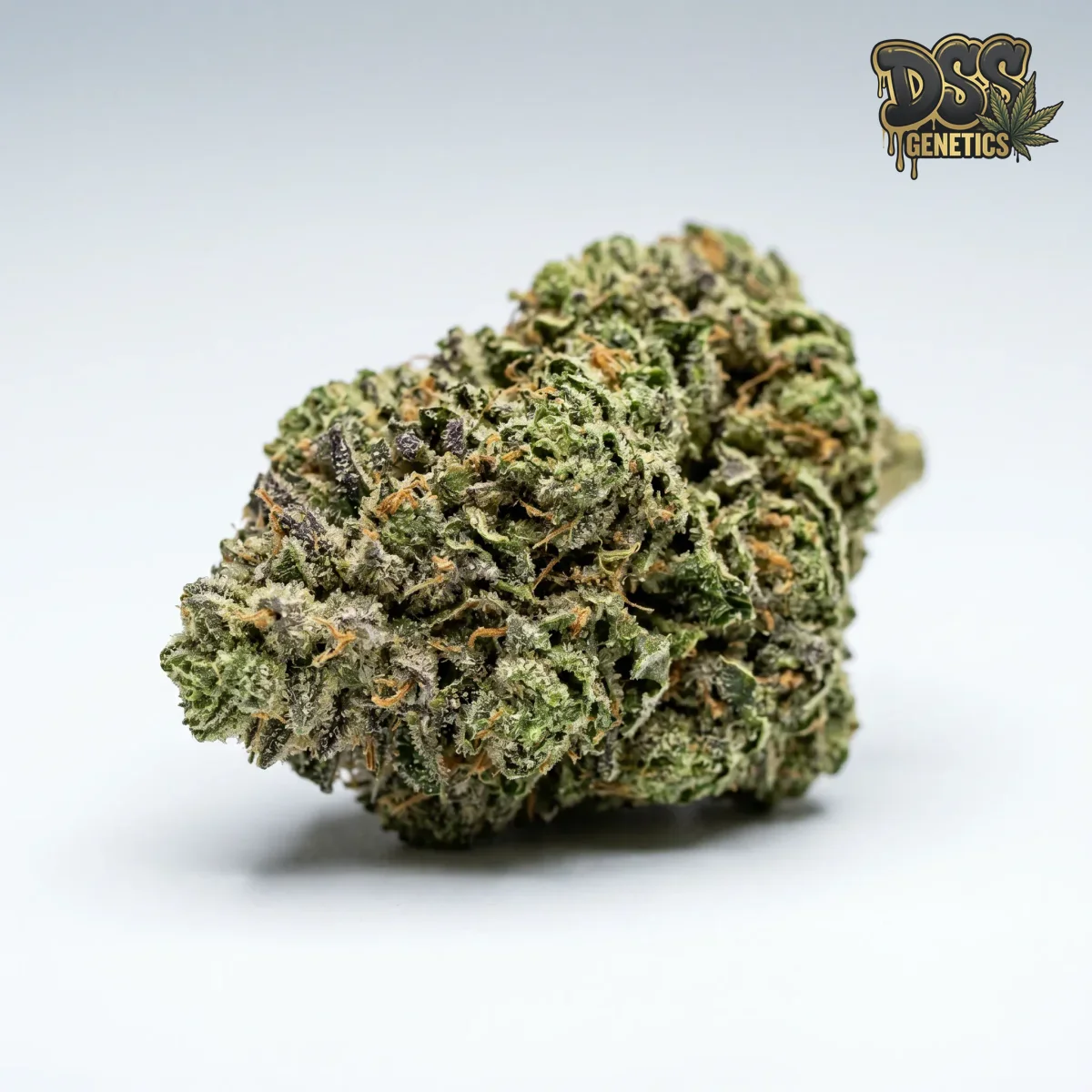
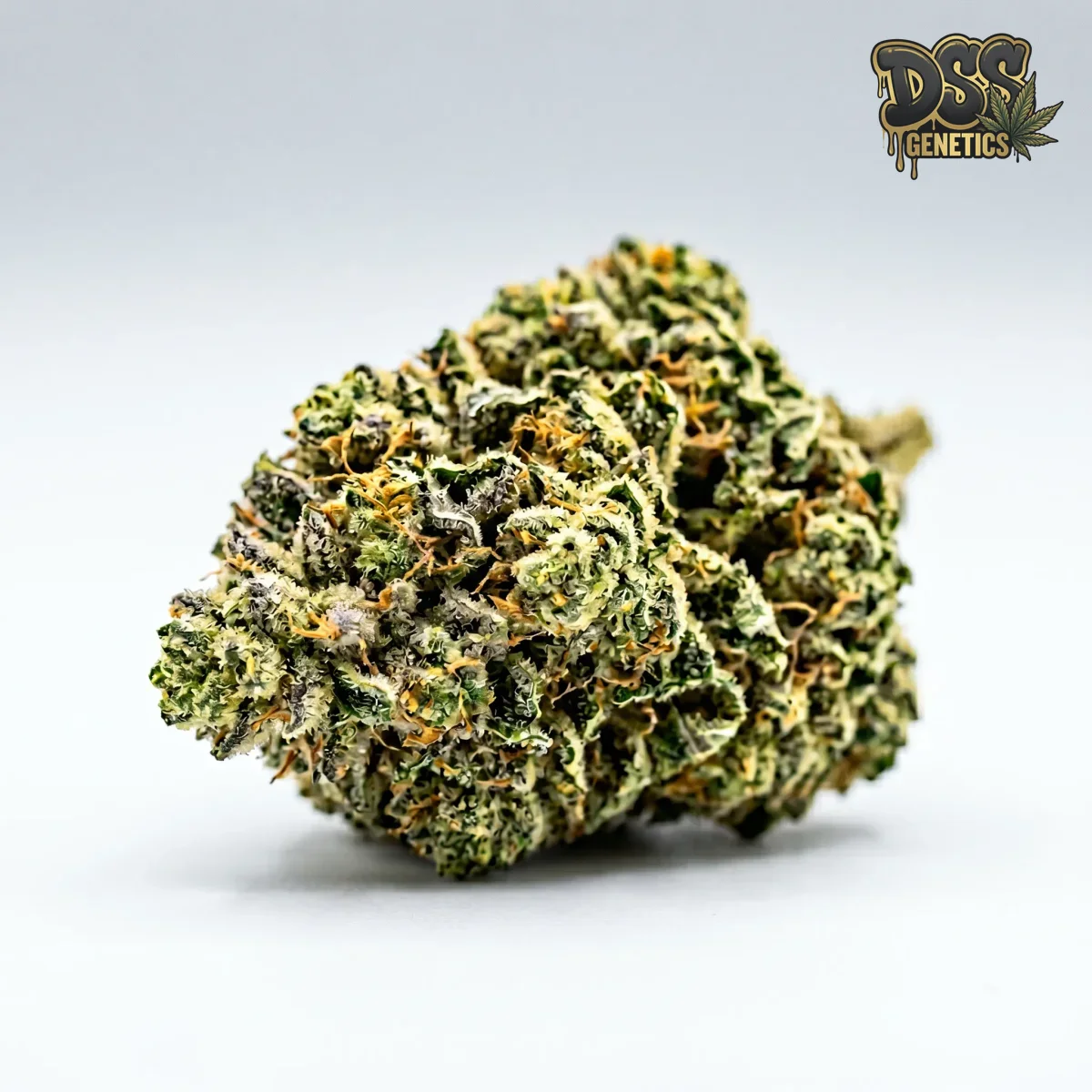
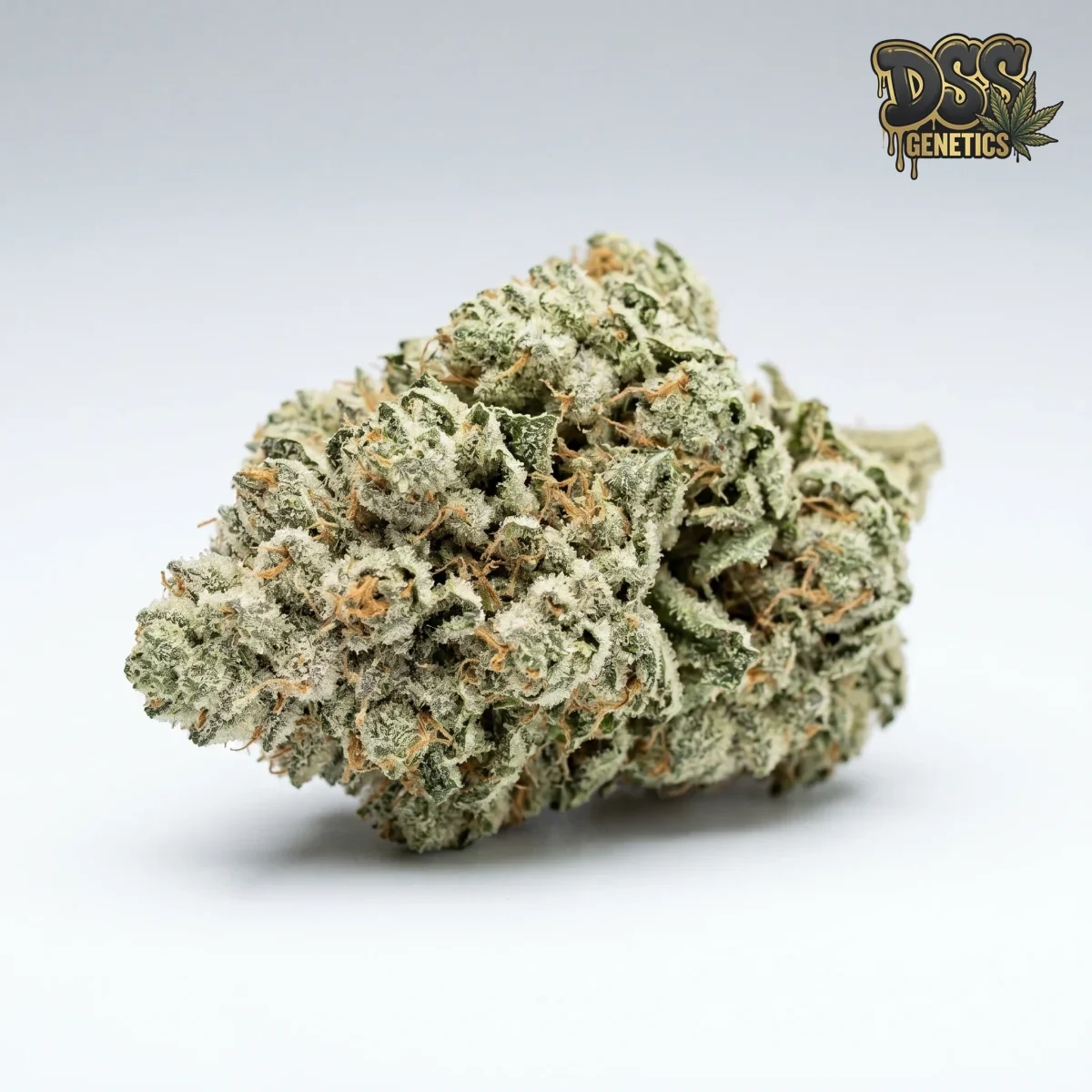
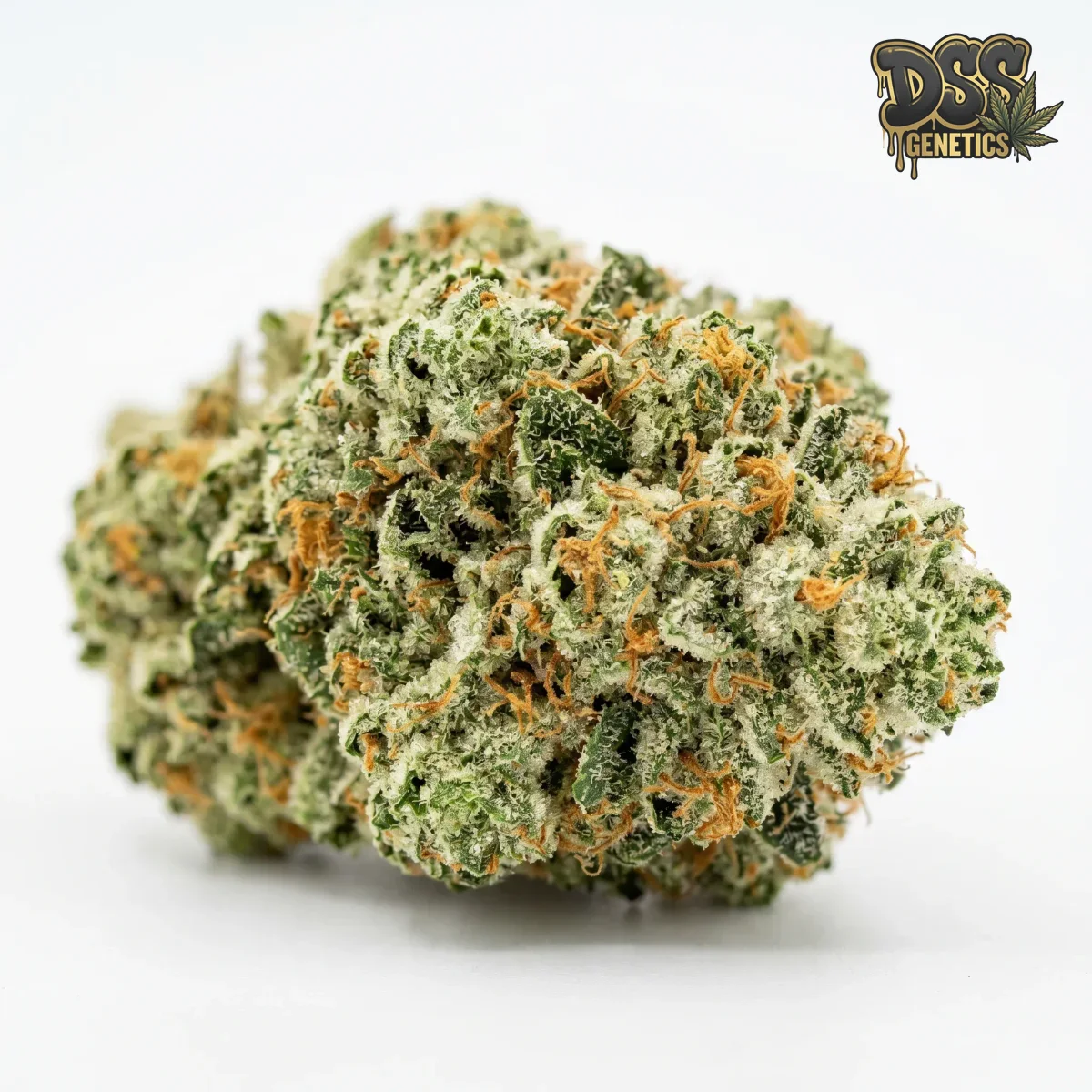
Crack a jar of properly cured Early Bud and the first thing that hits you is fresh forest floor — deep green pine resin, damp earth, and something faintly citrus underneath, like lemon zest scraped against wood. Then the skunk note rises, subtle but unmistakable, followed by a warm spice that coats the back of the throat. It's a classic Afghan-meets-landrace sativa profile that feels honest and unprocessed.
On the inhale, pine and earthy wood dominate. The exhale is where the complexity shows — lemon and citrus sharpen briefly, then soften into a lingering spicy warmth that holds for several minutes. It's not a floral or candy profile. This is old-school cannabis aroma that cannabis veterans recognize immediately.
Myrcene leads the terpene profile at 0.48%, and its presence explains a lot about why Early Bud's body effect feels as smooth as it does. Myrcene is the most abundant terpene in cannabis globally, and at concentrations above 0.5% it's associated with measurable sedative activity — at 0.48% in Early Bud, it sits just below that threshold, delivering physical ease without full sedation. It's the terpene most responsible for the earthy, slightly musky base note that defines the jar aroma.
Caryophyllene registers at 0.38% and behaves unlike any other terpene in this profile. It's the only terpene that directly binds to CB2 receptors in the endocannabinoid system, effectively functioning as a dietary cannabinoid. That receptor activity is why caryophyllene contributes meaningfully to the anti-inflammatory medical use case here — it's not just aroma, it's pharmacology. On the palate, it's responsible for the spicy, peppery warmth that lingers on the exhale.
Limonene adds the citrus brightness that cuts through the earthiness — the lemon note that surfaces mid-exhale and keeps the profile from feeling too heavy or dank. Limonene is associated with mood elevation and stress reduction, which aligns directly with the happy, uplifting qualities Early Bud users consistently report. It also carries known anxiolytic properties, reinforcing the strain's suitability for anxiety relief.
Terpineol rounds out the secondary profile with a subtle floral and pine character that smooths transitions between the dominant terpenes. It contributes to the calm, relaxed quality of the experience and adds a slight sweetness to the otherwise earthy and spicy base.
Growing Early Bud Seeds
Early Bud earns its easy difficulty rating honestly. The Afghan genetics bring natural pest and mold resistance, compact internodal spacing, and a forgiving structure that tolerates beginner mistakes better than most strains. The sativa influence keeps the canopy open enough for airflow, which matters more than new growers typically realize.
What we've found over dozens of grows with fast Afghan-dominant cultivars: the biggest beginner mistake is overwatering during the short vegetative window. Because this strain moves to flower so quickly, root development needs to stay ahead of canopy growth. Water less frequently and let the medium dry out properly between waterings — it will reward you for it.
Temperature-wise, Early Bud performs best between 68–78°F (20–26°C) during lights-on. Drop nights to 62–65°F (17–18°C) during the final two weeks of flower — that temperature differential triggers anthocyanin expression in some phenos and tightens resin production significantly. Humidity should sit at 50–60% RH through veg and early flower, then drop to 40–45% RH as buds swell in weeks 5–7 to prevent any botrytis risk on the denser colas.
Outdoors, Early Bud's short flowering window is its biggest advantage. In northern latitudes where October frosts are a real threat, a 42–49 day finish means you can push your outdoor start later into the season and still harvest well before the weather turns. In warmer climates, you can run two outdoor cycles in a single season.
Key growing tips for Early Bud:
- Training: Low-stress training early in veg pays dividends — the compact structure responds well to LST and light topping to open the canopy and push multiple colas
- Indoor environment: Keep temps at 68–78°F and manage humidity at 40–50% RH in late flower to protect dense Afghan-style buds
- Nutrients: Light feeder compared to high-THC strains — follow a standard NPK schedule but pull back on nitrogen two weeks before flip to avoid nutrient burn in the fast flower cycle
- Outdoor timing: The fast finish makes Early Bud ideal for northern outdoor gardens — harvest typically completes by mid-September in most temperate regions
- Vegetative stage: Keep the veg period short — 3–4 weeks indoors is plenty before flipping, or let outdoor plants veg naturally until late July for size
Yield and Flowering Time
Early Bud flowers in 42–49 days — 6 to 7 weeks — which puts it firmly among the fastest-finishing photoperiod feminized strains available. Indoor yields land between 1.4 and 1.7 oz/ft², which is a solid return for a strain that completes an entire cycle while slower cultivars are still building bud structure. Outdoor plants can reach 14–18 oz per plant under full sun with adequate growing season.
For growers who run perpetual harvests indoors, the short cycle means more runs per year per tent. A grower who might complete 5 cycles annually with a 63-day strain can complete 7–8 cycles with Early Bud — that compounds yield significantly over a calendar year. It's worth exploring alongside other plants in our easy-to-grow collection if you're building a low-maintenance perpetual setup.
To maximize your harvest:
- Trichome timing: Target 70–75% milky trichomes with 15–20% amber for the balanced relaxing-yet-uplifting effect profile this strain is known for — going full amber will push it heavily sedative
- Late flower humidity: Drop to 40–45% RH in weeks 5–7 to protect the dense Afghan bud structure from botrytis as resin production peaks
- Flush timing: Begin your nutrient taper at day 35–38 and run plain water for the final 7–10 days to let the plant metabolize stored nutrients cleanly
- Drying and curing: Slow dry for 7–10 days at 60–65°F and 55–60% RH — the pine and lemon terpenes in this profile are volatile and will off-gas quickly in a warm, fast dry
Why Buy Early Bud Seeds from DSS Genetics?
Every Early Bud seed comes backed by our germination guarantee — if your seed doesn't sprout under proper conditions, we replace it, no questions asked. Orders ship in discreet, unmarked packaging, and every seed is stored under controlled humidity and temperature conditions from the moment it's harvested until it reaches your door.
- Germination guaranteed — every seed is backed by our replacement policy
- Discreet shipping — plain, unmarked packaging on every order
- Spend $100+ — receive free premium seeds added to your order
- Optimal seed storage — controlled conditions throughout our supply chain protect viability from warehouse to your grow room
Frequently Asked Questions
Is Early Bud a good strain for first-time growers?
Yes — Early Bud is one of the most genuinely beginner-friendly strains in our catalog. The Afghan genetics provide natural resilience against pests, mold, and environmental swings, and the compact structure doesn't require advanced training to produce a solid harvest. Pair it with our germination guide and the plants will do most of the work for you. If you want other options at the same difficulty level, browse the full easy-to-grow collection.
How fast does Early Bud actually flower?
Early Bud finishes in 42–49 days from the start of the 12/12 light cycle — that's 6 to 7 weeks, making it one of the fastest photoperiod feminized strains available anywhere. For context on how to manage that short window, our flowering stage guide covers the nutrient and environmental adjustments that matter most during a compressed cycle.
What do Early Bud buds smell and taste like?
The aroma is pine-forward and earthy, with a sharp citrus-lemon note underneath and a warm skunk-and-spice edge that develops as buds cure. The flavor follows closely — pine and earth on the inhale, lemon and spice on the exhale. The terpene profile driving this is Myrcene (0.48%), Caryophyllene (0.38%), Limonene, and Terpineol. Proper slow curing is critical to preserving the lemon and pine top notes — see our drying and curing guide for the full process.
How does Early Bud compare to autoflowering fast strains?
Early Bud is a photoperiod feminized strain, not an autoflower — which means you control the flowering trigger, giving you full flexibility over vegetative size and timing. Autoflowers flower on a set internal clock regardless of light schedule. Early Bud's 42–49 day photoperiod finish is competitive with many autoflowering strains on raw speed, but with larger outdoor yields (14–18 oz/plant) and the control that photoperiod growing offers. If you're managing stress or anxiety and want a fast, easy harvest cycle, Early Bud is the photoperiod answer.
Medical Disclaimer: This information is for educational purposes only and should not be considered medical advice. Always consult a healthcare professional before using cannabis for medical purposes. Individual results may vary.
Frequently Asked Questions
Early Bud — Common Questions Answered
What is Early Bud?
Early Bud is a balanced hybrid cannabis strain (65% Indica / 35% Sativa) bred from Afghan x Mexican. It produces THC levels of 14–18% and CBD levels of 0.1–0.8%. Known for its relaxing, happy, euphoric effects and pine, earthy, citrus flavor profile.
Is Early Bud easy to grow?
Yes, Early Bud is an excellent choice for beginners. It has a forgiving growth pattern and doesn't require advanced techniques to produce good yields. Growing difficulty: Easy. It thrives in temperate climates and reaches a medium plant size.
How long does Early Bud take to flower?
Early Bud has a flowering time of 42–49 days. Switch to a 12/12 light cycle to initiate flowering. Expected yields are 1.4 to 1.7 oz/ft² indoors and 14 to 18 oz/plant outdoors.
What are the effects of Early Bud?
Early Bud delivers relaxing, happy, euphoric, uplifting, creative, energetic effects. Many growers report it helps with stress, anxiety, inflammation. With THC levels of 14–18%, it offers a mild, manageable experience suitable for all tolerance levels.
What does Early Bud smell and taste like?
Early Bud's dominant terpenes are Myrcene (0.48%), Caryophyllene (0.38%), Limonene, Terpineol, which give it a pine, earthy, citrus, lemon, skunky, spicy flavor and aroma profile. Limonene adds citrusy brightness and may elevate mood.
Can I grow Early Bud indoors and outdoors?
Yes, Early Bud performs well both indoors and outdoors. Indoor yields average 1.4 to 1.7 oz/ft², while outdoor grows can produce 14 to 18 oz/plant. It prefers temperate conditions. Its medium height is manageable in most indoor setups.
What does "feminized" mean for Early Bud seeds?
Feminized Early Bud seeds are bred to produce only female plants, which are the ones that develop smokable buds. This eliminates the need to identify and remove male plants, saving time and maximizing your grow space. Over 99% of feminized seeds will produce female plants.
Grower Reviews
Real grow experiences from our community
Get 10% Off Your First Order
Join our newsletter for exclusive deals, growing tips, and new strain drops.